


What Are The Best Family Vacation Spots In The World? Here Are Our Favorites

Jan 21, 2026

Last Updated on: May 30, 2026

Destinations

It’s a lot of fun when we let our kids decide the destination and details about the best family holiday destinations.

Now, at 13 and 10, my daughter and son have already travelled more than their peers. You can blame it on their parents, us, who are the ultimate bohemians.

Nevertheless, this time, we told them to list the best family holiday destinations, irrespective of the experience they want.

They could choose a backpacking trip, beach holidays, adventures, or even anything purely relaxing.

Last time, we played a similar game when they picked the best family road trip destinations for us! 

So, let’s check out what they have chosen as the best holiday destinations for families. 

What Are The Best Family Vacations Spots? (With Kids And Seniors)

I was impressed with how my kids kept the list of the best family vacation spots eclectic.

They may have done a lot of research, as the same list has Portugal and Italy, both places standing on the opposite spectrum as travel destinations.

Here are the places they have picked.

1. Portugal

Portugal

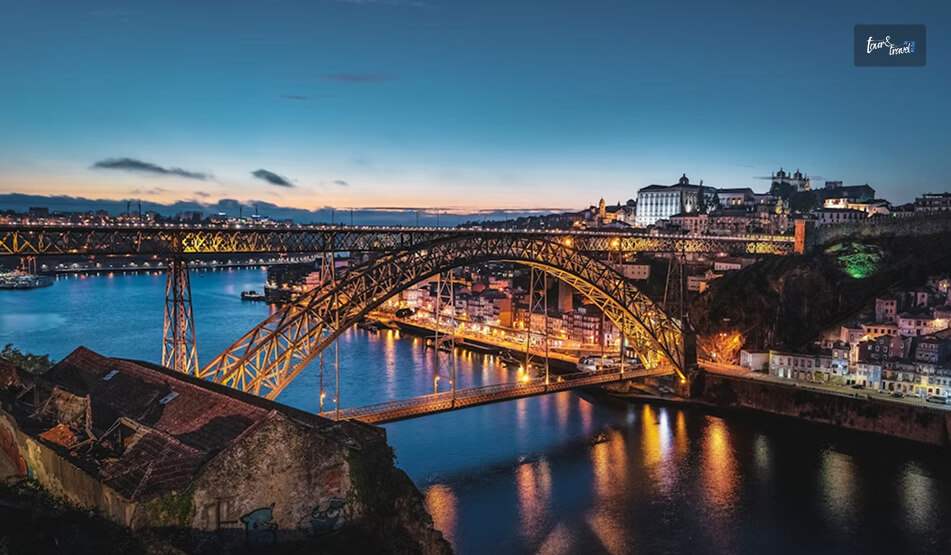
From the beautiful beaches in Portugal to the intoxicating land of Madeira, Portugal, and enjoying a vintage tram ride in Porto, this country is a winning destination for family vacations.

And my daughter was particular that she wanted to stay at the Martinhal Sagres in the Algarve region. She wanted to see the fishing port and the beaches.

In fact, the Lisbon to Algarve road trip and staying at Martinhal Sagres would be a great combination.

For me, the coastal route works better as the route will pass through beautiful beaches, cliffs, and small fishing villages.

There is even an inland route, passing through plains, mountains, and different towns.

Moreover, though a little far away (more than 3 hours from the Algarve), I would love to add the Dino Park Lourinhã to the itinerary.

It is the largest open-air museum in the country, and the models of dinosaurs and other creatures here are scientifically proven.

2. Jordan 

Jordan

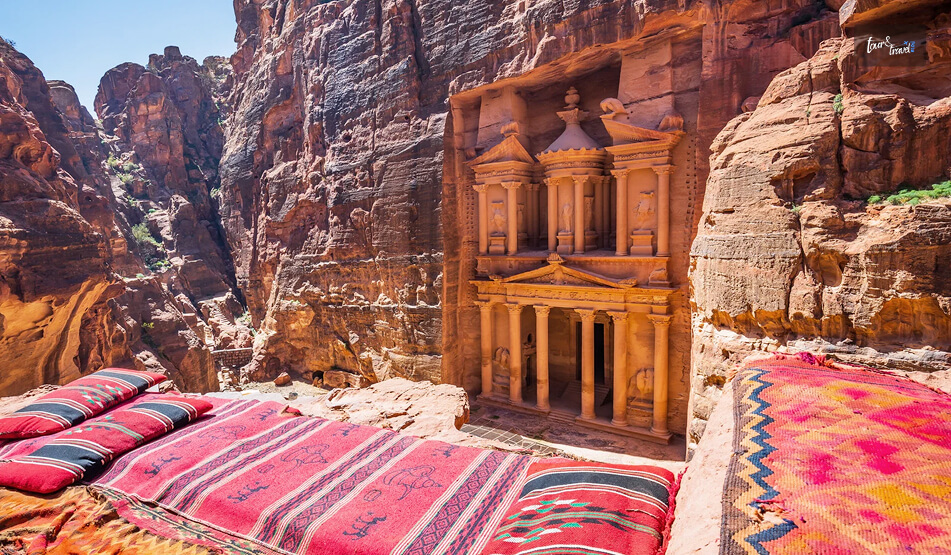
With Petra as the epicenter, Jordan offers diverse family-friendly attractions, including the red-sand deserts and the Dead Sea. Jordan also has beautiful beaches.

Furthermore, this Arabian country in the Middle East offers unique cultural experiences. Also, the food here is tantalizing.

However, this time, if we visit Jordan, we would love to stay in glamping pods. These offer wonderful experiences to stay in nature and have the best stargazing experience.

I know it would not be as great as stargazing at the Great Barrier Island that I had on my solo trip.

Still, it will be a great start for the kids.

The kids would also love Wadi Rum for the camel rides and Bedouin camps.

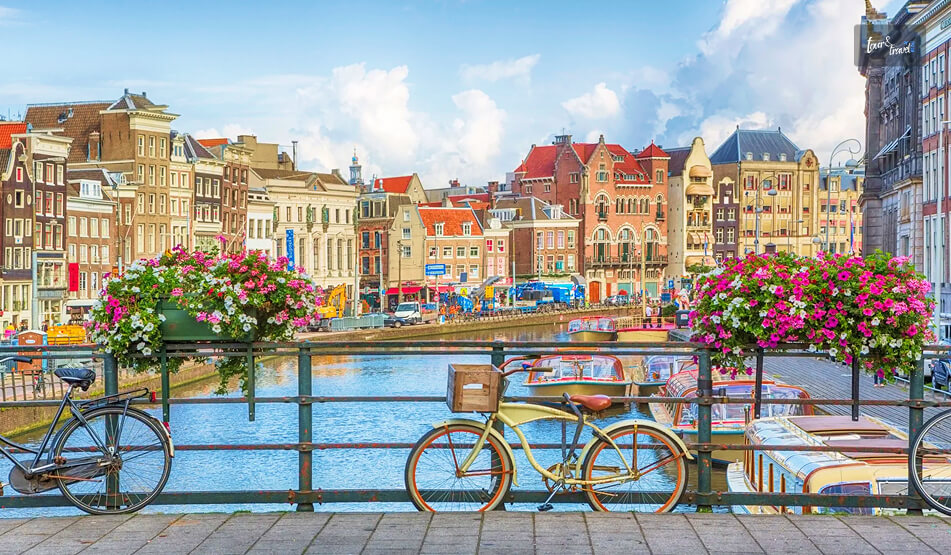
3. Amsterdam 

Amsterdam

The clog bikes are so cool, mumma!” Yes, exploring a city like Amsterdam on a clog bike is so much fun. This is the best way to cover the windmills.

Furthermore, the canal tours with audio guides are entertaining and educational for the curious kids.

Also, if you want a more classical experience, the museums and tulip fields will never disappoint you.

The NEMO Science Museum, the Van Gogh Museum, and Madame Tussauds Amsterdam are some interesting places to visit for kids. Also, it has the Anne Frank House.

Moreover, Amsterdam is one of the most pet-friendly destinations in the world. So, we can even take Bruno with us.

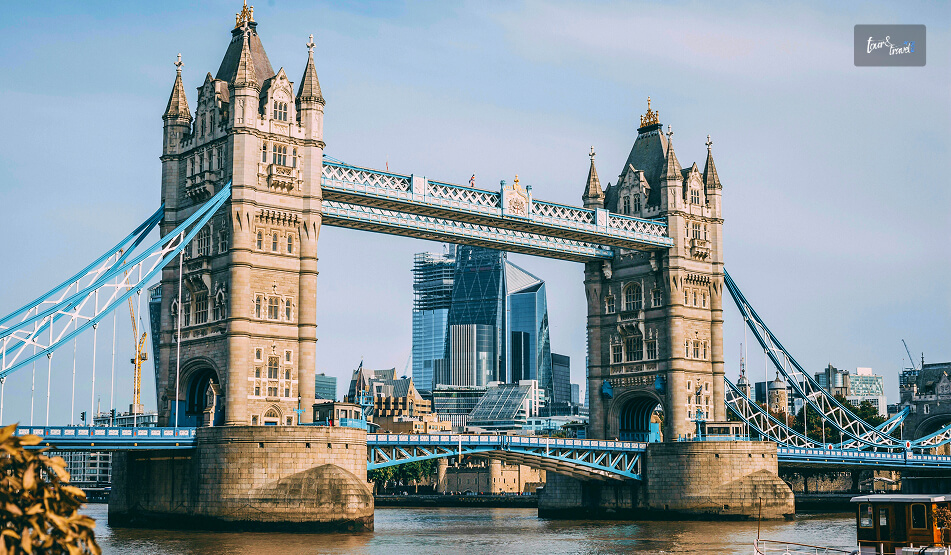
4. London 

London

London is a classic! It offers endless opportunities as one of the best family holiday locations for kids and seniors.

If you just consider the museums in the city, it will be a busy trip for the kids.

Also, London has Buckingham Palace, one of the most iconic European landmarks.

Furthermore, the Thames River Cruise, the London Eye experience, and visiting the Tower of London will be great experiences for your kids in London.

Moreover, we are all Potterheads. So, when in London, visit Platform 9 ¾ and various filming locations of the Harry Potter movies.

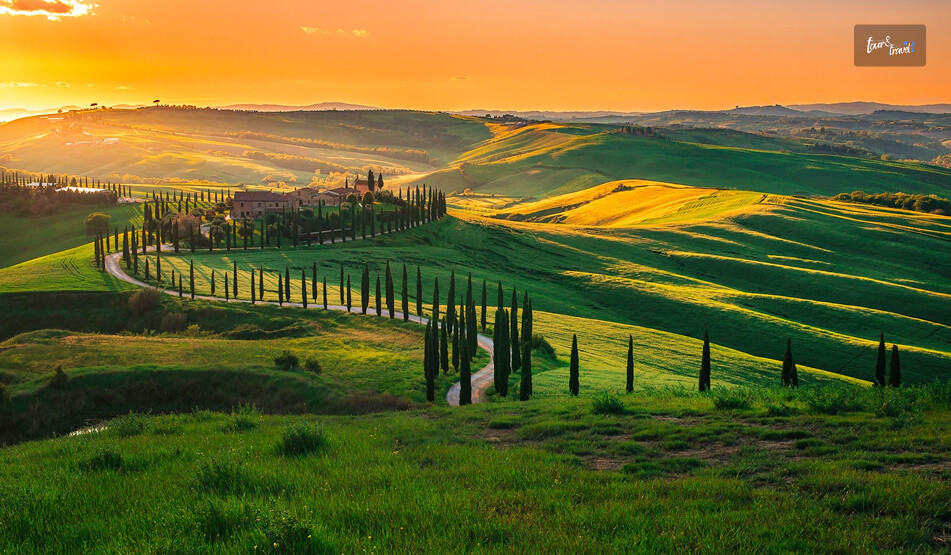
5. Tuscany, Italy 

Tuscany, Italy

Tuscany is a unique choice when it comes to good family holiday destinations.

My daughter is growing up really fast, I must say. I did not expect her to be so mature with her choices.

My daughter also had her suggestions regarding the accommodation.

She wanted to stay at the Paradu Eco Resort, Tuscany, which is close to the Leaning Tower of Pisa.

Also, she wants us to explore Tuscany, its beautiful countryside, and the beaches on cycles. For us (the adults), hitting the vineyards on the way will be a lot of fun.

I am surely going to grab some wines home and make the evenings more happening.

Furthermore, I am going to take them to the Leonardo Museum in Florence and Pinocchio Park in Collodi for sure.

Want to learn how to have the best Tuscany experience? Read our guide on unique things to do in Tuscany.

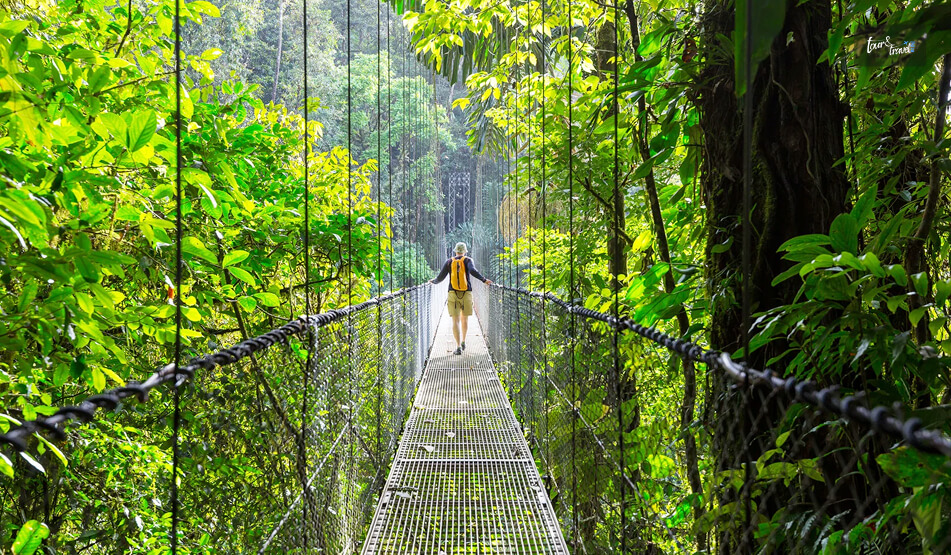
6. Costa Rica 

Costa Rica

Costa Rica is perfect for a relaxed beach vacation. It is a year-round destination with white sand beaches and long stretches of palm trees.

Furthermore, the waves here are just perfect for surfing and swimming. I think Santa Theresa will be the ideal place for the kind of vacation experience we want as a family.

It is still pristine and does not have a large commercial presence or establishments.

Also, Costa Rica has independent and boutique hotels and services, offering you tailored experiences.

On the other hand, the healthy cafes here are serving food that nourishes, and they are even conscious about eco-sustainability.

Moreover, you will find many zipline areas and beautiful waterfalls near the beaches. Thus, enjoy a vacation filled with adventures, fun, and relaxation.

I know covering all 30 national parks will not be possible. I am at least going to take them to the Arenal Volcano so that they can explore the trails and spot the famous monkeys and sloth bears here.

Manuel Antonio will be another great choice for visiting the Damas Island Mangrove Estuary, enjoying the beach vibe, and walking through the national park.

7. Peru 

Peru

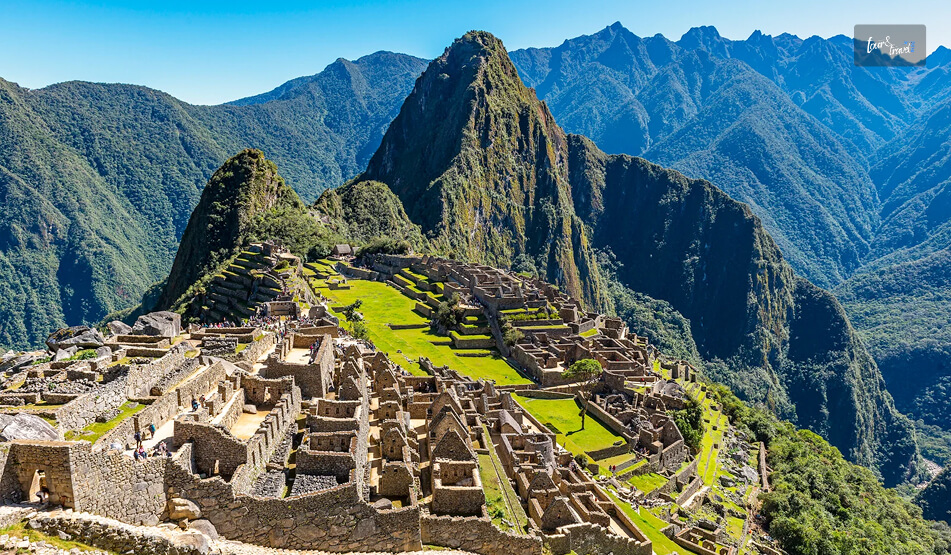
Machu Picchu is reason enough to choose Peru as one of the best family vacation spots in the world. Furthermore, we have plans to visit Cusco, on the way to visiting Machu Picchu.

I have plans of learning how to make chocolates and do some textile shopping there. Also, Cusco is in the heartland of the Incas.

As the capital of the Incas and a sacred valley functioning as the gateway to Machu Picchu, it is also designated as a UNESCO World Heritage Site.

Furthermore, the Peruvian cities stand out with their unique charm. For example, Lima is a gastronomic hotspot, Iquitos is the Amazon Gateway, and Arequipa has a distinct colonial charm.

Moreover, Nazca is the place where you will experience the mystery of the desert.

8. Dubai 

Dubai

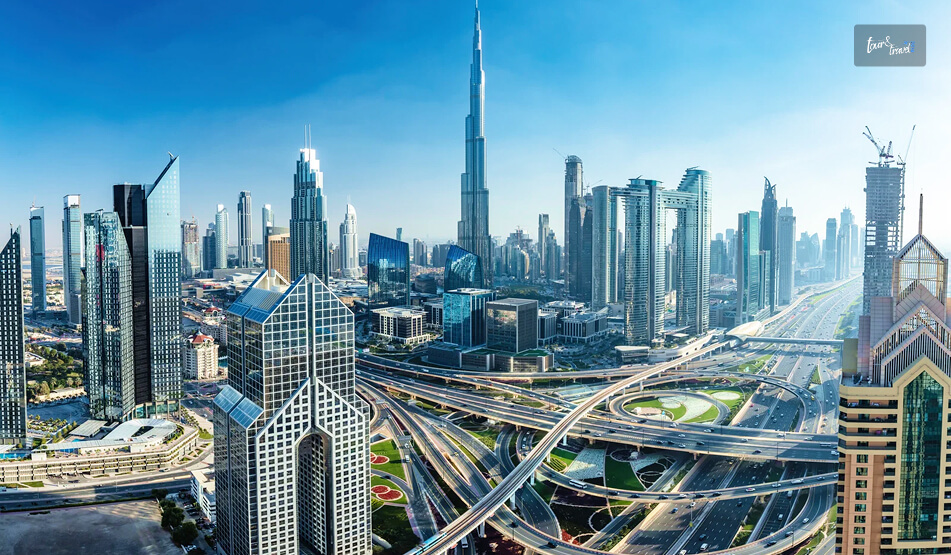
I think most kids these days have Dubai on their priority list. My son is not an exception. It is the country where culture and glamor, or history and futuristic developments, meet.

Dubai is also the number one destination on our list of best places to travel with kids.

The Dubai Aquarium and Underwater Zoo, with 33000 marine animals, is the main attraction for kids interested in marine life.

Furthermore, they can experience adventure and thrill in a safe environment at the Jungle Bay Waterpark, Aquaventure World, IMG Worlds of Adventure, and KidZania.

Moreover, Dubai has the heritage neighborhood of Al Fahidi (Bastakiya), and a boat ride across the Dubai Creek to the Spice and Gold Souks will be an ideal cultural experience for kids in Dubai. 

9. Florida 

Florida

Are you planning an early spring break? Florida is surely one of the best family vacation spots in the world.

I mean, every kid, even we, wants to visit Disney World. However, Orlando just does not have Walt Disney World.

It is the “Theme Park Capital of the World.” It has Universal Studios and SeaWorld.

Furthermore, Florida is beyond the theme parks and curated entertainment of Orlando. It has the Everglades National Park.

Your kids will love spotting dolphins, turtles, and alligators here. It is a UNESCO World Heritage Site.

Also, Florida has the Kennedy Space Center at Merritt Island, the Florida Museum of Natural History at Gainesville, and the Norton Museum of Art at West Palm Beach.

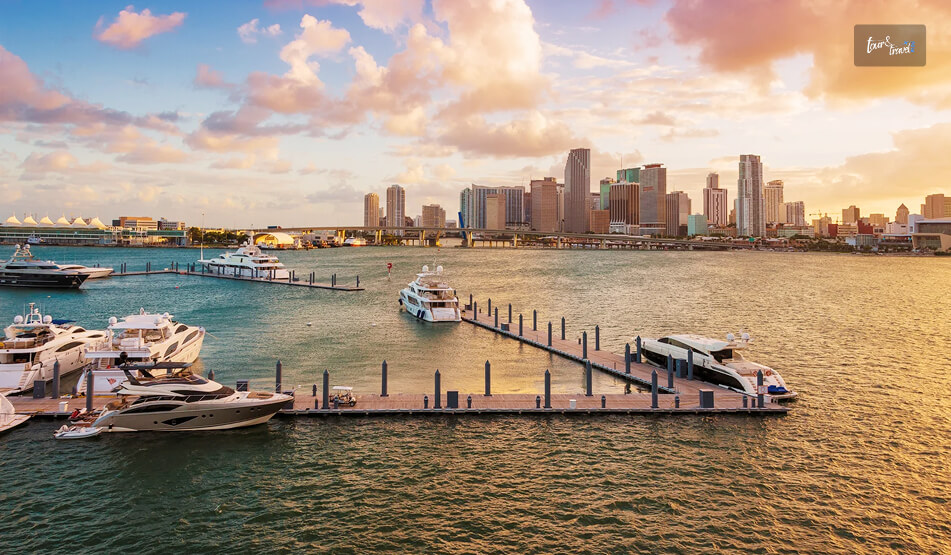
Moreover, with Little Havana in Miami, the history of Cuban immigration after the 1959 revolution, and the San Carlos Institute in Key West, Florida, brings a slice of Cuba to the USA. 

10. Kenya 

Kenya

Now, Kenya is the country that my son has picked as one of the best family vacation spots in the world. His focus, however, is the Masai Mara.

He, of course, wants to meet the Masai tribe and have an immersive wildlife experience. “We will stay in camps or the safari lodges.

These are eco-friendly accommodations with all the modern amenities.

However, you can consider them as an extension of the wild nature of the Masai Mara. You never know when an elephant or a lion will be dancing at your doorstep.

11. Bali 

Bali

I feel happy when I see that my daughter has picked certain traits for me. She loves places that have stories and history, and where the shift of energy is palpable.

With the Canggu rice terraces, beaches, and different historical landmarks, Bali caters to every type of traveler. I know it’s a cliche, but it is the truth!

However, my son was more eager to visit the Waterbom Bali, the topmost waterpark in Southeast Asia.

Children will also love the Bali Bird Park, Ubud Monkey Forest, Bali Zoo, and the Bali Treetop Adventure Park.

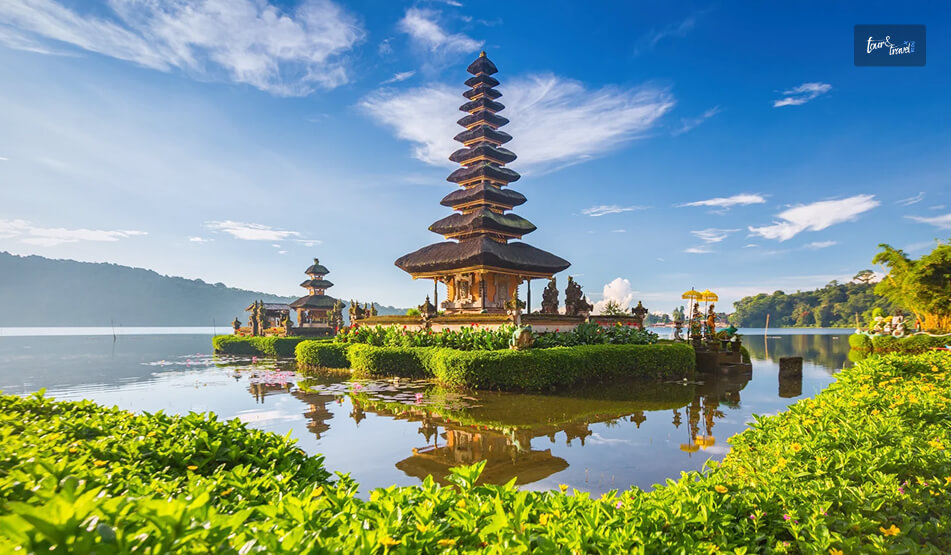
Also, my daughter especially wants to visit the Ulun Danu Beratan Water Temple at Munduk Bali, the Tirta Gangga Water Palace in Amed Bali, and the Uluwatu Beach

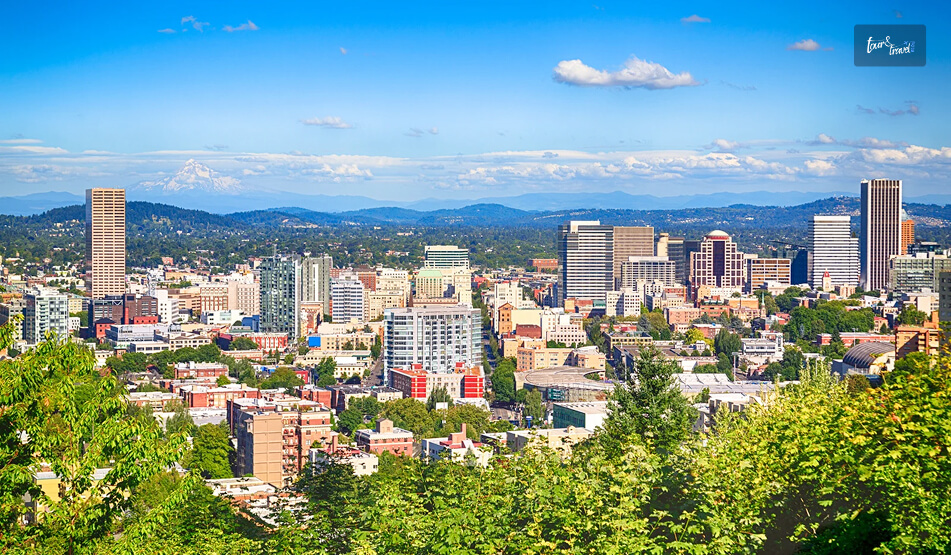
12. Portland 

Portland

Portland in Oregon is ideal as a fun family travel destination. You can explore the large city on a cycle. Furthermore, the high-energy city has breweries and museums.

Also, the spirit of the city is quite spontaneous, aligning with its slogan on the Portland walls and the bumper stickers.

Furthermore, the Oregon Zoo and the Portland Japanese Garden are two major attractions in the city.

Share on Social Media

Sibashree is a travel, culture, and leisure writer who has been writing since the age of 12 and professionally since 2014. With more than a decade of travel writing experience and journeys across India and several parts of the world, she brings a deeply personal and thoughtful perspective to her work. A student of English Literature and Mass Communication, Sibashree has always viewed travel as more than movement — for her, it has been a way of understanding people, cultures, and herself. Her passion for spiritual exploration has also led her to many unusual and meaningful destinations over the years. Outside of writing, Sibashree enjoys watching European cinema, reading about global politics, and reflecting on the stories hidden within everyday places.

Leave a Reply

Your email address will not be published. Required fields are marked *

title-img Related

READ MORE things to do in Valletta

What Are The Things To Do In Valletta? Spending An Action-Packed Vacation In The Capital City Of Malta 

BY  Sibashree Dec 1, 2025

Everything great is happening in Valletta's tourism industry these days. 2025 has been a year of growth and recognition for Valletta, the small capital city of Malta, and a UNESCO World Heritage Site.  In the forest quarter of 2025 itself, Malta received more than 693,000 visitors according to the Tour and Travel World. It was an 18.9% rise from the same period in 2024. Furthermore, in the same period, the tourist spending reached €508.5 million.  This means tourism continues to offer opportunities for local and foreign entrepreneurs who come to set up companies in Malta, with the help of local specialists from BridgWest.  In addition, the World Travel $ Tourism Council has chosen Malta as the venue for the WTTC Global Summit, 2026. The 26th edition of the summit will take place in collaboration with the Ministry for Foreign Affairs & Tourism and the Government of Malta.  The prominent landmarks of Valletta, such as the Grand Harbour and St. John's Co-Cathedral, and activities such as exploring Victoria's Gate and trying some brilliant craft beer, and cultural richness, have helped Valletta enjoy such growth in numbers and global recognition.  I have been to Malta, and starting from exploring the fortified walls of Valletta to enjoying the serene charm of Valletta Grand Harbour Waterfront, the free things to do in Valletta were the highlights for me. On such a shoestring budget, I was able to enjoy the essence of a city, which even enjoyed the status of the European Capital of Culture 2018.  In this Tour and Travel Blog, I will, of course, talk about the free activities and other fun and interesting things to do in Valletta.  What Are The Things To Do In Valletta? As I started exploring the city of Valletta, I noticed the signature "Pointed Cross" of the Knights protecting this ancient city from everything evil.  If this is something really spiritual, on the other hand, you will see history becoming alive with the post boxes, telephone booths, and British colonial architecture.  Nevertheless, these are the things to do in Valletta. 1. Visiting The St. John's Co-Cathedral Address: Triq San Gwann, Il-Belt Valletta, Malta Hours Open: 9 AM to 4:15 PM (Monday to Saturday) Entry Fee: Adults: €15, Seniors: €12, Students: €12, Children (Under 12): Free when accompanied by an adult, €5 Extra for a Belfray Tour, Audio Tour Included View this post on Instagram A post shared by St John's Co-Cathedral (@stjohnscocathedral) The St. John's Co-Cathedral is the most prominent example of the Baroque-style architecture of Valletta. The Knights of the St. John built this conventional church for the order in the late 16th century.  You will know about the life of St. John the Baptist from the paintings by Mattia Preti on the ceiling of this cathedral.  Furthermore, there are eight chapels, dedicated to various languages, tapestries, marble floors, and gilded carvings. However, the main focus for me was the painting called "The Beheading of Saint John the Baptist." This dramatic work, one of the few artworks signed by Caravaggio, is in the Oratory. 2. Exploring Fort St. Elmo And The National War Museum Address: Mediterranean Street, Valletta, Malta Hours Open: 9 AM to 5 PM Entry Fee: Adults - €10.00, Senior Citizens (60+) and Youths (12-17 Years) - €7.50, Students - €7.50, Children (5-11 Years) - €5.00, Below 5 Years - Free Fort St. Elmo stands as a witness to the Great Siege of Malta in 1565. It has military paraphernalia and many artefacts.  However, the major appeal of the fort is intangible, and it lies in the fact of how it became a refuge for the people of Malta during the attack of the Ottoman Empire under the leadership of Suleiman the Magnificent.  The Knights, only around 500 in numbers, defeated the 6000 strong army of the Ottoman Emperor. Furthermore, the National War Museum inside the fort, spanning over seven sections, celebrates the 7000-year-old history of Malta. Some of the exhibits here date back to the Bronze Age (2,500 BC).  You can even request a guided tour of the museum.  Insider Tip: 2025 marked the 900th year of the Great Siege of Malta. A docu-drama called The Great Siege of Malta 1565 was released in 2025. This 45-minute docu-drama celebrates the bravery of the "Hospitalier Order of the Knights of St. John of Jerusalem."  3. Visiting The Grand Master's Palace Address: St George's Square, Valletta Hours: 9 AM to 5 PM Entry Fee: €12 for Adults, €10 for Children Aged 12 to 17 Years and Seniors, Children (6-11): €8, Infants (1-5): Free The Grand Master of the Order of St. John used to rule Valletta from the Grand Master's Palace. The armory here is the main attraction, and it has the accessories and outfits of the Knights.  Furthermore, the symbol of power, with its history of 450 years, is once again in the news with its recent renovation work.  It was also the "seat of the first constitutional parliament of Malta in 1921," and now it is the "Seat of the Office of the President of Malta." 4. A Guided Tour Of Casa Rocca Piccola Address: 74 Republic Street, Valletta, Malta Hours: Monday - Saturday: 10 AM to 5 PM Audio Tours: From 10 AM Guided Tours: From 10 AM to 4 PM (On An Hourly Basis) View this post on Instagram A post shared by Casa Rocca Piccola (@casaroccapiccola) Do you know that the 9th Marquis de Piro still lives in this 16th-century palace? Join the audio tours or the guided tours to see the swanky furniture and unique staircases.  However, for me, the Bomb Shelters were the main attraction. These are not dark tourism spots. These are the living history of World War II.  When 15 air raids took place in 1942, the people of Valletta saved their lives by hiding in these chambers. These shelters were part of the quarry of the 400-year-old house, and they were made from a solid rock foundation.  5. Know The WWII Stories Of Malta At Lascaris War Rooms Address: Lascaris Ditch, Valletta VLT 2000, Malta Hours: 10 AM to 4:30 PM Entry Fee - Adults: €20, Seniors: €19, 5-15 Years Old: €7, Family: €35, Children below 5 Years: Free I love history, and even if you don't, you cannot avoid knowing about WW1 and WW2. These two wars changed the course of human civilization.  At Lascaris War Rooms, you don't just see the exhibits. You live through the moments of war as you explore the tunnels and labyrinths used as protection from the Italian and German attacks during World War 2.  It's like getting transported to the 1940s within a minute.  Insider Tip: I found the War Rooms more fascinating than the National War Museum at Fort St Elmo. Did you know that these War Rooms were used as the headquarters for the Invasion of Sicily or Operation Husky? 6. Visiting The National Museum Of Archaeology Address: Auberge de Provençe, Republic Street, Valletta, Malta Hours: 8 AM to 7 PM (Admission Closes at 6:30 PM) Entry Fee: €5 View this post on Instagram A post shared by Heritage Malta (@heritagemalta) I was at a loss for words at the National Museum of Archaeology, Valletta. It has everything you need to know about the prehistoric days of Malta.  Once I entered, the first room had exhibits showing how the earliest people settled here, even before the temple establishment period. It had "Red Skorba ornaments" and some "tools" they used in their everyday lives.  I also got to see exhibits from the Ghar Dalam phase (5200 BC), Tarxien phase (2500 BC), and Bronze Age.  Then, I reached the main hall of the museum. It had the Sleeping Lady and other astonishing sculptures and temple carvings.  Among the collectibles from the Temple Period, the Obsidian Core was the most impressive. It was a headless sculpture, in a seated posture.  Housed inside a Baroque building, this museum is now the main attraction of Auberge de Provençe, which was earlier the home of the Knights of the St. John. Insider Tip: If you are traveling from any other town in Malta, take a bus to the Valetta Bus Terminal. From there, it is a short distance on foot.  7. Visiting The Upper Barrakka Gardens Address: 292 Triq Sant'Orsla, Il-Belt Valletta, Malta Hours: 7 AM to 10 PM Entry Fee: Free Home to the Siege Bell War Memorial, the Upper Barrakka Gardens offer amazing views of the harbor and the three neighboring cities.  This 16th-century garden was built in the 16th century, and the Knights of the Saint John once used it as a private garden.  Once you are done strolling the Castille Square, you will find the Upper Barrakka Gardens nearby.  Insider Tip: It's great to relax at the Upper and Lower Barrakka Gardens and have a sip of your favorite drink. However, at 12 PM and 4 PM, the officials of the Malta Heritage Society get dressed in military uniforms and fire the cannons at the Upper Barakka Gardens.  Now, I had a cup of hot coffee in my hand, and I was not ready for it. So, it fell out of my hand, and it was a mess.  Nevertheless, this tradition has been continued for more than 100 years, and once you attend it, you will know why it is worth it.  Also, you must use the Barakka Lift to travel between the upper and lower Barakka Gardens quickly.  8. Plan A Visit To The Lower Barrakka Gardens Address: Lvant, Il-Belt Valletta, Malta Hours: 7 AM to 10 PM Entry Fee: Free I know people do not talk much about the Lower Barrakka Gardens. However, that's a blessing in disguise. It is way less crowded than the Upper Barrakka Garden.  Now, despite having the name as "Gardens," it is actually a small-scale garden with a few minutes taken to complete the stroll.  However, there is a fort and a waterfront with Greek-style arches overlooking them. You can relax here, have your moments, and make the most of the photo ops. 9. Enjoying The Waterfront The Baroque houses, surrounding the waterfront of Valletta, were earlier used for storing the essentials of the Grand Master. Now, they are bars and restaurants.  I found the promenade the perfect place to relax and cherish a drink with my eyes set on the ships cruising. The place is more magical after sundown, but there is a trick! You have to find a cafe or restaurant that is not crowded by tourists. Find yourself a quiet corner. 10. Watching A Performance At The Manoel Theatre Address: Old Theatre Street, Il-Belt Valletta, Malta Capacity: 623 Opened In: 1732 View this post on Instagram A post shared by Teatru Manoel (@teatru.manoel) At Manoel Theatre, as a performer of elocution and audio theater for the longest time, I had goosebumps. I was standing at the oldest working theater in Europe.  The wrap-around gallery was the highlight of the building, and I attended an opera performance by none other than Joseph Calleja.  Also, if you want to explore the grand architecture of Manoel Theatre, you can do so every Tuesday. During the summer months, the tours are conducted between 10:30 AM and 12 PM, and during the winter months, these tours continue from 11 AM to 3 PM. Tickets are available at 20.00 €.  11. Trying Local Food  Many people call Maltese ftira a "type of pizza." However, very few people know that it is a UNESCO intangible cultural heritage, with a history dating back to the 16th century, when it was first prepared in the ovens of the Knights of St. John.  Furthermore, it is a chosen food because of its versatile fillings and its role as an identity of Valletta and, by extension, of Malta. I also loved the coffee here. It was my best companion while taking a stroll across the roads. Furthermore, if you are in Valletta, don't miss the Lampuki Pie or the signature fish pie.  How To Reach And Move Around Valletta? Valletta is well-connected to the world through the Malta International Airport. It is around 9 km away from Valletta, and the short drive took me close to 20 minutes. I took the bus to the City Centre.  You can also book a shuttle in advance or take a taxi.  The city has a well-connected bus route, and it is a small city that you can cover on foot. However, the transport options are island-specific. You can take a Talinja Card or Flex Card for exploring Valletta and Malta.  Also, you can take a ferry service to the Grand Harbour of Valletta to and from Gozo and the Three Cities. You will even get a ferry service from Sliema to St. Paul's in Valletta. Insider Tip:  I picked the "Gozo Standard Add-On" card for my day trip. I didn't have the time for so many trips. But you can use this add-on to enjoy unlimited tours to Gozo Island.  What Is The Best Time To Visit Valletta? March to May and September to early November are the best seasons to visit Valletta. Valletta has so many historic landmarks and outdoor spaces. The temperature in the early 20s in these months offers you the ideal chance to explore Valletta.  Also, the crowd is quite manageable in these months.  Valletta, At A Glance: Why Does Valletta Offer Such A Rich Experience? The best thing about Valletta is how compact it is! By compact, I mean it has a big heart, accommodating the best museums, well-preserved Baroque architecture, the Grand Harbour, stone walls, and stories.  From the stories of a 16th-century ghost to being the backdrop of many spy thrillers, such as "The Secrets of Malta" by Cecily Blench, and historical novels such as "The Hidden Palace" by Dinah Jefferies, have added stories to each key attraction of the city.  Also, the stories of the city's sustenance during World War II and the Great Siege by the Ottoman Turks in 1565 tell us about human resilience.  Location-wise, this Fortress City, with a soft honey hue, stands on the ocean. It is also the dream of a photographer with the Baroque architecture reaching the sky.  Despite being only 1 kilometer long and 600 meters wide, the city of Valletta is very compact, housing many museums, cobblestones, and architecture, and it became the "European Cultural Capital in 2018.  Valletta is very close to the famous Three Cities. These cities are Cospicua, Senglea, and Vittoriosa. The Grand Harbour separates these cities from Valletta.  Valletta was built by the Knights of St. John in 1565 after the Great Siege of Malta. It was one of the best fortified cities in Europe and was built in a very short span. The city got its name from Jean Parisot de La Valette, who was the Grand Master of the Knights of St. John. Where To Stay In Valletta? When in Valletta, you must choose a hotel with an amazing rooftop view. The Embassy Valletta Hotel and Palazzo Ignazio are some of the best options to stay in.  The best areas for finding a hotel are the Valletta City Centre, Floriana, The Three Cities, etc.  The hotel charges will be around 300-500 Euros.  Is Valletta Really Worth It? An Honest Confession About The City  Yes, Valletta is a European Capital City with so many historic, religious, and cultural elements. This UNESCO World Heritage Site also has many stories, like the Great Siege of Malta or the attacks of World WW2.  However, the remnants of the British Colonial Rule, like the telephone booths and post boxes, were sore to my eyes and they are a mismatch with the beautiful Baroque architecture and century-old buildings.  Also, it is hard to find a quiet place in Valletta. So, that can be a problem for a solo traveler. Still, the great food and historic thrill of the city make it really worth it! Even if you are in the city for one day, you can enjoy a stroll around the City Square and at least explore the St. John's Co-Cathedral to enjoy a slice of Maltese life. Read Also: A Kotor Montenegro Travel Itinerary For 3 Days: How To Travel Kotor Montenegro On A Budget? “Winter Is Coming!” Where Is Hot In October? Explore Places To Visit In Europe Best Summer Destinations In Europe Beach: Couples Get Ready!

READ MORE Koh Tao

Why Is Koh Tao Famous? Know How I Felt On My First Visit To Koh Tao

BY  Sibashree Jan 22, 2026

Is Koh Tao safe? Now, this is the question everyone is asking about Koh Tao these days. The reason? This island of stunning beauty has suddenly become the “Death Island.” Since 2014, the news of foreign tourists dying or going missing on the island has been common. But this is not the season that makes Koh Tao famous. Let me share with you a fascinating story about how I felt when I visited Koh Tao for the first time. We really had our toes in the sand, and you have to be here to understand how this island is the crown jewel of the sustainable tourism and green economy initiatives of the Tourism Authority of Thailand. “What adds to Koh Tao’s success is the whole-of-society mindset shift that we have seen over the past few years. We’ve seen an evolution from just trying to raise profits and attract more tourists to creating a more sustainable and environmentally conscious tourism experience that truly makes Koh Tao unique. I am thrilled to see the results of UNDP BIOFIN’s work that has contributed to this change and will continue to support local communities in working towards Thailand’s ambitious climate priorities.” - Renaud Meyer, Resident Representative for the United Nations Development Programme (UNDP) in Thailand. BIOFIN stands for Biodiversity Finance Initiative. It has played an active role in convincing the diving and fishing communities here about the importance of protecting the biodiversity and marine life. Nevertheless, this Turtle Island is gorgeous, and it is also pristine. So, along with celebrated locations such as Raja Ampat in Indonesia, Koh Tao is also emerging as a place to encounter stunning marine life and beautiful reefs. The First Impression At Koh Tao I don’t know whether it is the “Fortune favors the brave” trick or something else. But I visited Koh Tao in July with my girl gang and found a clear sky to our greatest surprise. However, the experience at Mae Haad Pier was not that pleasant. The crowd was endless when we were trying to get off the ferry. The men were bare-skinned, and they were hauling their backpacks. Furthermore, a few Thai men kept asking, “Where are you going?” It was very confusing whether to answer them first or jump off the ferry first! I am an introvert, and suddenly there was too much energy around me. So, it took me a while to get accustomed to the crowd. But after that, it was absolutely okay. Koh Tao Is Growing: And We Saw How The Infrastructure Is Changing Do you know that the first adventure travelers arrived at Koh Tao in 1977? They took the coconut and fish transport boats to reach this island for diving. Since then, infrastructure development on Koh Tao has been significant. The concrete streets are clean. Also, many shops, restaurants, and hotels looked new. Also, the shops' advertising was quite cool, and along with the pharmacies and cafes serving espresso, there were motorbike rental shops. Now, motorbikes are the best way if you want to explore this small town at your own pace. The rental price starts at around 150-200 THB per day. Another great thing was the availability of ATMs. It was such a relief! Moreover, the crowd buzz was just right as it was the rainy season. It was enough to soak in the local culture. However, we always got our spots at the cafes and restaurants. In addition, we were using the TrueMove connection, and the coverage was quite decent throughout the island. Getting Around Koh Tao The island is walkable. Furthermore, moving around was pretty easy with the motorbikes, taxis, and ferris being frequent. Also, Koh Tao is close to the Koh Samui Airport and the Chumphon Airport on the Thai mainland. So, since it does not have its own airport, the initial transit can be challenging.  What Are The Things To Do On Koh Tao?  Scuba diving, hiking, snorkeling, and exploring the beaches are the best things to do on Koh Tao. Here are more details. 1. Scuba Diving You can get your PADI certification, and there are as many as 84 dive schools on the island. “We produce around 100000 PADI certfied divers every year. This is an affordable place and the price you get here is matchless.”  • Kim, Big Blue Diving,  Other diving companies we got to know about there were Roctopus Dive, Goodtime Adventure, and Ban’s Diving Resort. However, diving here has seasonal specialties. For example, January to May is the best time for diving. Having said that, February is the month if you want to enjoy a swim with the whale sharks. 2. Hiking Koh Tao has many beautiful viewpoints, and you can easily hike along any of them. These viewpoints are:  Two View  John Suwan Viewpoint  Chalok Viewpoint  Mango Bay Viewpoint  Koh Nang Yuan Viewpoint  Love @ Khao Tao Viewpoint  We started our day early so we could enjoy the fresh air and complete the walk before it got crowded.  3. Exploring The Koh Tao Beaches We were impressed to witness the initiatives to protect the beaches of the island. Stunning is an understatement for them. Also, for lazy travelers like us, these beaches are the best things about Koh Tao. Now, you will get many beaches with palm trees, white sands, and aqua blue water. However, I have seldom seen beaches being so sincere about the recycling programs and cleanups. We relaxed in our hammocks and allowed the sea breeze to caress our cheeks and hair. Furthermore, among the beaches we visited, Ao Chalok Ban Kao and Sai Daeng were my silent favorites. Those beaches were quiet. Also, as we visited Koh Tao in the monsoon, the more touristy ones, such as Tanote Beach, Sairee Beach, and Ao Luek, were not that crowded. These are usually full during the peak months. Pro Tip The sand is beautiful on Koh Tao beaches. But it is not smooth. So, you will need your flip flops. Chaloke Harbor was an exception. But most beaches have the remains of the bleached coral. So, make sure that you don’t cut your feet.  Moreover, these beaches offer amazing sunrise and sunset views. 4. Nightlife On Koh Tao We were on Koh Tao till around 9 PM, and by then the bars had come to life, and we could hear the rock and pop music they were playing. The quiet vibe of the island is gone after sundown. The groups of divers and young tourists here get busy with tropical cocktails and local beers. Also, the fire dancers were putting up their shows. One more thing I learned from a local pub owner. You can be a part of the Pub Crawl here three times a week. Friday, Wednesday, and Monday are the days. Along with all these activities, you can also try ocean kayaking and rock climbing. Furthermore, snorkeling at Hin Wong Reef is a lot of fun.  How Is Koh Tao Making A Successful Ecotourism Movement  It was fascinating to see how all the people and local businesses of Koh Tao came together to reduce the impact on the environment. With around 500000 visitors here every year, the small island gets a lot of waste. Most wastage comes from the packaging and construction work. Food waste and bathroom waste amounts are also quite high. Now, non-profit organizations such as Trash Hero Koh Tao are working to make the island clean. They encourage the locals and the visitors to get involved in the reef and beach clean-up drives. When you clean the waste with your own hands and see what the plastic bags, bottles, and straws do to the sea and the marine animals, you will never throw them carelessly. Furthermore, the hotels here play a proactive role. We chose Ban’s Diving Resort for our stay, and they have a separate section to make detergents and soaps from organic waste. Also, they compost the fruit scraps and vegetable waste and use the gray water, along with sorting the recyclables. Moreover, the food they serve at their restaurants has vegetables from their organic gardens. Is Koh Tao Safe To Visit?  Back to where I started this article. The recent cases of tourist deaths have been a bad patch for the reputation of Koh Tao. Though it has been years now, it felt weird seeing such a scarce presence of police here. I think I last saw some officers at Mae Haad Pier. Also, it was even more alarming here to know that most officers don’t understand or speak English. However, the local people here and business owners here are so committed to maintaining the sanctity of the place that we did not have any problem during our stay. We were a bunch of women, and we never even felt unsafe. Tips To Follow If You Want To Visit Koh Tao Safely  Are you renting a motorbike? You must click all the scratches on the vehicle, and your rental agency will need a photocopy of your passport.  Furthermore, keep the international driver's permit for motorcycle driving handy and wear your helmet. Moreover, don’t forget to get travel insurance. You cannot stroll at night alone. Be with a group, and even if you are going to the bay alone in the daytime, keep your hotel staff member informed. Be mindful of how much you are drinking. The buckets can seem fun, but they are traps, and sometimes they are drugged. When you are on the speedboats, you have to wear life jackets. It does not matter if you can swim or not. Koh Tao Is Beautiful But A Bit Overhyped  Koh Tao deserves all the accolades for its sustainable tourism initiatives. However, I think it is a bit overhyped if you are not diving. For a diver, it is an excellent place to get the PADI certification and explore the coral reefs. The beaches are good, but not something that you won’t find anywhere in Bangkok or anywhere else. So, it’s a 5/10 kind of experience for me. What’s your take on this? Read Also: What Is The Ultimate Luang Prabang Itinerary Planner For Solo Travelers? What Are The Best Restaurants In Cape Town? What Are The Best São Tomé Eco-Lodges?

READ MORE Suva cultural guide

Suva Cultural Guide: Discover The Hidden Gems And Cultural Heart Of Fiji 

BY  Sibashree Jan 15, 2026

The common visuals about Fiji have sun-soaked resorts in Nadi and Denarau. Manicured lawns! The warm “Bula greetings!” And the polished facilities! However, if you want to experience the authentic Fijian life or feel the pulsating soul of the nation, you will have to travel east. It is the cultural heartbeat of the South Pacific. It is a sharp contrast if we compare the tourist polish of the West. You will feel that raw energy and colonial grandeur here. Also, it has a truly inclusive scenario with the Indo-Fijians and the indigenous Fijians constituting the majority of the population. Also, you will find part-Europeans, Chinese, and Caucasians. In this Suva cultural guide, I will talk about the raw energy of the city, its ancient seafaring legacy, vibrant markets, and living traditions. These are far from the poolside cocktails.  For more practical tips for a trip to Suva, you can read my Suva travel itinerary. Why Does Suva Claim The Cultural Capital Status?  Suva, despite being one of the most happening urban centers, has preserved its colonial history. Multiculturalism is another major factor in the cultural capital. Here is a deep dive into its history and transformation. Historical Shift To Powerhouse  Suva has not always been the seat of power. In 1882, the colonial leaders chose Suva as the capital over Levuka. The constraints for Levuka were the sea and the steep mountains. It was the beginning of the rise of a small and modest village as a power hub. However, the city, beginning its journey as an administrative epicenter, has now become a land with a multicultural tapestry. It has the headquarters of many regional organizations. It also has the University of the South Pacific, and a site where indigenous iTaukei traditions, Indo-Fijian commerce, and Chinese and European influences coexist. This diversity has solidified its status as the intellectual and artistic heart of the Pacific.  What Are The Top Cultural Attractions In Suva, Fiji? With the Suva Municipal Market, allowing everyone to have a slice of the Fijian life, the city also has many prominent cultural attractions. Also, the city is so particular about preserving its culture that there have been multiple acts and regulations surrounding it. 1. Fiji Museum And Thurston Gardens  View this post on Instagram A post shared by FIJI MUSEUM (@fijimuseum) The lush Thurston Gardens has the Fiji Museum, which preserves the 3700 years of Pacific history. The Fiji Museum Act (Cap 263) governs the operations and administrations of the museum for the curation and preservation of these artefacts. It also complements the Preservation of Objects of Archaeological and Palaeontological Interest Act (Cap 264), covering over 10,000 national heirlooms like traditional items central to Fiji's identity. Nevertheless, Ratu Finau, a massive 13-meter double-hulled canoe (drua), is the main attraction of the museum. It is a telltale of the rich maritime history of the nation. You will even find the Lapita pottery, the distinctive, stamped earthenware that allows archaeologists to trace the migration of the first Pacific Islanders.  Furthermore, the garden was built in the 1880s, and it has over 100 species of lilies and palm trees. 2. Suva Municipal Market  With the right Suva market guide, you will see how Suva comes to life from Thursday to Saturday. The Yaqona or Kava section on the second floor is the place where the city gets Kava roots and powders. Now, Kava is not just a drink. It is a social glue. When buying Kava (Yaqona) as a gift, ask for "Waka" (roots) rather than "Lewena" (stem) for higher respect/potency. On the other hand, the ground floor offers a kaleidoscope of taro (dalo), cassava, and jackfruit. These celebrate the city's Indo-Fijian roots. Furthermore, the air here smells of cumin and turmeric. Arrive from 6 AM to 10 AM on a Saturday to immerse yourself in a beautiful story of Fiji’s daily sustenance. 3. Government Buildings And Parliament Complex  The government buildings and parliament complex, showing the quintessential Art Deco style of the 1930s, face Albert Park. Albert Park is the place where Charles Kingsford Smith landed his Southern Cross in 1928. Here, you will also find the statue of Ratu Sir Lala Sukuna, the founding father of modern Fiji, whose legacy of land reform and indigenous rights still shapes the nation today.  Furthermore, the striking design of the parliament (after 1987) symbolizes unity. The National Trust of Fiji plays an important role in preserving these government buildings and the parliament complex. Suva Cultural Guide Of The Hidden Gems Off The Path  The Suva Fiji hidden gems are the telltale of the rich cultural and artistic legacy of the South Pacific. These are the places you need to explore. 1. USP Oceania Centre For The Arts  At USP, Epeli Hau'ofa's legacy lives. Catch Oceania Dance Theatre rehearsals, mesmerizing meke dances with stomping feet and ulu chants, or Red Wave Collective's bold canvases challenging colonial narratives. Live music, theatre, and talks pulse here, bridging ancient oral lore with contemporary fire. Free events draw locals and visitors alike. The Department of Heritage and Arts in Fiji plays a key role in safeguarding the nation's intangible cultural heritage, including traditional dances and music.  2. Draiba Cemetery And Sacred Heart Cathedral  Suva's Old Cemetery on Queen's Road whispers of pioneers and chiefs, graves oriented east for resurrection. It is a syncretic blend of Christianity and custom. Nearby, Sacred Heart Cathedral's French-imported sandstone vaults and stained glass offer humid respite. Dress modestly (shoulders and knees covered), remove hats, and absorb the choral echoes that define Fijian worship. 3. Fiji Arts Council Handicraft Centre  View this post on Instagram A post shared by Asia Pacific Region Crafts (@worldcraftscouncil_asiapacific) You will find certified "Fijian Made" masi barkcloth, kava bowls, and war clubs here. The Fiji Arts Council ensures authenticity, bolstering local artisans against imports. Perfect for ethical souvenirs tying into Heritage Department efforts. Cultural Etiquette: Honoring The Vanua  The Vanua, meaning the land and the kin, is sacred. In villages, offer sevusevu kava to the Turaga ni Koro for entry blessing. Wrap a sulu sarong modestly, men and women alike. Taboos: No head-touching (sacred seat of spirit), no hats indoors, ask before taking photos. The Department of Heritage and Arts safeguards these intangibles, such as dances, music, and pageantry, via UNESCO-aligned inventories, policies, and community revivals despite funding hurdles. A Flavorful Day: 1-Day Itinerary  Morning: Dawn at Municipal Market for produce frenzy, then Fiji Museum for historical grounding (allow 2 hours).  Lunch: Savor lovo, an earth-oven feast of taro, chicken, and palusami or fiery Indo curry at a hole-in-the-wall.  Afternoon: Oceania Centre for Art Pulse, then Colonial Walk: Government Buildings, Albert Park, Grand Pacific Hotel.  Evening: Kava bowl with locals, reflecting on Suva's layers. Total cost: Under $20 FJD sans taxis.  The Taste Of Suva  A Suva food tour will help you know how history flavors every plate of Suva. Fijian lovo buries sustenance in earth ovens; Indo-Fijian curries fuse cumin-heat with dalo; Chinese woks stir-fry cassava. Try kokoda (citrus-marinated fish) or fresh market seafood. Each bite traces the Girmitiya laborers, chiefly feasts, and fusion resilience.  Language Basics: A Suva Cultural Guide Bula! Hello/welcome.  Vinaka. Thank you.  Moce. Goodbye.  Tulou. Excuse me.  Ia bula vinaka? All good? (Ice-bo-la vi-nacka)  Sustainable Travel Tips  Fiji battles plastics  Bring reusables to markets  Support Heritage Department goals by choosing artisan crafts, minimizing footprint in rain-lashed paradise.  Expert Tips For Suva Cultural Travelers  Buy Authentic: Check the "Fijian Made" stamp at the Handicraft Centre.  Taxi Meter: Always ask the driver to turn on the meter. A ride within the city should rarely cost more than $5-$7 FJD.  Umbrella is Essential: Suva is the "rain capital." So, you will need an umbrella.  Respect Sundays: Sunday is a strict church/family time. Most shops are closed. So, you can plan a Suva Nature tour on Sundays.  Ask Before Clicking: Always ask permission before photographing locals, especially vendors in the market.  Suva Cultural Guide: Frequently Asked Questions (FAQs)  Here are the frequently asked questions and answers about the Suva cultural guide. 1. What Is The Best Way To Get Around Suva For Cultural Sites? Suva is very walkable. So, take a walk and explore the downtown heritage buildings. However, if you don’t want to walk and have a more relaxing experience, you can take a taxi, which is easily available and is cheap. 2. Is Suva Safe For Tourists? Yes, Suva is safe for tourists. According to Numbeo, it has a crime rate of 58.60. However, like any capital city or tourist place, it has its own share of challenges. You have to keep your valuables safe. Also, do not walk alone at night. 3. Do I Need Guide For The Fiji Museum? You can go for a self-guided tour of the Fiji Museum. It will take around 1-2 hours. However, if you want to know about human history and behind the scenes here, you will of course need a guide.For an overseas visitor, an entry to the museum costs around $20, and with an added guided tour, it will be $30. 4. What Should I Wear To The Sacred Heart Cathedral? You have to remove your hat while entering the cathedral, and your knees and shoulders must be covered.You can wear the traditional sarong or a maxi dress. Overall, your dress must be modest. 5. Can I Drink The Kava Offered To me? Yes, it is polite to accept. Clap once, say "Bula," drink in one go, and clap three times after. If you are trying the Kava for the first time, you must choose a low-tide of half a cup instead of a high-tide or a full cup.At first, you may feel like having peppery muddy water. However, the taste grows on you, and it has a mild sedative effect. 6. Where Can I See Traditional Fijian Dancing (Meke)? The Oceania Centre at USP often has rehearsals, or major hotels host distinct cultural nights. Furthermore, the Fiji Museum, being the cultural preservation hub, often hosts Meke. 7. What Currency Is Used At The Markets? Fijian Dollars (FJD) are used at the markets. Cash is king as local vendors do not take cards. However, you can shop with cards at TappooCity, and other large supermarkets accept cards. Also, many locals use an app called M-PAiSA for digital payments. 8. Is The Government House Open To The Public? No, the government house is not open to the public as it is the President's residence, but you can view the changing of the guard from the gate. The changing of the guard ceremony takes place in the first week of every month. 9. How Far Is Colo-I-Suva Forest Park From The City? Colo-I-Suva Forest is about a 15-20 minute taxi ride from the CBD. The journey through the Princes Road covers a distance of around 12 kilometers.You can also take a bus. However, it will take longer because of the multiple stops. 10. What Is The Significance Of The Tabua (Whale's Tooth)? It is the highest cultural token of respect in Fiji, often seen in museum displays but rarely handled by tourists. It is the polished tooth of the sperm whale, and in weddings, it is often the price offered to the family of the bride for asking her hand in marriage. Read Also: A Tucumán Historical Sites Guide: Independence, Incas & Jesuits In Northern Argentina Tucumán Nature Guide: Exploring The Yungas Rainforest And High Andes Tucumán Food Guide: The Capital Of The Empanada And Milanesa