

Top 13+ Famous Wonders Of India That You Must Visit [Updated 2024]

May 1, 2024

Last Updated on: Jul 7, 2025

Travel Blog

India has some historical monuments that are not only wonders of India but also wonders of the world. Further, from Rishikesh in the north to Pondicherry in the south, India has many spiritual hubs scattered across the country. 

In addition, due to the diverse landscape, it has Himalayan peaks, lush jungles, and the coastal life of the Arabian Sea, Indian Ocean, and the Bay of Bengal. 

So, as a first-time tourist or even the most seasoned traveler, finding the wonders of India can be overwhelming for you. Here is an attempt to curate eclectic destinations that cover the preferences of all tourists. 

Top 13 Famous Wonders Of India:

 Famous Wonders Of India

India has cultural and historic heritages, monuments, and national parks. Here is the list of the top 10 wonders of India that you must visit. Some of them are also UNESCO World Heritage Sites.

Further, thanks to numerous government schemes and a development in the infrastructure, India has shown significant progress in the worldwide tourism scenario. The Travel and Tourism Development Index (TTDI) 2024 shows India’s 39th position among the 119 countries.

It is a proud moment, considering how it has advanced by 15 positions in respect to the 54th rank in 2021. 

1. Taj Mahal

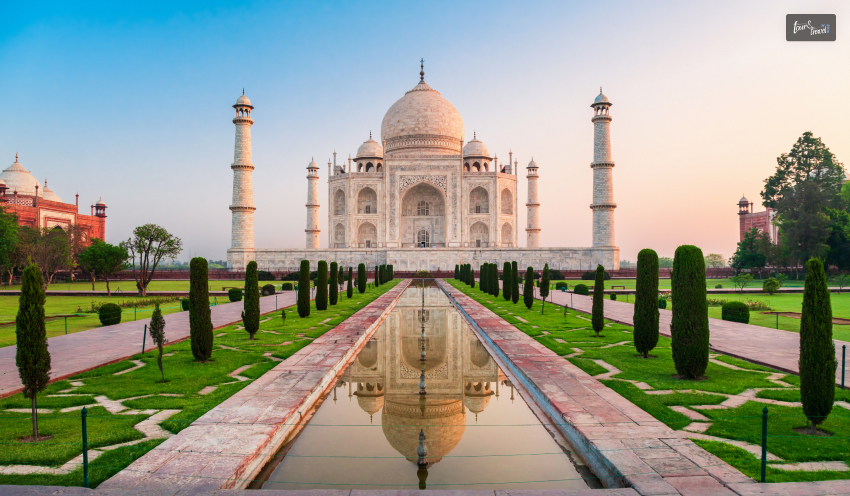
Taj Mahal is one of the Seven Wonders of the World. Visiting India and failing to visit the Taj Mahal means missing great opportunities to explore India. Mughal Emperor Shah Jahan built it in memory of his consort Mumtaz Mahal. 

The architectural styles and the marble work of the Taj Mahal attract tourists from all over the world. 

Talk to your tour guard about the slot for the best time touring the Taj Mahal. You will have an excellent opportunity to experience one of the world’s great wonders.

Direction: The nearest airport to Agra is Indira Gandhi International (IGI) airport. Agra is only 200 km away from the IGI airport. You can get a cab from the airport or rent a car.

2. Red Fort

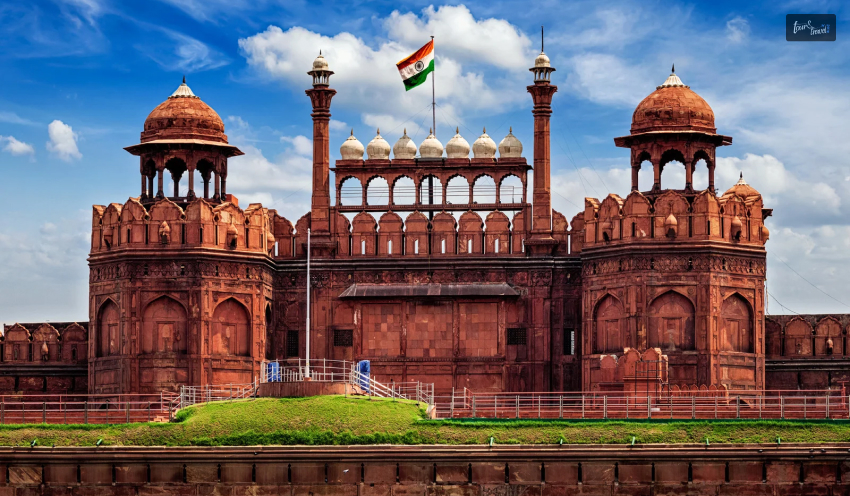
Red Fort is a great edifice by the Mughal emperor Shah Jahan.  It is one of the best architectural wonders in India. When visiting India, you should not allow the Ref Fort to be out of your list of the top places to visit in India.

This architectural marvel was constructed with red andstone which makes it look like a red aura that is nice to see. Most people who visit India don’t want to miss out on this excellent opportunity of visiting Red Fort.

It will be more beautiful during Independence Day that is full of decorations and has a royal appearance. There is a Sound & Light show at Red Fort that is held every evening. It describes the history, tradition, and culture of the Mughal Emperor.

Who will not want to make a feel of this when visiting India? No wonder it falls among the top 10 famous wonders of India.

Direction: The nearest metro station is Chandni Chowk, and the nearest railway station is old Delhi. However, the nearest bus stand is Kashmiri Gate Bus Stand.

3. Sanchi Stupa

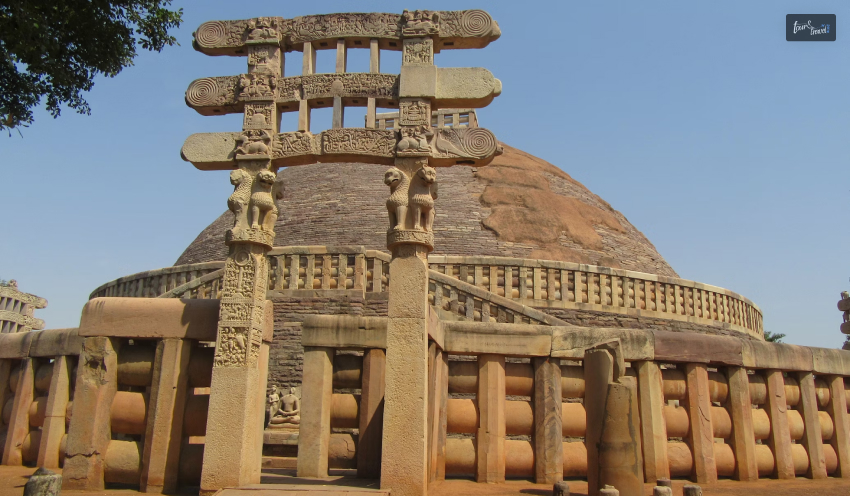
Sanchi Stupa is a famous Buddhist architectural and cultural monument in Madhya Pradesh. It is one of the most popular tourist attraction sites that should not miss out on your list when touring India.

It is a beautiful wonder in India with decorative images, designs, etc. Under the rule of Shunga, this monument was added with some more modifications like a beautiful harmonica on the top and stairways. It is excellent scenery for anyone who is visiting Australia.

Direction: The nearest airport is Raja Bhoj in Gandhi Nagar. Sachi stupa is only 55 k.m away from the airport.

4. Gateway of India

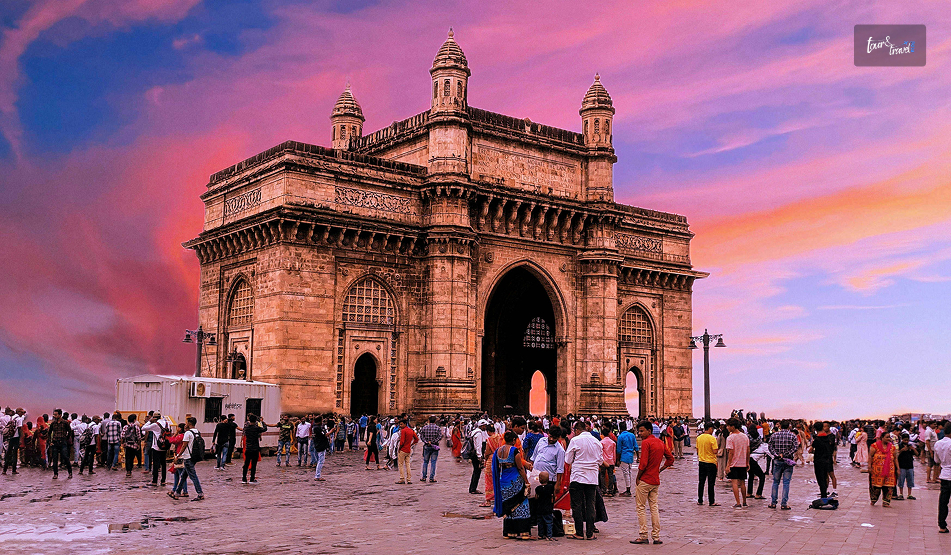
This famous Indo-Saracen-style monument was built by British architect George Wittet in 1911. Gateway of India was made entirely of concrete and yellow-colored basalt rock, attracting many people.

This glorious architectural marvel adds glory to Mumbai city with its massive structure. You can be sure of having a good time when touring the Gateway of India. Most people who have stepped on this ground will tell you it’s a fantastic experience.

Directions: The Central Secretariat metro station is the nearest to the Gateway of India. From the metro station is the only 3k.m.  

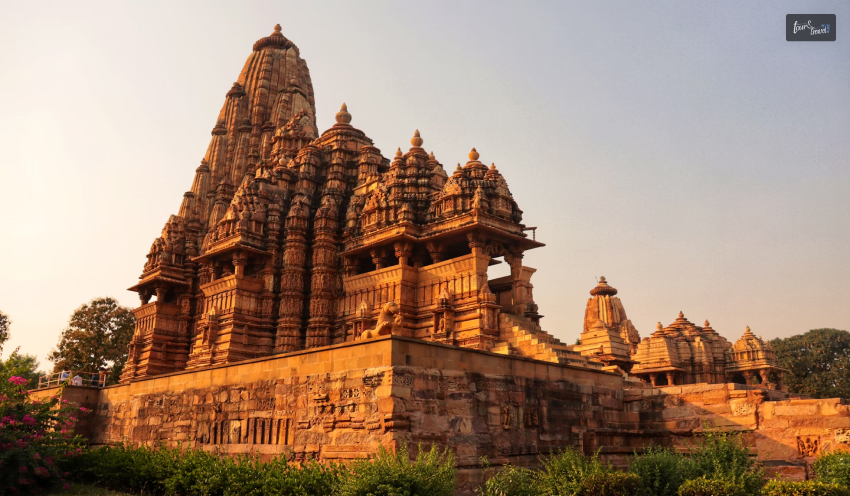
5. Khajuraho Temples

Khajuraho’s group of temples is very famous for its architectural style and exotic sculptures. These temples from the Rajput Chandela Dynasty are holy sites in Jain and Hindu religions.

By visiting this wonderful monument, you can experience the skills of architects of the 10th century. It will give you an exclusive opportunity to learn about the great wonders of India.

Direction: Lucknow is the nearest airport to Khajuraho Temple. In Khajuraho, a single terminal airport connects to Lucknow airport. Flights to Khajuraho are available from Lucknow, Delhi, and Varanasi.

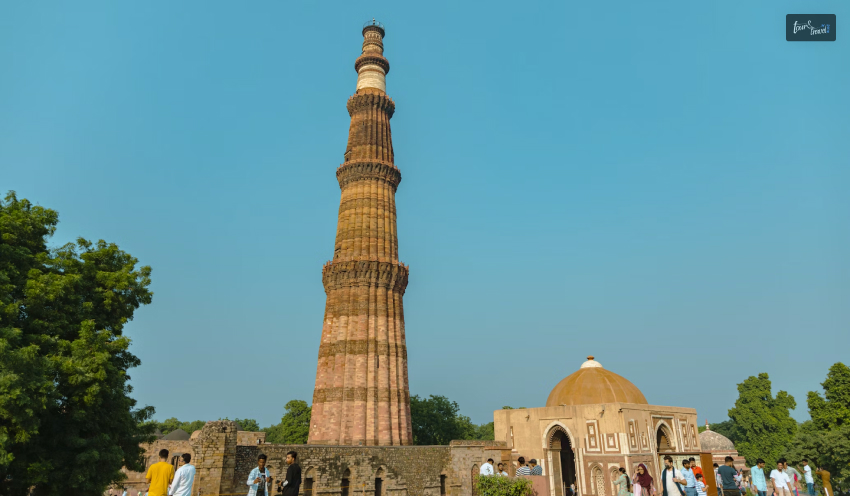
6. Qutub Minar

Qutub Minar is a five-storied famous monument in Delhi by Qutub-Ud-Din Aibak that shows his victory over Hindu rulers. This beautiful wonder was designed in complete Afghan style, and it will be very interesting to experience this place.

It has several destroyed monuments and tombs that are a must-watch for the visitors. It is an excellent opportunity for anyone who would like to experience the top 10 famous wonders of India. Along with the Qutub Minar, you can see the non rusted iron pillar of Delhi within the same campus.

Direction: The nearest metro station is the Qutub Minar metro station. And Mehrauli Bus stand is the nearest Bus stand of the Qutub Minar.

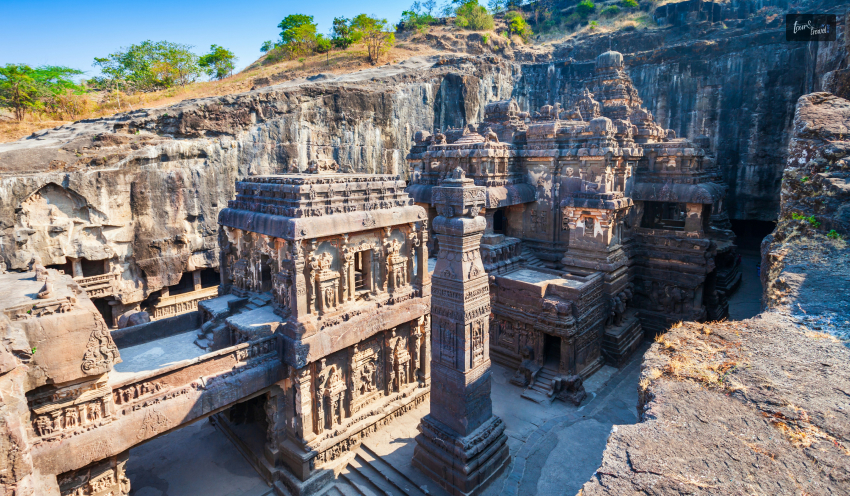
7. Ajanta And Ellora Caves

Ajanta and Ellora caves are the best examples of beautiful paintings, sculptures, and murals in the 2nd century BC and 6th century AD. 

This destination also has so much to talk about the history of India. The art effects date from 600 to 1000 CE. Every cave has significant art effects, and all the periods are different.

These magnificent caves are significant in Jainism, Buddhism, and Hinduism. However, these monuments are the best places to experience the arts of the bygone era. Most people get the opportunity to visit Ajanta and Ellora Caves.

Direction: Aurangabad is the nearest city to the Ajanta Ellora Cave. You can get the train, bus, and flight facility from Mumbai to Aurangabad.

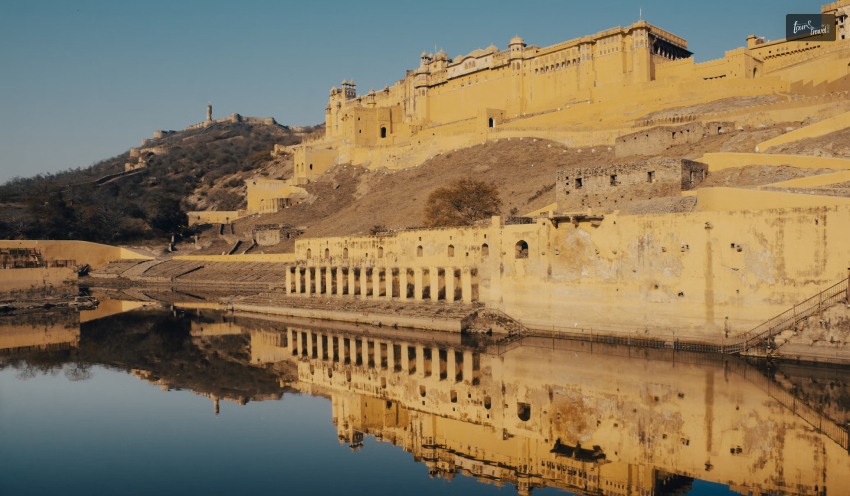
8. Amer Fort

Amer Fort is a famous majestic monument. Maan Singh built it in Jaipur. It is a marvelous architectural wonder with Hindu and Muslim architectural styles. 

Amer Fort gives those visiting this place an excellent opportunity to enjoy the land’s beauty.

It is a unique monument with attractions such as Diwan-e-Aam, Sheesh Mahal, and Sukh Mandir and a light show in the evening. Ensure you request the tour guard include this site on the list of places you will be visiting while in India.

Direction: Jaipur is the nearest airport. Pick a cab from the Jaipur airport or railway station if you want to reach the Amer fort. 

From New Delhi station, you get many options to reach Jaipur, and from New Delhi, you will get the Jaipur connecting flights.

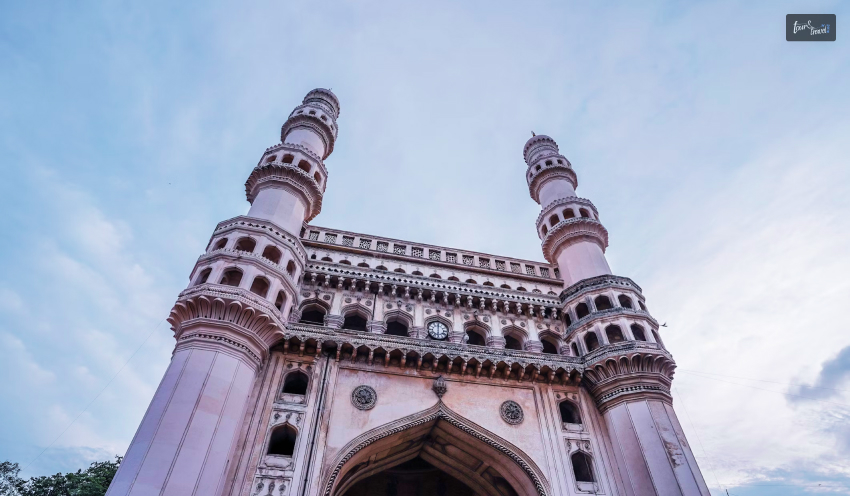
9. Charminar

Charminar is the pride of Hyderabad. In a real sense, the monument is a sacred mosque built by Mohammad Quli Qutub Shah in 1591. Some of the historical sites still define the wonders of India.

Due to the rapid growth of the population, it has remained in the center of traffic. The Charminar’s four minarets symbolize the Islam religion’s first four caliphs. Get an opportunity to experience this beauty by slotting Charminar on your Indian trip.

Direction: Charminar metro station is the nearest metro. Mahatma Gandhi Bus Station is the nearest bus station to Charminar. And Charminar is just 2.6 km from the Mahatma Gandhi Hyderabad Bus stand.

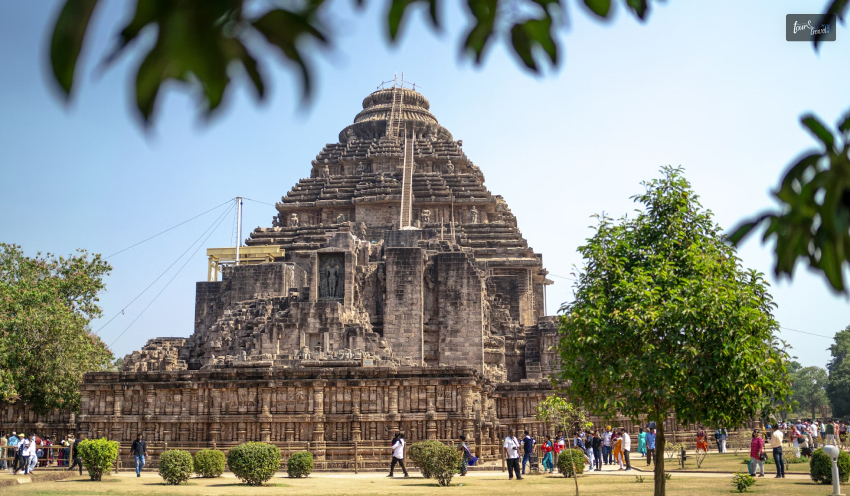
10. Konark Sun Temple

Sun Temple in Konark is a famous temple in India.  The temple exists in the form of a huge chariot that is dedicated to Lord Surya Deva in the 13th century.

A major attraction of this temple was depicting the mythological figures and images of animals when the first sun rays touch. It is an excellent place for anyone who wants to enjoy the beauty of India. 

Direction: From Puri, only 32 km away from the Konark Sun Temple. You can simply book a cab from Puri and reach the Sun Temple within one hour.

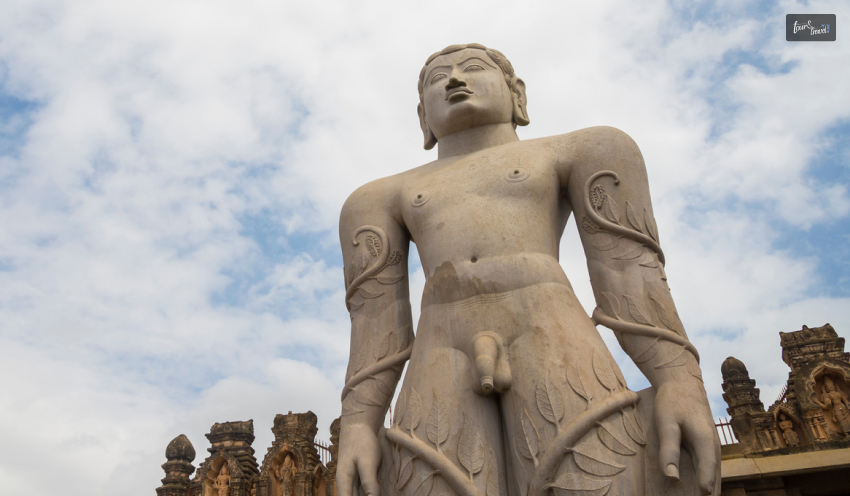
11. Gomateshwara

Gomateshwara

Gomateshwara, located in Karnataka, is a monolithic statue dedicated to the Jain god Baahubali. Voters chose the massive work of art in Karnataka’s Shravanabelagola as one of India’s seven wonders. 

The magnificent structure, one of the world’s largest freestanding statues, appears extremely tranquil and peaceful. To keep the rock’s luster and shimmer, the figurine is polished and washed with milk, saffron, and ghee during this celebration.

The Mahamastakabhisheka festival takes place here once every 12 years at the temple. And THIS is a sight that you cannot miss! It took place in February 2024. So, it is going to be held again in 2036. 

Direction: You can drive from Bangalore for a distance of 144 km through the National Highway 75. This place is also located nearly 95 km from the Mysore airport.

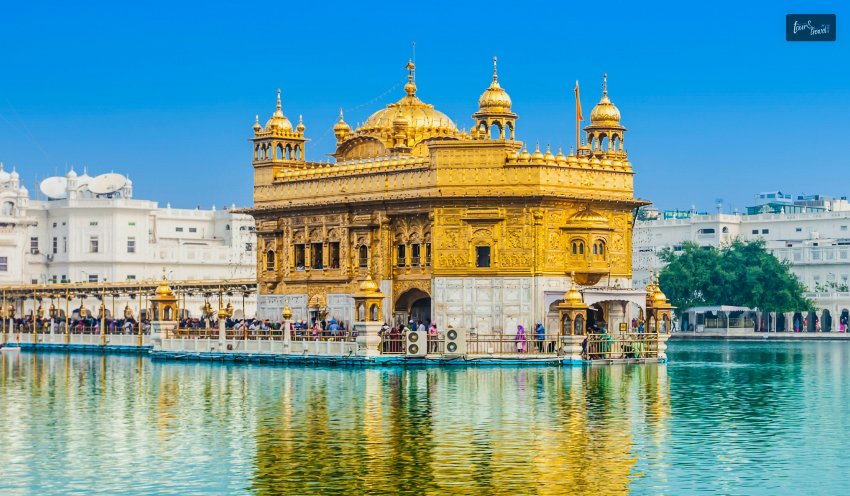
12. Golden Temple

 Golden Temple

The most important Sikhism shrine is Harmandir Sahib, also known as Durbar Sahib and the Golden Temple. It is one of India’s most visited religious sites, decorated both inside and out with portions of the Holy Granth Sahib. 

The gold-plated structure has copper domes and walls made of sparkling white marble that look like floral patterns from the Islamic style. It is one of India’s most well-known wonders due to its tranquility, charm, clean and sanitary environment, and spiritual solace.

Direction: The Sri Guru Ram Dass Jee International Airport (ATQ) is 11 kilometers from the center of the city. There are daily flights from several international and Indian cities. You can also take a cab from Amritsar Railway Station to reach the temple.

13. Hampi

Hampi

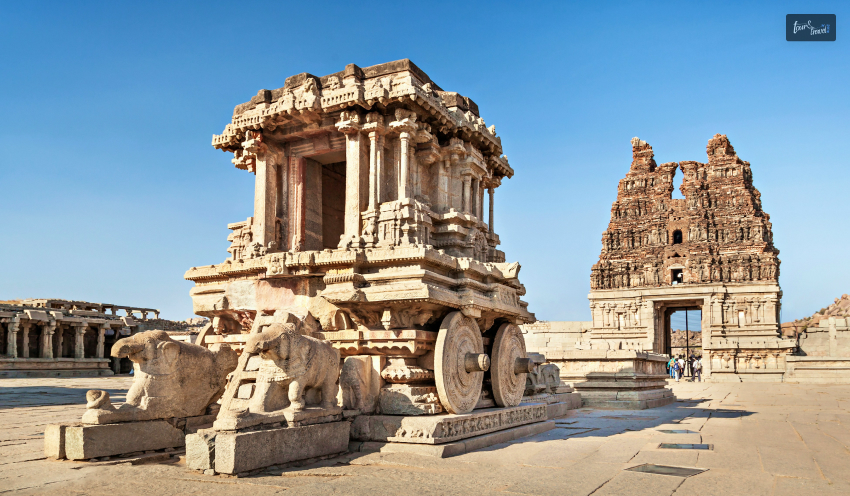
One of India’s most well-known historical sites is Hampi, which is in Karnataka and is on the banks of the Tungabhadra River. One of India’s Seven Wonders, Hampi is renowned for its historical ruins and relics of the grand Vijaynagar Kingdom.

Its magnificent art display has also made it one of India’s Seven Wonders. The stunning architectural ruins of temples and monuments make up the charming location, which is a UNESCO World Heritage Site.

Direction: Through NH 48 and NH 50, the driving distance from Bangalore is 343 kilometers. The Hospet railway station is 13 kilometers away.

14. India Gate

 India Gate

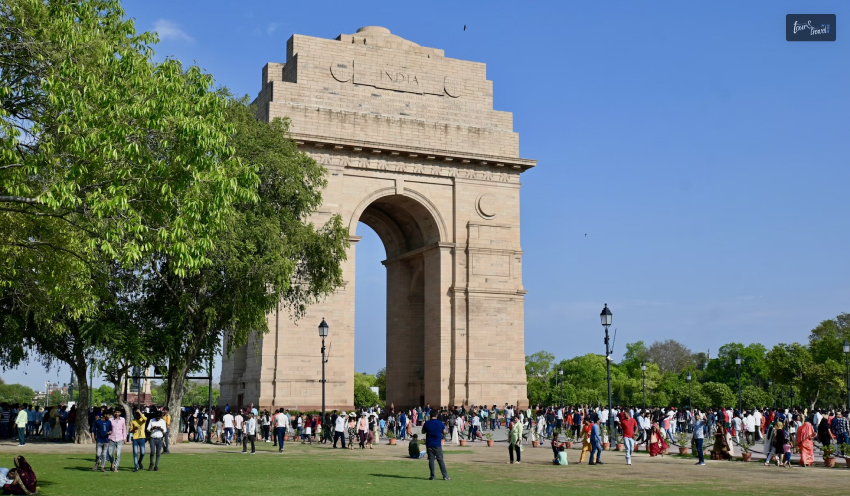
Pardon me for mentioning the India Gate so late in the list. However, India Gate is the monument you must visit first in the country. Sir Edwin Lutyens designed this famous landmark in India, and the construction was open to the public in 1931. 

Earlier, this monument was called the All India War Memorial, and it commemorates the Indian soldiers who fought in World War I as part of the British Army and lost their lives. It also pays respect to the soldiers of the Third Anglo-Afghan War.

You can also see the Amar Jawan Jyoti at the India Gate. Conceptualized after the Indo-Pakistan War of 1971, this forever-burning torch is a tribute to the country’s armed forces. 

India Gate is open to visitors throughout the day. However, you can visit the India Gate between 7-9 pm as it looks radiant in the floodlight. 

Direction: The Central Secretariat Metro Station is the closest to the India Gate. Further, you can take a metro to Udyog Bhawan and take an auto to the India Gate. 

Frequently Asked Questions (FAQs)

Now that you know the wonders of India, it is time for you to learn about the most asked questions related to this topic. Check these out before you leave!

1. What Is The 8th Wonder Of The World In India?

Ans: Swaminarayan Akshardham in New Delhi outlines 10,000 years of Indian history in all its breathtaking charm, grace, erudition, and joy. It showcases brilliantly the fragrance of India’s antique architecture, beliefs, and timeless spiritual messages.

2. Who Decided The Seven Wonders Of The World?

Ans: The original Seven Wonders of the World (also known as Ancient Wonders) are often connected to Greek writer Antipater of Sidon. He gathered a list of the seven most remarkable constructions recognized by man. This list was created to be based upon what was widespread among travelers.

3. Why Seven Wonders Are Called Seven Wonders?

Ans: The unusual works of art and architecture are known as the Seven Wonders of the Ancient World toil as a testament to the ability, insight, and sheer hard work of which human beings are capable. The first list comes from a work by Philo of Byzantium written in 225 B.C. called On The Seven Wonders

4. Is The Taj Mahal Removed From The Seven Wonders Of The World?

Ans: Ultimately, in 2007, an informal list of the new seven wonders was published. The Taj Mahal in Agra, India, breaks the ice. Recognized as an architectural masterpiece, the 17th-century white marble mausoleum draws up to eight million vacationists a year.

Conclusion

These are the top 10 famous wonders of India that you must visit on your India tour. Each of them will leave a memorable experience in the back of your mind. 

All these historical or mythological monuments are touristy because of the attractions of architectural styles and interesting facts. It will be very enthusiastic and enjoyable to visit these places. 

You can be sure that you will have the best experience by visiting any of them. Besides, each of them will give you the best value for your money. Do your homework well so that you have no regrets after you visit India.  

Read Also:

Share on Social Media

Ankita Tripathy loves to write about food and the Hallyu Wave in particular. During her free time, she enjoys looking at the sky or reading books while sipping a cup of hot coffee. Her favourite niches are food, music, lifestyle, travel, and Korean Pop music and drama.

3 responses to “Top 13+ Famous Wonders Of India That You Must Visit [Updated 2024]”

  1. It’s impressive that you are getting thoughts from this piece of writing as well as from our dialogue made at this time.

  2. I need to to thank you for this very good read!!

    I absolutely enjoyed every little bit of it.

    I’ve got you bookmarked to look at new things you post…

Leave a Reply

Your email address will not be published. Required fields are marked *

title-img Related

READ MORE Rio de Janeiro Travel Guide

Rio de Janeiro Travel Guide: What Your Brazilian Real Gets You

BY  Sibashree Sep 20, 2025

Rio de Janeiro sweeps you up the moment you arrive. Golden beaches stretch for miles, samba rhythms spill from bars in Lapa, and cable cars glide up Sugarloaf Mountain for some of the best views on Earth.  Life here is colorful and fast-moving, and part of slipping into that rhythm is knowing how far your Brazilian real will take you - from a chair on Ipanema beach to a plate of feijoada in a neighborhood café. Before we go on, here is a quick Rio de Janeiro travel guide. Just a quick note: exchange rates and prices don’t stay still. At the moment, 1 US dollar equals about 5.4 Brazilian reais, but it’s best to check the latest rates and costs before you travel. Rio de Janeiro Travel Guide: What To Expect? Rio de Janeiro is one of the best cities you can explore. It is one of those few places that has a care-free energy and will make you feel alive. The beaches, food, and major attractions will draw you to it without even trying too hard. Here is a simple Rio de Janeiro travel guide. Beaches - Rio’s Living Rooms The beaches of Copacabana and Ipanema are more than postcards - they’re part of daily life. Locals jog along the promenade in the morning, families gather for a swim, and groups of friends set up for impromptu games of beach volleyball or footvolley. Tourists blend right in, renting chairs and umbrellas from vendors for around R$10-15 per piece. Snacks come to you. Vendors walk the sand offering everything from ice-cold coconuts (R$8-10) to grilled queijo coalho (cheese skewers) for about R$12. You can even try a caipirinha mixed fresh on the spot, usually for R$15-20. These are usually cash-only transactions, and the small notes feel like part of the ritual - bargaining isn’t common, but handing over a few reais feels easy and authentic. Spend an afternoon at Arpoador, the rocky point between Copacabana and Ipanema, and you’ll see why locals gather here at sunset. It doesn’t cost more than a bus ride (R$5) to get there, and yet it’s one of the richest experiences you’ll take home. Food: From Street Bites to Sit-Down Meals Rio has a huge range of food. Starting from some humble bakeries to some fancy rooftop restaurants, Rio has it all. Start with breakfast like a local: pão de queijo (cheese bread) and strong coffee, often no more than R$10-15.  Step into a juice bar and you’ll find tropical flavors like passion fruit, guava, or the ever-popular açaí bowl, usually under R$20 for a generous portion. At lunchtime, the prato feito is king. This “set plate” of rice, beans, salad, and a protein such as beef, chicken, or fish costs R$25-35 and will keep you full all day.  You will get various self-service buffets that charge by weight. You will get roasted meats, vegetables, and farofa, and you will have to pay around R$30-40. For dinner, you can choose what you prefer. You can try something casual or something fancy. If you prefer a mid-range seafood meal along with drinks, it will cost somewhere around R$80-100 per person.  However, a proper night out in Ipanema at a fancy fine-dining spot might cost around R$200-250.  You can even visit Churrascarias, which is a Brazilian steakhouse. It is an event in itself. They have endless skewers of grilled meats, side dishes, and salad bars. You can expect to pay somewhere around R$120-180 per person. However, this does not include drinks. All these places accept cards, but it is better to keep some cash handy for bakeries and street food. Attractions: Big Names And Hidden Gems There are various major icons in Rio, and those are actually worth it. You can take the Sugarloaf Mountain cable car for around R$150, and the ride itself is a major part of the thrill. The glass walls will give you a 360-degree view of the way from above the city. You can visit Christ the Redeemer, resting on Corcovado Mountain, for R$100. The moment you stand at its feet and see the city from there, you get an amazing view. You can carry cards as both attractions accept payment in cards. However, it is better to carry some cash for small vendors, tacos, or snacks. Rio is also filled with a lot of gems that you can see for free or for a low cost.  The Selarón Steps, covered in colorful tiles from around the world, cost nothing to climb. A stroll through Santa Teresa’s narrow streets will take you past murals, studios, and cafés where you can pause for a R$12 espresso. At night, head to Lapa to experience samba at its source. Entry to some clubs is around R$30-50, and drinks inside range from R$15-25. Smaller bars may only accept cash, especially if you’re outside the main tourist drag. Getting Around Rio is quite a big city, but it is not difficult once you understand the system. You can take the metro, it's quite safe and clean, and a single ride costs around R$5.  Moreover, if you have a rechargeable RioCard, it will save you a lot of time and work. You will be able to use it for different types of transport, including trains and buses.  You can take a bus, which goes almost to the city, and the fare is quite similar to the metro. Here, you can get taxis for around R$6, and cross-town trips generally range around R$40-60. Also, Uber and other apps like these are popular, and often offer rides at a cheaper rate than a taxi. If you want, you can pay in-app with the card, and that way, you will not have to use cash for payment.  For day-trips outside the city, you will get intercity buses. This will help you explore the outskirts within a budget. If you are planning to visit the historic mountain town, Petropolis, you can explore it for around R$40-50. Moreover, if you are planning to take a longer ride to Búzios, the beach town, you will be able to visit it for around R$70-80. You can get the bus tickets online or from the bus station as well.  How Much To Budget You need to prepare a budget for a trip. However, the budget depends on the kind of trip you want to have. Budget travel: It will cost you around R$200-250 for a day, including hostels, street food, public transport, and free attractions. Mid-range: It will cost you around R$600. You will get comfortable hotels, visit some of the major landmarks, and have some casual as well as sit-down meals. High comfort: This will cost you around R$1000 and above. You will get four-star hotels, fine dining, and guided tours at this range.  However, the prices in Rio rise during any carnival or New Year’s, and this also varies depending on the neighborhood.  Ipanema and Copacabana are some of the premium places that tourists visit, but there are some block islands that will offer the same charm but at a lower price range. Spend Smart In Rio Start your trip with at least a little Brazilian real in your wallet. It will cover your first taxi or ride-share, snacks, or that first fresh coconut without delay. From there, cards will carry most of your expenses, but having R$100-200 in cash each day is wise for small payments. Stick to ATMs inside banks or malls when you need to withdraw. They’re safer and usually give fair rates. Avoid exchanging money at the airport - the rates are often poor, and the fees stack up quickly. Think about how you balance cash and cards. Use your card for hotels, restaurants, and tours, and keep your reais for buses, bakeries, street snacks, and tips. It’s a system that works well in Rio and lets you move through the city without stress. Enjoy Your Journey Landing in Rio with a Rio de Janeiro travel guide and Brazilian real already in hand saves you time and makes the city easier to navigate. You’ll breeze through those first transactions - a cab, a snack, a metro ride - and step right into the energy of the city. Rio rewards travelers who embrace both the big icons and the small everyday moments. The real you spend on a chair at the beach, a cup of coffee, or a bus ride across town is more than just money - it’s your ticket into the rhythm of the city.  As mentioned before, exchange rates and prices may change, but the value of those moments never does.

READ MORE Bangkok’s rainy season

Bangkok in the Rainy Season -What You Should Know

BY  Sibashree Jul 21, 2025

Travel is all about enjoying the sunny weather with the light breeze blowing away your hair. But, unlike a sprinkle, torrential rain can literally ruin your entire trip. Making it one of the worst memories. So, it is kinda wise to check the rainy season prior to visiting that place. This way, you can avoid unnecessary hassles and know when to travel and what to do during this time. For instance, Bangkok’s rainy season spans from May through the beginning of November. And, when it rains there, it literally pours down buckets. So, be prepared to get stuck in some muddy puddles and flooded metropolis. Making it tenfold difficult to travel to your destinations or go for a city walk. But, if you are a rain lover, you should know about a few things before setting off to Bangkok. Here, I have brought you a complete guide on things to do in Bangkok’s rainy season. Stay tuned! Why Is Bangkok’s Rainy Season Considered Low Season? During the rainy season, the temperature drops to 26 degrees with humid weather. So, you will feel stuffy while traveling to tour spots. Moreover, the rain comes in bursts of torrential pouring. Turning the entire city into a flooded region. So, traveling or commuting becomes more difficult. And to top it off, the sky is mainly overcast with clouds all the time. Just killing the vibes. So, you won’t be able to enjoy the place. Naturally, this season earned the nickname of “Low Season” because of the mood-ruining weather and low tourist visits. What You Should Do In Bangkok’s Rainy Season? Here is a list of the things you need to do when you are stuck in Bangkok during the rainy season. 1. Wear Rubber Shoes The last thing you need is to walk around with nothing on your feet; wear strong rubber flip flops/sandals that are made for wet weather, and you will have no issues.  A sturdy umbrella is always a wise thing to carry around in the rainy season, while a plastic anorak with a hood will save you if you get caught in a tropical downpour.  Staying in one of the best hotels in Bangkok Sukhumvit puts you in the centre of the action, close to BTS stations. 2. Keep Your Digital Device Dry Buy one of those waterproof plastic bags for smartphones and store your device in there, along with paper money and your passport.  If you get caught in a tropical storm, your stuff is very likely to get wet, and with a few dry bags, your stuff won’t get damaged.  You can buy these online, and they come in packs of 10. Wear the bag around your neck and keep everything you need to keep dry inside. 3. Avoid Walking In Water Imagine being in the middle of a busy market, with stalls everywhere and electric cables in use; accidents can and do happen, so avoid walking in water whenever possible.  Some foreigners take off their shoes and walk barefoot, which we don’t agree with.  This is dangerous for many reasons. For instance, you could stand on broken glass, and a foot infection could follow. Thailand is the number one destination for wellness retreats. 4. Take Cover In A Shopping Mall If you are out and about and the heavens open, seek refuge in a nearby shopping mall, at least until the water has receded. A coffee shop would be the perfect solution, and they would welcome your business.  One place you should not take shelter is under a tree, as lightning is common in tropical storms. Also, you should not be holding an umbrella when thunder and lightning are happening. 5. Afternoon Showers Rain typically falls in the late afternoon, and when it stops, the sun quickly dries everything out, and you would hardly know it had rained.  It rarely drizzles in Thailand, the rain is heavy and the sun quickly returns. The exterior electrics in Thailand leave a lot to be desired and water and electricity do not mix.  Use your common sense when it comes to being in water and avoid any situation you think might be dangerous. 6. Use The Canal Taxi Boats A great way to get around in the monsoon season, using the electric boats is both cheap and fast; search with Google to find out where the different canals actually go. Bangkok has many canals that wind through the city, and they are frequent and safe. Rain And Bangkok: How To Enjoy A Flooded Trip? Even though the weather is not perfect, sunny, and beautiful one which highlights the natural beauty of Thailand, it is a peaceful time to visit Bangkok. However, going there without taking the right precautions can make it a frustrating trip. So, make sure you pack up your rainy gear to fight against the torrential bouts. Also, given that most tourists avoid the place during Bangkok’s rainy season, you will find the tour spots less crowded. Letting you to actually enjoy a place in peace. Mainly, the greatest and busiest attraction, Grand Palace in Bangkok, becomes a spot with relatively fewer people. So, you can spend some time enjoying the view and architecture without enduring the rushing crowds. Additionally, you can book tickets for the annual arts festivals in the International Festival Auditorium. Then, enjoy exploring different art forms and cultural excellence without wetting your feet in the rainy puddles. Along with that, you can go around Chinatown to dig into some of the mouthwatering delicacies. From exciting street foods to different flavored mooncakes, grab a bite of every kind of food. So, turn the wet trip into a memorable one with the right activities and fun-filled experiences. Just take measures to avoid the rain and indulge in a peaceful Bangkok tour. Read More: Exploring Southern Utah’s Hidden Dive Sites Haneda Vs Narita: Which Tokyo Airport Should You Choose For Your Next Trip? Three Of The Best Must-See Attractions During Your Time On The Thai Island Of Phuket

READ MORE Katmai National Park

The Volcanic Landscape of Katmai National Park: Come Visit The “Ring of Fire” 

BY  Sibashree Jul 25, 2024

The wild heart of Katmai National Park harbors 14 active volcanoes. This national park of around 5 million acres surpasses the magnificence of the Grand Canyon National Park, and kayaking, canoeing, and hiking here are one-of-a-kind experiences.  One of the oldest national parks, Katmai National Park, was established in 1918. Novarupta Volcano eruption on 6th June 1912 was destructive, and preservation of the habitation around Mount Katmai was crucial.   The National Park Service website says,  “Lasting three days, the largest volcanic eruption of the twentieth century exploded June 6, 1912, from a new volcano, Novarupta. In the process, it created Katmai caldera and the Valley of Ten Thousand Smokes. Not only have the 1912 events remained scientifically important ever since, but also the 1912 deposits continue to provide insights about volcanic and magmatic processes that impact us and the land we live in.” (Source)  Today, this national park is a living account of human history, and it is the home for brown bears and salmons. It is also one of the most popular destinations for volcanologists because it’s still active. Further, it has a handsome number of visitors every year, and in 2023, the number of footfall was 33,763. (Source)  Do you also want to explore this magnificent volcanic landscape? Let me be your guide.  Why Are So Many Volcanoes In Katmai National Park?   With “50 discrete volcanic vents,” Katmai National Park is the center of attention of many. But why does it have so many volcanoes?  Volcanoes in the Aleutian volcanic arc and Katmai National Park are part of the Pacific Ring of Fire. “The Ring of Fire is home to 75% of the world's volcanoes and 90% of its earthquakes.” (Source)  Many call the Ring of Fire the Circum-Pacific Belt, and many tectonic plates meet here. Due to the constant movements of these plates (especially the subduction of the Oceanic Pacific Plate under the North American Plate every year), volcanic eruptions and earthquakes take place here.   Along with the eruption of  Novarupta-Katmai in 1912, there are also records of the eruption of Mount Trident from 1953 to 1974.   The latest volcanic eruption in Katmai happened with the venting of Fourpeaked Volcano in 2006. Here is an excerpt from a report published on the 2006 volcanic eruption of Fourpeaked Volcano.   “On September 17, 2006 Fourpeaked Mountain, a glacier-clad stratovolcano with no known Holocene activity, produced a plume of steam, ash, and SO2, which rose to 6000 m above sea level. The plume was observed by eye-witnesses, seen on weather radar, and also appeared in SO2-sensitive satellite imagery. Concurrent with the plume, regional seismic stations recorded a swarm of volcano-tectonic earthquakes while an atmospheric infrasound signal was recorded 800 km away. Air and ground reconnaissance revealed a linear series of vigorously steaming vents in the summit glacier, stretching about 1 km down the north flank of the volcano.”  So, are you ready to know about the active and rugged volcanoes in Katmai National Park. The next section gives you a detailed overview.   Know The Volcanoes In Katmai National Park  Volcanoes erupt for a short span if you study the entire timetable of a volcano. However, the eruption is only the outcome of activities that take place for years or even centuries. Similarly, the volcanoes in Katmai National Park have faced long intermittent periods between the occurrences of small and big eruptions.   Further, the volcanic activities and earthquakes taking place in Katmai due to tectonic movements have a major impact on human lives across generations.   Here, I present a brief overview of a few volcanoes out of the 14 in Katmai.  Mount Katmai  https://www.youtube.com/watch?v=UF79ozS_kFA&t=33s Mount Katmai has recorded the highest explosive incidents in the Katmai volcanic cluster. Active for over 70,000 years, the two cones of Mount Katmai were beheaded due to the caldera collapse in 1912.    The eruptive products of Mount Katmai are varied in their compositions, including basalt and rhyodacite.   Mount Griggs Mount Griggs, the tallest peak in the district, is 2,530 m tall. Despite having young lava flows, some of the deposits in Mount Griggs are 290,000 years old.   The volcano is still active and you will get to see the yellow sulfurous steam around its summit.   Trident Volcano https://www.youtube.com/watch?v=5rQVsdsWsIA Trident Volcano is one of the older volcanoes in Katmai. From 1953 to 1974, Trident Volcano had many eruptions. However, the highest and the central volcanic cone of Trident Volcano has been lying dormant for around 10000 years.   Mount Mageik  Mount Mageik has four discrete eruptive centers covered with snow. However, glaciers have caused severe decay in three of these lava centers. It is a younger volcano in Katmai, with its lava aged between 4,000 and 93,000.   The last eruption of Mount Mageik happened 2500 years ago. It caused a crater between two Mount Mageik summits. Today, the crater is filled with an acid lake, exuding steam curls.   Alagogshak Volcano  Alagogshak stands at the southwesternmost corner of the Katmai volcanic cluster. It is also the oldest in the Katmai family of volcanoes. The lavas in this volcano are 40,000-680,000 years old.   Peak 6875, Snowy Mountain   Peak 6875 is a young dome made of dacite lava. The scoop-shaped peak looks like a natural amphitheater.    Spectacular Landscapes Created By Volcanic Activities In Katmai National Park   The volcanoes in Katmai have created some interesting landscapes, and their activities have encouraged geologists to explore the possibilities. Nonetheless, the Valley of Ten Thousand Smokes is the most prominent volcanic landscape in Katmai.   It is the work of the largest volcanic eruption in the 20th century. The Novarupta Volcano eruption on 6th June 1912 created this valley.   There are various exciting destinations in the Valley of Ten Thousand Smokes. For the geologists and people studying volcanoes, Novarupta is the ultimate destination. The dome causing the massive eruption in 1912 still carries warm steam.   It is also the most colorful place in the valley, thanks to its kaleidoscopic views caused by the deposition of ash, pumice, and other minerals.   Another popular destination in the valley is the Buttress Range Ridge. Here, you will catch a glimpse of the extensive wildlife in Katmai. Along with the bears, you will also find ptarmigan, ground squirrels, and caribou.   Other fascinating spots to explore in this valley are Katmai Pass, Southwest Trident Lava Flows, Knife Creek Glaciers, Mount Katmai Caldera, Mageik Lakes, etc.   Did You Know?  Katmai has the largest population of protected brown bears in North America.  It is home to around 2000 creatures.  Robert F. Griggs, a botanist who named Valley of Ten Thousand Smokes, played an active role in designating Katmai as a national park.  Dumpling Mountain offers the best view of Katmai National Park.  The annual Fat Bear Week in Katmai is a tournament-style competition, and online visitors can choose the winner of the tournament through voting.  Katmai National Monument was established in 1918. The redesignation of the protected and expanded area as a National Park happened in 1980.   Final Words   Active volcanoes add to the spectacle of Katmai National Park, and they attract the most adventurous souls across the globe.   The volcanoes are part of the Pacific Ring of Fire, and they have an eruptive history, with the last incident occurring in 2006.   AOV, or the Alaska Volcano Observatory, is in charge of monitoring the activities of these volcanoes. It also records the incidents of eruptions from dedicated monitoring stations. Two webcams are also installed at Fourpeaked and Katmai for continuous vigilance of the volcanic landscape.   So, are you ready to visit Mount Griggs, Mount Katmai, and other volcanoes in Katmai National Park? Do you want to have an exciting encounter with wildlife? Don’t forget to share your experience with us!   Katmai National Park FAQs   How To Explore Katmai National Park?  You cannot reach Katmai National Park by road. You can take a floatplane from Kodiak, Anchorage, or Homer. Further, you can take a boat or floatplane from King Salmon.  Both routes lead to the Brooks Camp shore.   What Is Special About Katmai National Park?  Katmai National Park is known for its active and extensive volcanic landscape. It has 14 volcanoes. Further, it is the home to around 2000 species, including brown bears.   You can enjoy your time here by hiking through the trails or boating or canoeing.   What Type Of Volcano Is Katmai Mountain?  Katmai Mountain is a stratovolcano and it had two big cone-shaped volcanoes. The caldera collapse in 1912 beheaded the two cones.   What Wildlife Is In Katmai National Park?  Brown bears are the most popular animals in Katmai National Park. In fact, the national park has the largest population of protected brown bears in North America.   Moose, gray wolves, sea otters, and humpback whales are fascinating animals here. Overall, it is home to around 2000 species of creatures.   What Type Of Trees Are In Katmai National Park?  Sitka spruce, alder thickets, and willow are popular trees in Katmai. You will also find plants like lowbush cranberry, cow parsnip, labrador tea, and watermelon berries here.   Reference:  National Park Service: “Since 1916, the National Park Service has been entrusted with the care of our national parks. With the help of volunteers and partners, we safeguard these special places and share their stories with more than 318 million visitors every year. But our work doesn't stop there.”  Harvard University: “Harvard experts, researchers, and leaders all around the globe make contributions—from public health to conflict resolution—that transcend borders, forge connections, and strengthen communities.”  National Geographic: National Geographic is a “world leader in geography, cartography and exploration.”  Also read Plan A Day Trip to Dry Tortugas National Park: This Is How You Will Do It. Everglades National Park: The UNESCO Heritage Site With Its Quiet Beauty. Welcome To Biscayne National Park: Enjoy Kayaking and Canoeing At This Watery Wonder.