Is Amed Bali Worth Visiting? (Location, How To Reach, Things To Do, Nightlife, And More)

Great food!

Water Adventure!

Village Life!

Beaches and Salt Water! 

You will get all these and more at Amed Bali. The best thing about Amed is that it truly is a hidden gem, and the distance from the airports has saved it from overtourism. 

It can be an ideal destination for slow tourism in Bali with authentic Balinese charm and a laidback vibe of a fisherman’s village. 

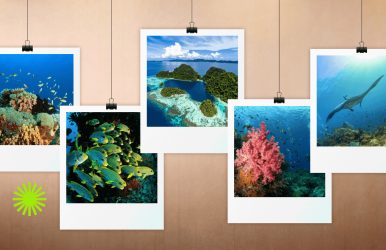
Moreover, a popular free diving and scuba diving hub, Amed Bali, has reef sharks. You can especially spot these creatures near the reefs of Bunutan and Jemeluk. However, here, sharks are not as frequent as in Nusa Penida

Hi, in this Tour and Travel Blog, I will discuss the following areas about Amed Bali.

Where Is Amed Bali? 

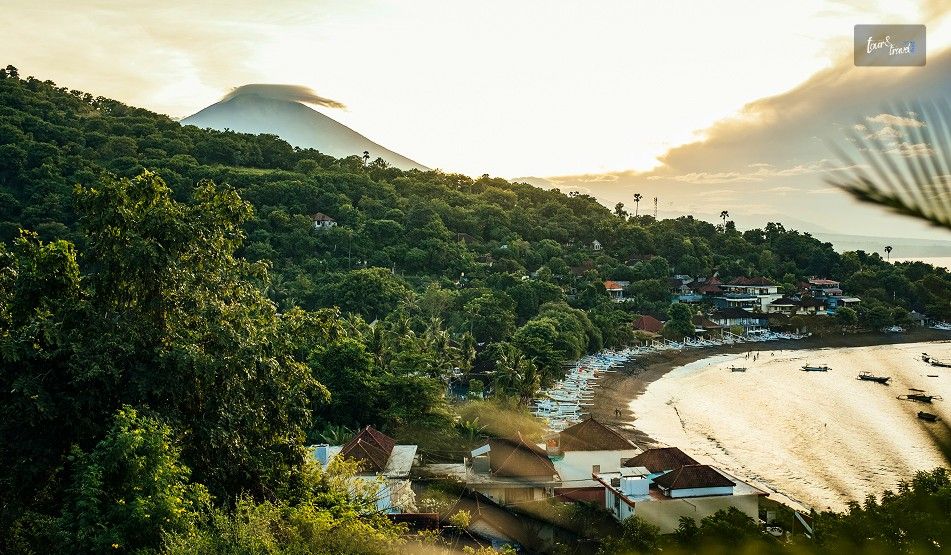
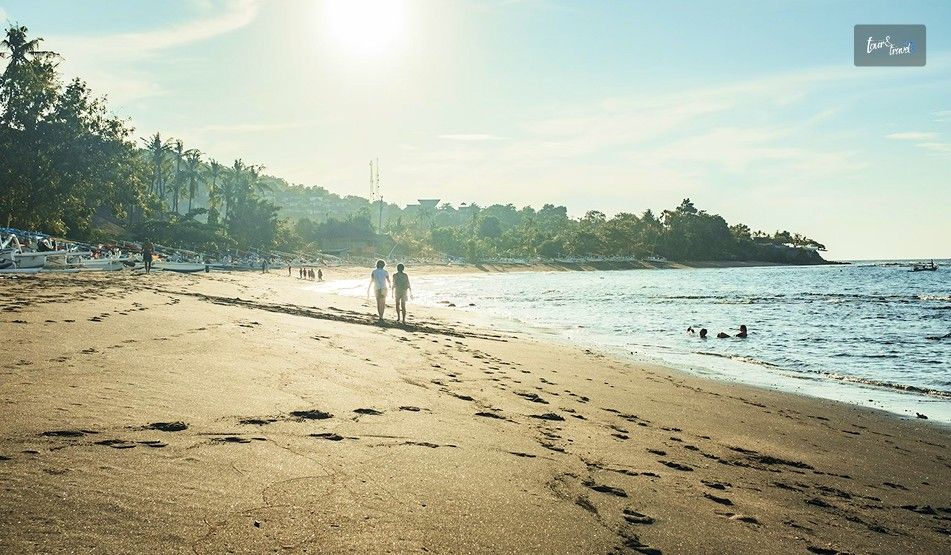
Amed is located in the Karangasem Regency of the northeastern coast of Bali. It consists of seven villages, which have unique geological features with black sand beaches. The sand here is black in color as it gets mixed with volcanic ashes. 

Amed is blessed with the view of Mount Agung, and it offers a unique cultural experience with a traditional way of living practiced by the local fishermen. 

Overall, Amed stands out as a quaint and more laid-back destination in comparison to many other bustling areas of Bali. 

How To Get To Amed Bali?

How To Get To Amed Bali

You can reach Amed by bike from Ubud or Canggu. From Ubud, it is a 2.5-hour drive to Amed. From Canguu, the journey will take 3 hours. 

However, the drive from Padang Bai is the shortest. It takes only 1 hour and 30 minutes by bike. 

The drive along the coastline and through the rice fields is an experience in itself. Furthermore, you will meet many volcanoes and mountains on the way. 

Moreover, if you are not comfortable with bike rides, you can use the Gojek app and book a cab to Amed, Bali. 

Buses are also available from other cities in Bali to Amed. 

What To Do In Amed Bali?

What To Do In Amed Bali

The best things to do in Amed Bali depend on the kind of traveler you are. Are you a sunset person? Or, are you more into scuba diving and aquatic activities? Amed has got you covered.

1. Watching Sunrise At Lahangan Sweet

    What a beginning to the day! Even if you are not an early riser, you will enjoy the sunrise views at Lahangan Sweet. 

    The Sun rising over Mount Agung is one of the most surreal scenes you will see in your life. 

    2. Snorkeling And Diving

    Crystal clear and calm water, along with the most beautiful reefs, make Amed the ideal spot for snorkeling and diving. 

    You can rent the scuba diving gear here for as little as $2.50. 

    3. A Boat Tour

    You can hire a boat here to go to another place for snorkeling. You can also take the boat and start a journey at Sunrise as a companion of the fishermen here. 

    Do fishing and enjoy the most unique perspective of Amed from the water. 

    4. Relaxing On The Beach

      The beaches in Amed are less crowded when compared to Seminyak, Canggu, and other beach towns and villages of Bali. 

      So, you can just explore the traditional warungs here and have the best traditional Balinese food and drink. 

      5. Visiting The Tirta Gangga Water Palace

        At a distance of around 30 minutes from Amed, Tirta Gangga Water Palace is a beautiful architectural site, and walking through its garden maze is a delightful experience. 

        The name of the palace shows the deep connection of Balinese culture with Hinduism, as Ganga or the River Ganges is the holiest river in Hinduism. 

        Furthermore, the water here is full of fish. You can feed them and have some rejuvenation sessions with them. 

        The entry ticket to the palace is 50K IDR. You can also buy food for the fish here. Carry cash when visiting this beautiful palace. 

        6. Watching Sunset

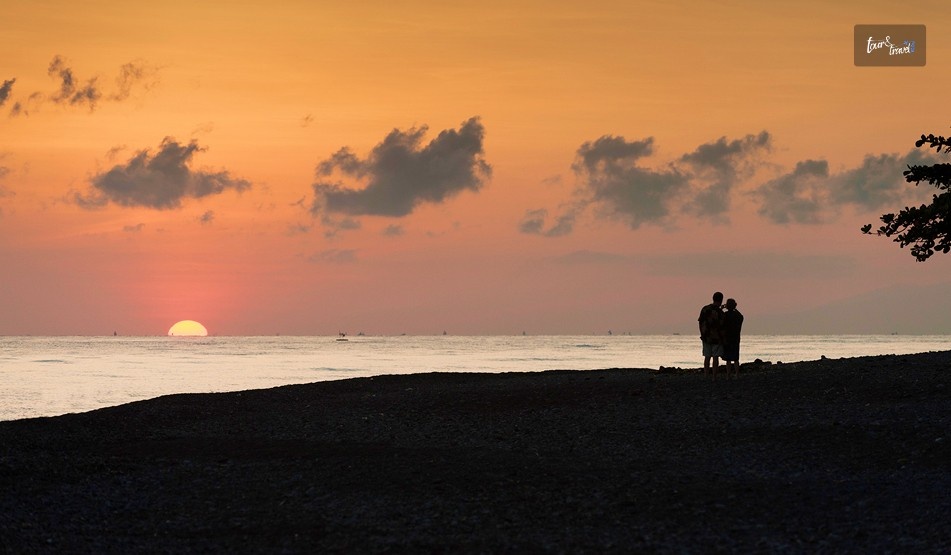
          Amed can give any other destination in the world a run for beautiful sunset views. Jemeluk Bay and Sunset Point Amed are the best places to see the sunset in Amed, Bali. 

          Blue Earth Village and Joli Best View Cafe are some other notable places to enjoy the magic of the sunset to the fullest. 

          Where To Stay In Amed Bali?

          You can stay near Jemeluk Bay or Lipah Beach, as these two are the best snorkeling destinations in Amed, Bali. 

          Here, you will find homestays such as Warung Ombak homestay, which will offer you accommodation at around $28-30 per night.

          What To Eat In Amed Bali? 

          Amed is a small town. So, the best way to try the delicacies here is by exploring the local shops. However, you donot have to limit your food choices to Balinese food items only. 

          For example, if you are from the USA or Mexico, you can try tortillas at La Cocina Mexicana. 

          Similarly, if you want to gorge on fresh fish, you need to visit Warung Asri. It serves the best Gado Gado in Bali, and it offers an amazing view as it is located on the water. 

          Amed also has some humble yet brilliant coffee shops. So, you now know where all of Amed hangs out!

          Is Amed Bali Worth Visiting?

          Is Amed Bali Worth Visiting

          Yes, Amed Bali is worth visiting, with a wonderful fusion of underwater reefs, bright rays of the Sun, and beautiful beaches. 

          The beaches here exude a laid-back vibe, while the villages here harbor the most unique community cultures. 

          So, when you come back from Amed, your heart will be full and your mind full of wonder and awe. 

          Amed Bali: Frequently Asked Questions (FAQs) 

          Here are some frequently asked questions and answers about Amed Bali. 

          How Many Days Do You Need In Amed Bali?

          You can explore Amed Bali in 2-3 days. However, if you want a more immersive experience with activities such as snorkeling and a cultural encounter, you will need 4-7 days to visit Amed, Bali. 

          Is Amed Bali Expensive?

          No, Amed is not expensive. It offers a taste of quite luxury at a budget. A meal for two at a restaurant here will cost you only $30. 
          The overall tour package will cost you something between $200 and $250. 

          What To Wear In Amed Bali? 

          Loose-fitting cotton and linen clothes are ideal for visiting Amed, Bali. However, if you are in your beachwear, you will need a sarong to cover your legs, and beachwear is not acceptable in the temples and rural areas. 

          What Is The Best Time To Visit Amed Bali? 

          April to October is the best time to visit Amed, Bali, due to mild weather conditions and moderate temperatures. 
          Furthermore, sunny days and low rainfall make these months ideal for outdoor activities such as snorkeling and diving. 

          Read Also:

          Share on Social Media

          Meet Sibashree Bhattacharya, a travel enthusiast who has a decade-long experience in transcending virtual barriers with her words! Her deep love for travel is apparent from her travel escapades to the mountain, often taking her readers on a journey, her words acting as Portkey! Fun fact: Sibashree loves to dive deep into the history of the places she is about to visit, making her travels even more wholesome. If you were wondering how her articles are not short of time travel, this answers it!

          Leave a Reply

          Your email address will not be published. Required fields are marked *

          title-img Related

          READ MORE Uluwatu Beach

          Uluwatu Beach: The Prettiest Beach In Bali (A Hidden Gem With Stunning Sunsets, Surfing And Serenity) 

          BY  Sibashree Aug 27, 2025

          The recent demolition of over 40 business settlements at Bingin Beach of the Uluwatu region may apparently seem a disturbance for a region that caters to global tourists. However, the demolition has happened for a greater good, as it will eventually protect this important coastal region. In other words, the declaration of demolition by the House of Representatives will help Bingin Beach and the Uluwatu region to protect them from the perils of overtourism and overdevelopment. If you see the larger picture, it is only a boon for the surfing heritage of Bali.  Along with the Uluwatu Beach, Uluwatu is home to many other beautiful beaches. The stunning cliffs, awe-inspiring sunsets, and world-class surf breaks here make it a safe haven for travelers who seek the perfect fusion of tranquility and adventure.  On the other hand, the Uluwatu Temple, with its unique architecture and spiritual ambiance, is a place for introspection.  Overall, Uluwatu is a place where nature, spirituality, adventure, and wildlife co-exist to ensure a wholesome experience for every traveler.  What’s more? Let’s have a close encounter with the Uluwatu Beach in this Tour and Travel Blog.  In this blog, I will cover the following key topics.  Table of contentsWhy Is Uluwatu Beach The Prettiest Beach In Bali?Why Is The Uluwatu Beach So Famous?1. A World-Class Surfing Destination2. Uluwatu Temple3. A Hub Of Serenity4. Unbeatable Sunset ViewsHow To Reach Uluwatu Beach?What Are The Things To Do At Uluwatu Beach?1. Surfing And Swimming2. Visiting The Uluwatu Temple3. Have Good Food And Enjoy A Great Time At The Beach Clubs4. Explore The Secret Beaches Of UluwatuWhat Are The Best Beaches In Uluwatu?Where To Stay In Uluwatu Beach?Itinerary For Uluwatu Beach: Make The Most Of Your Time At Uluwatu Beach Why Is Uluwatu Beach The Prettiest Beach In Bali? Uluwatu, a part of the Bukit Peninsula in Southern Bali, is the prettiest with its stunning cliffs, coastlines, and crystal-clear waters.  In the truest sense, you can call Uluwatu a hidden gem, as you can only access it through a steep set of stairs. These stairs descend the grand limestone cliffs.  As you climb down the stairs, you will see the most amazing views of the ocean and the coastline.  Moreover, as you reach the beach, the soft golden sands will kiss your feet, and the stretches of turquoise water before your eyes will almost feel transcendental.  Amidst this natural beauty and a true juxtaposition of cliffs and the sea, Uluwatu also promises a luxurious experience, as the cliffs surrounding the beaches have luxurious resorts and beach clubs.  Moreover, the Uluwatu Temple is the crown jewel of this dreamy destination. It is the spiritual hub of this beach paradise, and from here, you will get a panoramic view of the ocean and the surroundings. Why Is The Uluwatu Beach So Famous?  From being a bustling surfing hub to being a space for finding tranquility amidst the chaos of Bali, Uluwatu remains one of the most sought-after beach destinations in the country.  Furthermore, the Uluwatu Temple and amazing sunset views offer you more reasons to visit Uluwatu.  1. A World-Class Surfing Destination  With powerful and consistent waves and reef breaks, Uluwatu is an iconic surf spot. The left-hand reef breaks are especially ideal for beginners and experienced surfers.  2. Uluwatu Temple Pura Luhur Uluwatu, or Uluwatu Temple, is a powerful spiritual center of Uluwatu, and it is even one of the most prominent temples of Bali, protecting the island from evil spirits.  The temple has also emerged as an important cultural destination, with Kecak Fire Dance being performed here at sunset every day. The dance performance highlights the story of the Ramayana in which Lord Rama kills Ravana and announces the triumph of good over evil.  Brahma, Vishnu, and Lord Shiva, the holy trinity of Hinduism, are the presiding deities of the temple.  Moreover, you will be able to spot long-tailed macaque monkeys here.  3. A Hub Of Serenity  Uluwatu continues to maintain its serene charm when other parts of Bali, such as Seminyak and Kuta, struggle with the perils of overcrowding and overtourism.  The place is less commercialized, and thanks to the decision of the House of Representatives to demolish illegal constructions here, the beach will continue to maintain its pristine charm.  4. Unbeatable Sunset Views  Uluwatu is also one of the most photogenic and Instagrammable places in Bali. It has the most beautiful sunset, with the Sun dipping below the horizon and spreading the most vibrant colors over the cliffs and the ocean water.  How To Reach Uluwatu Beach?  You can take a rental car or scooter to reach Uluwatu from the Denpasar airport or various other parts of Bali, such as Seminyak, Canggu, and Kuta.  From the airport, it is a one-hour ride to Uluwatu Beach, and from the other three places, the journey will take around 45-60 minutes.  What Are The Things To Do At Uluwatu Beach? Uluwatu promises the most unique experience with water activities, temple visits and the most vibrant nightclub experience.  1. Surfing And Swimming  Uluwatu beach is ideal for surfers of all expertise levels. It has many surf schools that guide the beginners.  Furthermore, if you are an experienced surfer, you can visit the reef breaks to see the power of the waves.  2. Visiting The Uluwatu Temple  As I mentioned, for an amazing spiritual and cultural experience, you can visit the Uluwatu Temple. You will love the fire dance and the unique architecture of the place.  Furthermore, it is located on top of a cliff. So, you will enjoy the most amazing views of the surroundings. 3. Have Good Food And Enjoy A Great Time At The Beach Clubs Uluwatu is the place to find the most stylish beach clubs in Bali. You will find comfortable daybeds here.  Also, you can enjoy some amazing cocktails and local cuisine while soaking in the ocean vibe.  El Kabron and Single Fin are some noted beach clubs here.  4. Explore The Secret Beaches Of Uluwatu Are you ready to explore beyond the main Uluwatu beach? You will love exploring the following secret beaches.  Padang Padang Beach Pantai Bingin Dreamland Beach Enjoy the beauty of crystal clear waters, soft sun, and beautiful coastal views.  What Are The Best Beaches In Uluwatu?  Padang Padang, Bingin, and Suluban are my favorite beaches in Uluwatu.  Further, among these three, my silent favorite is Suluban. It is a rocky beach, and with the waves consistently hitting a height of 4-5 meters, it is a surfer's paradise.  Also, swimming here feels like swimming in a big cavern. Moreover, it is the Suluban beach, which is alternatively called the Uluwatu Beach.  What Is The Best Time To Visit Uluwatu Beach? The dry season of Balu, from April to October, is the best time to visit Uluwatu. The warm and sunny weather in these months makes the situation ideal for surfing and other beach activities.  November to March is also a decent time to visit the Uluwatu Beach. Despite the rain, these months remain suitable for surfing and swimming.  However, July to August is the peak tourist season in Uluwatu. Early mornings and late afternoons are the ideal times of the day to explore the Uluwatu Beach. Where To Stay In Uluwatu Beach? View this post on Instagram A post shared by Anantara Uluwatu Bali Resort (@anantarauluwatu) You will get budget, mid-budget, and luxury accommodations in Uluwatu Beach. The most luxurious accommodations here are Anantara Uluwatu Bali Resort and Banyan Tree Ungasan.  From Infinity pools to private villas, these luxurious accommodations offer the best hospitality.  Courtyard by Marriott Nusa Dua is a popular mid-budget accommodation in Uluwatu. Moreover, you can choose budget-friendly options such as Padang Padang Breeze. Itinerary For Uluwatu Beach: Make The Most Of Your Time At Uluwatu Beach Let’s have a look at this 2-day itinerary at the Uluwatu Beach.  Days at the Uluwatu BeachThings to DoDay 1 • Morning: Arrive in Uluwatu and take in the beach views. Start your day with a refreshing swim in the turquoise waters or sign up for a surf lesson if you’re keen to try your hand at surfing.• Afternoon: After lunch at a nearby café, head to the Uluwatu Temple to enjoy the stunning views and explore the temple grounds.• Evening: End your day by watching the Kecak Fire Dance performance at the temple. Afterward, enjoy dinner at one of the nearby beach clubs, like Single Fin, where you can catch the sunset while enjoying delicious food and drinks.Day 2• Morning: Head to Bingin Beach or Padang Padang Beach for a quieter, more secluded beach experience. Spend your morning lounging on the sand or swimming in the clear waters.• Afternoon: Take a leisurely lunch at one of the seaside cafés. Spend the afternoon enjoying the serenity or take part in a yoga session at one of the nearby resorts.• Evening: For your final evening, visit one of Uluwatu’s upscale cliffside restaurants for an unforgettable dinner with panoramic views of the ocean. Uluwatu Beach: Frequently Asked Questions (FAQs) Here are some frequently asked questions and answers about Uluwatu Beach.  1. Is Uluwatu Beach Safe For Swimming? Uluwatu Beach has strong waves and currents. So, it is more suitable for surfers than traditional swimmers. Furthermore, you must only stick to the designated surfing zones and follow the instructions of the guides for a safe surfing experience.  2. What Should I Wear To Uluwatu? Beachwear is ideal for Uluwatu. However, you have to dress modestly when visiting the Uluwatu Temple. Your knees and shoulders need to be covered. You will even get a sarong at the temple entrance.  3. Does Uluwatu Have A Great Nightlife? Yes, Uluwatu offers you an amazing nightlife. You will find many sophisticated cliffside bars and beach clubs. Also, there are many live music and dance venues in Uluwatu. El Kabron, Single Fin, Ulu Cliffhouse, and Savaya Bali are some popular destinations to enjoy the vibrant nightlife of Uluwatu.  Read Also: Where Is Nusa Penida Island? (With Location, Direction, Why Is Nusa Penida Famous, And What’s Going On) Bali Beyond The Beaches: Exploring The Hidden Gems Of The Island Planning a Vacation to Bali? Read This Blog!

          READ MORE Raja Ampat dive site guide

          What Are The Top Dive Sites In Raja Ampat, Indonesia? A Raja Ampat Dive Site Guide

          BY  Sibashree Dec 26, 2025

          The Tourism Ministry of Indonesia has just released the Wonderful Indonesia Diving Directory. It has the most “reliable” information about the best diving sites in the country. Raja Ampat in Southwest Papua is featured in this directory.  Raja Ampat, home to the one-of-a-kind Raja Ampat SEACAM Center (RASC), is the best underwater diving and photography destination on a budget. The RASC has Nikon Z8 and Canon 7D Mark II macro and wide-angle sets.  Furthermore, the SEACAM accessories here, such as strobes, viewfinders, and dome ports, and trained photo guides will take your underwater photography experience to a new height.  Moreover, Raja Ampat is located within the Coral Triangle off West Papua. So, the reef life here is the richest, and from seahorses to the titan triggerfish and hammerhead shark, you will understand what diversity is.  So, no wonder that Raja Ampat, with its four main islands and around 1800 small islands, has been chosen by the New York Times as one of the must-visit destinations in the world. Raja Ampat Dive Site Guide: Navigating The Underwater Geography Of Raja Ampat Raja Ampat is an archipelago. At the same time, it is a massive amalgamation of three different diving zones. Now, which diving zone will be the best for you will depend on the kind of diving experience you want.  For example, if you want to see marine biodiversity, Cape Kri in Central Raja Ampat (Dampier Strait) will be the best location. On the other hand, if you want to see pygmy seahorses, soft corals, and unique limestone formations, you will have to visit Boo Windows in South Raja Ampat (Misool).  However, remember that many major diving sites are around 100-150 miles away from each other. So, if you are planning to stay in a central resort and plan Raja Ampat diving trips in the north and south regions in a day or two, it is not possible.  There are three diving zones in Raja Ampat, namely: Central (Dampier Strait) North (Wayag & Kawe) South (Misool) 1. Central (Dampier Strait) The Dampier Strait Region has the most celebrated diving sites, such as Blue Magic and Cape Kri. It has the highest fish count, and the high-voltage current in the water here makes it the favorite of advanced divers.  2. North (Wayag & Kawe) The North zone has the most dramatic limestone landscape. The sites here are wild and pelagic-heavy. Here, you will find the famous Eagle Rock, and the lagoon views here are stunning.  3. South (Misool) South (Misool) is the capital of the soft coral. It is also home to Magic Mountain, the best Manta Ray site in the region.  Furthermore, protected by a private marine reserve, Misool is suitable for spotting colorful sea fans and caves. What Are The Top Dive Sites In Raja Ampat Indonesia? The tourism industry of Raja Ampat is indeed coral-studded. Here are the top diving sites in Raja Ampat, Indonesia.  1. Central Raja Ampat (Dampier Strait) Dive Sites The Dampier Strait is famous for its biodiversity. Located between the Waigeo and Batanta islands, it functions as a massive source of nutrient-rich water.  Furthermore, the strong current here is one of the main reasons behind an explosion of marine life. So, most resort-based divers prefer the Damier Strait region.  • Cape Kri Dive Site Stats: Depth: 5m – 30m Current: Strong (Variable) Difficulty: Advanced (Drift) Lens Recommendation: Wide Angle Cape Kri has the highest number of fish species recorded on a single tank dive. You could spot as many as 374 species.  Along with the numbers, the biomass here is also impressive. You will encounter massive schools of sweetlips, snapper, and fusiliers. Look out into the blue for grey reef sharks, barracuda, and passing dogtooth tuna. The coral garden at the top is pristine. Dive Strategy When you are in Cape Kri, you will have to find the split point. It is the place where the current hits the reef. When the guide drops you at the upstream, you will have to stay close to the reef for your safety.  • Blue Magic Dive Site Stats: Depth: 10m – 30m Current: Medium to Strong Difficulty: Advanced Lens Recommendation: Wide Angle Blue Magic is located between Waisai and Kri Island. Its submerged pinnacle attracts a lot of pelagics. This is a small island, but it is home to a rich marine biodiversity. It also stands out because of the manta ray cleaning stations.  Reef Mantas are common in the central region. However, Blue Magic is one of the rare places where you will meet a giant Oceanic Manta Ray with a wingspan of up to 7 meters. Furthermore, you will find the Wobbegong sharks under the coral ledges.  Dive Strategy Blue Magic demands a unique entry. It is called a negative entry because here, you will have to roll back and descend immediately without surfacing.  So, maintain an A-level in your fitness game.  With a negative entry, you will not miss the reef. The dive ends in the blue, so good buoyancy control is essential for your safety stop. • Manta Sandy Dive Site Stats Depth: 5m – 18m Current: Mild to Medium Difficulty: Beginner/Intermediate Lens Recommendation: Wide Angle (or Fisheye) Manta Sandy is the best place in the Dampier Strait for spotting Reef Manta Rays. Its shallow and sandy slope with many large coral "bommies" functions as a cleaning station.  Manta Interactions In Manta Sandy  You have stay behind the strict line of rocks placed in the sand here. Then, you will spot the mantas circling around the cleaning station right in front of you.  Stay calm and low and wait until they swoop over your head directly. This creates incredible photo opportunities.  • Sardine Reef Dive Site Stats Depth: 5m – 25m Current: Strong Difficulty: Advanced Lens Recommendation: Wide Angle Ironically, Sardine Reef is not home to sardines. It has got such a name because fish are packed like sardines.  The schools you will find here on this oval-shaped reef patch are Surgeonfish, Fusiliers, Butterflyfish, and Damselfish.  Other marine life you will encounter here are Barracuda, Giant Trevallies, and Spanish Mackerel. Also, divers love Sardine Reef as it is home to rare species such as Oceanic Triggerfish, Napoleon Wrasse, and Bumphead Parrotfish.  Why Is Sardine Reef A Photographer’s Dream? The life around the submerged oval reef is so dense that the schools of fish here can block the Sun. Furthermore, at this adrenaline-pumping drift dive, you will see a lot of hunting action on the current side.  The Giant Trevallies and Tunas dart into balls of baitfish. Overall, the underwater scene is chaotic, colorful, and quintessential Raja Ampat! 2. South Raja Ampat (Misool) Dive Sites South Raja Ampat has a private Misool Eco Resort, but is primarily accessible by liveaboard. The underwater world is “different” in the truest sense. At the epicenter of the marine protected area, it has kaleidoscope-colored soft corals, massive sea fans, and dramatic topography.  Here are the best dive sites in South Raja Ampat, Indonesia.  • Magic Mountain (Shadow Reef) Dive Site Stats Depth: 7m – 30m+ Current: Variable (Can be strong) Difficulty: Intermediate to Advanced Lens Recommendation: Wide Angle You cannot make a diving itinerary in Misool without including Magic Mountain as a stop. This offshore ridge is located in the open sea. So diverse marine life is attracted toward it like a magnet.  Also known as Karang Bayangan or the Shadow Reef, the Magic Mountain is located in the southeast of the Warakaraket Island.  The Topography And Diving In Magic Mountain  Magic Mountain looks like an underwater plateau mountain. Here, the steps go down a dozen times. This site is ideal for mid-level and expert divers.  Marine life spotted here are: Napoleon Wrasse Surgeonfish Fusiliers Barracuda Jacks Grey Reef Sharks Yellow Snapper Turtles Wobbegong Sharks As you get off the diving board, you will notice a hard coral garden, and if you are lucky enough, you will notice a Pacific Manta Ray within minutes.  When you are at least 25 meters down, you can go close to the ridge walls and find wonderful macro critters. You will also spot Pelagics and a wide variety of large fish.  Overall, it is an ideal combination of large and small marine life.  The Manta Bi-Highway Magic Mountain also comes with its cleaning station on a ridge, which is approximately 7 meters. Here, you will find one of the rarest Bi-Highways in the world. You will spot the giants of the open ocean, Oceanic Manta Rays and Reef Manta Rays, here.  The sight is something dreams are made of!  • Boo Windows Dive Site Stats Depth: 5m – 30m Current: Medium to Strong, Divers should be ready for drift diving Difficulty: Intermediate to Advanced Lens Recommendation: Wide Angle/Fisheye Boo Windows is one of the most photogenic diving sites in Raja Ampat. Here, you will find windows, which are actually swim-throughs into the reef.  This site has a lot of reef fish, and you will love the large schools of fusiliers, batfish, and sweetlips here.  Diving Through Boo Windows  Divers usually enter the diving site on the west side of the large Boo Island. Here, you will go down the water straight and find the famous window. This is the spot where your camera can be at work.  Now keep the reef on your left side and dive from the north end of the site and move toward the south. At 25 meters, you will meet the Red Tooth Trigger fish. It is an opulent sight, trust me! Here, you can end your diving or move east to find the face of the reef, or if the current favors, take a double back on the west side.  • Four Kings  Dive Site Stats Depth: 5m – 40m Current: Medium to Strong Difficulty: Advanced Lens Recommendation: Wide Angle "Four Kings" (Kaleja) have four submerged pinnacles, with a steep ascent from the depth of the water. Connected by a ridge, these four rocky outcrops almost look like a mountain range under the water.  The deep canyons vary from 5 to 40 meters in depth, and they add more mystery to the underwater mountain-like structure.  This diving site is filled with marine life. Imagine schools of batfish, fusiliers, and reef sharks doing a round of these ridges.  Exploring The Pinnacles Of Four Kings  Diving here begins with dropping deep on one of the pinnacles, and then you can spiral your way up. The rocky outcrops look beautiful with a cover of soft orange and purple corals. You will hardly notice any bare rock space.  Furthermore, as you approach the pinnacles, you will find clouds of glassfish. Groupers and Trevallies gather here in search of prey.  Unlike most sites, diving here is a vertical experience. So, you will feel like swimming through a live aquarium tower.  3. North (Wayag & Kawe) The Waigeo Island (NorthWest), Kawe Island, and Wayag constitute the diving areas in the north of Raja Ampat. The northern part of Raja Ampat is not typically ideal for diving. Still, divers love it for spotting wobbegong sharks, Eagle Rock, and manta rays.  Furthermore, the diving sites in the north are a favorite of photographers due to the presence of microcritters.  • Northwest Waigeo Island Dive Site Stats Depth: 10 to 40 Meters  Current: Mild to Strong Difficulty: Intermediate to Advanced Lens Recommendation: Wide-Angle Lens, Strobes, and Macro Lens  With highlight spots such as Mayalibit Bay, the northwest of Waigeo Island is home to white and black-tip reef sharks, pygmy seahorses, sea dragons, sea fans, Indian lionfish, green sea turtles, and more.  Another highlight spot is the Alyui Bay. Here, you will find ghost pipefish and crustaceans. It is ideal for night dives. • Wayag Dive Site Stats Depth: 5-40 Meters Current: Mild Difficulty: Beginners to Advanced Lens Recommendation: Ultra-Wide Angle, Telephoto Zoom, and Standard Zoom  The mushroom-shaped islands and the pristine lagoons make Wayag a favorite spot for diving and snorkeling. The Wayag lagoon is one such lagoon, and it further stands out as the nursery for the juvenile Manta Ray population.  Furthermore, you will find colorful soft corals here and different species of sharks. Wobbegong sharks and blacktip reef sharks are the most popular among them.  The unique rock formations here also help form a wide range of lagoons. So, it is also an ideal place for photography and kayaking.  • Kawe Island  Dive Site Stats Depth: 5-40 Meters Current: Mild to Strong (Ideal for Drift Dives) Difficulty: Beginners to Advanced Lens Recommendation: Wide-angle Fish Eye/Rectilinear Zoom Lens Famous for manta rays and a rich biodiversity, Kawe Island is also home to diverse schools of fish such as fusiliers, jack, and barracuda.  The Kawe Islands are literally the equatorial islands, and the absence of homestays and land-based resorts makes the area pristine.  As you go deeper, you will come across a labyrinth of massive boulders. These boulders have a cover of soft corals in a citrus color. This is a favorite of wobbegong sharks as their color matches the covering.  So, Which Diving Site Should You Choose In Raja Ampat? A Comparison Summary Of The Diving Sites  Here is a comparison summary of the top dive sites in Raja Ampat, Indonesia.  Traveler TypeTop Dive Sites In Raja Ampat Beginners• Kawe Island• Manta Sandy• WayagThe Adrenaline Junkie• Cape Kri• Blue MagicThe Manta Lover• Manta Sandy (Central)• Magic Mountain (South)The Photographer (Wide)• Boo Windows• Cape KriThe Snorkeler• Manta Sandy Resort Vs. Liveaboard: How To Choose The Best Accomodation For Diving Enthusiasts? Your choice between resorts and liveaboards as accommodations will depend on the part of Raja Ampat you want to access.  1. Choosing A Resort  If you want to dive around the Central Raja Ampat or Dampier Strait sites, you can stay in resorts. Kri, Waigeo, and Gam islands have the highest concentrations of resorts in Raja Ampat.  Furthermore, if you are staying in these resorts, you will have easy access to the famous Dampier Straits. However, access to Wayag and Misool will be difficult.  Still, if you are in Misool, you will have access to the Misool Eco Resort. It is the only resort operator in the south, and it will give you exclusive access to Misool's sites without a liveaboard.  2. Choosing A Liveaboard If you want to experience the best of all the diving zones, a liveaboard will be the best option. It will give you access to the Central region as well as Wayag in the north and Misool in the southern region.  A liveaboard is the best way to dive Cape Kri, Eagle Rock, and Magic Mountain all in one vacation. A Raja Ampat Dive Site Guide: Things To Do Apart From Diving A Sacred Region With The Prevailing Sound Of Underwater! This is how I would describe the diving sites of Raja Ampat.  The underwater region of Raja Ampat is as vivid as you can think of. From the sound of rice crispies made by the hidden shrimps in the corals to the fish, such as rabbitfish, unicornfish, and batfish, all the colors in the palette are present underwater.  Also, don’t forget the hawksbill turtles, tearing up hard corals in search of the soft sponge inside. Furthermore, as National Geographic rightly points out, 75% of the world’s corals are present here, and the water here has over 1500 fish species.  Moreover, half of the region is a network of marine protected areas (MPAs), and the Dampier Strait is at the epicenter.  Floating In Indonesia’s Traditional Wooden Pinisi Boats The underwater world of Raja Ampat is like a lingering lullaby. When you are not diving, you can take a ride on the traditional wooden pinisi boats of Indonesia.  These boats are made with hands on the South Sulawesi beaches, and this craftsmanship is designated as an intangible cultural heritage of UNESCO.  Listening To The Dawn Chorus  When you are staying in a boat overnight, especially in the Dampier Strait, you will wake up to the deafening chorus of the sea eagles, the red birds of paradise, and other feathery friends.  And you never know when a crocodile or a blacktip reef shark comes close to your boat and keeps an eye on you.  Visiting The Sacred Waters Of Raja Ampat  The waters of Raja Ampat are not just ideal platforms for diving and spotting marine wildlife. Some areas, such as Mayalibit Bay, are associated with tribal legends.  In a mountain cave, the bones of the ancestors are preserved. Also, the local tribes worship nature at the Kali Biru river. This part of Raja Ampat has started getting tourists for the last few years now, and the history and sacred beliefs around this place are associated with the King of Waigeo and the Mayan tribe.  These Mayan warriors used to worship at the Kali Biru river and connect to the God before going to war. The families of local people still gather here around the river, wearing a headgear made of junglefowl feathers, dried sago palm leaves, bright red berries, shells, and other natural elements.  What Is The Best Season For Diving In Raja Ampat, Indonesia? Most guides mention Raja Ampat as a year-round diving destination. Let me tell you, it’s not true. Probably, none of them has been to the southern parts of Raja Ampat to know that the southern sites only remain suitable for diving in a particular season.  Here is a seasonal breakdown of the best season for diving in Raja Ampat. SeasonsDiving ConditionsThe Prime Season (October to April)• Dry Season• Calm Water• High Visibility• Manta Numbers at Peak• Ideal for diving the Full North-to-South Liveaboard RouteThe "Windy Season" (June – September)• Strong Winds and Waves due to the Southwest Monsoon• Crossing to Misool (South) Becomes Dangerous and Often Impossible. So, to sum up, Do not book a trip in July/August expecting to dive Magic Mountain. The Central (Dampier Strait) region is suitable for diving throughout the year. It is so because of the protection of the islands of Waigeo and Batanta. So, even in the windy months, Cape Kri and Blue Magic will be good for diving. In fact, there will be fewer crowds to enjoy the underwater scene.  Practical Tips For Diving Raja Ampat: Diving Conditions & Safety Gear Have you heard of Indonesian Throughflow? It is a powerful water movement feeding the underwater reefs. The water movement ensures that the reefs remain nutrient-rich and that marine animals gather around the reefs.  However, this powerful movement also causes a strong current in the water.  So, at almost every diving site in Raja Ampat, you will notice a drift along a reef. However, at points like Blue Magic, there will be more challenging washing machines or downdrafts. At these sites, you must listen to your dive guide as they can assess the power of the current from the water's surface.  Nevertheless, thanks to the changing current conditions, you will need the following diving gear.  1. Reef Hook Suppose you are diving in Cape Kri and you have reached the split point. Now, these split points, home to diverse schools of fish, also have the strongest current.  Now, you will use your reef hook on a dead piece of rock. This allows you to "fly" in the current and watch the show without exhausting your air supply. 2. DSMB Or Delayed Surface Marker Buoy If you are diving in sites that are offshore pinnacles, you can drift away from the reef. You can even get separated from your diving group.  In such cases, use a delayed surface marker buoy or DSMB so that the tender boat can find you even in the choppy water.  3. Wetsuit A 3mm long wetsuit is ideal. The water temperature remains around 28°C–30°C. However, there are chances of potential thermoclines, especially during repeated dives. The wetsuit will also protect you from hydroids and stinging plankton.  A Raja Ampat Dive Site Guide: Sustainable Diving And Marine Conservation  With a network of nine marine protected areas (MPAs), Raja Ampat demands a sustainable diving community-based marine conservation.  1. Sustainable Diving People associated with tourism businesses in Raja Ampat and diving operators and diving resort owners have joined the local community to ensure marine conservation by using sustainable practices and equipment.  They also teach the consumers and tourists and the customers about environment-friendly practices.  2. Community-Based Marine Conservation The local communities of Raja Ampat play an important role in the protection of the diving sites in Raja Ampat and the overall marine conservation.  People from this local community monitor the coral reefs and they educate tourists about why protecting the marine life is important.  Top Dive Sites In Raja Ampat: Frequently Asked Questions (FAQs) Here are the frequently asked questions and answers about the top dive sites in Raja Ampat.  1. What Is The Deepest Dive In Raja Ampat? It is difficult to pick a single name for the deepest dive in Raja Ampat. The average depth of the top diving sites in Raja Ampat is around 10 to 40 meters. Still, Cape Kri and Blue Magic are some of the deepest diving sites in Raja Ampat. Cape Kri is famous for reef sharks, and Blue Magic has Mantas, Tunas, and Trevallies.  2. Which Is A Better Diving Experience, Palau Or Raja Ampat? Palau offers the best liveaboard experience. However, if you want to experience better marine biodiversity, drift diving, and macro photography opportunities, Raja Ampat wins the race by miles.Also, if you want to see historical wrecks, you can choose Palau with the World War II wrecks hidden under the water.  3. Is Diving Raja Ampat Beginner-Friendly? Yes, Raja Ampat has many diving sites, such as Blue Magic and Manta Sandy, which are ideal for beginners. Calm and warm waters in these sites offer ideal diving conditions for beginners. Furthermore, the shallow reefs ensure that you can spot marine life and corals just below the surface. Moreover, reputable diving centers in Raja Ampat, such as Gangga Divers at Papua Paradise and Papua Diving Resorts, offer personalized assistance to beginners. Read Also: Is Amed Bali Worth Visiting? (Location, How To Reach, Things To Do, Nightlife, And More) Is Munduk Bali Worth Visiting? (Direction, Things To Do, Unique Attractions, And More) Bali vs Thailand: Which Place is Better?

          READ MORE Raja Ampat diving trips

          What Are The Best Raja Ampat Diving Trips? Know The Sites And Practical Tips 

          BY  Sibashree Oct 31, 2025

          27th September 2025! Raja Ampat gets the designation as a UNESCO Biosphere Reserve. It was already recognized as a UNESCO Global Geopark. So, now it becomes one of the few places in the world to earn these two designations. Furthermore, UNESCO calls Raja Ampat a “living library” because of the rock formations, which are 400 million years old, and the extraordinary marine life. It also has the nickname of “Amazon of the Seas” because of its presence in the “Heart of the Coral Triangle.” Moreover, according to UNESCO, Raja Ampat has 75% of the known coral species in the reefs  Over 1300 reef fish species  Hawksbill turtle and other endangered and rare turtle species. So, no wonder that Raja Ampat is a favorite destination for divers. In this blog, I will share the Raja Ampat diving tips, cultural etiquette, sustainable diving, and seasonal diving guidance. Raja Ampat: Geographical Location, Climate, And Natural Features Raja Ampat, meaning “Four Kings,” is an archipelago off the northwest tip of Bird's Head Peninsula in Southwest Papua, Indonesia. Its four main islands are: Misool Salawati Batanta Waigeo It has 1500 small islands, shoals, and cays surrounding these four main islands. Raja Ampat has a tropical climate. So, it enjoys consistent weather conditions throughout the year. The day temperature here is around 31 degrees Celsius, and the nighttime temperature is around 25 degrees Celsius.  Along with the marine diversity and its location within the Coral Triangle, Raja Ampat also stands out because of its pristine beaches and karst limestone cliffs. Moreover, it has a lush tropical vegetation. However, for me, the most fascinating part was the people of the sea here. The indigenous Papuan Community here worships the sea as their living ancestor. The elders here even pray to the sea and some cliffs or rocks in the sea before fishing or any form of community gathering.  How To Reach Raja Ampat From Major Countries?  Jakarta, Bali, or Makassar is the gateway to Raja Ampat for international travelers. From any of these airports, you will have to take a flight to Sorong (SOQ). Again, from Sorong, you will take a short flight or ferry ride to Waisai. Waisai is the capital of Raja Ampat.  I traveled by the ferry. However, you can even take a short flight. The ferry ride was 2 hours long, and these services are available twice daily.  Seasonal Diving Conditions In Raja Ampat Raja Ampat is a year-round diving destination. However, the conditions of the sea and marine diversity will differ from one month to another.  October to April is usually considered to be the best time to visit Raja Ampat Indonesia, for scuba diving, thanks to an average temperature of 27°C to 30°C and visibility up to 30 meters. In addition, in these months, the plankton blooms attract whale sharks, manta rays, and other pelagic species.  Here is a detailed breakdown of seasonal diving conditions in Raja Ampat.  1. Monthly Biodiversity Calendar The table below has the monthly biodiversity conditions and notes for divers.  MonthsKey Marine EncountersWeather ConditionsNotes for DiversJanuary• Abundant Macro Life• Whale Shark Sightings• Peak Manta Ray Activity• Temperature 25-30 • Degrees Celsius• Moderate Plankton Bloom• Mild Current • Excellent manta cleaning-station actionFebruary• Vibrant Coral Reefs• Strong Manta Ray • Sightings• Whale Shark Spotting• Consistent Visibility• Temperature 25-30 Degrees• Calm Sea• Ideal for Reef Observation and Wide-Angle PhotographyMarch• Active Whale Sharks• Turtke Mating Season • Stable CurrentTemperature 25-30 Degrees• Balanced Pelagic and Reef Encounters• High Marine BiodiversityApril• Coral Spawning Events• Manta Rays• Schools of Fish• Clear Visibility• Warmest Sea• Temperature 25-30 Degrees• Ideal for Observing Reproductive Coral behaviorMay • Juvenile Fish Recruitment• Manta Rays Become Less• Abundant Macro Species• Roughter Sea• Reduction in Plankton Density• Temperature: 24-32 °Celsius• Great for Photographers for clicking Small ObjectsJune• Intensified Sea Turtle Mating• Dispersing Manta Rays• Variable Visibility• Increased Wind• Temperature: 24-29 °Celsius• Strong Macro Season• Ideal for Diving in Sheltered BaysJuly• Juvenile Reef Lives Thrive• Turtle Nesting • Possible Surface Chop• Cooler Winds• Temperature: 23-28 °Celsius• Ideal for Night Dives to see Predators and • Nesting Turtles August• Macro-Rich Reefs• Turtle Hatchlings• Fewer Mantas• Intermittent Rain• Rough Sea• Temperature: 24-29 °Celsius• Ideal for Spotting and Photographing Turtle Life CyclesSeptember• Plankton Blooms Return• Mantas Start Appearing• Transition to Dry Season Begins• Temperature: 28-29 °Celsius• Increasing pelagic activity at channels and reef edgesOctober• Start of Peak Manta Season• Improved Visibility• Potential Coral Spawning • Calm Sea• Temperature: 25-30 °Celsius• Great for Seeing and Feeding Manta Rays• Ideal for Reef RejuvenationNovember• High Manta Density• Active Whale Sharks• Strong Coral Growth• Calm Sea• Clear Visibility• Temperature: 25-31 °Celsius• Suitable for Liveaboard Itineraries December• Mantas FrequentCleaning Stations• Whale SharksCommon• Pristine Reef• Calm Sea• Excellent Visibility • Temperature: 25-31 °Celsius• Outstanding Photographic Light• Excellent Diving Conditions 2. Key Species And Seasonal Patterns Manta rays, whale sharks and sea turtles are the key marine species in Raja Ampat. Furthermore, the waters here have the most amazing macro life and watching coral spawning here is an experience.  Species and Seasonal ActivitiesPeak SeasonNotes Reef and Oceanic Manta Rays• October to April • Manta rays congregate at cleaning stations (Manta Sandy, Manta Ridge, Blue Magic).• You have to maintain neutral buoyancy near the cleaning stations. • Avoid flash photography. Whale Sharks• October to March• Spot the whale sharks near the fish-aggregating devices.• You will also find them near Cenderawasih Bay and Triton Bay as they are rich in planktons. • Maintain a distance of at least 3-4 meters. Sea Turtles (Green, Hawksbill, Leatherback)• Mating: June–September• Nesting: July–October• Hatching: July–August• Observe at night under red light. • Don’t touch or obstruct the nesting sites. Coral Spawning• April and October to November• Coral spawning happens 3–6 nights after the full moon, when the temperature rises. Macro Life• May to SeptemberSpot• Pygmy seahorses• Nudibranchs• Blue-ringed octopus• Ornate ghost pipefish 3. Environmental Summary  Here is a summary of sea and weather conditions in Raja Ampat.  Sea Temperature• 25-30°CVisibility• 20-40 Meters, (Best from October to April)Currents• Moderate to strong at reef passes• Ideal for nutrient collectionRainfall• June–SeptemberBest Diving Conditions• October to April 4. Ecological Insights  Despite seasonal differences, Raja Ampat enjoys matchless biodiversity. Once you take a dive, you will get to see at least 300 species of fish.  Due to the northwestern monsoon influence, the October to April period is warm in Raja Ampat. Phytoplankton blooms in this season, making the water nutrient-rich and ideal for manta rays and whale sharks.  The dry season from May to September is ideal for coral growth and turtle reproduction.  Use apps like Windy and MagicSeaweed for current forecasts. Check tide charts and moon phases to plan dives around slack tides for safety and visibility. Diver Planning Notes: Summarizing The Seasonal Activities  Know the best time to plan a diving trip in Raja Ampat.  ActivitiesThe Best SeasonFor Pelagic Encounters and Clear Visibility (Whale sharks, manta rays)October to AprilTurtle NestingJuly to SeptemberCoral SpawningApril or OctoberMacro PhotographyJune to September (Mild current, abundant critters)LiveabroadsOctober to April The Best Raja Ampat Dive Sites And Breakdown By Season The best dive sites in Raja Ampat are ideal to visit in different seasons.  1. Cape Kri Cape Kri is the most diverse diving site if you want to spot various marine animals. November to March is the best time to visit Cape Kri for large pegalics.  2. Blue Magic Blue Magic is ideal for a dive in the dry season for manta ray sightings. You will also spot big fish and small critters here. This is the best diving site for macro photography.  3. Melissa’s Garden Melissa’s Garden is a year-round diving spot and known for its vibrant coral scene. It is also a site to spot the Wobbegong.  Here corals and soft sponges cover the seabed. Also, due to no to very mild current here, it is a beginner-friendly diving site.  4. Mioskon View this post on Instagram A post shared by Gritimook Wisettanakorn (@drgrit_freshcode) Mioskon is another favorite diving spot for beginners. It has calm conditions during April and June. This island in the Dampier Strait stands out with its V-shaped coral reef.  Spot Napoleon Wrasse fish, pygmy seahorses and Wobbegong sharks. Furthermore, the jungle surrounding the island is home to birds of various species.  An 8 Days / 7 Nights Itinerary In Raja Ampat For Divers Here is an itinerary suitable for divers in Raja Ampat. The route of this 8 days and 7 nights diving tour is Sorong → Misool → Dampier Strait → Wayag → Sorong.  DaysActivitiesDay 1• Arrival in Sorong• Transfer to liveaboard• Equipment check and dive briefing• 2 Easy reef dives in southern Missool• Night dive: pygmy seahorses, crustaceans, and reef crittersDay 2 - Exploring Misool• Dive highlights: Boo Windows, Fiabacet, and Magic Mountain• Encounters: soft corals, reef sharks, barracuda schools, and cleaning mantas.• Lagoon excursionDay 3 - Transit to Central Raja Ampat• Pinnacle dive in the early morning.• Long transit north toward the Dampier Strait.• Afternoon dive at sheltered reef or muck site.Day 4 - Dampier Strait• Diving Sites: Cape Kri, Chicken Reef, Sardine Reef, Mioskon• Spotting schools of snapper, jacks, trevallies, and wobbegongs• Night dive under Arborek Jetty for macro lifeDay 5 - Manta Encounters• Exploring Manta Sandy and Manta Ridge cleaning stations• Late dive at Melissa’s Garden for coral gardens and reef fish• Sunset snorkel and village visits Day 6 - Northern Transit (Wayag)• Diving and spotting reef pinnacles with oceanic mantas.• Island exploration and sunset viewsDay 7 - Wayag• Diving and spotting Expect big pelagics, turtles, and pristine coral walls• Afternoon hike• Gear rinse and dinner on boardDay 8• Return to Sorong• Off to Airport Essential Dive Gear Checklist For Raja Ampat 3mm wetsuit Reef-safe sunscreen Surface marker buoy Dive computer Underwater camera Spare mask and fins Waterproof bag Travel insurance with dive coverage Diving Tips For Beginners And Advanced Divers Many diving sites in Raja Ampat is not suitable for beginners for strong currents. If you are a beginner, you must stick to sites such as Mioskon and Melissa’s Garden and choose guided divers.  Underwater Photography Tips In Raja Ampat Dry season is the best time for underwater photography in Raja Ampat because of clear visibility and the best lighting. This season is ideal for wide-angle shots.  You can use strobes and a red filter to enhance the contrast and color of the photos.  Budget Vs. Luxury Options For Raja Ampat Diving Trips If you are a budget traveler, homestay dive safaris like Scuba Republic offer affordable packages. Furthermore, if you are a luxury diver, liveaboards such as Dewi Nusantara provide premium experiences with onboard amenities. Furthermore, if you are a mid-range traveler, you can choose Papua Explorers Dive Resort for cost-efficiency and comfort.  Also, here are budget estimates (excluding international flights) for different types of travelers to Raja Ampat.  Days of TravelEstimated Cost5-6 Days• Solo Traveler: $1,200• Couple: $2,200• Family of 4: $4,0007-8 Days• Solo Traveler: $1,600• Couple: $2,900• Family of 4: $5,50010 Days• Solo Traveler: $2,200• Couple: $4,000• Family of 4: $7,500 Cultural Insights And Sustainable Diving Practices Sustainability here isn’t an abstract ideal. It’s an extension of Papuan culture, which teaches harmony between people and nature. So, to understand the spirit of sustainability here, you will have to understand the local culture.  Raja Ampat has many local stories of conservation and pride to share.  1. Arborek Village: The Women Of The Reef View this post on Instagram A post shared by Un autre pays / Paysages & Voyages (@unautrepays) Women in Arborek lead manta ray monitoring and coral gardening. They have traditional fishing knowledge and they plant coral fragments. They also keep a record of data for researchers.  Thus, they blend ancient intuition with modern conservation.  2. Misool: From Hunting To Healing The elders of Misool were once shark catchers. Today, they work as rangers of one of the largest no-take zones in the world.  So, from the culture and heritage of fishing, they have now evolved to be ecological guardians.  3. Yenbuba: The Youth Of The Tides View this post on Instagram A post shared by INDONESIA UNDERWATER (@indounderwater.id) Young divers from Yenbuba learn English and reef biology and they work as eco-guides. They share the local culture with global visitors. Thus, they keep the heritage alive and act as a bridge to new opportunities that will help preserve the environment and local culture.  So, each story of local pride and conservation effort shows how the Papuan people here are not just witnesses to the conservation process. They are the architects.  Moreover, with ancestral knowledge, the local Papuan guides will be your best assistance during diving expeditions. They are better than GPS and charts.  Food In Raja Ampat: 10 Must-Try Dishes The local food here is an extension of who the people are and their way of living. Flat noodles with eggs and a lot of spices are the comfort food here. Another favorite is skewered grilled chicken or fish with peanut sauce or satay.  Furthermore, Calamari or crispy battered squid, Baha-Baha or a sweet sago snack, served with tea are the most popular delicacies here.  Raja Ampat Vs. Other Indonesian Dive Destinations Here are some other popular diving destinations in Indonesia. Let’s find out why Raja Ampat is a better choice.  Diving SpotsComparison with Raja AmpatKomodo• Komodo has strong currents. However, it is not as rich in biodiversity as Raja Ampat is. Bali• Bali is more suitable for beginners, while barring a few spots, Raja Ampat is more suitable for advanced divers. • Also, Bali is overcrowded. Lembeh• Lembeh is the capital of macro diving. Raja Ampat, on the other hand, is more suitable for wide-angle diving.  Overall, Raja Ampat is the best for diving because of its matchless biodiversity, remote adventure and coral health.  Things To Do And Avoid In Raja Ampat  Keep these Raja Ampat diving tips in mind and be a responsible traveler. Things to DoThings to Avoid• Carry valid passport with at least 6 months validity.• Buy travel insurance with dive coverage.• Carry the dive certification and logbook.• Have confirmation for dive gear and rental.• Carry cash in Indonesian Rupiah for local purchases.• Use reef-safe sunscreen and eco-friendly toiletries• Underestimating travel time and logistics• Ignoring dive experience requirements• Touching or damaging coral reefs• Not budgeting for inter-island transport. Where To Stay In Raja Ampat?  Find the details and the expenses of staying at these top accommodations in Raja Ampat.  Name of the AccommodationExpensesAmenitiesMap/LocationMeridian Adventure Marina Club & ResortStarts from $200 per Night• Close to the port• Modern amenities,• Excellent dive servicesClick HereAgusta Eco ResortAround $250/night• Beachfront Bungalows• Diving Packages• Swimming PoolClick HereKayafyof HomestayStarts from $100/Night• Amazing Snorkeling SpotsClick Here Is Visiting Raja Ampat, Indonesia Worth It? Yes, Raja Ampat is a rare diving paradise with dual recognition as a UNESCO Biosphere Reserve and Global Geopark. From shark whales to manta rays and sea turtles, it has the most diverse marine life.  Furthermore, it has a vibrant coral ecosystem. Also, it is suitable for underwater wide-angle photography and snorkeling. So, Raja Ampat is a must-see destination for underwater enthusiasts and divers.  Raja Ampat Diving Tips: Frequently Asked Questions (FAQs) Here are the frequently asked questions and answers about Raja Ampat diving tips.  1. Are There Tiger Sharks In Raja Ampat? Raja Ampat is a UNESCO Biosphere Reserve and a Global Geopark for its marine diversity. Also, carpet whales and whale sharks are common here. However, tiger sharks and bull sharks are absent here.  2. Is Raja Ampat Ok For Beginners? Yes, Raja Ampat has spots such as Melissa’s Garden and Mioskon, which have no to mild current. These places are suitable for beginners.  3. Is There Alcohol In Raja Ampat?  You will mostly find beer in Raja Ampat. However, the homestays here do not have the license to sell beer. So, find an authorized place if you want to have a drink. Arborek has one shop selling beer.  Read Also: Where Is Nusa Penida Island? (With Location, Direction, Why Is Nusa Penida Famous, And What’s Going On) Is Munduk Bali Worth Visiting? (Direction, Things To Do, Unique Attractions, And More) Bali vs Thailand: Which Place is Better?