

Bali vs Thailand: Which Place is Better? 

Mar 13, 2025

Last Updated on: Nov 24, 2025

Travel Blog

Are you confused between Bali vs Thailand? Are you unable to choose between the two popular locations in Southeast Asia? For your next holiday, let me share with you a detailed comparison between Bali and Thailand so, that you can plan accordingly. If you are looking for warm places to travel in February, these can be good options.  

Making your job easier is my responsibility, especially when I keep boasting that I love traveling. There are several categories based on which you will understand which location will satisfy your plans of traveling.  

I will share with you information that will give you confidence for your next trip. Furthermore, you will gain the right experience when you plan your travel to a specific location based on your needs and requirements.  

Bali vs Thailand: Which Place is Better?  

If you are wondering about the perfect beach location, you will see Google will suggest places that are either in Bali or in Thailand. Well, I have been to both places and I have to say the best of both places.  

Yes, there are so many similar elements in the location but there are also diversities. I will share with you several categories and explain how they are in Bali and Thailand. You will get an idea of where you want to go when you go through these factors.  

Basics of Bali  

Basics of Bali  

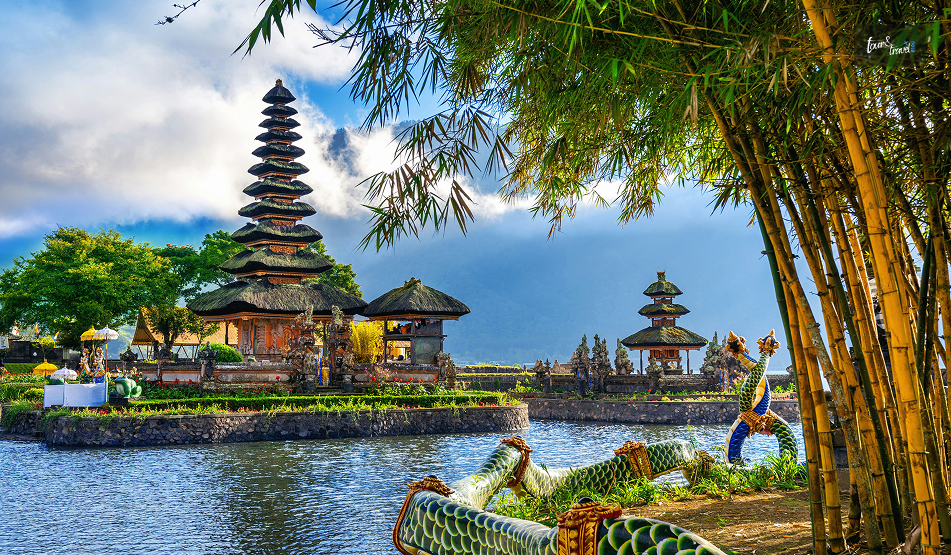
Apart from the beautiful beaches, the basics of Bali also include hidden waterfalls, picturesque rice paddies, and iconic temples. The tourism industry is thriving not just because of the natural landscapes. It is one of the most exotic places to travel, especially with its beautiful landscapes and culture!  

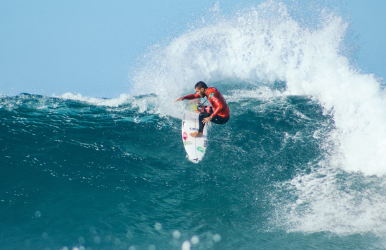
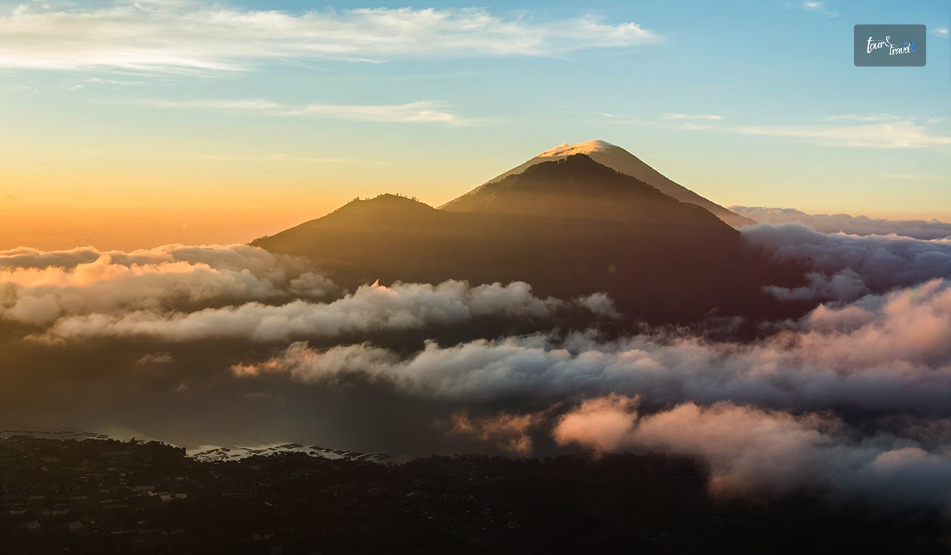
However, also because of its water sports like surfing, hikes to volcanoes like Mount Batur, and delicious food. Yes, you also need to be a little cautious when visiting Bali because there is unpredictable weather, drinking tap water is not safe and beware of scammers.  

Theories of Thailand  

Theories of Thailand

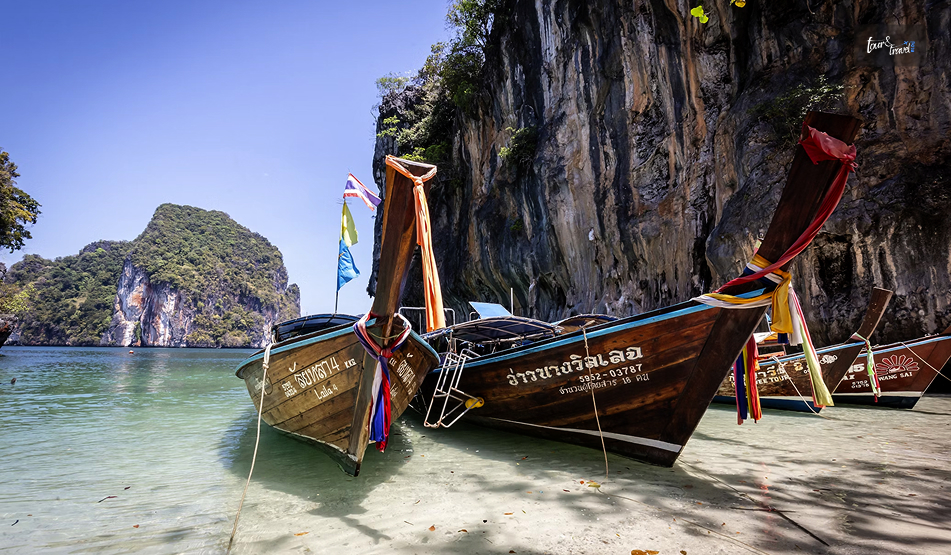
Thailand is famous for its temples and monasteries, especially when Buddhism is an integral part of their culture. Additionally, how can we forget the beautiful sandy beaches of Thailand creating the perfect picturesque view for you?  

Furthermore, the locals there are popular for their hospitality and friendliness. Let’s discuss how the shopping scene is there plus, the way the food and culture of the two places differ. Then you can decide where you plan to go, Bali vs Thailand!  

A Detailed Comparison between Bali and Thailand  

Bali is a part of Indonesia while Thailand is a whole country, so statistically, it is much bigger. Islands that you must visit if you plan to travel to Thailand are Koh Phangon and Koh Samui for natural beauty. While, if it is all about shopping and a big city feel, go to Bangkok.  

Let’s not forget Phuket and Pattaya if you are a beach lover. After all, the rice terraces in the north of the country are a perfect place if you are into photoshoots and perfect DPs for your social media profiles. Coming to Bali, it is a smaller place and easier to travel.  

Be it Ubud or Kuta, the beaches are beautiful and relaxing. Let us not forget the beautiful crochet dresses you get in the local market which you can then don and visit the rice paddy fields. Beautiful volcanoes on the island have created beautiful forests and waterfalls around them.  

Visa  

Visiting Bali will need you to purchase your visa online or after you arrive at their airport for 500,000 IDR/AUD 50/USD 35. Additionally, if you are visiting Bali, you will need to pay a tourist tax of USD 10/AUD 15/ 150,000 IDR per person.  

Paying online will help you book your visa beforehand, however; you have to use a different portal to book it. Furthermore, you can also book your visa at the airport, however, I would suggest otherwise. Going to Thailand, and getting a visa is much easier as compared to Bali.  

It is also one of the places to travel without a passport! You have to pay 10,000 Thai baht for a single entry which can be extended later because they provide a Visa waiver that lasts for 30 days. However, the visa-on-arrival scheme is not quite well established.  

I did it and there is a huge line with so much chaos in the airport. If you have a connecting flight from there, you are doomed especially because there is a lot of partiality going on. If you are applying for a group visa, the process is much faster as compared to an individual visa so, I will suggest applying for an online visa before traveling!  

Accommodation  

If you want luxury, when you are booking accommodation, Bali is a better fit than Thailand, in my opinion. There are a variety of guest houses, Airbnb, hotel resorts, hostels, and homestays available in Bali with all the comforts and warm hospitality of the local people.  

You will get accommodations under a diverse range, from budget-friendly to luxurious. Thailand also has a diverse range of accommodations, especially in the big cities. The concerns arises if you like spacious living quarters because Bali will give you that while Thailand, mostly is a little cramped.  

Transportation  

When you plan for Bali, try to select locations that are closer to each other! For a single day, create an itinerary where you visit two to three places that fall in the same direction or district. The best option is renting a scooter because it is one of the best options to explore both popular and off-track locales.  

You can also book your rides on transportation apps such as Grab and Gojek. Several places are quite traffic-prone in areas such as Canggu and Seminyak. Thailand is huge, so you select any two or three cities like Phuket, Pattaya, Bangkok, and others.  

Apart from renting scooters, you can get public transport such as trains, planes, and buses in Thailand which is quite easy for you! You can select Thailand as one of the best places to travel with kids.  

Beaches  

Beaches  

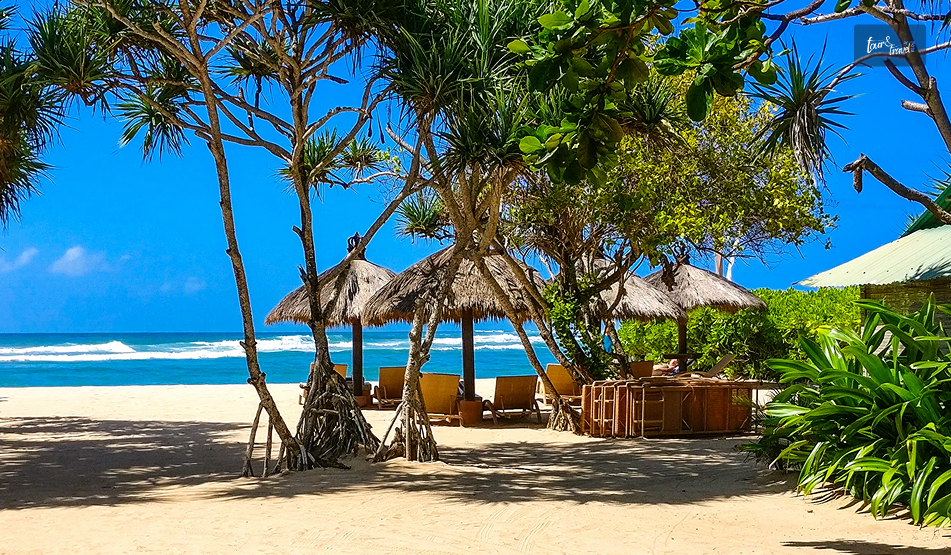
Beautiful beaches in Bali offer you soft powdery sand with endless blue and green water, and waves crashing! You must visit the resort town of Nusa Dua, after all, it is one of the coolest places to check out the picturesque views.  

Another beautiful view that you must not miss is the black sand beaches in Bali with its aesthetics. The Indian Ocean in all its beauty is brought to the forefront because some people are crazy about the water.

Even though Thailand has more beaches than Bali, you won’t be able to cover all of them because it is a whole country! Try and visit the famous beach, Railay Beach. So, I feel Bali has more natural beach beauty as compared to Thailand.  

Things to Do  

If you compare geographically, Bali is a smaller island compared to Thailand, a big country. Of course, we go by numbers, Thailand might give you a larger number of things to do, however, it might become more hectic as compared to Bali. However, the locations and activities are quite far apart from each other.  

Surfing, snorkeling, swimming, and parasailing are some of the water sports that you can do when visiting Bali. So, when it comes to experiencing things to the maximum, Bali is a better choice as compared to Thailand.  

Starting from Uluwatu Temple, Bali Zoo, Mount Batur, Tanah Lot Temple, Goa Gajah and so much more, you will see the beauty of nature, culture, history, people, and others. Thailand offers you a beautiful view of the White House of Chiang Rai and the Grand Palace.    

Safety  

When it comes to safety, there are some issues in Thailand and Bali. Bali is normally quite safe and the crimes that are reported are mostly petty such as snatch and grab or pickpocketing. While Thailand’s road accidents are quite high.  

From a crime perspective, Thailand is safe overall however, the nightlife districts in Pattaya, Phuket, and Bangkok attract a lot of scammers. Furthermore, there have been people who have fallen victim to occasional acts of crime and violence.  

Nightlife  

Thailand has better nightlife than Bali so if you are a party lover, you must either be in Bangkok, Phuket, or Pattaya in Thailand. Bali on the other hand has limited places to offer you party vibes such as Kuta Beach or Seminyak Beach!  

The parties in Bali are more inclusive because of the close circle, locals mostly invite you if they connect well with you. While Thailand has a seedy side of the nightlife!  

Culture  

Culture  

Bali is a Hindu-majority Island with a natural landscape but what is more attractive is their traditional culture. With a Hindu enclave in a Muslim country, the city has a well-defined culture with temples, rituals, festivals, offerings, arts and crafts.  

Thailand on the other hand has a lot of Thai and Buddhist culture persisting creating a fascinating culture. There are several monasteries and places to worship which are quite welcoming for tourists.  

Overall, both places have beautiful, warm, and welcoming cultures and you can easily vibe anywhere!  

Food  

With a prominent culture for food, both Balinese and Thai food are delicious. However, compared to Bali, the street food culture is quite rich with delicious and high-quality food served at a very cheap price. You will also get a range of local and international fare-based Thai restaurants.  

Pad Thai, Som tam, Moo ping, Khao Soi, Khao man gai, and other items are deliciously available almost everywhere. If you are a fruit lover, you have to try their mango, papaya, and other fruits, desserts, and drinks on the street.  

At Bali, there is a lot of cafe culture, and it is a bit expensive especially when it comes to offering a normal menu. Some common items that you should try in Bali are Nasi Goreng, Bali Guling, Sate, and Mie Goreng.  

Shopping  

Everyone loves shopping, so if this is a factor based on which you choose a location for your next vacation, then let me tell you it is quite different in Bali vs Thailand. You will find high-end products at the malls of Bangkok, and night markets at different beach towns in Thailand.  

You should keep the money for shopping when visiting Thailand while in Bali, things are quite cheap. Several entrepreneurial shops and small stores are giving you a variety of local options, arts, crafts, clothing, and others.  

So, Is Bali Better or Thailand?  

Of course, in my opinion, I enjoyed more in Bali but that could have been because I was more experienced in traveling than when I visited Thailand. Simultaneously, the diversity I have seen in Bali is a bit more as compared to Thailand!  

When you are doing Bali vs Thailand when planning your next vacation, jot down the points mentioned above. Discuss it with your travel buddies or if you are solo traveling, start your research accordingly. 

Also read

Share on Social Media

Sagnika Sinha is a content writer who is passionate about writing travel vlogs, entertainment and celebrity articles and literature-based pieces. With a 4 years experience in teaching, she loves reading books. A procrastinator by nature, she loves travelling, listening to music, planting and gardening.

Leave a Reply

Your email address will not be published. Required fields are marked *

title-img Related

READ MORE How to Build a Memorable Travel Brand

How to Build a Memorable Travel Brand (Even If You’re Just Starting Out)

BY  Barsha Jul 17, 2025

Starting out in travel? Yeah, it’s a bit wild out there. Travel blogs, vloggers, Instagram feeds… feels like everyone’s already doing it, right? So, how do you even begin to stand out? The truth is, your brand matters. A lot. Like, way more than you think. It’s not just a logo or a color scheme—it’s the feeling people get when they land on your page.  The little things they remember when they’re scrolling late at night. But how to build a travel brand? What are the things you should focus on when building the website? And don’t freak out—you don’t need to be some design wizard to make this work. Seriously. You can just hop on and create logos with Adobe Express, mess around with ideas, and boom… you’ve got something that actually looks good. No graphic design degree required. How to Build a Travel Brand: Why Branding Matters in the Travel Industry Let’s not sugarcoat it—travel’s massive right now. Stats say global tourism might hit $9.5 trillion this year. Yeah, trillion with a T. Which sounds great, sure, but it also means… loads of people are doing what you’re trying to do. And people don’t wait around. If someone stumbles across your Instagram or blog, you’ve got, what, maybe three seconds? They’re gonna decide right then if you’re worth their time. That’s where branding jumps in. A strong logo, some color choices that actually feel like you, a tone that doesn’t sound like every other account… it all adds up. It makes you stick. Makes folks trust you. Maybe even follow you. 1. Visual Consistency Builds Recognition You know that moment when you see a post and immediately know who made it—without even looking at the name? That’s branding done right. It’s not magic. It’s just being consistent. Same colors, same kind of vibe, font choices that don’t change every week… it tells people, “Hey, this is me. You know me.” Quick ideas to help that happen: Pick 2 or 3 colors. Use ’em everywhere. Choose one or two fonts. No more. Drop your logo on stuff. Doesn’t have to scream, just be there. Your tone? Stick with it. Are you chill? Fancy? Rough-around-the-edges? Own it. You’re not aiming for perfect—you’re aiming for recognizable. 2. Your Logo: The Stamp on Your Travel Passport How to build a travel brand without a logo? Think of your logo like this: it’s your stamp. Your mark. The thing people see and go, “Oh yeah, that’s them.” Does it have to be mind-blowing? Nope. Just needs to feel like you. Whether you’re into high-end hotels or hiking in sandals, that logo should match your energy. And hey, don’t stress trying to get it perfect. Play around. With create logos with Adobe Express, you can test stuff fast. Try a font, swap an icon, change a color—repeat until it clicks. It’ll come together, trust me. 3. Figure Out Your Brand Voice When you communicate with others, your personality and attitude need to shine through. This should also apply to your business activities. Every message you write, whether it is online or offline, should reflect the mission and characteristics of your travel company.  A clear brand voice needs to be in line with itself in the market and work well with the target audience. However, ensure that this voice is the same everywhere. You can’t be sassy when you are posting something on social media, and then be helpful in your blogs. This will confuse the audience and will not reflect a clear picture of the company. However, you can interchange the tone of voice to reflect your mood. The motive is to have an emotional impact on the audience in the context of the message.  4. Give The Travel Brand A Makeover Think of the tone and mission of the brand and then put together something entirely new that will reflect your idea.  Make a remarkable logo, use a unique font for the content, and make the brand shine and leave an impression when they visit the site for the first time.  Visual elements contribute to your brand recognition. For instance, when people hear Google, their striking colors pop into their minds. So, what are the elements that you need to focus on when you are redesigning the brand? Logo Typography Image Colour palette 5. Build Consistency This is the place where everything comes together. The website is the face of the brand, and not just a digital storefront. Online visitors will look for information on your website about your previous tours and what you are willing to offer them. They will want to see a clear picture of how you conduct business. This is why it is important that you maintain consistency throughout the brand. Everyone should look like a copy of one another. The voice, look, and feel should be the same. Here are some of the things that you need to focus on: Create an amazing about us page and put all the necessary information about your brand there. When you have an idea about your target audience, figure out what they are looking for, and try to answer their queries and use relevant keywords. Make sure you do not divert from your brand voice. The content you write and the posts you make should give a similar feel. This will strengthen the brand. When you have built a brand identity, you need to focus on the booking page as well. People should not have to leave the website when they want to book a trip.  Plan Your Website Like You Plan A Trip Travel’s about movement, right? Moments. Snapshots. But your brand—that’s the thing that sticks. The anchor in the chaos. Now that you have an idea about how to build a travel brand, you can focus on other areas that are important.  If you care even a little about growing an audience, building trust, or just looking like you didn’t slap your feed together last night… take a little time to shape your look. A real logo. A clear voice. It makes a difference. And once it’s done? You’ve got a home base. A vibe. A brand that people remember even after they close the tab. So yeah—go make it happen. Not next week. Now.

READ MORE free museums in dc

Explore The Top 15 Free Museums In DC! Must Visit Museums In 2024!

BY  Ankita Jun 7, 2023

What are the best free museums in DC that you and your family can visit while you are in the state? Well, if this is something that you have been searching for, then I have the best thing for you! Washington, D.C., is home to so many amazing museums. The best thing, though? A lot of them provide free admission. You can research history, science, culture, and the arts for free. And if you want a list of them, then you will find this article to be of help! Keep reading this blog till the end to learn more… Which City Has The Highest Number Of Museums? With 85.4 museums per 100,000 people, Washington, D.C. is the US city with the highest number of museums per capita, according to a 2019 report by the American Alliance of Museums. There are numerous explanations for Washington, D.C.'s abundance of museums. First of all, being the nation's capital and the seat of government, it is home to numerous national institutions and museums, including the Library of Congress, the National Archives, and the Smithsonian Institution, which is composed of 19 museums and galleries. Moreover, museums are a big draw for tourists to Washington, D.C., another well-liked vacation spot. The city's museums are accessible to all, offering a broad range of topics from science and technology to art and history, and many of them are free to the general public. Ultimately, a great deal of Washington, D.C.'s museums are dedicated to preserving and presenting the city's rich cultural legacy. For instance, the National Museum of the American Indian focuses on the history and culture of Native Americans, while the National Museum of African American History and Culture, which opened in 2016, is devoted to telling the story of the African American experience in the United States. 15 Best Free Museums In DC That You Need To Check Out! Every day, scholars, researchers, visitors, and locals are drawn to our nation's capital. The diversity and caliber of free museums here attract the crowd. However, with so many choices, selecting an itinerary might be difficult. That is the reason why I have come to your rescue. In this article, I have planned and listed the top 15 free museums in DC that you can visit! So, without further ado, let us get started! Here are the best free museums in Washington DC that you need to visit: 1. National Gallery Of Art This renowned art gallery spans two significant buildings joined by an illuminated tunnel. It also has an indoor waterfall and a six-acre (2.4 ha) sculpture garden. It features both traveling exhibitions and a changing exhibition of works from the permanent collection. The permanent collection offers a marvelously thorough selection of the best artwork. It spans from ancient to modern times, including masterpieces like da Vinci, Degas, and Calder. The National Gallery of Art is a fantastic family outing. It offers free public programming like art history films, classical performances, and kid-friendly hands-on activities. Check out the ice skating rink in the sculpture garden if you're here in the winter. Every day from 10 am to 5 pm, the National Gallery of Art is open at 6th Constitution Avenue North West, Washington, DC, 20565. 2. United States Holocaust Memorial Museum One of the biggest disasters in human history, the Holocaust of World War II, teaches us some of history's most difficult lessons. Except for the children's-oriented Daniel's Story exhibit, it is intended for visitors 11 and older due to the nature of the issues covered in this museum's exhibitions. The Holocaust is a permanent exhibition that offers an insightful look at this historical tragedy through a wealth of artifacts, videos, and human accounts. James Ingo purposefully evoked architectural characteristics of various historical Holocaust places in the Freed building. He does so in an abstract, open-ended manner without making direct parallels to any of these locations. Four commissioned works of art are also on display within the museum: Consequence, a wall drawing by Sol LeWitt; Gravity, a monolithic sculpture by Richard Serra; Loss and Regeneration, a sculpture by Joel Shapiro; and Memorial, a grouping of four white wall sculptures by Ellsworth Kelly. Due to COVID, timed-entry tickets are required, and they can only be purchased in groups of six or fewer. Additionally, there is a $1 processing fee for online ticket purchases. This museum deserves a place on the list of the best free museums in DC. Everyday from 10 a.m. to 5:30 p.m., the museum is open. In Washington, DC, 20024, at 100 Raoul Wallenberg Place South West, is the location of the United States Holocaust Memorial Museum. 3. National Museum Of Natural History There are 147 million specimens and artifacts on display at the Natural History Museum with the highest visitors in the world. Some of them are The Hope Diamond, meteorites, ancient Egyptian mummies, and live insects, including butterflies. The focus of traveling exhibits on natural history issues is on plant and animal biodiversity as well as human history. To further improve your experience, they also offer do-it-yourself, free, printable exhibitions. Because the museum is so big, it's a good idea to take a break and unwind in one of their two cafes or the Garden Lounge, which has live plants. Open every day from 10 a.m. to 5 p.m. In Washington, DC 20560, at 1000 Madison Drive North West, is where you may find the National Museum of Natural History. 4. National Museum Of American History Explore the over 1.7 million objects that span over 300,000 square feet (27,870 square meters) and tell the narrative of America with the four million visitors who flock here each year. The "Star-Spangled Banner"'s inspiration, the Greensboro lunch counter from the Civil Rights demonstrations, Julia Child's kitchen, the ruby slippers from The Wizard of Oz, and Lincoln's stovepipe hat are just a few of the most well-known and well-liked exhibitions. In addition to exceptional events like guest lecturers and performances, the museum offers regular programming as part of some exhibits like Spark! Lab and Wonderplace. The National Museum of American History is located at 1300 Constitution Avenue North West, Washington, DC, 20560, and is open daily from 10 am to 5.30 pm. 5. Hirshhorn Museum And Sculpture Garden Next on the list of the must-visit free museums in DC, we have Hirshhorn Museum and Sculpture Garden. This museum is a must-visit for art enthusiasts because of its enormous collection of contemporary and modern art from throughout the world. Featured and well-known artists include Yayoi Kusama, Henry Moore, and Pablo Picasso. Over 30 sculptures are on display at the sculpture park, including Yoko Ono's well-known Wish Tree. One of the most well-known American modern art museums, the Hirshorn has been open for 50 years and provides a platform for contemporary art and culture on a national scale. For special exhibits, timed passes can be necessary. The museum offers exciting educational opportunities like storytimes, guest speakers, their mobile Art Cart, and film festivals in addition to its permanent and special exhibits. The on-site cafe, Dolcezza, offers pastries, gelato, specialty coffee and tea in a beautifully decorated space. The Hirshhorn Museum and Sculpture Garden is located at Independence Avenue South West & 7th Street South West, Washington, DC, 20560, and is open daily from 10 am to 5.30 pm. 6. National Museum Of The American Indian In this relatively recent addition to the National Mall, explore the richness of culture, language, history, tradition, and futures of indigenous peoples of the Americas. Visit the engaging, fun-filled imaginative Activity Centre (Tuesday–Sunday) for children ages 10 and under to learn the traditional cultural and scientific knowledge of many indigenous peoples. The National Native American Veterans Memorial, a stainless steel circle balanced on a carved stone drum with intricate symbolic carving, was inaugurated at the museum in November 2020 to honor and remember the Native American military veterans. Take a mouthful of some traditional food at the Mitsitam Native Foods Cafe, which offers Native American foods at five themed food stations. The museum offers a number of special events and programs, including performances, special guest lecturers, film festivals, and concerts, to share indigenous traditions with people of all ages in addition to permanent and temporary exhibitions. The National Museum of the American Indian is located at 4th Street South West, Washington, DC, 20560, and is open daily from 10 am to 5.30 pm. 7. National Museum Of African American History And Culture Visit the one and only national museum that was established in the autumn of 2016 and is dedicated to preserving and promoting African American life, art, history, and culture. With an exhibition area of 85,000 square feet (7,897 square km), it will take at least two hours to see everything. Discover African American cuisine at the Sweet Home Cafe with its four themed stations and occasionally offered "Chef's Tables" special meals, such as those for Black History Month. You need a free-timed admission pass. The National Museum of African American History and Culture is located at 1400 Constitution Avenue North West, Washington, DC, 20560, and is open daily from 10 a.m. to 5:30 p.m. 8. National Museum Of Asian Art Visit the Freer Gallery to learn more about Asian art. The Sackler Gallery is home to ornamental and religious items. The Freer Gallery was the first Smithsonian institution designed purely to keep art. They collectively house about 45,000 items with a 6,000-year history. It includes some American artworks in the Freer Gallery. For example, the greatest collection of James McNeill Whistler's paintings in the world. Recent substantial improvements to the galleries have given the museum new energy and technology. Additionally, the museum presents a number of special events and programs, including workshops, performances, films, and guest lecturers. In Washington, DC, 20560, at 1050 Independence Avenue South West, lies the National Museum of Asian Art. 9. National Museum Of African Art Next on the list of free museums in DC is the National Museum of African Art. It was initially founded in 1964 and was bought by the Smithsonian in 1979. It collects and exhibits traditional as well as modern and contemporary art from Africa. A variety of media and issues are covered in the exhibitions, such as photography, portraiture, sculptures, film, and more on tradition, history, slavery in America, politics, and African cinema. They offer a variety of performances as well as notable speakers as part of their special programming. In Washington, DC, 20560, at 950 Independence Avenue South West, lies the National Museum of African Art. 10. National Archives Museum The three most significant historical documents in American history are kept there. There is also the museum and the National Archives and Records Administration. Discover more important documents that affected American history at the Rotunda's interactive Public Vaults permanent exhibit. It features the Declaration of Independence, the Constitution, and the Bill of Rights. The David M. Rubenstein Gallery houses one of the four remaining original copies of the 1297 Magna Carta. It is the ongoing exhibition of the Record of Rights. There is also a 17-foot (nearly 5-m) touch screen on the national discussions surrounding subjects like citizenship and free speech. Additionally, the museum hosts a variety of passing exhibits. It includes a featured document display and the Boeing Learning Centre. Here visitors can check out white gloves and a magnifying glass to examine replica documents like an actual archivist. The National Archives Museum is located at 701 Constitution Avenue North West, Washington, DC, 20408. It is open daily from 10 am to 5.30 pm. 11. National Air And Space Museum Visit the National Air and Space Museum in Washington, DC, for a fun-filled free museum. Visit the renowned National Air and Space Museum to learn more about the power of flying and how it propelled humans off the planet. The Air and Space Museum, like many other museums, is undergoing renovations that will last until 2025, although eight new exhibits are already open. The Wright Brothers & the Invention of the Aerial Age explores the history and force of flight with a special emphasis on its creators. Discover how we reached the moon in 1969 and why and how we are returning in the new blockbuster-level exhibit Destination Moon. You must have a free timed admission pass, otherwise you can skip the queue. The Steven F. Udvar-Hazy Centre, their secondary location, is located in Chantilly, Virginia, about 40 minutes from Washington, D.C. Here, you may learn about human spaceflight and World War II aviation while also seeing planes and a space shuttle. The National Air and Space Museum is located at 600 Independence Avenue, Washington, DC, 20560, and is open daily from 10 am to 5.30 pm. 12. National Zoo Bears, lions, and tigers, and so much more! Discover a variety of animal species from all over the world, as well as daily animal demonstrations and habitat displays. There are entrance passes that must be purchased in addition to paid parking passes in advance (if you decide to drive and park there). A few same-day passes will be available on-site, although it is advised to make a reservation in advance. Visit the Kids' Farm, the unusual Me and the Bee playground, and the seasonally open Squirt Zone if you're traveling with children. Kids will enjoy the Speedwell Conservation Carousel, but keep in mind that each ride costs $4. Two to three hours are suggested or anticipated for a trip to the zoo; be sure to wear shoes that are suitable for walking around in. You can bring your own food and non-alcoholic drinks (no glass bottles), though they do have some food options on-site. The National Zoo is located at 3001 Connecticut Avenue North West, Washington, DC 20008, and is open daily from 8 am to 4 pm. 13. National Portrait Gallery Discover portraits of some of America's most prominent people in the visual, performing, and new media arts, including artists, politicians, scientists, innovators, activists, as well as entertainers. The museum is home to the only comprehensive collection of presidential portraits outside of the White House, which includes works by renowned artist Gilbert Stuart. For a customized visit with your group, schedule a tour five weeks in advance for ten or more people, or try your luck with the walk-up tours on Saturdays as well as Sundays at 12 and 2.30. The National Portrait Gallery is located at 8th Street North West & G Street North West, Washington, DC, 20001, and is open daily from 11.30 am to 7 pm. 14. American Art Museum Discover the country's first collection of American art. It is one of the most significant and comprehensive collections of American art in the world. It is also a unique world-class chronicle of the American experience. The museum has taken the lead in seeking out, gathering, and displaying exceptional as well as outstanding representations of American visual art culture. In addition to the conventional, expected kinds of art in a museum, there is photography, current folk and self-taught work. There are also frequently unsung cultural arts, such as African American and Latino, and even computer games. The museum has two locations. However, they are only a 25-minute walk apart. The Smithsonian American Art Museum (SAAM) is in the downtown cultural center. The Renwick Gallery, which specializes in craft and decorative art, is close to the White House. Check out the Experience America exhibition, which captures American culture in a variety of artistic mediums. There is also Janet Echelman's 1.8 Renwick, a commissioned colorful fiber and lighting piece dangling from the ceiling. Moreover, it highlights the relationships between people and the natural world across time. The SAAM site is open from 11:30 am to 7 pm, as well as the Renwick Gallery is open from 10 am to 5.30 pm. Both locations are open every day. While the Renwick Gallery is located at 1661 Pennsylvania Avenue North West #1 in Washington, DC, the SAAM is housed in the same building as the National Portrait Gallery at G Street North West & 8th Street North West. Read More: Understand More About The Vatican’s Museums 15. National Postal Museum Last but not least, on this list of the free museums in DC that you must visit is the National Postal Museum. Who knew using the mail could be so much fun? Learn about the practicalities of how your letter gets from your mailbox to its destination as well as what it's like to work for the postal service. You can also learn about the transportation used by the postal system. In this amazing stamp collection, you may engage with stamps in ways you never thought possible. Along with regular special programming including story times, art programmes, reading groups, talks, and even multilingual options like Hello, Museo for kids, daily tours are also offered. The National Postal Museum is located at 2 Massachusetts Avenue North East, Washington, DC 20002, and is open daily from 10 am to 5.30 pm. Bonus: Phillip's Musuem Nestled amidst the exquisite row houses of Dupont Circle, this modern art museum was founded in 1921 within a Georgian Revival mansion that had previously served as Duncan Phillips' family home. The location is a favorite among Washingtonians because it is both sophisticated and intimate. Impressionist and modern art are the main foci of the modern art museum, and it excels in both areas. Renoir's well-known "Luncheon of the Boating Party" and pieces by Georgia O'Keefe, Pablo Picasso, Vincent van Gogh, and Richard Diebenkorn are among the highlights of the permanent collection. A single bench is surrounded by four of the abstract expressionist artist's paintings in a small but cozy Rothko Room. In celebration of the centennial of The Phillips Collection, visual artist Daniel Canogar created a digital piece that melds 550 pieces from the museum's collection into a captivating, swirling projection using an algorithm. Wrapping It Up! I hope that this guide has been of help to you in finding the best free museums in DC. Is there more that you want to know? Feel free to scroll down and leave your queries at the bottom of the page. And I will be there to answer them all for you! Read Also: Top 10 National Parks In Oregon That You Need To Explore Tips To Make Your Vacation In Gatlinburg More Enjoyable 6 Things To Know Before You Visit St. George

READ MORE

Welcome To Biscayne National Park: Enjoy Kayaking and Canoeing At This Watery Wonder

BY  Sibashree Jul 10, 2024

If you are in Florida and want to give it all for your active pursuits, your path must lead to the Biscayne National Park. With the third longest coral reef, the watery wonderland is a beautiful coexistence of wildlife, water trails, hiking spots, and life under the water.   Also, did you know that as you visited Florida’s Biscayne National Park, you made a little contribution to the local and national economy? The National Park Service says,   “The South Florida national parks, comprised of Big Cypress National Preserve, Biscayne National Park, Dry Tortugas National Park, and Everglades National Park, were collectively visited by 2.9 million people who spent $242.5 million and supported over 3,250 jobs in South Florida. The cumulative benefit to the South Florida economy was over $352 million.”   So, is the allure palpable enough? Are you already invested in the wildlife, islands, water sports, and the urge to do a little good for the local community? Pack your bags and set in! Meanwhile, let me do all the legwork and make all the plans to join you at the park.   Things To Know About Biscayne National Park  Before I share the details about the kayaking and canoeing fun at the Biscayne National Park, I want to present a brief overview of the park.   A visit to this park is truly a one-of-a-kind experience, and it’s like a microcosm of the universe with the falling together of land and water ecosystems.   It’s time to know the park at a glance before you plan a visit.   Biscayne National Park (Things To Know)  Best Time to Visit  Late November to April  Address 9700 SW 328th Street, Sir Lancelot Jones Way, Homestead, FL 33033  Operating Hours  7:00 AM–5:30 PM, 7 days a week (except holidays) Size 172,971 acres Coral Reef Length  72,000 acres of the northernmost range of the Florida Reef Number of Visitors (in 2023) 571,242  Entrance Fee None Phone 305 230-1144 Alerts & Conditions  Updated regularly  Safety Concerns Mosquitoes and occasional storms Nearby Accommodation Facilities You can stay in tents and make the most of your camping experience. The camping spot is available on a first-come, first-served basis.  Otherwise, you can drive west for half an hour and find hotel chains in Homestead.  I know you can’t wait to have a slice of the national park ripe with outdoor adventure. So, let’s delve deeper into the water and have some kayaking fun and more!   Kayaking, Canoeing, And More! Exploring The Watery Wonderland Of The Biscayne National Park   95% of the Biscayne National Park has water. So, water activities and exploring the water ecosystem are the most amazing things about the place.   You can go canoeing on the open water across the coastal line and reach the stretches of mangroves. Further, you can explore the artificial islands by canoeing and kayaking.   However, to have the most amazing canoeing experience and paddle with the current, you must get a tide table for the visitor center first.   So, let’s start paddling and kayaking!  Jones Lagoon Eco-Adventure Clear Water Paddling  Fee: $109  Age Limit: 12+ for Shared Trips  Duration: 3.5 Hours  Get surrounded by the most amazing marine life during this clear water paddling trip. You will meet the sea turtles, Roseate Spoonbills, and baby sharks on your trip.   Kayakers also love the Jones Family Historic District and Lagoon because of its historic importance. It features on the National Register of Historic Places.  The Jones Family Historic District consists of Porgy Key and Totten Key. The Jones family stayed there during the 1800s and started growing limes and pineapples.   Also, in the early 20th century, they sold their property stretching over a whopping 277 acres and became millionaires. It was a rare incident then in this part of the world for an African American to have this fortune.   Debris Cleanups with Guided Jones Lagoon Paddle  Fee: $50  Age Limit: 12+  Duration: 6 Hours  How about enjoying the beauty and diversity of Biscayne National Park and contributing to its conservation simultaneously?   This debris cleanup and Jones Lagoon paddle trip involves cleaning the debris across the mangrove coastal line and enjoying a relaxing paddle through Jones Lagoon.  At the end of the trip, you will return to the Dante Fascell Visitor Center and unload the debris.   Kayak the Mangroves  Fee: $39  Age Limit: 6+ for Shared Trips  Duration: 1.5 Hours  The mangrove stretch at Biscayne National Park is home to many animals. It is also one of the longest bordering mangrove stretches on the left of the eastern shoreline of the United States.   So, it’s time to meet the tree crabs, fish, animals, and snakes residing in the mangroves. The best part of this tour is that it is partially guided.   The naturalist will guide you for the first half an hour, and from there, you can paddle on your own and take charge of how you want to enjoy the trip.   Sail, Paddle, And Snorkel At Biscayne National Park  Fee: $209  Age Limit: 8+ for Shared Trips  Duration: 6 Hours  This trip involves exploring through the mangrove forest, kayaking, and snorkeling. The trip starts from the Dante Fascell Visitor Center in Homestead.   Snorkel and Paddle  Fee: $209  Age Limit: 12+ for Shared Trips  Duration: 6 Hours  This snorkel and paddle trip at Biscayne National Park is the best to experience aquatic diversity. The rays, dolphins, and sea turtles  await to welcome you to their lives. Further, an encounter with the coral reef is going to be the best experience you can think of.   Also, if you are a birder, you cannot just miss the Roseate Spoonbills while padding. The mangrove forests stretching through the route once again speak of the biodiversity present in the park.  Your guide on the Captain of the National Park will explain the nature of the inhabitants, how they coexist, and the history of the place. It’s the best chef’s kiss you can expect on a trip.   Kayaking Through The Seagrasses of Stiltsville  Fee: $109  Age Limit: 12+  Duration: 3 Hours  Must-Have: Prior Kayaking Experience  As you paddle through the water, the Stiltsville houses on the seagrass banks will be your roadmap to history. This ride is also about the most delightful encounter with the wildlife at Biscayne National Park.   You will even learn why these seagrass banks are important for the ecosystem of the national park. Do you have this thing for everything quaint? The sunken barge on this route stands as a remarkable piece of eulogy.   For the trip, you will start from Coconut Grove and  kayak to the bay to start paddling.   You Can’t Miss The Third Longest Coral Reef At The Biscayne National Park Biscayne National Park promises you a kaleidoscopic experience with the third-longest coral reef in the world. The living coral reef, with its rhythmic movements and embrace of the pork fish and nurse sharks, presents an unforgettable visual experience. The soft corals in the reef dance to the current and create movements.   It’s mesmerizing to know how the polyps make the most beautiful structures by collecting calcium from seawater. In some parts, the coral reef looks like the most vivacious flowers, and in other parts, it will appear like elk antlers or mountains.   On and around the reef, you will also come across the following creatures:  Sea fans  Sea whips  Bright sponges  Christmas tree worms  Fish, shrimps, crabs (They visit to eat the algae gathered on the coral reef.)  Overall, it’s a rainbow of colors with red, purple, orange, and green dominating the spectrum.   How To Visit Biscayne National Park?  You can visit the Dante Fascell Visitor Center of the Biscayne National Park from the US Highway 1 (from north and south) or the Florida Turnpike (from north).   Reaching The Biscayne National Park From North  From Florida Turnpike  First, choose exit 6.  Then, reach the exit ramp and take a left turn to continue moving south to SW 328th Street.   Now, take a left turn on the 328th Street.  Further, drive for four miles to reach the end of the road.  Find the park entrance on your left.  From The US Highway 1  You have to drive south toward Homestead, take SW 137th Avenue, and turn left. You will reach SW 328th Street after a five-mile drive. From here, you will have to take a left turn and drive for four miles. Once you get to the end of the road, you will find the park entrance on your left.   Reaching The Biscayne National Park From South  You can reach the Biscayne National Park from US Highway 1 while traveling from the south.   Then, drive north and reach Homestead. There, you take a right turn on SW 344th Street. Further, continue for four miles until the road near the Homestead Speedway takes a northern turn.   Next, reach the SW 328th Street and head east. Now, you will have to drive for four miles to reach the end of the road. The entrance of the Biscayne National Park will be on your left.   Fun Facts About The Biscayne National Park   The series of sandy, low-lying, and small islands here are known as keys.  Eliott Key is the largest key or island in the Biscayne National Park.  Boca Chita Key is the most popular island here. Also, it is known for its 65-foot lighthouse constructed in the 1930s.   See You There!  Biscayne National Park is a destination that will spoil you with choices. The kayaking and canoeing activities are there, and you can also take a deep dive to have a one-on-one with the fascinating marine life.   If you want more outdoor pursuits in the water, you can try swimming and fishing.   Further, the park does not disappoint wildlife lovers and tourists who love exploring history. The Jones Family Historic District at the park features on the National Register of Historic Places.   Also, the dolphins, birds, turtles, and fish are there to offer you the most amazing wildlife experience.   And the list is endless! The things to do and see at the Biscayne National Park! So, let’s quickly wrap up my guide and plan a visit to the park. See you there soon!   Biscayne National Park FAQ  What Is Biscayne National Park?  Biscayne National Park in Florida is one of the most visited National Parks in America. It is known for its diverse ecosystem and historical importance. Further, it has the third-largest coral reef in the world.   How Do I Access Biscayne National Park?  You can reach Biscayne National Park through US Highway 1 or the Florida Turnpike if you are driving from the north. If you are traveling from the south, you will have to take US Highway 1.  What Activities Can I Do at Biscayne National Park?  At Biscayne National Park, your outdoor pursuits are going to be endless. You can enjoy the following activities.  Snorkeling  Diving   Kayaking  Paddling   Exploring the mangroves  Visiting coral reefs  The park also offers opportunities to experience the best marine life by observing manatees, sea turtles, and various marine creatures.  What Landmarks Can Be Found In Biscayne National Park?  Biscayne National Park has the following landmarks.  Maritime Heritage Trail  Stiltsville  Living Coral exhibit at the Dante Fascell Visitor Center  Is There Scuba Diving At Biscayne National Park?  Yes, you can do scuba diving in clear waters at Biscayne National Park. You will  encounter coral reefs, vibrant marine life, and shipwrecks while scuba diving.   When Did Biscayne National Park Become A National Park?  In 1968, Biscayne National Park was established as a national monument. Years later, in 1980, it got the designation of a National Park.   Also read Enjoy The Best Amusement Park In Cancun. The 4 Best Parks In Cancun You Have To Visit. From Hiking To Stargazing: The Top 10 National Parks In Utah!