


Ohio Attractions: What There Is To Attract Us To Ohio

Jun 4, 2021

Last Updated on: Jun 20, 2025

Travel Blog

The state of Ohio derives from “Iroquois” meaning “good river”. Situated in the Midwestern region, it became the 17th state of America in 1803. It is bordered by Lake Erie, Indiana, Kentucky, Michigan, and West Virginia. We shall, in this article, explore just what is special about the state. Everyone is aware of ‘where is Ohio? And what are the best Ohio attractions?

Very few of you know what the best tourist attractions of this place are. And here comes the most striking news: there are also many haunted attractions in Ohio. 

Yes, that means your Ohio visit is not only ensured with the best experiences. You are also going to have multiple experiences, which are making your Ohio visit the most exciting experience.

If you are looking for Things to do in Circleville Ohio, then follow this link to find out more. In the meantime, we shall consider some other areas of Ohio that you can explore.

5 Best Tourist Attractions In Columbus Ohio

When looking for Ohio city attractions, you will get multiple tourist places on your travel bucket list.

Here are the five names of the top tourist destinations in Ohio, including the tourist attractions in Columbus, Ohio.

1. Dayton

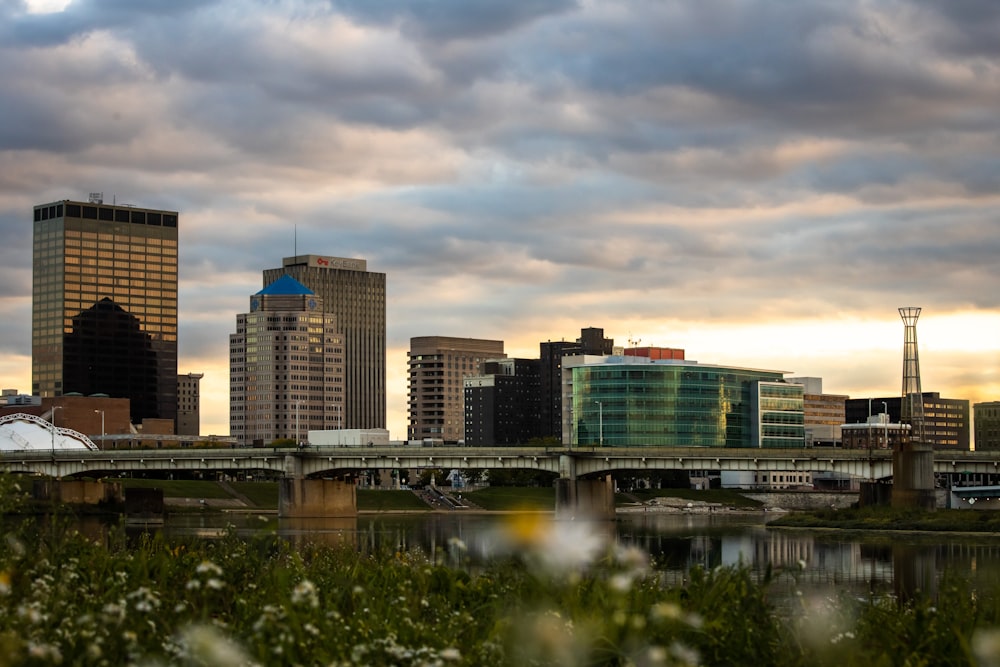
city skyline under gray cloudy sky during daytime

Dayton is one of the most beautiful Ohio attractions. You will get plenty of enjoyment options in this area. Due to the attractive tourist destinations, many tourists are gathering in this city from all over the world. 

The beautiful, scenic beauty of the place is one attraction. But apart from these, the National Museum of the U.S. Air Force comes under the top attraction of the whole Ohio city.

Here are some of the places where you must visit while you are in Dayton, Ohio.

  • National Museum of the US Air Force
  • The Dayton Art Institute
  • America’s Packard Museum
  • Carillon Historical Park
  • RiverScape MetroPark
  • Five Rivers MetroPark

2. Corkscrew Falls

Are you planning your Ohio tours with your families? Then you put the Corkscrew falls into your travel bucket list. This is one of the most attractive Ohio attractions for families. So what is the best thing about Ohio? Modern civilized society but do not compromise the beauty of nature. That is the twist of the story.

The Corkscrew falls are one of the best examples of living in nature. You will enjoy the forest’s beautiful nature and mesmerizing looks of the waterfalls. The forest is full of hidden waterfalls, so keep your heart ready for the sudden coming of nature’s surprises.

Here are some of the facts which you must know before visiting Corkscrew Falls.

  • The corkscrew falls are not like Niagara.
  • The falls are pretty small.
  • You require a permit to visit the place and for it to be close to the waterfalls.
  • The hiking trails aren’t near Hocking Hills State Park.
  • Do not forget to add the rockstar to your travel plan.

3. Athens

Athens is a city with, the country seat of Athens. It sits beside the hocking river and stretches near about 65 miles. We all know the place because the heritage of glorious Ohio University is here. The Ohio University In Athens was established with the first federal endowment.

Ohio University was established in July 1987. Then two townships of good land for the support of a literary institution in the newly created Northwest Territories. Ohio University is the first visiting place of Athens. Apart from the university campus, the architecture of places is another beautiful thing you can see.

Here are some of the Ohio attractions which you can see in Athens.

  • Kennedy Museum of Art
  • Passion Works Studio
  • Athens Lunatic Asylum (Worldwide popular haunted attraction in Ohio)
  • Southeast Ohio History Center

4. Columbus Zoo

Columbus Zoo

Your Ohio visit is going to be complete if you are visiting the Columbus Zoo.  This comes under the most popular Ohio attractions for families. The newest regions at the Zoo are letting you connect with the wildlife and varieties of diverse species. This is the home of many extraordinary species and animals like sea lions, seals, and varieties of sea creatures.

Jack Hanna’s Animal encounters are linked with the village base in indoor and outdoor habitats. More than 50 species live in these remote locations, and if you like to understand the real vibes and flavors of Ohio. Then this should be where you can feel the vibes and connect with the real Ohio.

Here are some facts you must know before visiting the Columbus Zoo.

  • This is a large area, so always have some time to explore the whole facility.
  • They do not accept personal cheques.
  • Most of the stores accept different types of cards. Just a few of the food shops prefer to take cash.
  • Any weapons or things that can turn into a weapon are not allowed here.

Firearms, laser pointers, glass containers, balloons, bicycles, skateboards and other skating equipment, large-size umbrella, lounge chairs, radios, rafting, floating equipment, and grills are not permitted here.

  • Service animals are welcome. But other pets are not allowed in the Zoo. And they do not offer Kennel services.

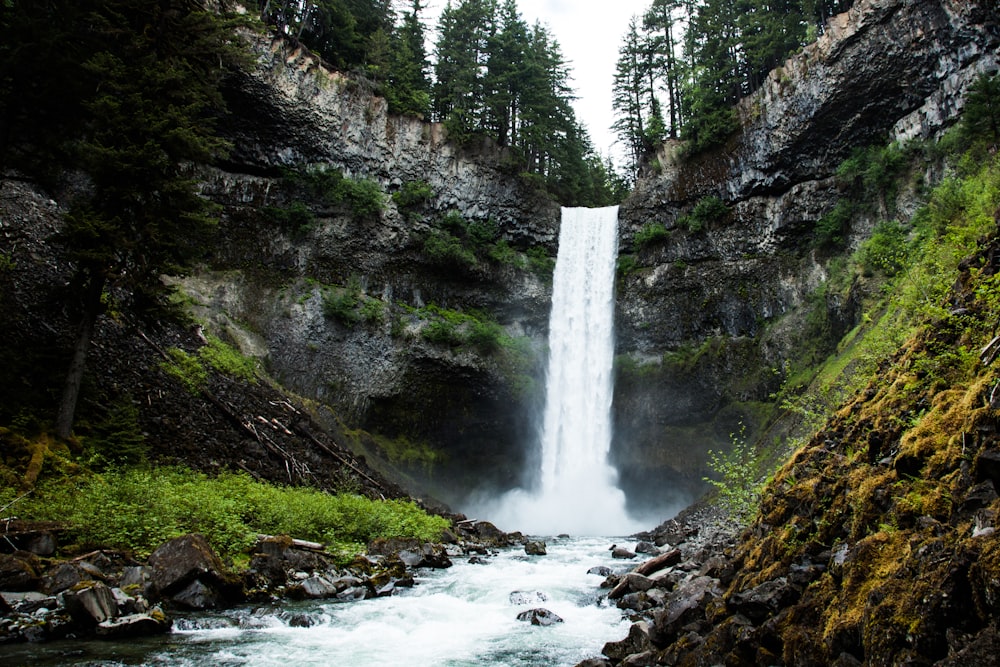
5. Brandywine Falls

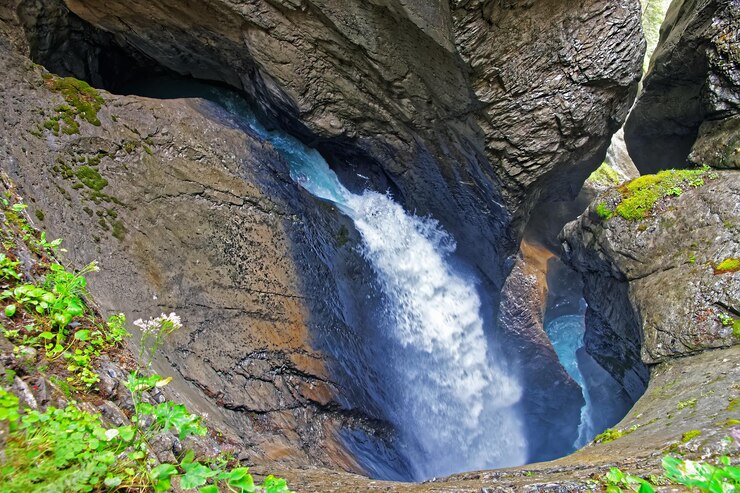
waterfalls during daytime

Some of the most beautiful places in Ohio to consider visiting are Brandywine Falls, Cuyahoga Valley National Park Ledges, Lake Erie Bluffs, and Old Man’s Cave.

Brandywine Falls is a 65-foot waterfall and a breathtaking sight.

Cuyahoga Valley National Park Ledges is a beautiful trail to experience. It is fascinating to think that 300 million years ago, the region was under an ancient sea.

Lake Erie Bluffs is a Metro park that spans 600 acres. There are 40ft high beach bluffs. A bluff is defined as a cliff that is broad and rounded.

Old Man’s Cave in Logan is considered by many of the beautiful Ohio attractions as hiking trails. For those who have a fondness for the Lord of the Rings movie, you could always feel as if you were on the set of that. 

This trial will take an hour to complete, so that allows plenty of time to hike it in a day and still have time to explore.

Historical Attractions Of Ohio

For those interested in history, the oldest of Ohio’s towns is Marietta. It is on the eastern side of Ohio and adjacent to the West Virginia border. 

The town dates to 1788, when it was founded by General Rufus Putnam and a group of Revolutionary War veterans. It is currently home to approximately 14,000 people, so inhabited enough to visit and feel part of a working and functional town.

If you want to know what royalty used to do in Ohio, there is Landoll’s Mohican Castle to visit. For anyone enchanted by fairy tales, it is a modern fairy tale castle that is buried in the woods of central Ohio attractions. This is the heartland of the Mohican country and Loudonville.

The Copper Mug Grill offers a Gordon Ramsay-designed menu for those into watching Chefs. You can also go on murder mystery nights and ghost hunts. You can listen to live performances from jazz bands.

Few Musical Attractions In Ohio

For music fans, Ohio boasts the Rock and Roll Hall of Fame in Cleveland. It is one of the biggest Ohio attractions. 

The museum, which opened in 1986, features a range of classic memorabilia relating to the biggest stars in rock. Featured are Simon and Garfunkel, B.B. King, and Patti Smith. Also, one of Elvis’s cars and Michael Jackson’s famous glove.

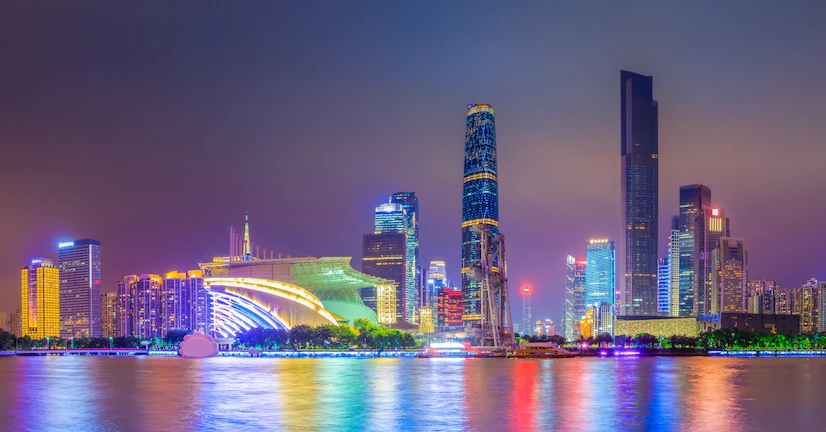
Some Fun Factors Of Ohio City

view of bridge and high-rise buildings at daytime

Cedar Point is one of America’s most famous amusement parks and is considered an essential part of many a family trip to Ohio. One of the best Ohio attractions for anyone with an affinity for roller coaster rides. 

Opened in 1870 in Sandusky, Ohio, this complex has some very impressive rides to enjoy the adrenaline from. This enjoyment is one of the most popular roadside attractions in Ohio. 

So when you are finding any fare, just jump on from your vehicle and enjoy the ride with your family and friends. For single or sole travelers, fun and enjoyment are the best way to attract a partner. Take advantage of the opportunity.

The rides feature the Power Tower and the Raptor, to name the most challenging first. The milder ones would be the Lake Erie Eagles and Midway Carousel. So, there is something for everyone to enjoy, depending on how extreme you want to go.

Ohio has so much to offer tourists and citizens alike as a state of America available to all.

So, take a trip to Circleville, Ohio, and all the other attractions Ohio has to offer, ranging from beautiful places to historical ones or ones that relate to famous rock stars past and present. For those who have not had enough fun already, there are roller coaster rides to raise the adrenal levels.

Frequently Asked Questions By The Ohio Travelers

Which Is The Safest City In Ohio?

Three cities are safest in Ohio for every type of traveler. They are Elyria, Kettering, Green Township, and Parma.

What Are The Most Common Crime In The Ohio State?

The most common criminal crime in Ohio is drug dealing-related crimes.

What are the best cities in Ohio in which to live?

Columbiana, Ohio, is only the friendliest town in Ohio. However, this town is also the nicest in the whole of America.

Why Do People Think Ohio Is A Bad State?

According to the statics, Ohio had the 7th lowest 10-year population growth. And also have 23 highest unemployment rates along with the 21st highest poverty rate with the 14th expectancy at birth.

What is it like to live in Ohio?

In comparison to the other states, Ohio residents are enjoying a very affordable low-cost living. The Ohio living score is 82.6, and it’s also the 9th cheapest state to live in.

Bottom Line: Plan Your Trip And Enjoy

These are the five Ohio attractions that you should include in your travel plan. If you are planning for a very short trip in Ohio, then you must add these five attractions to your trip notes. For hassle-free travel before visiting any places, especially the park and the Zoo, always look at the norms and protocols before visiting the sites. What is your next travel plan? Remember to share your exciting travel story with us through the comment section.

Read Also:

Share on Social Media

Abdul Aziz Mondol is a professional blogger who is having a colossal interest in writing blogs and other jones of calligraphies. In terms of his professional commitments, he loves to share content related to business, finance, technology, and the gaming niche.

Leave a Reply

Your email address will not be published. Required fields are marked *

title-img Related

READ MORE Chilean wine country

A Journey Through Chile’s Wine Country: From The Andes To The Pacific

BY  Sibashree Aug 20, 2025

Okay, so, picture this: Chile laid out like a long ribbon—kind of wild, right? Mountains stacked on one side, waves crashing on the other, and somewhere in between, these sun-kissed vineyards doing their own thing. And not just recently, either. Some of these spots have been growing grapes longer than most countries have existed. When folks talk about wine in Chile, it’s no stuffy affair—honestly, it feels more like jumping headfirst into the whole shebang: the scents, the crazy landscapes, locals chatting about soil like it’s family gossip...and the wine isn’t just a drink. It’s, I dunno, almost like reading a diary of the land and weather and the winemaker’s mood last summer. Believe me, if you find yourself wandering around Central Valley’s endless stretches, or just chilling with a glass of something zippy and white right off the coast, the whole experience flips whatever you thought you knew about wine on its head. Here’s a rundown of how to, well, do it up right—and why Chilean wine country is totally underrated for anyone who actually cares what’s in their glass. Why Chile Belongs On Your Wine Travel List Let's be real. Chile’s geography, if you look at a map, is ridiculous. It's absurdly long and skinny—on one side, you’ve got the Andes looking dramatic, on the other, the Pacific just doing its endless thing.  That combo means you get all kinds of grapes—each with its wild backstory.  Sometimes, you’ll even wonder if the wine tastes different because of the wind or the fog, and honestly, maybe it does. Way back, some old Spanish guys brought over vines during the 1500s (imagine lugging grape plants on a boat…). Fast-forward: these days, Chile fires off everything from bold Cabernet to its famous Carmenère (which was basically lost everywhere else until they stumbled on it growing here), and while tradition is huge, they’re also not afraid to play around—mixing, blending, inventing. But don’t let the obsession with the grape fool you—traveling here, you’re in for high-energy Santiago, mind-blowing seafood in Valparaíso, classic farmhouses, and some wineries that look like spaceships landed in the vines. The Essential Wine Regions Of Chilean Wine Country Can’t see it all? Yeah, same. So here are the spots you wanna hit if you thrive on the good life: 1. Maipo VALLEY – The Bordeaux Of South America Jump in a car from Santiago and you’re basically in wine heaven before you’ve finished your podcast.  Maipo’s like Bordeaux if Bordeaux were dragged down to South America and given a tan. Their Cabs are everything—sun, altitude, crazy temperature swings. Here, you bounce between proper castles and tight-knit family farms. Pro tip: Say yes to barrel tastings, even if you don’t know what’s going on. Also, picnic in the vines? Yes, please. 2. Colchagua Valley – Bold Reds And Boutique Luxury Prefer your wine big and loud? Colchagua’s where it’s at. You get Carmenère, Malbec, and Syrah, all hedged in by mountains and dusty hills.  Out here, you can sleep in some bougie lodge, eat with a chef who got bored with Santiago, or hop on a horse and clop around feeling very, very far from home—or work. 3. Casablanca Valley – Cool-Climate Elegance Suddenly need something crisp? Casablanca’s like dipping your toes in the ocean, but with wine. The vibe? Super chill (temperature-wise too), close to Valparaíso, and heavy on Sauvignon Blanc and Chardonnay that somehow taste like the smell of fresh rain. And, weirdly, the buildings at some of these wineries—glass walls, clean lines—make you feel like you’re drinking inside a modern art painting. Not bad, right? 4. Aconcagua Valley – Tradition Meets Innovation Nose around north of Santiago, and you hit Aconcagua. This place is a mashup: grandad techniques next to bright-eyed winemakers pouring orange wine and talking about fermentation like it’s the new rock ’n’ roll.  Reds, whites, and all kinds of stuff in between. More Than Just Wine: Immersive Chilean Wine Country Experiences Let’s be honest for a second: even if wine’s great, no one wants just wine, all the time. Some add-ons you can’t miss: Gourmet Food: Loads of wineries double down with restaurants that’ll ruin you for regular meals—seafood, lamb, veggies, all paired so well you’ll start rating salad at home. Art and Architecture: Sometimes you come for the wine, and end up taking fifty photos of the cool ceilings or a painting hung next to barrels. Nature and Adventure: Think: hiking near volcanoes, pedaling past vines, even floating in a hot air balloon. Wild? Yes. Culture Stuff: Pick grapes with strangers, learn a dance and laugh at yourself, or poke around for cheese, olive oil, or crafts that weigh down your suitcase. When To Visit Chilean Wine Country Best part—Chile’s long enough that there’s always somewhere worth going. If you want the inside scoop: Harvest (March to May): Grapes everywhere, everyone’s busy, and there’s a good chance you’ll get roped into a festival—or grape-stomping contest. Spring (September to November): The Weather’s sweet, gardens and vines exploding, and not a tour bus in sight. Summer (December to February): Big sunshine, big crowds, big everything. Good if you want max hustle and bustle. Traveling In Style: Curated Luxury Wine Tours Hate planning logistics? Me too. Just get a fancy tour company and let them sweat the details—private tastings, cool places to crash, cars to get you from A to B, and guides who know when to hang back and when to start telling crazy stories about wine politics. Check out Into the Vineyard or anyone who actually answers their emails. They make sure you’re doing what you want, not what the last ten tourists did. One of the best ways to experience the breadth of Chile’s wine regions is with a specialized travel company like Into the Vineyard. A Sample Luxury Chile Wine Tour Itinerary Let’s imagine how a week goes down (give or take, you know?): Day 1 – Land in Santiago. Someone grabs your bags; you’re at a boutique hotel with a welcome drink before you even check Wi-Fi. Day 2 – Maipo Valley. Taste, eat, repeat. If the schedule says “vineyard lunch,” you’re in for at least three wines before dessert. Day 3-4 –  Colchagua Valley. Sleep in a posh lodge. Visit small-batch wineries. Maybe fall off a horse (hopefully not). Day 5 – Casablanca Valley. White wine and seafood until you need a nap. Then, go to Valparaíso for a night out. Graffiti, music, food, the works. Day 6 –  Aconcagua Valley. Get nerdy with organic wine folks. Learn that “biodynamic” isn’t just a buzzword. Day 7 –  Back to Santiago. Last gifts, one more meal, then gone. Insider Tips for the Perfect Chilean Wine Country Tour Here are some of the tips for travel. The travellers should follow these tips for a more immersive experience while visiting the place. Honestly, don’t drive yourself. Local drivers know where to go (and where to stop for the best empanadas). Try the funky grapes—País, Carignan, even that Riesling with the label you can’t pronounce. Book the good stuff early—boutique tours disappear quickly. Look for places with a pool or a hot tub. Thank me later. The Last Few Things To Keep In Mind Before Visiting Chile Chile’s not just another check on your wine passport. You’re standing with snow-capped Andes in the background, sipping a glass that could’ve been impossible anywhere else, and finishing your last meal by the ocean.  Mix in a little culture, art, and memories you can’t fit in a suitcase, and well, that’s what makes Chile a story you can drink. Read Also: With Popular Wineries, Learn the Things to Do in Mudgee! 5 Ideas For Wine Tours In Barcelona- Make It Happen Wineries You Should Visit In Winter

READ MORE national parks in washington

Top 9 Edition: Exploring The Wonders of Washington’s National Parks

BY  Abdul Aziz Feb 13, 2024

The majority of people from the Pacific Northwest will tell you that the outside world simply does not understand them. Many outsiders have the impression that Washington is a rainy city that lives off lattes, complete with techies and tree huggers. Yes, it has all of that, but the state's vast, unmatched wilderness, difficult to find anywhere else, is what really defines it. To really understand Washington national parks, you need to go beyond the Seattle city limits. Its famous national and state parks will make you speechless. Each presents an entirely distinct interpretation of the 18th largest state in the union. The three national parks in Washington are so large and varied that residents return year after year to explore more areas. Additionally, the more than 100 state parks are comparable, with lesser-known areas offering deserted campsites and uncrowded trails. In addition, there are deep fjords, moss-draped archipelagos for island hopping, snowy volcanic peaks, and canyons carved by Ice Age glaciers. There are also temperate rainforest trails, sea stacks off misty shores, and an abundance of waterfalls. To put it simply, you may want to consider a yearly park pass. National Parks In Washington Washington State National Parks are so much more than what they get credit for. Are you curious about what secrets Washington is hiding? We are listing the national parks in Washington state below. Make sure to put them on your to-do list. You will be surprised by the stuff you had left previously undiscovered in Washington. Moran State Park There are few places in the Pacific Northwest that compare to the delightfully remote Moran State Park. It is a haven for wild island getaways. Being the most populous island in the San Juan archipelago, Orcas Island has dense forests. It is a popular outdoor recreation destination for island hoppers. It offers multiple freshwater lakes for swimming and boating. The Washington State Ferries are the only way to get here; they connect to Seattle, San Juan, and other nearby launch points. If you're up for exercise, then consider hiking or biking up Mount Constitution, the highest point on the islands. Bring boots for the 38 miles of trails within the park. In order to see the interpretive center and enjoy the views, you can also drive up to the summit. Cape Disappointment State Park It's hard to estimate how many dad jokes went like, "Well, it's definitely not a disappointment," as they entered Cape Disappointment State Park. And it's not. The park, located in the southwestern region of Washington, boasts dramatic views of the Pacific Ocean and the powerful Columbia River. It also has moody beaches and windswept sea cliffs. You can tour decommissioned installations like Gun Battery Harvey Allen and the remnants of Fort Canby. It was once a strategically significant military site. The park's eight miles of trails lead to its two operational lighthouses, Cape Disappointment Lighthouse and North Head Lighthouse. They are arguably the most photographed sights in the area. Palouse Falls Palouse Falls was Washington's official state waterfall in 2014 after state legislators approved a bill from local students. The region is well-known for its abundance of waterfalls. The fall's special scenic location demonstrates why it was given that recognition. This 200-foot waterfall in the Palouse River Canyon cascades down basalt cliffs. It is one of the last remnants of the Ice Age floods. It should come as no surprise that this little state park is all about admiring the scenery. The park has three official vantage points. A short 0.1-mile ADA-accessible walk leads to one of the viewpoints. Dry Falls State Park The moss-covered forests west of the Cascade Range appear vastly different from the dry canyon-like settings of Sun Lakes–Dry Falls State Park. The park's striking cliffs are the result of the melting of the Ice Age. It created the bleak landscape of eastern Washington through ancient floods. It is a single stop on the multi-state National Geologic Trail: Ice Age Floods. The 3.5-mile precipice known as Dry Falls, which was formerly home to a massive waterfall, is the park's most striking feature. As the name suggests, the falls dried up long ago, but water is still a major attraction here. Boating, swimming, and water skiing are all popular in shimmering lakes. During the summer, the only thing breaking up the endless blue sky is the cliffs. Larrabee State Park Bellingham's hippies and college students frequently head toward Larrabee State Park when they want to go hiking. This is the first Washington State Park, established in 1915, and it protects a large portion of the Chuckanut Mountains' coastline. Moderate hikes to Clayton Beach's pebbled shores and Fragrance Lake, one of the park's many picturesque lakes, are popular routes. Mountain biking is another popular activity in the area, and Larrabee offers a variety of trails suitable for all skill levels. It includes steeper technical slopes that are best left to the pros. Of the many national parks in Washington, Larrabee will offer the most fun-filled experience. Lime Kiln Point State Park The San Juan archipelago is well-known for the year-round orca whale population that calls these chilly waters home. Visit Lime Kiln Point. The Washington State Parks's team likes to call it one of the world's top locations for whale watching, to witness them in action. And they’re not wrong. For views of the orcas and other whale species, which are most commonly spotted from May through September, climb the elegant 1919 lighthouse. This includes porpoises and pods of gray, humpback, and minke whales. Located on a rocky outcropping on San Juan Island's western shore, this small day-use park has a seasonal interpretive center that is usually open from late spring to summer. Deception Pass State Park This state park in Washington receives the highest number of visitors for two main reasons. The first is the range of outdoor activities it offers close to Seattle. It is a little over an hour’s drive if the traffic is not too heavy. The second is the 360-degree view that can be obtained from the two-span arched Deception Pass Bridge. It towers over the channel, which is a more romantic and compelling reason to visit. Deception Pass State Park encompasses two adjacent islands, Fidalgo and Whidbey. They are popular both for camping and day-use marine adventures. Three freshwater lakes and the surrounding saltwater are accessible from five boat launches. Visit this place to kayak around the coves of the islands, explore their rocky shorelines, and trek through the old-growth forests on a 38-mile network of trails. Beacon Rock State Park On the north bank of the largest river in the Pacific Northwest, Washington offers a more serene and visually appealing experience than Oregon. It is home to a majority of the Gorge's well-known as well as congested attractions. The overlooked Beacon Rock State Park offers expansive, slightly less crowded views of the national scenic area. Although Oregonians take great pride in their state, even they will admit that Beacon Rock is one of the best day hikes you can do. Within an hour's drive of the City of Roses. Enjoy expansive views of the gorge after ascending the basalt monolith via a mile of winding switchbacks and staircases. Locals cringe at this pun, but the views from the top are, well, gorgeous. If you are looking for national parks in Oregon and Washington, then this is your cue. Olympic Park If you can only spend time in one Washington park. Situated in the northwest, then choose Olympic Park. Corner of the state on the Olympic Peninsula, this vast wilderness has glacier-capped mountains, mossy rain forests, and tide pools. Rarely will any other of the national parks in Washington match up to the beauty of the Olympic. Except for Hawaii, the Olympic Peninsula gets more rainfall than all other location in the United States. It protrudes into the Pacific and is divided from the mainland by the Strait of Juan de Fuca and Puget Sound. This is the most glaciated US landscape outside of Alaska, with over 250 glaciers fed by the snowfall that occurs high in the 2,000-meter-plus Olympic mountains. The vast ice fields feed several significant rivers, which then meander towards the Pacific through temperate rainforests. Travelers can follow the Bogachiel River inland to the Hoh rainforest from its Pacific outlet at La Push to see the highlights. The following day, go in a northeastern direction and ascend to Hurricane Ridge, which offers a stunning vista of the Olympic mountain range. Those with extra time will want to soak in the Sol Duc hot springs and take a scenic stroll to Marymere Falls. Lake Crescent and Sol Duc offer lodging and the park is home to many campgrounds. Wrapping Up Yoking in the center of the Pacific Northwest, Washington State is famous for its breathtaking scenery and varied ecosystems. Locals and visitors alike have a variety of outdoor activities to choose from, ranging from a relaxing ferry ride to the iconic San Juan Islands to a strenuous hike to the Cascade Range peaks. If you have thoughts to share or questions to ask about national parks in Washington, please leave a comment below. We would love to hear from you! Read Also: 7 Fun Things To Do In The Great Smoky Mountains National Park Top 12 National Parks In Florida That You Must Visit Best 10 National Parks In New Mexico To Visit

READ MORE Coastal Cuisine

Navigating Coastal Cuisine: A Traveler’s Guide To Safer Seafood Choices

BY  Sibashree Sep 3, 2025

One of the absolute best things about travel? Hands down, it’s the food. Nothing beats sitting near the water, breeze in your face, and digging into whatever the locals have been making for generations.  Maybe it’s smoky sardines in Portugal or paper-thin slices of tuna sashimi in Japan… Either way, seafood has this way of stealing the show. But here’s the flip side: while we’re chasing flavors, it helps to know what’s actually landing on the plate.  Mercury in seafood’s been popping up in conversations more and more. It’s naturally out there in the environment, sure, but industries add to it too. Some fish pick up more of it than others. Most of the time, you’re fine, but if seafood becomes your go-to meal on a trip? Yeah, worth paying attention. In this Tour and Travel Blog, we will talk about how to try the best coastal cuisine safely.  How To Try The Best Coastal Cuisine Safely? Understanding The Importance Imagine you’ve planned this whole trip around food—coastal markets, little family-run joints, maybe a cooking class or two. Seafood’s everywhere.  But here’s the thing: the big, long-living fish—swordfish, king mackerel, certain tunas—they build up more mercury over time. Smaller guys like sardines, trout, anchovies? Usually safer bets. This isn’t about saying “don’t eat seafood.” Please, no. It’s about eating smart so you don’t have to think twice later. When a menu lists a fish you can’t pronounce, knowing the basics means you can pick something tasty without worrying about it. Why It Matters For Travelers? Eating local food is how you get a place. Paella in Spain, ceviche in Peru, a messy clam bake in New England—they’re experiences as much as meals.  But if you’re traveling and eating seafood meal after meal, that exposure can stack up faster than you think. For most healthy adults, a little extra seafood isn’t a big deal. But pregnant travelers, kids, or folks with certain health issues? They’ve gotta be a bit more cautious. Knowing which fish to enjoy freely and which to maybe skip for the day? That’s just good travel sense. The Role Of Sustainability And yeah, mercury’s one piece of the puzzle. Overfishing’s another. A lot of places now highlight eco-friendly options right on the menu. Asking about it isn’t annoying—it shows you care about the place you’re visiting and the people feeding you. How To Navigate Coastal Cuisine Safely While Traveling? Know The Practical Tips Freshness, simplicity, and a riot of flavors! These are the core reasons why coastal cuisine is so popular. Furthermore, smoking, grilling, and making curries are the most popular methods of cooking these cuisines.  However, you need to be extra careful while navigating these cuisines.  1. Safer Selections Abroad Menus in other languages, mystery dishes… yeah, it can get confusing. But here are a few things that make life easier: Chat with locals. They know what’s eaten all the time versus the “special occasion” stuff. Go smaller when you can. Sardines, smelt, whitefish—lower on the mercury scale. Shellfish’s usually fine. Shrimp, crab, scallops—still best not to overdo it. Throw in some variety. Plant-based meals or land proteins here and there keep things balanced. 2. Culinary Traditions And Conscious Choices  Every region has its classics for a reason. Mediterranean? Grilled sardines with olive oil and lemon—healthy, simple, perfect. Southeast Asia?  Flavorful curries using smaller fish. Then there are places serving bigger predatory fish, like marlin in parts of the Caribbean—amazing flavor, but maybe not for breakfast, lunch, and dinner. The cool part is, you don’t have to give up authenticity. You just get to enjoy it without overthinking. 3. Practical Tips For Travel Planners  If you’re the “map out everything” type, a little prep work helps: Look up local fish before you go. Two minutes online gives you a head start. Learn a few names in the local language. Saves a lot of pointing and guessing. Visit good markets. Tours often highlight safe, sustainable stalls. Spread out the big meals. Try the famous dish… just maybe not twice a day. Having Coastal Cuisine Safely For Long-Term Travel And Health Awareness  Traveling for weeks—or months—near the coast? Yeah, seafood’s going to be everywhere. Switching things up helps keep it fun and balanced.  A little shellfish, some whitefish, a veggie dish now and then—it all adds up to fewer worries later. Being aware of seafood high in mercury ensures that long-term travel remains not only adventurous but also sustainable for personal health. What Are The 5Cs Of Trying Coastal Cuisine Safely?  These are the thumb rules or the basic 5Cs while cooking coastal cuisine.  Cleaning Cooking Chilling Cross-Contamination Prevention Communication  When you are trying seafood or coastal cuisine in a new place, you will have to consider these factors. Otherwise, there are high risks of food contamination and allergies. 1. Cleaning We all wash our hands and sanitize the food preparation and cooking surfaces. At the food preparation stage, we have to deal with raw meat and seafood ingredients.  Furthermore, we have to wash all the ingredients thoroughly using warm and cold water.  So, when you visit an eatery, especially for seafood, you have to ensure that all these practices are being followed thoroughly.  If not, however tempting the place or the dish may look, leave it at once! 2. Cooking Cooking thoroughly is very important, and at the right temperature. It is essential to get rid of the harmful bacteria and disease-causing elements in the raw ingredients.  Furthermore, reheating the refrigerated or stored food before eating is mandatory to avoid throat and stomach infections.  While it is difficult for you to check whether all these are being followed properly in a restaurant kitchen or a seaside shack, you can at least avoid having raw seafood at an unknown place.  3. Chilling Once the food is cooked, eaten, and cooled, you can store it in a refrigerator for safe preservation.  When you need that food again, you can take it out of the refrigerator, warm it, and have it.  This is also something very basic in restaurants. However, there are also risks of restaurants serving food that has been stored in the refrigerator for the longest time.  So, talk with locals and get ideas about a safe place where you can have fresh seafood.  4. Cross-Contamination Prevention Preventing cross-contamination requires the use of separate accessories and tools for raw meat, fish, and fruits and vegetables.  Also, there needs to be separate containers and storage places for all these ingredients. While you will not get a tour of the kitchen and pantry of a restaurant easily, this remains one of the golden rules of cooking seafood safely.  The Pan American Health Organization, or PAHO, also prioritizes cross-contamination prevention as one of the WHO's golden rules.  5. Communication  Well, this is something that happens entirely within the pantry or the cooking space of an eatery. Various verbal and non-verbal cues are used to ensure safe and fast food preparation.  Being A Responsible Food Explorer Travel’s about discovery, right? And food’s a huge part of it. With a bit of knowledge, you can dive into coastal cuisine without a second thought. A sardine in Lisbon, clam soup in Tokyo, a crab boil on the East Coast—those aren’t just meals. They’re memories. This isn’t about saying no to anything. It’s about saying yes in a way that keeps the trip—and you—feeling good. Read Also: What Is Arizona Known For Food | Culinary Tourism Exploring The Desert Delights Boat Trips And Czech Cuisine: A Taste Of Prague’s Culinary Delights Unlocking The Secrets: Key Ingredients In Italian Cuisine