
A Guide To National Parks In Georgia – Latest Guide

Dec 15, 2021

Last Updated on: Jul 7, 2025

Travel Guides

Do you love to spend your entire day in nature and walk through a heavenly road, far from the crowd and pollution? Do not wait to visit the national parks in Georgia.

Georgia is a fine meeting point between Asia and Europe. A green patch in the Caucasus or Caucasia mountain. It is situated between the Black Sea and the Caspian Sea. As a natural tourist destination, the Georgia state parks have all the beauty from the sea and mountain ranges.

Georgia’s mixed culture of the place and the panoramic view from the mountains makes the place a unique travel destination. These national parks in Georgia are the specialty of Georgia. Each of the parks has a unique ambiance. The natural cave, natural lakes, mountains, and waterfalls create a very special experience for travelers.

6 Marvelous National Parks In Georgia

All the Georgia state parks are budget-friendly. And when you want to feel Georgia’s incredible natural beauty. You must enter the name of these national parks in your travel list of Georgia. For the short ten-day tour, these six Georgia national parks are quite pocket-friendly destinations.

Here are the six lists of national parks in Georgia.

1. Machakhela National Park

Machakhela National Park

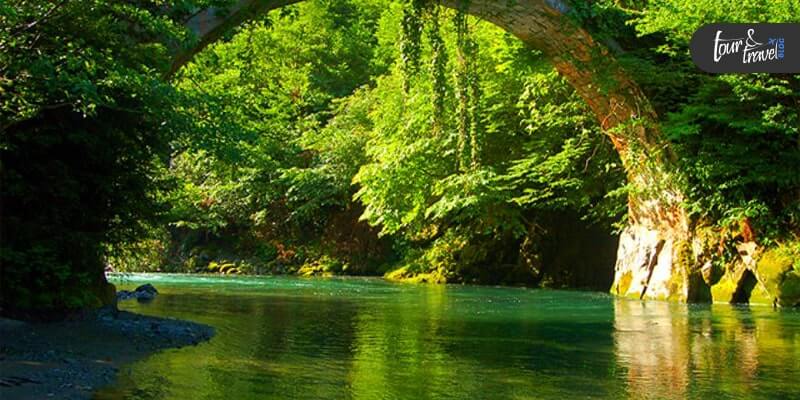
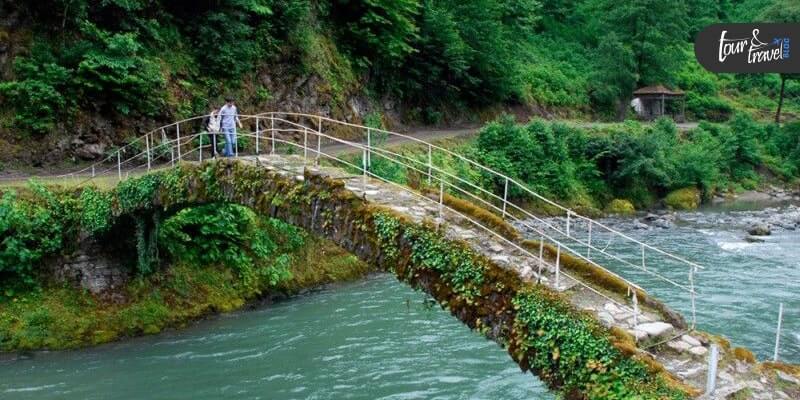
Are you searching for a good natural hiking park in Georgia? Machakhela national parks in Georgia camping are very popular among the locals and the tourists. This park is only 25 km away from Batumi. 

This park is especially facilitated by the camping and hiking facility. The place is a unique campaign park for teenagers and children: the Angelo Mountain spectacular views and the River Machakhela gorgeous delta are the best-suited for an education campaign.

This virgin forest of oaks, beech, chestnut are great places for campaign and hiking. Pick any walking trails to explore the area. And get a unique experience.

2. Tusheti National Park

Tusheti National Park

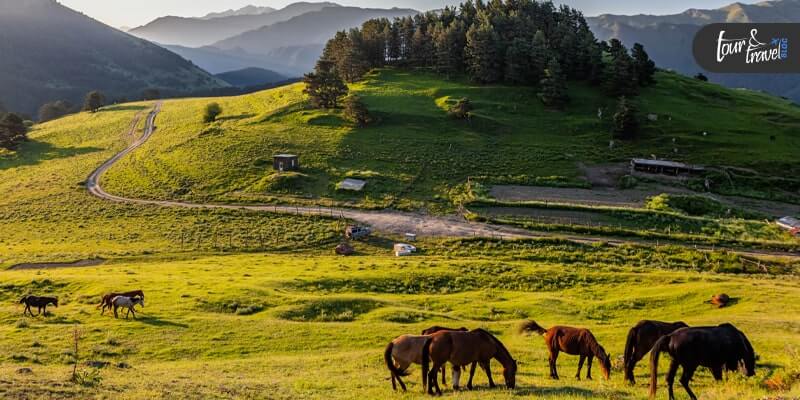
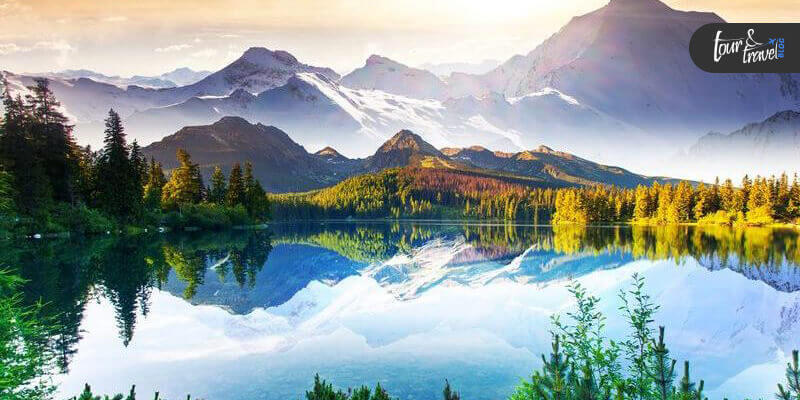
Caucasus ranges are all gorgeous and have stunning beauty. When you are in Georgia, the scenic beauty of pristine alpine lakes and Caucasus ranges has different kinds of travel experiences. You can feel the explore the place with vehicles and hiking trails stretching over the area. 

You can feel the Caucasus mountain’s range of unique scenic beauty when you are walking through the hiking trails. All the national parks in Georgia are popular because of their amazing beauty. The virgin ranges are pretty popular among the tourists because of their calm and quiet ambiance.

Most of the tourists are exploring the place by horseback or on driving trails by car. But walking or horseback is the correct way to enjoy the solitude of nature. These ranges have some popular heritage destinations. The village of the ranges is carrying the glorious impression of the past.

3. Mtirala National Park

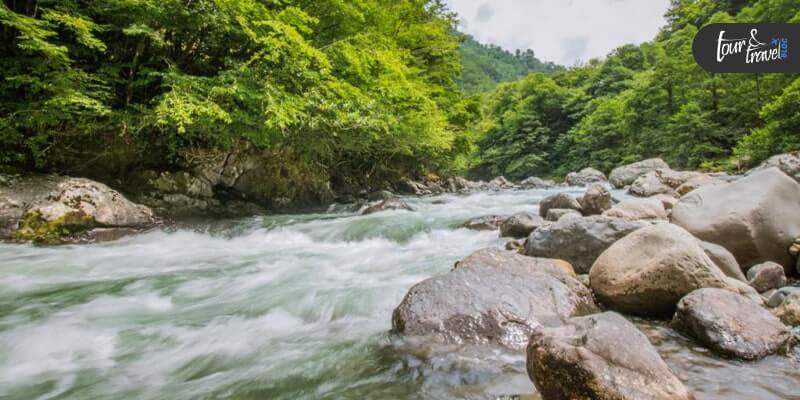
Mtirala National Park

Batumi is a trendy starting point. When you are in Batumi, all the national parks are not far away from this place. If you are going to ask my opinion, I would rather say if I did not visit this place, I would miss the most beautiful one in Georgia.

This is the best national park in Georgia, only 30 km Away from Batumi. The heaven on earth. Small piece of dense forest with uniquely diverse flora and fauna. You only have to take a short walk to reach the middle part of the park. Where a very pretty lake is present with a small high cascading waterfall. 

The best part of exploring is you can go camping beside the lake. But you have to take a conscious step to keep the place clean to preserve the beauty of nature.

Read Also: Best National Parks In Hawaii

4. Kolkheti National Park

Kolkheti National Park

Among all Georgia state parks, Kolkheti national park is famous for bird watching. The Kalakshetra pheasant bird is the natural habitat of this place. The Tikori and Suspa river is the best place to see the different types of bird activity. 

Many wetlands are present on these two river banks. And this place is becoming the perfect hangout spot for migratory birds. In this single park, you can spot almost 194 different types of species of migratory birds. 

Pilastomi and Pichori river is the best tourist spot for tourists. This park has all facilities for bird watching like the bird watching towers. You can spend your entire day fishing and just pass your leisure time on a boat.

5. Kazbegi National Park

Kazbegi National Park

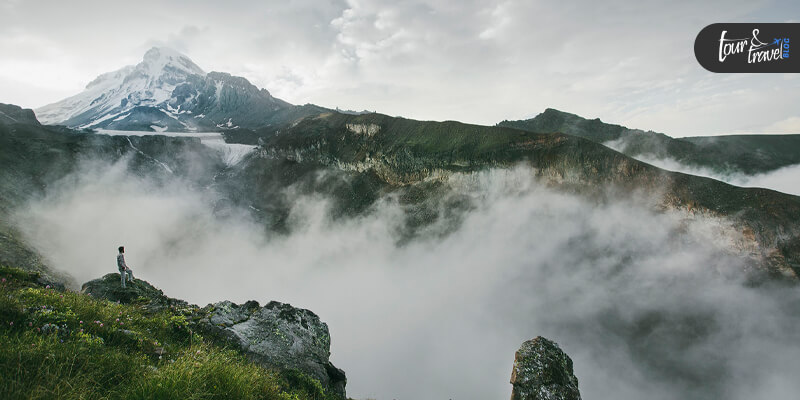
Kazbegi national park is another excellent choice for hikers who love to see the mountain view from the high. This park is situated in the Caucasus ranges. This range is remote and a little bit dry. But from the Kazbegi national park, you can view different types of rare birds collection.

From the Kazbegi national park, the nearer mountain village trails are the biggest attraction of the place. This park lies under the northeastern part of Georgia. 

The Sameba temple and Sioni basilica are the most prominent tourist attractions of the park. The local villages welcome the tourists with friendly gestures offering them food and wine.

Read Also: 7 Best National Parks In Ohio

6. Borjomi-Kharagauli National Park

Borjomi Kharagauli National Park

Borjomi national park is also a great attraction of the Caucasus mountain range. This park is entirely professionally developed for hiking and adventure walking. The best part of the park is this park has well-organized multiple hiking trails. 

When you just want to enjoy your day by walking through these magical roots, pick any trails among the available 12 hiking trails. And go towards the peek. You will find many Borjomi & Kharagauli National Park photos on socials and they will make you more interested in the national park. This is why most national and international tourists prefer this park among all the Caucasus national parks in Georgia. 

You will get multiple options for the camping sites, and all the places are quite comfortable for the tourists and hikers. The scenic beauty of the place is so pleasant you can take the tour and enjoy the views of Georgia’s finest hiking national park.

What Is The Most Visited State Park In Georgia?

What Is The Most Visited State Park In Georgia

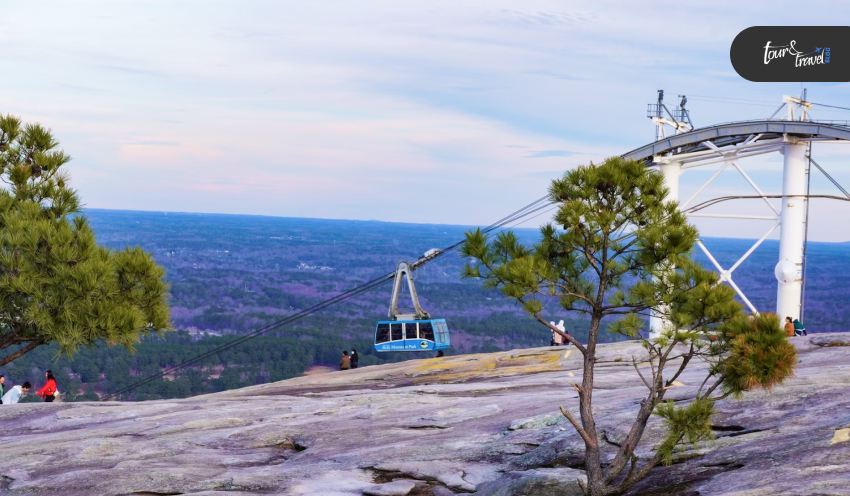
Stone Mountain Park is considered to be the most visited among the Georgia State National Parks. The state park is located just 15 miles away from Atlanta. 

In its appeal, this park is no less than the national parks in Georgia state. Further, for the young at heart tourists, this is an elevated form of a theme park. Overall, it is a melting pot of local history, natural beauty, and theme park thrills. 

Exploring Nature At Its Best At Stone Mountain Park, Georgia

The 3200-acre area of Stone Mountain Park will allow you to get lost in the wilderness. Hiking is the best way to explore the area and be familiar with the unique geology and ecology. 

Further, the park houses a museum, where interactive exhibits make you familiar with the natural history of the area. 

Camping At Stone Mountain Park, Georgia

If you want to know the Stone Mountain Park, you must choose camping as an accommodation option. The Stone Mountain Family Campground will allow you to be in contact with nature in the metro Atlanta area. 

The campground has 441 wooded campsites with amenities like electricity and water. Along with tents, you can also go for popups and motorhomes. 

Moreover, amenities at these campsites include:

  • Wireless Internet Connections (Selected Sites)
  • Volleyball
  • Swimming Pool
  • Supply Store
  • Playground
  • Comfort Stations
  • Full Showers
  • Laundry Facilities

The location of Stone Mountain Park is 4003 Stonewall Jackson Dr.

Stone Mountain GA 30083. You can get in touch with the park at (770) 498-5710. 

Frequently Asked Questions (FAQs)

Q1: What is the most visited state park in Georgia?

A: Stone Mountain Park is considered to be the most visited state park in Georgia. The state park is located just 15 miles away from Atlanta. 

Q2: What is the oldest state park in Georgia?

A: The park system of the US state of Georgia was discovered in 1931 with India sPOring Stae Park, therefore it is the oldest state park in Georgia as it was being looked after by the public park since 1825. 

Q3: Can we still hike in Georgia?

A: If you really like the outdoors then the indoors, are good for you as Georgia offers 600 miles of hiking trails. Every bend holds a surprise for you. 

4: What is the tallest waterfall in Georgia?

A: Amicalola Falls state park has the tallest waterfall, in Georgia. It is 729 feet tall and is located in the Northeast Georgia Mountains. The park is considered to be the best spot for an adventure with family and friends. 

Wrapping It Up:

Among all national parks in Georgia, these are the top picks of parks from travelers. The magical, heavenly mountain trails, cascade waterfall, and little dense forest are the biggest attractions of the place. The mixed culture of the nearest villages and the unique history of the place is the area’s biggest attraction. Do not forget to share your traveling experiences with us.

You May Also Like: 

Share on Social Media

Ankita Tripathy loves to write about food and the Hallyu Wave in particular. During her free time, she enjoys looking at the sky or reading books while sipping a cup of hot coffee. Her favourite niches are food, music, lifestyle, travel, and Korean Pop music and drama.

Leave a Reply

Your email address will not be published. Required fields are marked *

title-img Related

READ MORE natural drug detox

Nature’s Healing: How Camping Can Aid Drug Detoxification

BY  Sibashree Oct 22, 2025

I’ve got to say that recovering from any kind of addiction is a messy business. It’s never just about flushing things out of your system. It’s about fighting your thoughts, your habits, and all those little triggers.  Lately, I’ve noticed more people stepping outside to heal. Camping, of all things, has become one of those hidden gems in detox. Being out there, far from traffic noise and glowing screens, surrounded by trees and honest silence? It hits differently. Some even find it just as helpful as staying in a structured facility like the detox clinic. The Therapeutic Power Of Nature Have you ever stepped outside and just felt your shoulders drop? Nature does that.  Science loves to back this up, and Harvard even found that twenty minutes in fresh air can lower cortisol, the nasty stress hormone that spikes during detox. And honestly, that relief matters. Stress is like gasoline poured straight on withdrawal. When you’re camping, you can’t help but notice how calm things get. No alarms, no rush. Just breathing, listening, thinking.  It’s almost strange how fast you start noticing yourself again. For folks coming out of a storm of substance use, that reconnection to your emotions, your body, your thoughts isn’t just nice, it’s necessary. Camping Facilitates Natural Drug Detox By Improving Sleep Cycles  Camping improves your internal body clock as you are continuously exposed to the natural light cycle. So, by regulating your internal clock, you will get more sleep.  Furthermore, during camping, you remain busy with physical activities. You are hiking through trails, setting up the tent, cooking, and doing other recreational activities or survival chores. This is also crucial for improving your sleep cycle and quality.  Moreover, when camping in remote areas, you cannot use your phone, and you are also away from the daily stressors. With no pressure of deadlines and ETAs and all the chaos in your head vanishing in the thin air, you actually get a better sleep.  Community And Support There’s something wild about how people open up under the stars. I’ve seen it, how those late-night talks by a campfire, voices crackling right alongside the flames, do the magic. That’s a real connection, and it’s gold during detox. A big part of healing is not doing it alone. Most programs preach about support networks, but in the woods, that happens naturally.  You gather wood together, laugh over burnt marshmallows, and share your stories without judgment.  The National Institute on Drug Abuse even says social support can make or break recovery. Makes sense as feeling seen keeps you anchored when cravings hit or the loneliness creeps in. No clinic room can fully replace that kind of bond. Physical Activity And Mindfulness Camping gets your body moving, whether you plan it or not. You set up a tent, haul water, and climb a hill.  Little things that make you tired in a good way. That movement pumps out endorphins, which do wonders for mood, especially when detox brings anxiety or sadness along for the ride. Then there’s the quiet stuff, too. You find yourself being mindful without calling it that! Staring at a lake, flipping fish over a grill, sitting in silence until time just fades! It grounds you.  That kind of focus pulls you away from cravings and teaches you how to ride emotions instead of running from them. Funny how stillness can feel like a workout for your mind. Disconnecting From Technology Let’s be honest. We live glued to screens now. Scrolling when we’re bored, anxious, lonely, or anytime you name it. But camping forces a break.  The first few hours feel weird, almost twitchy without your phone, then a calm sets in. You start talking more, thinking more. Maybe even remembering what silence sounds like. People in recovery deal with enough mental noise already, and research shows that too much screen time can make anxiety and depression worse.  So, cutting that off, even for a weekend, resets something inside you. Suddenly, you’re aware of how addicted we all are to distraction more than anything else. Structured Activities And Goal Setting Some camping programs add a bit of structure, such as goal setting, small group reflections, maybe even creative tasks.  It’s not rigid like rehab, just guided enough to keep you focused. When done right, it helps you rebuild a sense of direction. There’s actually data from the American Psychological Association saying people who set specific, meaningful goals reach them more often.  And out there, surrounded by nature, those goals feel a bit more real. People talk about dreams they’d forgotten or things they want back in life. It’s refreshing—and it sticks. Camping: Setting The Rick Backdrop For Healing After Addiction Recovery Camping won’t magically erase struggle, but it changes the backdrop in a way that makes healing possible. It mixes nature’s quiet strength with genuine community and gentle self-discipline. It is kind of the opposite of everything that fed addiction in the first place. For many who’ve tried both, it’s a beautiful complement to formal detox options like those at the Detox Clinic.  Out there, in the dirt and sunlight, recovery starts to feel less clinical and more human again. Maybe that’s why so many find clarity under a canopy of stars instead of beneath a roof. Furthermore, camping boosts your self-sufficiency. If you are a solo backpacker, you have to dig the soil and set up the tent, light the fire, and do everything else. So, camping is a great confidence booster. You understand that you survive on your own and how strong you are.  All these help us create a positive image of ourselves in our minds. So, you don’t need to rely on any external stimulator or drugs anymore.  In addition, an inclination toward drugs arises from negative thoughts about our capabilities. Camping helps us overcome logistical and physical challenges. So, we become more confident about our abilities. 

READ MORE Great Barrier Island hiking trails

What Are The Best Great Barrier Island Hiking Trails? An Ultimate Guide To Hiking Trails On Aotea Great Barrier Island

BY  Sibashree Nov 7, 2025

Hiking the Aotea Track up to the summit view of the Hirakimata Peak was one of the most rewarding experiences I had on the Great Barrier Island. The view after reaching the top took all our fatigue away.  However, the Great Barrier hiking trails are not just about panoramic summits. Hiking here also means walking along the rugged coastline, through the native forests, and to the geothermal springs. To cut a long story short, the best hikes on Aotea Great Barrier Island, New Zealand are the best routes for exploring its dramatic island.  Furthermore, you can be a beginner or a seasoned hiker. Great Barrier Island has trails that can accommodate all. So, this guide is about the trails you can explore for the perfect eco adventure. Why Is The Great Barrier Island A Hiker’s Paradise?  Cultural exploration, stargazing, off-grid living, exploring the biodiversity of the island, and the dramatic geothermal features make the Great Barrier Island a hiker’s paradise.  1. Dark Sky Sanctuary “Ecotourism is extremely important to Great Barrier Island and this International Dark Sky Sanctuary status will not only provide further tourism development and economic growth opportunities but also ensure the preservation of our exceptional starry skies." Izzy Fordham, Great Barrier Local Board Chair.  The designation of the Great Barrier Island as a Dark Sky Sanctuary in 2017 was not about getting a label to boost tourism. The island’s 60% area is a conservation park, and the local Maori people believe that the protection of the sky is important for the health and well-being of the local community.  Also, if New Zealand becomes a Dark Sky Nation, as aimed by the Royal Astronomical Society of New Zealand, the Great Barrier Island will have a pivotal role to play.  Nevertheless, as an activity, stargazing seems the most surreal experience during a multi-day hike on the Aotea track. Just relax and prepare for the next day after completing your day’s hike.  2. Off-Grid Living Sustainability is a choice or a way of living on the Great Barrier Island. So, there is complete reliance on solar power, and people here use composting toilets. Rainwater harvesting is another sustainable practice followed by the people of this island.  Nevertheless, thanks to the island's off-grid living, it has minimal to no light pollution and air pollution. Also, because of off-grid living, life on Great Barrier Island is deeply connected to nature. So, you can be the biggest homebody, but here you will feel the urge to experience the outdoors more intimately.  3. Biodiversity Of The Island “Great Barrier is at an exciting point in its history where the future of the islands flora and fauna looks bright.” - Go Great Barrier Island. The fact that 60% of the island is a conservation park speaks volumes about the island’s biodiversity. Furthermore, it is home to countless endangered species, including 13 species of lizards, the North Island Kaka Parrot, the Black Petrel, the Banded Rail, and the Pateke.  In addition, the native forest here is getting replenished quickly with the island authority being particular about pest control.  4. Geothermal Features Located within the Hauraki Rift, the Great Barrier Island has the Taupō Volcanic Zone and the Kaitoke Hot Springs. These geothermal zones, along with being natural spectacles, are also home to unique ecosystems where you will find New Zealand pigeon or kererū, fernbird, etc.  So, hiking through these geothermal zones is an exciting outdoor activity in the Aotea Great Barrier Island.  A Brief Comparison Table Of The Best Great Barrier Island Hiking Trails  Trail NameDurationDifficultyHighlightsAccessibilityAotea Track2–3 daysModerateForest, summit, hutsDOC huts, remoteKaitoke Hot Springs1.5 hrsEasyGeothermal poolsWheelchair-friendlyWindy Canyon1 hrModerateCliffs, panoramic viewsCar park accessHarataonga Coastal Walk4 hrsModerateBeach, forest, birdsTrailhead parkingPalmers Track2–3 hoursModerateStream crossings, dense bushNot recommended for people with fitness or mobility issuesWarren’s Track30–45 minutesEasyFamily-friendly loop near Tryphena, Kid-friendlyIt is not wheelchair-accessible. Whangaparaoa Beach Walk1–2 hoursEasyDune ecology, remote beachIt is not wheelchair-accessible due to a steep loop-walk area. Glenfern Sanctuary1–2 hrsEasyConservation, native birdsGuided tours available What Are The Best Great Barrier Island Hiking Trails? (Brief Overview) View this post on Instagram A post shared by Aotea Great Barrier Island (@greatbarrierislandofficial) Most of the hiking trails on the Great Barrier Island come with an easy to moderate difficulty level. Also, the Aotea track here is the only multi-day hiking trail on Great Barrier Island and the entire Auckland Region.  Let’s find out more about the Aotea track and other Great Barrier Island hiking trails.  1. Aotea Track (Multi-Day Circuit) View this post on Instagram A post shared by Kristina | New Zealand travel, hiking & outdoors (@kristinamonts) Aotea track allows you to experience the ultimate fusion of history and natural beauty. Here, you will find the surviving trees and a unique wildlife of Kahikatea, Rimu, and Kauri.  The plants you will come across here are the cabbage tree, Horoeka or lancewood, Mānuka, Kānuka, etc. Furthermore, you will spot birds like Riroriro (Grey Warbler), Kererū (Wood Pigeon), etc.  2. Mount Hobson / Hirakimata Summit Track View this post on Instagram A post shared by Walking Legends Guided Walks (@walkinglegendsnz) This hiking route allows an encounter with the remnants of the ancient native bush, such as lancewood and cabbage tree. Also, while walking, you can meet the endangered Chevron Skink, a symbol of the rich biodiversity of the Great Barrier Island. 3. Kaitoke Hot Springs Track View this post on Instagram A post shared by Auckland, New Zealand (@visitauckland) This easy hiking track continues along the Kaitoke Swamp to the Kaitoke Hot Springs. You can continue your walk and continue on the Peach Tree Track to reach the Hirakimatā peak.  Kererū or wood pigeon and Kōtare or kingfisher are the most popular birds here.  4. Windy Canyon Track View this post on Instagram A post shared by Auckland, New Zealand (@visitauckland) The Windy Canyon track is one of the most popular short hiking trails on the Great Barrier Island. You have to climb up the steps through rock walls, which look dramatic thanks to the rampage of the ancient force of nature.  As you reach the top of the canyon, you will see the wonderful views of the Okiwi Basin, Whangapoua Beach, Medlands Beaches, and Kaitoke.  5. Palmers Track After completing the Windy Canyon Track hike, you can continue on the Palmers Track. Here you will walk along the steep ridgeline, and it is the shortest route to Mount Hobson.  Furthermore, on your way, you will spot the endemic kānuka plants, and the wooden horse here is a telltale of the logging history of the island.  6. Harataonga Coastal Walk It is one of the easiest hiking trails in Harataonga. It is associated with the history of transportation on the island, as it used to be the connecting route between the northern and southern parts of the island.  7. Warren’s Track It is a beautiful hike to a waterfall with a gently graded climb. Once you reach the waterfall, you can take a swim in the stream beneath. The food passes through the Kauri plantation before it joins the Bridle Track.  Here, you will walk through an exotic forest. However, the last lap of the trek is a little difficult with a rocky surface.  8. Whangaparaoa Beach Walk View this post on Instagram A post shared by Working In New Zealand (@workinginnewzealand) This peaceful route takes us to the Stanmore Bay Beach through the Rata Road walkway. Most of the walk continues on a paved road. However, some sections have a boardwalk and gravel.  This road is ideal for a pram walk. However, the stretch between the Rata Road Reserve and Whangaparāoa town centre is steep enough, and you will have to cross a few roads.  9. Glenfern Sanctuary Walks View this post on Instagram A post shared by Glenfern Sanctuary (@glenfernsanctuary) The Glenfern Sanctuary is a family-friendly loop track that continues along the Aotea Stream. You have to walk through a stretch of regenerating bush and climb around 100 meters.  After climbing up, you will enjoy the most amazing views of the Hauraki Gulf. On the stretch, you will be able to spot black petrel and kaka nesting. Also, you will find here the Chevron skink, the rarest and largest reptile in New Zealand.  How To Reach The Best Great Barrier Island Hiking Trails? View this post on Instagram A post shared by Nicole Marinkovich (@nicoolemarinkovich) You will have to take a Great Barrier Flight or a ferry ride to reach the Great Barrier Island. Upon reaching the island, you will have to take local transport to reach the following trail heads.  Great Barrier Island Hiking TrailsTrail HeadAotea TrackWindy Canyon/Whangaparapara RoadMount Hobson / Hirakimata Summit TrackBrownlee AvenueKaitoke Hot Springs TrackWhangaparapara RoadWindy Canyon TrackOkiwi-Claris RoadPalmers TrackWindy CanyonHarataonga Coastal WalkHarataonga CampsiteWarren’s TrackOpposite the Akapoua Campground EntranceWhangaparaoa Beach Walk1.5 Km up from Okiwi AirfieldGlenfern Sanctuary Walks20 Glenfern Road What Are The Best Family-Friendly Trails On Great Barrier Island? Best for Seniors• Kaitoke Hot Springs• Glenfern SanctuaryBest for Kids• Warren’s Track• Harataonga Beach WalkFacilities• Toilets at Major Trailheads• Picnic Areas• DOC Signage What Is The Best Time For The Great Barrier Island Hiking Trails?  View this post on Instagram A post shared by Julia Cole (@juliagoesglobal) The hiking trails of the Great Barrier Island are ideal for all-season hiking. However, the hiking trails offer a unique experience in each season.  SeasonWhy Visit The Hiking Trails?Summer (December to February)• Pleasant Weather Conditions• Clear VisibilityAutumn (March to May)• Cooler Temperature• Fewer CrowdsWinter (June to August)• Wet and Muddy• Fewer CrowdsSpring (September to November)• Active Birdlife• Blooming Flora Sustainable Hiking Tips For The Trails On Great Barrier Island Leave No Trace Use Cleaning Stations for Kauri Dieback (A Deadly Disease of Local Kauri Trees) Prevention Use Bio-Degradable Soap Use Reusable Water Bottles Follow Local Guidance and Signage to Remain Respectful to Wildlife and Sacred Sites What To Pack For Hiking The Best Trails On The Great Barrier Island?  Your packing list will depend on whether you are going for a single-day hike or a multi-day hike.  Day Hike EssentialsMulti-Day Gear• Water (2L+)• Snacks• Sunscreen & hat• Rain jacket• Map or GPS• Sleeping Bag• Cooking Gear• First Aid Kit• Headlamp• Extra Layers Guided Hikes And Local Tours: Enhancing Your Hiking Experience On The Great Barrier Island  View this post on Instagram A post shared by Glenfern Sanctuary (@glenfernsanctuary) Glenfern Sanctuary Tours and Māori Cultural Tours are the two most popular guided tours on the Great Barrier Island.  1. Glenfern Sanctuary Tours The Guided Loop Track tour of Glenfern Sanctuary is an amazing experience as you walk through the native bush. Here, you will spot the magnificent kauri tree and the resident black petrel.  The tour is 1 hour and 30 minutes, and a group must have at least five members. The tour's charges are $50 per person.  2. Māori Cultural Tours Whangaparapara Harbour Historic Treks, Harataonga, and Aotea Track are some of the best hiking trails to learn about authentic Māori culture and tradition.  The Whangaparapara Harbour Historic Treks take you to places of Kauri logging and whaling in ancient times. On the other hand, at the Harataonga DOC Campsite, you will find the old settlement sites of the Māori tribe.  Moreover, the Aotea Track has Māori archaeological sites, and Hirakimata Peak itself reflects local Māori spiritual beliefs and significance.  Where To Stay Near The Best Great Barrier Island Hiking Trails?  DOC huts, eco-lodges, hostels, and camping are the best accommodation options near the best Great Barrier Island hiking trails.  Trail NameNearby AccomodationAotea Track• Mt. Heale DOC Hut• Kaiaraara DOC HutKaitoke Hot Springs• Barrier Beach Cottage• Wiltshire ManorWindy Canyon• Aotea LodgeHarataonga Coastal Walk• Tipi and Bob's Waterfront LodgePalmers Track• Tipi and Bob's Waterfront LodgeWarren’s Track• Medlands Beach Backpackers and VillasWhangapoua Beach Walk• Aotea LodgeGlenfern Sanctuary• Glenfern Sanctuary Things You Don’t Know About The Great Barrier Island Hiking Trails: (Unearthing The Secrets) From housing, the only multi-day hike in Auckland, to being the home to many endangered species, the Great Barrier Island has many secrets to share.  1. Aotea Track: The Only Multi-Day Hike On The Island The 25–30 km loop of the Aotea Track is the only multi-day hiking track in the Auckland region. It passes through volcanic terrain, native bush, and summit views.  It’s a rare wilderness experience so close to a major city.  2. You Can Rejuvenate And Soak In Hot Springs In The Middle Of A Hike As you walk through the Kaitoke Hot Springs track, you will find geothermal pools, offering you a natural spa experience.  These pools, hidden in bushes and set in an underdeveloped setting, offer the purest connection to nature.  3. The Summit Of Mt Hobson Is A Breeding Ground For An Endangered Seabird Black petrel (tāiko) is one of the rarest seabirds of New Zealand. Hirakimatā / Mt Hobson is the home ground of these birds.  So, hikers have to continue on the boardwalks to protect the nesting areas of the birds.  4. The Island Is Free Of Possums, Stoats, And Deer Because the Great Barrier Island is free of Possums, Stoats, And Deer, you will be able to spot more birds such as kākā, kākāriki, and pāteke, and different types of wildlife.  5. You Can Hike Along Historic Logging Tramlines Some parts of the Aotea Track pass through the old tramlines used during the kauri logging era. In these pockets, you will find the ruins of machinery and dams that were used in carrying the logs.  6. The Island’s Trails Pass Through Regenerating Forests Much of the forest you hike through is regrowth from early 20th-century logging, dominated by manuka and kanuka, with pockets of ancient kauri, rimu, and kahikatea still surviving. 7. There’s a Track Named After A Gold Prospecting Legend The Te Ahumata Track to the White Cliffs was a popular site of gold prospecting. The locals still believe that gold may be hidden in the mountain. Thus, the hike has an element of myth.  8. The Island Has A Rare Endemic Plant: The Great Barrier Tree Daisy On many trails of the Great Barrier Island, especially on the Mt Heale Hut route, you will find the endemic species of the Great Barrier Tree Daisy.  This plant grows nowhere else in the world.  9. You Can Build Your Own Loop Adventure You can customize your Aotea Track hiking route based on your interests and fitness level. It has feeder tracks such as: Palmers Track Peach Tree Track Tramline Track 10. The Island’s Māori Name Means “Light Striking the Cliff” The Great Barrier Island has geological and spiritual significance in the Māori tradition. Mount Hobson is called Hirakimatā in the Māori language.  It means the “lightning striking the cliff face.” Great Barrier Island Hiking Trails: Frequently Asked Questions (FAQs) Here are the frequently asked questions and answers about the Great Barrier Island hiking trails.  1. Do I Need A Permit To Hike On The Great Barrier Island? No, if you are on a day trek on any Great Barrier Island trail, you do not need a permit. However, if you are trekking the Aotea Trail, you will need to book the huts of the Department of Conservation well in advance. You can contact the booking office at +64 7 867 9080 or the DOC Customer Service Centre at 0800 275 362. The last time I checked, the huts were under maintenance. So, confirm the availability of these huts.  2. Is It Safe To Hike Solo On Great Barrier Island? Yes, hiking solo is safe on the Great Barrier Island trails. However, the trails are in remote locations, and mobile coverage is limited in these areas. So, you must keep someone informed about your hike, and carry a Personal Locator Beacon (PLB) and an offline map.  3. Are Dogs Allowed On Hiking Trails? No, dogs and pets are not allowed on the hiking trails on Great Barrier Island. The trails here are ideal for wildlife spotting. So, dogs are not allowed on these tracks to protect native wildlife. In addition, dogs are not allowed on these trails to prevent the spread of kauri dieback disease. 4. How To Reach The Great Barrier Island From Auckland? Taking a flight is the easiest option to reach the Great Barrier Island from Auckland. Barrier Air operates this flight service from the Auckland Domestic Terminal to the Claris Airport. Also, you can take a Sealink ferry from Auckland’s Wynyard Wharf to Tryphena. It is an unforgettable journey of 4.5 hours.

READ MORE best time to visit barbados

Don’t Believe Them!! This Is Actually The Best Time To Visit Barbados!

BY  sagnika Oct 27, 2023

Where Is Barbados? Are you planning a trip to Barbados? Do you know the best time to visit Barbados? Read the article to learn more about how you can prepare for this trip and enjoy it to your heart's content. When you visit Barbados, several geographical elements start from land, ocean, hills, and others, creating picture-perfect beautiful places! For example, if you visit the north part of the Island, you will be able to see Mount Hillaby! The Island also offers coral across 300 feet around the Island creating thick covers. What else can a person want when planning to enjoy the beauty of the place? Read the article to learn all about the features of Barbados and how you can plan your trip around it. Don't Believe Them!! This Is The Best Time To Visit Barbados! Image Source: www.bradtguides.com Want to know what is the best time to visit Barbados? You need to learn more about the place and how you can get there. Further, it is also important to know what type of events you want to attend because that will help you decide when you visit. The high season is between December and April, when more tourists visit Barbados! Mostly, people try to catch up with the dry time of the year when there is less rainfall; during December, it is a mix of holidays and vacations! Also, remember to snorkel, as it is one of the coolest activities to perform in Barbados. During February and March, people can visit the zipline, relax at the beach, and travel across the inland Flower Forest Botanical Gardens! What Is The Best Time To Visit Barbados? Image Source: lp-cms-production.imgix.net No one can decide whether or when you can go traveling! So, decide for yourself when is the best time to visit Barbados, considering there is something happening across the whole year in Barbados. I promise you won't be bored! You must also confirm who you are going with and what activities you want to attend. This will help you streamline your trip plans, and you start packing your bags and book your tickets accordingly. However, to avoid the rain on vacation, you should visit Barbados between December and April! It is known as the dry season. The temperature is around 30 degrees, with very little rainfall. What Are The Events You Can Attend In Barbados? Image Source: assets.vogue.com But I suggest you experience the rain as well. During the wet season between May and November, you will experience the Island, the nature, and the beauty of the culture. There is so much to do, you guys! Keep reading. Holetown Festival Image Source: www.lickrishfoodtours.com During February, the festival of Holetown is celebrated to commemorate the first time the Britishers came and occupied them, only to be reminded how the people stood strong! This happened in 1627, while the tradition developed in 1977 when the people of Holetown celebrated a week long festival! Several activities, such as the Steel Band Concert, Parade, Opening Gala, and the Street Fair, integrate a feeling of community! It mostly takes place in the second week of February. Oistin Fish Festival Image Source: pbs.twimg.com This festival or event takes place every Easter weekend across the fishing village of Oistins, where they celebrate the annual Fish festival with music, food, and drinks! During this weekend, fish is the main dish; however, you will find other varieties. The whole village comes alive during this time as the atmosphere is filled with Caribbean music while tourists and natives enjoy fried fish such as tuna and mahi-mahi. Different meats are also prepared, which are sold along with local drinks. Oistin is a popular spot which people frequently visit, both locals and tourists! Do not let the fish festival go if you plan to visit Barbados in March! Crop Over Image Source: static.wixstatic.com One of the largest events annually in Barbados is crop over. It all started during the slavery period when the enslaved people celebrated with singing and dancing at the end of the sugar cane harvest. Over the years, the event has evolved into a long-duration of carnival events! For six weeks, the people of Barbados make merry with singing competitions, content, and parties. It is one of the most anticipated aspects of the event, especially after the harvest; people are excited to experience the masquerade band parades across Bridgetown's streets. The natives love the event, and as a tourist, you will love the energy pulsating through the city. During Kadooment, the people covered their bodies with jewels and feathers so natives and visitors could attend it. You can experience the heritage and culture of the Island when you visit in August. If you are a people person, you should call! Barbados Food And Rum Festival Image Source: www.craneresidences.com The festival is all about showcasing internal and local cruising and some beverages prepared by the natives who are experts in the industry. The festival starts on the 24th and continues till the 27th. Barbados is known as the culinary capital of the Caribbean, and it is expected that the people of Barbados know about good food and the appropriate drink that will go along. Mixologists and experts from the region get involved in the festivities. If you are a foodie or a connoisseur of drink, visiting Barbados in October is the best time to attend this event. Independence Celebration Image Source: upload.wikimedia.org In 1966, on 30 November, the Island of Barbados gained its independence; hence, it is marked as a significant day in their history. They celebrate this momentous day by raising their national flag and playing and singing the national anthem, along with a happy vibe. There are people gathered across the Island who celebrate the independence by performing various activities! A grand parade will be organized at the Garrison Savannah, sporting contests, community-based events, and religious ceremonies. As a visitor, you will experience the best community as you learn more about the culture, the people, and the native traditions. There will also be a showcase, which the National Independence Festival of Creative Arts anticipates. The local talents are displayed on this day for their creativity, along with beautiful decorations along the town buildings with blue and gold colored lights. Throughout Bridgetown, it feels like a party as business owners, customers, and staff all get involved in the celebration by decorating! Where Will You Stay? Pack Your Bags Now! Now that we have told you all about the best time to visit Barbados tell me, will you do something about it? To experience the feeling of community, culture, and togetherness, you must visit the beautiful Island. The activities you can partake in and the food you eat will take you to a melancholy celebration of the new and the old. Comment down below about which time you want to visit Barbados! Read Also: I Had No Idea When To Visit Mauritius Till I Went There THIS Time! The Stairway To Heaven Hawaii: Hiking Adventure’s Hidden Gem THIS Is When You Should Visit Maldives!