Missouri, a state in the central-western United States, is one of the most visited places in the country. national parks in Missouri make it even more interesting.
People often stop here while passing through to enjoy and appreciate its beauty.
If you are an adventurer or an admirer of nature, then visiting Missouri is worth every of your penny. Parks have long fascinated many travellers.
Missouri features some of the world’s most popular national parks. Let’s take a look at the beauty these Missouri national parks offer.
Most Beautiful National Parks In Missouri
Missouri’s beautiful land is home to some of the most mesmerizing national parks. Missouri’s best parks are among the state’s top tourist attractions.
If you are planning a short vacation with your family, don’t forget to explore Missouri’s national parks and the historic trails that pass through the state.
Ready to learn about Missouri’s national parks and their key details? Here is a Tour and Travel guide.
1. Gateway Arch National Park
Location: St. Louis
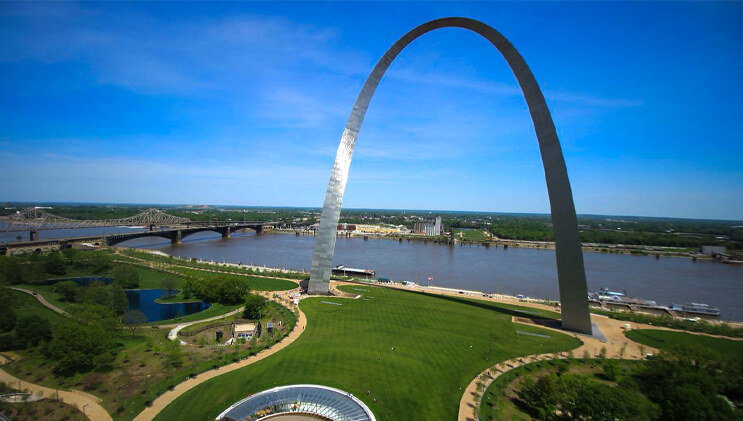
Among Missouri’s national parks, Gateway Arch National Park is the most popular and iconic landmark in the state.
The arch was established in 1960 as a memorial to Thomas Jefferson, Dred Scott, and others representing the spirit of western expansion in the US.
The construction of this 630-foot-tall arch called for two separate structures to be raised from the ground and then welded together.
A museum, a tram ride, and beautiful landscapes are what tourists can have an experience of here.
2. George Washington Carver
Location: Diamond
Located just 12 miles southeast of Joplin, the George Washington Carver is a national park in Missouri that is open throughout the year.
The park features a monumental structure and a memorial honoring George Washington Carver. He was regarded as a great man because of his expertise as an educator, agronomist, and humanitarian.
Tourists visiting this site can enjoy a great hiking experience in the dense forests surrounding it. There is no entry fee here, and several cultural activities are held occasionally.
3. Lewis & Clark National Historic Trail
Location: Various
This National Historic Trail extends for about 4900 miles and passes through sixteen states.
The expedition led by Meriwether Lewis and William Clark from 1804-1806 explored this trail. The trail is considered one of the best national parks in Missouri.
Visitors can view this site from several places in Missouri. The main motive behind the Lewis and Clark expedition was, however, to explore north-western America and a convenient water route to the Pacific Ocean.
Vacationers can plan to cover the entire trail, gather historical information, and learn about the trail’s impacts.
4. Ozark National Scenic Riverways
Location: Van Buren
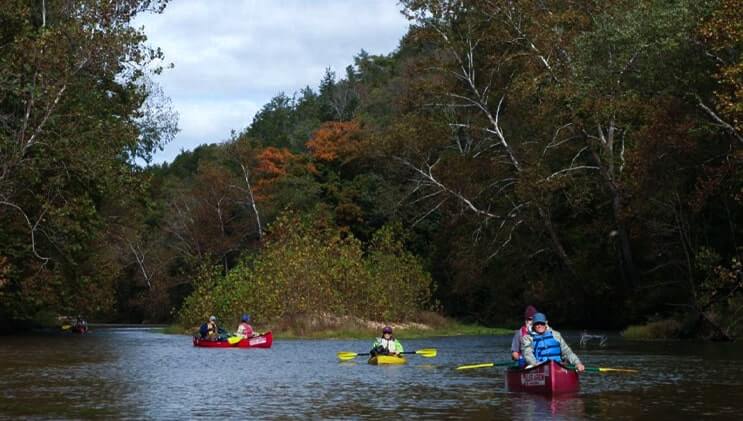
One of the most mesmerizing places that you can visit in Missouri is the Ozarks. This site comprises the Current and Jackfork Rivers, which are two of America’s clearest spring-fed rivers.
The Ozark National Scenic Riverway was among the first national parks in Missouri to preserve a wild river system.
This park offers tourists a range of adventurous outdoor activities, including canoeing, hiking, swimming, and fishing.
Adventurers are surely going to love it here. The summers are the best time to take a trip out here.
Various shopping centers, indoor attractions, and natural caves make it more enjoyable for you and your family.
5. Oregon National Historic Trail
Location: Various
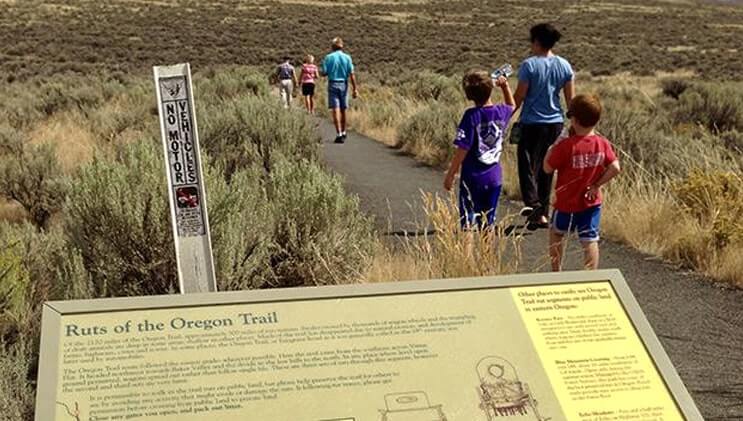
Considered one of the best national parks in Missouri, this National Historic Trail connects the Missouri rivers to the valleys in Oregon.
This historically significant route involved military action, exploration, and even migration.
This trail offers some of the most beautiful landscapes and forests that visitors can get to see. The route covers about 2,170 miles, and travelers who want to cover the entire path need to set aside plenty of time.
However, the route is accessible by car, and you can enjoy an exquisite journey along the way.
6. Wilson’s Creek National Battlefield
Location: Republic
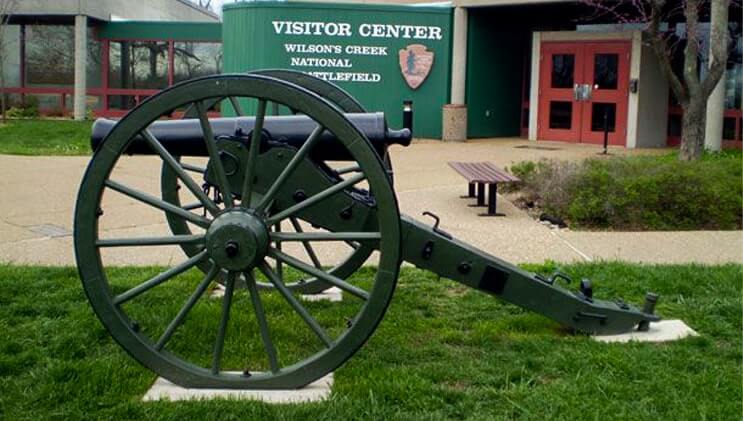
A national battlefield or a national park in Missouri, Wilson’s Creek is situated in the southwest region of Springfield.
This memorial was built to remember the first major Civil War battle fought west of the Mississippi in 1861.
However, the Confederate Army won the battle. So, Missouri remained in the Union.
The legendary battle was won by the Confederate Army, which kept Missouri in the Union.
A museum, an automobile tour, and the preserved Ray House are some of the top attractions of this site. History connoisseurs should not forget to visit this place.
7. Harry S. Truman National Historic Site
Location: Independence Missouri
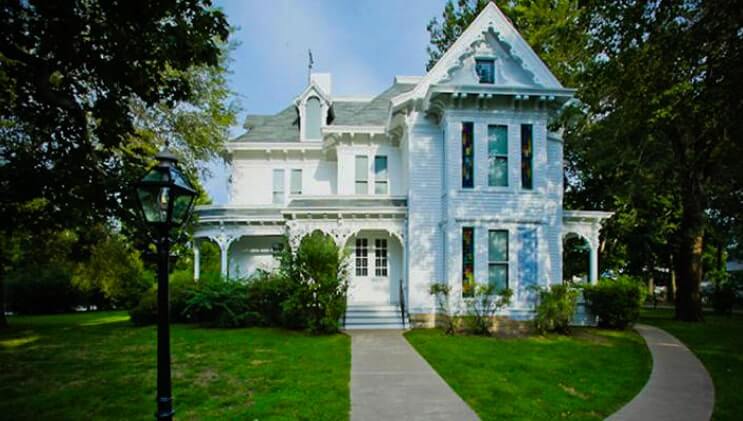
This national park in Missouri is one of the most visited and popular historic sites in the country. It was established in memory of Harry S. Truman, who was the 33rd President of the US.
This national site preserves President Truman’s house, which covers over 7 acres.
The house has been converted into a museum-like place. Inside, you can see displays of historical items and learn about the site’s history.
It is located east of Kansas City, and travelers can take time to explore nearby places.
Do You Also Want To Know About The National Parks Near Missouri?
You may already know how many national parks Missouri has. If you are willing to travel a few extra miles, you will also find many national parks near this U.S. state.
Missouri shares its borders with many states. Iowa borders it to the north, and Arkansas to the south.
Illinois, Kentucky, and Tennessee border it to the east, while Oklahoma, Kansas, and Nebraska border it to the west.
Here, we introduce you to national parks near Missouri that you can visit in neighboring states.
US State Near Missouri
National Park
Arkansas
Hot Springs National Park
Kentucky
Mammoth Cave National ParkCumberland Gap National Historical Park
Tennessee
Cherokee National Forest
So, states like Oklahoma, Kansas, Nebraska, and Iowa do not have any national parks. However, you will come across many national monuments and historic sites in these states.
1. Hot Springs National Park
Hot Springs National Park is the melting pot of history and nature. It has amazing geological features, including natural hot springs, mountains, and other views.
It’s the national park that bathes the entire world. So, soak in the thermal spring fountains and cold spring fountains here.
2. Mammoth Cave National Park
As you can see in the name, the Mammoth Cave National Park is home to the longest cave systems in the world. It is also a hub of outdoor pursuits like biking, hiking, and horseback riding.
Stargazing is also one of the most relaxing activities at Mammoth Cave National Park.
3. Cumberland Gap National Historical Park
The Cumberland Gap National Historical Park tells the tales of Native Americans. It’s also an amazing spot for nature lovers, with 14,000 acres of wilderness and 85 miles of trails.
Moreover, if you are ready to indulge in the most relaxing activity, like stargazing, you can visit Hensley Settlement in this national park.
4. Cherokee National Forest
The Cherokee National Forest includes Great Smoky Mountains National Park, which is divided into two halves.
Further, it has many campgrounds, picnic areas, rivers, and scenic byways. Also, did you know that you can explore 700 miles of trails here?
You can even take a relaxed walk along the backcountry trail and explore wildlife. Moreover, at night, you can enjoy some immersive stargazing experience.
Frequently Asked Questions.
Which National Park is a must see?
The top must-see national parks in the US are
1.Grand Canyon National Park,
2.Arizona.
3.Glacier National Park,
4.Montana.
5.Yosemite National Park
What 5 states have no national parks?
States that are without National Parks are Alabama, Connecticut, Delaware, Georgia, Idaho ,Illinois, Iowa, Kansas, Louisiana, Maryland, Massachusetts, Mississippi, Nebraska, New Hampshire, New Jersey, New York, Oklahoma, Pennsylvania, Rhode Island, Vermont, and Wisconsin.
Name the only two U.S national parks loacted within three states?
Most of the parks of appointed wilderness are in Montana. Yellowstone is not the only national park that is in three different states.
Final Thoughts
There you go with all the information you needed to know about the national parks in Missouri. Beyond these well-known parks, several other Missouri State Parks have also attracted tourists.
From my personal experience, I can tell you that not only these sights, but the entire city is mesmerizing and soulful.
I am sure you can already imagine the beauty of these places. You must be patient until you set foot there!
Sibashree is a travel, culture, and leisure writer who has been writing since the age of 12 and professionally since 2014. With more than a decade of travel writing experience and journeys across India and several parts of the world, she brings a deeply personal and thoughtful perspective to her work. A student of English Literature and Mass Communication, Sibashree has always viewed travel as more than movement — for her, it has been a way of understanding people, cultures, and herself. Her passion for spiritual exploration has also led her to many unusual and meaningful destinations over the years. Outside of writing, Sibashree enjoys watching European cinema, reading about global politics, and reflecting on the stories hidden within everyday places.
If you are looking for the best places to visit this holiday, look at Nepal.
It is one of the most popular countries in the world today. There are a lot of exciting things that you can see in this country.
It offers outstanding scenery that will give you an incredible experience in Nepal. Nepal is an excellent place for all tourists who love nature and wildlife experiences.
Consider spending about 7 - 21 days exploring all the great things Nepal offers.
Checkout 5 Best Things To Do In Nepal
Here are some exciting things you can do when visiting this beautiful country.
1. Trekking in Nepal
Nepal offers some of the best trekking routes in the world. This place is suitable for both novice and experienced trekkers who are coming from many different countries in the world.
If you only have a short visit time in Nepal, try the 4-day Poonhill trek, which offers beautiful scenery of Nepal.
You can also try the Everest Base Camp Trek and also Manaslu trek. Both spots are the best adventure treks in Nepal. They offer pristine nature and an incredible trekking experience for all tourists.
2. Peak Climbing
Some people are interested in climbing some famous mountains in Nepal. You can try Mera Peak or Island Peak to get the best climbing experience with minimum experience.
Both peaks can reach up to 6,000 meters. They are suitable for people with minimum or even no mountaineering experience.
You will enjoy one of the most challenging adventures in your lifetime. Yala peak is another interesting peak that you can visit when you are in Nepal.
It offers an excellent view of Shishapangma mountain, which is about 8,000 meters. It is the highest mountain in Tibet.
3. Cultural Tours
There are a lot of interesting cultural tours that are available in Nepal. You can try some of these tours to explore the beauty of the ancient traditions in Nepal.
Most of these tours will bring you to some famous cities in this country, such as Kathmandu, Nagarkot, Dhulikhel, Pokhara, Lumbini, and Chitwan.
They offer exciting stories that will be very interesting for most tourists coming to Nepal.
You can find a lot of beautiful temples, shrines, archaeological interests, and a lot of fascinating cultural heritages of Nepal.
4. White Water Rafting
You can come to Nepal now for the best whitewater rafting experience. You can take the Four Day Kayaking Clinique along the Seti River.
It is an excellent way to explore spectacular views of the natural beauty and riverside scenery here.
This tour will start at Phewa Lake, which is located in Pokhara.
It is suitable for all beginners who want to learn how to do kayaking correctly before trying more difficult and dominant Himalayan rivers around this country.
5. Wildlife Tours
This is another exciting thing that you can do when you are in Nepal. You can visit Chitwan National Park to explore some exciting wildlife tours here.
There are more than 500 beautiful migratory birds and other fascinating animals, such s one-horned rhinos, Bengal tigers, Asian elephants, etc.
This park covers about 332 square miles. It is the best place to see some exciting animals, such as crocodiles, rhinos, elephants, tigers, bears, etc., while in Nepal.
You can take about a 3 - 4 day trip to explore all the exciting things here.
Bangkok is home to over a thousand temples. Some of these temples are historical and have cultural significance, and some others or mainly for local prayers. During a Holiday in the Capital of Thailand, booking a Bangkok temple tour is a must to explore the city’s main highlights and most beautiful temples. In this article, we will be listing the best and most recommended 5 temples in Bangkok to visit.
Wat Pho
Wat Pho temple (also known as the temple of the sleeping or reclining Buddha), is one of the most important temples to visit when being in Bangkok. The temple is home to the famous sleeping Buddha statue which measures 46 meters in length and 15 meters in height. The statue is covered in gold leaf and is a unique piece of art.
This temple is considered as the largest temple in Bangkok and is the birthplace for Traditional Thai massage. It was the first public university in Thailand that specialized in religion, science, and literature. Till today, It is still a center of learning for traditional Thai massage and medicine.
During your visit to Wat Pho temple, you can book a traditional Thai massage session that combines stretching, pulling, and rocking techniques to relieve tension and enhance flexibility and circulation. It's often described as a combination of yoga and meditation.
This Temple is very popular among Bangkok temple tours since it has a strategic location near the Chaophraya river, the Grand Palace, and other important Landmarks in Bangkok.
Wat Phra Kaew
Wat Phra Kaew is located inside the Grand Palace. This temple is home to the Emerald Buddha, one of the most revered Buddha images in Thailand. Despite its name, the statue is actually made of jade or jasper rather than emerald. This temple is considered as the Personal chapel of the Royal Family.
Wat Phra Kaew was Constructed in 1782 when King Rama I moved the capital from Thonburi to Bangkok. The temple's architecture is a stunning example of Thai craftsmanship, with intricate carvings, colorful mosaics, and gold-leafed figures adorning its structures.
The Great thing about visiting this temple is that you will have the opportunity to combine the visit of both the Grand Palace and Wat Phra Kaew since they are both within the same location. They are also within a very short walking distance from Wat Pho, making combining both of them in a half-day visit a very popular choice among tourists visiting Bangkok.
Wat Arun
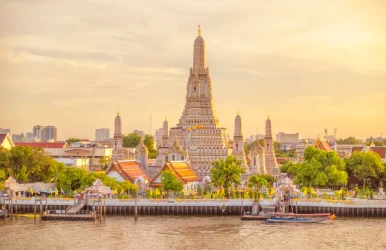
Wat Arun is Known as the temple of Dawn and it dates back to the Ayutthaya period. It has a unique design, similar to the Ayutthaya temples design and having some Khmer elements as well. The temple was renovated by King Rama II and It has been a significant symbol of the Rattanakosin Period and the shift of the capital from Thonburi to Bangkok.
Wat Arun’s towers (known as prangs) are decorated with colorful porcelain and seashells, making it visually unique. The central prang is a symbolic representation of Mount Meru, the center of the world in Buddhist cosmology.
The temple is located along the Chaophraya river and is often included on the same day when visiting the Grand Palace and Wat Pho. You just need to take a ferry boat to cross the river to reach the other side of the City and visit this amazing temple.
Wat Arun has undergone several renovations in the past years and the last significant restoration completed was in 2017 under the supervision of UNESCO.
Wat Traimit
Wat Traimit is another beautiful temple in Bangkok with unique features. It is famous for housing the world's largest solid gold Buddha image. The statue is about 3 meters tall and weighs approximately 5.5 tons.
The Golden Buddha dates back to the 13th or 14th century, originating in the Sukhothai period. However, the exact origins and history of the statue are still subject to debate and research, and no one has confirmed it. Wat Traimit is one of the most sacred temples, not only in Bangkok but all around Thailand.
The building is a beautiful example of modern Thai Buddhist architecture. The temple complex includes a museum where visitors can learn about the history of the Golden Buddha and the Chinatown area where the temple is located. In addition to that, it also offers insights into the Chinese community's role in Thai society.
Wat Benchamabophit (Marble Temple)
Wat Benchamabophit is famous for its use of white Carrara marble from Italy, which gives it a distinctly elegant appearance. This feature is unique among Bangkok's temples and of course, is the reason why it gained the name of the Marble Temple of Bangkok.
This temple was built in the Late 19th Century during the reign of King Chulalongkorn (Rama V), in 1899. It is a fine example of modern Thai religious architecture from the end of the 19th century.
The temple's design is a fusion of traditional Thai architecture and European influences. Wat Benchamabophit is associated with the Thai royal family and has been used for numerous royal ceremonies.
When you hold a five Thai baht coin, you will find the image of this temple on the back of the Coin, reflecting its importance and significance in Thai culture. The temple is home to 52 Buddha images, representing various styles and postures from different periods of Thai history. This collection offers a comprehensive overview of the evolution of Buddhist art in Thailand.
The temple complex includes beautifully maintained gardens and courtyards, adding to its serene and tranquil ambiance.
Read Also:
Crime Rate In Florida Trending Down While California Skyrockets: Report
World’s Most Famous Christmas Tree Has Reached Trafalgar Square
Are you looking for reasons to visit Maitland? Or are you already in Maitland and looking for some of the best restaurants in the city? These restaurants and cafes offer passionate and delicious cuisine on a regional and international level.
You can enjoy diverse food types while experiencing culture and people. If you are a fan of a chic-looking environment, international food, friendly service, a supportive personal experience, and others, Maitland is it for you!
Keep reading the article to learn more about the top restaurants in Maitland Australia! This will help you better understand the cuisine, and which is most perfect for a family outing or dates with your partner or girlfriends.
Top Restaurants In Maitland Australia, That Give You Culinary Delights!
According to the Australian Good Food Guide (AGFG), the top seventeen restaurants in Maitland, NSW, are listed in it. Maitland offers a diverse range of cuisines, such as modern Australian, Korean, Italian, Mexican, and American. You can find almost any type of food and check out new places.
Maitland is well known for its vibrant murals, artists, local culture, and delicious food! Vibrancy is integral to their culture, and they have several touring exhibitions and artworks. It is an immersive journey regarding food, history, street art, and architecture that you must attend.
Fascinating heritage buildings such as East Maitland Court House and Caroline Chisholm Cottage are integral to heritage tours, adding to the aesthetic appeal of culinary delights while traveling to Maitland.
Some of the popular restaurants in Maitland are The Cunning Culinarian, Lavenders Riverside Cafe, and Fratelli Roma! We will discuss these restaurants in Maitland Australia in-depth and how fun they are to visit.
History Of Maitland City, Australia!
A historic Hunter Valley region, Maitland is in New South Wales, Australia, and is the main gateway for exploring architecture, food, culture, and people. If you are planning to visit Maitland, you can drive from Sydney. These restaurants in Maitland Australia will provide you the perfect environment to go on a date or hang out with friends and family!
The heritage buildings, colonial-style buildings, and cute wooden shophouses show beautifully preserved history! Read about some of the top restaurants and cafes that you can visit when you reach Maitland. Several local craft shops galore, along with exhibitions, are part of the established culture!
1. Fratelli Roma
The restaurant Fratelli Roma is in Maitland, Australia, known for its authentic Italian dishes. One of the best dining experiences as the owners, Christine and Daniel, offer some of the best quality dining experiences since 2007. Please make reservations when you visit this restaurant.
Everything is included, from fresh pasta to gnocchi, made with quality local produce. You can have both takeaways along with dine-in offers for all customers. They produce seasonal pasta, which you can buy along with them serving international wine and a comprehensive collection of regional drinks!
2. The Cunning Culinarian
It is a cafe with the unique name “The Cunning Culinarian,” which offers a cozy dining experience! It is quite popular in Maitland for its light meals and delicious coffee. An elegant cafe, it offers a range of exquisite coffee and fine foods. This restaurant is known as one of the best restaurants in Australia!
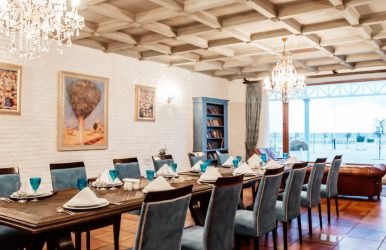
The dining area offers home-cooked treats and coffee. The atmosphere is intimate, cozy, warm, roomy, and bright. Several local stock products are also available in the cafe. Another fun thing you can do in this cafe is host various cooking classes.
So, you can either have a cooking class date with your partner, girlfriend, or mom! The chic Western Sydney interior will give you a great experience. Furthermore, you can also order your caffeine fix in the cafe's front window.
3. Lavender Riverside Cafe
The restaurant is known for its modern Australian culinary delights and offers Alfresco dining with beautiful views of the Hunter River. The Lavender Riverside Cafe is on the top of the Maitland Heritage Mall. Locals love this venue, and if you visit it, you can bask in the warm sunshine in the courtyard!
You can stroll around the banks of the river with a group of friends or family! You can, therefore, order pineapple juice or have coffee with brunch. The cuisine in this restaurant is made with local produce, incorporating a gourmet twist that has a delicious taste. One of the top restaurants in Maitland Australia is Lavender Riverside Cafe!
Some dishes are quite popular in this venue, such as a breaky burger of rissole, fried eggs, baby spinach, choron sauce, and onion relish. You can also try the beer-battered flathead tails with seafood sauce, chips, and salad! How can we forget the sweet treat of a cake cabinet, indulging in some of the beautiful culinary experiences?
4. El Chapo
The restaurant El Chapos is Mexican, and it is quite popular for its flavorful Mexican cuisine. The place is quite lively and provides a beautiful dining experience due to the vibrant atmosphere! El Chapo serves authentic Mexican street food in the heart of Maitland.
You can visit this place for casual lunch and dinner because the lower area of the restaurant is designed for that! You can sit and enjoy a meal or pack the food to take and go! The upstairs area of El Chapo is intended for you if you want to enjoy a cozy and intimate experience.
If you take your family, you can have a candlelit Mexican experience, which is a little dark for you. However, if you are taking your partner for an intimate candlelit dinner or an anniversary dinner, this is it for you!
5. The Bikesmith & Espresso Bar
A cafe, The Bikesmith & Espresso Bar combines two interesting things: coffee culture and cycling! The restaurant is family-owned, which creates a unique experience especially when delicious food and a fun and interesting activity are integrated.
The local community hub on High Street in Maitland, NSW, brings espresso bars and a bike workshop. It is quite popular for sauerkraut, corned beef, seeded mustard, and Swiss Cheese on toasted seeded sourdough! They serve the Swiss Cheese with crisp and pickle sides.
The cafe sells several high-quality speciality bikes, accessories, and parts. The atmosphere is homely, with white subway tiles, eclectic artwork, and a full glass frontage.
So, now you know you can service your bike while you settle down with a toasted sandwich or a Portuguese chicken salad wrap along with a mango smoothie!
Casual Dining Options In Maitland
Various casual dining options in Maitland cater to the diverse requirements and necessities of visitors' and travelers' preferences. Contemporary American cuisine, seafood, Italian, and others are all available in Australia’s Maitland. You can include these options when you create your budget-friendly travel ideas in Australia!
Some of the coolest and most in-demand places in Maitland are Reel Fish Coastal Kitchen & Bar, Bar Italia, and Cheddar’s Casual Cafe! There is also a beautiful place in Maitland called Riverside Levee, which is like a collection of restaurants, small bars, cafes, and boutiques.
You can visit the Riverside Levee, where you can indulge in delicious food at Boydell’s, a restaurant with a cellar door inside an 1820s slab hut. There, you can also experience pastries and decadent cakes from Icky Sticky Patisserie! Another popular bar in Maitland is The Rigby, which gives you the feeling of a Melbourne party scene.
What's more, there is an amazing place with unique ideas. Along with food, you can also order a tattoo! Isn’t that an adventure? So, now you know the next time you visit Maitland, what places you have got to check out. Whether you go with your family, partner, or friends, you know you can visit any one of these restaurants or cafes!
Finishing Off...
To sum it up, the top restaurants in Maitland Australia, offer a diverse culinary scene that ranges from casual to fine dining eateries. The city is perfect for domestic and international visitors, whether they want to go out on a date or hang out with friends or colleagues on the weekend.
Maitland is obviously a place that provides delicious, unique, and trendiest culinary experiences! Several restaurants offer international cuisine. After reading details about these restaurants and cafes, you can decide which one you want to go to!
I am sure you will be able to explore several options, from casual eateries to dining! Comment on which restaurant you want to dine at, or is there any specific cuisine you are craving?
Learn More About:
10 Things You Have To Do When You Visit Australia
6 Tips For A Luxurious Trip To Australia





 Related