
What Are The Best Sri Lanka Travel Tips? Things You Need To Know

Sri Lanka, with its lush green highlands, deeply ingrained history, and turquoise coastlines, has earned the place of a premier travel destination in the world.

You can add to that the welcoming locals and cultural richness in the country. The cultural inclusiveness here shows in the Jaffna Tamil culture and ancient Buddhist sites such as the Sacred City of Anuradhapura and Dambulla Royal Cave Temple

The Year in Review (2025) data of the Sri Lanka Tourism Development Authority (SLTDA) further vouches for the growth of the country in the tourism sector. 

The report says that the number of tourist arrivals in Sri Lanka from January to December 2025 was 2,362,521. Also, the tourism revenue for the same period was 3.2 billion USD. 

Moreover, even though the country is similar to Ireland in size, its geographical diversity is astonishing. 

Golden Beaches such as Hiriketiya Beach, misty mountain tea plantations such as Nuwara Eliya, UNESCO World Heritage Sites such as Galle Fort, and national parks such as the Kaudulla National Park, attract every type of traveler.  

However, thanks to this diversity, traveling through the tropical paradise requires a complete understanding of the following areas. 

  • Local Logistics
  • Cultural Expectations
  • Seasonal Weather Patterns

So, in this article, I will synthesize my firsthand travel experience into actionable Sri Lanka travel tips. 

Pre-Arrival Logistics And Practical Information

Understanding the climate and visa system is important if you are traveling to Sri Lanka for the first time. 

Furthermore, your packing strategy has to be on point to beat the tropical heat of the island country. 

Understanding Sri Lanka’s Unique Dual Monsoon System

Understanding Sri Lanka's Unique Dual Monsoon System

Sri Lanka has a dual monsoon system. It means that two opposite sides of the island country experience rainfall at different times. 

The southern and western coasts of the country, including the beautiful Ella and the cultural hub of Kandy, experience monsoon from April to August. 

On the other hand, the northern and eastern coasts experience the monsoon season from October to February. 

So, December to March is the ideal window to visit Sri Lanka if you want to explore different parts of the country. 

Navigating Visa Requirements And Extensions

You have to secure an e-Visa online before you reach Sri Lanka. 

A standard tourist visa will allow 30 days with a double entry, and the application should happen at least two weeks in advance. 

Furthermore, if you want to spend longer in the country, you can extend your visa up to 30 days each time. 

You have to visit the Department of Immigration in Colombo for the extension of the visa. 

Packing Strategies For Intense Tropical Heat

Sri Lanka experiences a temperature between 26°C and 30°C throughout the year. 

So, you must pack breathable and lightweight clothing made from linen or cotton. 

Furthermore, you must include high-SPF sunscreen, a wide-brimmed hat, and a reusable water bottle.

Having said that, the central hill country is significantly cooler, so a light jacket or fleece is necessary for evenings.

Sri Lanka Travel Tips For Money Matters, Budgeting And Technology 

While we have become comfortable with digital payments, most parts of Sri Lanka may depict a different picture. 

And it was one of the main challenges I faced on my first visit to Sri Lanka. Here are more such Sri Lanka travel tips you need to know. 

The Realities Of Local Infrastructure And Connectivity 

Sri Lanka offers fast, affordable 4G and 5G networks. Once you land at the Colombo Airport, you can buy an easy tourist SIM package from Dialog at the airport. 

It offers cheap data packages, and you can easily do a top-up recharge of the SIM at local shops. 

Cash Vs. Card And The Art Of Tipping

The high-end venues of Sri Lanka will accept cards. However, Sri Lanka is still a cash-driven economy. 

So, you can withdraw local rupees (LKR) from local ATMs and avoid high fees. 

Also, tipping in Sri Lanka is not mandatory, though it is appreciated. So, whenever you are visiting a restaurant or taking a service, you can pay 500 LKR as a tipping charge for a reasonable gesture. 

However, remember that service charges are often included in the restaurant bills. 

Cultural Norms, Etiquette, And Historical Context

Cultural Norms, Etiquette, And Historical Context

You have to respect the history of Sri Lanka and especially have an idea about how the country suffered during the 1983–2009 civil war.

This era left deep scars on the country, especially on the northern region and, more specifically, the Tamil Hub of Jaffna

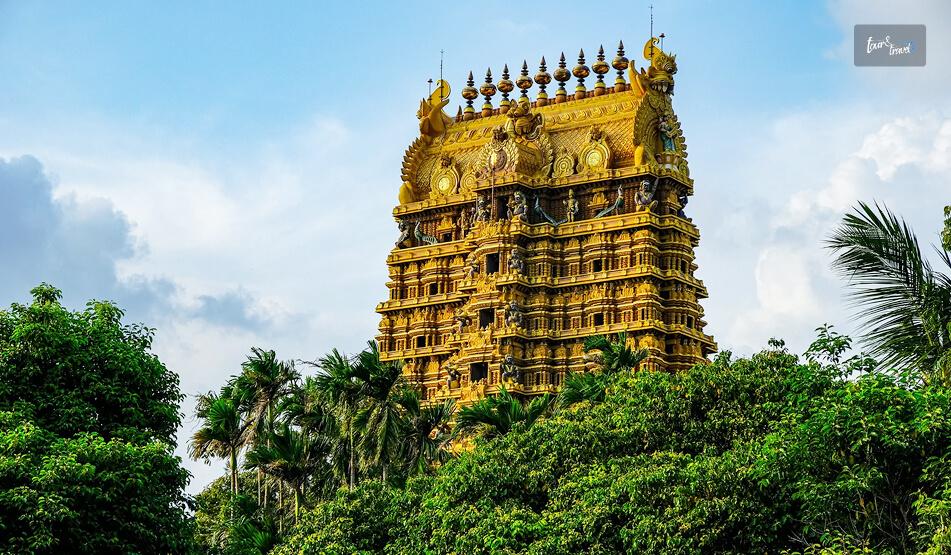
So, when you explore this part of Sri Lanka, you can expect a distinct cultural experience. The Hindu temples in Jaffna and the Tamil influence here make it a place to tread respectfully. 

Being Respectful To Buddhism 

Buddhism is central to Sri Lankan life. So, you must always keep your behavior toward Buddha images respectful. 

Any display of disrespectful behavior toward Buddha can also cause legal problems. 

Never wear clothing featuring the Buddha, and ensure any tattoos of him are covered. 

Do not take selfies with your back to a Buddha statue, and never climb or touch them.

Dress Codes And Daily Conservatism

When you are outside beach areas, you must dress conservatively to avoid unwanted attention. 

Also, cover your shoulders and knees when visiting temples. 

Moreover, remove your shoes at sacred sites and carry a sarong for covering up when needed. 

Food, Drink, And Culinary Customs

In Sri Lanka, you will love the “Rice and Curry” lifestyle. Furthermore, the use of fresh seafood, spices, and coconut in the curries offers you a distinct gastronomic delight. 

The local hotels or small eateries are the best places if you want to try the authentic flavors of Sri Lanka. 

Furthermore, the spice levels and the use of coconuts differ from one region to another. For example, food in Jaffna is the spiciest, and as you come to the central or the southern regions, the food becomes mellower. 

Iconic Street Foods To Discover In Sri Lanka 

You cannot miss Kottu Roti, wade, and egg hoppers when you are in Sri Lanka. Also, the food etiquette is very important if you want to know about the Sri Lanka travel tips. 

It is customary to eat with your right hand, even if in many places, they will offer you cutlery. Furthermore, you will get many vegetarian and vegan options in curries. 

The vegetable curries here have coconut milk instead of any dairy products. 

Sri Lanka Travel Tips For Transportation And Getting Around

What is the first thing that comes to your mind when you hear about the transportation in Sri Lanka? 

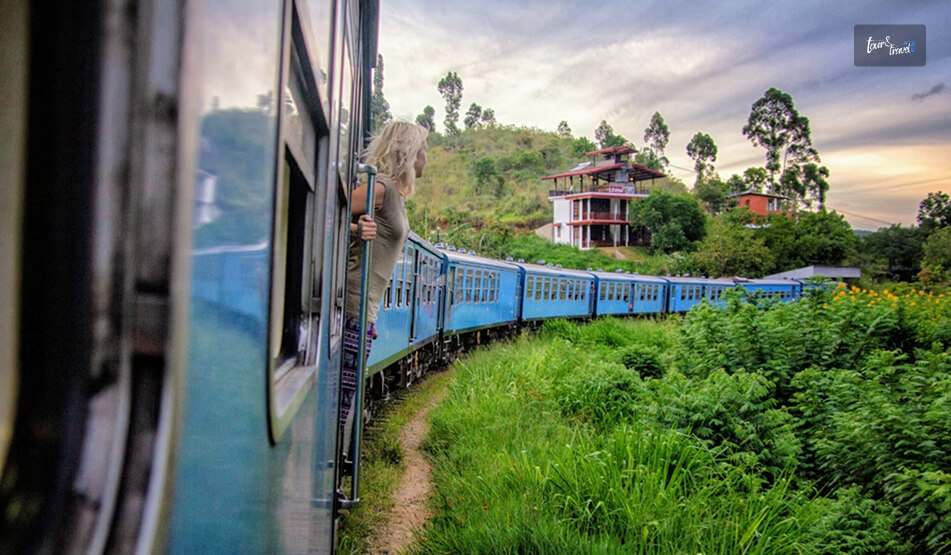
It is the Kandy to Ella train journey, of course. 

It offers the most amazing views of plantations and waterfalls. 

However, being an iconic train route, the Kandy to Ella route needs advanced booking. 

Also, buy a third-class ticket to experience the train journey with open doors and a lively atmosphere. 

Surviving The Wild Public Bus Network Of Sri Lanka 

Public buses in Sri Lanka offer frequent, fast, and cheap services. 

However, sometimes you can experience aggressive driving, and there will be limited space for luggage. 

Navigating Local Tuk-Tuks And Ride-Hailing Apps

For short trips, use the PickMe or Uber apps for transparent pricing, 

Furthermore, tuk-tuks are frequently available. However, negotiating the price with them, especially in tourist-heavy spots, can be a challenge. 

Health, Safety, And Responsible Travel

It is safe to carry a reusable water bottle with a filter to reduce plastic waste and still drink safe water. 

Furthermore, you must carry your own medication and a first-aid kit. Also, if you have to take anti-inflammatories, you must visit a local doctor and get a prescription. 

Animal Welfare And Ethical Wildlife Excursions

Visit places such as the Hurulu Eco Park and the Elephant Transit Home in Udawalawe for responsible, respectful animal encounters.

Furthermore, avoid elephant rides to support ethical wildlife viewing.

Share on Social Media

Sibashree is a travel, culture, and leisure writer who has been writing since the age of 12 and professionally since 2014. With more than a decade of travel writing experience and journeys across India and several parts of the world, she brings a deeply personal and thoughtful perspective to her work. A student of English Literature and Mass Communication, Sibashree has always viewed travel as more than movement — for her, it has been a way of understanding people, cultures, and herself. Her passion for spiritual exploration has also led her to many unusual and meaningful destinations over the years. Outside of writing, Sibashree enjoys watching European cinema, reading about global politics, and reflecting on the stories hidden within everyday places.

Leave a Reply

Your email address will not be published. Required fields are marked *

title-img Related

READ MORE Canada Trip Insurance

Coverage For Special Occasions: Travel Insurance For Canadian Festivals And Events

BY  Sibashree Nov 19, 2025

Canada is bursting at the seams with festivals, wild celebrations, and lively events. You blink, and there’s probably something going on in every corner of the country. Whether you’re catching the Montreal Jazz Festival’s energy or braving Quebec’s famous icy parties, these gatherings are honestly the stuff of bucket lists. But, you know, any trip, especially the fun, hectic kind, can bring chaos you just didn’t see coming. And that’s exactly when having decent Canada trip insurance jumps from “optional” to “pretty necessary.”  It’s your safeguard for all those “Hope that doesn’t happen, but if it does…” moments. Let’s break down why travel insurance Canada should be high on your checklist, what it actually covers, and—since it’s 2025—how to buy it without ever leaving your couch. What Is The Significance Of A Canada Trip Insurance? Honestly, the festivals and weirdly joyful events are half the reason people come here. However, let’s get real! They’re not stress-free. Big crowds and moody weather aren’t just “quirky” perks. They can flip your trip from amazing to “why did I even get on the plane?” really fast. A few solid reasons make having travel insurance for attending the festivals and events in Canada a must. 1. Medical Emergencies You never plan for a medical emergency, but all that running around, dancing, and squeezing through crowds. Yeah, accidents happen. The right policy grabs your back with coverage for surprise hospital visits, unexpected illness, and even wild scenarios (think: evacuations). That means if things go sideways, you’re not left frantically Googling “nearest clinic open now.” You get the treatment you need, fast. 2. Unpredictable Weather It can rain when it’s supposed to be sunny, or it can snow in June. The weather in Canada loves to throw curveballs at festival plans. Storms mess up flights, force cancellations, and generally make you question your packing skills. Travel insurance gives you a fallback, so changes in the forecast don’t wreck your whole trip. 3. Delayed Flights Missed connections, endless airport coffee, or racing to an event that started without you! Delays are a special kind of festival pain. Canada trip Insurance can at least help soften the sting with reimbursement for lost time (and sometimes lost money). 4. Lost Or Stolen Luggage Are there jam-packed crowds at the airport, bus stations, or the festival venue? It is Awesome for energy, but not great for keeping track of your backpack. If your stuff disappears or gets snatched, insurance can cover what you lost, saving you from the “how do I survive without my essentials?” panic. While choosing Canada trip insurance, make sure that you compare various policies. You have to be specific about your budget, needs, and coverage limits. Furthermore, you have to read the “exclusion” section carefully. Suppose you want to do rafting in Canada, and the policy you have chosen does not cover any injury that happens during that particular activity. You cannot claim compensation if such happens. In addition, pick a policy that covers the pre-existing conditions. How To Purchase Travel Insurance For Canada Online? The days of slouching through long lines at insurance offices? Gone, luckily. Getting a travel insurance plan in Canada is basically a breeze—here’s the “pain-free” approach: Step 1: Jump onto your insurance company’s website and poke around for the travel insurance section. Step 2: Toss in some basic details (they’ll ask… it’s always something), and pick the type of coverage you want. Step 3: Find Canada in the list—there’s always a dropdown. Add your departure and return dates, plus your phone number (they need it for confirmation, not for spam… supposedly). Step 4: Click whatever version of “view plans” pops up. Now, you’ll be asked for traveler info. Step 5: Hit “Next.” Browse through a few plan options, tweak the coverage amount for your stuff, and throw in any extras that seem smart. Step 6: Another round of “Next” and fill out health details, whatever else they want, and you’re basically done. Step 7: Pay up, sit back, and wait for your new insurance details—both an email and a shiny online document should show. Tips For A Smooth Festival Experience With Canada Trip Insurance If you want your Canadian festival trip to be something you’ll brag about (and not just complain about), make sure your travel insurance really covers the possible drama. There are a handful of other little tricks for making the whole journey actually enjoyable. 1. Plan Ahead Don’t just show up and read up on the festival, double-check where it’s happening, and figure out your route. Sorting tickets and booking places to stay, way before the rush, saves future headaches when everyone else is panicking. 2. Stay Informed Keep checking the weather (surprises are the default here), and watch for updates about the event. A last-minute change can throw off everything, unless you’re already in the loop. 3. Keep Records Make copies of the stuff you don’t want to lose: your insurance info, tickets, ID, passport—that sort of thing. Having backups makes it way easier if you need to file a claim (or just find your way home). 4. Carry A First-Aid Box Pack meds you actually use and a tiny first-aid kit, just in case. Minor emergency? You’ll thank yourself for thinking ahead. Travel Insurance Canada Gives You The Coverage To Enjoy Your Trip In the end, travel insurance isn’t just paperwork. It’s peace of mind. You get to throw yourself into the fun, knowing you can handle whatever hiccups the universe throws your way. Go for coverage that fits your trip: delays, lost documents, and last-minute changes. That way, you’re not stuck worrying; you’re actually enjoying the festival (and maybe even finding a new favorite one). Thinking about travel insurance for Canada right now? Give Niva Bupa Travel Insurance a look. They’ve got a huge network (10,000+ hospitals) and claim to process things in under 30 minutes. One crore customers vouch for them, which honestly calms a lot of nerves. If you want to skip stress and just focus on the adventure, it’s worth checking their plans. Read Also: Ultimate Guide to Stress-Free Holiday Travel Top 8 Travel Medical Insurance Trends to Consider The Overlooked Connection Between Safe Travel And Strong Networks

READ MORE Acadia National Park

Why Is Acadia National Park Special? Know The Things To Do

BY  Sibashree Dec 24, 2024

Located in Maine and along the Atlantic Coastline, Acadia National Park is special because of the tallest mountains. Its rocky Alpine terrains further add to its appeal.  In addition, this national park is on the east of the Mississippi River. The national park will also take you on a tour of the past. For years, New Englanders have escaped here, and today, it is the best place to learn about the wilderness of the Down East. Moreover, the Acadia National Park is the easternmost national park in The USA. It is one of the places where everyone in the country sees the sunrise first.  Do you want to know more about Acadia National Park and the things to do here? Here is a Tour and Travel Guide for you. But before that, here is a sneak peek into the important details about the park.  Acadia National Park Area: 49,052 acresVisitor Centers: Hulls Cove, Thompson IslandEntry Fee: $12 Per Person and $25 Per VehicleAnnual Visitors: 3.5 Million Things To Do In The Acadia National Park | You Cannot Miss These Things At The Easternmost National Park In The USA Acadia National Park is brilliant as an outdoor place across all seasons. However, June to September are the months when the national park becomes more welcoming with a moderate temperature.  However, if you are adventurous enough can deal with sub-zero temperatures, December to February or the winter months are the best times to be at the park. Naturally, fewer visitors come to the park in the freezing cold. So, you will have the quietest time here.  Having said that, when you visit the park under clear weather conditions, you can take part in the following activities.  1. Hiking If you have to know Acadia Park, hiking is the best outdoor pursuit for you. The hiking trails will take you along the rocky coastline, through the forests and sometimes will allow you to stand on flat mountain tops.  Overall, the park has hiking trails of 150 miles. Also, the hiking trails come with various difficulty levels. So, even if you are a beginner or have a child with you, you will love the trails along the coastline.  Summit HikesCoastal HikesNature HikesPrecipice LoopGreat Head Trail Jesup Path and Hemlock Path LoopGorham Mountain LoopShip Harbor Trail Schhodic Peninsula TrailsBeehive LoopBar Island Trail Jordan Cliffs Loop These are some of the prominent hiking trails found in the national park. 2. Bicycling Acadia National Park is also a paradise for cyclists. There are around 45 miles of trail to explore on a cycle. As a cyclist, you will have to share the same route with the carriages and horses. Further, only Class 1 E-bikes are allowed on the carriage roads.  The Park Loop Road is the most preferred route for bicycling at the Acadia National Park. As you ride through the park, you will find beautiful scenery. However, if you are not confident enough or have the expertise, you must avoid the ride during the busiest hours of the day.  The ideal time for bicycling in the park is before 10 AM and after 4 PM.  Are you looking for more adventures on the bike? You can take a ride through the Western Mountain Roads. These Gravel Roads have the deepest ruts. So, you must exercise caution while biking through this route.  3. Bird Watching Acadia National Park is on Mount Desert Island, which is the “warbler capital of the world.”  You will find 20 species of warblers here, and as you hike through the park or take a nature walk, you will see hundreds of warblers. Birdwatching as an outdoor activity is also important in the history of the national park. In fact, much of the park’s natural exploration has been possible thanks to birdwatching.  Here, you will also find the fastest animal in the world, Peregrine Falcons. Moreover, the loons here come in different shades, and watching them in the water is the most relaxing thing to do here.  4. Stargazing Once you are done with day activities at the Acadia National Park and have the best nighttime experience here, you can try stargazing. Looking at the night sky and celestial bodies is a transformative act.  Further, stargazing as an activity calms your mind and promotes spiritual elevation. The Cadillac Summit is the best place for stargazing in this national park. However, vehicles are only allowed to this stargazing space only for certain seasons.  Especially, the route remains closed from 1st December to 14th April. Moreover, even during the months of October to May, the roads do not remain open after 9 PM.  Other prominent places for stargazing at Acadia National Park are the sand beach, ocean path, Jordan Pond, and the seawall.  You must bring a flashlight or headlight with a red light function to watch the stars in the night sky.  5. Boating With a boating permit, you can explore many lakes and ponds on Mount Desert Island. You can get motorboats, kayaks, sailboats and canoes on rent here. Further, you will find many commercial ferry services here taking you on nature cruises or whale watching trips.  Along with the state regulations, you will also have to abide by the specific restrictions for each waterbody. One of the most important rules here is wearing a life vest.  Nevertheless, some best places for boating in Acadia National Park are Eagle Lake, Log Pond, Echo Lake, and Jordan Pond.  6. Exploring The Historic Places  Acadia National Park is the place with which people have interacted for years. So, today, Acadia National Park is like a living heritage. So, if you are interested in the history of places or human beings, the park awaits you with many prominent hotspots.  The carriage roads and gatehouses here take you on a tour of the early 20th century. However, the trails here are even older, and they have been evolving since the 1800s.  Moreover, memorials like the Robert Abbe Memorial Plaque, Atwater Kent Memorial Plaque, and George B. Dorr Plaque are some memorials that will take you through the pages of history.  Do you want to try some more activities at Acadia National Park? You can try tide pooling and swimming.  Also read Top 10 Most Popular Paraguay Food That You Must Try. Top 13+ Famous Wonders Of India That You Must Visit [Updated 2024] Top Tips For Motorbike Rental In Phuket – A Guide To Exploring The Island On Two Wheels.

READ MORE card-img

Top Reasons To Choose A Short-Term Rental Over A Hotel In Paris

BY  Sibashree Aug 4, 2025

Short-term apartment rentals in Paris will give you a cozy, budget-friendly way to enjoy the city like a local.  You get more than just a bed—you get a homey vibe. So, why choose a rental over a hotel? In this article, you will learn why many tourists are choosing short-term rentals in Paris and not the luxury hotels. Reasons Why Short-Term Rentals In Paris Are the Best Choice For You As the historic Parisian city of Montmartre battles with over-tourism, the feasibility of short-term rentals in Paris is questioned.  Also, we are aware of the new rules and regulations in Paris to combat housing problems and the negative impacts of overtourism in Paris and various other parts of France.  Furthermore, it’s true when the “luxury factor” comes in and you are visiting Provence or the whole of Southern France, it’s natural to plan an opulent stay at luxury villas Provence Le Collectionist.  Still, with the adherence and implementation of fair policies and rules, short-term rentals in Paris allow you to live comfortably and travel the city and the entire France like a local.  Here are some more reasons why you may need to consider a short-term rental in Paris.  1. Short-Term Rentals In Paris Offer You More Space To Relax Hotels in Paris can feel tiny, with small rooms that leave you tripping over your suitcase every day. If you want room to spread out after exploring the city, short-term rentals will offer you that.  Apartments come with living rooms, kitchens, and sometimes balconies, so you feel at home. You won’t be able to lounge in a spacious flat if you’re in a cramped hotel room. In other words, a short let allows you to relax comfortably, whether traveling solo or with family.  2. Choose Short-Term Rentals In Paris To Save Money Paris hotels can be pricey for your wallet, especially in touristy spots like the Latin Quarter or near the Eiffel Tower.  You’ll be paying for fancy lobbies you barely use, which can be pretty expensive. Short-term rentals, on the other hand, are often cheaper, so you will be able to keep more cash for different things.  You can cook your meals too in your apartment’s kitchen, cutting dining costs too. It will save you hundreds over a week compared to eating out every meal.  3. Live Like A Parisian At Short-Term Rentals In Paris Do you want to feel the real Paris, not just the tourist version? Well, rentals will allow you to blend into the city’s vibe.  Staying in a local neighborhood, like Le Marais, means you can shop at the nearby bakeries or stroll through their markets like a resident. Hotels often feel detached, with generic dĂ©cor and tourist-heavy areas.  A rental, however, will give you a unique apartment with character, where you can soak up the culture. This way, you create memories that feel personal and authentic.  4. Flexible For Your Needs One thing with hotels is that they lock you into rigid schedules like set check-in times or pricey room service for late-night snacks.  If you need freedom to make your trip your own, rentals deliver that flexibility. Apartments offer check-in options too, but they will fit your flight, plus you get other amenities like Wi-Fi or laundry you can control.  This way, you can wash clothes or cook a midnight snack without extra fees. It makes your stay stress-free and tailored to your plans. 5. Short-Term Rentals In Paris Are More Suitable For Business Travelers And Remote Workers Today, France offers dedicated visas and provisions for remote workers. There is the Talent Passport visa (Passeport Talent) and the Long-Stay Visa (Visa de Long SĂ©jour).  Furthermore, Paris has always been an epicenter of global business, especially in niches such as fashion and accessories.  Now, these digital nomads and business travelers often have to stay in Paris for a longer duration. Choosing a hotel can be pricey.  Also, these business travelers and digital nomads need a fixed workspace, including a steady internet connection. In addition, you may need a private space where you can invite and interact comfortably with your clients and colleagues.  In this scenario, short-term rentals function as homes away from your home, allowing you a flexible and comfortable stay and meeting your professional commitments.  6. Short-Term Rentals In Paris Offer More Privacy This is like given! Most of the amenities and facilities in a hotel are shared. Now, suppose you are traveling solo or with your partner.  Also, you can be on a business trip to Paris, and the nature of your job demands privacy.  Of course, a hotel will not be your ideal choice. You will choose a short-term rental apartment with fewer shared facilities and a private entrance.  Overall, the experience will be more private and personalized.  7. Amenities That Offer You A Sense Of Independence Do you always love to plan and cook your meals? Do you want to explore Paris on a specific budget? Short-term rentals in Paris are ideal for you because they come with a fully-equipped kitchen. You can cook your food there and thus ensure that your dietary preferences and restrictions are followed.  However, these amenities are not just available in the kitchen. You also get fully-equipped workspaces and laundry amenities, making your Parisian living more comfortable and independent.  So, overall, at these short-term rental apartments, you enjoy the comfort of your home, better amenities, and privacy. Also, especially for a long-term stay, these rental properties are ideal.  Short-Term Rentals In Paris Beat Hotels To Make Your Stay More Enjoyable Short-term apartment rentals in Paris really beat hotels in many ways. It is good for those who want to experience a trip that's comfy, affordable, and, more importantly, to live like a local.  So, skip the hotel, book a rental, and enjoy the city your way. You'll save money and be able to make memories that last.