

Kandy Is So Underrated!! What Are The Unique Things To Do In Kandy? 

Mar 5, 2026

Last Updated on: Mar 23, 2026

Travel Guides

Kandy has been in the news recently for the last-over clincher between Pakistan and Sri Lanka in the last ICC T-20 World Cup tournament. 

It is also good to see Kandy slowly getting its rhythm back after the major disruption in the beautiful Colombo-Kandy-Ella-Badulla railway due to the impact of Cyclone Ditwah in the latter part of 2025. 

With a man-made lake at the epicenter, Kandy, in a bowl of mountains, was home to the last rulers from the Kandyan empire. 

Today, it continues to play an important role in the politics, economy, and culture of Sri Lanka as the capital of the Central Province. 

Sri Lanka is full of contradictions. From the rich Tamil Culture in Jaffna and the abandoned Buddhist ruins at the Ritigala Forest Monastery, to the bustling city of Kandy, it’s like visiting different countries with a few miles of traveling. 

Moreover, Kandy is just 20 km away from Gampola, the home to the famous Ambuluwawa Tower, the symbol of natural diversity and religious inclusivity in Sri Lanka. 

Hi, in today’s blog, I will talk about how to reach Kandy, the things to do in Kandy, where to stay, where to eat, and more. 

How To Reach Kandy? 

Kandy, one of the major cities of Sri Lanka, is easily accessible. If you are a budget traveler and a believer of the LowDownUnder Travel philosophy, you can take a local bus or train for the journey. 

1. The Kandy Railway Station: The Major Gateway

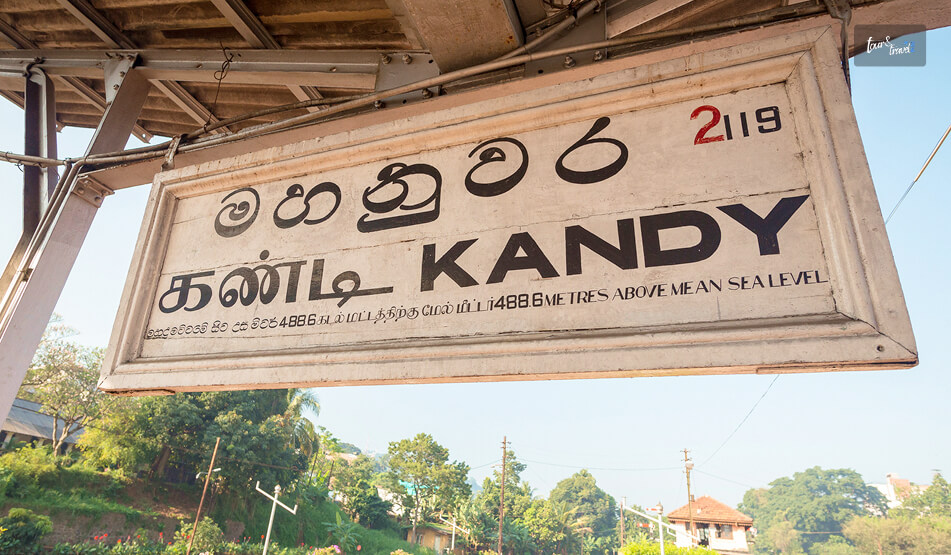
The Kandy Railway Station The Major Gateway

The Kandy Railway Station is the main gateway to the city if you are traveling from other parts of the island. 

Also, this railway station on the beautiful Kandy to Ella line still exudes a colonial charm and shows Victorian influences in its architecture. 

A train ride from Colombo to Kandy takes around 2 hours and 30 minutes, and based on the class, the ticket prices cost between LKR 300 and 1200. 

You can even take a train on the Kandy to Ella route to explore the tea plantations, mountains, and the highland region. 

However, being one of the most scenic railway routes in the world, tickets for these trains are always in high demand. 

You can check out the available tickets at the official website of the Sri Lankan Railways. Tickets for a date get sold out even 1 month before. 

2. Colombo To Kandy Bus 

If you cannot book trains to reach Kandy. Don’t get disheartened, as buses are available from the Bastian Mawatha Bus Station in Colombo. 

You can take an ordinary or AC intercity bus to reach Kandy from Colombo. The distance is around 120 km and the travel time is approximately 3-4 hours. 

Also, the ticket prices start from LKR 360. 

What Are The Things To Do In Kandy? 

Kandy is the cultural capital of Sri Lanka. So, no wonder that it offers a good mix of colonial history, spiritual experience, and the serenity of the Kandy Lake. 

Also, Kandy is home to the quintessential Singhalese food. I found the delicacies in Kandy to be way creamier and milder than the fiery food in Jaffna

Nevertheless, I will talk about what to eat in Kandy a little later, and for now, let’s explore the things to do in Kandy and enjoy a mixed bag of experiences. 

1. Visiting The Royal Botanic Gardens

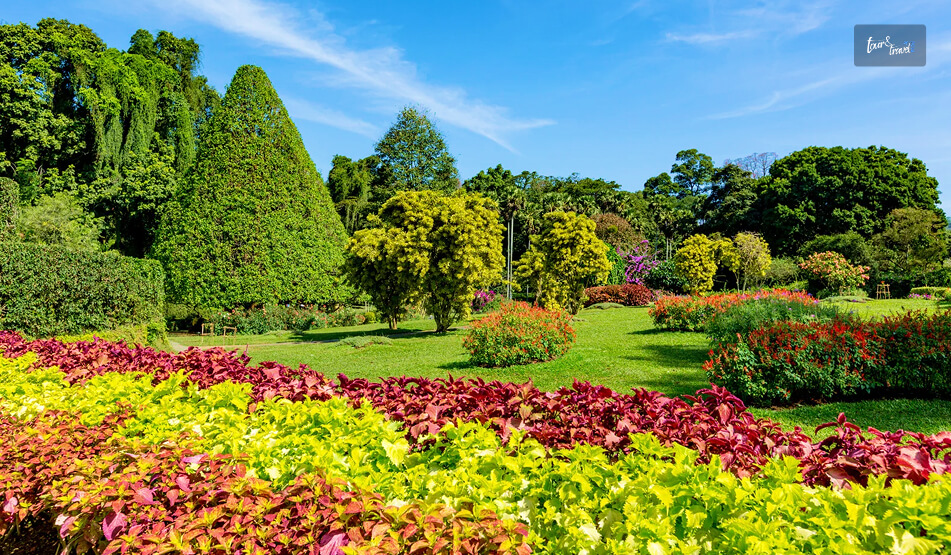
Visiting The Royal Botanic Gardens
  • Hours Open: 7:30 AM to 5:30 PM
  • Entry Fee: LKR 200 for Locals, LKR 3540 for Foreign Visitors

From Kandy City, you can take a short tuk-tuk ride to reach the Royal Botanic Gardens. It is home to more than 4000 plants and covers an area of 147 acres. 

A green oasis in the overwhelming city landscape, it also has an arboretum and decorative flower beds. 

My favorite, however, was the majestic palm tree avenues. However, as the day grew, it got crowded by social media content creators. 

Furthermore, there are giant bamboo trees. Another popular photography spot in the national park is the Mahaweli Ganga River suspension bridge. However, more than five people cannot get on the bridge at a time. 

So, you may have to wait in a queue if you desperately want a photo for your socials. 

Moreover, you will see bats hanging from trees, chipmunks, and monkeys in the botanical gardens. And don’t miss the Spice Garden here. 

Also, if you feel hungry, you can buy drinks and snacks from the stalls inside and the local vendors outside the park.

2. Exploring The Udawattakele Forest Reserve

Exploring The Udawattakele Forest Reserve
  • Hours Open: 6 AM to 6 PM
  • Entry Fee for Foreigners, LKR 830, For Locals: LKR 70 

I walked for around 30 minutes to reach the Udawattakele Forest Reserve. You can even take a tuk-tuk ride from the Centre of Kandy. 

It has some of the most famous caves in Kandy and diverse fauna. 

However, I did not expect that mother macaque monkeys would welcome me with their babies clinging to them. 

After the grand entry, I chose the circular route around the park as I wanted to see the religious caves, the bathing pond, and the city viewpoint. 

The Route 

The green canopy stands in humility as you advance on the route, and now you are transported to a different world. 

The birds were chirping, and I could hear the squeal of monkeys. 

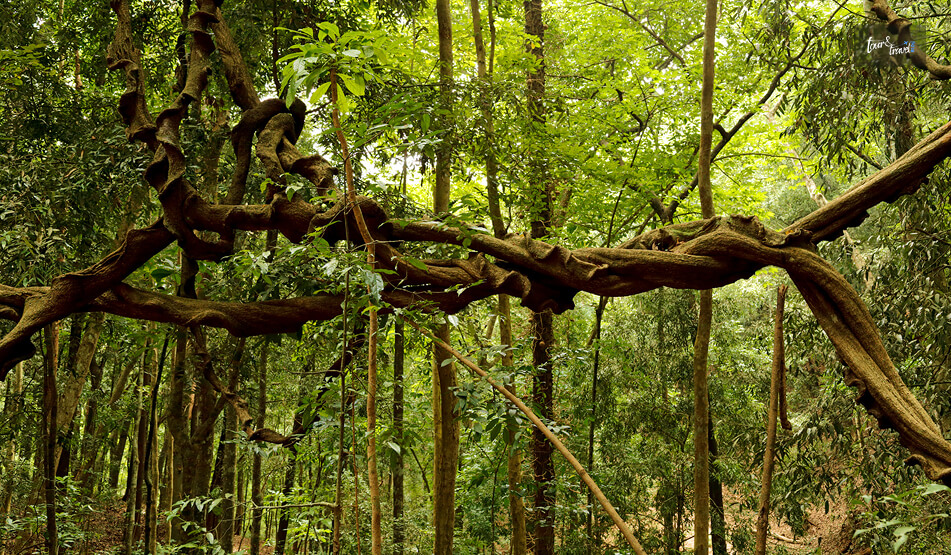
However, the highlight on that route was the Liana’s. These tree-sized vines created coils along the oath. 

I followed the route upward and reached the City View Point. 

The City View Point 

From the City View Point, I loved the perspective of Kandy City and Lake. Then, walked further to come across the Cittavisuddhi Lena cave and othe two religious caves. 

The cave had beautiful sculptures, paintings, and offerings by pilgrims. These are sacred to the Buddhist people. 

However, overgrown trees and the fear of insects and bats deterred me from entering the cave and exploring the two other Buddhist caves. 

Despite all the cautions, destiny had something different in store for me. There were leeches all over my legs, and luckily, I was carrying adequate salt to get rid of them. 

The fellow tourists also helped to remove the leeches. 

3. Visiting The Bahirawakanda Vihara Buddha Statue

Visiting The Bahirawakanda Vihara Buddha Statue

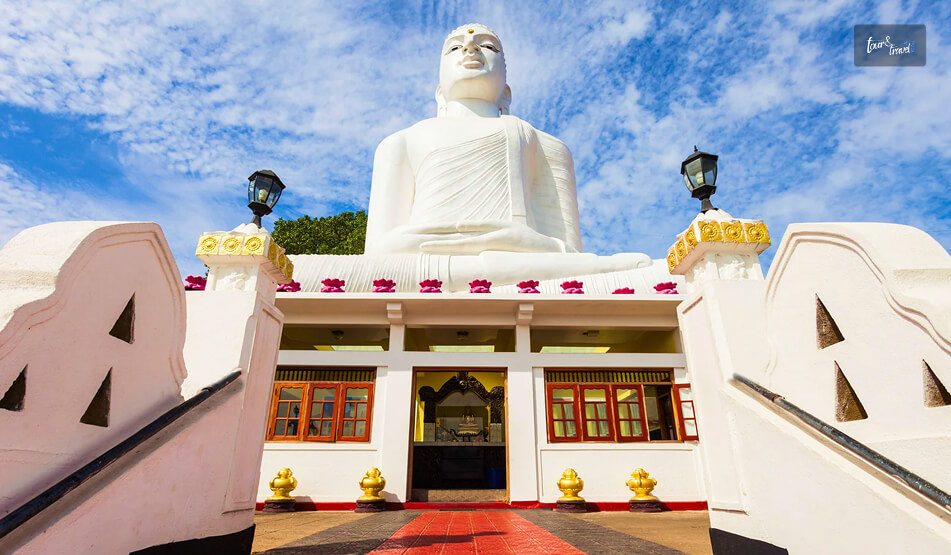
The Bahirawakanda Vihara Buddha Statue at the top of a hill is the guardian angel of Kandy. You need to take a short and steep walk to reach the Buddha Statue from the town. 

You can even take a tuk-tuk. 

Once you reach the statue, you can find the steps behind the magnificent statue and climb to higher vantage points looking over the other side of the city of Kandy. 

Moreover, there is a small shop from where you can take trinkets and religious texts. The entry fee was 600 LKR when I visited last. 

4. Exploring The Kandy Market

Exploring The Kandy Market

I mentioned how an old lady in the Jaffna Public Market was the icebreaker during my trip to Jaffna

In Kandy, it was the Kandy Market, which made me acquainted with the hilly region of Sri Lanka. 

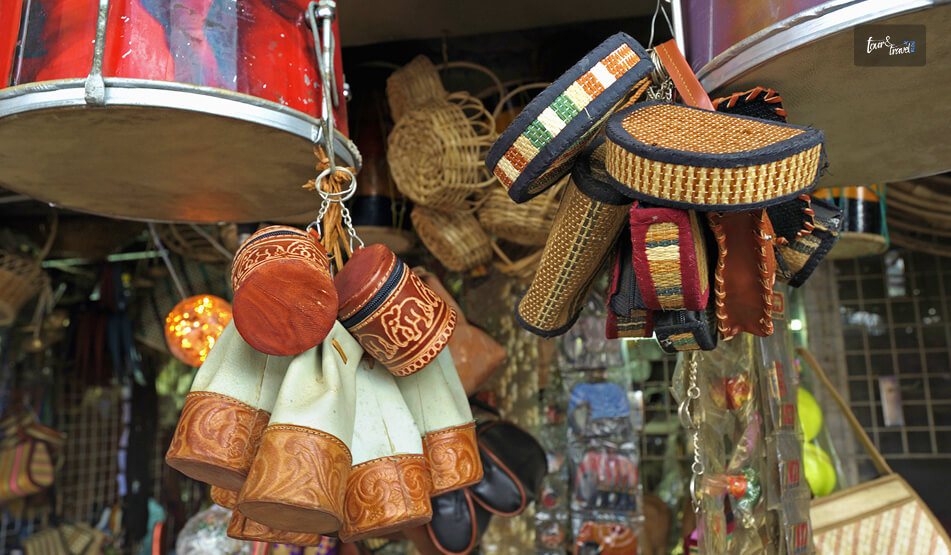
The market was near the Kandy Station. I visited it early in the morning and found vendors selling dried fish, bananas, fresh vegetables, and souvenirs. 

5. Spending Moments By The Kandy Lake

Spending Moments By The Kandy Lake

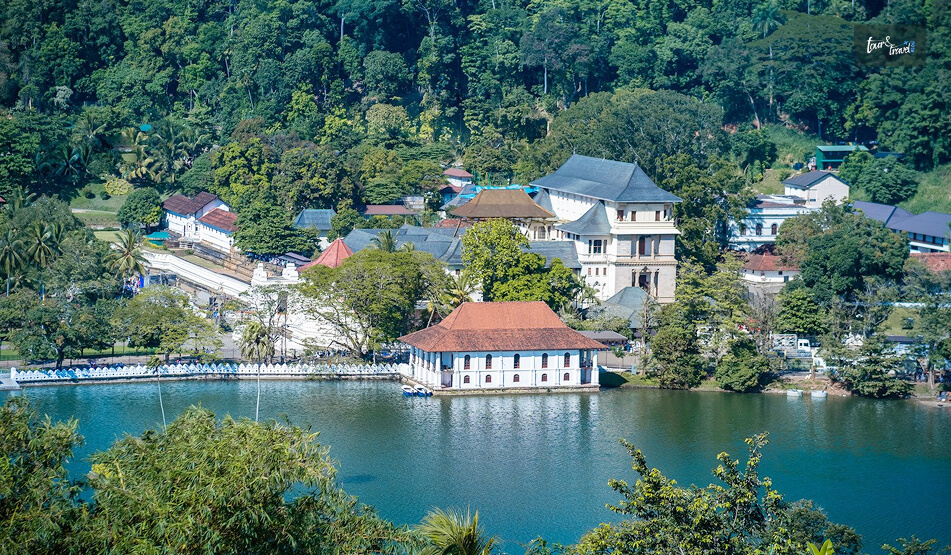
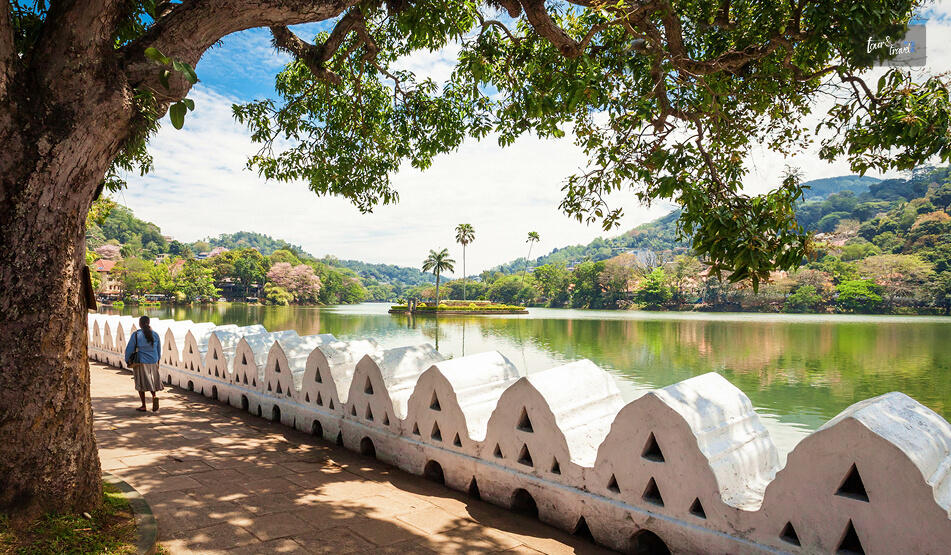
The Kandy Lake, or Lake Kandy, is at the heart of the city and is very close to the Temple of the Tooth. 

It is a magnificent man-made lake around which you can take a walk of 2.1 miles. The pathway is called the Cloud Wall, and the highlight of my walk was finding out about the Queen’s bathing pavilion. 

This ivory excellence reminded me of the regal past of the Kandy Lake. 

I also spotted the ducks, busy schools of fish, and water monitor lizards. 

Moreover, there is a well-groomed garden in the center of the lake. When I visited, it was in full bloom. 

6. Walking To The Kandy Viewpoint

Walking To The Kandy Viewpoint

After stretching my legs at the Kandy Lake, I took a short walk to reach the Kandy Viewpoint. 

Hiking to the Kandy Viewpoint is one of the most delightful free things to do in Kandy. You can capture panoramic shots of the city from this viewpoint and interact with local hawkers for a meaningful cultural exchange. 

7. Visiting The Asgiri Maha Vihara Pirivena – Buddhist Stupa And Temple

If you are a Buddhist or someone eager to learn about the religion, visiting the Asgiri Maha Vihara Pirivena is one of the best things to do in Kandy. 

This stupa is very close to the city, and I took the stairs across the train tracks to reach the stupa. 

For me, the highlight of the stupa was the meditation room on the central floor. The iconographies were grand and meaningful. 

Furthermore, the walls there depicted the three stages of decay a body has to undergo after death. 

However, I did not yet know what was awaiting me, the dome of the stupa. 

Filled with Buddhist artwork, an enormous lotus carving, and eight statues of Lord Buddha, it defined enormity. 

The military guide finally took me to the balcony that surrounds the stupa. I found many monks clad in orange robes busy in their rituals, and I also loved the view. 

8. Visiting The Temple Of The Tooth

Visiting The Temple Of The Tooth

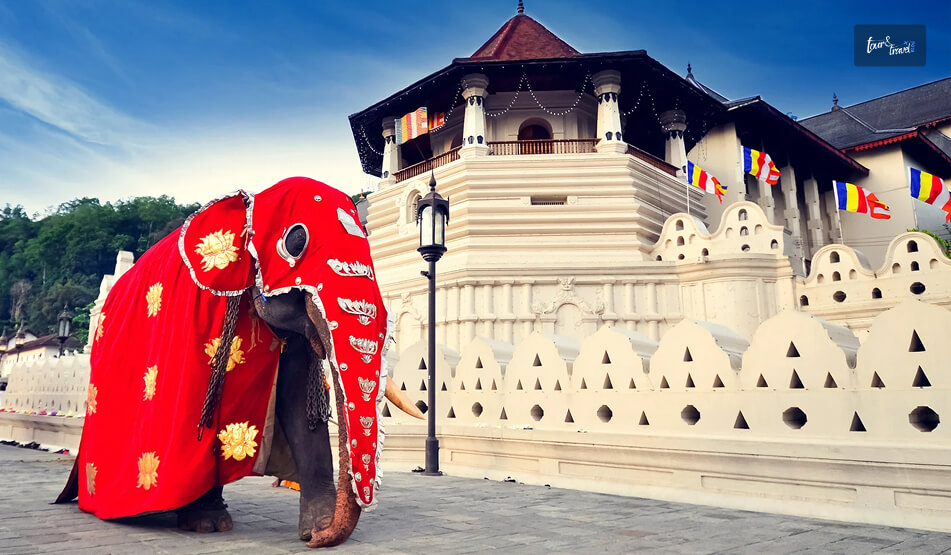
A UNESCO World Heritage Site, the Temple of the Tooth or Dalada Mandira preserves the canine tooth of Lord Buddha. 

It has the Udawaththa Kelaya to the east and the Lake Kandy to the south. 

After several invasions and destructions, the temple was finally rebuilt by King Keerthi Sri Rajasinghe, and it is in its current form that we see today. 

The temple has beautiful works of ivory, gold, and silver. 

More Things To Do In Kandy 

Along with being a primary tourist attraction in Sri Lanka, Kandy is also the gateway to many iconic landmarks showing the richness of Sri Lanka in nature and wildlife. 

You can take a train ride or a bus ride from Kandy to the Royal Cave Temples of Dambulla. Or, you can attend a wildlife safari in Kaudulla National Park and other national parks of Sri Lanka. 

Where To Stay In Kandy? Know The Accommodations

I stayed at a hostel near the hillside surrounding the city. It was modest, but the views I got from the room and balcony were amazing. 

However, if you are not willing to walk so much, you can choose places such as the Ceyloni City Hotel

The tariff of this city hotel is around 7500 LKR. 

What To Eat In Kandy? 

You can choose between vegetarian and non-vegetarian options in Kandy. Balaji Dosai is a nice spot to try vegetarian food, especially dosa. 

The Siri Ramya Hotel is the place to try Kottu Roti in Kandy. You can have it as spicy as you want. Also, you can combine them with different types of veggies, eggs, chicken, or mutton. 

Another thing you must not miss in Kandy is the snacks available on the bus or train. The fried chips and snacks have a lot of salt and chilli. 

However, they are great for the taste buds. 

Also, do not forget to try the rice and curry combination at the “famous hole in the wall rice and curry joints” in Kandy. 

These offer a nice and filling lunch at the best price. 

The Nightlife In Kandy: Where To Drink? 

Kandy is not a place famous for its nightlife. However, if you want to cherish some drink after a busy day, you can visit places such as The Stag’s Head Pub and the Royal Bar and Hotel. 

Enjoy the beers, cocktails, and your favorite drinks with spicy local snacks, and enjoy the view of the city and lake at night. 

Drinking at any of these places will cost you around 790 LKR.

Share on Social Media

Meet Sibashree Bhattacharya, a travel enthusiast who has a decade-long experience in transcending virtual barriers with her words! Her deep love for travel is apparent from her travel escapades to the mountain, often taking her readers on a journey, her words acting as Portkey! Fun fact: Sibashree loves to dive deep into the history of the places she is about to visit, making her travels even more wholesome. If you were wondering how her articles are not short of time travel, this answers it!

Leave a Reply

Your email address will not be published. Required fields are marked *

title-img Related

READ MORE Suva nature guide

Suva Nature Guide: Exploring The Hidden Waterfalls, Peaks And Coastal Gems In The Green Heart Of The Pacific

BY  Sibashree Feb 12, 2026

Suva has the nickname of “The Green Heart of the Pacific,” and there is a reason behind that. It is more than government buildings and rich cultures. It is a rainforest city. Also, the city has Naitasiri and Rew adventure zones in the surrounding. Moreover, with an annual rainfall of 3000 millimeters, it has natural wonders such as the Colo-i-Suva Forest Park and urban places such as the Thurston Gardens and Albert Park. In addition, the city is home to a “Healthy City” initiative. Newer and greener pedestrian paths, parklands, and improved waste management systems of the city are the major parts of this initiative. Hi, in today’s blog, I will talk about the Suva nature guide. The topics discussed here are:  The best natural places to visit in Suva, Fiji  Suva nature guide tips from experts  Things to know to travel like a local  FAQs. Suva Nature Guide: What Are The Best Natural Places To Visit In Suva? Located on a hilly peninsula on the southeast coast of Viti Levu, Suva is incredibly blessed with lush greenery. Also, starting from Colo-i-Suva Forest Park, to the hidden nature spots in Suva, Fiji, there are many places to explore. 1. The Crown Jewel: Colo-I-Suva Forest Park  Do you know how the locals of Suva pronounce Colo-I-Suva Forest Park? They call it tholo-ee-soo-va. This rainforest has an area of 2.5 square kilometers. Also, this lush green forest oasis serves as the primary green lung of the city. The Upper Vs. Lower Pools  The two pools, the upper and lower pools of Suva, are divided by the main road. On each side, you will have a distinct experience. The Upper Pools Nature lovers and hikers love the steep and well-maintained trails of the Upper Pools.  Also, here it is less about the splash of swimmers. The focus is more on the symphony of the forest. The Lower Pools The Lower Pools have swimming holes and a rope swing that has seen decades of use. Daring travelers and local families love this area. Also, these are the ideal places if you want to cool off after a humid trek. Birdwatching Guide In Colo-I-Suva Forest Park  Suva's rainforests are a symphony of endemic species. Keep your binoculars ready for the scarlet robin and pink-billed parrotfinch. You must not miss the dawn chorus as it is the best birdwatching experience you can have in Suva. Safety And Practical Tips For Colo-I-Suva Forest Park  While the park is beautiful, it requires common sense. Security guards are usually stationed at the main pools and trailheads. It is wise to stick to the populated trails and avoid hiking alone late in the afternoon. Slippery paths are a guarantee, and Suva's high rainfall means the clay-heavy soil is perpetually slick. Wear shoes with aggressive tread, not flip-flops.  2. Hidden Waterfalls And Swimming Holes (Within 20 Mins) If you find that Colo-i-Suva is very curated, you can choose a more local or secret experience and know the rugged side of Fiji.  Here are the best waterfalls and swimming holes of Suva. These are just 20 minutes away from the city.  Korolailai Waterfall (Wailoku) The Korolailai Waterfall in Wailoku is a favorite of the locals. Use the Sikh Temple in Wailoku as your landmark, and the trail starts from here.  The trail passes through local farms and secondary forest.  Also, the main fall features a flat rock ledge directly behind the curtain of water. You can sit there and let the weight of the waterfall pound your shoulders. It’s the best free spa treatment in the Central Division. Navakavu Blue Hole Take a short drive toward the Lami side of the bay to reach the Navakavu coastline.  A short drive toward the Lami side of the bay brings you to the Navakavu coastline. This area is a protected tabu (sacred/restricted) site under the local Iqoliqoli (customary fishing grounds). So, you have to check with the village headman or local guides before entering the village.  Moreover, "Blue Hole" is a stunning turquoise indentation in the reef flats, perfect for snorkeling during high tide. 3. Hiking Suva: From Peaks To Reserves Are you looking for some elevation and solitude? Do you have the fitness to explore heights? Hike these peaks and explore these reserves.  • Mount Korobaba Summit Hike It is the best Suva hike experience you can have. Mount Korobaba rises above the Lami harbor, and from the mountain, you can enjoy a panoramic view of the Suva peninsula and Laucala Bay.  This trekking trail starts behind the Lami Cement Factory. So, the start is humble, but it is worth the grand view.  However, the hike is strenuous, and a return trip will take at least 2 to 3 hours. Also, here, you have to be very careful about the mud warning.  If it rains, the trail will become muddy and act like a vertical natural slide. Nevertheless, there are ropes in some sections to help you haul yourself up.  • Savura Forest Reserve Savura Forest Reserve is like a hidden gem, and it is a quiet academic zone that you would love to explore. It is a vital area for the water supply of Suva.  Furthermore, because it has fewer tourists, the biodiversity of the place remains almost intact. Overall, the condition is meditative and peaceful.  4. Coastal And Island Nature To cherish the coastal beauty and Island nature of Suva, you must visit the Nukulau Island and My Suva Park & The Seawall. At these places, you will understand the relationship of Suva with its marine landscape. So, leave the mainland and walk the southern edge.  • Nukulau Island The Nukalau Island is small, but it has a long history. It has served as a quarantine station and a prison. However, ironically, today, it is not a dark tourism site anymore.  In fact, it is now a peaceful place for a picnic.  Sandbank, And The History Of Nukulau Island  When there is a low tide, you will notice a massive stretch of sandbank here. The sandbank is ideal for wading.  You will also find here the remnants of many old structures. Thus, you can blend history with a beach day.  Nukulau Island Boat Logistics  The boats in the Nukulau Island leave from the Suva Wharf or the Vatuwaqa area. Charter a long boat and enjoy a breezy ride across the lagoon for 20 minutes.  A longboat is a fiverglass boat with an outboard motor. • My Suva Park And The Seawall You don’t always need a boat to see the coastal beauty of Suva. You can visit My Suva Picnic Park and explore the rehabilitated mangrove walkways.  Here, you will find the most intricate root systems that protect the shoreline from decay.  On the other hand, the Suva Seawall is the social hub of Suva City. Here, you will enjoy the sunset views over the peaks of Joske’s Thumb.  Also, don’t miss the view of Mount Korobaba in the distance.  During the sunset, the sky has the most fiery shade of violet, and looking at that, you can end a day of exploration on a perfect note.  5. Urban Greenery: Thurston Gardens Suva Botanical Gardens, or the Thurston Gardens, is an urban green space. The place got its name in 1976 after Sir John Bates Thurston, the founder of this botanical garden and the fifth governor of the city.  You can see diverse fauna in this botanical garden. It has water lilies, colorful gingers, ferns, and palms. It is also home to a prominent bat colony. In this context, you must know that bats are the only native mammals of Suva.  Currently, the Fiji Museum maintains this urban park, and other historical landmarks in the park are the bandstand and the Clock Tower.  These were built to commemorate the first mayor of the city.  Suva Nature Guide And Tips From Experts  Now, only the locals and taxi drivers know that Mt. Korobaba, "Pacific Cement Limited" factory in Lami, is better than the "Korobaba trailhead."  You can start your hike behind the factory fence. Now, this is what makes all the difference. The local and expert tips always help to enhance your Suva travel itinerary.  Do you want to know more such tips? Follow the details here.  1. Avoid Heavy Rain Days The weather in Suva is either wet or very wet. So, while it’s not practical to wait for a sunny morning and you must embrace the rainforest bath, you cannot trade the day of or after a heavy rainfall.  When it rains, the trails and forest tracks of Suva become natural and dangerous mudslides.  2. Take The Bus To Colo-i-Suva If You Are Traveling On A Budget  You don’t need to take a taxi for $15 if you are traveling to Colo-i-Suva from the city.  As a budget traveler, you can take the Sawani Bus from the main bus station and ask the driver to drop you at the park gate. The ticket price will be just $2.  3. Suva Keeps It Quiet On Sundays  Sundays are great for exploring the natural spots of Suva. These places are less crowded on Sundays.  Quite a surprise compared to the Western standards.  However, there is a catch! Public transport options are very limited on Sundays. So, you must pre-book a taxi for a smooth experience.  4. Follow The Sulu Rule  Suva is very particular about its customs and traditions.  Suppose you are visiting a secluded nature spot and you have to walk through a village, such as Korolailai, to reach that place.  Then, you will have to cover your legs with a sarong as a gesture of respect for the local community.  5. Be Aware Of Leptospirosis The pools and natural swimming places in Suva have tropical water. So, you cannot swim in them if you have open cuts.  Tropical water carries bacteria, and if you swim in the water with open injuries, you may have Leptospirosis.  6. Use Your Skills To Negotiate  You cannot just agree to whatever the boat owner asks you to pay for a ride to Nukulau. You must negotiate the boat fee at the Suva Carrier Stand, which is near the Suva Market.  If you are taking a private fiberglass boat, a return trip will cost you around $80-$100 FJD.  7. Wear Mosquito Repellent  My Suva Park in Suva, or the mangrove areas and rainforest, has mosquitoes. Also, Dengue is a serious concern here.  So, you have to wear mosquito repellent, and you need to spray to get rid of the mosquitoes.  8. Stay Hydrated  The humidity percentage in Suva Rainforest is more than 90%. So, when you are hiking, sweating will be profuse.  If you are hiking for 1 hour or more, you need to carry around 2 liters of water.  Things To Know In Suva, Fiji, If You Want To Travel Like A Local  You have to embrace Suva, Fiji, as it is, if you want to travel like a local. Also, there are some stories, or rather facts, that only locals know. For example, the Dakua trees are native to this place. However, the Mahogany Trees were later introduced to stabilize the soil.  Here is more about the reality checks, about the weather quirks, and the food of Suva if you soak in the true spirit.  1. The Reality Of The Rain Capital  The precipitation of around 3000 millimeters in a year, or a wet tropical climate, makes Suva the rain capital of Fiji.  In Fiji, it rains for more than 200 days a year.  So, if you want to explore Suva, you cannot wait for the Sun to shine bright. You have to embrace the rainforest swimming.  It means that you can get wet while it rains while exploring the rainforest, and do not waste time waiting for the Sun.  2. Picnic Like A Local In Suva, Fiji  If you are on a Suva food tour and want to indulge in the real flavors, you will have to picnic like a local.  Once you are tired after a long swimming session, you must buy a Bhuja or a spicy mix and have it with a long loaf as a snack.  Quirks And Cultural Hidden Gems Of Suva, Fiji Talking about the cultural hidden gems of Suva, Fiji, the first story that comes to my mind is about the Liuliu.  Liulius are the guardians of the waterfalls.  So, when you visit these waterfalls, you must not shout or scream. The guardians can be angry, and they can curse you if you shout and disturb them.  Along with this myth about the Liuliu or guardians, Suva is also known for its Lami vibe. It is at the base of the Mt Korobaba. It is the town that has the perfect fusion of a silent natural retreat and an industrial town.  In addition, the dark past of Nukulau is very intriguing in Suva, Fiji. It was once a quarantine island and later became a prison for coup leaders.  Moreover, this place has a stark contrast between the beautiful sandy beaches and a turbulent past. Thus, it has all the potential of becoming a dark tourism destination.  Do you want to learn more about the culture of this Fijian capital? Read my Suva cultural guide.  Discovering The Real Suva  The primal beauty of Viti Levu, the amber pools of Colo-i-Suva, the mud-slicked trails of Mt. Korobaba, and finding peace in the hidden Korolailai basin!  Also, the Fijian capital asks you to be a little dirty. So, wear your reef shoes, pack your mosquito repellent, and step off the pavement.  Moreover, allow the trees to embrace you and show you the real Suva.  Suva Nature Guide: Frequently Asked Questions And Answers (FAQs) Here are the frequently asked questions and answers about the Suva nature guide.  1. Is It Safe To Swim In Colo-i-Suva? Yes, you can swim safely in the freshwater pools of the Colo-i-Suva Forest Park. The pools here are in an inland rainforest, and they are not connected to the ocean. So, there will be no saltwater hazards.However, like other natural pools, these pools also vary in depth, and the surfaces can be rocky or slippery. So, you have to exercise caution when swimming in the natural pools here.  2. How Long Is The Mt. Korobaba Hike? The Mt. Korobaba hike is around 6 Kilometers or 3.7 miles long. It is a challenging hike, and the elevation gain is around 404 meters. Furthermore, the red clay path is challenging, and the clay route often gets muddy. Also, based on your pace, you will be able to complete the trek in 2 to 3 hours.  3. Are There Crocodiles In Suva’s Rivers?  Unlike many other islands of the Pacific Ocean, the rivers of Suva do not have crocodiles. However, you can spot saltwater crocodiles in Suva, and these crocodiles come from the nearby Solomon Islands or Papua New Guinea. They visit the region due to the strong oceanic currents. However, their sightings are very rare.  4. Do I Need A Guide For The Hikes In Suva? No, it is not mandatory to have a guide if you're hiking in the Colo-I-Suva forest or areas near Suva. However, the trails can be slippery, and the presence of wildlife in Suva is abundant. Also, often the major trails are linked to minor trails, and staying on the right tracks becomes difficult. So, it is better to have a local guide for safety purposes, and they will also guide you about the flora and fauna.  5. How Much Is The Entry Fee For Colo-I-Suva? The entry fee for Colo-I-Suva is around $1 FJD for the local adults and $0.50 FJD for children. However, if you are a foreign visitor, you will have to pay $5 FJD for adults and $1 FJD for children. 6. Can I Camp On Nukulau Island? Yes, you can camp on Nukulau Island, but you need a permit from the Department of Environment in Suva City beforehand. The permit will cost you around $2 for 24 hours. Also, the island has a shade for camping. However, you will have to bring your own tent, food, and water. 7. What Wildlife Will I See In Suva, Fiji? Suva is rich in wildlife. Places such as the Suva Botanical Gardens and Colo-i-Suva Forest Park are ideal for watching the birds, mammals, and amphibians. Birds to see in Suva are the Collared Lory (Kula), masked shining parrots, Fiji Goshawk, and blue-crested Broadbill. You will also find amphibians such as the Pacific Boa, Fiji Tree Frog, and Fiji Banded Iguana. Furthermore, while bats are the only native mammals of Suva, you will also find the Samoan Flying Fox, the Fijian Monkey-faced Bat, and the Mongoose. Moreover, Spinner & Bottlenose Dolphins, Banded Sea Krait, Spinner & Bottlenose Dolphins and Reef Sharks are the prominent marine animals found in Suva, Fiji. 8. Is Korolailai Waterfall Free? Yes, the Korolailai Waterfall is free to visit. However, there is a border of a settlement around the waterfall. You can pay a small donation of around $2-5 as a polite gesture. Also, you will have to pay a taxi fee of FJ$15–FJ$25 to reach the Korolailai Waterfall from Suva City.  9. What Is The Best Time For Birdwatching In Suva? Early morning is the best time of day for birdwatching in Suva. If you start birdwatching between 5 and 5:30 AM, you will find birds such as the Slaty Monarch, Fiji White-eye, and fruit dove. Season-wise, May to October is the best time for birdwatching. Especially, mid-August 10. Where Can I See Mangroves In Suva?  You will find the mangrove trees along the coastal areas of Suva. The easiest zone to access from the city is, of course, the Suva Seawall & Queen Elizabeth Drive. Another easy zone is the Rewa River Delta. It is around 25 km from Suva. It has an extensive stretch of mangroves. You can take a boat ride from Nausori to explore the area. Furthermore, Kalokolevu Village is a local community that proactively conserves the mangroves and is very particular about the restoration efforts. Moreover, the areas near the University of the South Pacific campus have mangroves. Low tide is the best time of the day to explore the mangrove forests. This is the best time for noticing the intricate root systems and the wildlife in the mangrove zone. 

READ MORE travel essentials for women

Style Meets Adventure: Top 10 Must Have Travel Essentials for Her

BY  Abdul Aziz Jan 17, 2024

Effective travel gear can make all the difference between a hassle-free vacation and a chaotic trip, saving you both time and money. Investing in the necessary items to bring when traveling can prove to be a wise thing for women. It goes without saying that you should pack items that will hold up over time and make it easier to navigate through your travel plans. We made a list of a few lightweight yet necessary travel essentials for women. If you are planning a trip, check the list to make sure you have them all handy. Travel Essentials For Women Going on a trip is exciting. The prospect of all the new experiences is sure to get you all worked up. Packing for your travel should not add to your woes. We are enlisting the travel essentials for women that will keep you updated while scampering through any landscape and climate. Backpack A girl (or anyone for that matter) needs her trusty backpack whether she's or just exploring the streets of Singapore. Something lightweight and durable that can protect your gear or items from light rain/snow while also allowing easy access to your travel essentials kit. So, make sure you have the perfect bag for day trips and hikes that can carry all of your gear. We strongly advise you to invest in a light backpack to help you unload your load and avoid sweat on your back. Safety Gear Bring safety gear that is specifically designed to keep you safe when driving for peace of mind. With everything from a safety pepper spray to portable door locks, travel to new and foreign places with confidence. These are our recommendations for safety gear in relation to women's travel necessities. Nearly all doors, including those in motels and rental properties, are designed to work with a portable door lock. Without the need for tools, portable door locks are easily installed in a matter of seconds. Door stoppers are a fantastic backup plan to door locks in order to keep burglars from sneaking into your rental or hotel room. Carrying an emergency whistle is a straightforward but efficient way to request assistance. An emergency whistle can serve many purposes, such as warning off potential attackers and signaling for assistance in unanticipated situations like becoming lost in the middle of the forest. Having an automobile safety hammer comes in handy in the event of an accident or other dangerous circumstance if you intend to hitchhike or spend a lot of time traveling in cars. A few car safety hammers also have concealed blades that you can use to pry open seat belts. Being a woman, safety gear becomes indispensable for most travel needs. It is definitely on the list of travel essentials for women. Internet Access Obtaining internet access to stay online while traveling internationally is akin to discovering gold in the middle of nowhere. An internet connection is probably one of the most crucial travel essentials for women in today's world. Even if you're on vacation looking for a relaxing experience, you still have the desire to stay in touch with your loved ones just to see how they're doing. Also, who can deny the importance of social media? How would you Instagram all of your cool photos and selfies from your trip? And how on earth would you navigate unfamiliar roads without Google Maps? We recommend that you get a to solve all of these issues. This allows you to stay in touch with family and close friends while also keeping up with current events. Clothes Needless to say, you will need a lot of clothes. There will be days when you will go to the beach and days when you will go hiking on your itinerary, so be prepared to dress for all occasions. If you're traveling to Southeast Asia or the Middle East, don't worry about having a complete closet when boarding the flight. There will be plenty of opportunities to shop without breaking the bank. Makeup Travel Kit Another item to make it into the list of travel essentials for women would be a travel makeup kit. We are all aware of the significance of makeup for a woman's travel kit. After all, if you are taking pictures at some of the most well-known landmarks in the world, you need to look stunning. Therefore, we highly advise that you bring a multi-pocket travel bag to organize all of your essential makeup, lotions, and toiletries in one convenient location. It saves time that would be better spent experiencing the great outdoors by making everything easily accessible! Menstrual Kit Periods arrive uninvited and with no regard for your travel plans, so chances are you'll be taking several trips while on or expecting your period. Carrying menstrual cups has lately become a part of the travel essentials for women if you're on your period. It's environmentally friendly, cheap, and apparently comfortable once you get the hang of it. It also saves space in your luggage and eliminates the unnecessary stress of using sanitary pads. Kindle If so, you will undoubtedly be looking to fill the time when you have free time during your vacation by reading some excellent literature. Therefore, we heartily urge you to buy an Amazon Kindle, as it will literally save your life in terms of luggage space during your travels. You don't need to bring along a lot of books because you can access hundreds of e-books on a single, lightweight, portable device. You'll also save money on a Kindle when compared to iPads or other tablets. Power Bank Taking a lot of photos and using Google Maps on your smartphone can quickly deplete its battery. Without your phone, you will be completely lost. Therefore, a small power bank with a large battery life is among the travel necessities for women that we suggest. Skincare And Hygiene Kit With travel-sized hygiene and cosmetic kits, you can stay in a minimalist travel mode and rejuvenate yourself while traveling. If you plan to travel and plan to bring items like perfume and makeup on the plane, abide by the TSA's guidelines regarding liquids. Worry about messes with your hair and liquids? One of a woman traveler's best friends is a dry shampoo. Travel-sized bottles of shampoos, conditioners, and body wash are all part of the hygiene kits offered by many cosmetic brands. When traveling, make sure to maintain your skincare regimen. Use moisturizers and face mist to stay hydrated. Use face wipes and cleansers to keep your skin clean from dirt. When traveling for extended periods of time, pack a feminine wash or even feminine wipes as quick refreshments. There are numerous small and convenient options for beauty kits at a variety of price points. Pick any of your choices. Shoes Similar to clothing, wearing a variety of shoes aids in navigating various terrains. After a long day of traveling hundreds of kilometers, there's nothing better than kicking off your walking or trekking shoes and switching to something more cozy, like sandals or flip-flops. Expert Tips If the concept of minimalist travel appeals to you, the 5-4-3-2-1 guidelines can assist you in determining how many clothes you should pack for a 10-day trip. Plan your clothes in the following order: 5 pairs of underwear and socks 4 breathable tops 3 cozy bottom wear 2 pairs of shoes suitable for traveling Add a hat to finish it off Next, make sure your suitcase or travel backpack fits your necessities properly. Select clothes that are adaptable, simple to combine and match, and have multiple uses. Wrapping Up Packing like a pro and traveling comfortably can be achieved by being aware of and honing your list of must-have items for women travelers. Travelers may have different must-haves while on the road. Still, the necessities listed above are excellent suggestions for your upcoming journey. Make sure to plan your pre-trip activities thoroughly and enjoy your travels. What are your travel essentials? If you have thoughts to share or questions to ask about travel essentials for women, please leave a comment below. We would love to hear from you! Read Also: A Backpacker’s Guide: Must-Have Camping Essentials The Ultimate Guide To Things To Do In Salt Lake City! Natural Wonder: Top 11 Best Landscape Places In The World

READ MORE Great Barrier Island hiking trails

What Are The Best Great Barrier Island Hiking Trails? An Ultimate Guide To Hiking Trails On Aotea Great Barrier Island

BY  Sibashree Nov 7, 2025

Hiking the Aotea Track up to the summit view of the Hirakimata Peak was one of the most rewarding experiences I had on the Great Barrier Island. The view after reaching the top took all our fatigue away.  However, the Great Barrier hiking trails are not just about panoramic summits. Hiking here also means walking along the rugged coastline, through the native forests, and to the geothermal springs. To cut a long story short, the best hikes on Aotea Great Barrier Island, New Zealand are the best routes for exploring its dramatic island.  Furthermore, you can be a beginner or a seasoned hiker. Great Barrier Island has trails that can accommodate all. So, this guide is about the trails you can explore for the perfect eco adventure. Why Is The Great Barrier Island A Hiker’s Paradise?  Cultural exploration, stargazing, off-grid living, exploring the biodiversity of the island, and the dramatic geothermal features make the Great Barrier Island a hiker’s paradise.  1. Dark Sky Sanctuary “Ecotourism is extremely important to Great Barrier Island and this International Dark Sky Sanctuary status will not only provide further tourism development and economic growth opportunities but also ensure the preservation of our exceptional starry skies." Izzy Fordham, Great Barrier Local Board Chair.  The designation of the Great Barrier Island as a Dark Sky Sanctuary in 2017 was not about getting a label to boost tourism. The island’s 60% area is a conservation park, and the local Maori people believe that the protection of the sky is important for the health and well-being of the local community.  Also, if New Zealand becomes a Dark Sky Nation, as aimed by the Royal Astronomical Society of New Zealand, the Great Barrier Island will have a pivotal role to play.  Nevertheless, as an activity, stargazing seems the most surreal experience during a multi-day hike on the Aotea track. Just relax and prepare for the next day after completing your day’s hike.  2. Off-Grid Living Sustainability is a choice or a way of living on the Great Barrier Island. So, there is complete reliance on solar power, and people here use composting toilets. Rainwater harvesting is another sustainable practice followed by the people of this island.  Nevertheless, thanks to the island's off-grid living, it has minimal to no light pollution and air pollution. Also, because of off-grid living, life on Great Barrier Island is deeply connected to nature. So, you can be the biggest homebody, but here you will feel the urge to experience the outdoors more intimately.  3. Biodiversity Of The Island “Great Barrier is at an exciting point in its history where the future of the islands flora and fauna looks bright.” - Go Great Barrier Island. The fact that 60% of the island is a conservation park speaks volumes about the island’s biodiversity. Furthermore, it is home to countless endangered species, including 13 species of lizards, the North Island Kaka Parrot, the Black Petrel, the Banded Rail, and the Pateke.  In addition, the native forest here is getting replenished quickly with the island authority being particular about pest control.  4. Geothermal Features Located within the Hauraki Rift, the Great Barrier Island has the Taupō Volcanic Zone and the Kaitoke Hot Springs. These geothermal zones, along with being natural spectacles, are also home to unique ecosystems where you will find New Zealand pigeon or kererū, fernbird, etc.  So, hiking through these geothermal zones is an exciting outdoor activity in the Aotea Great Barrier Island.  A Brief Comparison Table Of The Best Great Barrier Island Hiking Trails  Trail NameDurationDifficultyHighlightsAccessibilityAotea Track2–3 daysModerateForest, summit, hutsDOC huts, remoteKaitoke Hot Springs1.5 hrsEasyGeothermal poolsWheelchair-friendlyWindy Canyon1 hrModerateCliffs, panoramic viewsCar park accessHarataonga Coastal Walk4 hrsModerateBeach, forest, birdsTrailhead parkingPalmers Track2–3 hoursModerateStream crossings, dense bushNot recommended for people with fitness or mobility issuesWarren’s Track30–45 minutesEasyFamily-friendly loop near Tryphena, Kid-friendlyIt is not wheelchair-accessible. Whangaparaoa Beach Walk1–2 hoursEasyDune ecology, remote beachIt is not wheelchair-accessible due to a steep loop-walk area. Glenfern Sanctuary1–2 hrsEasyConservation, native birdsGuided tours available What Are The Best Great Barrier Island Hiking Trails? (Brief Overview) View this post on Instagram A post shared by Aotea Great Barrier Island (@greatbarrierislandofficial) Most of the hiking trails on the Great Barrier Island come with an easy to moderate difficulty level. Also, the Aotea track here is the only multi-day hiking trail on Great Barrier Island and the entire Auckland Region.  Let’s find out more about the Aotea track and other Great Barrier Island hiking trails.  1. Aotea Track (Multi-Day Circuit) View this post on Instagram A post shared by Kristina | New Zealand travel, hiking & outdoors (@kristinamonts) Aotea track allows you to experience the ultimate fusion of history and natural beauty. Here, you will find the surviving trees and a unique wildlife of Kahikatea, Rimu, and Kauri.  The plants you will come across here are the cabbage tree, Horoeka or lancewood, Mānuka, Kānuka, etc. Furthermore, you will spot birds like Riroriro (Grey Warbler), Kererū (Wood Pigeon), etc.  2. Mount Hobson / Hirakimata Summit Track View this post on Instagram A post shared by Walking Legends Guided Walks (@walkinglegendsnz) This hiking route allows an encounter with the remnants of the ancient native bush, such as lancewood and cabbage tree. Also, while walking, you can meet the endangered Chevron Skink, a symbol of the rich biodiversity of the Great Barrier Island. 3. Kaitoke Hot Springs Track View this post on Instagram A post shared by Auckland, New Zealand (@visitauckland) This easy hiking track continues along the Kaitoke Swamp to the Kaitoke Hot Springs. You can continue your walk and continue on the Peach Tree Track to reach the Hirakimatā peak.  Kererū or wood pigeon and Kōtare or kingfisher are the most popular birds here.  4. Windy Canyon Track View this post on Instagram A post shared by Auckland, New Zealand (@visitauckland) The Windy Canyon track is one of the most popular short hiking trails on the Great Barrier Island. You have to climb up the steps through rock walls, which look dramatic thanks to the rampage of the ancient force of nature.  As you reach the top of the canyon, you will see the wonderful views of the Okiwi Basin, Whangapoua Beach, Medlands Beaches, and Kaitoke.  5. Palmers Track After completing the Windy Canyon Track hike, you can continue on the Palmers Track. Here you will walk along the steep ridgeline, and it is the shortest route to Mount Hobson.  Furthermore, on your way, you will spot the endemic kānuka plants, and the wooden horse here is a telltale of the logging history of the island.  6. Harataonga Coastal Walk It is one of the easiest hiking trails in Harataonga. It is associated with the history of transportation on the island, as it used to be the connecting route between the northern and southern parts of the island.  7. Warren’s Track It is a beautiful hike to a waterfall with a gently graded climb. Once you reach the waterfall, you can take a swim in the stream beneath. The food passes through the Kauri plantation before it joins the Bridle Track.  Here, you will walk through an exotic forest. However, the last lap of the trek is a little difficult with a rocky surface.  8. Whangaparaoa Beach Walk View this post on Instagram A post shared by Working In New Zealand (@workinginnewzealand) This peaceful route takes us to the Stanmore Bay Beach through the Rata Road walkway. Most of the walk continues on a paved road. However, some sections have a boardwalk and gravel.  This road is ideal for a pram walk. However, the stretch between the Rata Road Reserve and Whangaparāoa town centre is steep enough, and you will have to cross a few roads.  9. Glenfern Sanctuary Walks View this post on Instagram A post shared by Glenfern Sanctuary (@glenfernsanctuary) The Glenfern Sanctuary is a family-friendly loop track that continues along the Aotea Stream. You have to walk through a stretch of regenerating bush and climb around 100 meters.  After climbing up, you will enjoy the most amazing views of the Hauraki Gulf. On the stretch, you will be able to spot black petrel and kaka nesting. Also, you will find here the Chevron skink, the rarest and largest reptile in New Zealand.  How To Reach The Best Great Barrier Island Hiking Trails? View this post on Instagram A post shared by Nicole Marinkovich (@nicoolemarinkovich) You will have to take a Great Barrier Flight or a ferry ride to reach the Great Barrier Island. Upon reaching the island, you will have to take local transport to reach the following trail heads.  Great Barrier Island Hiking TrailsTrail HeadAotea TrackWindy Canyon/Whangaparapara RoadMount Hobson / Hirakimata Summit TrackBrownlee AvenueKaitoke Hot Springs TrackWhangaparapara RoadWindy Canyon TrackOkiwi-Claris RoadPalmers TrackWindy CanyonHarataonga Coastal WalkHarataonga CampsiteWarren’s TrackOpposite the Akapoua Campground EntranceWhangaparaoa Beach Walk1.5 Km up from Okiwi AirfieldGlenfern Sanctuary Walks20 Glenfern Road What Are The Best Family-Friendly Trails On Great Barrier Island? Best for Seniors• Kaitoke Hot Springs• Glenfern SanctuaryBest for Kids• Warren’s Track• Harataonga Beach WalkFacilities• Toilets at Major Trailheads• Picnic Areas• DOC Signage What Is The Best Time For The Great Barrier Island Hiking Trails?  View this post on Instagram A post shared by Julia Cole (@juliagoesglobal) The hiking trails of the Great Barrier Island are ideal for all-season hiking. However, the hiking trails offer a unique experience in each season.  SeasonWhy Visit The Hiking Trails?Summer (December to February)• Pleasant Weather Conditions• Clear VisibilityAutumn (March to May)• Cooler Temperature• Fewer CrowdsWinter (June to August)• Wet and Muddy• Fewer CrowdsSpring (September to November)• Active Birdlife• Blooming Flora Sustainable Hiking Tips For The Trails On Great Barrier Island Leave No Trace Use Cleaning Stations for Kauri Dieback (A Deadly Disease of Local Kauri Trees) Prevention Use Bio-Degradable Soap Use Reusable Water Bottles Follow Local Guidance and Signage to Remain Respectful to Wildlife and Sacred Sites What To Pack For Hiking The Best Trails On The Great Barrier Island?  Your packing list will depend on whether you are going for a single-day hike or a multi-day hike.  Day Hike EssentialsMulti-Day Gear• Water (2L+)• Snacks• Sunscreen & hat• Rain jacket• Map or GPS• Sleeping Bag• Cooking Gear• First Aid Kit• Headlamp• Extra Layers Guided Hikes And Local Tours: Enhancing Your Hiking Experience On The Great Barrier Island  View this post on Instagram A post shared by Glenfern Sanctuary (@glenfernsanctuary) Glenfern Sanctuary Tours and Māori Cultural Tours are the two most popular guided tours on the Great Barrier Island.  1. Glenfern Sanctuary Tours The Guided Loop Track tour of Glenfern Sanctuary is an amazing experience as you walk through the native bush. Here, you will spot the magnificent kauri tree and the resident black petrel.  The tour is 1 hour and 30 minutes, and a group must have at least five members. The tour's charges are $50 per person.  2. Māori Cultural Tours Whangaparapara Harbour Historic Treks, Harataonga, and Aotea Track are some of the best hiking trails to learn about authentic Māori culture and tradition.  The Whangaparapara Harbour Historic Treks take you to places of Kauri logging and whaling in ancient times. On the other hand, at the Harataonga DOC Campsite, you will find the old settlement sites of the Māori tribe.  Moreover, the Aotea Track has Māori archaeological sites, and Hirakimata Peak itself reflects local Māori spiritual beliefs and significance.  Where To Stay Near The Best Great Barrier Island Hiking Trails?  DOC huts, eco-lodges, hostels, and camping are the best accommodation options near the best Great Barrier Island hiking trails.  Trail NameNearby AccomodationAotea Track• Mt. Heale DOC Hut• Kaiaraara DOC HutKaitoke Hot Springs• Barrier Beach Cottage• Wiltshire ManorWindy Canyon• Aotea LodgeHarataonga Coastal Walk• Tipi and Bob's Waterfront LodgePalmers Track• Tipi and Bob's Waterfront LodgeWarren’s Track• Medlands Beach Backpackers and VillasWhangapoua Beach Walk• Aotea LodgeGlenfern Sanctuary• Glenfern Sanctuary Things You Don’t Know About The Great Barrier Island Hiking Trails: (Unearthing The Secrets) From housing, the only multi-day hike in Auckland, to being the home to many endangered species, the Great Barrier Island has many secrets to share.  1. Aotea Track: The Only Multi-Day Hike On The Island The 25–30 km loop of the Aotea Track is the only multi-day hiking track in the Auckland region. It passes through volcanic terrain, native bush, and summit views.  It’s a rare wilderness experience so close to a major city.  2. You Can Rejuvenate And Soak In Hot Springs In The Middle Of A Hike As you walk through the Kaitoke Hot Springs track, you will find geothermal pools, offering you a natural spa experience.  These pools, hidden in bushes and set in an underdeveloped setting, offer the purest connection to nature.  3. The Summit Of Mt Hobson Is A Breeding Ground For An Endangered Seabird Black petrel (tāiko) is one of the rarest seabirds of New Zealand. Hirakimatā / Mt Hobson is the home ground of these birds.  So, hikers have to continue on the boardwalks to protect the nesting areas of the birds.  4. The Island Is Free Of Possums, Stoats, And Deer Because the Great Barrier Island is free of Possums, Stoats, And Deer, you will be able to spot more birds such as kākā, kākāriki, and pāteke, and different types of wildlife.  5. You Can Hike Along Historic Logging Tramlines Some parts of the Aotea Track pass through the old tramlines used during the kauri logging era. In these pockets, you will find the ruins of machinery and dams that were used in carrying the logs.  6. The Island’s Trails Pass Through Regenerating Forests Much of the forest you hike through is regrowth from early 20th-century logging, dominated by manuka and kanuka, with pockets of ancient kauri, rimu, and kahikatea still surviving. 7. There’s a Track Named After A Gold Prospecting Legend The Te Ahumata Track to the White Cliffs was a popular site of gold prospecting. The locals still believe that gold may be hidden in the mountain. Thus, the hike has an element of myth.  8. The Island Has A Rare Endemic Plant: The Great Barrier Tree Daisy On many trails of the Great Barrier Island, especially on the Mt Heale Hut route, you will find the endemic species of the Great Barrier Tree Daisy.  This plant grows nowhere else in the world.  9. You Can Build Your Own Loop Adventure You can customize your Aotea Track hiking route based on your interests and fitness level. It has feeder tracks such as: Palmers Track Peach Tree Track Tramline Track 10. The Island’s Māori Name Means “Light Striking the Cliff” The Great Barrier Island has geological and spiritual significance in the Māori tradition. Mount Hobson is called Hirakimatā in the Māori language.  It means the “lightning striking the cliff face.” Great Barrier Island Hiking Trails: Frequently Asked Questions (FAQs) Here are the frequently asked questions and answers about the Great Barrier Island hiking trails.  1. Do I Need A Permit To Hike On The Great Barrier Island? No, if you are on a day trek on any Great Barrier Island trail, you do not need a permit. However, if you are trekking the Aotea Trail, you will need to book the huts of the Department of Conservation well in advance. You can contact the booking office at +64 7 867 9080 or the DOC Customer Service Centre at 0800 275 362. The last time I checked, the huts were under maintenance. So, confirm the availability of these huts.  2. Is It Safe To Hike Solo On Great Barrier Island? Yes, hiking solo is safe on the Great Barrier Island trails. However, the trails are in remote locations, and mobile coverage is limited in these areas. So, you must keep someone informed about your hike, and carry a Personal Locator Beacon (PLB) and an offline map.  3. Are Dogs Allowed On Hiking Trails? No, dogs and pets are not allowed on the hiking trails on Great Barrier Island. The trails here are ideal for wildlife spotting. So, dogs are not allowed on these tracks to protect native wildlife. In addition, dogs are not allowed on these trails to prevent the spread of kauri dieback disease. 4. How To Reach The Great Barrier Island From Auckland? Taking a flight is the easiest option to reach the Great Barrier Island from Auckland. Barrier Air operates this flight service from the Auckland Domestic Terminal to the Claris Airport. Also, you can take a Sealink ferry from Auckland’s Wynyard Wharf to Tryphena. It is an unforgettable journey of 4.5 hours.