



Don’t Believe Them!! This Is Actually The Best Time To Visit Barbados!

Oct 27, 2023

Last Updated on: Sep 1, 2025

Travel Guides

Where Is Barbados? Are you planning a trip to Barbados? Do you know the best time to visit Barbados? Read the article to learn more about how you can prepare for this trip and enjoy it to your heart’s content.

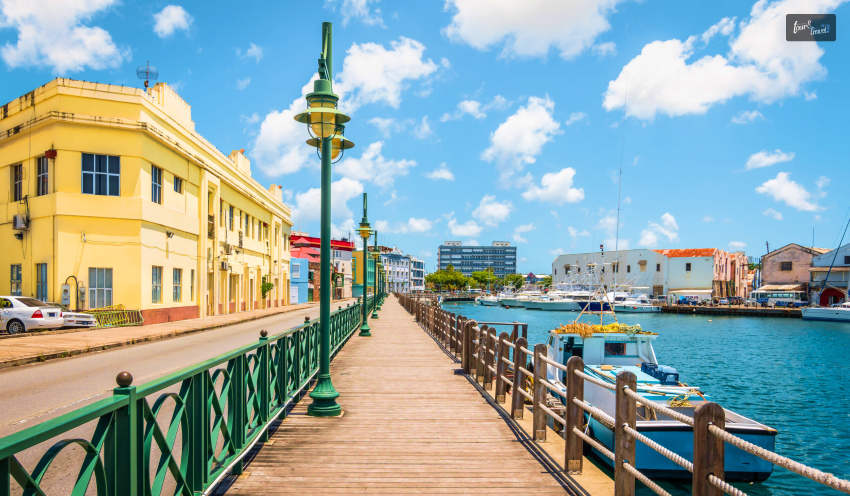
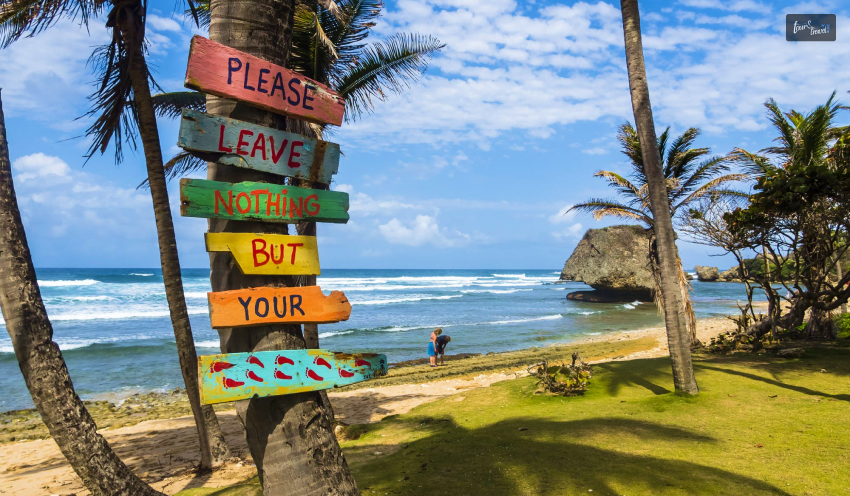
When you visit Barbados, several geographical elements start from land, ocean, hills, and others, creating picture-perfect beautiful places! For example, if you visit the north part of the Island, you will be able to see Mount Hillaby!

The Island also offers coral across 300 feet around the Island creating thick covers. What else can a person want when planning to enjoy the beauty of the place? Read the article to learn all about the features of Barbados and how you can plan your trip around it.

Don’t Believe Them!! This Is The Best Time To Visit Barbados!

The Best Time To Visit Barbados
Image Source: www.bradtguides.com

Want to know what is the best time to visit Barbados? You need to learn more about the place and how you can get there. Further, it is also important to know what type of events you want to attend because that will help you decide when you visit.

The high season is between December and April, when more tourists visit Barbados! Mostly, people try to catch up with the dry time of the year when there is less rainfall; during December, it is a mix of holidays and vacations!

Also, remember to snorkel, as it is one of the coolest activities to perform in Barbados. During February and March, people can visit the zipline, relax at the beach, and travel across the inland Flower Forest Botanical Gardens!

What Is The Best Time To Visit Barbados?

What Is The Best Time To Visit Barbados
Image Source: lp-cms-production.imgix.net

No one can decide whether or when you can go traveling! So, decide for yourself when is the best time to visit Barbados, considering there is something happening across the whole year in Barbados.

I promise you won’t be bored! You must also confirm who you are going with and what activities you want to attend. This will help you streamline your trip plans, and you start packing your bags and book your tickets accordingly.

However, to avoid the rain on vacation, you should visit Barbados between December and April! It is known as the dry season. The temperature is around 30 degrees, with very little rainfall.

What Are The Events You Can Attend In Barbados?

What Are The Events You Can Attend In Barbados
Image Source: assets.vogue.com

But I suggest you experience the rain as well. During the wet season between May and November, you will experience the Island, the nature, and the beauty of the culture. There is so much to do, you guys! Keep reading.

Holetown Festival

Holetown Festival
Image Source: www.lickrishfoodtours.com

During February, the festival of Holetown is celebrated to commemorate the first time the Britishers came and occupied them, only to be reminded how the people stood strong! This happened in 1627, while the tradition developed in 1977 when the people of Holetown celebrated a week long festival!

Several activities, such as the Steel Band Concert, Parade, Opening Gala, and the Street Fair, integrate a feeling of community! It mostly takes place in the second week of February.

Oistin Fish Festival

Oistin Fish Festival
Image Source: pbs.twimg.com

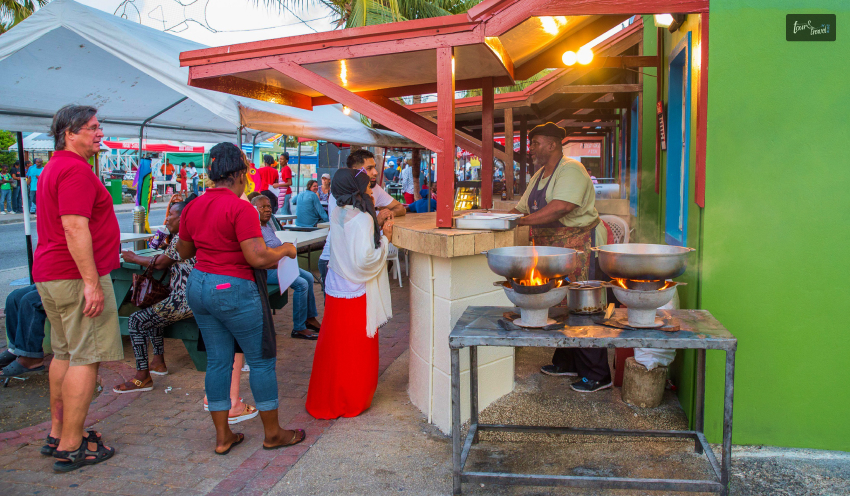
This festival or event takes place every Easter weekend across the fishing village of Oistins, where they celebrate the annual Fish festival with music, food, and drinks! During this weekend, fish is the main dish; however, you will find other varieties.

The whole village comes alive during this time as the atmosphere is filled with Caribbean music while tourists and natives enjoy fried fish such as tuna and mahi-mahi. Different meats are also prepared, which are sold along with local drinks.

Oistin is a popular spot which people frequently visit, both locals and tourists! Do not let the fish festival go if you plan to visit Barbados in March!

Crop Over

Crop Over
Image Source: static.wixstatic.com

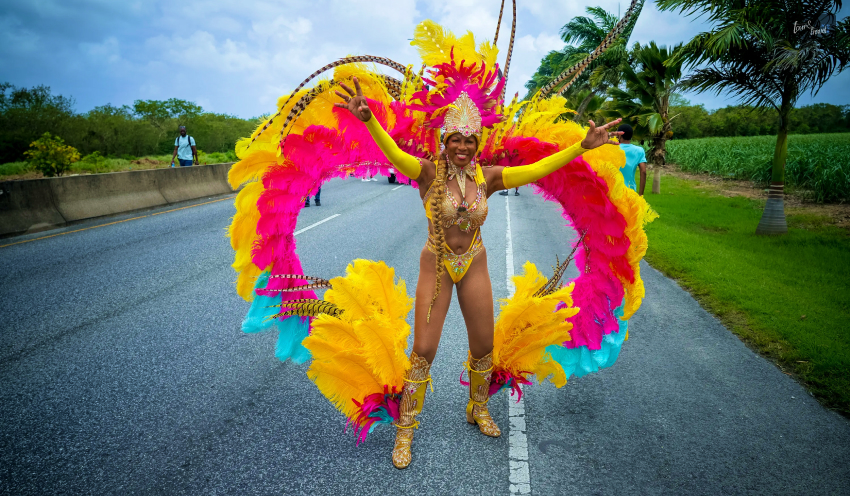
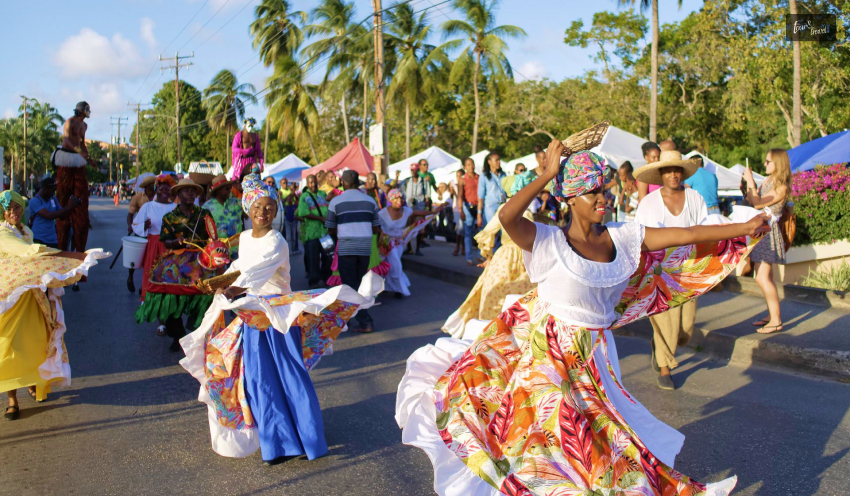
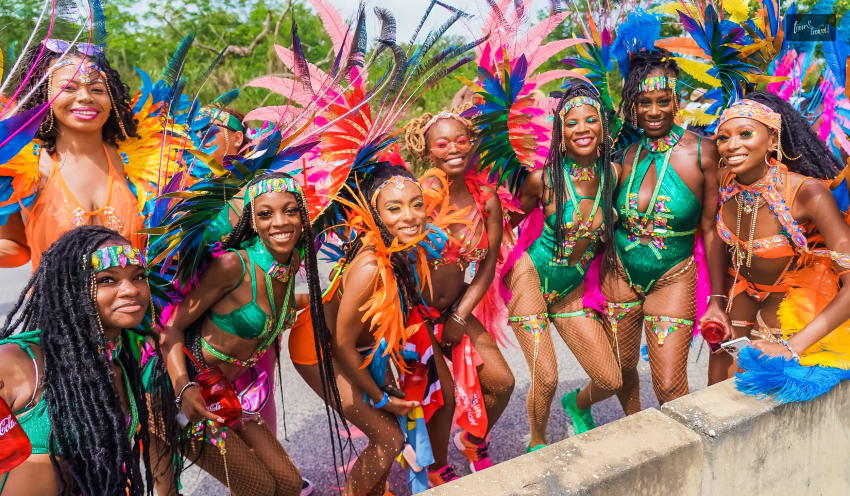
One of the largest events annually in Barbados is crop over. It all started during the slavery period when the enslaved people celebrated with singing and dancing at the end of the sugar cane harvest. Over the years, the event has evolved into a long-duration of carnival events!

For six weeks, the people of Barbados make merry with singing competitions, content, and parties. It is one of the most anticipated aspects of the event, especially after the harvest; people are excited to experience the masquerade band parades across Bridgetown’s streets.

The natives love the event, and as a tourist, you will love the energy pulsating through the city. During Kadooment, the people covered their bodies with jewels and feathers so natives and visitors could attend it.

You can experience the heritage and culture of the Island when you visit in August. If you are a people person, you should call!

Barbados Food And Rum Festival

Barbados Food And Rum Festival
Image Source: www.craneresidences.com

The festival is all about showcasing internal and local cruising and some beverages prepared by the natives who are experts in the industry. The festival starts on the 24th and continues till the 27th.

Barbados is known as the culinary capital of the Caribbean, and it is expected that the people of Barbados know about good food and the appropriate drink that will go along. Mixologists and experts from the region get involved in the festivities.

If you are a foodie or a connoisseur of drink, visiting Barbados in October is the best time to attend this event.

Independence Celebration

Independence Celebration
Image Source: upload.wikimedia.org

In 1966, on 30 November, the Island of Barbados gained its independence; hence, it is marked as a significant day in their history. They celebrate this momentous day by raising their national flag and playing and singing the national anthem, along with a happy vibe.

There are people gathered across the Island who celebrate the independence by performing various activities! A grand parade will be organized at the Garrison Savannah, sporting contests, community-based events, and religious ceremonies.

As a visitor, you will experience the best community as you learn more about the culture, the people, and the native traditions. There will also be a showcase, which the National Independence Festival of Creative Arts anticipates.

The local talents are displayed on this day for their creativity, along with beautiful decorations along the town buildings with blue and gold colored lights. Throughout Bridgetown, it feels like a party as business owners, customers, and staff all get involved in the celebration by decorating! Where Will You Stay?

Pack Your Bags Now!

Now that we have told you all about the best time to visit Barbados tell me, will you do something about it? To experience the feeling of community, culture, and togetherness, you must visit the beautiful Island.

The activities you can partake in and the food you eat will take you to a melancholy celebration of the new and the old.

Comment down below about which time you want to visit Barbados!

Read Also:

Share on Social Media

Sagnika Sinha is a content writer who is passionate about writing travel vlogs, entertainment and celebrity articles and literature-based pieces. With a 4 years experience in teaching, she loves reading books. A procrastinator by nature, she loves travelling, listening to music, planting and gardening.

Leave a Reply

Your email address will not be published. Required fields are marked *

title-img Related

READ MORE Copenhagen

Discover The Charm Of Copenhagen Hotels

BY  Abdul Aziz Feb 22, 2024

Copenhagen, a city where history meets modernity, offers a hotel for every traveler. From luxurious havens to cozy boutiques, these accommodations are more than just a place to stay; they're an integral part of your Danish adventure. Explore more about Copenhagen hotels. Immerse yourself in the heart of Copenhagen's culture, design, and hospitality, a city celebrated for its seamless blend of tradition and innovation. Whether you find yourself captivated by the historic elegance of the city center, with its cobblestone streets and centuries-old buildings, or the trendy vibes of Vesterbro, known for its bustling cafes, art galleries, and vibrant nightlife, Copenhagen's hotels cater to every taste and promise experiences as rich and diverse as the city itself. In the city center, luxury hotels stand majestically, offering guests a taste of royal treatment amidst architectural grandeur, while boutique accommodations provide a more intimate experience, each with a unique story that connects you to the Danish capital's past and present. Venture into Vesterbro, and you'll find modern, design-forward hotels that echo the artistic and creative spirit of the neighborhood, offering not just a place to stay but a place to be inspired. But Copenhagen's hotel scene extends beyond just these areas. From the peaceful, green expanses of Frederiksberg to the cutting-edge cool of Nørrebro, each district offers its own flavor of hospitality. No matter where you choose to lay your head, you'll find that Copenhagen’s hotels are more than just a place to sleep—they are gateways to the city's heart, offering personalized experiences that bring you closer to the local culture, cuisine, and community. A Taste of Copenhagen from Your Hotel Copenhagen is not just a feast for the eyes but also a paradise for food enthusiasts. The city's hotels are gateways to an exquisite culinary journey, with many boasting in-house restaurants led by acclaimed chefs. These eateries are not mere dining rooms but temples of gastronomy that reflect Denmark's rich culinary heritage and its innovative approach to cuisine. From Michelin-starred restaurants offering avant-garde Danish dishes to cozy bistros serving timeless classics, hotel dining in Copenhagen is an adventure in itself. Here, the emphasis is on fresh, locally sourced ingredients, sustainable practices, and the art of hygiene—creating a warm, enjoyable atmosphere. Whether you're indulging in a lavish breakfast spread featuring Danish pastries and organic coffee, or savoring a gourmet dinner with views of the city's skyline, your hotel can offer a culinary experience that rivals the best in Copenhagen. Copenhagen's design legacy is world-renowned, with its influence extending into the hotel industry. Many hotels in Copenhagen are not just places to stay; they are showcases of Danish design and art. From mid-century modern classics to contemporary design innovations, staying in one of these hotels is like living in a curated gallery. These hotels often feature collaborations with local artists and designers, displaying bespoke furniture, textiles, and artworks that tell a story of Danish creativity. It's an immersive experience where every room, lobby, and common space is thoughtfully designed to inspire and delight. For design enthusiasts and casual admirers alike, these hotels offer a unique opportunity to engage with Denmark's design heritage up close. In the fast-paced rhythm of city life, Copenhagen offers sanctuaries of wellness within its hotels. Recognizing the growing importance of self-care, many hotels provide facilities and services focused on relaxation and rejuvenation. From luxurious spa treatments incorporating Nordic ingredients to yoga studios with serene city views, these wellness offerings are designed to harmonize body and mind. Moreover, the Danish concept of hygge—finding comfort and contentment—permeates these spaces, creating an atmosphere of warmth and relaxation. Whether it's unwinding in a sauna after a day of exploring or enjoying a mindful meditation session, Copenhagen's hotels offer a holistic approach to wellness that complements the city's laid-back lifestyle. Exploring Green Copenhagen Copenhagen's commitment to sustainability extends beyond hotel walls into experiences that guests can enjoy around the city. Many hotels offer bicycle rentals, encouraging guests to explore Copenhagen as the locals do, on two wheels, reducing carbon footprints while navigating through bike-friendly lanes that crisscross the city. Hotels also organize eco-friendly tours, from guided walks through Copenhagen's green spaces to boat tours along its renewable energy facilities. These experiences not only entertain but also educate guests on sustainable living, aligning with Copenhagen's vision of a greener future. Engaging with the Heart of CopenhagenA stay in Copenhagen is incomplete without engaging with its vibrant community and culture. Hotels often serve as cultural hubs, hosting events that range from live music performances to art exhibitions and local craft markets. These events provide a platform for local artists and artisans, showcasing the city's creative pulse and offering guests a chance to engage with the community. Additionally, many hotels offer curated experiences that connect guests with local traditions and lifestyles. From Danish baking classes to guided tours of historic neighborhoods, these experiences foster a deeper understanding and appreciation of Copenhagen's cultural heritage. Your Gateway to Copenhagen Our expanded guide to Copenhagen's hotels transcends the conventional, offering a window into the soul of a city where every stay is designed to be an experience. These hotels are not just places to rest but are integral to your journey through Copenhagen, offering paths to culinary excellence, design marvels, wellness retreats, sustainable explorations, and cultural engagements. As you choose your stay in Copenhagen, remember that it's more than selecting a hotel—it's about curating your experience of this extraordinary city. Each hotel, with its unique offerings, serves as a gateway to discovering the many facets of Copenhagen, promising not just memories but stories to carry home. Whether you're drawn by the allure of luxury, the charm of sustainability, the warmth of community, or the depth of cultural engagement, Copenhagen's hotels are ready to welcome you into the heart of Danish life. In this world's coziest capital, every visit and stay is an opportunity to immerse yourself in a lifestyle that balances modernity with tradition, luxury with sustainability, and activity with relaxation. As you embark on this journey, let Copenhagen's hotels be your home, your sanctuary, and your guide to a city that continues to enchant and inspire, inviting you back time and again to explore its endless charm. Dive into our comprehensive guide to discover your perfect stay in Copenhagen, the world's coziest capital. From the moment you check-in, you’ll be enveloped in the warmth and charm that is quintessentially Danish, embarking on an unforgettable journey that will leave you yearning to return. Read Also: Local Boutiques And Global Trends: Where To Buy Eyewear Abroad Houston Hospitality: The Top Hotels You Need To Experience Luxe Living: The Best Hotels In Dallas

READ MORE 5 Popular 2 Week Treks in Nepal

5 Popular 2 Week Treks in Nepal

BY  Sibashree Mar 21, 2025

Nepal, a land of majestic peaks and fresh natural air is a dream destination for Trekkers around the World. Nepal holds the world's most prominent mountains and provides lasting trekkers with refreshing journeys through forests, tri-level fields, and snow-covered paths across its varied natural landscapes.  Nepal's many short trek routes like EBC, ABC, Manaslu Circuit Trek, Upper Mustang Trek and Annapurna Circuit Trek, let's all adventurous explore nature and culture in no amount of days. These five enjoyable Nepal treks below provide an excellent hiking experience over  just the time of two weeks.  1. Everest Base Camp Trek No journey can compare to the allure of Everest Base Camp Trek, one of Earth's most attractive hiking trails. As you travel up on this famous Moderate to Challenging difficulty level trail towards the heart of Khumbu, each step brings you closer to the world's highest mountain, Mount Everest. After landing in Lukla, travelers penetrate the Sherpa towns and dense rhododendron forests prior to crossing high altitude, glacier areas. As we move forward, Hikers reach Namche Bazaar, a lively mountain settlement with its delightful sights of prayer flags and teasing Everest views alongside Lhotse and Ama Dablam.  After this segment, the trail goes to Tengboche Monastery which preserves an old Buddhist heritage offering amazing views of Himalayan peaks. Starting the journey to Everest Base Camp tests your strength but promises you an icy and memorable encounter with High Mountain wilderness that carves into your memory. The Everest Base Camp trek runs for as little as a 12 day period even despite its steep environment and altitude. Spring (March-May) and autumn (September-November) represent ideal times for this trek as the stable weather in this time frame lets you see the mountains in their best light. If you want to skip some days to get aerial view of the Himalayas, you can take Everest Helicopter Tour which gives you 30 minute of stunning mountain views including the Everest. 2. Annapurna Circuit Trek The Annapurna Circuit route leads trekkers across Nepal's diverse landscapes, from subtropical forests bottoms then high-elevation meadows then ending at the edge of the Himalayan range. The route circles Annapurna Massif, offering awe-spiring views of peaks like Annapurna Dhaulagiri, and Machapuchare. The highlight of the trek is one of the world's highest trekking passes, Thorong La Pass (5,416m). The ascent here is tough, but despite the steep climb people reach the top feeling proud, enjoying breathtaking views across the horizon. While walking along the trails, hikers discover villages influenced of  Hindu and Tibetan Buddhist traditions blended, experiencing the warmth of the Gurung’s, Thakali, and Manang communities. Let’s not forget about Tatopani's natural hot springs. A dip here makes People experience relief from their tired muscles prior to heading to Poon Hill to witness one of the world's stunning sunrises over the Himalayas. This trek can be as long as 30 days, but we also have a 13 days route for this moderate to challenging Circuit trek. Advisable time periods would be March to May and September to November for an experience that is undisturbed by nature. 3. Manaslu Circuit Trek If you want to explore more remote and undisturbed trekking trails the Manaslu Circuit trek package stands out as a preferred route. The trek routes of the eight highest peaks in the World, Mount Manaslu (8163 meters) guides travelers through glacier rivers and scenic high-altitude passes. Unlike Everest and Annapurna, The Manaslu trail stands apart for it’s uncrowded and peaceful nature providing hikers perfect space for immersion in Nepal's unspoiled nature. The path follows original paths used by salt traders taking you through small Tibetan villages that have stayed true to their traditional ways since time immemorial. The most hard but fulfilling part is Passing through Larkya La La (5,106 meters) that requires physical fitness and endurance which results in incredible mountain views of Manaslu, Hiking Himal and neighboring peaks.  Trekkers find supreme enjoyment on the challenging Manaslu Circuit Trek. You need 14 days to complete this adventure and the advisable time period which offers optimal conditions would be from March to May and September to November. 4. Upper Mustang Trek This moderately difficult Upper Mustang Trek leads adventurers to Nepal's hidden land where trekkers encounter a stark contrast to Nepal's typical lush hillside regions. Also known as the “Last Forbidden Kingdom”, Mustang exists below the Annapurna range rain shadow, creating a beautiful desert-like landscape with deep canyons, eroded cliffs, and ancient caves. This trek feels like stepping in the past. This Ancient Tibetan territory holds centuries of Buddhist culture. Its many old monasteries, chorten temples, and traditional brick houses line its landscape. The walled fortress of Lo Manthang shows its whitewashed houses and royal palaces beside colorful fluttering prayer flags. The distinct features of this destination go beyond its special landscape. Mustang stayed hidden to foreign visitors until 1992, when they finally opened it to the public. The trek generally takes 14 days. The best experience would be between spring and autumn months, when the skies are clever and the weather dances mild. 5. Annapurna Base Camp Trek When seeking a quick but dazzling hiking adventure, the Annapurna Base Camp Trek represents an excellent choice.  In 14 days this trek brings trekkers deep into Annapurna Sanctuary, where a glacial amphitheater hosts Annapurna's peaks, including its main summit and four surrounding giants, Annapurna I, Annapurna South, Machapuchare, and Hiunchuli. The Annapurna region's lower slopes start with trails that run through cultivated fields, passing bamboo patches and traditional Gurung communities. Before the final ascent to the Annapurna Base Camp, hikers often stop to visit the Jhinu Danda for its natural hot springs.  This Moderate difficulty trek is indeed a little tough, but the 360-panorama view you'll get from here, that makes it all worth it.  The road to Annapurna Base Camp frequently links to Poon Hill, where trekkers enjoy the sunrise views above Annapurna and Dhaulagiri ranges. The trek is suitable for both intermediate and advanced walkers. To make the Hike even more memorable, advised seasons to visit would be Spring and autumn. Final Say No other nations on earth have trekking routes that match the legacy of the Himalayan routes of Nepal. Whether you dream of the mighty Everest Base Camp, wish to explore the hidden routes and valleys of Mount Manaslu and Upper Mustang, or want to dive into the rich culture of Annapurna region. There's a trek for it all. All these treks mentioned are perfect for the time saving Travelers who want an unforgettable Himalayan exploration during their brief vacations. Each one can be completed within two weeks. A short adventure that leaves a long and lasting impact on your memorial lane.

READ MORE White Water Rafting

8 Tips For A Fun And Memorable White Water Rafting Experience

BY  Arnab Dec 27, 2023

White water rafting delivers a thrilling experience, balancing stunning natural vistas with adrenaline-fueled excitement. If you're new to this adventure, you likely have queries and considerations regarding what to expect and how to prepare for maximizing your thrill.It might surprise you, but white-water rafting can be equally thrilling for beginners and experienced adventurers, provided you choose the right location and know what to expect. Here Are Eight Prime Ideas For A Fun And Memorable White Water Rafting Experience In this blog post, we'll provide eight essential tips and insights to ensure your first expedition is both enjoyable and safe, leaving a memorable impact. 1. Choose the Right Attire Staying in your boat for the entire duration of the outdoor adventure won’t stop you from getting wet. Anticipate getting wet on your journey, and don waterproof and anti-chafing garments that can serve as a barrier between you and the raft. Fabrics such as cotton and wool take an extended period to dry and draw heat away from your body, potentially leaving you feeling cold. Ideally, you want to go for synthetic materials that dry quickly and don’t absorb a lot of water. When picking shoes, choose those that have laces. Flip flops and sandals can easily get lost if you happen to lose balance or fall into the water. Depending on the weather forecast and expected temperatures, you can wear a wetsuit. It will offer extra buoyancy and protect you from temperature drops that characterize the colder months. 2. Always Bring a Helmet Safety is of key concern whenever you go on an outdoor adventure and rafting is not an exception. Make sure you have all your safety equipment, including a helmet. White water rafting rivers often have rocks, branches, and logs lining the bottom and you may not notice them from your sitting position in the boat. If you happen to fall into the water, hitting your head against one of these could leave you with severe injuries that you want to avoid. Always keep your helmet on to stay on the safe side. 3. Know What to Do if You Fall Out of the Raft You may take every precautionary measure but even your guide may not stop you from falling into the water. In the eventuality of it occurring, your subsequent actions could carry significant weight. Upon entering the raft, ensure to don your life vest and maintain its presence until disembarking from the boat. If you fall into the water, stay calm swim towards the vessel, and grab the outside safety line. Call out to the guide or rafting mates and wait for someone to pull you back in. If you can’t swim towards the raft, call out to a rafting mate and they will toss you the throw bag and a paddle that you can hold onto. If neither of these is possible, lie in the whitewater swimming position and wait for a guide to reach you. 4. Listen to Your Guide White water rafting guides are experienced in handling the wilderness and river terrain. Whether you're a first-timer or an experienced rafter, it's crucial to heed instructions attentively when they are given. These directives will provide essential information for navigating challenging waters, including what to avoid, where to swim, and when to paddle. They may seem like simple instructions but they dictate the speed, direction, and weight balance of your vessel. 5. Master the T-Grip The T-grip is an important aspect of white water rafting as it is the only way to ensure that the paddle does not slip out of your hands. The T-grip is the end part of the paddle-shaped like a “T” and is made of hard plastic. Most white water rafting guides will always show you the T-grip before you set out. Essentially, you need to keep one hand at the base of the paddle on the shaft while the other holds firmly over the T-grip. This ensures that you have control of the paddle and cushion any blows to you or your rafting mates in case of anything. 6. Practice Your Swimming Like we said before, you cannot stop yourself from falling into the water when you go white water rafting. Understanding the different swimming techniques such as aggressive and defensive swimming can be a lifesaver if you find yourself in the water. Rivers meant for white water rafting have high currents so you need to be sure with what you are doing. If you choose to swim to the banks, make sure you only go for the banks and avoid standing still in the water even if you need time to think. Standing still or walking in the river could cause foot entrapment which could be dangerous. 7. Research Your Destination Different rafting sites offer different experiences. You could find a beautiful river headed up by a dam that allows for scheduled water releases like the Pigeon River. A Yellowstone whitewater rafting day trip, on the other hand, will bring with it the excitement of Class II and Class III white water rapids allowing you to relax and enjoy the pristine wilderness. Taking time to familiarize yourself with the destination allows you to prepare in terms of choosing attire and packing guides. You want to go with a guide who has sailed the same waters for a while. 8. Avoid Carrying Electronics White water rafting is nothing like riding in a fishing boat or a yacht. The waves will constantly toss you around in the raft and some water will definitely get in potentially damaging your electronics. At the very worst, your device could fall into the water and get lost in case of an accident. Even then, white water rafting is not one of those adventures where you can pull out your phone to snap a quick photo. It is an activity that requires you to stay fully engaged and attentive to the paddling patterns and commands from your guides. Some companies will provide you with photographers so they can capture every memorable moment. Endnote You will definitely have lots of fun when you go rafting so make sure you do it with a group of people you are close to. The adrenaline rush will be a source of new memories you will cherish. However, make sure you follow your guide’s instructions to stay safe especially if it is your first time. Read Also: 10 Best Things To Do In Prague Five Tips for First Time Traveler to India