
Which Is The Best Time To Visit Shimla? – Travel Guide

Oct 19, 2022

Last Updated on: Aug 27, 2025

Travel Guides

Every Indian has at least once visited the beautiful snowy hills of Shimla, located in the lap of Himachal Pradesh. If you are thinking of traveling to Shimla for your vacation, you can do that anytime you want. Ideally, there is no best time to visit Shimla, you can visit there anytime you want.

Welcome To Shimla!

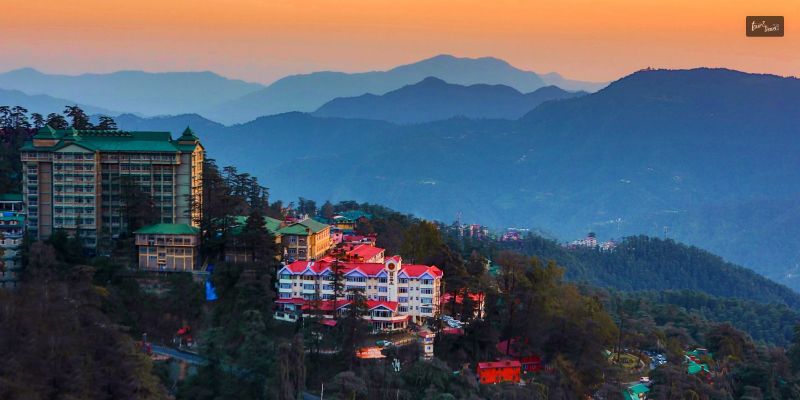
Shimla, also known as Simla until the year 1972, is a city in Himachal Pradesh, in North India. Due to its scenic beauty, mountain landscape, and old English architecture, no doubt it is known as the Summer capital of British India.

The beautiful oak trees, colonial old English-style architecture, and an ancient feel are what attract visitors to Shimla. But if you are still wondering when to visit Shimla, then you need to keep on scrolling down the article.

Best Time To Visit Shimla

Even though you are traveling solo to Shimla or looking for the best time to visit Shimla for honeymoon, then keep on scrolling to know the best time to visit Shimla. 

Oct – Feb ❄️Jul – Sept 🌧️Mar – Jun ☀️
-7 to 10c10 – 20cc15 – 30c

1. March To June

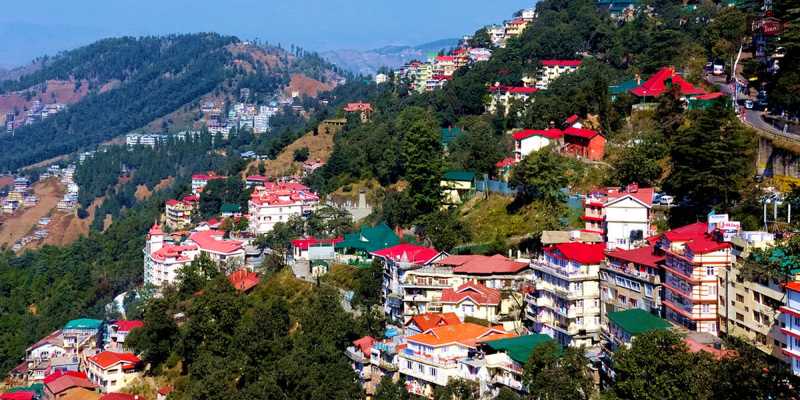
The summer and spring months start from the month of March and continue till the month of June. After long and extreme winter months, the summer months are quite pleasant for tourists looking for the best time to visit Shimla.

The temperature around this time rotates around 16c to 30c. The days are quite warmer and rather enjoyable, with a wide range of greenery, colors of blooming flowers, and melting snow.

The roads here are clear and without any blockage and interruptions along the way. This way, you can enjoy every nook and cranny of the beautiful city of Shimla.

Even though you should carry warm clothes with you, it would be wiser to carry light clothes as well if your tolerance for colder weather is high.

2. July To September

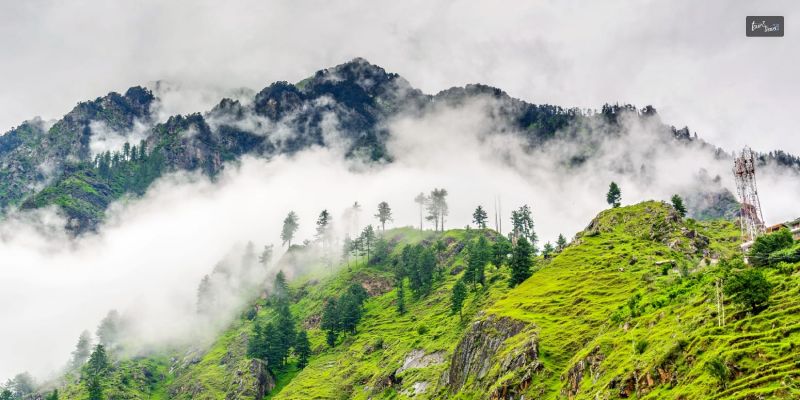
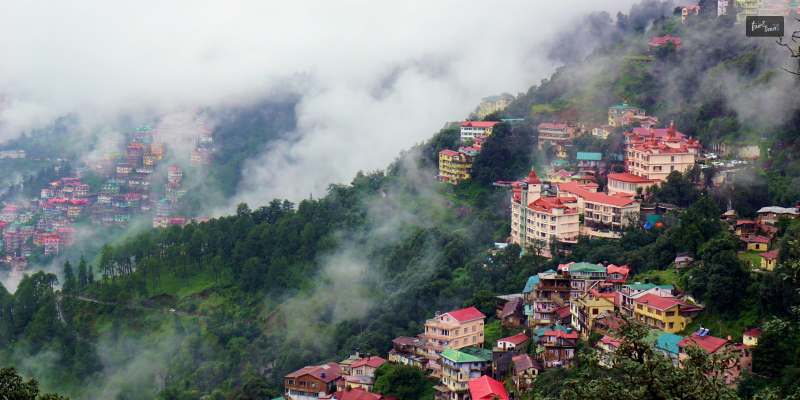
Just like any other hill station here in India, the monsoon months are regarded as the offseason for tourists and visitors. With heavy rainfall, landslides, and roadblocks, the monsoon months may not be the best time to visit Shimla.

The average amount of rainfall that Shimla receives is more than 1400mm, and the temperature is around 14c to 20c. But the best deal for adventurers during the monsoon months is that since it is the offseason for tourism, huge discounts are given by hotels and lodgings.

But if you are willing to take the risk of visiting there during the monsoon months, then you should consider all the dangers ahead of time.

3. October To February

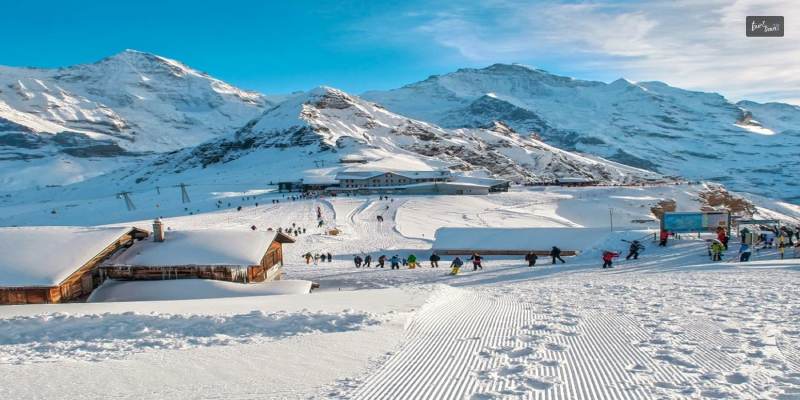
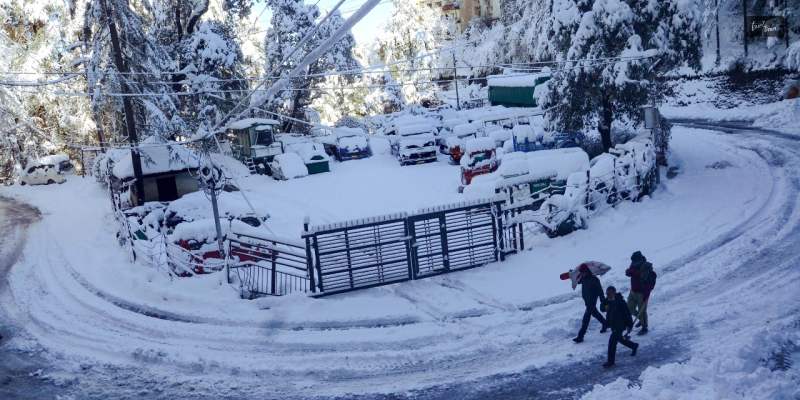
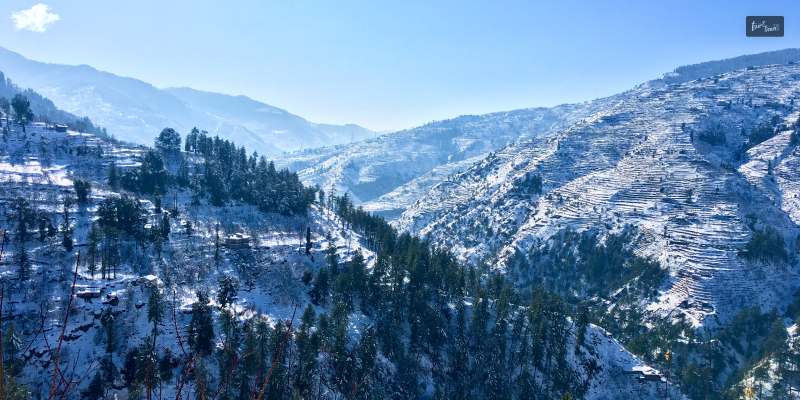
One of the best time to visit Shimla for snowfall is during the winter months. The winter months are what attract most of the tourism here in Shimla. The temperature during the winter months ranges from -6c to the highest at 8c.

The snow-covered mountain tops are a sight to see for the sore eyes, and if you are lucky enough,, you can also witness snowfall here. Winter months are just magical for the countryside as it is in the citylights here in Shimla.

You are definitely going to enjoy every cozy night with your friends, family, or partner, or adventure sports out in the snow.

Different Climates In Shimla

When you want to visit any hill station, it is very important that you have thorough knowledge about all the potential risks and dangers of the place.

1. Summer In Shimla

Summer months is the most enjoyable for tourists who are not too comfortable with the snow and cold climate. Other than going for adventure sports in the snow, there are many adventure sports available during the summer months as well.

Adventure sports such as paragliding, trekking, rafting, and camping. Even if you are not into all these activities, then during summer, the summer festival is the best entertainment experience that you want to experience.

Activities like folk dancing, musical performances, and flower shops go on for about five days. This festival first started in the early 60s, with thousands of visitors visiting each year.

2. Monsoon In Shimla

Since the monsoon is usually considered an offseason, there are not a lot of activities to do around this time of the year. But the Rhyali festival, or the monsoon festival, is one of the most attractive attractions during this time of the year.

The festival is celebrated in honor of the rain god to appease him in order to have a prosperous agricultural year.  But during the monsoon, the water-washed hill station gives a fresh perspective to the landscape.

3. Winter In Shimla

The white fluffy snow-covered mountaintop of Shimla looks like a magical place indeed. With lots of adventure sports such as ice skating and skiing. One of the best places to travel to in Shimla is Mashobra, Kufri, and Narkanda.

If you are traveling to Shimla during the month of December, then you should definitely stay till Christmas and New Year in here. The hill station is beautifully decked up during this time, and it is possible that you will celebrate a white Christmas here in Shimla.

Frequently Asked Questions (FAQs)

If you have any more queries about the best time to visit Shimla, then here are a few questions you might find helpful.

1. In Which Month Snow Falls In Shimla?

The months from October to February, this is the time of the year in Shimla when you are able to witness actual snowfall and a snow-covered hill station.

2. Is 2 Days Enough For Shimla?

Traveling to Shimla during an optimal season would take about 3 days and 2 nights to witness the majesty of the whole hill station. Hiring a car or a bike to travel would help you a lot to travel the whole hilly region.

3. Is It A Good Time To Visit Shimla Now?

If you want to experience summertime in Shimla, then the best time to visit Shimla is for the months of March to June. But if you want to witness the winter months, then you would want to visit here during the months of November to February.

Visit Now!

Shimla is one of the most naturally aesthetically pleasing hill stations in India. It is a must-visit place in India, but you need to know the best time to visit Shimla. So when you are backpacking to Shimla on your next vacation, then don’t forget to pack all the warm clothes.

Read Also:

Share on Social Media

Nabamita Sinha loves to write about lifestyle and pop-culture. In her free time she loves to watch movies and TV series and experiment with food. Her favourite niche topics are fashion, lifestyle, travel and gossip content. Her style of writing is creative and quirky.

Leave a Reply

Your email address will not be published. Required fields are marked *

title-img Related

READ MORE Great Barrier Island camping tips

The Best Great Barrier Island Camping Tips: Ultimate Guide To The Best Camping Spots On Great Barrier Island, New Zealand 

BY  Sibashree Nov 17, 2025

Spotting the burrows of the black petrels at Glenfern Sanctuary and the hillside was like magic! The burrows had eggs in a cream shade with tan freckles. They almost looked like the eggs of a hen, though slightly larger. Also, some chicks were chirping their hearts out inside the burrows. They looked like those squishy dog toys. Now, spotting birds is one of the most fulfilling activities when you are camping on Great Barrier Island, New Zealand. Furthermore, if days were about hiking and spotting the birds, the nights were about indulging in the surreal beauty of the celestial bodies at this designated Dark Sky Sanctuary. Moreover, camping in Great Barrier Island is a true off-grid and remote experience. No Streetlight!  No Public Rubbish Bins!  And, No Powered Camping Sites!  It’s just you, the camping tent, and the rugged beauty of New Zealand’s Hauraki Gulf. Hi, in today’s blog, I will talk about the Great Barrier Island camping tips. Here, you will learn about the must-book DOC sites, the non-negotiable biosecurity rules, and everything else you need to plan your adventure.  Camping In Aotea, Great Barrier Island: Setting The Right Mindset For Biosecurity And Sustainability View this post on Instagram A post shared by Department of Conservation (@docgovtnz) Aotea isn't a place that just hands you its beauty. It's a place that makes you earn it. It's a true adventure that rewards you for being self-sufficient.  It's the thrill of waking up to the raucous call of a Kākā parrot, not an alarm clock. It's the magic of watching the Milky Way rise over the dunes at Medlands Beach, and the peace of having a rugged, white-sand cove all to yourself.  Also, it is one of the rare islands that serve as sanctuaries, and with 60% of its area protected by the Department of Conservation, Great Barrier Island demands the utmost care for biosecurity and the adoption of sustainable practices. So, before you want to explore the best camping spots on Great Barrier Island New Zealand, you have to build your mindset. This is your invitation to join a small community of travellers who value wild, authentic, and responsible adventure.  1. Offering The True Off-Grid Experience  The campsites of the Great Barrier Island are exactly what the island is. They are not powered, and they have basic amenities. Furthermore, open fire is not allowed in these campsites. So, you will have to bring fuel-powered or gas cookers. Furthemore, the Department of Conservation camping sites have only a specific number of tents. So, you need to make the booking well in advance. Contact the Department of Conservation (DoC) at 0800 275 362. 2. The Golden Rule: "Pack In, Pack Out”  Zero waste and recycling are important for the sustainability and environmentally friendly practices of the Great Barrier Island. However, the island does not have public rubbish bins. So, whatever you carry to the island, you will have to take it back. You must use the official Orange Council bags with stickers for trash disposal. 3. Biosecurity Is Most Important  Protecting the Kauri trees from the infamous “Kauri Dieback disease” and the island's endemic animals requires a high level of biosecurity. So, when you leave for the Great Barrier Island from Auckland, you will have to check for ants and rats. Also, when you leave Great Barrier Island, check the tents and packs for skinks. In addition, the Phytophthora Agathidicida attack on the kauri trees has been a serious concern. Stopping the soil movement is crucial to stopping the attack of this dieback disease. Soil movement can happen through pigs, footwear, and vehicles. Therefore, the Department of Conservation (DoC) cleaning stations play an important role in cleaning and removing soil from your gear and footwear before entering a kauri forest on Great Barrier Island, New Zealand. In addition, you have to stick to the marked routes when hiking through the best Great Barrier Island hiking trails. 4. How To Book The Camping Sites: DOC Vs. Private  If you are camping in any of the DoC sites, you have to make the booking online well in advance. Private camping sites can be booked directly. Here is the step-by-step guide for booking a DoC Campsite on the Great Barrier Island. First, visit the Department of Conservation site for the particular campsite. For example, let’s talk about the Akapoua Bay Campsite. On the dedicated Akapoua Bay Campsite page, you will get to know about the campsite and the fees. The fees for the Akapoua Bay Campsite are $18 per night for adults, $9 per night for children ages 5 to 17, and $0 per night for infants ages 0 to 4. In addition, you can book a campsite pass from the Department of Conservation of New Zealand. It will give you access to all the bookable and non-bookable campsites in the country. If you need any assistance in booking the campsite pass, you can avail of that at a service tax of $10. For adults, the camping pass will cost $295.00 (365 nights), and for children between 5 and 17 years, the pass will cost $147.50. Moreover, for children below 5 years, the camping pass is free. If you need any assistance regarding the booking of the 1-year campsite pass or a pass for any specific site, you can contact Whakatū/Nelson Visitor Centre at +64 3 546 9339 or email them at nelsonvc@doc.govt.nz. The Kauaeranga Visitor Centre (+64 7 867 9080/kauaerangavc@doc.govt.nz) also offers the same assistance. What Are The Best Camping Spots On Great Barrier Island New Zealand?  View this post on Instagram A post shared by Department of Conservation (@docgovtnz) Digital detox has been a trending thing these days, and if you want to truly experience that and shut all the noise in your head, the camping spots on the Great Barrier Island will be the best for you. Further, the real magic of camping on Aotea starts after sunset. You haven't lived until you've watched the Milky Way rise over your tent from the dunes at Medlands. However, along with the Medlands Beach, there are 5 other DoC campsites in the Great Barrier Island, New Zealand. Here are the details. 1. Akapoua Bay Campsite  The sheltered waters of Port FitzRoy have a beautiful camping ground, which is like a gateway to the many walking tracks of the Great Barrier Island, New Zealand. From waking up with a 60-second dash of a cold shower to exploring the paths graced by the pohutukawa trees, the Akapoua Bay Campsite will offer you a peaceful and off-the-grid experience. The maximum number of campers on this site can be 75. Moreover, the camp is hosted from Christmas to the end of January. 2. Harataonga Campsite  This campground is very close to Harataonga Beach. So, it is an ideal camping site for swimmers and snorkeling enthusiasts. It can accommodate 120 campers, and this campsite is surrounded by bush and farmland. and camping takes place between Christmas and mid-February. Harataonga is for the romantic escape. 3. Awana Beach Campsite  The Awana Beach Campsite is a surfer’s dream. It has beautiful dunes and farmlands around. It can accommodate 120 campers, and the campground remains open from Christmas to the end of January. The only problem with this camping site is mosquitoes. So, you have to carry mosquito repellents. 4. Medlands Beach Campsite  The sound of the waves at Medlands. This is the music you will listen to when you go to sleep or wake up at the Medlands Beach Campsite. Medlands is like an all-rounder. It is ideal for families and surfers alike. The campsite remains open from Christmas to mid-February, and it can accommodate 120 campers. 5. The Green Campsite  You can boat in or walk in the Green Campsite, which remains open from 1st December to the end of February. With a capacity of accommodating only 30 campers, this campsite has a rich history associated with whaling, kauri logging, and timber milling. The waters of the Whangaparapara Harbour make it an idyllic retreat, and it is also the base of the Aotea Track. 6. Whangapoua Campsite  The Whangapoua Campsite is a surfer’s paradise, and it is located on the edge of the Whangapoua estuary. It is also a favorite camping site for fishing. With an accommodation capacity of 150 people, this campsite remains open from Christmas to the end of February. However, the biggest highlight of this camping site is the views of Rakitu Island and Mount Hirakimata. A Comparison Summary Table Of The DoC Camping Sites On The Great Barrier Island, New Zealand  DoC Campsite Access Landscape Facilities Activities Dog Access Fees Akapoua Bay Campsite Campervan, Car and Caravan Coastal Boat Launching, Cooking Shelter, Cold Shower, Non-Flush Toilets for Men and Women Boating, Fishing, Walking, and Tramping No Adults: $18 per night, Children of 5-17 years, $9 per night, and Children below 5 years: free Harataonga Beach Campervan, Car and Caravan Coastal Cooking Shelter, Cold Shower, Non-Flush Toilets for Men and Women Swimming, Snorkeling, Fishing No Adults: $18 per night, Children of 5-17 years, $9 per night, and Children below 5 years: free Awana Beach Campsite Campervan, Car and Caravan Coastal Cooking Shelter, Cold Shower, Non-Flush Toilets for Men and Women Kayaking and Canoeing No Adults: $18 per night, Children of 5-17 years, $9 per night, and Children below 5 years: free Medlands Beach Campsite Campervan, Car and Caravan Coastal Boat Launching, Cooking Shelter, Cold Shower, Non-Flush Toilets for Men and Women Fishing, Surfing, Swimming No Adults: $18 per night, Children of 5-17 years, $9 per night, and Children below 5 years: free The Green Campsite Boat, Foot Coastal Cooking Shelter, Non-Flush Toilets for Men and WomenHiking, Boating No Adults: $18 per night, Children of 5-17 years, $9 per night, and Children below 5 years: free Whangapoua campsite Campervan, Car and Caravan Coastal Cooking Shelter, Cold Shower, Non-Flush Toilets for Men and WomenFishing, Surfing No Adults: $18 per night, Children of 5-17 years, $9 per night, and Children below 5 years: free  Insider Tips For Camping At DoC Campsites On The Great Barrier Island If you are camping in a caravan or campervan, remember that the gravel roads leading to the camping sites, especially the Harataonga Campsite, are steep and winding. Also, the sites are off-the-grid. Furthermore, the campervans are not usually allowed on the beaches. The Best Private & Unique Camping Options On The Great Barrier Island View this post on Instagram A post shared by Department of Conservation (@docgovtnz) 1. Great Barrier Island Campground  The Great Barrier Island Campground, spanning over an area of 12 square acres, is an ideal camping ground for access to different beach activities. The camping site is located at a distance of just 200 meters from the beach. The camping fee at the Great Barrier Island Campground is $10 per person per night. You can contact them at 021 298 8905 for booking. 2. Mickeys Place  The O'Shea Family farm in Awana houses the Mickey's Place camping ground. It is a family-friendly camping site with the following facilities. A Communal Cooking Area  Flush Toilets  Showers  Patrick, Sean, and Mickey are the hosts of this campsite, and you can contact them at 09 4290 140. 3. Stray Possum  Stary Possum in Tryphena is an ideal camping site for backpackers. If you are camping here, you will have access to the kitchen, toilets, and showers of the adjacent Stray Possum Lodge. This camping site has 14 tents, and you can call 09 4290 109 for booking details. 21 Essential Great Barrier Island Camping Tips  I promised you tips, and here they are. Do not go to Great Barrier Island without reading this checklist.  • Packing And Food  1. Bringing a Gas Cooker  Open fires are banned in the Camping sites of the Great Barrier Island. So, you will have to bring a gas burner for preparing your food. 2. Packing Your Food  Groceries are not available everywhere, and they are even very expensive. So, it is better to collect and pack the groceries you will need before leaving Auckland. 3. Bringing a Good Chilly Bin  You will need this insulated chest for storing warm and cold food items. 4. Bringing a Red-Light Torch  The island is a Dark Sky Sanctuary. A red torch lets you stargaze without ruining your night vision.  5. Bringing Cash  EFTPOS (debit) is unreliable, and many camping sites only accept cash. 6. Packing Warm Clothes  The weather can suddenly become cold, even on summer days. So, you will have to pack layered clothes.  7. Carrying Mosquito and Insect Repellent  Sandflies and mosquitoes are notorious on Great Barrier Island. So, you will have to carry an insect repellent.  • On-Site & Facilities  8. Cold Showers  Most shower stations on the Great Barrier Island are cold water shower stations. This is great as the dash of cold water in the morning, literally works as the eye opener. 9. Long-Drop Toilets  The long-drop toilets are basic and waterless. Using these pit toilets can be challenging for some campers. 10. Drinking Water  The tap water available at these sites is not ideal for drinking unless it is purified or boiled. 11. Pet-Friendly  The DoC camping grounds are not accessible to dogs. This is crucial for the protection of wildlife, the safety of the pets, and soil movement, causing the resurrection of pets and parasites affecting the local flora and fauna. 12. Booking  The slots for camping sites such as Medlands, Akapoua get sold more than 6 months in advance for the Christmas and New Year periods. So, it is indeed a year-long planning. 13. Alcohol Rules  The consumption of alcohol can be banned in various camping sites, especially during the peak seasons. So, check with the camping site authority. • Transport & Logistics  14. Having a Vehicle  Having a vehicle is a must for moving around the rugged and large Great Barrier Island. You cannot walk between the sites.  15. Renting a 4WD (or 4WD-Capable)  The roads to various campsites are challenging. The road to Harataonga, especially, is very difficult. So, you will have to rent a 4WD-capable vehicle. 16. The Motorhome/Campervan Reality  The gravel roads are narrow, steep, and winding, and if you are planning to camp in a large RV, you will definitely struggle. 17. The Dump Station Nightmare  There is only one dump station in Claris, and it is only for black water or toilet waste. You will have to carry your grey water or sink with you. 18. Freedom Camping  Freedom camping on the Great Barrier Island, New Zealand, is a fascinating idea. However, the reality is quite different. It is heavily restricted, and sticking to the DoC sites is the best option.  • Safety & Etiquette  19. Using a Paper Map  Mobile network and GPS will not function in various parts of the Great Barrier Island. So, you will have to carry a paper map. 20. Tell Someone Your Plans  If you are hiking on the Great Barrier Island, you have to keep someone informed. The wilderness and remote locations of the hiking trails can throw many challenges, despite having an easy to moderately difficult level.  21. Being a Good Neighbour  You must respect the quiet, off-grid, and nature-first vibe of the Great Barrier Island. So, you have to keep the noise level down. How To Reach The Aotea Great Barrier Island With Your Camping Gear? For campers, especially the ones with campervans, traveling by the ferry from SeaLink is the best option. It is the only mode of transportation in which passengers and cars are both transported. It is a 4.5-hour picturesque journey from Auckland. Your Great Barrier Island Camping Adventure Is Calling Camping on the Great Barrier Island, New Zealand, is the right mix of adventure, soaking in nature, and cherishing the off-the-grid living of the island. However, it’s not going to be easy with the amenities at the campsites being basic, and even the gravel roads posing challenges for the big RVs and campervans. Also, you will have to take care of biosecurity and all the sustainability guidelines to ensure that the island, a sanctuary of wildlife, does not get impacted negatively. Conservation as a pristine sanctuary is the reason why camping in the Great Barrier Island allowed us to see a billion more stars and birds than I have ever seen in my life.

READ MORE Save Money On Your Next Trip

How To Save Money On Your Next Trip

BY  Barsha Sep 18, 2023

Saving money with your trips can be your plan for the last five years, but you may have missed the opportunity all the time. Well, this might not be true for your condition but sure you have tension with travel costs for your next trip. Don't worry! We have got you covered this time! While booking flight tickets comes with crazy costs, we have the craziest deal for you. Black Friday is no longer a secret for the world; this time, you can grab the best vpn black friday deals online. Why is it important? Your search history and cache may increase flight costs every time, and you need to use a VPN. A secure VPN that you may have this black Friday can be your main saving partner. Use it while booking tickets and ensure that the price is low. We love to travel, and no doubt we want it as much as possible. Unfortunately, we do not get many long leaves in a singular calendar year. However, work is permanent, and we cannot skip it. Thinking of skipping work is dangerous as it may lead to mental frustration and a lack of dignity. By considering your skills and expertise, it's better to be agile with your working process. We cannot skip our working process and daily boring life, but we can take a break from it. How? Traveling to your favorite places by taking leaves once or twice a year can be a fundamental choice for your professional career without stress. Here, we will focus on your savings while traveling and have already considered one trick for you. Best Ways To Save Money On Your Trip Traveling can be expensive, but it doesn't have to be. With the right planning and a few simple tricks, you can save money on your trip without sacrificing fun or comfort. Whether you are a budget traveler or simply looking to cut costs, there are plenty of ways to save on everything from flights and accommodations to food and activities. Here, we will try to explore some of the best ways to save money during your trip and make the most of your travel budget. Save Money On Flight Booking Though we have already shared this idea with you earlier, let's explore it in detail. So, you have to plan ahead for your trip no matter how busy you are with your work. The more you plan, the better you can manage things on your budget. Well, if you are still not decided on your budget, consider it right now. We know that no one can ensure any particular budget right now, but at least you can go with the estimation. You must consider the advance deal if you want to go for a perfect trip without any headaches. However, it's crucial to prioritize safety alongside saving money. Opt for reputable airlines that prioritize passenger safety through investment in aircraft maintenance, whether it is by purchasing equipment like aircraft jacks or investing in rigorous maintenance schedules and procedures. Additionally, consider flight timings, layovers, and the airline's reputation to ensure a smooth and secure travel experience. While saving money on flight bookings is beneficial, it shouldn't come at the expense of compromising safety and comfort. Go For Rental Cars If you want to save money on your next trip, renting a car might be a good option. It can be more cost-effective than taking taxis or ride-sharing services and gives you more flexibility and freedom to explore your destination at your own pace. With a rental car, you can avoid the hassle of public transportation and the costs associated with parking in big cities. Additionally, you can make spontaneous stops and detours whenever you want without worrying about schedules or routes. So, if you are planning a trip soon, consider renting a car to make the most of your experience while keeping your budget in check. Avoid Hotels And Consider Airbnb Yes! You have heard it right. Hotels will give you rooms on the count, but if you get the whole house of a person? What about that? Well, Airbnb offers better houses at almost the same price as hotels. Apart from that, you will also get a caretaker while you are there at the house. How did it become possible? Well, people who often get out of their homes try to consider Airbnb for their house on rent while they are not home for a long time. This will allow you to search for a better property to stay within and also enjoy a home-like interior and care. It will save you money because you are paying for the whole house with rooms depending on the size, and that will fit all your members in the travel group. Travel During Off-Peak Seasons It is a no-brainer to understand that off-peak seasons come with cost-less visits. The more you pick these seasons, the better you can do more on a budget. Everything will be cheaper than you have imagined, from hotel prices to transport. Plan ahead and plan for the off-season tours. The more you try to indulge yourself in planning in advance, the better you can ensure budget-friendly trips. Don’t Be Afraid To Haggle When planning a trip, it's important to keep costs in mind. One way to save money is by haggling with vendors for a better price. Don't be afraid to negotiate, as it's a common practice in many countries. You may be surprised at how much you can save simply by asking for a lower price. Just be respectful and polite in your approach, and you may end up with a great deal on your trip expenses. Stay Off The Beaten Path When planning a trip, most people tend to stick to popular tourist destinations, which can often come with a high price tag. However, if you are looking to save money on your next adventure, it may be worth considering straying from the beaten path. By exploring lesser-known destinations, you not only have the opportunity to experience a more authentic and unique trip, but you may also find that prices for accommodations, activities, and food are significantly lower. Plus, you will likely encounter fewer crowds and have a more peaceful and relaxing vacation. To find these hidden gems, research online or ask locals for recommendations. Consider traveling during the off-peak season, as prices for flights and accommodations tend to be lower. And don't be afraid to step out of your comfort zone and explore areas that may not be as well-known. You never know what amazing experiences you may discover. Overall, staying off the beaten path can be an excellent way to save money and have a more memorable travel experience. So why not give it a try on your next trip? Read Also: Top 10 Best Travel Apps To Use In 2019 6 Expert Packing Tips That Will Make Your Trips More Fun Top Places To Visit In Italy On Your Next Travel Escapade

READ MORE Seeker 4 Mini EDC Flashlight

Features Of Seeker 4 Mini EDC Flashlight With White And UV Light

BY  Arnab Jun 1, 2023

The Seeker 4 Mini EDC Flashlight is a top-of-the-line lighting tool for outdoor enthusiasts and everyday carry enthusiasts alike. It boasts an array of features that make it an ideal choice for anyone in need of a reliable, durable flashlight. One of the standout features of the Seeker 4 Mini EDC Flashlight is its dual light sources. Equipped with both white and UV lights, this flashlight can be used for everything. Its usage ranges from illuminating dark trails to detecting counterfeit currency. Seeker 4 Mini EDC Flashlight The Seeker 4 Mini is a small flashlight that has both white and UV light. It is a part of the Seeker Series. This flashlight is versatile and can be utilized in various situations. Such as climbing, camping, repairs, power outages, fluorescent agent detection, stain detection, hotel cleanliness checking, ringworm detection, and more. It measures just 3.43 inches in length and comes with a two-way clip. This makes it effortless to carry and fit comfortably in your hand. Features: Mention the white and UV light features Two Light Sources: Featuring both white and UV light, this versatile flashlight is suitable for a diverse range of applications. Such as climbing, camping, repairs, power outages, fluorescent agent detection, stain detection, hotel cleanliness checking, ringworm detection, and more. Mini and Portable The Seeker 4 MINI EDC FLASHLIGHT WHITE AND UV LIGHT is the perfect size for those who are always on the go. With a length of only 3.43 inches, it is lightweight and easy to carry around wherever you need it. You can use it for camping trips or simply carry it in your pocket while out and about. This flashlight is designed to be compact and portable. Premium Metal Side Switch: The high-end side switch is extremely durable. The battery level indicator in the center of it allows you to easily see the remaining power at a single glance. Non-slip Body: The Seeker 4 MINI EDC FLASHLIGHT is a perfect tool for those who want a sturdy and reliable flashlight. It can also serve as an emergency light source. Its ergonomically designed curved body provides a good and comfortable grip. This makes it easier to carry around without having to worry about it slipping out of your hands. This flashlight's non-slip body ensures that you will be able to hold onto it even when your hands are wet or damp. This makes it perfect for use in situations where you might need to quickly grab your flashlight without having the time to dry off your hands first. Magnetic Charging: The Seeker 4 Mini EDC Flashlight is a revolutionary piece that promises to change the way you charge your flashlight forever. With its magnetic charging feature, this flashlight allows you to simply snap it on and enjoy a fully charged battery in just 1.5 hours. But that's not all. This powerful little device also boasts dual color capabilities. It provides both white and UV light options for all your illumination needs Temperature Options: The black and OD green models offer both CW and NW options, allowing you to select the appropriate hue for any given situation. Sturdy Build: The Seeker 4 Mini EDC flashlight is a high-quality tool. Its design can withstand harsh environments as well as adventurous activities. With an IPX8 waterproof rating, this flashlight can stay underwater for extended periods without sustaining damage. Moreoevr, this feature makes it the perfect tool for underwater exploration or rainy outdoor activities. Additionally, it has a 1.5-meter impact-resistant rating, which means it can withstand dropping from a height of up to 1.5 meters without breaking or malfunctioning. This feature makes it the perfect tool for hiking, camping, rock climbing, and other outdoor adventures that may require durable equipment.  Benefits of using this flashlight The Seeker 4 Mini EDC flashlight in white and UV light is designed to be portable and easily held in your hand. Moreover, its metal side switch is durable, and the battery level indicator in the center of the switch provides real-time monitoring. The flashlight's curved surface is ergonomically designed to prevent slipping as well as provide a comfortable grip. The magnetic charging cable allows for quick as well as easy charging, fully replenishing the battery in just 1.5 hours. With its aluminum alloy body, the Seeker 4 Mini can withstand water immersion and hard drops, making it suitable for use at home, outdoors, or for daily tasks. Design: compact design of the flashlight DIMENSIONS Length: The Seeker 4 Mini EDC Flashlight is a compact and durable tool that's perfect for everyday carry. With its dimensions of 3.43in (87mm) in length, 1.18in (30mm) head diameter, and 0.94in (24mm) body diameter, it's easy to slip into your pocket or attach to your keychain. WEIGHT: The Seeker 4 Mini EDC Flashlight is a compact and powerful tool that weighs only 3.95oz or 112g, including the battery. Despite its small size, this flashlight packs a punch with its impressive brightness and long-lasting battery life. Non-slip Body: The ergonomically designed curved body provides a good and comfortable grip. Conclusion: In conclusion, the Seeker 4 Mini EDC flashlight is a versatile and reliable tool for everyday use. Its compact size and dual light modes make it perfect for carrying with you wherever you go. Moreover, the white light is bright and illuminates even the darkest corners, while the UV light has a range of practical uses such as detecting stains or checking currency. With its durable construction as well as long battery life, the Seeker 4 Mini EDC flashlight is an excellent investment for anyone in need of a reliable source of light. Don't hesitate to add this handy tool to your collection today! Read Also: Kiwi Flights Review – Login, Services, And Travel Experiences The Olight Warrior X3: A Must-Have For Any Outdoor Enthusiast How To Enjoy Your Journey After You Book Flight Tickets From Canada To India?