

A Complete Guide to Grand Cayman’s Underwater Wonders

Sep 20, 2024

Last Updated on: Aug 26, 2025

Travel Blog

If you are a first time traveler or a seasoned one, looking for a great marine adventure, you must visit Grand Cayman. The Grand Cayman is a stunning location with beautiful coral reefs, perfect for a deep sea dive, with crystal clear waters.

This island offers many water activities that are meant for each age group. Whether you want to swim with dolphins in Grand Cayman or snorkel with friends, there is something for everyone to enjoy. Here, we will explore the top things to do in the Grand Cayman where you will make the best memories.

Let’s get started.

1. Swimming with Dolphins

swim with dolphins

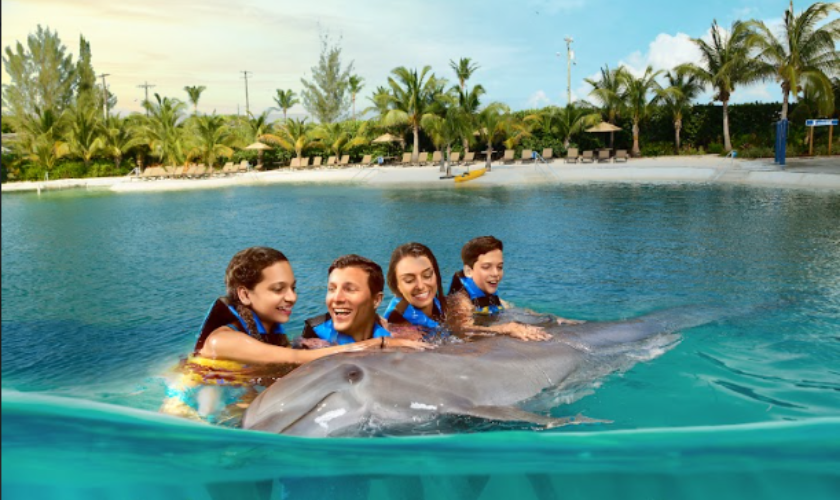
Swim with dolphins in Grand Cayman is perhaps the most fascinating activity on the island and Dolphin Discovery makes it all even better. Worry not because it is not purely amusement but an educational program that involves interaction with these mammals, studying their behavior and even taking a ride on their backs.

It is always enjoyable and therefore is a great activity to do as a family. You will observe the dolphins swimming and delightedly carrying out tricks like feeding them. Moreover, the structure is developed to help you have maximum enjoyment while ensuring your safety, and hence wonderful experiences in that tranquil environment will be created.

Because of this, you may expect to have great interactions with dolphins, who are very sociable, and these interactions will increase your respect for the animals.

2. Snorkeling at Stingray City

For most travelers, Stingray City is considered a must-do destination where one can snorkel aground with manta rays. When you are done with your swim with dolphins in Grand Cayman, you can visit this fascinating place that is shallow enough to allow one to feed and swim with the rays. It is a safe activity with a professional guide provided and is suitable for people of any age. It is hard to avoid dozens of stingrays gliding around in the water who will welcome you.

Additionally, the water is so clear that you can look around and see just what beautiful underwater life there is. For those who would like to enjoy the Caribbean Sea, this is a place that can be very much looked forward to.

3. Diving the Bloody Bay Wall

If you feel you need more adventure than simply swim with dolphins in Grand Cayman, you must visit the bloody bay wall. For experienced scuba divers, Bloody Bay Wall is one of the best attraction spots located on the northern side of the island. This spectacular wall descends to over 1000 feet, covered with corals and an abundance of marine life.

Here are several types of dive sites, for instance, some include deep wrecks, walls, and bays that even plunge into caves. Moreover, look out for nurse sharks as well as turtles and many kinds of fish that live in this colorful environment.

The wall has different slopes which attract worldwide divers in search of fun and breathtaking underwater beauty. Many divers do not leave this place as they are enchanted by the extraordinary beauty and abundance of life here.

4. Exploring the Wreck of the Kittiwake

Previously, a U.S. Navy Submarine Rescue Ship nicknamed “Kittiwake” has been strategically sunk on the coast of Seven Mile Beach in a bid to form artificial reefs. Anyone who wants to go fishing (or just snorkeling) can have fun at this dive site since it can be reached by either snorkelers or scuba divers. When you are done with your swim with dolphins in Grand Cayman, you must explore this wreck.

The wreck is upright at a depth of 60 feet and has a variety of inhabiting creatures, such as sponges, fish, and other living marine organisms. One of the Kittiwake’s wonderful aspects is how it allows one to travel back in time and enjoy a great dive.

You will be surrounded by colorful corals and fishes. In the course of the dive, as divers swim in and out of the wreck, they will see how the ship has become a home for marine life and that part of history has evolved into another form.

5. Snorkeling at Eden Rock

Eden Rock is perhaps the most bereft of problems, with the snorkeling beach being just a stone’s throw from the beach. This site has beautiful coral reefs that appeal to all kinds of snorkelers, novices, and experts, for this is a tropical ocean that is a sight to behold.

Moreover, you can expect to find some of the warmer ocean fishes and even sea turtles as you swim in the clear waters. The best part is that you can also swim with dolphins in Grand Cayman. Due to the shallow depths, it is very good for families and makes it safe and fun as well.

With the rental equipment a few steps away, it presents a good opportunity for those who want to go past the sand without going all the way. In addition, the facilities and services available in the neighborhoods will assist in coming up with plans for a whole sunbathing and surfing fun day.

6. Discovering the Coral Gardens

The Coral Gardens located close to Stingray City is an exquisite snorkeling area which is rich in beauty aesthetics and a variety of marine life. You will be able to snorkel and witness various coral species and schools of fishes swimming about the reefs. If you go during the day, you can also have fun and swim with dolphins in Grand Cayman.

The water is also calm and it’s therefore good for both beginner and expert snorkeling persons. Hence, don’t rush through the beautiful attractions under the sea, go slowly and appreciate even the tiniest living organisms which exist under water.

The parrotfish and angelfish, along with their floral patterns, in addition to other marine creatures, adorn the calming beauty of the Grand Cayman. Here, you will find the pleasant underwater scenery of Coral Gardens with a great variety of sea life.

7. Night Diving Adventures

For a truly unique experience, consider a night dive in Grand Cayman. You must reserve your daytime to swim with dolphins in Grand Cayman, then you can enjoy the nightlife.

This activity reveals a different side of the underwater world, as many marine creatures become active after dark. Divers often encounter bioluminescent organisms, which create a magical glow in the water, and watch nocturnal species like octopuses and squid come to life.

Guided night dives are available for all skill levels, ensuring safety while you explore the mesmerizing underwater nightlife. The thrill of night diving adds an element of adventure to your underwater exploration, making it an exhilarating way to see the ocean in a whole new light.

Conclusion

The underwater attractions of Grand Cayman have plenty to offer everyone, from peaceful snorkeling in vibrant coral gardens to exhilarating interactions with marine life.

You can engage with the dynamic environment that makes this island a top diving destination with each activity. When you swim with dolphins in Grand Cayman, you will experience one of the best adventures of your life. These adventures, which can include diving into a historic wreck or swimming with dolphins, will leave you with lifelong memories.

Embrace the journey that lies beneath the waters, and don’t pass up the chance to experience Grand Cayman’s spectacular splendor. It’s only a splash away from your undersea experience in this tropical paradise!

Also read

Share on Social Media

Meet Sibashree Bhattacharya, a travel enthusiast who has a decade-long experience in transcending virtual barriers with her words! Her deep love for travel is apparent from her travel escapades to the mountain, often taking her readers on a journey, her words acting as Portkey! Fun fact: Sibashree loves to dive deep into the history of the places she is about to visit, making her travels even more wholesome. If you were wondering how her articles are not short of time travel, this answers it!

Leave a Reply

Your email address will not be published. Required fields are marked *

title-img Related

READ MORE montana national parks

Top 12 Montana National Parks You Must Visit In 2024!

BY  Ankita Jun 6, 2023

Are you thinking about visiting Montana National Parks but are not really sure about which ones should you visit while you are there? Well, there is no need for you to worry. I have you covered! There are a number of national parks that are located in the United States. Whether you want to check out the national parks in Wyoming or Zion, the list is endless. But if you want to try out a new place, Montana might just be the right one for you! In this article, I will be focusing extensively on the best national parks in Montana that you must visit when you are in the states. So, if that is something that you want to know, keep reading the article till the end… Best Montana National Parks That You Must Visit! The fourth-largest state in the US, Montana, lies in the northwest of the country on the border with Canada. It is pretty sparsely populated. It boasts delightfully diverse landscapes. The west is very mountainous. While the east’s endless plains and prairies are only occasionally punctuated by breathtaking badlands and bluffs. Hidden away among its wild and remote realms are incredible wildlife species. There are moose, grizzly bears, and mountain lions all inhabiting its numerous national parks and state parks. Are you planning to travel to the States and Montana, to be specific? You need to check out this list of the best Montana National Parks that you need to visit in 2023: 1. Bighorn Canyon National Recreation Area Bighorn Canyon National Recreation Area sprawls over a vast zone and straddles both Montana and Wyoming. It is home to stunning scenery and landscapes. The area is made up of two delightfully distinct districts. It is a treat to explore, with a wealth of recreational activities to try out. The main feature of the park is the breathtaking Bighorn Canyon. It towers over the large lake and roaring river of the same name. Its craggy cliffs form a formidable backdrop to the tranquil waters below, which offer fantastic fishing, kayaking, and boating. Hiking and camping are very popular. However, the area also has a range of archaeological and cultural treasures to check out. As well as being home to historic ranches, a third of its area is located on the Crow Indian Reservation. Part of the park is a range for wild horses. Visitors can learn all about its history, geology, and nature at one of the site’s two centers. 2. Big Hole National Battlefield The Big Hole National Battlefield is the location of the battle that took place on August 9th and 10th during Nez Perce Flight of 1877. By early August, over 800 nimí·pu· (Nez Perce) and over 2,000 horses were passing peacefully through the Bitterroot Valley after crossing Lolo Pass into Montana. Their leaders believed the military would not pursue them even though many had premonitions warning otherwise. When the nimí·pu· arrived at ?ıckumcılé.lıkpe (known today as Big Hole National Battlefield) on August 7th, they did not know the military was close behind them. On the morning of August 9, 1877, U.S. troops surprised the sleeping nimí·pu· with a dawn attack on the encampment. And that is where and when everything happened that made this area a national historic place. The park's visitor center offers museum exhibits, a film, and a book sales area. The award-winning film Weet'uciklitukt: There's No Turning Back, Battle at Big Hole provides an introduction to the Nez Perce Flight of 1877 and the battle that took place at this site. The film is shown throughout the day and is close-captioned. Audio and braille guides are available upon request. Big Hole National Battlefield is one of the 38 sites that make up the Nez Perce National Historical Park. Together they tell the story of the nimí·pu· (Nez Perce). These sites are spread over much of the traditional homeland of the nimí·pu· in present-day Idaho, Montana, Oregon, and Washington. Staff are located here at the Big Hole National Battlefield, as well as at the visitor center in Spalding, ID, and at the Bear Paw Battlefield. To visit all of the park sites could take a substantial amount of time and cover many hundreds of miles. 3. Glacier National Park Home to stunning scenery, landscapes, and nature, the gorgeous Glacier National Park can be found in the northwest of Montana on the border with Canada. Founded in 1910, it protects a vast swathe of unspoiled wilderness and fully deserves its nickname, the ‘Crown of the Continent’. Very mountainous, it is home to two rugged ranges, with vast valleys and rocky ravines left behind by the gigantic glaciers after which the park is named. Dotted about these damaged yet delightful landscapes are over 130 twinkling turquoise lakes, with gorgeous waterfalls and sparkling streams found here and there. As over half of the park is coated in verdant forests, it is a great place to go wildlife watching with moose, mountain goats and grizzly bears inhabiting its isolated areas. With scenic trails weaving their way amidst the towering trees and mountains and cozy campsites to stay at, Glacier National Park really is one of the most awe-inspiring places to visit in the whole of the States. 4. Fort Union Trading Post National Historic Site Next on the list of the best Montana National Parks is Fort Union Trading Post National Historic Site. Between 1828 and 1867, Fort Union was the most important fur trade post on the Upper Missouri River. Here, the Assiniboine and six other Northern Plains Tribes exchanged buffalo robes and smaller furs for goods from around the world, including cloth, guns, blankets, and beads. A bastion of peaceful coexistence, the post annually traded over 25,000 buffalo robes and $100,000 in merchandise. Fort Union Trading Post National Historic Site and its visitor center in the Bourgeois House are open daily throughout the year except for Thanksgiving, Christmas, and New Years Days. The Trade House, including the trade room and the clerk's office, is open seasonally. There are a number of things that you can do here. One of them is visiting the Fort Union’s Trade House, which was one of the most important buildings at Fort Union. It was in the Reception Room where Tribal leaders met with the American Fur Company Traders to discuss the terms of the trade and also where stories were told, and small feasts were held. Apart from that, you can also plan a great trip with your kids as they can become a Jr. Ranger and Jr. Trader at this historic National Park. 5. Grant-Kohrs Ranch National Historic Site Located almost equidistant between Missoula and Bozeman is the Grant-Kohrs Ranch National Historic Site, which commemorates the cattle industry and cowboy culture of the American West. Lying on the banks of the charming Cottonwood Creek, this colossal living history ranch now offers a fascinating look into the frontier cattle era that shaped the nation. Founded in 1862 by the Canadian fur trader Johnny Grant, the ranch was later bought as well as expanded by the successful cattle baron Conrad Kohrs. At its zenith, over 50,000 head of cattle roamed about his ranch, which sprawled as far as the eye could see. Nowadays, visitors can tour around its historic buildings and see the ranch in operation. Blacksmiths as well as cowboys use techniques that would have been used in the 19th century. 6. Little Bighorn Battlefield National Monument Lying about an hour’s drive to the east of Billings, this moving national monument and memorial commemorates the famous Battle of Little Bighorn. It was here on June 25 and 26, 1876, that General Custer made his ‘last stand’ and lost his life alongside many of his cavalry at the hands of the local Native Americans. At the sprawling battle site, visitors can learn all about the epic encounter that came to symbolize the clash of cultures. The Native Americans fought to protect their nomadic way of life and stop themselves from being forced onto reservations. It was a short but momentary victory for the Native Americans against the ever-expanding advances of the US Army. Through interesting and informative tours, you’ll learn all about the battle as well as its aftermath. Moreover, you will also learn about the legendary Lakota leaders Crazy Horse and Sitting Bull as well. In addition, you can visit the numerous markers and memorials scattered about what is now part of the Crow Indian Reservation. 7. Lewis & Clark National Historic Trail Also considered to be one of the best national parks in Oregon, the Lewis and Clark National Historic Trail winds nearly 4,900 miles through the homelands of more than 60 Tribal nations. It follows the historic outbound and inbound routes of the Lewis and Clark Expedition of 1803-1806 from Pittsburgh, Pennsylvania to the Pacific Ocean. Follow the trail to find the people, places, and stories that make up the complex legacy of the expedition. Boasting lots of large limestone caverns and stunning stalactites as well as stalagmites, Lewis & Clark Caverns State Park makes for a spectacular sight. Located just under an hour’s drive to the northwest of Bozeman, it is one of the most popular parks to visit in the state. First documented by the Lewis and Clark Expedition, after which it is named, the caves cover a substantial underground area. It has illuminating tours that take you around its most fascinating features. Lit up by flickering candles and fairy lights, its subterranean sculptures and formations are a treat to explore. Above ground is equally delightful. The state park’s lovely woods and shimmering streams lend themselves perfectly to hiking. It also offers mountain biking, and camping, with fishing and canoeing also on offer. 8. Ice Age Floods National Geologic Trail Glacial Lake Missoula, a 3,000 square-mile body of water encircling Missoula, Montana, was a result of an ice dam in northern Idaho. It happened at the conclusion of the last Ice Age, between 18,000 and 15,000 years ago. Floodwater came out when the dam burst, traveling across Washington, Oregon, and the Columbia River before reaching the Pacific Ocean. The Ice Age Floods affected the people and terrain of the Pacific Northwest, profoundly. The majority of geologists thought that glaciers and streams slowly eroded rock formations to create Washington's Channelled Scabland. Geologist J Harlen Bretz postulated that cataclysmic floods were responsible for the formation of the Channelled Scabland after finding geologic data that contradicted this theory. Bretz's theory was initially mocked, but it was later proven correct thanks to new technology like satellite photography. By the 1970s, everyone agreed that the Ice Age Floods were to blame for the ravaged terrain of the northwest United States. Today, the terrain is littered with remnants of these Ice Age Floods. It includes massive basalt coulees, dry falls, and big boulders. They have traveled hundreds of miles, high water lines, as well as tremendous current ripples. The Ice Age Floods National Geologic Trail includes spectacular examples of cataclysmic flood geology, breathtaking landscapes, and locations for scientific study. 9. Lone Pine State Park Lying just to the southwest of Kalispell is the lovely Lone Pine State Park. It looms over the city and Flathead Valley. As it is home to wonderful nature and scenic trails, it is very popular with locals and tourists. It also has plenty of recreational activities on offer. Founded in 1941, the park boasts delightful landscapes, with flower-filled meadows and lush forests coating its hilly confines. Reaching 1,110 meters in height, there are more than ten kilometers of trails to explore. It also has fabulous vistas visible from its upper reaches. Besides hiking, mountain biking, and horseback riding along its peaceful paths, visitors can go wildlife watching and birdwatching. In addition, there is an archery range and volleyball court to try out. Cross-country skiing and snowshoeing are on offer in the winter months. 10. Bannack State Park Once a thriving mining town, Bannack became a ghost town as the seams of glittering gold ran out, and so did the prospectors moved on. Set in a scenic yet remote spot in the southwest of the state, the eerie yet enticing ghost town is now under protection as part of a state park. Nestled away among Montana’s majestic mountains are more than 50 decaying buildings for visitors to explore, with log cabins lying alongside a school, hotel, and Methodist church. Although they have long been abandoned to the elements, most of them are in remarkably good condition. As such, it makes for an unsettling experience wandering around the empty streets. One of the best times to visit is in July, during the ‘Bannack Days.’ Re-enactors transform the town into what it would have been like during the gold rush. The rest of the year, visitors can take tours of Bannack or rent bikes and set off hiking from the nearby campsite. Read More: Top 8 List Of National Parks In North Carolina 11. Giant Springs State Park Giant Springs State Park lies just to the northeast of Great Falls on the banks of the Missouri River. It has sparkling springs all around, from which it derives its name. It is a top-rated place with many recreational activities on offer. That is mostly due to its proximity to the city and its peaceful and picturesque nature. Blackfeet Nation has used Giant Springs for centuries. Moreover, it is one of the largest freshwater springs in the States. First described by the Lewis and Clark Expedition in 1805, its waters originate in the Little Belt Mountains. It took around 3,000 years to travel the 100 kilometers underground to surface again at the springs. Besides visiting the springs, visitors can wander around the park’s gorgeous green spaces. They explore the scenic shoreline of the river. As well as its picnic areas and playgrounds, it also offers some great fishing, boating, and birdwatching. 12. Yellowstone National Park Last but definitely not least, we have another immensely famous option. It is a very popular and widely visited Yellowstone National Park. Most of Yellowstone lies within the wilds of Wyoming. Some picturesque parts of the popular park sprawl over into Idaho and Montana. An absolutely incredible place, it is awash with astounding natural sights. There are mighty mountain towers above sweeping valleys, verdant forests, and roaring rivers. The oldest national park in the world came to be in 1872, delighting and dazzling countless generations ever since. Its diverse and dramatic scenery is spectacular. However, it is most known for its more than 10,000 geysers as well as hot springs. There are also thermal features dotting its craggy confines. Of these, one of the most popular is the Grand Prismatic Spring due to its kaleidoscopic colors. Old Faithful never fails to amaze with the staggering size and scale of its spurting spring. Moreover, you cannot miss out on Yellowstone National Park. It has lots of wildlife residing within its remote realms and exquisite hiking, camping, and boating on offer. Wrapping It Up! In case you were searching for the best as well as must-visit Montana national parks, I hope that this article has been of help to you. If there are any other queries related to the same, feel free to let me know. All that you need to do is scroll down till you reach the bottom of the page. Then leave your queries and suggestions in the box below. Read Also: A Guide To National Parks In Wisconsin A Complete Guide For National Parks In Illinois Best National Parks In Missouri That You Must Know

READ MORE national parks in utah

From Hiking to Stargazing: The Top 10 National Parks in Utah! [A Travel Checklist]

BY  Abdul Aziz Feb 23, 2024

Welcome to the country of red rock canyons, expansive views framed by arches and sandstone spires. Spreading national forests, vast wilderness areas, quaint state parks, and five national parks in Utah make up more than seventy-five percent of its land area that is open to the public. The southern portion of Utah is home to all the state's national parks. The "Mighty Five" are worth the hype, from the breathtakingly steep yet sublime Zion Canyon to the mind-blowing hoodoos of Bryce and the famous Delicate Arch. Additionally, these parks offer at least a dozen hidden gems, peaceful trails, and less-traveled roads for every must-see highlight. How, then, can one outwit the masses? The easiest solution is to leave when other people aren't. This may mean a trip in the winter, when the temperatures are much more bearable than in the sweltering summer, and the snow adds an extra magical quality to the hoodoos. Since all national parks in Utah are accessible year-round, you can schedule a stargazing expedition or a sunrise tour. However, bear in mind that the hours of local eateries and visitor centers change if you visit during the off-season, which runs roughly from November to February. Despite this, you can find cheaper lodging during this time. Here, being proactive pays off very well. Popular hikes have permits that sell out months in advance. The most sought-after lodges and campgrounds (particularly those inside the park) frequently have a year-long waiting list. You can make a lot of these reservations at www.recreation.gov. The top attractions of the national parks in Utah, listed from east to west, include must-see locations, undiscovered treasures, and insider advice for maximizing each trip. National Parks in Utah How many national parks in Utah, you ask? The answer is easy because they call it the “Mighty 5” for a reason. Here, we are listing all the state parks in Utah that you could plan a visit to. We are also going to help you with all the stuff you must pack when planning a trip. Zion National Park With its soaring canyon walls and hanging gardens, Zion National Park, the first of the national parks in Utah and the 13th in the United States, is a popular destination on many people's bucket lists. The park's main road now closes to private vehicles during peak season (March to October) due to its increasing popularity, requiring visitors to take a shuttle. One advantage is that you can bike this almost flat, picturesque drive. You can rent bikes and e-bikes in nearby Springdale (check out Zion Cycles). Two to six months in advance of your trip, you must apply for a permit if you plan to hike the popular Angels Landing trail. If possible, stay at Zion Lodge or in neighboring Springdale. Make reservations up to 13 months in advance for any lodging in or around Zion. Explore the park's Kolob Canyons area or the more sedate paths off Kolob Terrace Road when you're ready to forgo the tourist traps. Bryce Canyon National Park At Bryce, the main draw is the bizarre spires that have been formed over millions of years. Ultimately, this location has the highest concentration of these hoodoos worldwide. The best (and quickest) way to satisfy your thirst for hoodoo views is to take the main park drive and take the Navajo Loop from Sunset Point or the Queen's Garden Loop from Sunrise Point. Try a portion of the 23-mile Under-the-Rim Trail or one of those trails down to Fairyland Loop for a more immersive hike. Take the back entrance into Bryce Amphitheater via Tropic Trail from the small town of Tropic to have some hoodoos all to yourself. While there, you can also have lunch at i.d.k. Barbecue a state favorite. Bike the dirt Thunder Mountain Trail or the paved Red Canyon Path to discover a more sedate hoodoo landscape. The historic Lodge at Bryce Canyon is the perfect base camp for exploring the park; however, if reservations are unavailable, consider lodging at one of the nearby hotels in Bryce Canyon City. We also think Under Canvas Bryce's campsites are great. Capitol Reef National Park The quietest of the national parks in Utah boasts a magnificent environment that is attributed to the Waterpocket Fold, a 100-mile geologic wrinkle in the earth. Petroglyphs and the historic Fruita Orchards, which the park still cares for, are two of the area's unique attractions. Try the fresh pies at Gifford Homestead, which is close to the park entrance and made with local fruit, such as apples or peaches.  Take a leisurely stroll along the former main highway through Capitol Gorge. Or brave the steep trail to Cassidy Arch, where there are rumors, that Butch Cassidy escaped the law. If you have a decent 4WD car, you, too, can escape (from other travelers). Notom-Bullfrog Road intersects with Burr Trail Road, another backcountry route, and leads to Lake Powell. Burr Trail leads to Boulder, the starting point for Grand-Staircase Escalante National Monument and the location of Hell's Backbone Grill, possibly the best restaurant in Utah. It stays open in spring through fall. You should make reservations in advance. If you stay in one of the lodges in this small town that is only five minutes from the park, Boulder is close, but Torrey is closer. Canyonlands is divided into five distinct districts, each providing a unique experience. Island in the Sky is a place of expansive vistas. Don't miss Mesa Arch or Shafer Trail Viewpoint. The Needles District is a great place to go hiking. It's only about 20 miles south of the Island in the Sky as the crow flies (two hours drive). One of the best hiking routes is the action-packed Cave Spring Trail. It features a replica of an 1880s cowboy camp and mushroom-like rock formations. Canyonlands National Park Get lost in the Maze. Other worthwhile stops in this backcountry district are Chocolate Drops and the Land of Standing Rocks. See amazing petroglyphs, including floating "holy ghosts," by traveling to the non-contiguous Horseshoe Canyon unit. For a rafting adventure, head to the River District, which is at the base of the canyons formed by the Colorado and Green Rivers. The best place to stay for most of the park's district is Moab, which provides quick access to the park's rivers, the Needles, and Island in the Sky. Arches National Park Arches, the inspiration behind Ed Abbey's famous Desert Solitaire, has evolved significantly since 1968. Because of its increased activity, the park service is currently testing a timed entry system that will require reservations in advance from April to October 2023. However, it is possible to avoid a Disneyland experience. If you arrive before sunrise or remain past sunset, you will be rewarded with quieter trails and golden light that casts a glow over the arches. Be an early bird or a night owl. This is feasible because Moab's closest lodging options are situated sufficiently near the park's entrance. If you would prefer not to get up early, reserve a campsite at Devils Garden up to six months in advance or take a ranger-led tour to see the Fiery Furnace area, which is accessible only with a permit. Travel Checklist When Visiting the National Parks in Utah Planning a trip to the national parks in Utah is as fun as it is a massive plan to come up with. You must be well prepared for the weather you will be subject to both in the day as well as night. The few days that you will spend here will be nothing short of an adventure. Here is a list of things that you must have with you if your destination includes the national parks in Utah. Hardy Water Shoes The red desert dirt in Utah can be extremely sticky. You should invest in good water shoes if you intend to go river rafting, canoeing, or kayaking. When participating in water activities, flip-flops are not advised. They will become stuck in the mud and either break or get sucked down the river.  Your feet will be safe if you hike the rocky Virgin River through the Narrows in Zion National Park wearing rubber-toed shoes covered with firm soles. (Near Zion's Springdale entrance, you can rent an entire dry gear outfit, including shoes.) Blacklight Flashlight Scorpios are nocturnal creatures that hide during the day. Use your black light to identify them; the light from it causes these odd creatures to glow. Don't worry too much about scorpions because there is only one species in the Southwest that is thought to be deadly. Sun Protection The strength of the Utah sun only needs to be experienced once, especially in the desert, where there isn't much shade to be found. There will be certain hikes you take or picnic tables you sit at where there isn't a single spot to hide from the sun and heat of the desert. If possible, bring a wide-brimmed hat to cover your entire face. That would be better than a baseball cap. Next, cover all exposed skin, including the back of your neck, with sunscreen. Don't forget to wear sunglasses for eye protection. Polarized lenses will improve your vision and shield your eyes from burns. Recall that at 8,000 feet, you are closer to the sun than you are at sea level. If you're going to be on the water, get some sunglasses straps. It's annoying to watch your new shades drift away with you. Rain Jacket You might wonder, who takes rain jackets into the desert? Yes, we do. Each time we come to town. Even the desert experiences occasional, albeit brief, bursts of rainfall. You want a jacket that will keep you dry and warm when it pours, and the temperature drops. Hiking Boots Bring a pair of supportive, water-resistant, and breathable hiking boots to maximize your experience. These will make it easy for you to travel both dry and wet trails, allowing you to go farther than you otherwise could have. They also shield your feet from trail stones, cactus needles, and maybe even snakebites. Here's a staff member who can't stop gushing about his Sportiva Synthesis Mid GTX to get you started on your research. Vasque Skywalks GTS was highly appreciated by our friends at Backpacker.   Water Bottle Carry a sizable water bottle that you can fill with your garden hose prior to packing if you intend to go camping. With the jug, you can travel with water wherever you go. This means you can cook, stay hydrated, and make coffee in the morning even if you find yourself at a campsite without water. A water pump is typically available at campsites so you can replenish as needed. Hydration The air in the desert is so dry that perspiration quickly evaporates. Often, sweating is invisible to you. By staying hydrated, you can prevent dehydration, which can cause headaches as well as more severe ailments like heat stroke and cramps. Make a drinking plan of 5 to 1 liter for each hiking hour. Make sure to continue drinking even when you are not recreating. You are hydrated if your urine is clear. We adore carrying our CamelBak with us so we can continue to sip while we’re out and about. If you find yourself severely dehydrated or in need of quick hydration recovery, mobile IV therapy in Houston or at any needed location can be a lifesaver. These services offer on-site hydration solutions that can help replenish your body's fluids and electrolytes efficiently while you're still enjoying your outdoor activities Warm/Cool Clothes Temperatures in the national parks in Utah desert can vary by up to 30 degrees in a single day. So, pack light clothing for the day and warm clothing for the evenings. Include a winter hat for when the sun sets, and the cooler air moves in. As for national parks in Utah, this is particularly crucial in the fall, winter, and spring. Temperatures here can drop sharply after precipitation and sunset. Maps There are an amazing variety of trails and overlooks in each of Utah's five national parks. Having a map is beneficial. You can either get your maps in advance and get them now, or you can wait until a park ranger hands you one at the entrance station. Get the NatGeo Utah National Parks Map Pack, which includes detailed topographic maps, at REI.com or download free PDF maps. Star Chart/App The national parks in Utah have some of the darkest skies. You can recognize some of the formations you might not have noticed otherwise with the help of a star chart. Particularly so if you are traveling from an urban area. Alternatively, you can make use of technology and download the SkyView app for Android or iPhone. This app allows you to point your phone at objects to identify stars and other objects. In contrast to the 500 stars in an urban sky, you might be able to see up to 15,000 stars in a desert. It's a long way off! Tablecloth The little things add up to a significant impact. Pull out your tablecloth when you stop for lunch at the weathered picnic table by the side of the road, and you'll go from rustic to elegant in an instant. Additionally, by avoiding leaning against the table, you'll prevent difficult-to-remove splinters. Bug Spray Rather than swatting insects, spend more time taking in the beauty. These days, there are many bug sprays made from natural ingredients that are safer for kids to use if you don't want to use harsh chemicals. Our choice is the Sawyer 20% Picaridin Insect Repellent, which is great for families. According to Consumer Reports, this formula offers the best defense against mosquitoes. In addition to being highly effective against ticks and biting flies, Sawyer's insect repellent won't harm tools or equipment. Wrapping Up The national parks in Utah serve as a living example of the amazing natural beauty and geological marvels that abound in the American Southwest. These protected landscapes preserve the natural heritage of the area. They also provide an opportunity for visitors to engage with the profound forces that have shaped the Earth over millions of years. The terrain ranges from the majestic red rock formations of Arches and Canyonlands to the captivating canyons of Zion and Bryce Canyon. The national parks in Utah invite us to discover, value, and safeguard the delicate wonders that make our planet truly remarkable. They serve as entry points to adventure, education, and environmental stewardship. In addition to creating lifelong memories, experiencing Utah's breathtaking scenery also helps to continue the legacy of conservation, guaranteeing that these natural treasures will be appreciated for many years to come. If you have thoughts to share or questions to ask about national parks in Utah, please leave a comment below. We would love to hear from you! Read Also: From Festivals To Spas: The Top Things To Do In Park City Utah From Museums To Parks: The Top Attractions In St George Utah A Guide To Adventure And Nature: The Best Things To Do In Moab Utah For Outdoor Enthusiasts

READ MORE

How About Exploring The Hiking Trails in Channel Islands National Park?

BY  Sibashree Aug 20, 2024

It’s hard to imagine that a watery wonder and a versatile geological place exist so close to the Californian Mainland. Yes, we are talking about the Channel Islands National Park.  Rich in diverse flora, fauna, and wildlife, this national park, consisting of five islands, is a hiker’s favorite. The hiking trails on each island are different. For example, the trails in Anacapa are flatter, and they get steeper as you visit Santa Rosa or Santa Cruz.  Also, as a critical marine sanctuary, this national park offers an amazing experience for people interested in aquatic pursuits. Boating and scuba diving here are activities that an adventurous soul will surely look upto.  Are you ready to pack your bags and hit the trails? Let us join you. Channel Islands Hikes That You Just Cannot Miss  Hiking trails in the five islands of this national park vary in their difficulty parameters. The trails in Anacapa, Santa Rosa, San Miguel, Santa Cruz, and Santa Barbara are easy (Cavern Point Loop), moderate (Potato Harbor), and hard (Montañon Ridge Loop).  As a hiker, you have to be sure of your physical and mental endurance before you start exploring specific trails. Further, you will encounter many challenges as you explore the hiking trails.  Common perils here include poisonous oaks, scorpions, ticks, wildfire risks, reptiles, and Hantavirus spread by deer mice. To deal with these hazards, you must make the most of the buddy system and, most importantly, be respectful to the wildlife.  However, the pain you have to undergo throughout the journey is worth the dramatic experience the trails offer. It’s time to know about them.  Anacapa Island Hiking  Anacapa Island got its current name from its original Chumash Native American Indian name, Anypakh. This island is made of East, Middle, and West Anacapa islets, and surprisingly, none of these are connected to each other.  Before I introduce you to some of the most amazing trekking trails in Anacapa, let me share some highlights about the island. Anacapa Island: Things To KnowAnacapa is known for its diverse vegetation, wildlife, culture, and history.Coreopsis and sunflowers come to life after the winter rain, and you can see them from the California Mainland.Anacapa is the largest breeding colony of western gulls in the world.It is also the largest breeding colony of the California brown pelicans, which are endangered species.Chumash Indian people used to camp here thousands of years ago. Inspiration Point Hike (Easy) Just a 1.5-mile hiking trail, Inspiration Point offers the most amazing view of the island. Enjoy the sheer contrast created by vibrant wildflowers and the tranquil blue water.  Pinniped Point Hike (Easy) Pinniped Point hike, which is a 4-mile distance, is known for its sea lion rookery and lighthouse.  Cathedral Cove Hike (Easy) The 6-mile hiking trail is the best place to see the most amazing rock formations. Here, you will also find beautiful kelp forests, sea lions, sea caves, and birds.  San Miguel Hiking  Hiking in San Miguel is a little tricky as you cannot take the off-trail roads. Further, hiking is only limited to certain spots, as its unique geological features, wildlife, and plants need preservation.  Caliche Forest Hike (Hard)  Despite its difficulty level, Caliche Forest is the most exciting trail to hike in San Miguel. This landscape of five miles has naturally calcified prehistoric vegetation. So, the entire area has the most surreal “fossilized” appearance. A visit to this trail is like a time travel, and the feeling is, at times, eerie.  Cuyler Harbor Beach Hike (Easy) Enjoy the pristine beauty of the 2 miles of white sand stretch and observe the adorable seals. Take a walk along the beach to find the sand running into the rocks.  Cabrillo Monument Hike (Hard)  The distance of this trail is 2 miles. However, the steep climb makes the hiking experience very strenuous. You will visit the monument of Juan Rodriguez Cabrillo, the first European to explore this island.   Santa Cruz Island Hiking  Santa Cruz, or the La Isla de Santa Cruz, is the land of the Sacred Cross. Known as Mini California, this island has endless bounties to offer. From the Transverse Mountain ranges to the deep valleys, canyons, and beaches! You will meet the most diverse geological picture here. Here, I will talk about some of its most prominent hiking trails. However, before that, let’s share some interesting facts about the island. Things To Know About Santa Cruz IslandSize: 96 Square Miles (The Largest Of The 5 Channel Islands)Plant Species: 600Plant Communities: 10Landbird Species: 140Land Mammal Species: 11Cultural History: More than “10,000 years of American Indian habitation, 150 years of European exploration” Cavern Point Loop Hike (Easy) Cavern Point Loop is a popular destination for hiking, kayaking, and seasonal whale watching. As you trek through the 2 miles route, you will get to see the most magnificent coastal vistas.  Potato Harbor Hike (Moderate)  The harbor gets its name from its unique oval or potato shape. The cliffs here are steep and dangerous. The bright white sedimentary rocks (diatomaceous earth) here are formed by diatoms or single-cell sea plants made of silicon dioxide.  Diatomaceous earth has wide applications in filtering water.  View this post on Instagram A post shared by Channel Islands National Park (@channelislandsnps) The Giant Kelp Forest is another attraction in Potato Harbor. Kelp is a nutrient-rich and fast-growing algae that helps build a rich marine ecosystem. The California sea lions here will make your visit to the island most delightful with their playful nature.  Montañon Ridge Loop (Hard) Montañon Ridge, with Montañon Peak and High Mount, is the highest ridge on the eastern side of the island. This trekking trail is only for experienced hikers.  The total distance of the hiking trail is 10 miles.  Santa Barbara Hiking  View this post on Instagram A post shared by Channel Islands National Park (@channelislandsnps) Santa Barbara is an island for endless outdoor pursuits like hiking, camping, fishing, and watching wildlife.  Further, Santa Barbara is the island to be if you want to explore the local vegetation. If you visit the island in spring and winter, you will meet the most colorful wildflowers here. Also, delightful flowers like poppies and verbenas are in full bloom in the summer. Do you want to hike on this island? Here are some trails for you.  Lizard’s Mouth Hiking Trail (Moderate) You have to take just a quarter-mile walk off West Camino to find this hiking spot. It’s also a favorite Santa Barbara destination for picnics.  The place gets its name from the rock formation resembling a lizard’s open mouth. This place is picturesque and perfect for photoshoots.  La Cumbre Peak (Diificult)  With the highest elevation of 1215 m, the La Cumbre Peak (the highest in Santa Barbar) hike is full of challenges. However, this trekking trail is full of highlights like the Cathedral and Arlington Peaks, the coastline to the sea, etc.  San Roque Creek (Easy) The San Roque Creek trail is located in the 25-acre recreation area in the park. The area is called Stevens Park. With just an elevation gain of just 93 m, it is an easy trail to explore, and you can have a great time walking with your dogs here.  Santa Rosa Hiking  The hiking trails in Santa Rosa are a combination of flat and steep terrains. The trails to the Water Canyon Beach are flatter. At the same time, roads to the Black Mountain are strenuous.  Water Canyon Campground Hike (Easy) This 3-mile hiking trail is one of the easiest routes in Santa Rosa or all over the Channel Islands. Enjoy a gala picnic with your group here.  Water Canyon Hike (Moderate To Strenuous) The perennial canyon and the local vegetation make the water canyon hike the most amazing experience. If you want, you can also follow the stream bed and get wet.  Black Mountain Hike (Hard) With a distance of 8 miles, this trail offers the most amazing views of the mainland and San Miguel, Santa Cruz, and Santa Rosa islands.  Did You Know? By 1928, many fossils of pygmy mammoths were found in the Channel Islands. Further, almost a complete skeleton of an adult pygmy mammoth was excavated on Santa Rosa Island in 1994. These mammoths were very similar to the Californian mainland mammoths. However, they evolved and got smaller in size to accommodate on the Channel Island. Worldwide, these mammoths are known as Channel Islands Pygmy Mammoths.  Final Words  Channel Islands National Park had 328,746 visitors in 2023 (Source). Despite being close to the California mainland, these islands offer tranquility, and with many places to visit and activities to do on the five islands, you will surely be spoilt by the choices at this national park.  On all the islands, you can trek, fish, camp, and take part in many water sports. However, two of the most coveted activities in these parks are hiking and exploring marine life. The variety you find here in whales and other marine mammals can be a close match to the vibrant marine ecosystem of Wrangell-St. Elias National Park.  In this guide, I have highlighted trekking through the trails in this national park. Do you want to know more about its wildlife and marine ecosystem? Share your thoughts in the comment below.  Channel Islands National Park FAQs  Which Island Is The Best To Hike In Channel Islands National Park? Anacapa and Santa Cruz islands are great for hiking in the Channel Islands. However, if I am to share my opinion, Anacapa will be my silent favorite.  The trekking trails here are way easier in Anacaopa than in Santa Cruz. So, irrespective of your expertise level, you will be able to hike the entire island in a day.  Also, as the trekking journey here is less arduous, you will be able to enjoy the surrounding scenic beauty even more. You will meet the most adorable sea birds, sea lions, and seals. Also, if you are lucky enough to be in these mountains during spring or late winter, you will find the mountains replete with colorful wildflowers. Inspiration Point, Cathedral Cove, and Pinniped Point are some of the highlights of hiking expeditions in the Anacapa Islands.  What Is Special About Channel Islands National Park?  Channel Islands National Park is special because it is a paradise for trekkers, nautical surfers, and wildlife explorers.  Its San Miguel, Santa Rosa, Anacapa, Santa Barbara, and the largest, Santa Cruz islands have many hiking trails with Transverse Ranges.  Further, half of the national park is under the ocean, and you will find six nautical miles of water around it. So, it is a critical marine sanctuary and a great place for scuba diving, boating, and other aquatic pursuits.  In addition, its wildlife is mesmerizing, with the presence of animals like island foxes, spotted skunks, salamanders, whales, California sea lions, sea otters, dolphins, giant black seabass, and more.  Which Island Is The Largest In Channel Islands National Park? The largest island in the Channel Islands National Park is Santa Cruz, which is also known as the epitome of California. Its size is 96 square miles.  Its geology is versatile, with Transverse Ranges, fault systems, springs, streams, and canyons. You will also come across sea caves, beaches, and coastline cliffs. Among the sea caves, the Painted Cave is the most prominent one with lichens, algae, and colorful rocks. Also read Why Include Whale Watching In Your LA Itinerary. Traveling On A Budget: Tips For Affordable Adventures. Be Soothed And Meet History At Hot Springs National Park.