

Beyond Boundaries: You Can’t Miss These Places To Travel Without A Passport From The USA

Nov 11, 2024

Last Updated on: Nov 21, 2024

Travel Guides

Planning to visit a new country from the USA and don’t have a passport? Don’t worry, as the places to travel without a passport from the USA await you with natural wonders, hiking expeditions, and more!

You can have Bahamas, Puerto Rico, and many other destinations in American Overseas Territories on your wishlist. You just need to check on the documents and ID proof you need to fly to these wonderful travel sites.

Here is a list I have curated, and you can always add your favorite countries or places to travel to without a passport from the USA.

These Are The Best Places To Travel Without A Passport From The USA

Best Places To Travel Without A Passport From The USA

Last-minute trips are great, especially when you don’t need to worry about getting or renewing a passport. 

Further, with passport worries gone, you can focus more on getting your itinerary right and budgeting. 

So, pack your bags and fly to any of the following destinations.

1. Puerto Rico

Puerto Rico

Best Time to Visit: December to April 

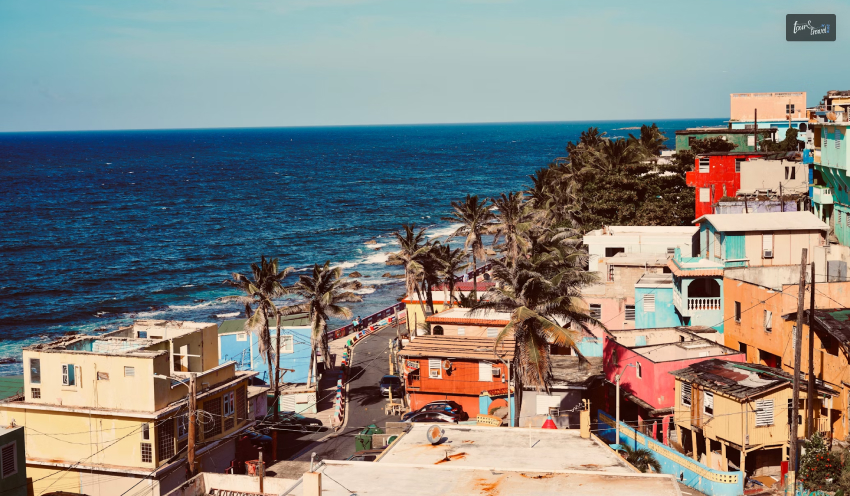
This Caribbean island is one of the best places to travel without a passport from the USA. It exudes the quintessential vibe of the Latin American culture, and it is the largest US territory.

Traveling to Puerto Rico is easy as you will get a daily flight to  San Juan from almost all major airports in the USA. 

With easy access from the USA, Puerto Rico also offers many natural wonders and activities to do. Culebra and Vieques are the best islands to explore. Further, for some adrenaline rush, you can participate in surfing in Rincon. 

However, the most fascinating water activity here is paddling atop bioluminescent bays.  Laguna Grande,  Mosquito Bay, and La Parguera are the spots where you can try this activity.

The other attractions in Puerto Rico are the El Yunque tropical rainforest and the Spanish fortification of  El Morro. You must not also miss the scenic waterfalls in Puerto Rico. 

2. Northern Mariana Islands

Northern Mariana Islands

Best Time to Visit: January to December

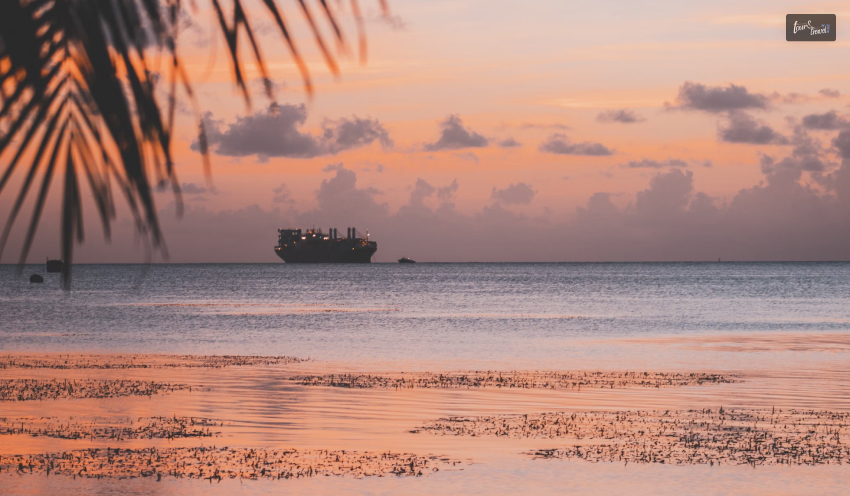
One of the most exotic places to travel around the world, the Northern Mariana Islands is a tropical paradise where the sea and the mountains meet.

The Northern Mariana Islands look like a small string in the Pacific Ocean, and it is the best for watersports activities like kayaking, sailing, scuba diving, and snorkeling. 

Furthermore, the Northern Mariana Islands are a hub of the Polynesian culture. This location once witnessed the brutal activities of World War II. So, you will come across many war memorials here. 

The Saipan Memorial in the American Memorial Park is the most prominent war memorial in the Northern Mariana Islands. Further, the American Memorial Park commemorates “the American and Marianas dead in the Marianas Campaign of World War II.”

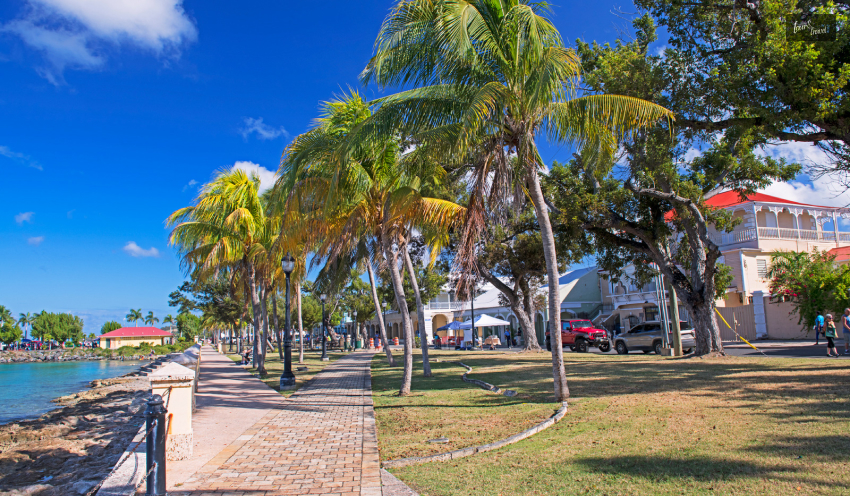
3. St. Croix Island

St. Croix Island

Best Time to Visit: December to May

St. Croix Island, a US territory, exudes the true Caribbean spirit. A part of the British Virgin Islands, St. Croix has a dash of history due to the presence of the sundial monument. However, tourists find its beaches and lush forests more intriguing.

It also has some cool golf courses and resorts. Moreover, St. Croix Island offers the best food tourism experience with fine dining restaurants like Ama Cane Bay, Hamilton’s, Duggan’s Reef, etc. 

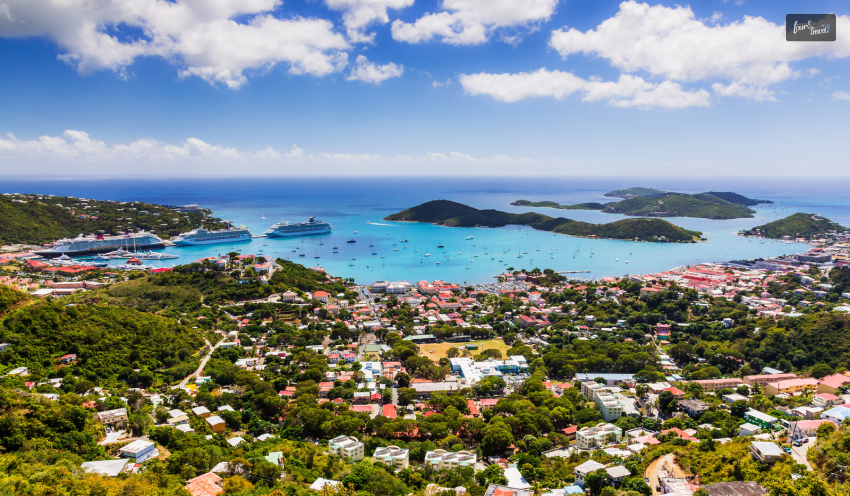
4. St. Thomas Island

St. Thomas Island

Best Time to Visit: December to February

St. Thomas Island has some of the coolest beaches in the British Virgin Islands. Scuba diving and snorkeling are popular water activities here. You can also enjoy the vibrant nightlife here.

ARC Boutique Restaurant & Gallery, Taphus Beer House, Starz Nightclub, and Dog House Pub are some of the coolest destinations on St. Thomas Island, where you can enjoy the most happening nightlife. 

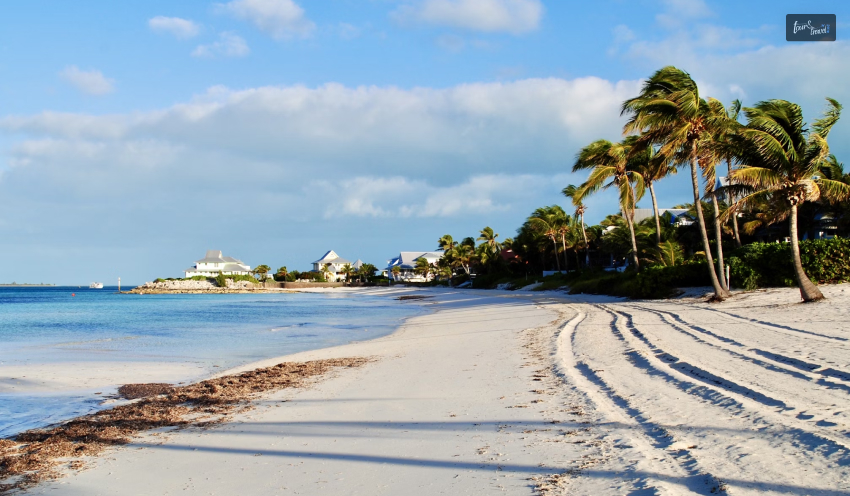
5. The Bahamas

The Bahamas

Best Time to Visit: November to April 

Nestled in the Atlantic Ocean, this large archipelago nation bustles with its ship cruise ports. However, its beaches are pristine, allowing you to spend the most tranquil holiday here. 

You reach the Bahamas, one of the best places to travel without a passport from the USA, through a cruise from Miami and Fort Lauderdale.

The long coastline of the Bahamas will allow you to have the best interactions with coral reefs, mangroves, and sandy beaches.

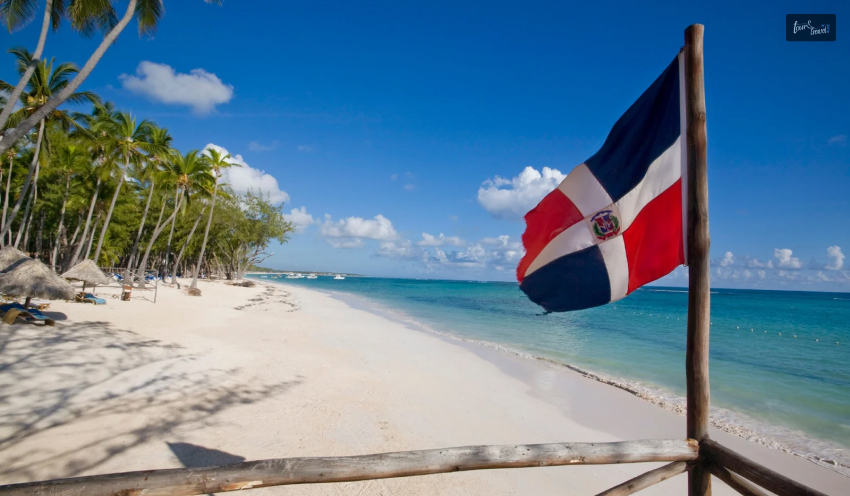
6. The Dominican Republic

The Dominican Republic

Best Time to Visit: December to April

The Dominican Republic is an amazing place to explore the best Spanish architecture, and its white sandy beaches make it one of the most exotic destinations in the world. 

If you take cruises from the USA, they will stop at Punta Cana or Santo Domingo. Santo Domingo has Alcazar de Colon and other impressive sites that speak of Spanish colonial history. 

Punta Cana, on the other hand, will charm you with turquoise water and its serene beaches. 

7. The Cayman Islands

 The Cayman Islands

Best Time to Visit: March to June

Cayman Island is one of the best places to travel without a passport from the USA when one is on a closed-loop cruise. The cruise stops at George Town, the cruise port of this island nation. 

With pristine waters, George Town is the hub of many water activities, and you will also find many endangered animals, including the Georgetown Salamander. 

The ocean activities include snorkeling, paddleboarding, sailing, kayaking, and fishing. 

8. Honduras

Honduras

Best Time to Visit: December to April

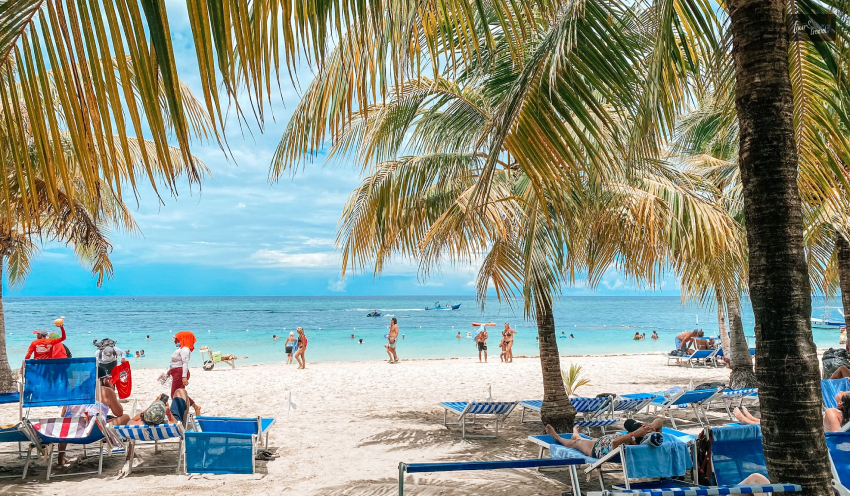
Diving in Roatan will be the biggest highlight of your trip to Honduras from the USA. You can take a closed-loop cruise from South Florida to reach Honduras.

Honduras is also home to the Mesoamerican Reef. It is the second-longest reef barrier system in the world. 

9. Turks and Caicos

Turks and Caicos

Best Time to Visit: February to April

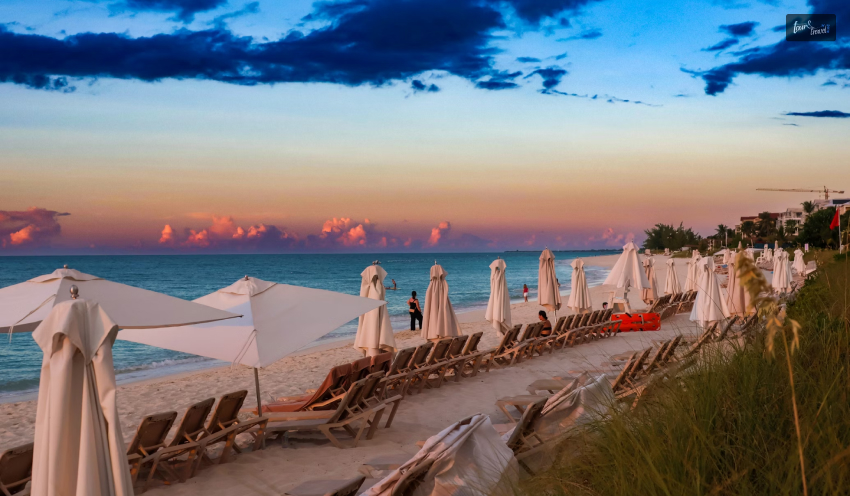
On the south of the Bahamas, Turks and Caicos will win your heart with its wonderful beaches. The clear water of this British Territory is one of the best in the world, and you can participate in the most thrilling snorkeling and diving activities here. 

Furthermore, exploring the secluded shores of the Grand Turk is an experience that you will cherish for a lifetime. 

10. Hawaii

Hawaii

Best Time to Visit: April to June and September to October

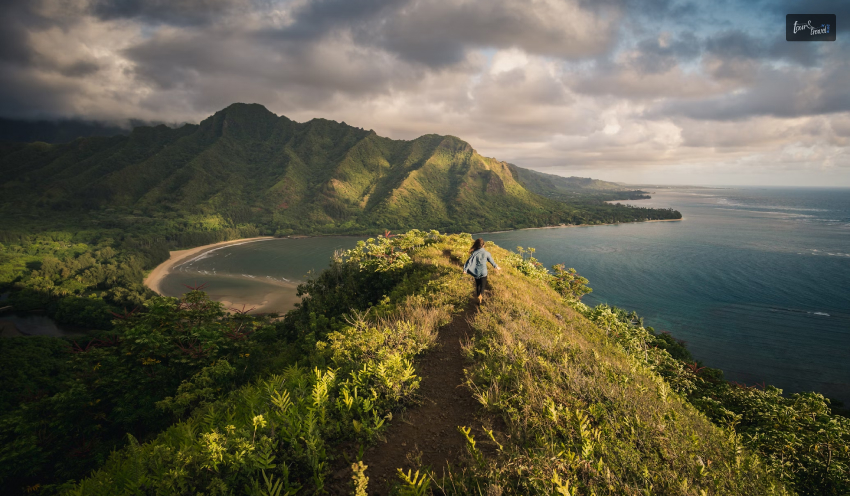
You just need a government-issued ID for the beautiful island of Hawaii, the 50th state in the USA. You will get a vibe of the Polynesian culture in Hawaii, and the volcanoes on the Big Island are great sites for geological wonders.

Moreover, you can surf in Maui to make your vacation in Hawaii more exciting.

Also read

Share on Social Media

Meet Sibashree Bhattacharya, a travel enthusiast who has a decade-long experience in transcending virtual barriers with her words! Her deep love for travel is apparent from her travel escapades to the mountain, often taking her readers on a journey, her words acting as Portkey! Fun fact: Sibashree loves to dive deep into the history of the places she is about to visit, making her travels even more wholesome. If you were wondering how her articles are not short of time travel, this answers it!

Leave a Reply

Your email address will not be published. Required fields are marked *

title-img Related

READ MORE

Do The Sand Dunes Come Alive At Kobuk Valley National Park?

BY  Sibashree Sep 11, 2024

Kobuk Valley National Park is surreal! Have you ever thought to meet sand dunes in the Arctic Circle? The unique geology of the park makes it possible. That’s not all! The Great Kobuk sand dunes stand here, along with the remains of the North American continental glaciers.  Three of the sand dunes in this national park are active or alive. The Great Kobuk Sand Dunes, Hunt River Dunes, and Little Kobuk Sand Dunes here cover a mesmerizing 20,000 acres of area in the park.   Today, hiking through these dunes is one of the most popular activities in the Kobuk Valley National Park.   While it is visually unusual or unexpected to see sand dunes in an Arctic National Park, you also need to understand that the Arctic region gets very little rainfall every year. So, this is also a desert region.   “Sand dunes in the Arctic landscape are not what you would expect. Since most people associate sand dunes with a hot desert environment, it is a visually unusual thing to see. In fact, what most people don't realize is that the Arctic is also a desert with very low levels of rainfall.”   - Christian, a Kobuk Valley National Park Worker  Having said that, how the sand dunes came to be here, and the experience of exploring them will be a great thing to discuss in this article.   This Is How The Kobuk Valley National Park Became The Land Of Sand Dunes   https://www.instagram.com/p/BWatGdVFuis/ Much of Alaska, including the Kobuk Valley National Park, falls in the Tundra region. Tundra, the coldest of the biomes, gets only around 150 to 250 mm of rainfall and snowfall yearly1. So, the national park has less rainfall than some of the most well-known deserts in the world.   Further, the sand dunes in the Kobuk Valley are as old as the Ice Age. Now, as the mighty glaciers moved forward and made a retreat, the rocks beneath got ground. Now, the blowing wind transported the sand into the empty and ice-free Kobuk Valley. The sand dunes in the park are up to 150 feet high, and they are the biggest, high-altitude, and most importantly, “active sand fields”  in the earth.   In The Land Of The Great Kobuk Sand Dunes  https://www.instagram.com/p/BgmZYDdAA_r/ Are you in the Sahara? No, you are around 35 miles above the Arctic Circle and still find the largest active sand dune field in the world. Today, it is a popular backpacking, hiking, and camping destination in the National Park. You must attend the Northwest Arctic Heritage Center to learn more about the outdoor pursuits in the land of sand dunes.  Let’s quickly look at why the Great Kobuk Sand Dunes is a preferred destination for camping, hiking, and backpacking.  The sand is steady enough for the landing of an aircraft with wheels.  You can put up your tent on any level surface.  Also, you can hike in any direction.  Further, you can board a float plane and reach the Kobuk River. From there, you can take a backpacking tour for around two miles and reach the dunes.  You must visit the Kotzebue Visitor Center if you have plans to take this backpacking journey to and from the Kobuk River.   There is no marked route for hiking.  In summer, the temperature in the sand dunes can reach up to 100 degrees Fahrenheit. Also, fall is the season to see caribou migration here.   However, there’s more to it! Let’s learn about the Great Kobuk Sand Dunes as relics of the Ice Age and how life thrived here.   Great Kobuk Sand Dunes: The Relics Of The Ice Age   https://www.instagram.com/p/BYwfdMYlr-0/ To know about the formation of the Great Kobuk Sand Dunes, we must go back to the Ice Age. Around 28000 years ago, glaciers in the mountains formed. I have already discussed how the glaciers ground the rocks and wind deposited them in the Kobuk Valley.   Further, approximately 14000 years ago, the glaciers made a massive retreat. As a result, there were 200,000 acres of sandy land formation on the river banks. Complex holocene activities and geomorphic preservations keep the sand dune field at the Kobuk Valley National Park active or alive. Along with the Kobuk Valley, small lakes in the park have also accumulated sand over thousands of years.   However, most of the landscape today is occupied by the vegetation of the national park, and the sand dune area consists of only 20,000 acres. The vegetation found here consists of the following varieties.  Wild rye  Grasses  Sedges  Kobuk locoweed  Wildflowers blooming occasionally  These species grow on the shifting sand, and they function as stabilizing agents. You can see shrubs, lichens, mosses, and algae following this vegetation. Finally, there are spruce, birch, and aspen trees covering the landscape.    The slopes of the Kobuk Valley sand dunes are the only place where Kobuk locoweeds grow. These plants belong to the pea family, and they are known for their purple flowers. If you want to see these flowers, you must visit the park in late June and July.   The inland dune field of Kobuk Valley National Park is surrounded by boreal forest.   Humans And Wildlife In The Great Kobuk Sand Dunes  https://www.instagram.com/p/Cv0EhpdLsJ5/ It’s amazing to see the Western Arctic Caribou walking through the Great Kobuk Sand Dunes. Fall and spring are the migration seasons for these animals. The north of Brook Range is the caribou herd’s calving ground, and they migrate to and from this place.   As the caribou herds pass through the sand dunes, their footprints remain in the ground for the longest time. According to National Park Service data, around 250,000 caribou pass through this national park annually.   No wonder that the Kobuk Valley National Park is one of the “last great migrations” remaining in the world. The table below gives you a brief idea about the animals and birds in the sand dunes.  Birds Sharp-shinned Hawk Golden Eagle Bald Eagle American Wigeon Northern Pintail Rough-legged Hawk Marsh Hawk Mammals Caribou Wolverine Muskox Snowshoe Hare Moose Gray Wolf Grizzly Bear Beaver Arctic Fox American Pine Marten Amphibians Wood Frog Fish Longnose Sucker Salmon* Northern Pike Alaska Blackfish Alaska Whitefish Humpback Whitefish Alaskan Stickleback Ninespine Stickleback  Human history in the Great Kobuk Sand Dunes is at least 8000 years old. They lived by the Kobuk River and were mainly focused on fishing, hunting, and trapping for survival. It is fascinating to visit the thousand-year-old hunting camps on the edges of the sand dunes.  The golden and shifting Great Kobuk Sand Dunes are located a few miles away from the Kobuk River. Further, the sand dunes soar up to 100 miles in the air.   Kobuk Valley National Park Is Also The Land Of Iñupiaq Subsistence  https://www.instagram.com/p/BWdjyOBl_Lw/ Human life, which started in the Great Kobuk Sand Dunes 8000 years ago, is still thriving with the mantra of subsistence. The Iñupiaq people here use the available natural resources to fulfil their physical needs and safeguard their spiritual and cultural requirements.   For example, they depend on caribou and salmon to feed themselves and their dogs. At the same time, caribou skin hide is extensively used to make parka jackets to combat Arctic winter. They also make mukluks or boots using reindeer skin to walk through the snow.   Further, the local people made baskets using birch and willow. Moreover, in darkness, caribou tallow or seal oil were the only ingredients to light up their stone lamps.   Irrespective of the trade with the coastal communities, the “customary, traditional and non-commercial” use of natural resources is still important in the park.   Iñupiat Ilitqusiat And Respecting The Ecosystem   https://www.instagram.com/p/CzjboNfsc4Y/ Aboriginal people in the Kobuk Valley National Park are committed to passing on their values from generation to generation. The Iñupiat Ilitqusiat value asks them to transfer the knowledge and skill of hunting and everything about life.  In addition, this transfer of knowledge helps to make the most of various seasons and subsistence opportunities. For example, the caribou season comes to this park after the salmon season.   Earlier, Noatak Valley was the destination for these people during the caribou season, and even today, some families move to Noatak Valley. Again, summer camping around the Kobuk River is common for fishing, especially catching salmon and whitefish.   Summer is also the season for harvesting berries and wild greens for the local people.  If you want to learn about the local people and their values, you must be respectful and understand their seasonal activities as a part of their subsistence practices.   Overall, the Kobuk Valley National Park is not just a place to see sand dunes and wildlife. It is a tapestry of human lives depending on nature.   Things To Know Before You Visit The Kobuk Valley National Park   For me, the sand dunes and Iñupiaq subsistence practices are the most fascinating things in the Kobuk Valley National Park. However, keep the following information handy if you are to pay a visit anytime soon.   Mode of Transport: Authorized air taxis from Kotzebue or Bettles  Visitor Center: Northwest Arctic Heritage Center  Entrance Fee: Free  Permits Required:  Commercial Use Authorization or CUA for commercial activities, Research Permits, Filming and Photography Permits  Activities to Do: Boating, fishing, camping and backpacking, hiking, flight-seeing and exploring nearby attractions  Best Time to Visit: June to July   Area: 1,750,000 Acres  Established: 2nd December, 1980  Number of Visitors: 17,616 (2023) (National Park Service Data)  Snowfall, downpours, and extreme weather conditions can occur in any season of the year. So, follow the instructions shared at the visitor center and keep your gear ready for survival!  

READ MORE New Zealand

Luxuriate In Paradise: Unveiling The Pinnacle Of Luxury Travel In New Zealand

BY  Abdul Aziz Dec 28, 2023

New Zealand, an enchanting realm of natural wonders and cultural richness, beckons discerning travelers to experience luxury like never before. For those seeking a truly personalized journey, Custom Luxury Travel of New Zealand by Into the Vineyard offers the opportunity to tailor every aspect of your experience to match your unique preferences. Nestled in the southwestern Pacific Ocean, New Zealand is renowned for its breathtaking landscapes, from snow-capped mountains to pristine beaches.  In this article, we embark on a journey through the epitome of opulence in New Zealand, exploring exclusive resorts, fine dining experiences, and bespoke adventures that elevate luxury travel to new heights. 1. Exquisite Accommodations and Resorts: 1.1 Huka Lodge – Taupo's Riverside Retreat Located along the banks of the Waikato River, Huka Lodge offers a retreat into nature, where the soothing sounds of the river complement the tranquility of the surroundings. Private cottages, each a haven of elegance, provide a seamless blend of comfort and luxury. With spacious interiors, outdoor hot tubs, and bespoke furnishings, guests find solace in opulent seclusion. The culinary experience at Huka Lodge is a testament to New Zealand's gastronomic prowess. Locally sourced ingredients take center stage, paired with an extensive selection of fine wines, creating an unforgettable dining journey. Duration: Flexible depending on stay Price Range: $1,500 — $3,000 per night 1.2 Eichardt's Private Hotel – Queenstown's Lakeside Gem Eichardt's Private Hotel, an embodiment of Queenstown's charm, seamlessly blends historic charm with contemporary luxury. Situated on the shores of Lake Wakatipu, it offers unparalleled views of the lake and surrounding mountains. Exclusive suites, meticulously designed for comfort and sophistication, feature lakefront balconies, plush furnishings, and personalized concierge services, ensuring a stay tailored to the individual needs of each guest. Indulge in a private chef's table experience at Eichardt's, where culinary artistry meets the freshest local produce. The menu is a celebration of New Zealand's diverse flavors, complemented by a curated selection of wines. Duration: Flexible depending on stay Price Range: $1,800 — $4,000 per night 1.3 The Lodge at Kauri Cliffs – A Golf Retreat in Northland Set amidst 6,000 acres of pristine landscapes, The Lodge at Kauri Cliffs is a sanctuary for those seeking both golfing excellence and luxurious accommodations. Lavish suites, each offering panoramic views of the Pacific Ocean and the Cavalli Islands, provide an idyllic setting for relaxation. The interiors exude sophistication, with attention to detail in every element. Helicopter excursions from the lodge allow guests to explore the nearby Bay of Islands and visit renowned wineries, creating bespoke adventures that complement the exclusive offerings of The Lodge at Kauri Cliffs. Duration: Flexible depending on activities Price Range: $2,000 — $5,000 per night 2. Gastronomic Delights: 2.1 Amisfield Winery – Queenstown's Culinary Haven Amisfield Winery, perched on the shores of Lake Hayes with the Remarkables as a backdrop, offers an immersive culinary experience amidst breathtaking scenery. Exclusive wine and dining experiences include private tastings guided by knowledgeable sommeliers. The degustation menus showcase the best of New Zealand's seasonal produce, ensuring a sensory journey through the region's flavors. The emphasis on farm-to-table dining at Amisfield underscores the commitment to sustainability, providing guests with not only a luxurious experience but also a connection to the region's culinary heritage. Duration: 2–3 hours for a dining experience Price Range: $200 — $500 per person 2.2 The French Café – Auckland's Michelin-Worthy Cuisine The French Café in Auckland stands as a culinary beacon, offering an intimate and sophisticated atmosphere for those seeking exquisite French-inspired cuisine. The curated menu is a testament to the chef's artistry, featuring locally sourced ingredients transformed into culinary masterpieces. The extensive wine list complements the flavors, with a focus on New Zealand's finest vintages. Impeccable service and an ambiance of understated elegance make The French Café a destination for discerning gourmands, where each dish is a symphony of taste and presentation. Duration: 2–3 hours for a dining experience Price Range: $250 — $600 per person 2.3 Hippopotamus – Wellington's Fusion of Art and Cuisine Nestled within the Museum Art Hotel, Hippopotamus in Wellington is a culinary gem that seamlessly blends artistry with gastronomy. The French-inspired cuisine at Hippopotamus takes on a Kiwi twist, featuring locally sourced ingredients. The result is a menu that reflects the diversity and richness of New Zealand's culinary landscape. The panoramic views of Wellington's harbor and city skyline provide a picturesque backdrop to the dining experience, making Hippopotamus a unique destination where art, ambiance, and cuisine converge. Duration: 2–3 hours for a dining experience Price Range: $220 — $550 per person 3. Bespoke Adventures: 3.1 Fiordland Helicopters – Milford Sound Aerial Escapade Fiordland Helicopters offers an unparalleled aerial escapade over the majestic landscapes of Fiordland National Park, a UNESCO World Heritage Site. Soar over cascading waterfalls, rugged cliffs, and the iconic Milford Sound, immersing yourself in the grandeur of nature. Personalized itineraries include alpine landings and gourmet picnics in remote, picturesque locations. The helicopter experience transforms a journey into an adventure, providing an exclusive perspective of New Zealand's natural wonders that few have the privilege to witness. Duration: 2–3 hours for the helicopter tour Price Range: $1,200 — $2,500 per person 3.2 Wharekauhau Country Estate – Wairarapa's Countryside Retreat Wharekauhau Country Estate, set against the backdrop of the Wairarapa region, invites guests to immerse themselves in a luxurious countryside retreat. The estate offers bespoke experiences, from horseback riding through the expansive grounds to private farm tours. Helicopter excursions unveil the rugged Wairarapa coastline and provide access to nearby wineries. Activities such as fishing, archery, and bird watching are tailored to individual preferences, ensuring that each guest can curate their own adventure in the picturesque landscapes surrounding Wharekauhau. Duration: Flexible depending on activities Price Range: $1,500 — $4,000 per night 3.3 White Island Volcano Adventure – Rotorua's Geological Marvel Embark on a private helicopter journey to White Island, an active marine volcano off the coast of Rotorua. Guided tours on the island explore the otherworldly landscapes of sulfur vents and volcanic craters, providing a unique blend of geological marvels and luxury travel. A gourmet picnic on the island's shores adds an element of indulgence to this adventurous experience, making the White Island Volcano Adventure a harmonious fusion of luxury and the raw beauty of nature. Duration: 4–6 hours for the helicopter tour and island exploration Price Range: $1,800 — $3,500 per person Conclusion New Zealand, with its diverse landscapes and rich cultural heritage, has firmly established itself as a haven for luxury travelers seeking unparalleled experiences. From secluded riverside lodges to culinary masterpieces and bespoke adventures, the country provides a tapestry of opulence that harmonizes with its natural beauty.  Whether soaring over majestic fiords or indulging in fine dining overlooking pristine lakes, luxury in New Zealand transcends expectations, inviting travelers to immerse themselves in a world where every moment is a masterpiece of refinement and beauty. Read Also: This Is The Best Time To Visit Iceland & These Are The Things You Should Do! Top 12 National Parks In Florida That You Must Visit Is Machu Picchu Closing In 2023? Know It All Here!

READ MORE Winter Camping

Winter Camping In Canada: Tips For Cold-Weather Adventures

BY  Arnab Nov 20, 2023

There are many reasons to travel to Canada in winter. You might have heard people immigrating to Canada for business and job purposes. They provide better opportunity for the young generation with better life style. However, if you are focusing on that part, you need immigration advice before you take further steps. You can set off to iconic mountain resorts, visit a Christmas market, or spend time at an ice rink. At the same time, even more adventures await you if you are ready for winter camping.  The list of perfect cold-weather destinations in Canada is simply endless. Snow-covered Banff National Park in Alberta, untouched nature in the Northwest Territories, and mind-blowing Mont-Tremblant in Quebec to name a few. You will certainly appreciate the silent beauty of the snowy forest in February and January, especially at sunset or dawn.  So, it would be great to pick up a car rental in Toronto and go towards a winter fairy tale. A large selection of Toronto Airport car rental deals allows you to find the perfect vehicle for your needs. If you are traveling with family or friends, consider a more spacious option - car rental for 7 people will be a balanced solution for your icy ride.  However, winter camping in Canada is as dangerous as it’s exciting. Low temperatures can cause hypothermia and the most severe consequences for your body. Thus, such experience requires a particularly careful approach. Here are a few cold-weather adventure tips to keep in mind before embarking on such an outing.  1. Use a layered clothing strategy  When it's hot during the day and cold at night, you need to carry a variety of outfits with you to stay comfortable at all times. Layering is one of the best ways to stay dry and warm without overheating.  Layering is an art and once you master it, you can easily regulate your body temperature depending on your activity level and weather changes. Using layers correctly allows you to add or subtract layers throughout the day so you feel comfortable no matter what.  Start with wool or synthetic thermal underwear. Also, avoid cotton. Cotton absorbs moisture and loses all its insulating properties when you sweat, making you feel much colder. The job of thermal underwear is to wick sweat away from your body and keep you dry and warm.  Thus, apply insulating layers such as a fleece, light down jacket, or synthetic jacket as your middle layer to help keep you warm. The greater the middle layer retains heat, the better. Finally, cover the previous two layers with a windproof jacket with a waterproof membrane to keep you warm.  The outer layer also serves to remove moisture evaporated from the body. Don't skimp on a high-quality outer layer if you expect to encounter some serious wind and rain. If it doesn’t cope with its functions, you can become seriously hypothermic. 2. Make sure your sleeping bag can handle low temperatures  Canadian winter camping expeditions require a sleeping bag - this is the golden rule for a hassle-free overnight stay. The temperature label on your sleeping bag can be confusing. For example, if your sleeping bag can withstand +5°C, this doesn’t guarantee that you will feel warm at +5°C. The fact is that sleeping bags have two temperature conditions: a temperature at which a tourist should feel comfortable, and a lower temperature limit at which a sleeping man should feel comfortable.  Temperature values are approximate and depend on multiple factors. Just in case, take a sleeping bag rated for temperatures 5–10°C below expected degrees. You can also add an extra blanket over your sleeping bag to help keep you warm. 3. Select and prepare a place to pitch your tent  Setting up a camp in winter is much more difficult than in summer, so first of all, plan your time correctly - you should arrive at the overnight site at least 30 minutes before sunset. Then, choose the right campsite, prepare it, and set up the tent. Here are some important snow camping hacks to follow.  Place a tent in a sparse forest, on the edge, in a gentle depression between ridges  Remove snow from the area of the tent + 0.5 m around, remove the top layers or clear to the ground if the snow is not deep  Build snow walls around the camp, especially in open areas  Use special elongated winter pegs, which can be replaced with trekking poles  Make an entry from the leeward side 4. Bring all your essentials into the tent Be sure to bring shoes, a backpack with food, a first aid kit and hygiene products, and gas cylinders inside the tent. Plus, put things like your phone and power bank in your sleeping bag. This way you will better conserve charge. If your trekking socks are wet, dry them too.  5. Ventilate your tent The only thing worse than waking up frozen on a hike is waking up cold and wet. It may seem counterintuitive, but opening tent windows for cross-ventilation is among the top priority cold-weather camping essentials. How does it work? When warm, moist air in your tent or RV meets cold surfaces such as tent walls or car windows, condensation occurs. Small droplets of water form and everything becomes wet. Therefore, ensure air circulation in your tent and prevent condensation by opening entrances and windows slightly. 6. Warm up before going to sleep Before you go to bed, warm yourself by the fire or take a walk - whatever you can to warm up. Having a warm drink or snack before bed can also help keep you warm since the process of digestion warms you up from the inside. Just try not to sweat. Wet clothing quickly lowers your body temperature and can contribute to condensation in your tent or camper. Avoid storing wet clothes in the sleeping area and always change into dry clothes before going to sleep. 7. Go to sleep in a dry change of clothes  Advice on how to sleep in a sleeping bag goes to one extreme or the other: some say to wear everything you can, others recommend sleeping in just your underwear. And the correct option is in the middle.  Winter survival techniques claim that thermal underwear is optimal for sleeping in a tent, ideally if it contains merino wool. You need to wear socks on your feet (maybe two pairs), thin gloves on your hands, and a thin hat and/or buff on your head. Provided that the sleeping bag and mat are suitable for the weather, this set will often be sufficient. If not, you can insulate yourself additionally.  Important! All sleepwear should be dry. Thus, be sure to change into a spare set before going to bed, and store it in a waterproof bag while hiking. 8. Use heating pads  A heating pad is definitely a must-have on a winter hike! That's why we advise you to stock up on such items. They are lightweight, easy to use, and provide gentle heat (about 50°C). You can choose among the following options:  Chemical heating pads. They are disposable, with enough heat to last all night and even in the morning (about 12 hours overall).  Reusable heating pads. Such items can radiate heat for about 2 hours. Then, you need to charge it by simply boiling it in water. A more advanced option is electronic heating pads with USB charging. Ultimately, use our winter survival techniques for your camping trip to Canada. Also, don't forget to adjust your plans to the current weather. The forecast can be changeable during the off-season, and you should be prepared for everything. This is especially important when traveling in mountainous areas, where rain and snow can make roads impassable. Read Also: Jet-Set In Style: Unveiling The Monos Luggage Collection For Your Next Adventure This Is The Best Time To Visit The Seven Magic Mountains In Vegas! These Are The 30+ Things To Do In Mexico City That You Must Try!