





Best Places To Travel With Kids: 8+ Places Across The Globe You Must Take Them To

Nov 11, 2024

Last Updated on: Nov 20, 2024

Travel Blog

So, as a parent, you have taken up a challenging task. It’s about finding the best places to travel with kids!

Every child is different. So, while a slice of wildlife or outdoor activities is enough to win their tasks, some of them may look for a destination like Disney Land, presenting the world of fantasy before them.  

Further, some may be fascinated by more luxurious experiences, and one of the best examples of this will be the Dubai Parks and Resorts. Universal Studios Japan and Tokyo Disneyland are some such destinations, taking your kids on a tour of the fantasy world. 

So, understanding how demanding kids can be, it is difficult to select a particular location out of many options available. Here, I have made a list of countries with the coolest attractions for children.

These Are The Best Places To Travel With Kids: 8+ Must Visits For You 

Best Places To Travel With Kids

Traveling plays an important role in the growth of your child. When children travel, they gather memories and learn things they will never forget. 

Further, traveling improves their socializing and problem-solving skills. Moreover, they learn about different human cultures, which is crucial for developing a more inclusive mindset. 

Do you want to take your little one on a trip this vacation? Here are the countries you can fly to. 

1. Dubai, UAE

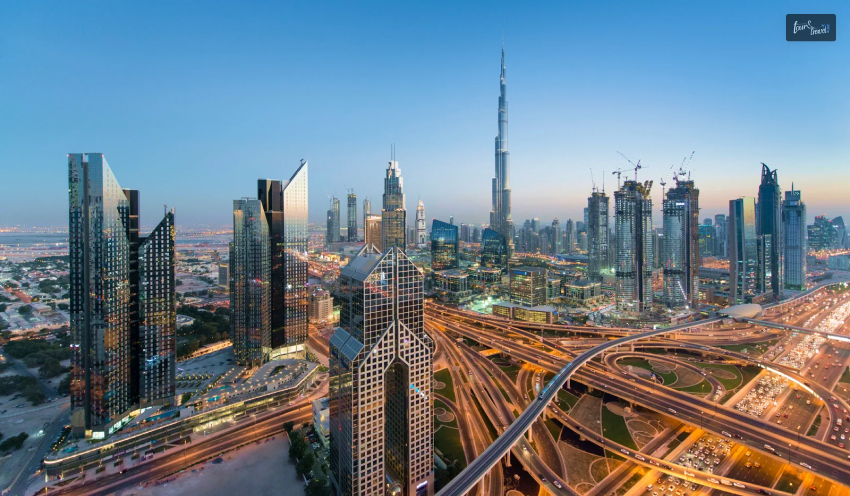
Dubai, UAE

Best Time to Visit: October to March

With the highest safety standards and numerous child-friendly hotels, Dubai is one of the best places to travel with kids. It offers many outdoor and indoor pursuits for the little ones, and the Dubai Aquarium and Underwater Zoo is, of course, the biggest attraction for them.

Located at Dubai Mall, the Dubai Aquarium and Underwater Zoo has as many as 33000 marine animals. Your little one will be enthralled watching the sand tiger sharks, Otters, Piranha, and many other fascinating creatures. 

KidZania, IMG Worlds of Adventure, Aquaventure World, and Jungle Bay Waterpark are some added attractions for kids in this beautiful city of the UAE. 

2. Malaysia

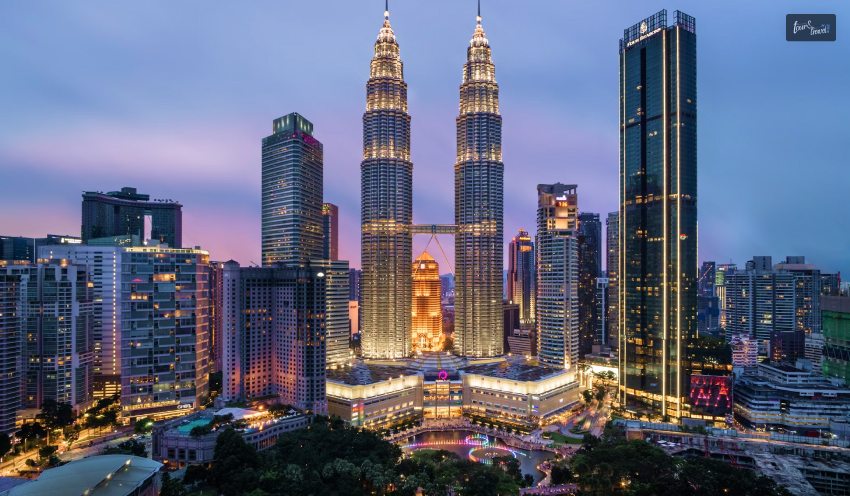
Malaysia

Best Time to Visit: April to October (East Coast) and December to March (West Coast)

Malaysia can be a really cool destination if you are searching for the best places to travel with kids. This country offers unique natural experiences and cultural interactions for children. 

Here is a brief overview of the activities your little one will love in Malaysia.

If your little one is more into wildlife and nature, Borneo and Cameron Highlands will be the best destinations for them. Borneo has pygmy elephants and orangutans. They will also get to learn about the indigenous people here. 

Further, Cameron Islands has the Mossy Forest, tea plantations, and strawberry orchards. 

The other kids’ favorite destinations in the country are Langkawi, Penang, and Kuala Lumpur. Kuala Lumpur has the Petrosains Discovery Centre, Lake Gardens, and KLCC Park to entertain kids of all ages.

Further, Penang is a place to learn about the rich culture of the country, and it has the best street food. Moreover, Langkawi is a relaxing hub in Malaysia, allowing you to explore the beaches and cable car rides. 

3. Mauritius

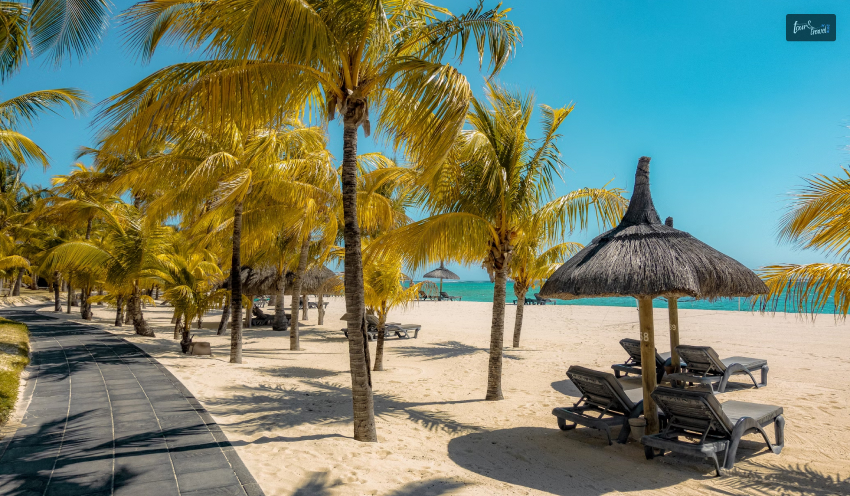
Mauritius

Best Time to Visit: May to December

Mauritius is nothing short of a natural wonder, being a volcanic island with the best beaches in the world. However, Mauritius is often underrated as one of the best places to travel with kids. 

The  La Vanille Crocodile Park is the best place in Mauritius if your little one loves animals and is interested in wildlife. The Nile crocodiles are the biggest attractions here. However, you will also find the following animals here.

  • Giant tortoises
  • Phelsumas 
  • Mini tortoises
  • Pigs
  • Deer
  • Bat
  • Fat-tailed sheep
  • Goat
  • Donkeys

Among them, goats, donkeys, and fat-tailed sheep are important contributors to the country’s livestock. 

The Mauritius Aquarium is one of the best places to travel with kids and introduce them to the intrigue of marine life. Along with sponges, fish, and corals, this museum has more than 200 species of invertebrates. 

Some other places your kids will love in Mauritius are Casela Nature Park (Watch out for the white tigers.),  Curious Corner of Chamarel and the Blue Bay Marine Park

4. Australia

Australia

Best Time to Visit: September to November

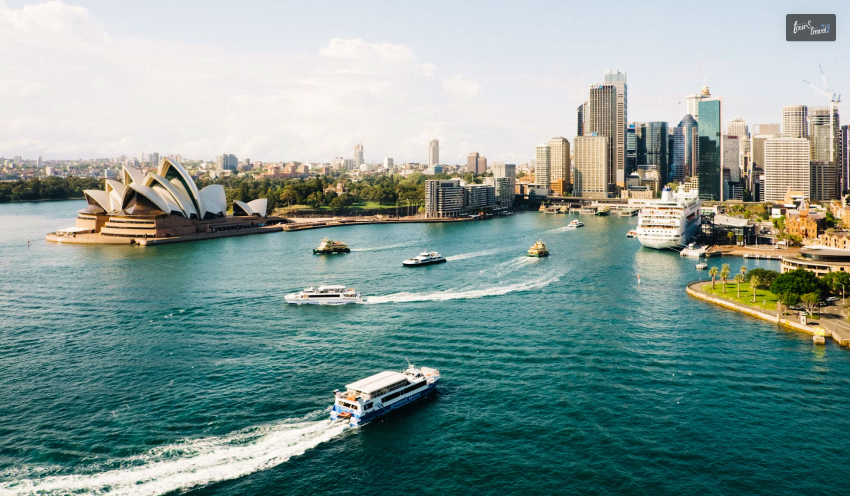
The diversity of Australia makes it a favorite of children and youngsters. From spending time with the most adorable kangaroos to watching the penguin parade, your little one will surely have a fun time here. 

Visit Taronga Zoo Sydney

Visit Taronga Zoo Sydney

A night safari in Taronga Zoo Sydney is something that you will cherish for your entire life. A kingdom of 4000 animals will unfold wonders before your eyes as you go on a night safari and take part in the Roar and Snore Program.

Koalas and red kangaroos are the biggest attractions of this zoo.

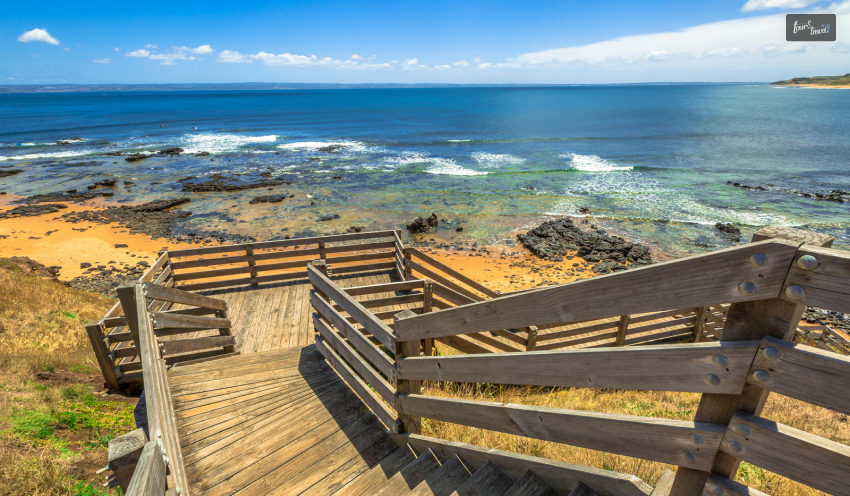
Visit Phillip Island To See The Most Amazing Penguin Parade 

Visit Phillip Island To See The Most Amazing Penguin Parade 

You will see tiny penguins on a parade and a mission for hunting fish at Phillip Island. You can book an underground viewing experience so that your little ones can see the penguins from an eye level.

The other place to visit with your kids in Australia is Monkey Mia Reserve (They can feed dolphins here.). Moreover, Lone Pine Koala Sanctuary in Queensland and Tasmanian Devil Unzoo in Tasmania are destinations to get up close and personal with these adorable animals. 

Also, Luna Park Sydney offers an amazing spin in a hand-painted carousel, and the Great Barrier Reef is the best place to see colorful corals.

5. Japan

 Japan

Best Time to Visit: September to November and March to May

Are you traveling to Japan with your kid? You can take them to Rabbit Island or Ōkunoshima. This scenic inland sea area in Japan is home to thousands of rabbits who roam around freely. 

Your little one will love feeding them with their hands. Further, they can visit Silver Pavilion and Gold Pavilion to find lively turtles and fish and feed them. 

Further, in March, Japan becomes the land of cherry blossoms. Osaka Castle and Ueno Park are some of the best places to spot the beautiful flowers in full bloom. 

6. USA

USA

Best Time to Visit: September to October and March to May

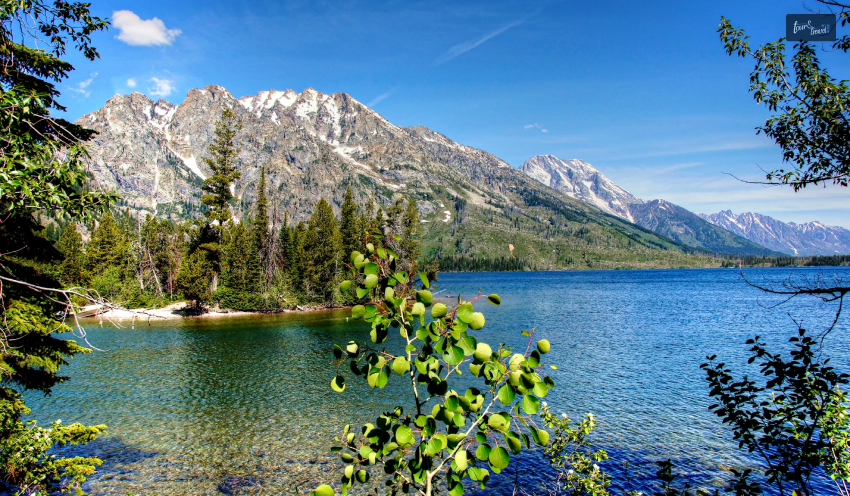
Housing endless best places to travel with kids, the USA will spoil your little one with choices. The country has amazing national parks, including the Grand Teton, Yellowstone, and Rocky Mountain National Parks.

These national parks have many kid-friendly hiking trails that will allow you to explore the wildlife, geological wonders, and scenic beauty. 

  • Rocky Mountain National Park

Rocky Mountain National Park is one of the highest national parks in the USA. Along with being the house of Rockies, it also stands out due to its different ecosystems, hiking trails, and mineral richness. 

  • Yellowstone National Park

With more than 10,000 geothermal sites, Yellowstone National Park is the hub of the natural geysers of the world. 

  • Grand Teton National Park 

Grand Teton National Park is the best place for camping and hiking. Your kids will also love the best views of the Rockies at this national park. 

7. South Africa

South Africa

Best Time to Visit: May to September

With amazing wilderness, South Africa is one of the best places to travel with kids and see wild animals. For me, the most amazing spots to visit in South Africa with children are:

  • Cape Point Nature Reserve
  • Knysna Elephant Park 
  • Kruger National Park

The Cape Point Nature Reserve is a World Heritage Site, while the Knysna Elephant Park has amazing African elephants.

Further, the Kruger National Park is home to zebras and other amazing wild animals. 

8. Finland

Finland

Best Time to Visit: June to August

For children in love with the fantasy world, Santa Claus Village in Finland is the best destination. It is the official hometown of Santa Claus. 

Some other attractions for your kids in Finland are Esplanadi Park, Ranua Zoo, and Helsinki Cathedral. 

9. Canada

Canada

Best Time to Visit: September to November

Canada is one of the best places to travel with kids, and it offers an eclectic experience with its natural wonders and historic monuments. 

For your kids, the best spot in Canada is Marine Land, Niagra Falls. This amusement park in Ontario is the best place to encounter playful dolphins, Beluga Whales, walruses, and sea lions.

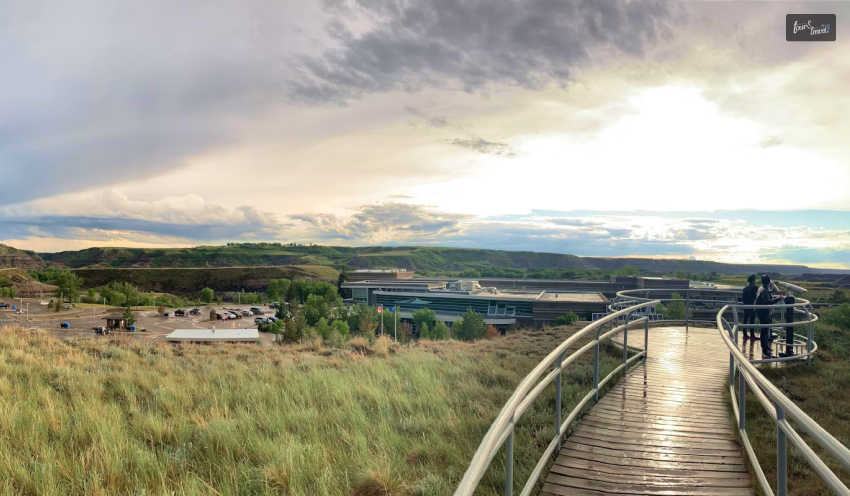
The La Ronde amusement park in Montreal, the Children’s Museum, the Royal Tyrrell Museum, and the Toronto Zoo are other kids’ favorite destinations here. 

Also read

Share on Social Media

Meet Sibashree Bhattacharya, a travel enthusiast who has a decade-long experience in transcending virtual barriers with her words! Her deep love for travel is apparent from her travel escapades to the mountain, often taking her readers on a journey, her words acting as Portkey! Fun fact: Sibashree loves to dive deep into the history of the places she is about to visit, making her travels even more wholesome. If you were wondering how her articles are not short of time travel, this answers it!

Leave a Reply

Your email address will not be published. Required fields are marked *

title-img Related

READ MORE custom itineraries

Are There Minimal Group Sizes Or Custom Itineraries?

BY  Sibashree Sep 5, 2025

If you’ve ever tried planning a trip with friends or family, you’ve probably asked the same thing: Do we even have enough people for this to count as a group? Or maybe the opposite: can we just make our own plan instead of sticking to theirs? Most companies draw the line somewhere around 8–10 people. That’s the usual cutoff for a group booking. Still, if you’ve got fewer folks, don’t stress.  Many operators will let you set up a custom plan—though, yep, it usually costs extra. That’s just the baseline, though. Everything shifts depending on what kind of trip you’re eyeing, where you’re headed, and even when you go. Those details can totally change the rules. So, if you are also wondering how custom itineraries help groups to plan for the perfect getaway, you are at the right place. In this blog, I am going to delve into the various aspects of custom itineraries for different group sizes. Looking into how they help and how to negotiate them. So, keep reading to know more! What Are Custom Itineraries? Unlike normal or fixed itineraries, custom itineraries refer to personalized travel plans that include a meticulously designed guide for trips. By covering how to travel, where to stay, and what to do, they provide the perfect tour guide. In addition to this, they consider the budget for the trip. So, the guide covers all the tour spots that can be managed within the budget range, which prevents overspending or going beyond the budget. Moreover, they are not generic and do not fit all. That is, based on your specific needs and demands, the itinerary is created with recommended activities, tickets, accommodation options, and more. So, it provides a completely tailored trip guide with detailed planning that meets your requirements. How Do Custom Itineraries Help Group Trip Planning? Generally, travel agents use custom itineraries while planning group trips for parties that do not fall within the size limits. So, they collect the necessary details from the group. Focusing on their budget, trip demands, accommodation needs, and activity plans. Moreover, they use the details to create a perfect group trip plan. Also, they recommend certain activities, trip destinations, and a comprehensive guide for the trip. In addition to this, solo travellers also use custom itineraries for travelling to their favorite places with their preferences. So, based on their destination plans and staycation ideas, they create the custom itineraries. Also, this helps in making the trip memorable and enjoyable without indulging in unnecessary activities, just because it is mentioned in the itinerary. How Do Group Size Requirements Vary By Trip Type? Not every trip plays by the same numbers. Adventure stuff—like safaris or hikes—tends to keep it small.  Sometimes just 4–6 people, which makes sense when you think about logistics (and honestly, it feels better that way). But if you’re talking about big bus tours or a cruise excursion, that number jumps. Think 15–20 people minimum just to make the math work out. Cultural things, like a city walking tour or even a cooking class, usually land in the middle. Around 6–8 people keep it personal but still cover costs. What Seasons Affect Group Size Requirements? Season matters—a lot. In busy tourist months, operators are usually chill because they can mash smaller groups together and still hit their targets.  Off-season? Totally different. They might stick to the rules harder or even raise the minimum just to cover expenses. There’s a silver lining, though. During shoulder seasons, many companies bend the rules a bit to pull in more bookings.  If you can travel, then you’ll probably find more flexibility (and better prices, too). What Hidden Costs Should You Consider With Custom Groups? Custom sounds amazing, right? But here’s the catch: it’s rarely just the base price. Extra fees sneak in. Private guide? Extra.  Special access after hours? Extra. Even behind-the-scenes admin costs for coordinating all the moving parts—yep, also extra. So, with the custom planning for the trips, there are always hidden costs associated with every activity and tour plan. Transport can be tricky too. Smaller groups split costs across fewer people, so per-person prices climb fast. And mid-sized groups?  They’re stuck in that awkward middle—too many for a small van but not enough to fill a full coach. In those cases, a van rental for 15 passengers is often the sweet spot. Oh, and some places add “exclusivity” charges if you want the space or service all to yourself. Always, always ask for a breakdown before you lock anything in. What Options Exist For Groups That Don't Meet Minimums? Didn’t hit the magic number? No big deal. A few workarounds exist. You could pay a small-group supplement (basically a surcharge for being fewer people).  Or, an easier option, join another group that’s already booked and running. Another route: check if the company offers “guaranteed departures.” That means the trip happens no matter what.  Downside is, you won’t usually get custom tweaks—it’s more of a fixed plan. But hey, at least you know the trip won’t get canceled. How Can You Negotiate Custom Itineraries? If you’re leaning toward a custom trip, here’s the trick: go in with a clear list of what really matters and what you can bend on. Operators are way more open to changes when you’re flexible. List out your must-haves (non-negotiable stuff) and your nice-to-haves (things you’d love but could swap).  Be ready to compromise on timing, hotels, or smaller activities. That balance—firm on priorities but loose on details—usually gets you the best outcome. Custom Itineraries For Group Trips So, where does that leave you? Well, step one is simple: jot down a wish list. Split it into “musts” and “maybes.”  When you bring that to an operator, you’ll not only save time but also make it easier for them to build something that actually works.  They see what’s important, and you still give them room to figure out the logistics. That’s how you get a trip that feels like yours without breaking all their rules. Read Also: Planning To Travel The World? How To Pack Up Your Life So It’s Ready For You When You Get Back Are You Planning A Trip To Osaka? This Is Your Quintessential Guide A Step By Step Guide On Planning A Luxury Travel Vacation

READ MORE Travel Blog With A Headless CMS

How To Start A Travel Blog With A Headless CMS? Smart Tips

BY  Sibashree Aug 14, 2025

❌ Generic Templates ❌  Limited Flexibility across Channels These are the first two things you must leave behind if you are planning to start a travel blog these days. Also, it is now just about building a travel blog site, but the idea is to start a travel blog with a headless CMS and ensure optimized conversions.  Digital content endeavors to convert all the time, but it's not enough to generate persuasive copy and aesthetically pleasing designs and leave it at that.  The ability to adjust, pivot quickly based on real-time metrics and a strategic push at the appropriate time during the buyer's journey is essential.  Unfortunately, many CMS options fail to provide such access and flexibility. Yet a headless CMS allows for an in-depth design and the structure needed to create, experiment, and execute content intended for conversion across any channel.  With content modeling, an API-first approach, and componentized efforts, teams can design conversion-ready, optimized digital experiences along the way. Here’s more on how we can have absolute control over content presentation and structure with the help of a headless CMS.  Why Conversion Is Limited In Legacy Content Systems? Legacy content management systems (CMS) keep content tied to pages and templates. When a marketer wants to change the components or layouts, the messaging, or the targeting, it's usually an impossibility.  Furthermore, content displays differently on mobile than on desktop, and unless developers are on board to change visibility across devices or channels, brands suffer from amateur impressions.  In addition, when small changes need to be made, it requires dev time, which prevents even the simplest, most timely turnaround pieces.  Thus, when marketers have access to A/B performance, they're not always set up to make real-time changes.  Storyblok Labs product experiments showcase innovative ways to solve these limitations with faster, more flexible testing and deployment.  This is why conversion-centric content should be done as quickly and easily as possible. A headless CMS removes the content from the delivery, which allows for a more responsive experience. Why Do I Need To Start A Travel Blog With A Headless CMS? Creating content that converts doesn't just rely on what you say. It relies upon how quickly and efficiently you say it, test, and iterate at every stage of the funnel.  When people can change their minds with the click of a button and attention spans are shorter by the second, the ability to create and implement content with flexibility has never been more paramount.  You can no longer just create a landing page and wait to see what happens; in modern marketing, everything must be iterated, personalized, and perfected in real time based upon performance feedback. 1. A Headless CMS Offers Flexibility And Helps Find A Brand Voice A headless CMS provides the flexibility, framework, and agility necessary to produce content that advocates for high conversion rates with the ability to pivot just as quickly as your audience.  Because a headless CMS separates content from the front-end experience, both developers and marketers can create content modules that are highly reusable, each module attributable to a unique conversion goal.  You can test them with rapid A/B measurement campaigns. Moreover, you can easily assemble and deploy across all channels and touchpoints without upsetting the entire campaign plan.  The production time is cut down dramatically. Content silos are avoided. Compliance with best practices for brand voice and user experience becomes easier to control. 2. Ensures Better Assessment And Lesser Time For Content Production With personalization opportunities driven by behavioral data, along with the flexibility of integration with A/B testing tools, analytics platforms, and CRM/log-in pathways, every piece of content becomes interactive, trackable, and meaningful.  Marketing teams can assess specific measurements for particular audience segments, remove underperforming pieces mid-campaign, and apply successful formulas across global regions and departments, all from the same source of management. The possibilities for immediacy are especially valuable when it comes to major product debuts, last-minute holiday campaigns, or intense customer acquisition strategies.  Here, time is of the essence, and success depends on a failsafe launch at a selected moment. Being able to iterate while content goes live makes all the difference.  Within a headless CMS, your content machine is reactive to your business needs instead of responding to the consumer, continually changing, substantiating findings, and improving conversion attempts at every step. Start A Travel Blog With A Headless CMS For Future Convenience And Use (Understanding The Technicalities) A headless CMS supports the notion of creating content as fragments that can be used anywhere down the line.  For example, rather than creating hero banners and testimonial boxes, these "components" can instead be tagged as hero banners, testimonials, recommended features, CTAs, or pricing tables.  In addition, you can tag them with metadata for conversion. Mention who it's for, what part of the funnel it serves, and what campaign it connects to.  So, it is like a content marketing workshop. You can assemble the essentials to meet the campaign goal by selecting the existing high-performing blocks of content.  It creates a greater quality assurance requirement and allows those approving the messaging to not deviate from branding and past successful communications. The Benefits Of Using A Headless CMS For Travel Blogs When you start a travel blog with a headless CMS, the blogs become your brand with personalized storytelling and picking the right sub-niche for your travel blog.  Thus, you build stronger connections with a specific reader base and establish authority quickly.  1. Personalization Drives Conversion Rates Up By Using A Headless CMS For A Travel Blog Personalization drives conversion rates. Several different content pieces can be served based on segmentation data; thus, the same API connection can read geographic location or read CRM segmentation and serve a different headline, picture, or limited-time offer.  Thus, a new user can get one offer and a CTA. Furthemore, returning users can have a different CTA with various testimonials of their previous experience and industry.  A headless CMS makes it easier to let technology help people at scale with personalization that quickly drives them down the conversion path. 2. Iterating Quickly And Testing With Single Changes There is no final design for conversion; it requires ongoing updates based on what works and what doesn't. A headless CMS encourages rapid, modular designing that enables A/B testing or multivariate testing at the element level.  Marketers can test one element, a CTA, for example, or a product highlight against another product highlight to see which does better, and they can monitor the effectiveness in real time.  Because these elements are modular and exist apart from the overall design, they can be changed and adjusted without redoing an entire page or complicated experience. This allows marketers to pivot quickly and often for stronger conversions. 3. Minimizing Redundant Channel-Specific Content Paths to conversion don't just exist on websites; they exist in email, mobile apps, landing pages, digital ads, and more.  A headless CMS allows for omnichannel delivery from one content source, meaning that the message can be the same.  But because the content does not align with the design, you can update copy, style, and tone for each channel.  This decreases redundancy, increases content operations efficiency, and ensures that channel-specific experiences are as effective as possible to drive conversion. 4. Using An Integration With Analytics Sites To Drive Decisions About Content Elements No effort to optimize large content pieces can be realized without performance data. A headless CMS integrates with analytics sites, A/B testing sites, and customer data platforms (CDP) to give teams the power to see how well certain pieces of content work on what channels and for what demographic segmentation.  Marketers can discover which elements of an ad drive clicks, what subheadings have reduced bounce rates, and which CTAs have the highest conversion rates.  These results go back to the elements in question. Thus, it allows you to make quick changes and more intelligent repurposing of popular content pieces. Over time, this creates a scalable library of assets that have all been assessed for conversion. 5. Easing Inter-Departmental Collaboration Content that converts doesn't just involve the marketing team. It requires insight from design, content, development, and analytics teams as well.  A headless CMS makes this process seamless by offering a content repository, in different formats, that allows everyone to contribute.  The marketers can make their piece of the puzzle for the larger campaign using out-of-the-box components. The designers can ensure a universal, consistent design across teams. Moreover, the developers can build a connected and responsive front end, no matter the content.  Distributing these efforts allows for faster flows, greater accuracy, and increased experimental, data-backed content conversion opportunities. 6. Enabling Scaling Efforts Without Quality Decrease As brands grow, so do their campaigns and content needs for varied audiences. A headless CMS is intrinsically scalable, as it allows teams to replicate and pivot effective tactics from product to product and market to market.  Campaigns following templates and modules known to convert can easily be used for similar campaigns. Thus, the production time will go down.  Scaling is integral to maintaining conversion successes as it requires more resources over time. 7. Forming Credibility Through Speed And Consistency Speedy and effortless digital experiences create conversions. If a webpage takes too long to load or has a disjointed layout riddled with out-of-date resources, potential converters become frustrated and return to search for better resources elsewhere.  With a headless CMS, developers have complete control over the front end to create fast-loading and mobile-responsive efforts that increase usability.  Moreover, with a modular approach, updates can occur in seconds, without concern for disconnected segments because of out-of-date information.  This speed and consistent access create credibility, one of the most important factors for turning interested parties into buyers. 8. Conversion-Focused Funnels By Modular Assembly Of Content Perhaps the greatest advantage of a headless CMS is the unlimited ability to create hyper-targeted, conversion-based funnels based on specific buyer personas or short-term campaign needs.  When using a standard CMS, the content will be in silos based on general form templates.  Be it lead acquisition or collateral acquisition, email nurturing and lists, product nurturing or reactivation.  If creating a funnel exists within the marketer's realm, they can specify how the content flow should happen to generate the desired response.  For example, if a product funnel is for converting cold traffic, you will use short-form copy, images, or overview videos to create the awareness phase.  The interest phase can be a compilation of FAQ blocks, testimonials, or lists of advantages.  The action phase can use product comparisons, expiring discounts, or friction-free lead gen forms, all pulled from pre-vetted and modular content blocks. With a headless CMS, teams can be thoughtful and experimental about the funnels available to them.  One funnel does not have to serve all journeys. Instead, thoughtful, conversion-oriented experiences can be the way out based on user reaction and intent indicators. These are like live customizations, not just one-time executions.  With a headless CMS, content is a powerful tool for business growth and not an afterthought. 9. Decreased Time To Launch For Conversion-Focused Efforts One of the best ways to convert audiences is to get to them while the getting is good. When interests are hot, campaigns need to be ready, or else audiences will lose their interest or even worse convert to a competitor.  With a headless CMS, the time to launch dramatically goes down. Instead of creating something brand new and untested, teams can utilize a library of components.  There's no need to reinvent the wheel every single time, and efforts can launch in minutes as long as the used assets come from pre-existing libraries. 10. Ability To Change Without Starting Over When Consumer Actions Change Consumer action changes what works today might not work tomorrow. Thus, one of the greatest benefits of utilizing a headless CMS is the ability to change without starting over.  Marketers can relaunch certain components that didn't perform well. They can even try something similar with different layouts without having to start brand new.  Components can be: Geo-targeted Segmented Dependent upon what occurs without disrupting other campaigns in process.  This means conversion efforts are fluid and malleable, able to change without compromising the overall experience of the brand. Start A Travel Blog With A Headless CMS And See How Conversion Starts With Flexible Infrastructure Do you have a brand wanting to boost performance, grow fast, and provide the best omnichannel experience? The degree of flexibility that comes with a headless CMS is not only a technical advantage; it's a strategic necessity.  It allows teams to operate faster, test more effectively, convert more easily, and build a content operation. The overall process is reflective of the dynamic, data-driven nature of our digital world. When conversion reigns supreme, this is how to create effective digital experiences.

READ MORE Best Beaches in Croatia

Why Should You Visit Croatian Beaches By Boat? Which Are The Top 10 Best Beaches To Visit?

BY  Sibashree Oct 24, 2025

Croatia is home to some of the most breathtaking beaches in the world. Moreover, tourists can see crystal-clear waters, hidden coves, and pristine silver sand beaches. Statistica reports suggest that almost 20 million arrivals were recorded in Croatia,  Therefore, a large number of tourists from around the world visit Croatia. This often makes several spots and destinations very crowded.  However, many travellers do not like being in highly crowded places. Thus, people often prefer to visit beaches that remain untouched by people and are clean. Moreover, Croatia’s coastline is home to hundreds of breathtaking beaches. The list of attractions includes things like hidden coves and pebbly bays to soft sandy lagoons. However, we will inform Tour and Travel readers about the less crowded beaches accessible by waterways.   Therefore, the best way to explore all these beaches is by boat or yacht. Moreover, tourists can anchor in crystal waters and explore every hidden corner of the Adriatic. Which Are The Top 10 Best Beaches in Croatia To Visit By Boat? Croatia is home to some of the most beautiful beaches in the world. However, we have sifted out the names of some of the best beaches in Croatia for you to visit. All these beaches are best visited by boat. Thus, let us know in detail about these beaches. 1. Zlatni Rat (Golden Horn) – Brač Island Zlatni Rat is one of the most beautiful beaches in Croatia. Moreover, the beach stretches out into the sea like a golden horn. However, the golden-stretching beach constantly changes shape with the wind and ocean currents. Zlatni Rat is located on the island of Brac. The island is one of the most significant geomorphological wonders in the world. Moreover, the Island offers some of the most incredible scenery. The water surrounding the Island becomes turquoise blue to dark blue within just 20 metres. The Island also houses decades-old pine trees that were once planted by the locals to create natural shade around the place. Therefore, the white pebbles and turquoise water turn the Island into a dream stop for sailors.  Thus, the tourists can simply drop anchor nearby with a Split yacht rental and relax in the blue waters.  Moreover, tourists can spend the afternoon swimming, participating in other watersports such as windsurfing, or enjoying the lively Bol promenade. Zlatni Rat is one of the best beaches in Croatia for spending some time alone. 2. Stiniva Beach – Vis Island The island of Viz serves as the home to Stinava Beach. Stinava Beach is one of the best beaches in Croatia.  Moreover, Stinava Cove is popular among tourists for its high cliffs that form the entrance to the sea.  Furthermore, the Tourism Organization European “Best Destinations” considers the beach as the most beautiful beach in Europe. Vis attracts people from all over the world because of its mild Mediterranean climate. The beach remains hidden between the cliffs. Hence, the tourists can only reach the place by a short hike. However, the boat serves as the more scenic path to reach the place. The tiny pebble beach and emerald-green water make it one of the most photographed places in Croatia. Arrive early in the morning for calm seas and perfect light. 3. Dubovica – Hvar Island Tourists should take a short sail from Hvar Town. Moreover, they will reach Dubovica Beach. The beach is one of the most peaceful coves, framed by stone houses and olive trees.  The tourists visiting the place will witness calm, transparent waters. Moreover, the tourists should go prepared for water sports activities.  The place provides ideal spots for swimming and snorkeling right from their yacht.  Moreover, the rustic beach bars onshore also add to the island's authentic charm. 4. Pasjača Beach – Konavle, Near Dubrovnik The place is carved beneath towering cliffs. Hence, Pasjača is one of Croatia’s most dramatic beaches.  Moreover, the beach is a mix of fine sand and pebbles. However, the beach remains accessible only via a steep path from the cliffs above. Thus, tourists find it difficult to reach the place. However, the travellers can always reach the beach by sea. Moreover, people should anchor their boats offshore and enjoy the untouched beauty and serenity. Moreover, the place remains a hidden paradise. Far away from the chaos and crowded places. Thus, it is one of the best beaches in Croatia. 5. Sveti Jakov – Dubrovnik Travellers who sail near Dubrovnik should definitely visit Sveti Jakov Beach. Moreover, the place is located just outside the Old Town. Therefore, people can enjoy stunning views of the city walls and Lokrum Island from the spot.  Moreover, the pebble-and-sand beach offers a very relaxed vibe. Hence, the beach provides ideal conditions for swimming. Travellers can also take in the historic skyline from the comfort of their yacht. 6. Sakarun Beach – Dugi Otok People know Sakarun Beach for the rare sandy beaches on the Adriatic. Moreover, Sakarun feels almost Caribbean with its shallow turquoise bay and soft white sand.  The place is surrounded by a pine forest. Moreover, the yachts cruising the Zadar archipelago find the place to be a popular destination. The anchorage is calm, making it ideal for a lazy day in paradise. 7. Lubenice Beach – Cres Island Perched below the medieval village of Lubenice, this hidden cove offers a wild, natural setting and crystal-clear water.  Lubenice Beach is difficult to reach by land, which makes arriving by boat the perfect option. It’s quiet, pristine, and ideal for a refreshing swim far from the crowds. 8. Nugal Beach – Makarska Riviera Nugal Lies between cliffs and pine trees. Hence, Nugal serves as one of Dalmatia’s most peaceful beaches.  The beach has gained popularity for its privacy and naturist-friendly atmosphere.  However, travellers can access the beach only on foot or by boat. Hence, the place remains a true hidden gem for those seeking peace while sailing. 9. Pupnatska Luka – Korčula Island Korčula, Pupnatska Luka is one of the most beautiful bays in Croatia. Moreover, the beach features smooth pebbles, crystal-clear water, and lush green hills in the background.  Therefore, the Sailors often stop here for swimming and lunch, thanks to the small local konoba (tavern) nearby. The sheltered bay offers safe anchoring and a perfect island escape. 10. Rajska Plaža (Paradise Beach) – Lopar, Rab Island Rajska Plaža boasts long stretches of fine sand and shallow, warm water. Moreover, most of the Croatian beaches do not offer this. Hence, these conditions remain ideal for families and others.  Moreover, the beach is one of the few where you can anchor nearby and swim ashore easily.  The 2-kilometer sandy bay is surrounded by cafés and restaurants, making it a lively stop on your northern Adriatic route. Things To Remember While Visiting The Best Beaches In Croatia  Croatia houses several beaches. Moreover, people can access several beaches by hiking trails as well. However, the route to several hiking trails involves steep hills and cliffs.  Thus, the waterways serve as the best way of transportation to visit the best beaches in Croatia.