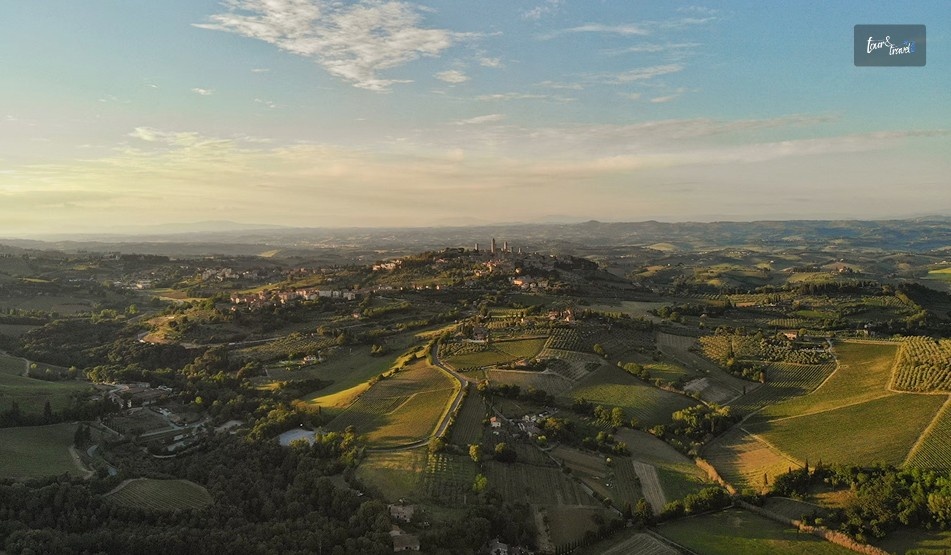
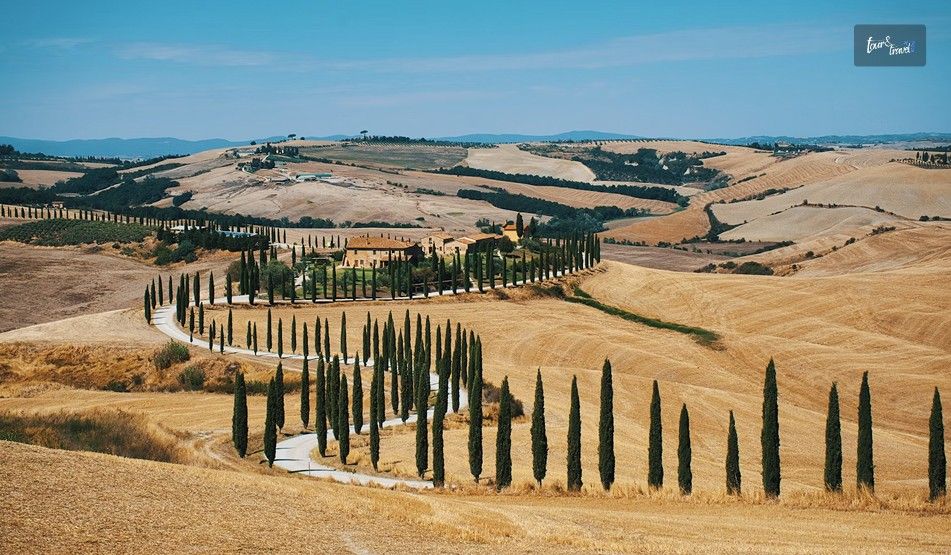
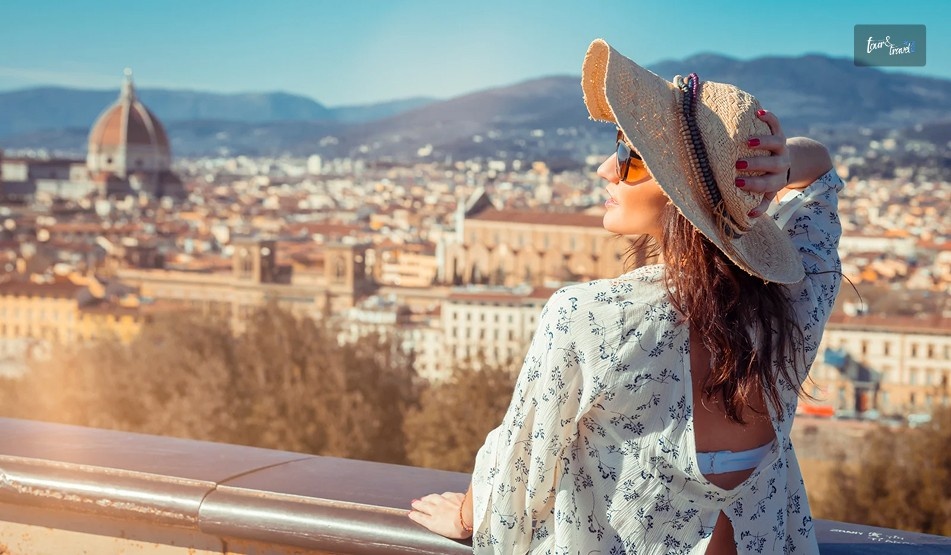

“The Tuscan countryside whizzed by in a kaleidoscopic whirl of shapes and colors. Green grass and trees melded with blue sky, purple and yellow wildflowers, peachy-orange villas, brown-and-gray farmhouses, and the occasional red-and-white Autogrill, Italy’s (delicious) answer to fast food.”
These words of Jenny Nelson in Georgia’s Kitchen describe Tuscany perfectly. It is the crown jewel of central Italy — history whispers in the best vines and wineries here. Further, the medieval towns and rolling hills stand as the eternal witnesses to tell you the stories of humankind.
And it’s as beautiful as my favorite movie, Toscana, which was shot here. There is as much to feel as to see.
So, it is no wonder that Tuscany is witnessing a steady growth in tourism, and Ente Nazionale Italiano per il Turismo, or the Italian National Tourist Board, has acknowledged that tourism is a strategic pillar of the country’s economy.
However, this tourism boom has also made a major strategic change imperative for tourism in Italy, especially in Florence and other regions of Tuscany.
There have been massive environmental impacts and structural challenges, thanks to deficiencies in the infrastructure surrounding iconic landmarks and seasonal congestion.
Building a state-public partnership is going to be a major move to make tourism more responsible in popular Italian regions such as Tuscany, and the partnership will help the tourism sector to get a new vision.
And amidst all these, Tuscany emerges as a global leader in geothermal tourism. I was just checking a Travel and Tour World report, and it said that Tuscany has around 60000 visits to its important geothermal spots.
So, when it comes to the “Unique things to do in Tuscany,” geothermal tourism remains one of the main attractions. But what’s more? We will discuss them in this Tour and Travel Blog.
Unique Things To Do In Tuscany: What Is Special In Tuscany?
Do you remember the medieval and historical hilltop town of Montepulciano? It was the place that was shown as Volterra in the movie, “Twilight Saga: New Moon.”
Also, Hannibal is another movie that shows various parts of Tuscany, such as Palazzo Capponi, Ponte Vecchio, Santa Maria Novella, etc.
So, as you can see, Tuscany tourism is much beyond a tour of history and natural wonders. It is about living the pop culture dreams that came from celebrated movies and literature.
Here’s a more detailed discussion on the unique things to do in Tuscany.
1. Explore Florence: The Birthplace Of The Renaissance In Tuscany
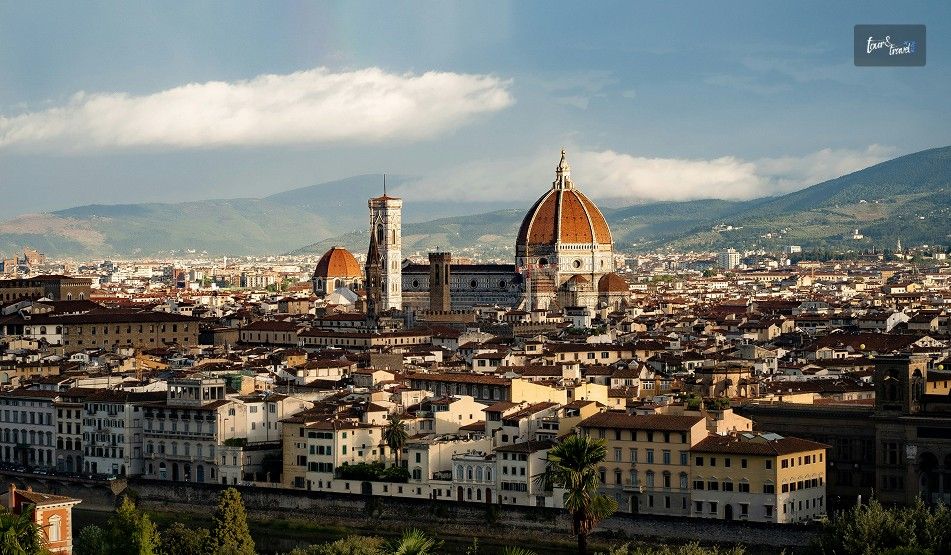
As I was just discussing, the itinerary of the Tuscany trip must have Florence at the top of the list. Furthermore, beyond the key attractions, the streets of Florence, the artisan shops, and cafes here offer the ultimate cultural immersion.
Furthermore, Florence has the most vibrant food scene. Don’t forget to try traditional Florentine steak, gelatos, and a glass of Chianti here.
The Key Attractions In Florence
Get ready to see the masterpieces of Leonardo da Vinci and live your Twilight moments in Florence.
Highlights of Your Florence Visit
What’s So Special About It?
The Uffizi Gallery
• Location: Piazzale degli Uffizi, 6, 50122 Firenze FI, Italy • Contact No: +39 055 294883 • Hours: 6:15 AM to 8:30 PM (Monday Closed) • Home to masterpieces by Botticelli, • Leonardo da Vinci, and Michelangelo • Free entries and reduced ticket prices on certain days and for specific eligible groups
The Duomo of the Cathedral of Santa Maria del Fiore
• Gothic architecture • The dome was designed by Filippo Brunelleschi.
Ponte Vecchio
• Medieval stone bridge • The bridge has lined up shops • It offers the most beautiful views of the Arno River.
Shooting Locations of Hannibal
• Palazzo Capponi • Ponte Vecchio • Palazzo Vecchio • Piazza della Signoria • Santa Croce Church
2. Visit The Tuscan Hill Towns: The Sun-Soaked Paradise Of Central Italy
These small towns of Tuscany, nestled in rolling hills and blessed by the beauty of sunflowers and olive groves, teach us the art of slow tourism.
Furthermore, the medieval past of the region comes alive in every look of these hilltop towns. Also, you can try the
Our favorite hill towns in the Tuscan region are:
1. Siena
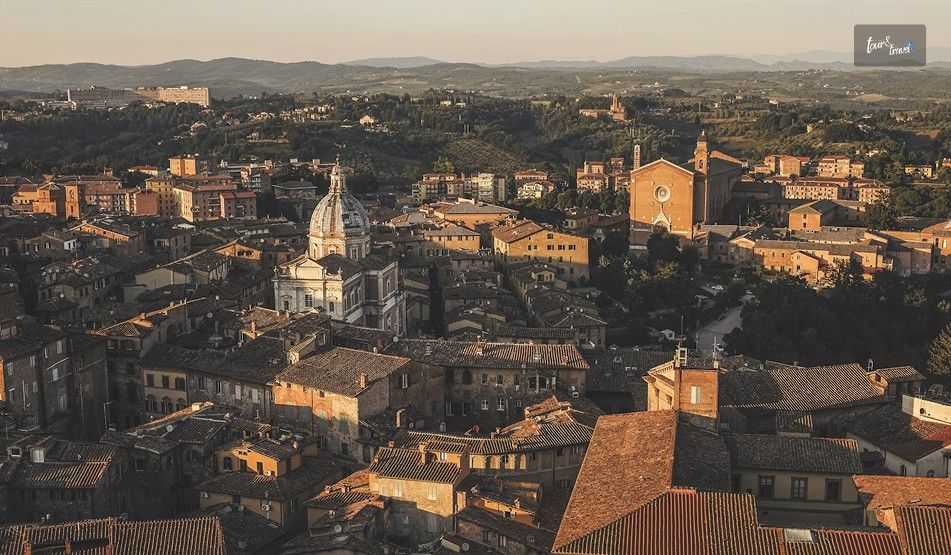
Siena is home to the famous Palio horse race. Furthermore, it has some stunning medieval architecture, and the Piazza del Campo, with a unique shell-shape design, is ideal for watching people and enjoying a cup of coffee.
2. San Gimignano
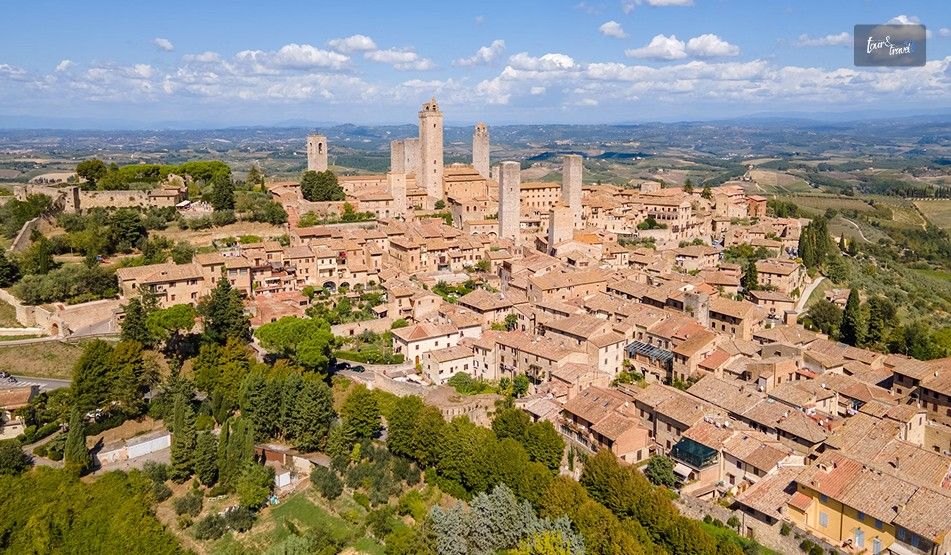
You will love the quaint cobblestone streets and the amazing views of the vineyards around San Gimignano. It is a UNESCO World Heritage Site and it is fondly called the Medieval Manhattan as it is home to many iconic towers.
3. Pienza
Are you a fan of Pecorino cheese? Pienza is the Tuscan hilltown you need to visit. Furthermore, you will love the views of the Val d’Orcia valley, Piazza Pio II, and the charming main square of this hill town.
Moreover, exploring the markets of these hill towns is an experience in itself. You must also not forget to stop by a trattoria and try dishes such as ribollita and pappardelle with wild boar.
3. Wine Tasting In The Chianti Region: The Ultimate Connoisseur’s Delight
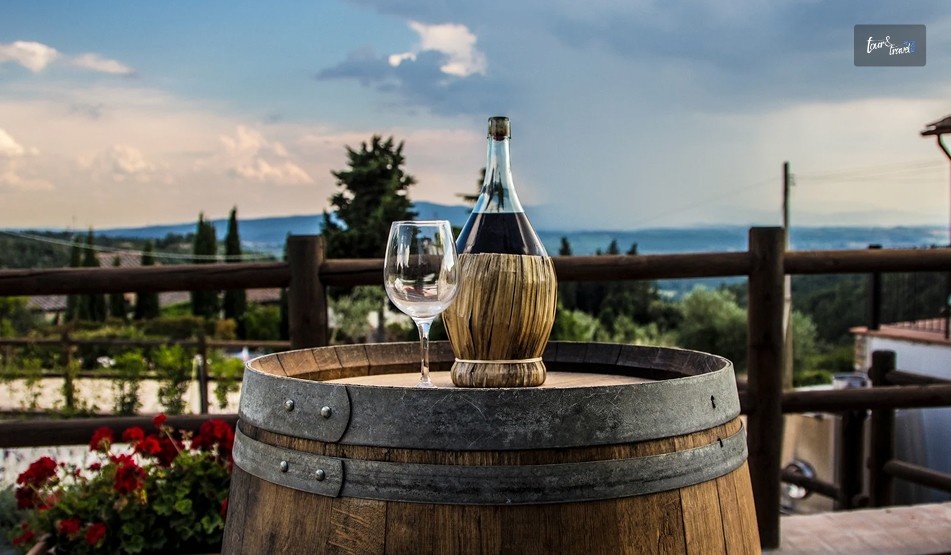
The Chianti region, the sweet spot between Siena and Florence, is the best wine-producing area in Tuscany and worldwide.
Vineyards, wineries, and olive groves dot the rolling hills here.
Perfect Wine Experiences In The Chianti Region
Try these wine-tasting activities in the Chianti Region and know why they are special.
Wine Experience In The Chianti Region
Why We Love Them
Chianti Classico
• Take a wine-tasting tour • Sample the signature Chianti Classico wine made from Sangiovese grapes
Castello di Verrazzano
• Take a tour of this historic winery • Visit the wine cellars and the castle. • Have Chiantu wines with Tuscan delicacies
Try Vino Nobile di Montepulciano
• Produced in the Montepulciano region, it is one of the iconic Chianti wines. • Learn the wine-making process and taste the delight.
4. Relax In The Thermal Springs Of Saturnia And Geothermal Tourism In Tuscany
As I mentioned earlier, Tuscany is at the epicenter of a geothermal tourism boom in Italy. This reached another height with King Charles III and Queen Camilla visiting Italy. The King also commented on the achievements of geothermal tourism in Italy at the parliament, and he said,
“It is truly inspiring to witness our nations collaborating to address biodiversity and reduce emissions. Praise is given to Italian entrepreneurs for their groundbreaking achievements, from establishing the world’s first geothermal power plant to nationwide deployment of smart meters.”
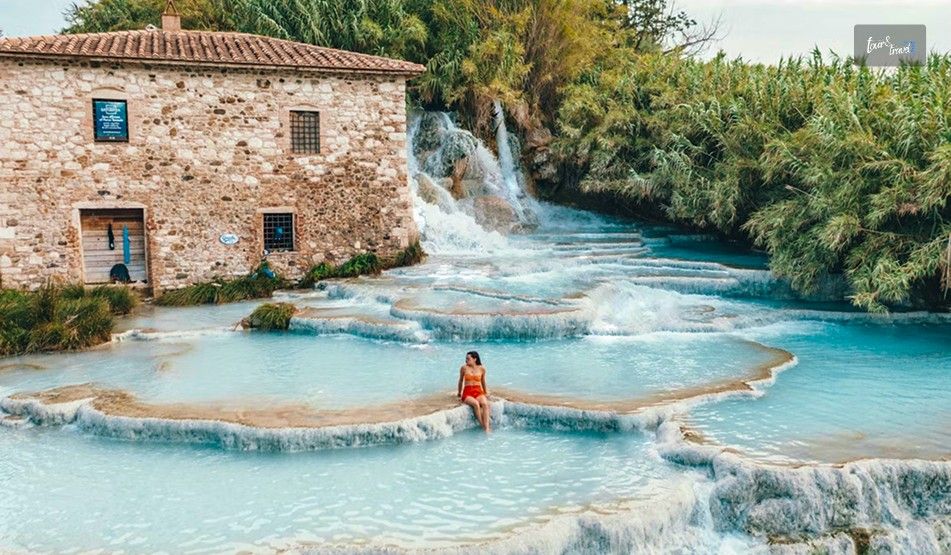
If you also want to experience the rich geothermal tourism scene of Tuscany and have the most relaxing experience, visit the thermal hot springs of Saturnia in the Maremma region.
These sulfur springs are located in the most beautiful environment, and the waters of these springs offer healing properties.
Best Thermal Springs Experience in Saturnia
Why We Love Them
Cascate del Mulino
• The warm sulfuric waters of the thermal waterfalls here offer the ultimate relaxation.
Terme di Saturnia Spa
• It offers a more luxurious experience with the following benefits: 1. Wellness treatments 2. Steam rooms 3. Hot baths
5. Hiking In The Tuscan Countryside: The Ultimate Dream For Outdoor Enthusiasts
The Tuscan countryside looks like a dream, and you will love exploring the amazing nature trails that pass through rolling hills, vineyards, olive groves, and lush forests.
Best Hiking Spots In Tuscan Countryside
You can explore any of the following hiking tours in Tuscany.
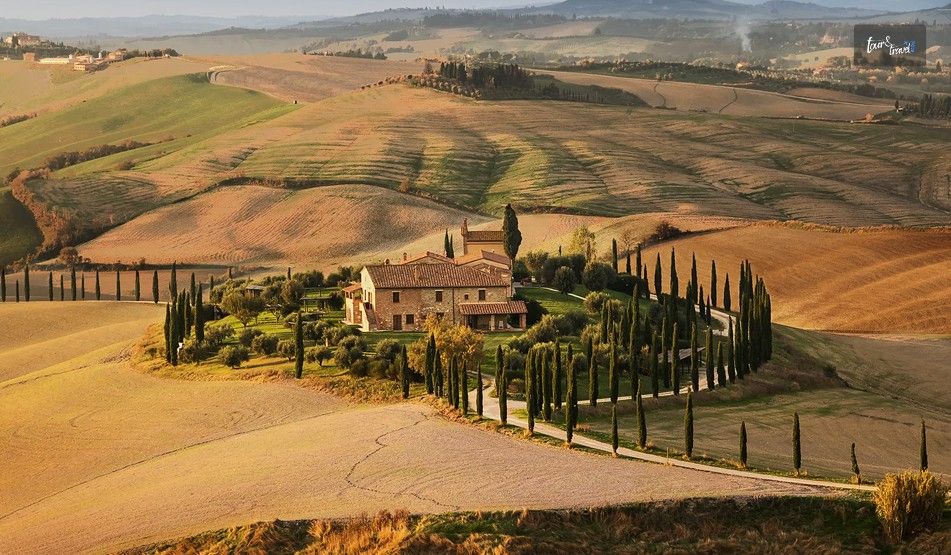
Val d’Orcia
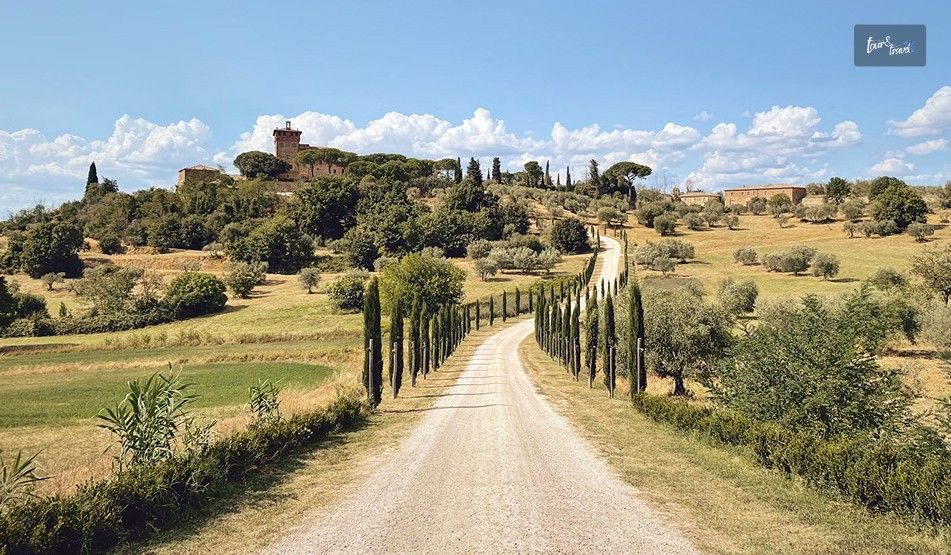
The ancient farmhouses, iconic cypress trees, and rolling hills of Val d’Orcia will win you over. Here, you will find many iconic hiking routes.
It is also a UNESCO World Heritage Site.
Apuan Alps
If you love a challenging trekking experience, the Apuan Alps is the place in Tuscany you need to be. It also offers the most stunning views of the Mediterranean coast.
Cinque Terre
A little away from Tuscany, the Liguria region has Cinque Terre. You will reach the Cinque Terre National Park after a short drive from the Tuscan Border, and it is the most amazing coastal hiking experience you will have here.
6. Discover The Art Of Tuscan Cooking: Explore The Heritage
Tuscan cuisine is simple yet full of flavor, with an emphasis on fresh, local ingredients. If you love food, taking a cooking class is one of the best ways to dive into Tuscany’s culinary heritage.
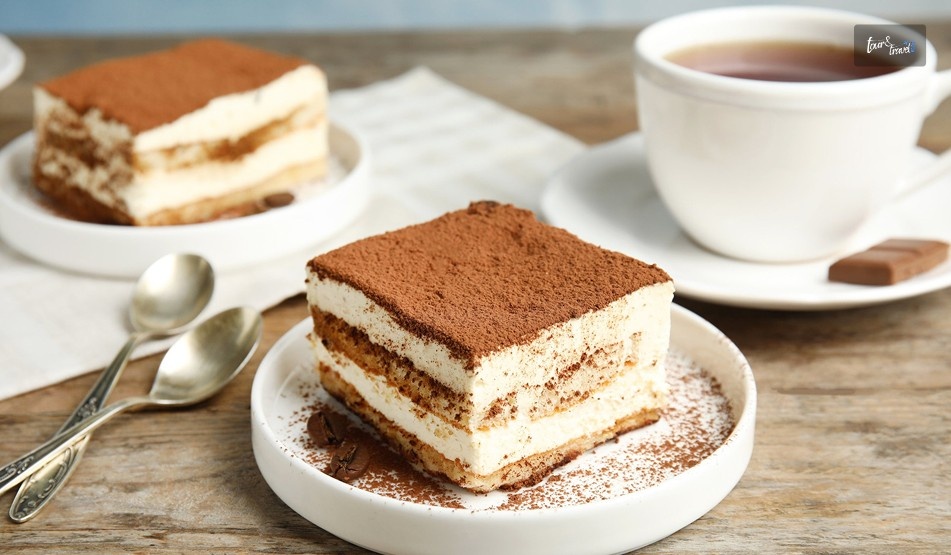
Here, you can join a cooking class at any of the cooking schools, farms, or vineyards to learn how to make traditional dishes such as Tuscan bread, Tiramisu, and handmade pasta.
You can explore the Mugello region or San Miniato and search for the best truffles and savor them in a meal.
7. Admire The Art And Architecture Of Pisa: See History Come To Life Here
Located on the banks of the Arno River, Pisa boasts a rich architectural heritage.
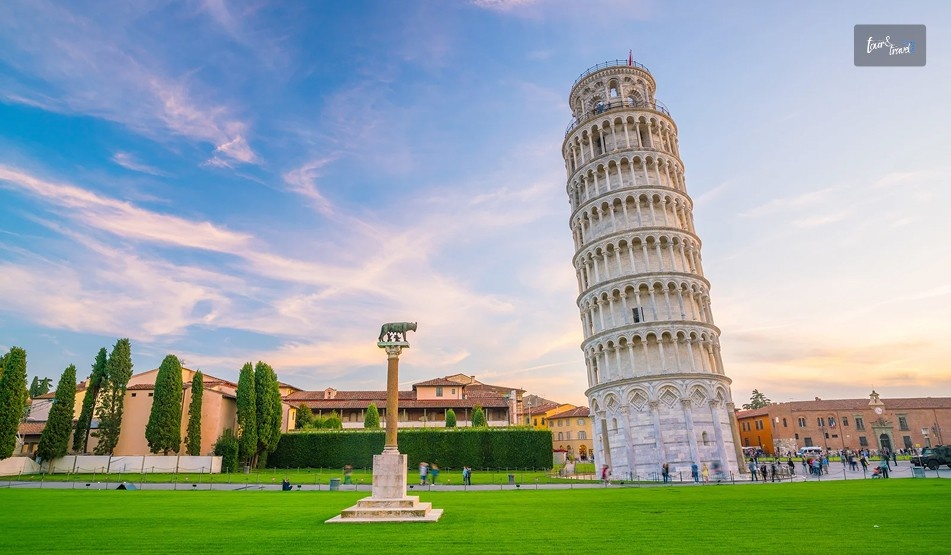
The Piazza dei Miracoli is a UNESCO World Heritage Site, and it is home to the iconic Leaning Tower of Pisa, the Pisa Cathedral, the Baptistery, and the Camposanto Monumentale (Monumental Cemetery).
Furthermore, don’t forget a visit to the Museo dell’Opera del Duomo. It has artefacts and art showcasing the history of the cathedral.
You will learn about the artistic and religious past of Pisa at this museum.
8. Admire Views From The Val d’Orcia And Live The Most Instagrammable Moments
Val d’Orcia, a UNESCO World Heritage Site, has the most amazing vineyards, ancient farmhouses, cypress-lined roads, and rolling hills.
You will love taking photographs here, and the scenic drives here are dreamy. Enjoy exploring medieval towns such as Montalcino and Pienza.
Moreover, the most unique experience in Val d’Orcia or Tuscany is taking a hot air balloon ride. Take the hot air balloon ride at Sunrise to see the surrounding valley getting bathed with golden lights.
Tuscany Itinerary For A 7-Day Trip: A Tour And Travel Blog Note
History, culture, wine tasting, food, scenic beauty, and so much more! The richness of Tuscany as a tourist spot can be overwhelming for you.
So, we have made a simple itinerary.
Tuscan Itinerary for 7 Days
Things to Do
Day 1 – Reaching Florence
• Arrival in the morning and checking into your hotel • Explore Florence in the afternoon and climb up the Florence Cathedral (Duomo) for an amazing view of Florence. • Enjoy your evening strolls across Ponte Vecchio and end your day with traditional Italian cuisine at any trattoria in the historic center.
Day 2 – Exploring Florence
• In the morning, visit the Uffizi Gallery. • Visit the Palazzo Vecchio and Piazza della Signoria and relax at the Boboli Gardens in the afternoon. • Do wine tasting at osterias or enotecas, or the wine cellars in Florence in the evening.
Day 3 – Wine Tasting Tour from Florence to the Chianti Region
• In the morning, take a scenic drive to the Chianti Region from Florence. • In the afternoon, take a guided wine tour and tasting at a local vineyard. Explore the towns of Greve in Chianti and Radda in Chianti. • Find a shelter at an agriturismo or a charming farm stay to have an authentic Tuscan experience.
Day 4 – Explore Siena and San Gimignano
• Reach Siena and visit iconic landmarks such as Siena Cathedral and Piazza del Campo. • Reach San Gimignano in the afternoon and explore key attractions such as Gelateria Dondoli and Collegiata di San Gimignano. • End your day at an agriturismo.
Day 5: A Day in Val d’Orcia, Tuscany’s Heartland
• Enjoy a morning drive through Val d’Orcia and its beautiful cypress trees. • In the afternoon, try Pecorino cheese at Pienza. Also, enjoy the famous Brunello di Montalcino wine in the Montalcino region. • Spend your evening date with food at a local farmhouse, tasting rustic Tuscan dishes like pappardelle with wild boar.
Day 6 – Visit the Thermal Springs for the Ultimate Relaxation
• Rejuvenate at the thermal springs of Saturnia in the morning. • Visit Little Jerusalem or Pitigliano, home to a historical Jewish community and amazing cliffside views. • Enjoy a luxurious spa experience.
Day 7 – Visit Pisa and Bid Alla Prossima to Tuscany
• Reach Pisa and explore its iconic landmarks, including the Leaning Tower of Pisa. • Know about the art and culture of Tuscany at Museo dell’Opera del Duomo and enjoy your lunch by the Arno River. • Head back to Florence and board the flight home.
Things To Do In Tuscany: Frequently Asked Questions (FAQs)
Here are some frequently asked questions and answers about things to do in Tuscany.
1. What Is The Best Time To Visit Tuscany?
April to June is the best time to visit Tuscany. You can also plan a trip during September and October to enjoy mild weather conditions and avoid the bustling summer crowds. Furthermore, the fall season is also the grape harvest season. So, it’s a delight for the wine lovers.
2. What Is The Most Famous Food In Tuscany?
Tuscany is known for its rustic and hearty cuisine. You can try the following delicacies. •Bistecca alla Fiorentina (Florentine steak) •Ribollita (Tuscan vegetable soup) •Panzanella (bread salad) •Pecorino cheese • Cantucci (almond biscuits, often served with vin santo)
3. Do I Need To Rent A Car In Tuscany?
Yes, you must rent a car in Tuscany. You can explore Pisa, Florence, and other major cities by train. However, to reach the small hilltop towns, you will need a car. Furthermore, the Tuscan region has some of the best scenic driving routes in Italy.
4. How Long Should I Stay In Tuscany?
You will need at least 3 to 4 days to enjoy and explore Tuscany. However, a day of 5-7 days will be the most ideal.
5. What Are The Best Day Trips From Florence?
Lucca, Cinque Terre, and Pisa are the best day trip destinations from Florence. You can take a train ride from Florence to Lucca. Lucca has the most amazing old-world charm, and you will love the Renaissance walls here. Pisa is also a short train ride away from Florence. Cinque Terre is, however, a longer journey, and this coastal escape is known for its coastal beauty and outdoor activities such as hiking and enjoying the best scenic views.
6. What Are The Best Outdoor Activities In Tuscany?
Hiking in Val d’Orcia or the Apuan Alps and cycling in the Chianti area are two amazing outdoor activities in Tuscany. You will also love horseback riding through the vineyards and countryside of Tuscany. Moreover, for a more luxurious experience, visit the world-class golf courses near Florence.
7. What Is The Best Way To Experience Tuscan Wines?
The best way to experience Tuscan wines is to participate in the wine tours conducted by the wineries in Chianti, Montalcino, and Montepulciano. You will learn the art of wine-making at these places. Enotecas or wine bars in the Tuscan cities and small towns will serve you a variety of wines. Have them with local snacks and delicacies. Moreover, Tuscany has many wine festivals throughout the fall season. It is the best time to try the local wines and delicacies of Tuscany.
8. Can I Visit Tuscany On A Budget?
Yes, you can visit Tuscany on a budget or like a local. Plan your stay at farm stays or agriturismos, or small bed-and-breakfast facilities. Visit the public parks and local markets, and use buses and trains for transportation. Moreover, enjoy the best traditional cuisines at the local trattorias or osterias. A 7-day budget to mid-range trip in Tuscany will cost between €350 and €1040 for a 7-day trip.
Meet Sibashree Bhattacharya, a travel enthusiast who has a decade-long experience in transcending virtual barriers with her words! Her deep love for travel is apparent from her travel escapades to the mountain, often taking her readers on a journey, her words acting as Portkey! Fun fact: Sibashree loves to dive deep into the history of the places she is about to visit, making her travels even more wholesome. If you were wondering how her articles are not short of time travel, this answers it!
Italian cuisine is a hit in the United States; if you don't believe me, take a walk in Bensonhurst and Bay Ridge in Brooklyn, where you'll get more than a taste of the food, but experience the culture as well.
Short of trekking through Italy, there are limited ways in which you can experience the magic of the country. One of those ways is through food. You could trawl through all the Italian restaurants and bistros in your neighborhood, or you could just cook some traditional dishes at home. Read on to learn more about Italian cuisine and some of its key ingredients.
Popular Italian Dishes
There are foods we have embraced and enjoy so much that we forget they originated from Italy. Here are a few examples of some that have become staple dishes.
Pizza
Pizza is the most famous Italian food, and it has won the world over; I mean, who doesn't love pizza? You can top your pizza with almost anything, but did you know the earliest pizzas were topped with garlic, lard, and salt?
Lasagne
Lasagne was initially reserved for special occasions during the Middle Ages; nowadays, we enjoy it as a filling meal with a salad or bread.
Tiramisu
This iconic Italian dessert means "pick me up" or “cheer me up” in Italian, understandably so. The sweet, fluffy, and light dessert that melts in your mouth will definitely lift your spirits.
Cooking The Italian Way
At the core of Italian cooking is the emphasis on fresh ingredients; most people buy packaged pasta and use canned tomatoes and condiments. Authentic Italian cooking requires fresh ingredients. While some may see Italian dishes as unhealthy because of their high-carb content, the opposite is true. Let's look at the key ingredients used in Italian cooking
Pasta
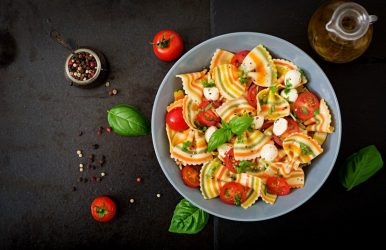
There are more than 350 different shapes of pasta; it also comes in various forms, such as dried, fresh, or dumpling pasta. Each kind is suitable for a different dish, such as Penne for Penne Arrabbiata and lasagne sheets for lasagne.
It's easy to see why pasta is a multi-million dollar business in Italy. It's versatile and works with meat, vegetables, and even dessert (vermicelli) dishes. It doesn't need a lot of flavoring either; you just need to add a sauce and some cheese, and you are good to go.
Pasta is an excellent source of carbohydrates; it's filling and affordable. If you are watching calories, you may opt for the whole-grain variety.
Read Also: Exploring The Allure Of Holiday Getaways In Italy
Olive Oil
Olive trees are grown across Italy, with some of the best coming from Liguria and Tuscany, so it's no surprise that most Italian dishes call for olive oil. The oil is high in monounsaturated fatty acids, which can help lower your cholesterol levels. It also has excellent antioxidant and anti-inflammatory properties.
So, what's the difference between virgin olive oil and extra virgin oil? Simply put, extra virgin oil goes through less processing and thus retains more of its natural antioxidants and vitamins. Virgin olive oil also has a higher free acidity rating (0.8 - 2.0) than extra virgin olive oil ( less than 0.8). For authentic Italian olive oils, check out Dolceterra (visit website).
Tomatoes
Even though tomatoes are not native to Italy, they are firmly at the center of Italian cooking. There are different uses for different kinds of tomatoes; cherry tomatoes are great for salads or stuffing, like in a Caprese stuffed mozzarella, while plum tomatoes make the best sauces.
Using tomatoes is not just one of the easiest ways to flavor food; think of spaghetti bolognese. Tomatoes are also known to ease inflammation and boost your immune system; they taste great, too.
It's also an excellent preservative. Tuscan cooking is based on limiting food wastage; in historical times, leftover meats were cooked with tomato to preserve them and give them more flavor.
And, what is a pizza without a tomato sauce base? We can see why tomatoes have become so central to Italian cuisine.
Basil
Basil is a flavorful African and Asian herb that comes in different varieties. It is very popular in pasta sauces; hence, we associate it with Italian cooking. Most tomato sauce recipes call for fresh basil, and it is also used in pesto. Basil oil can be used as part of a bread dip or to flavor vegetables. Basil vinegar is excellent in salads as well. Fresh basil is the most flavorful, so it's better to use it.
Basil works well with other herbs, such as rosemary, oregano, and dill; this is also applicable in planting. You can plant basil alongside dill, cilantro, and chives. The great thing about basil is that it's easy to grow and doesn't need much space.
Cheese
Due to new research and eating trends, dairy products have been getting a bad reputation recently. Despite this, we still love our cheese, and what would a pizza be without mozzarella cheese? Cheese is an integral part of Italian cooking, with several famous cheeses made in the country. Mascarpone for tiramisu, fontina for a fondue and Parmigiano Reggiano for pasta.
Cheese adds flavor to the pasta's starchiness and helps bind ingredients together in sauces. It also contributes to the texture of the sauce. You can also serve cheese on its own on a cheese board paired with great wine; while this is not authentically Italian, it does show how versatile cheese is. Most cheeses are an excellent source of calcium, and they also have protein.
Wine
Wine is fundamental to Italian cuisine and not just for drinking; think of Cioppino, which needs it as a key ingredient.
Here are a few tips when pairing wine:
Chianti is very compatible with tomato-based sauces. So, it goes well with pizza and creamy tomato pasta.
A cabernet-sauvignon elevates the flavor of aged cheeses.
Pair a provincial dish with a regional wine.
Lastly
Italian cuisine is not complicated, and we love it; you can make the most straightforward meal, which will be delicious. Most meals are made with fresh ingredients, which makes them healthier and tastier. You can integrate Italian meals into most eating plans without feeling guilty.
Read Also:
Common Pitfalls Of Destination Wedding In Italy And How To Avoid Them
How Much Time To Spend In Italy
Best Places To Visit In Italy
This time, our journey takes us to Lake Como, situated in the foothills of the Swiss Alps. The beautiful lake has been in the news recently for being the “Muse” for Chanel’s cruise 25/26 show.
Nevertheless, the pristine waters of the lake, quaint towns, and stunning villas here teach us the art of slow traveling. You can just sit by the water, relax, and soak in the moment by doing nothing.
Furthermore, the journey from Milan to Lake Como is an experience in itself. You will love the scenic views, cultural exploration, and more during the trip.
Which Month Is Best In Milan? Learn The Best Time From A Milan To Lake Como Journey
April to May and September to October are the best months for a Milan to Lake Como trip. June to August is very hot and humid in Milan, with temperatures peaking at over 30 degrees Celsius in July.
Furthermore, the winter months in Milan are damp and chilly. However, the opera season at La Scala runs from November to December, and Christmas and New Year celebrations continue through December and January.
So, you can plan a visit in these months to soak in the festive fervor of Northern Italy.
Do you want to know more about the weather conditions in Milan? Have a look at the table below.
Months Highest Temperature (°C) Lowest Temperature (°C) Days of Rainfall January 8 2 6 February 11 4 4 March 16 8 5 April 18 10 8 May 25 15 8 June 28 17 7 July 31 20 5 August 30 21 6 September 25 17 6 October 17 13 7 November 12 7 6 December 8 2 6
What Is The Milan To Lake Como Distance? How Do I Get To Lake Di Como From Milan?
The distance between Milan and Lake Como is approximately 50 kilometers (31 miles). You can complete the journey within an hour.
Also, the journey offers you a seamless transition from the bustling city of Milan to the tranquil beauty of Lake Como.
1. Milan To Lake Como Train
A train ride from Milan to Lake Como is convenient, and the journey offers stunning scenic views as the train passes through small villages and lush greenery.
You can take the regional train running from Milano Centrale or Milano Porta Garibaldi to Como San Giovanni, the primary station in the city of Como.
The train ride takes approximately 40 minutes.
However, you can also take a EuroCity Milan to Lake Como high-speed train from Milano Centrale to Como San Giovanni Station. These trains take close to 36 minutes (some trains may take longer).
What Is The Milan To Lake Como Train Time?
Have a look at the table below to learn about the train timings.
Slow Trains Faster Trains Departure from Milano Centrale Arrival at Como San Giovanni Departure from Milano Centrale Arrival at Como San Giovanni 06:43 AM 07:22 AM 7:10 AM 7:52 AM 06:55 AM 07:44 AM 8:10 AM 8:47 AM 07:43 AM 08:22 AM 9:10 AM 9:47 AM 08:43 AM 09:22 AM 10:10 AM 10:56 AM 09:43 AM 10:22 AM 11:10 AM 11:47 AM 10:43 AM 11:22 AM 1:10 PM 1:47 PM 11:43 AM 12:22 PM 3:10 AM 3:47 PM 11:55 AM 01:18 PM 4:10 PM 4:47 PM 12:43 AM 1:22 PM 5:10 PM 5:47 PM 12:55 PM 2:18 PM 6:10 PM 6:47 PM 1:43 PM 2:22 PM 7:10 PM 7:47 PM 1:55 PM 3:18 PM 2:43 PM 3:22 PM 2:55 PM 4:18 PM 3:43 PM 4:22 PM 3:55 PM 5:18 PM 4:43 PM 5:22 PM 4:55 PM 6:18 PM 5:43 PM 6:22 PM 5:55 PM 7:18 PM 6:43 PM 7:22 PM 6:55 PM 8:18 PM 7:43 PM 8:22 PM 8:43 PM 9:22 PM 9:43 PM 10:22 PM 10:43 PM 11:22 PM
How Much Is A Train Ticket From Milan To Lake Como?
The Milan to Lake train ticket price starts from $7 (2nd Class/Standard), and for the first class tickets, you will need to pay $10.
After reaching the Como San Giovanni station, you can take public transport or explore the city on foot.
You will love the towns by the shore of Lake Como, including Bellagio, Varenna, and Tremezzo.
2. Milan To Lake Como Day Trip By Car
A Milan to Lake Como drive is the best option if you want to enjoy the journey at your own pace.
Traffic conditions keep differing. However, the journey by road typically takes around 1 hour and 15 minutes on average.
Furthermore, as you advance following the A9 motorway, you will find the mesmerizing views of the Alps on one side and the appeal of Lake Como on the other side.
However, the roads around the lake can be winding and narrow sometimes. So, be careful with the navigation.
Also, don’t forget a stopover at Manza and Pavia. Manza has Autodromo Nazionale Monza, a popular Formula 1 race track.
Pavia, on the other hand, is home to the Certosa di Pavia. It is a noted Carthusian monastery, popular for its artistic and historic heritage.
3. Milan To Lake Como By Bus
You can take a bus from Milan to Lake Como. It is the cheapest way to reach Lake Como from Milan.
However, the journey takes around 2 hours, and the buses depart from the Lampugnano station, running to Como and various lakeside towns.
4. Milan To Lake Como By Boat
If you want to make your journey from Milan to Lake Como more meaningful, you can take a train to Varenna and take a ferry from there to Como.
You can also take a ferry ride to Bellagio.
The boat ride is beautiful, and you will love gliding through the turquoise waters.
Is Lake Como Worth Visiting? Know What To Do In Lake Como
Once you reach Lake Como, you can also visit the following places and enjoy several water activities.
1. Visit The Como City
The largest city on the lake, Como, has a stunning lakeside promenade, historic architecture, and vibrant atmosphere.
Furthermore, it is home to the Como Cathedral. The cathedral stands out thanks to its Renaissance and Gothic architecture.
Also, you will love the cafes, restaurants, and shops throughout the historic center.
Moreover, don’t miss a funicular railway ride to the hilltop town of Brunate. You will love the panoramic views of Lake Como and the surrounding mountains from there.
Additionally, for a taste of local culture, visit the Tempio Voltiano, a museum dedicated to the life and work of Alessandro Volta, the inventor of the electric battery, who was born in Como.
2. Explore Bellagio
Historic villas
Cobblestone streets
Scenic beauty
All these make Bellagio the “Pearl of Lake Como.” Also, it is located at the juncture of the two arms of Lake Como.
So, you will enjoy a stroll along the narrow and winding alleys of Bellagio, piazzas, and lush gardens.
Moreover, for an idyllic experience, you must visit the surrounding gardens of Villa Melzi.
Also, you can explore the gelato stands, cafes, and boutique shops. You can even cycle the surrounding hills, go hiking, and take part in water sports.
3. A Trip To Varenna
Varenna is one of the best towns to visit in Lake Como. This town on the eastern shore of Lake Como exudes the quintessential romantic charm and a laid-back vibe.
Also, it is an ideal destination for Instagrammable tours in Italy. It has a beautiful waterfront and colorful buildings.
Moreover, Villa Monastero, with its beautiful gardens, and Castello di Vezio, a medieval fortress overlooking the town, are some iconic landmarks here.
4. Water Activities
Do you want some serious adventure at Lake Como? Try the following activities.
Sailing
Kayaking
Paddleboarding
5. Dining On Lake Como
It’s a sin not to try fresh lake fish, such as perch and trout, when you are at Lake Como. You will love these delicacies after a Milan to Lake Como journey, and these dishes served with polenta do the real magic.
You will also love risottos here and look for the best Italian wines.
Do you want a more luxurious experience? You can try fine dining at any of the Michelin-starred restaurants in the nearby towns. Enjoy the delicacy while enjoying the amazing views of the lake.
Milan To Lake Como: Frequently Asked Questions (FAQs)
Here are the frequently asked questions and answers about the Milan to Lake Como journey.
1. Is 1 Day Enough For Lake Como? Yes, one day is enough if you want to explore the nearby towns and try out the water activities. However, if you want to know about the local culture, you can stay longer. 2. What Is The Best Way To Travel From Lake Como To Milan? Taking a superfast train from Milan to Lake Como is the best way to travel. The travel time is less than 40 minutes, and the ticket prices start from $7. 3. Is Lake Como Expensive To Visit? Yes, Lake Como is considered one of the best places for high-end tourism in Italy. However, you can plan a stay in areas such as Lecco and visit the lake during the shoulder seasons to avoid the extra cost. 4. How Many Days Do You Need In Lake Como? You can go for a day trip from Milan to Lake Como. However, if you have hiking plans and if you want to visit even the smaller villages, you will need at least three to five days. 5. What To Visit In Milan In 2 Days? The places to visit in Milan in 2 days are Duomo, Galleria Vittorio Emanuele II, the Navigli district, and Sforza Castle. 6. How Many Days In Milan Is Enough? You need at least two to three days to visit the major attractions in Milan. 7. What Is Special In Milan? Milan stands proud as the global epicenter of luxury fashion. Names such as Versace, Prada, Valentino, and Armani call Milan their home. 8. Is It Worth Going To Lake Como From Milan? Yes, the Milan to Lake Como journey is easy, and it offers a welcome relief from the hustle and bustle of Milan. Also, you will love the scenic views along the journey.
The best pasta!
Ruins that tell century-old stories!
Winding cobble streets that exude the perfect dark academia vibe!
The most luxurious villas and accommodations!
And sprezzatura, or the quintessential Italian sophistication!
All these things and more await you in Italy, and Italy never ceases to amaze you, as Mary Shelley said, “The Name of Italy has magic in its very syllables.”
So, it is no wonder that tourism in Italy is still going strong in 2025, and going by the predictions and data of the World Travel & Tourism Council (WTTC), Italy is all set to host WTTC’s 25th Global Summit from 28th-30th September, 2025, and break all tourism records.
WTTC is confident that:
Tourism in Italy will contribute € 237.4 billion to the Italian economy in 2025.
It will support 3.2 million jobs in 2025, and the number is 100000 more than in 2024.
From Daniela Santanchè, the Minister of Tourism in Italy, to Julia Simpson, the president and CEO of WTTC, everyone is proud and confident about the scenario. Julia Simpson has even mentioned,
“Italy is back at the top of travellers’ wish lists and for good reason. From the timeless beauty of Rome to the elegance of its coastlines, and countryside, Italy offers a unique experience steeped in history, culture, and exquisite luxury.”
However, overtourism still remains a concern, leading to visa rejections. So, in case you cannot visit Italy right now, you can always explore the countries near Italy.
With Italy at the heart of southern Europe, you can prepare for a greater European adventure by visiting the neighboring countries. Let’s tour and travel to France, Switzerland, Croatia, and other beautiful countries.
What Are 5 Countries Near Italy? What Are The Enclaved Microstates?
I will begin this section with a brief of the countries in Italy in a table format, and then discuss the borders and why you will love visiting these countries.
The five countries near Italy are 1. France, 2. Switzerland, 3. Austria, 4. Slovenia and 5. Croatia. The two enclaved microstates are San Marino and the Vatican City.
Countries Near ItalyBorder TypeBorder LengthPopular Entry PointsWhy Visit?FranceLand515 kmVentimigliaMont Blanc Tunnel• French Cuisine• Art and Museums• French Sophistication and Fashion• French Wine• The Beauty of Southern France, including the French Riviera and ProvenceSwitzerlandLand740 kmChiasso Simplon Pass• Lakes• Scenic Train Rides• Alpine Beauty• Swiss Chocolates• The 13th Happiest Country in the World**AustriaLand430 kmBrenner Pass• The 17th Happiest Country in the World**• Baroque Cities• Classical Music• The Land of Wolfgang Amadeus Mozart• Alpine Villages• Operas• Winter SportsSloveniaLand200 kmNear TriesteNova Gorica• Greenest Capital• Underground Wonders• Affordable DestinationCroatiaMaritime600 kmEastern Adriatic• Medieval Towns• Beautiful Coastlines• Dubrovnik’s Old TownSan MarinoEnclaved microstateN/AN/A• The Oldest Republic in the World• Built in 301 AD• Mount Titano• Guaita, Cesta, and Montale Towers• Unique Cultural Identity, even during the Italian Unification Movement in the 1800s• Tax-Free Shopping• A Country with No National DebtVatican CityEnclaved microstateN/AN/A• Home to the Pope• The Administrative and Spiritual Center of the Roman Catholic Church• The Vatican Museums• St. Peter's Basilica• The Sistine Chapel
** (Source: The World Happiness Report 2024)
1. France – The Most Visited Country In The World
1.4 billion!
Yes, that’s the number the World Tourism Barometer from UN Tourism has quoted for the number of international travelers to France in 2024.
The Summer 2024 Olympic and Paralympic Games have been two major factors behind the tourism boom, and France 24 has mentioned that France witnessed a year-on-year tourism growth of 12%.
However, France exudes a timeless appeal. The Eiffel Tower, luxurious tourism in Provence, the best wine and cheese! France is about all of these and even more!
Furthermore, the French-Italian border passes through the majestic Alps. It is one of the most breathtaking train rides or scenic drives in Europe.
Why Visit France?
Imagine yourself sitting in the balcony of a posh château in Nice or a luxury villa in Provence and sipping the best rosé wine. And of course, the glamor of the French Riviera!
French never ceases to amaze you. Moreover, Paris, the French Capital itself, offers iconic landmarks and the perfect French romance.
Tour And Travel Blog Bucket List Moments In France
Drive along the Côte d’Azur, stopping in Monaco, Cannes, and Saint-Tropez.
Visit Mont Blanc, the highest peak in Western Europe.
Spend a weekend in Paris, exploring the Eiffel Tower, the Louvre, and quaint street cafés.
UNESCO World Heritage Sites In France
Canal du Midi, etc.
Palace of Versailles
Our Lady of Chartres Cathedral
Cathédrale Notre-Dame d'Amiens
Mont Saint-Michel
2. Switzerland – The Land Of Eternal Ice And Romance
Have you experienced the flamboyance of Italy? It’s time to experience the charm of Switzerland, amidst ice and pristine lakes, mountain villages, and beautiful mountains.
Furthermore, blessed with the majestic Alps, Switzerland is a year-round destination, and once you explore the Switzerland Tourism official website, you will notice that the tourism attractions are as vivid as they can get.
Why Visit Switzerland?
Hop on a train from Milan and be in the snow-capped town of Zermatt or the luxury hub of Zurich in just a few hours.
Furthermore, Switzerland has the Matterhorn, a pyramid-shaped silhouette, and the most photographed mountain in the world. Also, Switzerland allows you to participate in adventure sports in Interlaken and the Bernese Oberland.
However, beyond every major attraction, it is the sustainable approach in Swiss tourism that wins me over every time.
The country has:
A total of 20 national parks
The designation as the water castle of Europe, with 6% of the fresh water reserve of the European continent
11,000 trains plying daily on SBB’s network, carrying 1.1 million passengers every day, ensuring sustainable travel even to the remote locations in Switzerland
Focus on recycling
Switzerland is one of the European countries that has the “lowest concentrations of particulate matter.”
Tour And Travel Blog Bucket List Moments In Switzerland
Take the Glacier Express for a panoramic train ride through the Alps.
Explore Lake Geneva and enjoy wine tasting in the Lavaux Vineyards.
Ski or hike in the Jungfrau region.
UNESCO World Heritage Sites In Switzerland
Aletsch Glacier
Convent of St. John Müstair
Bellinzona
Bern
Jungfrau, etc.
3. Austria: The Land Of History, Culture And Alpine Scenery
Austria is one of the most peaceful countries in the world. It has Vienna and Salzburg and many other world-class cities, and at the same time, it is the homeland of Strauss and Mozart.
It is also the birthplace of the Vienna Philharmonic Orchestra. Even today, Austria remains one of the cultural hotspots of Europe, thanks to its distinct coffee culture and the Salzburg Festival.
Furthermore, the Baroque and Romanesque architectural marvels of Austria add a unique visual appeal.
Once again being dominated by the Alps, Austria is a favorite destination for winter sports.
Why Visit Austria?
Along with the tourism attractions and the cultural extravaganza, Austria impresses us with its quality of life. The signature Austrian cleanliness, a well-developed and reasonable public transportation system, a strong legal system, and a low crime rate make Austria a safe tourist destination, even for solo female travelers.
Tour And Travel Blog Bucket List Moments In Austria
Visit Vienna’s grand Schönbrunn Palace and enjoy a classical concert.
Explore the storybook town of Hallstatt.
Ski in the Tyrol region.
Hike through the Austrian Alps in summer.
UNESCO World Heritage Sites In Austria
Welterbe Semmeringbahn (Info-Zentrum)
Vienna
Wachau
Salzburg
Schönbrunn Palace
Graz, etc.
4. Slovenia: A Country With A Green Capital
Ljubljana, the capital of Slovenia, is one of the greenest capitals in Europe. Further, it has iconic historical landmarks such as Ljubljana Castle.
Furthermore, Slovenia has Lake Bohinj, the largest natural lake in Slovenia and one of the most popular tourist destinations.
Also, Slovenia promotes an active tourism culture with activities such as cycling, water sports, and hiking.
Why Visit Slovenia?
Austrian cleanliness
Croatian coastal vibes
Italian warmth
Slovenia offers you all of these. Furthermore, Slovenia celebrates sustainable travel practices. The country has a national Green Scheme, and it is using technology to a great extent to make the travel scenario more eco-friendly and inclusive.
For example, the National Intelligence System for Tourism follows a data-driven approach to manage tourist inflow, avoid overtourism, and minimize the impact on the environment.
Furthermore, to balance visitor demands and environmental benefits, the hospitality sector in Austria follows eco-friendly practices.
So, it is no wonder that Slovenia, one of the closest countries near Italy, is called the Green Country.
Tour And Travel Blog Bucket List Moments In Slovenia
Row across the emerald waters of Lake Bled and visit its fairytale island church.
Wander around Ljubljana, one of Europe’s greenest capitals.
Explore the Postojna or Škocjan caves — massive underground wonders.
UNESCO World Heritage Site In Slovenia
Škocjan Caves
Heritage of Mercury
Plitvice Lakes National Park
The works of Jože Plečnik in Ljubljana – Human Centred Urban Design
5. Croatia – The Land Of Game of Thrones
“The most amazing set where I've shot 'Game of Thrones' is definitely Croatia, in Dubrovnik. It's such a stunning country with lots of good watersports there as well. Just a beautiful, beautiful place.”
- Natalie Dormer
All GOT fans! Can we not agree with what Margaery Tyrell has to say?
Croatia is perfect not only for those seeking the Sun but also for those interested in history.
It’s where Roman ruins meet Game of Thrones locations and beach days flow easily into lively nights.
Why Visit Croatia?
Croatia may not make headlines for exceptional tourism booms this year. However, as a Balkan paradise, Croatia, one of the countries near Italy, stands strong with its smart adjustments in seasonal offerings.
Dubrovnik, especially, a UNESCO World Heritage Site, is a favorite cruising destination thanks to its medieval structures and city walls.
It is trying to avoid the curse of overtourism with a sustainable approach and by promoting active tourism with outdoor activities such as hiking, ATV adventures, and cycling.
Moreover, Dubrovnik does not allow more than 4000 tourists on cruise ships. So, you must visit Croatia to see the fusion of Adriatic charm and sustainable tourism practices.
Tour And Travel Bucket List Moments In Croatia
Sail around the Dalmatian coast, stopping at islands like Hvar and Vis.
Visit Dubrovnik’s Old Town.
Explore Plitvice Lakes National Park, with its cascading waterfalls and scenic trails.
UNESCO World Heritage Sites In Croatia
Diocletian's Palace
Saint James’ Cathedral
Euphrasian Basilica
Trogir, etc.
6. San Marino: The Oldest Republic In The World
San Marino is one of the world’s oldest republics. Nestled entirely within Italy, tourists often skip this microstate, but it’s absolutely worth the detour.
Why Visit San Marino?
Besides bragging rights ("I visited a whole other country inside Italy!"), San Marino has medieval towers, and views from the mountaintops are stunning, with a pretty, unexpectedly vibrant cultural scene.
Tour And Travel Blog Bucket List Moments In San Marino
Climb to the top of the Guaita Tower for panoramic views.
Stroll the cobbled streets and explore the State Museum.
Time your visit with one of the many medieval festivals.
UNESCO World Heritage Sites In San Marino
The San Marino Historic Centre and Mount Titano is the UNESCO World Heritage Site in San Marino.
7. Vatican City: The Home Of The Pope
The Vatican is a country in its own right. While most people associate it with religion, the Vatican is also a cultural treasure chest.
Why Visit Vatican City?
Whether you’re spiritual or not, the Vatican holds some of the world’s most important art and architecture. And it’s an easy stop during any trip to Rome.
Tour And Travel Blog Bucket List Moments In The Vatican City
Marvel at the Sistine Chapel ceiling, painted by Michelangelo.
Visit St. Peter’s Basilica and climb to the dome.
Take a guided tour of the Vatican Museums for a deeper dive into history.
Frequently Asked Questions (FAQs) About The Countries Near Italy
Here are the frequently asked questions and answers about the countries near Italy.
1. Which Countries Near Italy Are The Most Beautiful? All the countries near Italy are beautiful. However, Switzerland is the most beautiful if you solely consider the scenic beauty, thanks to the Alpine grandeur. Furthermore, the Adriatic beauty, Croatia, has the most amazing coastline, and Slovenia looks serene with its lakes. 2. Which Countries Near Italy Have The Most Tourists? France, of course, is the Italian neighbor with the largest number of tourists. It is the most visited country in the world, and in 2024, it welcomed 1.4 billion international tourists. Croatia is another country that has a handsome tourist inflow, with the number of visitors reaching 21.3 million in 2024, according to Xinhua. 3. What Are The Most Peaceful And Less Crowded Coutries Near Italy? Austria and Slovenia are the most peaceful and least crowded countries near Italy. Despite a handsome tourist flow, the sustainable and technology-driven approach of these countries in tourism management helps them offer the most peaceful experience. San Marino is also quite peaceful, provided you avoid the peak seasons and plan a trip in the autumn or spring seasons.