

What Is A Good Time To Visit Italy To Have  A Great Time? 

May 30, 2024

Last Updated on: Sep 22, 2025

Italy

Are you thinking about taking a trip to Italy? It’s a beautiful country with so much to offer!  

If you’re wondering when the best time to visit is, I’ve got some insights for you.  

Typically, a good time to visit Italy is when the high season runs from May to September. This is when the weather is at its finest, and everything is in full swing. 

That said, be prepared for larger crowds.  This is when most tourists flock to the stunning sights of Italy.  

If you’re looking to explore the famous Venetian canals, I’ll share some valuable tips and recommendations to help you plan an unforgettable experience.  

Whether it’s your first visit or a return trip, Italy is sure to capture your heart!  

Let me share with you the best and worst times to visit Italy and how you should plan your trip. I am here to share with you some of the best places in Italy and how to experience them if you know the best time to visit.

How To Plan For A Trip To Italy: Get To Know What Is A Good Time To Visit Italy!  

How to Plan for a Trip: Remember the weather in Italy

Do you know what the weather is like in Italy in October? If you are planning to visit, let me share with you the kind of weather you might get in October! Are you picturing beautiful Italian beaches, vineyards, or canals?

But to experience these beauties, you need to know all about the crowd size, weather, and cost related to the trip. If you want to avoid the crows, you can visit between March and April and October to November.

Apart from the time, it is also important to consider the type of vacation you are planning. For your next Italian getaway, read the blog in detail to learn more about the factors to consider when planning a trip.

What Is A Good Time To Visit Italy? 

Best Time to Visit Italy for Less Crowds

If you want to avoid crowds in Italy, I just have one advice for you.  You should not go during these three months:  

  • June 
  • July 
  • August 

During the summer holidays, visitors like you and me can enjoy Italy to the fullest. Considering the low traffic, you will find good weather and fewer crowds during this time.

Furthermore, you can enjoy some of the best places that will offer you an amazing dose of culture. Let me tell you that what we know as the high season of Italy is from May to September. And what’s more, the time keeps extending every year.

Another time you need to avoid is winter because there are huge crowds. Italy’s winter temperature is somewhere around the 40s and 50s in the south.  

This gives you a perfect, warm, Mediterranean, and sunny vibe. You might also get snow in the country’s north during this time. 

So, if you are planning to visit during winter, it might not be conducive to experiencing some of Italy’s best times. However, if you really want to go during this time, you can go to an Alpine ski town such as Cortina D’Ampezzo, where there are several piazzas and hotels.

What Is A Good Time To Visit Italy For Pleasant Weather? 

Best Time to Visit Italy for Good Weather

If you want to visit Italy to enjoy good weather, let me share some of the important aspects to consider. If you love the sun, you should visit during the months of July and August, as the temperature soars then.

It is a completely rain-free summer, so you can enjoy it to your heart’s content. However, several places in Italy can make tourists very uncomfortable. In southern cities such as Naples and Rome, temperatures can go as high as 100 degrees.

 I like the sun, but I am also heat-sensitive, so if you are also heat-sensitive, you should avoid the peak summertime weather in these places. You can also visit the Naples Italy beaches during early fall and late spring to experience balmy beaches and sunny skies but no heat.

This is the ideal time; the months of September and May are perfect for you to visit the country’s southern area. Hence, going on walking tours across the historic cities and towns, swimming and sunbathing in the coastal areas; however, in the city, the temperature goes up to 70s and 80s.

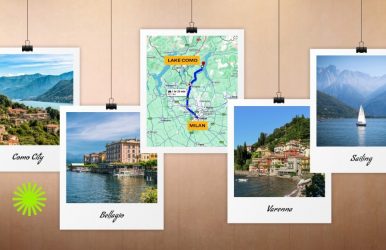
Another place that is perfect for visiting even during summer is northern Italy. This place is quite elevated, and Lake Como is perfect to visit during summer, as the temperature is about 60s and 70s during June, July, and August.

What Is A Good Time To Visit Italy To Cruise The Mediterranean? 

If you’re thinking about cruising the Mediterranean, the sweet spot really is from mid-May to early October.  

Just a heads up, though. If you want to avoid the hustle and bustle, try to steer clear of July and August.  

Those months usually bring in a wave of tourists to Italy. And guess what? All of them are eager to soak up the sights and sun. Summer can get pretty steamy, with temperatures soaring to around 40ºC.  

While it’s perfect for lounging by the pool or hitting the beach, wandering through charming coastal towns can feel a bit overwhelming in that heat.  

If you can, plan your trip for the shoulder months— 

  • May 
  • September 
  • October 

You’ll enjoy more comfortable weather and a more laid-back experience, making it much easier to appreciate the beauty around you. 

Where Must You Visit When On A Vacation In Italy? 

When you are planning an itinerary for your vacation in Itaky, make sure you include the places as well:   

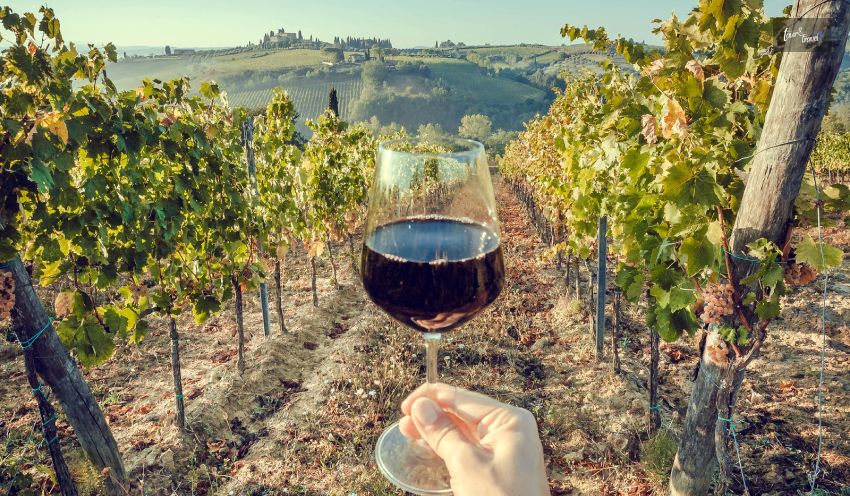
Visit the Wine Country of Italy

Visit the Wine Country of Italy

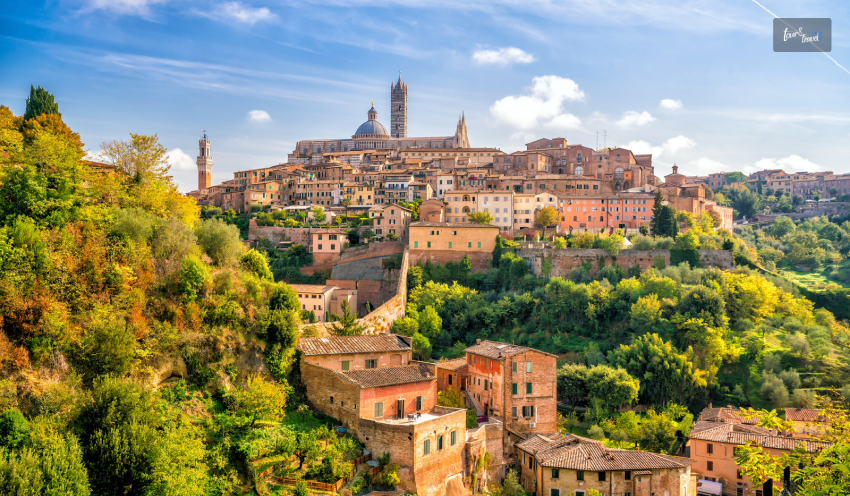
Italy has some beautiful wine regions, such as Tuscany, so when you visit these places, you will feel like a different world. The ideal times you want to see the wine countries are early fall and early spring.

You can visit to see the grape harvest in September and October. If you are a wine lover, this is the most exciting time to visit Italy. Just like in Italy, I have also written a blog on how many days in Venice you need to spend! Please give that a read!

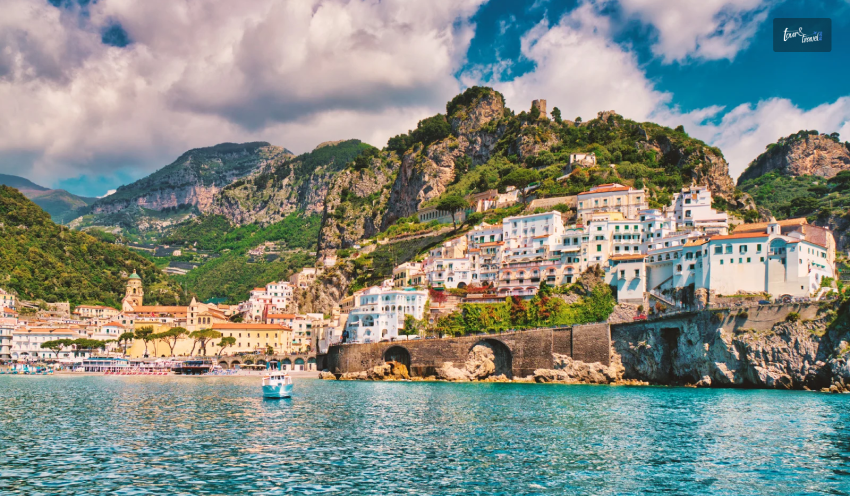
Visit the Italian Coast of Italy

Visit the Italian Coast of Italy

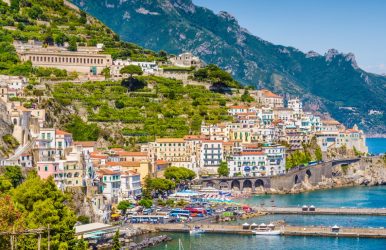
The Italian Coast is a perfect place for you if you are a beach lover! Summer, autumn, and spring are the best times if you are planning to visit Italy. When you visit the coastal towns on the Italian coast, including Manarola, Positano, Sorrento, Portofino, Ravello, and more, you have some of the best times of your life.

Try to avoid summer and spring while visiting the Italian Coast because everyone will have the same idea of taking a beach chair and umbrella and sitting at the beach. Yes, you will see that the rental costs are exorbitant.

In addition, the crowds increase significantly during the day, along with the noise. If you want to escape the noise, you can go to the smaller villages, which are situated much closer to the beach, such as Terlizzi in Puglia.

So, how is the weather in Italy in October? In these smaller villages, you get warm water throughout late October, plus the surroundings are quite peaceful!

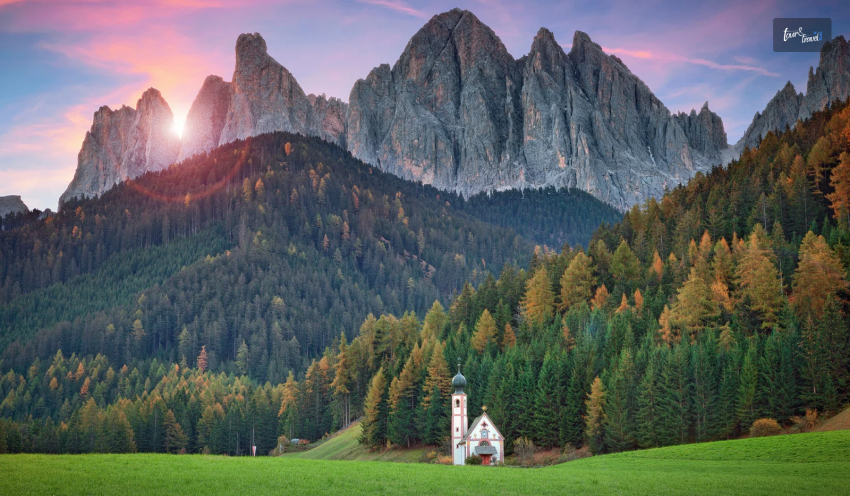
Visit the Dolomites of Italy

Visit the Dolomites of Italy

One of the stunning places in Italy, the Dolomites in northeastern Italy, is beautiful and can be visited all year round. If you are interested in hiking, going on a walk across the trails of mountain views, or skiing, this is the perfect place for you.

You can hit the ski slopes in summer, winter, or even spring, enjoying the activity along with the beautiful mountain views.

What Are The Best Foods To Try In Italy? 

Best Foods to Try in Italy

The food culture in Italy is an enigma in the Western world! When visiting Italy, people experience gastronomical pilgrimages, so I would encourage you to plan the trip while keeping in mind the food culture.  

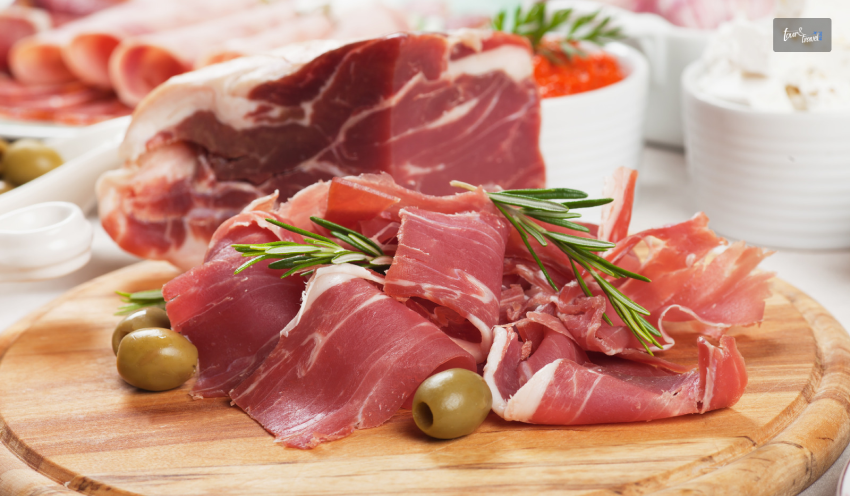
Several cities in Italy offer some of the best food, culture, experiences, and traditions. For example, Bologna is like a culinary metropolis where you can try balsamic vinegar, prosciutto di Parma, and Parmigiano Reggiano. Did you know that Bologna has the first food theme park in the world, Eataly FICO?  

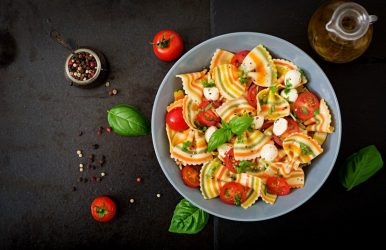
There is a place called Pasta Fresca Naldi where you can get hand-made pasta dishes. There are also takeout options. You must try several traditional dishes, such as tortellini in brodo and lasagna verdi.  

Another place, Palermo, is another beautiful place where you can get delicious food and thus experience the culture of Italy in true style. Even the architectural design of this place is heartwarming. When it comes to food, starting from parmigiana di melanzane to pasta con le sarde!  

Frequently Asked Questions ( FAQs ) 

1. What’s The Best Time To Go To Italy? 

The best time to visit Italy is during the shoulder seasons of April to May (spring) and September to October (early autumn). This time offers pleasant weather, fewer crowds, and lower prices compared to the peak summer months. 

2. Is March A Good Time To Visit Italy? 

Yes, March can be an excellent time to visit Italy, especially for those seeking fewer crowds and better prices, as it’s a “shoulder season” month before the peak summer season. 

3. Which Is The Nicest Part Of Italy To Visit? 

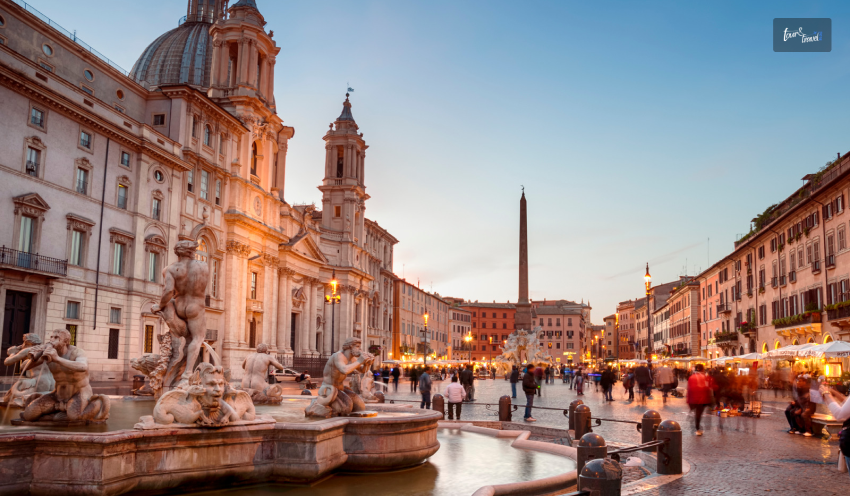
The best places to visit in Italy include the classic trio of Rome, Florence, and Venice. 

Wondering What Is A Good Time To Visit Italy? Now You Have It!  

In short, let me share with you that the weather in Italy in shoulder months is cooler than in the summer months, when the temperature is relatively mild.  

However, it depends on the region and how the temperature varies based on the surroundings.  

Yes, it can be expensive and busy from May to October. However, at times, there are places in Italy that October is perfect for visiting. The best places are Sicily and Campania when considering October as a month to visit Italy.  

Comment on what you think is the right time to visit Italy and why. 

Share on Social Media

Meet Sibashree Bhattacharya, a travel enthusiast who has a decade-long experience in transcending virtual barriers with her words! Her deep love for travel is apparent from her travel escapades to the mountain, often taking her readers on a journey, her words acting as Portkey! Fun fact: Sibashree loves to dive deep into the history of the places she is about to visit, making her travels even more wholesome. If you were wondering how her articles are not short of time travel, this answers it!

Leave a Reply

Your email address will not be published. Required fields are marked *

title-img Related

READ MORE card-img

Exploring The Allure Of Holiday Getaways In Italy

BY  Barsha Aug 11, 2023

When it comes to planning a holiday getaway, few destinations rival the charm and allure of Italy. With its rich history, breathtaking landscapes, mouthwatering cuisine, and romantic ambiance, Italy has captured the hearts of travelers worldwide. This article delves into why spending your holidays in Italy is an unforgettable experience, particularly when you rely on specialized agencies such as Italia Sweet Italia, that will take you to the most beautiful places and sample all the culinary delights. There are a lot of tourism agencies established in Italy through a shelf company or as a new entity that can offer a wide range of services. Italy has long captured the hearts of globetrotters, offering a perfect blend of history, art, and stunning landscapes. Among its many charming regions, Abruzzo and Puglia emerge as hidden gems, each with its distinct allure. Abruzzo: Where Nature and History Converge Exploring Abruzzo's Majestic Mountains Nestled in the Apennine Mountains, Abruzzo boasts breathtaking natural beauty. From the Gran Sasso peaks to the rugged beauty of the Majella National Park, this region offers a haven for hikers, nature enthusiasts, and adventure seekers. Tracing History through Medieval Villages Abruzzo's history comes to life in its medieval villages. Villages like Santo Stefano di Sessanio and Scanno transport visitors back in time with their cobblestone streets and ancient architecture. Exploring these villages offers a glimpse into the region's rich past. Savoring Abruzzo's Gastronomic Treasures No visit to Abruzzo is complete without indulging in its culinary treasures. Delight your taste buds with dishes like "arrosticini" - succulent skewers of lamb - and "maccheroni alla chitarra," a pasta specialty unique to the region. Puglia: A Coastal Gem Basking in Puglia's Stunning Beaches Puglia, on the other hand, lures travelers with its stunning coastline. Crystal-clear waters and golden sands await at beaches like Baia dei Turchi and Porto Selvaggio. Relaxing by the sea and soaking in the Mediterranean sun is a must-do here. Immersing in the Trulli Mystique Puglia's iconic Trulli houses in Alberobello are a sight to behold. These cone-shaped dwellings are not only charming but also carry historical significance. Exploring the narrow streets and staying in a Trullo provides a unique and immersive experience. Indulging in Puglia's Authentic Cuisine Puglia's cuisine is a celebration of fresh ingredients and traditional recipes. From the famous "orecchiette" pasta to the exquisite olive oil, the flavors of Puglia are deeply rooted in its agricultural heritage. Comparing Abruzzo and Puglia As you consider these two regions for your Italian getaway, let's compare their distinct features: Landscape Diversity: Mountains vs. Coastline Abruzzo captivates with its mountainous terrain, perfect for adventurers and nature lovers. In contrast, Puglia's allure lies in its expansive coastline, inviting travelers to relax by the sea. Architectural Marvels: Medieval Villages vs. Trulli Houses Abruzzo's medieval villages showcase architectural heritage, while Puglia's Trulli houses offer a unique glimpse into the past, making both regions historically intriguing. Culinary Delights: Gastronomic Contrasts Abruzzo's hearty dishes reflect its mountainous landscape, while Puglia's cuisine highlights its coastal bounty. Both promise an unforgettable culinary journey. Choosing Your Ideal Italian Getaway When deciding between Abruzzo and Puglia, consider your interests. Are you drawn to history, mountain vistas, and medieval charm? Abruzzo might be your match. If sandy beaches, turquoise waters, and unique architecture captivate you, Puglia could be your dream destination. Conclusion Abruzzo and Puglia await your exploration in the heart of Italy's enchanting landscapes. Whether you seek the rugged beauty of mountains or the soothing embrace of the Mediterranean coastline, these regions promise a holiday of captivating experiences, rich history, and unforgettable flavors. Read Also: Common Pitfalls Of Destination Wedding In Italy And How To Avoid Them How Much Time To Spend In Italy Best Places To Visit In Italy

READ MORE Italy

Trekking Italy: Essential Trails for Every Outdoor Adventurer

BY  Ankita Jan 5, 2024

Italy, a land synonymous with artistic heritage, culinary delights, and architectural wonders, also holds an alluring appeal for trekkers worldwide. From the rugged cliffs of the Amalfi Coast to the snow-capped peaks of the Alps, Italy's diverse landscapes offer a rich tapestry of trails. This guide takes you on a journey through some of Italy's most breathtaking trekking routes, each promising a unique blend of natural beauty, cultural encounters, and unforgettable experiences. The Majestic Dolomites: Alta Via 2 One cannot talk about trekking in Italy without mentioning the famed Alta Via 2. This trail, weaving through the heart of the Dolomites, is a haven for those seeking an exhilarating challenge. Amidst some of the most dramatic scenery in Europe. The Alta Via 2, stretching over 160 kilometers, is not just a trail. It's a journey through geological wonders and historical landmarks. As noted in a recent article on Bookatrekking.com, Alta Via 2 is a trek. It combines physical challenge with the awe-inspiring beauty of nature." Cinque Terre: A Coastal Delight Swap the high altitudes of the Dolomites for the serene beauty of the Italian Riviera by visiting the Cinque Terre. This network of trails connects five historic villages, each perched precariously on the cliffs overlooking the Mediterranean. The recent news highlights the restoration and maintenance efforts. It have made these trails more sustainable, preserving their beauty for future generations. Walking these paths, with their stunning sea views and picturesque villages, is like stepping into a living postcard. A local trekker recently shared, "Each village in the Cinque Terre is unique, and the trails. It connects them offer some of the most beautiful coastal views in Italy." Tuscany's Enchanting Trails Tuscany, a region celebrated for its art, history, and viticulture. It is also home to some of Italy's most charming trekking routes. The Path of the Gods, a relatively undiscovered gem, meanders through the quintessential Tuscan landscape of rolling hills, vineyards, and historic towns. This trail offers a peaceful retreat from the more crowded tourist spots, allowing trekkers to immerse themselves in the tranquility of the Tuscan countryside. As one local vintner puts it, "Walking through Tuscany is like walking through a living museum, with each step revealing a different story of the land and its people." The Volcanic Trail of Mount Etna For those seeking an adventurous trek, the journey to Mount Etna in Sicily is unparalleled. As Europe's highest and most active volcano, Mount Etna presents a unique trekking experience. The recent volcanic activities have only heightened its allure, drawing trekkers from across the globe. The trail takes you through a variety of terrains, from lush forests to barren lunar landscapes, offering a glimpse into the powerful forces of nature at work. The Historic Via Francigena The Via Francigena, an ancient pilgrim route that stretches from Canterbury to Rome, is a path steeped in history and spirituality. Recent efforts have revitalized this trail, making it more accessible to modern trekkers while preserving its historical significance. Trekking the Via Francigena is a journey through the heart of Italy's cultural and religious heritage, passing through medieval villages, ancient ruins, and stunning landscapes. A recent pilgrim shared, "The Via Francigena is more than a trail; it's a path that connects you to the soul of Italy." Trekking Tips for Italy Seasonal Planning: Timing is key when planning a trek in Italy. Spring (April to June) and autumn (September to November) are ideal, providing mild weather and avoiding the summer heat and the winter snow. During these seasons, the trails are less crowded, and the natural scenery is at its most vibrant. Environmental Responsibility: Adhere to sustainable practices by staying on marked trails and minimizing your environmental impact. Practice “Leave No Trace” principles to preserve the natural beauty of Italy’s landscapes. Local Flavors: Enhance your trekking experience by indulging in regional cuisines and wines along the way. While you may find English speakers in popular tourist areas, knowing some basic Italian can enhance your experience, especially in rural or less-touristed areas. Phrases for directions, accommodations, and food can be particularly useful. Preparation is Key: Equip yourself with proper gear and familiarize yourself with the trails before embarking on your journey. Stay Informed about Weather and Local Conditions: Weather in mountainous areas can be unpredictable. Check the local weather forecast and be prepared for sudden changes. Also, be aware of any local advisories or trail closures. Conclusion Italy, with its diverse landscapes and rich cultural tapestry, offers a plethora of trails that cater to trekkers of all levels. Whether it's the challenging peaks of the Dolomites or the scenic coastal paths of Cinque Terre, each trail promises a unique and memorable experience. As you explore these trails, you'll not only witness the stunning natural beauty of Italy but also connect with its deep-rooted history and vibrant culture. So, tie up your hiking boots and set out on an Italian trekking adventure that you'll cherish for a lifetime. Read Also: Roman Revelations: Unforgettable Things To Do In Rome, The Heart Of Italy! Tips For Planning The Perfect Getaway In A Rental Villa In Italy Exploring The Allure Of Holiday Getaways In Italy

READ MORE Italian cuisine

Unlocking The Secrets: Key Ingredients In Italian Cuisine 

BY  Ankita Feb 21, 2024

Italian cuisine is a hit in the United States; if you don't believe me, take a walk in Bensonhurst and Bay Ridge in Brooklyn, where you'll get more than a taste of the food, but experience the culture as well. Short of trekking through Italy, there are limited ways in which you can experience the magic of the country. One of those ways is through food. You could trawl through all the Italian restaurants and bistros in your neighborhood, or you could just cook some traditional dishes at home. Read on to learn more about Italian cuisine and some of its key ingredients. Popular Italian Dishes There are foods we have embraced and enjoy so much that we forget they originated from Italy. Here are a few examples of some that have become staple dishes. Pizza Pizza is the most famous Italian food, and it has won the world over; I mean, who doesn't love pizza? You can top your pizza with almost anything, but did you know the earliest pizzas were topped with garlic, lard, and salt? Lasagne Lasagne was initially reserved for special occasions during the Middle Ages; nowadays, we enjoy it as a filling meal with a salad or bread. Tiramisu This iconic Italian dessert means "pick me up" or “cheer me up” in Italian, understandably so. The sweet, fluffy, and light dessert that melts in your mouth will definitely lift your spirits. Cooking The Italian Way At the core of Italian cooking is the emphasis on fresh ingredients; most people buy packaged pasta and use canned tomatoes and condiments. Authentic Italian cooking requires fresh ingredients. While some may see Italian dishes as unhealthy because of their high-carb content, the opposite is true. Let's look at the key ingredients used in Italian cooking Pasta There are more than 350 different shapes of pasta; it also comes in various forms, such as dried, fresh, or dumpling pasta. Each kind is suitable for a different dish, such as Penne for Penne Arrabbiata and lasagne sheets for lasagne. It's easy to see why pasta is a multi-million dollar business in Italy. It's versatile and works with meat, vegetables, and even dessert (vermicelli) dishes. It doesn't need a lot of flavoring either; you just need to add a sauce and some cheese, and you are good to go. Pasta is an excellent source of carbohydrates; it's filling and affordable. If you are watching calories, you may opt for the whole-grain variety. Read Also: Exploring The Allure Of Holiday Getaways In Italy Olive Oil Olive trees are grown across Italy, with some of the best coming from Liguria and Tuscany, so it's no surprise that most Italian dishes call for olive oil. The oil is high in monounsaturated fatty acids, which can help lower your cholesterol levels. It also has excellent antioxidant and anti-inflammatory properties. So, what's the difference between virgin olive oil and extra virgin oil? Simply put, extra virgin oil goes through less processing and thus retains more of its natural antioxidants and vitamins. Virgin olive oil also has a higher free acidity rating (0.8 - 2.0) than extra virgin olive oil ( less than 0.8). For authentic Italian olive oils, check out Dolceterra (visit website). Tomatoes Even though tomatoes are not native to Italy, they are firmly at the center of Italian cooking. There are different uses for different kinds of tomatoes; cherry tomatoes are great for salads or stuffing, like in a Caprese stuffed mozzarella, while plum tomatoes make the best sauces. Using tomatoes is not just one of the easiest ways to flavor food; think of spaghetti bolognese. Tomatoes are also known to ease inflammation and boost your immune system; they taste great, too. It's also an excellent preservative. Tuscan cooking is based on limiting food wastage; in historical times, leftover meats were cooked with tomato to preserve them and give them more flavor. And, what is a pizza without a tomato sauce base? We can see why tomatoes have become so central to Italian cuisine. Basil Basil is a flavorful African and Asian herb that comes in different varieties. It is very popular in pasta sauces; hence, we associate it with Italian cooking. Most tomato sauce recipes call for fresh basil, and it is also used in pesto. Basil oil can be used as part of a bread dip or to flavor vegetables. Basil vinegar is excellent in salads as well. Fresh basil is the most flavorful, so it's better to use it. Basil works well with other herbs, such as rosemary, oregano, and dill; this is also applicable in planting. You can plant basil alongside dill, cilantro, and chives. The great thing about basil is that it's easy to grow and doesn't need much space. Cheese Due to new research and eating trends, dairy products have been getting a bad reputation recently. Despite this, we still love our cheese, and what would a pizza be without mozzarella cheese? Cheese is an integral part of Italian cooking, with several famous cheeses made in the country. Mascarpone for tiramisu, fontina for a fondue and Parmigiano Reggiano for pasta. Cheese adds flavor to the pasta's starchiness and helps bind ingredients together in sauces. It also contributes to the texture of the sauce. You can also serve cheese on its own on a cheese board paired with great wine; while this is not authentically Italian, it does show how versatile cheese is. Most cheeses are an excellent source of calcium, and they also have protein. Wine Wine is fundamental to Italian cuisine and not just for drinking; think of Cioppino, which needs it as a key ingredient. Here are a few tips when pairing wine: Chianti is very compatible with tomato-based sauces. So, it goes well with pizza and creamy tomato pasta. A cabernet-sauvignon elevates the flavor of aged cheeses. Pair a provincial dish with a regional wine. Lastly Italian cuisine is not complicated, and we love it; you can make the most straightforward meal, which will be delicious. Most meals are made with fresh ingredients, which makes them healthier and tastier. You can integrate Italian meals into most eating plans without feeling guilty. Read Also: Common Pitfalls Of Destination Wedding In Italy And How To Avoid Them How Much Time To Spend In Italy Best Places To Visit In Italy