
1. Southern California is an ideal destination for whale watching throughout the year. Furthermore, you can spot different species of whales at various times of the year. 2. Monterey Bay in Central California is the most prominent spot for whale watching. The deep submarine canyon makes it an ideal place for whale spotting. 3. The Gulf of the Farallones in Northern California is another important place for whale watching in California.
It is a unique combination of diverse marine life and a marine sanctuary. You can spot whales here from the month of December to May.
California is the best state in the USA for spotting whales.
Furthermore, according to the report of Ocean Today, “Today, nearly 24,000 gray whales continue their annual migration along the coast of North America, giving humans a glimpse of these majestic creatures that live in the deep.”
These whales come from the waters of Alaska, and they travel for 6000 miles to reach the Mexican bays in the winter.
The balmy bays and waters offer the ideal conditions for mating for these whales.
Furthermore, in the spring season, these whales take the calves to the north while traveling along the California coast.
What Are The Best Places For Whale Watching California?
If you are planning whale watching in California, you can wait for the most mesmerizing experience.
While gray whales are the prime attractions, you can also spot other types of whales and marine animals in California.
Blue Whales
Humpbacks
Dolphins
Orcas.
All these marine animals travel from north to south and vice versa along the coast every year.
Moreover, if you are a whale watcher, you will get many opportunities to spot this marine life from Dana Point to Mendocino.
However, each region offers a distinct attraction, and you have to make a timely visit to the right places.
So, what are the right places? Let’s find out, and here, I will start with a quick summary.
California Regions
Prime Viewing Spots
Peak Season
Target Whale Species
Southern
Dana Point Newport Beach San Diego
Year-Round
– Gray Whale in Winter – Blue Whale in Summer
Central
Monterey Bay Moss Landing Big Sur
Year-Round
– Humpback Whale – Blue Whale – Gray Whale Orca
Northern
Point Reyes Farallon Islands Mendocino
December to May
– Gray Whale – Humpback Whale – Orca
1. Southern California
Southern California is one of the best places for whale watching, as the whales take this route while returning to Alaska in the springtime.
Furthermore, in Southern California, the important spots for whale watching are:
La Jolla Cove
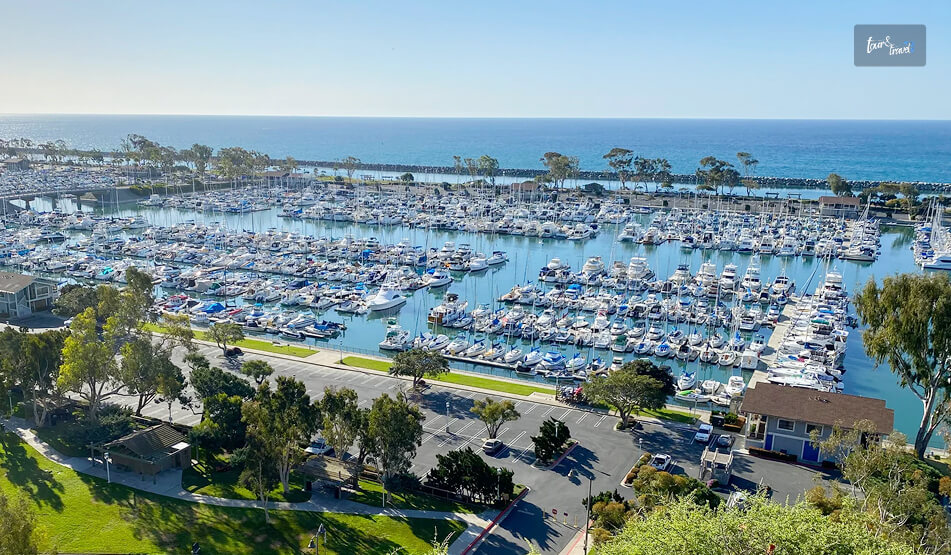
Dana Point
Channel Island
Moreover, the La Jolla Cove, among others, is a part of the San Diego-La Jolla Underwater Park Ecological Reserve.
Also, you can reach the La Jolla Cave after taking a 15-minute drive from the amazing Scripps Institution of Oceanography. This institute remains open to the public.
Best Time For Whale Watching In Southern California
Southern California is ideal for year-round whale watching. Here, I am quoting what Wesley Turner, a “former marine science educator associated with Newport Landing Whale Watching,” shared on Travel+Leisure.
She said,
“I do not believe there is a best time of year to come out whale watching in Southern California.”
She also added that different species of marine life rule the waters at different times.
Nevertheless, if you want to spot sea lions, dolphins, humpback whales, and gray whales in California, you must visit between January and April.
Again, May to September is the best time for spotting finback whales and blue whales.
Moreover, if you want to spot minke whales, you can plan a trip between May and September.
2. Central California
During a morning whale-watching tour from Monterey Harbor, humpbacks were visible within 20 minutes of leaving the dock.
The submarine canyon here goes up to 2.5 miles at its greatest depth, and it is the reason why Monterey is so rich as a marine mammal habitat.
Moreover, the canyon here is just offshore. So, you do not always need to get into the boat to spot marine life.
In fact, if you are doing a road trip around Big Sur, you can spot whales from the clifftop roads along the Pacific Coast Highway.
Prime shore-vantage points include the dramatic headlands of Point Lobos State Natural Reserve and the trail overlooks at Garrapata State Park.
The visibility from Point Lobos was surprisingly good, although binoculars helped considerably.
However, if you are planning whale watching from the cliff top, you will need patience. You can relax and dine in seaside restaurants such as Sierra Mar and wait for the whales or marine animals to appear.
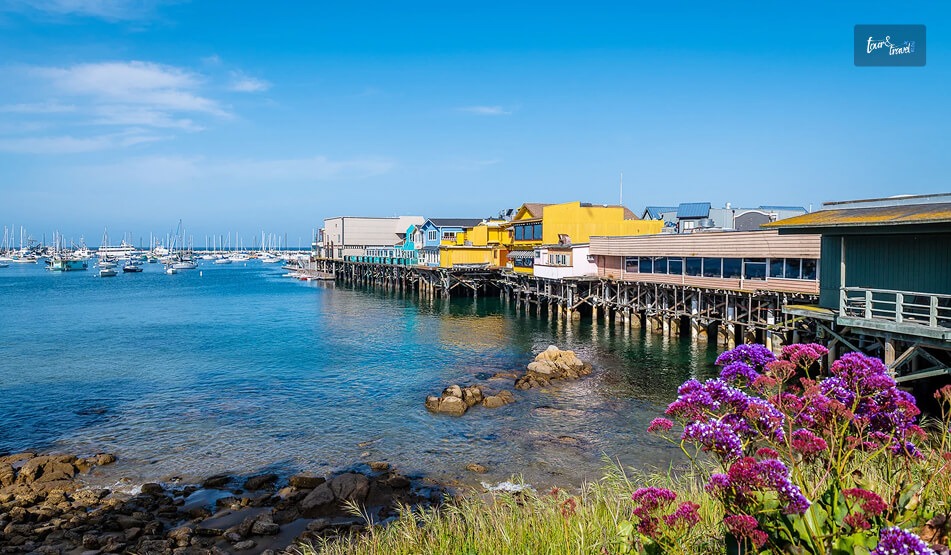
For a closer look, daily boat tours depart right from Old Fisherman’s Wharf in Monterey.
The Experience With Monterey Bay Whale Watch
Moreover, Monterey Bay Whale Watch is a company operated by Nancy Black. Nancy is a marine biologist, and she offers a four-hour excursion daily for spotting the whales.
She has worked with whales for 30 years. So, you know what kind of experience you have on board.
Her team specializes in tracking the bay’s famous spring Orca pods as they enter the canyon to hunt.
Moss Landing
Also, Moss Landing is the heart of the Monterey Bay, where the submarine canyon begins.
Because the deep water starts right at the pier, you can often see humpbacks feeding just off the beach, alongside the local sea otters of Elkhorn Slough.
In addition, San Simeon and Avila Beach are excellent vantage points in the region.
What Is The Best Time For Whale Watching In Central California
Monterey Bay, in the truest sense, is a year-round destination for whale watching. However, the best time to visit will depend on the type of species you want to visit.
For example, April to November is the ideal time for spotting blue whales and humpback whales.
On the other hand, if you want to see migrating gray whales, December to April is the ideal time.
3. Northern California
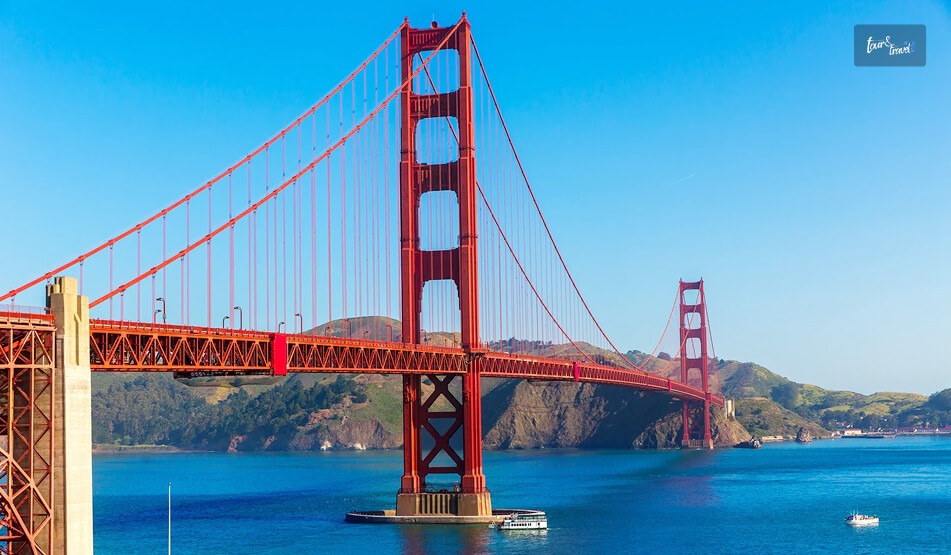
Do not waste your time on whale watching in San Francisco Bay. Or, do not expect the whales to swim beneath the Golden Gate Bridge.
Instead, you can travel 25 miles from the coast, and there, you will find the Gulf of the Farallones.
It is a marine sanctuary, covering an area of 3295 square miles.
Furthermore, a minimum of 25 species of threatened or endangered species breed and are fed here. Also, it has thirty-six mammal species, including the following names.
Humpback Whales
Gray Whales
Blue Whales
Pacific White-Sided Dolphins
Sea Lions
Harbor Seals.
Moreover, here you will find an important white shark population.
Also, the Outdoor Adventure Club, organizing different kayak tours for whale watching, is ideal for people looking for a serious adrenaline rush.
This tour takes place near Davenport Landing, which is at a distance of 65 miles from San Francisco.
Moreover, the Mendocino Coast is located north of San Francisco. It is ideal for hiking along the Mendocino Headlands State Park and spotting whales.
What Is The Best Time For Whale Watching In Northern California?
December to May is the best time for whale watching in Northern California if you are planning to see orcas and gray whales.
In addition, May to November is the ideal time to spot humpback whales. Moreover, July to October is the best time for spotting blue whales.
Top Shore-Based Whale Watching Locations In California
If you do not want to go on a boat ride for whale watching, you can choose the following destinations.
1. Point Dume (Malibu)
Point Dume rises dramatically over the Santa Monica Bay. This Malibu highland is an incredible vantage point for gray whales, which are migrating close to the beach.
December to April is the ideal time for whale watching from this vantage point. Also, you can spot blows and breaches clearly from these cliffside trails without binoculars.
Moreover, from here, you can spot local pods of bottlenose dolphins playing in the surf below.
2. Point Vicente (Palos Verdes)
Point Vicente is the home to the annual whale count of the Los Angeles Littoral Society.
Furthermore, the interpretive center of this rocky peninsula sits on a high bluff, offering unobstructed, panoramic views of the Pacific Ocean.
Also, the whales here pass very close to the rocky shoreline as the whale migration path starts becoming narrower after this point.
3. Bodega Head (Sonoma County)
Bodega Head is a magnificent granite promontory that looks prehistoric as it juts out into the ocean.
So, standing on it felt like I was directly in the path of the migrating marine life.
Furthermore, as it offers sweeping views of the Pacific Ocean, it becomes easier to spot humpbacks in the summer and gray whales in the winter.
Volunteer docents often set up scopes here on weekends to help visitors scan the water.
4. Mendocino Headlands State Park
Mendocino Headlands State Park has windswept cliffs surrounding the historic village of Mendocino and accessible walking trails.
The high coastal bluffs are ideal platforms for spotting gray mother whales guiding their new calves to the north in the springtime.
Furthermore, thanks to the sheer drop-offs, the whales come very close to the crashing whitewater below.
5. Garrapata State Park (Big Sur)
The Garrapata State Park is on the northern edge of the Big Sur coast.
You can take any of the oceanfront trails here that run right along the cliff edge.
Due to the steep, elevated topography, the cliff edge offers a perfect natural viewing point platform above the deep water.
A Quick California Whale Watching Calendar
Here is a consolidated calendar for whale watching in California. Know which species you can spot in which month.
Months
Species To Spot
January
Gray Whales
February
Gray Whales
March
Gray Whales
April
Gray Whales Humpbacks
May
Blue Whales
June
Blue Whales
July
Blue Whales
August
Blue Whales Humpbacks
September
Blue Whales Humpbacks
October
Humpbacks
November
Humpbacks
December
Gray Whales
What Are The Things To Pack For Whale Watching In California?
You have to be prepared if you are planning whale watching in California. You have to carry sunscreen, hats, and sunglasses.
Furthermore, you have to bring motion patches or pill medications to avoid seasickness and other discomfort.
In addition, you will need the right clothing, light, and layers. Most importantly, have the right temperament and patience for spotting whales and other fascinating marine animals.
Quick-Reference Tips For First-Time Whale Watching In California
Practical Tips
Why It Matters
Actionable Strategy
Take Motion Sickness Tablets
The strong swells of the Pacific Ocean can cause nausea.
Take a tablet one hour before the journey starts.
Wear Layers
The offshore temperatures are 10 to 15 degrees colder than the coastal area.
Bring a windproof jacket, a warm beanie, and light gloves.
Bring Binoculars
Whales often surface far from the boat or deep off the coastal cliffs.
Use a waterproof pair of 8×42 or 10×42 binoculars for scanning.
Choose Morning Tours
Morning sea conditions are calmer, and the winds are gentler.
Book the earliest departure time available.
Check Weather Forecasts
Rough winds and harsh sea conditions often lead to tour cancellations.
Look at marine forecasts the night before and call the office to confirm.
Arrive Early
Parking near popular harbors and boat docks fills up incredibly fast.
Arrive at the dock at least 45 to 60 minutes before the journey starts.
Responsible Whale-Watching Practices In California
You have to follow responsible whale-watching practices in California to avoid disturbing the marine mammals.
Also, you have to abide by the National Oceanic and Atmospheric Administration (NOAA) guidelines and choose certified operators for the tours.
Here are more details.
1. Follow NOAA Distance Guidelines
The stringent guidelines of NOAA aim to protect the marine mammals from vessel harassment.
Federal law requires all boats, kayaks, and jet skis to maintain a minimum distance of 100 yards from whales.
Extending this buffer zone offers additional protection for endangered humpback or blue whales.
Furthermore, a whale once approached our vessel on its own. The operator placed the engine in neutral and waited for the animal to swim away safely. This is another NOAA guideline.
2. Never Feed Wildlife
According to the Marine Mammal Protection Act, feeding a marine mammal is strictly illegal.
Furthermore, when you attempt to feed sea lions, dolphins, or whales, you disrupt their natural foraging instincts and alter their migratory behavior.
Also, this practice conditions wild animals to associate boats with food, which dramatically increases their risk of propeller strikes, net entanglements, and hazardous interactions with humans.
So, you have to keep the trash and food stored inside the vessel.
3. Choose Certified Operators
If you are booking a commercial excursion, you must pick a company dedicated to marine conservation.
That is why you have to look for operators certified by organizations like Whale Sense or those partnered with local marine sanctuaries.
When a tour operator and the captain are responsible, they will prioritize the animal’s welfare over close-up photos.
Also, our captain approached all the animals slowly from the side. This is a great move to avoid pinning them against the shoreline.
Moreover, when the captains see other boats waiting, they can limit the viewing time to 30 minutes.
4. Avoid Disturbing Migration Routes
Whales travel thousands of miles along the California coast on a very tight, energetic budget.
Forcing a whale to change its course or dive prematurely wastes vital energy, which can be catastrophic for mothers traveling with young calves.
Boat operators must never cut off a whale’s path, herd a pod, or drive a vessel directly through a group of migrating mammals.
Peaceful, parallel observation ensures they reach their destinations safely.
Sibashree is a travel, culture, and leisure writer who has been writing since the age of 12 and professionally since 2014. With more than a decade of travel writing experience and journeys across India and several parts of the world, she brings a deeply personal and thoughtful perspective to her work. A student of English Literature and Mass Communication, Sibashree has always viewed travel as more than movement — for her, it has been a way of understanding people, cultures, and herself. Her passion for spiritual exploration has also led her to many unusual and meaningful destinations over the years. Outside of writing, Sibashree enjoys watching European cinema, reading about global politics, and reflecting on the stories hidden within everyday places.
Just outside Colombo City, I found the Mount Lavinia Beach. I did not know that such a beautiful sea bathing spot was located so close to Colombo. It is swimmable and has the most amazing sunset views.
The beaches in Jaffna will be my silent favorite. However, I was happy to find this quaint place and met adorable sea turtles here.
Here is more about a day at Mount Lavinia Beach.
How I Reached The Mount Lavinia Beach?
The closest railway station to Mount Lavinia Beach is the Mount Lavinia Railway Station. I took a train from the Kollupitiya railway station, and the train ticket cost me around INR 10 or 30 LKR.
It was a train journey of 20 minutes, and as the train started getting closer to Mount Lavinia, I could smell the sea, and young men were all near the doors of the train carriage, enjoying the breeze and soaking in the vibe.
The Mount Lavinia Beach: A Day Well Spent By The Sea
It was late afternoon when I reached Mount Lavinia Beach. Everyone was playing cricket or rugby, and some young couples were taking selfies.
I joined the bunch playing cricket, and it was a lot of fun talking about Kumar Sangakkara and Sanath Jayasuriya, two Sri Lankan cricket icons. They were happy to know that I was from India, and we talked more about the cricket that we played.
After I played with them for one hour, they accompanied me for lunch at a special door. The place was indeed special, as I watched the trains pass with thunder and even could cross the tracks.
Meanwhile, the Sun was about to set, and I planned to have some beer and watch the sunset. The plastic chairs and tables were in dilapidated conditions, but I cherished my beer time.
As the sky turned blue from orange, and then purple and black, I patted my back for deciding to spend an afternoon at Mount Lavinia Beach.
Sea Turtles And Food At Mount Lavinia Beach
I visited the Sea Turtles Conservation Centre before hitting the beach, and the food I had here deserves a special mention.
Here is more about the highlights of my Mount Lavinia Beach experience.
1. Sea Turtles Conservation Centre, Colombo
Ticket Price: INR 180
The Sea Turtles Conservation Centre was the first place I visited after getting off at the Mount Lavinia station.
I walked through makeshift shacks and beach houses between the Mount Lavinia Railway track and the beach to reach the Sea Turtles Conservation Centre.
It is a small beachside rescue center that buys turtle eggs from locals and raises them. It is an attempt to stop the selling of tortoise eggs or tortoise meat as food.
Furthermore, it is a place where injured turtles are nursed, and their health is restored. I saw adorable Albino Loggerheads, tiger turtles, and leatherbacks here.
Also, I was elated seeing the tank where tiny, 1-week-old baby turtles were swimming. I am a tactile person, and the best thing was that they allowed me to hold the turtles.
They also explained the volunteering opportunities here and how the entire preservation project is managed.
Overall, it was a fulfilling experience.
2. The Galkissa Beach
My experience in Sri Lanka began with a trip to Jaffna. I have also hiked the Ritigala Forest Monastery and Trincomalee.
By now, I must have been aware of how Google Maps can be deceiving in Sri Lanka. However, overjoyed with the turtle experience, I did not notice that I had walked in the wrong direction from the railway station.
I could sense the mistake when I could see a stretch of sand with fishing nets lying before me. There were no bars or restaurants as I had seen in the images of the Mount Lavinia Beach.
People were playing with kites and swimming there.
I waited there for five minutes. Oh, the introvert in me really becomes unbearable sometimes.
Nevertheless, I tried to be at the best of my best social skills and asked a local about the place. He told me that it was the Galkissa Beach.
I took some photos of the place and then started walking toward Mount Lavinia Beach.
3. Food On The Mount Lavinia Beach
Finally, I reached the Mount Lavinia Beach, and it was exactly like the photos I had seen of it. I was at the beach around July, and the waves were quite strong.
So, people were more into paddling than swimming. Also, after playing some cricket, as I have mentioned, my stomach was rumbling, and thanks to the guys I was playing cricket with, I got to grab a place at a bar cum restaurant.
I ordered some seafood fried rice and prawn curry with chilled Lion beers.
Food was good and spicy, and with occasions sweats! Though the food here was not as spicy as the food in Jaffna.
After finishing my lunch, I decided to go for another stroll along the beach and watch the sunset. Finally, it was time to bid goodbye to the waters and take a train to the Kollupitiya railway station.
Mount Lavinia Beach: Frequently Asked Questions (FAQs)
Here are the frequently asked questions and answers about the Mount Lavinia Beach.
1. What Is Mount Lavinia Famous For? Mount Lavinia is famous for its golden sand beach and the heritage Mount Lavinia Hotel. The beach is an ideal place for swimming, paddling, beach crickets and enjoying a vibrant nightlife. Furthermore, the hotel was built in 1806. It was the former residence of the governor of Sri Lanka, and thanks to its old-world charm is one of the most celebrated hotels in Sri Lanka. Moreover, romance is in the air of Mount Lavinia. British Governor of Ceylon, Sir Thomas Maitland, fell in love with Lovina Aponsuwa, who was a Sinhalese-Portuguese dancer in the 19th century. Sir Thomas Maitland named the area and the hotel after her name. 2. Is Mount Lavinia Beach Safe To Swim? Yes, Mount Lavinia Beach is safe to swim. It has shallow areas, calm waters, and a shoreline patrolled by lifeguards. So, it is an ideal place for swimming and a favorite among the locals for a family visit. Having said that, November to April is the best time for swimming at Mount Lavinia Beach. Also, weather conditions can change anytime. So, check the local safety flags and listen to the advice of the lifeguards before getting into the water. 3. What Is The Mount Lavinia Beach To Colombo Airport Distance? The distance between Mount Lavinia Beach and Colombo is around 44 km. The travel time via the Colombo - Katunayake Expressway is around 1 hour and 5 minutes. The best option is to take an airport transfer from the Colombo Airport.
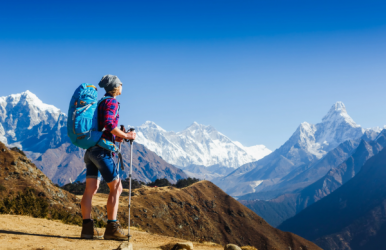
Nepal has remained one of the best trekking destinations in the world, catering to every kind of adventurer.
From the famous Everest Base Camp to the famous Annapurna Circuit and the much-demanding Kanchenjunga Base Camp trek, the trekking routes in Nepal are also the litmus taste for the most seasoned trekkers.
So, preparation is very crucial to make your trekking expedition safe and enjoyable. In this Tour and Travel Blog, we will quickly touch upon some helpful tips for your treks in Nepal.
Best Tips For Trekking In Nepal: Approved By Local Guides And Seasoned Trekkers
Trekking in Nepal is like a dream come true moment for mountain lovers and adventure seekers.
Further, with a renewed focus on sustainability, Nepal is now committed to offering the best trekking experience that aligns with environmental values.
Along with the beauty of the mountains, the trekking routes here are pathways to learning about local culture, heritage, and diverse wildlife.
Nevertheless, the bounty or the fruit of the treks does not come easily to you. In fact, the trekking routes will throw you challenges.
So, you need to do the following preparations before you hit the mountains.
1. Choose The Right Trek
Trekking in Nepal is ideal for trekkers across all expertise ranges. They welcome beginners and the ones with years of experience.
However, if you are a beginner, the Everest Base Camp Trek helicopter return and the Annapurna Circuit treks are not for you. These are for the most seasoned and the fittest hikers.
Rather, you can focus on the Langtang Valley treks, Helambu Trek, and Ghorepani Poon Hill Trek.
So, assess the altitude, trek duration, and difficulty of a trek route to make the right choice.
2. Train Before You Go For Trekking In Nepal
Physical and mental training can make your body used to the long hours of travel and walking for days or weeks.
Further, you must start training for the trek at least two to three months before you start trekking. During physical training, you must focus on your muscles and leg strength.
Also, you must practice carrying extra weight so that trekking with your backpack becomes easier.
These exercises or practices will help you adjust to what you’ll experience on the trails.
Moreover, working on your weight and getting in better shape will reduce fatigue and make your trek much more enjoyable.
3. Pack Smart And Light For Trekking In Nepal
Packing light and wise is the ultimate tip for trekking in Nepal. Make sure that you only carry the things you need to avoid carrying extra baggage.
Check out the table below to have some ideas about the things you need.
ClothingFootwearWeather ProtectionWarmthAdditional ItemsBreathable, long-sleeved shirtsLightweight trekking pantsFleece pullover or jacketThermal socks for colder areasStrong, waterproof hiking bootsGaiters for snowy or muddy trailsWaterproof jacketFleece or wool beanieSunglasses with side shieldsSleeping bag and linerInner gloves or thermal glovesNotebook and penSun hatLip balm SunscreenTowel
In addition to the essentials mentioned in the table, you need to carry a small kit with bandages, blister treatment, pain relievers, and personal medications.
Further, you will need soft flasks or reusable water bottles. You can even choose insulated water bottles, and don’t forget to keep the purification filters and tablets handy.
Moreover, you will need a headlamp with extra batteries, and your backpack must have a solid frame with multiple compartments and adjustable straps.
4. Get The Necessary Permits
When you plan a trek in Nepal, you have to bring the right permits.
Most trekking routes require a Trekking Information Management System (TIMS) card. You’ll also need entry permits for national parks or conservation areas like Everest, Annapurna, or Langtang.
These permits not only ensure your safety but also support local communities.
Further, If you’re heading to restricted areas such as Upper Mustang or Dolpo, a special permit is mandatory.
Get these permits, carry your passport, visa copies, and passport-size photos. Moreover, hire a guide from a registered agency if you are doing solo trekking in Nepal.
5. Hire A Guide Or Porter For Trekking In Nepal
A local guide shares valuable knowledge about the culture and trails, and porters can help by carrying heavy loads, allowing you to trek comfortably.
Further, on remote and high-altutde routes, you will need a guide and porter for safety.
Moreover, by hiring a guide or porter, you can support the community and promote sustainable tourism. Overall, having a guide or porter enhances your trekking experience while positively impacting the region.
6. Acclimatize Properly When Trekking In Nepal
Trekking in Nepal comes with the risk of altitude sickness. To stay safe, you have to follow the ‘climb high, sleep low’ rule.
The rule means ascending during the day and sleeping at a lower altitude. This is essential for a successful peak climbing experience. For example, during your Everest Base Camp trek, you can acclimatize at Namche Bazaar and ensure a successful peak climbing experience.
Further, staying hydrated is crucial while trading the high-altitude routes. So, drink four liters of water every day.
7. Respect Local Culture When Trekking In Nepal
As you pass through the local villages during trekking, you must be respectful of local traditions. Greeting people with “Namaste” is a warm and respectful way to say hello!
Be polite and show interest in their in their way of life. Dress modestly, covering your shoulders and knees, especially in religious areas.
Further, always ask for permission before photographing locals or sacred sites. Respect customs such as removing shoes to enter temples and walking clockwise around stupas.
These small acts of respect go a long way in your relationship with the locals.
8. Be Environmentally Responsible
Keep Nepal’s trails clean and beautiful, and follow simple eco-friendly habits. Always carry a reusable water bottle to cut down on plastic waste.
Further, you must dispose of trash and use biodegradable soap to protect water sources. Stick to marked trails to avoid harming plants and animals.
Also, avoid using single-use plastics and choose lodges that support sustainable practices.
In addition, you have to be respectful to the local community by preserving cultural sites and keeping the noise levels low.
9. Prepare For Unpredictable Weather
Trekking in Nepal will surprise you with changing weather conditions. A moment you can see bright sunlight and the next moment everything can be covered in snow, fog and rain, making it very difficult for you to trek.
The change of weather conditions is also crucial if you want to go for a mountain view helicopter tour.
Further, to stay warm, you must dress in layers and carry a rain jacket.
10. Enjoy The Trekking Journey
Enjoy your journey to the fullest when trekking in Nepal. Indulge in the scenic views and immerse in the local culture and hospitality.
Make the trek or the journey all about acquiring meaningful experiences and just being present in the moment.
Embarking on a journey calls for a wardrobe that's as functional as it is fashionable. Selecting the right travel attire is a blend of art and strategy. It focuses on pieces that offer comfort during transit and style upon arrival. This guide will navigate you through the essentials of crafting a travel-friendly wardrobe. It will ensure you're prepared for any destination without compromising your style. Get ready to explore in style with fashion choices that are as adaptable and adventurous as your travel plans.
The Essentials Of Travel Wardrobe
Creating a travel-friendly wardrobe begins with understanding the essentials – key pieces that offer maximum versatility and comfort on the go. These staples include lightweight, breathable tops that can be layered or worn alone. There are also comfortable yet stylish bottoms like stretchy jeans or wide-leg trousers and a versatile jacket suitable for various climates.
Additionally, neutral colors and simple patterns are your allies, allowing for easy mixing and matching. The essence of travel fashion lies in selecting items that not only save space in your luggage but also keep you prepared and confident. It should cover long flights to spontaneous city explorations.
Coord Sets For Women - Effortless Matching
Coord sets for women have revolutionized travel fashion with their effortless style and matching convenience. These sets, comprising coordinated tops and bottoms, eliminate the hassle of outfit planning, making them ideal for on-the-go dressing. Whether it's a breezy linen set for beachside holidays or a chic, tailored ensemble for urban adventures, coord sets offer a polished look with minimal effort.
Their versatility extends beyond aesthetics, as pieces can be mixed and matched with other wardrobe staples, providing numerous outfit options. This effortless matching solution not only simplifies packing but also ensures you stay stylish with ease while exploring new destinations.
Layering For Changing Climates
Mastering the art of layering is essential for adapting to changing climates while traveling. It's about creating a flexible outfit that you can modify throughout the day to suit varying temperatures. Start with a lightweight base layer, like a breathable cotton tee or tank, and add a long-sleeve shirt or blouse for added warmth.
Incorporate a versatile sweater or cardigan that you can remove easily as and when you need. Top off with a weather-appropriate outer layer, such as a waterproof jacket or a cozy coat. By layering smartly, you ensure comfort and style, no matter where your travels take you or how the weather shifts.
Multi-Purpose Clothing
Multi-purpose clothing is a game-changer in travel fashion, offering style and functionality without overpacking. Convertible dresses that you can wear in multiple ways or pants that zip off into shorts are versatile. They are ideal for travelers looking to maximize their wardrobe options with minimal items.
Look for garments that can transition from day to night or casual to formal with just a few tweaks. This approach not only lightens your luggage but also gives you the flexibility to adapt to different activities and settings. It ensures you’re always appropriately and stylishly dressed on your journeys.
Travel Outfits For Ladies - Comfort Meets Style
Regarding Travel Outfits for Ladies, striking the perfect balance between comfort as well as style is key. Opt for ensembles that offer ease of movement and can withstand hours of transit yet are chic enough to step out into a new city. Elastic waistbands, wrinkle-resistant fabrics, and layers are your best friends.
A stylish maxi dress paired with a denim jacket or a comfortable jumpsuit accessorized with a scarf can make for ideal travel outfits. These choices ensure you look pulled together and feel relaxed, whether you're navigating airport terminals or exploring urban landscapes.
Choosing The Right Footwear
Selecting the right footwear is crucial in travel fashion, as it needs to be practical for long walks and versatile enough for different occasions. Aim for shoes that provide comfort and support, like birkenstock sandals or cushioned sneakers , without sacrificing style. A pair of chic flats or loafers can also be a great choice, easily transitioning from daytime exploration to an evening out.
Ideally, footwear should be lightweight and easy to pack, and if possible, water-resistant. Remember, the best travel shoes are those that you can wear all day without discomfort yet still complement your outfits perfectly.
Accessorizing On The Go
Accessorizing on the go is an art that enhances your travel outfits without overburdening your luggage. Opt for versatile pieces like a statement scarf that can double as a wrap on cooler evenings or a chic hat to protect you from the sun while adding style. Jewelry should be minimal yet impactful. A pair of hoop earrings or a sleek watch can elevate any look. Also, consider a crossbody bag for hands-free convenience while exploring.
These thoughtful additions shouldn't just complement your outfits; they should also offer functional benefits, making them practical choices for your travel adventures.
Practical Fabrics For Travel
Choosing practical fabrics is pivotal for travel-friendly fashion. Look for materials that are lightweight, easy to pack, and resist wrinkles, like nylon, polyester, or blends with spandex. Breathability is also key, especially for destinations with warmer climates; fabrics like cotton and linen are ideal for their airiness.
Durability is another factor – opt for fabrics that can endure multiple wears and are easy to clean, as this reduces the need for frequent laundry. Quick-drying fabrics are a bonus for those impromptu washes. These fabric choices not only ease the hassle of travel wardrobe maintenance but also ensure comfort and style throughout your journey.
Packing Smart For Your Trip
Packing smart is essential to ensure you have everything you need without overloading your suitcase. Begin by planning outfits for each day of your trip, considering activities and the weather. Roll clothes instead of folding to save space and reduce wrinkles. Utilize packing cubes to organize outfits and compress items.
Remember to pack a versatile piece that can be worn in multiple ways, and always include a layer for unexpected temperature changes. Prioritize items that can be mixed and matched, creating different looks with a few key pieces. This efficient approach to packing keeps your travel wardrobe compact yet complete.
Conclusion
In crafting your travel wardrobe, the goal is to merge practicality with style, ensuring every item has a purpose and a flair. With the right mix of versatile pieces, comfortable fabrics, and smart packing strategies, you can navigate any trip with confidence as well as ease. Remember, traveling in style doesn’t mean sacrificing comfort or overpacking; it’s about making thoughtful choices that let you explore freely while looking and feeling your best.
Read Also:
Thailand Travel Guide: This Is The Best Time To Visit
Stay Safe And Satisfied: Exploring Paraguay’s Culinary Delights With Travel Insurance In Mind
A Newly Launched Tool ‘Skyscanner’ Inspires Travelers To Book Travel Destinations With Ease And Confidence