
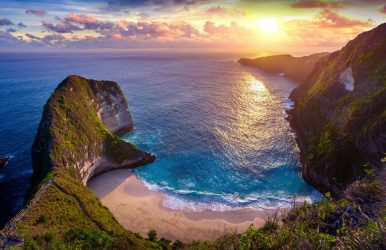
Mount Lavinia Beach: Sand, Sea Turtles, Food And More

Feb 17, 2026

Last Updated on: Feb 18, 2026

Adventure

Just outside Colombo City, I found the Mount Lavinia Beach. I did not know that such a beautiful sea bathing spot was located so close to Colombo. It is swimmable and has the most amazing sunset views. 

The beaches in Jaffna will be my silent favorite. However, I was happy to find this quaint place and met adorable sea turtles here. 

Here is more about a day at Mount Lavinia Beach. 

How I Reached The Mount Lavinia Beach? 

The closest railway station to Mount Lavinia Beach is the Mount Lavinia Railway Station. I took a train from the Kollupitiya railway station, and the train ticket cost me around INR 10 or 30 LKR. 

It was a train journey of 20 minutes, and as the train started getting closer to Mount Lavinia, I could smell the sea, and young men were all near the doors of the train carriage, enjoying the breeze and soaking in the vibe. 

The Mount Lavinia Beach: A Day Well Spent By The Sea 

The Mount Lavinia Beach A Day Well Spent By The Sea

It was late afternoon when I reached Mount Lavinia Beach. Everyone was playing cricket or rugby, and some young couples were taking selfies. 

I joined the bunch playing cricket, and it was a lot of fun talking about Kumar Sangakkara and Sanath Jayasuriya, two Sri Lankan cricket icons. They were happy to know that I was from India, and we talked more about the cricket that we played. 

After I played with them for one hour, they accompanied me for lunch at a special door. The place was indeed special, as I watched the trains pass with thunder and even could cross the tracks. 

Meanwhile, the Sun was about to set, and I planned to have some beer and watch the sunset. The plastic chairs and tables were in dilapidated conditions, but I cherished my beer time. 

As the sky turned blue from orange, and then purple and black, I patted my back for deciding to spend an afternoon at Mount Lavinia Beach. 

Sea Turtles And Food At Mount Lavinia Beach 

I visited the Sea Turtles Conservation Centre before hitting the beach, and the food I had here deserves a special mention. 

Here is more about the highlights of my Mount Lavinia Beach experience. 

1. Sea Turtles Conservation Centre, Colombo 

Sea Turtles Conservation Centre, Colombo

Ticket Price: INR 180

The Sea Turtles Conservation Centre was the first place I visited after getting off at the Mount Lavinia station. 

I walked through makeshift shacks and beach houses between the Mount Lavinia Railway track and the beach to reach the Sea Turtles Conservation Centre

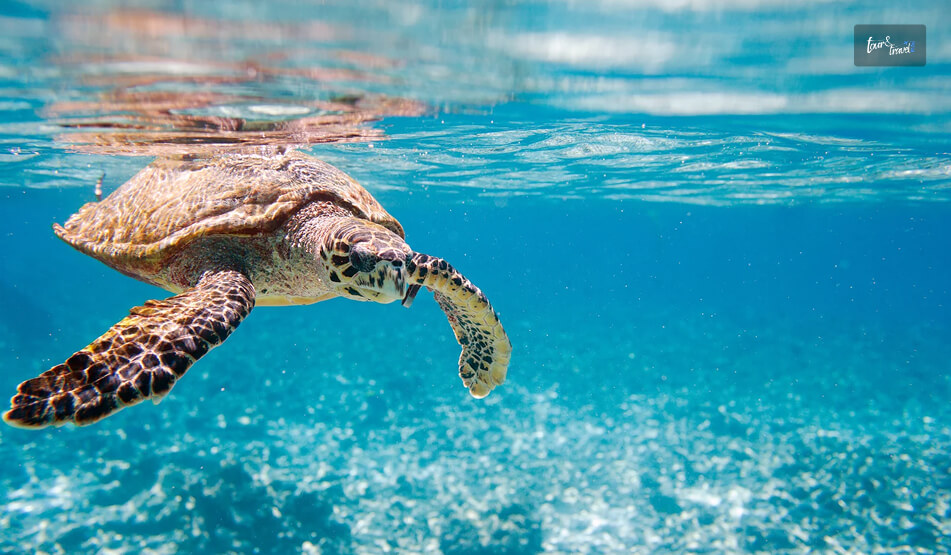
It is a small beachside rescue center that buys turtle eggs from locals and raises them. It is an attempt to stop the selling of tortoise eggs or tortoise meat as food. 

Furthermore, it is a place where injured turtles are nursed, and their health is restored. I saw adorable Albino Loggerheads, tiger turtles, and leatherbacks here. 

Also, I was elated seeing the tank where tiny, 1-week-old baby turtles were swimming. I am a tactile person, and the best thing was that they allowed me to hold the turtles. 

They also explained the volunteering opportunities here and how the entire preservation project is managed. 

Overall, it was a fulfilling experience.

2. The Galkissa Beach

The Galkissa Beach

My experience in Sri Lanka began with a trip to Jaffna. I have also hiked the Ritigala Forest Monastery and Trincomalee

By now, I must have been aware of how Google Maps can be deceiving in Sri Lanka. However, overjoyed with the turtle experience, I did not notice that I had walked in the wrong direction from the railway station. 

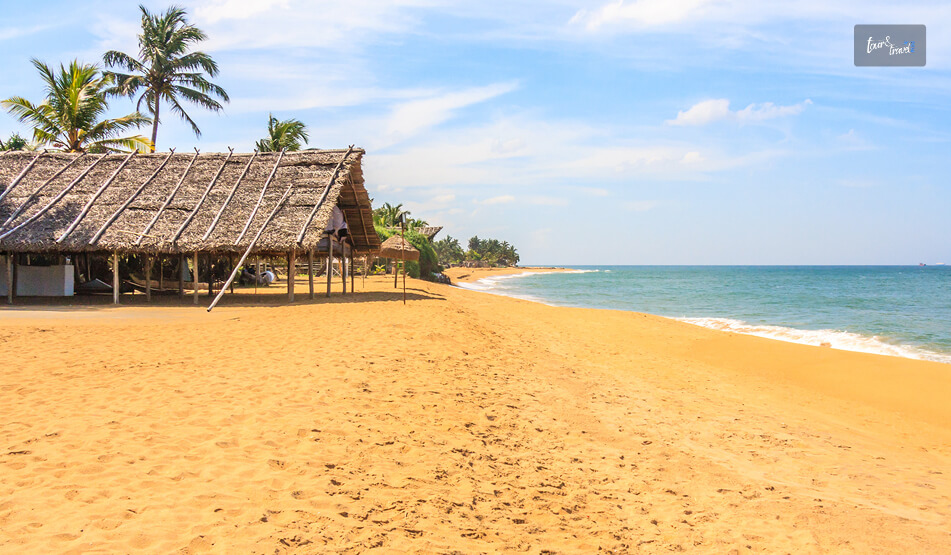
I could sense the mistake when I could see a stretch of sand with fishing nets lying before me. There were no bars or restaurants as I had seen in the images of the Mount Lavinia Beach. 

People were playing with kites and swimming there. 

I waited there for five minutes. Oh, the introvert in me really becomes unbearable sometimes. 

Nevertheless, I tried to be at the best of my best social skills and asked a local about the place. He told me that it was the Galkissa Beach. 

I took some photos of the place and then started walking toward Mount Lavinia Beach. 

3. Food On The Mount Lavinia Beach

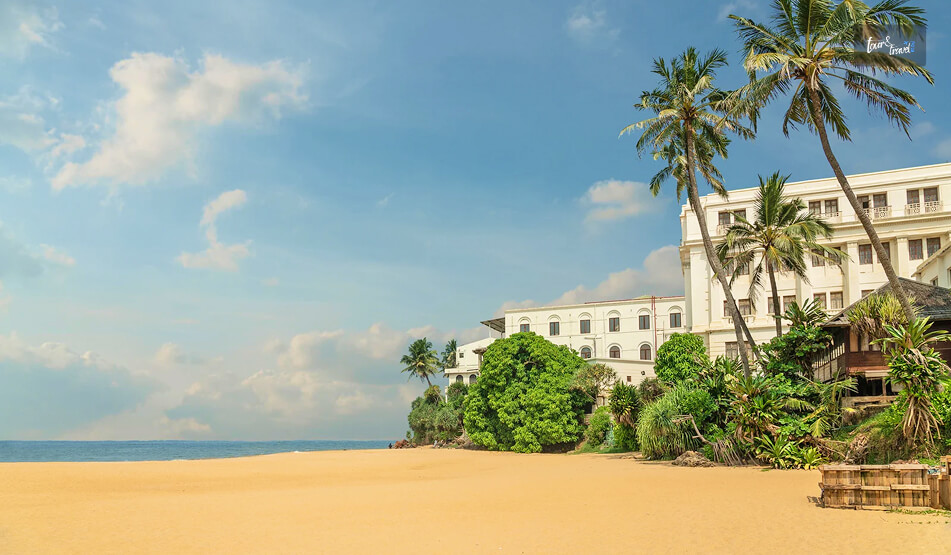
Finally, I reached the Mount Lavinia Beach, and it was exactly like the photos I had seen of it. I was at the beach around July, and the waves were quite strong. 

So, people were more into paddling than swimming. Also, after playing some cricket, as I have mentioned, my stomach was rumbling, and thanks to the guys I was playing cricket with, I got to grab a place at a bar cum restaurant. 

I ordered some seafood fried rice and prawn curry with chilled Lion beers. 

Food was good and spicy, and with occasions sweats! Though the food here was not as spicy as the food in Jaffna

After finishing my lunch, I decided to go for another stroll along the beach and watch the sunset. Finally, it was time to bid goodbye to the waters and take a train to the Kollupitiya railway station. 

Mount Lavinia Beach: Frequently Asked Questions (FAQs)

Here are the frequently asked questions and answers about the Mount Lavinia Beach. 

1. What Is Mount Lavinia Famous For? 

Mount Lavinia is famous for its golden sand beach and the heritage Mount Lavinia Hotel. The beach is an ideal place for swimming, paddling, beach crickets and enjoying a vibrant nightlife. 

Furthermore, the hotel was built in 1806. It was the former residence of the governor of Sri Lanka, and thanks to its old-world charm is one of the most celebrated hotels in Sri Lanka. 

Moreover, romance is in the air of Mount Lavinia. British Governor of Ceylon, Sir Thomas Maitland, fell in love with Lovina Aponsuwa, who was a Sinhalese-Portuguese dancer in the 19th century. 
Sir Thomas Maitland named the area and the hotel after her name. 

2. Is Mount Lavinia Beach Safe To Swim? 

Yes, Mount Lavinia Beach is safe to swim. It has shallow areas, calm waters, and a shoreline patrolled by lifeguards. 
So, it is an ideal place for swimming and a favorite among the locals for a family visit. 
Having said that, November to April is the best time for swimming at Mount Lavinia Beach. Also, weather conditions can change anytime. So, check the local safety flags and listen to the advice of the lifeguards before getting into the water. 

3. What Is The Mount Lavinia Beach To Colombo Airport Distance?

The distance between Mount Lavinia Beach and Colombo is around 44 km. The travel time via the Colombo – Katunayake Expressway is around 1 hour and 5 minutes. 
The best option is to take an airport transfer from the Colombo Airport. 

Share on Social Media

Sibashree is a travel, culture, and leisure writer who has been writing since the age of 12 and professionally since 2014. With more than a decade of travel writing experience and journeys across India and several parts of the world, she brings a deeply personal and thoughtful perspective to her work. A student of English Literature and Mass Communication, Sibashree has always viewed travel as more than movement — for her, it has been a way of understanding people, cultures, and herself. Her passion for spiritual exploration has also led her to many unusual and meaningful destinations over the years. Outside of writing, Sibashree enjoys watching European cinema, reading about global politics, and reflecting on the stories hidden within everyday places.

Leave a Reply

Your email address will not be published. Required fields are marked *

title-img Related

READ MORE how is it possible for ski jumpers to stay in the air so long and how do they train for that

How Is It Possible For Ski Jumpers To Stay In The Air Long And How To They Train For That?

BY  Sibashree May 18, 2026

Suppose we jump high in the air. We can stay in the air for around half a second. Michael Jordan could even stay off the ground for only one second.  Now, at many events at the Winter Olympics, we see athletes showing strength and athleticism in the air.  However, ski jumping beats them all in terms of jumping high in the air and staying afloat for so long.  Here, you need to understand the physics of sports, and for many of us, the ski jump is a mesmerizing event in the Winter Games, showcasing sports physics in action.  The athlete who travels the farthest and shows the best style while flying and landing becomes the winner of the event.  Ski jumpers can fight gravity, and they can turn their bodies and skis into a wing to stay in the air for 5 to 7 seconds.  Within that span, they can travel almost the length of a football field while staying in the air.  But how is it possible for ski jumpers to stay in the air so long and how do they train for that?  Let’s delve into the details.  How To Fly?  The answer to how is it possible for ski jumpers to stay in the air so long and how do they train for that lies in three important concepts of sports physics.  These are drag, lift, and gravity.  Gravity is the power that pulls any object in flight down. Gravity is a force that works on everybody, and ski jumpers cannot avoid it.  However, ski jumpers, as they move, interact with the air. Now, this interaction further produces lift.  Lift refers to an upward force projected by the air for an upward movement of an object.  In this scenario, if the force of gravity and the force to lift balance each other, an object can fly or glide.  However, producing lift is only possible when the object is moving. Moving objects collide with air particles and push them aside.  Pushing air downward creates an equal, upward reaction known as lift. Here it follows Newton’s third law, “For every action, there is an equal and opposite reaction.” You can increase lift by boosting your speed, expanding your surface area, or optimizing your angle of attack (the object's tilt against the airflow).  If this angle is too flat, you generate no lift; if it is too steep, the object stalls.              The Car Window Example  If the concept feels complicated, you can experience the same by just sticking your hand out of a moving car window.  If you keep your hand perfectly flat, it will yield no movement.  However, if you tilt your palm slightly upward, it will force the incoming wind downward, and thus your hand will be pushed up immediately.  It is a clear example of lift.  The same particle collisions that generate lift also create drag. Drag is a resistive force that slows objects down.  As an object loses speed, its lift drops, cutting the flight short. Because of this, ski jumpers use highly precise body positions to maximize their lift while minimizing speed-killing drag. How To Fly On Skis?  We need to observe the skiers to understand how is it possible for ski jumpers to stay in the air so long and how do they train for that. You will see a skier starting on a high slope, and then they move downhill. They generate speed by skiing in this way.  They also reduce drag by squatting and steer very carefully to minimize the friction between the ramp and skis.  So, when they reach the end, the speed will be close to 60 miles or 96 kms per hour.  Once airborne, ski jumpers use aerodynamics to fight gravity and extend their flight.  While they cannot generate enough lift to stay in the air indefinitely, maximizing this upward force slows their descent and carries them further down the hill. To achieve the longest flight possible, athletes lean forward until their bodies and skis are nearly parallel to the snow.  By spreading their skis into a V-shape just outside their body's silhouette, they gain two major aerodynamic advantages. The spread position creates a larger surface area to catch the wind and generate lift. So they get an expanded surface area.  They also get an optimal angle of attack. The forward tilt places them at the perfect angle relative to the airflow to maximize upward pressure. As the jumper glides forward, drag continuously pushes back against them, draining their forward momentum.  Because lift relies entirely on speed, this deceleration causes the upward force to fade away. As drag robs the athlete of their speed, gravity takes complete control, pulling them faster and faster toward the landing zone. How Is It Possible For Ski Jumpers To Stay In The Air Long? The Rules Follow The Physics So, you can see there is pure physics at play behind how is it possible for ski jumpers to stay in the air so long and how do they train for that.  However, the body of an athlete, equipment choices, and the wind can impact the quality of the jump in many ways.  Also, there are a lot of rules and regulations to keep a ski jump fair.  You will see many officials changing the starting and ending points up and down the slope during the events.  This adjustment happens to ensure a safe landing, depending on the speed of the wind.  When the headwinds are faster, there will be more lifts and longer jumps. As a result, an athlete can go past the scure zone for landing.  Moreover, the regulations of a ski jump will also depend on the height and weight of a skier.  Usually, skis have to be “145% of the skier's height.” Also, if the skier has a body mass index of less than 21, they will get shorter skis.  Again, long skis are not the best in every case. When the ski is heavy, you will need more lift to fly and stay in the air.  Also, you have to wear a tight-fitting suit. You cannot wear anything that will need additional lift.  So, when you see a skiing event, think of how the skiers have also mastered the concept of physics. Read Also: Car Travel On PaxTravelTweaks: How Does It Help In Smartly Planning Budget-Friendly Road Trips? IWantThatFlight Offering Cheap Flights: The Best Hack For Traveling On A Budget

READ MORE card-img

6 Best Destinations For A Safari In Kenya

BY  Abdul Aziz Jun 2, 2023

Kenya, located in East Africa, is renowned for its breathtaking landscapes, abundant wildlife, and incredible safari experiences. With a rich diversity of ecosystems, including vast savannahs, dense forests, and stunning coastal regions, Kenya offers an unparalleled opportunity to witness the wonders of nature from very close. If you are planning for a safari trip in Kenya, the first step would be to book your flight tickets, accommodation and get a visa. To make the visa process simpler, you can also apply online and get an evisa Kenya. You should then look for the best-guided tours with reputable safari operators to make the most of your safari adventure. They can customize your itinerary, provide knowledgeable guides, and ensure safety and comfort. It's also crucial to prioritize responsible and sustainable tourism practices, respecting wildlife and supporting local communities. Best time to Visit Kenya When planning your safari in Kenya, it's essential to consider the best time to visit. From June to October, the dry season is ideal for wildlife viewing as animals gather around water sources, and vegetation is less dense. The dry season in Kenya is generally considered the best time for wildlife viewing. With less rainfall, animals gather around water sources, making it easier to spot them. The vegetation is also less dense, providing clearer views. June and July are particularly popular months as they coincide with the Great Migration in the Maasai Mara, where millions of wildebeest, zebras, and other herbivores cross the Mara River. However, the wet season, from November to May, brings lush landscapes, newborn animals, and a plethora of birdlife. Best safari experience in Kenya Here’s a list of the six best destinations in Kenya that you should consider for an adventurous safari experience. 1. Maasai Mara National Reserve: Maasai Mara is perhaps Kenya's most famous wildlife reserve, if not in all of Africa. Known for its annual wildebeest migration, where millions of animals cross the Mara River, the reserve offers an awe-inspiring spectacle. Besides the migration, Maasai Mara boasts an impressive variety of wildlife, including lions, elephants, cheetahs, giraffes, and zebras. The vast open plains and rolling hills provide an ideal backdrop for game drives, hot air balloon safaris, and photography enthusiasts. Derive benefit from the avenue to communicate with the local Maasai people and learn about their vibrant culture and traditions 2. Amboseli National Park: Amboseli National Park is positioned at the hilltop of Mount Kilimanjaro, famous for its stunning views of Africa's highest peak. The park's vast grasslands are home to large herds of elephants known for their distinctive tusks. Besides elephants, Amboseli offers excellent wildlife sightings, including buffalo, zebras, giraffes, and various bird species. The park's unique landscape, with swamps, marshes, and acacia woodlands, provides a picturesque setting for photography enthusiasts. Remember to visit Observation Hill, which offers panoramic views of the entire park and the majestic Mount Kilimanjaro. 3. Tsavo National Park: Tsavo National Park, divided into Tsavo East and Tsavo West, is one of the largest wildlife sanctuaries in the world. Known for its dramatic landscapes and abundant wildlife, Tsavo offers a truly wild and untamed safari experience. Tsavo East is characterized by vast plains, ancient baobab trees, and the flowing Galana River, which attracts a variety of animals, including lions, elephants, zebras, and giraffes. Tsavo West is famous for its diverse terrain, including volcanic hills, dense forests, and the stunning Mzima Springs, where you can watch hippos and crocodiles underwater. For a unique experience, consider visiting the Sheldrick Wildlife Trust, an orphanage sanctuary for rhinos and elephants. 4. Samburu National Reserve: Samburu National Reserve offers a distinct and captivating safari experience in Kenya's northern region. The reserve is acknowledged for its rare wildlife species, including the "Samburu Special Five": the reticulated giraffe, Somali ostrich, Grevy's zebra, gerenuk, and beisa oryx. Additionally, Samburu is home to elephants, lions, cheetahs, and leopards. The Ewaso Ng'iro River flows through the reserve, attracting a wide range of wildlife, especially during the dry season. Samburu's rugged landscapes, with arid plains and rocky outcrops, create a unique and breathtaking setting for game drives and nature walks. 5. Lake Nakuru National Park: For bird lovers, Lake Nakuru National Park is a must-visit destination. Located around the picturesque Lake Nakuru, the park is a haven for bird species, including thousands of flamingos that flock to the alkaline lake. The park's diverse habitats, including grasslands, woodlands, and cliffs, provide a home for over 450 bird species. Apart from the stunning birdlife, Lake Nakuru National Park also houses numerous types of wildlife. The park is recognized for its endangered population of black and white rhinos, making it one of the esteemed destinations in Kenya to recognize these magnificent creatures. Additionally, you can encounter lions, leopards, buffalos, zebras, and giraffes during your safari adventures. The park's diverse habitats, including woodlands, grasslands, and acacia forests, support various animal and plant species, making each safari excursion a thrilling and rewarding experience. 6. Laikipia Plateau: The Laikipia Plateau offers a unique safari experience, known for its exclusive lodges and conservation-focused tourism. This vast area is home to a variety of wildlife, including the endangered Grevy's zebras, black rhinos, and reticulated giraffes. You can participate in game drives, walking safaris, and even visit local communities to learn about their traditional culture and conservation efforts. The Laikipia Plateau is located in central Kenya and offers a unique and off-the-beaten-path safari experience. It is a vast, privately owned area known for its conservation efforts and sustainable tourism practices. The region is characterized by a mix of open grasslands, rolling hills, rocky outcrops, and riverine forests, creating diverse habitats for a wide range of wildlife. Conclusion Kenya offers an incredible safari experience with its diverse landscapes, abundant wildlife, and rich cultural heritage. Whether you witness the grandeur of the Maasai Mara, the unique species of Samburu, or the birdlife of Lake Nakuru, each destination will leave you in awe of nature's wonders. Embark on a journey to Kenya and create lifelong memories of thrilling adventures. You can go on game drives, watch stunning sunsets, and have close encounters with majestic wildlife. The vastness of Tsavo National Parks, as well as the avian wonders of Lake Nakuru make its beauty extraordinary. A safari in Kenya promises to be a journey of discovery. It will immerse you in the untamed wonders of nature and leaving you with memories that will last a lifetime.

READ MORE Historically Significant Buildings

The 5 Most Historically Significant Buildings

BY  Abdul Aziz Apr 28, 2023

Spring is an excellent time to explore different amazing trip destinations and marvel at the impressive landmarks as well as buildings that have shaped human civilization. These structures, from ancient wonders to contemporary marvels, have contributed to the cultural legacy of societies throughout history. They are a testament to human creativity, innovation, and the expertise of skilled builders as well as contractors like Voutsadakis. Whether you're interested in exploring the iconic landmarks of Europe or the majestic structures of Asia, there are many awe-inspiring buildings that you can visit. Moreover, these structures not only represent the cultural and architectural heritage of the societies that created them but also continue to captivate visitors with their beauty and ingenuity. Here are some examples of historically significant buildings from around the world that are worth visiting:  The Great Pyramids of Giza The Great Pyramids of Giza is the first one on the list. These are undoubtedly some of the most remarkable architectural marvels in the world. Located in Egypt, these monumental structures were built over 4,500 years ago. They were tombs for the pharaohs of the Old Kingdom. The pyramids were constructed using massive limestone blocks. They are an impressive testament to the advanced engineering and construction techniques of ancient Egypt. They are also a symbol of the power and prestige of the rulers who were known as Pharaohs. The Pharaohs mainly commissioned their construction. The Taj Mahal The Taj Mahal is the next one on this list. It is a mesmerizing white marble mausoleum that is located in the city of Agra in India. It originates from the 17th century by Emperor Shah Jahan of the Mughal Dynasty as a tribute to his beloved and one of the most beautiful wives, Mumtaz Mahal. The Taj Mahal is famous for its exquisite beauty and intricate design, which features intricate inlaid gemstones and calligraphy. Moreover, it is one of the finest examples of Mughal architecture and a symbol of love and devotion. The Burj Khalifa The Burj Khalifa is a modern-day engineering marvel that stands tall in Dubai, United Arab Emirates. It is, at the moment, the tallest building in the world and stands at a staggering height of 828 meters. Adrian Smith designed The Burj Khalifa, which is a prime example of sustainable design and advanced engineering. It features stunning exterior cladding made of aluminum and glass, as well as innovative energy-efficient technologies that reduce its carbon footprint. The Colosseum The Colosseum is an iconic amphitheater located in Rome, Italy. It originates from the first century AD and served public events, including gladiator games and theatrical performances. The Colosseum is a stunning example of Roman engineering and architecture, featuring massive stone arches and intricate decorative elements. Despite its age as well as centuries of wear and tear, the Colosseum remains a symbol of the grandeur and power of ancient Rome. The Alhambra The Alhambra is a breathtaking palace and fortress complex located in Granada, Spain. The Nasrid dynasty built it during the 13th and 14th centuries, and it features stunning Islamic architecture and design. The Alhambra is famous for its intricate stucco work, colorful tiles, and stunning gardens. Moreover, it is one of the most significant examples of Islamic architecture in Europe and a testament to the artistic and cultural achievements of the Muslim world. Read Also: Explore These 5 Excellent Yacht Charter Destinations! YACHT VACATION: HOW THE RICH SPEND THEIR HOLIDAYS