
What Are The Things To Do In Trincomalee? Exploring Beyond Uppuveli Beach

Trincomalee has one of the closest gateways to Harbarana, the gateway to the Ritigara Forest Monastery. 

However, as a tourist from India, Trincomalee is more than a tourist attraction for me. As Jaffna, Sri Lanka, connects the country with India, my homeland, with its Tamil culture and Top Hindu Temples, Trincomalee is important for political, economic, and security reasons. 

That is why India has taken a keen interest in the development of the “socio-economic infrastructure and energy hub” in the region. 

Also, Trincomalee, with adventure opportunities such as whale watching, surfing, and historical exploration, plays an important role in the tourism development in Sri Lanka. 

However, it is unfortunate that most tourists think of only Uppuveli Beach when there is any discussion regarding Trincomalee. 

This time, I will talk about the things to do in Trincomalee beyond the Uppuveli Beach. 

What Are The Best Things To Do In Trincomalee?

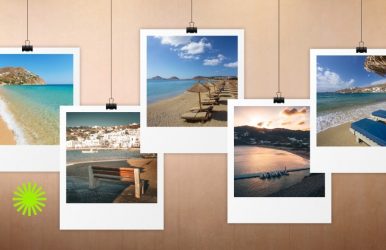
I know it’s difficult to avoid the allure of the Uppuveli Beach, which has a laid-back vibe. Also, its emerald waters attract the divers and snorkelers. 

Still, there is so much to see beyond the Uppuveli Beach. I loved the beautiful beaches in Jaffna for their quiet and pristine vibes. 

However, I found the Uppuveli Beach very touristy, and that was a big turn-off for someone like me, who believes in the principles of the LowDownUnder Travel

So, here are the other and more exciting (for me) things to do in Trincomalee.

1. Visiting The Nilaveli Beach

Visiting The Nilaveli Beach

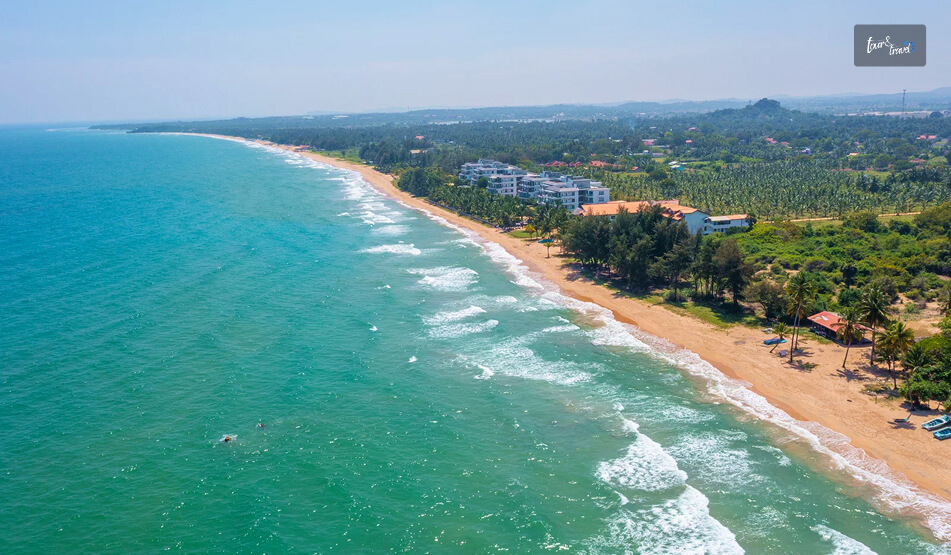
I took a tuk-tuk from the Uppuveli Beach and reached the Nilaveli Beach within 20 minutes. It was summertime. So, even if the Sun was very strong, the crowd was very small. Just the way I like it!

The restaurants, shops, and resorts were not up from their siesta yet, and it was the surfing locals who kept the beach alive. 

I started walking south back along the white beach toward Uppuveli, and fortunately, found a place that looked deserted. It was just the turquoise waters, white sand, and me. 

However, the current was pretty strong, and I could not spot any lifeguards. So, I bunked the idea of swimming and again walked back toward the north. I had chilled beer with some snacks and watched the surfers in action. 

The guy serving food asked me to come back in the peak season when the beach becomes a bustling coastal hub. I told him, “I like it this way!” 

2. Visiting The Thirukoneswaram Kovil Temple 

Visiting The Thirukoneswaram Kovil Temple
  • Entry: Free
  • Hours: 6 AM to 1 PM and 4 PM to 6:45 PM
  • Photography: Not Allowed
  • Dress Code: Modest Clothing with Knees and Shoulders Covered 

I again took a tuk-tuk from the Nilaveli Beach and started for the Sri Thirukoneswaram Kovil Temple. The temple is on the Trincomalee cliffs, and on my way, I found Fort Frederick, once a Dutch stronghold in the country. 

Also, as I started walking upward, there were many sellers, market stalls, and fruit vendors lined on both sides of the road. So, the temple is not just a religious place. It is at the epicenter of the local economic and cultural activities. 

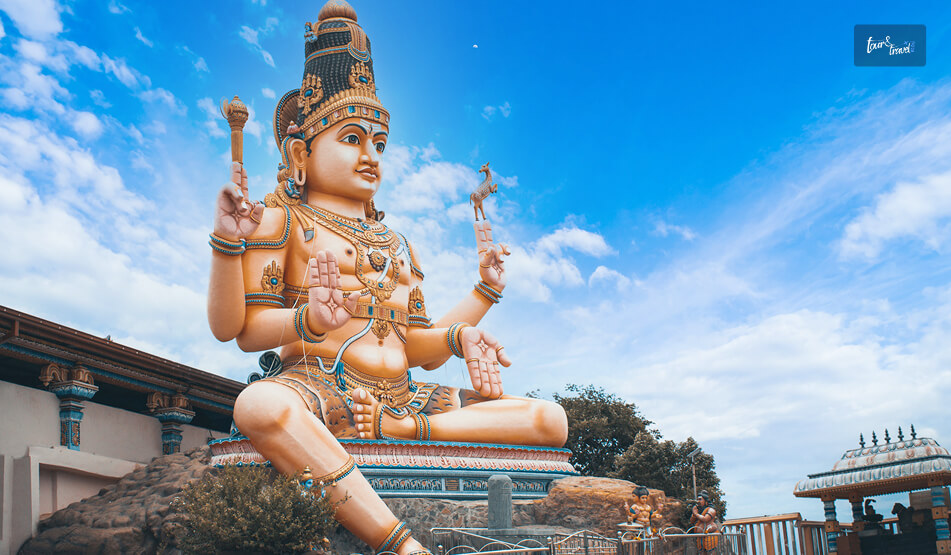
Nevertheless, once I reached the temple entrance, the majestic statue of Lord Shiva evoked awe. The main temple in pastel shades is erected behind the statue. 

The main temple and many of the statues were destroyed by the Portuguese, and they built Fort Frederick with the temple ruins. However, the locals saved many of the statues by burying them underground, and now they are restored again. 

The interior of the current temple is as beautiful as its exterior. You will find intricate wooden work and Hindu deities everywhere you look. Also, as you take a walk around the temple, you eventually walk down the cliffs, enjoying the beautiful views of the bay. 

3. Lover’s Leap 

Lover’s Leap

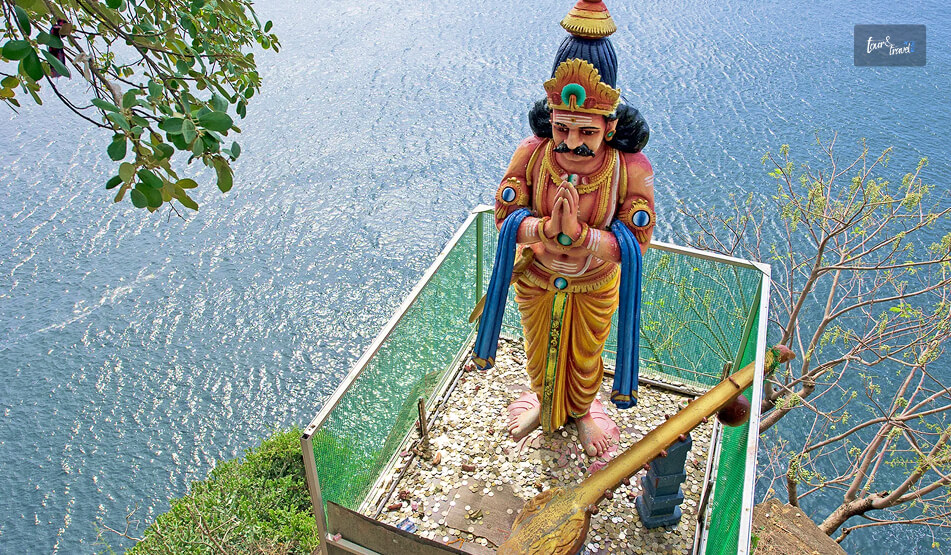
Lover’s Leap is an area in the Trincomalee cliffs themselves. Francina van Reed, the daughter of a Dutchman, sacrificed her life by jumping from the cliffs. 

She saw the ship of her lover sinking in the waters of the Indian Ocean. Out of grief, she took her life. 

4. Fort Frederick

Fort Frederick was once a Portuguese stronghold, and now the Sri Lankan army uses it. So, you can only see the fort from the road. 

Also, there are many old colonial buildings in the same area. 

Furthermore, the Fort is occupied by the local deer. Spotting them here was unexpected and obviously a high point. 

However, there are warning signs, and you must obey them. So, do not try to feed them, however tempting it may seem. 

5. Visiting The Trincomalee Maritime And Naval History Museum

  • Hours Open: 9 AM to 4 PM (Wednesday to Monday)
  • Entry: Free

I took a short walk from the fort and reached the Trincomalee Maritime and Naval History Museum. The barrel of a giant cannon welcomed me there. 

I opted for a guided tour as I wanted to know the stories behind the exhibits. The museum has recreated a shipwreck, and among other exhibits, there are 3D models explaining the history and landscape of Trincomalee. 

There are also archaeological exhibits and the display of naval uniforms. 

However, the high point in the museum was yet to come for me. I learned that it was once the residence of a Dutch Commissioner. However, the building fell with the roots of a giant tree bursting through the property. 

Still, it was restored to its glory after a reconstruction work of five years. 

I was slowly soaking in the story of human resilience as my guide took me to the roof of the museum. I climbed up through a set of tiny stairs in the backroom. 

The view was beautiful, and I could see the bay, Fort Frederick, and everything in the surrounding areas. 

6. Exploring The Trincomalee Market

Exploring the local market was at the core of my Jaffna food tour. Similarly, to know about the local culture, I decided to visit the Trincomalee Market. 

Trust me, it is one of the best things to do in Trincomalee if you are planning to try activities that are not very touristy. 

I spotted some beautiful street art while exploring the market. Furthermore, the textile shops were selling vibrant clothes, vegetables and fresh fruit. Also, the fish market has a separate section. 

So, if you are a vegetarian or vegan, you can explore the market without hesitation. 

The market is also easily accessible from various parts of Trincomalee, as the setup is around the Central Bus Station and the Clock Tower. 

Lunch And Food At The Trincomalee Market

For me, a trip remains incomplete until I try the local food. Food here is very much like Jaffna, only a little less spicy. 

The hotels (restaurants) here serve warm vadas, rice and curry, samosas, and seafood. Lunch for a person at these hotels will cost you around INR 120. 

Then, we walked opposite the bus station and found many fruit and vegetable stalls. We bought some bananas, dragon fruits, and the jackfruits there were the biggest I have seen.

The Fish Market

I was a little late, and most of the fish was sold by then. Still, the crowd of vendors and sellers was pretty decent there. 

I bought some fresh crabs and prawns and requested the cook at the hostel to prepare our evening snacks and dinner with them. I made quite a few friends at the hostel. So, sharing the meal with them was a lot of fun. 

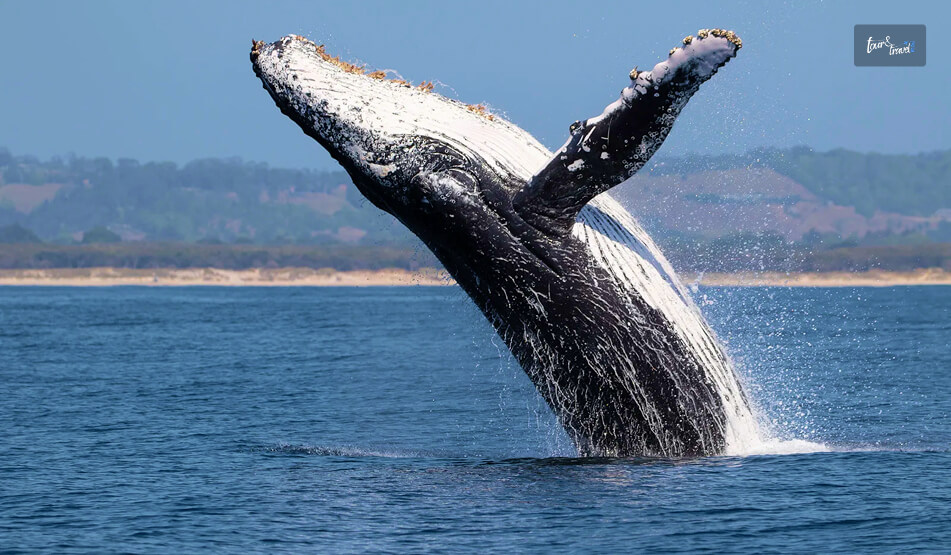
7. Whale Watching 

Whale Watching

Whale watching is one of the most exciting things to do in Trincomalee if you are here between November and mid-April. 

It is located at a distance of 2 hours, and Nilaveli and Uppuveli beaches are the best places to spot whales in Trincomalee. 

In the peak season, you can spot at least ten species of whales here.

Things To Do In Trincomalee: Frequently Asked Questions (FAQs)

Here are the frequently asked questions and answers about the things do in Trincomalee.

1. What Is The Meaning Of Trincomalee?

The name Trincomalee comes from the Tamil word Thiru-kona-malai. It means the Lord of the Sacred Hill. 
Furthermore, the name indicates the presence of the Koneswaram Temple on the hill. It is a shrine dedicated to Lord Shiva. 

2. What Is The Trincomalee To Colombo Distance?

The distance between Colombo and Trincomalee is around 260 km. Buses run by the National Transport Commission and the Sri Lanka Transport Board run buses on this route. 
The transport time is around 7 hours, and the ticket price is INR 250 onward. 
On the other hand, you will get direct trains from Trincomalee to Colombo. The travel time is close to 8 hours, and the ticket price is INR 400 onward. 
However, if budget is not a constraint, you can book a private car at around INR 3500 and 4500. Also, book a flight ticket to Colombo Airport, Bandaranaike International Airport. The flight ticket will be around INR 4000 to 35000. 

3. What Is The Coldest Place In Sri Lanka? 

Nuwara Eliya, with the nickname of “Little England,” is the coldest place in Sri Lanka. In the winter season, the temperature frequently drops to 10 degrees Celsius in this region. 
Furthermore, in January, sometimes the temperature is near freezing. 
Moreover, Horton Plains and Pattipola are some of the coldest places in the region.

4. What Is The Best Time To Visit Trincomalee?

March to May and October to February are the best seasons to visit Trincomalee. From March to May, the temperature is around 30 to 36 degrees Celsius, and from October to February, the average temperature hovers around 28 to 30 degrees Celsius. 
Furthermore, from November to April is the best time for whale watching in Trincomalee. 

Share on Social Media

Meet Sibashree Bhattacharya, a travel enthusiast who has a decade-long experience in transcending virtual barriers with her words! Her deep love for travel is apparent from her travel escapades to the mountain, often taking her readers on a journey, her words acting as Portkey! Fun fact: Sibashree loves to dive deep into the history of the places she is about to visit, making her travels even more wholesome. If you were wondering how her articles are not short of time travel, this answers it!

Leave a Reply

Your email address will not be published. Required fields are marked *

title-img Related

READ MORE Travel Companion With PD & Qc Technology

Your Ultimate Travel Companion With PD & Qc Technology

BY  Abdul Aziz Feb 20, 2024

Are you an avid traveler, always on the go but constantly facing the struggle of charging your devices in different countries? Get rid of those annoying times and welcome smooth connections with the Ceptics 70W World International Travel Plug Adapter - Pd & QC! This handy travel buddy makes sure you can use your devices wherever you go without any trouble. Get set for a stress-free trip as we check out all the great things about this amazing adapter - let's take a closer look! GaN Technology powers the Ceptics 70W world travel adapter for 70W of power in the most compact all-in-one Adapter. Charge 6 devices at once with one universal outlet, 2 USB & 2x USB-C + 1 70W USB-C GaN (1 W/ power delivery & quick Charge 3.0) - Charges your laptop FAST and is perfect for travels. This adapter can be used worldwide, which makes it the perfect companion for globetrotters. The AC socket has a maximum output of 70 watts, which makes it suitable for small appliances such as laptops or hairdryers. Also, you can enjoy fast charging for your devices on-the-go with Quick Charge (QC) technology and Power Delivery (PD) support. Let's explore the features and Specifications of this world international travel plug adapter. Why Is A Ceptics 70w Plug Adapter Essential For International Travelers? There are over 15 different types of electrical outlets used globally. Some countries even have multiple standards ranging from 100 Volts to 240 Volts. Every country has its own unique plug shape and voltage requirements that make it difficult for travelers to use their electronic devices without a proper adapter. This is where the Ceptics 70W World International Travel Plug Adapter comes into play. It is suitable for devices that support dual voltage or worldwide voltage with an input range of 100-240V. If your device doesn't match the voltage of the destination country, you might require a voltage converter of the right size. You can enjoy your travels without worrying about the technicalities of electrical outlets and voltage standards with Ceptics 70W World International Travel Plug Adapter - PD & QC. How Does The PD & QC Technology Work? The PD & QC (Power Delivery and Quick Charge) technology used in Ceptics 70W World International Travel Plug Adapter can provide high-speed charging while simultaneously protecting your device from overcharging or overheating. This ensures that your devices are charged quickly but also safely. The adapter will automatically detect if your device supports PD & QC technology and adjust the power output accordingly. Specifications Of Ceptics 70w World International Travel Plug Adapter: Charge 7 Devices At Once 1 universal outlet: Accepts 2-prong or 3-prong plugs from all countries except South Africa (Type M) 2 USB-A Ports: For smartphones, tablets, iPhones, iPads, and other USB devices that support up to 2.4A 2 USB-C Type: 1 W/ power delivery & quick Charge 3.0 70W USB-C GaN: Fast charge up to 70W to PD or QC-enabled USB devices The Ceptics 70W World International Travel Plug Adapter has a special GaN 3.0 C-type port that uses advanced technology for super-fast charging. This means your devices will charge quickly. This adapter is great for people who need a reliable and fast way to charge their devices while traveling. 3 Slide-out Plugs This wall charger is compatible with Types I, C, G, and A outlets commonly found in countries like Australia, Europe, the United Kingdom, and the United States. This means that you can rest assured that you'll be able to charge your devices easily with the Ceptics adapter no matter where your travels take you. Features Of Ceptics 70w Plug Adapter The Ceptics 70W World International Travel Plug Adapter is feature-packed. This high-quality adapter offers convenience, safety, and versatility for all your charging needs while traveling. Staying connected on your adventures has been easier with its compact size and fast-charging capabilities. Let's explore the features of the Ceptics 70W World International Travel Plug Adapter. 1. Compatibility One of the key features of this adapter is its compatibility with outlets in over 150 countries worldwide. It comes with four different plug types to be able to connect in multiple countries. This reduces the need to carry multiple adapters or worry about finding the right one during your travels. Read Also: Experience Canada Like A Local: Insider Tips You Can’t Miss 2. Fast Charging The Ceptics 70W adapter comes with smart voltage technology that offers fast charging capabilities with both PD and QC. This means you can charge your devices up to 50% faster than traditional chargers which makes it extremely convenient for those busy moments. This adapter is also fixed up with a built-in smart IC chip that detects the maximum power needed for your device and adjusts accordingly. 3. Safety Safety is always a first priority when it comes to electronic devices when traveling. The Ceptics 70W adapter has been rigorously tested and certified by CE, FCC & RoHS standards and provides peace of mind knowing that your devices are protected from surges and spikes in voltage. Surge Protection Overcurrent Protection Overload Protection Include Extra 8A Fuse Another amazing feature of the Ceptics 70W World International Travel Plug Adapter is that it comes with an extra 8A fuse. This fuse adds an extra layer of protection to the device and makes it more reliable and safer to use during your travels. 4. Compact And Portable Design Another notable feature of this travel plug adapter is its compact design. Just 2 inches in height and weighing in at only 4 ounces (LxWxH: 2 x 2 x 3 inches), it takes up little space in your luggage or backpack. Its strong construction also makes it suitable for all types of travel from trips to business travels. Conclusion The Ceptics 70W World International Travel Plug Adapter is a fantastic choice for people who travel a lot. It uses advanced GaN technology and has fast charging with PD & QC 3.0. You can charge multiple devices at the same time with its multiple USB ports. It works in different countries with various outlet types like Type I, C, G, and A, and it handles both 110V and 220V power. Also, it comes with plugs for EU, Euro, US and UK outlets. This adapter is small, easy to carry, and ensures you can charge your devices quickly and easily anywhere in the world. Choose the Ceptics 70W adapter for a smart and reliable solution to your charging needs while traveling. Elevate your travel experience with the Ceptics 70W Travel Adapter – your global charging companion. Don’t forget to buy and power up your adventures effortlessly with the Ceptics 70W World International Travel Plug Adapter with PD & QC. Read Also: Winter Camping In Canada: Tips For Cold-Weather Adventures Guide To Exploring Whistler, Canada For A Memorable Getaway How To Enjoy Your Journey After You Book Flight Tickets From Canada To India?

READ MORE Bungee Jumping in India

The Best Bungee Jumping In India: Check These Spots Out!

BY  Sibashree Aug 22, 2022

The thrill of falling without the deadly consequence of hitting the ground – is what I call bungee jumping. If you are seeking thrilling recreational activities, going bungee jumping can be the single most interesting thing you can do. Especially if you are from India, and looking for the best places for the highest Bungee jumping in India, then I might be able to help you. In this article, I have talked about the highest bungee jumping point in India with details about the location and the price, and other required info for a jump. The Top 8 Spots For Bungee Jumping In India: The List Will Surprise You!  So, without any delay, let me take you bungee jumping in the best bungee jumping locations in India. Jumpin Heights, Rishikesh  Lonavala, Maharashtra  Bir Billing, Himachal Pradesh  Ozone Adventures, Bangalore  Gravity Zone, Goa  Chhattisgarh, Jagdalpur  Wanderlust, New Delhi  Himvalley Camps, Manali  1. Jumpin Heights, Rishikesh The Jumping Heights in Rishikesh offers you the highest Bungee jumping in India. Jumpin Heights is at Mohan Chatti village in Rishikesh. Most importantly, it is the only place in India where you can experience Bungee jumping from a fixed place. There is a cantilever platform made over a rocky cliff. The platform is 83 meters from the ground. They have experienced staff to take care of all the safety precautions. If you are up for it, Rishikesh can be your Bungee jumping location. Location: Mohan Chatti village in Rishikesh. Bungee Jump Height: 83 m Minimum Age: 12 years. Cost Per Jump: INR 3500 2. Lonavala, Maharashtra Another great place for the highest Bungee jumping in India is Lonavala. On the outskirts of Pune, a tiny hill station, this is a proper location for thrilling Bungee Jumping. The jumping location is an adventure park. It is known as Della Adventures. The equipment is equipped at a height of 150 ft. The jump lasts for around and lasts about 7-10 minutes. If you are above the age of ten and weigh above 35 kg, then you are allowed to enjoy it from here. There are instructors helping you with the safety measures and instructions before the jump. The funniest part of all is that they offer you a certificate saying that you have overcome your fear of heights. Location: Maharashtra, Della Adventures in Lonavala. Bungee Jump Height: 45 m Minimum Age: 10 years Cost Per Jump: INR 1500 3. Bir Billing, Himachal Pradesh  Bungee jumping in Bir Billing is an exhilarating adventure that’s hard to forget. Imagine standing on a suspension bridge 50 meters above the ground, surrounded by breathtaking views of lush green mountains all around you. It truly feels like a leap of faith as you prepare to take the plunge. With experienced instructors guiding you every step of the way and strict adherence to safety standards, you can focus on the thrill of the jump without worrying about anything else. This adrenaline-pumping activity is available year-round, but the best times to experience both bungee jumping and the stunning paragliding are during the pleasant months of March to May and from October to November. Whether you’re an adrenaline junkie or just looking for a unique experience, bungee jumping in Bir Billing promises an unforgettable rush!  Location- Gunehar, 2-3 km from Bir bus stop, Himachal Pradesh  Bungee Jumping Height- 50 m  Minimum Age- 12-14 years  Cost Per Person (INR)- 3300  4. Ozone Adventures, Bangalore If you love adventure, then you will love Bungee jumping from a crane. Yes, unlike the other locations, Ozone Adventures offers you the highest Bungee jumping in India from a height of 80 ft. Most interestingly, the equipment is attached to a 130 ft tall crane. Doing Bungee jumping from a crane/ unfixed platform makes it riskier for jumpers. The staffs here are helpful, and they offer to take all the precautionary measures before you jump and also give you valuable instructions before you make your jump. Location: Ozone Adventures, St. Mark's Road, Bangalore, Bangalore Bungee Jump Height: 25 m Platform and 40 m Crane Minimum Age: 18 to 60 years. Cost Per Jump: INR 400 5. Gravity Zone, Goa Beach hopping is not the only thing you can do in Goa. You can also go bungee jumping. It is not the highest bungee jumping point in India, but Anjuna beach has its reasons for the attraction. If you are new to bungee jumping, then this is indeed the place you can go to. Gravity Zone is a 25 m high tower and is perfect for first-timers to experience Bungee jumping. Compared to other locations, it is a smaller location for jumping. Also, the place does not charge you too much. Location: Gravity Zone, Anjuna Beach, Goa. Bungee Jump Height: 25 m Minimum Age: 14 years Cost Per Jump: INR 500 6. Chhattisgarh, Jagdalpur Another good and less overwhelming place to try Bungee jumping is Jagdalpur. If you are afraid of heights and still want to try out bungee jumping, then this is not the highest Bungee jumping in India to scare you too much. You can fight your fear of height from the 30 m bungee jumping location. Location: Jagdalpur, Chhattisgarh. Bungee Jump Height: 30 m Minimum Age: 14 years. Cost Per Jump: INR 500 Read Also: Top 5 Best Coffee Shops Of India In 2022 – Must Read! 7. Wanderlust, New Delhi If you are from Delhi and thinking of going to other states to try out bungee jumping, then we have good news. Wanderlust in New Delhi offers this sporting activity. Most interestingly, the equipment for jumping is imported from Japan. The crew there are trained from Germany. The jumping equipment is attached to a 130 ft high crane. They also provide you with a certificate and a T-shirt and cap. Location: Wanderlust, New Delhi Bungee Jump Height: 52 m Minimum Age: 14 years. Cost Per Jump: INR 3000 8. Himvalley Camps, Manali  Bungee jumping at Himvalley Camps is an exhilarating experience that takes you 25 meters up to enjoy stunning views of the valleys near Manali. While it might not be the highest jump out there, the thrill of free-falling against the backdrop of the majestic Himalayas is truly something special. Safety is a top priority at this campsite, with international standards in place and trained instructors ready to guide you through every step of the jump. It's a fantastic adventure for anyone aged 16 to 65, as long as you weigh between 35kg and 140kg. Just remember, if you're under 18, you'll need parental consent to take the plunge!  Location- Leh- Manali Highway, Manali  Bungee Jumping Height- 62.5 m  Minimum Age- 18+  Cost Per Person (INR)- 4000  Frequently Asked Questions (FAQs): If you are looking for the best bungee jumping locations in India, then these are the locations you may go to. However, here are some popularly asked questions and answers that I have answered. 1. What Is The Highest Bungee Jump? The highest Bungee jumping in the world is Bloukrans Bridge in the Western Cape of South Africa. It is the highest commercial and natural Bungee jumping in India. 2. Does A Bungee Jump Hurt? Indeed it is a thrilling and recreational activity. But, some free fallers experience serious injuries like compression fractures or herniated discs. Other serious injuries might also happen from Bungee jumping.  3. What Is The Cost Of Bungee Jumping In Rishikesh? If you are going to Jumpin Heights, then you will be charged INR 3500 for Bungee jumping. The entry ticket costs you 100 rupees. But, if you also want to do Giant Swing, you will be charged Rs 6500. A bungee jump and Flying fox combo cost you Rs 4750. 4. Where Is The Scariest Bungee Jump? If you are looking for the scariest bungee jumping location, then you have to go to Macau Tower ( 764 feet in China). You will definitely be thrilled and have goosebumps. 5. Which Place Is Best For Bungee Jumping In India?  The best bungee jumping in India is at Rishikesh, offering the highest and most scenic experience with platforms up to 87 meters high, operated by the reputable Jumpin Heights.  Choose Your Ideal Bungee Jumping In India  When looking for the highest Bungee jumping in India, you need to first visit Rishikesh. It is the best location for Bungee jumping from the highest location in India. The experience is thrilling, and you should be ready to feel your heart in your throat. All the bungee jumping locations talked about in this article are great to experience. Did you decide on where to go on Bungee jumping? Please let us know where you will go. Also, if you have any additional queries, you can leave them in the comment section. Read Also: 6 Best Family Holiday Destinations In India Learn All About the Best Solo Trip in India Right Here! Top 13+ Famous Wonders Of India That You Must Visit [Updated 2024]

READ MORE is savannah georgia safe

Is Savannah Safe? What You Need to Know Before Visiting!

BY  Ankita Mar 12, 2024

Savannah, Georgia, is a beautiful and historic city that attracts millions of visitors every year. It is known for its charming architecture, culture, and cuisine. But is Savannah, Georgia, safe for tourists? How does it compare to other cities in terms of crime and violence? What are the best practices to stay safe and enjoy your trip to Savannah? In this article, I will answer these questions and more. I will show you the facts and figures about Savannah's crime rate, the safest and the most dangerous areas, the common scams and threats, and the tips and resources to protect yourself and your belongings. By the end of this article, you will better understand Savannah's safety situation and how to make the most of your visit. So, if you are interested in getting into this journey, keep reading this blog until the end… Is Savannah Georgia Safe? The first question that many travelers ask is: is Savannah Georgia safe? The answer is not so simple, as it depends on many factors, such as the location, the time, the activity, and the personal perception. Savannah is a large and diverse city, and like any other city, it has its share of crime and violence. However, it is not fair to label the whole city as unsafe or dangerous, as many areas are very safe and peaceful and many people are friendly and helpful. According to the latest data from the FBI, Savannah had a total of 3,559 violent crimes and 12,374 property crimes in 2019. Additionally, this means that the violent crime rate was 6.4 per 1,000 residents, and the property crime rate was 22.3 per 1,000 residents. These rates are higher than the national averages of 3.7 and 21.1, respectively. However, they are lower than some of the other major cities in Georgia, such as Atlanta, Augusta, and Columbus. The most common types of violent crimes in Savannah were aggravated assault, robbery, rape, and murder. Furthermore, the most common types of property crimes were larceny theft, burglary, and motor vehicle theft. Most of these crimes occurred in the downtown area, especially in the west and south parts, where there are more poverty, drugs, and gangs. The eastern and northern parts of the downtown area and the suburbs and islands are generally safer and quieter. How to Stay Safe in Savannah? Now that you have a general idea of the safety situation in Savannah, you might wonder: how can I stay safe in Savannah? What are the best practices to avoid trouble and enjoy my trip? Here are some tips and resources that can help you: Plan Your Trip in Advance Firstly, research the areas you want to visit, the activities, and places you want to stay. Check the reviews, ratings, and recommendations from other travelers and locals. Therefore, avoid the areas that are known to be unsafe, especially at night. Use a map or a GPS to navigate the city and avoid getting lost or wandering into unfamiliar places. Be Alert and Aware of Your Surroundings Pay attention to the people, the signs, and the situations around you. So, avoid distractions, such as your phone, your headphones, or your camera. If you see something suspicious, strange, or threatening, move away or report it to the authorities. Besides, trust your gut feelings, and do not ignore any red flags or warning signs. Protect Yourself and Your Belongings Do not carry or display any valuables, such as money, jewelry, passport, or electronics. Keep them in a safe place, such as a hotel safe, a locker, or a hidden pocket. Use a secure bag, such as a backpack, a crossbody, or a fanny pack, and keep it close to your body. Do not leave your belongings unattended, even for a moment. Lock your doors and windows, and do not open them to strangers. Furthermore, use a reliable transportation service, such as a taxi, a bus, or a ride-sharing app, and do not accept rides from strangers. Additionally, do not drink or use drugs, and do not accept any food or drinks from strangers. Do not get involved in any fights, arguments, or confrontations. And most importantly, do not break any laws, rules, or regulations. Seek Help and Support When Needed Lastly, if you are in trouble, need assistance, or have an emergency, do not hesitate to contact the authorities, such as the police, the fire department, or the ambulance. The emergency number in Savannah is 911. Additionally, you can also call the non-emergency number, which is 912-652-6500. You can also visit the nearest police station, hospital, or tourist information center. Moreover, you can also ask for help from the locals, such as the hotel staff, the shopkeepers, or the bystanders. Most of them are friendly and willing to help. Top 10 Safest Places to Visit in Savannah Savannah is a beautiful and historic city that has many attractions and experiences to offer. However, some travelers might be concerned about the safety situation in Savannah, as it has some areas that locals call unsafe or dangerous. Fortunately, there are also many places in Savannah that are very safe and peaceful, where you can enjoy your trip without any worries. I will show you the top 10 safest places to visit in Savannah. These are the places that have low crime rates, high security measures, and positive reviews from other travelers and locals. Let's get started! 1. Tybee Island Firstly, Tybee Island is a barrier island 18 miles east of Savannah. It is a popular destination for beach lovers, who can enjoy swimming, surfing, kayaking, fishing, and boating. The island also has a pier, a pavilion, a lighthouse, a museum, and a marine science center. Tybee Island is one of the safest places to visit in Savannah, as it has a low population density, a friendly community, and a dedicated police force. The island also has many hotels, restaurants, and shops that cater to visitors. 2. Forsyth Park Second, Forsyth Park is a 30-acre park in the heart of the historic district. It is famous for its iconic fountain, which was built in 1858 and resembles the one in Paris. The park also features a fragrant garden, a playground, a cafe, and a bandshell. Forsyth Park is one of the safest places to visit in Savannah, as it is well-maintained, well-lit, and well-patrolled. You can enjoy a picnic, a stroll, or a bike ride in the park, or catch a concert or a festival that takes place often. 3. Wormsloe Historic Site Wormsloe Historic Site is the former plantation of Noble Jones, one of the original settlers of Georgia. It features a majestic avenue of live oaks that leads to the ruins of the colonial estate. You can also see a museum, a theater, a nature trail, and a demonstration area that recreates the life of the 18th-century Georgia. Wormsloe Historic Site is one of the safest places to visit in Savannah, as it is in a secluded and scenic area, away from the city's hustle and bustle. You can appreciate Savannah's beauty and history in a serene and secure environment. 4. Telfair Museums Telfair Museums are the oldest public art museums in the South. They consist of three buildings: the Telfair Academy, the Jepson Center, and the Owens-Thomas House. The Telfair Academy houses a collection of 19th and 20th century American and European art, including works by Mary Cassatt, Childe Hassam, and Robert Henri. The Jepson Center showcases contemporary art and features a glass atrium, a sculpture terrace, and an interactive gallery for children. The Owens-Thomas House is a historic house museum that displays the lifestyle and furnishings of the early 19th century Savannah. Furthermore, Telfair Museums are one of the safest places to visit in Savannah, as they are in the east and north parts of downtown, which are generally safer and quieter. They also have high security standards and professional staff. 5. Savannah Botanical Gardens Savannah Botanical Gardens are a hidden gem that is located on the south side of the city. They are a 10-acre garden that features a variety of plants, flowers, trees, and ponds. You can also see a rose garden, a camellia garden, a fern garden, and a children's garden. Savannah Botanical Gardens are one of the safest places to visit in Savannah. This is because it is surrounded by a fence, a gate, and a security system. You can relax and enjoy the nature in a tranquil and protected setting. 6. Savannah College of Art and Design Savannah College of Art and Design (SCAD) is a private university that offers degrees in various fields of art and design. It has several campuses and buildings in Savannah, as well as in Atlanta, Hong Kong, and Lacoste. SCAD is one of the safest places to visit in Savannah, as it has a low crime rate, a strict code of conduct, and a comprehensive security program. You can visit some of the SCAD facilities, such as the SCAD Museum of Art, the SCAD FASH Museum of Fashion and Film, and the SCADshow Theater. You can also attend some of the SCAD events, such as the SCAD Savannah Film Festival, the SCAD Fashion Show, and the SCAD Sidewalk Arts Festival. 7. Skidaway Island State Park Skidaway Island State Park is a state park that is located on Skidaway Island, which is 15 miles southeast of Savannah. It is a 588-acre park that offers hiking, biking, camping, fishing, and birdwatching. You can also see a nature center, an observation tower, and a boardwalk. Skidaway Island State Park is one of the safest places to visit in Savannah, as it is managed by the Georgia Department of Natural Resources. This ensures the safety and the quality of the park. You can enjoy the outdoors in a clean and secure area. 8. Savannah Children's Museum Savannah Children's Museum is a museum that is designed for children and families. It is located in the historic Central of Georgia Railway Carpentry Shop building, which is part of the Georgia State Railroad Museum complex. It features over a dozen exhibits and activities that are interactive, educational, and fun. You can also see a maze, a slide, a sandbox, and a garden. Savannah Children's Museum is one of the safest places to visit in Savannah, as it is supervised by trained staff and volunteers, who ensure the safety and the enjoyment of the visitors. You can have a great time with your kids in a safe and stimulating environment. Read More: Is Cabo San Lucas Safe? – Let’s Find Out! 9. Cathedral of St. John The Baptist Cathedral of St. John the Baptist is a Roman Catholic cathedral that is located in the historic district. It is the oldest Roman Catholic church in Georgia, and the mother church of the Roman Catholic Diocese of Savannah. It is a stunning example of French Gothic architecture, with its twin spires, stained glass windows, and ornate interior. Cathedral of St. John the Baptist is one of the safest places to visit in Savannah, as it is a sacred and respected place, where people come to worship, pray, and admire. You can visit the cathedral during mass times or take a guided tour of the cathedral. 10. Savannah National Wildlife Refuge Last but not least, Savannah National Wildlife Refuge is a wildlife refuge located on the border of Georgia and South Carolina, along the Savannah River. It is a 31,551-acre refuge that protects and preserves various habitats and species, such as marshes, forests, wetlands, and islands. You can see animals such as alligators, deer, otters, bobcats, and over 300 species of birds. You can also enjoy hiking, biking, fishing, hunting, and photography. Savannah National Wildlife Refuge is one of the safest places to visit in Savannah, as it is regulated by the US Fish and Wildlife Service, which ensures the conservation and the security of the refuge. You can experience wildlife in a safe and responsible manner. Wrapping It Up! Therefore, the answer to the question of is Savannah Georgia safe is: it depends. Savannah is not a dangerous city, but it is not a crime-free city either. It has its safe and unsafe areas, its good and bad times, and its risks and rewards. The key is to be aware, informed, and prepared, and to use your common sense and intuition. Following the tips and resources I have provided in this article, you can stay safe and enjoy your trip to Savannah. Have a great time in Savannah! Read Also: Is San Francisco Safe? THIS Is What You Should Know! Is Barbados Safe? Why Do People Question The Safety In Barbados? Exploring Paraguay’s Culinary Delights With Travel Insurance In Mind