
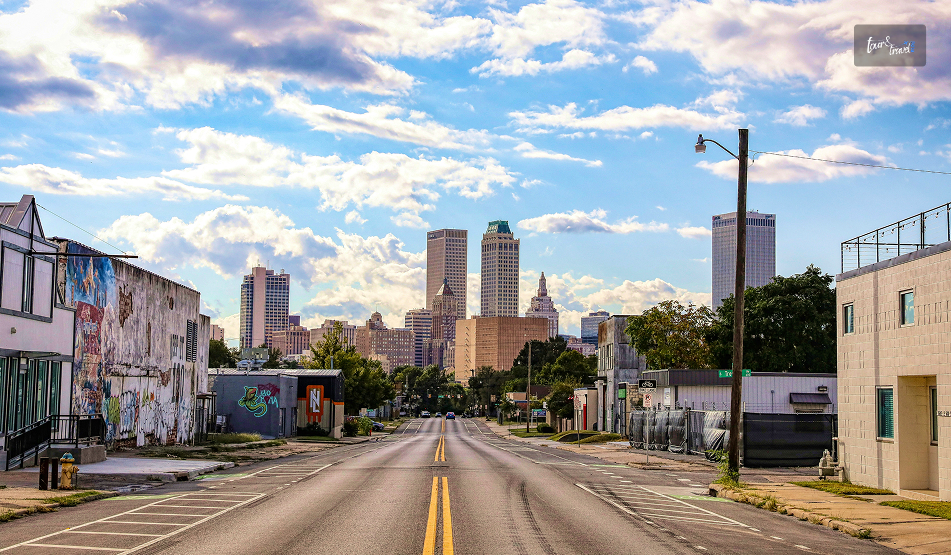


Unique Things To Do In Tulsa: Into The Land Of Art Deco Architecture

Nov 14, 2024

Last Updated on: Nov 20, 2024

Travel Guides

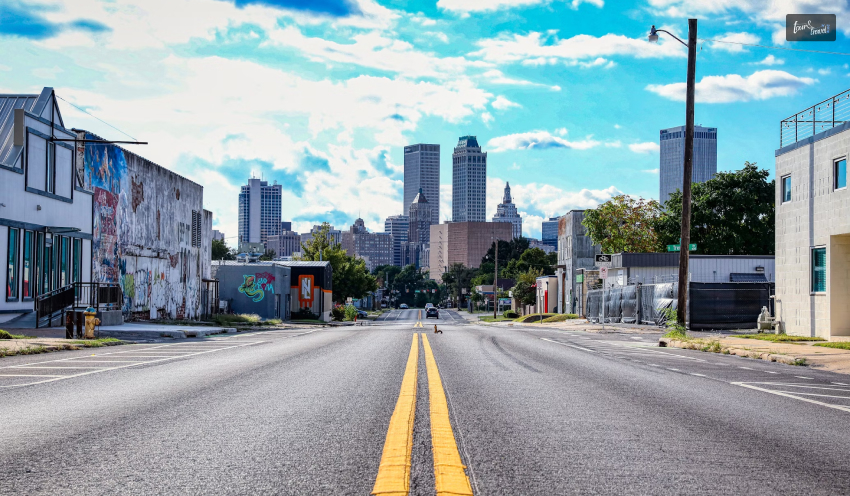
Once known as the Oil Capital of the World, Tulsa today is known for its concentration of art deco architecture, and a cosmopolitan vibe. 

On the Arkansas River, the city of Oklahoma is also the quintessence of the famous “Southern Hospitality” of the nation. Further, Tulsa offers the best fine dining experience, making it an ideal destination for culinary tourism in Oklahoma or the entire USA. 

In fact, forums like Secret Food Tours are now conducting food tours in the city. This is the ultimate food adventure where you peep into famous restaurants’ kitchens.

Nevertheless, beyond food tourism, the entire travel landscape in Tulsa looks promising. In fact, the Tulsa Regional Chamber has decided that Tulsa Regional Tourism will market the city as a center for tourism, sports, and culture. 

Do you also want to explore this beautiful city of Oklahoma? Here is a brief guide for you.

Unique Things To Do In Tulsa: Explore Food And More 

Unique Things To Do In Tulsa

The Tulsa Regional Chamber portrayed a happy picture of Tourism in Tulsa in 2022-2023. In the 2022-23 fiscal year, the hotels in Tulsa created a market impact of $317.2 million. 

The numbers being so promising have encouraged the Tulsa Regional Chamber to start the Improve Our Tulsa program. This is an improvement package with a capital of $ 814 million to improve the Cox Business Convention Center, Tulsa Zoo, Tulsa Performing Arts Center, etc. 

All these market figures and initiatives show Tulsa’s rise as a tourism destination in the USA. However, to explore the unique things to do in Tulsa, you will have to get your itinerary right first. 

1. Visiting the Cave House

Built in Tulsa in 1924, the Cave House is now one of the city’s most important landmarks. It was a chicken restaurant earlier, and today, it is a great place for family adventure with amusing stories. 

The entry fee to the Cave House is $15, and kids under 13 can get entry to the Cave House at $7.50.

2. Exploring the Gilcrease Museum

Operating Hours: 6 AM to 11 PM

Entry Fee: $5-8

Do you want to visit the best artwork of the American West? Gilcrease Museum should be your go-to destination. 

Frederic Remington, Charles Marion Russell, and Frank Tenney Johnson are some noted artists to feature in this museum. 

The Pioneer Garden, Rock Garden, and Pre-Colombian Garden are part of its 23-acre outdoor theme garden. 

3. Visiting the Philbrook Museum of Art 

Visiting the Philbrook Museum of Art 

Operating Hours: Wednesday to Sunday (Except Friday) – 9 AM to 5 PM

Friday: 9 AM to 9 PM

Monday And Tuesday – Closed 

Entry Fee: Free for Children below 2, $18 for Adults and $8 for Youth

Amidst expansive gardens stands the Philbrook Museum of Art, one of the oldest art museums in the country. It has a whopping collection of more than 200000 objects to tell unique stories of human history.

Along with the other collectibles, the Philbrook Museum of Art has now announced the launch of a new exhibit. It has artwork from the Pennsylvania Academy of Fine Arts or PAF.

This exhibit will be on display from 25th September to 29th December 2024. 

4. Visiting Tulsa Zoo

 Visiting Tulsa Zoo

Operation Hours: 9 AM to 5 PM

Entry Fee: Free for children below 3 Years, $10 for children from 3-11, $12 for 18-64 years old, and $12 for 65 years and above

Located in the Mohawak Park of Tulsa, Tulsa Zoo has state-of-the-art exhibits. It is also a place to encounter animals from all over the world.

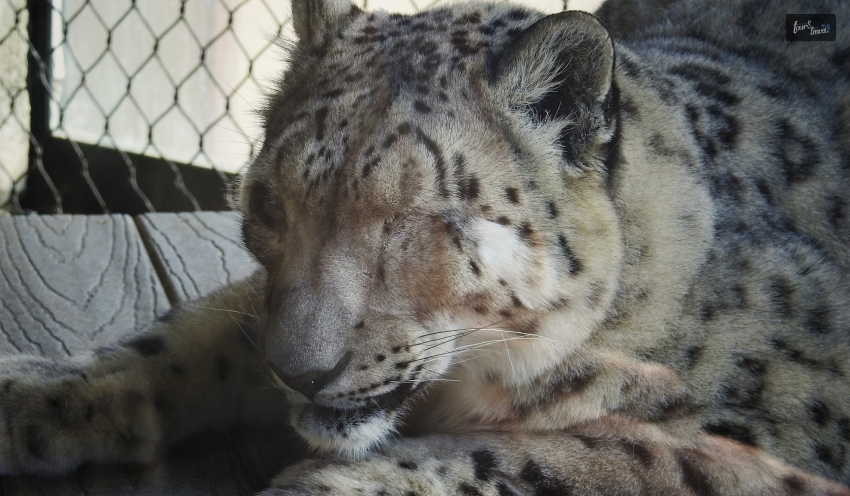
In this zoo, You will meet animals like the Malayan Tiger, Komodo dragon, snow leopard, Chinese alligators, etc.

Further, the zoo is a great place for birders with species like the “fawn-breasted bowerbird,” blue-crowned hanging parrot, and more. 

Did You Know?

Tulsa Zoo was recently in the news for welcoming five Malayan tiger cubs. These tigers belong to critically endangered species, and the birth of the five cubs has increased the number of Malayan cubs in North America by 10%.

The survival of these five cubs is a major milestone for the critically endangered Malayan tiger population. Each day, we weighed the cubs and completed health checks and supplemental feedings. The opportunity to visually inspect the cubs, monitor their progress, and intervene if necessary is paramount.

Jordan Piha, Curator of Mammals, Tulsa Zoo

Fine Dining: Experience One Of The Best Things To Do In Tulsa 

Trying the local delicacies at fine dining restaurants is one of the best things to do in Tulsa. These restaurants have their staples and daily specials for the gastronomic delight of the visitors. 

Here is a list of some of the best fine-dining restaurants in Tulsa.

1. Kilkenny’s Irish Pub

Phone Number: +1 918-582-8282

Tour and Travel Rating: 4.5

With a quaint charm, Kilkenny’s Irish Pub serves the best corned beef in Tulsa. Also, you can never have enough of the Irish stew at Kilkenny’s Irish Pub.

Further, Kilkenny’s Irish Pub is an excellent eatery to try seafood like oysters and lobsters. Moreover, the bartender service here is friendly. So, you will feel like coming back. 

2. SMOKE On Cherry Street

Phone Number: +1 918-949-4440

Tour and Travel Rating: 4.4

It’s bliss to try smoked trout salad and grilled oysters at SMOKE. The restaurant does every bit of justice to its name. Further, the chicken pasta here is delicious.

The menu of SMOKE is “Inspired American.” So, the food served here is the quintessence of American delicacies served in the southern part of the country. 

Moreover, celebrated chef Erik Reynolds and other chefs here use locally produced veggies and steaks. In addition, you will find vegan-friendly, gluten-free, and vegetarian options in the restaurant.  

3. Sisserou’s

Phone Number: +1 918-576-6800

Tour and Travel Rating: 4.4

Do you want to try the Caribbean or Jamaican food in Tulsa? Sisserou’s is the go-to destination. 

It’s a sin not to try the rum cakes or the crab appetizers here. Further, the waffles here are quite good, and the presentation is even better with syrup and bananas.

You can even try the fried jerk chicken at Sisserou’s. Moreover, the service here is good and quick. 

4. Mahogany Prime Steakhouse

Phone Number: +1 918-494-4043

Tour and Travel Rating: 4.3

We had the best steak in Tulsa at Mahogany Prime Steakhouse. You will also find the sauteed mushroom and  New York Strips here yummy. 

One more thing I am in absolute love with at Mahogany Prime Steakhouse is the crab cake. Of course, you will love the American staple, mac n cheese, here. 

Exploring The Art Deco Architecture Of Tulsa 

You will find the Deco District in Downtown Tulsa. Here, the most prominent buildings of the city have made a compact guild. Further, the Tulsa Preservation Commission has preserved and maintained the following art deco buildings in the city.

  • Boulder on the Park
  • Christ the King Church
  • City Veterinary Hospital
  • Davis Residence
  • Webster High School, etc.

The people of Tulsa have been in love with the Art Deco style since the oil money boosted the economy of Tulsa Downtown. Making its debut in a Paris exposition in 1925, the Art Deco style came to Tulsa a few years later. 

Also read

Share on Social Media

Meet Sibashree Bhattacharya, a travel enthusiast who has a decade-long experience in transcending virtual barriers with her words! Her deep love for travel is apparent from her travel escapades to the mountain, often taking her readers on a journey, her words acting as Portkey! Fun fact: Sibashree loves to dive deep into the history of the places she is about to visit, making her travels even more wholesome. If you were wondering how her articles are not short of time travel, this answers it!

Leave a Reply

Your email address will not be published. Required fields are marked *

title-img Related

READ MORE Traveling With Children Essential Vaccinations For Young Adventurers

Traveling With Children: Essential Vaccinations For Young Adventurers

BY  Ankita Feb 13, 2024

Traveling opens up a world of adventure, especially for younger explorers. But before you book your tickets and board the plane, it’s important to know that proper immunization is critical to ensure your child's health and safety abroad. Are you equipped with the essential vaccinations for your young adventurer? Key Takeaways Vaccinations are critical for safe travel. A tailored immunization schedule is necessary. Proper administration and aftercare of vaccines protect young adventurers. Fundamental Concepts Of Vaccination When planning trips for young adventurers, it is crucial to understand how vaccines protect against diseases by boosting immunity, and the processes that ensure their safety and efficacy. Understanding Immunity And Vaccines Your immune system is your body's defense against infections. When exposed to disease-causing organisms, your body produces antibodies to fight the invaders. Vaccines are biological preparations that provide this immunity without causing the disease itself. They contain weakened or killed forms of the microbes or their parts, stimulating your immune system to recognize and combat the actual disease if you're exposed in the future. Types of Vaccines: Live, attenuated vaccines Inactivated vaccines Subunit, recombinant, polysaccharide, and conjugate vaccines Toxoid vaccines Common Vaccines for Kids: Measles, Mumps, and Rubella (MMR) Diphtheria, Tetanus, and Pertussis (DTaP) Polio (IPV) Hepatitis B Vaccine Development And Safety The development of vaccines is a rigorous process. It involves several stages of testing for effectiveness and safety before they can be approved by regulatory bodies such as the CDC and the American Academy of Pediatrics. After a vaccine is released, it continues to be monitored for adverse side effects. Vaccine safety is a priority, and side effects, when they occur, are mostly mild, such as a sore arm or low-grade fever. More serious side effects are very rare. You need to be aware of the recommended vaccine schedule for kids to ensure they are protected against preventable diseases during their travels and beyond. Vaccination Schedule And Recommendations It's crucial to adhere to recommended vaccination schedules for different stages of life to ensure protection against various diseases. Childhood Vaccination Guidelines Your childhood immunization schedule starts from infancy. The CDC and American Academy of Pediatrics (AAP) outline that infants should receive multiple doses of vaccines such as DTaP, which protects against diphtheria, tetanus, and pertussis. It's important to keep a record and follow up with your pediatrician to stay on track. Birth to 6 years Vaccine Schedule Summary: AgeKey ShotsBirthHepatitis B1-2 MonthsHepatitis B, DTaP, Rotavirus, Hib, PCV, Polio4 monthsDTaP, Rotavirus, Hib, PCV, Polio6 monthsHepatitis B, DTaP, Rotavirus, Hib, PCV, Polio12-15 monthsHib, PCV, MMR, Varicella4-6 yearsDTaP, Polio, MMR, Varicella Adolescent Immunization Needs As you transition into your teen years, additional vaccinations are necessary to maintain immunity. Adolescents should receive the Tdap vaccine, a booster for tetanus, diphtheria, and pertussis, typically around 11-12 years old. The HPV vaccine series should also begin at this age to protect against human papillomavirus-related diseases. 7-18 years Vaccine Schedule Summary: AgeKey Shots11-12 yearsTdap, HPV series start, Meningococcal16 yearsMeningococcal booster Vaccines For Specific Age Groups Young adults should ensure they are up to date with vaccinations, especially if they haven't completed the HPV vaccine series or haven't received a Tdap booster in their adolescence. As you age, vaccines like the annual influenza shot and potential travel-related vaccines become pertinent based on your lifestyle and destinations. Always consult with a healthcare professional to tailor your immunization plan to your specific needs and to assess whether you need any catch-up vaccines. 19-26 years Vaccine Checkpoints: Annual: Influenza As needed: HPV series completion, Tdap, Travel-specific vaccines (Hepatitis A, Hepatitis B, Typhoid, etc.) Protection Against Specific Diseases As you prepare for your adventures, ensuring you are vaccinated is a key step in protecting your health. This section covers essential routine and travel-related vaccines and guidance for disease outbreaks and seasonal vaccinations that are critical for young adventurers. Routine And Travel-Related Vaccines Your vaccination schedule should begin with routine vaccines that protect against common diseases. These include: Measles, Mumps, Rubella (MMR): A combined vaccine providing immunity to these three diseases. Diphtheria, Tetanus, Pertussis (DTaP): Protects against these bacterial infections; a booster is needed every 10 years. Polio: Typically given in childhood but check your status as it's vital for travel to certain regions. Varicella (Chickenpox): Important if you haven't had the disease in childhood. For hepatitis A and hepatitis B, vaccines offer long-term protection, particularly important in regions with higher incidence rates. As for travel-specific vaccinations, they depend on your destination: Yellow Fever: Required for entry into certain countries; check if it's necessary for your itinerary. Typhoid and Hepatitis A: Recommended for travelers to most parts of the world, including Southeast Asia. Vaccine Shots for Southeast Asia: shots for Japanese encephalitis and typhoid are needed, along with malaria pills for protection against the mosquito-borne disease. Rabies and cholera shots should be considered as well. Disease Outbreaks And Seasonal Vaccinations Be aware of disease outbreaks in your travel destinations. This requires staying informed about current health threats which may necessitate additional vaccinations or precautions. For seasonal vaccinations, the yearly flu shot is recommended for all travelers to maintain health and minimize disruptions to their plans. Additionally, consider vaccines for: Meningococcal disease: Especially if you're visiting areas where outbreaks are common or live in close quarters with others (e.g., hostels). Human papillomavirus (HPV): Recommended to protect against various cancers and diseases caused by HPV. Rotavirus: Particularly for young children, as this vaccine is part of the routine immunization schedule. Always consult with a healthcare provider or a travel medicine clinic well in advance of your trip to ensure you receive all necessary vaccinations for safe travels. Vaccine Administration And Aftercare Ensuring proper vaccine administration and managing aftercare can significantly enhance the benefits of immunization, such as reducing the risk of hospitalization due to vaccine-preventable diseases. Read Also: Bali Beyond The Beaches: Exploring The Hidden Gems Of The Island Preparing For Vaccination When preparing for vaccination, it is crucial to consult with your pediatrician to understand which vaccines are appropriate for your kid. Your healthcare provider will recommend the necessary doses, including if a booster shot is needed. For example, the COVID-19 vaccine regimen may consist of more than one dose. Make sure you are aware of: The vaccination schedule, including the timing between doses. Possible pre-vaccination requirements: such as an allergy test for severe allergic reactions. Managing Possible Side Effects Post-vaccination, it's common to experience minor side effects such as redness, pain, swelling, and soreness at the injection site. To manage these: Apply a clean, cool, wet washcloth over the area to alleviate discomfort. Use your arm regularly to improve blood flow and reduce pain. For side effects that persist or if you experience symptoms of a severe allergic reaction (e.g., difficulty breathing, hives, swelling of the face and throat), seek medical attention immediately. Keep in mind that the benefits of vaccines, like the prevention of serious illness, often outweigh these temporary discomforts. Conclusion Your children’s health is paramount. Adhering to recommended vaccinations significantly reduces your risk of contracting travel-associated illnesses. Stay informed, be proactive with their health, and consult healthcare professionals for appropriate vaccines before embarking on your travels. Read Also: Yachting In Dubai – A Memorable Experience 5 Reasons Why People Love Morning Desert Safari In Dubai? Unforgettable Moments In The Desert: Exploring Dubai’s Safari Trip

READ MORE things to do in savannah ga

Art, Architecture, and Azaleas: 24 Things to do in Savannah in 2024!

BY  Ankita Mar 23, 2024

Imagine strolling through streets lined with historic sites, exploring contemporary art in bustling galleries, unwinding in grandiose homes turned into museums, or sipping coffee in quaint little nooks. Yes, THAT is Savannah for you! A city where the old and the new blend together, like honey, Savannah's diverse offerings range from serene gardens to lively beaches. It ensures every moment is packed with potential. But what are the things to do in Savannah, GA? If that is something that you are interested to know, I have you covered! In this guide, I'll talk about Savannah's top experiences and provide tips to craft your ideal visit. Ready to explore? Keep on reading this blog till the end to learn it all… Best Things to Do in Savannah, GA in 2024! Savannah is a hidden gem. There is absolutely no doubt about that! But did you know that the gorgeous city of Savannah is rated number 18 TripAdvisors’ Travelers’ Choice Best of the Best Destinations for 2024? Yes, you heard that right! That is exactly why it would be best if you booked a flight to explore the southern charms of the city. Here is a list of the things to do in Savannah, GA that should be on your bucket list: 1. Explore the Historic District The first thing to do in Savannah, GA is to take a walk through the old parts of the town. It's a big area with lots of old and important buildings. You'll see different styles of houses and other cool things like squares with fountains and statues. There are some really special places you should see. For instance, the big church called the Cathedral of St. John the Baptist, the Mercer Williams House, and a few others that are famous in Savannah. You can check out this area by walking, riding a bike, taking a trolley, going on a carriage ride, or joining a tour group. It's a fun way to see a lot of neat stuff in Savannah. 2. Stroll Along River Street Secondly, another must-do thing in Savannah, GA is to stroll along River Street, which is a lively waterfront promenade that runs along the Savannah River. This place is lined with some of the most popular restaurants, bars, galleries, and hotels that serve the convenience of the visitors. But that is not all! One of the best things about River Street is that this place offers a great view of the river and the ships that pass by. So, when you are here, you can enjoy the local cuisine, browse the souvenirs, watch the street performers, and listen to live music. Additionally, you can join the festivities during the annual events, such as the St. Patrick's Day Parade, the Fourth of July Fireworks, the Oktoberfest, and the Christmas on the River. River Street is also a great place to catch a ferry, a riverboat cruise, or a dolphin tour. 3. Visit the Forsyth Park Thirdly, if you are looking for a relaxing and scenic spot in Savannah, you should visit Forsyth Park. It is a 30-acre park in the heart of the city. Famous for its iconic fountain that literally takes the breath away, this park was built in the year 1818. Visitors often gawk at the beauty of this place which resembles the one in Paris's Place de la Concorde. And you know what? There is everything that you need at a park here! It features a fragrant garden, a children's playground, a lovely cafe, and a visitor center. Additionally, a large open space for picnics, sports, and concerts also adds to the charm of the park! Pro Tip: Do not forget to enjoy the seasonal events that take place in the park. These include the Forsyth Farmers' Market, the Savannah Jazz Festival, the Picnic in the Park, and the Sidewalk Arts Festival. 4. Discover the Bonaventure Cemetery Fourthly, the bucket list for the best things to do in Savannah, GA will be incomplete without this one! If you are interested in the history and culture of Savannah, you should visit the Bonaventure Cemetery, which is a 100-acre cemetery that dates back to 1846. Bonaventure Cemetery is not only a resting place for some of Savannah's most notable citizens, such as Johnny Mercer, Conrad Aiken, and James Oglethorpe. Additionally, it is also a stunning example of the Southern Gothic style, with its elaborate tombstones, statues, mausoleums, and live oaks draped with Spanish moss. You can also find the grave of the "Bird Girl." It is the statue featured on the cover of the best-selling book "Midnight in the Garden of Good and Evil". You can explore the cemetery on your own or join a guided tour. 5. Enjoy the City Market Are you looking for a fun and lively place in Savannah? Well then, you should enjoy the City Market. It is a four-block area that has been the social and commercial hub of the city since the 18th century. The City Market is home to a variety of shops, restaurants, bars, galleries, and studios, where you can find everything from local arts and crafts to gourmet food and drinks. You can also enjoy the entertainment options, such as live music, comedy shows, karaoke, and trivia nights. The City Market is also a great place to experience Savannah's nightlife, as it hosts many events and parties throughout the year. 6. See the Wormsloe Historic Site Suppose you want to see one of Savannah's most picturesque and historic sites. In that case, you should see the Wormsloe Historic Site, which is a former plantation that was established by Noble Jones, one of the first settlers of Georgia, in 1736. The Wormsloe Historic Site is famous for its majestic avenue of live oaks that leads to the ruins of the colonial estate, where you can see the tabby walls, the museum, and the interpretive center. You can also explore the site's nature trails, marshes, gardens, and wildlife. You can visit the Wormsloe Historic Site on your own or join a guided tour. 7. Experience the Savannah College of Art and Design Are you a fan of art and design? In that case, you should experience the Savannah College of Art and Design, a prestigious private university that has campuses in Atlanta, Savannah, Hong Kong, and France.   The Savannah College of Art and Design (SCAD) offers more than 40 majors and 60 minors in various fields of art and design. For instance, some of them are architecture, animation, fashion, film, graphic design, photography, and more. You can visit the SCAD Museum of Art, which showcases the works of contemporary artists and designers and the historic buildings that house the SCAD classrooms, studios, and galleries. You can also attend some of SCAD's events and exhibitions, such as the SCAD Fashion Show, the SCAD Film Festival, the SCAD Sidewalk Arts Festival, and the SCAD deFINE ART. 8. Relax at the Tybee Island If you are looking for a beach getaway near Savannah, you should relax at Tybee Island, a barrier island located 18 miles east of the city. Tybee Island is a popular destination for locals and tourists alike. They come to enjoy the sandy beaches, the warm waters, the fresh seafood, and the laid-back atmosphere. You can also visit some of the attractions on the island. For example, firstly visit the Tybee Island Light Station, which is the oldest and tallest lighthouse in Georgia. Secondly, you can visit the Tybee Island Marine Science Center. It offers educational programs and exhibits on the local marine life. Lastly, you Fort Pulaski National Monument, which is a historic fort that played a role in the Civil War. You can also join some of the activities on the island, such as kayaking, fishing, surfing, biking, or birdwatching. 9. Learn at the Georgia State Railroad Museum Are you someone who is interested in things related to history? Well, in that case, you should learn at the Georgia State Railroad Museum. Visiting this is one of the best things to do in Savannah, GA. This a museum located in the former Central of Georgia Railway Savannah Shops and Terminal Facilities.   The Georgia State Railroad Museum is a National Historic Landmark and features the country's largest collection of historic railroad buildings. You can see the locomotives, cars, and machinery that were used in the railroad industry, as well as the workshops, offices, and roundhouses that were part of the complex. Additionally, you can ride on a steam or diesel train, operate a handcar, and learn about the railroad's history and operation. You can visit the museum on your own or join a guided tour. 10. Taste the Savannah Bee Company Suppose you are a fan of honey and bees. In that case, you should taste the Savannah Bee Company, which was founded in 2002 by Ted Dennard, a passionate beekeeper and honey enthusiast. The Savannah Bee Company produces and sells various honey products, such as raw honey, whipped honey, honeycomb, honey straws, honey butter, honey soap, honey lotion, and more. You can visit the Savannah Bee Company stores in various locations in Savannah, sample the flavors and varieties of honey, and learn about the benefits and uses of honey and beeswax. You can also join some of the events and workshops the Savannah Bee Company offers, such as the Honey Tasting Experience, the Mead Tasting, the Bee Garden Tour, and the Beekeeping 101. 11. Watch the Savannah Theatre If you are looking for a cultural and entertaining experience in Savannah, you should watch the Savannah Theatre. It is a historic theater that was built in 1818 and is the oldest continually operating theater in the United States. The Savannah Theatre has hosted many famous performers and shows, such as Oscar Wilde, W.C. Fields, Lillian Russell, and Porgy and Bess. Today, the Savannah Theatre presents a variety of musicals, comedies, and concerts, featuring talented local and regional artists. 12. Shop at the Broughton Street Looking for a shopping spree in Savannah? You should shop at Broughton Street, the city's main shopping street. Broughton Street offers a mix of local and national stores, ranging from clothing and accessories to books and antiques. You can find some of the most popular brands, such as Banana Republic, J.Crew, Urban Outfitters, and Anthropologie, as well as some of the most unique boutiques, such as The Paris Market, The Salt Table, and The Book Lady. Moreover, you can also enjoy the cafes, bakeries, and restaurants that line the street, such as Leopold's Ice Cream, The Coffee Fox, and The Collins Quarter. 13. Tour the Old Fort Jackson You should tour Old Fort Jackson if you want to learn more about Savannah's military history. It is a historic fort that was built in 1808. At present, it is the oldest brick fort standing in Georgia. The Old Fort Jackson played a role in the War that took place in 1812, the Civil War, and the Spanish-American War, and was used as a training camp during World War I and World War II. You can see the original cannons, barracks, and ramparts, as well as the exhibits and displays that tell the story of the fort and its soldiers. You can also watch the daily cannon firings, musket demonstrations, and flag ceremonies and participate in some of the fort's interactive programs and events. 14. Admire the Telfair Museums If you love art and culture, you should admire the Telfair Museums, a trio of museums that showcase the art and history of Savannah and the world. The Telfair Museums consist of the Telfair Academy, the Jepson Center, and the Owens-Thomas House and Slave Quarters. The Telfair Academy is a historic mansion that was built in 1819 and houses a collection of 19th and 20th-century American and European art, including works by Mary Cassatt, Frederic Remington, and Childe Hassam. The Jepson Center is a modern building that opened in 2006 and features a collection of contemporary art, including works by Jasper Johns, Roy Lichtenstein, and Nick Cave. The Owens-Thomas House and Slave Quarters is a historic house built in 1816 and a National Historic Landmark showing the life and legacy of the wealthy and enslaved residents of the antebellum South. You can visit the Telfair Museums on your own or join a guided tour. 15. Eat at the Mrs. Wilkes Dining Room Wondering where to get the best taste of the Southern cuisine in Savannah? Look no further and head over to the Mrs. Wilkes Dining Room. This one is a legendary restaurant that was established in 1943 by Sema Wilkes. She is a self-taught cook who opened her boarding house to the public. The Mrs. Wilkes Dining Room serves a family-style lunch Monday to Friday, featuring dishes like fried chicken, meatloaf, macaroni and cheese, collard greens, black-eyed peas, cornbread, and peach cobbler.   You can enjoy the food in a communal setting, sharing a table with other guests and passing the platters around. Additionally, you can also buy some of the cookbooks and souvenirs that the restaurant sells. 16. Visit the Pin Point Heritage Museum The next thing to do in Savannah, GA is to visit the famous Pin PointMuseum. If you want to discover the African American culture and heritage of Savannah, this is the place to go. It is a museum that is in the previous A.S. Varn & Son Oyster and Crab Factory. The museum tells the story of the Pin Point community. The community was founded in the 1890s by the descendants of freed slaves who worked in the seafood industry. You can see the original equipment, tools, and products used in the factory. You can also see the exhibits and videos depicting the history and traditions of the Pin Point people. Additionally, you can meet some of the former workers and residents of the community, who share their stories and experiences. 17. Play at the Savannah Children's Museum Traveling with kids in Savannah? Then you should play at the Savannah Children's Museum. It is a museum that is located in the old Central of Georgia Railway Carpentry Shop. The Savannah Children's Museum is a fun and educational place for children of all ages. It features a variety of indoor and outdoor exhibits and activities that encourage learning through play. You can explore the sensory garden, the maze, the climbing wall, the art studio, the water play area, the reading nook, and more. You can also join some of the programs and events the museum offers. For instance the Toddler Tuesdays, the STEAM Studio, the Story Time, and the Family Free Day. 18. Drink at the Moon River Brewing Company If you are looking for a refreshing and exciting drink in Savannah, you should drink at the Moon River Brewing Company, a brewery and pub founded in 1999 and located in the former City Hotel. The Moon River Brewing Company produces and serves a variety of beers, such as the Swamp Fox IPA, the Slow-vannah Pale Ale, the Dixie Kristal Tripel, and the Captain's Porter. You can also enjoy the food menu, which features pub classics, such as burgers, wings, nachos, and salads. Furthermore, you can experience the haunted side of the brewery. It is said to be one of the most haunted places in Savannah. You can join some of the ghost tours and investigations that the brewery hosts. 19. Walk the Savannah Botanical Gardens If you are looking for a peaceful and beautiful place in Savannah, walk the Savannah Botanical Gardens, a 10-acre garden on the city's south side. The Savannah Botanical Gardens are open to the public and free of charge. It features a variety of plants, flowers, trees, and shrubs, as well as a pond, a waterfall, a rose garden, a camellia garden, a fern garden, a herb garden, and a children's garden. You can also see the Reinhard House. It is a historic farmhouse built in 1840 and furnished with antiques and artifacts. You can visit the Savannah Botanical Gardens on your own or join a guided tour. 20. Learn at the Savannah History Museum In case you want to learn about the history of Savannah, you should visit the Savannah History Museum, which is located in the former Central of Georgia Railway Passenger Station. The Savannah History Museum showcases the history of Savannah from 1733 to the present, featuring more than 10,000 artifacts, documents, and photographs, as well as interactive exhibits and displays. You can see some of the highlights of the museum, such as the bench from the movie "Forrest Gump," the uniform of General Casimir Pulaski, the carriage of Girl Scouts founder Juliette Gordon Low, and the locomotive of the Central of Georgia Railway. Additionally, you can watch the film "Savannah the Survivor." It narrates the story of the city's survival through wars, fires, and epidemics. 21. Eat at the Olde Pink House If you tried to search for the best things to do in Savannah, GA on the internet, you must have come across blogs talking about the Olde Pink House! When it comes to a fine dining experience in Savannah, you should eat at the Olde Pink House, a historic mansion built in 1771 and one of the city's oldest buildings. The Olde Pink House is a restaurant that serves traditional Southern cuisine with a contemporary twist. It features dishes such as shrimp and grits, fried green tomatoes, she crab soup, and pecan-crusted chicken. You can enjoy the food in one of the elegant and cozy dining rooms, each with its own fireplace and decor, or in the basement tavern, which offers live music and a casual atmosphere. You can also enjoy the haunted side of the restaurant. Most people say that the ghost of James Habersham Jr., the house's original owner, haunts the house. 22. Relax at the Skidaway Island State Park If you are looking for a natural and serene place near Savannah, relax at the Skidaway Island State Park, which is on Skidaway Island 15 miles southeast of the city. Skidaway Island State Park is a 588-acre park that offers a variety of outdoor activities and amenities, such as hiking, biking, camping, picnicking, fishing, boating, and birdwatching. You can also visit some of the attractions in the park, such as the observation tower, the interpretive center, the nature trails, and the boardwalk. You can also see some wildlife inhabiting the park, such as deer, raccoons, alligators, and egrets. 23. Eat at the Zunzi's There is no trip that is complete without good food! If you want to have a unique and delicious food experience in Savannah, you should eat at the Zunzi's. It is a restaurant that was founded in 2005 by Johnny and Gabriella Debeer, who are from South Africa and Switzerland, respectively. Zunzi's serves a fusion of African, European, and American cuisine, featuring sandwiches, salads, wraps, bowls, and sauces made with fresh and local ingredients. You can try some of the signature dishes, such as the Godfather, the Conquistador, the Oliver's Lunch, and the Shit Yeah Sauce.   You can also enjoy the friendly and casual atmosphere of the restaurant, which has a takeout window and a rooftop deck. 24. Drink at the Ghost Coast Distillery And lastly, if you are looking for a craft and spirits experience in Savannah, you must drink at the Ghost Coast Distillery. It is a distillery that was founded in 2017 and is the first distillery in Savannah since the prohibition. The Ghost Coast Distillery produces and sells a variety of spirits, such as vodka, whiskey, bourbon, gin, and rum, using local and organic ingredients. You can visit the distillery and take a tour of the production facility, where you can see the stills, the barrels, and the bottling line, as well as learn about the history and process of distilling. You can also visit the tasting room, where you can sample the spirits and cocktails, as well as buy some of the merchandise and souvenirs. Wrapping it Up! I hope that you found this blog on all the things to do in Savannah helpful. This is a wonderful city that offers a lot of attractions and activities for all kinds of travelers. Whether you are into history, culture, nature, or entertainment, you will find something to suit your taste and interest in Savannah. So, what are you waiting for? Book your trip to Savannah today and discover the charm and beauty of this Southern gem. And yes, don’t forget to have a great time! Read Also: 15 Unexpected Things To See And Do In Georgia A Guide To National Parks In Georgia – Latest Guide 7 Fun Things To Do In The Great Smoky Mountains National Park

READ MORE Kotor Montenegro budget travel

How To Plan A Kotor Montenegro Budget Travel? Cheap Ways To Travel To Kotor Montenegro For Backpackers 

BY  Sibashree Oct 22, 2025

“The cats protect the city from mice, and in return, the people feed them.” The local shopkeeper told me as I was walking toward a dozen cats sitting on the stone steps at a locality near the Old Town. On a backpacking trip to Kotor, Montenegro, I found cats on the ancient walls, in cafes, and everywhere! Stretching their bodies in the Sun and with their purrs, they indeed looked like the guardians of the city. And it is them who made me feel at home. However, it’s not just the cats that make Kotor in Montenegro an ideal budget travel destination for backpackers. It now features in the second spot as one of the most underrated budget backpacker destinations by Bamba Travel. Its medieval streets, historic architecture, hiking routes, and seafood offer the most affordable travel options for backpackers. Also, it is a less-crowded place than most hotspots in Western Europe. Is there more to a Kotor Montenegro budget travel experience? We will figure out the answer in this blog. We will also talk about how to reach Kotor, Montenegro, the modes of transportation for moving around and more. Let’s plan a trip to this UNESCO World Heritage Site. The Natural Beauty Of Kotor, Montenegro Speaks: Understanding Its Location  Another vivid memory I have of Kotor is how I started my hike to the Kotor Fortress before sunrise. I was halfway up, and nature was getting ready to be bathed with the first rays of the Sun. The chirpings of birds and that smell, a mix of the scent of an oven after a cake is freshly baked, and the dew-drenched leaves created an ambiance that was inexplicable. Nevertheless, a local shepherd offered some cheese and rakija (homemade brandy), and we talked about life. Then, the Sun illuminated the entire Kotor Bay. Now, if not this, what is magic for a backpacker or traveler? Now, thanks to the unique natural location of Kotor, Montenegro, you can encounter many such magical experiences. Located in the Bay of Kotor, Kotor is a coastal town of Montenegro, and it is a part of the Kotor Municipality. It sits between the Adriatic Sea and the Dinaric Alps and has a mountainous terrain. How To Reach Kotor, Montenegro? How Tourists From Different Parts Of the World Can Visit Kotor?  The easiest way to reach Kotor is to travel to the Tivat Airport. Located at a distance of around 7 km, it is the closest to Kotor. You have to travel the remaining route by local transport. Podgorica Airport (40 km) and Dubrovnik Airport (44km, Croatia) are the two other airports near Montenegro. You will get flights from major European cities to these airports, and buses also run from neighboring countries such as Croatia, Serbia, Bosnia and Herzegovina to Podgorica and Kotor. Furthermore, you can travel from Belgrade in Serbia to Podgorica in Montenegro and from Belgrade in Serbia to Bar in Montenegro. In addition, if you are traveling from Italy, you can take a ferry from Ancona on Italy’s eastern coast and take a ferry to Bar in Montenegro. You will have to make a journey of around 13 hours to reach your destination. Flights, Trains, Buses, And Other Modes of Transportation  For a backpacker, it’s a must to explore the Bay of Kotor in a boat. This boat takes you to many nearby towns and villages. However, for me, the trip to Perast was the highlight of these boat trips. The village has fewer than 300 people, and the quaint village offers some of the grandest views. Furthermore, if you want to move around and explore Kotor and its nearby localities by road, you will get car rentals, taxis, and shuttles. Why Is Kotor Montenegro, Budget Travel So Popular Among Backpackers?  While Greece and Croatia get all the attention on big tourism platforms, Montenegro in the Balkans is emerging as a favorite of the budget backpack travelers, thanks to the steady numbers. According to a report published by the International Trade Administration on 20th May 2024, tourism contributes 30% to Montenegro's GDP. Furthermore, the country is planning to boost its tourism prospects with a great focus on the following areas. Ecotourism  Cultural Tourism  Rural Tourism  Furthermore, another report published in ReportLinger suggests that the number of tourists to Montenegro is likely to reach 3.4 million by 2028. This is again a 2.8% rise from the number of 2.9 million tourists in 2023. Also, the tourism revenue is expected to reach $95 million by 2028. Now, in this scenario, Kotor is emerging as a sustainable tourism gem after a successful sustainability assessment by the Global Sustainable Tourism Council (GSTC). The Port of Kotor in Montenegro, Cruise Lines International Association (CLIA), and the Municipality of Kotor have done a successful assessment of the city. Vladimir Jokić, Mayor of Kotor, has commented, “As the Mayor of Kotor, I am pleased to say that Kotor is one of the few cities in the region that has undergone an important sustainability assessment process as a tourist destination. Together with the Global Sustainable Tourism Council (GSTC) and CLIA, we brought together various stakeholders from public life to gather their input. All participants from public life, city government bodies, state authorities, universities, the civil sector, the economy, and entrepreneurs took part in this process. The assessment results provided us with a clear insight into the impact of tourism on our city, which will help us develop effective strategies for sustainable tourism – that is, how we should move forward regarding tourism.”  So, Kotor today is a benchmark in sustainable tourism in the European region, and it is a budget-friendly travel destination among tourists for the following reasons. 1. Affordable Accommodation Options, Including Hostels And Guesthouses  Kotor has plenty of budget stays, from cozy guesthouses run by local families to hostels right inside the Old Town. Many include free Wi-Fi, breakfast, and kitchen access. Prices start at around €10–€15 per night during the off-season, and you’ll often meet other travelers sharing tips over morning coffee.  2. Stunning Natural Beauty With Mountains And The Adriatic Sea  Kotor sits where the rugged Dinaric Alps meet the calm Adriatic Sea. Whether you’re hiking up to the fortress or just wandering the waterfront, every corner feels like a postcard. The Bay of Kotor, often called Europe’s southernmost fjord, is perfect for swimming, kayaking, or just soaking in the sunset.  3. Rich Cultural And Historical Heritage In The Old Town  The Old Town is a maze of medieval lanes, Venetian palaces, and stone churches dating back to the 12th century. Walking here feels like stepping back in time and the best part is that exploring them is absolutely free! You can easily spend hours admiring its architecture and lively squares without spending a cent.  4. Numerous Free And Low-Cost Attractions  Many Kotor Montenegro activities are budget-friendly and free. Strolling along the Marina is the most relaxing experience I had at Kotor, Montenegro. Furthermore, the entrance fees to the museums and cathedrals here are very few. You need to just pay a few dollars. Overall, the magic of Kotor lies in exploring the city on foot or by boat the Kotor Bay. 5. Easy Access To Hiking Trails Like The Ladder Of Kotor  1350 Steps! Yes, you have to climb 1350 steps to complete the Ladder of Kotor hike. However, climbing up so many steps is a rewarding experience as the panoramic views of the city and the surroundings are breathtaking. 6. Budget-friendly Local Cuisine And Street Food  Kotor Montenegro food is comforting and simple, an extension of the simplicity of the city. I fell in love with sell burek or the savory pastries here. The filling in these pastries will remind you of your mother or grandmother who can create the biggest magic on the plate with the simplest ingredients. Furthermore, the family-run taverns or konobas here served the best grilled meat and seafood at the most affordable price.  7. Proximity To Other Balkan Destinations  You can easily include visiting places such as gems like Budva, Podgorica, or Dubrovnik in your Kotor Montenegro itinerary. Regional and international buses are available during the daytime and nighttime to explore these places on a budget. 8. Friendly Locals And A Welcoming Atmosphere  Montenegrins are hospitable, and language is never a barrier here. Many people here speak English. Especially the younger ones are well-versed in the language. So, it does not matter whether you are visiting Kotor for the first time or the last time. You will connect easily. 9. Vibrant Backpacker Community And Social Hostels  Kotor Montenegro hostels are beyond budget-friendly accommodations. These turn out to be the local social hub for solo travelers. Many of these hostels focus on activities such as:  Hiking Trips  Group Dinners  Local Events  Pub Crawling  So, you make new friends and earn new experiences with the locals guiding you. 10. Opportunities For Volunteering And Work Exchanges  Are you a digital nomad? Or, are you staying longer in Kotor? Many cafes, hostels and eco-projects in the city offer work-exchange programs or volunteer services. Explore platforms such as Worldpackers and Workaway to explore the listed job opportunities. Furthermore, there are many hostels and cafes where you can work for a few hours and get free accommodation and food in return. I have found several such listings on Worldpackers. You will have to work for 20 to 24 hours a week and have to shoulder working at receptions, administration, cleaning and housekeeping. You will get a shared dormitory and one meal in exchange for these services.  How To Plan The Kotor Montenegro Budget Travel For A Week? A week in Kotor can cost as little as $300–€400. Here is a quick breakdown. Montenegro Budget Travel Expenses Cost Breakdown Accommodation in Hostels $15–$25 per night Meals $5–$10 per meal at local eateries Kotor Montenegro Transport $10–$20 for buses and local travel Tours and Entrance Fees $5–$15 Total Average Daily Cost $35-60  Top Budget-Friendly Hostels In Kotor, Montenegro  Have a look at the table below for the list of budget-friendly hostels in Kotor, Montenegro. Staying in a hostel is one of the cheap ways to travel to Kotor Montenegro for backpackers.  Hostel Name Address Highlights Google Maps Montenegro Hostel 4U Bokeljskih brigada bb, Kotor • 30 Seconds from the beach• Great social vibe• Rooftop terraceClick HereHostel Pupa Njegoseva 254, Suranj, Kotor • Near the bus terminal and Old Town• Cozy common area Click HereOld Town Youth Hostel Stari Grad 284, Kotor • Inside Old Town• Party-friendly• Great for solo travelersClick HereHostel Centrum Stari Grad, Kotor • 2-minute walk from Old Town gate• Communal kitchenClick HereMontenegro Backpackers Home Old Town, Kotor • Great location• Excursions available• Well-equipped kitchenClick HereGuesthouse STEP Near Old Town, Kotor • Terrace Hiking • Access Budget-Friendly Click HereKotor Nest Coliving Kotor, Old Town • Ideal for digital nomads• Modern amenitiesClick Here Is Visiting Kotor Montenegro, Worth It?  I was walking through Old Town and stumbled upon a group of elderly men playing traditional Montenegrin music on guitars and accordions. Locals stopped, clapped, and danced spontaneously. They even invited me to join in. I learnt the local dances right there on the cobblestones. Now, this is the spirit of Montenegro, it’s about living life to the fullest and understanding the magic of minimalism. Furthermore, the main attractions such as the St. Tryphon Cathedral, the town of Perast, the Blue Cave, the Bay of Kotor, and the City Walls allow you to soak in its cultural heritage, history, and scenic beauty on a budget. Is Kotor, Montenegro, Struggling With Overtourism? Yes, like Venice, Barcelona, and many other major European cities, Kotor, the “Unsung” coastal beauty, is also struggling with the perils of overtourism. The rising number of cruises to the city is leading to this problem. As a result, the locals are now advocating for higher entrance fees. So, discussions are going on about raising the entrance fee, which is 1 Euro. This is justified because housing costs are rising due to the increase in tourism, and there are also environmental concerns. And it is not just homeowners who are worried about these growing numbers. The local shopkeepers and NGOs who work for community development and environmental issues are also concerned by the sudden boost in tourism. During my trip, I had the opportunity to meet Ms. Mandic, an environmental activist in the city. She said, “Hundreds of tourists are visiting the city every day. They are writing the city’s future, which will be irreversible.”  The Municipality of Kotor and the local tourism authorities will monitor the numbers to maintain the pristine charm of the coastal town. Montenegro Budget Travel: Frequently Asked Questions (FAQs)  Here are the frequently asked questions and answers about the Montenegro budget travel. 1. Are 4 Days Enough For Kotor, Montenegro?  Yes, 4 to 5 days are enough to explore the city of Kotor in Montenegro. You can walk through the Old Town, enjoy a boating tour in the Bay of Kotor, visit the nearby towns, and explore local life by having food at the family-run taverns in Kotor. 2. Is Kotor Or Budva Better?  Kotor and Budva both places are beautiful. However, Kotor is less touristy with its quaint cafes and the medieval Old Town, which stands as the eternal witness. Furthermore, Kotor is more suitable for budget-travelers as walking, hiking, cycling and biking are the best modes of knowing this city of Montenegro.  3. Which Language Is Spoken In Montenegro?  Montenegrin is the language of the people of Montenegro. However, Montenegrin is a part of the Serbo-Croatian language variety. So, it is similar to other languages such as Serbian, Croatian, and Bosnian.Furthermore, many people here, especially the younger ones speak in English.  4. Can You Drink Tap Water In Montenegro?  Yes, you can drink tap water in Montenegro. Furthermore, you will find fresh water springs around Lake Skadar and in the mountains. Furthermore, food in Montenegro is also checked in labs to ensure complete safety. 5. What Are The Common Crimes In Kotor? Burglary and theft are the most common crimes in Kotor, Montenegro. Along with pickpocketing and snatching of purses, these crimes also include theft at ATMs. Furthermore, these crimes increase in number during the peak tourist season or the summer months.Also, organized crimes, especially the ones related to drug smuggling, are quite common in Kotor. In fact, according to the United Nations Office on Drugs and Crime report “Montenegro-UNODC Strategic Partnership Framework (2024-2029),” “..., organized crime in Montenegro is mostly related to drugs smuggling. Montenegro is part of the ‘traditional’ opiate route from Afghanistan to Europe, or so called ‘Balkan Route’. In terms of trafficking routes, heroin is thought to come via road to Montenegro from Albania, Kosovo or Serbia and travel further towards Croatia and other European countries. 6. What Is The Best Time To Visit Kotor, Montenegro?  The summer months of July and August are the peak months for visiting Kotor in Montenegro. However, for budget friendly travelers, November to February is the ideal time for a visit to Kotor. Despite rainfall being a factor, these are the months for skiing and watersports in nearby mountains. Also, with the number of tourists being fewer in these months, the accommodation charges are lower than in the peak season.On average, your daily expenses in these months will be around $5 less than the peak summer months.