



What’s In My Makeup Bag During A Trip?

Apr 29, 2023

Last Updated on: Jul 4, 2025

Travel Guides

This time of the year is amazing for organizing a trip to an amazing summer destination to spend some leisure time with your loved ones. But packing for a trip can be both exciting and overwhelming, especially when it comes to your beauty essentials.

It’s essential to pack smartly and efficiently to ensure that you have everything you need while still leaving enough space in your luggage.

One of the most crucial aspects of packing your makeup bag is choosing the right products. With limited space and weight restrictions, it’s crucial to bring only the essentials that you will use throughout your trip.

If you’re unsure which items to include in your travel makeup bag, you are in the right place!

Here Are Four Important Essentials Things To Keep With Your Makeup Bag

Read below and we’ve got your back! We have for you a list with all the essentials to keep with your makeup bag during a trip, in order to feel fresh and pretty on every occasion!

1. Moisturizer with SPF

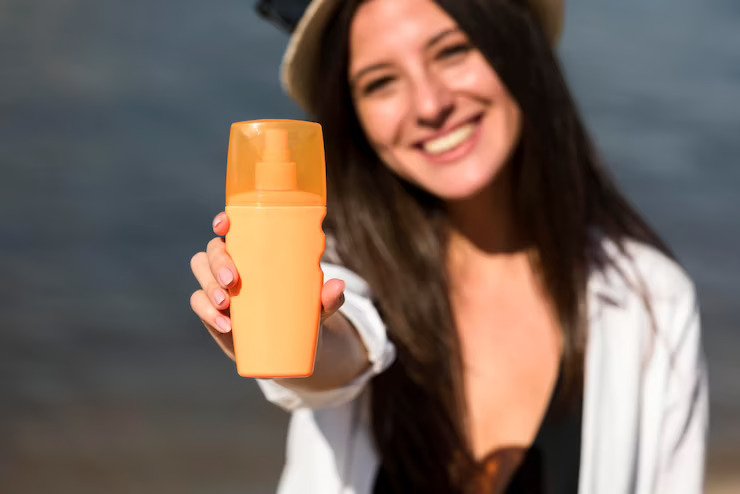
One of the most crucial products to pack in your makeup bag is a moisturizer with SPF. Traveling can cause your skin to become dehydrated and dull due to different climates, water, and air.

By using face moisturizing products with SPF, you can hydrate and protect your skin from the sun’s harmful UV rays. This way, you can enjoy your trip without worrying about sunburn or premature aging caused by sun damage.

2. Mascara

Moreover, if you love makeup you might already know that quality mascara is a must-have item in any travel makeup bag. It instantly opens up your eyes and makes them appear more awake. Opt for a volumizing or lengthening mascara that suits your lash type and enhances your natural beauty.

Choose a waterproof mascara that can cope to prevent smudging and smearing, especially if you’ll be swimming or sweating. In case you don’t have quality mascara, it is time for shopping! A mascara will make your eyes look amazing and your makeup even more impressive!

3. Multi-use products

Another amazing tip to save space in your makeup bag, consider bringing multi-use products. For example, a light-tinted moisturizer with a high SPF can provide hydration, coverage, and sun protection in just one step. You can also use it as a base for your makeup or as a touch-up during the day. Similarly, cream blush can double as a lip tint and add a pop of color to your cheeks.

4. Brushes or sponges

Last but not least, don’t forget to pack the tools you need to apply your makeup. Brushes or sponges can make a huge difference in how your makeup looks and lasts throughout the day.

Choose the ones that work best with your makeup products and bring a compact brush cleaner to keep them clean and hygienic. Choose to buy some quality brushes because they are very important when it comes to the final result. A quality sponge will apply the concealer much better than a cheap one.

Read Also:

Share on Social Media

Arnab is a professional blogger, having an enormous interest in writing blogs and other jones of calligraphies. In terms of his professional commitments, He carries out sharing sentient blogs.

Leave a Reply

Your email address will not be published. Required fields are marked *

title-img Related

READ MORE Pamukkale Turkey

What Is So Special About Pamukkale Turkey? (Waterpools, Things To Do, And More)

BY  Sibashree Sep 18, 2025

Pamukkale is one of the most visited regions in Turkey in 2025. With its natural beauty and historical intrigue, it welcomed 1.6 million visitors in 2025, according to a recent Travel and Tour World report.  Home to the Hierapolis spa city, Pamukkale Turkey, has snow-white travertine terraces, which look dramatic against the backdrop of blue skies. Also, it is one of the most prominent destinations in Turkey to promote nature-based tourism.  Also, resembling a winter wonderland covered with snow, Pamukkale is actually a unique landscape formed by hot spring waters in a Sun-kissed zone of Turkey.  Where Is Pamukkale Turkey?  Pamukkale is in the Denizli Province of southwestern Turkey. It has Hierapolis, a UNESCO World Heritage Site and a unique landscape, including white travertine terraces.  The unique landscape is built with the carbonite mineral deposits of the hot water springs here.  Furthermore, Pamukkale is in the Inner Aegean region of Turkey and it is in the valley of the River Menderes.  How To Reach Pamukkale Turkey From Istanbul? The distance between Pamukkale and Istanbul is close to 572 km, and based on your mode of transport, it will take between 6 hours 20 minutes and 11 hours to reach Pamukkale.  1. Istanbul To Pamukkale Turkey By Train You can take a train from Istanbul to Eskişehir and then board the Pamukkale Express from Eskişehir to Denizli, where Pamukkale is located. This 8-hour journey by train allows you to cherish the beauty of central Anatolia.  Otherwise, board a train from Istanbul to Yenikapı and then a train to Pamukkale. The train will pass through stations such as Istanbul Pendik, Eskişehir, and Goncalı. 2. Istanbul To Pamukkale By Air The Denizli-Çardak Airport (DNZ) is the nearest airport to Pamukkale. It is located at a distance of 67 km. You can take a domestic flight from Istanbul to Pamukkale and then take a shuttle or a bus to reach Pamukkale by road within 50 minutes.  3. Istanbul To Pamukkale By Road Companies such as Kamil Koç operate direct buses from Istanbul to Sarayköy. From Sarayköy to Pamukkale, it is a journey of less than 30 minutes by road.  Moreover, you can take overnight buses to Pamukkale from Istanbul.  What Is So Special About Pamukkale Turkey?  With thermal springs, white hills of cascading water, and crystal lakes, the unique landscape of Pamukkale looks stunning. Furthermore, it has Hierapolis or the “Holy City.”  Fortunately, all these unique features of Pamukkale are mostly intact even today. Moreover, as the UNESCO World Heritage Convention says, it is a wonderful fusion of natural beauty and cultural richness.  “The property is largely intact and includes all the attributes necessary to express its Outstanding Universal Value, based on the strong and tight integration between the natural landscape (the white travertine terraces and numerous thermal springs) and culture (the city ruins from the Greco-Roman and Byzantine period, especially the theatre and the necropolis). The boundaries of the site are adequate to reflect the site’s significance.” - UNESCO World Heritage Convention.  Let’s explore its unique features and landmarks.  1. Cotton Castle Pamukkale Turkey Pamukkale means cotton castle in Turkey, and the name comes from the travertine terraces, which have white formations with a cotton-like appearance. The terraces here form stepped pools, and together they look like a cascading castle of white cotton and crystals.  But do you know how this unique landmark was formed? Western Anatolia in Turkey has the largest deposits of calcium carbonate rocks in the world. However, it is also the region where the Earth’s crust faces the maximum pull.  Furthermore, various geothermal, seismic, and volcanic activities here create many fissures and faults. The Pamukkale plateau in the Denizli Basin is one of the main examples of this kind of geological formation.  Here, the calcite terraces and rimstone pools fall from over a 200-meter-tall cliff. Being rich in minerals, the cascading water covers the rocks with a thick layer of white sediments. These rocks look like layers of cotton and have thus got the name Cotton Castle.   According to NASA, the mineral deposition in this area is aged between 50000 and 600,000 years. The process started from the Pleistocene epoch, and the latest deposition here is related to the Laodikeia earthquake.  2. The Pools Of Pamukkale Turkey The thermal pools in the travertine terraces of Pamukkale were formed with mineral-rich hot spring water falling down the hillside and solidifying the deposits.  The vast Cleopatra’s Pool is probably the most prominent example when we talk about the pools of Pamukkale. The average water temperature of these pools ranges between 19 and 57 degrees Celsius. Sometimes the temperature can be as much as 100 degrees Celsius.  3. The Hot Springs Of Pamukkale The hot springs of Pamukkale have geothermal water, which is rich in minerals. Being mineral-rich, these waters have many therapeutic benefits. Moreover, it is a lifetime experience to swim in the geothermal pools on travertine terraces against the beautiful white walls.  4. The Ancient Hierapolis Or The Holy City Of Pamukkale  King Antiochus II founded ancient Hierapolis in the 2nd century BCE at the top of Pamukkale. Its strategic position near the thermal rings and along the trade route made it a thriving city during the Roman Rule.  Furthermore, Hierapolis became a prominent spa and healing city, and it grew in religious and cultural significance over time. The vast necropolis, the Temple of Apollo, and the Roman theater are the telltale signs of a rich history of Hierapolis, or the Holy City of Pamukkale.  Moreover, during the Byzantine era, Hierapolis experienced tremendous growth as a Christian hub, and it became a bishopric. In addition, the necropolis area saw many churches being built, and it became a chosen resting place for Christian martyrs.  Finally, in 1988, UNESCO gave the combination of Hierapolis and Pamukkale the designation of a UNESCO World Heritage Site.  5. The Gate To Hel Or Pluto’s Gate In Hierapolis View this post on Instagram A post shared by M. Tolga Akbulut (@mtolgaakbulut) Pluto’s Gate was believed to be the gate to hell or the underworld. This prominent archaeological site was associated with Pluto, the Roman God of the dead, wealth, and the underworld.  The scientific explanation behind this place is that geothermal activities in Pamukkale caused the release of a large amount of carbon dioxide. Thus, it became a lethal area, and the priests utilized this natural phenomenon to convince pilgrims of the place’s mystical power.  What Are The Things To Do In Pamukkale Turkey? As I have already mentioned, the things to do in Pamukkale are the perfect fusions of natural, cultural, and religious explorations. Try these activities here.  1. Taking A Bath In Cleopatra’s Pool Cleopatra’s Pool got its name from Queen Cleopatra taking a bath in this pool. It is surrounded by marble columns that go back 1000 years.  This pool is just a 10-minute walk away from the main ruins of Hierapolis. 2. Exploring The Roman Theater The history of the Roman Theater goes back to the 2nd century AD. It could accommodate 12,000 visitors and was the venue for theatrical performances and gladiatorial battles.  Even today, the Roman Theater is well-maintained, and you can enjoy a panoramic view of Pamukkale from this place.  3. Taking A Stroll Around The Necropolis The necropolis area of Pamukkale has tombs and family mausoleums that belong to the Byzantine, Roman, and Hellenistic periods.  The necropolis area is like an outdoor museum where you can read the plaques and learn a lot about the people who stayed here and how they viewed life and the afterlife.  4. Visiting The Local Villages The Pamukkale Village offers you a slice of the ultimate Turkish rural life. Try the mezes or appetizers, kebabs, and Pide or Turkish pizzas from local shops and restaurants here.  Also, you can explore the shops here to buy ceramic items, jewelry, and textiles.  5. Enjoying A Walk Through The Travertine Terraces Take a walk along the travertine terraces and experience the wonder of nature at its best. Furthermore, you can wet your feet in the warm waters of the pools here.  However, you have to walk carefully on the surface as it can be slippery.  Pamukkale Turkey: Frequently Asked Questions (FAQs) Here are the frequently asked questions and answers about Pamukkale Turkey.  1. What Is The Best Time To Visit Pamukkale Turkey? April to June, or the spring season, and September to November, or the autumn season, are ideal times for a visit to Pamukkale. However, if you want to avoid the crowd, the winter months of December to March are the best options.  2. Which City Is The Closest To Pamukkale Turkey? Denizli is the closest city to Pamukkale. The distance between these two places is around 17 km. Today, Denizli City is a bustling hub of textile production and export.  3. Is It Possible To Swim In Pamukkale? Yes, swimming is allowed in the travertine pools in Pamukkale. However, there are only some designated pools, such as the Cleopatra Pool, where you can swim.  4. Is 1 Day Enough In Pamukkale? Yes, one day is enough to explore the Pamukkale. You can take a bath in the travertine pools, explore the ancient ruins, and visit the local villages within 5-6 hours.  5. Which One Is Better? Cappadocia Or Pamukkale? Cappadocia and Pamukkale both have stunning landscapes. However, Cappadocia is famous for adventurous activities, like hot air balloon rides. On the other hand, Pamukkale is a place for natural exploration, visiting the ancient ruins, and taking a bath in the travertine pools.  6. What Language Is Spoken In Pamukkale? Turkish, the official language of Turkey, is the main language in Pamukkale. However, people here also speak in English.  7. Is Pamukkale Good For Skin? Yes, Pamukkale is good for the skin. The presence of silica, sulfur, and calcium in the water improves the elasticity of the skin, cleanses the skin, and alleviates eczema and other skin conditions.  8. Can I Drink Water In Pamukkale? The water of the thermal springs and pools of Pamukkale is rich in minerals. So, it is better to avoid drinking the water from the hot springs and pools in Pamukkale.  9. Do I Need To Pay Entry Fee To Visit Pamukkale Yes, you will need to pay an entry fee to visit Pamukkale. Furthermore, there will be an additional fee if you want to swim in the Cleopatra Pool.  Read Also: You Cannot Miss These Unique Things To Do In Indiana | Explore The Hidden Gems To Visit Your Visa Guide: Turkey Transit Visa Information & Hong Kong Visa Processing Time Easiest Countries To Get Citizenship In 2025: Let’s Know The Names

READ MORE Traveling With Children Essential Vaccinations For Young Adventurers

Traveling With Children: Essential Vaccinations For Young Adventurers

BY  Ankita Feb 13, 2024

Traveling opens up a world of adventure, especially for younger explorers. But before you book your tickets and board the plane, it’s important to know that proper immunization is critical to ensure your child's health and safety abroad. Are you equipped with the essential vaccinations for your young adventurer? Key Takeaways Vaccinations are critical for safe travel. A tailored immunization schedule is necessary. Proper administration and aftercare of vaccines protect young adventurers. Fundamental Concepts Of Vaccination When planning trips for young adventurers, it is crucial to understand how vaccines protect against diseases by boosting immunity, and the processes that ensure their safety and efficacy. Understanding Immunity And Vaccines Your immune system is your body's defense against infections. When exposed to disease-causing organisms, your body produces antibodies to fight the invaders. Vaccines are biological preparations that provide this immunity without causing the disease itself. They contain weakened or killed forms of the microbes or their parts, stimulating your immune system to recognize and combat the actual disease if you're exposed in the future. Types of Vaccines: Live, attenuated vaccines Inactivated vaccines Subunit, recombinant, polysaccharide, and conjugate vaccines Toxoid vaccines Common Vaccines for Kids: Measles, Mumps, and Rubella (MMR) Diphtheria, Tetanus, and Pertussis (DTaP) Polio (IPV) Hepatitis B Vaccine Development And Safety The development of vaccines is a rigorous process. It involves several stages of testing for effectiveness and safety before they can be approved by regulatory bodies such as the CDC and the American Academy of Pediatrics. After a vaccine is released, it continues to be monitored for adverse side effects. Vaccine safety is a priority, and side effects, when they occur, are mostly mild, such as a sore arm or low-grade fever. More serious side effects are very rare. You need to be aware of the recommended vaccine schedule for kids to ensure they are protected against preventable diseases during their travels and beyond. Vaccination Schedule And Recommendations It's crucial to adhere to recommended vaccination schedules for different stages of life to ensure protection against various diseases. Childhood Vaccination Guidelines Your childhood immunization schedule starts from infancy. The CDC and American Academy of Pediatrics (AAP) outline that infants should receive multiple doses of vaccines such as DTaP, which protects against diphtheria, tetanus, and pertussis. It's important to keep a record and follow up with your pediatrician to stay on track. Birth to 6 years Vaccine Schedule Summary: AgeKey ShotsBirthHepatitis B1-2 MonthsHepatitis B, DTaP, Rotavirus, Hib, PCV, Polio4 monthsDTaP, Rotavirus, Hib, PCV, Polio6 monthsHepatitis B, DTaP, Rotavirus, Hib, PCV, Polio12-15 monthsHib, PCV, MMR, Varicella4-6 yearsDTaP, Polio, MMR, Varicella Adolescent Immunization Needs As you transition into your teen years, additional vaccinations are necessary to maintain immunity. Adolescents should receive the Tdap vaccine, a booster for tetanus, diphtheria, and pertussis, typically around 11-12 years old. The HPV vaccine series should also begin at this age to protect against human papillomavirus-related diseases. 7-18 years Vaccine Schedule Summary: AgeKey Shots11-12 yearsTdap, HPV series start, Meningococcal16 yearsMeningococcal booster Vaccines For Specific Age Groups Young adults should ensure they are up to date with vaccinations, especially if they haven't completed the HPV vaccine series or haven't received a Tdap booster in their adolescence. As you age, vaccines like the annual influenza shot and potential travel-related vaccines become pertinent based on your lifestyle and destinations. Always consult with a healthcare professional to tailor your immunization plan to your specific needs and to assess whether you need any catch-up vaccines. 19-26 years Vaccine Checkpoints: Annual: Influenza As needed: HPV series completion, Tdap, Travel-specific vaccines (Hepatitis A, Hepatitis B, Typhoid, etc.) Protection Against Specific Diseases As you prepare for your adventures, ensuring you are vaccinated is a key step in protecting your health. This section covers essential routine and travel-related vaccines and guidance for disease outbreaks and seasonal vaccinations that are critical for young adventurers. Routine And Travel-Related Vaccines Your vaccination schedule should begin with routine vaccines that protect against common diseases. These include: Measles, Mumps, Rubella (MMR): A combined vaccine providing immunity to these three diseases. Diphtheria, Tetanus, Pertussis (DTaP): Protects against these bacterial infections; a booster is needed every 10 years. Polio: Typically given in childhood but check your status as it's vital for travel to certain regions. Varicella (Chickenpox): Important if you haven't had the disease in childhood. For hepatitis A and hepatitis B, vaccines offer long-term protection, particularly important in regions with higher incidence rates. As for travel-specific vaccinations, they depend on your destination: Yellow Fever: Required for entry into certain countries; check if it's necessary for your itinerary. Typhoid and Hepatitis A: Recommended for travelers to most parts of the world, including Southeast Asia. Vaccine Shots for Southeast Asia: shots for Japanese encephalitis and typhoid are needed, along with malaria pills for protection against the mosquito-borne disease. Rabies and cholera shots should be considered as well. Disease Outbreaks And Seasonal Vaccinations Be aware of disease outbreaks in your travel destinations. This requires staying informed about current health threats which may necessitate additional vaccinations or precautions. For seasonal vaccinations, the yearly flu shot is recommended for all travelers to maintain health and minimize disruptions to their plans. Additionally, consider vaccines for: Meningococcal disease: Especially if you're visiting areas where outbreaks are common or live in close quarters with others (e.g., hostels). Human papillomavirus (HPV): Recommended to protect against various cancers and diseases caused by HPV. Rotavirus: Particularly for young children, as this vaccine is part of the routine immunization schedule. Always consult with a healthcare provider or a travel medicine clinic well in advance of your trip to ensure you receive all necessary vaccinations for safe travels. Vaccine Administration And Aftercare Ensuring proper vaccine administration and managing aftercare can significantly enhance the benefits of immunization, such as reducing the risk of hospitalization due to vaccine-preventable diseases. Read Also: Bali Beyond The Beaches: Exploring The Hidden Gems Of The Island Preparing For Vaccination When preparing for vaccination, it is crucial to consult with your pediatrician to understand which vaccines are appropriate for your kid. Your healthcare provider will recommend the necessary doses, including if a booster shot is needed. For example, the COVID-19 vaccine regimen may consist of more than one dose. Make sure you are aware of: The vaccination schedule, including the timing between doses. Possible pre-vaccination requirements: such as an allergy test for severe allergic reactions. Managing Possible Side Effects Post-vaccination, it's common to experience minor side effects such as redness, pain, swelling, and soreness at the injection site. To manage these: Apply a clean, cool, wet washcloth over the area to alleviate discomfort. Use your arm regularly to improve blood flow and reduce pain. For side effects that persist or if you experience symptoms of a severe allergic reaction (e.g., difficulty breathing, hives, swelling of the face and throat), seek medical attention immediately. Keep in mind that the benefits of vaccines, like the prevention of serious illness, often outweigh these temporary discomforts. Conclusion Your children’s health is paramount. Adhering to recommended vaccinations significantly reduces your risk of contracting travel-associated illnesses. Stay informed, be proactive with their health, and consult healthcare professionals for appropriate vaccines before embarking on your travels. Read Also: Yachting In Dubai – A Memorable Experience 5 Reasons Why People Love Morning Desert Safari In Dubai? Unforgettable Moments In The Desert: Exploring Dubai’s Safari Trip

READ MORE is spirit airlines safe

Is Spirit Airlines Safe? Get Your Answer Here!

BY  sagnika Jun 24, 2023

Are you making plans to travel someplace? Are you wondering is spirit airlines safe when you are booking flights? Read this article to learn more by evaluating reviews of spirit airlines. Spirit Airlines, Inc. has its headquarters situated in Florida. In recent times, the company has been in discussion with JetBlue Airlines in relevance to acquisition. The company's expansion in the last few years has led to it covering more than 30 countries worldwide. In the recent past, Spirit Airlines has faced penalties from the U.S. Federal Aviation Administration (FAA) for violating federal regulations based on placards, seat markings, and cabins. Due to the different issues identified in the airlines and their functionality, the brand is experiencing a loss. Is Spirit Airlines Safe? - Answered Here Spirit Airlines is one of the most used airlines in the United States due to its low budget. The airline has been in operation for 20 years now, and it is one of the most convenient and affordable options for people trying to travel within a set budget. The flights provide a comfortable experience for all the passengers who book their flights with Spirit Airlines. The low-cost carrier ensures that all passengers are safe, and they try to provide excellent services. Due to the low cost, it is often asked how safe is spirit airlines. In recent reviews of Spirit Airlines, there have been some questions regarding the safety of the airline's services. People are asking is spirit airlines safe? The operations have been expanded over the years leading to certain customer satisfaction issues. What Are Spirit Airlines? Spirit Airlines, inc. was founded in 1983 under Charter One Airlines, and operations commenced in 1990. The airline's fleet size is 197 and covers 83 destinations in total. Spirit Airlines is an ultra-low-cost airline and is a United States-based airline. The airline operates flights between Latin America, the Caribbean, and the United States. By 2020, Spirit Airlines had been identified as Northern America's eighth-largest passenger airline. Spirit Airlines is also the only largest low-cost carrier in North America; initially, it was quite in demand. However, with the passing years, there have been some serious concerns about the safety of the passengers. Ownership The company is owned by Delaware Corporation, which has been traded publicly on the New York Stock Exchange. Previously the organization's headquarters was in Eastpointe; however, in 1999, it moved to Miranman, Florida. In 2019 the company announced that it was planning to move its headquarters to Dania Beach, Florida; however, there has yet to be a confirmation. Business Model The business model of spirit airlines can be described as fee-based, where low ticket prices are used to reel customers in. However, the low price is only for the ticket you buy. People ask why is spirit airlines so cheap? It is not. The ticket is priced less while the additional charges come from services such as snacks, water, carry-on bags, checked baggage, and seat selection. Through the non-ticket revenue, the low-cost carrier acquires half of its total revenue per passenger. In a financial report for 2022, it was observed that Spirit Airlines have way more surprise fees that they do not disclose before you book a ticket. Headquarters Their headquarters are quite cheap, and neither do they invest in maintenance, leading to serious money saving. Apart from the surprise fees, the organization has integrated some strategies to say money, such as using a single family of aircraft. Streamline training leads to a decrease in chain costs. A streamlined fleet will mean more effective service because the all-Airbus fleet is new hence, more efficient fuel use. The gates are used more than other airlines, leading to more flights in a day. Services The airline company has Free Spirit, a frequent-flyer program designed for flyers who frequent Spirit Airlines. The frequent flyers also have a three-tier program providing services for collecting qualifying points for frequent flyers. These points can be utilized while booking flights in a calendar year. The airline uses an all-Airbus fleet with economy classes and big front seats. The airlines provide services in the form of customization, giving customers freedom. In a single day, the airline operates around 500 flights, covering over 60 places in and around the Caribbean, U.S., and Latin America. Further services include Free Spirit points, a Spirit Savers Club, and a Free Spirit MasterCard. Reviews On Spirit Airlines According to the ratings on ConsumerAffairs, Spirit Airlines has been rated 1.1 out of 5 based on 114 reviews. 97% of the total reviews have been 1, which shows the significant dissatisfaction of airline customers. Are spirit airlines safe is a valid concern for passengers. Even after being a low-cost carrier, people are dissatisfied with the services and the financial requirements. Customers have cited refund issues, extra charging for handbags and checked baggage, complaints against staff for rude behavior, etc. Another review on FlightDeck gives a 3.5 out of 5 for Spirit Airlines based on expensive additional baggage fees, additional charges for all aspects of travel, and poor customer service. So to answer is spirit airlines safe? The verdict is still pending. How To Know If An Airline Is Safe? Passengers' first concern when selecting an airline is always safety. Even though it can be challenging to gauge an airline's level of safety, there are numerous resources available that provide useful details about the company's track record and dependability. Examining its safety record is one method to obtain credible proof. You can evaluate the number of significant incidents that have happened as well as how the airline handled them by looking at actual statistics and data. Additionally, observe the carrier's safety procedures and policies to determine whether they adhere to international aviation standards. For the benefit of its member airlines, the International Air Transport Association (IATA) established certain safety guidelines for air travel. To make sure it complies, you can do a little research. That may serve as a gauge for how much an airline values safety. In addition, you are required to heed any safety briefings and adhere to the airline's safety instructions. Have faith in the crew and flight attendants. They are skilled at what they do. Leave your possessions behind in an emergency; the safety of you and others should always come first. It takes research and analysis to determine whether an airline is safe. When deciding which airlines to trust with your travel arrangements, you can feel more confident if you take the time to compare and assess. How Does Spirit Airlines Compare To Others? American airline Spirit was established in 1980 with a focus on low-cost travel. With its main office located in Miramar, Florida, the airline offers affordable flights to various US destinations. It serves international flights to Europe and the Caribbean in addition to domestic flights. Spirit's business model is built around the no-frills approach, meaning that extras are not included in the goal of providing an inexpensive travel service. Reduced amenities such as meals, in-flight entertainment, and checked baggage add up to a significantly cheaper total. As a result, Spirit Airlines offers significant savings if you're ready to give up some luxuries. Prepare yourself by packing light, bringing food, and purchasing tickets in advance to avoid extra fees. But if you'd rather have a more comfortable experience, you can also opt to pay for extras like snacks or more legroom. Controversy There have been issues in the form of massive cancellations. 2018 on May 7th, the airlines canceled 300 flights in a day. It led to 30000 stranded passengers only because there was a shortage of pilots. Further, on May 8th, 180 flights were canceled, one of the highest numbers of canceled flights by a carrier. The refund amount crossed $60 million, which is a significant impact on their profitability. Safety Issues There have been some serious issues concerning safety. Not just because it is a low-budget carrier but also because there have been experiences informing that the staff and the pilots' low wages impact their behavior and performance. Has spirit airlines ever crashed? Yes it has. The carrier has had brutal accidents over the past years, confirming the passengers' fear. One of the notable incidents was the Flight 587 crash in 2001. 260 people aboard were killed, while 5 people on the ground were dead shortly after the flight took off from JFK Airport, New York. Other crashes by the same airlines have been fatal, leading to the death of 275 people. Based on the reviews, people who have had the experience of traveling by Spirit Airlines do not consider the experience of flying via Spirit Safe. Conclusion Read this article if you plan on booking Spirit Airlines for travel and what issues you might face in the process. Before you ask is spirit airlines safe, you should know the cons to decide whether to proceed with the bookings? Please let us know if you have used Spirit Airlines in the comments below about your traveling experience. Read Also: Everything About Breeze Airways: Breeze Airways Reviews, Features, And More! Norse Atlantic Airways Reviews And Other Information To Check Out Aainflight Review- Login, Services And Travel Experiences Avelo Airlines Reviews You Were Looking For!