



The Best Tucumán Wine Tour Guide: How To Explore The Higlands Of Northern Argentina?

Along with the cultural richness of Tucumán, what hooked me was the community bonding and development.

For the longest time, grape growing has been a part of local life. Now, in 2016, the Bodega Los Amaichas built the Amaicha del Valle community to take the local tradition and use it for the benefit of local people.

It is the first indigenous community-owned winery in South America.

Furthermore, Mendoza may get all the spotlight as the home of world-class Malbecs. But for travelers like me, who want a more rugged and authentic experience, Tucuman is the ultimate destination in Northern Argentina.

Also, the wine tour in Tucuman is almost like a time capsule. The viticulture here is defined by family legacies, indigenous roots, and vineyards that touch the clouds. 

In this Tucumán wine tour guide, I will talk about why Tucumán is an alternative to Mendoza, the route, the top wineries, and the specialty of local wines.

For more on this beautiful province in Northern Argentina, you can check out my Tucumán Argentina itinerary.

Why Is Tucumán The “Untouched” Alternative To Mendoza? 

Why Is Tucumán The Untouched Alternative To Mendoza

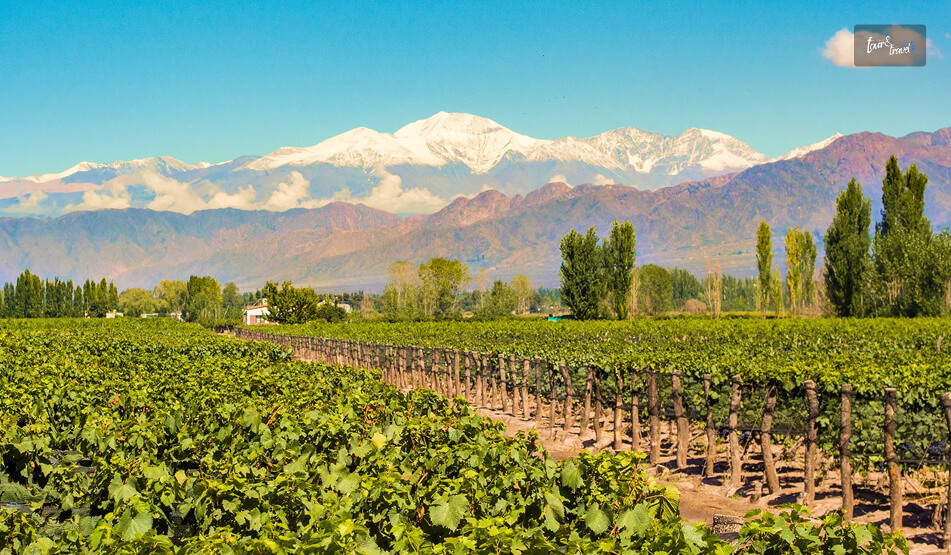
The flat plains of Mendoza are ideal for massive production. However, the vineyards of Tucumán are in the narrow folds of the Calchaquí Valley.

So, the experience in Tucumán is more like a boutique.

Furthermore, there are very few crowds in Tucumán, and the terroir is not just about the soil. Here, people celebrate a 10,000-year-old connection to the land.

As Visit Argentina says, “The dry climate, the wide temperature range, the gentle winds, and sunshine 350 days a year create the characteristics of Tucumán wine: intense colors, simple and spicy aromas, and ripe, sweet, and fruity flavors.” 

The Concept: “Vinos De Altura” 

Wine is a high-altitude sport in Tucumán. Grapes are grown under extreme conditions at an altitude of 2000 to 3000 meters.

Also, the struggle is here with intense UV radiation and a dramatic jump in temperature between sun-scorched days and freezing nights.

As a result, the grapes here have thicker skins to protect themselves. The thicker skin further leads to intense tannins and deeper colors. In addition, the aromatic profile here is more concentrated than in the lowlands.

The Route: From Jungle To Vineyards (Route 307) 

The Route From Jungle To Vineyards (Route 307)

The drive to the wine country of Tucumán is one of the most spectacular road trips in South America.

The journey from San Miguel to Amaicha del Valle starts in the subtropical and humid rainforest of the Yungas.

Then, you will climb Route 307 to witness a radical transformation of the landscape. Your eyes will settle down with the lush ferns and moss-covered trees of the Quebrada de Los Sosa.

Wait for 2 hours, and the Calchaquí Valley will appear with an arid landscape and cactus.

Then, you will cross the Abra del Infiernillo at an elevation of 3000 meters before you descend to the Amaicha del Valle wineries.

Visit Argentina promotes the “Ruta del Vino” as a cultural corridor, linking the wine not just to gastronomy, but to the Pachamama (Mother Earth) festivities in February. 

Map Of The Ruta Del Vino Tucumán (Ruta 40 Connection) 

Technically, Tafí del Valle is the beginning point of the Tucumán Wine Route. Then, it continues to the Amaicha del Valle and Colalao del Valle.

Finally, there is a link with Ruta 40, and then it advances to the ruins of Quilmes and the border of Salta.

What Are The Top Wineries To Visit In Tucumán? 

What Are The Top Wineries To Visit In Tucumán

The top wineries of Tucumán offer a diverse experience. While Bodega Comunitaria Los Amaichas offers an authentic local experience, Finca Albarossa is more about a boutique feel.

1. The Indigenous Icon: Bodega Comunitaria Los Amaichas 

This is the only winery in Argentina and one of the few in the world that is owned and operated by an indigenous community. 

This winery has a cactus wood and stone architecture. The Amaicha del Valle community governs it, and every custom here respects the Mother Earth or Pachamama.

I have seen people offering wine to Mother Earth before drinking.

Furthermore, the Sumak Kawsay Malbec, meaning the good living, is the best wine to taste here. It offers the most authentic wine experience. The wine gere is robust, unfiltered, and has a deep, earthy taste.

2. The Heritage Player: Bodega Chico Zossi 

This winery is family-run and located in Colalao del Valle, and it has been operating since 1900.

As you walk through Chico Zossi, you will feel like you are at a family home. The production level is small and artisanal.

Furthermore, the wine-making technique here has been passed down through four generations of the Zossi family.

3. The Modern Estate: Las Arcas De Tolombón 

Las Arcas De Tolombón is the most awarded winery in the province. It has a Siete Vacas or Seven Cows label.

There is a local legend behind the name. It is about the seven cows that would appear in the desert in prosperous times.

The wine you will get here is a standout. You will love the floral and crisp flavor of it, along with the sweet perfume.

4. The Boutique Stop: Finca Albarossa 

Finca Albarossa exudes sheer Italian elegance with a touch of Andean ruggedness. It is a boutique winery and hotel. So, it is an excellent experience to enjoy a glass of Malbec while watching the sunrise.

Thus, it completely justifies its name, Finca Albarossa, where Albarossa means the “Red Dawn.”

Understanding Tucumán Wines: What To Drink? 

Understanding Tucumán Wines What To Drink

Amanda Barnes of the South America Wine Guide often highlights that the Calchaquí Valley doesn’t stop at the Salta border.

She praises Tucumán for its “extreme terroir” and the preservation of the Criolla grape varieties. 

Tucumán Wines are different with a diverse flavor. From the signature purple to white wines, here are the varieties you can try.

1. Torrontés 

If you want the quintessential wine experience of the north, you can try Torrontés. I would rather call it the flagship white of the North.

It stands out with a refreshing aroma of peach and jasmine. However, the palette of this wine is dry and refreshing.

Tim Atkin, the British Master of Wines, regularly scores Northern Argentine wines highly, noting that the Torrontés from this region is the most aromatic white wine in the world. 

Even if you are a red wine drinker, you must try the Torrontés here. It is the only grape variety native to Argentina, and the Tucumán expression is floral and unique. 

2. High-Altitude Malbec 

I was looking for an alternative to the jammy Mendoza Malbecs. The high-altitude malbec, standing on the opposite spectrum of the flavor profile, comes with a spicy and structured flavor.

This wine comes from the grapes with Soun-toughened skins. So, these have a signature dark purple hue.

3. Vino Patero 

Vino Patero is an experience. It has an intense, sweet, and fruity flavor.

This boutique wine was made traditionally by pressing the grapes by foot. The “Patero” part in Vino Patero comes from ” pata ” or foot.

This wine is artisanal, and it is unfiltered. Vino Patero is a frequently served beverage at the local festivals, and you will have it along with empanadas.

Things To Remember For Planning Your Tucumán Wine Tour 

Best Time to Visit • February/March – Harvest Season, and for the Vendimia Festivities
• August – Pachamama Festival 
Mode of Transport• Rental Car 

Vendimia festivities are a celebration of the grape harvest. The Pachamama Festival, on the other hand, is a sacred week-long celebration to sink into the local culture.

You will not get any Uber services here. Buses are available, but they do not take you to the remote areas.

Where To Stay On The Wine Route In Tucumán? 

Do you want to sleep in a vineyard? Estancia Río de Arena on Ruta 40 is the perfect place, exuding a rustic “hacienda” feel.

Get out of our room, and within a minute, you will walk into the tasting room.

If you need a budget option, look for Hospedajes in Amaicha del Valle. These locally run facilities are clean and authentic, and they will even guide you on which Vino Patero is the best in town.

Expert Tips On The Best Tucumán Wine Tour Guide 

The Sacred City of Quilmes is just 15 minutes away from the wineries. Also, the early mornings are the ideal time to explore the ruins.

Do you want more such insights about exploring the wineries of Tucumán? Check out the following points.

1. Respect The Siesta

Amaicha and Colalao del Valle turn into ghost towns between 1 PM and 5 PM. Most wineries shut their door during these hours.

So, schedule your trip at 10 AM or after 5:30 PM.

2. Designated Driver Is Essential, And Check The Fuel

Route 40 has narrow roads and even gravel. The route also often has goats/llamas and other stray animals. So, professional expertise and familiarity with local road conditions are important.

Fill your tank in Tafí del Valle. There are long stretches on Route 40 without reliable gas stations between Amaicha and Cafayate.

3. Book “Los Amaichas” In Advance 

The local people run “Los Amaichas. These people also work in the field. So, you must keep them informed about your arrival via WhatsApp so that a guide is available to open the cellar for you.

4. Cash Is King

Smaller wineries rarely accept credit cards, and if you want to buy bottles from them, you will need to pay them in cash.

Also, the ATMs in Amaicha often run out of cash. So, you have to bring a stack of Pesos from the city.

5. Try The Mistela 

Along with the signature Tucuman wine, you can also try Mistela. It is a fortified wine with a very sweet taste.

It is a cultural staple. So, you have to sip it slowly and savor its strong taste.

6. Get Enough Sun Protection

The wineries are at a height of more than 2000 meters. So, the UV index is high, and within 10-15 minutes, you can get sunburned.

So, wear a hat and sunscreen if you are doing the wine tasting outdoors.

7. Ask For The “Reserva” 

In small boutique wineries like Chico Zossi, the “Reserva” bottles are often only $2-$3 more than the table wine but are aged significantly better. 

Tucumán Wine Tour Guide: Frequently Asked Questions (FAQs) 

Here are the frequently asked questions and answers about the Tucumán wine tour guide.

1. Can I Visit Wineries Without A Tour? 

Yes, you can go on a self-drive tour on Route 40 and explore the wineries. However, you will have to book an appointment via WhatsApp.
 
Booking is crucial as these wineries are small, family-run operations.

2. What Is The Best Winery For Lunch? 

Bodega Río de Arena near the Quilmes Ruins is the best winery for lunch. It has a hotel and restaurant on-site. 
You can have excellent llama meat and empanadas there. 

3. How Far Is The Wine Region From Tucumán City? 

The wineries are around a 3.5 to 4-hour drive from the city.
On the route from the city to the wineries, you have to cross a mountain range. So, it is not your usual day trip in Argentina. It is best to plan an overnight stay in Amaicha or Tafí del Valle. 

4. Is It Safe To Drive Route 307? 

Route 307 is a paved and scenic route. However, it is a mountain road and has many curves.
 
Furthermore, the road is often misty. So, you must avoid driving at night.

5. Are The Wine Tours In English? 

Yes, you can attend wine tours in English in larger wineries like Las Arcas de Tolombón. 
 
However, if you want a tour of the smaller family wineries or the community wineries, the tours will be mostly in Spanish. 

6. Can I Bring Kids For The Wine Tours In Tucuman? 

Yes, you can bring kids for the wine tours in Tucuman. This is where the wineries of Tucuman are different from the wine estates in Mendoza. 
 
The Tucumán wineries are more like farms, and they are very family-friendly. In fact, Río de Arena even has a petting zoo with llamas. 

7. When Is The Harvest Season In Tucuman? 

Late February to March is the harvest season in Tucuman. However, it is the busiest time in the Tucuman wineries. So, you will have to book the facilities in advance.
On the other hand, August is the month of the sacred Pachamama Festival.

8. Why Is The Community Winery Famous? 

Bodega Los Amaichas is the first winery in Argentina and the third winery in the world owned entirely by an indigenous community. 
The Bodega Los Amaichas tour reflects the Diaguita worldview of “Sumak Kawsay” (Good Living). 

Read Also:

Share on Social Media

Meet Sibashree Bhattacharya, a travel enthusiast who has a decade-long experience in transcending virtual barriers with her words! Her deep love for travel is apparent from her travel escapades to the mountain, often taking her readers on a journey, her words acting as Portkey! Fun fact: Sibashree loves to dive deep into the history of the places she is about to visit, making her travels even more wholesome. If you were wondering how her articles are not short of time travel, this answers it!

Leave a Reply

Your email address will not be published. Required fields are marked *

title-img Related

READ MORE Punta Cana

Best Must-See Punta Cana Neighborhoods And How To Visit

BY  Ankita Oct 26, 2023

If you occasionally yearn for an escape to a tropical paradise, Punta Cana may beckon you with its irresistible allure.  This picturesque stretch of the Dominican Republic's coastline is graced with magnificent beaches such as Cortecito and Bavaro, exceptional golf courses, and a sun-drenched tropical climate—lounge beneath the shade of swaying palm trees while your family embarks on snorkeling adventures with rays.  Indulge in expertly crafted cocktails infused with Caribbean rum and tropical fruits, watching the sun descend below the horizon. Explore the lush Dominican Alps by canoeing or rafting in the scenic terrain, or journey to Santo Domingo to witness the oldest European city in the Western Hemisphere. Alternatively, you can unwind and bask in the beauty of Punta Cana. The charm of Punta Cana lies in its versatility – it accommodates both active vacations and leisurely sunbathing, making it one of the Caribbean's premier destinations. About Punta Cana Neighborhoods Punta Cana, a renowned resort town on the eastern coast of the Dominican Republic, is a captivating destination celebrated for its breathtaking beaches, upscale resorts, and a wealth of leisure activities.  Beyond the pristine shores and luxurious accommodations, the area comprises several distinct neighborhoods, each with character and allure. These neighborhoods offer travelers diverse experiences, from bustling nightlife to tranquil escapes in natural beauty. One of the most iconic neighborhoods in Punta Cana is Bavaro. Famous for its postcard-perfect beaches, Bavaro is a hub for water sports and recreational activities.  The neighborhood boasts a wide selection of high-end resorts, fine dining establishments, and shops, making it a popular destination for tourists seeking a luxurious beachfront experience. Cap Cana stands out for those searching for an exclusive and opulent retreat.  This upscale neighborhood features lavish resorts, championship golf courses, and a world-class marina. Cap Cana's marina is a magnet for yachting and deep-sea fishing enthusiasts, while its golf courses, designed by golf legend Jack Nicklaus, cater to golf enthusiasts. Punta Cana Village offers a different atmosphere, catering to locals and expatriates. This neighborhood is a vibrant center for shopping, dining, and entertainment. It hosts a variety of international restaurants, supermarkets, and charming boutique shops, making it a bustling locale within Punta Cana. For a more lively and culturally rich experience, visitors often gravitate toward Cortecito. Nestled near Bavaro Beach, Cortecito is renowned for its energetic ambiance.  What Are The Must-See At Punta Cana  Punta Cana is a tropical paradise with many must-see attractions and activities catering to various interests. Here are some of the top must-see things in Punta Cana: Pristine Beaches: Punta Cana is renowned for its stunning beaches, including Bavaro Beach, Macao Beach, and Juanillo Beach. Relax on powdery white sands, swim in crystal-clear waters, and enjoy water sports like snorkeling, paddleboarding, and parasailing. Water Adventures: Explore the vibrant underwater world by snorkeling or diving in the coral reefs. You can also enjoy catamaran cruises, speedboat tours, and swimming with dolphins. Saona Island: Take a day trip to Saona Island, a protected nature reserve with beautiful beaches, mangroves, and a serene lagoon. It's an ideal spot for relaxation and nature appreciation. Hoyo Azul: Visit Hoyo Azul, a natural cenote (sinkhole) in Scape Park. The vibrant turquoise waters surrounded by lush tropical vegetation create a mesmerizing sight, and you can even take a refreshing dip. Indigenous Eyes Ecological Park: Explore this ecological park, part of the Puntacana Resort & Club, which features 12 freshwater lagoons, a lush forest, and walking trails. It's an opportunity to witness the region's native flora and fauna up close. Manati Park: Meet the local wildlife at Manati Park, where you can interact with dolphins, sea lions, parrots, and other animals. The park also offers cultural displays and horseback riding. Altos de Chavón: Visit this charming Mediterranean-style village located in La Romana. It boasts a cultural center, theater, art galleries, and picturesque streets. It's a great place for art and culture enthusiasts. Other Places To Visit Punta Espada Golf Course: If you're a golf enthusiast, tee off at Punta Espada Golf Course, designed by Jack Nicklaus. It offers breathtaking ocean views and is considered one of the best golf courses in the Caribbean. Zip Lining: Experience the thrill of zip-lining in the tropical forests of Punta Cana. Several adventure parks offer zip-lining adventures through lush canopies. Explore Local Cuisine: Savor Dominican and international cuisine at restaurants and beachside shacks. Try traditional dishes like mofongo and fresh seafood. Nightlife: Punta Cana's nightlife scene is vibrant, with beachfront clubs and bars offering music, dancing, and entertainment. It's an excellent way to enjoy the Caribbean rhythm. Higuey: Take a day trip to Higuey, a nearby town with cultural and historical significance. Visit the Basilica of Our Lady of Altagracia, a revered Catholic pilgrimage site. How To Visit? Arrival by Air Punta Cana boasts its own international airport, PUJ, which is a major Caribbean air hub, serving over 30 airlines across three terminals. The added convenience is that Punta Cana can be reached in hours from numerous major North American cities. Travelers must ensure they possess a valid passport for stays of up to 30 days, while visits exceeding 30 days require a travel visa. Great flight deals can be easily found through our flight search tool. Private Transfers In Punta Cana, private transfer options offer a seamless as well as enjoyable journey from the airport to your lodgings. Professional drivers will take you to your destination in comfort.  Private sedan transfers for up to 4 passengers generally come to around USD 6, while for larger groups, private van transfers accommodating up to 8 passengers usually start at approximately USD 13. Reserving your private transfer in advance is advisable. Taxis Getting a taxi in Punta Cana is a straightforward process, with taxis readily available at the airport taxi bay. Taxi rates in Punta Cana are established by local authorities and categorized by zones. It's worth noting that taxis are one of the more expensive modes of transportation in Punta Cana. Fares typically range from $10 to USD 80, and additional fees of $10 to USD 20 are common for nighttime fares. Taxis can be hailed directly from the Punta Cana Airport taxi bay, just outside the customs area on the right. Most taxi drivers carry fare charts and accept currencies, including dollars, euros, as well as Dominican pesos. Car Rental Renting a car to explore Punta Cana is a convenient option, and most rental companies have a presence at Punta Cana International Airport. Car rental prices in Punta Cana usually range from $21 to USD 55 per day. You can rent a full-sized SUV for approximately USD 57 per day or an intermediate car for about $38 per day. A valid driver's license is required to rent a car Punta Cana, but it's important to note that most rental companies do not permit travel into Haiti. You can find excellent rental car deals through our search tool. By Bus If you're considering bus travel, bus operations in Punta Cana as well as nearby towns are primarily from Expreso Bavaro, with buses departing roughly every 15 minutes. However, it's important to note that bus schedules in Punta Cana are only sometimes there, and you may sometimes face lengthy wait times, exceeding an hour, for a scheduled bus. While public transportation, such as local buses known as Guaguas, is available, there are more recommended choices for tourists. Regrettably, the bus system around Punta Cana is generally an unreliable mode of transportation, but it is an economical option. The bus fare in Punta Cana is USD 1 (40 DOP), making it an exceptionally budget-friendly means of travel throughout the Punta Cana area. This fare is typically consistent for bus travel within Punta Cana. Final Thoughts Punta Cana is a tropical haven with many experiences waiting to be explored. From pristine beaches and lush golf courses to cultural gems as well as natural wonders, this Caribbean paradise has something for everyone. As you plan your visit, remember the diverse neighborhoods that offer unique charms and attractions. When traveling to Punta Cana, the journey begins with flights to Punta Cana International Airport. It is conveniently accessible from numerous North American cities. Remember to check your passport validity and visa requirements, especially if you plan to stay longer than 30 days. Upon arrival, various transportation options are available, from private transfers that provide comfort and convenience to taxis and car rentals for more independent exploration. Bus travel is an economical choice but may involve unpredictable schedules. As you delve into Punta Cana's neighborhoods, each has its own story. From the lively atmosphere of Bavaro as well as the exclusive luxury of Cap Cana to the cultural charm of Punta Cana Village, you'll find the perfect setting for your Caribbean adventure. Whether you're looking for water adventures, cultural immersion, golfing getaways, or simply relaxing on the beaches, Punta Cana neighborhoods offer diverse experiences. Remember to savor the local cuisine, enjoy the vibrant nightlife, and prioritize safety during your stay. In Punta Cana, the possibilities are endless. With careful planning as well as a spirit of adventure, visiting these must-see neighborhoods will be an unforgettable journey through the heart of this tropical paradise. So, pack your bags and let Punta Cana's beauty and culture inspire your next vacation. Read Also: Best Neighborhoods To Discover In Mexico City How To Make The Most Of Your Trip To Rome 10 Best Restaurants In The US

READ MORE things to do in malacca

What Are The Unique Things To Do In Malacca? Know The Malacca Tourist Attractions 

BY  Sibashree Jan 28, 2026

Malacca gave me pieces of history, an insane fusion of cultures and cuisine that I can still remember now, and plenty of tourist attractions with meaning behind them.  There are many similarities between Georgetown, Penang, and Malacca – I hear that line all the time – but Malacca has a quieter atmosphere that you can feel when you walk through the streets. For starters, Georgetown and Malacca are both UNESCO World Heritage sites. You have no excuse not to visit either of these cities.  Malacca is located right between Singapore and KL, and it’s also a convenient spot to visit if you’re going to be in the area. Alright, no excuses. Need to visit Malacca in a day? Yes, you can definitely visit it on a day trip if you’re coming from Kuala Lumpur. I’ve also compiled a list of things to do in Malacca! How To Reach Malacca? Malacca can be found on the southeastern coast of Malaysia. The city lies nearly midway between Kuala Lumpur and Singapore, though it is slightly nearer to KL.  Buses to Malacca operate from Kuala Lumpur and Singapore, in addition to routes from Penang. You can also catch buses directly from KL Airport if you prefer not to spend time traveling there.  As I stated, taking a day trip from KL to Malacca is quite simple. How To Get Around Malacca? Although walking was my favored way to navigate Malacca, there are other alternatives available.  You can effortlessly arrange light-up rickshaws, taxis, and Grab ride shares to navigate the city.  If you’re coming to Malacca by bus, check if your hotel offers a free shuttle, as mine does.  If not, since Malaka Sentral is 3km away from Jonker Street, you'll have to use a taxi or take the local bus. Where To Stay In Malacca? Determining accommodation in Malacca should be straightforward if you concentrate on Chinatown.  There is no shortage of budget accommodations in Malacca, and I happily recommend Hotel Hong.  Simple and affordable, the employees were pleasant, and it was located in a fascinating neighborhood near the community mosque.  It contributed to making my time in Malacca a pleasant experience. What Are The Unique Things To Do In Malacca? Malacca's diverse cultures have influenced its captivating history, food, and architecture.  There are numerous activities in Malacca that allow you to discover these aspects of the city even more. View these eight as your foundation. 1. Exploring The Dutch Square Dutch Square is likely the ideal location to begin a visit to Malacca as it lies at the heart of the city's historic center.  Situated by the city's riverbank, this square is visually striking and carries historical importance.  At the center of Dutch Square lies a lively garden and fountain that are pleasant, but the stunning Dutch colonial buildings surrounding this square are the true highlight.  Painted uniformly in an earthy red hue, it's improbable you ever envisioned Malaysia resembling this.  However, Malaysia has many reminders of its colonial history, just like Malacca. This assortment of reminders truly possesses an impressive appearance. The primary attractions of Dutch Square include the Stadthuys, Christ Church Melaka, and the Malacca Clock Tower.  All were constructed in the 17th century by Dutch settlers, thus the square's name.  The Stadthuys, previously the home of the Governor, now contains an ethnographic museum. 2. Climbing To St. Paul’s Church As you ascend the side of the Stadthuys, you ought to notice a tiny staircase leading up the hill a little.  As you progress along this path, you’ll make your way to the summit of the hill and the atmospheric remains of St Paul’s Church.  The remnants of this roofless church hold a prominent position atop St Paul’s Hill, offering views across much of Malacca.  It's not a very challenging hike, and the church serves as a natural pause along the Malacca sights trail. Originally constructed by the Portuguese in the 1500s, it was harmed, restored, and renamed by the Dutch when they seized Malacca in the 1600s.  For more than a hundred years, the church has remained in decay, its stained walls serving as a testament to Malacca's intricate history. Additional reminders can be discovered by taking the northern route down from St Paul’s Hill, where you will come across several tombstones and the Dutch Graveyard. 3. Exploring A Famosa Before the Dutch came, Malacca was a fortified settlement of the Portuguese known as A Famosa. Numerous walls and fortifications from A Famosa were destroyed during the Dutch conquest, but Portuguese traces remain in several sites. Among the defenses, only the Porta de Santiago gate is still preserved. Capturing a picture here is undoubtedly one of the most popular pastimes in Malacca. 4. Taking A Tour Of The Melaka Sultanate Palace Museum Let’s not forget that before European settlers showed up, people were already living here.  The Malacca Sultanate ruled this area for over a century before the Portuguese ever set foot on these shores. When the Portuguese landed in the early 1500s, they didn’t waste any time. They tore down the sultan’s palace and put up St Paul’s Church right where it stood. Now, if you walk around Malacca, you’ll come across what looks like a real Sultanate Palace. Here’s the thing: it’s not the original.  The Melaka Sultanate Palace you see today is a detailed reconstruction from the 1980s. The reconstruction work took the old records as a guide.  Inside, there’s a museum that really dives into the culture and history of the city. Stroll through the gardens or check out the museum’s exhibits—you’ll see plenty about local traditions, clothing, legends, and more.  Honestly, it’s one of the most interesting spots to visit if you want to get a real feel for Malacca’s past. 5. Seeing The Melaka Riverfront Although there are more famous attractions in Malacca, the river undeniably stands as the city's primary landmark.  Winding through the larger city before dividing the Old Town from the colonial areas, the Melaka River is difficult to overlook.  When Malacca was a prominent port city, the river played a role in its prosperity. Nowadays, it fulfills its role by providing guests with river cruises and beautiful views. 6. Eating At Jonker Street Undoubtedly, no street in Malacca is more renowned than Jonker Street.  While it often appears to be just a primary road in the Old Town, the atmosphere shifts significantly on Friday and Saturday nights.  You see, that’s when the renowned Jonker Street night market takes place, and the street transforms into a crowd of people and food vendors.  Naturally, with my luck, I ended up overlooking this important attraction entirely by visiting at the wrong point in the week.  The Jonker Street night market is an excellent spot to sample traditional local Nyonya dishes along with innovative new foods.  To get a sense of what’s available, try the food here.  7. Wandering Through Old Chinatown However, the Old Town of Malacca offers much more than merely Jonker Street. Venture in any direction from this point and you'll quickly discover tighter streets, where each home exudes unique charm.  Half Chinatown and half Old Town, this district reveals another aspect of Malacca’s cultural blend.  Most impressively, distanced from the hustle of other areas in Malacca, strolling through this more tranquil section of the city allows you to absorb all the intricacies.  Although many of these historic residences feature weathered exteriors, several are completely deserted.  But isn’t that character, though? In any case, the softer atmosphere here is evident, with individuals simply going about their daily routines and extending a cheerful wave.  Malaysia can be chaotic and noisy at times, making my walks here distinctly memorable.  8. Visiting The Cheng Hoon Teng Temple Walk around the streets of Malacca’s Chinatown, and you’ll spot plenty of temples—no surprise there.  But it’s not just Chinese temples lining the streets. You’ll also find mosques and Hindu temples mixed in, which gives the area this cool, unexpected blend. In Malacca, Cheng Hoon Teng Temple stands out above the rest.  It sits right across from another temple, Xiang Lin Si, but Cheng Hoon Teng is the one with the real history behind it. They built it back in the mid-1600s, which actually makes it the oldest Chinese temple in Malaysia. When you look at all the intricate details, the carvings, and the roof ornaments, it’s wild to think how well everything’s held up after all these years. Cheng Hoon Teng does not belong to just one religion.  Inside, you’ll find people practicing Taoism, Confucianism, and Buddhism, all under one roof. That kind of mix is rare, and it gives the temple a unique energy you don’t see everywhere. Other Places You Can Add To Your Itinerary In Malacca Although I’ve mentioned the most remarkable and significant activities to engage in Malacca, they aren't the sole options.  Malacca hosts numerous other cultural sites, featuring a variety of museums. However, it also features a playful aspect, ranging from its Upside Down House to the Taming Sari Tower to the Oceanarium.  Generally, you will primarily remain in locations close to Chinatown or Dutch Square. Read Also: Luang Prabang Temple Guide: What Are The Top Buddhist Temples To Visit In Laos? 5 Top Bangkok Attractions to Add to Your Itinerary 5 Best Temples To Visit In Bangkok

READ MORE Saguaro National Park

The Hiking Trails In Saguaro National Park Are Calling! Pack Your Bags

BY  Sibashree Aug 12, 2024

Saguaro National Park has a massive footfall every year thanks to its delightful trails, mountains, and endless species of cacti. Despite being a favorite of hikers and equestrians, this park is also a delightful destination for family trips.  Further, exuding the essence of the Sonoran Desert, Saguaro National Park in Arizona is also home to creatures like the Gila monster, mountain lions, desert dogs, and coatis.  So, are you planning a vacation between October and April? Pack your bags and visit the trails and desert land in Saguaro National Park.  Know The Best Trails In Saguaro National Park The Saguaro National Park is divided into two sections, east and west. The east side has the more intriguing trails, whereas the trails in the west offer the most amazing scenic beauty.  Along with desert and mountain trails, you will also be able to go for short walks and explore the natural trails filled with cacti and saguaros.  So, let’s know the trails in the Rincon Mountain District in the east and Tucson Mountain District in the west.  Best Hikes In Saguaro National Park East (Rincon Mountain District) If you want to experience the pristine beauty of Saguaro National Park, your road must lead to the east. This side of the park has fewer tourists and old vegetation of cacti and saguaros. Also, are you an early bird? You can enjoy the best Sunrise view from the Saguaro Eastern trails.  Hope Camp and Ridgeview Trail Distance: 2 miles This trail is famous for the best views of the Rincon Peak and has an elevation of 400 feet. Toward the end of the trail, all your strain will be gone as you discover vibrant wildflowers and beautiful panoramic views.  As the trail ends at the top, the Box Canyon will appear before your eyes. If you are in the park during the wet season, the view of the waterfalls will give you the most fulfilling experience.  Freeman Homestead Trail Distance: 1 mile An old homestead foundation, large saguaros, and a desert wash are the highlights of Freeman Homestead Trail.  You can call this a “home in the desert,” and it is related to plant life and history. This Saguaro National Park East trail is one of the favorites of youngsters.  Loma Verde Loop Distance: 3.8 miles The Loma Verde Loop comes with a 60-feet elevation. The presence of mature mesquite trees along the trail gives the space a gothic vibe.  Here, you will cross a seasonal wash and climb onto bajada (Spanish), a gravel land at the mountain base.  Next, you will have to cross the Loma Verde Mine and continue through the Pink Hill Trail. Wait a while and keep hiking in a minor spur trail, offering a mesmerizing view of the cactus vegetation.  Further, take a right turn on the Pink Hill Trail and also take a right turn on the Squeeze Pen Trail. Finally, take a left on the Loma Verde Trail to head back to the trailhead.  As you can see, a lot of twists and turns await throughout the loop. So, keep a topographical map handy.  Garwood Dam and Wildhorse Tank Distance: 6.4 miles Garwood Trail is one of the best routes for you if you have come to the park to see cacti. As you take the steep section of the trail, you will visit Garwood Dam, built by Nelson Garwood.  Continue your journey through the switchbacks until you reach a ridge with the most amazing views.  Further, as you cross the ridge, you will find Wildhorse Trail. Turn right and take a steep of 0.3 miles to reach the Wildhorse Tank.  Tanque Verde Ridge Trail  Tanque Verde Ridge Trail is one of the most strenuous hiking routes in this National Park because the distance and elevation of the trail keep varying. The highest point in the trail is the Tanque Verde Peak, which is 7049 feet high.  However, as you advance through the route, you will get to see the most exciting views. Further, when you reach the top of the ridge, you will find many other ranges in the north, south, and west. The Tucson Basin also becomes visible from the ridge top. In addition, don’t forget to take snaps of “the Dome,” a “crested saguaro,” and the unique views.  Best Trails In Saguaro National Park West (Tucson Mountain District) Tuscan Mountain District has the largest cacti in the USA. This large saguaro is acknowledged as the universal symbol of the American West.  Hike through the trails in the west to meet a variety of cacti and the most amazing Sunset views.  King Canyon Trail Distance: 3.5 miles The King Canyon Trail ascends to the Hugh Norris Trail. Watch out for the stair-step-like rock formations in the wash bottom.  Hugh Norris Trail  Distance: 4.9 miles Hugh Norris Trail is the most delightful among other trails in the park. It leads to the Wasson Peak, the highest spot in the Saguaro National Park.  Along with scenic beauty, the rocks of various formations will grab your attention throughout the trail.  Sendero Esperanza Trail Distance: 3.2 miles Sendero Esperanza Trail hiking is a little arduous thanks to the constant ascends and descends. However, it is one of the most beautiful trails in the park.  Cam-Boh Trail Distance: 2.7 miles  Cam-Boh Trail works as a connection between the eastern and western trails of Tucson Mountain District. Further, it is a favorite of hikers for its connectivity to many hiking loops. You can also enjoy a horse ride through the trail.  Ringtail Trail Distance: 1 mile Ringtail Trail connects you to many other trails on the eastern side of the Tucson Mountain District. The trail can get moderately steep.  Sweetwater Trail Distance: 3.4 miles  If you want to visit the Wasson Peak from the east of the Tucson Mountains, you will have to take the Sweetwater Trail.  The trail starts at  El Camino del Cerro Road’s western end.  Cactus Wren Trail  Distance: 1.5 miles  This one-way trail stretches to the Signal Hill Picnic Area, a favorite of localities for family trips. You can start your journey from the “Sandario Road and Rudasill Road” corner.  You will see many desert washes on the trail.  Short Walks And Nature Trails In Tucson Mountain District The short walks and nature trails of the national park will make you familiar with the local ecosystem. Get ready to explore the following trails replete with various cacti.  Cactus Garden Trail - 100 yards Desert Discovery Trail - 0.5 miles Valley View Overlook Trail - 0.8 miles Signal Hill Petroglyphs Trail - 0.5 miles Organpipe Cactus, Pink Hedgehog, and Claret Cup Cactus are some of the most popular cacti species found across these trails.  Final Words  Saguaro National Park had more than 1 million (1,010,906) visitors in 2023. The easy trails with the best scenic views and the diversity of cacti here consistently attract visitors to this park. In the last five years, the park has welcomed more than a million visitors three times.  Perri Spreiser, the district ranger for interpretation at Saguaro’s Rincon Mountain District, has rightly said, “We are no longer a small park.”  The increasing popularity of the park has left a positive impact on the local community. They are proud of the park and ensure that everything is quiet and serene in the park. The park owes much of its popularity to the pristineness of its beauty. The local community does not want to ruin it. Do you want to explore beautiful desert trails, and are you a cacti-enthusiast? It’s time to pack your back and take a drive to the land of saguaros. Or have you already been to this wonderful national park that was designated in 1994? Don’t forget to share your experience with us.  Saguaro National Park FAQS  Is Saguaro National Park Worth Seeing? Yes, Saguaro National Park is worth seeing, as you can see the most amazing cactus and saguaros here. The place has a distinct rugged charm with flat desert and rocky mountains.  You can hike through the trails and enjoy the most beautiful Sunset views in the park.  How Many Trails Are In Saguaro National Park? Saguaro National Park has as many as 78 trails spreading across 200 miles. A combination of flat deserts and rocky mountains, Saguaro National Park, is a great place for hiking with family and beginners.  What Is The Most Scenic Trail In Saguaro National Park? Hugh Norris trail leading to the Wasson Peak, the highest point of the Tucson Mountains District of Saguaro National Park, is the most scenic trail.  You have to travel through a dense forest, and as you advance toward the peak, you will find a rocky landscape. You can enjoy an expansive view of the Sonoran Desert as you explore through this trail.  Opuntia, echinocereus, and barrel cacti are the most amazing cactuses found on this trail.  What Is The Best Place To See Sunset In Saguaro National Park? Saguaro National Park West is the best place to see the Sunset. You can enjoy the most beautiful view from Gates Pass, which is at the western end of Speedway Boulevard.  In Saguaro National Park East District, the Sunset looks most beautiful as you explore the  Tanque Verde Ridge trail. Javelina Rocks pull-out is another great spot to watch Sunset in the East District.  How To Spend One Day In Saguaro National Park West? A day in Saguaro National Park West will be filled with activities. Camping and hiking are the most adventurous activities here to explore.  The Tucson Mountain District is on the west side, and your trip to the west starts with the Red Hills Visitor Center. The west side of the national park has many cacti and large saguaros.  Also read Why Include Whale Watching In Your LA Itinerary. Traveling On A Budget: Tips For Affordable Adventures. From Cocktails To Kickflips: Must-Try Activities In San Diego.