

The Best Places To See Northern Lights In The USA: When And Where To Watch Aurora Borealis 

Jul 9, 2025

Last Updated on: Jul 10, 2025

USA

22nd September 2025 is the date you must mark if you want to see the Northern Lights during the Autumnal Equinox. 

2025 is a special year for watching the Northern Lights. On 25th June 2025, a G2 geomagnetic storm pushed the aurora south. As a result, people in Maine, New York, and the Northern Plains enjoyed the peak viewing experience

So, are any of these the best places to see the Northern Lights in the USA? Let’s find out where and when to catch the Aurora Borealis. 

However, before that, let’s briefly touch upon how the Northern Lights got its name from Galileo Galilei, the best time to witness this natural phenomenon, and other important details.

What Are The Northern Lights? What Is The Best Time To See The Northern Lights?

What Are The Northern Lights What Is The Best Time To See The Northern Lights

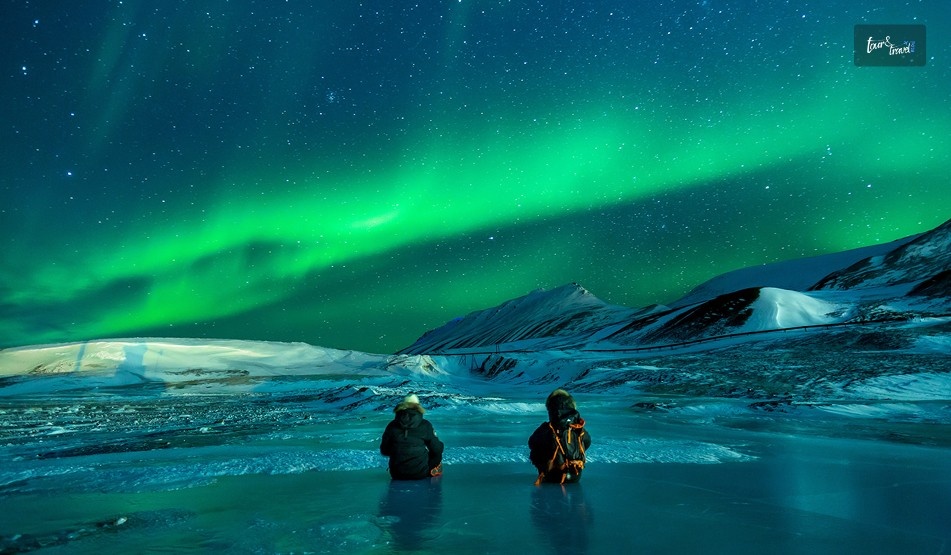
The Northern Lights are also known as the Aurora Borealis. The sun releases solar flares due to solar activity. The magnetic field of our planet attracts the flares towards itself.

The flares interact with the gases in the Earth’s atmosphere, such as oxygen and others. This turns gases into plasma as it is heated to a certain extent.

Therefore, the Northern Lights are a plasma state of matter, where the gas is heated to a sufficiently high temperature, causing it to transition into a plasma state.

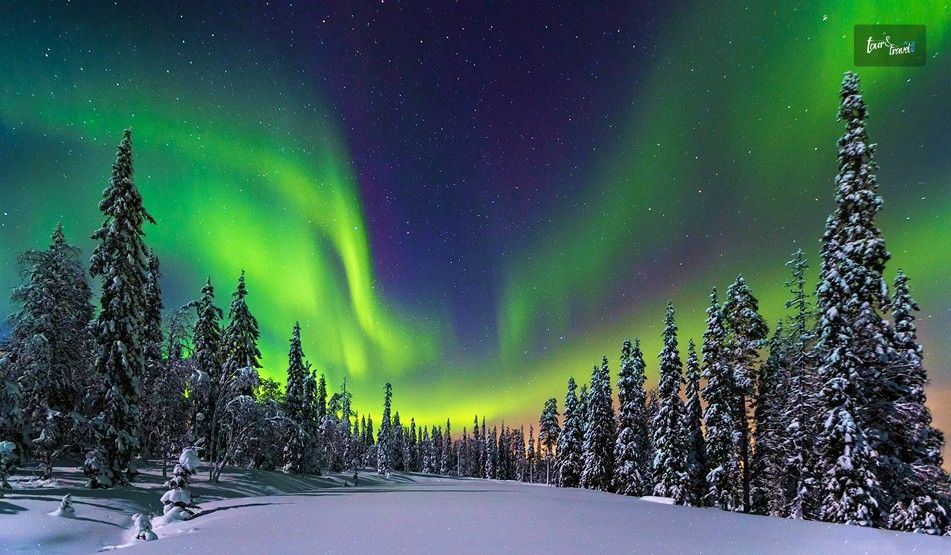
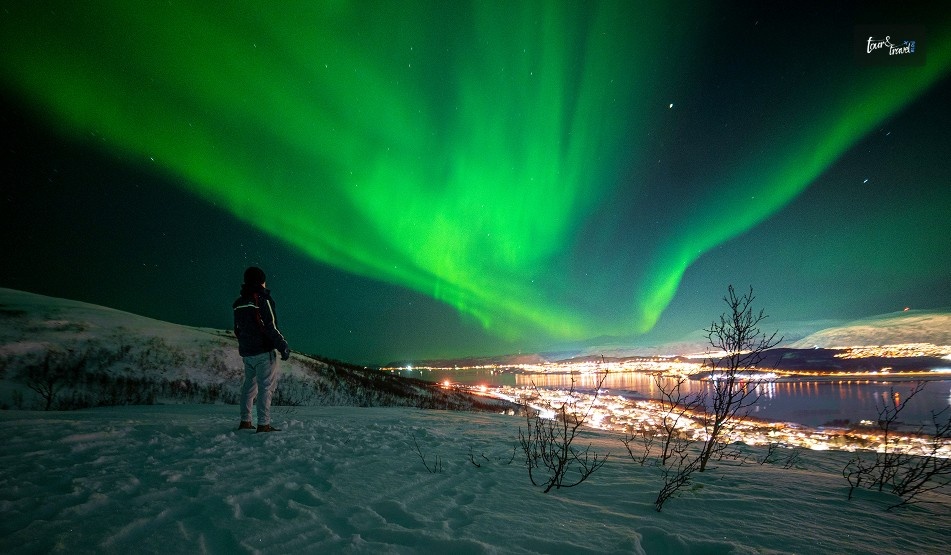
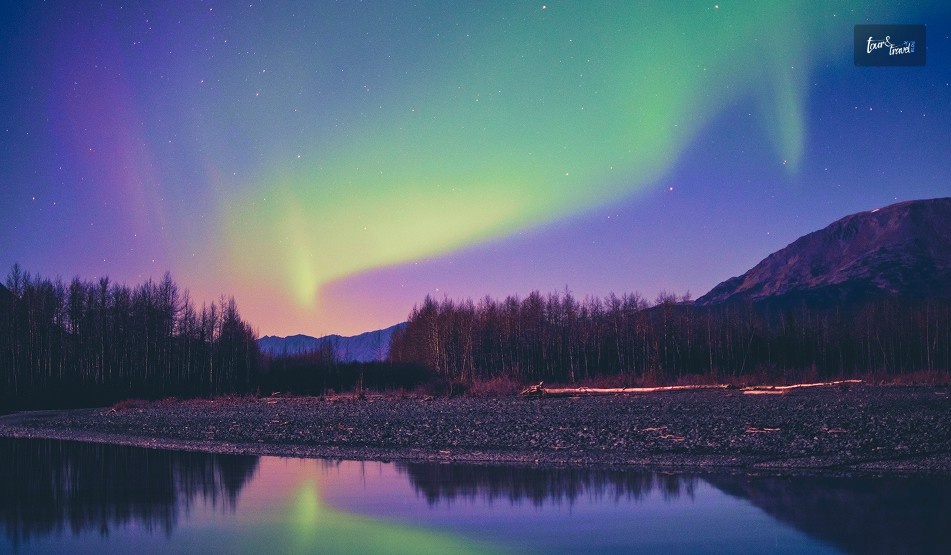
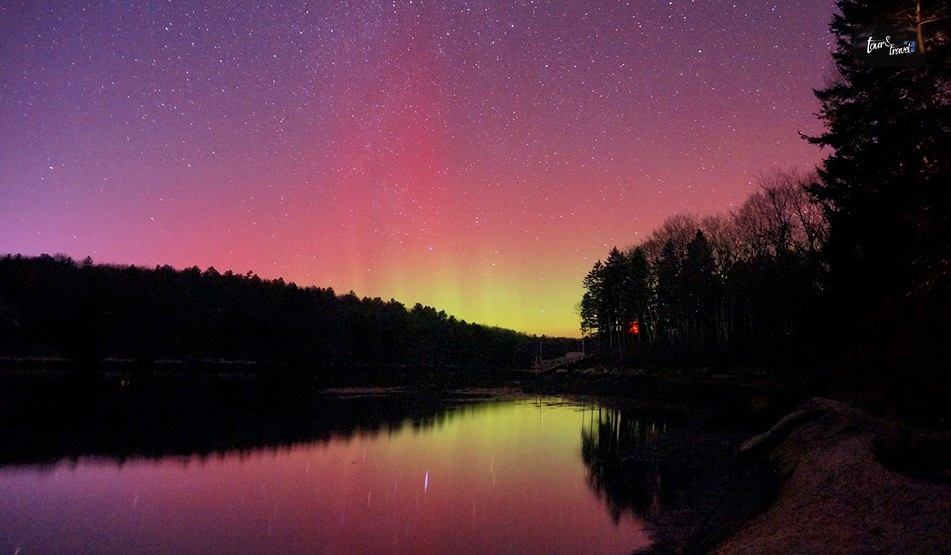
These plasmas appear to be curtains of radiant purple, blue, and red, radiant lights over the skies of the Earth. This phenomenon is especially pronounced near the planet’s poles.

The best time to witness these lights is during the spring and autumn equinoxes. During these times, the tourists will be able to see longer northern light shows due to the Russell-Macpherson effect

The Northern Lights can be seen clearly in the polar regions and places with clear skies and minimal light pollution.

How Did The Northern Lights Become Aurora Borealis?

How Did The Northern Lights Become Aurora Borealis

Gallelio Gaili named the Northern Lights Aurora. The astronomer named it after the Roman Goddess of dawn, Aurora, and the Greek God Boreas.

Aurora is the Roman goddess of dawn. The goddess flies in a chariot, announcing the arrival of the sun god. The deity symbolizes renewal and a fresh start.

On the other hand, Boraes is the Greek God of north winds, storms, and winter.

Galileo named the phenomenon of the northern lights as Aurora Borealis in the year 1619. He thought that the phenomenon was caused by the reflection of the sunlight in the Earth’s atmosphere.

However, in reality, the phenomenon was caused by the solar flares emitted by the sun.

What Is The Best Place To See Northern Lights In The USA?

What Is The Best Place To See Northern Lights In The USA

With the boom of astro tourism, watching the Northern Lights has become an important part of tourism in the USA and many other parts of the world. As a subset of special interest tourism, Astro tourism is about to reach $400 million in 2030.

No wonder that many Airbnbs in countries such as Finland, Norway, Denmark, Sweden, and Iceland have specially located and designed properties to watch this celestial magic

Furthermore, in the USA, national parks such as Grand Canyon National Park and Great Basin National Park, as well as dark sky parks like Headlands International Dark Sky Park, have given a significant boost to tourism centered on Northern Lights viewing or overall astrotourism. 

Additionally, observatories like the Pisgah Astronomical Research Institute (PARI) have contributed to the growth of astrotourism in the USA. 

So, when it comes to choosing the best place to see the Northern Lights in the USA, we have a lot of options. 

Let’s explore!

1. Boundary Waters, Minnesota

Almost four hours from the region of Minneapolis, there lies Boundary Waters, Minnesota. This place offers the clearest night skies, located far from light pollution. 

The water body offers a stunning reflection of the beautiful nighttime light show.

2. Upper Peninsula, Michigan

The Upper Peninsula is near the rugged shores of Lake Superior, as well as the secluded forests of Isle Royale National Park. 

The remote location, accompanied by a unique landscape, offers viewers minimal light pollution. 

Furthermore, the location offers a clearer view of the Aurora Borealis due to its northern latitude. 

Additionally, due to clear skies, the Upper Peninsula is the best place in the USA to see the Northern Lights during winter. 

3. Idaho

Idaho, of course, tops the chart as the best place to see the Northern Lights in the USA, as it is the first official Dark Sky Reserve in the country

Also, including Craters of the Moon National Monument and the city of Ketchum, Idaho, have five designated Dark Skies. 

However, most of the Dark Skies are in the southern part of the state. Having said that, the Idaho Panhandle National Forest and Priest Lake are northern locations in Idaho for watching the Northern Lights. 

4. Wisconsin

Wisconsin is on Lake Superior and Lake Michigan. These two lakes make Wisconsin ideal for watching the Northern Lights. 

The view is especially more spectacular during the winter as the lakes freeze.

Furthermore, two of the most stunning places to visit the Northern Lights in Wisconsin, are Washington Island in Door County or the Apostle Islands.

5. North Dakota

You cannot leave this northern state when it comes to the best place to see Northern Lights in the USA. 

The most iconic places to see the Northern Lights in the state are:

Moreover, the Martens Observatory at the University of North Dakota streams its celestial observations live on its YouTube channel. So, you can watch the Northern Lights on a real-time basis virtually. 

6. Pennsylvania

Cherry Springs State Park is a Dark Sky Reserve located in Pennsylvania. The park also has an Astronomy Observation Field, which offers a 360-degree view of the sky

You can stay in the park the entire night, be a part of the tours, and learn photography to enjoy and preserve the stargazing and Northern Lights watching activities. 

7. Alaska

Alaska

Located within the auroral oval, Alaska is the heaven and the best place to see Northern Lights in the USA. 

Coldfoot, Utqiagvik, and Fairbanks are the prime locations for viewing the Northern Lights in Alaska.

8. Maine

Maine

Home to the Katahdin Woods & Waters National Monument, a Dark Sky Sanctuary, Maine is one of the best places in the USA to see the Northern Lights. 

However, the abundant rural landscape makes the entire state ideal for stargazing and watching the Northern Lights. 

To be more specific, you can explore the east of the Mississippi River to enjoy the best view of the Northern Lights. 

Share on Social Media

Meet Sibashree Bhattacharya, a travel enthusiast who has a decade-long experience in transcending virtual barriers with her words! Her deep love for travel is apparent from her travel escapades to the mountain, often taking her readers on a journey, her words acting as Portkey! Fun fact: Sibashree loves to dive deep into the history of the places she is about to visit, making her travels even more wholesome. If you were wondering how her articles are not short of time travel, this answers it!

Leave a Reply

Your email address will not be published. Required fields are marked *

title-img Related

READ MORE Explore Nature In The Smoky Mountains As A Couple

8 Ways To Explore Nature In The Smoky Mountains As A Couple

BY  Abdul Aziz Aug 25, 2023

The Great Smoky Mountains, located in eastern Tennessee and western North Carolina, are one of the most biodiverse and scenic natural areas in the United States. Spanning over 500,000 acres of protected land, this UNESCO World Heritage site contains lush forests, cascading waterfalls, winding rivers, and abundant wildlife. For nature lovers, outdoor enthusiasts, families, and anyone looking to immerse themselves in the natural world, the Smoky Mountains provide endless opportunities to explore the magnificent outdoors. With over 800 miles of hiking trails, scenic drives, fishing spots, wildlife viewing areas, and various outdoor adventures, the Smokies have something for everyone. Great Smoky Mountains National Park is the most visited national park in the country, welcoming over 11 million visitors annually. The mild climate, accessibility, and diversity of ecosystems make it an ideal destination year-round. There are always new wonders to discover, from spring wildflowers to fall foliage. Whether you want to admire majestic mountain views, walk among ancient trees, or get up close with local wildlife, the Smokies offer limitless ways to connect with nature's splendor. Here are 10 of the finest ways to explore the Great Smoky Mountains: Gem Mining The Smokies contain many minerals and gemstones, like rubies, sapphires, garnets, emeralds, and quartz. For a fun couples' activity, try gem mining in Pigeon Forge. The Pigeon Forge Gem Mine is a well-loved attraction where visitors can mine for their own gems. They provide all the needed tools and instructions. Searching for gems makes for a unique date. The thrill of discovering a beautiful, sparkling gemstone provides excitement you can share. Laugh together as you learn to pan, sieve, and wash away debris revealing potential treasures. See who can find the most impressive gem. You might uncover a special stone as a romantic keepsake from your Smoky Mountain getaway. Hiking With over 800 miles of trails showcasing lush forests, rocky peaks, open meadows, and more, hiking is one of the best ways for couples to immerse themselves in the natural beauty of the Smokies. Trails range from easy nature walks to challenging uphill climbs, so there's something for all abilities. Highlights include: The Appalachian Trail Alum Cave Trail Chimney Tops Andrews Bald Ramsey Cascades As you hike hand-in-hand, you'll encounter thundering waterfalls, panoramic vistas, historic homesteads, and plentiful wildlife. Stop frequently to admire the views and steal a romantic kiss on the trail. Hiking is the perfect opportunity to breathe fresh mountain air, stretch your legs, and revel in the scenic surroundings together. Pack a picnic lunch or trail snacks to enjoy along the way. Hiking as a couple allows you to set your own pace, want nature's splendor, and create lasting memories of exploring the trails. You'll return re-energized and closer than ever after hiking through some of the most beautiful scenery in the Smokies. Wildlife Viewing The diversity of habitats in the Smokies, from low-elevation forests to high mountain balds, supports an incredible variety of wildlife. Over 200 species of birds, 67 native fish, and 66 mammal species call the park home. Cades Cove and Oconaluftee are prime spots for couples who love animals to observe songbirds, birds of prey, and waterfowl. Large mammals like black bears, elk, and white-tailed deer also graze in open meadows. With over 30 unique salamander species, the Smokies are a renowned biodiversity hotspot. Bring binoculars and field guides to identify all the creatures you spot. Seeing wildlife together creates special shared moments and memories. Stop frequently along wildlife viewing routes and see what animals you can discover. With a little patience, you will surely have an up-close wildlife encounter to delight animal-loving couples. Seeing nature's beauty through your partner's eyes will bring you closer together. Fishing Nearly 3,000 miles of pristine streams in the Smokies provide excellent fishing opportunities. Many streams support healthy populations of rainbow, brook, and brown trout. Popular fly fishing spots include: Deep Creek Little River Abrams Creek Fishing licenses and permits are required for ages 13 and up. Fishing is a peaceful, fun way for couples to enjoy quality time together along the park's tranquil waterways. Pack a picnic, bring lawn chairs, and spend a relaxing day casting lines and enjoying the scenery. Getting away from daily stresses to focus on fishing will rejuvenate your relationship. Cheer each other on as you reel in an impressive catch. And snuggling close as you wait for fish to bite will keep you warm and connected. Waterfall Hikes Waterfalls, from powerful cascades to gentle trickles, bring drama and beauty to the Smokies landscape. Top scenic waterfalls include the Ramsay Cascades, Laurel Falls, Abrams Falls, and Grotto Falls. Reaching each waterfall is an adventure, with trails winding through verdant forests and along rocky creeks. The mesmerizing sound of rushing water creates a romantic atmosphere. Pack a camera to capture photos of you and your partner with the majestic waterfalls in the background. Prepare a picnic lunch or trail snacks to enjoy near the tumbling water. Stop frequently along the hike to steal kisses and express your affection. The shared exhilaration of reaching a waterfall view will bring you closer together. Exploring waterfalls allows couples to appreciate nature's beauty through a unique, romantic lens. Camping Spending a night camping in the Smokies immerses you in the tranquil sights and sounds of the forest after dark. Many campgrounds offer drive-up sites and amenities. Backcountry camping with a permit allows you to pitch a tent in more secluded spots along remote trails and streams. Waking up together to the crisp mountain air, birdsong, and sweeping vistas is a one-of-a-kind romantic experience. Snuggle close around a campfire and stargaze into the night. Camping is a wonderful way for couples to disconnect from technology and truly connect. Sharing simple camp meals and activities will bring you closer than ever. The serenity of the Smokies after dark creates an idyllic atmosphere for couples to rekindle their bond. Horseback Riding For a unique perspective, join a guided horseback riding tour. Stables just outside the park offer rides ranging from one hour to all day along scenic trails. You'll climb hills, trot through streams, and ride through shady forests. Horseback riding in the Smokies is suitable for both beginner and experienced riders. Sharing this special experience allows couples to see the park from an unusual vantage point—bond with their gentle horses together before setting off. Riding side-by-side or single-file, you'll see sights not visible on foot. Stop to enjoy panoramic views and capture photos of you two on horseback. What better way to explore the Smokies together than on a romantic trail ride? Couples can chat and enjoy each other's company. Conclusion With its incredible biodiversity, outdoor activities, and breathtaking scenery, the Great Smoky Mountains offer limitless ways to discover nature at its finest. Whether hiking to a waterfall, camping under the stars, or driving through a mountain pass, there are adventures for all ages and ability levels. Take a break from everyday life to reconnect with the natural world. From towering trees to tiny salamanders, the Smokies' magic awaits exploration. Additionals: Why You Need A Military Flashlight? Things To Do In Rocky Mountains National Park Stephen Gleave On The Best Waterfalls And Trails In Ancaster Exploring The Unexplored: Which Is The Best Time To Visit Darjeeling?

READ MORE waterfalls in Texas

Best Waterfalls In Texas To Visit And Swimming Holes For The Most Fulfilling Experience

BY  Sibashree Apr 25, 2025

In 2025, we lost Victor Emanuel, the top-notch birder and the founder of the Austin ecotourism company.  Now, one month after his passing, it is the ideal time to have an in-depth discussion about the ecotourism scenario of Texas, a state he called home.  The ecotourism industry in Texas has experienced significant growth over the past few years. Further, it is an important element in the tourism and economic landscape of the state, generating employment and revenues.  Again, ecotourism in Texas is a part of sustainable tourism in the state, emphasizing the importance of ethical and responsible travel practices.  The waterfalls in Texas, located in state national parks and other locations, are important components of ecotourism in the state. These waterfalls are often at the epicenter of diverse ecosystems.  Moreover, many of these waterfalls are part of bigger conservation projects, playing a bigger role in the environmental protection of the state.  By now, you must have an idea that this Tour and Travel Blog is going to be about the best waterfall in Texas.  So, let’s explore! What Is The Best Time To Visit The Best Waterfalls In Texas? Spring is the best time to visit the best waterfalls in Texas. During March and April, the waterfalls receive adequate water from rainfall in the winter season and melting snow.  Further, the summer months from May to August are a good time to explore the waterfalls in Texas. The cascading water with mists around offers a cool escape in the scorching summer of Texas. What Are The Best Waterfalls In Texas?  Today, we mostly associate Texas with stunning urban areas and the most dramatic desert landscape.  However, we often overlook the beautiful waterfalls and swimming holes in the state, offering the right fusion of adventure and immersive experience for tourists. 1. Gorman Falls Location: Colorado Bend State Park Height: 70 Feet Hours Open: 6 AM to 10 PM Entry Fee for Adults: $5, Children below 12: Free Entry Gorman Falls near Dallas is so grand that you cannot capture the whole of it in a single frame. Further, Gorman Falls is a popular hiking destination with a rocky trail.  Moreover, various springs and Gorman Creek feed this waterfall, and the pool near the fountain is home to Guadalupe bass fish.  2. Cattail Falls Location: Big Bend National Park Height: 80 Feet Hours Open: 24*7 Entry Fee: Standard Pass - $15.00–$30.00 Cattail Falls is one of the hidden gems when we talk about the best waterfalls in Texas. It is a popular hiking destination for adventurous tourists.  The hiking trail is 3 miles long, and hiking is tricky through the trail. However, a glimpse of the waterfall falling as multiple streams of water is worth the effort. 3. Westcave Preserve Falls Location: Hamilton Pool Road Height: 40 Feet Hours Open: Tuesday-Friday: 9:30 AM to 1:30 PM, Saturday and Sunday: 9:30 AM to 4:00 PM Entry Fee: $20 for Adults 16+ and $10 for Children Aged 4-15 years Westcave Preserve Falls is the ultimate fantasy destination with stories of unicorns floating in the air.  Further, this waterfall is pristine, and the little cave here creates a sense of intrigue. 4. Chalk Ridge Falls Location: Belton Height: Around 206 Feet Hours Open: 8 AM to 6 PM Entry: Free If you are looking for a tranquil getaway, Chalk Ridge Falls in Belton will be your go-to destination.  Surrounded by trees, Chalk Ridge Falls exudes a pristine charm. Also, you will love swimming in the shallow side of the lake. 5. Pedernales Falls Location: Pedernales Falls State Park Height: 50 Feet Hours Open: 8 AM to 10 PM Entry Fee: $6 for 13 Years And Above, Free Entrance for Children Aged 12 Located near San Antonio, Pedernales Falls is all about finding peace. The sound of the water is music to the ears.  Here, you can bike and hike around the trail and swim in the calmest water.  6. Hamilton Pool Waterfall Location: Hamilton Pool Road, Dripping Springs Height: Around 50 Feet Hours Open: 9 AM to 12:30 PM and 2-5:30 PM Entry Fee: $8 for Adults and Free for Children Below 12 Years  Hamilton Pool Waterfall has been formed with the creek spilling streams of water over limestone structures.  There is a beautiful pool below the waterfall in a canyon. You can reach Hamilton Pool Waterfall after a hike of 1.9 miles through a moderately challenging route. 7. Krause Springs Location: Spicewood Road Height: 8 Feet Hours Open: 9 AM to 8 PM (Usually Closed between November 1st and February 15th for Maintenance.) Entry Fee: $10 for 12 Years and Old, $6 for Children from 4 to 11 Years, and Free for Kids Under 4 Years A property of the Krause Family for the last 50 years, Krause Springs has 32 springs. Furthermore, the waterfall here enhances the appeal of the serene landscape.  You can swim in the pool, camp, or even hike the small trail to spend some time in nature. Also, do not forget a walk in the beautiful butterfly garden.  8. McKinney Water State Park Location: Austin Hours Open: 8 AM to 10 PM Entry Fee: $6 for 13 Years and Above, Free for Children up to 12 Years Home to the Onion Creek, McKinney Water State Park has the Lower and Upper Falls. You can reach the waterfalls fed by the water of the Onion Creek by hiking through endless trails here.  Moreover, the gigantic bald cypress tree, or Old Baldy, stands as the eternal witness to humankind in this state park.  What Are The Best Swimming Holes In Texas? Do you want to escape the summer heat of Texas? Why don’t you plan a trip to these amazing swimming holes? These swimming holes are ideal for a fun time with family and friends. 1. Barton Springs Pool Barton Springs Pool is located in Zilker Park in Austin. Fed by spring water, this 1000-foot-long pool maintains a temperature of 68 degrees F throughout the year.  It is a perfect summer escapade for families.  2. Devil's Waterhole Located in the Inks Lake State Park, Devil's Waterhole is a popular swimming hole in Texas. You can also hike through the canyon in the Inks Lake State Park. Further, you can plan camping and overnight stays in this beautiful state park.  3. Blanco State Park Blanco State Park has a dam that creates a beautiful lagoon and waterfall. You can swim here and indulge in the scenic beauty. 

READ MORE best hikes Sedona

What Are The Best Hikes Sedona With Waterfalls? Know The Gorgeous Trails

BY  Sibashree Sep 22, 2025

Sedona has red rock formations caused by the deposition of limestone and sandstone since ancient times. These rocks have the signature red and orange colors because of the trapped hematite or iron oxide in the rock layers.  When this iron oxide comes in contact with water or air, it acquires the bright colors. Furthermore, the unique formations of these rocks come from the rampage of air and other weather elements over the years.  These rock formations further trap rainwater, which flows as waterfalls through the creeks and canyons. You will especially notice more waterfall formations after the storms.  Now, with so many waterfalls in Sedona, many beautiful hiking tracks lead to these cascades of water. The Seven Sacred Pools and Munds Wagon Trail are some of the most prominent examples of the best hikes Sedona with waterfalls.  In this Tour and Travel Blog, we will explore those beautiful trails with water and other pretty trails for the ultimate adventure.  Table of contentsWhat Are The Best Hikes Sedona With Waterfalls? Don’t Miss These Beautiful Trails1. Slide Rock2. Seven Sacred Pools3. West Fork Of Oak Creek Trail4. Grasshopper Point Trek Through Allens Bend TrailOther Best Hikes Sedona For The Perfect Adventure And Photo Op1. Cathedral Rock Trail2. Airport Mesa Loop Trail3. Devil’s Bridge4. Fay Canyon Trail5. Soldier’s Pass TrailBest Hikes Sedona: Frequently Asked Questions (FAQs) What Are The Best Hikes Sedona With Waterfalls? Don’t Miss These Beautiful Trails  Waterfalls in Sedona are ephemeral in nature, and the power and water volume of these waterfalls depend on seasonal rainfall or snowfall on the higher altitudes. The autumn season, from September to November, or the spring season from March to May, is the best time to visit the waterfalls in full glory.  So, if you are planning to explore the best hikes Sedona with waterfalls, schedule your trip right.  1. Slide Rock Elevation Gain: 104 Feet Length: 0.3 Miles Difficulty: Moderate Starting Point: State Park in Arizona Ending Point: State Park in Arizona Starting near the apple barn, the Slide Rock trek route offers a wonderful view of the State Park in Arizona.  At the end of the trek, have all the fun at the natural water slide.  2. Seven Sacred Pools Elevation Gain: 100 Feet Length: 1.1 Mile Difficulty: Easy Starting Point: Soldier Pass Trailhead Ending Point: The Pools The seven sacred pools are formed by rainfall getting trapped in the red rock formations of Sedona. These pools are essential for the local ecosystem as a source of water for the local wildlife.  In fact, the “Sacred” part in the name of these pools came from the Yavapai and Apache people here, who considered these pools holy as water resources for the local human and animal tribes.  Hard-packed rocks mostly form the trail, and people with all levels of hiking skills can explore these routes. However, you cannot swim in these holes.  On the way, you will also come across the Devil's Kitchen sinkhole. It is a big natural sinkhole. 3. West Fork Of Oak Creek Trail Elevation Gain: 5,316 to 5,325 feet Length: 3 Miles (One Way) Difficulty: Easy Starting Point: Call of the Canyon Day-Use Area Ending Point: The Canyon Walls With 13 water crossings, the West Fork of Oak Creek Trail is one of the best hiking routes in Sedona. You can wet your feet and walk, and at the end of the trek, you will find a swimming hole.  The trail is sandy, and the bright canyon walls will always accompany you. So, you will get multiple photo opportunities while exploring the trail.  4. Grasshopper Point Trek Through Allens Bend Trail Elevation Gain: 68 Feet Length: 1.1 Miles Difficulty: Easy Starting Point: Grasshopper Point Picnic Area, On the Southwest of the Parking Lot Ending Point: Casner Canyon Trailhead View this post on Instagram A post shared by Jamie Young | Travel w/ Teens (@justsimplywander) This is one of the most relaxing trek routes in Sedona. You start walking through the Allens Bend Trail and follow the Oak Creek Trail to end your trek at Casner Canyon Trailhead.  Furthermore, Grasshopper Point has a beautiful swimming hole and picnic tables. So, it is an ideal place to rejuvenate and enjoy a great start to the trek route. Other Best Hikes Sedona For The Perfect Adventure And Photo Op Do you want to explore some more exciting hiking trails in Sedona? Check out the following options.  1. Cathedral Rock Trail A 1.5-mile round trek of the Cathedral Rock Trail is the best thing to do if you want to capture the beauty of Arizona during Sunset.  The trail officially comes with an “Easy” difficulty tag. However, some parts of the trail are very steep.  2. Airport Mesa Loop Trail The Airport Mesa Loop Trail is one of the easiest loop trails in Sedona. Also, it is quite an experience to find a 3-mile loop trail circling the airport.  Furthermore, you will just have to walk for 5 minutes from the airport to reach the rocks, and then you can climb a small staircase to reach the top of the rock and enjoy the view of the surroundings.  3. Devil’s Bridge Devil’s Bridge is probably the most popular hiking trail in Sedona. This 4-mile trek route comes with an easy-to-moderate difficulty level.  Furthermore, during the trek, you will find some of the biggest rock formations in Arizona. Also, this is a favorite stopover for roadtrippers traveling to Texas from California.  4. Fay Canyon Trail This 2.6-mile round trek along the canyon floor is one of the best hikes Sedona. Further, once you reach the trail's end, you will find a riverbed. After you cross the river bed, you can climb the rock standing before you.  The trail has a medium difficulty level. However, once you reach the top of the rock, you will get excellent photo opportunities.  5. Soldier’s Pass Trail View this post on Instagram A post shared by Paul (@naturebypaul) The Soldier’s Pass trail has pools that literally become the secret pools in the dry season. As you hike through the trail, you may find many caves, arches, and a huge sinkhole.  The 4.5-mile round trail comes with an easy-to-moderate challenge level. However, the route to the caves is a little confusing. So, follow the exact coordinates for an easy hike.  Best Hikes Sedona: Frequently Asked Questions (FAQs) Here are the frequently asked questions and answers about the best hikes in Sedona.  1. What Is The Most Beautiful Hike In Sedona? For me, the Cathedral Rock Trail and the Devil’s Bridge Trail are two of the most beautiful hiking trails in Sedona. The Cathedral Rock Trail stands out with its vortex energy, and it offers wonderful sunset views. On the other hand, Devil’s Bridge has all the popular viewpoints and arches.  2. Which One Is Better, Cathedral Rock Or Devil’s Bridge? It’s difficult to choose a favorite between the Devil’s Bridge and Cathedral Rock. Now, Devil’s Bridge has its own glamor, and it houses some of the biggest rock formations in Arizona. It is also a popular stop during California to Texas road trips. On the other hand, Cathedral Rock is a steep hiking route, and it offers you the best opportunity to take wonderful sunset photos. 3. Are There Any Hikes With Swimming Holes In Sedona? Yes, Sedona has many hikes with swimming holes. The Crescent Moon Ranch at the Red Rock Crossings and The Crack at Wet Beaver Creek are some of the best examples of hikes with swimming holes in Sedona. You can also explore areas such as the Bootlegger Picnic Area or the Grasshopper Point to find swimming holes and water spots for relaxation. 4. What Are The Best Sedona Swimming Holes? The best Sedona swimming holes are the Crescent Moon Ranch, Grasshopper Point, and The Crack at Wet Beaver Creek. The Crescent Moon Ranch is amazing for the views of the red rock formations. You can enjoy jumping from cliffs into a waterhole at the Grasshopper Point. Moreover, the Crack at Wet Beaver Creek offers beautiful vistas and a relaxing swimming spot. 5. What Are The Easy Hikes In Sedona For The Elderly? The Sedona Main Street District is one of the easiest hikes in Sedona for elderly people. The road is paved, making it easier for them to hike through. The West Fork Trail is also suitable for elderly hikers and beginners. Read Also: What Are The Unique Things To Do In Santo Domingo, Dominican Republic? Check the Best Warm Winter Destinations in USA! Top 11 Dark Tourism In USA Destinations