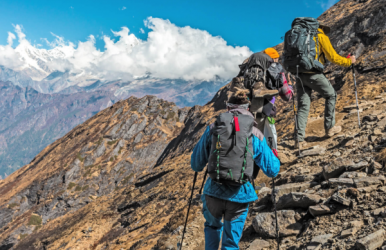
The Perfect Weekend Getaway In Minnesota: Top 5 Places To Visit 

Nov 18, 2023

Last Updated on: Sep 1, 2025

Adventure

Minnesota is one beautiful Upper Midwestern state that never fails to amaze. It has diverse landscapes ranging from forests, prairies, and lakes. In fact, the state is often referred to as the “Land of 10,000 Lakes” due to its numerous lakes.

The state is also a land of cultural significance, home to diverse communities and a deep-rooted artistic vibe. Did you know Minneapolis has the second-highest number of theater companies behind only New York City?

Speaking of progressive culture, Minnesota is one of the states that made medical marijuana available to residents in the early 2010s. You had access so long as you qualified for a medical marijuana card in Minnesota.

Basically, you’ll find different aspects of Minnesota quite pleasing. And if you’re looking for an escape from life’s hustles, you’ll love these top X spots for a perfect weekend getaway in Minnesota.

1. The Twin Cities

If you love going on a city-exploration rampage to get the most out of your visit, you’ll appreciate the sprawling Twin Cities.

The metropolitan area of Minneapolis–Saint Paul, two of the state’s largest cities, is home to more than half the state population. These are bustling modern cities with numerous attractions, from entertainment sites to world-class dining spots.

Galleries, museums, and theaters provide a look into the state’s art and culture.

Some of the spots to visit for cultural exploration include the Minnesota State Capitol in St. Paul, the Walker Art Center, and the state’s oldest art museum, the Minnesota Museum of American Art.

2. Red Wing

Small-town charm doesn’t get any better than Red Wing in Goodhue County, a town on the Mississippi River.

Red Wing offers abundance when it comes to outdoor adventure, art exhibits, and shopping and dining experiences.

While in town, relax on the docks on a quiet evening and watch the sunset as boats and yachts bob endlessly on the water. Most of all, explore the town’s scenic trails and finish your adventure with the majestic Barn Bluff, which offers epic views of the town.

3. Grand Marais

The northern lakeside town of Grand Marais is one of Minnesota’s most magical places to spend your weekend getaway.

Grand Marais is a tiny postcard-perfect waterfront town that packs a punch. It has no shortage of attractions, from the shores of Lake Superior to the mountainous interior.

On your first day, the best places to explore are Artist’s Point and Grand Marais Lighthouse. These are picturesque spots on the shores of Lake Superior that capture the beauty of the Great Lake.

The lighthouse sits way off onto the lake, making the walk on the breakwater long and exciting.

Away from the shores, you can take on the Pincushion Mountain Trail System, perfect for hiking and biking. If you’re an avid hiker, you can’t miss the opportunity to take on the much longer Gunflint Trail, teeming with scenic lookouts.

4. Detroit Lakes

Detroit Lakes, a city northeast of Minneapolis, is where you escape for an action-packed weekend. Tourism is the city’s bread and butter, which means you can expect plenty of fun.

Go skiing in winter, surfing on the lakes in summer, and mountain biking in the city’s extensive wilderness.

With hundreds of lakes calling Detroit Lakes home, you will have endless shorelines to explore. And when you’re exhausted, partake in the city’s festivities because it holds plenty of events and festivals every year.

5. Rochester

If you’re looking for a big and vibrant city besides Minneapolis and St. Paul, head to Rochester in the southeast portion of the state.

Rochester boasts many exciting attractions, from thousands of park acres and miles of paved trails to charming dining spots and a lively art scene.

Visit the beautiful waterfront downtown, where the Rochester Art Center and the renowned Mayo Civic Center are located.

If you visit anywhere between June and August, you’ll love the outdoor market and live entertainment occurring weekly in downtown Rochester. You’ll find the scene unforgettable, from the food to the music.

Final Thoughts

You won’t regret spending your weekend getaway in Minnesota because there are just too many unique places to explore. The diverse range of experiences offers something for everyone regardless of what you’re into. Whether you like outdoor adventures or urban excursions, there’s something for you.

Read Also:

Share on Social Media

Abdul Aziz Mondol is a professional blogger who is having a colossal interest in writing blogs and other jones of calligraphies. In terms of his professional commitments, he loves to share content related to business, finance, technology, and the gaming niche.

Leave a Reply

Your email address will not be published. Required fields are marked *

title-img Related

READ MORE Gatlinburg This Summer

4 Reasons You Must Visit Gatlinburg This Summer

BY  Abdul Aziz Jun 8, 2023

No one likes staying home for the summer. Your summer holidays are the best time to get out there and explore what is happening worldwide. If you’re eager to play tourist, you should check out Gatlinburg this summer. This popular tourist destination, located in Tennessee, is well-loved by millions of tourists all over the world. Gatlinburg is a quaint little town located near the Smoky Mountains National Park. So when tourists feel like visiting this impressive Tennessee monument, they often stop by Gatlinburg. Once you arrive here, there is much to do, from attractive sites to see to delicious food that will leave your taste buds singing. Choosing the right season to visit Gatlinburg makes all the difference to your holiday, and here are some reasons why you should go in the summer: Gatlinburg Is Brimming With Activities Gatlinburg knows how to keep tourists entertained throughout the year. If you stop by in the summer, you will witness many events that will make your trip memorable. Whether you want to visit the Ober Gatlinburg, zip line at the Anakeesta, or walk across the Sky lift Park bridge, these top attractions in Gatlinburg are waiting for your arrival with comfortable accommodations. But, if you want to wind down and enjoy the open air, Gatlinburg also has a selection of live events to experience. One of these noteworthy events is the Barbecue and Bluegrass event which is held at Dollywood in Pigeon Forge. Gatlinburg is roughly fifteen minutes away from Pigeon Forge, so you don’t need to book plane tickets to get there. The Barbecue and Bluegrass Festival runs from May 25th to June 10th and is a delicious combination of two Southern traditions, BBQ and live bluegrass music. While attending this event, you will feast on mouthwatering barbecue dishes such as smoked chicken, pulled pork, and brisket. After you’ve stuffed yourself to your heart’s content, you can enjoy live Bluegrass music. This genre of American roots music features close harmony and heartfelt notes, so don’t be surprised if you start swaying to the rhythm. The Best Time To Hike Take advantage of the summer and go for a hike in Gatlinburg. The Smoky Mountains National Park is a sight to be held during the warm weather. You will have a chance to smell the blooming flowers, gaze at the wildlife roaming away from the tourists, and observe the impressive trees that populate this park. Hiking is also much more manageable in the summer. If you try accessing these trails during the winter, the snow will make it hard to thread on them. The Smokies has over 800 tracks for you to try, some of which include the Abrams Falls, Porters Creek, and Big Creek trails. Abrams' Fall is one of the most notable waterfall hikes. The whole trip is about 5 miles long and is the ideal route if you’re new to hiking. Along your journey, you will encounter a 20 feet high waterfall which is soothing to look at, refreshing to feel on your skin. On the other hand, if you opt for the Porters Creek Trail, the entire route is about 4 miles long. During the first mile, you will have to use the gravel road that lines the banks of the creek as water flows in thick streams around you. As you progress, you will catch views of the old remains of the communities that settled in Porters Creek in the 1900s. These include their farmstead and their graveyard. Another mile, and you will run into the spectacular 40-foot waterfall known as the Fern Branch Falls. Before you start hiking, ensure you have all the essential items you need to make this endeavor possible. This includes the proper boots, a map, water bottles, spare clothes, and a first aid kit. The Cabins Are Affordable Cabins are by far the coziest and best option when it comes to vacation rentals. These lodgings offer far more privacy than the average hotel for half the price. Most cabins also have amenities like a jacuzzi, a home theater, and a fully stocked kitchen. So what better time to enjoy these perks than during peak summer? Additionally, if you get a cabin near the lake, you’ll hear the gentle flow of water, soft chirps of insects and smell all the flowers blooming near your accommodations. At night, you can come out for a session of stargazing and enjoy the warmth of the night air. Cabins are also far more affordable in the summer than in any other season. This is because they’re more accessible when the weather is warm, and you don’t have to pay extra to clear off the snow to make a path to walk on. Great Time For Fishing Gatlinburg is home to numerous lakes and fishing streams where you can try your luck and gauge if you’re an expert angler. In the summer, fish come to the surface early morning. While in the afternoon, they swim about in large schools, increasing the probability of you reeling one in. Fishing is therapeutic. It can help you shut off your mind and allows you to relish the cool water body beneath your boat. If you happen to visit Gatlinburg with your family, fishing proves to be the ultimate bonding experience. You will never forget the precious moment of teaching your child to hold a fishing rod, guiding them on baiting a fish, and watching the smile on their face when they emerge successful. Try visiting the Horseshoe fishing spot at Cades Cove near Upper Abrams Creek. This region is known for its rainbow trout, about an eight to twelve-inch-long fish. Although you may have slight difficulty in accessing this zone since there aren’t nearby trails that can safely take you to the Horseshoe, with a little perseverance, you can still access the water. Moreover, if you want a picturesque lake, visit the Little River at Elkmont. This is a large stream that you can access from the roadside. But, if you’re willing to work, a further two-mile hike up the creek through the Little River Trail can give you a front-seat view of both rainbow and brown trout, which are a joy to catch. Final Thoughts Spend your holidays this summer by visiting Gatlinburg. The warm Tennessee weather and hospitality of the locals will beckon you to visit. Gatlinburg is popular among tourists for the right reasons. It has exciting restaurants, breathtaking views, and hiking trails that you should explore. Furthermore, you can’t deny this once-in-a-lifetime opportunity of seeing the Smokies up close. This park is Tennessee’s most significant treasure and is responsible for keeping the tourist industry alive. You can also try your hand at activities that are not usually available all year round, like fishing. Nothing beats a successful fishing expedition when you bring home a prized trout. So, what are you waiting for? Visit Gatlinburg now! Read Also: 5 Must-Visit Offbeat Destinations Near Delhi 7 Creative Truck Cap Camping Ideas To Use In Jungle Adventures The Perfect Destination For Adventure Enthusiasts In Jamaica- Yaaman Adventure

READ MORE Bali

Bali Beyond The Beaches: Exploring The Hidden Gems Of The Island

BY  Arnab Feb 6, 2024

Bali, ah, the mere mention of this enchanting island conjures images of pristine beaches, swaying palm trees, and vibrant sunsets. But let me tell you, there's more to Bali than meets the eye. While the beaches are undeniably stunning, the real magic lies in the hidden gems waiting to be discovered beyond the coastline. So, read on to discover why you should consider Bali tour packages from a Singaporean tour agency in 2024. Unraveling Ubud: The Cultural Heart of Bali Nestled amidst lush rainforests and terraced rice paddies lies Ubud, the beating heart of Bali's cultural scene. Here, time seems to stand still as ancient temples peek out from verdant foliage and the sounds of gamelan music fill the air. Take a stroll through the bustling Ubud Market, where you'll find an array of handicrafts, textiles, and traditional Balinese souvenirs. Don't forget to visit the majestic Ubud Palace, adorned with intricate carvings and steeped in history. Embracing Serenity: The Sacred Temples of Bali Bali is home to a plethora of sacred temples, each shrouded in myth and mystique. One such temple is Tanah Lot, perched dramatically on a rocky outcrop amidst crashing waves. Witness a breathtaking sunset here as the sky erupts into a riot of colors, casting a magical glow over the ancient sea temple. For a spiritual experience like no other, head to the serene water temple of Pura Tirta Empul, where locals come to cleanse their bodies and souls in the holy spring waters. Chasing Waterfalls: Nature's Hidden Treasures Escape the hustle and bustle of the tourist trail and venture into Bali's lush hinterlands in search of cascading waterfalls. Sekumpul Waterfall, with its seven majestic tiers, is a sight to behold, accessible only by a scenic trek through the jungle. Tucked away in the northern highlands lies Gitgit Waterfall, surrounded by verdant foliage and serenaded by the symphony of nature. Take a refreshing dip in the crystal-clear pools beneath the falls or simply bask in the tranquility of your natural surroundings. Culinary Delights: A Gastronomic Journey No trip to Bali would be complete without indulging in its tantalizing cuisine, a harmonious blend of flavors influenced by Chinese, Indian, and Indonesian culinary traditions. Sample the aromatic delights of nasi goreng (fried rice), sate lilit (spiced minced meat skewers), and bebek betutu (slow-cooked duck). For an authentic Balinese dining experience, head to a local warung (eatery) and feast on a mouthwatering spread of traditional dishes served with a side of warm hospitality. Island Adventures: Exploring Bali's Untamed Beauty For adrenaline junkies and nature enthusiasts alike, Bali offers a myriad of outdoor adventures waiting to be experienced. Dive into the depths of the ocean and discover a kaleidoscope of marine life at the vibrant coral reefs surrounding Menjangan Island. Hike to the summit of Mount Batur and be rewarded with panoramic views of the sunrise illuminating the island below. For those seeking a thrill, brave the rapids of the Ayung River on a white-water rafting expedition through Bali's lush jungle. Finding Serenity: Yoga and Wellness Retreats Bali has long been a haven for those seeking solace and spiritual rejuvenation, with its myriad of yoga and wellness retreats set amidst tranquil surroundings. Immerse yourself in the ancient practice of yoga as you salute the rising sun amidst lush rice fields or meditate on the soothing sounds of nature in a secluded jungle retreat. Indulge in luxurious spa treatments using indigenous ingredients such as volcanic clay and frangipani flowers, leaving you feeling rejuvenated and revitalized. Savoring Sunset: Bali's Best Sunset Spots As the golden hour approaches, Bali transforms into a canvas painted with hues of orange, pink, and purple, casting a spellbinding glow over its picturesque landscapes. For the ultimate sunset experience, head to the iconic clifftop temple of Uluwatu, where you'll witness the sun sinking into the horizon amidst dramatic ocean vistas. Alternatively, stake out a spot on the pristine sands of Jimbaran Beach and indulge in a romantic beachfront dinner as the sky erupts into a kaleidoscope of colors. Whether you choose to watch the sunset from a lofty perch or with your toes buried in the sand, one thing's for certain – Bali's sunsets are a sight to behold and an experience you'll never forget. Insider Tips: Navigating Bali Like a Pro Travel Off-Peak: Avoid the crowds and experience Bali's hidden gems during the shoulder seasons of April-May and September-October. Rent a Scooter: Navigate Bali's winding roads with ease by renting a scooter, the preferred mode of transport for locals and travelers alike. Respect Local Customs: Embrace the spirit of Bali by dressing modestly when visiting temples and participating in traditional ceremonies. Stay in Homestays: Immerse yourself in Balinese culture by staying in a traditional homestay, where you'll receive a warm welcome and insider tips from your gracious hosts. Discovering the Essence of Bali As you bid farewell to the sun-kissed shores and verdant landscapes of Bali, you'll carry with you not just memories, but a profound sense of connection to this enchanting island. Read Also: Tattoo Bali – Tips Before Getting A Tattoo Top 7 Places To Visit For An Asian Solo Traveler A Detailed Guide On Malaysia Bay – From Traveling To Outing

READ MORE Ritigala Forest Monastery

Ritigala Forest Monastery: Location, Timing, History, Climbing Experience And More

BY  Sibashree Feb 18, 2026

After exploring the Tamil culture and the Hindu temples of Jaffna, it was time to visit an ancient and secluded Buddhist meditation retreat in Sri Lanka.  It has stone ruins from the 1st century BC, and it was once home to the Pamsukulika Sect of monks, who were known for their meditation-based and secluded lives in the forest.  Moreover, the Ritigala Forest Monastery has an association with the stories of the Ramayana. Also, this monastery is inside the Ritigala Forest Reserve. So, it is a place where history, spirituality, and wildlife await you.  Hi, in today’s blog, I will talk about how I climbed up the stone steps to reach the Ritigala Monastery in Sri Lanka, the history, legends, and the main attractions of visiting the ancient monastery today.  I will also talk about the transportation options.  Where Is Ritigala Forest Monastery? Sri Lanka maybe one of the cheapest places to travel in the world. However, its natural beauty and the cultural and historical richness are matchless. The Ritigala Forest Monastery is one of the hidden gems in Sri Lanka.  The Ritigala monastery is located across the mountain of Ritigala. The mountain of Ritigala is the highest mountain in the dry northern region of Sri Lanka.  It is close to Harbarana, which is again the epicenter of the cultural triangle, the Sigiriya Rock Fortress, Dambulla Cave Temple, and Polonnaruwa. It is also the gateway to many wildlife safaris in Sri Lanka.  The distance between Harbarana and the Ritigara mountain is around 21 km. Other important locations near the mountain are Anuradhapura, which is at a distance of 42 km, and Sigiriya, at a distance of 32 km.  Furthermore, the Ritigala Forest Monastery is inside the Ritigala Strict Nature Reserve.  However, remember one thing. As I mentioned in my Jaffna, Sri Lanka, travel guide, you have to rely on the locals when you are exploring the cultural landmarks or a secluded place like the Ritigala Forest Monastery.  You cannot trust Google Maps completely for locating the Ritigara mountains and monastery.  How To Reach The Ritigala Forest Monastery?  Harbarana was the base for my road trip to the Ritigara mountain and trekking further.  1. Reaching Harbarana From The Bandaranaike International Airport (CMB) I took a flight to the Bandaranaike International Airport (CMB). The distance between the Bandaranaike International Airport (CMB) and Habarana is around 151 km. You can take a car rental for the entire journey. However, being a fan of the LowDownUnder Travel, I chose a different path.  After reaching the Bandaranaike International Airport, I took a taxi to Gampaha and then took a train to Harbarana. The ticket cost me around INR 400, and the travel time was around 4 hours and 40 minutes.  The Sri Lankan Railways runs two trains daily from Gampaha to Habarana.  Other airports close to Harbarana are Sigiriya Airport (18 minutes), Kandy Airport (2 hours), and Trincomalee (1 hour and 36 minutes).  2. From Harbarana To The Ritigara Mountain  From Harbarana, I took a taxi to reach Ritigara. It cost around INR 420, and the travel time was around 35-40 minutes.  You can also reserve a car or tuk-tuk to take you to the mountains, wait for you at the entrance gate, and take you back home when you are done trekking. In such cases, the reserve cost will be around INR 1000-1200.  The route from Harbarana to Ritigara was beautiful. My cab driver pointed out the local farming practices and the land on the way.  It was a fulfilling experience, and as Jaffna has a unique food scene based on its local agricultural practices, the food habits of this northern-central region of Sri Lanka. Red rice, jackfruit curry, and river fish are the staples here.   Also, my driver told me to keep my eyes open to spot elephants. However, I was not lucky enough to spot my favorite animal. I noticed some fresh dung in the road, though.  Furthermore, when the car came off the main road, the ride became a little bumpy. The route from here to the Ritigara mountain was a combination of dirt tracks and semi-paved roads.  Finally, I reached the entrance of Ritigara and purchased my ticket. The ticket cost me around INR 450, and I even got a guide for INR 1200. What Is The History Of Ritigala Forest Monastery?  The history of the Ritigala Forest Monastery goes back to the 1st century BC. You will find here more than 70 rock caves, the 9th-century meditation spots of the "Pansukulika” monks, and unadorned stone pathways.  Here is a brief historical timeline of the Ritigala Forest Monastery.  1. Establishment Of The Ritigara Forest Site For Monks Buddhist monks came here and started living in the sacred mountains in the 1st century BC. There were more than 70 caves where monks started meditating in solitude.  Even today, there are many rock inscriptions from which we can learn about how many patrons helped to build and maintain the site, which was home to monks who left the luxury of monasteries and used to meditate in the caves.  2. Receiving Royal Patronage This site received adequate royal patronage, and from the inscriptions, we especially get to know about King Pandukabhaya.  He founded Anuradhapura and built a reservoir at the base of the mountain for the hermits here in the 4th century BC.  3. Building Of The Pansukulika Sect Monastery King Sena I built the Ritigara Monastery in 833, and it was meant for the Pansukulikas or monks in rag robes.  These monks practiced the highest form of asceticism, and they were on a mission to revive the simple teachings of Lord Buddha.  4. The Decline Of The Pansukulika Sect And The Monastery  From the 9th to the 11th century, the Ritigala Forest Monastery and the Pansukulika Sect of monks enjoyed immense glory.  However, with increasing donations and the monks getting inclined toward what they earlier rejected, the core philosophy of the sect was lost.  Two rival sub-sects were formed within the Pansukulika Sect. Finally, King Vijayabahu I confiscated their extensive holdings in 1070-1110 CE as a part of a Buddhist monastic reform.  5. Abandonment And Discovery Of The Ancient Monastery Despite the royal patronage, the Ritigara Forest Monastery was abandoned around the 10th to 12th centuries due to the Chola invasions.  It was an unprotected ruin until James Mantell, the British colonial surveyor, saw the ruins while climbing up the mountain.  Then, he drew the attention of H.C.P. Bell, the first Archaeological Commissioner of Ceylon. He understood the historical and religious importance of the place and expanded it extensively in 1893.  Finally, in 1941, the 1528 hectares of the forest area, including the ruins, were designated as a Strict Nature Reserve.  Today, the conservation efforts strike a balance between the ecological and archaeological preservation of the monastery and the site.  Design And Engineering Of The Ritigala Forest Monastery: The Incredible Ruin The monastery does not look like the traditional stupas. Here, you will find interconnected stones, paved pathways, and stone bridges.  Furthermore, there are bathing areas like the famous Banda Pokuna.  The most unique thing about the Ritigara Monastery is that here you will not find any Bodhi Tree or any Buddha statue.  It is a place where you can walk, meditate, and contemplate.  You may call it a failed attempt to revive the radical simplicity of Buddhism, but for every seeker, it will always be a place to introspect and connect to a higher energy.  I had goosebumps the moment I entered the monastery. Let’s delve deeper into the unique architecture of the monastery.  1. The Padhanaghara And Stone Pathways  The ruins of the Ritigala Forest Monastery cover an area of around 120 acres. You will see around 50 distinct meditation houses or Padhanaghara in the area.  Inside each meditation house, you will find two raised platforms in the east-west direction, and those were made of stone. A small maot surrounded the platforms, and a small stone bridge connected the platforms.  Probably, these structures were used for some rituals or meditation purposes.  Interlinking stone pathways connect these meditation houses. These pathways are 1.5 meters in width, and the width is consistent as the pathways ascend the slope. These pathways also have circular intersections.  2. Water Management System, The water management system in Ritigala Forest Monastery was sophisticated. Banda Pokuna and Kumbuk Wewa, these twin ponds were carved from rocks.  Furthermore, I found a large stone trough in the courtyard, which was used for cooking food.  Also, I saw the ruins of the monastery hospital and stone mortars, which were used to grind and prepare herbal medicines.  Moreover, the monastery did not have any residential complex. The monks lived and meditated in the caves.  However, there were urinal stones, which were the only amenities or the luxury the monks enjoyed in this austere setup.  What Is The Legend Of The Ritigala Forest Monastery?  The Ritigala mountain has a connection to the Hindu mythology, the Ramayana. Attacked by Ravana, Lakshama, the brother of Lord Ramachandra, became unconscious on the battlefield.  Lord Hanuman, on Lord Rama’s command, went to fetch a life-saving medicinal herb from the Dronagiri. However, he forgot the name of the herb and carried the entire mountain on his shoulder.  When he was crossing the Palk Strait, five segments of the mountain fell from his grasp. The biggest fragment fell on the site of the Ritigara Mountain.  Now, you may not believe the legend of the Ritigala Mountain. However, the presence of various medicinal plants in the mountains keeps the myth alive.  Moreover, among the 417 species of plants here, around 96 varieties are for medicinal purposes. Moreover, the northern peaks have names such as the Wannati-kanda and Aushada-kanda.  Climbing To The Ritigala Forest Monastery In Sri Lanka  Climbing up to the Ritigara Forest Monastery was a free-flowing experience. There are many things to see, but more to feel.  Here is how I explored the ruins.  1. The Bathing Pond  As I left the ticket counter behind, I found the first ruin. I took the stone steps to visit a massive bathing area.  You have to be careful with the steps here, as they are cracks and have overgrown tree roots.  Large trees have grown in the bathing area now. However, you can still understand its massive scale.  2. A Winding Stone Path And Ruins Of The Monastery The winding stone pathway took me through various ruins, and they stood like the blueprints from a bygone era.  The most striking one among them was the ruins of the hospital. It still had a sunken bath and grinding stones for preparing medicines.  As I climbed up, I found the meditation platforms, big multi-chambered rooms, and urinals.  3. The Large Pavilion With Columns  I found a large pavilion here with big columns. However, the more intriguing was the Big Tree behind the ruin.  It is so massive that its ground roots have created a labyrinth. The road seems to fizzle out at this stage. However, my gut instinct said that there is something more.  4. The Hidden Ruin  My guide was not happy with me for continuing further. As I headed down, after the initial disappointment of landing on the forest floor, I found another ruin.  There was a stone bridge, and it took me to a promontory with a square structure. It was the ruins of the library that had many precious manuscripts.  The view from the promontory was amazing.  It is a shame that most trekkers miss it, as the signs are not adequate and often hidden in the overgrown bushes. Furthermore, most of them are only in the Sinhalese language, which only locals can read.  However, I used the absence of signboards to my advantage.  Practical Tips For A Visit To The Ritigara Forest Monastery  If you are traveling with your partner or in a group, you must reserve a tuk-tuk or car to bring you back. You may not get a passing traffic. I took the risk as it was a solo adventure.  You have to carry snacks and water. Wear sunscreen and carry insect repellents.  You will find a toilet at the entrance of the ruins. I did not use it. So, I am not sure about the condition or the amenities available.  Ritigala Forest Monastery: Frequently Asked Questions (FAQs)  Here are the frequently asked questions and answers about the Ritigala Forest Monastery. 1. How Much Time Is Needed At Ritigala? Trekking the Ritigala Forest Monastery is going to take around 2 hours. So, overall, you will at least need 3 hours in Ritigala. Trekking up the route is easy. However, walking through the cracked stone steps can be challenging.Also, signboards are scarce and incomprehensible on the route. So, you must take a local guide.  2. Where To Stay Near The Ritigala Forest Monastery? I stayed at Habarana, and the name of my hostel was The Lake Breeze. The tariff for the hostel was around INR 2000. The amenities were basic, with fans, Wi-Fi, and mosquito nets.  3. Is Taking A Tour Of Ritigala Forest Monastery Worth It? Yes, taking a tour of the Ritigala Forest Monastery is absolutely worth it. Here, you will find the ruins of the 1st century BC, and it is great for anyone with a keen interest in the history and evolution of Buddhism. Furthermore, the ambiance of the ruins is introspective and meditative. Moreover, you can easily reserve a car or tuk-tuk to reach the base of the Ritigara Mountain and then start your trek for 1.5 to 2 hours.