

Top 11 Dark Tourism In USA Destinations

Sep 30, 2024

Last Updated on: Aug 29, 2025

Travel Blog

With curiosity being the primary driving force of dark tourism, it has often taken us to the places of macabre. Further, its association with the eagerness to know about human tragedies and pay respect to war heroes leads our path to war memorials and historic places.

The USA has no dearth of such sites thanks to the massive impact of the Cold War and nuclear testing or deployment. Also, the country had ED Gein and many other barbaric serial killers of recent times. So, it is no wonder that with a 1.5% expected CAGR between 2024 and 2034, it is one of the topmost countries in dark tourism.

The sites for dark tourism in USA are countless, covering almost all aspects, such as thanatourism, ghost tourism, warfare tourism, disaster tourism, etc. Here, I have picked places like Alcatraz Island, Alcatraz Prison, and Ed Gein’s Farm Houses that will offer you the most unusual experience.

So, it’s time to be a dark tourist in the USA!

THESE Are The Best Dark Tourism In USA Destinations 

The Best Dark Tourism In USA Destinations

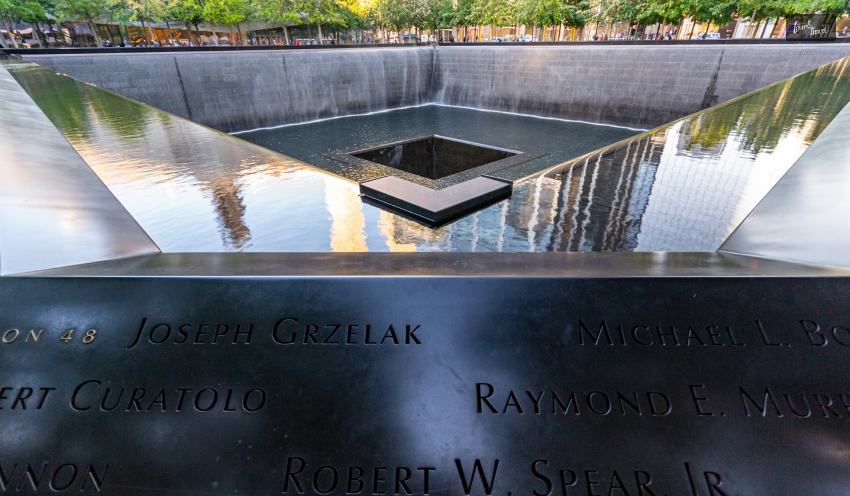
The USA has probably experienced the most significant human tragedy in the 21st century. It was 11th September 2001, and the hijacked Flight 11 and Flight 175 struck the Twin Towers, taking the lives of 2977 people

The 9/11 Memorial & Museum was built after 11 years of this devastating incident. It was a tribute to the survivors of the 9/11 attack and the terrorist attacks of 26h February 1993. It also marked the anniversary of the end of the recovery and rescue work of the 9/11 devastation. 

Today, it is one of the biggest draws for dark tourism in the USA. But what about the other sites that are drenched in tragedy, paranormal acts, history, and more? Let’s explore them!

1. Alcatraz Island And Alcatraz Prison

Alcatraz Island And Alcatraz Prison

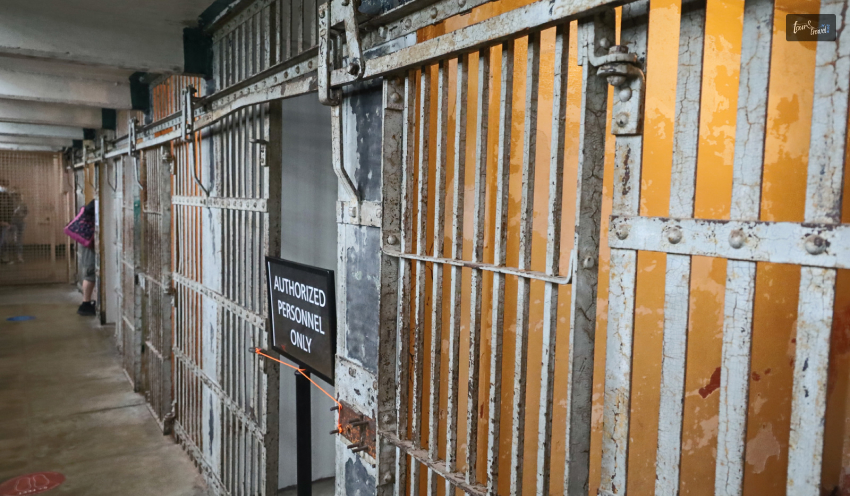
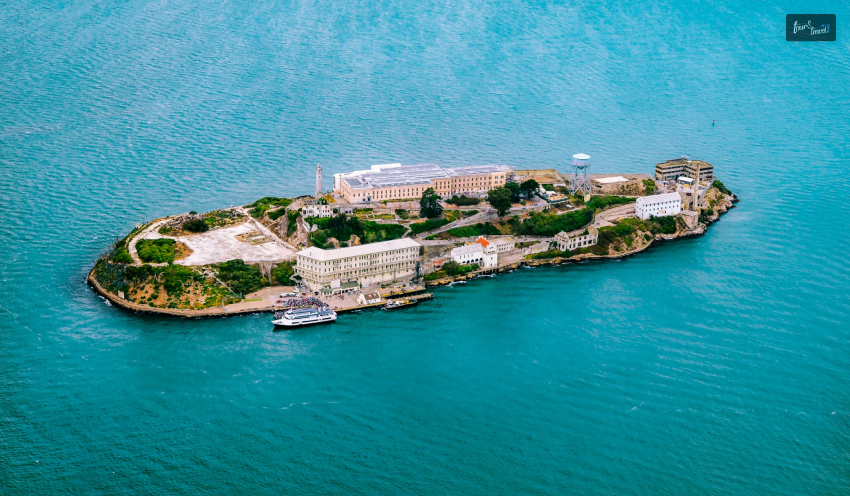
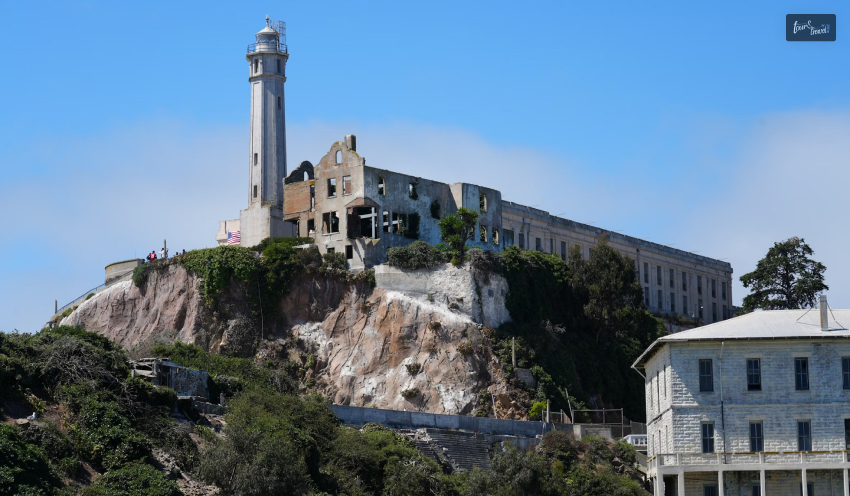
Alcatraz Federal Penitentiary, or Alcatraz Prison, was one of the most infamous prisons in the history of America. It was located on Alcatraz Island in the San Francisco Bay of California. 

Alcatraz Prison, or Alcatraz Island, goes into the history of American criminal justice thanks to its association with famous criminals and their attempts to escape the most secure walls. Today, the prison, preserved for tourists, gives you an overview of the lives of the guards and inmates.

This Is Why Alcatraz Prison Is A Famous Tourist Destination 

Why Alcatraz Prison Is A Famous Tourist Destination

Operating as a Federal Prison from 1934 to 63, Alcatraz Prison had inmates like Machine Gun Kelly and Al Capone. Further, the prison was famous as “The Rock” because of its impeccable construction and security measures.

Even after the stringent security measures, there were many escape attempts to go beyond the walls. The Anglin Brothers and Frank Morris managed to escape the prison. However, what happened to them afterward is still a mystery. 

Moreover, Alcatraz Island tells tales from the 19th century when it functioned as a military fort. In the late 1960s, the Native American activists used Alcatraz Island as their base to be vocal about the rights and cultural preservations of the Native Americans

2. Salem

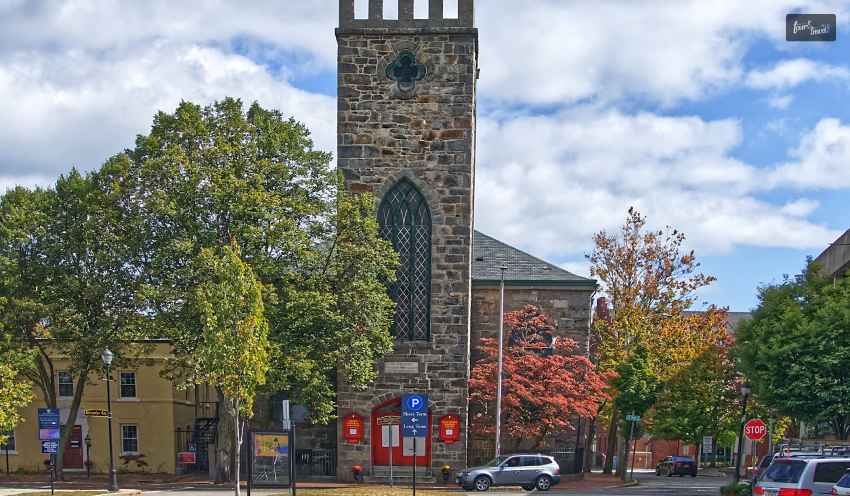
On the North Shore of Massachusetts, Salem is a place of witch trials, historical architecture, and mystical intrigue for the modern followers of Paganism and the Wiccan Community. The air here is heavy with the cry of the women being executed in the infamous Witch Trial of 1692.

Further, the cobblestone street and historical structures scream about injustice, paranoia, supernatural practices, and more. The museums and preserved sites here offer an immersive experience, especially if you are a woman with an independent mind. Witch Hunting has always been a way of patriarchal control since time immemorial. 

Salem Is A Popular Site For Dark Tourism In USA

Salem is a popular site for dark tourism in USA for multiple reasons. 

  • The Witch Trial of 1692

As I just mentioned, it is the site of the Witch Trials 1692. Many people, especially women, were suspected of practising Witchcraft. They were executed, registering one of the most brutal incidents of American Colonial History. 

Recently, the city has owned its history of the 1692 Witch Trial and emerged as a hub of paranormal tourism.

  • The Historical Sites of Salem 

The city has preserved its colonial buildings and structures well. Even the cobblestone streets of the city’s historic district have a unique charm. 

A walk through these streets is an experience for any dark academia enthusiast or a dark tourist interested in American Colonial History. 

  • Modern Wiccan Community And The Acceptance Of Various Belief Systems

As the place of the Witch Hunt of 1692, Salem has attracted many Pagan and Wiccan Communities across the globe. 

Today, the city practices and promotes tolerance of various religious beliefs and practices. Even practicing modern Witchcraft is allowed here. 

  • Halloween Celebrations

Salem has become the most happening destination for dark tourism in USA during Halloween. In the month of October, the city has many Halloween-themed events and a tour of the spooky or haunted houses in the locality. 

3. Gettysburg National Military Park

Gettysburg National Military Park

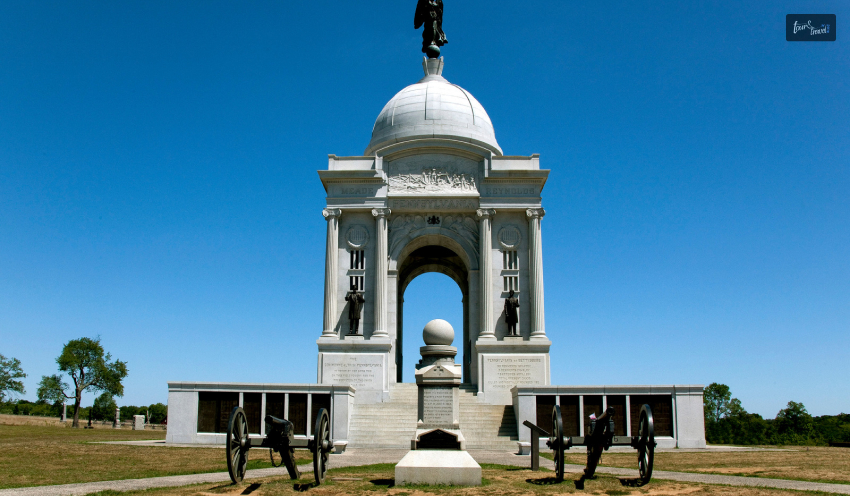
Gettysburg National Military Park is one of the rarest dark tourism destinations in the USA, and it is a place of history, haunted stories, and ghost tours. 

The Gettysburg National Military Park is associated with the Battle of Gettysburg, one of the most important battles of the American Civil War. The three-day-long 1863 battle from July 1st to 3rd led to the loss of around 6000 human lives

What Happened At The Battle Of Gettysburg?

The Battle of Gettysburg was a major conflict between the  Confederate Army of Northern Virginia and the Union Army of the Potomac. 

General Robert E. Lee led the Confederate Army, and General George G. Meade led the Union Army. The Union Army grabbed victory in the battle, which was the biggest blow to the Confederate Clan. 

5. Ed Gein’s Farmhouse

Ed Gein’s farmhouse in Wisconsin was witness to the heinous acts of serial killers in the 1950s. Gein was obsessed with his mother, and his ultimate aim was to make a skinsuit to quasi-resurrect her. 

His heinous acts include killing women and making household items using their body parts. When police searched Ed Gein’s farmhouse, they found a sofa made of human skin, a lampshade made of human face, and many other disturbing stuff. 

The deeds of Ed Gein have inspired many films and documentaries, and his farmhouse today is a popular place for dark tourism in USA.

The place is attached to gore, inhuman crimes, and also a complex understanding of human psychology. Further, it is an account of rural American life in the 1950s. 

6. Bonaventure Cemetery

Bonaventure Cemetery

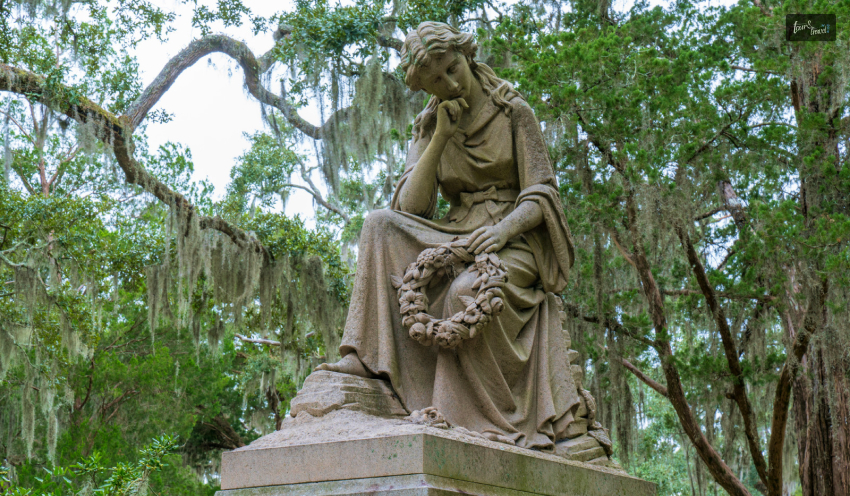
The Bonaventure Cemetery in Savannah, Georgia, is a popular dark tourism destination because of its ethereal charm. Apparently, it looks like a somber cemetery with beautifully carved statues, camellias, azaleas, and draped oaks. 

However, the moment you enter the cemetery, you will feel like being in an unknown era. Its statues and relics start whispering the stories of people buried here. 

The most famous person to be buried here is Johnny Mercer, the American songwriter. This cemetery also houses the life-size marble sculpture of Little Gracie Watson. It is one of the few funerary monuments in Georgia to depict the exact likeness of the deceased. 

7. The Cecil Hotel

The Cecil Hotel

I am beyond good and evil. I will be avenged. Lucifer dwells in us all. That’s it.” – That was the words of Richard Ramirez, one of the most notorious serial killers of the USA. The next destination I am going to discuss is related to him.

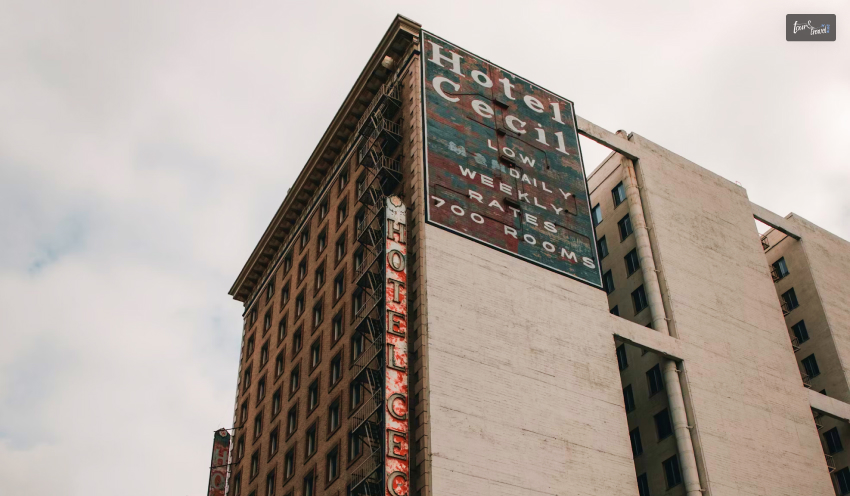
Richard Ramirez was a guest of The Cecil Hotel in Los Angeles, and it was also the location of many mysterious deaths.

As a popular dark tourism spot, the Cecil Hotel and its storied halls give visitors goosebumps. It’s captivating, indeed! 

8. Ground Zero

Ground Zero

Ground Zero, or the World Trade Center Site, is one of the topmost sites for dark tourism in USA. The World Trade Center was a commercial complex spanning 16 acres in lower Manhattan. The 9/11 attack in 2001 crashed it into dust as two hijacked planes struck the Twin Towers. 

Al-Qaeda, an Islamic Extremist Group founded by Osama bin Laden, was behind this attack and the greatest human tragedy of modern times. As I have mentioned, 2977 people lost their lives in this incident. 

Today, the place is important for dark tourism in USA for its educational and historical value. It is also a place to reflect upon the lives lost and how America has risen from this tragedy. It shows the grit and excellence of America as a nation. 

What To Do At Ground Zero As A Dark Tourist?

  • Visit the 9/11 Memorial dedicated to the victims.
  • Spend some time near the 9/11 Survivor Tree.
  • Walk through the 9/11 Memorial Glade.
  • Visit the 9/11 Museum.
  • Pay a visit to Saint Paul’s Chapel.

Do you know that the 9/11 Museum here has more than 10000 objects collected from the debris of victims and other people who offered rescue services after the attack? It opened in May 2014 and offers the most moving experience documenting the details and history of the 9/11 attack.  

9. Badlands National Park

Badlands National Park

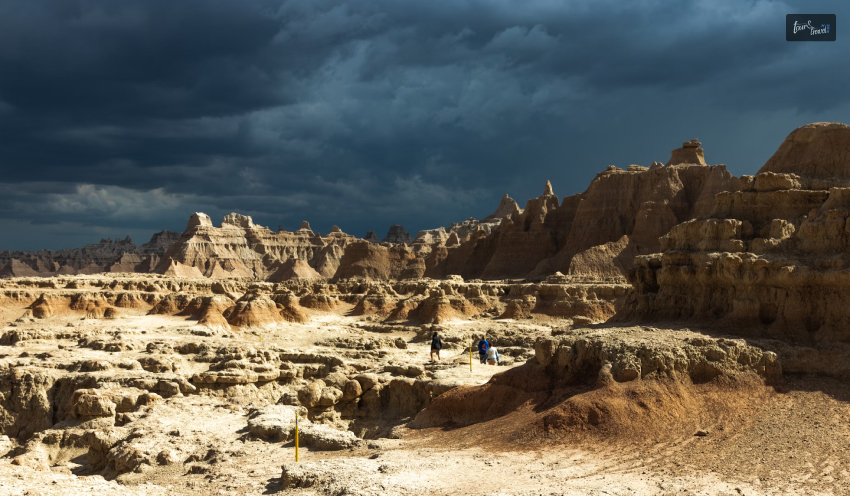
The Badlands National Park in South Dakota is “surreal,” for lack of a better word. The erosion of nature for millions of years has resulted in the eeriest formations here. Further, these formations cast the longest shadow during the Sunset, giving you a chill down the spine. 

Further, the ridges and canyons here tell tales of ancient tribes who lived here. The wind rustling through the ridges sounds like the ancestors’ whispers from a bygone era. Moreover, you will lose count of the time in this most beautiful, desolate land. 

10. Area 51, Nevada

Area 51, Nevada

Are you a fan of conspiracy theories? Area 51 in Nevada will be the best dark tourism in USA destination for you. The mystery of this place revolves around the tales of extraterrestrials found here. 

For the dark tourists, it is a place of intrigue related to military secrets and alien attacks (?). 

11. The Texas School Book Depository

The Texas School Book Depository in Dallas, Texas, is where the assassination of President John F. Kennedy took place. The assassination of the president on 22nd November 1963, had deep national and international implications. 

Lee Harvey Oswald allegedly shot the president, leading to one of the most tragic incidents in American history. 

12. Museum Of Tolerance

The Museum of Tolerance in Los Angeles was built in 1993. Simon Wiesenthal was a holocaust survivor, and his human rights organization, the Simon Wiesenthal Center, built this museum. 

This museum has many exhibits recording the most notorious stories of intolerance worldwide.

The mission of the museum is to “remind us of the past, so that we may forge a better, more harmonious future.” That is what dark tourism should aim to achieve by triggering positive moral emotions. 

Here is a list of the permanent exhibits in the museum. 

  • The Holocaust (a 70-minute dramatic presentation taking you to Nazi-dominated Europe between the 1920s and 1945)
  • The Tolerancenter (shows major issues of intolerance faced in our everyday lives)
  • Finding Our Families, Finding Ourselves (exhibits of Americans with interesting personal histories)
  • Para Todos Los Niños or For All The Children (a depiction of the struggles of Latino families in Southern California)
  • The Exhibit of Anne Frank (a representation of the iconic diary of Anne Frank, depicting her plight in multimedia formats)

Overall, it’s a museum that depicts the exploitation of women and children, terrorism, social media violence, and much more! Moreover, anyone interested in the American civil rights movement will find it a significant destination for dark tourism in USA.

Also read

Share on Social Media

Meet Sibashree Bhattacharya, a travel enthusiast who has a decade-long experience in transcending virtual barriers with her words! Her deep love for travel is apparent from her travel escapades to the mountain, often taking her readers on a journey, her words acting as Portkey! Fun fact: Sibashree loves to dive deep into the history of the places she is about to visit, making her travels even more wholesome. If you were wondering how her articles are not short of time travel, this answers it!

Leave a Reply

Your email address will not be published. Required fields are marked *

title-img Related

READ MORE Chilean wine country

A Journey Through Chile’s Wine Country: From The Andes To The Pacific

BY  Sibashree Aug 20, 2025

Okay, so, picture this: Chile laid out like a long ribbon—kind of wild, right? Mountains stacked on one side, waves crashing on the other, and somewhere in between, these sun-kissed vineyards doing their own thing. And not just recently, either. Some of these spots have been growing grapes longer than most countries have existed. When folks talk about wine in Chile, it’s no stuffy affair—honestly, it feels more like jumping headfirst into the whole shebang: the scents, the crazy landscapes, locals chatting about soil like it’s family gossip...and the wine isn’t just a drink. It’s, I dunno, almost like reading a diary of the land and weather and the winemaker’s mood last summer. Believe me, if you find yourself wandering around Central Valley’s endless stretches, or just chilling with a glass of something zippy and white right off the coast, the whole experience flips whatever you thought you knew about wine on its head. Here’s a rundown of how to, well, do it up right—and why Chilean wine country is totally underrated for anyone who actually cares what’s in their glass. Why Chile Belongs On Your Wine Travel List Let's be real. Chile’s geography, if you look at a map, is ridiculous. It's absurdly long and skinny—on one side, you’ve got the Andes looking dramatic, on the other, the Pacific just doing its endless thing.  That combo means you get all kinds of grapes—each with its wild backstory.  Sometimes, you’ll even wonder if the wine tastes different because of the wind or the fog, and honestly, maybe it does. Way back, some old Spanish guys brought over vines during the 1500s (imagine lugging grape plants on a boat…). Fast-forward: these days, Chile fires off everything from bold Cabernet to its famous Carmenère (which was basically lost everywhere else until they stumbled on it growing here), and while tradition is huge, they’re also not afraid to play around—mixing, blending, inventing. But don’t let the obsession with the grape fool you—traveling here, you’re in for high-energy Santiago, mind-blowing seafood in Valparaíso, classic farmhouses, and some wineries that look like spaceships landed in the vines. The Essential Wine Regions Of Chilean Wine Country Can’t see it all? Yeah, same. So here are the spots you wanna hit if you thrive on the good life: 1. Maipo VALLEY – The Bordeaux Of South America Jump in a car from Santiago and you’re basically in wine heaven before you’ve finished your podcast.  Maipo’s like Bordeaux if Bordeaux were dragged down to South America and given a tan. Their Cabs are everything—sun, altitude, crazy temperature swings. Here, you bounce between proper castles and tight-knit family farms. Pro tip: Say yes to barrel tastings, even if you don’t know what’s going on. Also, picnic in the vines? Yes, please. 2. Colchagua Valley – Bold Reds And Boutique Luxury Prefer your wine big and loud? Colchagua’s where it’s at. You get Carmenère, Malbec, and Syrah, all hedged in by mountains and dusty hills.  Out here, you can sleep in some bougie lodge, eat with a chef who got bored with Santiago, or hop on a horse and clop around feeling very, very far from home—or work. 3. Casablanca Valley – Cool-Climate Elegance Suddenly need something crisp? Casablanca’s like dipping your toes in the ocean, but with wine. The vibe? Super chill (temperature-wise too), close to Valparaíso, and heavy on Sauvignon Blanc and Chardonnay that somehow taste like the smell of fresh rain. And, weirdly, the buildings at some of these wineries—glass walls, clean lines—make you feel like you’re drinking inside a modern art painting. Not bad, right? 4. Aconcagua Valley – Tradition Meets Innovation Nose around north of Santiago, and you hit Aconcagua. This place is a mashup: grandad techniques next to bright-eyed winemakers pouring orange wine and talking about fermentation like it’s the new rock ’n’ roll.  Reds, whites, and all kinds of stuff in between. More Than Just Wine: Immersive Chilean Wine Country Experiences Let’s be honest for a second: even if wine’s great, no one wants just wine, all the time. Some add-ons you can’t miss: Gourmet Food: Loads of wineries double down with restaurants that’ll ruin you for regular meals—seafood, lamb, veggies, all paired so well you’ll start rating salad at home. Art and Architecture: Sometimes you come for the wine, and end up taking fifty photos of the cool ceilings or a painting hung next to barrels. Nature and Adventure: Think: hiking near volcanoes, pedaling past vines, even floating in a hot air balloon. Wild? Yes. Culture Stuff: Pick grapes with strangers, learn a dance and laugh at yourself, or poke around for cheese, olive oil, or crafts that weigh down your suitcase. When To Visit Chilean Wine Country Best part—Chile’s long enough that there’s always somewhere worth going. If you want the inside scoop: Harvest (March to May): Grapes everywhere, everyone’s busy, and there’s a good chance you’ll get roped into a festival—or grape-stomping contest. Spring (September to November): The Weather’s sweet, gardens and vines exploding, and not a tour bus in sight. Summer (December to February): Big sunshine, big crowds, big everything. Good if you want max hustle and bustle. Traveling In Style: Curated Luxury Wine Tours Hate planning logistics? Me too. Just get a fancy tour company and let them sweat the details—private tastings, cool places to crash, cars to get you from A to B, and guides who know when to hang back and when to start telling crazy stories about wine politics. Check out Into the Vineyard or anyone who actually answers their emails. They make sure you’re doing what you want, not what the last ten tourists did. One of the best ways to experience the breadth of Chile’s wine regions is with a specialized travel company like Into the Vineyard. A Sample Luxury Chile Wine Tour Itinerary Let’s imagine how a week goes down (give or take, you know?): Day 1 – Land in Santiago. Someone grabs your bags; you’re at a boutique hotel with a welcome drink before you even check Wi-Fi. Day 2 – Maipo Valley. Taste, eat, repeat. If the schedule says “vineyard lunch,” you’re in for at least three wines before dessert. Day 3-4 –  Colchagua Valley. Sleep in a posh lodge. Visit small-batch wineries. Maybe fall off a horse (hopefully not). Day 5 – Casablanca Valley. White wine and seafood until you need a nap. Then, go to Valparaíso for a night out. Graffiti, music, food, the works. Day 6 –  Aconcagua Valley. Get nerdy with organic wine folks. Learn that “biodynamic” isn’t just a buzzword. Day 7 –  Back to Santiago. Last gifts, one more meal, then gone. Insider Tips for the Perfect Chilean Wine Country Tour Here are some of the tips for travel. The travellers should follow these tips for a more immersive experience while visiting the place. Honestly, don’t drive yourself. Local drivers know where to go (and where to stop for the best empanadas). Try the funky grapes—País, Carignan, even that Riesling with the label you can’t pronounce. Book the good stuff early—boutique tours disappear quickly. Look for places with a pool or a hot tub. Thank me later. The Last Few Things To Keep In Mind Before Visiting Chile Chile’s not just another check on your wine passport. You’re standing with snow-capped Andes in the background, sipping a glass that could’ve been impossible anywhere else, and finishing your last meal by the ocean.  Mix in a little culture, art, and memories you can’t fit in a suitcase, and well, that’s what makes Chile a story you can drink. Read Also: With Popular Wineries, Learn the Things to Do in Mudgee! 5 Ideas For Wine Tours In Barcelona- Make It Happen Wineries You Should Visit In Winter

READ MORE Lake Clark National Park

Lake Clark National Park And Preserve: Very Few Know How It Preserves The Alaskan Spirit And Culture

BY  Sibashree Sep 10, 2024

Lake Clark National Park is committed to subsistence. It’s a sincere effort not to impact the “physical and spiritual culture of Modern Alaska.” Further, the park authority wants to pass on the park’s history to the future generation and the public. So, it was not surprising when the park sought public opinion on the exploration of its mineral tracts (Johnson Tract).  Located in the Johnson River headwater, Johnson Tract is a polymetallic project, and mining of gold, silver, copper, zinc, and lead is possible here. Public comments on “transportation and port site easements” are invited so that there is better accessibility to Johnson Tract. However, the more important aspect of it is analyzing the environmental impact of the project on the park.  There will be the following activities, and the analysis report will likely be published in the fall of 2024.  Hydrological assessment Geotechnical assessment Surveys of cultural and natural resources  But that’s not all! There have been many published stories, such as “Dena'ina Ełnena,” “Canneries, Cabins, Caches,” and more on this national park. Moreover, storytelling by the Native community or the tradition of oral storytelling is still alive here as a part of the “University of Alaska Fairbanks program.”  The things I have discussed so far show how the park is focused on preserving its personal and shared identities. Now, I will delve into some related details and also talk about what makes Lake Clark National Park special in terms of places to visit and things to do.  Preserving History And Culture At Lake Clark National Park  Do you know the original name of Lake Clark? Dena’ina people call it “Qizhjeh Vena,” meaning “a place where people gathered lake.”  Further, the people of Dena’ina, or Athabascan culture, have made this region their home for thousands of years now. How they see the lake and the surrounding land as the main resource of their lives will change the common perspectives about this national park. It is not just a preserved space with wilderness, interesting landscapes, and scenic beauty! It is an account of human history.  Women were always taught to be independent in this culture. They knew how to set snares and ground squirrels. This was an important exercise so that they had to never be dependent on others for food.  Athabascan people, originally from Alaska, started residing here. Further, with time, they encountered people from Russia, the USA, Canada, and Western Europe. Thus, their way of living evolved. However, they have made an effort to preserve their old way of living, and subsistence is still the key to their lives.  I have already mentioned how the oral and written stories preserve the cultural spirit of the park for posterity. Further, the Natural and Cultural Museum of the park preserves many artifacts, geological samples, and ethnographic items so that you can learn about the physical, spiritual, and cultural transformations.  Here is a breakdown of the total 248,402 items preserved at the museum. Type of ItemNumbers Archeological Artifacts34,363Park Archive Documents202,397Historical Artifacts, Documents, And Photos4,663 Biological Specimens6,838Paleontological Specimens47Ethnographic Items16Geological Samples69Objects of Art 9 The museum specialists take special conservation measures to make these objects available for posterity.  These Are The Historically Significant Places In Lake Clark National Park And Preserve https://www.instagram.com/p/B_VbC2clywQ/ Many areas of the park have names in English and Dena’ina. The names in Dena’ina are crucial if you want to understand their significance and the story behind them. Here’s a brief list of the historical places to visit in this park.  Dena’ina Tinitun or Trails  Ancestral Telaquana Trail Tanalian Point Hnitsanghi’iy 'The Rock That Stands Alone' (Priest Rock) Qizhjeh Vena or Lake Clark Kijik (Qizhjeh) National Historic Landmark and Archeological District While the sites have historical significance, they also speak volumes about Dena’ina values and way of life. For example, the trails here show the importance of social, cultural, and ceremonial participation among Dena’ina people. Many also believe that these trails are like “geological and educational maps” for future generations.  Subsistence Is The Key At Lake Clark National Park And Preserve Dena’ina people believe that the wilderness and animals will be good. It is we, humans, who have to be respectful toward them. To adhere to this, people in Dena’ina culture develop a communal understanding, and learn how to make the most of the limited ecological resources available. To maintain the art of subsistence, the people of Dena’ina culture focus on the following aspects.  The Ethics of Taking Hunters need to donate some part of the meat to the ill, old people, and families. This exercise shows how the tribe prioritizes communal bonding. Further, along with food distribution, the exchange of knowledge and resources is equally important in this culture.  Hunting and Trapping https://www.instagram.com/p/B8M_BvyHeUx/ Hunting animals, especially caribou and moose, is important for survival. Further, the distribution of meat according to the “Ethics of Taking” also builds community cohesion.  Trapping is a year-long activity here. Small animals such as mink, river otter, and Alaska hare are trapped to support living. However, Dena’ina people learn the skills of not hurting others or non-targets while trapping small animals.  Plant Harvesting Dena’ina families use various parts of the plants for different purposes. They collect food from the plants, and some of the plants also have medicinal properties. Further, trees and plants are often sources of tools, fuel, wearable accessories, and ceremonial essentials for them.  Berries grow in abundance here. Northern black currant, crowberries, and blackberries are some common varieties. Crowberry and blackberry leaves are used to cure diarrhea. Further, the stems of crowberry have medicinal properties that cure kidney problems.  Fishing and Fish Camps Summer and fall are the seasons of salmon in the Lake Clark National Park and Reserve. During these seasons, this national park has the largest salmon migration in the world. Further, families reunite and celebrate, and tourists flock in great numbers to the park to see and catch salmon.  Pike, trout, grayling, and whitefish are other varieties of fish found here. In addition, there are Nundaltin Q’estsiq’ and other fish camps where fish is processed and a temporary community is built.  Ethnographic studies further support all these subsistence activities. These studies related to fishing and other outdoor activities and the art of Dena’ina people living around Lake Clark are crucial. These studies help the local people to respond better to the economic, environmental, and sociocultural changes.  Things To Do At Lake Clark National Park And Preserve The vast wilderness and unique geological features make Lake Clark National Park suitable for hiking, camping, boating, fishing, rafting, and many other outdoor pursuits. Make the most of your time at the park! 1. Rafting In The Wild River https://www.instagram.com/p/CeSJ6Hbo0gw/ Tlikakila, Mulchatna, and Chilikadrotna are three wild rivers in the park. All these rivers are great for rafting. However, you must adhere to the Alaska Office of Boating Safety guidelines to avoid mishaps.  2. Fishing https://www.instagram.com/p/Cvz9q0ns6ms/ May to October is the best season for fishing in the Lake Clark National Park. Lake Clark is the main fishing hub here, and you can also explore Crescent Lake and Silver Salmon Creek.  3. Hiking  https://www.instagram.com/p/CrgO6IoOATU/ Tanalian Trails are the most popular for your hiking expeditions in this park. You can walk to Tanalian Mountain, Kontrashibuna Lake, Beaver Pond, and Tanalian Falls.  Many hikers also try hiking the Lake Clark and Upper Twin Lake trails.  4. Bear Viewing  https://www.instagram.com/p/C9kRPM2OYmi/ Silver Salmon Creek, Chinitna Bay, and Crescent Lake are the best sites for bear viewing in Lake Clark National Park.  5. Camping  https://www.instagram.com/p/BCO9H6jgnnr/ The area near Hope Creek is suitable for camping. Cook Inlet Coast is another place where you can put up your camps.  Knowing The Wildlife At Lake Clark National Park And Preserve Lake Clark National Park And Preserve is the place where you will get to see a bear in the stream and coming out with a salmon between its teeth. Very few people know that this national park is home to as many as 37 terrestrial animals and 187 bird species.  Nonetheless, have a look at the table below to learn about the animals you will meet at this national park.  MammalsBrown bearsBlack bearsDall sheepCaribouWolvesMooseBirdsGolden-crowned sparrowBald eaglesGolden eaglesTrumpeter swansSea ducksOlive-sided flycatcherFishSockeye SalmonArctic GraylingRainbow troutPike Did You Know? People in the Lime Village believe that olive-sided flycatchers and golden-crowned sparrows announce the arrival of the salmon season (around 3.1 million every year).  Birds are seen around the inland lakes, mountains, and coastal areas.  Before You Set In… Lake Clark National Park is a place less trodden by. Here is a quick glance at the things you need to know.  Established: 2nd December, 1980 Area: 4,030,006 Acres Number of Visitors: 16,728 (2023) Best Time to Visit: Late Spring to Early Fall Highest Point: Redoubt Volcano (10,197ft) Visitors Center:  Port Alsworth Visitor Center  Entry Fee: Free Best Mode of Transport: Small Planes Run by Authorized Air Taxi Companies Yelp Rating: 4 Star Also read Why Include Whale Watching In Your LA Itinerary. Traveling On A Budget: Tips For Affordable Adventures. From Cocktails To Kickflips: Must-Try Activities In San Diego.

READ MORE Paraguay food

Top 10 Most Popular Paraguay Food That You Must Try

BY  Abdul Aziz May 1, 2024

Many of the countries in South America are popular for their exquisite and varied cuisine. However, the practices of Paraguay food are not known to many. The Paraguayan Cuisine has been influenced by the local indigenous tribe’s culinary traditions and practices brought by immigrants from Spain, Italy, and Portugal. Being a foodie myself, I love traveling around the world to have a taste of every new variety of food that the world has to offer. Visiting remote areas, meeting with new people, and trying out their traditional dishes is what I have always loved! I was also in your shoes when I first landed in Paraguay, a bit startled and confused. Although, as I began to explore, my first meal at a fancy restaurant in Asuncion changed my entire perception of the state.  Tid-Bits About Paraguay Food Classic Paraguay food includes some of the most exclusive dishes that are bound to beat any of the Peruvian or Argentine preparations. Traditional culinary elements in Paraguay food recipes consist of meat, maize, vegetables, manioc, cheese, fish, milk, and even fruits.  ‘Asado’ is a local term used for barbecue, which is referred to as both a cooking practice and a social event. In Paraguay, barbecuing is the most important mode of cooking their traditional Paraguayan food dishes.  Here in this article, I will elucidate the best dishes and popular foods in Paraguay that you must try in Paraguay this year. The Paraguay famous foods excite your taste buds and have an experience like never before.  1. Kivevé You will be stuck in a dilemma whether to count this as a main course or a dessert. Kieve is the most popular and loved Paraguay food. It is a vegetarian dish that is cooked out of andai (a type of juicy pumpkin), cornmeal, Paraguayan cheese, milk, and sugar. Kieve is a typical food in Paraguay. It has a very creamy and light texture and is orangish in color. This rich-flavored delicacy is served lukewarm and is often consumed as a side dish or even main meal, at breakfasts, and as an evening snack. 2. Chipa Considered a staple Paraguay food, Chipa is a simple bread roll that was invented by the local indigenous people in the 18th century. It is a bun that is made out of manioc or cassava flour, lard, and anise, and beaten eggs and cheese. There are different versions of Chipa available, varying over the regional influences. The bread has a very crunchy crust due to the addition of lard. The crumb is soft and has a unique flavor. It is prepared and consumed by every household in the state.  3. Bori Bori Bori-Bori (Vori-Vori) is a nutritious and flavorful thick soup that is prepared out of vegetables such as carrots, celery, onions. It is filled with meat (chicken or beef) and dumplings of cornmeal plus cheese. The prime flavoring ingredients in this soup are bay leaves, cloves, and parsley. The addition of saffron to this hearty broth makes it even more flavorful and rich golden in color. It must be served piping hot, garnished with some parsley and Paraguayan cheese on the side. It is especially popular during the winters.  4. Sopa Paraguaya This specialty is not what it sounds like. Even though SOPA translates to soup in the local language, it is not at all in the vicinity of any soupy preparations. It is the national dish of Paraguay, which resembles a cakey thick bread.  It is crafted out of cornflour, cheese, milk, and eggs. The flavor is inculcated through the use of onions and pork fat. It is usually baked and is often termed solid soup. It has a soft and crumbly texture and is served on special occasions as a side dish.  5. Mbeju Mbeju, when translated to the local Guarani language, means cake. It is a very simple and staple Paraguay food. It is a kind of starchy pancake that is prepared with cassava flour, salt, oil, milk, eggs, crumbled cheese, and even pork fat. The dough is kneaded well and rolled out thickly like a pancake. It is then fried in hot oil. It is usually consumed during breakfast, sometimes dinner, alongside a bitter herbal tea or coffee.  6. Soyo This is another popular Paraguay food, which is a thick unpassed soup. It is made with beef grounded in a mortar, rice, and vegetables, including green peppers, onions, and tomatoes. Soyo is another good example of Paraguay’s famous food.  The dish is flavored with garlic, parsley, oregano, salt, and pepper. The name is derived from the native Guarani phrase so’o josopy, meaning crushed meat. A whole bowl of soyo can be considered as a complete meal and has a high calorific value. Also Read: Unmissable Attractions In Surabaya 7. Tereré Since the climate in Paraguay tends to grow hotter every summer, Terere acts as a relief to many. It is a cold-brewed herbal tea that is bitter in taste and is commonly known as yerba mate.  Terere is one of the essential elements of export, and the natives can be seen carrying around a thermos flask, guampa (a spherical mug), and bombilla (a silver straw) everywhere they go. It is a very healthy and refreshing drink and has high caffeine content. 8. Dulce de Mamon Here comes our most awaited syrupy sweet dessert in the list of top Paraguay food you must try! Dulce de Mamon is one of the oldest and most traditional preparations of Paraguay, which has only two major ingredients. It is cooked by boiling small cut wedges of papaya in sugar syrup. The mixture is simmered for almost 2 hours in order for the papaya to achieve a soft texture. You can even add some cloves, lemon zest, and a little orange juice to enhance the flavors.  Also Read: 3 Intriguing Reasons To Cruise In Alaska 9. Pira Caldo Another most favored Paraguay food includes Pira Caldo. It is basically a light fish stew made with freshwater catches such as surubi, mandi’y, and tare’y. I have never in my life tasted such meaty textured fishes with a tinge of saltiness in them. Initially, vegetables such as onions, tomatoes, leeks, celery, bell peppers, and carrots are fried in pork or beef fat and are cooked with other spices. It is then combined with milk and soft white cheese to improve the thickness and flavor. 10. Bife Koygua Bife Koygua, or hidden steak as it is known, is another popular Paraguay food that is a must-try.  It is a heavy preparation in which the beef steaks are covered with onions and tomatoes. Hence the name. According to the local language, bife means beef, and koygua means shy or hidden. The recipe calls for the steak to be pounded first with spices, then fried with onions and topped with tomatoes. Towards the end, an egg or two is added at the top, and the dish is garnished with parsley. Puchero Paraguayo Recipe The Paraguayan version of a traditional meat stew is called Puchero paraguayo. This stew has its origins in Spain and is now prepared in several countries throughout South America and the Philippines. The name of the stew, Puchero, comes from the Spanish word meaning "stewpot". Course: Main Course Cuisine: Latin American, Paraguayan Servings: 4 people Author: Nita Ragoonanan Ingredients 1½ lb beef (skirt or flank steak, cut into pieces) 3 cloves garlic, cut in half 1 onion, chopped 1 green bell pepper, diced 2 carrots 10 oz. pumpkin, cubed 2 potatoes, cubed ½ cup rice 6 tablespoons olive oil Salt Pepper Equipment Pressure cooker Instructions To start, get a large pot and fill it with 10 cups (2.5L) of water. Add in some onions, carrots, and bell peppers, and bring it to a boil. Let it simmer for 15 minutes and season it with salt and pepper to your liking. Set it aside. Next, heat some olive oil in a pressure cooker and add in some garlic and meat. Saute over high heat while stirring constantly until the meat is browned. Pour in the reserved broth and vegetables and close the pressure cooker. Cook for 45 minutes on medium-low heat. While waiting, rinse the rice. After 45 minutes, open the pressure cooker and add in the rice, potatoes, and pumpkin. Close the pressure cooker again and continue cooking for 15 minutes. Frequently Asked Questions!!! (FAQs): Q1. What Is The Traditional Dessert In Paraguay? Ans: Mazamorra also known as Kaguyjy is one of the most popular traditional deserts in Paraguay. it is made of corn and sugar, mixed with honey or milk. Ka'i Ladrillo is a candy made of peanuts and molasses. Q2. What Is Paraguay's National Dish? Ans: Sopa Paraguaya is the national dish of Paraguay. it is similar to cornbread and made up of corn flour, pig fat, or butter, with cheese and milk. it is very spongy and is rich in calories and protein. Q3. What Is The National Drink Of Paraguay? Ans: Yerba mate tea is prepared with cold water. different variations of terre can be found in Brazil and Argentina. Its birthplace is Paraguay. Final Thoughts These are some of the most exotic preparations from Paraguay that made their way into my Top 10 list. Thanks to those Guarani friends that I had over there who guided me through to the best of their culinary traditions. And if you are hesitating about visiting this place, trust me, the experience is worthwhile. It is not only about their food but also their culture, traditions, and heritage. This beautiful country deserves all the appreciation in the world. You May Also Like:  Top 7 Places To Visit For An Asian Solo Traveler Top 7 Nantucket Beaches For Tourists In Massachusetts 10 Things To Do In Bogota – You Must Know Before Going