The Ultimate Jaffna Beach Guide: What Are The Best Beaches Near Jaffna, Sri Lanka? 

The northernmost major city of Sri Lanka is famous for its beautiful Hindu temples, such as the Nallur Kandaswamy Kovil and Naguleswaram Temple (Keerimalai). It also stands out with its unique sculptural scenario and great food. 

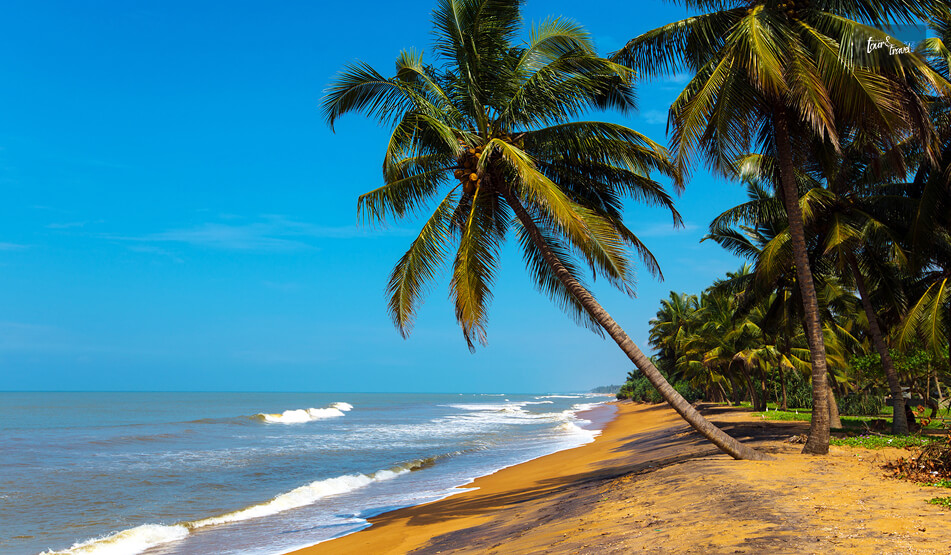
However, very few people talk about the beautiful beaches of Jaffna, such as Kankesanthurai and Casuarina. During my trip to Jaffna, I loved the white sands, calm shallow waters, and Palmyra trees. Also, the Jaffna beaches are a paradigm shift from beach towns like Mirissa. 

You will not get the vibrant nightlife or the maddening crowd. The vibe is pristine and slow. And with the Sri Lanka Tourism Development Authority (SLTDA) focusing on Jaffna now for the diversification of the country’s tourism profile, these beaches are going to play a vital role. 

In this Jaffna beach guide, I will talk about the most prominent beaches, the amenities, expert tips, and more. 

What Are The Best Beaches Near Jaffna Sri Lanka?

The beaches in Jaffna show a contrasting vibe in comparison to the beaches near Colombo, such as Bentota or Unawatuna. The Colombo beaches are touristy and offer watersport activities such as parasailing, diving, and surfing. 

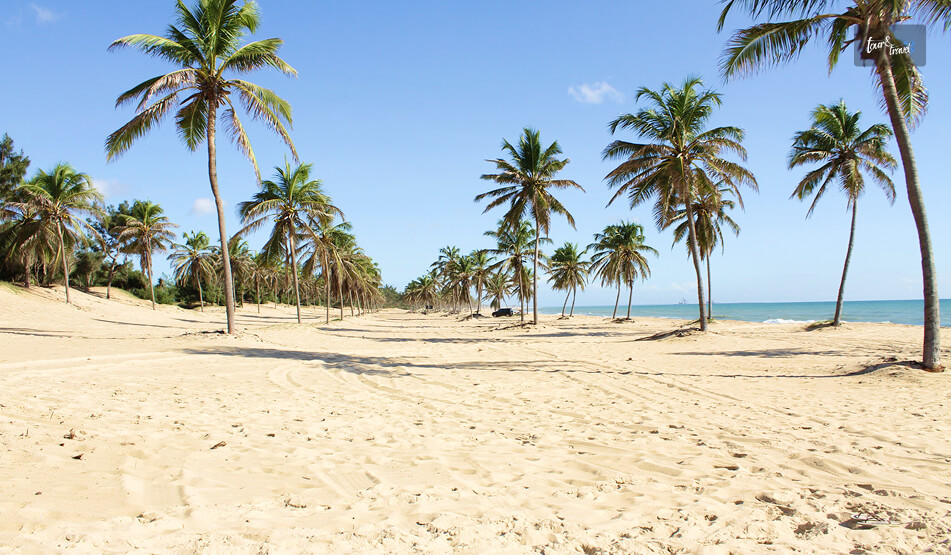
On the other hand, the shallow water of Jaffna is ideal for swimming. Also, the golden sands of the Colombo beaches are replaced by the soft white sands. 

Overall, the beaches in Jaffna focus more on tranquility and show the slow-paced vibe of the city. You know Jaffna Siesta is a real thing! 

1. Casuarina Beach (Karainagar)

Casuarina Beach (Karainagar)
  • Casuarina Beach Entrance Fee: 500 LKR (Foreigners), 50 LKR (Locals)
  • Distance from Jaffna: 21 Kms

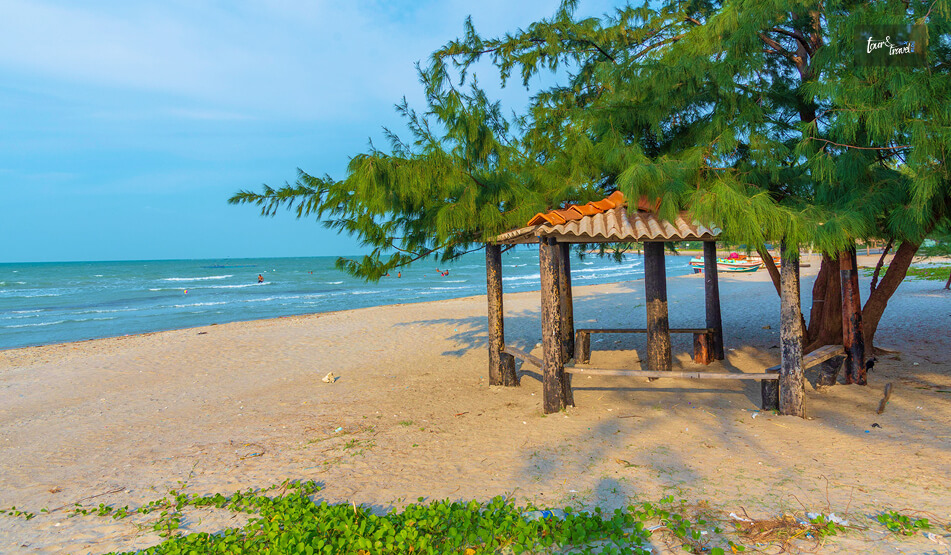
As you reach the Casuarina Beach, a wide stretch of casuarina trees, creating a canopy over your head, welcomes you. The beach gets its name from these trees. 

The stretches of the soft white sand of the beach are also surrounded by palm trees. Furthermore, the west-facing is known for beautiful sunset views. 

What Are The Things To Do In Casuarina Beach? 

Casuarina Beach is a place to relax. The shallow water here is ideal for swimming. You can go to the middle of the ocean, where you will find fishermen in action. 

The fishermen ride in a raft-like boat. You can join them and have a conversation about their daily lives and how they survive the sea. For me, it was pretty much the “Riders to the Sea Moment.”

Also, Kamban, a middle-aged fisherman of Jaffna, shared something about the impact of the Civil War here. He reminded me of a Reuters report published many years back.

It talked about how the Puthumathalan beach, around 113 km from Jaffna, was filled with broken medicine bottles, pieces of clothes, and rusty cooking pots as the aftermath of the civil war. 

Nevertheless, Kamban said, “You know, we did not have any food. We could not go out for fishing, and we never knew who would be the next to take a bullet. 

We are now recovering and getting tourists. Still, we need more support, and the fear will remain among people of my generation and the next one.

Today, Casuarina Beach has some beach clubs and resorts offering water sports activities such as snorkeling and jet skiing. 

Still, I feel, it’s a place to relax and ponder over how the locals are showing resilience to maintain the glory of a city devastated by the Sri Lankan Civil War. 

Also, the Casuarina Beach is the place to try the authentic food of Jaffna. I loved the crabs and vadai here. 

How To Reach Casuarina Beach From Jaffna? 

The most convenient way to reach the Casuarina Beach is to take a private taxi to Jaffna. The cost will be around 1200 LKR. 

2.  Kankesanthurai (KKS) Beach

  • Entry Fee: Free
  • Distance from Jaffna: 19 Km
  • How to Reach: Take Tuk-Tuks from Jaffna

The Kankesanthurai is a navy-maintained beach with sparkling blue water. It is also just 10 minutes away from the Keerimalai Freshwater Springs, one of the iconic landmarks in the spiritual and cultural landscape of Jaffna.

Also, the nearby Thalsevana Resort is a place to relax and try authentic Jaffna cuisine while indulging in the beauty of the pristine beach. 

You can swim in Kankesanthurai. However, you need to be careful about the current. However, this beach is more popular for the snorkeling activities and is famous for the Keerimalai to Kankesanthurai Walk. 

Kankesanthurai (KKS) Beach Snorkeling 

Kankesanthurai, with its shallow water and some marine life and corals visible, is a decent snorkeling site. I saw some sea turtles while swimming at Kankesanthurai beach.  

The water here is warm, and the calm conditions make it beginner-friendly. May to September is the best time for snorkeling in Kankesanthurai. 

However, there is no established snorkeling facility here. So, you need to bring your own gear, including fins and masks. 

So, if you want a proper snorkeling experience, you can explore alternative locations in Sri Lanka, such as the Nilaveli Beach of Pigeon Island, which also has the Pigeon National Park. 

The Coral Island of Trincomalee and the southern coastal spots such as Hikkaduwa & Mirissa are some of the best locations to try snorkeling in Jaffna. 

Keerimalai To Kankesanthurai Walk

The distance between Keerimalai and Kankesanthurai is just around 2 km. So, when you start from Keerimalai and walk north toward Kankesanthurai, you will reach your destination in 25-30 minutes. 

There is no marked beach trail for the walk. However, as you proceed, you will experience amazing coastal views and fishing activities, especially near the pier and shorefront. 

However, if you want to beat the heat, you can take a tuk-tuk to reach the beach from Keerimalai.

Manalkadu Sand Dunes: The Hidden Gems Near Jaffna 

Manalkadu Sand Dunes The Hidden Gems Near Jaffna

Manalkadu sand dunes are the ideal location for an off-the-grid camping experience in Jaffna. Also, at times, I want absolute silence around me. Being an introvert, too many interactions and activities often drain me. 

Stargazing in those moments works like a therapy for me. If you are also like me and want the world around you to “Shut Up,” you must try stargazing at Manalkadu. 

The long chain of sanddunes here stretches to meet the sea, and this is a geologically striking feature. The desert-like setup and the sand dunes offer some “interesting perspectives” for photography, especially while watching the sunset. 

And the best way to experience stargazing at Manalkadu? Try off-grid camping here. 

Camping At Manalkadu And Stargazing 

I set up my tent on the Manalkadu beach, and the wild, open area with almost no light pollution offered the best stargazing experience. Of course, it was not as vivid as stargazing in Great Barrier Island

Still, the spontaneity and simplicity won me over.

However, Manalkadu is not a formal camping or stargazing site. So, you will need to bring your tent, telescope, red light, water, and other essentials. 

Also, we spotted some fishing huts on the beach. We sought their permission, and they happily agreed. In fact, they shared their meal with us, allowing me to spend more time stargazing and enjoying the silence.

Things To Pack For Camping At Manalkadu 

Manal Kadu means sand jungle in the Tamil Language. True to its name, it is a pristine place where desert, jungle, and the sea co-exist. 

Also, it is called the “Swimming Pool of the North.” Nevertheless, since it has a primitive setup, you need to carry some essentials. 

  • Tent
  • Sand Anchors or Stakes
  • Plenty of Food and Water Nearby
  • Portable Stove
  • Cooking Gear
  • Headlamp or Lanterns
  • First-Aid Kit
  • Power Banks
  • Trash Bags

The Quiet Alternatives: Jaffna Beaches

The Quiet Alternatives Jaffna Beaches

Do you want to enjoy a sunset stroll by the water with no one around? Visit the quieter alternatives such as the Charty Beach and Akkarai Beach.

1. Charty Beach

The Charty Beach is on Velanai Island, and it is a 15 km drive from Jaffna City. You will reach the beach from the city within 30 minutes after a journey through the Jaffna–Pannai–Kayts Road. 

The warm water here is ideal for swimming, and you can even try near-shore paddling.

Changing Facility• Nearby Huts
• Rest Shades
Food And Snacks• Local Eateries
Accomodation• AC and Non-AC Rooms at Charty Beach Resort
Lifeguard• Not Available 
Ideal Season • May to September
Best Time to Visit in a Day• Early Morning
• Late Afternoon

2. Akkarai Beach 

Take a drive for around 30-40 minutes to reach the Akkarai Beach in Thondamanaru. Lying along the Palk Strait, it stretches toward the Indian coastline. 

It is very close to the Lord Murugan Temple and the Thondamanaru Bridge. 

Parking FeeFree
Resting AreasBenches and Shaded Spots
WashroomFreshwater Wash Areas
Swimming ConditionNear-Shore Swimming with the Sandy Bottom Deepening Gradually
LifeguardsNot Available. So, Don’t Swim when the Current is Strong.  
Best Months May to September
Best Time to Visit in a Day• Early Morning
• Late Afternoon

Beach Amenities And Safety Guide

Once again, the Jaffna beaches are not the luxury tropical getaways you are looking for. So, you must have a clear idea about what to expect at these pristine beaches. 

Also, learn about the safety infrastructure before getting into the water. 

1. Basic Beach Amenities 

Casuarina Beach has paid changing rooms. However, other beaches have no makeshift provisions for changing and resting. 

So, you must carry beach umbrellas and folding chairs if you don’t want to sit on the sand. 

There is no official presence of a lifeguard or support on these beaches. Network coverage is decent. However, you can face connectivity issues if the weather deteriorates. 

The beaches in Jaffna are accessible from Jaffna City by tuk-tuk and other vehicles. However, in Casuarina Beach, you will have to pay a small fee for entrance and parking your vehicle. 

2. Safety And Norms

Do not go very far into the ocean water, as there can be strong currents, and there is no formal lifeguard support. 

Also, be careful while walking barefoot on the sand,d as there can be seashells and seaweeds. 

In addition, dress modestly, shorts and T-shirts are fine! Also, do not leave trash behind. 

Exploring The Jaffna Coastline: Know The Expert Tips 

Exploring The Jaffna Coastline Know The Expert Tips

Want to explore the coastal beauty of Jaffna to the fullest? Follow these expert tips. 

1. Go On Weekdays

    You will find local buses packed around the Casuarina Beach, and the noise of loud music can be an annoying factor. 

    Choose a Monday or Tuesday for your ocean visit to spend some moments of quietude.

    2. Bring Reef Shoes

      The Charty and KKS beaches have sharp dead coral very close to the water’s edge. So, your feet may get a cut if you don’t wear reef shoes. 

      3. Have Navy Food 

        When you are visiting the Kankesanthurai (KKS) beach, you don’t need to eat at a beach shack. You can walk into the Thalsevana Holiday Resort run by the military. 

        Enjoy a hygienic and tasty lunch and cold beer there while enjoying the ocean view.

        4. Riding On Manalkadu? You Will Need A 4X4 

          You can drive a scooter to Manalkadu. However, you have to park it on the hard road. You cannot take it to ride onto the sand dunes, and the wheels will get stuck. 

          5. Morning Is The Best Time For The Beach Visit 

            You cannot visit a beach in Jaffna at noon. The Northern Sun is scorching. So, plan a visit between 7 AM and 8 AM or after 4 PM. 

            6. You Can Wade In Akkrai But Cannot Swim 

              The water at the Akkarai Beach is usually knee-deep. So, you can wade through the water of this beautiful beach. 

              However, swimming does not look like an ideal activity here. 

              7. Changing Rooms Are Basic

                The Casuarina Beach has changing rooms. However, these rooms are just concrete stalls with a bucket of water. 

                You will have to bring your towel and toilet paper. 

                8. Respect The Fishermen

                  Most beaches in Jaffna are like a workspace for the fishermen. So, there will be fishing boats and nets on the shore. 

                  You cannot step on or lie on them. Do not tamper with them. 

                  9. Drink Thambili To Stay Hydrated 

                    Jaffna beaches do not have places serving fancy cocktails. The best refreshment is to drink the King Coconut or Thambili water. 

                    It replenishes the micronutrients, and it is a must-have when the Sun is scorching.

                    What Are The Authority Voices On Jaffna Beaches And Coastline? 

                    1. “Casuarina Beach is named after the shady trees that line it, offering a rare respite from the scorching Northern sun. It’s the closest Jaffna gets to a holiday vibe.” – The Lonely Planet. 
                    1. “Don’t expect the polished tourism of the South. Jaffna’s beaches are raw, working coastlines where fishermen outnumber tourists—and that is their charm.” – Rough Guides. 

                    Jaffna Beach Guide: Frequently Asked Questions (FAQs) 

                    Here are the frequently asked questions and answers about the Jaffna beaches. 

                    1. Can Foreigners Swim In Jaffna Beaches?

                    Yes, foreigners can swim in Jaffna beaches. Casuarina and KKS beaches get many foreign visitors. 

                    The KKS beach offers free entry. However, for the Casuarina Beach, the entry fee is 50 LKR for locals and 500 LKR for foreigners. 

                    Also, the amenities at the Jaffna beaches are basic. So, a foreigner looking for a luxury beach experience or the resort vibe can feel disappointed. 

                    2. Is It Safe To Wear A Bikini At Jaffna Beaches?

                    There is no formal restriction regarding wearing bikinis at Jaffna beaches. However, the social setup of Jaffna is conservative. 

                    So, there can be stares, and you may feel out of place. So, wear shorts and T-shirts while swimming.

                    3. Are There Sharks In Jaffna? 

                    You will rarely see sharks in the waters of Jaffna. However, you will find sea turtles and coral reefs in the waters here. 
                    The water here is very shallow. 

                    4. Which Is The Cleanest Beach In Jaffna? 

                    Kankesanthurai (KKS) is a navy-maintained beach, and it is the cleanest in Jaffna. It also has the Thalsevana Holiday Resort, run by the military. You can have food and drink here. 

                    5. Can I Surf In Jaffna?

                    No, you cannot surf in Jaffna. The water here is shallow and calm like a lagoon. If you want to surf in Jaffna, you can go to Arugam Bay on the East Coast. 

                    6. Are There Hotels On The Beaches Of Jaffna? 

                    Yes, though not frequently, there are some hotels on the beaches of Jaffna. For example, KKS has the Thalsevana Holiday Resort and the Charty Beach has the Tilko Charty Beach Resort. 

                    Furthermore, there are smaller guesthouses near the Casuarina beach. 

                    7. What Is The Best Time Of Year To Visit Jaffna Beaches? 

                    May to September is the ideal time for exploring the northeastern beaches of Jaffna. Jaffna has dry weather conditions in these months, and the calm water is ideal for swimming and snorkeling. 

                    Jaffna experiences heavy rainfall from October to December. So, avoid these months.

                    Share on Social Media

                    Meet Sibashree Bhattacharya, a travel enthusiast who has a decade-long experience in transcending virtual barriers with her words! Her deep love for travel is apparent from her travel escapades to the mountain, often taking her readers on a journey, her words acting as Portkey! Fun fact: Sibashree loves to dive deep into the history of the places she is about to visit, making her travels even more wholesome. If you were wondering how her articles are not short of time travel, this answers it!

                    Leave a Reply

                    Your email address will not be published. Required fields are marked *

                    title-img Related

                    READ MORE Jaffna travel itinerary

                    Jaffna Travel Itinerary For 5 Days: What Are The Places To Visit And Local Transport

                    BY  Sibashree Jan 13, 2026

                    The city of temples. The Tamil heart of Sri Lanka. The cultural hub of Sri Lanka.  All these things are true about Jaffna, the northern city. It’s not just about the Nallur Kandaswamy Kovil or the Naguleswaram Temple. There are two temples on average in the streets of Jaffna. Along with the temples in Jaffna, the food, the festivals, and the warm hospitality make it a city to be explored, felt, and soaked in. Had I not been to Jaffna, I would have probably loved the average “3-day Jaffna travel itinerary” every blog is offering. However, a city that wakes up to the sound of the temple bells and the smell of jasmine and follows the custom of Jaffna Siesta, cannot be explored in three 3 days. You will at least need 5 days to know the spirit of Jaffna. Also, it’s cruel to say that you can walk to the Jaffna Fort at noon. So, the average Jaffna travel itinerary you are going through now is unrealistic, and I am not sure how authentic they are. So, here are the things to do in Jaffna for 5 days and how to explore the city. Jaffna Travel Itinerary: It All Starts With The Colombo To Jaffna Train Journey If you want an iconic train journey from Combo to Jaffna, take the Yal Devi Express from Mount Lavinia. The train starts from Mount Lavinia, and the Combo Fort is the 5th station on this route. You can board the train from Colombo Fort at 6:40 AM. The train will reach Jaffna at 2:33 PM, and it is the 31st station on the route. The last or the 34th station on the route is Kankesanthurai. The ride in this AC Saloon car costs LKR 2800 per person. You can also take the 444421 InterCity Express from Mount Lavinia to Kankesanthurai. This train departs from the Combo Fort Station at 5:45 AM and reaches Jaffna at 11:49 AM. The ticket price is LKR 3200 per person. This train ride is not just about traveling to Jaffna from Colombo. Here, you will pass through the Elephant Pass, which has expansive lagoons. Also, as a war memorial and as the military base of the First Battle of Elephant Pass (Operation Aakaya Kadal Veli or Air-Sea-Land by the LTTE), it is an important landmark for cultural tourism in Jaffna. Getting Around Jaffna: Why Do I Need A Scooter For Rent?  You can take a scooter for rent for a budget-friendly and flexible experience in Jaffna. Be it the Casuarina Beach or other beaches of Jaffna or the historical Jaffna Fort, a scooter or moped will give you the ultimate freedom to make the itinerary for Jaffna travel. The charges for a bike rental will be around LKR 2500 per day. If you don’t ride and need a more relaxed experience, you can take a tuk-tuk on hire, and the cost will be around LKR 4000-5000 per day. 5-day Jaffna Travel Itinerary: Soaking In The True Spirit Of Jaffna From exploring Jaffna City to exploring the islands and temples, there is a lot to do in the Northern City of Jaffna. Also, culinary tourism in Jaffna is a real thing! So, let’s make the most of these 5 days in Jaffna. Day 1: Arrival At Jaffna And Exploring The City  How about starting your day in Jaffna with the famous Jaffna coconut water or the signature ice cream at Rio Ice Cream? Here are the things you can do once you reach Jaffna after a long train journey from Colombo. 1. Morning: Check-In And Visit Rio Ice Cream For The Legendary Welcome  View this post on Instagram A post shared by Rio Ice Cream (@official.rioicecream) Rathinam Industrial Organisation(RIO) is a legendary landmark in Jaffna. It is like a community center where the locals love to have some refreshment in the middle of the day or at the end of the day to fight the soaring temperature. Special Rio Sundae with the ultra-sweet syrup and nuts is the main attraction of Rio Ice Cream. Also, the ice cream here is completely natural and chemical-free. 2. Afternoon: Visit The Jaffna Public Library  The Jaffna Public Library is a must-visit if you want to know about the local Tamil culture and heritage. It became a part of the Jaffna Town Development Board on 1st January 1935. As of today, the library has a collection of more than 117199 books, 37968+ in the lending section, and more. The library remains open from 8:30 AM to 6 PM from Tuesday to Sunday. On public holidays and Mondays, only the study hall and the magazine and newspaper sections remain open from 8:30 AM to 5:15 PM. However, the public viewing hours are from 4 PM to 6 PM. 3. Evening: Visit The Jaffna Fort For Sunset Walk On The Ramparts  Visiting the Jaffna Fort and walking on its ramparts after sundown are the best ways to familiarize yourself with the city's history. You can explore the walls and the barracks where thousands of civilians and military personnel used to live. Furthermore, you can enjoy the beautiful view from the city and the Jaffna lagoon from the ramparts. A Brief History Of The Jaffna Fort Built in 1619 by the Portuguese colonialists. Serving as the base for combating three Sri Lankan rebellions against the rule  Got captured by the Dutch in 1658  Got the famous defensive triangle in 1792  The British took control of the fort in 1795  Sri Lanka became independent in 1948  However, even after the independence, the Fort has been at the center of friction between the Sri Lankan government and the Liberation Tigers of Tamil Eelam (LTTE or Tamil Tigers). So, 1990-2009 was a volatile year for Jaffna, and the Jaffna Fort witnessed many occurrences. However, post 2009, the restoration work for the Jaffna Fort was started with the financial aid of the Dutch Government, and the Jaffna Fort still stands today because of that. 4. Having Dinner At Malayan Café (Dosas And More)  View this post on Instagram A post shared by りかරිකා (@rk_itooo) Having dinner at the Malayan Café is the quintessential Tamil experience you want in Jaffna. The decor is quaint with marble top tables, and steaming hot dosas and Idlis here are served on banana leaves. You will also get parathas and chutneys here. Don’t forget to bring cash because it does not have a digital payment facility. Day 2: Hopping The Delft And Nainativu Islands  Let me share one update when you are making a trip to the Delft and Nainativu Islands. Only one boat is available from the Kurikadduwan Jetty at 8 AM. So, if you miss the boat, unfortunately, your entire day is ruined. Nevertheless, here is how you will spend day 2 in Jaffna. Morning In Delft Island  The Portuguese Fort and the ruins of the Old Stupas are the primary attractions on Delft Island. You must also see the iconic Baobab Tree and the wild horses roaming on Delft Island. Take a ferry from Delft Island to reach Nainativu. Afternoon At Nainativu Nagapooshani Amman Kovil  The Nagapooshani Amman Temple has Nagapooshani Amman, a form of Goddess Durga, as the presiding deity. The statue of Goddess Nagapoosani here is accompanied by a Shiva Lingam and the ten-headed statue of Ravana at the base. It features a Dravidian architecture with some modern features, as the current structure was rebuilt between 1720 and 1790 after the Portuguese destruction in 1620. Returning To Jaffna By Boat And Having Seafood Dinner At Mangos Take the return boat from Nainativu, and the last ferry is available at 4:30 PM. Then, end your day on a relaxing note with a hearty seafood dinner at Mangos. Day 3: Soaking In The Spiritual Vibe Of Northern Sri Lanka  Start your day three in Jaffna with a visit to the Nallur Kandaswamy Kovil early in the morning. Be a part of the 10 AM Puja.  Then have traditional crab curry and rice for lunch before starting a drive to Point Pedro. If ordering Crab Curry, know that one portion is usually enough for two people. It is rich, spicy, and heavy.  The distance between Jaffna and Point Pedro is around 32 km. Known as Paruthithurai in the local Tamil language, Point Pedro is the literal top of Sri Lanka. Despite being a crucial maritime getaway, Point Pedro has a pristine landscape, and it has maintained its authentic Tamil vibe. Vallipuram Alvar Kovil and Sakkotai Cape sign are important stopovers between the Jaffna to Point Pedro journey. The Vallipuram Alvar Kovil is one of the oldest Hindu temples in Jaffna. Archaeologists found a 2nd-century gold plate here, and the temple is dedicated to Lord Vishnu. The Sakkotai Cape is the northernmost point of Sri Lanka. It has a concrete sign and an inscription, “Unity in Diversity is the Strength of Sri Lanka.”  The famous concrete sign saying "Point Pedro" is actually at Sakkotai Cape, a few kilometers away from the Point Pedro town center. Don't get confused by Google Maps. Day 4: Exploring The Ruins, Springs, And Myth Of Jaffna  You can start your day four in Jaffna with a sacred bath at the Keerimalai Freshwater Springs next to the ocean. The water here is believed to have healing power. In the midday, you can travel to Dambakola Patuna from Jaffna. It will take around 34 minutes. It is the place where Sanghamitta, the Buddhist daughter, and Great King Ashoka brought a sapling of the Bodhi Tree in the 3rd Century BCE. Finally, in the afternoon, you can explore the mysterious mini-stupas or the Kantarodai Ruins, around 12 km away from Dambakola Patuna. It is an archaeological site, and you must also visit the ancient Kadurugoda Vihara here.  Day 5: Getting Familiar With The Local Life Of Jaffna And Departing For Colombo  On day 5, explore the local Jaffna market for buying some Jaffna specials, including palmyra jaggery and curry powder. Enjoy your last feast in Jaffna with Dosa and Vadai. Then, you can plan your return to Colombo. What Are The Expert Tips For Jaffna Travel Itinerary?  Did you know that the Sri Lankan Navy runs the boat to Delft? It always remains overcrowded, and the passengers wait at the Kurikadduwan Jetty. So, if you want to catch the boat at 8 AM, you have to get there by 7:30 AM. Do you want to know more such expert tips for your next trip to Jaffna? Check out the following points.  1. Bring Your Passport  When you are traveling from Jaffna to the nearby islands, you will have to cross military or navy checkpoints. So, when you are from any other country, you will have to show your passport. 2. Sunday Is Dead  Jaffna celebrates Sundays as a real holiday, and most local shops and markets remain closed on Sundays. So, choose a weekday if you want to explore the City Markets. 3. Cash Is King When You Are In Jaffna You will get ATMs in Jaffna town. However, when you are driving to Point Pedro or taking a ferry to Delft Island, you will need cash.  Even small shops and the markets in Jaffna may not always accept cards. So, you have to carry small coins such as 100 and 500 LKRs.  4. You Must Cover Up At Nallur Your clothing has to be respectful when you are in Nallur Kovil. If you are a woman, you have to cover your knees and shoulders. Also, men must be shirtless when entering the temple. If you do not follow the clothing norm, you will be turned away at the gate. 5. Book Return Trains Early  If you are traveling from Colombo to Jaffna by train, you will have to book the tickets for Yal Devi and other passenger trains well in advance. The first and second class tickets get booked fast. Ideally, you must book the train tickets 30 days before starting your journey. 6. Drink "Nelli" Cordial  Instead of Coke, try the local Nelli (Gooseberry) crush. It’s a Jaffna specialty and incredibly refreshing in the heat.  You can even drink the big coconut water. 7. Respect The "No Photo" Signs  Photography is not allowed in the inner sanctum of the Jaffna Kovils or temples. The priests are vigilant. So, do not even try breaking the norms. Also, if you're taking photos of the locals, always seek permission. Authority Voices: What Experts Say About Traveling To Jaffna? The Common Wanderer (Travel Bloggers): “Jaffna feels like the Sri Lanka of 20 years ago. No smoothie bowls, no yoga retreats—just raw culture, heat, and the most incredible hospitality.”  Rough Guides: “The journey to Delft Island is a rite of passage. The choppy ferry ride and the desolate coral landscapes make you feel like you’ve reached the edge of the world.”  Chef Peter Kuruvita: “To understand Sri Lankan food, you must go North. The cuisine here is uncompromised by tourism.”  Jaffna Travel Itinerary: Frequently Asked Questions (FAQs)  Here are the frequently asked questions and answers about the Jaffna travel itinerary. 1. Is Jaffna Safe For Tourists?  Yes, Jaffna is a safe city for tourists. The strong presence of Tamil culture and a conservative society make it an ideal location for family trips. Also, according to Numbeo, the crime rate in Jaffna is 50, which is moderate. However, Jaffna has been hit by civil wars time and again, and the rampage of Cyclone Ditwah in November 2025 has been devastating. Jaffna is still recovering from the aftermath. 2. What Is The Best Way To Get Around Jaffna?  Hiring a Tuk-Tuk is the most comfortable way to get around Jaffna. You can even book a scooty or moped to explore Jaffna at your own pace. However, for the island visits, you will have to rely on the ferry services.  3. Can I Do Delft And Nainativu In One Day?  Yes, you can visit Delft and Nainativu in one day. However, to make your plan a success, you will have to start early from the Kurikadduvan beach. Once you reach Delft, you can book a Tuk-Tuk or a moped to explore its important landmarks. Then, take the ferry to reach Nainativu Island. 4. Is There A Dress Code For The City?  There is no official dress code for the city of Jaffna. However, it is a culturally rich city with a Tamil conservative society. So, you must opt for modest clothing such as sarees, full pants, long skirts, and tops and shirts with sleeves. 5. Can I Find Beer Or Alcohol In Jaffna?  Yes, you can have beer or alcohol in Jaffna. The Thalsevana Resort on the Kankesanthurai (KKS) Beach is the best place to have a chilled beer. You will also find beer in the hotels. However, alcohol in Jaffna is expensive. You can do some duty-free shopping at the airport. Furthermore, for the most authentic experience, you can try local brands such as Lion Lager or local spirits like Arrack. 6. Do They Speak English In Jaffna?  Yes, people speak English in Jaffna, especially when you are interacting with someone associated with the hospitality industry, the medical profession, or the legal field. Also, you will find many people in Jaffna City speaking English. However, when you explore the villages or remote areas, people may not be fluent in English. 7. What If I Am Vegetarian?  Even if you are a vegetarian, the Jaffna cuisine has many delicacies for you. You can have Idli and dosa, which are vegetarian and vegan.  Also, Rasam, Sambar, and the curries made using pumpkin, drumsticks, and other vegetables are quite delicious. Vegetarian food is available in Jaffna in abundance and with a variety because of the strong Tamil presence in the city. Most people here worship Lord Shiva and Vishnu.  8. How Long Is The Ride From Colombo To Jaffna?  A journey from Colombo to Jaffna takes around 7 hours if you are traveling by the Yal Devi AC saloon car or bus. However, you can also take a flight from Colombo to Jaffna, and the travel time is around 1 hour and 30 minutes.  9. Is The Water In Jaffna Safe To Drink?  No, the water in Jaffna is not safe to drink because saltwater intrusion and groundwater contamination are quite high. The groundwater of Jaffna is contaminated by agrochemicals, sewage, and harmful bacteria. So, it is safe to drink bottled water and water from filter dispensers.

                    READ MORE Jaffna temple guide

                    Jaffna Temple Guide: What Are The Top Hindu Temples To Visit In Sri Lanka’s North?

                    BY  Sibashree Jan 2, 2026

                    When Lonely Planet names Jaffna one of the 25 best cities to visit in 2026, it becomes a celebration of Jaffna’s culture and heritage. It is the spiritual heartbeat of the Tamil culture, and temples such as the Nallur Kandaswamy Kovil serve as the epicenter of the local community. Also, during my visit to Jaffna, I found the Hindu temples there similar yet different from South Indian temples. From the look of them, I could tell that there was something inherently Dravidian about them. However, the Jaffna temples have a wide use of palmyra wood instead of granite or bricks of the South Indian temples. Also, the temples in Jaffna, the spiritual and social anchors of the community, are more eclectic in nature compared to the South Indian temples. It is the intense spirituality that makes them so special. I shared a beautiful experience at Nallur Kandaswamy Kovil in my Jaffna Sri Lanka Travel Guide. It is about how a priest offered me sweets out of 1000s of devotees present there. Overall, these Hindu temples in Northern Srilanka are places to worship, appreciate architectural beauty, and celebrate the Tamil culture. In this Jaffna temple guide, I will talk about the major temples of Jaffna, their history, significance, hours, festivals, and more.  What Are The Top Hindu Temples To Visit In Jaffna, Sri Lanka?  The men entering the Nallur Kandaswamy Kovil were bare-chested. Now, I am familiar with such customs, being from India. But I saw some travelers being uncomfortable around it. Probably, they only go bare-bodied in public when hitting the best beaches in Jaffna. So, taking their shirts off for a temple visit was weird for them.  All the temples in Jaffna are associated with such customs, stories, history, and spiritual significance. Let’s talk about them in detail and know why you must include them in your Jaffna travel itinerary.  1. Nallur Kandaswamy Kovil (The Icon)  Nallur Kandaswamy Kovil, with Lord Murugan as the presiding deity, is the most prominent religious landmark in Jaffna, Sri Lanka. It is also an important place to learn about the Tamil culture in Jaffna.  Lord Murugan is the God of valor, eternal youth, and the destruction of ignorance. The Vel or spear in his hand stands for divine wisdom. He has six faces, which represent the five senses and the mind. These symbolize his mastery over all these faculties. The first thing I noticed was the magnificent golden Gopuram with detailed carvings. As I entered the temple, I felt calm instantly with the smell of the incense sticks. History And Significance Of Nallur Kandaswamy Kovil (Lord Murugan)  The current architecture of the Nallur Kandaswamy Kovil temple is of the 18th century, specifically in 1734. However, the origin of the temple goes back to 948 AD. The temple was further built in the 13th century by Puvenaya Vaku. He was a minister to King Kalinga Magha of the Jaffna Dynasty. Nallur was the capital of this dynasty. Currently, the descendants of Ragunatha Maapaana Mudaliyar and a private trust are in charge of the temple. The Golden Arch And Architecture  With the Dravidian style as the base, the Nallur Kandaswamy Kovil beautifully integrates water, wind, space, fire, and earth, the five elements that constitute the universe. Furthermore, the temple has four gates, and its multi-tiered gopurams feature sculptures of important mythological figures and Hindu deities. Again, the large halls (Mandapas) and compounds are ideal for gatherings and celebrations. These features show how these temples are important for the community activities in Jaffna. Visitor Rules: The "Shirtless" Law Explained  The Nallur Kandaswamy dress code requires men to wear dhotis with their chests bare. Women need to wear modest clothes with their shoulders and knees covered. Sarees, long skirts, and blouses are the ideal outfit for women. Like any other temple, here also, you need to take off your shoes before entering.  Nallur Kandaswamy Kovil Temple Timing  Check out the table below for details on the temple timing and rituals. Temple Timing HoursDoors Open 4 AM Morning Palliyarai Pooja 4:30 AM Ushathkala Pooja 5 AM Temple Doors Reopen, Morning 7:30 AM Kalasandhi Puja 10 AM Uchikala Puja 12 PM Temple Doors Reopen, Evening 3 PM Sayarakshai Pooja 4 PM Second Kala Pooja 5 PM Evening Palliyarai Pooja and Arthasama Pooja 6 PM  Major Festival At Nallur Kandaswamy Kovil  The annual Nallur Festival, observed for 25 days in August, is a major event at the temple. The celebration starts with a flag hoisting ceremony, and there are daily processions with Nadaswaram or music, dancers, and idols. Furthermore, on the 24th day, the devotees pull colossal chariots. This festival has a deeper cultural significance as it celebrates the Tamil identity of the Sri Lankan people. The Karthigai Festival, celebrated in the Tamil Month of Karthigai (November-December), is another major festival here. It is a festival of lights. How To Reach Nallur Kandaswamy Kovil?  I took a cab from Jaffna to reach Nallur Kandaswamy Kovil. I reached the temple within 5 minutes, and the price was INR 90. 2. Naguleswaram Temple (Keerimalai)  Naguleswaram Temple is the most revered among the Pancha Ishwarams of Sri Lanka, or the five prominent Shiva Temples in Sri Lanka. Furthermore, this Hindu shrine has all the features, such as the deity (Moorthy), the holy water (Teertham), and the temple with its precinct (Thalam).  The temple remains open from 6 AM to 11 AM and 4 PM to 7 PM. Naguleswaram Temple History  The Naguleswaram Temple or Keerimalai gets its name from Nagulam or Keeri, which means mongoose. It is associated with the myths of Nagula Muni or Nakula Swami, who was said to have a mongoose-like face due to a curse by another sage, Yamathagini. Nagula Muni was originally called Sudhama, and he got this name for a sacrifice he made during his penance. He regained his human form after a holy bath in the Keerimalai spring. A devout follower of Lord Shiva, Nagula Muni, built the shrine. That is why it is called the Naguleswaram Temple.  This temple has a mention in the Dhakshina Kailaya Puranam and Suta Samhita, a part of the Skanda Purana, which is also a prominent work on Shaivism. Thus, the temple is a prominent landmark in the spread of Shaivism in ancient Jaffna. Also, the Keerimalai spring here has a mention in the ancient texts. It has the water from the Ganga Samudra Sangamam or the sea and the coastal springs. Thus, the spring is seen as a symbol of the holy union of Lord Shiva and Shakti, the divine masculine and feminine. The spring water is believed to have curative properties, and it has an association with the Ramayana, as Lord Rama took a bath here. Naguleswaram Temple Destruction, Restoration, And Architecture  The Naguleswaram Temple you see today is a reconstructed form during the Mahakumbhabhishekam in 2012 under the leadership of the chief priest. The temple was severely damaged after the bombing by the Sri Lankan Army in 1983. Nevertheless, the first restoration of the temple took place by Prince Vijaya in 543-505 BCE. Then, in 1621, the Portuguese destroyed it. Again, nearly 400 years later, Arumuka Navalar revived it in 1894. Then, in 1918, it was destroyed by fire and later reconstructed. Moreover, the final blow was the bombing by the Sri Lankan Army, and it was restored in 2012.  The Current Architecture Of Naguleswaram Temple  True to the Dravidian style, the temple has big pillars, towering Gopurams, and intricate sculptures. However, with restoration in different ages, the temple now shows eclectic influences. So, along with granite stones, concrete and cement are widely used in the construction of these temples. Naguleswaram Temple Festivals Aadi Amavaasai is the main festival at the Naguleswaram Temple. It is the New Moon night in the Tamil month of Aadi. The Moon ascending in the Kataka rasi is occupied by the Sun. So, it is seen as the confluence of the Shiva and Shakti. On this day, the Sri Lankan Hindus pay respect to their ancestors. How To Reach Naguleswaram Temple (Keerimalai)?  The Naguleswaram Temple is located at a distance of 25 km from Jaffna. You will get Tuk Tuks and public buses (768 and 769) from Jaffna to this temple. Of course, you can book a private car to travel the short distance.  3. Nainativu Nagapooshani Amman Temple  Located at Nainativu Island, the Nagapooshani Amman Temple is located at a distance of around 35 km from Jaffna City. It is one of the 64 Shaktipeethas in the region, and Goddess Nagapooshani, an avatar of Devi Durga, is the presiding deity here. The goddess gets her name as Nagapooshani because the idol depicts a 5-headed cobra around her head. This also relates to her other name, Bhuvaneshwari, or the Queen of the Universe. She is also called Indrakshi, as she eliminated the curse of Lord Indra by transforming his wounds into eyes. Lord Indra was cursed by Gautama Maharishi, and he received the blessings of the goddess after penance. The History And Architecture Of The Nagapooshani Amman Temple  The current form of the temple is the restored version, which took place after the Portuguese attack in 1620. However, the restoration took place much later, between 1720 and 1790. Nainativu has been an important strategic location for the people of South India and the Hindus of Sri Lanka, as it was on an important trade route in the medieval era. The temple today has four large Gopurams, and the main Gopuram, or the Raja Raja Gopuram, rises to the height of 108 feet. The idol of Goddess Nagapoosani is also very unique here. The idol has a ten-headed statue of Ravana at the base. How To Reach The Nagapooshani Amman Temple  I took the bus 776 to reach the Kurikkaduwan Jetty from Jaffna city center. The journey took an hour, and from there, I boarded a ferry to Nainativu Island, and it cost LKR 160 for a round trip. The ferry ride took us around 20 minutes. Major Festival At Nagapooshani Amman Temple  The Mahostavam or Thiruvilla is the biggest festival at the Nagapooshani Amman Temple. It is a 16-day observation during the months of June and July. More than 100000 devotees attend this ceremony. The Nearby Nagadeepa Buddhist Temple  The Nagadeepa Buddhist Temple is within 700 meters of the Nagapooshani Amman Temple. The Mahavamsa Buddha, an ancient Pali text, records that Lord Buddha visited this island for the second time in the 6th century BCE. He made this visit for the pacification of two Naga kings who were at loggerheads. Today, it has a main Stupa and a Bodhi Tree. Of course, the ambience is very peaceful. Hidden Gems: Lesser-Known Temples For Culture Lovers  Along with these major Hindu temples, Jaffna also has many lesser-known temples. Here, I will share details about the ones I loved.  1. Vallipuram Alvar Vishnu Kovil (Point Pedro)  Built by the Vijayanagar kings, the Vallipuram Alvar Vishnu Kovil is one of the ancient temples in Jaffna. The Maha Vishnu Utsavam festival here in September and October is the biggest celebration here. The pillars of this temple are intricately carved. 2. Selva Sannithi Murugan Temple  The Selva Sannithi Murugan Temple near the Thondaimanaru Aru stream has Lord Murugan as the presiding deity. Chola King Kulottunga first built the temple from 1070 to 1122 A.D.  3. Maviddapuram Kandaswamy Temple (The Historic Royal Temple)  King Thissai Ukkirasinga Cholan built this temple dedicated to Lord Murugan around 789 AD. He built the temple after his daughter, Maruthapuraveegavalli, got rid of her congenital deformity, a horse-like face, by the grace of Lord Murugan. Maviddapuram also literally means the holy city (Puram) where the horse (Ma) was removed (Vidda).  Cultural Immersion: The Annual Festival Of Nallur Kandaswamy Kovil  The Annual Nallur Festival, centered on the Nallur Kandaswamy Kovil, is a deep spiritual and cultural experience. A local friend of mine shared that more than 60 priests were present at this festival. The best thing is the inclusive spirit and vibe of the temples. There are no VIP gates or lines. Everyone is treated equally. The Festival Experience  From the grand chariot festival to devotees performing penance, the 25-day celebration is quite eventful. It begins with Kodiyetram, or the flag hoisting ceremony. The Chariot Festival or Ther and the Water Cutting Ceremony or Theertham are the other highlights of the festival. It culminates with Tirukalyanam or the divine marriage ceremony. Cultural And Spiritual Highlights The festival is dedicated to Lord Murugan (also known as Kandaswamy or Skanda), who is worshipped here in the form of the Vel (sacred spear).  1. Discipline And Purity  The people of Nallur are very particular about punctuality, and they adhere to their traditions. You have to maintain silence inside the inner sanctum, and the atmosphere there is meditative. 2. The Chariot Procession (Ther Thiruvizha)  The 24th day of this 25-day-long festival is reserved for the grand chariot procession. In 2025, the Annual Nallur festival started on 29th July, and the chariot procession took place on August 22nd. Devotees pull the wooden chariot of Lord Murugan by thick hemp ropes. “When we pull the ropes, we feel that he is among us! The divine.” A temple volunteer shared with me. 3. Acts of Devotion (Penance)  Kavadi Attam: Kavadi Attam is a rhythmic dance where devotees carry decorated semicircular structures or Kavadi in their hands.  Angapirathshanam: Some people perform an extreme level of penance by rolling their bodies along the hot sands surrounding the temple. This is a form of prayer and humility. Self-Mortification: Again, this is not for the faint-hearted. The devotees pierce their skin with small silver spears to fulfill vows.  4. The Atmosphere In Jaffna  The air reverberates with the resonance of the Nadaswaram, a long pipe instrument, and the drum or Thavil during these 25 days. The environment is trance-like. Also, the streets are decked out in a sea of white, gold, and red, the temple's signature colors. You can try the famous Nallur ice cream, Vadai, and Murukku, and the traditional food of Jaffna at the temporary street stalls.  However, as I mentioned earlier, the festival's greatest asset is unity. People from all walks of life and irrespective of their social status stand shoulder-to-shoulder to pull the chariot. Practical Tips For Visitors  You have to be an early bird to see the Chariot Festival, as the temple grounds get filled by 5 AM. You cannot take photos inside the inner sanctum, and it is disrespectful to turn your back to the deity and take selfies. The Sun is scorching in Jaffna during this festival. So, carry water. If you want to donate, do so only in the designated boxes or areas of the temple. A Jaffna Temple Guide Tips From Experts People of Jaffna are warm and inclusive. However, they are very sincere about their traditional practices. So, follow these tips. “The temple is not a tourist attraction; it is a living organism of devotion. Every renovation and every ritual is done to enhance the 'Vibration' (Shakti) of the space, not just its beauty.”  - A Temple Trustee Member Shared.  1. Evening Puja Feels Different  I visited the Nallur Temple at around 4:30 PM. The atmosphere was electric with the trumpet and drumming music. Also, it was less crowded. 2. You Will Get The Archana Or Fruit Basket Outside The Temple  Buy the fruit basket for $2-3 and hand it to the priest after entering the temple. Be a part of the ritual. 3. Be Respectful To The Vibuthi Or Holy Ash When the priest offers you the Vibuthi or the Kungumam (Red Powder), you must put it on your forehead. 4. Carry Extra Clothes For Keerimalai Dip  At Naguleswaram, pack a change of clothes. You can bathe in the historic Keerimalai ponds next to the ocean. It’s said to cure skin ailments.  5. Carry Cash For Shoes  You will always find a shoe keeper at the gate. Keep a small change of 50-100 handy. 6. The Island Commute  If you are traveling to Nainativu, arrive at the Jetty by 8:00 AM. It will help you avoid long queues and the Sun in the open sea. Temple-Specific Architecture And Jaffna Architecture Photography  You will notice a fusion of the Dravidian style of architecture and Portuguese, Dutch, and British styles in the Jaffna temples. They have the large Gopurams, a signature of the Dravidian architecture of Sri Lanka. Furthermore, these colorful temples of Sri Lanka have wide circumambulatory paths and sturdy outer walls. Unfortunately, you cannot take photographs inside these temples. For Gopuram photography in Jaffna, you have to capture the golden-ochre Gopurams from the surrounding roads, like Point Pedro Road, during "Golden Hour."  In July and August, especially during the Nallur Annual Festival, you will love capturing the street photos and the devotees in action. Jaffna Temple Visit Itinerary: Nallur And Nainativu  Here is a combined itinerary of Nallur Kandaswamy Kovil and Nainativu Nagapooshani Amman Kovil. Morning in Nallur • 5 AM to 6:30 AM - Attending the first puja at the Nallur Kandaswamy Kovi• 07:00 AM: Having hot Jaffna Dosa for breakfast.Mid-Day: The Island Pilgrimage (Nainativu) • 08:30 AM: Depart Jaffna for the Kurikadduwan (KKD) Jetty.• The drive takes about 1 hour across the scenic Kayts and Pungudutivu causeways.• 09:45 AM: Board the ferry to Nainativu Island.• The Ferry: It is a public service (approx. 80–100 LKR). The ride takes 15–20 minutes. • 10:15 AM – 12:30 PM: Explore the two major sites on the island: Nagapooshani Amman Kovil and Nagadeepa Purana Vihara (A 5-minute walk or short tuk-tuk ride away). Afternoon: The Return & Coastal Views • 01:00 PM: Catch the ferry back to the mainland.The last public ferry usually departs around 4:00 PM, but schedules can shift.• 02:30 PM: Stop at the Baobab Tree on Pungudutivu Island on your way back. It is a massive tree planted by Arab traders centuries ago.• 04:00 PM: Arrive back in Jaffna. Visit the Jaffna Fort for sunset to capture the coral-stone walls against the sea.  Jaffna Temple Guide: Frequently Asked Questions (FAQs) Here are the frequently asked questions and answers about the Jaffna temple guide. 1. Can Non-Hindus Enter Jaffna Temples?  Yes, non-Hindus can enter Jaffna temples. However, you need to be respectful of the temple's customs. Be careful about the dress code, as women need to wear modest clothes and men need to wear dhotis with a bare chest. 2. Is It Safe To Travel To Jaffna Now?  Jaffna is currently recovering from the aftermath of Cyclone Ditwah. Also, the recent Chikungunya outbreaks have been a concern. Still, Jaffna is one of the most popular bucket-list destinations in 2026. Also, politically, it is stable, and there is increased landmine safety with military installations in multiple places. However, you must always carry your original ID and passport. 3. How Long Does A Temple Visit Take?  It will take around 45 to 60 minutes to explore each temple in Jaffna. However, if you want to attend the Pujas or talk to the trustee members about the history and significance of the temple, you may need an additional 45 minutes to one hour. 4. Are There Guides Available At The Temples?  No, there are no official guides available at the temples in Jaffna. However, you can hire a local guide or get in touch with the temple volunteers and trustee members for more guidance on the temples and the protocols of visiting them. 5. What Is The Red Dot Placed On The Forehead?  The red dot placed on the forehead is called Pottu or Tilak. It is a blessing from the deity, and it symbolizes divine wisdom. You must be respectful when the priest applies the red dot on your forehead. Read Also: What Are The Raja Ampat Liveaboard Tips? What Are The Best Liveaboard Diving Trips In Raja Ampat? What Are The Kotor Montenegro Free Activities For Budget Travelers? (Cheap And Free Are Not The Same) Top 13+ Famous Wonders Of India That You Must Visit [Updated 2024]

                    READ MORE Jaffna Cultural Guide

                    A Jaffna Cultural Guide: How To Experience Tamil Culture In Jaffna? 

                    BY  Sibashree Jan 6, 2026

                    With the Sri Lanka Tourism Development Authority (SLTDA) planning to diversify the tourism offerings, Jaffna, the northernmost part, comes into the limelight. Jaffna is the place to know about the local Tamil culture and heritage of the country.  Jaffna has beautiful temples, and the Jaffna temple etiquette shows how the people here are sincere about their customs and traditions. Also, major festivals such as the Nallur Annual Festival are celebrated around the temples here.  On the other hand, the Jaffna food scene is a celebration of locally-sourced ingredients such as fresh seafood, palm flour, and roasted spices.  SLTDA is proactively improving the infrastructure without compromising the sustainability aspect. Thus, in 2026, Jaffna is going to emerge as an eco-tourism leader, which promotes its culture and heritage.  Also, during my last visit, I found Jaffna to be a rhythm. I woke up with the sound of temple bells at 5 AM and the smell of jasmine and roasted curry powder. As I crossed the Elephant Pass, it was a paradigm shift from the greens of the Sinhalese South. Suddenly, I was in a sun-drenched, rugged terrain of palmyrah palms and limestone.  The humble and soft curves of the Buddhist Stupas were replaced by the towering Gopurams of the Hindu temples.  Life moves at a gentle pace here, and everyone works together, keeping a century-old tradition and heritage alive.  In this Tour and Travel Blog, I will talk about how to experience Tamil culture in Jaffna, every day, through festivals, temple visits, and more.  How To Experience Tamil Culture In Jaffna? Reading The Streets And Daily Rituals  Taking a walk down the streets of Jaffna is the best way to learn about the local Tamil culture. And the best part is the inclusivity.  It does not matter the social strata you belong to. The customs, festivals, and temples are accessible to all. Nevertheless, these are the daily rituals and road customs that offer insights into the culture of Jaffna. 1. The Kolam (Doorstep Art) I walked along the lanes of Jaffna at dawn and saw women sweeping their doorsteps and drawing intricate geometric patterns with white rice flour. It is called the Kolam.  Kolam has deeper spiritual and environmental implications. Kolam at the doorstep is a gesture of non-violence or Ahimsa. Also, the design is made using rice flour, which ants and birds eat. Thus, the first act of the day becomes about giving.  Furthermore, during a special festival or wedding in the house, the white lines are bordered with Kaavi (red brick powder). The red lines offer spiritual protection from evil eyes.  Also, if you see a house with no Kolam for many days, it means that the family is mourning. It signifies that the rhythm of joy has paused for a certain period for the family. 2. The Pottu And Vibuthi (Forehead Markings) Pottu and Vibuthi are two different types of forehead markings, and these are the visual language of faith. a. Vibuthi (The Ash) Vibuthi means three horizontal lines drawn on the foreheads of the devotees of Shiva. It means the burning away of the ego and the impermanence of life.  Also, the followers of Lord Shiva often smear ash on their forehead after a morning temple visit.  b. The Sandalwood Paste It is a yellow dot made of sandalwood paste. Many people even smear the sandalwood paste on the entire forehead. It signifies mental clarity and cooling. c. Pottu (The Dot) Pottu, often red (vermillion), the dot symbolizes the "third eye" or the seat of Shakti (divine power). It means that a woman is married.  You will also notice black dots (with Kajal/Kohl) on the forehead of young children as a mark to ward off evil eyes.  3. The Home Visit Etiquette And Tamil Hospitality Customs The Tamil hospitality customs are warm and welcoming. However, when you visit a Jaffna home, you have to follow certain social norms.  Follow The Evil Eye Or Drishti Rule  You cannot praise the beauty and health of a child excessively when visiting their home. It is considered a bad omen or an act of jealousy. If you want to adore a child, praise them briefly and share your good wishes.  The Plate Rule Of Eating  It does not matter how much you liked the food. You cannot polish your plate. Contrary to Western culture, here, leaving a polished plate means that you are still hungry or the host failed to provide enough.  The custom is to leave a tiny, symbolic amount of food on the plate. It shows that you have been provided with an abundant amount of food. 4. Caste & Conservatism: Managing Expectations In my Jaffna travel guide, I have talked about the cultural richness of the Sri Lankan northern city. However, beyond the cosmopolitan buzz of Colombo, a socially conservative vibe reigns in this region of Sri Lanka.  So, PDA or public displays of affection, even holding hands, can draw uncomfortable stares from the older generation.  Furthermore, you cannot wear short skirts or shorts in public. Your clothing has to be modest, and usually your knees and shoulders should be covered.  Temple Culture Beyond Sightseeing: A Jaffna Cultural Guide The Nallur Kandaswamy Kovil is the majestic spiritual and cultural heart of the city. However, the village kovils or the smaller temples are the places where local communities gather, and the atmosphere is very intimate.  The Archana Basket Ritual At The Temples  You can buy a small wicker basket near the temple entrance. It contains bananas, a coconut, flowers, and betel leaves.  Once you enter the temple, you have to hand it over to the priest at the inner sanctum. He will offer the basket to the deity and chant a blessing.  Furthermore, the priest will return with a flaming lamp (Aarti). Hover your hands over the flame and then touch your eyes to receive the light’s blessing. The Temple Sound: Nadaswaram And Thavil When you are in Jaffna, you don’t have to look for music. The music will find you. The sound of Nadaswaram or a long wind instrument exudes a piercing and soulful melody.  Then, the Thavil or drum has a thundering sound, and it is heard during every major temple festival. Nallur Festival Traditions And Jaffna Festival Calendar FestivalMonthWhat to ExpectThai PongalJanuaryA harvest festival where "Pongal" (rice and milk) is boiled until it spills over, symbolizing abundance.Nallur FestivalAugustA massive 25-day celebration culminating in a grand chariot procession where thousands of men pull the deity's carriage.DeepavaliNovemberThe Festival of Lights; homes have oil lamps, and the city exudes the scent of traditional sweets. Immersive Cultural Experiences For an immersive cultural experience, you must meet a traditional weaver in Inuvil and see how artisans create the most intricate textiles on hand-operated looms from cotton and palmyrah fibers.  Also, you must give the restaurants a miss for the day. Visit a local homestay where you can have cooking lessons. Grind spices using a stone grinder or Miris Gala and feel the aroma.  Do you love Bharatanatyam Dance? Visit an art school like the Jaffna Kalai Thoothu. You can watch students rehearse this ancient, highly disciplined classical dance form. You can even join sessions such as the Vibrant Rhythms of Jaffna, where you can also try some moves.  The Authority Voices On The Jaffna Cultural Guide Anuk Arudpragasam (Booker Prize Shortlisted Author): “Jaffna is a place of memory. The culture here isn't just performed; it is held onto tightly as a way of surviving history.” (Context: Discussing the resilience of Tamil culture post-war). The "Jaffna Boy" (Local Cultural Blogger): “To know Jaffna, you must wake up before the sun. The culture lives in the sweeping of the front yard and the drawing of the Kolam before the heat sets in.” Serious Eats (Culinary Authority): “The hospitality in Jaffna is aggressive in the best way possible. You do not just 'eat' here; you are fed.” A Jaffna Cultural Guide: Know The Expert Tips  “Saptingala” or “Have you eaten?” This is the common term I have heard from the locals I encountered. Seldom have I come across a city where people are so caring, even in casual greetings.  However, it’s safe to say “Yes.” Otherwise, they will feel obligated to feed you. Apart from these gestures, some other things you need to keep in mind when you are in Jaffna. 1. Don’t Touch The Head The head is the most sacred part of the body. So, you cannot pat a child on the head. Furthermore, you cannot touch a priest or monk randomly.  2. Use Your Clean Right Hand  You have to keep your right hand clean. You must use your right hand for shaking hands, eating, giving money and gifts, and pointing.  3. Men And Shirts  You will often find older men not wearing a shirt in their house. There is nothing offensive about the custom. In the hot and humid north, it is a tradition that ensures comfort.  4. Don’t Photograph Women Bathing In Holy Places Keerimalai Springs is a holy bathing place, and local women often take a bath in sarees at public wells. You must not photograph them.  It is a daily ritual for them and not meant for any tourist show.  5. The Quintessential Jaffna Siesta  Most shops and house doors are closed between 1 PM and 4 PM. It is the Jaffna Siesta time. It once again shows how life in Jaffna moves at a different pace than the rest of the world.  6. Gold Is Security  Women in Jaffna roam around wearing massive amounts of gold jewelry. It is their financial security. Also, Thattam or the gold coin jewelry is especially famous here.  It is disrespectful if you ask a woman whether the ornaments she is wearing are real or not. It is always real.  7. The Jasmine Rule  During my stay in Jaffna, I always wore a string of fresh jasmine flowers in my hair. It was one of the reasons why I connected with the local people very quickly.  A Jaffna Cultural Guide: Frequently Asked Questions (FAQs) Here are the frequently asked questions and answers about the Jaffna cultural guide.  1. What Is The Main Religion In Jaffna?  Hinduism is the main religion in Jaffna. Furthermore, people here are mostly devotees of Lord Shiva and Murugan. The religious beliefs of the people here impact the local culture, food, and daily rhythm. 2. Can I Shake Hands With Local Women? The Jaffna society is conservative. So, most women here will not be comfortable shaking hands with you at the first meeting. You can fold your hands and say “Vanakkam” with a smile for a perfect greeting.  3. What Language Do The People In Jaffna Speak? Tamil is the primary language in Jaffna. People here rarely speak the Sinhalese language.Furthermore, you will find people speaking in English in hotels and other facilities. However, as you explore the villages, you will find very few people speaking English.  4. Is Jaffna Culture Similar To India?  Yes, the culture of Jaffna is very similar to that of Tamil Nadu in South India. In fact, if you visit Jaffna from Colombo, you will experience a huge cultural shift. The Tamil people in Jaffna are very protective and proud of their distinct identity, cuisine, and dialect.  5. Can I Enter A Home In Jaffna If I Am Invited? Yes, it is a huge honor to visit a home in Jaffna on invitation. Just remember to take off your shoes at the gate or door. Furthermore, when you visit a home in Jaffna, you can carry flowers and sweets as gifts. You must not carry alcohol as a gift if you are visiting a home in Jaffna for the first time. 6. Why Is Vegetarian Food So Common In Jaffna?  Vegetarian food is very common in Jaffna due to the strong Hindu influence. Many locals are vegetarians here due to religious beliefs. Also, many local Tamil families here follow the custom of eating vegetarian food on Tuesdays, Fridays, and other holy days. 7. Is It Rude To Leave Food On My Plate In Jaffna? No, it is not rude to leave food on your plate when you are eating in Jaffna. In fact, when you leave a little amount of food on your plate, in Jaffna, it means that the host has served you an abundant amount of food. If you polish your plate off completely, the host may serve you another mountain of rice, considering you are not full yet.