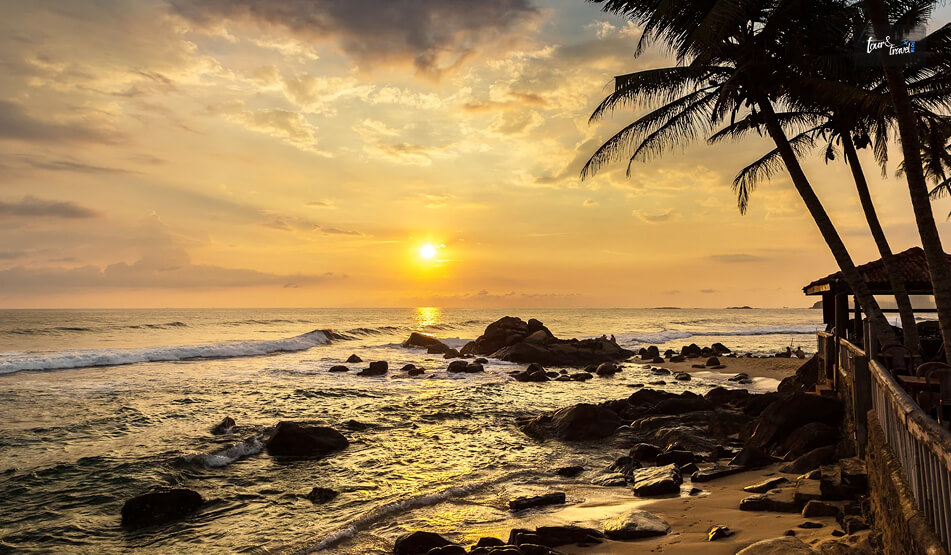

Want To Swim With Turtles And Surf At Dalawella Beach? Know The Timings, Entrance Fee, And More

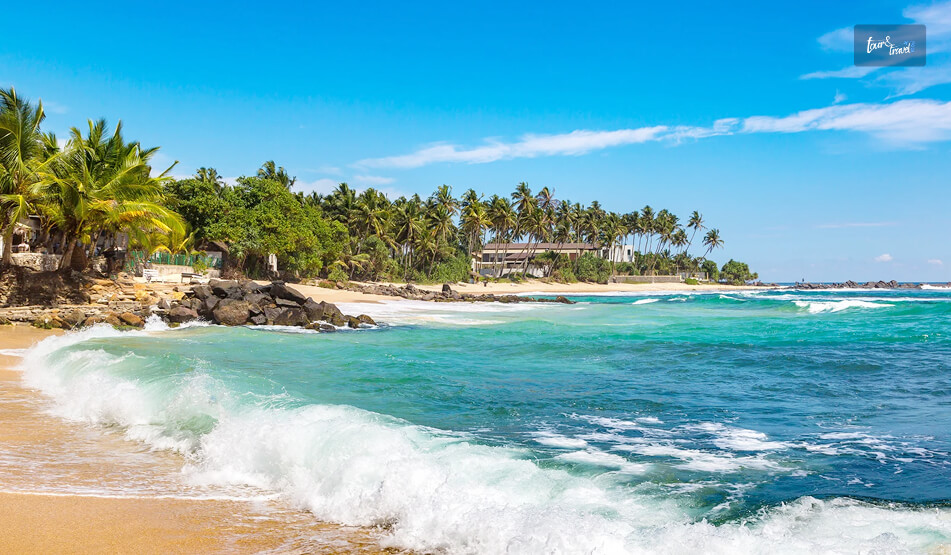
Dalawella Beach is the best beach for families in Sri Lanka in 2026. 

It’s not me, and Lonely Planet has conferred this title to Dalawella Beach, which is just south of the Unawatuna resort town. 

Furthermore, it is just 20 km from Galle and less than 8 km from Galle Fort, a UNESCO World Heritage Site

On the same list, the Hiriketiya Beach has become the best beach for amenities, the Mirissa Beach has been chosen as the best beach for whale watching, and Unawatuna Beach has been selected as the best beach overall. 

You can take a tuk-tuk from Unawatuna and reach this beautiful beach within 10 minutes. Furthermore, it is a 2-hour journey by road. 

Taxis to Dalawella Beach are also available from Galle. 

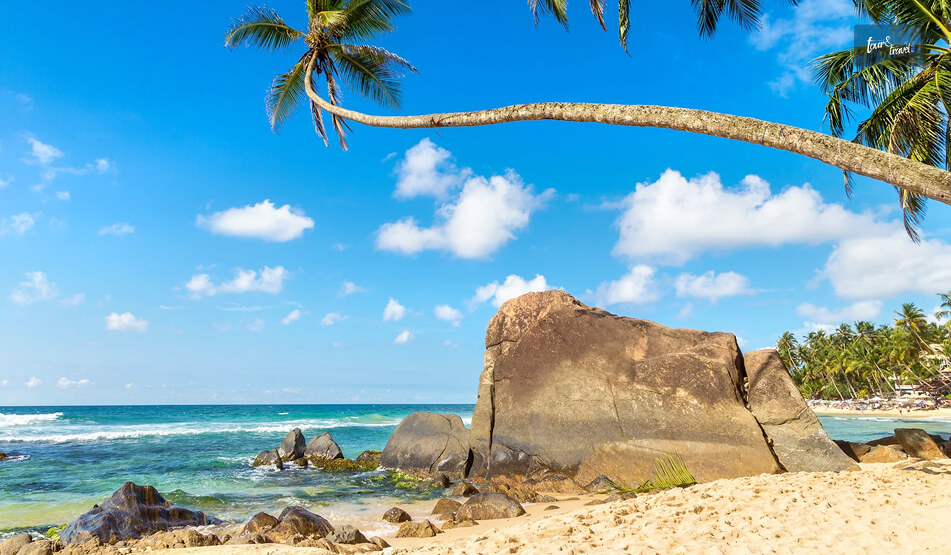
While easy accessibility remains a plus for the beach on the southern coast of Sri Lanka, it stands out because of its rope swing attached to a leaning palm tree. This swing is also called the Dalawella Swing. 

Moreover, Dalawella Beach or Wijaya Beach has a sheltered natural pool, formed by a reef and adorable turtles. 

So, what are the things to do and the top attractions at this beach? Let’s discuss this in detail in this blog. 

How To Reach Dalawella Beach? 

How To Reach Dalawella Beach

As I have said already, you can easily take a tuk-tuk from Unawatuna and reach Dalawella Beach within 10 minutes. 

I paid LKR 200 as the tuk-tuk price and got off at the Dream Cabana Hotel. Here, you will find the palm tree that has the famous Dalawella Swing. 

You will also get buses from Unawatuna to Dalawella every 15-20 minutes, and the ticket price is LKR 50. 

Why Is Dalawella Beach A Must-Visit? (Things To Do In Dalawella Beach)

Why Is Dalawella Beach A Must-Visit (Things To Do In Dalawella Beach)

Sri Lanka has the best of many things. It has the famous Buddhist sites, such as the Dambulla Royal Cave Temple, or the Sacred City of Anuradhapura

These are high-energy places and are soaked in spiritual fervor. 

On the other hand, the coastal gateways such as the Uppuveli Beach in Trincomalee or Ahangama Beach Town, offer you the ideal places to relax and unwind. 

The Dalawella Beach near Unawatuna is, of course, a nice addition to this list of beaches in Sri Lanka. 

While relaxing and enjoying a laid-back vibe is the best thing to do when you are at Dalawella Beach, here are some other activities you must try. 

1. Swing Over The Water 

The palm tree swing is the top attraction at Dalawella Beach. This swing is attached to the leaning palm tree in front of the Dream Cabana hotel

You can enjoy this swing ride over the water and have the most amazing experience. A hit on Instragram, this is the perfect spot for photography or making reels at Dalawella Beach. 

The cost of taking this swing is LKR 500, which I have seen many travel guides mentioning as the entry fee. 

However, entry to Dalawella Beach is free. 

2. Watch The Sunset From The Wijaya Rock

You will find the Wijaya Rock if you walk a few hundred meters from the Wijaya Rock. The standalone rock comes out of the sand and reaches out into the ocean. 

There is a palm tree right beside the rock. So, the overall setup is very Insta-worthy, especially during the hours of sunrise and sunset. 

3. Swim With Turtles 

Turtles are a major attraction on the Sri Lankan beaches. 

Be it the beaches in Jaffna or the Sea Turtles Conservation Centre near Mount Lavinia Beach, these adorable creatures add more delight to the beach experience. 

At Dalawella Beach also, I spotted some turtles, and swimming by them in the lagoon was relaxing. 

So, you don’t need to snorkel to meet them. 

Furthermore, if you don’t want to swim in the water, you can watch them from the top of the Wijiya Rock or use a drone camera to capture their beauty. 

4. Surfing Near The Frog Rock 

Dalawella Beach is not the best option if you want to enjoy surfing in Sri Lanka. However, it is not the worst either. 

You will find the iconic Frog Rock at the end of Dalawella Beach. The natural formation of this boulder makes it look like a frog. 

However, the water here is quite shallow, and the reef is a major challenge. So, you will mostly find locals surfing in this area. 

Moreover, Dalawella Beach has some delightful cafes and restaurants. You can enjoy seafood and chilled beer here and enjoy amazing sunset views. 

What Are The Other Beaches To Visit Near The Dalawella Beach? 

As I have mentioned, Dalawella Beach is not that great as a surfing destination, and it does not have a surfing break. 

So, you can try nearby beach options such as Ahangama, Kabalana, or Koggala. 

The best among them is, of course, Ahangama, and you can easily reach this beach town by a tuk-tuk, and it takes just 20 minutes. 

Ahangama is the best because it has around fifteen surf breaks along a few kilometers of the coast. 

The Kabalana Beach, around 15 km away from Dalawella Beach, is also a popular surfing destination and has the best A-frame in Sri Lanka. 

However, if you want a more peaceful experience at a remote place, you can try Koggala. It is just 10 minutes away, but it can be a little dumpy. 

Where To Stay If You Want To Surf At Dalawella Beach? 

Where To Stay If You Want To Surf At Dalawella Beach

You will find many hotels to stay at Dalawella dotting the beach. However, it is always better to take a tuk-tuk ride or a short walk to find better options. 

For example, the Rockside Cabanas Hotel is the most popular accommodation, and it is within walking distance of the beach. It is also very close to the turtle lagoon. 

You can also plan a stay at the Horizon Hill Top Villa. Take a tuk-tuk to reach this hotel in two minutes from the beach. 

It serves an amazing breakfast, and it has a lovely pool in the jungle. 

What Is The Best Time To Visit Dalawella Beach? 

Dalawella Beach remains open 24×7. However, 6 AM to 7 PM is the best time to visit the beach in a day. 

Season-wise, December to March or the dry season, is the best time to visit Dalwella Beach. 

Moderate temperature with an average of 31-32 degrees Celsius, long sunshine hours, and calm waves make this season ideal for regular tourists and surfers. 

Moreover, these months are the best for spotting turtles here. 

Share on Social Media

Meet Sibashree Bhattacharya, a travel enthusiast who has a decade-long experience in transcending virtual barriers with her words! Her deep love for travel is apparent from her travel escapades to the mountain, often taking her readers on a journey, her words acting as Portkey! Fun fact: Sibashree loves to dive deep into the history of the places she is about to visit, making her travels even more wholesome. If you were wondering how her articles are not short of time travel, this answers it!

Leave a Reply

Your email address will not be published. Required fields are marked *

title-img Related

READ MORE Jaffna travel itinerary

Jaffna Travel Itinerary For 5 Days: What Are The Places To Visit And Local Transport

BY  Sibashree Jan 13, 2026

The city of temples. The Tamil heart of Sri Lanka. The cultural hub of Sri Lanka.  All these things are true about Jaffna, the northern city. It’s not just about the Nallur Kandaswamy Kovil or the Naguleswaram Temple. There are two temples on average in the streets of Jaffna. Along with the temples in Jaffna, the food, the festivals, and the warm hospitality make it a city to be explored, felt, and soaked in. Had I not been to Jaffna, I would have probably loved the average “3-day Jaffna travel itinerary” every blog is offering. However, a city that wakes up to the sound of the temple bells and the smell of jasmine and follows the custom of Jaffna Siesta, cannot be explored in three 3 days. You will at least need 5 days to know the spirit of Jaffna. Also, it’s cruel to say that you can walk to the Jaffna Fort at noon. So, the average Jaffna travel itinerary you are going through now is unrealistic, and I am not sure how authentic they are. So, here are the things to do in Jaffna for 5 days and how to explore the city. Jaffna Travel Itinerary: It All Starts With The Colombo To Jaffna Train Journey If you want an iconic train journey from Combo to Jaffna, take the Yal Devi Express from Mount Lavinia. The train starts from Mount Lavinia, and the Combo Fort is the 5th station on this route. You can board the train from Colombo Fort at 6:40 AM. The train will reach Jaffna at 2:33 PM, and it is the 31st station on the route. The last or the 34th station on the route is Kankesanthurai. The ride in this AC Saloon car costs LKR 2800 per person. You can also take the 444421 InterCity Express from Mount Lavinia to Kankesanthurai. This train departs from the Combo Fort Station at 5:45 AM and reaches Jaffna at 11:49 AM. The ticket price is LKR 3200 per person. This train ride is not just about traveling to Jaffna from Colombo. Here, you will pass through the Elephant Pass, which has expansive lagoons. Also, as a war memorial and as the military base of the First Battle of Elephant Pass (Operation Aakaya Kadal Veli or Air-Sea-Land by the LTTE), it is an important landmark for cultural tourism in Jaffna. Getting Around Jaffna: Why Do I Need A Scooter For Rent?  You can take a scooter for rent for a budget-friendly and flexible experience in Jaffna. Be it the Casuarina Beach or other beaches of Jaffna or the historical Jaffna Fort, a scooter or moped will give you the ultimate freedom to make the itinerary for Jaffna travel. The charges for a bike rental will be around LKR 2500 per day. If you don’t ride and need a more relaxed experience, you can take a tuk-tuk on hire, and the cost will be around LKR 4000-5000 per day. 5-day Jaffna Travel Itinerary: Soaking In The True Spirit Of Jaffna From exploring Jaffna City to exploring the islands and temples, there is a lot to do in the Northern City of Jaffna. Also, culinary tourism in Jaffna is a real thing! So, let’s make the most of these 5 days in Jaffna. Day 1: Arrival At Jaffna And Exploring The City  How about starting your day in Jaffna with the famous Jaffna coconut water or the signature ice cream at Rio Ice Cream? Here are the things you can do once you reach Jaffna after a long train journey from Colombo. 1. Morning: Check-In And Visit Rio Ice Cream For The Legendary Welcome  View this post on Instagram A post shared by Rio Ice Cream (@official.rioicecream) Rathinam Industrial Organisation(RIO) is a legendary landmark in Jaffna. It is like a community center where the locals love to have some refreshment in the middle of the day or at the end of the day to fight the soaring temperature. Special Rio Sundae with the ultra-sweet syrup and nuts is the main attraction of Rio Ice Cream. Also, the ice cream here is completely natural and chemical-free. 2. Afternoon: Visit The Jaffna Public Library  The Jaffna Public Library is a must-visit if you want to know about the local Tamil culture and heritage. It became a part of the Jaffna Town Development Board on 1st January 1935. As of today, the library has a collection of more than 117199 books, 37968+ in the lending section, and more. The library remains open from 8:30 AM to 6 PM from Tuesday to Sunday. On public holidays and Mondays, only the study hall and the magazine and newspaper sections remain open from 8:30 AM to 5:15 PM. However, the public viewing hours are from 4 PM to 6 PM. 3. Evening: Visit The Jaffna Fort For Sunset Walk On The Ramparts  Visiting the Jaffna Fort and walking on its ramparts after sundown are the best ways to familiarize yourself with the city's history. You can explore the walls and the barracks where thousands of civilians and military personnel used to live. Furthermore, you can enjoy the beautiful view from the city and the Jaffna lagoon from the ramparts. A Brief History Of The Jaffna Fort Built in 1619 by the Portuguese colonialists. Serving as the base for combating three Sri Lankan rebellions against the rule  Got captured by the Dutch in 1658  Got the famous defensive triangle in 1792  The British took control of the fort in 1795  Sri Lanka became independent in 1948  However, even after the independence, the Fort has been at the center of friction between the Sri Lankan government and the Liberation Tigers of Tamil Eelam (LTTE or Tamil Tigers). So, 1990-2009 was a volatile year for Jaffna, and the Jaffna Fort witnessed many occurrences. However, post 2009, the restoration work for the Jaffna Fort was started with the financial aid of the Dutch Government, and the Jaffna Fort still stands today because of that. 4. Having Dinner At Malayan Café (Dosas And More)  View this post on Instagram A post shared by りかරිකා (@rk_itooo) Having dinner at the Malayan Café is the quintessential Tamil experience you want in Jaffna. The decor is quaint with marble top tables, and steaming hot dosas and Idlis here are served on banana leaves. You will also get parathas and chutneys here. Don’t forget to bring cash because it does not have a digital payment facility. Day 2: Hopping The Delft And Nainativu Islands  Let me share one update when you are making a trip to the Delft and Nainativu Islands. Only one boat is available from the Kurikadduwan Jetty at 8 AM. So, if you miss the boat, unfortunately, your entire day is ruined. Nevertheless, here is how you will spend day 2 in Jaffna. Morning In Delft Island  The Portuguese Fort and the ruins of the Old Stupas are the primary attractions on Delft Island. You must also see the iconic Baobab Tree and the wild horses roaming on Delft Island. Take a ferry from Delft Island to reach Nainativu. Afternoon At Nainativu Nagapooshani Amman Kovil  The Nagapooshani Amman Temple has Nagapooshani Amman, a form of Goddess Durga, as the presiding deity. The statue of Goddess Nagapoosani here is accompanied by a Shiva Lingam and the ten-headed statue of Ravana at the base. It features a Dravidian architecture with some modern features, as the current structure was rebuilt between 1720 and 1790 after the Portuguese destruction in 1620. Returning To Jaffna By Boat And Having Seafood Dinner At Mangos Take the return boat from Nainativu, and the last ferry is available at 4:30 PM. Then, end your day on a relaxing note with a hearty seafood dinner at Mangos. Day 3: Soaking In The Spiritual Vibe Of Northern Sri Lanka  Start your day three in Jaffna with a visit to the Nallur Kandaswamy Kovil early in the morning. Be a part of the 10 AM Puja.  Then have traditional crab curry and rice for lunch before starting a drive to Point Pedro. If ordering Crab Curry, know that one portion is usually enough for two people. It is rich, spicy, and heavy.  The distance between Jaffna and Point Pedro is around 32 km. Known as Paruthithurai in the local Tamil language, Point Pedro is the literal top of Sri Lanka. Despite being a crucial maritime getaway, Point Pedro has a pristine landscape, and it has maintained its authentic Tamil vibe. Vallipuram Alvar Kovil and Sakkotai Cape sign are important stopovers between the Jaffna to Point Pedro journey. The Vallipuram Alvar Kovil is one of the oldest Hindu temples in Jaffna. Archaeologists found a 2nd-century gold plate here, and the temple is dedicated to Lord Vishnu. The Sakkotai Cape is the northernmost point of Sri Lanka. It has a concrete sign and an inscription, “Unity in Diversity is the Strength of Sri Lanka.”  The famous concrete sign saying "Point Pedro" is actually at Sakkotai Cape, a few kilometers away from the Point Pedro town center. Don't get confused by Google Maps. Day 4: Exploring The Ruins, Springs, And Myth Of Jaffna  You can start your day four in Jaffna with a sacred bath at the Keerimalai Freshwater Springs next to the ocean. The water here is believed to have healing power. In the midday, you can travel to Dambakola Patuna from Jaffna. It will take around 34 minutes. It is the place where Sanghamitta, the Buddhist daughter, and Great King Ashoka brought a sapling of the Bodhi Tree in the 3rd Century BCE. Finally, in the afternoon, you can explore the mysterious mini-stupas or the Kantarodai Ruins, around 12 km away from Dambakola Patuna. It is an archaeological site, and you must also visit the ancient Kadurugoda Vihara here.  Day 5: Getting Familiar With The Local Life Of Jaffna And Departing For Colombo  On day 5, explore the local Jaffna market for buying some Jaffna specials, including palmyra jaggery and curry powder. Enjoy your last feast in Jaffna with Dosa and Vadai. Then, you can plan your return to Colombo. What Are The Expert Tips For Jaffna Travel Itinerary?  Did you know that the Sri Lankan Navy runs the boat to Delft? It always remains overcrowded, and the passengers wait at the Kurikadduwan Jetty. So, if you want to catch the boat at 8 AM, you have to get there by 7:30 AM. Do you want to know more such expert tips for your next trip to Jaffna? Check out the following points.  1. Bring Your Passport  When you are traveling from Jaffna to the nearby islands, you will have to cross military or navy checkpoints. So, when you are from any other country, you will have to show your passport. 2. Sunday Is Dead  Jaffna celebrates Sundays as a real holiday, and most local shops and markets remain closed on Sundays. So, choose a weekday if you want to explore the City Markets. 3. Cash Is King When You Are In Jaffna You will get ATMs in Jaffna town. However, when you are driving to Point Pedro or taking a ferry to Delft Island, you will need cash.  Even small shops and the markets in Jaffna may not always accept cards. So, you have to carry small coins such as 100 and 500 LKRs.  4. You Must Cover Up At Nallur Your clothing has to be respectful when you are in Nallur Kovil. If you are a woman, you have to cover your knees and shoulders. Also, men must be shirtless when entering the temple. If you do not follow the clothing norm, you will be turned away at the gate. 5. Book Return Trains Early  If you are traveling from Colombo to Jaffna by train, you will have to book the tickets for Yal Devi and other passenger trains well in advance. The first and second class tickets get booked fast. Ideally, you must book the train tickets 30 days before starting your journey. 6. Drink "Nelli" Cordial  Instead of Coke, try the local Nelli (Gooseberry) crush. It’s a Jaffna specialty and incredibly refreshing in the heat.  You can even drink the big coconut water. 7. Respect The "No Photo" Signs  Photography is not allowed in the inner sanctum of the Jaffna Kovils or temples. The priests are vigilant. So, do not even try breaking the norms. Also, if you're taking photos of the locals, always seek permission. Authority Voices: What Experts Say About Traveling To Jaffna? The Common Wanderer (Travel Bloggers): “Jaffna feels like the Sri Lanka of 20 years ago. No smoothie bowls, no yoga retreats—just raw culture, heat, and the most incredible hospitality.”  Rough Guides: “The journey to Delft Island is a rite of passage. The choppy ferry ride and the desolate coral landscapes make you feel like you’ve reached the edge of the world.”  Chef Peter Kuruvita: “To understand Sri Lankan food, you must go North. The cuisine here is uncompromised by tourism.”  Jaffna Travel Itinerary: Frequently Asked Questions (FAQs)  Here are the frequently asked questions and answers about the Jaffna travel itinerary. 1. Is Jaffna Safe For Tourists?  Yes, Jaffna is a safe city for tourists. The strong presence of Tamil culture and a conservative society make it an ideal location for family trips. Also, according to Numbeo, the crime rate in Jaffna is 50, which is moderate. However, Jaffna has been hit by civil wars time and again, and the rampage of Cyclone Ditwah in November 2025 has been devastating. Jaffna is still recovering from the aftermath. 2. What Is The Best Way To Get Around Jaffna?  Hiring a Tuk-Tuk is the most comfortable way to get around Jaffna. You can even book a scooty or moped to explore Jaffna at your own pace. However, for the island visits, you will have to rely on the ferry services.  3. Can I Do Delft And Nainativu In One Day?  Yes, you can visit Delft and Nainativu in one day. However, to make your plan a success, you will have to start early from the Kurikadduvan beach. Once you reach Delft, you can book a Tuk-Tuk or a moped to explore its important landmarks. Then, take the ferry to reach Nainativu Island. 4. Is There A Dress Code For The City?  There is no official dress code for the city of Jaffna. However, it is a culturally rich city with a Tamil conservative society. So, you must opt for modest clothing such as sarees, full pants, long skirts, and tops and shirts with sleeves. 5. Can I Find Beer Or Alcohol In Jaffna?  Yes, you can have beer or alcohol in Jaffna. The Thalsevana Resort on the Kankesanthurai (KKS) Beach is the best place to have a chilled beer. You will also find beer in the hotels. However, alcohol in Jaffna is expensive. You can do some duty-free shopping at the airport. Furthermore, for the most authentic experience, you can try local brands such as Lion Lager or local spirits like Arrack. 6. Do They Speak English In Jaffna?  Yes, people speak English in Jaffna, especially when you are interacting with someone associated with the hospitality industry, the medical profession, or the legal field. Also, you will find many people in Jaffna City speaking English. However, when you explore the villages or remote areas, people may not be fluent in English. 7. What If I Am Vegetarian?  Even if you are a vegetarian, the Jaffna cuisine has many delicacies for you. You can have Idli and dosa, which are vegetarian and vegan.  Also, Rasam, Sambar, and the curries made using pumpkin, drumsticks, and other vegetables are quite delicious. Vegetarian food is available in Jaffna in abundance and with a variety because of the strong Tamil presence in the city. Most people here worship Lord Shiva and Vishnu.  8. How Long Is The Ride From Colombo To Jaffna?  A journey from Colombo to Jaffna takes around 7 hours if you are traveling by the Yal Devi AC saloon car or bus. However, you can also take a flight from Colombo to Jaffna, and the travel time is around 1 hour and 30 minutes.  9. Is The Water In Jaffna Safe To Drink?  No, the water in Jaffna is not safe to drink because saltwater intrusion and groundwater contamination are quite high. The groundwater of Jaffna is contaminated by agrochemicals, sewage, and harmful bacteria. So, it is safe to drink bottled water and water from filter dispensers.

READ MORE things to do in nara

What Are The Things To Do In Nara? How To Plan A Two-Day Trip?

BY  Sibashree Mar 31, 2026

A trip to Nara was long overdue, and as the first permanent capital of the country, it is a must-visit.  Furthermore, this Japanese capital, before 794 AD (then Kyoto became the capital), has many UNESCO World Heritage Sites.  The Todai-ji Temple is the most famous among these 8 UNESCO World Heritage Sites. You will find one of the largest Buddha statues in the country here, and the statue is made of bronze.  Of course, the deer roaming in the city are beautiful, and you feel like getting transported to a bygone era.  It reminded me of one of the most famous literary works in our country, Shakuntalam Abhigyan, an immortal love story between King Dushyanta and Shakuntala, written by Kalidasa in Sanskrit.  Also, this is a place that will ask you to come back, and most people plan a day trip to experience its historical charm and natural beauty.  But, smitten by its beauty, I chose a 2-day trip, and here is the list of things to do in Nara. Also, I will discuss how I can get to Nara.  How To Reach Nara?  Nara is easily accessible from Kyoto, which is also famous for its history and cherry blossom season.  You can also visit Nara from the Osaka prefecture. So, overall, a visit to Nara can fit well into your itinerary of visiting the Kansai region of Japan.   Also, the robust railway system of Japan makes it easy and budget-friendly to visit Nara. A Japan Railway Regional Pass will be the best for traveling across Nara, Kyoto, Osaka, and Kobe, and the entire Kansai Region.  Also, when in Osaka, don’t forget to explore the street food stalls and have the best Osaka food, including Mochis and seafood delicacies.  Here is how you can travel from Kyoto to Nara. 1. Traveling From Kyoto To Nara Through The JR Nara Line You will get an express train or a local train from Kyoto to Nara every hour.  Furthermore, if you opt for the Miyakoji Rapid Service on this line, you will reach Nara within 45 minutes, and the ticket price will be 720 JPY.  Also, the local train services, with the same ticket price, will take about 70 minutes.  Once you reach the JR Nara station, you will get buses to the Nara Park and other top attractions in Nara.  2. Take The Kintetsu Railway To Reach Nara From Kyoto This is the most convenient way to reach Nara from Kintetsu Railway Station.  The train journey is the fastest, and the journey takes about 35 minutes by the express trains, and the ticket price is 1280 JPY.  Also, the regular trains take about 45 minutes to complete the journey. The ticket price is 760 JPY.  What Are The Things To Do In Nara?  From a visit to the Nara Park to exploring Heijo Palace and the temples, there are many things to do in Nara.  Here are the things I did during my 2-day stay.  1. Day 1 In Nara: Exploring The Nara Park  With deer passing by, Nara Park, the home to the main attractions in Nara, is a place you cannot simply miss.  The park is free to enter, and it remains open for 24 hours.  However, many attractions in the park close after 5 PM. So, you have to be early when visiting it.  Also, here are the attractions you will come across in the Nara Park, along with the deer passing by.  • Kasuga Taisha One of the UNESCO World Heritage Sites in Nara, Kasuga Taisha, takes us back to the Nara Period from 710 to 794 AD.  It is the most revered shrine among the Fujiwara clan as the tutelary shrine.  Furthermore, the main attraction of the shrine is the “Hall of Lanterns.” There, I saw many bronze lanterns illuminating the darkness.  During the special festivals, Setsubun Mantoro in February and Chugen Mantoro in August, all these lanterns are lit.  Moreover, you will find a cider tree in the inner shrine, and it is 1000 years old.  • Mt. Wakakusa I took the back road from Kasuga Taisha on the way to the Todai-Ji temple.  I came across many small shrines there. However, the highlight was Mt. Wakakusa.  This hill between the two shrines has a height of 350 meters. Also, on the 4th Saturday of January, it becomes the venue for the Wakakusa Yamayaki celebration.  People burn dead grass on the slopes, and this is a ritual that has been celebrated since the 18th century.  • Todai-Ji Todai-Ji is another UNESCO World Heritage Site, and one of the “Historic Monuments of Ancient Nara.” It was built in 752 AD, and it was the head of all the temples in the province. It even had a strong influence on the royal family.  In fact, with Todai-Ji being the seat of control even in the royal decisions, the emperor decided to move the capital to Nagaoka in 784 AD.  However, the main attraction of the Todai-Ji Temple is the massive Buddha statue, or Daibutsu.   A depiction of Dainichi Nyorai,  it represents the primordial Buddha in the orthodox East Asian Buddhist philosophy.  You will also find two similarly sized Bodhisattva statues here.  However, the temple and statues you see today were burned down, and they were rebuilt during the Edo period (1603–1868).  2. Things To Do In Nara: Day 2 I visited the Heijo Palace and many other temples of Nara on day 2.  • Visiting The Heijo Palace  When Nara was the capital, the Heijo Palace was the seat of power for the chrysanthemum throne.  It had a dimension of 1 kilometer, considering the other palaces and architecture of that time.  However, the remains of this UNESCO World Heritage Site in Nara are now at the Toshodai-ji Temple, nearby.  However, since the 1950s, archaeologists have been studying the remains of the Heijo Palace, and this has evoked further public interest.  That is why you can now see many placards there and read about the history and legacy of the site.  Moreover, the audience hall and two other parts of the palace were rebuilt. The restoration of the largest part, the audience hall, happened in 2010.  It was an ode to the 1300th anniversary of Nara as the capital of Japan.  • Toshodai-Ji As I have mentioned, the Toshodai-ji Temple has the remains of the Heijo Palace.  This temple dates back at least a millennium. Ganji, a Chinese monk, built this temple in 759 AD.  Monk Ganji brought Buddhism to Japan, and the Toshodai-Ji today is a UNESCO World Heritage Site.  • Yakushi-Ji It is a UNESCO World Heritage Site, and people here worship Lord Buddha as Yakushi Nyorai or the Medicine Buddha.  The dual main halls here have unique architecture, and each has a dedicated 3-story pagoda.  • Horyu-ji  Horyu-Ji is older than most temples in the Nara region, and Prince Shotoku founded it in 607.  Furthermore, this UNESCO World Heritage Site stands out with its wooden edifices, which are some of the oldest in Japan. This time, I missed many attractions such as Asuka, Omiwa Shrine, and Mount Yoshino. Some day for sure!  And till then, Sayōnara, guys!

READ MORE things to do in japan

What Are The Things To Do In Japan? Know Why Gen Z Travelers Love Japan The Most  

BY  Sibashree Apr 7, 2026

Japan is now approaching Golden Week, and everyone will have their own list of things to do in Japan.  From 29th April to 6th May, Japan will have the most colorful parades and horse races. This Golden Week celebration is important to hail the rich culture of Japan. And it is this rich culture and a distinct sensory experience that make Japan a favorite among young people, especially Gen Z travelers.  Also, on the Berkshire Hathaway Travel Protection list, Japan has been consecutively securing the 9th position as the safest country in the world for the last 2 years.  Nevertheless, as I was saying, the things to do in Japan that make the country a favorite place to visit are not the same as the run-of-the-mill lists you see on the internet.  So, here, I have tried to keep it honest, based on the places I have visited and tried to decode in respect to those places why Japan is the France of the 21st century.  What Are The Things To Do In Japan?  Japan slowly grows on you. It’s not nuclear power; it has one of the largest domestic energy products (around 40% according to the International Energy Agency).  On the contrary, as Joseph Nye, a political scientist at Harvard, has pointed out, it is the soft power that has helped Japan to emerge as an idea, mode of entertainment, or aesthetics.  Can you call a sushi just Japanese these days? Or, a bowl of ramen? All these are very much present in our daily lives.  So, while exploring authentic local cuisine remains one of the best things to do in Japan, here are more activities you cannot miss.  Also, you can check whether Japan is expensive to visit or not, and the entire cost breakdown. 1. Visiting The Japanese Shrines The Japanese shrines practice the local Shinto religion of Japan. Furthermore, these shrines are places for worshipping Kami, the spirit of nature.  These shrines can be easily identified by the Torii gates. Furthermore, once you enter the Torii gates, you will find the worship hall and the inner sanctum.  Moreover, the most popular Japanese shrines are the Fushimi Inari Shrine in Kyoto, Meiji Shrine in Tokyo, Toshogu Shrine in Nikko, and Itsukushima Shrine in Miyajima.  2. Exploring The Japanese Temples Buddhism and the rise and fall of various sects across centuries have shaped the famous Japanese temples.  Furthermore, these temples are defined by architectural features such as pagodas, lecture halls, bellfries, and cemeteries.  While Todai-ji Temple in Nara remains the most popular temple to visit in Japan, the other temples to visit in Japan are the Senso-Ji Temple in Kyoto, Sanbutsu-Ji Temple in Misasa, Daisho-In Temple in Miyajima, etc.  3. Experiencing Shinjuku Shinjuku was very different from the other parts of Japan I visited. It offered an eclectic fusion of retro vibes and high-tech experiences.  Especially, thanks to the Godzilla Road, exploring Shinjuku is one of the best things to do in Japan if you are traveling with kids.  Along with the roar of Godzilla at the Godzilla Road, the Shinjuku 3D Cat near the Shinjuku Station East Exit is another major attraction for kids here.  Read more about what to do in Shinjuku.  4.  Enjoying The Ultimate Dark Academia Fan Moment At Jimbocho Book Town Uttered with an equal respect as the “Kaifeng and China book towns,” the Jimbocho Book Town is the ultimate place to visit for Dark Academia fans in Japan.  This town started booming when many law schools were established here in the late 19th century and early 20th century.  Today, it has more than 400 book stores, selling vernacular and foreign-language books.  Furthermore, every year, this book town holds the Aozora Kohon Ichiba or the Kanda Used Book Festival from Late October to early November. It is an attraction for book lovers around the globe. 5. Enjoying The Cherry Blossom Season In Kyoto If you want to experience romance in Japan, you have to be present during the cherry blossom season in Kyoto.  The Philosopher’s Walk is the most popular place to experience the cherry blossom scene here. If you are done soaking in the meditative vibe here, you can next head to the Shimbashi Street.  It is the most beautiful street in Asia.  The Kiyomizu-Dera Temple and Maruyama Park are other amazing places to see cherry blossoms in Kyoto.  6. Trying Osaka Food Osaka Food now represents Japanese cuisine worldwide, and it has left Tokyo behind in this regard. Thus, it fully justifies its nickname of “Japan’s Kitchen.”  Furthermore, Dotonbori is the epicenter of the best Osaka food and street stalls.  Takoyaki, Daifuku Mochi, Okonomiyaki, and the staples, Sushi and Ramen, are some of the must-try items here.  7. Visiting Oshino Hakkai Sensory seeking is one of the biggest reasons why young travelers seek Japan, and there has been a 1300% surge in the bookings of young and Gen Z travelers from 2019, according to a report by American Express.  Furthermore, the Instagrammable places in Japan, such as Oshino Hakkai, have played a major role in satisfying this sensory quest.  Now, as I have mentioned in my Oshino Hakkai guide, it is a place I got to know about from Instagram.  You can see the snow-capped peaks of Mount Fuji from Oshino Hakkai, and the eight sacred ponds here were the highlights of my Tokyo to Mount Fuji day trip.  Furthermore, the Wakuike Pond is one of these eight ponds, and its water was carried to space in the Space Shuttle Challenger in 1983 to conduct an experiment on snowmaking in space.  8. Planning A Two-Day Trip To Nara Do you know why Japan attracts anxious young travelers? It kind of strikes a balance. How?  When places in Japan feel like the future, think of Tokyo or the speed of the bullet trains. Some parts of the country bring back the order of the past.  One such place is Nara, the first permanent capital of Japan and home to 8 UNESCO World Heritage Sites. The Todai-ji Temple is the most famous among them.  Before Kyoto became the country’s capital in 794 AD, it served as the seat of power.  Along with the Todai-Ji Temple, you must also visit Kasuga Taisha, Mt. Wakakusa, and the Heijo Palace in Nara.  Read my complete guide on things to do in Nara to understand why you cannot miss a 2-day trip here.  9. Visiting Hokkaido Beach And Sapporo The Hokkaido Beach is in Western Japan, and it looks straight out from the works of Hakura Murakami.  It’s surreal to see the coexistence of the snow-capped peaks and dunes, and it’s only possible in Hokkaido.  Along with the Hokkaido Beach, Sapporo, the capital of Hokkaido, also stands out with its green parks and shrines like the Sapporo Suitengu Shrine.  So, when you are next in Japan, plan a Tokyo to Hokkaido trip.  10. Visiting Hakone  The things to do in Hakone are all about soaking in the quiet moments that are most powerful.  I am glad that I did not follow the usual loop, including the train, cable car, and ship circuit.  If the Open Air Art Museum with 100 sculptures is the highlight of my Hakone visit, the Choan-ji Shrine, with small stone statues of monks, is what will stay with me forever.  Also, another fun part here was washing my money at the Fukazawa Zeniaria Benzaiten Shrine.  I have not got a bigger return yet, but there is no harm in believing in a custom that locals have been following for so many years.  Moreover, if you are in Hakone, don’t forget to take a bath in the Onsen or hot springs. Furthermore, you can relive history by taking a ride on the Hakone Tozan Railway here. So, it is no wonder that visiting Hakone is one of the best day trips from Tokyo you can plan.