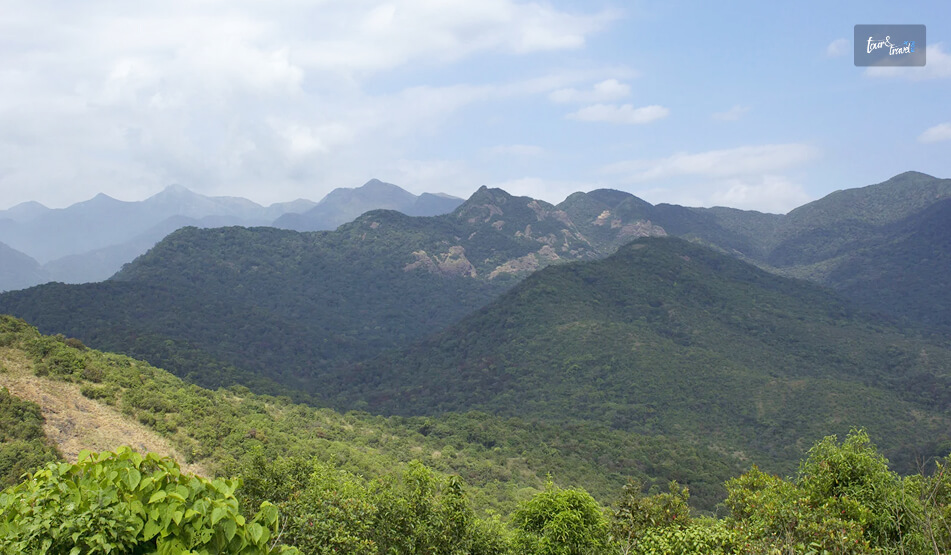
With the Himalayas, Aravallis, and the UNESCO World Heritage Site, the Western Ghats, India boasts a rich biodiversity. Furthermore, it is a diverse landscape.
Furthermore, India has more than 80 national parks. Each national park offers a unique experience, and from the tigers in the Ranthambore National Park to the elusive snow leopard of Hemis National Park, these are the hubs of incredible wildlife in India.
In this context, let us find out the top spots if you want to plan a weekend trip to a nearby national or state park.
What Are The Places To Visit If You Plan A Weekend Trip To A Nearby National Or State Park?
From the Jim Corbett National Park, the first national park in India, to the Kaziranga National Park in Assam, a UNESCO World Heritage Site, these national parks in India are the places you must visit as a wildlife enthusiast.
1. Ranthambore National Park In Rajasthan: The Best Place For Photographing The Royal Bengal Tiger
Area: 392 Square Kilometers
Distance from Jaipur: 180 Km
Best Months to Visit: From October to June
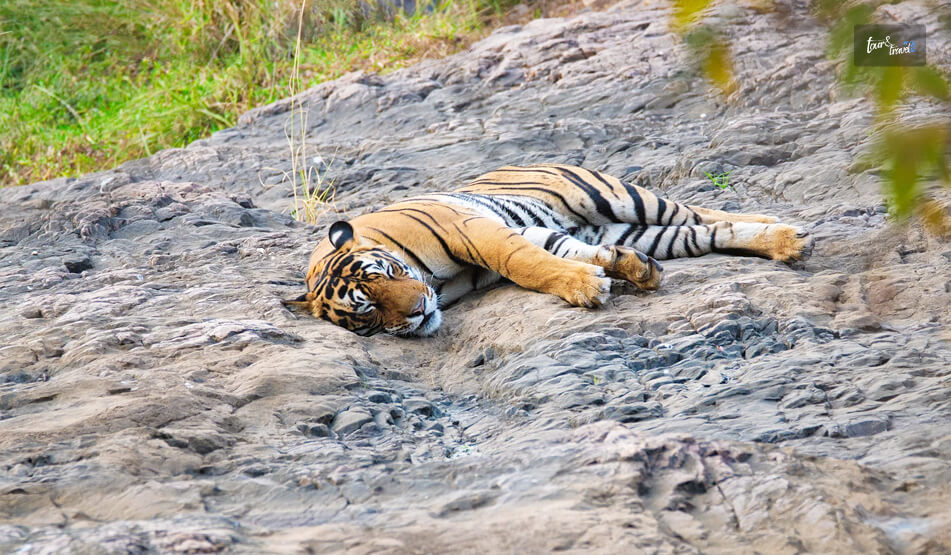
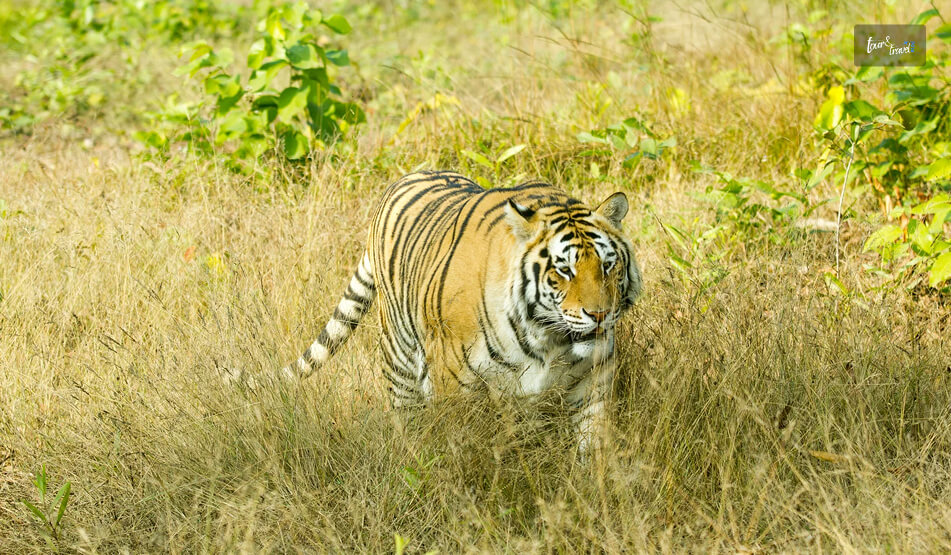
The Ranthambore National Park near Jaipur has a handsome population of the Royal Bengal tigers, and due to a lack of dense vegetation, it is the ideal place for wildlife photography.
Along with tigers, you will also find different types of deer near the lakes of the national park.
Moreover, the park has ancient ruins such as the Raj Bagh ruins, the 1000-year-old Ranthambore Fort, etc.
Travel Tips For Ranthambore National Park
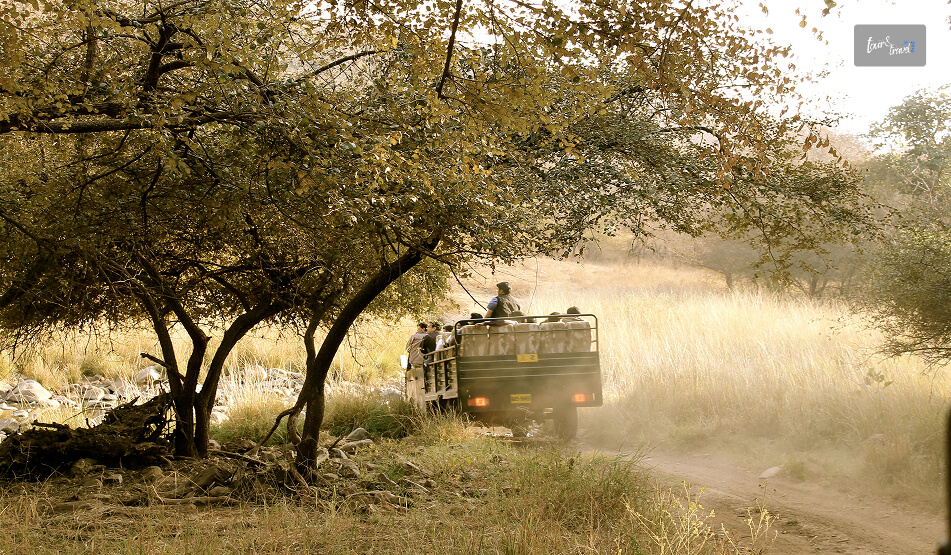
You can explore the Ranthambore National Park on a jeep, and early morning or late afternoon are the best times for jungle safaris.
So, explore the history and wildlife diversity of the park and have a lifetime experience.
2. Kaziranga National Park, Assam: A UNESCO World Heritage Site
Area: 430 square kilometers
Distance from Guwahati: 220 Km
Best Months to Visit: November to April
Kaziranga National Park is famous as the home to one-horned rhinos. These endangered species live in the wetlands, dense forests, and vast grasslands of the national park.
Along with these one-horned rhinos, you will also find water buffaloes, tigers, and elephants in this national park.
Travel Tips For Kaziranga National Park
You must go for a nature walk early in the morning. Early morning is also the best time for a jeep safari.
So, enjoy spotting rhinos and other wildlife in their natural settings.
3. Bandhavgarh National Park, Madhya Pradesh: Home To A High Density Of Tigers
Area: 448 square kilometers
Distance from Jabalpur: 165 Km
Best Months to Visit: October to June
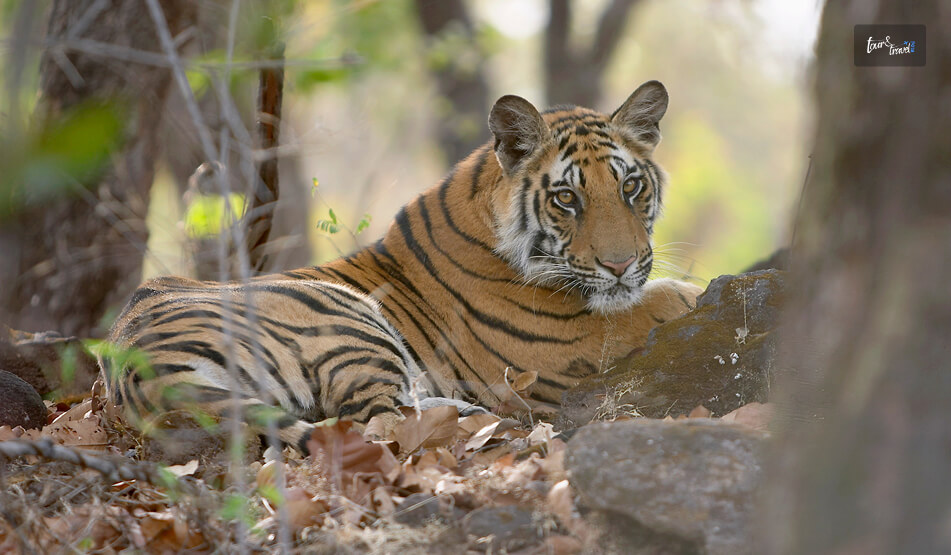
Bandhavgarh National Park does not just have a high tiger density, but it also offers a varied landscape and the ideal opportunity for wildlife photography.
Furthermore, the grasslands and dense forests of the national park are home to other wildlife such as Indian bison, leopards, deer, and sloth bears.
Travel Tips For Bandhavgarh National Park
There are always high demands for safari bookings in Bandhavgarh National Park due to almost guaranteed chances of tiger sightings.
So, you must complete your bookings early.
4. Kanha National Park, Madhya Pradesh: The Abode Of Barasingha
Area: 940 square kilometers
Distance from Jabalpur: 170 km
Best Months to Visit: October to June
The Kanha National Park is famous for the fascinating swamp deer or barasingha.
Moreover, barasinghas are a favorite of wildlife photographers, and they make the most amazing frames with the versatile flora and fauna and an interesting landscape as the backdrop.
Furthermore, this national park has a rich vegetation of sal trees and more than 300 bird species.
Travel Tip For The Kanha National Park
Kanha National Park can be explored through a planned safari. Along with swamp deer, you will also find chital deer, Royal Bengal tigers, and bisons here.
5. Gir Forest National Park
Area: 1412 square kilometers
Distance from Ahmedabad: 360 km
Best Months to Visit: October to Mid-June
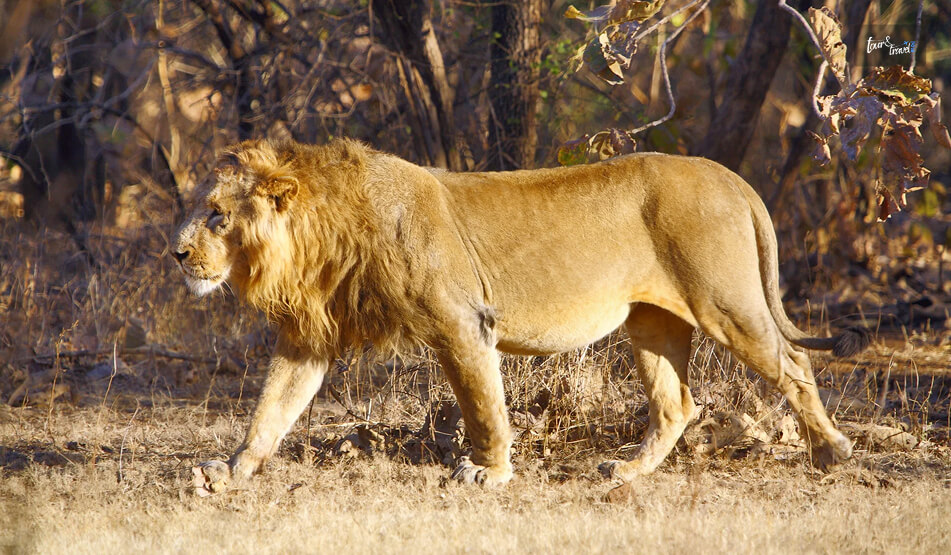
Gir Forest National Park is the best place to see Asiatic lions in a natural setting. Furthermore, here, you will spot antelopes and leopards.
Along with organized safaris, Gir Forest also offers a guided tour into the forest. The forest area is ruled by pythons and vultures.
Moreover, you will find different species of birds and crocodiles here.
Also, Gir Forest is iconic for its conservation success and its distinct ecosystem. It is a favorite of wildlife enthusiasts and photographers.
Travel Tips For Gir Forest National Park
Early mornings or late afternoons are the ideal hours in a day for lion sightings. Furthermore, daily permits to the national park are limited.
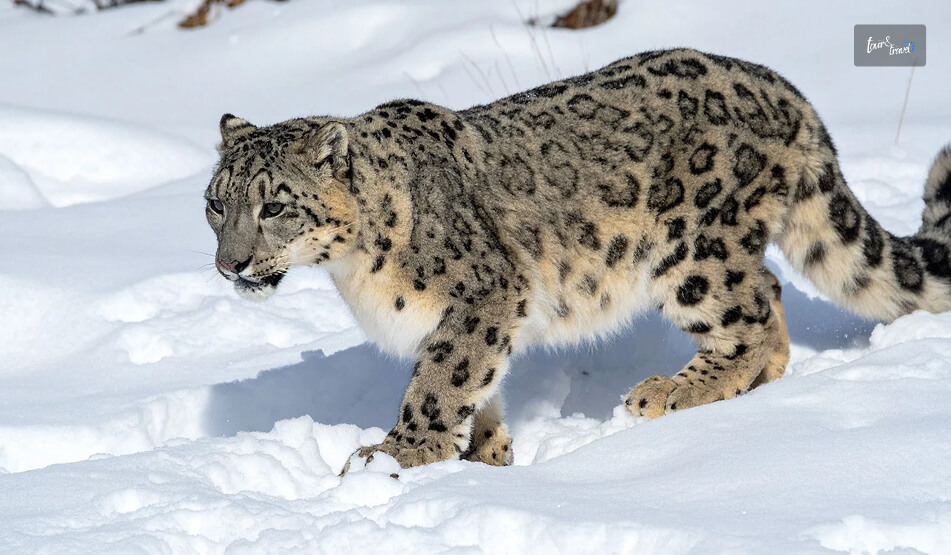
6. Hemis National Park, Ladakh: The Abode Of Snow Leopards
Area: 4400 square kilometers
Distance from Ladakh: 54 km
Best Months to Visit: From June to September
Hemis National Park is one of the most surreal places for wildlife enthusiasts in India. It has Tibetan wolf, golden eagles, blue sheep, and most importantly, the snow leopard.
Furthermore, it is the largest national park in India, and its landscape includes rugged terrain, cold deserts, and other features.
Moreover, located high in the Himalayas, its elevation varies from 3000 to 6000 meters.
Travel Tips For Hemis National Park
If you are planning a wildlife tour pr trekking in the Hemis National Park, you will need to acclimatize first.
The high altitude and extreme weather conditions will test your physical and mental endurance.
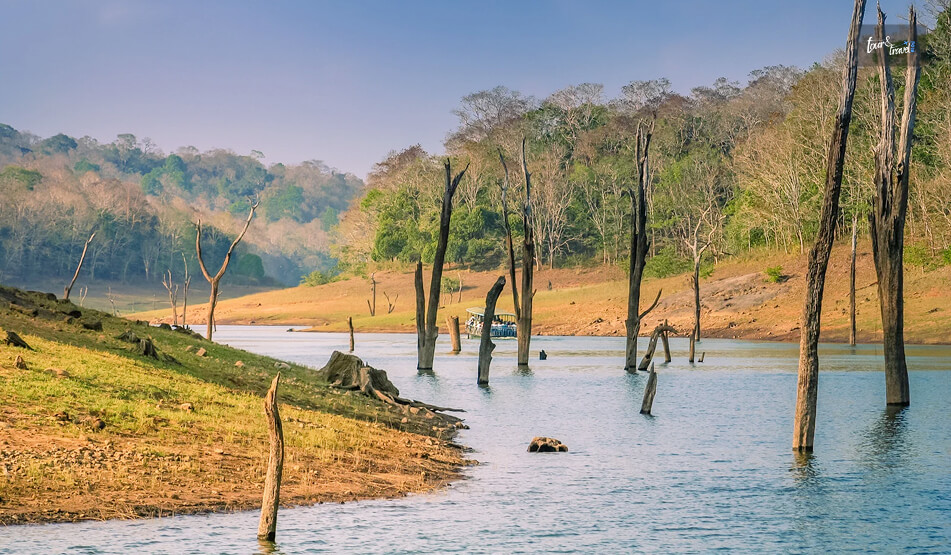
7. Periyar National Park, Kerala: The Beautiful Periyar Lake And Elephants
Furthermore, the amazing Periyar Lake here is the ideal spot for watching wildlife, nature walks, and boat safaris.
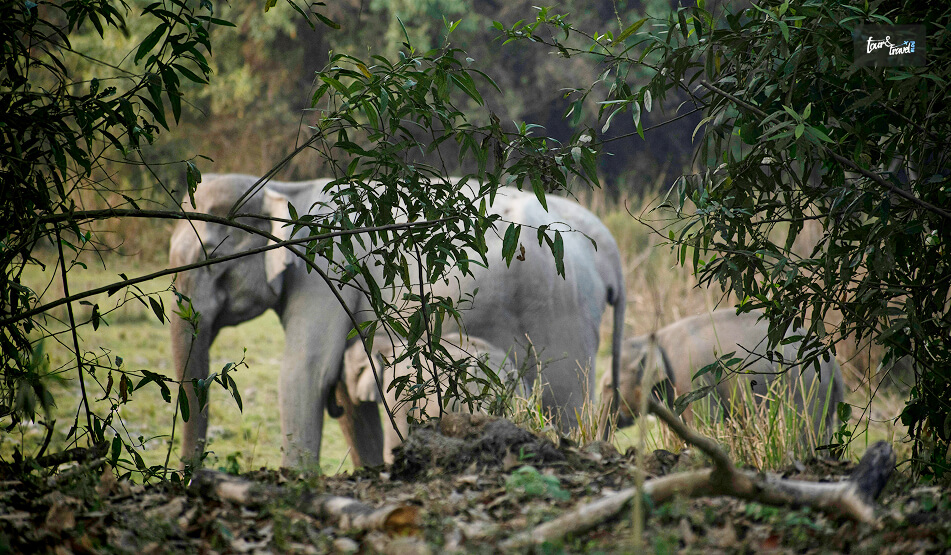
Moreover, the wild elephants are the most fascinating wildlife in this national park.
Travel Tips For Periyar National Park
Don’t miss the nature walks around the Periyar Lake when you are visiting this national park.
It is the ideal activity here to spot wildlife and learn about the unique ecosystem of the national park.
8. Jim Corbett National Park, Uttarakhand: The First National Park Of India
Area: 520 square kilometers
Distance from Delhi: 250 km
Best Months to Visit: Mid-November to Mid-June
Jim Corbett National Park is the crown jewel of wildlife tourism in India. Also, it has the laurel for being the first of its kind in various areas.
For example, this national park became the first national park in Asia when it was established in 1936. Also, it was the first national park to join the Project Tiger Initiative.
Along with tigers, it even has more than 600 species of birds, leopards, elephants, and other mammals.
Moreover, with 10 different species of trees, it has dense vegetation.
Travel Tips For Jim Corbett National Park
Jeep safaris are organized in the Jim Corbett National Park for spotting the wildlife and exploring the landscape.
It is also an amazing place for photography due to its diverse landscape.
9. Sundarbans National Park, West Bengal: The Largest Mangrove Forest In The World
Area (Tiger Reserve): 2584.89 square kilometers
Distance from Kolkata:
Best Time to Visit: From September to March
The Ganges Delta has the biggest mangrove forest in the world, the Sundarbans. A UNESCO World Heritage Site, it is also the original abode of the Royal Bengal tigers.
You can take boat safaris along the canals or narrow waterways to explore the mangrove vegetation and wildlife.
Travel Tips For The Sundarbans National Park
The chances of spotting tigers and crocodiles are very low if you are going for the typical launch or steamer tours.
Moreover, you have to take the risk and explore the narrow waterways in a boat if you want to see wildlife in the Sunderbans.
10. Valley Of Flowers National Park, Uttarakhand: A UNESCO World Heritage Site
Area: 87.50 square kilometers
Distance from Dehradun: 304 km
Best Time to Visit: From June to October
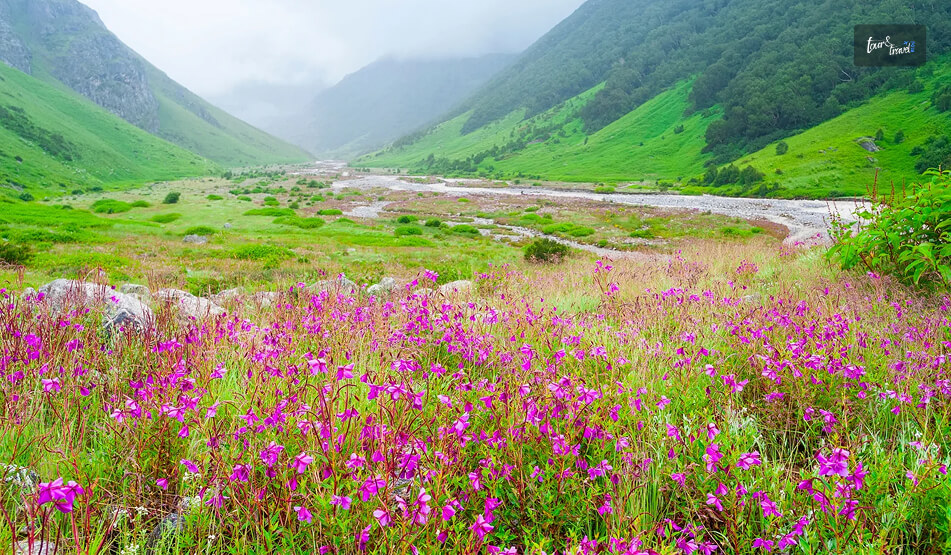
The Valley of Flowers National Park is located at a high altitude of approximately 3600 meters above sea level.
Moreover, it has expansive meadows that get flooded with flowers during the monsoon season. So, what you see in front of your eyes is a burst of colors.
Moreover, snow-capped mountains surround this beautiful national park.
Travel Tips For The Valley Of Flowers National Park
You have to trek through the Valley of Flowers National Park to enjoy the views of the flowers and the mountains surrounding the park.
11. Pench National Park, Maharashtra And Madhya Pradesh: The National Park That Inspired The Jungle Book
Area: 758 square kilometers
Distance from Nagpur: 79.4 km
Distance from Jabalpur: 168 km
Best Months to Visit: From October to June
We all have grown up reading The Jungle Book by Rudyard Kipling. Now, it’s time to visit the national park that has inspired this amazing creation.
It is the Pench National Park, and it is home to different birds, leopards, and tigers.
Moreover, the park has a diverse landscape.
Travel Tips For Visiting The Pench National Park
Jeep safaris are the best way to explore the Pench National Park. Moreover, you have to book your safari via the MP forest department at least 120 days in advance.
12. Nagarhole National Park, Karnataka: Home To The Largest Congregation Of Asiatic Elephants And Rare Black Panthers
Area: 643 Square Kilometers
Distance from Mysore: 60.9 km
Best Months to Visit: From October to May
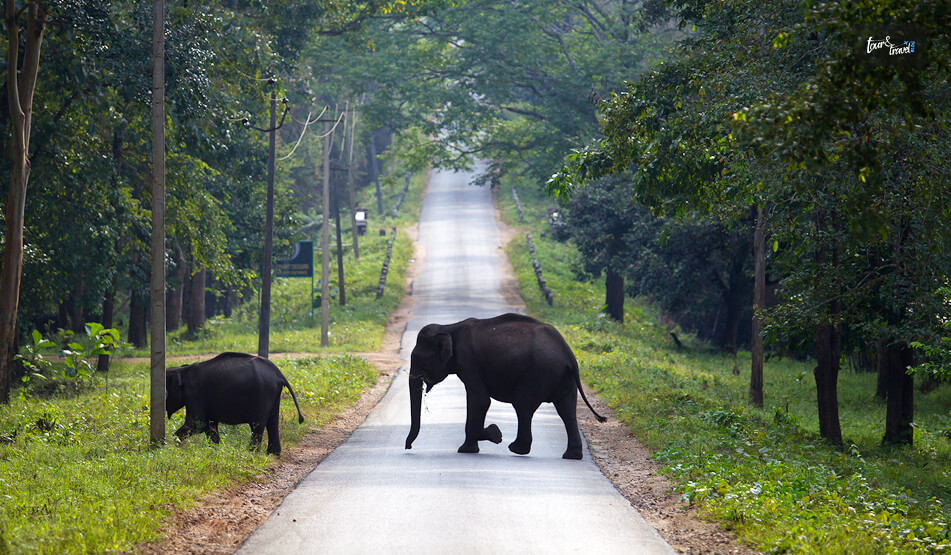
The Nagarhole National Park is in the Nilgiri Biosphere Reserve. With dense forests, waterfalls, and streams, it has the largest congregation of Asiatic elephants.
Furthermore, you will find the elusive black panthers here.
Moreover, it is home to elephants, deer, leopards, and tigers.
Travel Tips For The Nagarhole National Park
Wildlife safaris are popular in the Nagarhole National Park. Moreover, the national park has streams and forests, making the overall landscape fascinating.
13. Bannerghatta National Park, Karnataka: The First Butterfly Park In India
Area: 104 square kilometers
Distance from Bangalore: 32 km
Best Months to Visit: Year-round
The Bannerghatta National Park is very close to Bangalore. It is a wonderful place for ecotourism, and at the same time, it is an important place for wildlife conservation.
Moreover, it has the first butterfly park in India.
Travel Tips For Bannerghatta National Park
The Bannerghatta National Park is an ideal destination for a family vacation. Furthermore, it offers a wonderful fusion of recreational and educational experiences.
14. Silent Valley National Park, Kerala: Home To The Largest Viable Population Of The Endangered Lion-Tailed Macaque
Area: 895 square kilometers
Distance from Palakkad: 55 km
Best Months to Visit: From September to May
The Silent Valley National Park is the “last undisturbed tract of South Western Ghats mountain rainforests and tropical moist evergreen forests in India.”
Furthermore, it has diverse flora and fauna. So, it is a popular place for nature lovers, wildlife photographers, and travelers looking for tranquility.
Travel Tips For Silent Valley National Park
You have to hike through the forest to explore the flora and fauna of the Silent Valley National Park.
Furthermore, this national park is an important landmark associated with the history of environmental wellness in India.
Moreover, it is the place where the Save Silent Valley movement took place in the 1970s. This was a protest against a hydroelectric project.
15. Simlipal National Park, Odisha: The Only Habitat For The Rare Black (Melanistic) Tigers
Area: 2750 square kilometers
Distance from Baripada: 126 Km
Best Months to Visit: November to June
A part of the Mayurbhanj Elephant Reserve, the Simlipal National Park is where you will find the rare black tigers.
Furthermore, it has elephants, leopards, Royal Bengal tigers, and different bird species.
Moreover, this national park has a diverse ecosystem, including dense forests, waterfalls, and grasslands.
Travel Tips For Simlipal National Park
Jeep safaris are the ideal way to explore the Simplipal National Park. With dense forests and waterfalls, it also has the most diverse landscape.
Which Of These Are Actually Weekend-Trip Friendly? A Reality Check
Not every park on this list actually works as a weekend trip, despite the title.
Distance, altitude, and safari-booking lead times matter as much as how good the wildlife sightings are.
So, here is a more honest breakdown before you commit a Saturday and Sunday to one of these.
Best For A True 2-Day Weekend (Under 200 Km From A Major City)
Ranthambore National Park is the standout here.
It is 180 km from Jaipur means a Friday-evening drive gets you in time for a Saturday-morning safari, with a full second safari on Sunday before heading back.
Bannerghatta National Park, just 32 km from Bangalore, works even for a single-day outing.
However, it is a gentler, more family-oriented visit than a tiger reserve.
Nagarhole National Park (61 km from Mysore) and Pench National Park (79 km from Nagpur) both sit close enough to a regional airport or train hub to make a genuine two-night weekend realistic, provided you book the jeep safari in advance.
Pench in particular requires booking through the Madhya Pradesh forest department up to 120 days ahead, so ‘weekend trip’ still means planning a season in advance, not the weekend itself.
Better Planned As A 4-5 Day Trip, Not A Weekend
Hemis National Park in Ladakh is the clearest outlier on this list.
At 4,400 square kilometres and elevations up to 6,000 metres, it demands acclimatization days before any trekking.
So, it is incompatible with a weekend regardless of how you fly in.
Simlipal National Park (126 km from Baripada, in a state with limited direct flight access) and the Valley of Flowers (304 km from Dehradun, reachable only via a multi-day trek) both fall into the same category.
The travel time alone eats most of a two-day window before you have seen anything.
Sundarbans National Park is a similar case.
The boat safaris that actually offer a chance at spotting wildlife take a full day each way from Kolkata, so a proper visit needs at least three nights to be worth the trip.
If any of these are on your list, I’d block out a long weekend with an extra day of leave attached, rather than trying to force them into a standard Saturday-Sunday trip.
Things To Remember As You Plan A Weekend Trip To A Nearby National Or State Park
Keep the following things in mind as you plan a weekend trip to a nearby national or state park.
Know the best time to visit and the current weather conditions before planning your trip.
Also, know the regulations and follow the safety guidelines.
In addition, you have to be particular about the things you need to pack.
Furthermore, you have to be careful about the natural habitat and wildlife in all national parks.
Moreover, you have to be responsible for the tourism options.
So, be responsible and careful, and enjoy the diverse landscape and wildlife of the best national parks in India.
Sibashree is a travel, culture, and leisure writer who has been writing since the age of 12 and professionally since 2014. With more than a decade of travel writing experience and journeys across India and several parts of the world, she brings a deeply personal and thoughtful perspective to her work. A student of English Literature and Mass Communication, Sibashree has always viewed travel as more than movement — for her, it has been a way of understanding people, cultures, and herself. Her passion for spiritual exploration has also led her to many unusual and meaningful destinations over the years. Outside of writing, Sibashree enjoys watching European cinema, reading about global politics, and reflecting on the stories hidden within everyday places.
Spring is the perfect season to explore beautiful European towns and create unforgettable memories with your loved ones. If you're in England, there are endless activities to try, and one of them is mini golf.
Mini golf has gained popularity in the UK for its ability to provide fun and entertainment to people of all ages and skill levels. Fortunately, there are various mini golf venues to choose from in the UK, catering to different preferences and age groups.
Therefore, if you're currently in the UK and looking to play mini golf, you're in luck! Keep reading to discover three fantastic mini golf venues that are worth checking out.
Swingers
Swingers is a mini golf venue located in London and is perfect for those looking to combine mini golf with food and drinks. The venue features two nine-hole courses, each with its own unique challenges and obstacles.
The courses are surrounded by street food vendors and bars, making it the perfect spot for a night out with friends. The courses themselves are designed to challenge players of all abilities, with tricky obstacles such as loops, jumps, and ramps. Swingers are also perfect for corporate events, birthday parties, or even a unique date night.
Mr. Mulligan's
Mr. Mulligan's is a chain of mini golf venues located throughout the UK, with venues in Castleford, Milton Keynes, Nottingham, and Woking. Each venue features a different theme, with challenges and obstacles that are tailored to the theme. So when you visit Mr. Mulligan’s, do not forget to carry with you your golf bag as you cannot resist not playing golf.
For example, the Nottingham venue is pirate-themed, with obstacles such as a pirate ship and a giant octopus. The Woking venue, on the other hand, is space-themed, with obstacles such as a rocket and an alien. Mr. Mulligan's also offers party packages, making it a great spot for a birthday party or a night out with friends.
Plonk Golf
Plonk Golf is a mini golf venue with locations all over the UK, including London, Bristol, and Leeds. Each venue features its own unique themes and challenges, with obstacles such as loop-the-loops, giant gorillas, and crazy golf holes.
Plonk Golf is perfect for families, beginners, and experienced players alike, with courses that are designed to be fun and challenging. In addition to mini golf, Crazy golf with plonkgolf.co.uk also offers other games such as table tennis and beer pong, making it the perfect spot for a night out with friends.
Lost City Adventure Golf
Lost city adventure golf is a mini golf venue located in Manchester, with two 18-hole courses that are inspired by ancient ruins and lost civilizations. The courses are designed to challenge players of all abilities, with obstacles such as waterfalls, bridges, and tunnels.
The venue is also perfect for families, with a special kids' course that is designed to be easier and more fun for younger players. In addition to mini golf, Lost City Adventure Golf also offers food and drinks, making it the perfect spot for a family day out or a night out with friends.
Read Also:
New Jersey — The Comfort And Golf Hotbed You’ve Been Missing
7 Reasons Why Phuket, Thailand Attracts Travelers Worldwide
The Most Unique Wedding Venues In The UK
The Mornington Peninsula, a charming corner of Victoria, Australia, is renowned for its tantalizing vineyards, captivating coastlines, and scenic landscapes.
While the region’s celebrated wineries often play host to wine enthusiasts and connoisseurs, families shouldn’t overlook this delightful destination.
Some wineries have noted the growing number of families seeking unique and enriching experiences, curating spaces where children are welcome and actively engaged.
Several of Mornington Peninsula’s wineries are embracing a more inclusive approach in a venture away from the stereotype of adults-only wine-tasting venues.
These establishments have created an environment where parents can enjoy the nuances of world-class wines while their children partake in fun-filled activities designed just for them. So, let’s visit these child-friendly wineries in Mornington Peninsula.
Reasons Which Make Child-Friendly Wineries In Mornington Peninsula A Perfect Family Outing Destination
You drive just an hour from Melbourne and reach the Mornington Peninsula. It is a delightful coastal escapade, and you will love your winter trips to this land of thrills and marine activities.
Further, the wineries, incredibly family friendly wineries here, function as major tourism boosters. The new generation of makers here is bringing positive changes in the beverage scenario of this tourism hub in Australia.
Moreover, visiting the best wineries Mornington Peninsula is a great exercise to reinforce family bonding over quality time. Here’s more to why it will be a delightful experience for you and your kids.
A. Offers an insight into wine-making
Firstly, the Crittenden Wine Centre stands out as a pioneering family-oriented establishment. Nestled in a serene natural setting, this winery offers a fascinating insight into the winemaking process, ideal for inquisitive young minds.
The Wine Centre's sprawling lawn is perfect for children to frolic and play while parents savor the diverse range of wines. An added bonus: a picnic by the estate’s tranquil lake, feeding the resident ducks, promises a charming family experience.
B. An opportunity to discover sustainable viticulture
Another great option is the Trofeo Estate, known for its terracotta wine vats and innovative sustainable farming practices. Children have the opportunity to learn about sustainable viticulture and the importance of preserving nature while enjoying the estate's expansive gardens. The restaurant provides a children’s menu, catering to the smaller appetites in the family. It also serves up a variety of gluten-free and vegan options, ensuring everyone is accommodated.
C. Strengthens family bonds
Over at Stumpy Gully Vineyard, families can enjoy the blend of modern winemaking techniques with traditional family values. With a farm on-site, kids can interact with a variety of animals, learning about their roles in maintaining a balanced ecosystem. The restaurant's patio, overlooking the vineyard, serves as a picturesque setting for a family meal. A special kids' menu, packed with favorites like chicken nuggets and fries, is also available.
What To Expect On A Normal Outing Day In The Mornington Peninsula?
Montalto, in Red Hill South, boasts an inclusive atmosphere where children can participate in a treasure hunt through the Sculpture Trail, a vibrant outdoor gallery. The Piazza Garden, a casual alfresco dining area, offers a menu that caters to all, including child-friendly options.
T'Gallant Winemakers are well known for their Roman-style pizzas, which are a hit with kids of all ages. As parents relish the winery’s signature Pinot Gris and Pinot Noir, children can enjoy an authentic pizza and explore the stunning grounds. The winery also offers non-alcoholic sparkling grape juice, giving kids a special 'wine tasting' experience of their own.
Tucks NOW, a chic, family-friendly winery, is another must-visit. This vibrant winery combines contemporary design with traditional viticulture, creating an inspiring space for both adults and kids. A highlight for children is the specially designed Tucks Kids Packs, complete with crayons and coloring books.
The list wouldn't be complete without mentioning Main Ridge Estate, one of the Peninsula's original vineyards. The winery features large open spaces for kids to play and explore while parents can unwind with a glass of wine under the shade of mature native trees.
Tips To Take Kids On The Mornington Peninsula Winery
There are several tips you should keep in mind when visiting a winery with your children.
Have a look at them:
1. Prep your children.
Educate your kid about the usual winery behavior, which is nothing different from restaurant, movie, or store behavior. Tell your kids that it is unethical to touch things until asked. Keeping a low voice tone, walking instead of aimlessly running, and being polite are among the next important lessons your kid must know before visiting a winery.
2. Choose a location where kids can play.
Children are fond of playing, and they can do it EVERYWHERE! Choose places that have ample outdoor spaces for keeping your kids entertained.
Thankfully, the Wineries In Mornington Peninsula have restaurants and other destinations that will prevent your kids from getting bored. Certain wineries have kid’s activity zones that include toys, games, and even coloring.
3. Conduct a tour or private arrivals.
Various wineries let you visit privately so that you are well aware of the place before taking your kids. Discovering primitive ruins and caves and knowing more about prohibitions will help kids learn new things. It becomes an excellent opportunity for them to learn something apart from the bookish lesions. Wineries like that of the Mornington Peninsula indeed have a lot of things to be discovered by kids.
4. Don’t forget to thank your host.
Thanking your host is another essential thing to do with kids because they learn from their parents. Whether you enjoy the experience or not, showing your host some gratitude is always necessary. As a token of appreciation and thanks, you can purchase a bottle of wine from a family friendly winery, Mornington Peninsula. This way, they make money without the urge to ask for something extra when they already have kids around them.
5. Normalize teaching kids about unknown things.
Unexpected situations might arise in a winery since it is not an all-kid place. But instead of hushing them down, normalize letting your child know about different things. However, don’t be too frank and put a leash on the amount of knowledge you want to impart to them.
Some More Child-Friendly Wineries In Mornington Peninsula
There are countless child-friendly wineries on the Mornington Peninsula. So, I have curated a few more cool options for you.
1. Tucks Winery
https://www.instagram.com/p/C10zkNZsw-d/?img_index=1
Address: 37 Shoreham Rd, Red Hill South VIC 3937, Australia
Tucks Winery overlooks some of the best wineries in the region. So, you will enjoy the best views from here as you indulge in sumptuous food and refreshing wine.
Further, this winery has a laid-back vibe with picnic tables for families. Moreover, the outdoor swing will allow you to spend playful time with your kids.
2. Kerri Greens
https://www.instagram.com/p/CooPD0lvluy/?hl=en
Address: 38 Paringa Rd, Red Hill South VIC 3937, Australia
Lucas & Alyce Blanck presents a forward-thinking winery for children in the form of Kerri Greens. It is astonishing to find a water tank house transformed into a winery, cellar door, and barrel room.
Along with being a favorite of kids, this winery is also pet-friendly. You must not miss the grape juice here.
3. Stillwater at Crittenden Estate
https://www.instagram.com/p/CzaGLNOROK7/?img_index=1
Address: 25 Harrisons Road, Dromana VIC 3936, Australia
You will be spoilt with choices at Stillwater at Crittenden Estate. Your kids can engage in the activities here as you taste the masterclass vineyard offering.
Further, the little ones will enjoy the totem tennis and soccer sessions on the grassy field. In addition, you can enjoy a stroll around the lake and feed the ducks.
4. Panton
https://www.instagram.com/p/Ce77gbhvUpI/
Address: 11 Shoreham Rd, Shoreham VIC 3916, Australia
Unfortunately, Panton, one of the best child-friendly wineries in Mornington Peninsula, only opens its doors on the first weekend of every month.
You can try Pinot Noir, Chardonnay, and other varieties of wine here made with grapes from a single vineyard.
Wrapping It Up
In conclusion, the Mornington Peninsula is no longer just for the wine enthusiast. It's an exciting destination where families can have an immersive, enriching experience. The wineries in this region have redefined the norms of traditional wine-tasting venues, transforming them into versatile spaces that cater to all ages.
These establishments are not merely kid friendly wineries; they are vibrant destinations that combine the pleasure of wine tasting with the joy of family-friendly activities and learning experiences. So pack up the family and embark on a journey of discovery and delight in the Mornington Peninsula!
Read Also:
Benefits Of Taking Your Family On A Safari Vacation
Best Beaches In Costa Rica For Family Vacation
If you love venturing off the beaten path to experience the wonders Mother Nature has to offer, your success and safety on your next adventure will depend on the essentials you pack.
You can enjoy the wind and sun, or explore a new destination that's exciting, gratifying, and even relaxing.
These emotions can quickly turn into worry, fear, and exhaustion if you’re unprepared.
Choosing what is essential to your well-being on the move can be challenging, whether you're planning a six-month, six-day, or six-hour adventure.
Especially if you have limited packing space. Planning is the key to your success.
Phone
Nowadays, it’s hard to imagine going somewhere without your smartphone.
You don’t want to leave home without yours.
Consider bringing a universal travel adapter for your destination and a local SIM card to stay connected in an emergency or enjoy some entertainment on the go.
Portable Charger
If you'll be off the grid for a while, a charger and power bank may be among your best options, and carrying an extra battery is one of the top tips to follow when adventuring.
A spare battery can be especially helpful for your phone, as well as a camera or laptop, if you bring these along.
Lots of things can go wrong, and the unexpected is always possible.
You may become lost, need help, contact your family, or request medical assistance, and your phone may be your only lifeline to civilization.
Pack that extra battery.
Maps
If you travel to a remote location, a phone or the internet may not be viable tools.
Include physical maps, a GPS device, or even a basic compass among your adventure essentials to keep you on track.
Water And Snacks
Snacks like nuts and seeds, granola bars, or chocolate, along with a variety of Pop-Tart flavors, can help maintain energy levels, and hydration is essential to general health and well-being.
Reusable water bottles or boxed water help prevent dehydration and protect the environment.
If you are refilling your water bottle, include water disinfection tablets. Carry extra snacks if you are embarking on an active trip.
First Aid Kit
Traveling can be exhilarating, but especially when you choose a natural destination, bumps, bruises, bites, and scrapes are to be expected for the Adventure.
A fall, unwelcome insect, thorny vegetation, or an upset stomach can leave you miserable and, in some cases, susceptible to infection.
A compact first aid kit with band-aids, gauze, tape, antiseptic cream or wipes, painkillers, antihistamine pills, eyewash, ibuprofen, a small pair of scissors, tweezers, hand sanitizer, and even electrolyte tablets should be part of your travel gear.
Consider packing bug spray, moisturizer, and sunscreen if the climate warrants them, and don’t forget prescription medicines and copies of prescriptions, just in case.
A pair of protective sunglasses and a hat will complete your protective gear.
Eco-Friendly Essentials
If traveling off the beaten path, consider bringing reusable items such as cutlery sets, plates, containers, and a reusable shopping bag.
A portable knife or pocket multi-tool is an excellent item to carry. If you’re traveling by plane, place it in checked luggage.
Use solid hygiene products like soap or shampoo that require less space in your backpack or suitcase and are environmentally friendly.
Don’t forget a towel, toothbrush, toothpaste, nail clippers, and glasses if you wear them. A small sewing kit with needles may prove handy, too.
Toilet Paper Roll
A toilet paper roll may not seem obvious, but depending on where you are headed, you’ll be glad you brought one.
Some cultures will not use toilet paper; wilderness destinations can be challenging when nature calls. Add in some tissues and wet wipes if you don’t have a place to wash up.
Flashlight/Torch
A flashlight is an essential tool to always have on hand. You don’t want to wander about in the dark in a place you are unfamiliar with, especially if you lose track of time or your way.
Flashlights and headlamps reduce the risk of getting lost and of bodily harm because you can see where you are heading.
Bring along an extra set of batteries and a lighter or matches, just in case.
Comfortable Shoes And Clothing
If you plan to walk a lot or hike, comfortable footwear can make or break your overall experience.
Plan for local weather conditions, too. You may be better prepared with waterproof shoes or boots. Don’t forget the proper type of socks, especially in colder climates.
Choose the right clothing, such as swimwear, goggles, and flip-flops for a warm beach destination, breathable fabrics for the tropics, or heavier clothing for winter climates.
Waterproof instruments may be called for if you’re visiting rainy locations. You may also want an extra blanket or two.
Portable Shelter
If the wilderness is your final destination, portable emergency shelters are good to carry. Reflective thermal shelters can be packed or attached to your backpack.
Don’t Forget Your Documents!
Regardless of where you are headed, you’ll need your documents. Necessary papers might include a driver’s license, vehicle registration, proof of insurance, passport, and perhaps a visa.
Carry photocopies of these documents in a separate location in the event of loss or theft.
Prepare a mix of credit cards and local currency, as not all places may accept your plastic, and use a money belt or anti-theft bag if possible.
Final Considerations
Finally, bring a lock to keep your things safe during hostel visits or overnight train trips. If you use a backpack, have a rain cover so your items don’t become drenched in a downpour.
Include a whistle among your packed essentials. You never know when you may need to call for help or fend off a critter!
Read Also:
A First-Hand Experience Of Taking A Red Eye Flight!
The Ultimate Guide To Finding Cheap Flights To Chicago Using Google Flights
Momondo Flights: Should You Try This Platform For Booking Flights In 2023?





 Related