


Learn All About the Best Solo Trip in India Right Here! 

Mar 22, 2025

Last Updated on: Nov 24, 2025

Travel Guides

When you learn about these places, you realize they are made for solo travelers especially if you want to experience the full extent of it. Furthermore, when you are planning your solo trip to India, you must visit these places.  

Try to be as open as possible to experiencing these places thus, meeting new people, making new acquaintances, and enjoying the journey. Also, try to learn the local tongue because it will help you connect with the people along with enjoying your trip.  

Some of these places are the best places to visit in February, so you can plan accordingly.   

Learn All About the Best Solo Trip in India Right Here!  

Is San Juan Safe for Solo Women Travelers

If you love traveling and are planning to go on a solo trip in India, I have the perfect places for you. I have shared with you places depending on the type of traveler you are and what you look forward to when you travel solo to a place.  

Most of these places that I have shared are suitable for solo traveling as well as quite popular. People from different countries visit these places additionally, even the local people travel to these places to enjoy and experience the beauty.  

Nature Enthusiast Solo Traveler  

If you are a nature lover, let me share with you some of the places you can visit for your solo trip in India. These places are the perfect example of nature at its best allowing humans to flourish amidst nature, experiencing the best of their life.  

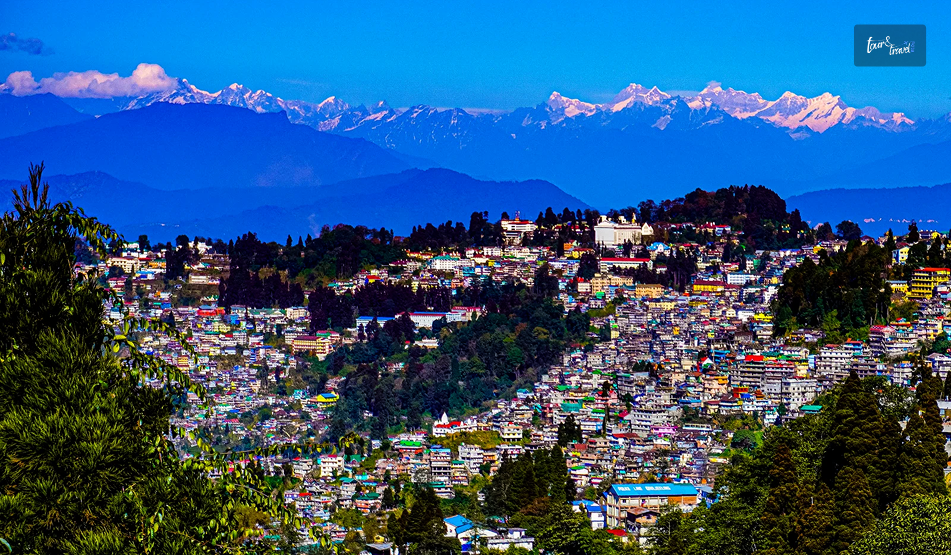
Darjeeling  

Darjeeling

Darjeeling is called the “Queen of the Hills” offering you some of the best views of the Himalayas. Nature is at its best here, which you can enjoy with leisure as the lifestyle there is quite relaxed as the locals are helpful and sweet-natured.  

Let’s not forget the tea plantation offering you some of the best tea in the world. You must get some when you visit. It is one of the most exotic places to travel in India.  

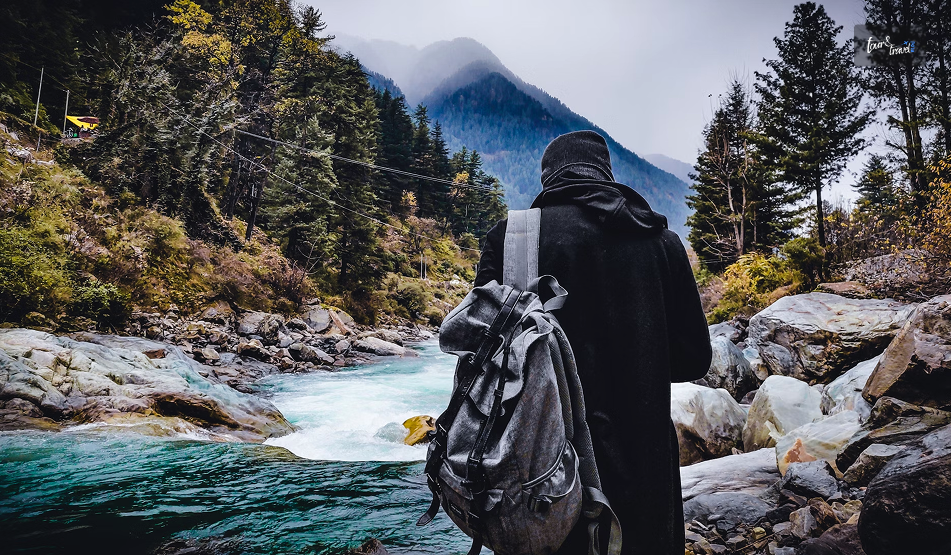
Kasol  

Kasol

A perfect place for backpackers and nature lovers, Kasol is all but a huge landscape of lush greens and stunning scenery. Surrounded by hills, you will get many opportunities and stunning scenery. Kasol offers you an immersive experience that is unique for everyone!  

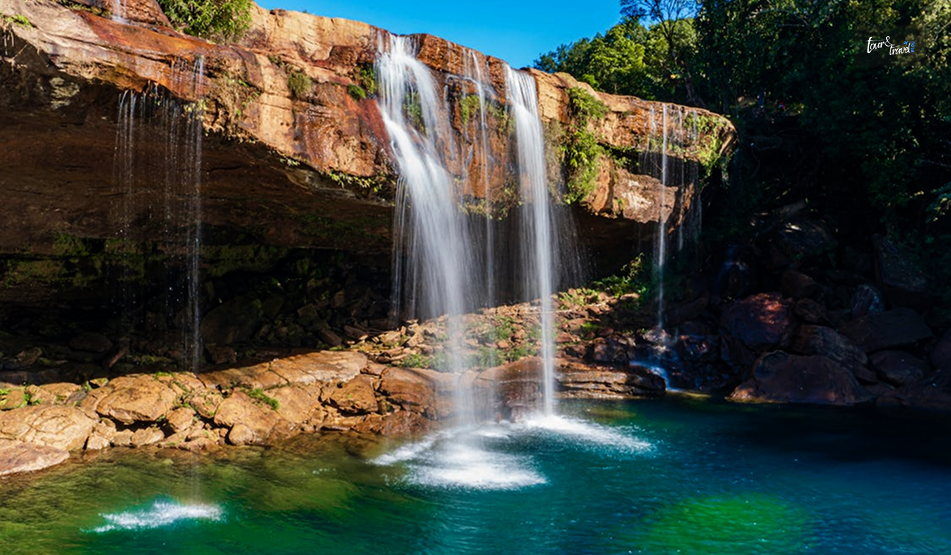
Shillong  

Shillong

With gushing waterfalls, Shillong offers you one of the most majestic solo trips in India. Known as the “Scotland of the East”, Shillong is a place with majestic hills, showering the beautiful rays of sun on the Valley.  

When you visit the place, you can enjoy a lot of elements including the pristine streams and deep gorges. The panoramic views of the hill create the perfect place for your nature attraction. Furthermore, you can go boating at the popular spot, the Umiam lake.  

Beach Lover Solo Traveler  

Beaches are the perfect place to be alone and unwind! So, let’s go on a solo trip in India to explore the beaches and enjoy the beautiful sunrises, sunsets, palm trees, wide expanse of water and so much more. If you are a national of India, you can visit the places to travel without a passport!  

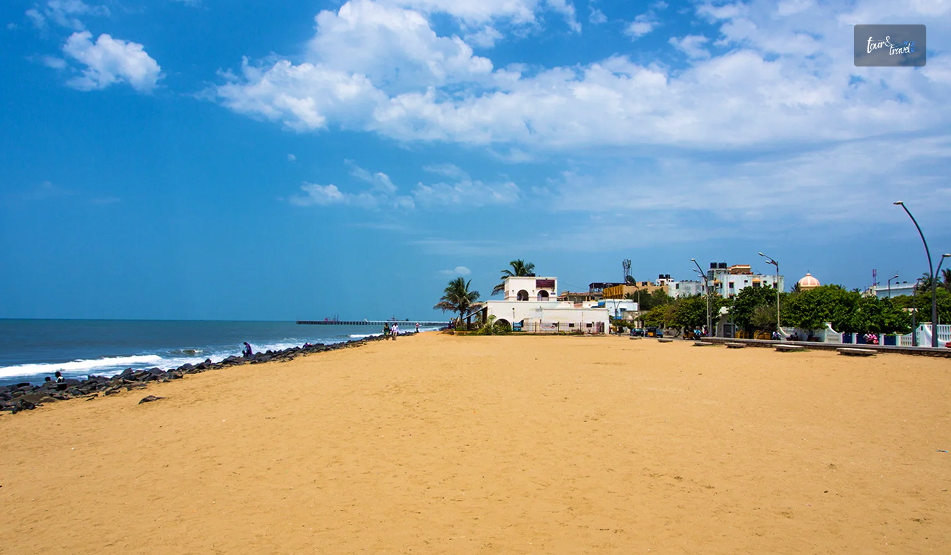
Pondicherry  

Pondicherry

If you are planning a solo trip in India, Pondicherry is one of the best options for you. Offering the unique combination of Indian and French culture, you will find Pondicherry as the best of both worlds.  

Called the “French Riviera of the East” Pondicherry flaunts a serene atmosphere with beautiful beaches and colonial architecture. There are colorful houses with beautiful bougainvillea plants adorning the walls, a perfect spot for your solo trip picture, don’t you think?  

Goa  

Goa

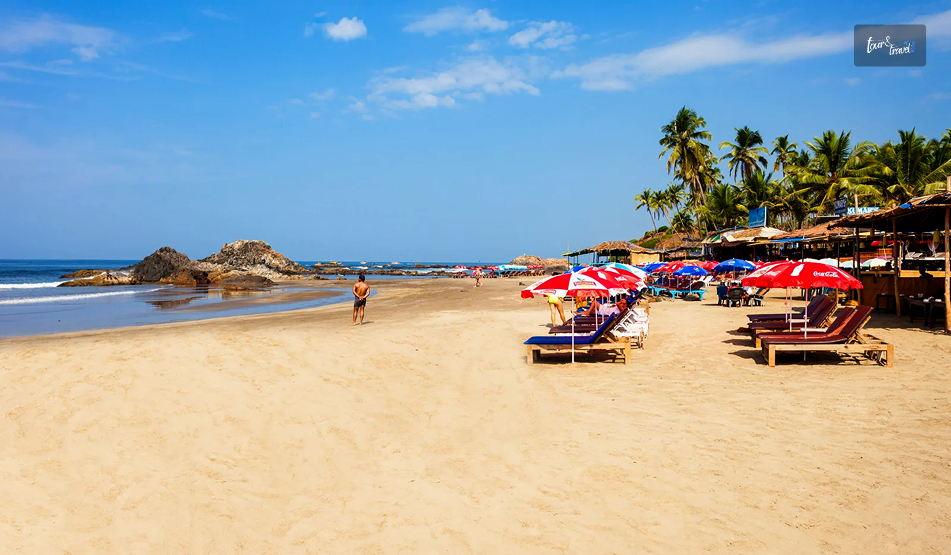
Another place in India, Goa is a mixture of two cultures, Portuguese and Indian offers one of the best tourist experiences. As a solo traveler, it is one of the most popular destinations in India for its bustling nightlife, parties, serene beach life, delicious Goan delicacies and drinks.  

Varkala  

Varkala

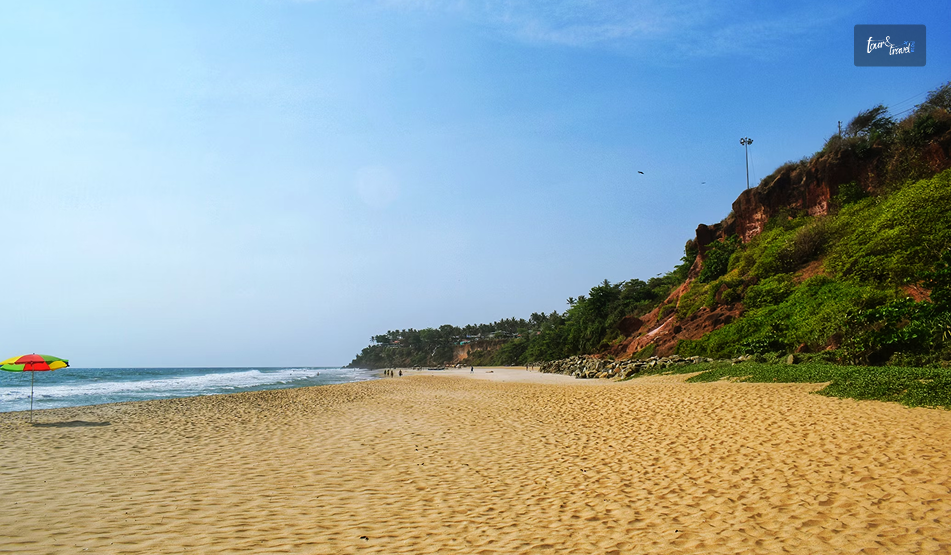
Known for its stunning sunsets, Varkala is in Kerala! When you are going on a solo trip in India, if you want cliffs, palm trees, and red sky, this is it for you. Whichever beaches you visit, you will see the red skies in the evening creating a beautiful view for you.  

Additionally, if you are a spiritual person, Varkala for you is not just a cultural hub but also filled with temples. One such place is the pilgrimage site for Vishnu, Janardanaswamy Temple, and the Sivagiri Mutt monument for the social reformer, Sree Narayana Garu.  

Culture Seeker Solo Traveler  

India is a powerhouse of culture so if you are craving a cultural dose, these are the places for your solo trip in India. I have visited these places for their architecture, telling stories of the past, be it some ancient dynasty or the colonial transformations.  

Hampi  

Hampi

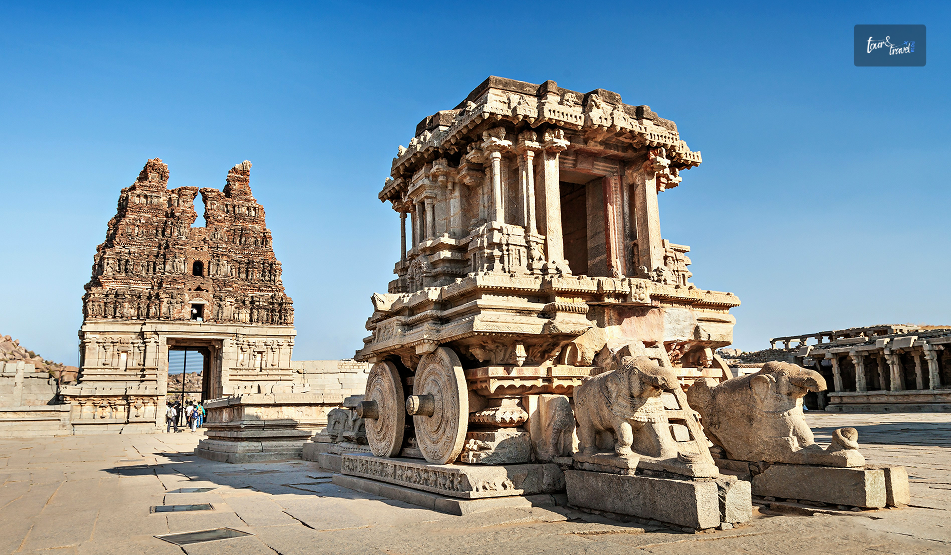
A treasure trove, Hampi is a place in India that has several historical ruins speaking of the Indian culture. Visit this UNESCO World Heritage site situated along the Tungabhadra River to enjoy the immersive experience.  

The capital of the Vijayanagara Empire, Hampi was abandoned in 1565, thus leaving ruins in its wake. As a history buff and diverse culture lover, I loved learning about the place, its palaces, temples and forts, most of them broken.  

Varanasi  

Varanasi

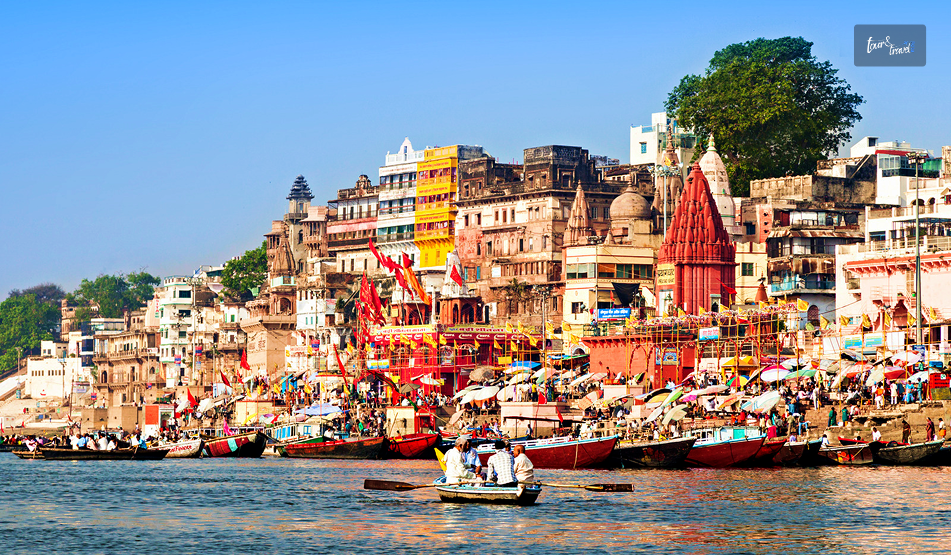
The spiritual city of India, Varanasi is the home of Shri Kashi Vishwanath, Lord Shiva where all goes to offer prayers. Often, people who are closer to death wish to visit the city to spend their last days of life.  

With the ancient ghats and temples, you will experience some of the most beautiful and spiritual callings in your heart. You should not miss the mesmerizing Ganga aarti, a ceremony to worship the holy river Ganges. It is a grand affair with several priests worshipping using fire, incense sticks, flowers and other auspicious things.  

Jaipur  

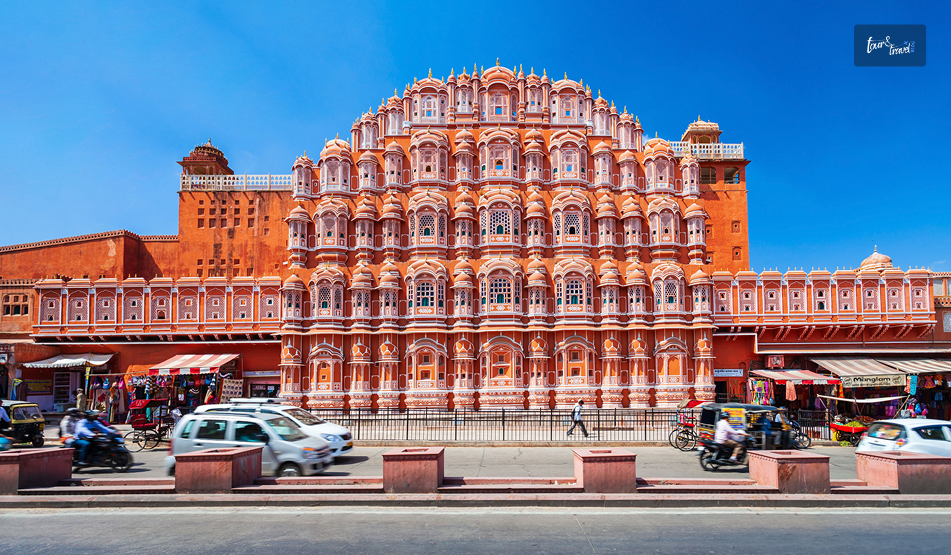
Jaipur

When I went to Jaipur on a solo trip, my eyes took time to adjust to the vibrant hues of the place. Just like vibrant clothing, the culture is also vibrant as you will see people, quite funny and helpful. It is better to travel to these places with cash but if you do carry the best travel credit card, try to safeguard it!  

The bustling markets offer different types of clothing along with the availability of delicious cuisine. Called the Pink City, Jaipur has historical palaces and forts, ancient stories of Kings and their practices, now shared by the people and the guides when you take a tour of the city.  

Adventurer Solo Traveler  

As an adventurer myself, solo traveling is one of the coolest experiences an individual can ever experience. So, what’s more? Check out these places that will bring the beauty of   

Ladakh  

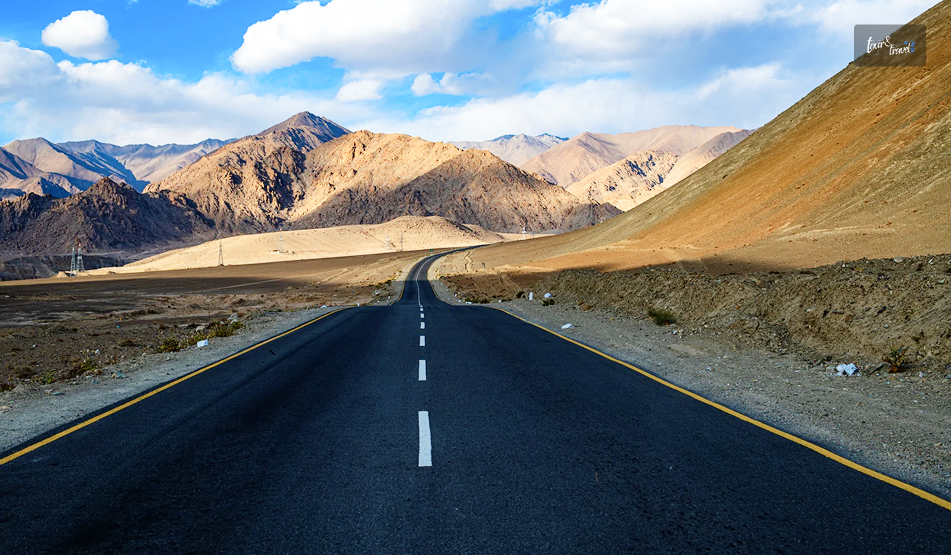
Ladakh

Warm welcoming people in Ladakh offer you some of the best services to solo backpackers. If you are seeking peace and adventure together, let’s go to Ladakh with its winding roads, high-altitude passes, and snow-capped peaks.  

The stunning landscapes will steal your breath away. As an adventurer, I am sure you will not be looking for leisure and luxury in Ladakh. Ultimately, it is perfect for a solo trip for mountain lovers!  

Rishikesh  

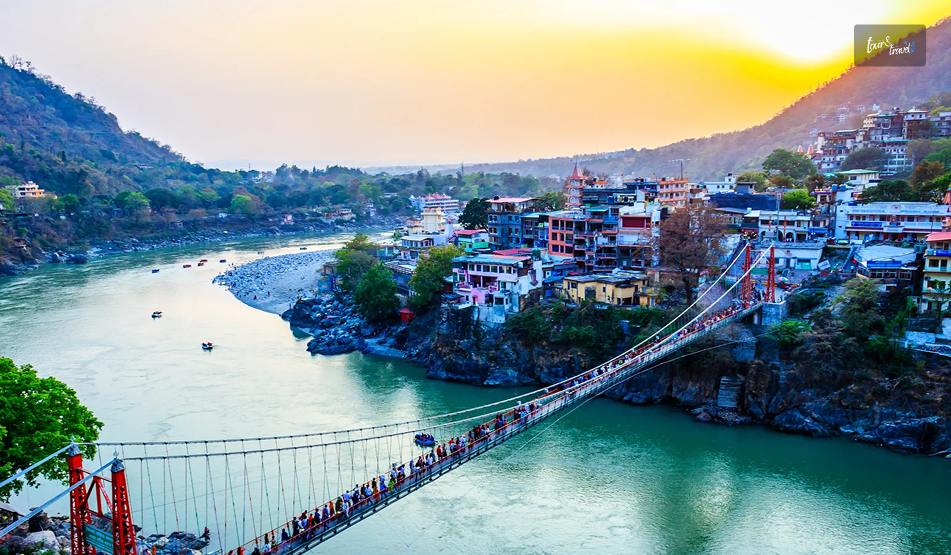
Rishikesh

Known as the “yoga capital of India”, this is a popular destination for all who seek adventure and spiritual calling together. I would suggest going to Rishikesh if you have river rafting on your bucket list (approximately Rs. 600 to Rs. 2500 per person) and bungee jumping (approximately, Rs. 3700 per person).  

For your spiritual calling, yoga retreats are there offering you panoramic views of the majestic Himalayas. Let’s not forget the delicious local cuisine that is so affordable that your solo trip will be fun apart from being super affordable.  

Manali  

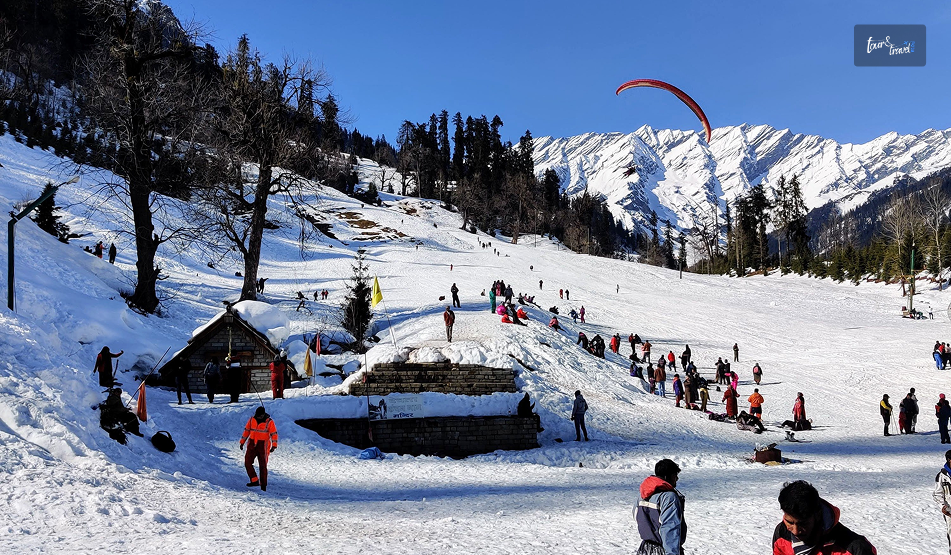
Manali

Are you too tired of your everyday corporate life? Want to escape to the hills soon? What better place than Manali for a solo trip? There are so many opportunities for a solo traveler in Manali, starting from river rafting, trekking and others.  

As an adventurous explorer, you can go across several trails going zigzag in the Himalayas. Additionally, exploring the place will be perfect for your solo trip in India.  

Let’s Go, Wanderer…  

In conclusion, a solo trip in India encompasses various places, some of them better than others. You must visit the places described in this blog so that you can plan your trip accordingly. Plus, these places bring you some of the best memories in your life.  

Comment below to let us know which of the locations in India is one of the best. Keep traveling and make memories while traveling solo. 

Also read

Share on Social Media

Sagnika Sinha is a content writer who is passionate about writing travel vlogs, entertainment and celebrity articles and literature-based pieces. With a 4 years experience in teaching, she loves reading books. A procrastinator by nature, she loves travelling, listening to music, planting and gardening.

Leave a Reply

Your email address will not be published. Required fields are marked *

title-img Related

READ MORE things to do in rome

Roman Revelations: Unforgettable Things to Do in Rome, The Heart of Italy!

BY  Abdul Aziz Dec 27, 2023

Rome is unlike any other place. Here are some of the best things to do in Rome, as recommended by locals, whether this is your first or 20th visit. This is a city where narrow streets lead to stunning temples, the mound serves pasta, and there are endless opportunities to people-watch. There's a reason it's one of the most well-known cities in the world, but you can only truly appreciate its allure if you visit. Things To Do In Rome It's important to have a plan because Rome is much larger than you may have imagined. Archaeological finds, famous art collections, and an abundance of culture can all be found here, making you want to visit again and again. But don't worry, you still have plenty of time to enjoy an aperitif outside in the warm sunshine and digest your lunchtime pasta. Vatican Museums And Sistine Chapel Across 54 galleries, courtyards, and hallways, the Vatican Museums, established by Pope Julius II in the sixteenth century, are home to one of the greatest and most significant art collections in the world. The Sistine Chapel is home to thousands of prehistoric sculptures, Raphael pieces, and, of course, Michelangelo's frescoes. Get tickets to explore the Vatican Gardens, which are home to fountains, plants, and a recreation of the Our Lady of Lourdes Grotto, as well as the Vatican Necropolis, which is beneath St. Peter's Basilica, if you have the time and can arrange well in advance. The Colosseum The Colosseum is a must-see when visiting Rome, of course. Rome's crown jewel is this magnificent building—you know, the kind of thing you see on postcards—and it's even more amazing in person than you could have imagined. It is the world's largest amphitheater, with a capacity of 80,000 people, and was constructed between 72 and 80 AD. This used to be much more peaceful, with local Romans coming to watch animal hunts or bloody gladiator fights. Because of the sometimes insane lines, we advise purchasing tickets in advance. However, the 360-degree view over the theater on the fifth level makes it well worth the climb. Castel Sant’Angelo Hadrian, the Roman Emperor, constructed the striking cylindrical fortification known as Castel Sant'Angelo, or "The Castle of Angels," on the banks of the Tiber River in the second century AD. The popes used it as a castle and fortress after it was first inaugurated as a mausoleum for Hadrian and his family. It even has a hidden escape route connecting the building to Vatican City. These days, it's a museum featuring rooms decorated with frescoes, a display of medieval weapons, and expansive views of Rome and the neighboring St. Peter's Basilica. Inside is a small cafe where you can have a drink or some snacks while taking in views of the Vatican. The Pantheon One of the best-preserved ancient structures is the Pantheon, which was constructed by Emperor Hadrian in 125 AD. With a diameter of 142 feet, its dome is the biggest in the entire globe. This is a must-see in Rome, and if you're visiting the city over Pentecost weekend, you're in for a treat. This tops every tourist's list of things to do in Rome. To commemorate the occasion, tons of rose petals are dropped from the oculus during Sunday Mass. It's quite a sight. The Pantheon is free to enter as of the time of publishing (May 2023), but there are plans to charge visitors an admission fee of €5. Galleria Borghese Originally built in the sixteenth century, Cardinal Scipione Borghese showcased his extensive art collection under its roof. It is still regarded as one of Rome's top museums. Expect to find extraordinary creations within, as the Cardinal was an ardent art collector who was also a big fan of Caravaggio's works and an early patron of Gian Lorenzo Bernini. Highlights of the museum include Caravaggio's Boy with a Basket of Fruit, Canova's Paolina Bonaparte, and Bernini's Apollo and Daphne. Take a stroll through the park after your visit to the "pleasure palace," which was once a suburban villa submerged in the vast gardens of Villa Borghese. Domus Aurea The opulent Domus Aurea (Golden House) of Emperor Nero is a rare window into Rome's underground world and is regarded as one of the most magnificent homes of its era. It was constructed as an opulent amusement venue close to the Colosseum between 64 and 68 AD, covering numerous historic hills in Rome. It was then devastated by the city's destructive fire in 64 AD. Every Friday, Saturday, and Sunday, guests can participate in guided tours. A virtual reality tour is also available, which helps recreate the villa's former splendor. Read Also: Eternal Elegance: A Guide To The Best Hotels In Rome Capitoline Museums The Capitoline Museums are housed in three buildings on the trapezoidal Piazza del Campidoglio, which Michelangelo created in the sixteenth century. Known as the world's first public museums, they hold Renaissance marble statues and Roman bronzes, including the Capitoline Wolf, a symbol of Rome's founding, and the Equestrian statue of Marcus Aurelius. An underground tunnel through the Galleria Lapidaria connects the two buildings of the museum. Visitors can also enjoy a superb view of the Roman Forum. Make time to spend a few hours perusing the collection, and don't forget to pay a visit to Piazzale Caffarelli's hidden garden, which is tucked away right behind the square. Gianicolo Rome sometimes referred to as the "city of seven hills," is renowned for its picturesque viewpoints and abundance of terraces that provide breathtaking views of the cityscape. Gianicolo, the highest point in Rome with a panoramic view over the Eternal City, is worth the trek even though it isn't technically one of the fabled hills. It is situated above the Trastevere neighborhood. Nearby is the magnificent Fontana dell'Acqua Paola, which was featured in La Grande Bellezza's opening scene. Its majesty will astound you. Testaccio Market The Testaccio neighborhood is the epicenter of Rome's culinary traditions, making it a must-visit destination for foodies and daring diners alike. The region was once home to the biggest slaughterhouse in Europe, and workers were typically compensated with leftover animal parts, known as the “quinto quarto,” or fifth quarter. The Testaccio Market, a bright and modern structure full of enticing stalls, serves everything from freshly made pasta and craft beers to tripe stews and artichoke sandwiches. It is one of the best things to do in Rome while enjoying the varied cuisine and delicious street food. Wrapping Up Rome, with its two millennia of architecture, art, and culture, is an outdoor museum and one of the most visited cities in the world for good reason. You can lose hours discovering historical marvels, traveling between sites, or searching for the best gelato, but insiders use guided tours and skip-the-line entrance tickets to beat the crowd. Hop-on, hop-off tours let travelers quickly check off items on their lists of things to do, but group excursions to the Vatican Museums, Roman Forum, and Colosseum provide a deeper experience. If you have thoughts to share or questions to ask about things to do in Rome, please comment below. We would love to hear from you! Read Also: The Italian Train Group FS Will Launch A New “Night Train Like Hotel”: Rome To Dolomites Tips For Planning The Perfect Getaway In A Rental Villa In Italy How Much Time To Spend In Italy

READ MORE Warm Weather Vacations

The 10 Best Warm Weather Vacations

BY  Nabamita Nov 30, 2023

When the chill of winter sets in, the allure of warm weather destinations becomes irresistible. From sun-drenched beaches to lush tropical forests, the world is brimming with spots perfect for shedding layers and basking in warmth.  In our roundup of the 10 best warm weather vacations, we explore diverse corners of the globe where the sun shines bright, the waters beckon, and the warm breeze carries the promise of unforgettable experiences. These destinations promise a respite from the cold and an adventure into the heart of warm weather bliss. 1. Seychelles Seychelles is a dreamy destination, known for its warm climate and stunning natural beauty. This archipelago in the Indian Ocean boasts 115 islands. Each is a slice of paradise with turquoise waters and white sandy beaches. The lush tropical forests are home to rare wildlife, enhancing its allure. Among the must-visit spots is Mahe Island, the vibrant heart of Seychelles. This island also attracts foreign entrepreneurs who come here to open offshore companies and trusts. Praslin Island offers the unique Vallee de Mai Nature Reserve. For a picturesque retreat, La Digue Island is unmatched with its iconic Anse Source D'Argent beach. 2. Anguilla Anguilla is a captivating warm weather destination, renowned for its serene beaches and crystal-clear waters. This Caribbean gem is a haven of tranquility, offering a perfect escape from the hustle of everyday life. Its coastline is dotted with over 30 stunning beaches, each with its unique charm. Shoal Bay East is a world-class beach known for its soft, white sands. Rendezvous Bay offers breathtaking sunsets and gentle waves, ideal for relaxation. For a touch of history, visit the Heritage Collection Museum. 3. Ibiza A jewel in the Mediterranean, Ibiza is famed for its vibrant nightlife and stunning beaches. This Spanish island attracts sun-seekers and party-goers alike with its warm climate and lively atmosphere. Its coastline is a mosaic of hidden coves and expansive sandy stretches, perfect for relaxation and water sports. Notable attractions in Ibiza include the bustling Ibiza Town, rich in history and culture. Playa d'en Bossa is renowned for its beach clubs and music scenes. For a quieter experience, visit the tranquil Cala Comte. Ibiza's blend of historical charm, natural beauty, and dynamic nightlife makes it a top warm weather destination. 4. Bali With its lush tropical climate, Bali is a premier destination for warm weather enthusiasts. This Indonesian island is famous for its lush landscapes, vibrant culture, and beautiful beaches. Its diverse environment ranges from volcanic mountains to tranquil rice paddies, offering a unique experience. Popular attractions in Bali include Ubud, the cultural heart, known for its art and traditional crafts. Seminyak boasts trendy beaches and upscale boutiques. For breathtaking natural beauty, visit the Tegallalang Rice Terraces. 5. Menorca Menorca is a serene Balearic Island known for its idyllic beaches and crystal-clear waters, This Spanish island offers a tranquil alternative to its busier neighbors. Its landscape is adorned with charming coves and lush greenery, creating a peaceful retreat. Ciutadella is a picturesque and historic city on the western coast of Menorca with charming old town, Gothic architecture, and beautiful harbor. Cala Macarella is famous for its turquoise waters and scenic beauty. The island's capital, Mahon, offers a rich cultural experience with its Georgian architecture. 6. Morocco Diverse landscapes and rich culture make Morocco a fantastic warm weather destination. It offers sun-drenched beaches, vast deserts, and vibrant cities. From the bustling souks of Marrakech to the serene Sahara Desert, each location presents a unique experience. The coastal city of Essaouira contains windy beaches and historic medina. The blue city of Chefchaouen enchants visitors with its picturesque streets. For a desert adventure, Merzouga is the gateway to the Erg Chebbi dunes. Morocco's mix of cultural heritage, natural beauty, and warm climate make it an intriguing and exciting vacation spot. 7. Panama Panama is the bridge between Central and South America. It’s a top choice for vacationers because of its warm climate and diverse landscapes. It offers lush rainforests, beautiful beaches, and vibrant city life. The Panama Canal, an engineering marvel, attracts visitors globally, while the capital, Panama City, blends modern skyscrapers with historic colonial architecture. For beach enthusiasts, Bocas del Toro is a must-visit with its crystal-clear waters and coral reefs. The San Blas Islands offer an authentic experience with indigenous communities. Boquete is perfect for nature lovers, with its coffee plantations and cloud forests. 8. Croatia Croatia is a stunning warm weather destination, celebrated for its crystal-clear Adriatic Sea and historic coastal towns. Its landscape is a picturesque blend of beautiful beaches, ancient ruins, and lush national parks. The country's unique culture and Mediterranean cuisine add to its charm. Known as the "Pearl of the Adriatic," Dubrovnik, enchants with its well-preserved medieval walls. The Plitvice Lakes National Park offers breathtaking natural beauty with its cascading lakes and waterfalls. Hvar Island is famous for its sunny beaches and vibrant nightlife.  9. Moskito Island Moskito Island, nestled in the British Virgin Islands, is an exclusive and luxurious warm weather haven. Known for its pristine beaches and crystal-clear waters, it offers an unparalleled private retreat. The island boasts lush landscapes, providing a backdrop for relaxation and adventure. Top attractions include private villas with breathtaking ocean views, offering ultimate privacy and comfort. Activities range from snorkeling in the vibrant coral reefs to exploring secluded coves by kayak. Moskito Island's fusion of exclusivity, natural beauty, and serene environment makes it an ideal spot for those seeking a high-end, tranquil warm weather vacation. 10. Necker Island Necker Island is a private oasis in the British Virgin Islands. This 74-acre island is enveloped by turquoise waters and coral reefs, offering a paradisiacal escape. It's famed for its commitment to conservation and sustainability, hosting diverse wildlife including flamingos and giant tortoises. The island features sumptuous accommodations, each with unique, opulent designs that blend seamlessly with the natural environment. Guests can indulge in activities like windsurfing, kitesurfing, and sailing in the clear waters. The Great House, perched on a hilltop, offers panoramic views of the Caribbean. It's the social hub for exquisite dining and entertainment. Read Also: Island Paradise Unveiled: Best Time To Visit The Philippines I Had No Idea When To Visit Mauritius Till I Went There THIS Time! Best Time To Experience Dubai: The City Of Gold

READ MORE Great Barrier Island wildlife tours

Aotea Great Barrier Island Wildlife: The Ultimate Tours & Spotting Guide (New Zealand)

BY  Sibashree Nov 12, 2025

There are three instances I clearly remember from our trip to the Great Barrier Island, New Zealand. The best thing about the Great Barrier Island wildlife tours is that they begin even before you board the ferry.  Here, I will start with some fun moments we had while exploring the wildlife of Great Barrier Island, then gradually discuss the details. So, let’s examine the rugged, predator-free paradise in New Zealand's Hauraki Gulf.  My Great Barrier Island Wildlife Tours: Some Stories That Have Stayed With Me With around 60% of the Great Barrier Island being a conservation area, the Aotea Great Barrier Island in New Zealand shines with sustainability certificates and its commitment to preserving the indigenous flora and the rare and endemic fauna of the island.  1. The Biosecurity Check  We were about to board the ferry to the Great Barrier Island. The Auckland Regional Council and the Ministry for Primary Industries (MPI) people did thorough biosecurity checks of our bags, and we had to clean our boots. Thus, they make a visitor part of the island's conservation effort.  This check is mandatory, and this is the reason the pāteke and kākā are thriving on the island. 2. The Dark Sky Sanctuary And The Great Barrier Island Wildlife Tours  Great Barrier Island’s designation as a Dark Sky Sanctuary has enhanced the wildlife tour experiences. We went out to see the Milky Way at night, and we stood quietly and listened to the sound of silence.  Suddenly, we were startled by the more-pork cry of the Ruru birds. Also, we saw the black petrels or Tākoketai coming back to their burrows.  3. Did I See A Chevron Skink? Did I Not? See, Chevron Skink also feels like a mythical species. These nocturnal species are the masters of camouflage. So, honestly, we did not see them with our naked eyes.  However, we could listen to the squeaks and grunts of the Chevron Skinks. It was thrilling knowing that we were walking through their only habitat in the world, which is protected by sanctuaries like Glenfern.  Why Is Aotea Great Barrier Island A Paradise For Wildlife Tours?  Afar, a US-based travel media brand, has named Aotea Great Barrier Island one of the top 25 off-the-beaten-track destinations in the world.  Aotea, Great Barrier Island in the Hauraki Gulf, is a designated dark sky sanctuary. So, it is ideal for spotting and listening to the nocturnal birds and animals.  Furthermore, the Department of Conservation (DOC) maintains 60% conservation land on the Aotea Great Barrier Island. As a result, it is the island of Firsts" and "Lasts.” It means that the island has birds such as North Island kākā and pāteke (brown teal), which are found nowhere else in the world.  In addition, the "Predator-Free" Secret of the Island is truly special. In the absence of stoats, possums, weasels, or deer, the rare and endemic species here have been able to thrive.  Along with all these endeavors, the Great Barrier Island has been successful in community-led conservation efforts, maintaining biodiversity and species protection. Here are the details.  1. Aotea Great Barrier Island Environmental Trust “The principle activities of the Trust are in protecting, enhancing, developing and maintaining habitats for New Zealand native and endemic species on Aotea Great Barrier Island, with a particular focus on pest management…” Founded in 2002, this trust has been an advocate for conservation policies, has coordinated many conservation efforts, and earned funding for local conservation projects.  2. Aotea Conservation Park  The 2,000-hectare Aotea Conservation Park with walking tracks, DOC huts, and campsites makes the island an ideal destination for exploring the wildlife.  3. Marine Conservation  The Aotea Great Barrier Environmental Trust’s Tai Timu Tai Pari” or “Sea Change” initiative aims to protect the marine ecosystem of the Hauraki Gulf. Furthermore, the Department of Conservation (DOC) has proposed to build a large marine conservation area in the northeast corner of the island.  In addition, beach clean-ups and educational programs have been effective local endeavors to preserve the marine life of the island.  4. Biodiversity And Species Protection  The island is a critical nesting ground for the black petrels. The Department of Conservation takes care of the nesting ground.  Furthermore, around 60% of the pāteke population in New Zealand is present on the Great Barrier Island. These birds are frequently spotted in places such as Kaitoke Wetlands.  You can visit the Kaitoke Wetlands just before dusk. Park at the end of the road, walk the flat boardwalk, and wait quietly by the main pond. You will almost certainly see and hear the rare pāteke (brown teal) as they come out to feed. Chevron skink, 13 different types of lizards, banded rail, and North Island Kaka are some other native species that exist on the Great Barrier Island.  What Are The Must-See Wildlife Attractions On The Aotea Great Barrier Island In New Zealand?  The Glenfern Sanctuary, Aotea Track, Kaitoke Hot Springs, and the coastal areas are ideal for spotting the unique and rich wildlife of the Great Barrier Island, New Zealand.  1. The Pāteke (Brown Teal) Pāteke is one of the rarest ducks in the world. The Great Barrier Island is a stronghold for these ducks, and you will find them in the Kaitoke Wetlands.  The Department of Conservation and Predator Free NZ Trust are two important bodies taking care of the conservation efforts to protect these birds. Habitat management and predator control are two main elements of protecting the Pāteke birds.  Now, you understand why biosecurity is so crucial for these adorable ducks on the Great Barrier Island.  2. The Black Petrel (Takoketai) This seabird breeds only on the Great Barrier and Little Barrier islands. They nest in burrows high in the mountains. The Glenfern Sanctuary protects a key colony of these birds.  However, the main breeding colony on Aotea is at Mount Hobson/Hirakimata. According to the Department of Conservation, around 900-1000 pairs of birds stay there.  These birds are featured on the IUCN Red List as a vulnerable species. Furthermore, they are identified as “Nationally Vulnerable” in New Zealand.  Moreover, there has been a conservation monitoring going on since 1995 to assess the population of these birds and how they are declining.  3. The Chevron Skink (Niho Taniwha) This large, rare lizard is found only on the Great Barrier and Little Barrier. It is almost like a mythical animal, and spotting it is very unlikely.  However, they mostly stay in the Stream-side forests. It is listed as nationally vulnerable by the Threat Classification System of the Department of Conservation.  The sightings of these lizards are so important that DOC asks you to report to the local office or call at +64 9 429 0044 whenever you spot one.  4. The North Island Kākā It is a large, intelligent, and noisy native parrot. It is famous for the loud "screech" and "chatter. I saw a few of them high in the forest canopy along the Mt Hobson track.  The Glenfern Sanctuary is another spot where you will find these parrots. The Great Barrier Island is an important habitat for these birds as it offers a predator-free environment.  5. Dolphins And Marine Life Aotea’s location on the edge of the Hauraki Gulf Marine Park, the national park of the sea, makes it rich in marine life. The Hauraki Gulf and the Great Barrier Island were both formed due to massive volcanic activity at the end of the Ice Age.  In 1769, James Cook named the island because of how it protected the Hauraki Gulf.  The water of the Hauraki Gulf Marine Park has 22 species of marine mammals. Bottlenose and common dolphins are often seen from the ferry or playing in bays like Okupu (Blind Bay) and Whangaparapara Harbour. You may even spot Bryde's whales there.  Furthermore, seabirds are important members of the Marine Park. Black petrels are, of course, the most common among them.  Coastal camping is the best outdoor experience if you want to explore the marine life of the Great Barrier Island, New Zealand. Here are some popular coastal campsites.  Akapoua Bay Campsite Near Port Fitzroy, Ideal for Spotting Pohutukawa Trees and Fishing Awana Beach Campsite, Ideal for Surfers Harataonga Campsite, Great for Swimming and Snorkeling Medlands Beach Campsite, Surfing and Picnic Spot  The Green Campsite at Whangaparapara Harbour, Ideal for a Serene Walk and as a Secluded Retreat Whangapoua Campsite, a Popular Surf-Break.  A Guide To Aotea Great Barrier Island Wildlife Tours: Species, Sanctuaries, And Different Types Of Wildlife Tours  During the wildlife tours, our primary concern was how to spot native birds on Great Barrier Island. Little did we know that we would hear them before actually seeing them flapping their wings.  We heard the screeching call of kākā as we were hiking through the Mount Hobson Track. Then, we saw a cloud of birds passing over our heads.  Nevertheless, it’s not just about the birds. Aotea, Great Barrier Island in New Zealand, is home to endless endemic species.  1. Specialist Day Tours & Sanctuary Visits The Glenfern Sanctuary of the Great Barrier Island is a haven for the endangered and rare species. It is an 83-acre regional park, and it functions as the “gateway to the 240-hectare Kotuku Peninsula of the north-west coastline of the Great Barrier Island.” Furthermore, the Glenfern Sanctuary Trust is committed to the preservation of the endangered flora and fauna and their habitats as you walk through the 2km loop track through a native bush to spot the birds and native species.  The black petrels and the ancient Kauri trees are the biggest highlights of this tour. The sanctuary remains open 7 days a week and from sunrise to sunset.  Moreover, you must hike through the Sanctuary and Loop Track to explore nature, wildlife, and the unique culture of the Great Barrier Island.  Sanctuary And Loop Track The Glefern Loop Track is one of the easiest Great Barrier Island hiking tracks. Here, you will have to walk along the Aotea stream and through the remnants of an ancient native bush.  The bush is protected by the Queen Elizabeth II National Trust of New Zealand, and it is rich in bird life. So, here, you will spot black petrels, Kaka, and Pāteke.  You can contact the regional office at 09 4290 091 to know about the further details.  2. The All-Inclusive Multi-Day Guided Walk If you want a more immersive wildlife experience, you must choose the all-inclusive multi-day guided walks. MoaTours and Go Great Barrier Island Tourism are two such services taking care of your accommodation, food, expert guides, and transport.  They focus on the best tracks, like the Aotea Track, Mt Hobson, and Kaitoke Wetlands. Furthermore, the guides are flora and fauna experts. For example, you can try the “Let’s Go Wild,” “The Aotea Track” package of the Great Barrier Island. Two of the main highlights of this tour are the wetlands and the unique wildlife.  It is a 3-day hiking experience, and the charge per person (adults) will be $541 (Standard Route) or $596 (The Windy Canyon Route).  MoaTours, on the other hand, organizes a 5-day Great Barrier Island small group tour, covering areas such as the Medlands Beach and Tryphena Harbour. The charges will be   $4,390 NZD for solo travelers and $3,890 NZD for twin travelers.  3. Self-Guided Great Barrier Island Wildlife Tours  The self-guided tours to explore the wildlife of the Great Barrier Island are ideal for an independent traveler. For example, you can go for the Glefern Sanctuary self-guided walks and learn about the biodiversity of the sanctuary, its conservation efforts, and more.  You can contact Steve, the manager of the sanctuary, at 0210826670 to be a part of these tours.  Furthermore, you can create your own Great Barrier Island wildlife tours by planning a visit to the Kaitoke Wetlands, Mt Hobson (Hirakimata) Track, Medlands Beach & Onetangi, and Windy Canyon.  How To Spot Native Birds On Great Barrier Island? A DIY Guide For Wildlife Tours  I have already mentioned the Glefern Sanctuary self-guided walks. Along with that, you can visit any of these areas for a perfect wildlife exploration on the Great Barrier Island.  1. Kaitoke Wetlands The Glefern Sanctuary offers a guided tour to the Kaitoke Hot Springs, located on the Mount Hobson Track. You can access the track from the Whangaparapara Road.  Furthermore, you will find a series of geothermal pools on the Kaitoke Hot Springs track. This area, maintained by the Department of Conservation (DoC), is a treasure hub for native birds.  Here, we had to walk through an easy boardwalk and gravel road to encounter pāteke and spotless crakes. And thanks to the new Kai swing bridge here, the route has now become wheelchair and buggy accessible.  Even when we were swimming in the geothermal pools, we could listen to the calls of the pātekes.  2. Mt Hobson (Hirakimata) Track The Peach Tree Track to Mount Hobson is the best route for spotting native birds and the wildlife of the Great Barrier Island. The route passes through regenerating forests, and these forests are home to a lot of native bird species, such as: Kākā Tūī: Tomtit (Miromiro) North Island Robin (Pītoitoi) Black Petrel (Takoketai) You can spot these birds in the dense native bush. Also, you can see them in large numbers near the high slopes and close to the summit. In addition, the 360-degree view of the island is a bonus you will love to count on.  3. Medlands Beach & Onetangi Medlands Beach and Onetangi are famous for coastal and nearshore wildlife like the paradise shelducks and little blue penguins.  Furthermore, wekas are common in these locations, and these are chosen as the reintroduction programs of the North Island brown kiwi.  4. Windy Canyon On the Windy Canyon hiking route, you will find conservation centers such as the Kiwi Park Queenstown. Here, you will find native species such as tuatara and Kiwi.  Furthermore, throughout the route, you will listen to the buzzing cicadas.  The Best Tips For Spotting The Birds On The Great Barrier Island  Dawn and dusk are the best hours of the day for spotting birds on the Great Barrier Island. “Dawn Chorus” is a real experience on the Great Barrier Island.  Once you reach the spot, be patient and wait quietly, as patience is a virtue for bird watching.  Keep your ears open. You'll hear the tūī's "click-whirr-gurgle" and the kākā's "screech" before you see them. Going nocturnal is a great trick for watching the native birds of the Great Barrier Island. That is why being a Dark Sky Sanctuary is crucial for the Aotea Great Barrier Island.  Carry a red-light torch and be alert about the "more-pork" call of the Ruru to spot the birds in the dark.  Talk to the staff of the hotel or the owner of the homestay you are staying in. They will have the best local tips about birdwatching on the Great Barrier Island.  How To Plan The Great Barrier Island Wildlife Tours?  There are three main aspects of planning Great Barrier Island wildlife tours. 1. How To Reach The Great Barrier Island? You can take a Barrier Air flight from Auckland to reach the Great Barrier Island in 45 minutes. You can even take the SeaLink ferry and complete a journey of 4.5 hours to reach the Great Barrier Island.  2. How To Move Around The Great Barrier Island? Renting a car or a bike is the most convenient option to move around the island. Furthermore, kayaking is an excellent way to explore the bays, caves, and diverse marine life of the island.  3. What Is The Best Time To Visit The Great Barrier Island Wildlife? From September to November, or the spring season, is the ideal time to visit the wildlife of Great Barrier Island. This is the nesting season for most birds on the island.  So, these months are the best for listening to the chorus of the dawn and the dusk.  Being A Responsible Tourist To Protect The Wildlife Of The Great Barrier Island Biosecurity is the most important aspect of the Great Barrier Island wildlife tours. The wildlife of the island is thriving as it is maintained as a sanctuary. So, by cooperating with the biosecurity checks at the DoC-approved facilities and cleaning stations, we have to be a part of the conservation effort.  The 3C policy of the biosecurity checks on the Great Barrier Island is: Check Clean Check We have to check our bags, gear, and shoes for pests (rats, mice, insects) and seeds before they leave the mainland.  Your Great Barrier Adventure Awaits The Aotea Great Barrier Island is a nature lover’s dream, with every nook awaiting a surprise with the native birds and their playful chirps. Furthermore, the Glenfern Sanctuary, Mount Hobson Track, and the wetlands on the Great Barrier Island, New Zealand, are a stronghold for rare and endemic birds and animals.  So, the birds are calling. Are you ready to answer?