


The Best Places to Visit in February in the USA in 2025! 

Feb 13, 2025

Last Updated on: Aug 25, 2025

Travel Blog

I am a traveler by heart, and I am sure you are too! Isn’t that why you are on my blog trying to finalize that trip you are planning in February? But aren’t you a little late? Are you confused?  

I have got your bud! Let me share with you some of the best places to visit in February so that you can make some of the best memories of your lifetime. You will get your February vacation ideas, and I will get to give you unwanted advice, win win!  

Apart from the stunning scenery, this blog will also help you finalize the places that will get you the best deal possible! Let’s dive deeper!  

The Best Places to Visit in February in the USA in 2025!  

If you are someone who is a sucker for stunning scenery, let me share with you some of the best places I have visited in the USA! I visited some of the best places in the winter months in the past and will share my experience with you.  

Simultaneously, I will also guide you to make a perfect itinerary. This will perfect your list of the best places to visit in February especially when it comes to choosing warmer weather like Hawaii or Texas or smoky landscape like the snowy mountains!   

1. New Orleans, Louisiana  

New Orleans Louisiana  

New Orleans is one of the best places to visit in February especially because of the mild weather and a hint of celebration! The Mardi Gras season brings colors, music and lively festivals into town.  

Places To Visit  

St. Louis Cathedral – You must visit between 9 a.m. to 4 p.m. to look at the outside and the inside of this 1700s circa church. It is a catholic cathedral located in the French Quarter and is the oldest active Roman Catholic Cathedral in the USA.  

French Quarter – Known as the Vieux Carre, it is one of the oldest neighborhoods of the city. It has seen a lot of history and is often known as the crown jewel of New Orleans.  

The National WWII Museum – The time to visit the museum is between 9 a.m. to 5 p.m. every day. Apart from the exhibits, there is an eatery downstairs so you can have food if you have spent the whole day and did not realize it.  

What To Do  

Pray at St. Louis Cathedral – while praying, you get to see the interior of the church. It is designed with stained glass, a grand ceiling which is painted and with an active congregation!  

Explore the French Quarter – you will get to see beautiful architecture along with ornate balconies! Walk along the narrow little streets with cafes and eateries, brimmed with people, merry and mixing!  

Visit The National WWII Musuem – Did you know there is an interactive submarine exhibit? Apart from that, there is a 4-D theater, oh the realistic experience you will have while watching all the documented photographs and mementos of war.  

2. San Antonio, Texas  

San Antonio Texas  

The vibrant city is the perfect place for you to visit if you are making a list of the best places to visit in February. Even with its high humidity, it is perfect in February, with comfortable vibe, several cultural attractions and the hint of Spanish heritage.  

Places To Visit  

The Alamo – A striking fortress, this historical museum is a must for you if you are going to Texas. Apart from the artifacts, there are beautiful gardens that you should check out, as they are open from 9 a.m. to 5:30 p.m.  

San Antonio Botanical Garden – If you are planning to visit the garden, you can go between 9 a.m. to 4 p.m. With 38 acres of area, you will see a glass conservatory, native plants, roses, a pond with beautiful flora and fauna surrounding it and trails.  

Brackenridge Park – Open from 5 a.m. to 11 p.m. This is a historical riverside park! There are several athletic fields along with a zoo. It is perfect for you kid or even you, if you love exploring a zoo.  

What To Do  

Visit The Alamo – It was built as a chapel initially, but it gives a vibe of a fortress! When exploring the artifacts, you must check the different paintings and how they tell history.  

Walk across the San Antonio Botanical Garden – You can check out the exotic plants and visit the green house that houses several plants, very unique. You can also visit the cafe, which is located inside the Botanical Garden!  

Explore Brackenridge Park – You can walk or hike a trail or even organize picnic areas along with play areas. Furthermore, you can take miniature train rides as they are available across the park!  

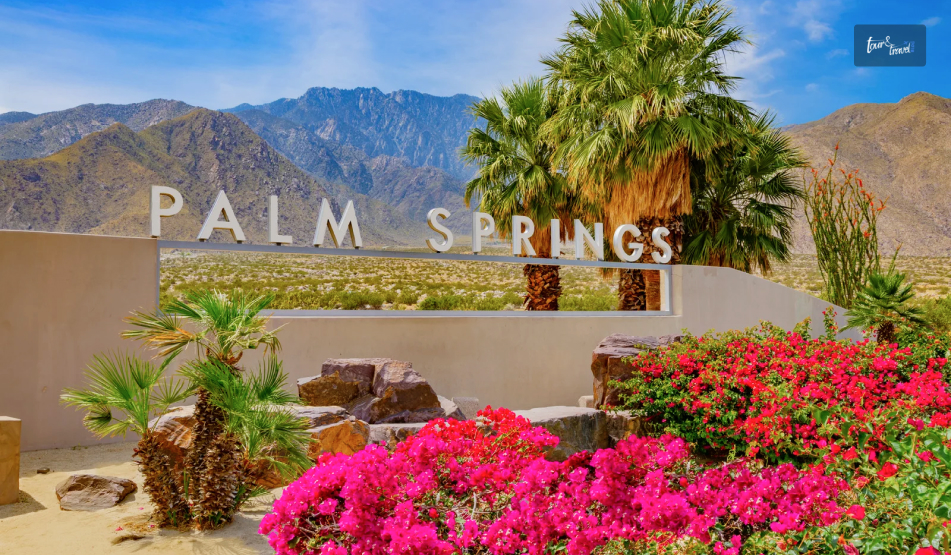
3. Palm Springs, California  

Palm Springs California  

Known for its design elements, the cultural scene is quite trending here in Palm Springs, California. The desert city is sunny in February and is perfect for fine dining, going to world-class golf courses and exploring modern architecture.  

Places To Visit  

Joshua Tree National Park – The 24-hour open park is a perfect place for you if you love walking across beautiful trails, trees, native wildlife, and vegetation. There are allotted places for you to have a barbeque get-together for which you need to get a pass from recreation.gov!  

Palm Springs – There are several trails that you can explore when you visit such as Araby trail or Andreas Canyon trail at Indian Canyons. Another thing you can do is visit Champagne Yacht, a perfect dinner cruise with your partner! It is one of the best cruises for couples!  

Agua Caliente Cultural Museum – The museum exhibits the history of the natives, the Agua Caliente Tribal people. The Gallery is about 10,000 square feet with several exhibition areas. You have to pay $10 as an adult while children under 5 years are free to visit! Seniors and children need to pay $5 as an entry fee!  

What To Do  

Explore Joshua Tree National Park – You can see the rock formations and effects of severe earthquakes. Furthermore, there are Joshua trees along with wildlife such as ground sloths, camels, Columbian mammoths, dire wolves, and saber-toothed cats.  

Hike the Indian Canyon – It is a 2-mile hike, where you can check out the historic Agua Caliente Band of Cahuilla Indians grounds. There are several hiking trails with wildlife and vegetation!  

Visit the Agua Caliente Cultural Museum – You should visit the museum if you want to learn about the history of the Cahuilla Nation! With digital animation and projection of pictures and paintings, you will get to learn about the migration stories of Cahuilla Indians.  

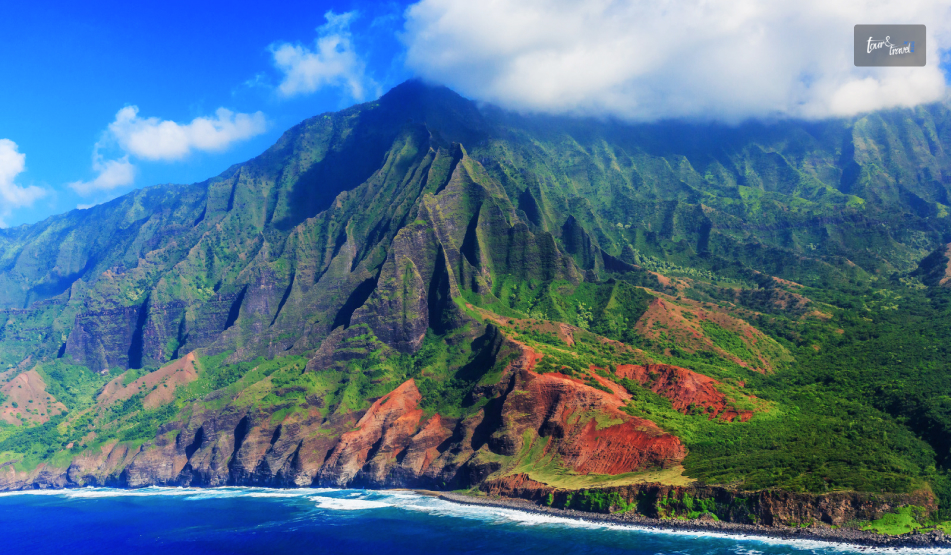
4. Kauai, Hawaii  

Kauai Hawaii  

The average temperature of the place is warm so, if you are craving some sun, you know what to do! Known as the “Garden Isle” it is one of the perfect places for you to visit this February. Lush beauty all around, you can do several activities to make the best of the trip.  

Places To Visit  

Na Pali Coast State Wilderness Park – Spread across 17 miles, the Na pali Coast is extraordinarily beautiful. With hidden caves, towering cliffs and clear turquoise water below, it is nature’s gift to mankind!  

Waimea Canyon State Park – You can get a perfect view of Niihau Island from the viewpoint at the canyon. The Park is stretched across 14 miles with a depth of 3600 feet giving you some of the coolest views of deep valley gorges.  

Wailua River – The river is beautiful and when you visit, you can check out one of the main attractions, the Kauai vistas of Mt. Waialeale. It takes about 5 hours to complete the 2 miles of the river while kayaking! So, if you were wondering about warm places to travel to in February, here we are!  

What To Do  

Hike the Na Pali Coast – Known as the Kalalau Trail, it is a challenging 11-mile trail that is not for beginners. A challenging hike, you get to see the Hanakapiai Falls and visit the Hanakapiai Beach!  

Explore the Waimea Canyon – You will take a minimum of 9 hours and 21 minutes to explore the whole canyon! It is challenging but if you are looking for some quite time, it is a popular trail for camping, hiking and backpacking.  

Go Kayaking at the Wailua River – You can try something new with the different kayak guides and trips organized! You get brief, then gear up and paddle across the clear waters of the river! All your sightseeing is covered while you kayak your way across the river.  

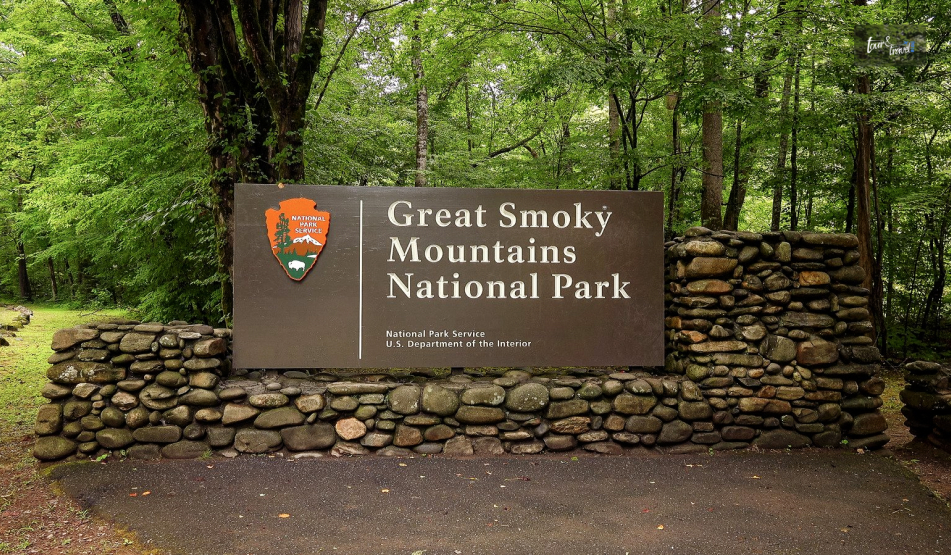
5. Great Smoky Mountains National Park, Tennessee  

Great Smoky Mountains National Park Tennessee  

In February, you must visit Great Smoky Mountains National Park if you are a mountain lover! Afterall, with fewer landscapes, you can enjoy the snow landscapes and beauty of the scenic views.  

Places To Visit  

Cades Cove – A valley, the popular destination is known for its wildlife, scenic views and historical buildings. Log cabins and churches are worth taking pictures of along with spotting black deer, white-tailed deer, raccoons and coyotes!  

Grotto Falls Trail – with a 2.6-mile distance to cover, this trail actually leads to a waterfall of 25 foot! The mountain cove at the top will give you some of the best views of the exotic forest around it.  

Kuwohi – The highest point of the valley, Kuwohi is worth visiting if you are visiting Tennessee. The mountain in the Great Smoky Mountains National Park is a perfect place for you to visit at a height of 6643 feet!  

What To Do  

Visit Cades Cove – I would suggest you drive down the Cades Cove Loop Road, a beautiful scenic road creating a perfect romantic drive! Once you reach it, you will be surprised with the beautiful historic structures, explore the culture heritage along with the wildlife.  

Trek the Grotto Falls Trail – You get to see rhododendron when passing the old forests along with the various falls that spread across the trail. The trail is moderate so if you do not have any experience, having a guide might help!  

Go to Kuwohi – You have to hike the trail, a bit difficult considering it is the highest mountain in the valley. You can check out a Deer Farm situated quite close to it along with a Gazebo at Applebarn in Sevierville!  

Keep the Wheels Turning…  

Why is winter the best time to travel? If you are asking this, I am sure you have gone through the best places to visit in February this year. With beautiful landscape, mild weather, and amazing scenery, you will enjoy the best of any place you visit.  

Furthermore, you can also decide on making plans to visit any one of these locations if you have more days for your vacation! Comment and let us know what you think is the best place to travel in February. 

Also read

Share on Social Media

Sagnika Sinha is a content writer who is passionate about writing travel vlogs, entertainment and celebrity articles and literature-based pieces. With a 4 years experience in teaching, she loves reading books. A procrastinator by nature, she loves travelling, listening to music, planting and gardening.

Leave a Reply

Your email address will not be published. Required fields are marked *

title-img Related

READ MORE Cold-Weather Camping

Military-Style Winter Tents With Wood Stove: Dependable Comfort For Cold-Weather Camping

BY  Sibashree Nov 18, 2025

When temperatures drop and the snow keeps falling, a military-style winter tent with a wood stove becomes more than shelter—it’s the difference between enduring the cold and enjoying it.  Built for stability and warmth, these tents combine rugged fabrics, reinforced frames, and heat-safe stove jacks for reliable protection in harsh conditions. Today’s designs take that proven military strength and merge it with modern engineering.  An inflatable camping tent sets up fast without heavy poles, keeping your camp efficient and warm.  For longer expeditions, choosing the right winter tent ensures a safe balance between insulation and ventilation.  Moreover,  when your trip turns into true winter tent camping, a well-built hot tent lets you rest, dry gear, and cook inside while snow piles outside. Proper harsh cold-weather camping requires adequate gear. Thus, it is important to ensure that people do not suffer from a shivering cold. What Defines A True Military-Grade Hot Tent & How Does It Help In Cold-Weather Camping A military-grade hot tent is built to perform where the cold is relentless and the wind never stops.  Its strength begins with the fabric—dense, tear-resistant, and coated to block moisture while allowing controlled airflow.  Seams are double-stitched and heat-sealed to prevent leaks, and tension points are reinforced to hold shape under snow load.  Inside, an integrated stove jack made of fire-resistant material allows safe operation of a wood stove without damaging the canopy. Beyond materials, structure matters. The frame or inflatable skeleton must handle repeated freezing cycles without cracking or warping. Moreover,  the doors and vents are positioned for cross-ventilation to minimize condensation while maintaining interior warmth.  Moreover, this balance of durability, insulation, and controlled ventilation distinguishes an ordinary camping shelter from a genuine army tent with stove capability. The army tent is designed to keep crews safe and operational through winter extremes. 1. Stove Jack And Safety In Extreme Cold Start with fit and materials. The stove jack must be fire-resistant and matched to the pipe’s outside diameter so the collar seals without crushing the flue.  Add a heat shield or jack boot and use a short double-wall section near the exit to tame radiant heat.  Keep the chimney as straight and tall as practical, cap it with a spark arrestor, and confirm a steady draft before loading the firebox. Manage heat at the source. Set the stove on a fireproof mat, maintain clearances from walls and gear, and route guy lines where no one can bump hot pipe. Burn seasoned wood. Thus, wet or resinous fuel increases the risk of smoke, creosote, and CO. Vent with intent. Crack a low intake and a high exhaust vent to create cross-flow that controls condensation and carbon monoxide. Run a compact CO alarm. Operate with discipline. Gloves for pipe handling, daily ash removal, regular creosote checks, and no unattended flame. If no fire watch is planned, extinguish before sleep. 2. Why Inflatable Tents Fit Military-Style Needs Today Inflatable architecture replaces rigid poles with airbeams that keep even tension across the canopy, improving wind stability and snow-load handling. Setup is predictable: connect the pump, inflate to spec, and fine-tune guy lines without wrestling frozen joints or seized fittings.  With fewer metal bridges from inside to outside, an inflatable hot tent loses less heat to conduction and stays quieter in gusts. Cold-weather reliability improves, too. Multi-chamber designs add redundancy, and small punctures are field-repairable with a basic kit.  Curved geometry reduces flapping, helps shed spindrift, and preserves a clean stove clearance zone.  Packability is strong for the floor area—rolled beams ride securely on a sled or ATV, and the weight distribution is easier on long approaches. For teams that work in real winter, an inflatable winter tent delivers military-style discipline—fast deployment, controlled ventilation, and stable heat—without excess bulk.  RBM Outdoors focuses on this balance of durability and comfort, giving crews a 4-season shelter that performs when temperatures plunge. Thus, this acts as the ideal gear for cold-weather camping 3. Layout And Capacity For Winter Teams: Cold-Weather Camping Plan the space around heat and traffic. Start with a clear stove zone—an open buffer for safe clearances and wood handling—then set sleeping areas along the walls, keeping a center aisle free for movement.  Near-vertical walls and tall doors make cots practical; leave a small gap behind each cot for airflow and to keep fabric off hot gear.  Use a vestibule or annex for firewood, wet boots, and sled bags so the living space stays dry. For four people, aim for one dedicated drying line and a compact table; for six to eight, add a second line and a gear rack to keep gloves and layers rotating.  Suppose the tent has a divider, split “quiet sleep” and “task” sides to control light and noise.  Place a low intake vent opposite a high vent near the stove to move moisture out without dumping heat. 4. Set Up And Field Maintenance  Of Gear And Tents For Cold-Weather Camping Prep the site first: stamp a flat pad, face the door leeward, and mark a safe stove zone. Lay the footprint, clip or zip the floor, then inflate to spec using a gauge; set primary guy lines before tensioning secondaries.  In sugar snow, bury deadman anchors or use long snow stakes. Dry-fit the chimney, keep it as vertical as possible, add a spark arrestor, and place a fireproof mat under the stove. During use, clear spindrift from ridgelines, crack low and high vents, and re-tension lines after temperature drops.  Empty ash cold, check for creosote, and inspect the jack for heat glaze. Top up the airbeam pressure in deep cold and patch small punctures immediately.  For packout, cool, dry, vent, then roll toward open valves and lash low for transport. 5. Care And Storage Tips After The Trip Dry first, store second. After shutdown, crack the low and high vents to purge steam; brush off frost so meltwater doesn’t soak into the seams.  Let the liner reach room-dry before rolling. Empty ash cold, wipe the firebox, and knock creosote from pipe sections; a clean flue protects the jack and restores draft next trip. Inspect the jack panel for glazing or scorching, and replace it if it is fatigued. Protect fabrics and hardware. Rinse grit from zippers, treat sliders lightly, and check guy lines, stake loops, and tie-outs for fray.  Reproof high-wear zones if water no longer beads. For inflatable beams, equalize pressure at room temp, clear valves of ice, and store loosely—avoid long-term compression. Stash the tent in a cool, dry place off concrete, with a small desiccant pouch in the bag. Things To Remember About Cold-Weather Camping Tents  A military-style winter tent with a wood stove should deliver three things every time: safety, steady heat, and fast deployment.  Prioritize a fire-resistant jack, disciplined ventilation, and a layout that protects people and gear.  Inflatable designs add speed and stability in deep cold, while RBM Outdoors’ focus on durable materials and practical details keeps the shelter reliable through long winters.

READ MORE Wildlife At Yellowstone National Park

Exploring Wildlife At Yellowstone National Park: Know The Mammals, Reptiles, Birds, Fish And More

BY  Sibashree Nov 11, 2024

The wildlife of Yellowstone National Park is as fascinating as its geology. So, along with the geysers, many tourists also visit this park to explore its wildlife. The grizzly bears, wolves, bison, and more make the park the biggest concentration of mammals in the lower 48 states. However, the park is also a popular birder hub with ospreys, eagles, and falcons. You just need to know the spots well to encounter these wild creatures, with respect, of course.  Here, I will give you a brief idea about the mammals, birds, reptiles, amphibians, and fish found in this park. I will also share where to spot them.  Mammals You Will See At Yellowstone National Park May to June or spring is the ideal season for watching mammals at Yellowstone National Park. You will especially get to see many bears and wolves in this season. Further, at the advent of the fall season, this park has elk bulls in great numbers.  Moreover, mammals like elk, bulls, and bison are also visible in the park in winter. Winter is also a great time to glimpse the Lamar Valley wolves. So, watching wildlife at Yellowstone National Park is a year-round activity.  Tour and Travel Tips For Wildlife Watching At Yellowstone National ParkTrek the park in the early morning or evening to have better visibility of the wildlife. The temperature remains moderate during these hours of the day.Further, you will need spotting scopes or binoculars to see the wild animals.Maintain at least 25 yards of distance from elk, bison, and other wild animals. However, for bears and wolves, you must maintain at least 100 yards of distance.  Let’s learn about the most prominent mammals in the park in detail.  American Bison Where to Find: Lamar and Hayden Valleys and the Grasslands Best Time to Find: July to August Did you know that bison in Yellowstone make up the largest (remaining) bison population on American public land?  The biggest mammals of the park, bison, have been there since pre-historic times. A male bison weighs 1,800 pounds on average, while the weight of a female bison is close to 1300 pounds.  Black And Grizzly Bears Where to Find: Mammoth and Tower Areas (Black Bear) and Lamar and Hayden Valleys (Grizzly Bears) Best Time to Find: May to June Black and grizzly bears co-exist in many parts of the national park. Grizzlies are bigger than black bears, with a hump on their shoulders and a rounder face. Bear safari is a popular activity in the park. However, you need to maintain a distance of at least 100 yards and follow all safety regulations, as bears can get violent, especially when they are with their cubs.  Elk Where to Find: Lamar Valley, Madison Canyon, Mammoth Valley Best Time to Find: September to November Due to the impressive antlers, elks are probably the most photographed animals in this national park. Do you know that the antler of an elk can grow up to 6 feet? Moose and deer, closely related to elks, are other prominent park mammals. Moose is the largest of the Cervidae family, and elks are the second largest.  Further, moose are seen in the park’s marshy areas and near water bodies. Bighorn Sheep Where to Find: Gardner Canyon and Near the Yellowstone River Best Time to Visit Bighorn Sheep in Yellowstone National Park - November and December The large and curved horns of bighorn sheep make them stand out. You will find these horns on the males. Bighorn sheep live in a herd, and in the fall season, the males get involved in loggerheads to win over their female companion.  There is one fascinating fact about bighorn sheep. When a baby bighorn sheep (lamb) is born, it can climb and walk within one day. Wolves Where to Find: Throughout the Park Best Time to See Wolves: May to June Around 100 wolves live in the Yellowstone National Park. Leopold packs, Yellowstone Delta, and Slough Creek are the biggest wolf packs in the park.  Wolves are native to the park. However, in 1995, they were re-introduced here.  Along with the types discussed, you will also find mammals like coyotes, martens, red foxes, wolverines, mule deer, marmots, and more in the park. Overall, around 67 species of mammals live here.  Amphibians In Yellowstone National Park Thanks to a unique geology, there are various ponds and wetlands across the Yellowstone National Park. Here, you will find the following varieties. Boreal Chorus Frog Western Tiger Salamander Western Toad Columbia Spotted Frog Plains Spadefoot Toad Further, these amphibians play a crucial role in the maintenance of the terrestrial and aquatic ecosystems of the park. Many mammals, birds, reptiles, and even fish prey on them. Also, they eat many vertebrate and invertebrate creatures to balance the food chain. Moreover, the amphibians in the park are indicators of high pollution rates or changes in the weather. They even indicate the advent of diseases and the arrival of any nonnative species.  So, research on amphibian populations in the park is crucial to know about any impending danger that may affect the ecosystem.  Reptiles At Yellowstone National Park Yellowstone has six species of reptiles. However, there is a greater scope for studying and identifying these reptiles. As of today, the reptile species found in the park are: Terrestrial garter snake Common garter snake Rubber boa Prairie rattlesnake Bullsnake Sagebrush lizard Prairie rattlesnake is the only venomous snake in the park, while bullsnake is the largest variety found here. Yellowstone National Park: A Birder’s Paradise A 2018 survey in Yellowstone National Park announced the presence of 82 species of birds in the park.  Further, the species of birds here are varied, and the table below mentions the variety you will come across in the park. OwlsNorthern saw-whet owl Northern pygmy-owlBoreal owl Great-horned owl EaglesBald eagleGolden eagleColony Nesting BirdsPelicanHeronsIbisesSong Birds Ruby-crowned kinglet American RobinDark-eyed junco You will also find birds like woodpeckers, ducks, geese, swans, falcons, and ospreys in this national park.  Fish In Yellowstone National Park Yellowstone National Park is home to many native and non-native fish species. Eastern Brook Trout, brown trout, lake chub, rainbow trout, and lake trout are some non-native fish species in the park. Further, this park has native fish species, such as mountain sucker, speckled dace, Utah chub, Redside Shiner, etc.  Human Imprint On Yellowstone National Park  The home to Native Americans, Yellowstone National Park displays a human tapestry of almost 11000 years. The natives of the place have survived on hunting and fishing. Further, they have known the medicinal properties of the herbs available in the park. In addition, the healing properties and religious importance of the thermal water here had a major impact on the local human lives.  Yellowstone National Park: At A Glance  How to Reach Yellowstone National Park: Reach the Yellowstone Airport and take a cab or bus to Yellowstone National Park. Highest Point: Eagle Peak Established: 1st March 1872 Designation: UNESCO World Heritage Site for “globally unparalleled assemblage of surficial geothermal activity.” Entry Fee: $25-80 based on the entrance pass  Visitor Centers: Albright Visitor Center, West Yellowstone Visitor Information Center, Grant Visitor Center, etc.  Also read Why Include Whale Watching In Your LA Itinerary. Traveling On A Budget: Tips For Affordable Adventures. From Cocktails To Kickflips: Must-Try Activities In San Diego.

READ MORE Milan Car Rental

No Deposit Car Rental in Milan: Is It Really Possible?

BY  Sibashree Nov 27, 2025

Milan attracts business travelers, fashion lovers and city break fans all year. Many guests want full freedom of movement without blocking a large sum on a bank card. That is why the phrase “no deposit car rental in Milan” appears in search results so often. The key question is simple. Is it a marketing slogan or a real option that travelers can book with confidence. How Standard Car Rental Works In Milan To understand no deposit solutions we first need to look at the classic model. Most rental companies in Milan airports and city offices block a security amount on a credit card. This sum covers possible damage, missing fuel, late return or unpaid fines. The amount depends on car class, insurance type and rental duration. For compact cars it can already feel high for many travelers. The blocked amount is not charged if everything is fine at return. Still it stays unavailable on the card for several days. For a short city trip this lock can seriously reduce the available limit. For guests who do not use credit cards at all this scheme is often not an option. This is the point where no deposit rental comes into play. What Does No Deposit Car Rental In Milan Really Mean The term “no deposit” covers several different formats. The first format is a real zero security block. The renter pays only the rental price and optional extras. The company takes responsibility for most risks through insurance. A second format is a symbolic deposit that is much smaller than standard deposits. A third format uses a small prepayment and covers the rest through enhanced protection packages. For the traveler it is important to read what stands behind the phrase. Some offers include full insurance with very low excess. Others combine no deposit with stricter rules on mileage or crossing borders. A professional broker or platform explains these details in clear language and shows the total cost before booking. Is It Possible To Rent A Car Without Deposit And Credit Card In Milan In practice such offers exist. They are usually provided by local partners who focus on flexible payment methods and insurance based models. Many of them accept debit cards. Some allow cash payment for the rental price at pickup if the customer books in advance. Availability depends on season, car type and pickup point. It is easier to find no deposit options for small and medium cars than for luxury models. Our team at RentCarFy has seen rising demand for such solutions from guests who prefer clear prices instead of frozen funds on their cards. For travelers who wish to avoid a classic security block, platforms like No Deposit Car Rental in Milan collect offers where deposit is reduced or removed and where debit card or cash payment is possible, subject to local conditions. Expert View On Risks And Protection From an industry perspective no deposit does not mean no risk. The risk is managed in a different way. Instead of using the customer’s blocked funds the company relies on insurance and internal risk models. As a result the daily rate for a car can be slightly higher. At the same time the traveler gains financial comfort. There is no need to monitor card limits or wait for the unblock after the trip. Based on large numbers of confirmed bookings in Milan we see that many guests happily accept a moderate price difference if they avoid a high deposit. This is especially true for families and business travelers who already use their credit line for hotels, restaurants and shopping. Transparent coverage and clear rules are more important than the last euro of savings. Typical Requirements For No Deposit Rentals Even when the deposit is removed, standard rental rules apply. Drivers must present a valid driving license, usually held for a minimum period. A passport or identity card is also required. The main driver’s name must match the payment method in most cases. Age limits can be stricter than with classic offers, especially for powerful cars. Some partners introduce an additional rule for young or very inexperienced drivers. They may need to take a higher level insurance package if they want a no deposit option. Many cars are offered with unlimited mileage which is ideal for day trips around Lombardy. It is still essential to check if travel to other regions or countries is allowed before booking. Price Difference Between Classic And No Deposit Offers When we compare bookings over the year we notice a clear pattern. Classic offers with a standard deposit usually show the lowest headline price. No deposit options can look slightly more expensive at first glance. The key is to compare total cost and risk. In a no deposit model the insurance level is often higher and financial exposure of the customer is lower. For many guests the real cost of a trip is not only the rental price. Stress related to a large blocked sum on a card also matters. A carefully selected no deposit contract can reduce this stress and still keep the budget under control. This is especially visible in peak months when standard deposits grow with rising car values. How To Choose A Reliable No Deposit Provider In Milan Reputation and clarity of terms are vital. We recommend a short checklist for every reservation. Check what kind of insurance is included and what is covered. Read the excess level in case of damage or theft. Look at fuel rules and airport or city surcharges. Verify if roadside assistance is part of the package and in which languages support is available. Read recent customer reviews and look for comments about billing and returns. Check if the mileage policy matches your travel plan in and around Milan. Clarify conditions for late pickup or delayed flights. Ask in advance about child seats, GPS and other extras if you need them. Keep all documents and inspection photos from pickup and return. Common Pitfalls To Avoid The most common problem is misunderstanding of what “no deposit” really covers. Sometimes a deposit is not blocked, but the excess remains high. In that case damage can still lead to a serious bill. Another risk appears when drivers ignore local traffic rules and restricted zones in the historic center. Fines can arrive weeks later and are usually charged directly to the card or invoiced by the rental firm. Careful reading of the rental agreement reduces these risks. We always advise customers to take clear photos of the car at pickup and return and to ask the staff to confirm the condition in writing. This simple habit protects both the driver and the rental company and makes communication smoother if questions appear later. When No Deposit Car Rental In Milan Is A Smart Choice No deposit rental suits travelers who prefer firm control of their budget. It helps guests who do not own a classic credit card or who use a corporate card that cannot be used for personal deposits. It is also a good match for longer trips where a large blocked sum would stay frozen for many days. In these cases a slightly higher daily price is a fair trade for peace of mind. Milan and the surrounding region offer many scenic drives, lakes and historic towns. A flexible rental product opens this area without adding financial tension. With the right partner, clear insurance and transparent prices, no deposit car rental in Milan moves from theory to a very practical and realistic option for many visitors.