




OMG! THIS Is The FintechZoom Best Travel Credit Card 2024| Travel Finance Guide

Sep 5, 2024

Last Updated on: Nov 18, 2024

Travel Guides

Is it about getting most of your travel credits? It’s time to check out the FintechZoom best travel credit card alternatives. 

As I was traveling in July this year, the travel credit card I was using gave me a lot of hassle. Only a traveler stuck in a foreign land knows what a nightmare it is! The bonus policies were all over the place for me, and every time I wanted to redeem my award points, the hotels charged me a certain fee. I was angry and did not know why I earned those points! 

However, as I returned home, I started exploring other options and found the Platinum Card® from American Express a feasible option. 

Then again, a better option for me may not work for others. So, as a traveler, I felt that I should have a sincere discussion about the traveler-friendly options available. 

The travel credit card you choose will decide your travel benefits and how many miles you gather. FintechZoom has suggested some of the most suitable travel credit card options. In this guide, we will delve deeper and determine the best options for you. 

THIS IS Why You Will Choose FintechZoom Best Travel Credit Card

FintechZoom Best Travel Credit Card

Let me be as honest as a mirror for you! I am always skeptical about what financial solutions to trust, and I piss my partner off with endless questions as he has a better understanding of these things. Then again, he wanted me to learn things the hard way. So, he suggested that I explore the FintechZoom options. 

FintechZoom is the best platform for choosing the best travel credit card because of its in-depth analysis and comparisons. Further, FintechZoom makes the most of the artificial intelligence (AI) technology to provide specific information based on accurate financial stats. 

In addition, I was really impressed by the transparency of the platform, and the app offered easy navigation while I was exploring options. 

THIS Is The FintechZoom Best Travel Credit Card 

Here, I present the FintechZoom best travel credit card! I will keep it to the point and drive to your travel requirements. 

1. Chase Sapphire Preferred® Card

Chase Sapphire Preferred® Card

As I was exploring the Chase Sapphire Preferred® Card travel benefits, I found out that USA Today has called it the best travel credit card for “beginners and experienced travelers.” Indeed, the terms are pretty clear and transparent. 

Also, my research said that in 2021, Chase was the largest credit card issuer based on market share. So, there is enough backing to go by the FintechZoom suggestion. 

What You Get From The Chase Sapphire Preferred® Card

The table below explains the benefits of the Chase Sapphire Preferred® Card. 

Welcome Bonus60000
Flexible Point Transfers* 14 Airline or Hotel Partners (Or you can redeem through Chase Travel℠ at 1.25 cents each.)
Travel Purchase through the Card5x Reward Points
Dining3x Reward Points
All Other Travel Purchases2x Reward Points
Annual Hotel CreditsUp to $50
Points Worth 25% More When Booking Travels (For example, for 10000 points, you will get $125 as cash back or gift cards)
Yearly Bonus10%
Repay Eligible PurchasesUp to 24 Months Without Interest (Purchase of $100 or More)
Complimentary Travel Protections$10,000 Per Person and $20,000 Per Trip (Against non-refundable, pre-paid travel expenses when the trip is canceled or interrupted)
Purchase Protection Benefits $500 for Each Item and $50000 for Every Account
Foreign Transaction FeesWaived Off
Referral PointUp to 75000 a Year on Successful Referrals (15000 Points on Each Referral) 

However, I found two downsides of the card. The $95 annual fee is a little bothersome. Also, the “21.49%-28.49% variable APR” is high. 

* Point transfers can occur among 11 airlines and 3 hotel partners on a 1:1 basis. So, there will be no transfer fees. Marriott, Hyatt, United Airlines, Air Canada, and Air France are some of the prestigious partners for this point transfer benefit. 

2. The Platinum Card® from American Express

The Platinum Card® from American Express

Platinum Card® from American Express is celebrating its 40th year. So, you will get many years of trust and safety when you pick this one. Further, with this best travel credit card, you will get access to airport lounges, and as I have started using this travel credit card, I am already in love with the car rental benefits. 

Even though the $695 annual fee is quite high, it has offered me more than $1500 in benefits and values. For me, it is a suitable option as I travel quite often. Honestly, the high annual fee can be justified only when you are using the card frequently.

No other card comes with as much perk potential as The Platinum Card® from American Express (terms apply, see rates & fees). If you travel frequently and want to do so in style, this card deserves a place in your wallet.

However, this card is best for urban fitness buffs, frequent travelers, high-end shoppers and those who want top rewards on flights and premium accommodations. If you don’t fit the profile, justifying the $695 annual fee might be a stretch.” – Forbes

This Is What You Get From Platinum Card® from American Express

Learn the American Express Platinum Card® benefits from the table below. 

Membership Rewards80000 (After spending $8000 on “eligible purchases in the first six months of the card ownership.)
Foreign Purchase Transaction Fees None
Flight And Prepaid Hotels Booked through the Card5x Reward Points
Other Purchases 1x Reward Points
Airline Free Credit Up to $200
CLEAR® Plus Membership$199
Global Entry or TSA PreCheck® Application Fee CreditUp to $85
Hotel Benefits Up to $200
Digital Entertainment CreditMaximum $240
Equinox Credit $300
Cellphone ProtectionUp to $800 for Each Eligible Card Account

Further,  British Airways Avios and Air Canada Aeroplan are some of the prestigious aviation partners of this travel credit card. Also, among the hotel partners,  Marriott Bonvoy and Hilton deserve a special mention. 

I am so proud to have chosen this card! 

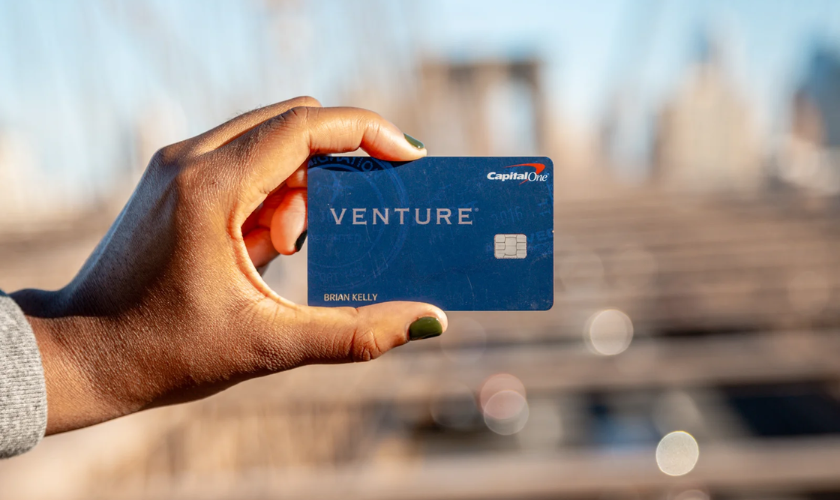
3. Capital One Venture Rewards Credit Card

Capital One Venture Rewards Credit Card

The Capital One Venture Rewards Credit Card offers an easy and transparent reward program. Here is what you get with this best travel credit card.

  • Unlimited 2x reward points on every purchase
  • 75000 sign-up bonus on a $4000 purchase in the first three months
  • 1,300+ airport lounges access

So, overall, this is a card for travelers who go on a trip twice or thrice a year and prefer simple terms. 

4. Citi Premier® Card

Citi Premier® Card

The Citi Premier® Card has great rewards for travelers. You can earn 3x reward points on air travel, hotel booking, and gas station usage. 

You have to visit the ThankYou® Rewards program to redeem your reward points. Further, you can transfer the points to the airline partners of the travel credit card for added benefits. 

Things No One Told You About Choosing FintechZoom Best Travel Credit Card

Things No One Told You About Choosing FintechZoom Best Travel Credit Card

FintechZoom’s selections are great, and now you have better options. However, to choose the best travel credit card for you, you will have to abide by the following smart tips. 

Earlier, I was foolish not to think of these aspects, and I don’t want you to make the same mistakes. 

Consider Your Travel Habits

You must keep your frequency and expense of traveling and the benefits a card offers on purchases. Further, be careful about dining, lodging, flight booking, and car rental benefits. These are the things that cover the majority of our travel expenses, right? 

Know the Sign-Up Bonus

When you get a travel credit card, know the minimum amount you need to spend to get the sign-up bonus. It is crucial to get the sign-up bonus if you want to increase your rewards balance. 

Further, make sure that the minimum amount you need to spend for the sign-up bonus is within your budget. 

Look at the Annual Fee

Is your travel credit card waiving off the annual fee for the first year? Or does it offer annual credits? 

These are some of the factors that you need to consider to get the best travel credit card. Also. ensure that the perks and rewards of your card are more than the annual fee you pay. 

Know About The Foreign Transaction Fees Benefits

Foreign transaction fees are bothersome for international travelers. So, waiving foreign transaction fees is crucial if you travel to other countries frequently. 

Flexible Redemption Options

Flexibility and versatility in redemption options are important while using a travel credit card. The best one will allow you to transfer points to hotels and airline partners. 

Of course, the option of redeeming your points as cashback or gift cards is always available. 

FAQs About FintechZoom Best Travel Credit Card

1. What makes FintechZoom’s travel credit card recommendations reliable?

FintechZoom is famous for its objective and accurate reviews. Further, FintechZoom has reviewed factors, such as sign-up bonuses, redemption points, travel benefits, and annual fees, to suggest the best travel credit cards for us. 

Also, the FintechZoom travel credit card suggestions cater to all types of travelers and their different requirements. 

2. Can I have more than one travel credit card?

Yes, you can have more than one travel credit card. Each card comes with its unique reward redemption benefits and bonuses. 

If you are an aware user, you will know the perks of each card and which one will be the most suitable for the type of travel expenses you are making now. 

So, use your cards strategically to optimize your travel benefits and earn more points. 

3. How can I maximize my travel rewards with the FintechZoom best travel credit card?

You can follow simple tricks to optimize your travel credit card benefits. 

  • Know and use the sign-up bonuses.
  • Pay your credit card bill in full and final at the end of every month.
  • Know and transfer the transfer points and transfer them to travel and airline partners for optimized benefits. 

4. Are there any downsides to using the FintechZoom best travel credit card?

Yes, some travel credit cards can have downsides in the form of high annual fees and APR. Also, the interest rates of these credit cards increase in leaps and bounds if you don’t pay the monthly bill in full.

Therefore, you have to be mindful of your financial state and control your spending habits before you apply for a credit card. 

Also read

Share on Social Media

Meet Sibashree Bhattacharya, a travel enthusiast who has a decade-long experience in transcending virtual barriers with her words! Her deep love for travel is apparent from her travel escapades to the mountain, often taking her readers on a journey, her words acting as Portkey! Fun fact: Sibashree loves to dive deep into the history of the places she is about to visit, making her travels even more wholesome. If you were wondering how her articles are not short of time travel, this answers it!

Leave a Reply

Your email address will not be published. Required fields are marked *

title-img Related

READ MORE Raja Ampat diving trips

What Are The Best Raja Ampat Diving Trips? Know The Sites And Practical Tips 

BY  Sibashree Oct 31, 2025

27th September 2025! Raja Ampat gets the designation as a UNESCO Biosphere Reserve. It was already recognized as a UNESCO Global Geopark. So, now it becomes one of the few places in the world to earn these two designations. Furthermore, UNESCO calls Raja Ampat a “living library” because of the rock formations, which are 400 million years old, and the extraordinary marine life. It also has the nickname of “Amazon of the Seas” because of its presence in the “Heart of the Coral Triangle.” Moreover, according to UNESCO, Raja Ampat has 75% of the known coral species in the reefs  Over 1300 reef fish species  Hawksbill turtle and other endangered and rare turtle species. So, no wonder that Raja Ampat is a favorite destination for divers. In this blog, I will share the Raja Ampat diving tips, cultural etiquette, sustainable diving, and seasonal diving guidance. Raja Ampat: Geographical Location, Climate, And Natural Features Raja Ampat, meaning “Four Kings,” is an archipelago off the northwest tip of Bird's Head Peninsula in Southwest Papua, Indonesia. Its four main islands are: Misool Salawati Batanta Waigeo It has 1500 small islands, shoals, and cays surrounding these four main islands. Raja Ampat has a tropical climate. So, it enjoys consistent weather conditions throughout the year. The day temperature here is around 31 degrees Celsius, and the nighttime temperature is around 25 degrees Celsius.  Along with the marine diversity and its location within the Coral Triangle, Raja Ampat also stands out because of its pristine beaches and karst limestone cliffs. Moreover, it has a lush tropical vegetation. However, for me, the most fascinating part was the people of the sea here. The indigenous Papuan Community here worships the sea as their living ancestor. The elders here even pray to the sea and some cliffs or rocks in the sea before fishing or any form of community gathering.  How To Reach Raja Ampat From Major Countries?  Jakarta, Bali, or Makassar is the gateway to Raja Ampat for international travelers. From any of these airports, you will have to take a flight to Sorong (SOQ). Again, from Sorong, you will take a short flight or ferry ride to Waisai. Waisai is the capital of Raja Ampat.  I traveled by the ferry. However, you can even take a short flight. The ferry ride was 2 hours long, and these services are available twice daily.  Seasonal Diving Conditions In Raja Ampat Raja Ampat is a year-round diving destination. However, the conditions of the sea and marine diversity will differ from one month to another.  October to April is usually considered to be the best time to visit Raja Ampat Indonesia, for scuba diving, thanks to an average temperature of 27°C to 30°C and visibility up to 30 meters. In addition, in these months, the plankton blooms attract whale sharks, manta rays, and other pelagic species.  Here is a detailed breakdown of seasonal diving conditions in Raja Ampat.  1. Monthly Biodiversity Calendar The table below has the monthly biodiversity conditions and notes for divers.  MonthsKey Marine EncountersWeather ConditionsNotes for DiversJanuary• Abundant Macro Life• Whale Shark Sightings• Peak Manta Ray Activity• Temperature 25-30 • Degrees Celsius• Moderate Plankton Bloom• Mild Current • Excellent manta cleaning-station actionFebruary• Vibrant Coral Reefs• Strong Manta Ray • Sightings• Whale Shark Spotting• Consistent Visibility• Temperature 25-30 Degrees• Calm Sea• Ideal for Reef Observation and Wide-Angle PhotographyMarch• Active Whale Sharks• Turtke Mating Season • Stable CurrentTemperature 25-30 Degrees• Balanced Pelagic and Reef Encounters• High Marine BiodiversityApril• Coral Spawning Events• Manta Rays• Schools of Fish• Clear Visibility• Warmest Sea• Temperature 25-30 Degrees• Ideal for Observing Reproductive Coral behaviorMay • Juvenile Fish Recruitment• Manta Rays Become Less• Abundant Macro Species• Roughter Sea• Reduction in Plankton Density• Temperature: 24-32 °Celsius• Great for Photographers for clicking Small ObjectsJune• Intensified Sea Turtle Mating• Dispersing Manta Rays• Variable Visibility• Increased Wind• Temperature: 24-29 °Celsius• Strong Macro Season• Ideal for Diving in Sheltered BaysJuly• Juvenile Reef Lives Thrive• Turtle Nesting • Possible Surface Chop• Cooler Winds• Temperature: 23-28 °Celsius• Ideal for Night Dives to see Predators and • Nesting Turtles August• Macro-Rich Reefs• Turtle Hatchlings• Fewer Mantas• Intermittent Rain• Rough Sea• Temperature: 24-29 °Celsius• Ideal for Spotting and Photographing Turtle Life CyclesSeptember• Plankton Blooms Return• Mantas Start Appearing• Transition to Dry Season Begins• Temperature: 28-29 °Celsius• Increasing pelagic activity at channels and reef edgesOctober• Start of Peak Manta Season• Improved Visibility• Potential Coral Spawning • Calm Sea• Temperature: 25-30 °Celsius• Great for Seeing and Feeding Manta Rays• Ideal for Reef RejuvenationNovember• High Manta Density• Active Whale Sharks• Strong Coral Growth• Calm Sea• Clear Visibility• Temperature: 25-31 °Celsius• Suitable for Liveaboard Itineraries December• Mantas FrequentCleaning Stations• Whale SharksCommon• Pristine Reef• Calm Sea• Excellent Visibility • Temperature: 25-31 °Celsius• Outstanding Photographic Light• Excellent Diving Conditions 2. Key Species And Seasonal Patterns Manta rays, whale sharks and sea turtles are the key marine species in Raja Ampat. Furthermore, the waters here have the most amazing macro life and watching coral spawning here is an experience.  Species and Seasonal ActivitiesPeak SeasonNotes Reef and Oceanic Manta Rays• October to April • Manta rays congregate at cleaning stations (Manta Sandy, Manta Ridge, Blue Magic).• You have to maintain neutral buoyancy near the cleaning stations. • Avoid flash photography. Whale Sharks• October to March• Spot the whale sharks near the fish-aggregating devices.• You will also find them near Cenderawasih Bay and Triton Bay as they are rich in planktons. • Maintain a distance of at least 3-4 meters. Sea Turtles (Green, Hawksbill, Leatherback)• Mating: June–September• Nesting: July–October• Hatching: July–August• Observe at night under red light. • Don’t touch or obstruct the nesting sites. Coral Spawning• April and October to November• Coral spawning happens 3–6 nights after the full moon, when the temperature rises. Macro Life• May to SeptemberSpot• Pygmy seahorses• Nudibranchs• Blue-ringed octopus• Ornate ghost pipefish 3. Environmental Summary  Here is a summary of sea and weather conditions in Raja Ampat.  Sea Temperature• 25-30°CVisibility• 20-40 Meters, (Best from October to April)Currents• Moderate to strong at reef passes• Ideal for nutrient collectionRainfall• June–SeptemberBest Diving Conditions• October to April 4. Ecological Insights  Despite seasonal differences, Raja Ampat enjoys matchless biodiversity. Once you take a dive, you will get to see at least 300 species of fish.  Due to the northwestern monsoon influence, the October to April period is warm in Raja Ampat. Phytoplankton blooms in this season, making the water nutrient-rich and ideal for manta rays and whale sharks.  The dry season from May to September is ideal for coral growth and turtle reproduction.  Use apps like Windy and MagicSeaweed for current forecasts. Check tide charts and moon phases to plan dives around slack tides for safety and visibility. Diver Planning Notes: Summarizing The Seasonal Activities  Know the best time to plan a diving trip in Raja Ampat.  ActivitiesThe Best SeasonFor Pelagic Encounters and Clear Visibility (Whale sharks, manta rays)October to AprilTurtle NestingJuly to SeptemberCoral SpawningApril or OctoberMacro PhotographyJune to September (Mild current, abundant critters)LiveabroadsOctober to April The Best Raja Ampat Dive Sites And Breakdown By Season The best dive sites in Raja Ampat are ideal to visit in different seasons.  1. Cape Kri Cape Kri is the most diverse diving site if you want to spot various marine animals. November to March is the best time to visit Cape Kri for large pegalics.  2. Blue Magic Blue Magic is ideal for a dive in the dry season for manta ray sightings. You will also spot big fish and small critters here. This is the best diving site for macro photography.  3. Melissa’s Garden Melissa’s Garden is a year-round diving spot and known for its vibrant coral scene. It is also a site to spot the Wobbegong.  Here corals and soft sponges cover the seabed. Also, due to no to very mild current here, it is a beginner-friendly diving site.  4. Mioskon View this post on Instagram A post shared by Gritimook Wisettanakorn (@drgrit_freshcode) Mioskon is another favorite diving spot for beginners. It has calm conditions during April and June. This island in the Dampier Strait stands out with its V-shaped coral reef.  Spot Napoleon Wrasse fish, pygmy seahorses and Wobbegong sharks. Furthermore, the jungle surrounding the island is home to birds of various species.  An 8 Days / 7 Nights Itinerary In Raja Ampat For Divers Here is an itinerary suitable for divers in Raja Ampat. The route of this 8 days and 7 nights diving tour is Sorong → Misool → Dampier Strait → Wayag → Sorong.  DaysActivitiesDay 1• Arrival in Sorong• Transfer to liveaboard• Equipment check and dive briefing• 2 Easy reef dives in southern Missool• Night dive: pygmy seahorses, crustaceans, and reef crittersDay 2 - Exploring Misool• Dive highlights: Boo Windows, Fiabacet, and Magic Mountain• Encounters: soft corals, reef sharks, barracuda schools, and cleaning mantas.• Lagoon excursionDay 3 - Transit to Central Raja Ampat• Pinnacle dive in the early morning.• Long transit north toward the Dampier Strait.• Afternoon dive at sheltered reef or muck site.Day 4 - Dampier Strait• Diving Sites: Cape Kri, Chicken Reef, Sardine Reef, Mioskon• Spotting schools of snapper, jacks, trevallies, and wobbegongs• Night dive under Arborek Jetty for macro lifeDay 5 - Manta Encounters• Exploring Manta Sandy and Manta Ridge cleaning stations• Late dive at Melissa’s Garden for coral gardens and reef fish• Sunset snorkel and village visits Day 6 - Northern Transit (Wayag)• Diving and spotting reef pinnacles with oceanic mantas.• Island exploration and sunset viewsDay 7 - Wayag• Diving and spotting Expect big pelagics, turtles, and pristine coral walls• Afternoon hike• Gear rinse and dinner on boardDay 8• Return to Sorong• Off to Airport Essential Dive Gear Checklist For Raja Ampat 3mm wetsuit Reef-safe sunscreen Surface marker buoy Dive computer Underwater camera Spare mask and fins Waterproof bag Travel insurance with dive coverage Diving Tips For Beginners And Advanced Divers Many diving sites in Raja Ampat is not suitable for beginners for strong currents. If you are a beginner, you must stick to sites such as Mioskon and Melissa’s Garden and choose guided divers.  Underwater Photography Tips In Raja Ampat Dry season is the best time for underwater photography in Raja Ampat because of clear visibility and the best lighting. This season is ideal for wide-angle shots.  You can use strobes and a red filter to enhance the contrast and color of the photos.  Budget Vs. Luxury Options For Raja Ampat Diving Trips If you are a budget traveler, homestay dive safaris like Scuba Republic offer affordable packages. Furthermore, if you are a luxury diver, liveaboards such as Dewi Nusantara provide premium experiences with onboard amenities. Furthermore, if you are a mid-range traveler, you can choose Papua Explorers Dive Resort for cost-efficiency and comfort.  Also, here are budget estimates (excluding international flights) for different types of travelers to Raja Ampat.  Days of TravelEstimated Cost5-6 Days• Solo Traveler: $1,200• Couple: $2,200• Family of 4: $4,0007-8 Days• Solo Traveler: $1,600• Couple: $2,900• Family of 4: $5,50010 Days• Solo Traveler: $2,200• Couple: $4,000• Family of 4: $7,500 Cultural Insights And Sustainable Diving Practices Sustainability here isn’t an abstract ideal. It’s an extension of Papuan culture, which teaches harmony between people and nature. So, to understand the spirit of sustainability here, you will have to understand the local culture.  Raja Ampat has many local stories of conservation and pride to share.  1. Arborek Village: The Women Of The Reef View this post on Instagram A post shared by Un autre pays / Paysages & Voyages (@unautrepays) Women in Arborek lead manta ray monitoring and coral gardening. They have traditional fishing knowledge and they plant coral fragments. They also keep a record of data for researchers.  Thus, they blend ancient intuition with modern conservation.  2. Misool: From Hunting To Healing The elders of Misool were once shark catchers. Today, they work as rangers of one of the largest no-take zones in the world.  So, from the culture and heritage of fishing, they have now evolved to be ecological guardians.  3. Yenbuba: The Youth Of The Tides View this post on Instagram A post shared by INDONESIA UNDERWATER (@indounderwater.id) Young divers from Yenbuba learn English and reef biology and they work as eco-guides. They share the local culture with global visitors. Thus, they keep the heritage alive and act as a bridge to new opportunities that will help preserve the environment and local culture.  So, each story of local pride and conservation effort shows how the Papuan people here are not just witnesses to the conservation process. They are the architects.  Moreover, with ancestral knowledge, the local Papuan guides will be your best assistance during diving expeditions. They are better than GPS and charts.  Food In Raja Ampat: 10 Must-Try Dishes The local food here is an extension of who the people are and their way of living. Flat noodles with eggs and a lot of spices are the comfort food here. Another favorite is skewered grilled chicken or fish with peanut sauce or satay.  Furthermore, Calamari or crispy battered squid, Baha-Baha or a sweet sago snack, served with tea are the most popular delicacies here.  Raja Ampat Vs. Other Indonesian Dive Destinations Here are some other popular diving destinations in Indonesia. Let’s find out why Raja Ampat is a better choice.  Diving SpotsComparison with Raja AmpatKomodo• Komodo has strong currents. However, it is not as rich in biodiversity as Raja Ampat is. Bali• Bali is more suitable for beginners, while barring a few spots, Raja Ampat is more suitable for advanced divers. • Also, Bali is overcrowded. Lembeh• Lembeh is the capital of macro diving. Raja Ampat, on the other hand, is more suitable for wide-angle diving.  Overall, Raja Ampat is the best for diving because of its matchless biodiversity, remote adventure and coral health.  Things To Do And Avoid In Raja Ampat  Keep these Raja Ampat diving tips in mind and be a responsible traveler. Things to DoThings to Avoid• Carry valid passport with at least 6 months validity.• Buy travel insurance with dive coverage.• Carry the dive certification and logbook.• Have confirmation for dive gear and rental.• Carry cash in Indonesian Rupiah for local purchases.• Use reef-safe sunscreen and eco-friendly toiletries• Underestimating travel time and logistics• Ignoring dive experience requirements• Touching or damaging coral reefs• Not budgeting for inter-island transport. Where To Stay In Raja Ampat?  Find the details and the expenses of staying at these top accommodations in Raja Ampat.  Name of the AccommodationExpensesAmenitiesMap/LocationMeridian Adventure Marina Club & ResortStarts from $200 per Night• Close to the port• Modern amenities,• Excellent dive servicesClick HereAgusta Eco ResortAround $250/night• Beachfront Bungalows• Diving Packages• Swimming PoolClick HereKayafyof HomestayStarts from $100/Night• Amazing Snorkeling SpotsClick Here Is Visiting Raja Ampat, Indonesia Worth It? Yes, Raja Ampat is a rare diving paradise with dual recognition as a UNESCO Biosphere Reserve and Global Geopark. From shark whales to manta rays and sea turtles, it has the most diverse marine life.  Furthermore, it has a vibrant coral ecosystem. Also, it is suitable for underwater wide-angle photography and snorkeling. So, Raja Ampat is a must-see destination for underwater enthusiasts and divers.  Raja Ampat Diving Tips: Frequently Asked Questions (FAQs) Here are the frequently asked questions and answers about Raja Ampat diving tips.  1. Are There Tiger Sharks In Raja Ampat? Raja Ampat is a UNESCO Biosphere Reserve and a Global Geopark for its marine diversity. Also, carpet whales and whale sharks are common here. However, tiger sharks and bull sharks are absent here.  2. Is Raja Ampat Ok For Beginners? Yes, Raja Ampat has spots such as Melissa’s Garden and Mioskon, which have no to mild current. These places are suitable for beginners.  3. Is There Alcohol In Raja Ampat?  You will mostly find beer in Raja Ampat. However, the homestays here do not have the license to sell beer. So, find an authorized place if you want to have a drink. Arborek has one shop selling beer.  Read Also: Where Is Nusa Penida Island? (With Location, Direction, Why Is Nusa Penida Famous, And What’s Going On) Is Munduk Bali Worth Visiting? (Direction, Things To Do, Unique Attractions, And More) Bali vs Thailand: Which Place is Better?

READ MORE card-img

What Are The Kotor Montenegro Free Activities For Budget Travelers? (Cheap And Free Are Not The Same) 

BY  Sibashree Dec 19, 2025

Do “Cheap” and “Free” ring similarly to you? Not to me, at least! I was researching free activities for my visit to Kotor, Montenegro. Every guide, trust me, every guide, was a random mix of cheap and free activities. And it’s almost 2026, the same problem lies with the so-called guides of Kotor Montenegro free activities. Everyone is actually discussing the cheap activities, or they are not giving the true picture and updates about free activities like the Kotor Fort through the Ladder of Kotor route. Did anyone tell you that the “Window” section for a free jump into the fort premises no longer exists? It has been blocked, and there is a turnstile at the entry point. You can still go for a free hike on that route, but it will no longer be a trek to the fort. So, if you are expecting a free sneak into the Kotor Fort, I would say, “Don't hike for 2 hours expecting to sneak in.” However, if you want to enjoy a free view of the Kotor Bay or the fort from outside the walls, I will say, “Go ahead!” Also, the bus rides in Kotor are never “Free!” They are cheap, yes, costing around 1 to 3 Euros for local transfers. However, one delightful thing that is absolutely free in Kotor is the cat therapy. I had the most adorable time with the cats of Kotor. These adorable animals are indeed the guardians of the city. In this Tour and Travel Blog, I will talk about the Kotor Montenegro free activities in detail. I will also touch upon the cheap activities to do in Kotor, Montenegro, and budget travel hacks. What Are The Kotor Montenegro Free Activities? Kotor is so walkable and welcoming that you can have fun outdoors and explore the historical and cultural landmarks of the city free of cost. 1. Hiking The Free And Big Walls Of The City  The history of Kotor speaks through the Kotor Fortress. Furthermore, the abandoned Austro-Hungarian Fort, built in the 19th century, stands out today with its mysterious monk paintings. You can include a hike to these big city walls as a free activity in your Kotor, Montenegro travel itinerary.  Hiking The Kotor Fort For Free  You can visit the Kotor Fort via the city entrance, which costs 15 Euros. However, you can avoid this cost by taking the alternative route, which begins behind the Old Town of Kotor. You can access this trekking route via Tabačina Street. This route, beginning near the River Gate exit, is popular among locals for a free hike to the Kotor Fortress or the San Giovanni Fortress. After walking for 20 to 30 minutes on the route with loose rocks and steepness, there is a place called “Window.” Earlier, locals and tourists used to get into the fortress through this window. However, the window is now blocked with strict vigilance from the fort authority. So, you cannot reach the fort through this hiking route anymore. But hiking through this route itself is an experience. Also, if you are looking for cheap eats in Kotor, Montenegro, that offer the most authentic experience, let me tell you that you will find the best cured ham here. The hiking route leads to Njegusi, and it has some amazing family-run taverns. Hiking The Fort Vrmac For Free  I did not know that so close to Kotor, Montenegro, I would find the ruins of an Austro-Hungarian Fort. The hiking route is easy, and it passes through a quiet forest, offering multiple vantage points and amazing views. The trailhead is just 15 minutes away from the Kotor Old Town and near the town of Muo. Also, the stone path of 6.5 kilometers can be completed within 3 to 4 hours. On my way, I came across pomegranate trees and spotted turtles with yellow and black spots. The only difficulty I faced on this route was the lack of any clear direction. The route was a bit random and can get confusing if you are hiking alone. After I reached the top, I found an abandoned military outpost. It was like a ghost town. The ghost town and the Vrmac Fort of 1894, which suddenly emerged before my eyes like something surreal, seemed eerie to me. I could hear the rifles firing. The fort played a vital role in the World Wars and was later used by the Yugoslav army.  Expanding The Free Hike To Fort Vrmac  Once you are done exploring the fort, you will find many trails leading to different destinations from the top of the hill. You can choose to continue your hike to Tivac or take an alternative and longer trek route to Kotor Town. Hiking The Fort Gorazda For Free  Fort Gorazda is another Austro-Hungarian Fort, and it is a popular free hiking destination near the Old Town of Kotor. This fort, built between 1884 and 1886, is located at an altitude of 452 meters. Once you reach the hilltop, you must climb up the metal dome. This armored metal dome was one of the main elements, offering a strategic advantage to the fort. From the top of this dome, you will get a 360-degree view of Herceg Novi, Lustica Peninsula, and Tivat. For a free hike, you must start at the Trg od Oruzja or the Main Square of Kotor. Then, walk to the Old Town and make an exit at the Vrata od Kampa or North Gate. Turn left and continue on the Jadranska magistrala or coastal road to find the signs for Skaljari. Chill at the cafes and shops along the way and have some refreshment. Then, walk for around 20 minutes to reach the Skaljari Village. Walk straight and on the right, you will find a steep path that takes you uphill. At the end of this road, you will find Fort Gorazda. The hike is moderately challenging, and a round trip will take around 5-7 hours. An Alternative Route To Fort Gorazda  If you are short on time and don’t want to walk so much, I want to share some Kotor transport tips to reach Skaljari.   The bus ride will take around 10 minutes, and once you reach Skaljari, you can walk for 15 to 20 minutes to the route leading to the fort atop a hill.   This combination of bus ride and hike is also a budget-friendly option, considering the bus tickets only cost around 1 to 2 Euros.   2. Free Historical And Cultural Exploration  When you have the alleys of a UNESCO World Heritage Site to be explored, you know that a rich cultural and historical experience awaits you.   It’s time to soak in the medieval atmosphere.   Walking The Old Town (Stari Grad): A Self-Guided Route  The Old Town or Stari Grad of Kotor allows you to get lost intentionally in the cobblestone mazes and alleys.   • Walk Starts At Gurdić Gate  Anyway, I started from the Gurdić Gate, or the southern entrance to Kotor. From there, my walk continued through Craftsmen Street.   I met and talked with the carpenters, goldsmiths, blacksmiths, and shoemakers there. I bought two model boats from a shop here as souvenirs.   • The Famous River Gate And Meeting The Cats Of The Town  Then, I reached the famous River Gate. I crossed the bridge there and got an amazing view of San Giovanni’s Fortress.   Then, I came back to the town, and near the Leafy Square, I found many cats, the guardians of the city. Also, St Mary’s Church, built in 1221, was one of the main attractions during my Strai Grad walk.   • St Lucas’ Square  My next stop was St Lucas’ Square, home to the Orthodox Church of St Nicholas. However, I found St Lucas’ Church here more interesting, with the history of this Byzantine church going back to 1195.   The St Lucas’ music school was opposite the church, and I could hear the sound of the piano and the full orchestra.   • Museum Square   I took the little lane to the Museum Square, and just before reaching the square, I found Karampana in a small courtyard on my right. It is the oldest public well in Kotor.   On the left, there is the Gregorina Palace, home to the famous Maritime Museum of Kotor. • St Tryphon’s Square   With beautiful mountain views and guarded by ramparts, St Tryphon’s Square is a place filled with many iconic landmarks of the Old Town. In a clockwise direction, you will find the following places at St Tryphon’s Square.   ⁍ The Old Town Hall  ⁍ Drago Palace  ⁍ Bishop’s Palace  ⁍ St Tryphon’s Cathedral  Venetian traders brought some of the relics inside St Tryphon’s Cathedral from Constantinople to Kotor in 809. There is also an altarpiece made by the goldsmiths of Kotor in the 15th century.   • Square Of Four   I took the road running between the Old Town Hall and the restaurant and reached the Square of Four.   Pima Palace and the Buča Palace are two important architectural and historical landmarks of the Square of Four.   • Square Of Arms   After I reached the Square of Arms, I visited Café Forza. I had an amazing Dobrotska Torta and coffee here, while cherishing the view of the Bizanti Palace, Venetian Arsenal, the Prince’s Palace, and more.   Finally, I bid goodbye to the Old City and made an exit through the Sea Gate. Which Churches Are Actually Free?  Kotor, Montenegro, has many churches, and they are often mentioned while discussing the Kotor Montenegro free activities.   However, not all the churches in Kotor offer a free entry. For example, you will need to pay 3 Euros for an entry to the St. Tryphon Cathedral Church.   • St. Nicholas Church   The St. Nicholas Church in Kotor is one of the free churches to visit in Montenegro. This orthodox church, built in 1909, has a lavish interior. You can buy candles from the small shops nearby for praying at the church.  • St. Tryphon Cathedral  St. Tryphon Cathedral, or Kotor Cathedral, built in 1166, does not offer free entry. You have to pay 3 Euros for the entry.   The church has the relics of St. Tryphon, the patron saint of the city, and a museum. Its architectural style shows eclectic influences, including the Baroque, Renaissance, Byzantine, and Roman styles.  • St. Luke Church, Kotor   The best thing about this 1195 church is that it does not have a clear Catholic or Orthodox identity. So, it was my favorite in Kotor. Anything that does not create differences for religion!  Furthermore, the church has one Catholic altar and an Orthodox altar. It remains open to all and offers a free entry during the summer season. However, it remains closed in the winter season.   • St. Claire’s Church, Kotor  Adjacent to the Franciscan Monastery, St. Claire Church, built in the 18th century, stands out with its grand altar and stunning interior.   Have a look at its wooden ceiling before leaving the church. It offers a free entry.   The Hidden Gem: St. Clare’s Franciscan Monastery, Church & Library  Once again, let’s talk about the St. Claire’s Church, Monastery, and Library, one of the few Catholic churches in Kotor, Montenegro, and a true hidden gem.   Made of brick and stone, the exterior of the church is humble. However, once you enter the church, the main altar, made of red and white marbles and exuding a Baroque style, will immediately steal your attention.   This altar was made by Francesco Cabianca in 1708. The side altars also have a Baroque style with paintings by Venetian artists. Later, Špiro Đuranović, a local painter, added a picture of St. Clare and four evangelists.   Among the many other collectibles, ancient books and manuscripts preserved by the church and its library, the Ecce Homo painting by the Spanish painter Morales, or El Divino, is the most famous.   Walking The Lower City Walls & Kampana Tower  You can start this walk of the Kampana Tower and the lower city walls from the Sea Gate.   Enter the Old Town.  Walk toward the northwest corner of the city walls to find the Kampana Tower.  Enjoy the views of the Scurda River and the harbor.  Walk toward the North Gate.  3. Free Swimming Spots In Kotor Bay  The rocky shores of the Kotor Bay offer many free swimming spots. Once you reach a beach, look for the public access areas for a free swim and directly into the water.   Free Swimming Spots Experiences  Dobrota Promenade • Find the hidden spots for swimming from the rocky shores directly Kotor Waterfront • Choose a public access spot with small pebbles Perast Waterfront • Expect charming town views Bajova Kula Beach • Beautiful pebble beach • Clear water  4. Free Events And Festivals In Kotor  Have a look at the table below to know about the free festivals and events of Kotor, their timing, and specialties.  Free Events and Festivals in Kotor Timing Free Elements The Tripundanski Days or the Days of St. Tryphon 3rd February Cultural exhibitions, parades, and concerts at Kotor Old Town Kotor Carnival February/March • Masks  • Parades  • Free Street Parties Boka Night Or Bokeljska Noć August  • Boat Parade  • Fireworks  • Concerts in Old Town Camellia Days March to May • Celebrating Camelia Flowers and Local Flavors  • Free Cultural Activities Kotor Festival of Theatre for Children 2nd to 10th July • Street Performances • Festive Decor in the Streets of Kotor Bay  5. Free Activities That No One Talks About   You can go through the best of lists about free activities in the “XYZ” place. However, you will never know where the real magic lies until you visit the place.   • Watching Sunset At Mount Vrmac  People still talk about a hike to Mount Vrmac and Fort Vrmac. However, only a local knows that the ideal time to start this hike is late in the afternoon.   Then, you will reach the Sveti Ilija Peak, the highest viewpoint, by sunset.   • The Gurdić Spring Or The Gurdić Bastion  This is a free attraction near the South Gate of the Old Town to learn about the resilient defense system of the city. Here, water bubbles from underground and flows into a moat system.   • The River Gate  Built in the 16th century, the River Gate or the North Gate is an entrance to the Kotor Old Town, a UNESCO World Heritage Site.   The bridge crosses the Škurda River. Thus, you can enjoy amazing views of the mountains, rivers, and the entire Kotor Bay from the bridge.   What Are The Cheap Activities To Do In Kotor, Montenegro?  Now comes the cheap activities in Kotor, and you can choose between short trips to nearby towns such as Perast and Budva, or exploring the former submarine tunnel entrance.  1. The Perast Bus Adventure  A Perast bus ride from Kotor will cost around 1.5 Euros. You will come across stunning Baroque architecture, such as the Zmajević and Bujović palaces.   It is a part of the UNESCO World Heritage Site, and as a historic seafaring town, it has a rich maritime history.   2. A Bus Trip To The Budva Old Town  One of the oldest urban centers in the Adriatic, the Budva Old Town has a history of more than 2500 years. It stands with its fortification and Venetian walls.   Furthermore, it has iconic landmarks such as the Church of St. John the Baptist and the Holy Trinity Church of the 19th century.   3. Visiting The Former Submarine Tunnel Entrance  The former submarine tunnel entrance near Kotor is an abandoned historical spot. It goes back to the Yugoslav era. The Yugoslav Navy used it as a secret military base for hiding submarines and boats.   From Kotor, you can take a bus to Kumbor and then follow the signs leading to the submarine tunnel entrance. The bus ticket price from Kotor to Kumbor will be around 1 to 3 Euros.   Also, if your budget permits, you can combine a visit to the former submarine tunnel entrance with a private speed boat tour to the Our Lady of the Rocks and the Blue Cave. The ticket price will be around 35 to 50 Euros.   4. Exploring The Kotor Farmer's Market  The open-air market just outside the Old Town walls of Kotor offers a delightful sensory experience. It is the place where you will experience authentic Montenegrin life and the best local flavors.   Buy cheese, honey, and local produce from this market and cook your meal at your hostel or homestay kitchen to budget your food expenses.   How Can A Student Explore Kotor On A Budget? The Ultimate Hack For Kotor On A Shoestring   I can give you a five-point solution to survive in Kotor and explore the city as a student on a shoestring budget.   1. The €1 Museum Hack  If you have the International Student Identity Card or a valid student identity card, you will have to pay just 1 Euro, instead of 5 Euros for an entry to the Maritime Museum of Kotor.   Also, an entry to the Kotor Cat Museum costs just 1 Euro for everyone.   2. Hostels With "Free" Social Lives  In my Kotor Montenegro hostel guide, I have mentioned how the cheap hostels in Kotor are more than accommodations. You don’t just get a bed, but become a part of the social calendar. The Old Town Hostel and Montenegro Hostel 4U are some of the most famous names, offering you free value additions.   Furthermore, you can be a part of the Sunset BBQs and get rakija shots and food there for a small fee.   3. The €2.50 Lunch Strategy  I know it’s tempting, but when you are a student or someone traveling on a budget, you will have to give the sit-down restaurants in the Old Town squares, including areas such as the Arms Square or the St. Tryphon Square, a miss.   Instead, you can visit the local bakeries, or Pekara. Order a Burek there with a hearty meat filling and have it with yogurt. This lunch combo under €2.50 will keep your tummy filled for hours.   4. Bus Discounts  When you are in Kotor, you can use your International Student Identity Card (ISIC) card or a valid card from any university to get 20–30% discounts on bus tickets.   Book tickets from platforms like BusTicket4.me to get the discounts.   5. Make The Most Of The Free WiFi Zones  The "Square of Arms" area and the area in Old Town just in front of the Sea Gate offer free public Wi-Fi facilities. These are local municipal connections.   Furthermore, use platforms such as Coworker.com to locate coworking places near Budva or Tivat. However, before you use any public Wi-Fi connection, you must have a VPN installed on your phone or computer.   What Are The Best Expert Tips For Free Things To Do In Kotor Montenegro?  Want to make the Montenegro free activities more fun? Give these expert and insider tips a good read.  1. Use The "Maps.me" App For Hiking  Though Kotor is a happening remote-working destination and internet connectivity is overall stable and consistent, you may face connectivity issues while exploring the hiking trails or the nearby villages.   Also, trail routes such as the Ladder of Kotor or the Fort Vrmac do not have clear markings. So, it is always a better option to download an offline map from Maps.me.   It is a more trustworthy option than Google Maps for local trails.   2. Choose Park Slobode For Swimming  Take left after the Port Authority building to find Park Slobode. It is not as crowded as the main beach.   You can get into the water from these concrete steps for a free swim. The water here is cleaner and suitable for swimming.   3. Visit The Markets Around The Closing Time  The Green Market outside the city walls is a wonderful free market to browse. Furthermore, the vendors usually pack up between 1 and 2 PM.   Many vendors give away free fruits during these hours.   4. The View From Kampana Tower Can Beat Any Mountain View  If you are too lazy to climb the mountains for a wonderful view of the Kotor Bay, you can walk to the Kampana Tower at the northwest corner of the wall.   You can climb up the stairs to reach the top of this bastion for free. From there, you will get wonderful photo opportunities.   5. Don’t Miss The Bokeljska Night  If you are visiting in late August, do not miss "Bokeljska Noć." It is a massive boat parade with fireworks. It is completely free to watch from the harbor wall.  6. Choose The "Mu" Walk  If you find the roads toward Dobrota very crowded, you can choose a quieter alternative, Muo. Here, you will have to walk along the waterway through a flat and scenic route.   You will love the reflection of the city walls in the water.   7. Don’t Miss The St. Nicholas Liturgy On Sundays  Visit the St. Nicholas Church on Sundays to attend the Liturgy. The most delightful element of this Liturgy is the Orthodox choral singing. You can listen to it completely free.   8. Avoid The Window Fines  Once again, you must not try to jump the turnstiles or force the blocked window at the fortress. If a park ranger catches you crossing the barrier, you will be charged a fine.   Kotor Montenegro Free Activities: Frequently Asked Questions (FAQs)  Here are the frequently asked questions and answers about Kotor Montenegro free activities.   1. Is The Kotor Fortress Free Before 8 AM?  No, there is no official rule for a free entry to the Kotor Fortress before 8 AM. The trick is that in the winter and spring seasons, from November to March, the guards do not reach the fort before 8 AM. So, you can try entering the fort for free.   However, guards reach earlier in the summer months. So, if you get caught, you may have to pay 15 Euros. So, this is more of a trick or gamble.   2. Which Churches In Kotor Are Free To Enter?  The free churches to visit in Kotor are the Church of St. Nicholas, an Orthodox Church, the Romanesque Church of St. Luke, the Church of St. Mary or Our Lady of the Rocks, and the Church of St. Anne.   Furthermore, as you explore the Old Town Squares, you will find many small chapels, which are free to enter.   3. Are There Free Sandy Beaches In Kotor?  Kotor does not have sandy beaches. The Kotor Beach in Dobrota, close to the Old Town, is filled with pebbles. Galebova's Rock, on the other hand, has a concrete beach.   However, if you want to visit a sandy beach, you will have to travel around 21 kms to reach Mogren Beach in Budva.   You can even visit the Island of Flowers or Ostrvo Cvijeca, around 11 kms away. It is in Tivat Bay.   4. Is The "Ladder Of Kotor" Hike Free?  Yes, the Ladder of Kotor hike, starting just behind the Old Town, is a free hike. It has been an alternative to entering the fort with a hiked fee.   After a walk for a few kilometers, there used to be a section or opening known as the Window. People used to get into the castle through this window.   However, the window is now blocked. Still, you can hike through this route for a view of the fort and amazing sunset scenes.   5. Is Water Free In Kotor?  Yes, water is free in Kotor. There is a historic well, Karampana Well and there are taps around the city where water comes from the mountains. This water is potable.   So, you must carry reusable bottles and fill them at the refill stations. Thus, you can save money and reduce plastic wastage.    6. Can I Walk The City Walls For Free?  You can walk around the lower perimeters of the city walls near the harbor and water for free. However, you cannot walk the higher perimeter of the city walls for free.  Early morning or late evenings are the best times for a free walk around the city walls.   7. Is The Hike To Fort Vrmac Free?  Yes, a hike to Fort Vrmac is free. However, this Austro-Hungarian fort is in a dilapidated condition. Also, I felt some eerie vibe there.   The hiking route to the fort ruins is easy and it is considered beginner-friendly. So, it is popular among locals and travelers on a budget as an alternative to the Kotor Fortress hike.   8. When Is The Kotor Carnival?  Kotor has two main carnivals. The International Summer Carnival takes place in July-August. Furthermore, the grand Winter Carnival takes place in February and March.   The Winter Carnival has Venetian mask dances, a grand parade with majorettes, grand feasts, the burning of an effigy symbolizing the troubles of the last year.   On the other hand, the Summer Carnival has colorful parades and street parties.  9. Is Parking Free In Kotor?  There are no designated free parking areas in Kotor, especially near the Old Town. However, Dobrota, Škaljari, or other residential areas allow free parking on the streets.  You will have to walk for at least 1.5 kilometers to find these parking places.  10. Are There Free Toilets In Kotor Old Town?  No, there are no free toilets inside the Kotor Old Town. You will have to pay around 0.6 to 1 Euro to use the public toilets.   However, you can use free facilities at the Shopping Center Kamelija near the North Gate or the restrooms at the Kotor Cable Car Station.  

READ MORE Pamukkale Turkey

What Is So Special About Pamukkale Turkey? (Waterpools, Things To Do, And More)

BY  Sibashree Sep 18, 2025

Pamukkale is one of the most visited regions in Turkey in 2025. With its natural beauty and historical intrigue, it welcomed 1.6 million visitors in 2025, according to a recent Travel and Tour World report.  Home to the Hierapolis spa city, Pamukkale Turkey, has snow-white travertine terraces, which look dramatic against the backdrop of blue skies. Also, it is one of the most prominent destinations in Turkey to promote nature-based tourism.  Also, resembling a winter wonderland covered with snow, Pamukkale is actually a unique landscape formed by hot spring waters in a Sun-kissed zone of Turkey.  Where Is Pamukkale Turkey?  Pamukkale is in the Denizli Province of southwestern Turkey. It has Hierapolis, a UNESCO World Heritage Site and a unique landscape, including white travertine terraces.  The unique landscape is built with the carbonite mineral deposits of the hot water springs here.  Furthermore, Pamukkale is in the Inner Aegean region of Turkey and it is in the valley of the River Menderes.  How To Reach Pamukkale Turkey From Istanbul? The distance between Pamukkale and Istanbul is close to 572 km, and based on your mode of transport, it will take between 6 hours 20 minutes and 11 hours to reach Pamukkale.  1. Istanbul To Pamukkale Turkey By Train You can take a train from Istanbul to Eskişehir and then board the Pamukkale Express from Eskişehir to Denizli, where Pamukkale is located. This 8-hour journey by train allows you to cherish the beauty of central Anatolia.  Otherwise, board a train from Istanbul to Yenikapı and then a train to Pamukkale. The train will pass through stations such as Istanbul Pendik, Eskişehir, and Goncalı. 2. Istanbul To Pamukkale By Air The Denizli-Çardak Airport (DNZ) is the nearest airport to Pamukkale. It is located at a distance of 67 km. You can take a domestic flight from Istanbul to Pamukkale and then take a shuttle or a bus to reach Pamukkale by road within 50 minutes.  3. Istanbul To Pamukkale By Road Companies such as Kamil Koç operate direct buses from Istanbul to Sarayköy. From Sarayköy to Pamukkale, it is a journey of less than 30 minutes by road.  Moreover, you can take overnight buses to Pamukkale from Istanbul.  What Is So Special About Pamukkale Turkey?  With thermal springs, white hills of cascading water, and crystal lakes, the unique landscape of Pamukkale looks stunning. Furthermore, it has Hierapolis or the “Holy City.”  Fortunately, all these unique features of Pamukkale are mostly intact even today. Moreover, as the UNESCO World Heritage Convention says, it is a wonderful fusion of natural beauty and cultural richness.  “The property is largely intact and includes all the attributes necessary to express its Outstanding Universal Value, based on the strong and tight integration between the natural landscape (the white travertine terraces and numerous thermal springs) and culture (the city ruins from the Greco-Roman and Byzantine period, especially the theatre and the necropolis). The boundaries of the site are adequate to reflect the site’s significance.” - UNESCO World Heritage Convention.  Let’s explore its unique features and landmarks.  1. Cotton Castle Pamukkale Turkey Pamukkale means cotton castle in Turkey, and the name comes from the travertine terraces, which have white formations with a cotton-like appearance. The terraces here form stepped pools, and together they look like a cascading castle of white cotton and crystals.  But do you know how this unique landmark was formed? Western Anatolia in Turkey has the largest deposits of calcium carbonate rocks in the world. However, it is also the region where the Earth’s crust faces the maximum pull.  Furthermore, various geothermal, seismic, and volcanic activities here create many fissures and faults. The Pamukkale plateau in the Denizli Basin is one of the main examples of this kind of geological formation.  Here, the calcite terraces and rimstone pools fall from over a 200-meter-tall cliff. Being rich in minerals, the cascading water covers the rocks with a thick layer of white sediments. These rocks look like layers of cotton and have thus got the name Cotton Castle.   According to NASA, the mineral deposition in this area is aged between 50000 and 600,000 years. The process started from the Pleistocene epoch, and the latest deposition here is related to the Laodikeia earthquake.  2. The Pools Of Pamukkale Turkey The thermal pools in the travertine terraces of Pamukkale were formed with mineral-rich hot spring water falling down the hillside and solidifying the deposits.  The vast Cleopatra’s Pool is probably the most prominent example when we talk about the pools of Pamukkale. The average water temperature of these pools ranges between 19 and 57 degrees Celsius. Sometimes the temperature can be as much as 100 degrees Celsius.  3. The Hot Springs Of Pamukkale The hot springs of Pamukkale have geothermal water, which is rich in minerals. Being mineral-rich, these waters have many therapeutic benefits. Moreover, it is a lifetime experience to swim in the geothermal pools on travertine terraces against the beautiful white walls.  4. The Ancient Hierapolis Or The Holy City Of Pamukkale  King Antiochus II founded ancient Hierapolis in the 2nd century BCE at the top of Pamukkale. Its strategic position near the thermal rings and along the trade route made it a thriving city during the Roman Rule.  Furthermore, Hierapolis became a prominent spa and healing city, and it grew in religious and cultural significance over time. The vast necropolis, the Temple of Apollo, and the Roman theater are the telltale signs of a rich history of Hierapolis, or the Holy City of Pamukkale.  Moreover, during the Byzantine era, Hierapolis experienced tremendous growth as a Christian hub, and it became a bishopric. In addition, the necropolis area saw many churches being built, and it became a chosen resting place for Christian martyrs.  Finally, in 1988, UNESCO gave the combination of Hierapolis and Pamukkale the designation of a UNESCO World Heritage Site.  5. The Gate To Hel Or Pluto’s Gate In Hierapolis View this post on Instagram A post shared by M. Tolga Akbulut (@mtolgaakbulut) Pluto’s Gate was believed to be the gate to hell or the underworld. This prominent archaeological site was associated with Pluto, the Roman God of the dead, wealth, and the underworld.  The scientific explanation behind this place is that geothermal activities in Pamukkale caused the release of a large amount of carbon dioxide. Thus, it became a lethal area, and the priests utilized this natural phenomenon to convince pilgrims of the place’s mystical power.  What Are The Things To Do In Pamukkale Turkey? As I have already mentioned, the things to do in Pamukkale are the perfect fusions of natural, cultural, and religious explorations. Try these activities here.  1. Taking A Bath In Cleopatra’s Pool Cleopatra’s Pool got its name from Queen Cleopatra taking a bath in this pool. It is surrounded by marble columns that go back 1000 years.  This pool is just a 10-minute walk away from the main ruins of Hierapolis. 2. Exploring The Roman Theater The history of the Roman Theater goes back to the 2nd century AD. It could accommodate 12,000 visitors and was the venue for theatrical performances and gladiatorial battles.  Even today, the Roman Theater is well-maintained, and you can enjoy a panoramic view of Pamukkale from this place.  3. Taking A Stroll Around The Necropolis The necropolis area of Pamukkale has tombs and family mausoleums that belong to the Byzantine, Roman, and Hellenistic periods.  The necropolis area is like an outdoor museum where you can read the plaques and learn a lot about the people who stayed here and how they viewed life and the afterlife.  4. Visiting The Local Villages The Pamukkale Village offers you a slice of the ultimate Turkish rural life. Try the mezes or appetizers, kebabs, and Pide or Turkish pizzas from local shops and restaurants here.  Also, you can explore the shops here to buy ceramic items, jewelry, and textiles.  5. Enjoying A Walk Through The Travertine Terraces Take a walk along the travertine terraces and experience the wonder of nature at its best. Furthermore, you can wet your feet in the warm waters of the pools here.  However, you have to walk carefully on the surface as it can be slippery.  Pamukkale Turkey: Frequently Asked Questions (FAQs) Here are the frequently asked questions and answers about Pamukkale Turkey.  1. What Is The Best Time To Visit Pamukkale Turkey? April to June, or the spring season, and September to November, or the autumn season, are ideal times for a visit to Pamukkale. However, if you want to avoid the crowd, the winter months of December to March are the best options.  2. Which City Is The Closest To Pamukkale Turkey? Denizli is the closest city to Pamukkale. The distance between these two places is around 17 km. Today, Denizli City is a bustling hub of textile production and export.  3. Is It Possible To Swim In Pamukkale? Yes, swimming is allowed in the travertine pools in Pamukkale. However, there are only some designated pools, such as the Cleopatra Pool, where you can swim.  4. Is 1 Day Enough In Pamukkale? Yes, one day is enough to explore the Pamukkale. You can take a bath in the travertine pools, explore the ancient ruins, and visit the local villages within 5-6 hours.  5. Which One Is Better? Cappadocia Or Pamukkale? Cappadocia and Pamukkale both have stunning landscapes. However, Cappadocia is famous for adventurous activities, like hot air balloon rides. On the other hand, Pamukkale is a place for natural exploration, visiting the ancient ruins, and taking a bath in the travertine pools.  6. What Language Is Spoken In Pamukkale? Turkish, the official language of Turkey, is the main language in Pamukkale. However, people here also speak in English.  7. Is Pamukkale Good For Skin? Yes, Pamukkale is good for the skin. The presence of silica, sulfur, and calcium in the water improves the elasticity of the skin, cleanses the skin, and alleviates eczema and other skin conditions.  8. Can I Drink Water In Pamukkale? The water of the thermal springs and pools of Pamukkale is rich in minerals. So, it is better to avoid drinking the water from the hot springs and pools in Pamukkale.  9. Do I Need To Pay Entry Fee To Visit Pamukkale Yes, you will need to pay an entry fee to visit Pamukkale. Furthermore, there will be an additional fee if you want to swim in the Cleopatra Pool.  Read Also: You Cannot Miss These Unique Things To Do In Indiana | Explore The Hidden Gems To Visit Your Visa Guide: Turkey Transit Visa Information & Hong Kong Visa Processing Time Easiest Countries To Get Citizenship In 2025: Let’s Know The Names