
Hiking The Pidurangala Rock And Seeing The Sigiriya Rock: A Day Soaked In History, Adventure And The Magic Of Sunrise 

I have just shared my story of climbing the Sigiriya Rock. It’s huge, and a UNESCO World Heritage Site, with the 660-foot stone remnants, is the perfect postcard of the cultural richness of Sri Lanka. 

I visited the Hindu temples of Jaffna and experienced their grandeur. I have also experienced the somber vibe and wondered at the architectural marvel of the Ritigala Forest Monastery

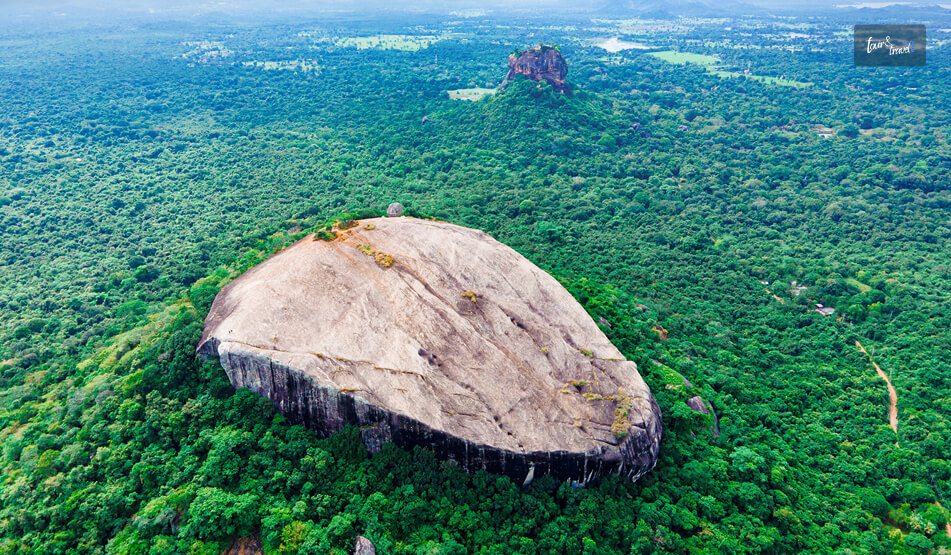
Now, if you think of the Pidurangala Rock, it is not the bucket-list material like the three places I have mentioned. I initially planned a hike of the Pidurangala Rock to have a different perspective of the Sigiriya Rock. 

The view from the top is mesmerizing. 

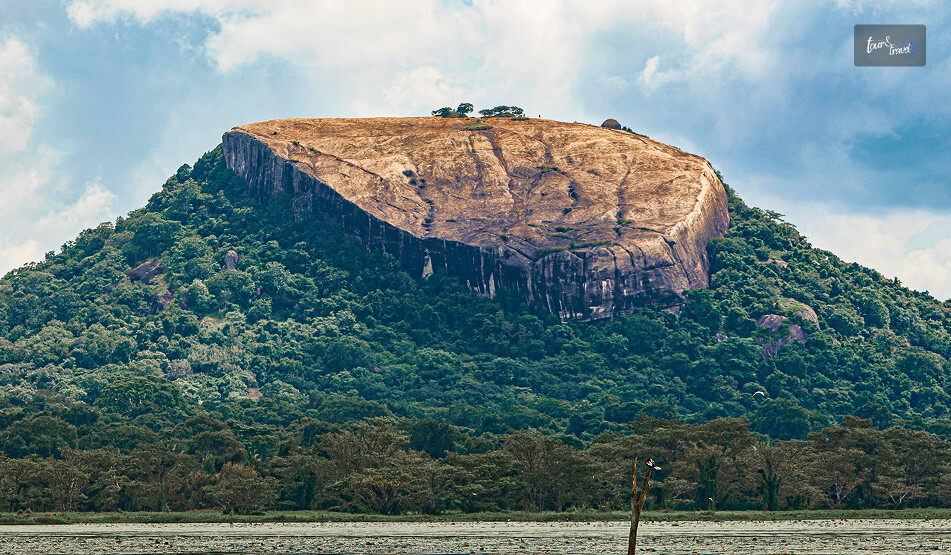
However, the Pidurangala Rock is not just the lesser-known neighbor of the Sigiriya Rock. It was an ancient Buddhist Monastery and is famous as the home to a 1500-year-old massive statue of Lord Buddha. 

Also, watching the sunrise from the top of the Pidurangala Rock is an ethereal experience. 

I hope you have guessed by now. In this blog, I will share my experience of climbing the Pidurangala Rock, watching the sunrise from there, its history, and other details. 

The History Of The Pidurangala Rock

The History Of The Pidurangala Rock

The history of the Pidurangala Rock is over two millennia old. King Kashyapa made the Sigiriya Fort his seat of power and asked the monks to shift here. He made suitable arrangements to build amenities for the resident monks here. 

In fact, the rock gets its name from “Pidu + Ran + Goda.” It means the offered piles of gold. Thus, the name itself explains how King Kashyapa made donations for the development. 

Furthermore, the Sigiri Pidurangala Raja Maha Viharaya temple is still inside the caves. 

Also, the site has a 1500-year-old massive Buddha Statue in a reclining position. The treasure hunters ruined it partially in the 1960s. However, it has been restored. 

Today, the Pidurangala Rock is a protected archaeological site containing ancient caves, a 5th-century stupa, and remains of a second stupa on the summit.

How To Reach The Pidurangala Rock From Kandy?

How To Reach The Pidurangala Rock From Kandy

Hiking the Sigiriya Rock and Pidurangala Rock can be an extension of the mixed bag of things to do in Kandy. 

The journey from Kandy to the Pidurangala Rock

1. The Long Haul From Kandy 

You can catch a bus from the station behind the Kandy train station to Dambulla. This is a journey of 2 hours and 15 minutes. 

Furthermore, the ticket will cost you around 1.14 USD or 200 LKR. 

2. The Short Haul From Kandy 

Once you reach Dambulla, you will get local buses to Sigiriya. The ticket price is around 40 LKR, and the travel time is just 30 minutes. 

What Is The Entry Fee For Pidurangala Rock?

While researching Sigiriya Rock, I was shocked to find that the entrance fee is $36 USD per person.

a steep price tag considering how affordable the rest of Sri Lanka is. 

Aside from our $35 USD Yala National Park safari, it was the only major expense I encountered during my entire month-long trip. In fact, my 5 days in Jaffna were quite a budget-friendly affair. 

However, the Pidurangala Rock was a stark contrast. I paid only 300 LKR, which was less than 3 USD at that time. 

Want to know more about my holiday in Sri Lanka? Read my guide on the Ambuluwawa Tower and things to do in Trincomalee

I also visited Mount Lavinia Beach

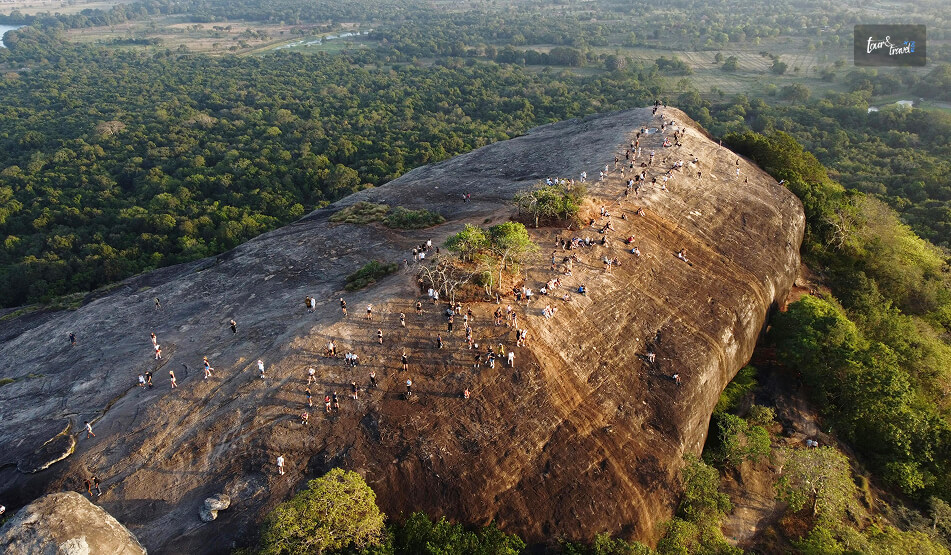
Hiking The Pidurangala Rock

Hiking The Pidurangala Rock

The hike to the Pidurangala Rock took me around 20 minutes. However, my heart was really pumping. 

I climbed up a steep set of stairs, and that was an excellent morning workout for me. 

Then, the trail ran into a scramble, and here, I found some large boulders. 

You don’t need to use your rock climbing skills here. However, you will definitely need your friend’s hand to hoist yourself up. 

Now, as I reached the top, I saw the long-awaited silhouette of the Sigiriya Rock. It looked magical against the backdrop of a golden morning sky. 

The only complaint I had was the crowded main viewpoint. A local guide showed me a place that was around 20 feet down. 

There was hardly a soul, and the view was unobstructed. 

The Sunrise Mission On The Pidurangala Rock

Hike the Pidurangala Rock before or during the sunrise to be a part of nature’s magic. See how colors form before your eyes. 

Do not walk or hike at the site once the Sun is down, as the elephants are out then. I took a tuk-tuk before sunset to reach the base. 

It cost me around 500 LKR. 

The trail begins at the ancient Buddhist temple. So, you have to be respectful in your attire and demeanor. 

How To Have The “Perfect” Sigiriya Day?

If you are an adventurous soul, you can actually climb both the rocks in one day. You can see the sunrise at Pidurangala and be back at Hotel Sigiriya to catch some quick refreshment and relax. 

Then, in the late afternoon, you hike the Sigiriya Rock for the best sunset experience. 

Where To Eat And Sleep In Sigiriya?

Sigiriya is small and spread out, so stay near the “center” (look for Pradeep Restaurant on the map).

I loved Kalana Homestay. A cheap, friendly, and right in the mix. If you want luxury, Heritance Kandalama is an architectural masterpiece built into the cliffs further out.

Moreover, Pradeep Restaurant and Shenadi are the two places where you will find the best meals. 

What To Bring For A Hike To The Pidurrangala Rock?

Since the hike begins near a Buddhist temple, women are asked to cover their shoulders and legs out of respect. 

Because of the heat, a sarong is the perfect solution. You can stay cool and easily tuck it away once you’ve passed the temple grounds.

Forgot to pack something modest? Don’t worry, as the ticket office usually has scarves available to borrow. 

Just make sure you’ve also packed sturdy shoes, insect repellent, and plenty of water to stay comfortable on the trail!

Share on Social Media

Sibashree is a travel, culture, and leisure writer who has been writing since the age of 12 and professionally since 2014. With more than a decade of travel writing experience and journeys across India and several parts of the world, she brings a deeply personal and thoughtful perspective to her work. A student of English Literature and Mass Communication, Sibashree has always viewed travel as more than movement — for her, it has been a way of understanding people, cultures, and herself. Her passion for spiritual exploration has also led her to many unusual and meaningful destinations over the years. Outside of writing, Sibashree enjoys watching European cinema, reading about global politics, and reflecting on the stories hidden within everyday places.

Leave a Reply

Your email address will not be published. Required fields are marked *

title-img Related

READ MORE card-img

Don’t Book A Safari In Kenya Until You Read This 6-Stop Guide

BY  Sibashree Jun 2, 2023

Kenya, located in East Africa, is renowned for its breathtaking landscapes, abundant wildlife, and incredible safari experiences. With a rich diversity of ecosystems, including vast savannahs, dense forests, and stunning coastal regions, Kenya offers an unparalleled opportunity to see nature's wonders up close. If you are planning a safari in Kenya, the first step is to book your flights and accommodation and get a visa. To make the visa process simpler, you can also apply online and get an e-visa for Kenya. Then look for the best guided tours with reputable safari operators to make the most of your safari adventure. They can customize your itinerary, provide knowledgeable guides, and ensure safety and comfort. It is also crucial to prioritize responsible, sustainable tourism practices that respect wildlife and support local communities. Best Time To Visit Kenya When planning your safari in Kenya, consider the best time to visit. From June to October, the dry season is ideal for wildlife viewing as animals gather around water sources, and vegetation is less dense. The dry season in Kenya is generally considered the best time for wildlife viewing. With less rainfall, animals gather around water sources, making them easier to spot. The vegetation is also less dense, providing clearer views. June and July are particularly popular months as they coincide with the Great Migration in the Maasai Mara. In these months, millions of wildebeest, zebras, and other herbivores cross the Mara River. However, the wet season, from November to May, brings lush landscapes, newborn animals, and abundant birdlife. Safari In Kenya: Top 6 Places To Check Out! Here’s a list of the six best destinations in Kenya that you should consider for an adventurous safari experience. 1. Maasai Mara National Reserve: Maasai Mara is perhaps Kenya's most famous wildlife reserve, if not in all of Africa. Known for its annual wildebeest migration, where millions of animals cross the Mara River, the reserve offers an awe-inspiring spectacle. Besides the migration, Maasai Mara boasts an impressive variety of wildlife, including lions, elephants, cheetahs, giraffes, and zebras. The vast open plains and rolling hills provide an ideal backdrop for game drives, hot air balloon safaris, and photography enthusiasts. Derive benefit from the opportunity to communicate with the local Maasai people and learn about their vibrant culture and traditions 2. Amboseli National Park: Amboseli National Park is positioned at the foot of Mount Kilimanjaro, famous for its stunning views of Africa's highest peak. It is one of the best places for safari in Kenya. The park's vast grasslands are home to large herds of elephants known for their distinctive tusks. Besides elephants, Amboseli offers excellent wildlife sightings, including buffalo, zebras, giraffes, and various bird species. The park's unique landscape, with swamps, marshes, and acacia woodlands, provides a picturesque setting for photography enthusiasts. Remember to visit Observation Hill, which offers panoramic views of the entire park and the majestic Mount Kilimanjaro. 3. Tsavo National Park: Tsavo National Park, divided into Tsavo East and Tsavo West, is one of the world's largest wildlife sanctuaries. Known for its dramatic landscapes and abundant wildlife, Tsavo offers a truly wild and untamed safari experience. Tsavo East is characterized by vast plains, ancient baobab trees, and the flowing Galana River, which attracts a variety of animals, including lions, elephants, zebras, and giraffes. Tsavo West is famous for its diverse terrain, including volcanic hills, dense forests, and the stunning Mzima Springs, where you can watch hippos and crocodiles underwater. For a unique experience, consider visiting the Sheldrick Wildlife Trust, an orphanage sanctuary for rhinos and elephants. 4. Samburu National Reserve: Samburu National Reserve offers a distinct and captivating safari experience in Kenya's northern region. The reserve is acknowledged for its rare wildlife species, including the "Samburu Special Five": the reticulated giraffe, Somali ostrich, Grevy's zebra, gerenuk, and beisa oryx. Additionally, Samburu is home to elephants, lions, cheetahs, and leopards. The Ewaso Ng'iro River flows through the reserve, attracting a wide range of wildlife, especially during the dry season, making it one of the best spots for safari in Kenya. Samburu's rugged landscapes, with arid plains and rocky outcrops, create a unique and breathtaking setting for game drives and nature walks. 5. Lake Nakuru National Park: For bird lovers, Lake Nakuru National Park is a must-visit destination. Located around the picturesque Lake Nakuru, the park is a haven for bird species, including thousands of flamingos that flock to the alkaline lake. The park's diverse habitats, including grasslands, woodlands, and cliffs, support over 450 bird species. Beyond the stunning birdlife, Lake Nakuru National Park also supports numerous other wildlife species. The park is recognized for its endangered population of black and white rhinos, making it one of Kenya's premier destinations to see these magnificent creatures. Additionally, you can encounter lions, leopards, buffaloes, zebras, and giraffes during your safari adventures. The park's diverse habitats, including woodlands, grasslands, and acacia forests, support a wide range of animal and plant species, making each safari excursion thrilling and rewarding. 6. Laikipia Plateau: The Laikipia Plateau offers a unique safari experience, known for its exclusive lodges and conservation-focused tourism. This vast area is home to a variety of wildlife, including the endangered Grevy's zebras, black rhinos, and reticulated giraffes. You can go on game drives, take walking safaris, and even visit local communities to learn about their traditional culture and conservation efforts. The Laikipia Plateau is in central Kenya and offers a unique, off-the-beaten-path safari experience. It is a vast, privately owned area known for its conservation efforts and sustainable tourism practices. The region features a mix of open grasslands, rolling hills, rocky outcrops, and riverine forests, creating diverse habitats for a wide range of wildlife. Enjoy Diverse Safari Experience In Kenya Kenya offers an incredible safari experience with its diverse landscapes, abundant wildlife, and rich cultural heritage. Whether you witness the grandeur of the Maasai Mara, the unique species of Samburu, or the birdlife of Lake Nakuru, each destination will leave you in awe of nature's wonders. Embark on a journey to Kenya and create lifelong memories of thrilling adventures. You can go on game drives, watch stunning sunsets, and have close encounters with majestic wildlife. The vastness of Tsavo National Parks, along with the avian wonders of Lake Nakuru, makes its beauty extraordinary. A safari in Kenya promises to be a journey of discovery. It will immerse you in nature's untamed wonders, leaving you with memories that will last a lifetime.

READ MORE st. george tourism

St. George Tourism:  Is It Worth A Visit And Things To Know Before You Plan A Trip

BY  Sibashree May 23, 2023

Imagine waking up to the sight of radiant red cliffs against a clear blue sky, the thrill of walking in the footsteps of dinosaurs, the taste of unique local dishes, and the serene ambiance of historic pioneer buildings. It isn't a dream; this is St. George, Utah. Nestled in the state's southwest corner, St. George is a vibrant city that merges natural beauty with rich history and culture, all wrapped up in a warm, inviting community. Boasting a sunny climate all year round, it's no wonder this desert gem is a favorite among travelers. What makes St. George a must-visit destination? Let’s embark on this exciting St. George tourism journey together to uncover the many charms of this delightful city. Why Is St. George Tourism So Special?  There is a reason why every Utah adventure begins with St. George tourism. Along with being the basecamp for anyone visiting the Zion National Park, it is also the gateway to the Grand Canyon and Bryce Canyon.  However, that does not mean that St. George is just a stopover on the way to these natural attractions.  It attracts visitors with its distinct red rock scenery, championship golf courses, and cultural landmarks such as the Tuacahn Amphitheatre.  Of course, it has the iconic Red Hill Desert Garden. Here are more reasons why St. George is a popular tourist destination.  1. The Natural Splendor Of St. George St. George, a mecca for nature lovers, is a gateway to Utah's majestic national parks - Zion and Bryce. The awe-inspiring landscapes of these parks, with their dramatic cliffs, expansive plateaus, intricate canyons, and the ever-changing hues of the sky, are a sight to behold. Every sunrise and sunset, painting the red rocks with gold and pink shades is a spectacle. Don't miss the star-studded night sky that will make you feel one with the universe. In addition to these national parks, St. George is home to the surreal Snow Canyon State Park, where you can marvel at petrified dunes and old lava flows. This park is a perfect spot for adventurers for hiking, mountain biking, rock climbing, or even horseback riding. Birdwatchers and wildlife enthusiasts will find it equally enthralling to spot the native species in their natural habitat. After an action-packed day, St. George vacation rentals offer an ideal retreat with home-like comfort and a hint of luxury. 2. Dive Into History And Culture History is there in every corner of St. George. This city has borne witness to times as ancient as the age of dinosaurs and as recent as the era of pioneers. Start your journey back in time at the St. George Dinosaur Discovery Site. You'll find real dinosaur tracks preserved in stone, fossilized remains, and informative exhibits that give a sneak peek into the prehistoric era. Continue your exploration at the Pioneer Courthouse, one of the oldest standing buildings in the city. This courthouse showcases the city's architectural prowess and offers insights into the administrative setup of the past. Nearby, the Brigham Young Winter Home provides a glimpse into the lifestyle of the pioneers. However, cultural exploration doesn't stop at history. St. George also boasts a vibrant arts scene with numerous art museums, galleries, and music festivals. Attend a live performance at the Tuacahn Amphitheatre or visit the numerous art galleries scattered throughout the city. 3. Culinary Delights Make St. George Tourism So Special Food in St. George is more than a necessity.  There are several traditional dishes along with recent culinary delights. Hence, St. George caters to every palette. You will come across the authentic flavors of the Southwest, fresh farm-to-table meals, along with locally-made pastries for the sweet tooth. You can enjoy an amazing coffee culture and various breweries to relax in. St. George offers local cooking classes and food tours. Hence, you can learn more about its culinary history, meet local chefs, and pick up some new cooking tricks. 4. St. George Tourism: Knowing The Community The heart of St. George lies not just in its natural beauty or historical landmarks but in its warm and welcoming community. Furthermore, it is a city where people greet each other with smiles, community celebrations are a way of life, and strangers quickly become friends.  Also, from farmers’ markets bursting with fresh produce and locally made crafts to festivals that bring the streets to life with music, dance, and food, there’s an infectious sense of community spirit. The Historic Downtown Of St. George: Embodying The Community Spirit Wander through the city's historic downtown district, where local shops offer everything from unique handicrafts to stylish clothing. Many family-owned shops reflect the city's commitment to preserving its heritage while embracing the new. And as you explore, take the time to chat with the locals. Knowing their stories, tips, and warm hospitality adds an unforgettable personal touch to the St. George experience. This spirit of friendliness extends to local businesses too. Whether it's a café owner remembering your coffee preference or a shopkeeper recommending their favorite hiking trail, the people of St. George make you feel at home in their city. 5. Having Fun At Golf Courses  St. George is the ideal destination for all the golf fun. It has many premium golf courses, including The Ledges, Wolf Creek, Sand Hollow Resort, Copper Rock, Falcon Ridge, etc.  The Ledges, of course the most sought-after among them. You can just take a short drive from the center of St. George to The Ledges, and with the background of red rocks, it is surely also the most beautiful one.  Moreover, thanks to the architecture of Matt Dye and all practical amenities, this golf course is accessible for golfers across all skill levels. St. George Tourism: What Are The Practical Information To Keep In Mind? When planning your trip, it's essential to consider that St. George enjoys a unique desert climate. Furthermore, with mild winters perfect for exploring and hot summers ideal for water-based activities at Sand Hollow State Park, there’s never a bad time to visit.  The city is also well-connected by road. It has its airport, making it easily accessible no matter where you’re coming from. And while St. George is generally safe, it's always good to take the usual travel precautions like keeping your belongings secure and aware of your surroundings, especially when exploring the more secluded natural areas. So, familiarize yourself with local laws and customs to ensure a smooth and enjoyable trip.  For instance, understanding the etiquette for visiting historical sites and local businesses can help you connect better with the local culture. Responsible Travel: Respecting And Preserving St. George Lastly, let’s not forget our responsibility as travelers to respect and preserve the places we visit.  St. George is a city that thrives on its natural beauty and community spirit, and we must ensure that these remain untouched.  Moreover, following simple, sustainable travel practices, like carrying a reusable water bottle, exploring the city on foot or by bike, or even participating in a local cleanup drive, can help reduce our environmental footprint. Also, be mindful of the natural habitats you visit, and remember to leave no trace behind.  The wildlife and natural surroundings are vital to St. George’s charm, so let’s ensure our interaction with them is respectful and minimally invasive.  Furthermore, remember to use marked trails, maintain a safe distance from wildlife, and never remove natural objects from parks. Again, supporting local businesses is another great way to practice responsible tourism.  So, whenever you dine at a locally owned restaurant, shop at a local boutique, or hire a local guide, you contribute to St. George’s vibrant community spirit and economy. Prepping For Your St. George Tourism As we wrap up our virtual tour, we hope you’re as excited about visiting St. George as we are about sharing it with you.  Moreover, from its captivating landscapes and rich history to its diverse food scene and warm community, St. George is a destination that promises memorable experiences at every turn. Remember, the best trips are those that not only entertain but also educate and inspire.  So, pack your bags, book your St. George vacation rental, and get ready to create some unforgettable memories.  The red canyons, dinosaur tracks, delectable meals, and friendly locals of St. George are all waiting to share their stories with you.  Here’s to happy travels and exploring the unexplored! Read Also: Climbing The Sigiriya Rock In Sri Lanka: Ravana’s Golden Palace Or An Ancient Buddhist Monastery? 5 Luxury Destinations In Europe That Blend Comfort And Culture A Guide To National Parks In Georgia – Latest Guide

READ MORE Best Time to Go Trekking in Nepal

Best Time to Go Trekking in Nepal

BY  Sibashree Mar 21, 2025

If you wish to come here, book slots for any time between Autumn and Spring. The season lasts from September to November and from March to May. That’s the Best Time to Go Trekking in Nepal.  If you're here, only for the climate and the peaks, come anytime. Barring the rains. Otherwise, Nepal always offers mild temperatures, good food, and cozy retreats along with marvelous nature.  The Himalayas  Nepal is the doorway to the Himalayas for you. What’s best- Nepal suffers the least of abrupt snowfalls and rains. So, you can surely enjoy a delectable trekking experience here. The clear skies and soothing weather will assist you.  Ideals Times for Trekking in Nepal (Autumn and Spring)  Do you know which is the Best Time to Go Trekking in Nepal? The autumn and spring for sure. What else? Autumn (September to November)  This post-monsoon season is considered the best trekking period in Nepal. This season rewards you with stable weather that is perfect for trekking. In addition, the skies are clear, offering great views of the snowy peaks. The autumn air is fresh and cool. The post monsoon landscapes in this season are lush green which is phenomenal to trek. There are no dusk cloaks. So, the visibility would never be an issue. You will also get a magnified view of the ranges that stand tall before your eyes. Meanwhile, an exceptional view of the unfrozen alpine lakes waits for you in Nepal.  In essence, you can book the popular Gokyo Lake Trek. The trek is best during the autumn. At this time of the year, you get the best view of the clean and vibrant Gokyo Lakes. Likewise, you can also opt for the Annapurna Circuit Trek, this month.  Choose this trek if you want to see the virgin beauty of the Gangapurna lake here. At the same time, try completing the Tilicho Lake Trek at a go! The Ranges in Sight  Other than lakes, the mountain peaks are there to amaze you. If you’ve selected the Langtang Trek, you can enjoy the retreat of the popular Kyanjin Ri. Then, there is the glamorous Langtang Lirung and other peaks in front of you. Trot some kilometers from there and you can see Naya Kanga. That and many other amazing ranges can be accessed from this vantage point.  Other Peaks  Simultaneously you can enjoy breathtaking views of the Gurja, Tukuche, and most importantly the Annapurna in Nepal. When you climb the Poon Hill, you can see all these peaks and much more at a stretch.  But, here’s the catch. To view these beauties, you have to go to the Annapurna Base Camp Trek. With all these, the exceptional Kala Patthar and Mt. Everest are also visible during the trek.  If you wish to see these peaks and treat yourself, come during the autumn. At other times, the weather is overcast. Or snows impair your visibility.  During treks, you may be caught between high winds or heavy rainfall too. So, it is better to avoid the random seasons. For an uninterrupted journey, choose the two seasons I spoke of.  Spring (March to May) During Spring, you can witness Nepal 2.0. Surely, this is another best Time to Go Trekking in Nepal. Most importantly, the weather is fine and the temperature is moderate. Moreover, clear skies will welcome you. Therefore, you can witness warm and often breezy mountain views.  Trekkers say that it is an ideal climate to trek the Base Camp. or you may also go for the Manaslu Circuit Trek.  Additional treats  If you are trekking during Spring, these are some of the pleasurables you will come across. Don’t miss the rhododendrons. The rest of the flora is also surreal. No wonder, more than 50% of the trekkers choose springtime treks in Nepal. But you can come here and amaze yourself with something else.  The daylight lasts till 8 p.m. during Springs. So you can trek for a long. Or view the serenity of the trekking paths for a long time.  But the peaky areas may be still frozen. So, you can’t miss your woolen and trekking jumpers when you visit Nepal during spring. But with time, the temperatures gradually rise. During later May, you may witness rain showers too. So, don’t miss out on rain gears, if you are planning to stretch your stay.  Reservation The Spring is one of the most popular travel seasons in Nepal. So, you must book your slots in advance. You may book teahouses while trekking. But you need to make booking if you need to get hold of the popular ones along the track.  The Annapurna base camp trek has a lot of them along the way. And almost all of them accept advance online booking. You may also book your teahouse from Kathmandu city offices.  Trekking in Off-Seasons  Off-season treks may be your thing if you want to see another side of Nepal. How’s the weather and what are the challenges of coming here during these months?  Winter Season (December to February) Winter trekking is serene but it is also challenging. During this season, the trails of high-altitude areas are covered with a thick layer of snow. In addition, the temperature drops significantly during this time.  Therefore, trekking can be challenging for those who are not accustomed to the cold weather in the mountains. While moderate-altitude treks can be completed smoothly, high-altitude treks requireproper planning, support from expert guides, and thoughtful packing. It is essential to check the weather regularly before heading out for the treks during the winter months. The high altitude passes likeLarkya La of Manaslu Circuit and Thorong La of Annapurna Circuit Trek can be impassable or difficult to navigate. The heavy snowfall poses all the challenges.  In addition, the accommodation may not be available at the higher zones as locals shift to lower elevations because of the bitter cold. Thus, it is essential to inquire about the availability of accommodation before making plans for high-altitude treks. Even though there are significant challenges, the winter landscapes are ethereal. You can witness the beauty of winter wonderland and feel the serenity of nature as there are fewer people on the trails. In addition, the adventurers who are experienced can be thrilled to traverse the snowy winter paths. The views of peaks covered with dense snow in this season are majestic. As higher altitudes are bitterly cold, it is essential to pack down jackets, sweaters, gloves, socks, warm caps, sleeping bags, and layers of insulated clothing. If you are well prepared and navigate with caution, then you will have a wonderful time trekking in Nepal this season. Monsoon/ Summer Season (June to August) In theMonsoon/ Summer season, the trekking regions in Nepal receive heavy rainfall. The trails of the different trekking trails are slippery and muddy, making navigating challenging. In addition, at the forest areas of the trekking sites, leeches may be found which makes the journey unpleasant.  The weather is unpredictable during monsoon/ summer months, with frequent rain showers, which may obstruct visibility and make traversing difficult. In addition, the trails can be blocked, because of landslides interrupting the trek.  However, monsoon trekking also presents some unique rewards. The views of misty mountains and ethereal cloud formations are fascinating. The landscape gets nourished by rainfall turning it into a green paradise.  Even the trails of popular treks are serene as fewer trekkers embark on this time. So, it can be a good choice for those who are seeking a tranquil journey in the Himalayas.   There are indeed some good sides to trekking in this season. However, it is important to consider the challenges. You need to be well prepared for the trek and check the weather forecast. Being flexible and cautious helps you ensure a smooth journey during this time. The Final Call The climatic conditions influence the overall trekking experience. When you know the best Time to Go Trekking in Nepal,  you can complete the trek with maximumsafety and comfort. In addition, the primary goal of most trekkers is to witness exceptional mountain scenery and connect with nature.  The best times to visit Nepal are autumn and spring. The other seasons offer some challenges for tourists. But these two seasons come with decent weather, moderate clime, and visible trekking trails. So, go on and enjoy your trekking experience.