
Best Places To Visit In South West France

Apr 27, 2023

Last Updated on: Oct 18, 2024

Adventure

The Parisian experience will always be a grid trend, but if you want the picturesque tranquility that all the poets write about, you must visit Southwest France.

With idyllic villages, vineyards, and mountains, this region could be perfect for your next voyage. Whether it is the medieval village, mind-blowing architecture, or finding the most romantic spot on a canal, there is something for everyone in Southwest France.

In this excerpt below, we will discuss some of the most idyllic places to visit in this region!

Places To Visit In South West France

If you want to experience the most of the French authenticity, here is the itinerary made just for you.

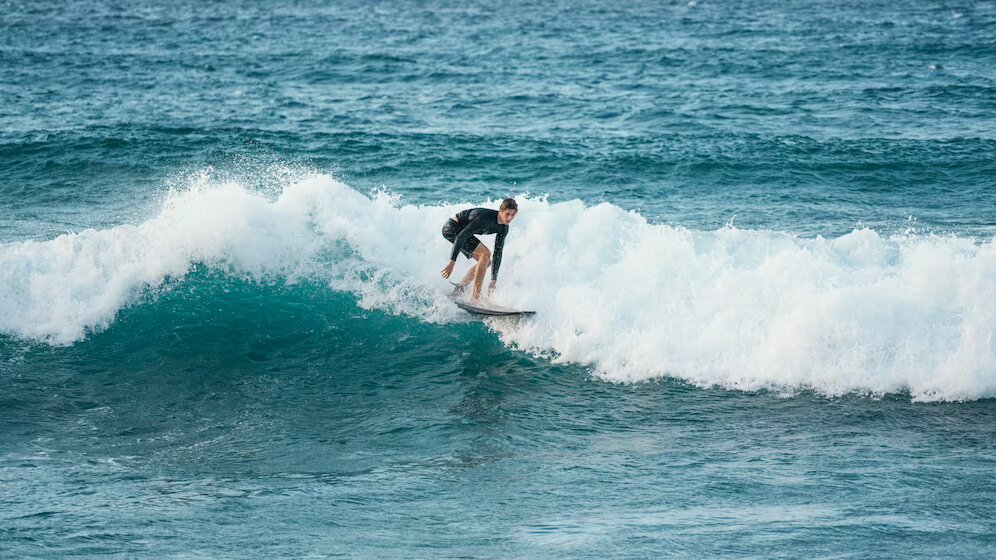
1. Surfing In Biarritz

Surfing In Biarritz

Who said you cannot enjoy a nice beach in southern France? When doing it like the French do, there is a lot to do!

The chilled atmosphere from the Atlantic matched the hot summers of France. Plus, if you love surfing, this could be your next safe haven.

Some of the destinations to start your day with a fresh surf, bathing in salt water, and adrenaline are Côte des Basques and la Grande Plage. It is the tamer side of the Atlantic. Thus the tides are very much low. Great for beginner surfers.

However, if you are still not confident, you can get surfing lessons at Côte des Basques.

2. Authentic French Village Tour In Basque Country

Staying in the region of Basque, one would want to explore the beauty of a French village. After all, someone coming from the seaside might not be very interested in the waters again.

A walk through the Basque village is the picture-perfect outing for a lazy French afternoon. Red and white houses adorn the street wherever you look, just like being inside a painting.

Some of the exceptionally beautiful French towns are Sare, La Bastide Clairence, and Ainhoa.

3. Walk Through St.Emilion

Taking a stroll down the picturesque town and tasking the finest French wines is on everyone’s French bucket list. This is why taking the St.Emilion free walk tour will have all your French travel dreams in store.

Being one of UNESCO’S World Heritage Sites, this town is known for its Medieval History and red & white wine. There is something serene about a French chateau that makes us romanticize the moment.

If you are a fan of these towns, this place will give your French chills. Wine tasting in the chateaus and lots of walking through the Vineyards. Perfect for a honeymoon destination.

4. Picturesque Hiking Through Cirque De Gavarnie

Talking about walking, just the old countryside wouldn’t suffice. From the lakes to the snow-covered mountains, southwest France has it all covered.

Cirque de Gavarnie, also known as the natural amphitheater. This lush green valley is surrounded by mountains which are fabulously dressed by each season in a unique manner. If you love snow, then winter should be your season of travel.

However, if you really want to see Cirque de Gavarnie’s beauty at its finest, explore the Fall Foliage of the Autumn season. It is also home to Europe’s second-tallest waterfall. But the best part would be the road to the destination. It’s a French country to its core!

5. Toulouse Tour

Filled with old French architecture, and museums for the artist inside you, the Toulouse tour is a must for a southwestern tour.

From luxury restaurants in Le Capitole (the capital) to Shopping in St Georges, you are here to fulfill your French dream.

Plus, for every cottage-core fan out there, get the best Tumbler pics with Toulhouse’s over-the-top picnic destinations.

Find Wanderlust The French Way!

Either we love to travel, or we don’t, but one thing is sure. There will always be a special wanderlust for France.

Whether it is the language, the beauty, the Parisian lifestyle, or the French chateaus, the explorer within us will want to be in such places. So, why not do so in style?

The southwest French side will drop you directly inside a Monet painting. For at least a few days, you could fulfill all your countryside old money dreams.

You know how they say the moon is bigger in the French Riviera because love surrounds it?

Read also:

Share on Social Media

Abdul Aziz Mondol is a professional blogger who is having a colossal interest in writing blogs and other jones of calligraphies. In terms of his professional commitments, he loves to share content related to business, finance, technology, and the gaming niche.

Leave a Reply

Your email address will not be published. Required fields are marked *

title-img Related

READ MORE Ritigala Forest Monastery

Ritigala Forest Monastery: Location, Timing, History, Climbing Experience And More

BY  Sibashree Feb 18, 2026

After exploring the Tamil culture and the Hindu temples of Jaffna, it was time to visit an ancient and secluded Buddhist meditation retreat in Sri Lanka.  It has stone ruins from the 1st century BC, and it was once home to the Pamsukulika Sect of monks, who were known for their meditation-based and secluded lives in the forest.  Moreover, the Ritigala Forest Monastery has an association with the stories of the Ramayana. Also, this monastery is inside the Ritigala Forest Reserve. So, it is a place where history, spirituality, and wildlife await you.  Hi, in today’s blog, I will talk about how I climbed up the stone steps to reach the Ritigala Monastery in Sri Lanka, the history, legends, and the main attractions of visiting the ancient monastery today.  I will also talk about the transportation options.  Where Is Ritigala Forest Monastery? Sri Lanka maybe one of the cheapest places to travel in the world. However, its natural beauty and the cultural and historical richness are matchless. The Ritigala Forest Monastery is one of the hidden gems in Sri Lanka.  The Ritigala monastery is located across the mountain of Ritigala. The mountain of Ritigala is the highest mountain in the dry northern region of Sri Lanka.  It is close to Harbarana, which is again the epicenter of the cultural triangle, the Sigiriya Rock Fortress, Dambulla Cave Temple, and Polonnaruwa. It is also the gateway to many wildlife safaris in Sri Lanka.  The distance between Harbarana and the Ritigara mountain is around 21 km. Other important locations near the mountain are Anuradhapura, which is at a distance of 42 km, and Sigiriya, at a distance of 32 km.  Furthermore, the Ritigala Forest Monastery is inside the Ritigala Strict Nature Reserve.  However, remember one thing. As I mentioned in my Jaffna, Sri Lanka, travel guide, you have to rely on the locals when you are exploring the cultural landmarks or a secluded place like the Ritigala Forest Monastery.  You cannot trust Google Maps completely for locating the Ritigara mountains and monastery.  How To Reach The Ritigala Forest Monastery?  Harbarana was the base for my road trip to the Ritigara mountain and trekking further.  1. Reaching Harbarana From The Bandaranaike International Airport (CMB) I took a flight to the Bandaranaike International Airport (CMB). The distance between the Bandaranaike International Airport (CMB) and Habarana is around 151 km. You can take a car rental for the entire journey. However, being a fan of the LowDownUnder Travel, I chose a different path.  After reaching the Bandaranaike International Airport, I took a taxi to Gampaha and then took a train to Harbarana. The ticket cost me around INR 400, and the travel time was around 4 hours and 40 minutes.  The Sri Lankan Railways runs two trains daily from Gampaha to Habarana.  Other airports close to Harbarana are Sigiriya Airport (18 minutes), Kandy Airport (2 hours), and Trincomalee (1 hour and 36 minutes).  2. From Harbarana To The Ritigara Mountain  From Harbarana, I took a taxi to reach Ritigara. It cost around INR 420, and the travel time was around 35-40 minutes.  You can also reserve a car or tuk-tuk to take you to the mountains, wait for you at the entrance gate, and take you back home when you are done trekking. In such cases, the reserve cost will be around INR 1000-1200.  The route from Harbarana to Ritigara was beautiful. My cab driver pointed out the local farming practices and the land on the way.  It was a fulfilling experience, and as Jaffna has a unique food scene based on its local agricultural practices, the food habits of this northern-central region of Sri Lanka. Red rice, jackfruit curry, and river fish are the staples here.   Also, my driver told me to keep my eyes open to spot elephants. However, I was not lucky enough to spot my favorite animal. I noticed some fresh dung in the road, though.  Furthermore, when the car came off the main road, the ride became a little bumpy. The route from here to the Ritigara mountain was a combination of dirt tracks and semi-paved roads.  Finally, I reached the entrance of Ritigara and purchased my ticket. The ticket cost me around INR 450, and I even got a guide for INR 1200. What Is The History Of Ritigala Forest Monastery?  The history of the Ritigala Forest Monastery goes back to the 1st century BC. You will find here more than 70 rock caves, the 9th-century meditation spots of the "Pansukulika” monks, and unadorned stone pathways.  Here is a brief historical timeline of the Ritigala Forest Monastery.  1. Establishment Of The Ritigara Forest Site For Monks Buddhist monks came here and started living in the sacred mountains in the 1st century BC. There were more than 70 caves where monks started meditating in solitude.  Even today, there are many rock inscriptions from which we can learn about how many patrons helped to build and maintain the site, which was home to monks who left the luxury of monasteries and used to meditate in the caves.  2. Receiving Royal Patronage This site received adequate royal patronage, and from the inscriptions, we especially get to know about King Pandukabhaya.  He founded Anuradhapura and built a reservoir at the base of the mountain for the hermits here in the 4th century BC.  3. Building Of The Pansukulika Sect Monastery King Sena I built the Ritigara Monastery in 833, and it was meant for the Pansukulikas or monks in rag robes.  These monks practiced the highest form of asceticism, and they were on a mission to revive the simple teachings of Lord Buddha.  4. The Decline Of The Pansukulika Sect And The Monastery  From the 9th to the 11th century, the Ritigala Forest Monastery and the Pansukulika Sect of monks enjoyed immense glory.  However, with increasing donations and the monks getting inclined toward what they earlier rejected, the core philosophy of the sect was lost.  Two rival sub-sects were formed within the Pansukulika Sect. Finally, King Vijayabahu I confiscated their extensive holdings in 1070-1110 CE as a part of a Buddhist monastic reform.  5. Abandonment And Discovery Of The Ancient Monastery Despite the royal patronage, the Ritigara Forest Monastery was abandoned around the 10th to 12th centuries due to the Chola invasions.  It was an unprotected ruin until James Mantell, the British colonial surveyor, saw the ruins while climbing up the mountain.  Then, he drew the attention of H.C.P. Bell, the first Archaeological Commissioner of Ceylon. He understood the historical and religious importance of the place and expanded it extensively in 1893.  Finally, in 1941, the 1528 hectares of the forest area, including the ruins, were designated as a Strict Nature Reserve.  Today, the conservation efforts strike a balance between the ecological and archaeological preservation of the monastery and the site.  Design And Engineering Of The Ritigala Forest Monastery: The Incredible Ruin The monastery does not look like the traditional stupas. Here, you will find interconnected stones, paved pathways, and stone bridges.  Furthermore, there are bathing areas like the famous Banda Pokuna.  The most unique thing about the Ritigara Monastery is that here you will not find any Bodhi Tree or any Buddha statue.  It is a place where you can walk, meditate, and contemplate.  You may call it a failed attempt to revive the radical simplicity of Buddhism, but for every seeker, it will always be a place to introspect and connect to a higher energy.  I had goosebumps the moment I entered the monastery. Let’s delve deeper into the unique architecture of the monastery.  1. The Padhanaghara And Stone Pathways  The ruins of the Ritigala Forest Monastery cover an area of around 120 acres. You will see around 50 distinct meditation houses or Padhanaghara in the area.  Inside each meditation house, you will find two raised platforms in the east-west direction, and those were made of stone. A small maot surrounded the platforms, and a small stone bridge connected the platforms.  Probably, these structures were used for some rituals or meditation purposes.  Interlinking stone pathways connect these meditation houses. These pathways are 1.5 meters in width, and the width is consistent as the pathways ascend the slope. These pathways also have circular intersections.  2. Water Management System, The water management system in Ritigala Forest Monastery was sophisticated. Banda Pokuna and Kumbuk Wewa, these twin ponds were carved from rocks.  Furthermore, I found a large stone trough in the courtyard, which was used for cooking food.  Also, I saw the ruins of the monastery hospital and stone mortars, which were used to grind and prepare herbal medicines.  Moreover, the monastery did not have any residential complex. The monks lived and meditated in the caves.  However, there were urinal stones, which were the only amenities or the luxury the monks enjoyed in this austere setup.  What Is The Legend Of The Ritigala Forest Monastery?  The Ritigala mountain has a connection to the Hindu mythology, the Ramayana. Attacked by Ravana, Lakshama, the brother of Lord Ramachandra, became unconscious on the battlefield.  Lord Hanuman, on Lord Rama’s command, went to fetch a life-saving medicinal herb from the Dronagiri. However, he forgot the name of the herb and carried the entire mountain on his shoulder.  When he was crossing the Palk Strait, five segments of the mountain fell from his grasp. The biggest fragment fell on the site of the Ritigara Mountain.  Now, you may not believe the legend of the Ritigala Mountain. However, the presence of various medicinal plants in the mountains keeps the myth alive.  Moreover, among the 417 species of plants here, around 96 varieties are for medicinal purposes. Moreover, the northern peaks have names such as the Wannati-kanda and Aushada-kanda.  Climbing To The Ritigala Forest Monastery In Sri Lanka  Climbing up to the Ritigara Forest Monastery was a free-flowing experience. There are many things to see, but more to feel.  Here is how I explored the ruins.  1. The Bathing Pond  As I left the ticket counter behind, I found the first ruin. I took the stone steps to visit a massive bathing area.  You have to be careful with the steps here, as they are cracks and have overgrown tree roots.  Large trees have grown in the bathing area now. However, you can still understand its massive scale.  2. A Winding Stone Path And Ruins Of The Monastery The winding stone pathway took me through various ruins, and they stood like the blueprints from a bygone era.  The most striking one among them was the ruins of the hospital. It still had a sunken bath and grinding stones for preparing medicines.  As I climbed up, I found the meditation platforms, big multi-chambered rooms, and urinals.  3. The Large Pavilion With Columns  I found a large pavilion here with big columns. However, the more intriguing was the Big Tree behind the ruin.  It is so massive that its ground roots have created a labyrinth. The road seems to fizzle out at this stage. However, my gut instinct said that there is something more.  4. The Hidden Ruin  My guide was not happy with me for continuing further. As I headed down, after the initial disappointment of landing on the forest floor, I found another ruin.  There was a stone bridge, and it took me to a promontory with a square structure. It was the ruins of the library that had many precious manuscripts.  The view from the promontory was amazing.  It is a shame that most trekkers miss it, as the signs are not adequate and often hidden in the overgrown bushes. Furthermore, most of them are only in the Sinhalese language, which only locals can read.  However, I used the absence of signboards to my advantage.  Practical Tips For A Visit To The Ritigara Forest Monastery  If you are traveling with your partner or in a group, you must reserve a tuk-tuk or car to bring you back. You may not get a passing traffic. I took the risk as it was a solo adventure.  You have to carry snacks and water. Wear sunscreen and carry insect repellents.  You will find a toilet at the entrance of the ruins. I did not use it. So, I am not sure about the condition or the amenities available.  Ritigala Forest Monastery: Frequently Asked Questions (FAQs)  Here are the frequently asked questions and answers about the Ritigala Forest Monastery. 1. How Much Time Is Needed At Ritigala? Trekking the Ritigala Forest Monastery is going to take around 2 hours. So, overall, you will at least need 3 hours in Ritigala. Trekking up the route is easy. However, walking through the cracked stone steps can be challenging.Also, signboards are scarce and incomprehensible on the route. So, you must take a local guide.  2. Where To Stay Near The Ritigala Forest Monastery? I stayed at Habarana, and the name of my hostel was The Lake Breeze. The tariff for the hostel was around INR 2000. The amenities were basic, with fans, Wi-Fi, and mosquito nets.  3. Is Taking A Tour Of Ritigala Forest Monastery Worth It? Yes, taking a tour of the Ritigala Forest Monastery is absolutely worth it. Here, you will find the ruins of the 1st century BC, and it is great for anyone with a keen interest in the history and evolution of Buddhism. Furthermore, the ambiance of the ruins is introspective and meditative. Moreover, you can easily reserve a car or tuk-tuk to reach the base of the Ritigara Mountain and then start your trek for 1.5 to 2 hours. 

READ MORE Desert Safari

Dune Bashing And Beyond: An Adventure Lover’s Guide To Desert Safari Dubai Trip

BY  Arnab Jun 8, 2023

Dubai's desert safari trips offer a thrilling and captivating journey into the heart of Arabia. Picture yourself surrounded by golden sand dunes as far as the eye can see, with the sun setting in the distance, casting a mesmerizing glow over the landscape. As you gear up for an exciting experience called dune bashing, your excitement builds up. Dune bashing is a thrilling off-road activity where skilled drivers take you on an exhilarating journey over the wavy sand dunes in a powerful 4x4 vehicle. Hold on tight as you experience the exhilarating ups and downs, twists and turns, and the sheer excitement of conquering the challenging terrain. But the adventure doesn't stop there. Desert safaris in Dubai offer a myriad of activities to keep your adrenaline pumping. Safety Tips to Keep in Mind for an Exciting Dune Bashing Adventure While dune bashing is a thrilling adventure, it's important to prioritize safety during the experience. Given below are a few essential safety tips you might consider: Choose a reputable tour operator: Opt for a licensed and experienced tour operator that adheres to safety guidelines. Follow the instructions: Listen attentively to the instructions provided by your driver and follow their guidance throughout the ride. Wear seat belts: Always fasten your seat belt to ensure your safety in case of any sudden movements or bumps. Don't eat heavily before the ride: Avoid consuming a heavy meal before dune bashing to prevent discomfort or nausea. Stay refreshed: Bring ample water to keep yourself hydrated throughout the thrilling experience. Secure loose items: Keep your personal belongings securely stored to prevent them from flying around during the bumpy ride. Other Thrilling Activities in the Desert Safari Dubai Trip The desert safari Dubai trip offers a plethora of thrilling activities beyond dune bashing. Here are certain additional adventures to explore: Sandboarding: Strap on a sandboard and slide down the sandy slopes, similar to snowboarding but on the sand. Experience Camel Riding: Climb aboard a camel, the traditional way to travel in the desert. Enjoy a leisurely ride across the sandy landscape, immersing yourself in the serene surroundings. Enjoy Quad Biking: Seize the reins of a strong quad bike and set off on a thrilling off-road journey. Explore the desert at your own pace, navigating through the dunes and feeling the rush of adrenaline. Experience Falconry: Observe the ancient practice of falconry as skilled falcons demonstrate their agility and hunting abilities. Discover the importance of falconry in Emirati traditions and have the opportunity to handle these magnificent birds. Immerse in Bedouin Culture: Explore an authentic camp to discover vibrant traditions. Engage in fun activities such as henna art, traditional music, mesmerizing dance, and dressing in cultural garments. Hot Air Balloon Ride: For a breathtaking and unique perspective of the desert landscape, consider a hot air balloon ride. Fly high over the sand dunes and behold the desert's magnificence during sunrise or sunset. This serene and awe-inspiring experience offers a sense of tranquility and allows you to capture stunning photographs from the sky. Night Sky Observation: When darkness falls, the desert sky illuminates countless twinkling stars. Take a moment to appreciate the celestial wonders above as you lay back on the soft sand. Away from the city lights, the desert provides an ideal setting for stargazing and immersing yourself in the beauty of the night sky. Bedouin Cuisine: Indulge in the flavors of Arabian cuisine at a traditional Bedouin-style camp. Delight your taste buds with dishes like grilled meats, aromatic rice, and delectable desserts. Savor the authentic flavors while surrounded by the warm ambiance of the desert. Traditional Crafts: Immerse yourself in the cultural heritage of the Bedouin people by participating in traditional crafts. Learn the art of weaving or pottery-making, and create your own unique souvenir to take home as a reminder of your desert safari experience. Desert Exploration: Despite its seemingly empty appearance, the desert is teeming with unexpected plant and animal life. Embark on a guided nature walk to discover the hidden wonders of the desert ecosystem. Learn about the plants and animals that have adapted to thrive in this harsh environment and gain a deeper appreciation for the desert's beauty and resilience. These additional activities enhance your desert safari Dubai trip, offering a diverse range of experiences to cater to every adventure lover's interests. Whether you seek adrenaline-pumping thrills or a serene connection with nature, the desert safari has something for everyone to enjoy. The Ideal Moment for Enjoying Dune Bashing in Dubai To make the most of your dune-bashing adventure in Dubai, it's essential to choose the right time to visit. The best time for dune bashing is during the cooler months, which typically fall between November and April. During this time, the temperatures are more pleasant, allowing you to enjoy the experience comfortably. Book Desert Safari: dubaidesertsafaris The winter months, especially December and January, offer cooler temperatures and clear skies, creating the perfect conditions for dune bashing. It's important to avoid the scorching summer months when temperatures can soar to extreme levels, making the experience uncomfortable and potentially unsafe. Read Also: Where Is The Most Popular Spot In The World To Take A Selfie? “Sands Of Splendor: Luxurious Desert Safari Experiences In Dubai” 5 Reasons Why People Love Morning Desert Safari In Dubai?

READ MORE trekking in Nepal

10 Tips For Trekking In Nepal: A Beginner’s Guide

BY  Sibashree Mar 21, 2025

Nepal has remained one of the best trekking destinations in the world, catering to every kind of adventurer. From the famous Everest Base Camp to the famous Annapurna Circuit and the much-demanding Kanchenjunga Base Camp trek, the trekking routes in Nepal are also the litmus taste for the most seasoned trekkers.  So, preparation is very crucial to make your trekking expedition safe and enjoyable. In this Tour and Travel Blog, we will quickly touch upon some helpful tips for your treks in Nepal. Best Tips For Trekking In Nepal: Approved By Local Guides And Seasoned Trekkers  Trekking in Nepal is like a dream come true moment for mountain lovers and adventure seekers.  Further, with a renewed focus on sustainability, Nepal is now committed to offering the best trekking experience that aligns with environmental values.  Along with the beauty of the mountains, the trekking routes here are pathways to learning about local culture, heritage, and diverse wildlife.  Nevertheless, the bounty or the fruit of the treks does not come easily to you. In fact, the trekking routes will throw you challenges.  So, you need to do the following preparations before you hit the mountains.  1. Choose The Right Trek Trekking in Nepal is ideal for trekkers across all expertise ranges. They welcome beginners and the ones with years of experience.  However, if you are a beginner, the Everest Base Camp Trek helicopter return and the Annapurna Circuit treks are not for you. These are for the most seasoned and the fittest hikers.  Rather, you can focus on the Langtang Valley treks, Helambu Trek, and Ghorepani Poon Hill Trek.  So, assess the altitude, trek duration, and difficulty of a trek route to make the right choice.  2. Train Before You Go For Trekking In Nepal Physical and mental training can make your body used to the long hours of travel and walking for days or weeks. Further, you must start training for the trek at least two to three months before you start trekking. During physical training, you must focus on your muscles and leg strength.  Also, you must practice carrying extra weight so that trekking with your backpack becomes easier.  These exercises or practices will help you adjust to what you’ll experience on the trails.  Moreover, working on your weight and getting in better shape will reduce fatigue and make your trek much more enjoyable. 3. Pack Smart And Light For Trekking In Nepal Packing light and wise is the ultimate tip for trekking in Nepal. Make sure that you only carry the things you need to avoid carrying extra baggage.  Check out the table below to have some ideas about the things you need. ClothingFootwearWeather ProtectionWarmthAdditional ItemsBreathable, long-sleeved shirtsLightweight trekking pantsFleece pullover or jacketThermal socks for colder areasStrong, waterproof hiking bootsGaiters for snowy or muddy trailsWaterproof jacketFleece or wool beanieSunglasses with side shieldsSleeping bag and linerInner gloves or thermal glovesNotebook and penSun hatLip balm SunscreenTowel In addition to the essentials mentioned in the table, you need to carry a small kit with bandages, blister treatment, pain relievers, and personal medications. Further, you will need soft flasks or reusable water bottles. You can even choose insulated water bottles, and don’t forget to keep the purification filters and tablets handy.  Moreover, you will need a headlamp with extra batteries, and your backpack must have a solid frame with multiple compartments and adjustable straps.  4. Get The Necessary Permits When you plan a trek in Nepal, you have to bring the right permits.  Most trekking routes require a Trekking Information Management System (TIMS) card. You’ll also need entry permits for national parks or conservation areas like Everest, Annapurna, or Langtang.  These permits not only ensure your safety but also support local communities.  Further, If you’re heading to restricted areas such as Upper Mustang or Dolpo, a special permit is mandatory.  Get these permits, carry your passport, visa copies, and passport-size photos. Moreover, hire a guide from a registered agency if you are doing solo trekking in Nepal.  5. Hire A Guide Or Porter For Trekking In Nepal A local guide shares valuable knowledge about the culture and trails, and porters can help by carrying heavy loads, allowing you to trek comfortably. Further, on remote and high-altutde routes, you will need a guide and porter for safety.  Moreover, by hiring a guide or porter, you can support the community and promote sustainable tourism. Overall, having a guide or porter enhances your trekking experience while positively impacting the region. 6. Acclimatize Properly When Trekking In Nepal Trekking in Nepal comes with the risk of altitude sickness. To stay safe, you have to follow the ‘climb high, sleep low’ rule. The rule means ascending during the day and sleeping at a lower altitude. This is essential for a successful peak climbing experience. For example, during your Everest Base Camp trek, you can acclimatize at Namche Bazaar and ensure a successful peak climbing experience. Further, staying hydrated is crucial while trading the high-altitude routes. So, drink four liters of water every day.  7. Respect Local Culture When Trekking In Nepal As you pass through the local villages during trekking, you must be respectful of local traditions. Greeting people with “Namaste” is a warm and respectful way to say hello!  Be polite and show interest in their in their way of life. Dress modestly, covering your shoulders and knees, especially in religious areas. Further, always ask for permission before photographing locals or sacred sites. Respect customs such as removing shoes to enter temples and walking clockwise around stupas.  These small acts of respect go a long way in your relationship with the locals.  8. Be Environmentally Responsible Keep Nepal’s trails clean and beautiful, and follow simple eco-friendly habits. Always carry a reusable water bottle to cut down on plastic waste.  Further, you must dispose of trash and use biodegradable soap to protect water sources. Stick to marked trails to avoid harming plants and animals. Also, avoid using single-use plastics and choose lodges that support sustainable practices.  In addition, you have to be respectful to the local community by preserving cultural sites and keeping the noise levels low. 9. Prepare For Unpredictable Weather Trekking in Nepal will surprise you with changing weather conditions. A moment you can see bright sunlight and the next moment everything can be covered in snow, fog and rain, making it very difficult for you to trek.  The change of weather conditions is also crucial if you want to go for a mountain view helicopter tour. Further, to stay warm, you must dress in layers and carry a rain jacket.  10. Enjoy The  Trekking Journey Enjoy your journey to the fullest when trekking in Nepal. Indulge in the scenic views and immerse in the local culture and hospitality.  Make the trek or the journey all about acquiring meaningful experiences and just being present in the moment.