

Is The Japan Rail Pass Worth It In 2026? Should I Buy Or Avoid It As A Conscious Tourist? 

The Shinkansen, or the Japanese Bullet Train, brought a revolution in the transportation system in the 1960s. 

It was the need of the hour, considering the rapid growth in the economy. Also, it is an icon of the technological prowess and wealth of Japan. 

These days, we have Vande Bharat in India, and no doubt the services and punctuality of these trains are spotless. 

However, contrary to popular beliefs, they are never the same. 

Why so? 

To understand this, you need to take a ride in the Japanese Bullet Train. 

However, is Japan Rail Pass worth it for the short and long rides in the Japanese Bullet Train? 

In today’s blog, I will discuss its benefits and disadvantages in detail. 

Is Japan Rail Pass Worth It? 

Is Japan Rail Pass Worth It

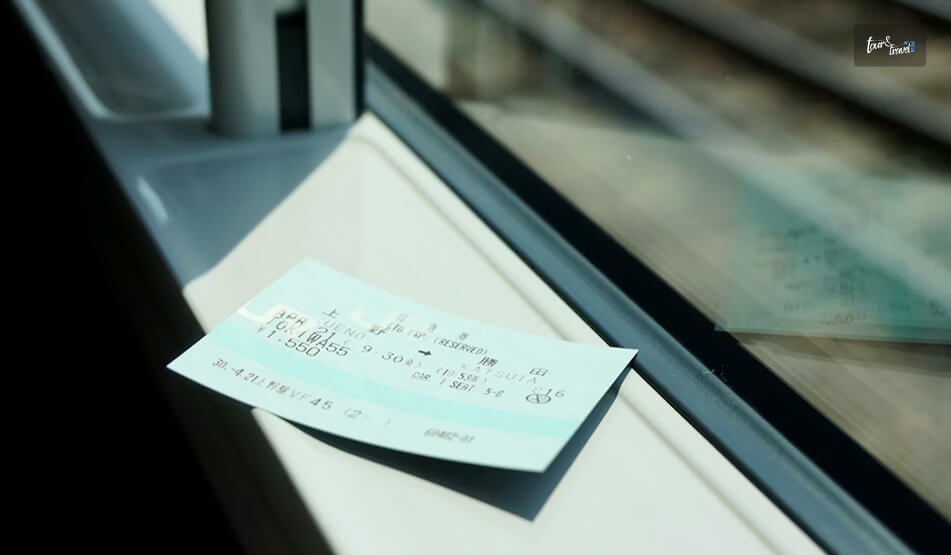
Japan Rail Pass is a physical pass for train rides. It is only for tourists. 

With this pass, you can enjoy unlimited train rides across Japan. Also, these passes include bullet train rides for a specific time span. 

Japan Rail Pass Cost

Check out the table below to understand the validity period and prices of the Japan Rail Pass. 

Japan Rail Pass ValidityOrdinary Japan Rail Pass Cost Green Japan Rail Pass Cost
7 Days PassAdult: 70,000 YEN
Children: 35,000 YEN
Adult: 50,000 YEN
Children: 25,000 YEN
14 Days PassAdult: 110000 YEN
Children: 55000 YEN
Adult: 80000 YEN
Children: 40000 YEN
21 Days PassAdult: 140000 YEN
Children: 70000 YEN
Adult: 100000 YEN
Children: 50000 YEN

All ticket prices are sourced from the Japanrailpass.net. Also, remember that children mean kids below 12 years old. 

From 12 years onward, they are considered adults. 

Is The Japan Rail Pass Worth It? (Considering The Cost) 

If you think that buying a Japan Rail Pass would hurt your wallet, you are making a mistake. 

Yes, the Japan Rail Pass is expensive, especially if you are buying a Green Japan Rail Pass. 

Still, if you want to try individual rides, the cost will be even higher. For example, a single trip to Nara from Tokyo costs 14500 YEN. 

A really smart way to decide whether the Japan Rail Pass is worth it or not is to use a Japan Rail Pass Calculator

Enter the departure and arrival points, check the ticket price for individual rides, and add them. Then, compare the total Japan Rail Pass cost to decide whether you need to buy it or not. 

Also, consider the flexibility the Japan Rail Pass offers. 

With a Rail Pass, you can complete as many rides as you want within the validity period. Also, there is no rush to buy a ticket every time you board a train. 

Is Japan Rail Pass Worth It For Every Train? 

The Japan Rail Pass does not cover every train service in Japan. However, it covers most train services. 

Check out the details in the box. 

Services Covered by Japan Rail PassServices That Japan Rail Pass Does Not Cover 
– Most Bullet Trains
– Express Trains
– Local Trains
– The Narita Express, Running to Tokyo City from Narita Airport
– Tokyo Monorail to and From the Haneda Airport 
– Joyful Trains in Japan
– Bullet Trains Except Mizuho and Nozomi
– The Metro Service in Tokyo and Other Cities
– The Ferry Service Of Yakushima

Where To Buy A Japan Rail Pass From? 

Where To Buy A Japan Rail Pass From

You can buy the Japan Rail Pass from an authorized agent based in your country. Sometimes, these passes are available at the Osaka or Tokyo Railway stations or Haneda and Narita airports. 

However, these passes are available for a limited time, and they charge around 10-20% extra charges. 

Furthermore, upon reaching Japan, you can even buy the pass online at JRailPass.com. You can expect a delivery of the physical pass within 3-5 business days based on your location. 

How To Take The First Ride With The Japan Rail Pass? 

You have to get your Japan Rail Pass stamped before using it. You have to choose the JR Counter entry at any local and bullet railway station to pass through and board the train. 

The JR Officer will check your passport and the JR Pass before stamping it. 

From the next ride onward, you just need to show your JR Pass. 

Activating your JR Pass at the railway station is always a better idea, as you can activate it only when you need it. 

Usually, when you activate the pass at the airport, a day or two is wasted from the validity period, as the city metro services do not accept those passes. 

Is Japan Rail Pass Worth It? Frequently Asked Questions (FAQs) 

Here are the frequently asked questions and answers about whether the Japan Railway Pass is worth it or not. 

1. Which Rail Pass Is The Best For Japan?

The best Rail Pass for Japan will depend on your itinerary in Japan. 
For example, if you need to travel nationwide, you can choose a National Rail Pass for 7 to 21 days.
On the other hand, Regional JR Passes are the best if you are focusing on specific regions such as Hokkaido or Kansai.

2. Can I Buy Japan Rail Pass From India?

Yes, you can buy a Japan Rail Pass from India. In fact, it is a smart move to buy your Japan Rail Pass from an authorized agent in your country before starting the trip. 
At the Japanese Airports, buying the JR Pass can cost you 20-30% more. 
TBi Travels and Klook are some of the authorized services from which you can purchase the JR Pass online. 
When you buy the pass online from an authorized agent, you will receive an exchange order or a voucher via courier. 
You have to exchange that at the airport to collect the physical pass. 

3. Can I Get Bento Boxes On The Trains In Japan?

You can get Bento boxes at any railway station in Japan before boarding the train. You will also find vegan-friendly options for the bento boxes. 
However, you have to be very mindful about how you dispose of those bento boxes. You can throw them in the trash bins in the train, or after alighting from the train, you can dispose of them in the waste box at the station. 
You will not find trash cans frequently in Japan. So, you may have to carry them home if you do not dispose of them in time. 

Read Also:

Share on Social Media

Meet Sibashree Bhattacharya, a travel enthusiast who has a decade-long experience in transcending virtual barriers with her words! Her deep love for travel is apparent from her travel escapades to the mountain, often taking her readers on a journey, her words acting as Portkey! Fun fact: Sibashree loves to dive deep into the history of the places she is about to visit, making her travels even more wholesome. If you were wondering how her articles are not short of time travel, this answers it!

Leave a Reply

Your email address will not be published. Required fields are marked *

title-img Related

READ MORE Jaffna Cultural Guide

A Jaffna Cultural Guide: How To Experience Tamil Culture In Jaffna? 

BY  Sibashree Jan 6, 2026

With the Sri Lanka Tourism Development Authority (SLTDA) planning to diversify the tourism offerings, Jaffna, the northernmost part, comes into the limelight. Jaffna is the place to know about the local Tamil culture and heritage of the country.  Jaffna has beautiful temples, and the Jaffna temple etiquette shows how the people here are sincere about their customs and traditions. Also, major festivals such as the Nallur Annual Festival are celebrated around the temples here.  On the other hand, the Jaffna food scene is a celebration of locally-sourced ingredients such as fresh seafood, palm flour, and roasted spices.  SLTDA is proactively improving the infrastructure without compromising the sustainability aspect. Thus, in 2026, Jaffna is going to emerge as an eco-tourism leader, which promotes its culture and heritage.  Also, during my last visit, I found Jaffna to be a rhythm. I woke up with the sound of temple bells at 5 AM and the smell of jasmine and roasted curry powder. As I crossed the Elephant Pass, it was a paradigm shift from the greens of the Sinhalese South. Suddenly, I was in a sun-drenched, rugged terrain of palmyrah palms and limestone.  The humble and soft curves of the Buddhist Stupas were replaced by the towering Gopurams of the Hindu temples.  Life moves at a gentle pace here, and everyone works together, keeping a century-old tradition and heritage alive.  In this Tour and Travel Blog, I will talk about how to experience Tamil culture in Jaffna, every day, through festivals, temple visits, and more.  How To Experience Tamil Culture In Jaffna? Reading The Streets And Daily Rituals  Taking a walk down the streets of Jaffna is the best way to learn about the local Tamil culture. And the best part is the inclusivity.  It does not matter the social strata you belong to. The customs, festivals, and temples are accessible to all. Nevertheless, these are the daily rituals and road customs that offer insights into the culture of Jaffna. 1. The Kolam (Doorstep Art) I walked along the lanes of Jaffna at dawn and saw women sweeping their doorsteps and drawing intricate geometric patterns with white rice flour. It is called the Kolam.  Kolam has deeper spiritual and environmental implications. Kolam at the doorstep is a gesture of non-violence or Ahimsa. Also, the design is made using rice flour, which ants and birds eat. Thus, the first act of the day becomes about giving.  Furthermore, during a special festival or wedding in the house, the white lines are bordered with Kaavi (red brick powder). The red lines offer spiritual protection from evil eyes.  Also, if you see a house with no Kolam for many days, it means that the family is mourning. It signifies that the rhythm of joy has paused for a certain period for the family. 2. The Pottu And Vibuthi (Forehead Markings) Pottu and Vibuthi are two different types of forehead markings, and these are the visual language of faith. a. Vibuthi (The Ash) Vibuthi means three horizontal lines drawn on the foreheads of the devotees of Shiva. It means the burning away of the ego and the impermanence of life.  Also, the followers of Lord Shiva often smear ash on their forehead after a morning temple visit.  b. The Sandalwood Paste It is a yellow dot made of sandalwood paste. Many people even smear the sandalwood paste on the entire forehead. It signifies mental clarity and cooling. c. Pottu (The Dot) Pottu, often red (vermillion), the dot symbolizes the "third eye" or the seat of Shakti (divine power). It means that a woman is married.  You will also notice black dots (with Kajal/Kohl) on the forehead of young children as a mark to ward off evil eyes.  3. The Home Visit Etiquette And Tamil Hospitality Customs The Tamil hospitality customs are warm and welcoming. However, when you visit a Jaffna home, you have to follow certain social norms.  Follow The Evil Eye Or Drishti Rule  You cannot praise the beauty and health of a child excessively when visiting their home. It is considered a bad omen or an act of jealousy. If you want to adore a child, praise them briefly and share your good wishes.  The Plate Rule Of Eating  It does not matter how much you liked the food. You cannot polish your plate. Contrary to Western culture, here, leaving a polished plate means that you are still hungry or the host failed to provide enough.  The custom is to leave a tiny, symbolic amount of food on the plate. It shows that you have been provided with an abundant amount of food. 4. Caste & Conservatism: Managing Expectations In my Jaffna travel guide, I have talked about the cultural richness of the Sri Lankan northern city. However, beyond the cosmopolitan buzz of Colombo, a socially conservative vibe reigns in this region of Sri Lanka.  So, PDA or public displays of affection, even holding hands, can draw uncomfortable stares from the older generation.  Furthermore, you cannot wear short skirts or shorts in public. Your clothing has to be modest, and usually your knees and shoulders should be covered.  Temple Culture Beyond Sightseeing: A Jaffna Cultural Guide The Nallur Kandaswamy Kovil is the majestic spiritual and cultural heart of the city. However, the village kovils or the smaller temples are the places where local communities gather, and the atmosphere is very intimate.  The Archana Basket Ritual At The Temples  You can buy a small wicker basket near the temple entrance. It contains bananas, a coconut, flowers, and betel leaves.  Once you enter the temple, you have to hand it over to the priest at the inner sanctum. He will offer the basket to the deity and chant a blessing.  Furthermore, the priest will return with a flaming lamp (Aarti). Hover your hands over the flame and then touch your eyes to receive the light’s blessing. The Temple Sound: Nadaswaram And Thavil When you are in Jaffna, you don’t have to look for music. The music will find you. The sound of Nadaswaram or a long wind instrument exudes a piercing and soulful melody.  Then, the Thavil or drum has a thundering sound, and it is heard during every major temple festival. Nallur Festival Traditions And Jaffna Festival Calendar FestivalMonthWhat to ExpectThai PongalJanuaryA harvest festival where "Pongal" (rice and milk) is boiled until it spills over, symbolizing abundance.Nallur FestivalAugustA massive 25-day celebration culminating in a grand chariot procession where thousands of men pull the deity's carriage.DeepavaliNovemberThe Festival of Lights; homes have oil lamps, and the city exudes the scent of traditional sweets. Immersive Cultural Experiences For an immersive cultural experience, you must meet a traditional weaver in Inuvil and see how artisans create the most intricate textiles on hand-operated looms from cotton and palmyrah fibers.  Also, you must give the restaurants a miss for the day. Visit a local homestay where you can have cooking lessons. Grind spices using a stone grinder or Miris Gala and feel the aroma.  Do you love Bharatanatyam Dance? Visit an art school like the Jaffna Kalai Thoothu. You can watch students rehearse this ancient, highly disciplined classical dance form. You can even join sessions such as the Vibrant Rhythms of Jaffna, where you can also try some moves.  The Authority Voices On The Jaffna Cultural Guide Anuk Arudpragasam (Booker Prize Shortlisted Author): “Jaffna is a place of memory. The culture here isn't just performed; it is held onto tightly as a way of surviving history.” (Context: Discussing the resilience of Tamil culture post-war). The "Jaffna Boy" (Local Cultural Blogger): “To know Jaffna, you must wake up before the sun. The culture lives in the sweeping of the front yard and the drawing of the Kolam before the heat sets in.” Serious Eats (Culinary Authority): “The hospitality in Jaffna is aggressive in the best way possible. You do not just 'eat' here; you are fed.” A Jaffna Cultural Guide: Know The Expert Tips  “Saptingala” or “Have you eaten?” This is the common term I have heard from the locals I encountered. Seldom have I come across a city where people are so caring, even in casual greetings.  However, it’s safe to say “Yes.” Otherwise, they will feel obligated to feed you. Apart from these gestures, some other things you need to keep in mind when you are in Jaffna. 1. Don’t Touch The Head The head is the most sacred part of the body. So, you cannot pat a child on the head. Furthermore, you cannot touch a priest or monk randomly.  2. Use Your Clean Right Hand  You have to keep your right hand clean. You must use your right hand for shaking hands, eating, giving money and gifts, and pointing.  3. Men And Shirts  You will often find older men not wearing a shirt in their house. There is nothing offensive about the custom. In the hot and humid north, it is a tradition that ensures comfort.  4. Don’t Photograph Women Bathing In Holy Places Keerimalai Springs is a holy bathing place, and local women often take a bath in sarees at public wells. You must not photograph them.  It is a daily ritual for them and not meant for any tourist show.  5. The Quintessential Jaffna Siesta  Most shops and house doors are closed between 1 PM and 4 PM. It is the Jaffna Siesta time. It once again shows how life in Jaffna moves at a different pace than the rest of the world.  6. Gold Is Security  Women in Jaffna roam around wearing massive amounts of gold jewelry. It is their financial security. Also, Thattam or the gold coin jewelry is especially famous here.  It is disrespectful if you ask a woman whether the ornaments she is wearing are real or not. It is always real.  7. The Jasmine Rule  During my stay in Jaffna, I always wore a string of fresh jasmine flowers in my hair. It was one of the reasons why I connected with the local people very quickly.  A Jaffna Cultural Guide: Frequently Asked Questions (FAQs) Here are the frequently asked questions and answers about the Jaffna cultural guide.  1. What Is The Main Religion In Jaffna?  Hinduism is the main religion in Jaffna. Furthermore, people here are mostly devotees of Lord Shiva and Murugan. The religious beliefs of the people here impact the local culture, food, and daily rhythm. 2. Can I Shake Hands With Local Women? The Jaffna society is conservative. So, most women here will not be comfortable shaking hands with you at the first meeting. You can fold your hands and say “Vanakkam” with a smile for a perfect greeting.  3. What Language Do The People In Jaffna Speak? Tamil is the primary language in Jaffna. People here rarely speak the Sinhalese language.Furthermore, you will find people speaking in English in hotels and other facilities. However, as you explore the villages, you will find very few people speaking English.  4. Is Jaffna Culture Similar To India?  Yes, the culture of Jaffna is very similar to that of Tamil Nadu in South India. In fact, if you visit Jaffna from Colombo, you will experience a huge cultural shift. The Tamil people in Jaffna are very protective and proud of their distinct identity, cuisine, and dialect.  5. Can I Enter A Home In Jaffna If I Am Invited? Yes, it is a huge honor to visit a home in Jaffna on invitation. Just remember to take off your shoes at the gate or door. Furthermore, when you visit a home in Jaffna, you can carry flowers and sweets as gifts. You must not carry alcohol as a gift if you are visiting a home in Jaffna for the first time. 6. Why Is Vegetarian Food So Common In Jaffna?  Vegetarian food is very common in Jaffna due to the strong Hindu influence. Many locals are vegetarians here due to religious beliefs. Also, many local Tamil families here follow the custom of eating vegetarian food on Tuesdays, Fridays, and other holy days. 7. Is It Rude To Leave Food On My Plate In Jaffna? No, it is not rude to leave food on your plate when you are eating in Jaffna. In fact, when you leave a little amount of food on your plate, in Jaffna, it means that the host has served you an abundant amount of food. If you polish your plate off completely, the host may serve you another mountain of rice, considering you are not full yet. 

READ MORE Hurulu Eco Park

Hurulu Eco Park Safari: Exploring The Wilder Side Of Sri Lanka

BY  Sibashree Mar 16, 2026

After Kaudulla National Park and Dehiwala Zoo, the Hurulu Eco Park was another destination for me to explore Sri Lanka’s wildlife.  If places such as Jaffna in northern Sri Lanka and Kandy in Central Sri Lanka have been the cultural hubs of the country, these parks have shown how people have lived here since eternity in collaboration with nature and wildlife.  The Hurulu Eco Park is especially very close to Habarana, the epicenter of cultural and historical landmarks such as the Sigiriya Rock Fortress, Pidurangala Rock, Ritigala Forest Monastery, and Ritigala Forest Reserve.  The distance between Habarana and the Hurulu Eco Park, at the edge of the Hurulu Forest Reserve, is just around 3 to 4 kilometers. However, despite the short distance, this eco park is quiet and understated.  Also, you know what makes Hurulu Eco Park different? Here, you relish the art of slow traveling and the scent of wet soil after a fresh spell of rain.  Furthermore, elephants are the heart of this eco park, and watching them grazing through the golden light is a delight.  Here is more about this beautiful eco park in Sri Lanka.  Hurulu Eco Park, Sri Lanka: Quick Details  Hours Open7 AM to 6 PMLast Time to Enter5 PMPark Entrance Fee- $15-25 for an Adult- $5 for Children above 6 Years- Free for Children below 6 YearsSafari Cost$65 OnwardSafari DurationAround 3 HoursBest Time to VisitDecember to June Where Is Hurulu Eco Park And How To Reach?  In Sri Lanka’s North Central Province, Hurulu Eco Park is between the landmarks such as Polonnaruwa (1 hour and 15 minutes), Anuradhapura (1 hour and 50 minutes), Dambulla (45 minutes), and Sigiriya (45 minutes).  So, often there is a safari add-on to explore these ancient cities and the cultural landmarks.  Furthermore, as mentioned, it is closest to Habarana. So, ideally, it should be your base.  Habarana also has many budget, mid-budget, and luxury accommodations. Moreover, most hotels in Habarana, Dambulla, and Sigiriya offer door-to-door safari facilities.  You can expect a pick up around one hour before the safari time.  Moreover, you can take a train from Trincomalee, Kandy, or Colombo to reach Habarana Junction. From there, you can take a 10-minute tuk-tuk ride to reach the eco park.  However, online booking for these train tickets may not work most of the time.  The Landscape Of Hurulu Eco Park  Hurulu Eco Park is a mix of open plains, rock, and jungle.  Furthermore, as a part of the dry evergreen forest area of Sri Lanka, it functions as an important corridor for elephants roaming between Minneriya and Kaudulla National Parks.  So, you can easily spot Sri Lankan elephants here, especially the mothers and babies making small groups and moving.  Along with elephants, you can also spot peacocks, spotted deer, macaques, langurs, and many birds here.  What I Saw At Hurulu Eco Park  I was initially disappointed the day I had to visit the Hurulu Eco Park. I thought that the tropical rain would mess up my safari experience.  However, I opted for an afternoon safari, and by the time I reached Hurulu, except for the heavy dampness in the air, everything was fine.  Also, the mud on the track was not a problem to start the safari in full swing.  After a few turns in the park, I could spot a herd of elephants, and they were winding up leaves and fruits with their trunks. Moreover, they were flapping their ears.  Then, after waiting for 15 minutes, the herd passed by and we continued our safari.  We passed through rocks, canopies, and bushes. I spotted a peacock and monkeys before reaching an open land. And that was the moment of the entire safari.  At least 25 elephants were grazing, and the younger ones were rolling in the mud.   Finally, the air became cooler, and the sky started getting red. So, our jeep driver planned a return.  How To Plan A Safari In The Hurulu Eco Park?  Safaris in Hurulu Eco Park include a guide, a jeep, park entry, and a pickup and drop off from Hurulu Eco Park.  Morning safaris are the best, ideally starting from 7 AM. Furthermore, like me, you can also opt for an afternoon safari at 1 PM.  Furthermore, each jeep carries about 6 tourists. Also, you must carry some water, wear sunscreen, and a hat. What Is The Best Time To Visit Hurulu Eco Park? The best time to visit Hurulu Rco Park is between December and June. Especially, February to April is the ideal time to see the lush landscapes and the biggest elephant herds.  Furthermore, the number of jeeps is quite low in these months.  Again, from May onward, the conditions become drier, and the elephants start moving from the Kaudulla National Park to the Minneriya National Park. So, in Hurulu Eco Park, you will notice smaller herds of elephants.  Moreover, from October to January is the wet season, and the jungle becomes the most vivid. So, these months are the best for photographers.  Photography Tips For Hurulu Eco Park  You will find a mix of open plains, forest shades, and red earth in Hurulu Eco Park. So, the landscape is challenging yet interesting for photographers.  Furthermore, for photography, you must bring a 70-200 mm lens. It is ideal to capture wildlife, and the wider lens is the best to frame the color and scale of Hurulu Eco Park during the golden hour.  Moreover, after the rain, the conditions become more ideal for photography. Grey elephants, red dust, and the green foliage create wonderful frames.  Again, the light filters through the tree branches becomes low in the late afternoon. So, you can capture the texture and warmth of the Hurulu Eco Park. Things To Keep In Mind For A Visit To Hurulu Eco Park  Do not use single-use plastic bottles during the safari to minimize the impact on the environment, wildlife, and marine life.  Furthermore, keep the water use to a minimum level to reduce the pressure on water resources.  Moreover, collect your souvenirs from the local shops and eat at the local eateries to help the economy of the community.

READ MORE Uppuveli Beach

Where Is Uppuveli Beach, Trincomalee? What Are The Best Things About The Beach?

BY  Sibashree Mar 24, 2026

After spending time in the northern city of Jaffna exploring everything it has to offer, I was looking forward to relaxing.  Jaffna has some beautiful temples, and despite being a slow travel destination, the rich Tamil culture and history offered a fulfilling experience.  However, I needed a place where I could relax and soak in the memories I have collected there. I intended to enjoy just those "beachy" times when I arrived at Trincomalee, and that is exactly what I found on the Uppuveli Beach.  This was the ultimate "holiday within my backpacking trip," and completely different from the beaches in Jaffna. Where Is The Uppuveli Beach? Uppuveli Beach is in Trincomalee. On the northeastern coast of Sri Lanka, it is further the epicenter if you are exploring the things to do in Trincomalee.  The distance between the Uppuveli Beach and the Trincomalee city center is just 6 kilometers. So, you can reach within a drive of just 15 minutes.  Moreover, it is famous for the beauty of the Bay of Bengal, and from here you can explore nearby attractions such as the Pigeon Island Marine National Park and Swami Rock. How To Reach Uppuveli Beach From Trincomalee? The Blue Bus Experience? You can travel from Jaffna to Trincomalee by bus like me. Trincomalee, anyway, is a major transport hub.  Furthermore, it is well-connected to Colombo, Kandy, and even Habarana, which is the major gateway to many other things to see in Sri Lanka, such as the Hurulu Eco Park, Sigiriya Rock, the Pidurangala Rock, and the Kaudulla National Park.  I reached Trincomalee from Jaffna by bus within 4 hours and 50 minutes. However, our driver, Ahoy, said that on days of dense traffic, it can take up to 5 hours and 30 minutes.  Travel From Jaffna To Trincomalee By Bus The blue buses from Jaffna to Trincomalee are the cheapest mode of transport. The ticket cost roughly 1100 LKR.  From Trincomalee To Uppuveli Beach  From the Trincomalee Bus Station, I took a tuk-tuk to the Uppuveli Beach. The tuk-tuk driver charged me 500 LKR.  The Experience At Uppuveli Beach  Uppuveli Beach is the place that offers you simplicity, and here, you will forget keeping track of your time.  You can swim, sunbathe, or just soak in the beauty of the golden hour, or just soak in the beauty of golden hour or count the waves like me.  The Golden Hour See a sunset on the beach while it’s still dark out.  Uppuveli faces the east, and it offers an amazing view of the Bay of Bengal when the sun rises.  The sky looks like it’s on fire with shades of pink and gold lighting up the clouds.  The Waves The waves were huge when I was there in July. The waves here rise really high above your head and can definitely knock you over if you don’t pay attention to them when swimming.  If you can catch the waves just right, they are also great for body surfing. As always, be respectful of the Indian Ocean.  What Are The Things To Do At Uppuveli Beach? Uppuveli offers a serene alternative to the more crowded southern beaches.  Boasting breathtaking turquoise waters and palm trees swaying in harmony with one another, Uppuveli is a welcoming community that exudes a sense of calm. 1. Marine Adventures At Pigeon Island Marine National Park The number one attraction in Uppuveli is Pigeon Island Marine National Park.  A 20-minute boat ride from the beach will take you to Pigeon Island, a protected sanctuary surrounded by colorful and lively coral reefs.  Pigeon Island is famous as one of the three places in the world where you can see black-tip reef sharks and giant sea turtles in the shallow waters (up to 12 feet).  You may also dive deeper by visiting several local dive shops that operate daily excursions to the Uppuveli Pinnacles and the famous shipwrecks in and around Uppuveli.  Local dive shops also provide excursions between March and September to boat watch for blue whales and pods of spinning dolphins. 2. Visit The Cultural Landmarks Of Swami Rock You may take a short tuk-tuk ride to the Swami Rock Temple located in Trincomalee town.  Swami Rock is perched on a cliff and provides some of the best views of the ocean as you look towards the Koneswaram Hindu Temple, which is located in the middle of the cliff and overlooks Trincomalee Harbor. The temple is dedicated to Shiva and is a great example of intricate Dravidian-style architecture.  In addition to the temple at Swami Rock, you will also see Lover’s Leap, which is nearby and steeped in local folklore. 3. Visit Fort Frederick And Find Spotted Deer On your way to the Koneswaram Temple, be sure to visit Fort Frederick. It is a 17th-century fortress built by the Portuguese.  Fort Frederick today is a peaceful area. It has many spotted deer, and you can see them roaming freely between colonial buildings and massive banyan trees. 4. Kanniya Hot Water Springs For something unique, head inland to the Kanniya Hot Water Springs.  There are seven stone wells here, each producing water at a slightly different temperature.  It’s a traditional site for ritual bathing. Also, people believe that water here has healing properties. Moreover, at Uppuveli Beach, you can have the best dining and drinking experience thanks to places such as Fernando’s Bar, Rice 'n' Curry, and Cafe on the 18th. Also, you will find Wanderers Hostel and other budget-friendly places to stay near the Uppuveli Beach.  When Is The Best Time To Visit Uppuveli Beach?  The best time to visit Uppuveli Beach is between February and August, and July is the peak month.  From August, the ocean starts getting a little rougher.  Moreover, as I have mentioned, it is best to hit the beach when it is still dark. Thus, you can enjoy the magic of the sunrise.  Also, if you want a drink by the sea, 3:30 PM to 4 PM will be the best. As you gulp down some cold Lion Lager, the Sun prepares to go to rest for the day.