
What Are The Best Day Trips From Tokyo? Most Popular Ones You Will Love 

If you are like me, your first trip to Japan probably started off in Tokyo, surrounded by bright neon lights and an astounding number of people moving around to get from place to place.

Tokyo is a logical starting point because of the many inexpensive daily flights that arrive, as well as its efficient public transportation, making it very easy to get around and communicate with those whom you meet there, because they speak some English.

But let me tell you a little secret I learned from spending two different trips to Japan over the course of three weeks.

Although I had fun in Tokyo, I’m definitely not a big progressive city person.

The real beauty and the heart of Japan are found away from the chaos of Tokyo. The true essence of Japan can be experienced at its best in either the peaceful mountains high above the sea or in the salty air along the coast of Japan.

So if you are planning on staying in Tokyo for more than three days, do yourself a favor and venture outside of the city limits. 

These are my favorite day trips from Tokyo. You can travel to each of these destinations within 1 to 2 hours.

What Are The Best Day Trips From Tokyo? 

Tokyo is an incredible gateway.

However, Japan’s true magic is often found in the places where the skyscrapers disappear. 

Whether you want the spray of the ocean in Kamakura or the mountain air of Hakone, I promise that leaving the city for just a day will change how you see the country.

From Mount Fuji to Kyoto, the Soul of Japan, the day trips from Tokyo are as diverse as they can be. 

Here is a detailed account of my experience in those places. 

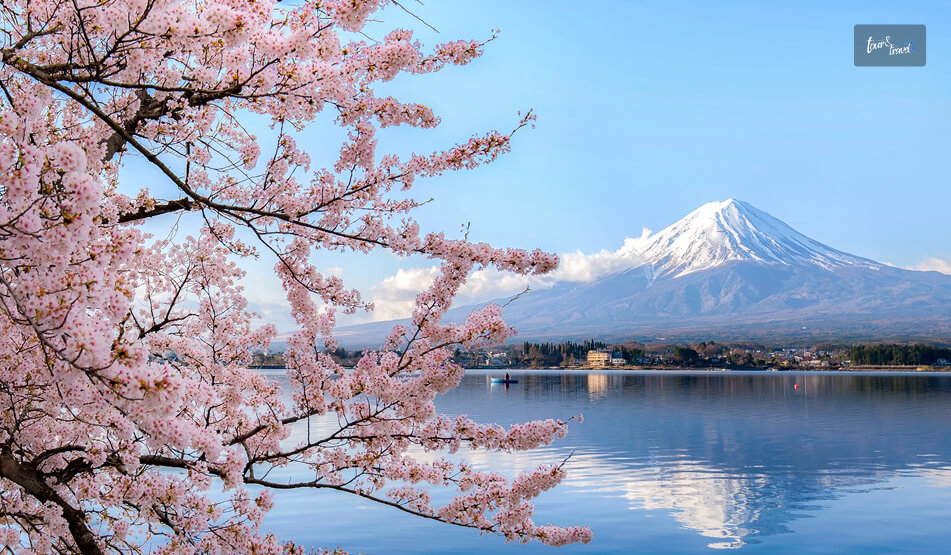
1. Mount Fuji And Kawaguchiko: The Icon

Mount Fuji And Kawaguchiko The Icon
  • Travel Time: 2 Hours 
  • How to Reach There: Highway buses from Shinjuku or Shibuya (~¥1,250–¥2,000 one way).

If I can only recommend one escape, it will be Kawaguchiko, a town located right at the foot of Mt. Fuji. 

“Shy” Fuji hides behind a curtain of clouds and can be quite elusive. While I visited, Fuji showed off for me on several occasions.

I spent an entire day in this beautiful town, but would recommend an overnight stay at one of the many traditional ryokans situated on the lake if possible.

There, you will notice the the juxtaposition of Fuji’s reflection on Lake Kawaguchi at sunrise will be a once-in-a-lifetime experience.

Highlights From My Visit

Climbing the 398 steps of Chureito Pagoda was strenuous.

However, the meditation-like calm through the forest made it worthwhile.

I was fortunate enough to see the iconic site of the Red Pagoda with Mt. Fuji as a backdrop, as the clouds rolled in and covered the summit of Fuji.

Hōtō noodles are a local specialty and are made up of thick, flat noodles cooked in a Japanese miso broth. Eating them will feel like a warm hug! So, don’t forget to try it. 

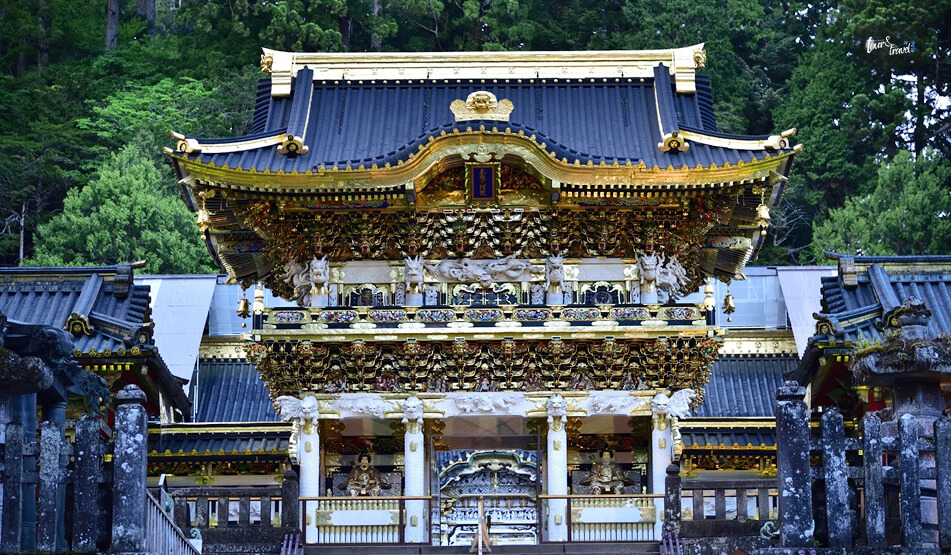
2. Nikko: A Place Of Mist And Masterpieces

Nikko A Place Of Mist And Masterpieces
  • Travel Time: 2 Hours
  • How to Get There: Tobu Railway from Asakusa to Tobu-Nikko Station.

When you visit Nikko, you will see all that it has to offer in the stunning, misty forests and cedar trees.

Moreover, the detailed and ornate shrines seem to be jewelry boxes.   

Insider Tip: 

Arrive before 9 am at Lake Chuzenji to witness how the morning light creates an incredibly peaceful scene on the water. 

If you arrive later than 9 am, visit the Toshogu Shrine first, which is where Shogun Tokugawa Ieyasu is buried and features the famous three monkeys, “See no evil, hear no evil, speak no evil”.

Many people come to see Kegon Falls, but it can be crowded due to the high tourist volume. 

Unless you arrive at dawn, I would recommend skipping Kegon Falls and enjoying the calm waters of the lake instead.

3. The Coastal Soul Of Japan: Kamakura

The Coastal Soul Of Japan Kamakura
  • Travel Time: 1 hour
  • How to Get There: JR Yokosuka Line from Tokyo Station (¥940 one way).

Kamakura is also popular as the “Kyoto of the East,” and I can see why. 

Although it is an hour from Tokyo, when you are there, you will be surrounded by the smell of salt and incense from the temples instead of exhaust from busy streets.

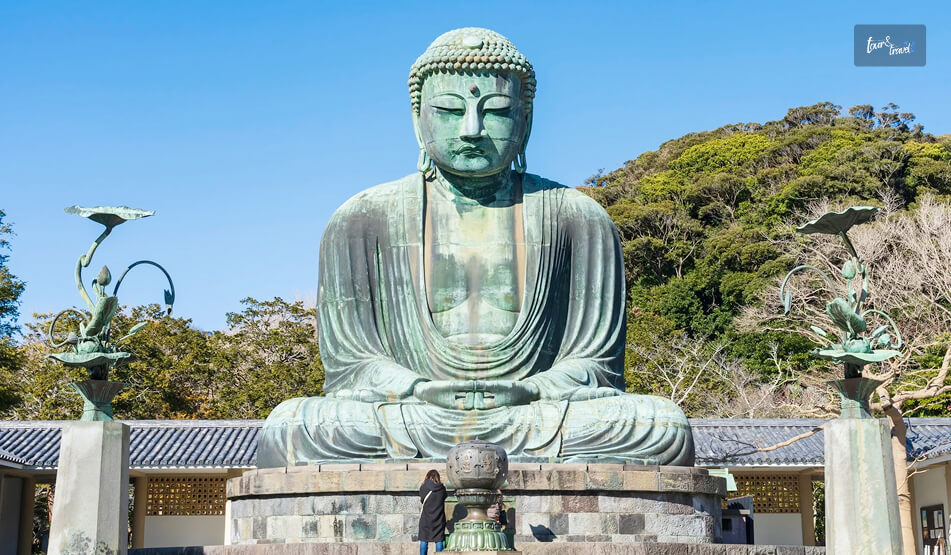
Be sure to see the Great Buddha (Daibutsu) at Kotoku-in. 

This is a large bronze hollow statue located outside. 

Standing there, surrounded by trees and soft sea light, I felt a sense of peace and tranquility. 

After visiting the Great Buddha, I walked to Yuigahama Beach to watch the surfers and the sunset before enjoying a meal of sukiyaki or shabu-shabu.

4. Hakone: A Breath of Mountain Air

Hakone A Breath of Mountain Air
  • Travel Time: 2 Hours
  • How to Get There: Odakyu “Romancecar” from Shinjuku. I recommend the Hakone Free Pass.

Tokyo is the pulse of Japanese culture, and it is in Hakone where you’ll find peace after the city’s frenzied pace. Hakone is a beautiful blend of modern and ancient. 

The first stop for my visit was at the Hakone Open-Air Museum, where I walked among sculptures created by some of the most famous artists in the world, surrounded by natural beauty all around me. 

Then, I took the Hakone Ropeway across the Owakudani Valley. 

It is an active volcanic area where steam rises out of the ground, creating a picture of a living canvas. 

On clear days, you may see Mt. Fuji as well. 

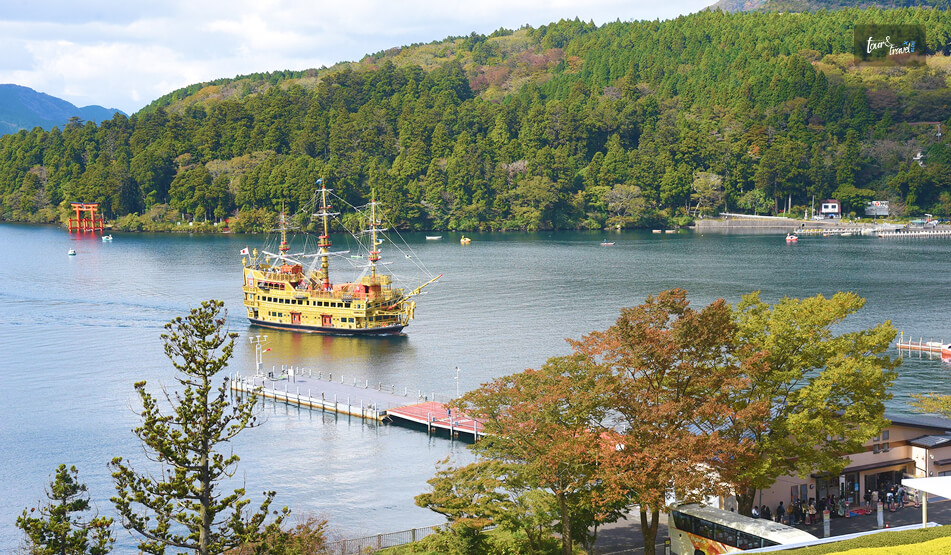
The day was capped off with a boat ride on Lake Ashi aboard a vessel that resembled a “pirate ship.” 

I was hesitant about it being cheesy, but the sights were gorgeous.

5. The Easy Escape To Yokohama 

The Easy Escape To Yokohama
  • Travel Time: 30 Minutes
  • How to get there: JR Tokaido or Keihin-Tohoku Line from Tokyo Station (¥480).

When I need to relax from the chaos of Tokyo, I tend to go to Yokohama. 

Yokohama is the 2nd largest city in Japan. However, it has a much more relaxing atmosphere due to the harbor. 

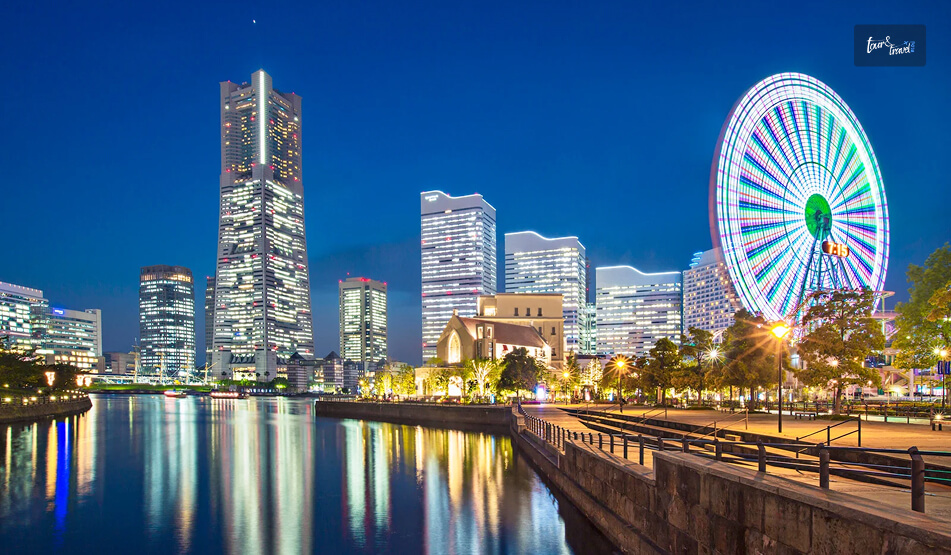
I enjoy taking a stroll along Minato Mirai, which is another word for “harbor view,” while enjoying the ocean breeze. 

For something “quirky”, I went to the Cup Noodles Museum to create my own cup of noodles and to learn about the history of Nissin Food Products. 

However, the highlight was visiting China Town, which is the largest in Japan. 

My recommendation is to arrive at China Town around 4:00 or 5:00 PM. 

It will be early enough to beat the dinner rush and late enough to see the entrance of all the glow from the lanterns. 

Take a bag of roasted chestnuts and enjoy the view of the skyline from the water while riding on the Cosmo Clock 21 Ferris Wheel.

6. A Trip Back In Time To Kawagoe

A Trip Back In Time To Kawagoe
  • Travel Time: 1 Hour
  • How to get there: Tobu Tojo Line from Ikebukuro or JR from Shinjuku.

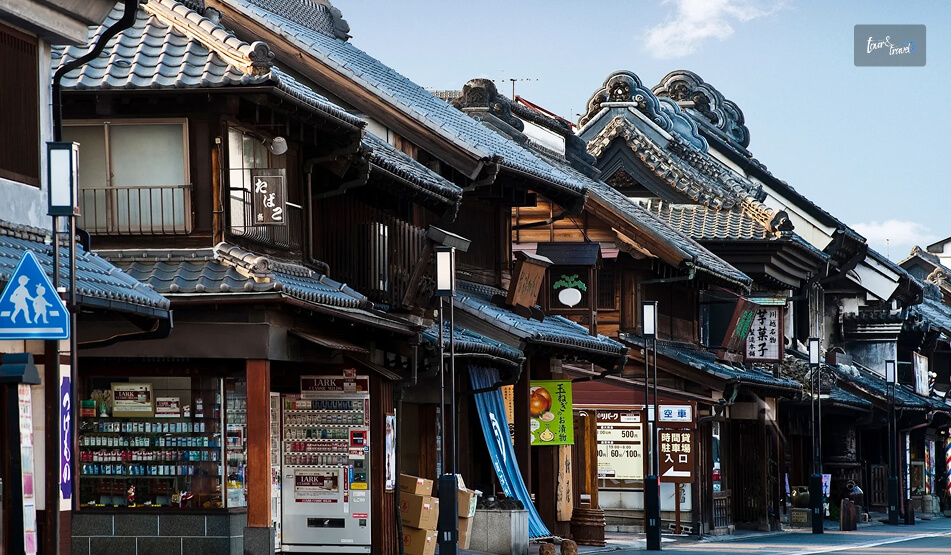
If you want a taste of the Edo period without trekking all the way to Kyoto, go to Kawagoe. 

It’s a walkable town full of clay-walled warehouses and wooden merchant houses.

When I arrived at 8 AM, I heard the Toki no Kane (Bell of Time) tolling in the stillness of the morning. 

I went back 200 years in time. 

If you have time to go to Candy Alley, everything is made from sweet potatoes, cakes, chips, and even ice cream! 

I know it sounds strange, but I assure you that it is really good!

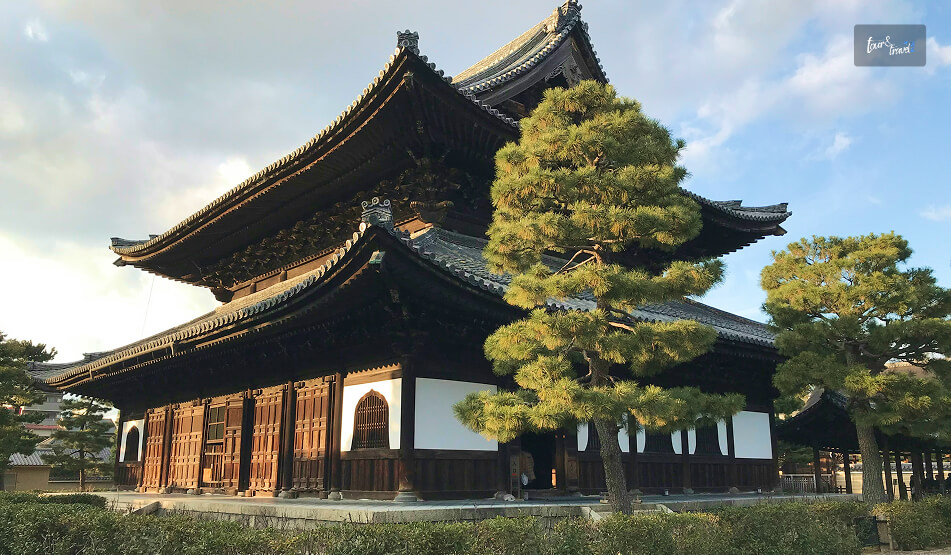
7. Kyoto: The Soul Of Japan

Kyoto The Soul Of Japan
  • Travel Time: 2 Hours (by Shinkansen)
  • How to get there: Tokaido Shinkansen from Tokyo Station (¥13,320 one way).

I usually tell people to stay at least two days in Kyoto, but if a day trip is all you can manage, do it. It is expensive, but it is worth every yen.

To appreciate Kyoto fully, you should focus on finding peace and serenity rather than simply marking off temples from a to-do list. 

Instead of fighting the crowds at the bamboo groves, I found my peace by sitting in the wonderful gardens of Kennin-Ji Temple and breathing the incense they burned there.

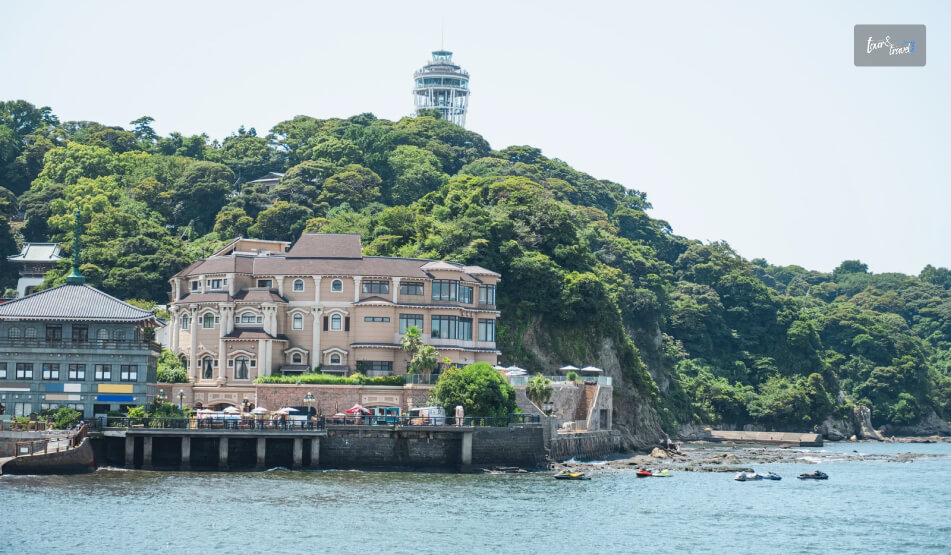
8. Enoshima: Islands And Icons 

Enoshima Islands And Icons
  • Travel Time: 2 Hours
  • How to get there: Odakyu Line from Shinjuku to Katase-Enoshima Station.

Enoshima is where Japan’s coastal charm meets its spiritual side. 

It’s a small island with a bridge and shrines dedicated to the goddess of the sea.

Prepare to take many steps as you make your way to Iwaya Caves on the opposite end of the island. 

The sound of waves’ll surround you as you leave the noise of the city behind. 

Furthermore, inside the caves, it’s a different world!

After you leave the caves and head back, stop at a vendor and buy some grilled fish or seafood so you can enjoy the smoky aroma of the grilled fish while walking through Enoshima Island.

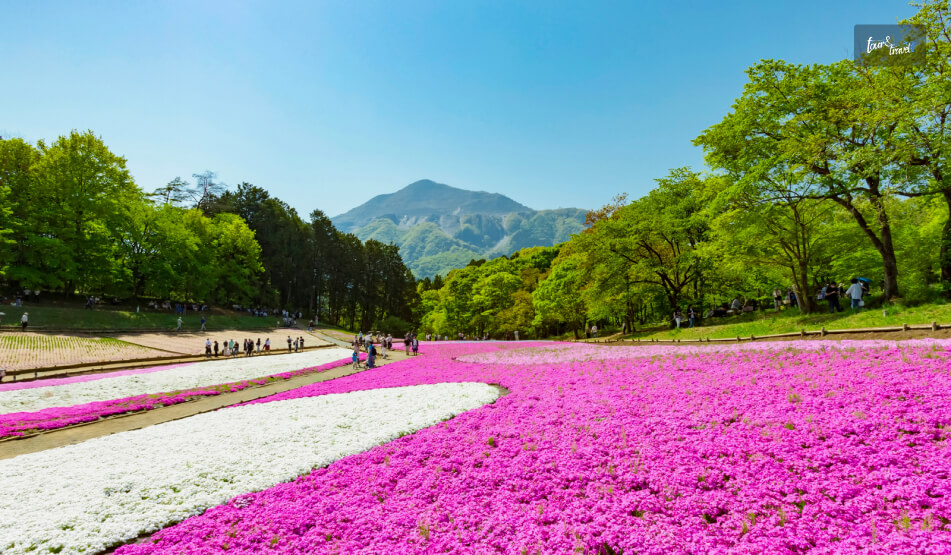
9. Chichibu: Mountains And Moss

Chichibu Mountains And Moss
  • Travel Time: 2 Hours
  • How to Get There: Seibu Line from Ikebukuro to Seibu-Chichibu Station.

Chichibu is an outdoorsy place if you love the outdoors! 

It’s got mountains and has a strong cultural heritage. 

If your timing is right in the spring, Hitsujiyama Park gets huge patches of pink and white moss phlox in bloom.

This area has deliciously filling meals, including miso potatoes and waraji katsu (a pork cutlet that’s named after a straw sandal because of how large it is).

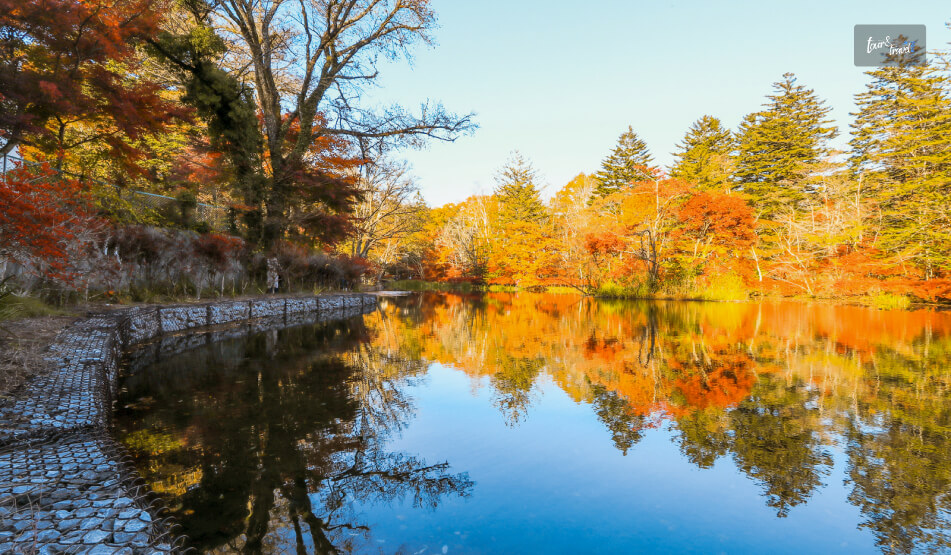
10. Karuizawa: The Alpine Retreat

Karuizawa The Alpine Retreat
  • Travel Time: 1 Hour
  • How to get there: Hokuriku Shinkansen from Tokyo Station.

Finally, there is Karuizawa. This is where Tokyo’s elite found an escape from the summer heat, and it still feels incredibly sophisticated.

Renting a bicycle is one of the best ways to experience this area. 

I spent my first morning biking through beautiful pine tree forests until I arrived at Kumoba Pond. The pond has such calm water that it feels like looking into a huge mirror! 

In the winter, it turns into a beautiful, snowy retreat perfect for relaxing after spending several days in the city. 

Read Also:

Share on Social Media

Meet Sibashree Bhattacharya, a travel enthusiast who has a decade-long experience in transcending virtual barriers with her words! Her deep love for travel is apparent from her travel escapades to the mountain, often taking her readers on a journey, her words acting as Portkey! Fun fact: Sibashree loves to dive deep into the history of the places she is about to visit, making her travels even more wholesome. If you were wondering how her articles are not short of time travel, this answers it!

Leave a Reply

Your email address will not be published. Required fields are marked *

title-img Related

READ MORE Mt Fuji day trip from Tokyo

Is an Mt Fuji Day Trip From Tokyo Worth It? How To Plan It? 

BY  Sibashree Mar 26, 2026

Planning a day trip from Tokyo? Mount Fuji is the most obvious destination for such a trip.  But do you know how to travel for a Mt Fuji day trip from Tokyo and why it is so special?  Let’s find all the details in this blog.  Why Is A Mt Fuji Day Trip From Tokyo Special? Is It Overhyped? The volcanic mountain, Mount Fuji, is a UNESCO World Heritage Site. Furthermore, the Fuji Five Lakes area in Kawaguchiko offers amazing scenic views.  Though a rewarding day trip, these days it is often overhyped by Instagram and other social media platforms.  In most of the pictures, you will find a half-snowy Mount Fuji with its stunning landscape.  However, you have to remember that Mount Fuji is also called the “Shy Mountain.” True to its name, it is only visible around 70-80 days in a year.  That is why it is very important to plan the Mt Fuji day trip from Tokyo at the right time.  Do you think the summer months are the best for visiting Mount Fuji? You are making a mistake.  In fact, the summer months are the most humid and the rainiest in Japan.  So, clouds and mist make Mount Fuji rarely visible. Thus, winter months, which are also drier, are the best for a Mt Fuji day trip from Tokyo.  Climbing And Touring Mt Fuji: Which One Is Better?  If you are planning to climb Mount Fuji, you will need at least 2 days for the trip from Tokyo.  However, if you want to take a tour of the mountain from the surroundings, it can be completed comfortably in a day.  So, here is a comparison of climbing Mt Fuji vs. taking a tour of Mount Fuji.  1. Climbing Up Mount Fuji  A sunrise trek to Mount Fuji is very popular, and you will find multiple stations on the trek route.  Furthermore, climbing up the mountain is no easy task, and it takes 5 to 10 hours to complete this high-altitude trek.  Though the Yoshida Trail, among the four trails leading to the summit, is beginner-friendly, you still need training, proper gear, and preparation to complete the trek.  2. Taking A Tour Of Mount Fuji  This is the usual option for regular tourists. You will visit the Fuji Five Lakes and beautiful villages on the way.  Also, if the weather conditions are good, you will get a good view of Mount Fuji.  How To Travel For A Mt Fuji Day Trip From Tokyo?  Yes, you can take a car on rent for a Mt Fuji day trip from Tokyo. However, Japan is famous for its trains.  It also has a well-managed bus network.  So, for a local experience and budget-friendly travel, these are the best options you can opt for.  1. Mt Fuji Day Trip From Tokyo By Train Japan Railway (JR) has a limited express train service called the Fuji Excursion Train. The train runs between the Shinjuku Station and the Kawaguchiko stations and the Mount Fuji Station is between them. The Shinjuku Station is at a distance of about 5 km from Tokyo City.  The train ride takes about 1 hour and 54 minutes, and the ticket price is ¥600 for adults and 400 for children.  Check out the timings of trains from Shinjuku Station and Kawaguchiko, and when they reach the Mount Fuji Station.  I have enlisted the timings for the weekdays. Train timings differ on weekends and holidays (Source: Fujikyu Railway).  Table 1: Train From Shinjuku Railway Station To Mt Fuji  DepartureArrival 7:30 AM9:23 AM8:30 AM10:21 AM9:30 AM11:23 AM10:30 AM12:19 PM11:34 AM1:25 PM Table 2: Train From Kawaguchiko Railway Station To Mt Fuji DepartureArrival 2:08 PM2:16 PM2:58 PM3:06 PM3:39 PM3:47 PM4:48 PM4:56 PM5:41 PM5:49 PM You can directly book the train ticket from the online reservation service of the Japan East Railway. You can also buy a Japan Railway Pass for similar excursions.  Mt Fuji Day Trip From Tokyo By Bus You can also plan a Mt Fuji day trip from Tokyo by bus. Take the Mt. Fuji Highway Bus from the Shinjuku bus stop and get off at the Mount Fuji 5th Station.  Also, the travel time is about 2 hours and 25 minutes.  Furthermore, the ticket price is 3800 JPY for adults and 1900 JPY.  Moreover, you can book the ticket online from Highway-buses.jp.  How To Explore Mount Fuji? You can explore Mount Fuji in a car. However, it is super expensive and costs up to JPY 15000-20000 JPY a day.  Furthermore, if you are planning to drive in Japan, you will need a 1949 International Driving Permit (IDP) as an international tourist.  Overall, it is a lot of hassle.  So, you can choose the bus services available in Mount Fuji to travel in and around the area.  1. Fujikyu Or Omnibuses You can book the Fujikyu Omnibus sightseeing pass for 1 day or 2 days. The pass for 1 day costs 1500 JPY, and for two days, it costs 2000 JPY.  Moreover, these bus services operate in three lines: the Red Line, Blue Line, and Green Line.  So, check your itinerary first and the places you want to explore before boarding a bus.  2. Climbers Bus Are you planning to climb up Mount Fuji? Then, you can plan to take this bus service. However, many of these services are seasonal, and here are the details.  Moreover, these buses depart from the 5th Station and circle the mountain.  Climber Bus RouteLineSeasonal Availability Fuji Subaru Line 5th StationM-LineEverydaySubhasiri 5th Station Q-LineSummer SeasonGotemba New 5th StationZ-LineSummer SeasonFujinomiya 5th StationL-LineSummer Season 3. Bus-Boat Kaba This is a special bus service on water. You can board the bus-boat Kaba and cruise through Lake Yamanaka.  Furthermore, in usual seasons, the ticket price is 3800 JPY for adults, 1900 JPY for children, and 500 JPY for infants. Prices can further go up in the peak tourist season.  Moreover, on weekdays, the bus boat services will run from 11:30 AM, 1:10 PM, 14:00 PM, and 15:40 PM from 1st April, 2026.  On weekends, there are additional services (along with the usual times) at 9:50 AM, 12:20 PM, 2:50 PM, and 4:30 PM.  Moreover, from April to September, there is a bus service at 5:20 PM on weekends.  5. Local Route Bus  You will get buses departing from Mt Fuji and Kawaguchiko Stations to Fujinomiya, Shin-Fuji Station, Kofu, Isawa Onsen, Mishima, and Gotemba.  What Is The Best Time To Plan A Mt Fuji Day Trip From Tokyo? The winter months are ideal for visiting Mount Fuji. Dry weather conditions and a lack of humidity in the air make it ideal for visiting Mount Fuji. Furthermore, spring and autumn months are ideal for a Mt Fuji day trip from Tokyo. These months coincide with the cherry blossom season in Japan and the autumn foliage. Read Also: Tokyo To Hokkaido Distance: Know About Various Modes Of Transportation Are You Planning A Trip To Osaka? This Is Your Quintessential Guide Best Places To Travel Around The World And To See Flowers

READ MORE Jaffna Cultural Guide

A Jaffna Cultural Guide: How To Experience Tamil Culture In Jaffna? 

BY  Sibashree Jan 6, 2026

With the Sri Lanka Tourism Development Authority (SLTDA) planning to diversify the tourism offerings, Jaffna, the northernmost part, comes into the limelight. Jaffna is the place to know about the local Tamil culture and heritage of the country.  Jaffna has beautiful temples, and the Jaffna temple etiquette shows how the people here are sincere about their customs and traditions. Also, major festivals such as the Nallur Annual Festival are celebrated around the temples here.  On the other hand, the Jaffna food scene is a celebration of locally-sourced ingredients such as fresh seafood, palm flour, and roasted spices.  SLTDA is proactively improving the infrastructure without compromising the sustainability aspect. Thus, in 2026, Jaffna is going to emerge as an eco-tourism leader, which promotes its culture and heritage.  Also, during my last visit, I found Jaffna to be a rhythm. I woke up with the sound of temple bells at 5 AM and the smell of jasmine and roasted curry powder. As I crossed the Elephant Pass, it was a paradigm shift from the greens of the Sinhalese South. Suddenly, I was in a sun-drenched, rugged terrain of palmyrah palms and limestone.  The humble and soft curves of the Buddhist Stupas were replaced by the towering Gopurams of the Hindu temples.  Life moves at a gentle pace here, and everyone works together, keeping a century-old tradition and heritage alive.  In this Tour and Travel Blog, I will talk about how to experience Tamil culture in Jaffna, every day, through festivals, temple visits, and more.  How To Experience Tamil Culture In Jaffna? Reading The Streets And Daily Rituals  Taking a walk down the streets of Jaffna is the best way to learn about the local Tamil culture. And the best part is the inclusivity.  It does not matter the social strata you belong to. The customs, festivals, and temples are accessible to all. Nevertheless, these are the daily rituals and road customs that offer insights into the culture of Jaffna. 1. The Kolam (Doorstep Art) I walked along the lanes of Jaffna at dawn and saw women sweeping their doorsteps and drawing intricate geometric patterns with white rice flour. It is called the Kolam.  Kolam has deeper spiritual and environmental implications. Kolam at the doorstep is a gesture of non-violence or Ahimsa. Also, the design is made using rice flour, which ants and birds eat. Thus, the first act of the day becomes about giving.  Furthermore, during a special festival or wedding in the house, the white lines are bordered with Kaavi (red brick powder). The red lines offer spiritual protection from evil eyes.  Also, if you see a house with no Kolam for many days, it means that the family is mourning. It signifies that the rhythm of joy has paused for a certain period for the family. 2. The Pottu And Vibuthi (Forehead Markings) Pottu and Vibuthi are two different types of forehead markings, and these are the visual language of faith. a. Vibuthi (The Ash) Vibuthi means three horizontal lines drawn on the foreheads of the devotees of Shiva. It means the burning away of the ego and the impermanence of life.  Also, the followers of Lord Shiva often smear ash on their forehead after a morning temple visit.  b. The Sandalwood Paste It is a yellow dot made of sandalwood paste. Many people even smear the sandalwood paste on the entire forehead. It signifies mental clarity and cooling. c. Pottu (The Dot) Pottu, often red (vermillion), the dot symbolizes the "third eye" or the seat of Shakti (divine power). It means that a woman is married.  You will also notice black dots (with Kajal/Kohl) on the forehead of young children as a mark to ward off evil eyes.  3. The Home Visit Etiquette And Tamil Hospitality Customs The Tamil hospitality customs are warm and welcoming. However, when you visit a Jaffna home, you have to follow certain social norms.  Follow The Evil Eye Or Drishti Rule  You cannot praise the beauty and health of a child excessively when visiting their home. It is considered a bad omen or an act of jealousy. If you want to adore a child, praise them briefly and share your good wishes.  The Plate Rule Of Eating  It does not matter how much you liked the food. You cannot polish your plate. Contrary to Western culture, here, leaving a polished plate means that you are still hungry or the host failed to provide enough.  The custom is to leave a tiny, symbolic amount of food on the plate. It shows that you have been provided with an abundant amount of food. 4. Caste & Conservatism: Managing Expectations In my Jaffna travel guide, I have talked about the cultural richness of the Sri Lankan northern city. However, beyond the cosmopolitan buzz of Colombo, a socially conservative vibe reigns in this region of Sri Lanka.  So, PDA or public displays of affection, even holding hands, can draw uncomfortable stares from the older generation.  Furthermore, you cannot wear short skirts or shorts in public. Your clothing has to be modest, and usually your knees and shoulders should be covered.  Temple Culture Beyond Sightseeing: A Jaffna Cultural Guide The Nallur Kandaswamy Kovil is the majestic spiritual and cultural heart of the city. However, the village kovils or the smaller temples are the places where local communities gather, and the atmosphere is very intimate.  The Archana Basket Ritual At The Temples  You can buy a small wicker basket near the temple entrance. It contains bananas, a coconut, flowers, and betel leaves.  Once you enter the temple, you have to hand it over to the priest at the inner sanctum. He will offer the basket to the deity and chant a blessing.  Furthermore, the priest will return with a flaming lamp (Aarti). Hover your hands over the flame and then touch your eyes to receive the light’s blessing. The Temple Sound: Nadaswaram And Thavil When you are in Jaffna, you don’t have to look for music. The music will find you. The sound of Nadaswaram or a long wind instrument exudes a piercing and soulful melody.  Then, the Thavil or drum has a thundering sound, and it is heard during every major temple festival. Nallur Festival Traditions And Jaffna Festival Calendar FestivalMonthWhat to ExpectThai PongalJanuaryA harvest festival where "Pongal" (rice and milk) is boiled until it spills over, symbolizing abundance.Nallur FestivalAugustA massive 25-day celebration culminating in a grand chariot procession where thousands of men pull the deity's carriage.DeepavaliNovemberThe Festival of Lights; homes have oil lamps, and the city exudes the scent of traditional sweets. Immersive Cultural Experiences For an immersive cultural experience, you must meet a traditional weaver in Inuvil and see how artisans create the most intricate textiles on hand-operated looms from cotton and palmyrah fibers.  Also, you must give the restaurants a miss for the day. Visit a local homestay where you can have cooking lessons. Grind spices using a stone grinder or Miris Gala and feel the aroma.  Do you love Bharatanatyam Dance? Visit an art school like the Jaffna Kalai Thoothu. You can watch students rehearse this ancient, highly disciplined classical dance form. You can even join sessions such as the Vibrant Rhythms of Jaffna, where you can also try some moves.  The Authority Voices On The Jaffna Cultural Guide Anuk Arudpragasam (Booker Prize Shortlisted Author): “Jaffna is a place of memory. The culture here isn't just performed; it is held onto tightly as a way of surviving history.” (Context: Discussing the resilience of Tamil culture post-war). The "Jaffna Boy" (Local Cultural Blogger): “To know Jaffna, you must wake up before the sun. The culture lives in the sweeping of the front yard and the drawing of the Kolam before the heat sets in.” Serious Eats (Culinary Authority): “The hospitality in Jaffna is aggressive in the best way possible. You do not just 'eat' here; you are fed.” A Jaffna Cultural Guide: Know The Expert Tips  “Saptingala” or “Have you eaten?” This is the common term I have heard from the locals I encountered. Seldom have I come across a city where people are so caring, even in casual greetings.  However, it’s safe to say “Yes.” Otherwise, they will feel obligated to feed you. Apart from these gestures, some other things you need to keep in mind when you are in Jaffna. 1. Don’t Touch The Head The head is the most sacred part of the body. So, you cannot pat a child on the head. Furthermore, you cannot touch a priest or monk randomly.  2. Use Your Clean Right Hand  You have to keep your right hand clean. You must use your right hand for shaking hands, eating, giving money and gifts, and pointing.  3. Men And Shirts  You will often find older men not wearing a shirt in their house. There is nothing offensive about the custom. In the hot and humid north, it is a tradition that ensures comfort.  4. Don’t Photograph Women Bathing In Holy Places Keerimalai Springs is a holy bathing place, and local women often take a bath in sarees at public wells. You must not photograph them.  It is a daily ritual for them and not meant for any tourist show.  5. The Quintessential Jaffna Siesta  Most shops and house doors are closed between 1 PM and 4 PM. It is the Jaffna Siesta time. It once again shows how life in Jaffna moves at a different pace than the rest of the world.  6. Gold Is Security  Women in Jaffna roam around wearing massive amounts of gold jewelry. It is their financial security. Also, Thattam or the gold coin jewelry is especially famous here.  It is disrespectful if you ask a woman whether the ornaments she is wearing are real or not. It is always real.  7. The Jasmine Rule  During my stay in Jaffna, I always wore a string of fresh jasmine flowers in my hair. It was one of the reasons why I connected with the local people very quickly.  A Jaffna Cultural Guide: Frequently Asked Questions (FAQs) Here are the frequently asked questions and answers about the Jaffna cultural guide.  1. What Is The Main Religion In Jaffna?  Hinduism is the main religion in Jaffna. Furthermore, people here are mostly devotees of Lord Shiva and Murugan. The religious beliefs of the people here impact the local culture, food, and daily rhythm. 2. Can I Shake Hands With Local Women? The Jaffna society is conservative. So, most women here will not be comfortable shaking hands with you at the first meeting. You can fold your hands and say “Vanakkam” with a smile for a perfect greeting.  3. What Language Do The People In Jaffna Speak? Tamil is the primary language in Jaffna. People here rarely speak the Sinhalese language.Furthermore, you will find people speaking in English in hotels and other facilities. However, as you explore the villages, you will find very few people speaking English.  4. Is Jaffna Culture Similar To India?  Yes, the culture of Jaffna is very similar to that of Tamil Nadu in South India. In fact, if you visit Jaffna from Colombo, you will experience a huge cultural shift. The Tamil people in Jaffna are very protective and proud of their distinct identity, cuisine, and dialect.  5. Can I Enter A Home In Jaffna If I Am Invited? Yes, it is a huge honor to visit a home in Jaffna on invitation. Just remember to take off your shoes at the gate or door. Furthermore, when you visit a home in Jaffna, you can carry flowers and sweets as gifts. You must not carry alcohol as a gift if you are visiting a home in Jaffna for the first time. 6. Why Is Vegetarian Food So Common In Jaffna?  Vegetarian food is very common in Jaffna due to the strong Hindu influence. Many locals are vegetarians here due to religious beliefs. Also, many local Tamil families here follow the custom of eating vegetarian food on Tuesdays, Fridays, and other holy days. 7. Is It Rude To Leave Food On My Plate In Jaffna? No, it is not rude to leave food on your plate when you are eating in Jaffna. In fact, when you leave a little amount of food on your plate, in Jaffna, it means that the host has served you an abundant amount of food. If you polish your plate off completely, the host may serve you another mountain of rice, considering you are not full yet. 

READ MORE Osaka food

Osaka Food: Know What To Eat In The Streets Of Osaka 

BY  Sibashree Mar 27, 2026

Osaka food is slowly and steadily surpassing Tokyo as the poster for Japanese cuisine.  Furthermore, it has been just a few days since La Cime in Osaka became the best restaurant in Japan in the Asia's 50 Best Restaurants list in 2026.   However, the soul of the Osaka food lies in the streets. The Dotonbori neighborhood was especially the best when I visited.  In fact, I was so much in love with the street food here that I chose to cancel the previous booking and chose a hotel in Dotonbori instead.  Also, the Dotonbori Market was the epicenter of my food exploration in Osaka.  Moreover, how can you ever forget what Anthony Bourdain had to say about food in Osaka? He said,  “I’m a big believer in winging it. I’m a big believer that you’re never going to find the perfect city travel experience or the perfect meal without a constant willingness to experience a bad one.  Letting the happy accident happen is what a lot of vacation itineraries miss, I think, and I’m always trying to push people to allow those things to happen rather than stick to some rigid itinerary.” So, let’s explore Osaka food at its best in Dotonbori. What Are The Best Osaka Food You Can Try On The Streets?  Osaka, despite its funky and vibrant appearance, has a history that goes back to the Edo Period in the 17th century.  Furthermore, it was a major trading hub during that period. Also, it was the same time when Osaka earned the nickname “Japan’s Kitchen.”  Moreover, Dotonbori extends across a canal that reaches out to the sea. So, you will always find fresh seafood in the local delicacies.  Ramen Udon Torikara Takoyaki These are some of the delicacies served by the local vendors in Osaka.  However, just mentioning these names does not justify the tangible experience of Osaka food.  I saw a big red octopus getting dressed and served, and the lobsters were irresistible.  Nonetheless, these are the best street foods you can try in Osaka.  1. Mitarashi-Dango Pocket-Pinch: 150 JPY  Mitarashi-Dango is the most comforting street food you will try in Osaka. Furthermore, these are great for budget-friendly travelers and backpackers like me.  These rice balls are sweet and chewy, and have a hint of burnt taste due to the unique browning process that takes place once the rice balls are boiled and cooled.  Furthermore, the glaze of the sweet soy sauce makes it perfect!  2. Okonomiyaki Pocket-Pinch: 400-450 JPY  Do you like frittata? Then, you will love these Japanese savory pancakes even more.  Okonomiyaki has all the flavors. However, you never feel heavy after having them. Furthermore, these pancakes are simple, as cabbage, flour, and eggs are the main ingredients.  However, the local street vendors add seafood and scallions to the dish for more flavor and color.  Also, they serve it with barbecue sauce.  3. Daifuku Mochi Pocket Pinch: 350-400 JPY Mochi, the round rice cake, is a staple Japanese delicacy.  It has the chewiness of Mitarashi-Dango. However, it has filling as the daifuku part of the name suggests.  I loved the ones with strawberry filling, and you can also try them with other fruits.  4. Torikara Pocket-Pinch: 300-400 JPY If the USA has its deep-fried chicken, Japan also has Torikara.  I loved them, and the fried potatoes and the variety of sauces will be the most amazing additions.  5. Takoyaki Pocket Pinch: 700-800 JPY  Takoyaki is probably the most famous street food of Osaka and Japan.  Japanese people love these octopus balls, and that’s why the Takoyaki stalls in Dotonbori are countless.  Furthermore, the scallions and flakes of dried fish sprinkled on top make the dish really amazing.  Moreover, the batter is gooey, and it will melt in your mouth.  6. Taiyaki Pocket Pinch: 300 JPY This is a fish-shaped pastry and my silent favorite among everything I tried in Osaka.  The smell is irresistible, and the main attraction is to see it getting ready in front of your eyes.  You can have this vanilla-flavored pastry with cheese, custard, and hamburger meat. However, the red bean paste is the ideal choice if you want to follow the grammar of East Asian cuisine. 7. Udon Pocket Pinch: 650 JPY The hot broth and noodles! I know that I have kept you waiting for the longest time to find this lethal combination on my list.  The noodles in Udon are thick, and with the right seasoning, their taste grows on you. That’s why you can eat udon every day and not get bored.  Furthermore, there are many variations of udon, such as the curry udon, yaki-udon, nabeyaki udon, and tempura udon.  8. Soba Pocket Pinch: 400 JPY Soba has buckwheat noodles in hot broth. Furthermore, these noodles are darker and thinner.  Furthermore, the simplicity of the dish and flavors make it a perfect palate cleanser.  I loved a bowl of soba with scallions.  9. Ramen Pocket Pinch: 700-800 JPY Ramen, of course, is the quintessential wheat noodles the whole world has been eating for quite some time now.  I tried different variations of ramen in Osaka. However, I loved the one with pork the best.  10. Yakitori Pocket Pinch: 1000-1100 JPY Yakitori is the Japanese take on grilled meat.  Furthermore, you will get many variations in the meat used here. You will get bone meat, chicken skin, seafood, and many other varieties here.  11. Sushi  Pocket Pinch: 1200 JPY If Sushi is an emotion, then it runs in the veins of Osaka.  From sea urchin to tuna, eel, and salmon, Osaka spoils you with choices in sushi.  Furthermore, the art of eating sushi is something that you need to understand. It is just not about gulping down some food.  It’s also about being a part of the Japanese culture.  12. Taiko Manju Pocket Pinch: 100-150 JPY You may think that Taiko Manju and Taiyaki are the same, but the origin and texture are very different.  Despite the use of the same ingredients, Taiko Manju is fluffier. Furthermore, their drum shape is inspired by the taiko drums, which are integral parts of Japanese festivals.  Read Also: What Are The Best Day Trips From Tokyo? Most Popular Ones You Will Love Cherry Blossom Kyoto Japan: 2026 Season And The Top Viewing Spots Is an Mt Fuji Day Trip From Tokyo Worth It? How To Plan It?