
Great Barrier Island Stargazing Guide: Watching The Galaxy On The Great Barrier Island, NZ 

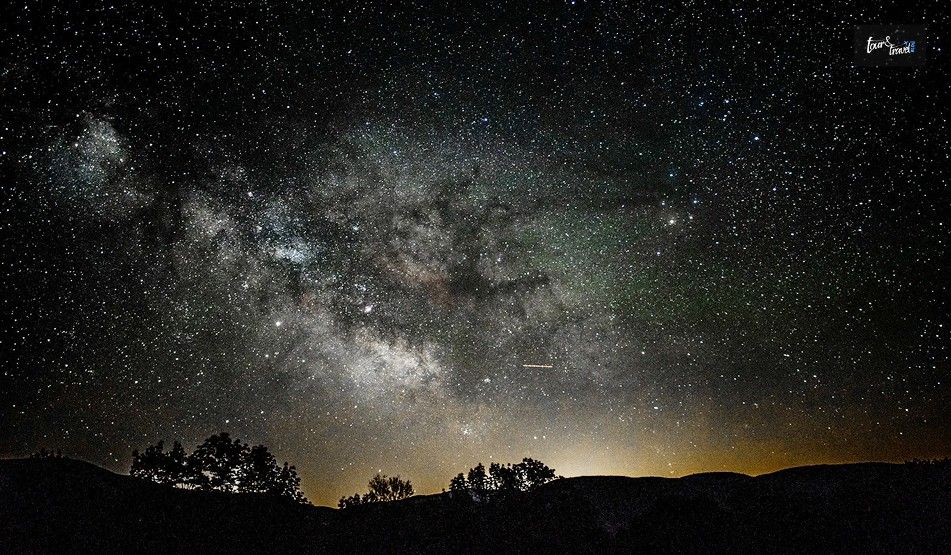
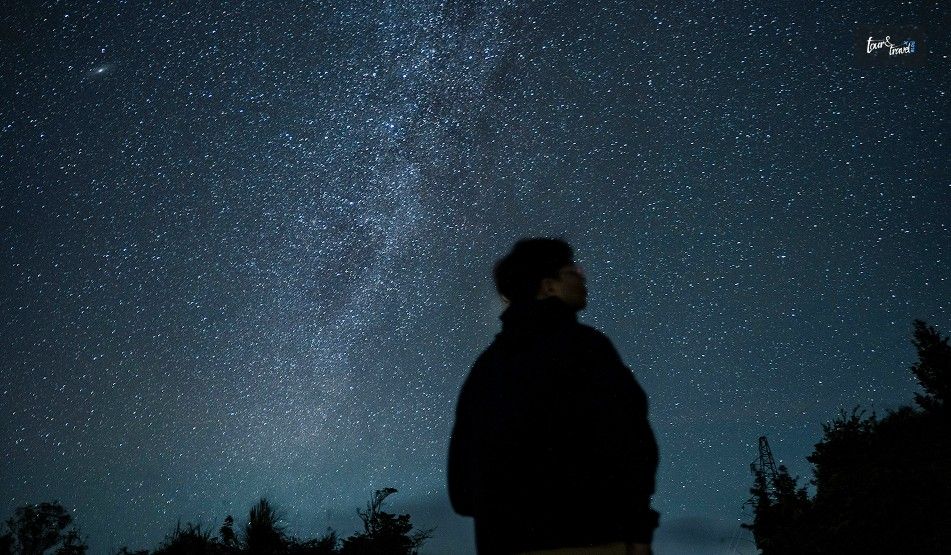
We were lying in the Medlands Beach with the Milky Way arching overhead. No city lights! Only the sound of the waves kept us connected to this physical world.

For me, it was not just the sky full of stars and constellations. These stars were the roadmap for our ancestors, irrespective of the culture and country we belong to. They watched the stars to keep time and decide the time of the year ideal for agriculture, harvesting, fishing, and hunting.

In the Maori culture, Tohunga kōkōrangi, or specialist priests, had this deep astronomical knowledge, and they shared the knowledge with others.

Also, there are myths and ancient stories about the stars, like the one with the Matariki cluster. This cluster is associated with the anger of Tāwhirimātea, the God of wine and storms. Being furious, he tore his eyes and threw them into heaven. There, his eyes became the Matariki stars.

Overall, for the Maori tribes, the stars and constellations have been beyond celestial bodies for observation. They were a mix of spirituality, science, stories, and a way of living life.

So, when the Great Barrier Island, New Zealand, became a Dark Sky Sanctuary in 2017, it celebrated ancestral connections and the role of the sky as a roadmap. And I visited Great Barrier Island in 2022. So, nature had its own reboot during and post the COVID-19 era. So, we could see the clearest sky.

In this Great Barrier Island stargazing guide, I will talk about the best stargazing spots, stargazing tips, conservation etiquette, and more. Let’s explore the magic of the Aotea Dark Sky Sanctuary.

A Deep Dive Into Māori Astronomy (Tātai Aroraki) And Legends: A Combination Of Science, Spirituality, And Culture

When on the Great Barrier Island, it is important to see the stars and celestial bodies through a Maori lens. Also, during our Maori-guided stargazing tour, our guide chanted waiata, and he even used carvings (whakairo) and told stories to make the experience more interactive.

He made us familiar with the key celestial figures and their Maori names. Furthermore, he explained how Maori people perceive different celestial phenomena.

Major Celestial Figures And Their Significance In Maori Tradition 

It is fascinating to see how Maori people connect the stars and celestial bodies with their traditional beliefs and stories. 

1. Te Kahui O Kahu 

The Te Kahui O Kahu constellation is the guardian of the sea and land. The stories of this constellation are important for teaching us the importance of being respectful to nature and protecting natural resources.

2. Matariki Or Pleiades Star Cluster 

Matarikin is the most celebrated Māori constellation. When Matariki gets visible in the sky at dawn, it announces the arrival of the Māori New Year. It is time to gather, share stories, and plan for the year ahead for this local tribe.

Also, according to traditional beliefs, the brighter the Matariki constellation shines, the better the year for harvesting and fishing. 

3. Tautoru Or Orion Constellation 

Tautoru symbolizes protection and power. It was significant for hunters and warriors.

4. Ngā Rā 

The Milky Way or Ngā Rā is believed to be the pathway of ancestors in the Maori tradition. The ancestors use this pathway to travel between the worlds.

Furthermore, in many interpretations, this is the pathway through which the spirits guide the departed souls to the afterlife.

5. Tāwhirimātea Or The Southern Cross 

Tāwhirimātea is worshipped as the protector of the sea. In ancient times, the Maori sailors depended on this constellation to guide them across the Pacific Ocean.

6. Auroras

Maori people worship auroras as the spirit of their loved ones or ancestors. They even think that auroras bear significant messages from the spiritual realm. 

7. Bright Planets (Venus And Jupiter) 

The appearance of these bright planets was associated with the everyday life of Maori people. The appearance of these planets is predictable, and that is why they are associated with timing ceremonies and navigation.

Why Great Barrier Island Is A Stargazer’s Paradise? 

With exciting hiking trails, pristine beaches, and an eco-conscious and off-grid lifestyle, the Great Barrier Island, New Zealand, is an ideal stargazing destination. With no ATMs, footpaths, or banks, the island has maintained a quiet existence.

Furthermore, with low air and light pollution, the stars, the Milky Way, and other celestial bodies shine bright in the sky once the Sun goes down.

In addition, around 60% of the island is protected by the Department of Conservation (DoC). So, it is home to many endemic plants, animals, and birds. So, it is also a bucket-list destination for nature and wildlife lovers.

Moreover, each islander thinks of themselves as a kaitiaki or caretaker. Thus, it has successfully emerged as a zero-waste island, and biosecurity measures with designated spots for camping, hiking, and cleaning have made this island a sanctorium of sustainable practices and natural preservation.

What Makes Aotea A Dark Sky Sanctuary? 

The International Dark-Sky Association (IDA) has scientifically measured the darkness of the sky of the Great Barrier Island. The IDA further offers principles to protect the night sky through awareness and restricted lighting.

To be a Dark Sky Sanctuary, you need an mpsas [magnitude per square arc second] of 21.5, and we had an average of 21.79. Every step on that scale is twice as dark; Auckland is 18, so you can see 10 times more stars here than you can in Auckland.” 

  • Hilde Hoven, from Good Heavens Dark Sky Experiences. 

Furthermore, the darkness of the night sky of the Great Barrier Island is measured every year, and the report is sent to the International Dark Sky Association. In addition, the local people choose low-intensity lighting indoors and outdoors to adhere to the light pollution standards of the dark sky sanctuary.

In addition, there are no street lights, and the entire island practices off-the-grid living to preserve it as a Dark Sky Sanctuary. 

What Are The Best Stargazing Spots On Great Barrier Island, New Zealand? 

The Great Barrier Island is one of the best stargazing spots in NZ. I had the most beautiful stargazing experience at Medlands Beach. However, Awana Beach and the Mount Hobson Summit are two other prominent locations for stargazing.

1. Medlands Beach 

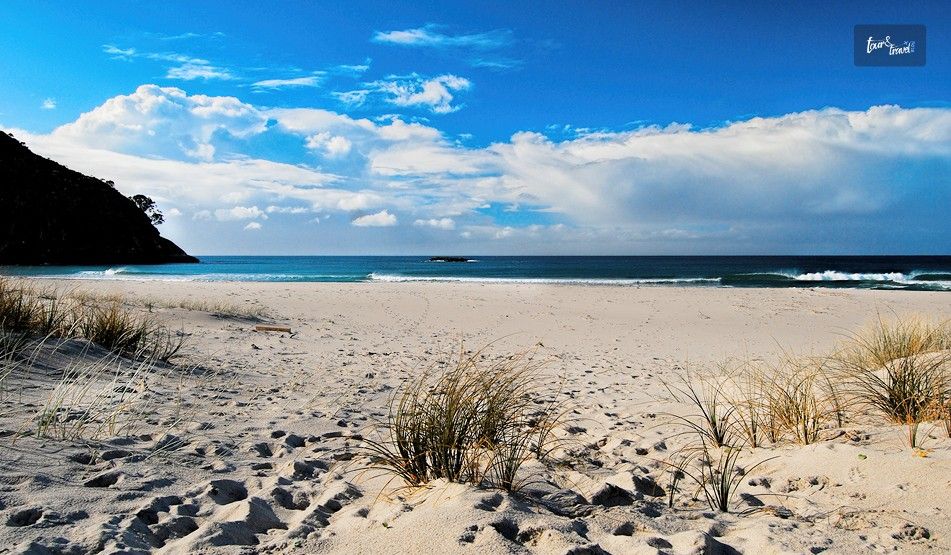
Medlands Beach 

I was fortunate enough to be a part of the Good Heavens group stargazing experience on the sand dunes above Medlands Beach. We all had access to an 8-inch telescope to get up close and personal with the stars and planets.

Furthermore, each of us had binoculars, and our guide used a laser light to point at the stars and planets and share their stories with us.

Far from urban areas, Medlands Beach offers the best views of the night sky, and the gentle waves reflect the stars and planets.

Here is a dark Sky photography guide for you if you are at Medlands Beach. You can use the contrast between the dunes and the vast sky to create a perfect composition for your picture.

2. Awana Beach 

Awana Beach, one of the best beaches in Great Barrier Island, New Zealand, is a natural planetarium. The shoreline here is secluded, making it even more suitable for stargazing.

Offering a clear view of the southern sky, Awana Beach is the best place to see the Milky Way on the Great Barrier Island.

Furthermore, Awana Beach is the meeting ground of amateurs and professional astronomers. The beach gets more visitors during the following celestial and planetary activities.

  • Planetary Alignments 
  • Occasional Auroras 
  • Lunar Eclipses 

In addition, the tranquility of the place is ideal for experiencing stargazing as something beyond a visual spectacle.

3. Mount Hobson Summit 

A hike to the Mount Hobson Summit ensures a brilliant stargazing experience. The summit is at a height of 627 meters, and thanks to the height, it is free of the atmospheric interference at the sea level or lower altitudes.

Also, once you reach the summit after a walk of 2-3 hours, you will get a 360-degree view of the night sky and the Great Barrier Island. Furthermore, the height allows you to observe the Orion Nebula and other deep-sky objects with binoculars.

4. Kaitoke Hot Springs

Kaitoke Hot Springs fuses relaxation with a fascinating stargazing experience. Imagine you are soaking in warm sulfur water pools, and the stars are shining the brightest over your head. It is a multisensory experience, with the crisp air caressing you, the warm water offering comfort, and the night sky presenting the ultimate cosmic display.

Just a small tip. You must bring a waterproof laser light to see the stars without ruining the clarity or the darkness measure.

5. Windy Canyon 

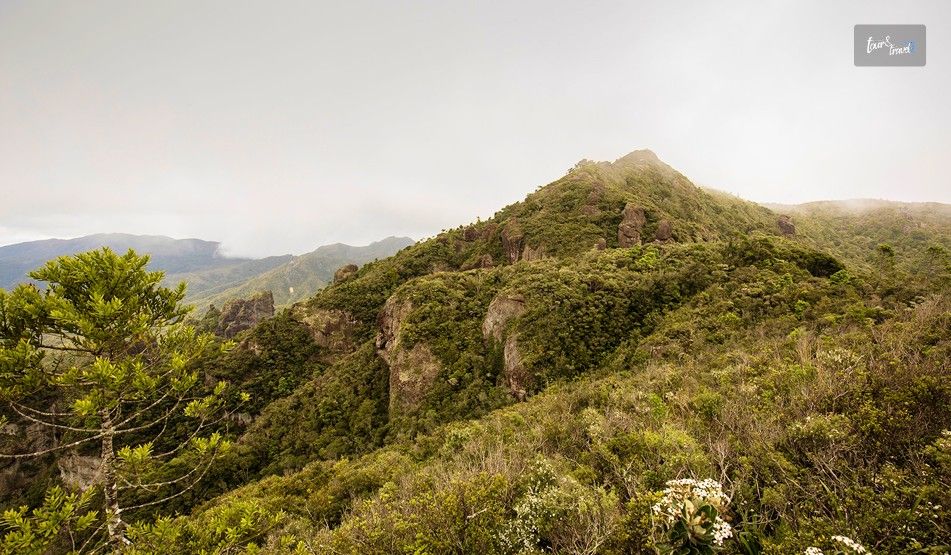
Windy Canyo

Windy Canyon already has that drama on the verge of being surreal, thanks to its unique geological formation. So, stargazing here feels magical, with the canyon itself functioning as a natural observatory.

The clarity of the sky is so high here that even the faintest celestial bodies become visible. In addition, the Windy Canyon is accessible for all types of visitors as the walk is short and easy.

What Are The Top Stargazing Tours & Experiences? 

What Are The Top Stargazing Tours Experiences

The Good Heavens stargazing tours and experiences are the best on the Great Barrier Island. It offers the following stargazing tours on the Great Barrier Island.

1. Heavens Above – Private Dark Sky Experience 

This private dark sky experience is organized at your accommodation with a telescope, hot chocolate, and bean bags arranged by Good Heavens. They can also take you to the nearby beach.

The charge is $1560 for a group of 2 to 12 people, and beyond that, the price will be on request.

2. Moon Walk – Group Star Gazing Experience 

Moon Walks happen for a week every month. During this time, the Moon looks the biggest in the sky, and the Milky Way is less visible.

The tour charge is $130 for adults and $65 for children below 13 years.

3. Look Up And Get Lost – Group Dark Sky Experience 

This is a deep sky experience, and the tour continues for 1.5 hours. The charge for this tour is $130 for adults and $65 for children under 13.

How To Enjoy Dark Sky Sanctuary On Great Barrier Island Without A Tour? 

How To Enjoy Dark Sky Sanctuary On Great Barrier Island Without A Tour

Are you on an independent stargazing tour on the Great Barrier Island? Consider the following Aotea stargazing tips.

1. Checking Weather Conditions 

Clear Moonless nights are the best for a stargazing experience on the Great Barrier Island. However, if you want to go for a Moonwalk, expect lesser visibility of the Milky Way and the stars.

2. Finding A Dark Sky Spot 

The beaches of the Great Barrier Island, New Zealand, are ideal for the ultimate stargazing experience. Know the dark sky spots and drive away from urban life to see the best cosmic display.

3. Bringing The Right Gear 

On guided stargazing tours, the tour operators provide binoculars, telescopes, and red laser lights. If you are on a DIY tour, you will have to carry these essentials.

4. Using Stargazing Apps And Tools 

You must use stargazing tools and apps for the best stargazing experience. The best is the free NASA app, and Astrospheric is another app known for brilliant forecasting.

Furthermore, you can bring a star chart to locate and identify the stars and constellations.

Astrophotography Tips For Beginners 

The Medlands Beach and Awana Beach are two of the best beaches for reflection shots on the Great Barrier Island. Furthermore, here are some ideas about the essential equipment and camera modes for astrophotography on the Great Barrier Island, New Zealand. 

Camera Mode Manual 
Aperture \(f/2.8\) or \(f/4\) 
ISO 3200 or 6400 
Shutter Speed 15-25 Seconds Or, Divide 500 by the Focal Length of Your Lens 
File Format RAW or RAW + JPEG to Retain Better Color Data for Editing 
White Balance Manually Setting The White Balance to 4000 Kelvin 
Tripod Carry a Sturdy Tripod for Image Stabilization.
Focus Keep Your Lens Focus to Infinity.
Trigger You Can Use a Remote Trigger or Set the 2-10 Seconds Self-Timer of the Camera to Avoid Jerking while Pressing the Shutter Button.
Lens Wide Lens (At least 24mm) for Full-Frame Cameras 18mm or Wider for APS-C Cameras 

Seasonal Stargazing Calendar: What To See & When 

Know when to watch meteor showers, the Milky Way, and Aurora Australis in the Great Barrier Island, New Zealand. 

Season / Months Meteor Showers (Peak Dates) Milky Way Core Visibility Aurora Australis Chances 
Summer (December–February)Geminids – Dec 13–14 (best annual shower) 

Ursids – December 22

Quadrantids – January 3–4 (short, intense) 
• Early Morning Visibility

• Low on Horizon before Dawn 
The chances of Aurora Australis visibility are low as geomagnetic activity is subdued; occasional events only during strong solar storms.
Autumn (March to May) Lyrids – April 22–23 

Eta Aquariids – May 5–6
• Core Visibility from 2 AM to 5 AM There are moderate chances of seeing the Aurora Australis. As the nights grow longer, the chances become higher, and equinox-related geomagnetic boosts the visibility chances.
Winter (June to August) Bootids – June 27 (variable)

Southern Delta Aquariids – July 28–30
• It is the Best Season for Milky Way Photography.

• You Can See the Core for Most of the Night. 
These months offer high chances of seeing the Aurora Australis due to high solar wind and longer nights. The chances of seeing the Aurora increase after the Equinox.
Spring (September to November) Draconids – October 8th 

Orionids – October 21–22
 
Leonids – November 17th–18th
• The Core Visibility Becomes Less in this Season.The September equinox gives strong geomagnetic activity. So, this season offers moderate to high chances for Aurora visibility.

Stargazing-Friendly Accommodation & Camping 

Camping on the Great Barrier Island, New Zealand, is the best option for stargazing. There are Department of Conservation (DoC) campsites such as Medlands Beach, Akapoua Bay, Harataonga, Awana Beach, The Green, and Whangapoua.

In addition, Stay High Island Camping Co. and the Great Barrier Island Campground are two privately-owned campgrounds on the Great Barrier Island.

Furthermore, stargazing tour providers, such as Good Heavens, can offer all-inclusive packages, including eco-friendly accommodations such as XSPOT Cliff House. 

Beach Etiquette & Conservation For Night Sky Lovers 

When you listen to the Maori stories about stars and celestial bodies, you have to respect their tradition. Be sensible, as the stories are a part of their value system and spiritual beliefs carried through generations.

Our guide asked us to remain quiet during storytelling and participate in some cultural traditions. The more respectful you are toward their culture, the more enriching your experience will be.

In addition, you have to abide by the light pollution rules and wildlife protection norms.

1. Light Pollution Rules 

Great Barrier Island, New Zealand, is a designated Dark Sky Sanctuary. So, the protection of the dark sky is very important. So, you have to avoid using bright lights, and even if you need to use light for safety, keep the intensity low.

Furthermore, you need to allow your eyes to adapt to the darkness of the sky. Slowly, you will also discover the faint stars.

You can use a red laser light and binoculars to enhance the stargazing experience on the Great Barrier Island, New Zealand.

2. Wildlife Protection 

Stargazing goes hand in hand with the wildlife tours on the Great Barrier Island. The sound of black petrels kept us alert during our entire stargazing experience on Medlands Beach.

To protect the wildlife on and around your stargazing location, you must avoid feeding the animals and birds. Maintain a safe distance and remain on the marked routes to avoid disturbing their habitats and soil transfer.

Furthermore, do not trespass on any private property, and you must not leave any litter behind.

Adventure Add-Ons: Glowworms, Hot Springs & Night Kayaking 

You can combine the stargazing experience on the Great Barrier Island with night kayaking at the Hauraki Gulf Marine Park. As you kayak, you will notice the water of the Great Barrier Island transforming into a surreal landscape.

Furthermore, if you are on the Great Barrier Island around February-March, you will see bioluminescence in the water on warm and calmer days.

In addition, taking a bath in the Kaitoke Hot Springs after sunset is an experience that you will remeber for the rest of your life.

Final Tips For Your Aotea Stargazing Adventure 

You need to have some knowledge about the moon phase if you want to enjoy stargazing on Great Barrier Island, New Zealand. The New Moon or the Crescent Moon is the ideal day for observing the night sky.

Also, even in the summer months, the temperature drops drastically after sundown. So, you will have to wear layered clothes. 

Moreover, keep flashlights dimmed or the brightness of your phone screen low to avoid light pollution.

Share on Social Media

Meet Sibashree Bhattacharya, a travel enthusiast who has a decade-long experience in transcending virtual barriers with her words! Her deep love for travel is apparent from her travel escapades to the mountain, often taking her readers on a journey, her words acting as Portkey! Fun fact: Sibashree loves to dive deep into the history of the places she is about to visit, making her travels even more wholesome. If you were wondering how her articles are not short of time travel, this answers it!

Leave a Reply

Your email address will not be published. Required fields are marked *

title-img Related

READ MORE Paradise Islands

Paradise Islands: Discovering Italy’s Hidden Gems

BY  Arnab Feb 6, 2024

When you picture a perfect Mediterranean getaway, what comes to mind? Lush vineyards, rugged seaside cliffs, and hillsides dotted with pretty churches and gelato by the coast - these are staples of Italy's unique natural and cultural landscape. While the major cities attract millions each year, some of the country's most incredible treasures lie just offshore - its islands.  This article has some of the most amazing islands’ list you will find around Italy. So, if you are a travel enthusiast, here are a few of Italy’s most stunning islands. Sicily  As Italy's largest island, Sicily’s charm is endlessly diverse, from coastal towns like Cefalù and Taormina to the volcanic slopes of Mount Etna. Cycle along rural routes through almond and olive groves or simply relax on the beaches along the Ionian coastline. The island's strategic location means every era of history has left an indelible mark, which is on display in everything from architectural gems to UNESCO World Heritage Sites. With its year-round warm climate and superb hospitality, Sicily promises an authentic Italian island paradise. Taking a holiday in Sicily means stepping into a whole new world. Start your journey in Palermo’s Arab-influenced street life. Then, drive along the north coast, stopping at Cefalù, before continuing down the east coast to Taormina for more incredible panoramas. After exploring art-filled towns like Catania, head inland to appreciate mountaintop vistas from Etna.  When it comes to accommodation, private villas are the ideal choice for a stay on the island. There’s a good selection of holiday accommodation in Sicily to choose from. Villas, apartments, and agriturismi often boast private pools, outdoor spaces and fully equipped kitchens, as well as catering services. Opting for a villa rental allows you to enjoy comfort, independence and the flexibility to come and go as you please, all essential ingredients for an idyllic island getaway. Sardinia  Sardinia, located west of the Italian peninsula and Italy’s second-largest island, boasts over 1,800 kilometers of stunning coastline and crystalline waters. Discover beaches of fine white sand set against a backdrop of jagged granite cliffs that tumble dramatically down to the sea, or venture inland, where rugged mountains and ancient stone villages contribute to the island’s its unspoiled appeal. Nature lovers will want to spend time amidst plains of wildflowers and forests that are home to rare birds and mammals. Sardinia's unique culture is evident in its gastronomy, which features cheeses like pecorino and ricotta, and in its traditions, for example, sheep-herding festivals. Coastal hubs like Cagliari, with its medieval landmarks, and Spanish-influenced Alghero, welcome travelers. Away from these areas, authentic farm stays provide a glimpse into local pastoral life.  Diverse natural beauty and amazing landscapes all contribute to the thrill of exploring Sardinia. Along the coast, hidden bays and lighthouses dot limestone cliffs that plummet down to azure waters, and inland, craggy peaks rise green from dense cork oak forests. Packed with archaeological riches and fringed by remote beaches, Sardinia’s natural beauty and slow pace of life are simply mesmerizing. Elba Elba Island is a stunning destination, famous for its varied landscapes and history, located off the Tuscan coast. Also known as the island of Napoleon due to the French emperor's brief exile here, Elba boasts beautiful beaches, mountains, and varied rural scenery. Swim in crystal-clear turquoise waters that fringe sandy shores and pocket-sized coves. Or set off on one of the hiking trails that lead up into Elba's mountainous interior, where slopes are dotted with picturesque medieval villages.  Foodies will delight in local specialties that showcase the bounty from surrounding waters and hills, from lobster to tender beef. The island’s geological heritage is also interesting, thanks to a long history of iron mining. Offering a heady combination of exploring Portuguese fortresses, mineral-rich hot springs, superb beaches, and picture-postcard town centers, Elba is a superb holiday destination for those looking for beauty, history, and relaxation on an unspoiled Italian island Capri  Catch a glimpse of the hideaway cove, or of pathways that wind through Bougainville and oleander-filled fragrant gardens. Above the sapphire-shaded Mediterranean, limestone rocks soar into dazzling blue skies. Capri is endlessly seducting, attracting visitors with its charm and mild climate and the promise of exploring lush hillsides before relaxing in seaside restaurants and strolling through tiny villages. Immerse yourself in the relaxed pace of life in the Mediterranean amidst stunning natural scenery and in the open-hearted culture of Italy's islands for a truly unforgettable experience. With careful planning and a natural desire to explore, a visit to any of Italy’s paradise islands – Sicily, Sardinia, Elba,, and dazzling Capri – will provide long-lasting visual memories of natural beauty and a wonderful cultural journey. Ischia If you want to take your eyes off Capri a bit, simply hop on a ferry and travel across the Gulf of Naples. Here, lies the neigh neighboring of Ischia which boasts about its topical springs. Moreover, they invite glorious soaks, mesmerizing beaches and Neapolitans basking in the sun and holidaying. In these busy town centers, you might also find some great restaurants, gelato stalls, and other tourist attractions.  Ischia first got fame in Neapolitan Navels and their subsequent TV remakes by Elena Ferrante. Although it is bustling you will not find it too busy, so visit it anytime you want. Dive into the astounding beach of Giardini la Mortella, soak in the dramatic view of the Aragonese Castle, and don’t forget to visit the upmarket villages near Sant’Angelo.  Concluding Words Italy is a place full of wonders. From bustling lanes to deserted islands, you never know what will surprise you. So, if these islands are not on your bucket list already, ensure to add them soon. There are other tourist destinations too which are located in these islands. Discover them while you travel here.  Make sure to have a safe trip, and do not forget to live in the moment. So, that’s all about the mesmerizing islands of Italy. I hope you liked this comprehensive guide. If it helped you gain necessary insights, do comment below. Thank you for reading.  Read Also: Roman Revelations: Unforgettable Things To Do In Rome, The Heart Of Italy! Tips For Planning The Perfect Getaway In A Rental Villa In Italy Exploring The Allure Of Holiday Getaways In Italy

READ MORE

Kootenay National Park Or The Land Of Ice And Fire (Experiencing Nature’s Game Of Contrasts)

BY  Sibashree Sep 12, 2024

No, it’s not the battle of the Starks, Lannisters, and other houses of Westeros. In Canada lies Kootenay National Park, the actual land of ice and fire. The glacier-made canyons and valleys sing the song of the ice, while the hot springs and grasslands keep the “fire” element alive here.  Also, the national park is a hub of ancient fossils, encouraging walks through the fossil trails. Moreover, you can take a scenic drive through the park, rich in Indigenous culture, history, architecture, and cultural landscape.   So, do you want a virtual tour of this Canadian national park? THIS is where your journey begins! THESE Are The Things You Will Do At Kootenay National Park With no cell service available in Kootenay National Park, you can get lost in the wilderness and explore the most fascinating landscape. However, being respectful to the wildlife is a must for this national park. This August, I came across disturbing news while doing my research on Kootenay National Park.  I have been in touch with a local from Radium Hot Springs for quite some time now. He told me that a grizzly bear coming out of Kootenay National Park was almost struck by an SUV on 19th August 2024.  This incident occurred on a busy highway in southeastern British Columbia, and fortunately, the Kia Sportage SUV made its way to the other side safely. Further, it was a lesson on why following the safety guidelines is crucial while driving in and around the Kootenay National Park. On the major routes of Kootenay National Park, you will have to maintain a maximum speed of 56 mph.However, on the minor routes, the highest driving speed limit will be 37 mph.  Also, around one month before the incident, on 24th July 2024, there was a minor fire in the  Sinclair Canyon slopes (near Radium Hot Springs) of the national park. It was called the Berland Ridge wildfire. This fire was under control thanks to a helicopter bucketing water on it. However, outside the park’s southern boundary, there was a blazing fire that was brought under control after pain-stricken efforts.  So, these incidents show how mindful and cautious you need to be while taking part in the following activities.  Hiking In Kootenay National Park (Hikers’ Favorite Trails) The hiking trails in Kootenay National Park are full of elevation gains and losses. Also, today, the national park has more than 70 hiking trails at easy, moderate, and difficult levels.  However, I have curated a few hiking trails in the table below. After interacting with a couple of hikers, I found out that these are the ones most preferred. Name of the Trail Difficulty LevelDistanceLocationHighlightsMarble CanyonEasy1.4 Km with 42 M Elevation Gain Located near Lake Louise, AlbertaHiking, snowshoeing, and running are the favorite activities here.It is a pet-friendly and kid-friendly trail. It is a year-long hiking trail. Stanley Glacier Trail Difficult 10.9 Km with 607 M Elevation Gain Located near Lake Louise, AlbertaSnowshoeing, camping, and hiking are popular activities on this trail.You can take your dog as a company.June to September is the best time to hike this trail. Sinclair Canyon via Juniper Trail Moderate5.8 Km with 291 M Elevation GainIt is close to Radium Hot Springs in British Columbia.You will have to hike through a beautiful cedar fir forest on this trail.The view of verdant Sinclair Canyon Falls and the Columbia Valley from this trail is breathtaking.Marble Canyon to Paint PotsModerate2.9 Km with 110 M Elevation GainRadium Hot Springs (Marble Canyon Parking Lot  - 89 km east of Radium Hot Springs, Paint Pots - 86 Km east of Radium Hot Springs).Explore a good mix of mature and burnt forest throughout the trail.Behold the Vermillion River running parallel to the trail. Floe LakeDifficult10.5 Km with 1,110 M Elevation Gain Near Radium Hot Springs (72 Km East)Backpacking and camping are popular activities on this trail. The trail leads to the Floe Lake Backcountry campground. This popular meadowy trail is known for its views of peaks, glaciers, and the beautiful Floe Lake. Numa CreeksModerate 6.3 Km with 385 M Elevation GainThe trailhead is near the Numa Falls, which is 80 Km east of the Radium Hot Springs. It is a forested trail.The trail leads to heavy avalanche paths in the park.  The hikers’ words about the trails in this national park are quite encouraging. Let’s find out what they are saying about the mesmerizing hiking trails.  “This is a beautiful, deep canyon hike. The trail crosses the canyon multiple times to view the ferocious Kootenay river below. Hiking boots aren't necessary since it is a well-traveled trail.” - Deborah Turcotte on the Marble Canyon Trail  “The trail was mostly dry and in very good condition. No snow on the trail, just a few short wet spots. Trek up is mostly sheltered but a bit chilly and windy in the bowl so bring layers as the temp changes quickly when the sun is behind clouds. Still lots of snow in the bowl. Found one rock with fossils. There are a few small waterfalls on Stanley Peak. Lots of boulders at the base of the bowl to sit and enjoy a lunch and 360 views. An easy to moderate 3-4 hour hike with nice views of Stanley Peak, Storm Mtn, and the Kootenay Valley.” - Sue W on the Stanley Glacier Trail  Kootenay National Park Camping  Kootenay National Park is a wonderful place for frontcountry and backcountry camping. You can even live in oTENTiks and spend some unforgettable days in the park under the sky.  Frontcountry Camping You can camp near the Vermillion, Kootenay, and Simpson rivers. Also, you can find some quiet spots near Radium Hot Springs village.  Summer is the best season for front-country camping in the national park. However, the sites remain crowded. So, you must go for a prior booking.  Further, the daytime temperature in the national park remains between 16-23 degrees centigrade. Still, the temperature at night can drop below 0 degrees centigrade. So, abiding by the camping rules is crucial, and especially, be particular about the things you will have to carry. Moreover, like camping in any national park, here also you have to ensure that you don’t leave any trace behind as you leave the site.  Backcountry Camping Backcountry camping and backpacking are the best ways to explore the wilderness of this Canadian national park. However, you must make a prior booking and carry a backcountry permit if you want to spend some days and nights amidst grizzly bears, black bears, wolves, elks, and cougars.  Further, there are six backcountry camping grounds in the park, five of which are located along the  Rockwall Trail. The  Verdant Creek Trail has the sixth camping ground.  Random camping is not allowed during summer, as protecting the landscape and vegetation is crucial. This restriction applies from May to October.  However, in the winter months, you can do random camping in the designated areas. You will still need a permit for this. As I have mentioned, the Rockwall trail is the most prominent place for backcountry camping in the park. This site is also popular for the presence of various multi-day hiking trails. These trails are: Honeymoon Pass and Verdant Creek Tumbling - Floe The Rockwall  Tumbling - Helmet - Ochre Loop Numa Creek Helmet Creek and Falls Tumbling Creek Helmet - Ochre Junction In the popular backcountry camping areas, the trails are maintained quite well. Further, there will be amenities like food storage cables, food lockers, picnic tables, and tent pads.  Living in oTENTik An oTENTik is a modern fusion of a cabin and a tent. In the park, you will find the oTENTik site on the Redstreak campground’s A loop.  If you stay in an oTENTik, you will wake up amidst nature, and taking a bath at the hot springs will be the most rejuvenating experience. Then, you can explore the nearby hiking trails and gorge on traditional meals cooked in the campfire.  Relaxing At Radium Hot Springs  Beneath the colorful Sinclair Canyon mountains lie the most refreshing hot springs. Further, the mineral-rich water of the hot springs does not have any odor, and you can take a bath with your entire family.  To reach the Radium Hot Springs, you must drive from Banff and Lake Louise for around 1.5 hours. Further, the journey is as interesting as the destination, as you will get to small turquoise lakes, falls, canyons, and bridges over rivers as you drive through the Kootenay National Park. Also, don’t forget to stop at the following locations to make the most of your journey. Continental Divide (The line diving the Pacific and Atlantic watersheds) Marble Canyon Hike Paint Pots Trail Numa Falls Kootenay Valley Viewpoint (It is the place to get the most beautiful view of Vermilion and Mitchell Ranges.)  Olive Lake Trail and Day-Use Area However, the highlight of the journey, of course, is the Sinclair Canyon, where you will also find big horn sheep roaming. As you hike through the Juniper / Sinclair trail, you will get a “bird’s eye view” of Sinclair Canyon.  Further, as you enter the Radium Hot Springs village, you will see an iconic steel horn sculpture. The “Bighorns Public Art Sculpture” was officially unveiled on 7th April 2021. Moreover, Clara Reinhardt, the mayor of Radium in 2021, said,  “We chose something that implies a sense of arrival to Radium, the Columbia Valley, and beyond. We captured the undeniable natural beauty of the curved horns through a Fibonacci spiral—the golden ratio in nature and art.” “We wanted to create a piece of art that speaks to both the history and the future of bighorn sheep in Radium. We captured the undeniable natural beauty of the curved horns through a Fibonacci spiral—the golden ratio in nature and art.” - Adam Meikle (Artist of the Bighorns Public Art Sculpture) Burgess Shale Fossil Hike  The Burgess Shale Fossil Hike in the national park will give you access to Mount Stephen and Walcott Quarry. These are UNESCO Restricted Sites. Further, you will get to see some of the oldest fossils in the world here.  However, in total, you have three routes to explore in the Burgess Shale Fossil Hike. Let’s discuss them in detail.  Walcott Quarry Starting Point: Takakkaw Falls Difficulty Level: Difficult  Elevation Gain: 825 Meters Duration: 11 Hours Return Distance: 22 Kms Walcott Quarry is a classic example of a fossil hike. Also, the top view of the Emerald Lake from here is amazing. Further, you will find Burgess Shale creatures here, which were found in fossilized conditions at the mountaintop in the Yoho National Park.  “The Burgess Shale organisms lived 508 million years ago in a time period that Geologists call the Cambrian, which began at 541 Ma (million years ago) and ended by 485.4 Ma. The first fossil occurence of most animal lineages (at the phylum and class levels) occur in the Cambrian. As a result of this fact, and because the fossils are well preserved, Paleontologists studying the Burgess Shale fossils can deduce a great deal about the ancestory of animal lineages.” The Burgess Shale fossils were discovered at the Walcott Quarry site in 1909 by Charles Doolittle Walcott. 1 Mount Stephen Difficulty Level: Difficult  Elevation Gain: 795 Meters Duration: 7.5 Hours Return Distance: 9 Kms As you hike through the Mount Stephen trilobite beds, you will get to overlook the “town of Field” in British Columbia. Railway workers in the 1880s used to call the town of Field the space of “stone bugs.”  Further, during this trek, you will see trilobite fossils (now extinct and one of the earliest marine arthropods), and the view of the Kicking Horse River from the trail is amazing.  Stanley Glacier Difficulty: Moderate Return Distance: 10 km Elevation Gain: 385 m Duration: 7.5 hours You will start hiking the Stanley Glacier in a fire-swept forest. The forest has lodgepole pine and wildflowers. Further, along your route, you will get to see a turquoise river, waterfalls, and the best view of the Stanley Glacier. Moreover, you will get to see the fossils of hyolithids, sponges, trilobites, and sponges here, and they are from the Eldon Formation.  Cambroraster, an ancient arthropod, and many other species are found in the quarry near the Stanley Glacier. Further, the shell of a Cambroraster looks like the Millennium Falcon spaceship in its shape. Important Kootenay National Park Data At A Glance  Before you start for the Kootenay National Park, don’t forget to have a look at the stats. Location: British Columbia, Canada Established: 21st April, 1920 Area: 1,406 km² Highest Landscape: Deltaform Mountain (3,102 m) Designation: UNESCO World Heritage Site in 1984 (As Part of the “Canadian Rocky Mountain Parks ) Visitor Center: Kootenay National Park Visitor Centre (7556 Main Street East; Radium Hot Springs, B.C.) How to Reach: Via Highway 1 from Banff, AB or Calgary, AB/Via Highway 95 at Radium Hot Springs, BC Also Read Why Include Whale Watching In Your LA Itinerary. Traveling On A Budget: Tips For Affordable Adventures. From Cocktails To Kickflips: Must-Try Activities In San Diego.

READ MORE Moving To Paris

Moving To Paris – How To Start

BY  Arnab Apr 28, 2023

If you're contemplating a significant transformation in your life, you might discover that relocating to a different country could be the best decision for you. Whether you're pursuing a professional opportunity, seeking personal growth, or looking to spice up your life, you're unlikely to regret this decision. If Paris, the city of lights, is your chosen destination, get ready for an exciting adventure. However, before you start packing your bags and hopping on a plane, there are several factors you need to consider to ensure a smooth transition. If you're interested in discovering the essentials of moving to Paris, you've come to the right place. Keep reading to learn how to begin a new chapter in Paris, and embrace the romantic Hollywoodian dream as the lead character. Find a house Finding a place to live is essential when moving to Paris. The city is divided into twenty districts, known as arrondissements, each with its unique character and atmosphere. The first step is to determine your budget and research the different arrondissements that fit your criteria. Renting an apartment in Paris can be a complicated process, especially if you don't speak French. It's highly recommended that you seek the assistance of a bilingual real estate agent or a property lawyer in Paris. They can help you navigate the legalities of renting an apartment in France, ensure that all the necessary documents are in order, and help you negotiate the terms of the lease. Settle into the city Once you've secured your accommodation, the next step is to settle into the city and make the most of your new surroundings. Paris is a city full of history, art, culture, and gastronomy, and there's always something new to discover. One of the best ways to get to know Paris is to walk or bike through its best neighborhoods, parks, and gardens. The city has an extensive public transportation system, including trams, buses, and the very famous metro system of Paris. The metro system is not only the most used and efficient mode of conveyance and transportation, but it is also a tourist attraction in itself. This is because of its stations that are beautifully designed and art installations that are unique. Learn French Learning French is crucial to fully immerse yourself in Parisian culture. French is the official language of the country of France. While it is true that many Parisians can speak English fluently, if you know some French, it will make your transition smoother. You can take a few language classes, join language exchange groups, or hire a tutor in order to practice the language and meet new people. You can enroll in some French online lessons in order to be prepared before moving to the country. Discover Parisian lifestyle Paris has a reputation for being romantic, sophisticated, and fashionable. While these stereotypes are not entirely accurate, they do reflect some aspects of the Parisian lifestyle. Parisians value quality over quantity and enjoy spending time with friends and family over long meals and drinks. They also appreciate art, culture, and intellectual discussions. To fully experience the Parisian lifestyle, consider exploring the city's museums, art galleries, and cultural events. Joining a social club, taking up a new hobby, or participating in community activities can also help you meet new people and integrate into the local community. Bonus: Should You Settle In Paris? Paris is most definitely one of the best places to stay in France, if not in the world. Rich in culture and architecture, Paris has endless opportunities for work and life.  From companies that pay you hefty amounts to world-class education facilities, there is absolutely no end to the things that you can settle in Paris for. While it is true that Paris is the fifth largest metropolitan city in the world, this city of the muse has a lot of flaws as well. That is the reason why you should take a look at this part of the blog. Pros Of Living In Paris The metropolitan economy of Paris ranks fifth in the world. The system of public transportation in Paris is extensive. Paris's nightlife is very active. Paris has excellent connections to Europe as a whole. France's largest expat community is located in Paris. There is a lot to see and do in Paris. France's most English-speaking population is found in Paris. Paris is one of the best culinary centers in the world. Cons Of Living In Paris The world's second-most expensive city is Paris. Paris has too many people. Paris has a lot of traffic. The Paris metro framework is a labyrinth. Paris is extremely noisy and chaotic. It's not always safe in Paris. Getting to know local people can be troublesome. Wrapping It Up! Now that you have reached the end of this blog, I hope that this article has been of help to you. If there are any other queries related to the topic of moving to Paris, please feel free to let me know. All that you need to do is scroll down till you reach the bottom of the page. And I will be there to answer them all for you! Read Also: Main Reasons To Travel As A Student Where Is The Most Popular Spot In The World To Take A Selfie? Best Places To Visit In South West France