

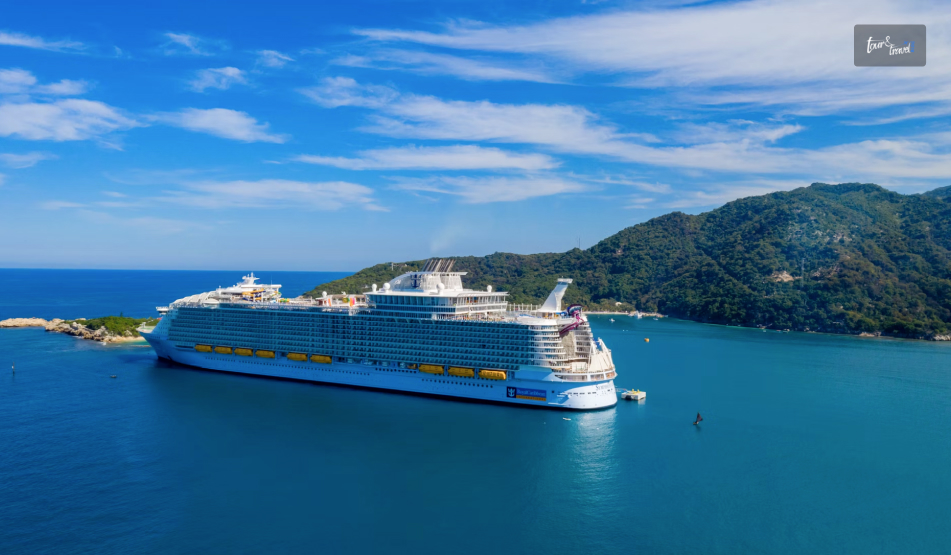
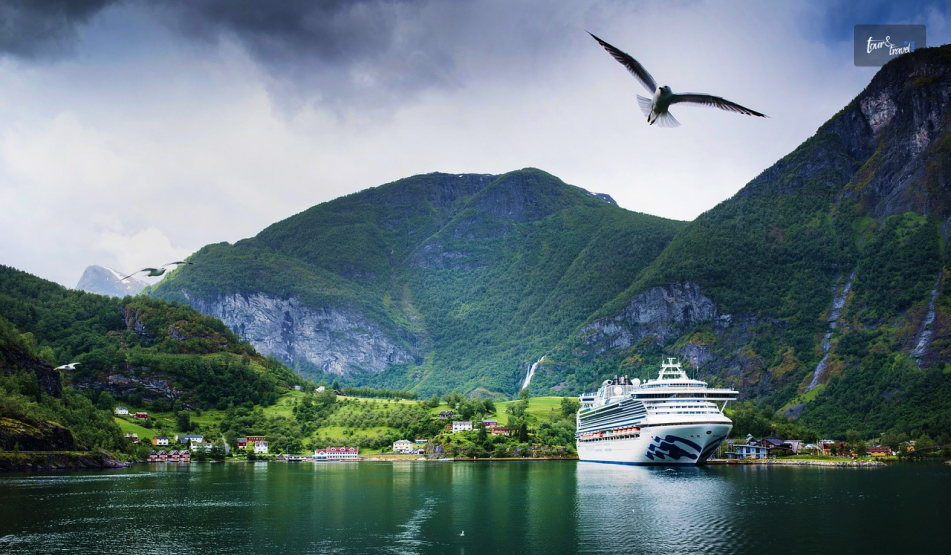
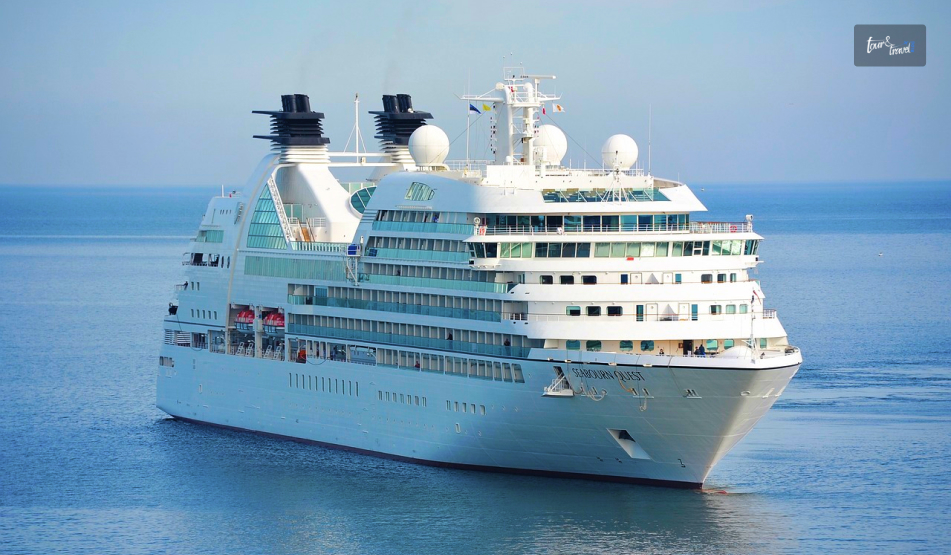


Check out the Best Alaska Cruises to Go This Summer! 

Feb 27, 2025

Last Updated on: Jul 22, 2026

Travel Guides

Be it an adventurous or a laid-back experience, we have all that and much more in the best Alaska cruises available.

If you are planning a vacation in the summer of 2025, you should make bookings on one of these cruise lines.  

Additionally, the way these excursions are planned, you will find many affordable packages. It is one of the coolest February vacation ideas if you have plans to go to Alaska.

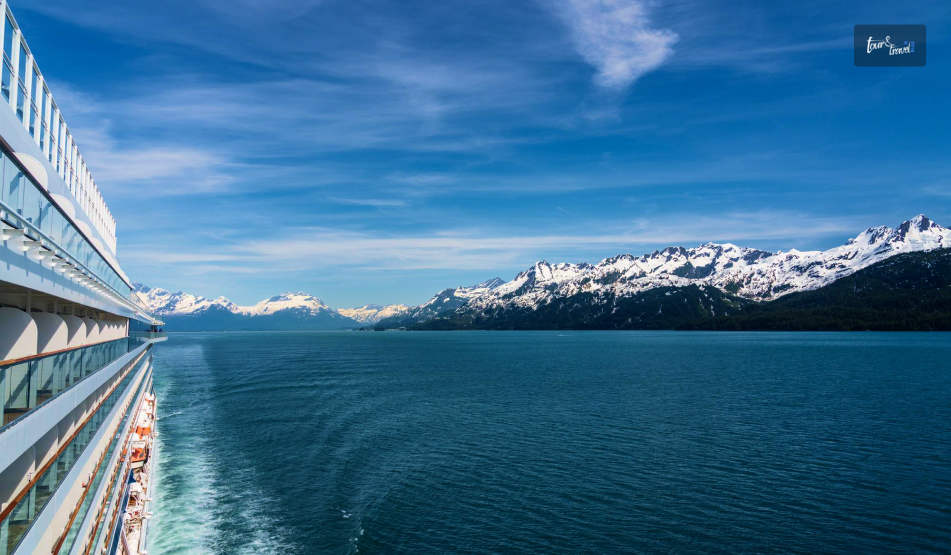
This summer, you will get to see beautiful snowcapped mountains.  

Let me talk more about the cruise lines in detail. The several packages and the ships of these cruises create the perfect environment for you, especially when you are on vacation, be it with your family or your partner.  

Check out the Best Alaska Cruises to Go This Summer!  

Check out the Best Alaska Cruises to Go This Summer!

If you are planning to travel to Alaska this summer, let me share with you some of the best Alaska cruises. These cruises are perfect for your family vacation or maybe a honeymoon cruise as a couple.  

These cruises are a perfect place for you to check out the beautiful panoramic view while enjoying all kinds of luxury. There are several packages which are quite affordable, hence, you can go on some of the best cruises for families.  

Furthermore, you will have the most enriching experience when it comes to having private rooms and balconies on a cruise. Going on some of the best cruises for couples, the organizers make sure you have privacy and all other amenities to make it perfect.  

1. Norwegian Cruise Line  

Norwegian Cruise Line (1)

One of the most popular and safe cruise lines, Norwegian Cruise is known as one of the best Caribbean cruises.

They are also one of the best Alaska Cruises to go on this summer! Departing from Seattle or Whittier in Alaska or Vancouver in British Columbia, the cruise ships offer $622 per person for a cruise trip.  

It is the starting rate for seven-night sailing on cruise ships in April 2025. There are several Alaska cruise ships namely Norwegian Sun, Norwegian Encore, Norwegian Joy, Norwegian Bliss, and Norwegian Jade.   

You can check out several highlights while on this cruise, such as Icy Strait Point, Hubbard Glacier, Ketchikan (Ward Cove) Skagway and Juneau. You will find bliss when on this cruise checking out these beautiful scenarios.  

Additionally, there is indoor entertainment such as laser tag, mini-golf, teen clubs, themed parties, video arcades, racetracks, and aqua parks.

These cruises are perfectly suited for big families along with kids. You can also go on a canoe ride surrounded by spectacular views, a waterfall, a forest, and Arctic tern nesting ground.  

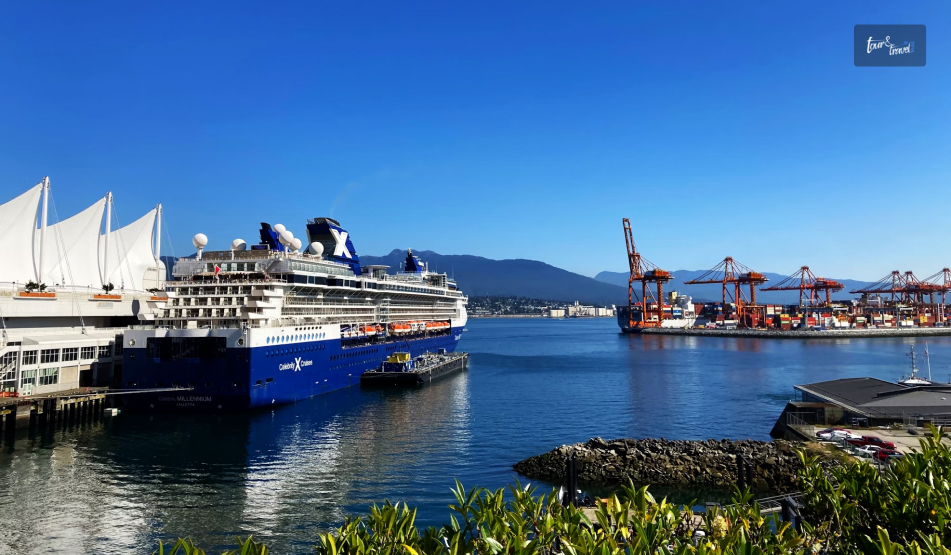
2. Celebrity Cruises  

Celebrity Cruises

If you are planning an adventure cruise trip with your partner, this is the one for you. Departing from Vancouver, British Columbia, and Seward from Alaska, the Celebrity Cruises company has three Alaska cruise ships.  

  • Celebrity Summit  
  • Celebrity Edge  
  • Celebrity Solstice  

For the 2025 Alaska season, Celebrity Cruises has organized itineraries of seven nights. It is inclusive of Hubbard Glasier, the world’s longest tidewater glacier 76 miles long, and Dawes Glacier in Endicott Arm Fjord.  

Furthermore, there are other trips such as a 13-night itinerary where you can explore small-town destinations namely Talkeetna, Alaska. There are themed tours which you can take to explore national parks and wildlife viewing.  

Furthermore, these cruises also have adult-based entertainment and activities on board so couples will enjoy it. Starting from bars, lounges, and complimentary and specialty restaurants along a spa, couples can enjoy themselves together.  

If you want more privacy, you can totally book a villa or suite, so that you can enjoy yourself in the private lounge, private restaurant, and Luminae at The Retreat along with a sundeck!

The packages start from $858 per person from Vancouver to Seward in August 2025.  

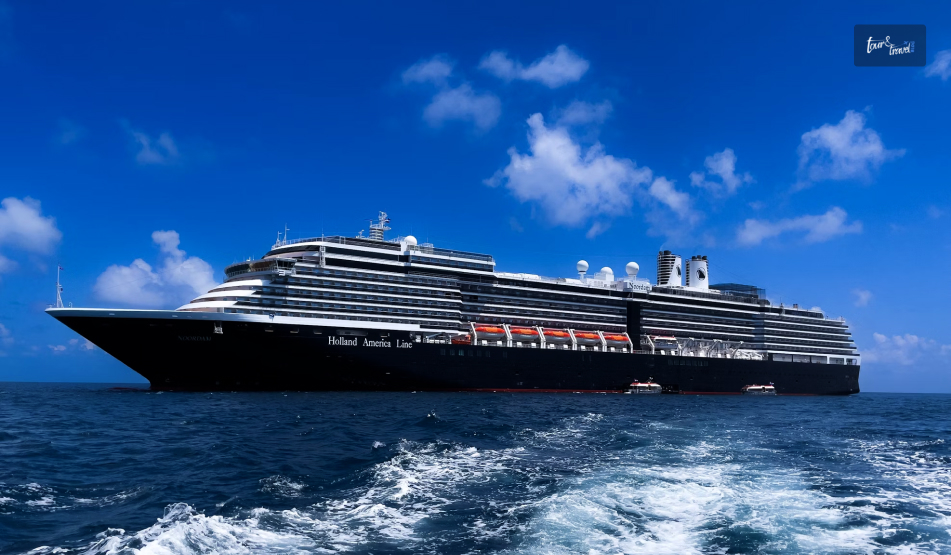
3. Holland America Line  

Holland America Line

Another premium service cruise, Holland America Line offers a wide variety of cruises over 75 years. With a variety of fleets, Noordam, Zaandam, Eurodam, Nieuw Amsterdam, and Koningsdam, the cruise takes you on a beautiful journey.  

There is also an added highlight, living in an exclusive lodge in Denali National Park and Preserve.

There are several opportunities for you to check out some of the coolest animals, be it wolves, moose, caribou, and others.  

Additionally, Holland America has also achieved certification of the Responsible Fisheries Management (RFM).

They are the only cruise line that has hence, you can enjoy certified and sustainable wild Alaska seafood on board.   

You will experience culinary excursions while on this cruise line. Additionally, you will experience the local culture quite closely through traditional activities and food.  

4. Regent Seven Seas Cruises  

Regent Seven Seas Cruises

The cruise ship, Seven Seas Explorer is ready to take you on a cruise trip in May 2025! The ship will be departing from Vancouver, British Columbia, and Anchorage, Alaska.

So, you can accordingly board the ship based on your preference and reservations.  

With a wide variety of voyages, Regent Seven Seas Cruises offers you packages ranging from seven-night voyages to fourteen-night sailings.

These trips will be organized between May to September 2025. The ship has 746 passenger capacity with all the amenities available.  

You will get all-balcony suites creating the perfect living quarters for you on your vacation. Additionally, every package has an additional charge, so the starting package is $5850 per person, and it goes up accordingly based on your itinerary and accommodations.  

With each package, there are complimentary spirits, fine wines, dining at restaurants, unlimited Wi-Fi access, free valet laundry service, prepaid gratuities, and other services.

It is completely based on the type of package and the suite you have chosen; accordingly, the services are catered.  

5. Royal Caribbean International  

Royal Caribbean International

Departing from Seattle or Seward from Alaska or Vancouver from British Columbia, the Royal Caribbean International offers some of the best Alaska cruise itineraries starting from five to seven-night cruises.

You can also choose to extend it to eleven to thirteen days based on your plans!  

Starting from $697 per person, the package cruise on Quantum of the Seas is hand-made for you if you want to experience some of the best highlights of Alaska.

The trip is organized between May 2025 to September 2025.  

You can visit Denali National Park, one of the highlights of the Cruise tours. Additionally, there are beautiful views of snow-capped mountains, glaciers, and waterfalls.

There will be indoor pools so, you can enjoy a cool summer while going on a cruise in Alaska.  

If you are looking for a kids’ friendly trip, there is musical entertainment, laser tag games, an escape room, bumper cars, movie nights, and live performances!  

6. Silversea Cruises  

https://www.instagram.com/p/DD7zDPUvdVQ/?img_index=1

The cruise line has currently 40 voyages lined up for the 2025 season in Alaska. One of the newest ships in the market, Silver Nova has advanced technologies along with asymmetrical design conforms that Silversea Cruises as an organization has contributed to being environmentally friendly.  

Additionally, there is another cruise ship called Silver Moon. Do note that the departure cities of the cruises are Vancouver, British Columbia, and Seward, Alaska.

You can book your cruise with them for May 2025 on either Silver Moon or Nova for a seven-day cruise trip from Vancouver to Seward.  

It will cost you around $3900 per person with facilities and services! It is an all-inclusive fare including alcoholic and non-alcoholic beverages such as champagne, minibars in rooms, a gourmet dining option, one excursion on every port, butler services, and other amenities.  

Furthermore, the cruise has a capacity of 728 guests who will have spacious suites along with outdoor space, luxurious lounge areas, and activity spaces.

Of course, there are additional outdoor activities, however, you have to pay more if you want to attend them.  

7. Princess Cruises  

Princess Cruises

The cruise line has been organizing trips for 50 years, establishing a long history in Alaska. Starting from San Francisco, Los Angeles Vancouver, British Columbia, or Whittier, Alaska, these ships will take you on a trip to explore Alaska.  

Starting from $408 per person package, the days can be set anywhere between four to seven days.

Of course, with the increased number of days, the package will also be $908 in June 2025. Princess Cruises has a wide selection of tours, along with a tour director.  

In the package, you will find some sightseeing trips and meals included. Of course, many of them are selected based on their preferences, availability, and inclusion in the package.

You can visit the local places, meet the local people of Alaska, have photography sessions along with going fishing.  

8. Seabourn Cruise Line  

Seabourn Cruise Line

It is an Award-winning cruise line, Seabourn Cruise brings out the best when it comes to expedition and luxury cruising together. If you are an adventure-seeking traveler, this is your pick of the lot.  

With Michelin-starred chef Thomas Keller planning your food itinerary, can you imagine the delicious cuisine you will get? Guess what, you will feel like you are having food in a swanky country club-esque atmosphere.  

The seven-day Alaska trip will ensure that your excursions from the ports include biking, hiking, bear viewing, and kayaking.

You can go on this cruise if you want a nature-focused experience. Furthermore, there are other luxurious experiences such as having caviar and champagne.  

Ready to Cruise on an Adventure?  

When you are planning to go on a cruise, let me share with you some of the best Alaska Cruises that will give you the time of your life.

Additionally, the vessels that take you on these cruises are perfect, be it with their rooms, lounges, and other facilities.  

I have always wanted to watch the sunset on the ocean! Imagine being surrounded by mountains with the sun glowing overhead while you cruise along beautiful panoramic views.

Comment below on which of the cruises is perfect for your vacation plans. 

Also read

Share on Social Media

Mashum Mollah is the feature writer of Search Engine Magazine and an SEO Analyst at Real Wealth Business. Over the last 3 years, He has successfully developed and implemented online marketing, SEO, and conversion campaigns for 50+ businesses of all sizes. He is the co-founder of Social Media Magazine.

Leave a Reply

Your email address will not be published. Required fields are marked *

title-img Related

READ MORE Raja Ampat marine life guide

Raja Ampat Marine Life Guide: What Marine Species To See In Raja Ampat, Indonesia?  

BY  Sibashree Dec 29, 2025

Have you ever been to a place where the clarity of the water feels like liquid air? Yes, you have heard it right. I am talking about the waters of Raja Ampat in Indonesia. Also, the dense coral reefs here look like a kaleidoscope in motion.   Its strategic location in the Coral Triangle in West Papua has also blessed it with a diverse marine life. Did you know that Raja Ampat has “75% of the known coral species” and more than 1,320 species of reef fish (Source: UNESCO)?   No wonder it is called the Amazon of the Seas. Also, with UNESCO designating it as a Biosphere Reserve on 27th September, 2025, it is now one of the just two places on the earth to have the distinction of being a UNESCO Global Geopark and Biosphere Reserve at the same time.   So, consisting of four islands (Raja Ampat means Four Islands), Waigeo, Salawati, Batanta, and Misool, Raja Ampat is like the biological "bullseye” as the most diverse marine habitat on the planet.   Hi, in this Raja Ampat marine life guide, I will be talking about what marine species to see in Raja Ampat Indonesia.   Also, if you want to make the most of the underwater wonderland of Raja Ampat, check out our Raja Ampat diving trips.   With an unbelievable marine life and rock formations that go back to 400 million years, Raja Ampat is the “living laboratory” of marine conservation according to UNESCO.   So, when the water here has more than a thousand species to spot, let’s find out the Big 5 of the water here. These creatures are unique, and they are majestic. They also represent the mystery of water.   1. Manta Rays (Oceanic Manta And Reef Manta)  Raja Ampat is one of the rarest places in the world to have oceanic and reef Manta Rays. You can even spot them at the same time at the same cleaning station.   Oceanic Manta Vs Reef Manta   Reef Mantas, with even a massive 5-meter wingspan, are smaller than the Ocean Mantas. The wingspan of the Ocean Mantas is close to 7 meters.   Furthermore, Reef Mantas stay in large, social groups, while the Oceanic Mantas are pelagic wanderers.   Also, Oceanic Mantas feature a “T” shape on their shoulders. On the other hand, you can identify Reef Mantas from the “Y” or “V” shapes on their back.  What Are The Best Sites For Spotting Manta Rays In Raja Ampat?  Manta Sandy in the Dampier Strait and Magic Mountain in Misool are the best places for spotting Manta Rays.  In the Dampier Strait is a quintessential cleaning station for Reef Mantas. The site is shallow, and you will find the Reef Mantas moving over the "bommes" with cleaner wrasse doing their work.  Furthermore, Magic Mountain is the place where you will find both species. So, it looks like a Manta Ballet against the backdrop of the dark blue water. 2. Walking Shark Raja Ampat (Epaulette Shark) And Where To Find Them The Walking Shark, or the Epaulette Shark, is the mascot of Raja Ampat. These are called walking sharks because they can use their pectoral and pelvic fins like legs. So, they do not swim and “walk” across the sea floor.  These are nocturnal hunters, strictly. If you are going night snorkeling at Sawinggrai or Arborek, you will spot them walking past your mask. It’s a surreal experience, I must say! 3. Wobbegong Sharks The Wobbegong Sharks usually rest on the seabed. They also remain tucked under a coral ledge.  Wobbegong Shark Sightings: Spotting The Masters Of Camouflage  These sharks are also known as “Carpet Sharks.” They have mottled and ornate patterns. So, they can disguise themselves well. You will also spot a beard of fleshy tassels around their mouths.  You will often mistake these predators for a piece of weed-covered reef. Sardine Reef in the Dampier Strait and various areas around Misool to find the Wobbegong Sharks.  4. Pygmy Seahorses Pygmy Seahorses in Raja Ampat come in various species, such as Bargibant’s, Denise’s, and Pontoh.  Bargibant’s is the most popular, and they have pinkish nodules, which match the color of their host coral. Bargibant also hides in the Gorgonian fans. They never leave their specific host fan, spending their entire lives blending into its polyps. Denise’s pygmies are slender, and the whitish Pontoh pygmies are found on hydroids and algae.  Pygmy Seahorse Habitats In Raja Ampat  You will love exploring the top Raja Ampat dive sites in search of the Pygmy Seahorses. Dampier Strait, especially sites such as Cape Kri, Blue Magic, and Misool, are the best sites to spot these adorable marine creatures.  5. Cetaceans (Whales And Dolphins) The archipelago has deep-water trenches and powerful currents. So, the water is an important highway for marine animals.  Spotting The Whales And Dolphins The Dampier Strait is a primary migration corridor. So, you will frequently spot Spinner and Bottlenose Dolphins near your diveaboards in Raja Ampat.  Furthermore, you will find Pilot Whales, Sperm Whales, or Orcas in the deep channels between the islands.  Rare & Macro Critters: A Photographer’s Dream Raja Ampat coral diversity and the macro critters make it a favorite of photographers. You will come across diverse, bizarre animals in the reef.  1. Nudibranchs And Flatworms: The Living Jewels Underwater Nudibranchs or sea slugs are vibrant, and they shine like jewels in the deep blue water of Raja Ampat, thanks to their neon shades.  You will find various species of nudibranchs and flatworms in the waters of Raja Ampat. Chromodoris is the most common species, and they look unreal. They feel like they're straight from the pages of sci-fi movies.  You will find them in Misool areas such as Nudi Rock and Lalosi in the Dampier Strait.  2. Blue Ringed Octopus And Cuttlefish The tiny and lethal marine wonders, blue-ringed octopuses, come with a brown body. They pulse with glowing blue rings when they feel threatened.  Another marine wonder is the Broadclub Cuttlefish. They use their skin as a television screen. So, you will notice changing colors and patterns in seconds.  Misool, Dampier Strait, and water near Mioskon Island are the best places to find these macro marine creatures.  3. Wonderpus And Mimic Octopus  You will find Mimic Octopus mainly in sandy areas. As the name suggests, they can impersonate other sea animals such as lionfish and sea snakes.  Wonderplus has long and slender arms. Also, Wonderplus has intricate white patterns on its rusty brown body.  Spot these stunning marine animals in the water of Misool, Waigeo, and Batanta.  Marine Life By Habitat: Where To Look The best diving and snorkeling site for you in Raja Ampat will depend on the marine experience/animals you want to encounter.  So, you have to understand the habitat.  1. The Blue Water Mangroves The Blue Water Mangroves are in the Passage or near Gam Island. These are not usual muddy mangroves.  The water here is crystal clear, and it functions as a juvenile fish nursery where you can see soft corals growing on tree roots. It is a rare phenomenon.  2. The Seamouts Magic Mountain or Sardine Reef are the seamouts, and they are the main action spots because of their position in the path of strong currents.  The strong current here attracts many pelagic species. So, you will find "walls" of Bigeye Trevally, schools of Grey Reef Sharks, and thousands of Barracuda.  3. The Muck  Muck diving is a technical term, and it means exploring the sandy bottoms of the water. It is wrong to consider this place as empty, as you will find the rarest critters, such as Bobtail Squid, Seahorses, and Frogfish, here.  These critters usually remain hidden in plain sight.  Raja Ampat Marine Life Calendar Do you have some must-see species in mind when exploring the Raja Ampat marine life? You have to know the ideal season for spotting them, as the marine life of Raja Ampat changes with each season. MonthWater ConditionsManta SightingsHighlightsOctober - NovemberCalm seasModerateWhale shark season (Cendrawasih)December - FebruaryPeak calmVery HighPeak Manta season; large schoolsMarch - MayGlassy waterModerateGreat for Cetaceans (Whales/Dolphins)June - SeptemberWindy/ChoppyLowBest for Macro and Nudibranchs Snorkeling Vs. Diving In Raja Ampat: What Can You See? The reefs of Raja Ampat are healthy, and the water is crystal clear. So, even if you are not a professional diver, you can see most of the marine life in the top 5-10 meters of water. In other words, the marine life of Raja Ampat is equally accessible to a snorkeler and a diver.  Still, here is a quick breakdown of the experience you can expect during snorkeling and diving.  1. What You Can See In Snorkeling See blacktip reef shark pups, green turtles, and massive giant clams, just a few meters from the beach. Furthermore, you will spot Manta Rays at Manta Sandy from the surface.  Other icons to spot for snorkelers are the Wobbegong Shark and the endemic Papuan Walking Shark under the jetties or in the shallow reef flats.  The Blue Water Mangroves are the ideal spots for snorkeling if you are looking for unique habitats. Here, you will find vibrant corals growing on mangrove roots.  However, if you are looking for an aquarium effect, you have to snorkel near village jetties such as Arborek or Sauwandarek. These jetties function as artificial reefs. So, you have to just look down from the pier to find massive schools of batfish, fusiliers, and giant clams. 2. What You Can See During Diving  Pygmy Seahorses or Wobbegong Sharks typically hide at depths of 15–30 meters. So, divers can easily access them, and a snorkeler may not find them easily.  While snorkelers see the "greatest hits," divers get access to the sheer scale and the "hidden" details of the Coral Triangle. Also, as a diver, you can sit at the corner of a reef, such as Cape Kri, with strong currents, to find the Grey Reef Sharks, Giant Trevally, and Barracuda hunting in the deep blue. Furthermore, sites such as Friwen Wall or Melissa’s Garden offer dramatic drop-offs where you can see the transition from sun-drenched hard corals to deep-water Gorgonian sea fans. Moreover, divers can enjoy the underwater mystery at night to the fullest. Spot panish Dancers, Eels, and Crustaceans that hide in the deep crevices of the reef.  "The Nocturnal Shift": Why Night Diving Is Mandatory After sundown, the waters of Raja Ampat transform into a completely different landscape. The reef looks surreal.  Night is the only time to spot the Walking Sharks hunting.  Furthermore, once the Sun sets, marble shrimps, slipper lobsters, and sponge crabs come out from the cracks in the coral. So, it is like a crustacean explosion.  Want to see the bioluminescence? Just turn your dive light off and wave your hands. You will find the bioluminescent plankton sparkling in the water.  Quick Comparison: Snorkeling Vs. Diving FeatureSnorkelingScuba DivingEffortLow Effort: Jump in from the beach or boat.High Effort: Gear setup and boat transit.VisibilityBest in the top 5m (sunlight).Great at all depths (up to 30m+).Best ForCoral gardens, Turtles, and reef sharks.Pygmy seahorses, Drift dives, Walls.Main AdvantageUnlimited time; "unplugged" feel.Observing behavior; seeing tiny life.ConstraintLimited by surface weather/choppiness.Limited by "no-decompression" time. Conservation And Responsible Interaction A collective conservation effort between the visitors and local communities helps to maintain the fragile beauty of Raja Ampat.  The Raja Ampat Marine Park Entry Tag (PIN): All visitors must pay an entry fee. This "PIN" supports the patrol boats that prevent illegal fishing and funds community health and education programs. Rules for Manta interaction: To keep the Mantas coming back, there are strict rules. No touching, no chasing, and no flash photography at cleaning stations. Always stay lower than the Mantas and give them plenty of space to fly. Lens Guide For Photographers: Capturing The Marine Life Of Raja Ampat  Raja Ampat is a real test for photographers as the marine life is happening and unpredictable.  If you want to capture the Mantas, schools of fish, and the stunning reefs, you can use the Wide Angle (10mm - 24mm).  On the other hand, if you want to shoot the Pygmy seahorses, shrimps, and Nudibranchs, you must use the 60mm/100mm macro lenses.  Raja Ampat Marine Life Guide: Expert Tips Check the Current: The "split current" at Cape Kri brings the most action. You have to dive with the current.  Look for Gorgonians: Stop swimming and stare at a Gorgonian fan to find the pygmy seahorses. The bumps, looking out of place, indicate their presence.  Don't Ignore the Jetty: The pillars under Arborek Jetty are world-class. They are covered in soft corals and schools of Batfish. Night Snorkeling is Safe: Don't be afraid! Shallow night snorkeling or night diving is the best way to see the Walking Shark. Manta Hygiene: At cleaning stations (like Manta Sandy), stay low and don't exhale bubbles directly under a Manta; it can startle them. Mangrove Magic: Visit the "Blue Water Mangroves" near Gam. The water is crystal clear, showing soft coral growing on tree roots. Reef Hook Etiquette: Only hook onto dead rock. Never hook onto live coral or sponges. The "60-Minute" Rule: Keep your camera battery 100% charged, as many sites are shallow and dives can last over an hour.  Watch the Triggerfish: Titan Triggerfish are aggressive when nesting. If they raise their dorsal fin, you must swim away horizontally. Listen Underwater: In the Dampier Strait, you can often hear the clicks of dolphins before you see them. Listen To The Authority Voices: A Raja Ampat Marine Life Guide  Want to know what the authorities are saying about the Raja Ampat Marine Life? I have curated their take on the Raja Ampat waters and marine life from their various interviews and insights.  1. Mark Erdmann, The VP Of Marine Asia-Pacific, Conservation International Overtourism remains a concern for the conservation of the Raja Ampat marine life. In a Raja Ampat Research & Conservation Centre Report, Mark Erdmann mentioned, “If there is nothing else done to further control and limit the growth of tourism in Raja Ampat, there is no doubt that within five years we are going to see major problems in places like the Dampier Strait, where it is already reaching the carrying capacity.” He also said,  “Misool represents one of the most pristine reef systems left on earth — one of only a handful of places in the universe where biodiversity is improving rather than declining.” 2. Sylvia Earle (Oceanographer & Explorer) She has designated the Coral Triangle (specifically the Birds Head Seascape) as a "Hope Spot," calling it one of the most important places for marine biodiversity on Earth. Dr. Sylvia Earle designated the Misool Marine Reserve in South Raja Ampat as a “Mission Blue Hope Spot” in 2017.  Max Ammer (Pioneer Of Diving In Raja Ampat) Max Ammer has veen always vocal about the resilience of Raja Ampat’s reefs against coral bleaching. That is why it is stronger than the Great Barrier Reef.  Raja Ampat Shows How Vibrant And Resilient The Ocean Can Be  You can be a first-time snorkeler or a seasoned diver. You will feel a rare and strong connection to the marine world in Raja Ampat. The “Amazon of the Seas” continues to thrive, and with the conservation guidelines and respect intact, it balances the presence of macro and micro marine life.  Plan at least a diving expedition for 7 days, especially in the Dampier Strait region in central Raja Ampat, to meet the Big Five and more. Raja Ampat Marine Life Guide: Frequently Asked Questions (FAQs) Here are the frequently asked questions and answers about the Raja Ampat marine life guide. 1. What Is The Most Famous Marine Animal In Raja Ampat? The Raja Ampat Walking Shark, the Carpet Sharks, Pygmy Seahorses, and Manta Rays are some of the most famous and big marine animals in Raja Ampat.However, the colorful corals and endless schools of fish here, along with the macro critters, create an unforgettable marine experience. Raja Ampat became a Shark Sanctuary in 2013. So, you will see different species of sharks here, including: • Wobbegong (Carpet) Sharks• Whale Sharks:• Blacktip & Whitetip Reef Sharks:• Walking Sharks• Grey Reef SharksAlso, barring some minor threats from the Wobbegong sharks (because of their hiding nature), no major threat is observed or reported from the sharks in Raja Ampat.  2. Are There Sharks In Raja Ampat? Are They Dangerous? December to March is the best time to see Manta Rays in Raja Ampat. The plankton blooms are highest in these months, and you will find Manta Rays following each other, creating a train. The northwest monsoon winds create deep-water upwellings, leading to the higher visibility of Manta Rays.  3. Can I See Marine Life If I Only Snorkel? Yes, you can see marine life in Raja Ampat if you snorkel in areas such as Blue Water Mangroves, Friwen Wall, and Arborek Jetty. Within 5 to 10 meters of water, you will find marine life such as Giant Clams, Sea Turtles, Manta Rays, and diverse schools of fish. 4. Is Raja Ampat Safe For Beginner Divers? Yes, Raja Ampat has sites such as Arborek or Sawardarek, which are ideal for beginners. Also, many dives are simple drift dives where the current carries you once you jump into the water. However, you must not overlook the down-welling nature, strength, and unpredictability of the Raja Ampat waters. So, you will need expert guides. 5. What Are Walking Sharks? The Epaulette Sharks or Walking Sharks are harmless carpet snacks. Their movement looks like a walk thanks to their pectoral and pelvic fins, like legs. These endemic species are spotted best at night when they are out hunting.  6. Do I Need A Wetsuit For Raja Ampat? Wearing a wetsuit is not mandatory if you are a snorkeler in Raja Ampat. However, you can wear a 1mm to 2mm thick wetsuit to float effortlessly and provide sun protection. If you are a scuba diver, you will need a 3mm wetsuit even when swimming in the Raja Ampat waters, with an average temperature of 28 to 30 degrees Celsius. The wetsuit ensures that your body remains warm in the water. Also, it protects your body from tiny stinging planktons and hydroids. 7. Are There Whales In Raja Ampat? Yes, there are various species of whales in Raja Ampat. You can spot varieties such as Bryde’s Whales, Pilot Whales, Sperm Whales, Omura’s Whales, and Killer Whales. The Dampier Strait and the Sagawin Strait, to the south of Batanta Island, are the best places to spot these whales. 8. What Is The Visibility Like In Raja Ampat Water? The average visibility in the water of Raja Ampat is around 15 to 25 meters. However, the visibility of the water depends on multiple factors, such as the presence of plankton and nutrients, and the season. In the peak or dry season, between October and April, the visibility is around 15 to 30 meters. On the other hand, in the windy season, from June to September, the visibility is around 10 to 20 meters.  9. Are There Saltwater Crocodiles In Raja Ampat? Yes, there are saltwater crocodiles in Raja Ampat. However, the sightings are rare, and you will find them in areas such as Blue Water Mangroves, The Passage, and remote islands such as Batanta.   

READ MORE Tucumán nature guide

Tucumán Nature Guide: Exploring The Yungas Rainforest And High Andes

BY  Sibashree Jan 14, 2026

You think of the nature resorts, the famous wine tours, hiking, and birdwatching when we talk about exploring Tucumán. However, Tucumán has recently also emerged as an astrotourism hotspot.  The Ampimpa Astronomical Observatory in the Calchaquí Valleys of Tucumán is at the epicenter of this happening astrotourism scenario.  Now, this is an added feather to the crown of Tucumán, the smallest province of Argentina. It offers a vertical journey from the jungle to the desert in 50 kms.  Also, the nickname of Tucumán is not just a fancy phrase. It means a biological reality and refers to the historical event of Argentina’s independence from Spain in 1816.  Furthermore, El Jardín de la República, or the Garden of the Republic moniker, goes well with its subtropical climate and the lush landscape.   You guessed it right, as today, this Tucumán nature guide will take you to the Yungas Rainforest and the highlands of the Andes. Also, if you are planning a road trip, you must go through our Tucuman Argentina, itinerary. The Yungas Rainforest (The Green Belt) The Yungas Rainforest is known as the Green Belt, as it is an ecodiverse region. Home to a diverse flora and fauna, the Yungas Rainforest hosts a variety of bromeliads, orchids, and ferns.  Furthermore, among the animals here, you will find tapirs, wild cats, and panthers. You will even spot species such as Yungas Guan while birdwatching in Yungas, Argentina.  Also, it is home to the Campo Los Alisos in Tucumán, which helps to preserve the threatened ecosystem of the Yungas Rainforest region.  Moreover, containing around 50% of the biodiversity of Argentina, parts of the Yungas Rainforest are also marked as UNESCO Biosphere Reserves.  1. Parque Sierra De San Javier View this post on Instagram A post shared by Parque Sierra de San Javier (@parquesierradesanjavierunt) Parque Sierra de San Javier, or the San Javier Mountain Range Park, was established in 1974, and now the National University of Tucumán (UNT) maintains it.  It is one of the top nature reserves in Tucumán, Argentina.  The home to various flora and fauna of Argentina, this park also functions as the green lung by cleaning the air, protecting the watersheds for the city, and regulating the climate.  This park, furthermore, has many beautiful trails. You can enjoy an easy 30-minute jungle walk through the Cascada del Río Noque trail. If you are seeking silence while hiking in San Javier, Tucumán, you can opt for the Sendero Anta Yacu trek.  It is around 25 km west of Tucumán. If you are a budget traveler like me, you can take the Bus No 340 to reach the park.  2. Reserva Experimental Horco Molle View this post on Instagram A post shared by Asociación de Prestadores de Turismo Activo de Tucumán (@aptattucuman) This small but compact nature park is ideal for families. It is home to the tapir and condor rescue projects. It covers 600 acres and is just 15 km from the capital.  Also, it has picnic areas, barbecue areas, and play areas for children.  3. Aconquija National Park: The Untouched Wilderness View this post on Instagram A post shared by Parque Nacional Aconquija (@parquenacionalaconquija) Aconquija National Park, with over 600 species of endemic animals and birds, is the jewel of North America.  Taruca deer, puma, and ocelot are some of the endemic animals living here. In addition, you will find several Incan ruins scattered through the park. The Incan Highway remains, and the “Ciudacita” ruins are part of the UNESCO World Sites.  The Campo de los Aliso near Alpachiri is the main Aconquija National Park entrance. Furthermore, Cochuna is the wilder southern entrance of the Aconquija National Park.  Furthermore, the Mythical Trek of La Ciudacita, the Inca Ruins at 4400 meters, is the main highlight of this national park.   The High Andes & Puna (Tafí del Valle & Beyond) The harsh, cold conditions and a rich wildlife with the presence of vicuñas, flamingos are the highlighting features of the High Andes and Puna, at an altitude of 3000 meters.  This region has critical water resources that support livelihoods such as alpaca and llama. Let’s find out about the major nature reserves of this region.  1. Quebrada De Los Sosa Nature Reserve Take a drive up through Route 307 to find the Quebrada De Los Sosa Nature Reserve, where the jungle meets the clouds.  It is a 30 km-long gorge carved by the Los Sosa River, and it is home to more than 100 bird species.  With a winding pathway, it is also home to the Tafí del Valle. 2. Los Núñorcos & Reserva La Angostura Los Núñorcos, or the Cerro Núñorco mountain and Parque provincial Los Ñuñorcos are the prominent locations for hiking in Tucuman, Argentina.  As you explore the challenging trails here, you will enjoy a beautiful view of the Dique la Angostura lake and the Tafí del Valle. Tafí del Valle also has the Bald Mountain, or the Cerro El Pelao. You can start the trek near the Tafí del Valle center. It is a 1.5-hour-long trek.    Wildlife Watching Calendar In Tucuman, Argentina  Tucuman in Argentina is ideal for wildlife sightings throughout the year. Tafí del Valle and areas around Route 307, especially the best areas for wildlife spotting in Tucumán.  Check out the wildlife watching calendar in Tucuman below. Year-Round Sightings• Mammals: Capybaras, Some Foxes, and South American Sea Lions• Birds: Doves, Hummingbirds, and Toucans Spring (September to November) • Birds: Doves and Hummingbirds • Flowers: Pink Trumpets and Jacaranda treesSummer (December to February) • Mammals: Elephant Seals and Sea Lions• Birds: Penguins in Patagonia and Burrowing ParrotsAutumn (March to May)• Mammals: The Red Deer Rut• Birds: PigeonsWinter (June to August) • Reptiles: Yellow Anacondas• Birds: Waterfowl  What Are The Expert Tips For Hiking In Tucumán?  An entry to the Aconquija National Park is free. However, do you know that you have to register at the ranger station at least 48 hours in advance? It is crucial for the safety of the hikers. For more such insider knowledge, these expert tips will be very handy. 1. Bus #118 Is Your Friend  You don’t have to hire a car to see the jungle and the nature reserves. You can take the 118 bus from San Miguel de Tucumán directly to the foot of the San Javier trails.  The ticket price is even less than $1.  2. Watch The Fog (Neblina) The Fin del Mundo" statue area on route 307 is often the zero-visibility zone. There is dense fog in this area even at around 4 PM. You have to drive the car carefully, and there must be low beams to defeat the fog.  3. Ticks Exist In The Yungas  The lush greenery of the Yungas is ideal for picnics and nature exploration. However, there are ticks. So, you must check your ankles after a hike or use a blanket.  4. Hire A Guide For "La Ciudadacita" Are you planning a 4-day trek to La Ciudacita or the Inca Ruins? You must have a guide because the high altitude path, at an elevation of over 4000 meters, is unmarked. You need technical assistance for the navigation. Moreover, you must contact the Asociación Argentina de Guías de Montaña to hire a guide.  5. The "El Indio" Stop You will find the best dried meat or Charqui at the vendor stalls at the El Indio monument on Route 307. These stalls also have the best local honey.  Stop by these stalls and have the dried meat and honey for a great start to your hike.  6. The Waterfalls In Tucuman Are Seasonal  No Instagram reel will tell you that the waterfalls in Tucuman are seasonal. March to May, or the end of the rainy season, is ideal for visiting these waterfalls.  7. Beware Of The "Mala Mala" Local folklore speaks of the "Mala Mala" spirit in the mountains. Whether you believe it or not, respecting silence in nature is a huge part of the local culture. 8. No Cell Signal Once you pass the "El Indio" monument or enter Aconquija Park, your cell signal dies. Download offline maps (Maps.me or Google Maps) before leaving the city. 9. Condors Fly At Noon If you want to spot Andean Condors, look up between 11 AM and 1 PM when the thermal currents are strongest. They rarely fly early in the morning. Tucumán Nature Guide: Listen To The Authority Voices  Asociación Argentina de Guías de Montaña (AAGM): The Aconquija range is "one of the most undervalued trekking destinations in Argentina," offering Himalayas-like isolation without the crowds. Birding Ecotours (Global Operator) Rio Los Sosa is a prime spot for seeing the "Torrent Duck" (Pato de Torrente), a bird that can swim upstream in raging rapids. La Ruta Natural (Argentine Tourism Ministry) "Ruta de las Yungas" is a key scenic drive, highlighting the importance of driving slowly to spot the crossing fauna like the Corzuela (small deer). Tucumán Nature Guide: Frequently Asked Questions (FAQs) Here are the frequently asked questions and answers about the Tucumán Nature Guide.  1. What Is The Best Time Of Year For Hiking In Tucumán? April to September, or the dry season, is ideal for hiking in Tucuman. The cool temperature is ideal for outdoor exploration. On the other hand, heavy summer rains make the trekking trails here dangerous and muddy.  2. Do I Need To Pay To Enter The Nature Reserves? The entry fee to the national parks depends on the specific administrative and management authority. For example, you don’t need to pay any entry fee for the Aconquija National Park. However, prior registration is crucial. Further, for Reserva Horco Molle, you will have to pay an entry fee of $2.  3. Is It Safe To Hike Alone? Yes, it is safe to hike alone on the well-marked trails of Tucuman, such as the Rio Noque or Funicular. However, if you are going to high-altitude summits or jungle treks, you will need a guide. It is more crucial because of the presence of the fog and the absence of signage.  4. Are There Snakes In The Yungas? Yes, the Yungas have pit vipers or Yarará. So, you wear long trousers and watch your steps. Furthermore, you must follow the trail marks properly to not disturb the habitats of the snakes or other wildlife.  5. How Do I Get To Aconquija National Park Without A car? It is difficult to reach the Aconquija National Park without a car. You have to first take a bus to Concepción and then a local bus to Alpachiri. From Alpachiri, it is another 10 km taxi ride to the park entrance.  6. Can I Camp In The Reserves Of Tucuman? Yes, Aconquija National Park has designated wild camping zones (like Puesto La Mesada). However, Sierra de San Javier does not allow camping. So, it is for day use only. 7. What Is The "Yungas"? The Yungas, or a cloud forest in Tucuman, Argentina, is a mountain rainforest. It functions as a connector between the Andes and the Amazon.It has ferns, moss, and high humidity.  8. Can I See Toucans In Tucuman? Yes, you can see toucans in Tucumán. In recent years, toucans have made a comeback in this region.You can spot them in the trees around San Javier and Horco Molle. 9. What Is Hiking Altitude In Tucuman?  Hiking in Tucumán covers a wide altitude range, from the lows of San Javier (around 600 to 1200 meters) to the moderate Tafí del Valle (2000m). Furthermore, the Aconquija high summits reach more than 5000 meters. 10. Is The Water In The Streams Safe To Drink In Tucuman? No, the water in the Tucuman streams is not drinkable even with a clear view. Cattle graze in the higher areas and thus make the water unsuitable for drinking. So, you have to use purification tablets or a filter for purified drinking water. 

READ MORE how many days in venice

How Many Days in Venice Do you really Need to Complete your Trip?

BY  Mashum May 20, 2024

Are you going to Europe? If Venice is in your plans, let me share some of the plans that will be perfect for you. So, how many days in Venice are you planning for the trip? The capital city of northern Italy, Venice, is built on 100 small islands in a lagoon in the Adriatic Sea. Moreover, there are hardly any roads, only canals through which you can travel using gondolas. The place is filled with buildings that represent the Renaissance and Gothic periods. You will love the ambiance and surroundings if you are an old soul like me. So, are you wondering best places to go in Italy? You must also experience delicious food in Venice and visit these beautiful locations. It is very important to check out local food when you visit a place so that you can experience its culture. Factors to Consider When Visiting Venice! So, let me share with your certain aspects influencing your decision to plan your trip. The first thing you need to consider is the best time to visit! You must consider two things. If you are someone who does not like crowds, you can visit Venice during winter. However, if your plan extends for a few days, summer is the best time to visit Venice. Furthermore, you need to consider mobility issues because they will impact how long it will take you to travel across Venice. Apart from these factors, another important aspect is the Italian Itinerary! Your Itinerary will include the different places in Venice and the amazing eateries and restaurants. Accommodations come into the picture once you have decided on the places you must visit. A Few Hours in Venice There are several options based on the number of days. Accordingly, you can decide how long you want to stay in Venice and how to plan it. If you are only in Venice for a few hours, you should concentrate on St. Mark's Square. So, how many days in Venice? It is one of the most popular places in Venice, as it is the main public square of the city! Apparently, Napolean claimed that this was the world's most beautiful drawing room. The place is also known as Piazza San Marco, and it has a quite old history. There is quite an open space, with several trees lining the place. There are several government buildings and facilities in this square. Now, if you are hungry, you can go to Bacarandino, a warm and welcoming Veneziano restaurant. You can find gluten-free options, as well as vegetarian and vegan options! Another one is Osteria Numero 1, another Italian restaurant. It is a peaceful experience where you can spend a romantic evening with your partner enjoying delicious food. If you are craving Pasta, you can get hand-made Pasta here all year round. Very similar to some of the most romantic restaurants in Rome! You can take a vaporetto and travel to the Grand Canal, the major water traffic corridor in the city! A public water bus is a Venetian beauty, and you can enjoy several locations as there are about 19 scheduled lines. Then you can visit Rialto Bridge, which is an architectural genius. Another amazing place to visit is St Mark's Basilica. It is quite close to Piazza San Marco! So, once you have indulged in delicious food, you can take a stroll and visit the religious and political center of the Republic of Venice. One Full Day in Venice If you have a full day to spend, I will ask you to visit St. Mark's Basilica first and then go to Doge's Palace once you are done with the church. The church is significantly important for its religious relativity because it is the resting place of Saint Mark. If you want to check out some grandiose gothic architecture, Doge's Palace is a great place. Apparently, it houses one of the largest oil paintings in the world on canvas called The Glory of Paradise. The painting by Jacopo Tintoretto. Several masterpieces, including sculptural decoration and Gothic architecture, are exhibited here. The artists who are exhibited here are Veronese, A-Vittoria, Titian, and Tiepolo. Now that you are hungry, you can quickly go to Tuttinpiedi. A popular place in Venice, it serves food that feels like homemade street food pasta with different seasonings like wine or fish. Continue walking in the back streets after your lunch. Later in the day, you can take a gondola ride through the canals of Venice. Two Days in Venice If your plans allow you to spend two days in Venice, I have the perfect Itinerary for you. Please make sure to visit St Mark's Campanile. The bell tower is quite popular among tourists as people climb up to the tall structure and enjoy the beautiful views of the city from this bell tower. You can go anywhere in the city and see the tall structure from there. Entry costs 12 euros. You must visit this place, as it is one of the most picturesque places in Venice. If you have a problem climbing the stairs, do not worry; there is also a lift to the top. Nearby, there is also Ponte Dell' Accademia, which you can visit. The Grand Canal of Venice is quite popular, and one of the four bridges on this canal is Ponte Dell' Academia. It is at the southern end of the canal. If you or your partner dislike crowded areas, you can explore Cannaregio. When you visit Cannaregio, you will experience an authentic side of Venice. With reasonable glass pieces, you can enjoy your time with food and friends. Furthermore, after you plan a day for it, you can go on a walk to visit Museo Fortuny and Ca Rezzonico. You cannot miss Il Paradiso Perduto, where you can enjoy delicious traditional Venetian dishes. If you want to visit an opulent place to enjoy delicious food, you can go to Oro Restautant in the Cipriani hotel. It is quite extravagant and chic, so you can have a romantic lunch date with your partner. Three Days in Venice If you have three days to spend in Venice, I have an amazing plan for you! The first thing to do is head to the Murano and Burano Islands. The islands have the shape of a small Venice and are joined by bridges. They are quite popular for products such as lace, glass, and others. There are also colorful buildings across these islands, so they are a perfect heaven for photographers and visitors. Burano is quite a popular place for risotto and fresh fish, and you must taste meat, delicious desserts, and fresh fish in Murano. You can also take a gondola ride across the canals of Venice. It is one of the most romantic activities in life. Of course, you must visit St. Mark Square because, near it, you can visit different places such as St. Mark's Basilica, the National Archaeological Museum of Venice, and The Doge's Palace. If you are a museum lover, you must go to Museo Correr! With its 18th-century interior, you will lose your breath. With an extensive collection of architecture and art illustrating the history of Venice, you will experience some of the best art in life. Four or More Days in Venice This is one of the most wholesome days when planning an itinerary for Venice. If you want some beach time, go to Lido. There are also several beaches hence, there are many things to do in Venice Beach! A hamlet of the city, the water and the sand are quite gorgeous with limited crowds. For a beautiful siesta with a book, this is a perfect place to enjoy yourself and relax. A one-day trip to Padua or Verona is an ideal way to spend the second day in Venice. With the names, I am sure you will realize it is from the famous Shakespeare novel Romeo and Juliet!  There are many things to do with its gorgeous architecture, old-world charm, and quiet nightlife! If you like walking or taking a stroll when you visit a beautiful and romantic place like Venice. There is a Jewish Ghetto, which you must explore when you have time. This place shows you the culture of the place; however, it is a place where the government is forcing the Venetian people to live there. It would be best if you did not miss watching an opera at the Teatro le Fenice. An experience of a lifetime, the opera experience will stay with you forever. Conclusion In conclusion, we have provided several options based on the number of hours and days! If you are wondering how many days you will be in Venice, I am sure you have got your plan. You can decide on the places you will visit and the food you will enjoy when you visit Venice. Even though you will see a lot in Venice, it is packed a lot in a small space. Apart from the crowds of tourists, there are picturesque canals, medieval alleyways, charming cafes, and beautiful streets to walk. Starting from St. Mark's Basilica, the Central Square, and Piazza San Marco, you must cover all of it.   Comment on how many days you plan to stay in Venice and which plan suits you the best!  Learn More Also: How Much Time To Spend In Italy? 10 Best Beaches In Italy That Will Surprise You The Most