

Wander to Beautiful Locales on the Best Caribbean Cruises! 

Feb 26, 2025

Last Updated on: Nov 24, 2025

Travel Guides

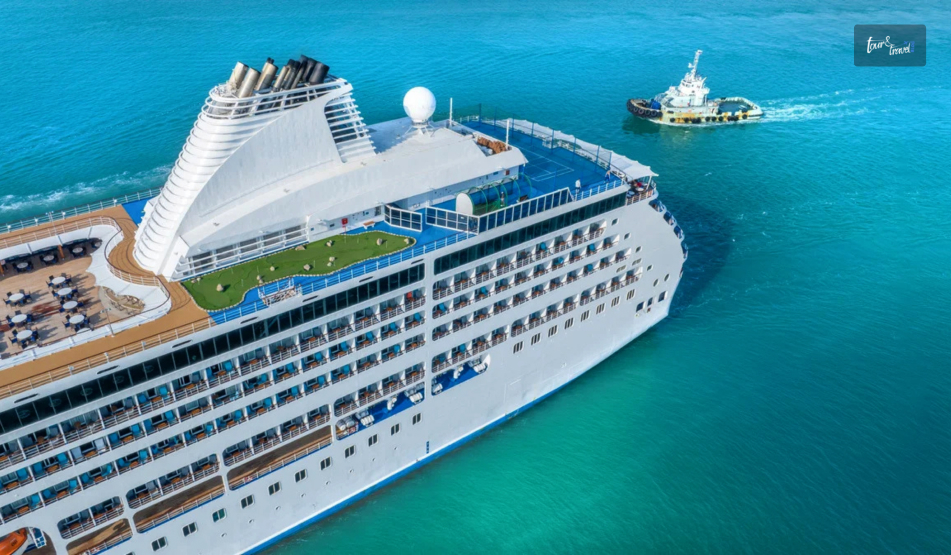
Are you planning to travel on a cruise? Have you ever traveled to the Caribbean? One of the best ways to explore the Caribbean is on a cruise. Apart from catching the most beautiful sunsets, you will get to experience delicious cuisine and beautiful locales.  

Some of these places are perfect for the February vacation ideas you have got! They will ensure that you will enjoy it to your heart’s content, be it with your partner, your family, or your kids.  

Let me share with you some of the best Caribbean cruises destinations so that you can make your plans. Did you know, you have to be on the port side when traveling on northbound cruises so that you can check out the beautiful sunsets?  

Imagine the beauty of the place and exploring it while on a cruise. Further, you can also book the cruises based on the itinerary which also includes guided tours of visiting locations, eating local food, and trying different activities.  

Wander to Beautiful Locales on the Best Caribbean Cruises!  

Wander to Beautiful Locales on the Best Caribbean Cruises!

Do you know what is the best time to travel to the Caribbean via cruise? I would suggest that the best time to book your cruise is between December to April. One of the major reasons is that during these months, you will find a milder temperature.  

So, if you are looking for warm places to travel in February, I have got the perfect suggestion for you. You can easily book cruises to the Caribbean and follow some of these places to explore.  

The sun is beautifully present thus, you will have an amazing winter vacation on the cruise. There are several cruise lines that take you to some of the most exotic locales in the Caribbean. Some of the best cruise lines which organize cruise trips and packages are as follows:  

  • Celebrity Cruises  
  • Disney Cruise Line  
  • Virgin Voyages  

These cruise companies make sure that you get the best experience when on Caribbean cruises. Let me share with you some of the best Caribbean cruises destinations that you must explore on these cruises.  

1. Barbados  

Barbados

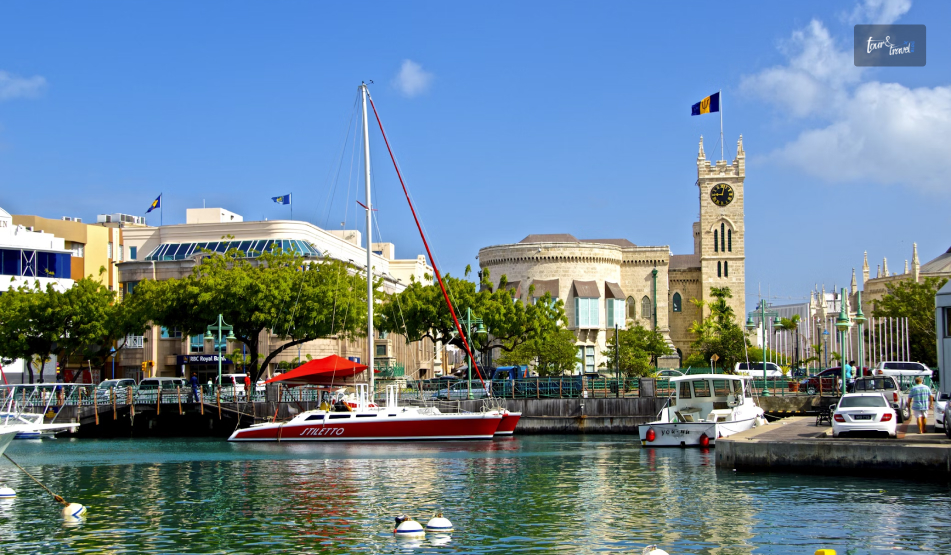
It is one of the safest and cheapest Caribbean islands to travel to! An eastern Caribbean Island, Barbados is an independent British Commonwealth nation. The port of the island is Bridgetown, which is also the capital of Barbados.  

You must check out this beautiful place with colonial buildings. You can also visit the synagogue there, the Nidhe Israel which was founded in 1654. Additionally, there are botanical gardens, 17th-century plantation houses, and Harrison’s Cave, a rock formation for tourists.  

Of course, we cannot forget several beaches surrounding the coastline, a perfect haven for tourists. You must visit Carlisle Bay with its shipwrecks where you can go snorkeling!  

2. Puerto Rico  

Wander to Beautiful Locales on the Best Caribbean Cruises!

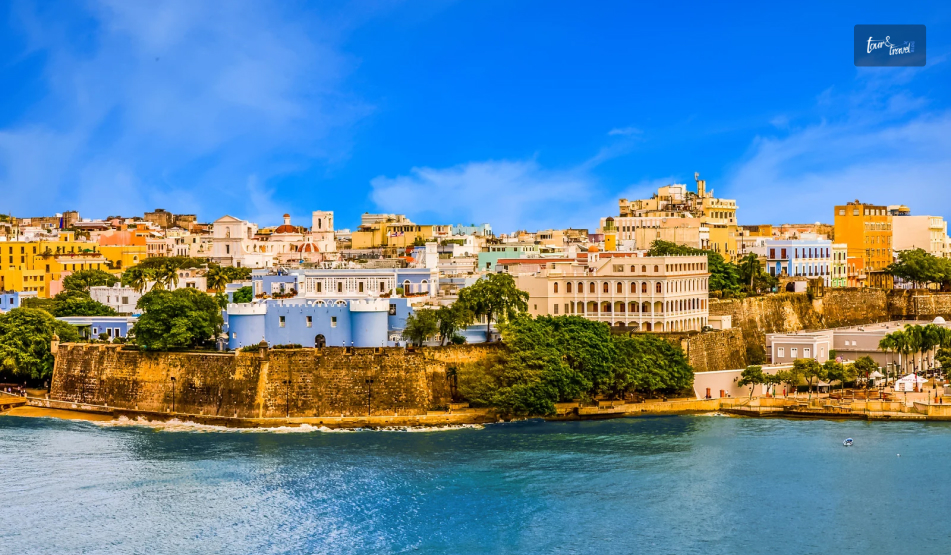
If you are going on a solo trip, this is the perfect place for you to visit. The unincorporated U.S. territory is a combination of all elements on the landscape of Puerto Rico, a tropical rainforest, several waterfalls, and a range of mountains.  

When you travel via cruise, you can check out some of the beautiful beaches, as a tourist they are your perfect hangout spots! Starting from hotel strips, casinos, and beach bars, you can do all the touristy things.  

Let’s not forget the neighborhood of San Juan with its vibrant street culture, and Spanish colonial buildings that are colorful along delicious food. Simultaneously, two of the massive fortresses, La Fortaleza and El Morro, are centuries old. If you are a history fan, you have got to check it out!  

3. George Town, Grand Cayman  

George Town, Grand Cayman

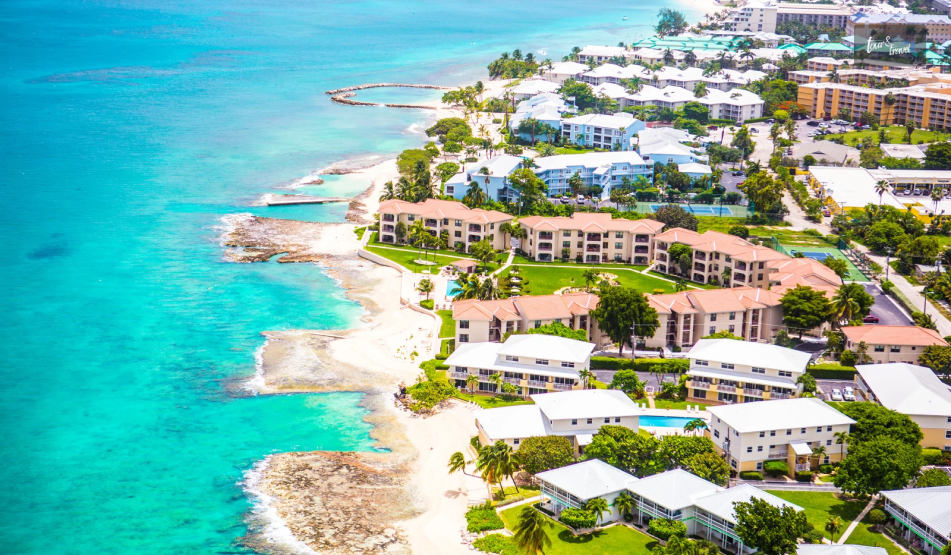
One of the prettiest locations in the Caribbean, Georgetown is the capital city of the Cayman Islands. One of the most popular locations when it comes to deciding Cruise ship destinations, George Town has tropical weather all year round.  

If you are looking forward to white sandy beaches, this is the one place for you! The Cayman Islands is one of the most popular destinations, so the clear blue waters offer you the perfect background for your vacation pictures.  

If you are an adventure freak, you can go on one of these best Caribbean cruises to go diving and snorkeling in the blue waters! Furthermore, you can check out the coral reef around the beautiful location.  

4. Bahamas  

Bahamas

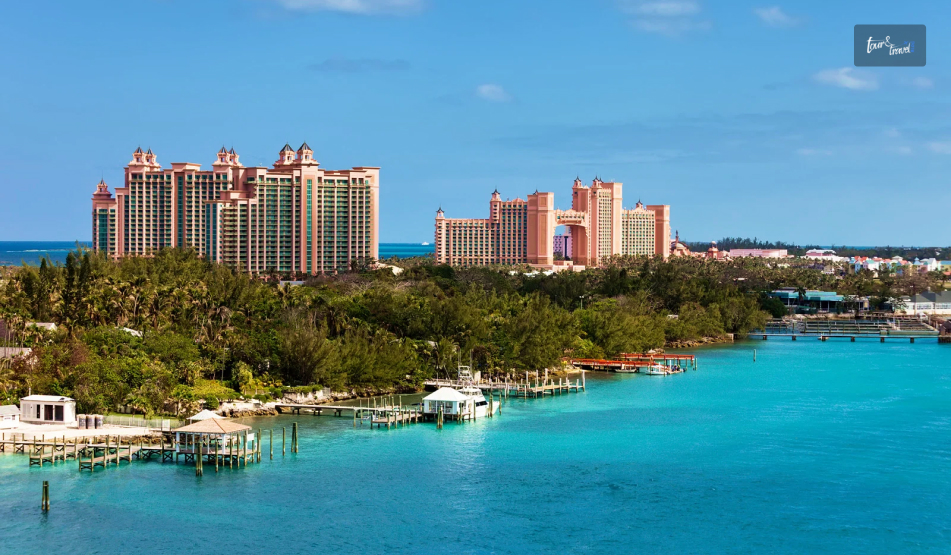
The beauty of this island cannot be explained with words especially when we start describing Paradise Island, Andros, Bimini Island, and others. These are some of the most popular places in the Bahamas that tourists like us love.  

When you get down to any one of the ports available on the island, you get to enjoy stunning beaches with their crystal-clear waters. If you are someone who loves colors and vibrancy, you have to check marine life. This is one of the best cruises for couples on their honeymoon or even anniversary trip!  

With its picturesque landscapes, the Bahamas offers relaxation and adventure side by side. You can totally let your hair down with the amazing nightlife there. Be a little cautious when you are relaxing because the place is known for its crime, be it pickpocket or fraud.  

5. Dominica  

Dominica

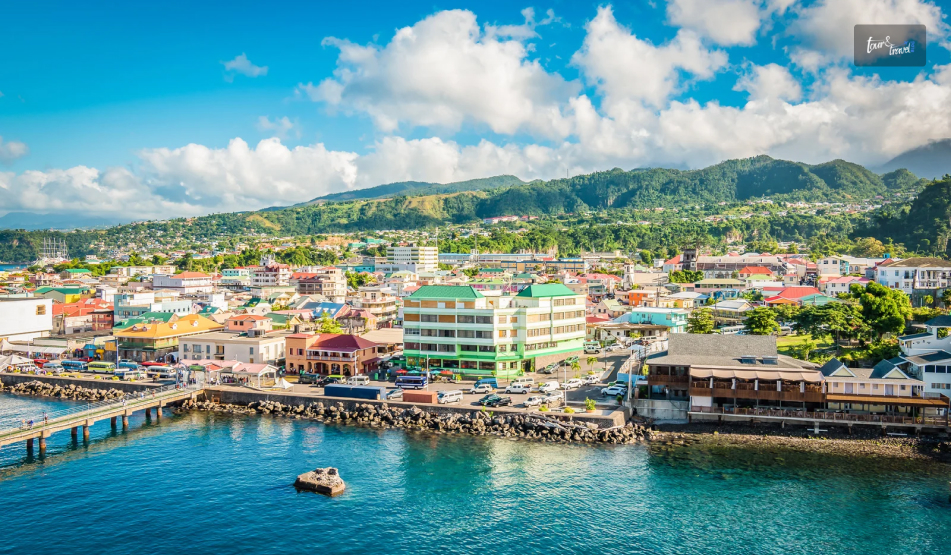
When you travel to Dominica on a cruise, you will find that it is quite cheap to travel to! The activities, food, and visiting various destinations will be quite affordable if you are on budget travel. Roseau is the capital of Dominica, so when you get down the port, you can go for a walk.  

For breathtaking views, you can also visit the enchanting town of Marigot. Additionally, for adventure, you can go hiking, snorkeling, diving in the ocean, snorkeling and enjoy trails across national parks.  

Being a national park fan, I would request you to visit the beautiful national parks in Dominica, be it Morne Diablotin National Park, Cabrits National Park, or Morne Trois Pitons National Park. Along with the national parks, there are beautiful waterfalls perfect for a tourist visit.  

6. Honduras  

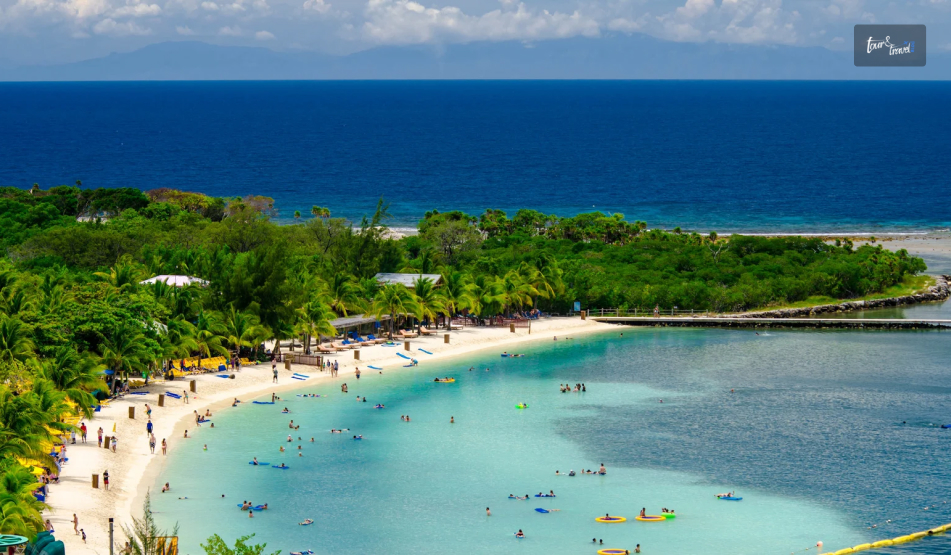
Honduras

When you are booking a cruise to Honduras, you have to visit some of the coolest places on the Island. One of the largest natural lakes in Honduras, Lake Yojoa is a perfect place for you if you want bird watching. It is a haven for bird lovers, so a perfect natural paradise for tourists to visit.  

There are several places for bird watching and wildlife in Honduras. If you are a nature lover, you must visit this island. Additionally, you can go for white water river rafting in Honduras. This is of course if you are an adventure freak. If you are looking for historical places, you must go to Copan.  

Copan is a UNESCO World Heritage Site where you can see ancient hieroglyphics and pyramids. You will get to know about the ancient Maya civilization from this site! Your kids will love you when you book one of the best cruises for families when going to Honduras.  

7. Mexico  

Mexico

From the coast of Playa del Carmen, you can enjoy your cruise experience. In Mexico, there are several unique and culturally diverse cities like Cozumel, Cabo San Lucas, and Puerto Vallarta.  

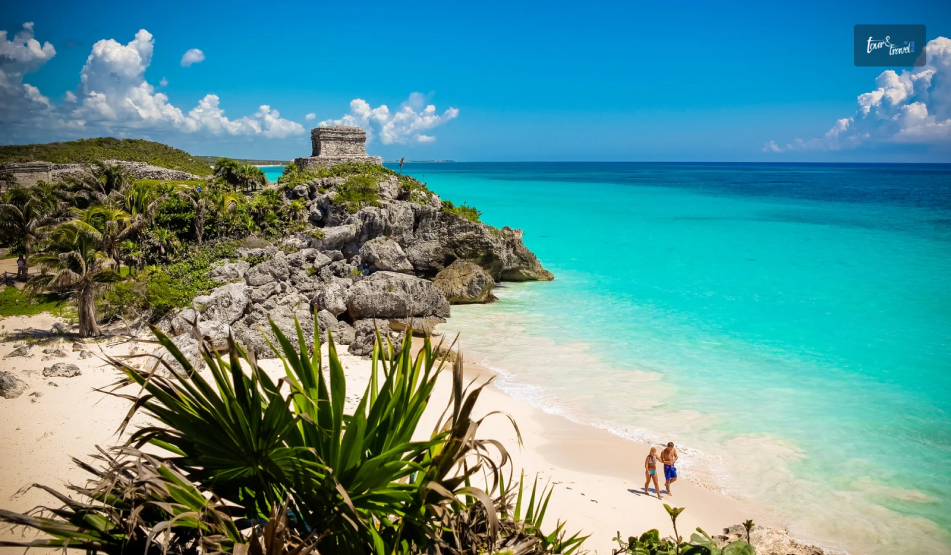
There are beautiful beaches across various tourist locations like Cabo San Lucas, Manzanillo, the city of Mexico City, Tulum, and others. Additionally, the places offer picturesque locales, stunning nightlife, and serene landscapes.  

Furthermore, you should not miss the natural wonder, “El Arco”. Another city, Tulum is a Mayan city that has beautiful ruins of city walls and temples that have been well preserved over the years.  

Another eco-tourism destination that is known for its rainforest surroundings is Huatulco. You can go visit and enjoy the crystalline bays. They are beautiful and you can create a lifetime of memories there.  

8. Antigua  

Antigua

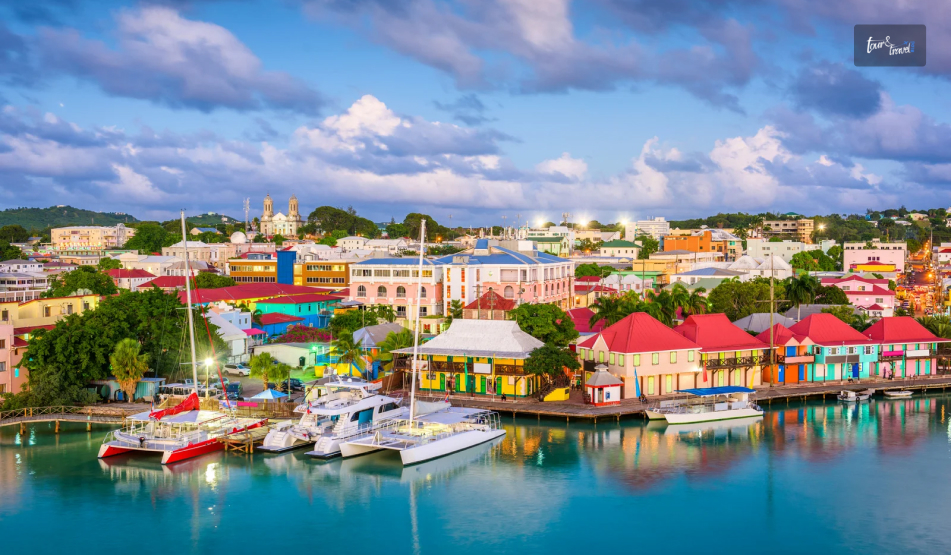
It is one of the top spots whenever someone recommends one of the places to visit for the best Caribbean cruises. If you visit an underwater park, Cades Reef, to check out a variety of sea creatures, you will thank me.  

With clear visibility, you will love the place and the water surrounding the place. Additionally, you can also visit a restored park, Nelson’s Dockyard National Park with its historic buildings and nature trails.  

Furthermore, you can also go check out St. John’s Cathedral, a beautiful cathedral that overlooks St. John’s. Do not forget the amazing museums giving you the perfect view of the artifacts housed there.  

Pack Your Bags Now!  

Now that we have identified the best Caribbean cruise destinations, tell me which one you want to go to. Have you decided on the specific cruise line with which you want to book your trip? Tell us if you have ever visited the beautiful locales that the Caribbean has to offer.  

Furthermore, what are your other plans when visiting the Caribbean? Let us know how much help this blog gave with your plans to go on a cruise trip. 

Also read

Share on Social Media

Sagnika Sinha is a content writer who is passionate about writing travel vlogs, entertainment and celebrity articles and literature-based pieces. With a 4 years experience in teaching, she loves reading books. A procrastinator by nature, she loves travelling, listening to music, planting and gardening.

Leave a Reply

Your email address will not be published. Required fields are marked *

title-img Related

READ MORE Vacation Property Guide

Exploring The World While Investing In It: The Vacation Property Guide

BY  Shahnawaz Mar 1, 2024

In today's world, where wanderlust meets savvy investment strategies, there's a growing trend among travelers and investors alike: vacation properties. This unique approach not only satisfies the urge to explore new destinations but also presents a prudent financial investment through the acquisition of real estate. Here's how blending the love for travel with the intricacies of mortgages can create a rewarding venture. Why Consider Vacation Properties? Vacation properties serve dual purposes; they are a getaway retreat for you and your family and a potential source of income through rental. In picturesque locales, from the sandy beaches of Bali to the quaint villages of Tuscany, these properties beckon with the promise of adventure and the allure of financial returns. Investing in a vacation property has a lot of benefits. The first thing is, as mentioned above, it is an amazing source of passive income. When you rent out the property, you get back substantial returns, especially during the peak seasons. Moreover, vacation rentals have higher rental rates as compared to long-term rentals, which gives you more revenue. Along with the financial benefits, when you own a vacation rental property, you get to spend a lot of time enjoying your personal vacations as well. You can spend a lot of time on your own property when the place is vacant. You get to enjoy all the amenities you have set for others.it is a perfect relationship between investment and vacation home. Understanding the Mortgage Process for Vacation Homes Investing in a vacation property often involves navigating the mortgage landscape, which can be daunting for both seasoned investors and first-time buyers. The process entails several unique considerations: Interest Rates and Terms: Mortgage loans for vacation homes may come with different interest rates and terms compared to primary residences. Lenders often view these properties as higher risk, which can influence the loan conditions. Down Payment Requirements: Typically, vacation homes require a larger down payment, sometimes as much as 20-30% of the purchase price, reflecting their status as luxury or non-essential purchases. Rental Income Consideration: If you plan to rent out your vacation home, lenders might take potential rental income into account, which can aid in qualifying for a mortgage. However, this requires thorough documentation and, sometimes, previous landlord experience. The Joy of Travel and the Wisdom of Investment Owning a vacation property allows you to immerse yourself in your favorite destinations. Whether it's a ski lodge in the Rockies or a beachfront villa in the Caribbean, these homes offer a personal escape with the warmth and comfort of your own space. Beyond personal enjoyment, these properties can be rented out to vacationers, providing a steady income stream that can offset mortgage payments and maintenance costs. Navigating Challenges and Rewards The journey of buying and owning a vacation property is not without its challenges. From managing the property remotely to understanding local real estate laws, it requires diligence and research. Yet, the rewards can be substantial. Not only do you enjoy personal retreats in beloved locales, but you also stand to gain from property appreciation and rental income. A Call to Adventure and Investment As we navigate our world, the concept of investing in vacation properties presents a compelling blend of adventure and financial prudence. It embodies a spirit of exploration, not just in the sense of travel but in the realm of financial growth and stability. For those bitten by the travel bug and those seeking to expand their investment portfolio, vacation homes offer a horizon worth exploring. Factors you should consider while choosing the location of the property Picking the correct location for your vacation rental property is essential. Here are some of the crucial factors that you should consider: Factors you should consider while choosing the location of the property Picking the correct location for your vacation rental property is important. Here are some of the important factors that you should consider: Local attractions and tourism demand How successful your vacation rental property is going to be depends on the demand of the place. Before you invest, check for the popularity of the place among travelers. Identify the local attractions that are drawing the visitors to itself. Consider the things that are making the place popular. Whether it is their cultural heritage, its natural beauty, or how close the place is to the popular destinations. Properties that are close to tourist spots or close to vacation destinations have a tendency to attract more renters. You can choose coastal destinations, urban hotspots, ski resorts, historical and cultural sites, and some emerging destinations. Along with the well-established vacation sports, the emerging destinations are a good investment.  Look for places that are rapidly developing; they have high potential for getting you a high rental return. Rental and seasonality demand Having a good understanding of the tourist season in the place is important. Research about the holidays, special events, and the peak tourist seasons that will take the rental demand to the next level. If the location is such, which has a year-round demand, it is going to get you a consistent source of income. But if the property is in a seasonal location, then you might get fluctuations in the rental bookings. Regulatory environment Before you get a vacation rental property, it is important to know the regulatory environment of the location. Some countries and cities have specific rules and regulations regarding short-term rentals. Get yourself familiar with the restrictions and local laws to make sure you abide by all the regulations. Try not to ignore the legal aspects, as that could land you with a penalty or even cause your rental business to close. Amenities and infrastructure Think about the accessibility and proximity of the essential infrastructure as well as the amenities. Choose an area that has good transportation links, restaurants, shopping centers, and entertainment options. Guests always prefer properties that are convenient and have easy access to the services and local attractions.  Final Thoughts Before embarking on this journey, it's crucial to conduct thorough research, consult with real estate and financial professionals, and consider all aspects of the investment, including the potential need for a mortgage. With the right preparation and mindset, owning a vacation property can be an enriching experience that combines the joys of travel with the benefits of real estate investment. ADDITIONAL READING: A Guide To Planning Your First Family Ski Trip The Ultimate Business Traveler’s Guide To Bangkok From Britain To Australia: A Guide For Brits Making The Move Down Under

READ MORE Raja Ampat marine life guide

Raja Ampat Marine Life Guide: What Marine Species To See In Raja Ampat, Indonesia?  

BY  Sibashree Dec 29, 2025

Have you ever been to a place where the clarity of the water feels like liquid air? Yes, you have heard it right. I am talking about the waters of Raja Ampat in Indonesia. Also, the dense coral reefs here look like a kaleidoscope in motion.   Its strategic location in the Coral Triangle in West Papua has also blessed it with a diverse marine life. Did you know that Raja Ampat has “75% of the known coral species” and more than 1,320 species of reef fish (Source: UNESCO)?   No wonder it is called the Amazon of the Seas. Also, with UNESCO designating it as a Biosphere Reserve on 27th September, 2025, it is now one of the just two places on the earth to have the distinction of being a UNESCO Global Geopark and Biosphere Reserve at the same time.   So, consisting of four islands (Raja Ampat means Four Islands), Waigeo, Salawati, Batanta, and Misool, Raja Ampat is like the biological "bullseye” as the most diverse marine habitat on the planet.   Hi, in this Raja Ampat marine life guide, I will be talking about what marine species to see in Raja Ampat Indonesia.   Also, if you want to make the most of the underwater wonderland of Raja Ampat, check out our Raja Ampat diving trips.   With an unbelievable marine life and rock formations that go back to 400 million years, Raja Ampat is the “living laboratory” of marine conservation according to UNESCO.   So, when the water here has more than a thousand species to spot, let’s find out the Big 5 of the water here. These creatures are unique, and they are majestic. They also represent the mystery of water.   1. Manta Rays (Oceanic Manta And Reef Manta)  Raja Ampat is one of the rarest places in the world to have oceanic and reef Manta Rays. You can even spot them at the same time at the same cleaning station.   Oceanic Manta Vs Reef Manta   Reef Mantas, with even a massive 5-meter wingspan, are smaller than the Ocean Mantas. The wingspan of the Ocean Mantas is close to 7 meters.   Furthermore, Reef Mantas stay in large, social groups, while the Oceanic Mantas are pelagic wanderers.   Also, Oceanic Mantas feature a “T” shape on their shoulders. On the other hand, you can identify Reef Mantas from the “Y” or “V” shapes on their back.  What Are The Best Sites For Spotting Manta Rays In Raja Ampat?  Manta Sandy in the Dampier Strait and Magic Mountain in Misool are the best places for spotting Manta Rays.  In the Dampier Strait is a quintessential cleaning station for Reef Mantas. The site is shallow, and you will find the Reef Mantas moving over the "bommes" with cleaner wrasse doing their work.  Furthermore, Magic Mountain is the place where you will find both species. So, it looks like a Manta Ballet against the backdrop of the dark blue water. 2. Walking Shark Raja Ampat (Epaulette Shark) And Where To Find Them The Walking Shark, or the Epaulette Shark, is the mascot of Raja Ampat. These are called walking sharks because they can use their pectoral and pelvic fins like legs. So, they do not swim and “walk” across the sea floor.  These are nocturnal hunters, strictly. If you are going night snorkeling at Sawinggrai or Arborek, you will spot them walking past your mask. It’s a surreal experience, I must say! 3. Wobbegong Sharks The Wobbegong Sharks usually rest on the seabed. They also remain tucked under a coral ledge.  Wobbegong Shark Sightings: Spotting The Masters Of Camouflage  These sharks are also known as “Carpet Sharks.” They have mottled and ornate patterns. So, they can disguise themselves well. You will also spot a beard of fleshy tassels around their mouths.  You will often mistake these predators for a piece of weed-covered reef. Sardine Reef in the Dampier Strait and various areas around Misool to find the Wobbegong Sharks.  4. Pygmy Seahorses Pygmy Seahorses in Raja Ampat come in various species, such as Bargibant’s, Denise’s, and Pontoh.  Bargibant’s is the most popular, and they have pinkish nodules, which match the color of their host coral. Bargibant also hides in the Gorgonian fans. They never leave their specific host fan, spending their entire lives blending into its polyps. Denise’s pygmies are slender, and the whitish Pontoh pygmies are found on hydroids and algae.  Pygmy Seahorse Habitats In Raja Ampat  You will love exploring the top Raja Ampat dive sites in search of the Pygmy Seahorses. Dampier Strait, especially sites such as Cape Kri, Blue Magic, and Misool, are the best sites to spot these adorable marine creatures.  5. Cetaceans (Whales And Dolphins) The archipelago has deep-water trenches and powerful currents. So, the water is an important highway for marine animals.  Spotting The Whales And Dolphins The Dampier Strait is a primary migration corridor. So, you will frequently spot Spinner and Bottlenose Dolphins near your diveaboards in Raja Ampat.  Furthermore, you will find Pilot Whales, Sperm Whales, or Orcas in the deep channels between the islands.  Rare & Macro Critters: A Photographer’s Dream Raja Ampat coral diversity and the macro critters make it a favorite of photographers. You will come across diverse, bizarre animals in the reef.  1. Nudibranchs And Flatworms: The Living Jewels Underwater Nudibranchs or sea slugs are vibrant, and they shine like jewels in the deep blue water of Raja Ampat, thanks to their neon shades.  You will find various species of nudibranchs and flatworms in the waters of Raja Ampat. Chromodoris is the most common species, and they look unreal. They feel like they're straight from the pages of sci-fi movies.  You will find them in Misool areas such as Nudi Rock and Lalosi in the Dampier Strait.  2. Blue Ringed Octopus And Cuttlefish The tiny and lethal marine wonders, blue-ringed octopuses, come with a brown body. They pulse with glowing blue rings when they feel threatened.  Another marine wonder is the Broadclub Cuttlefish. They use their skin as a television screen. So, you will notice changing colors and patterns in seconds.  Misool, Dampier Strait, and water near Mioskon Island are the best places to find these macro marine creatures.  3. Wonderpus And Mimic Octopus  You will find Mimic Octopus mainly in sandy areas. As the name suggests, they can impersonate other sea animals such as lionfish and sea snakes.  Wonderplus has long and slender arms. Also, Wonderplus has intricate white patterns on its rusty brown body.  Spot these stunning marine animals in the water of Misool, Waigeo, and Batanta.  Marine Life By Habitat: Where To Look The best diving and snorkeling site for you in Raja Ampat will depend on the marine experience/animals you want to encounter.  So, you have to understand the habitat.  1. The Blue Water Mangroves The Blue Water Mangroves are in the Passage or near Gam Island. These are not usual muddy mangroves.  The water here is crystal clear, and it functions as a juvenile fish nursery where you can see soft corals growing on tree roots. It is a rare phenomenon.  2. The Seamouts Magic Mountain or Sardine Reef are the seamouts, and they are the main action spots because of their position in the path of strong currents.  The strong current here attracts many pelagic species. So, you will find "walls" of Bigeye Trevally, schools of Grey Reef Sharks, and thousands of Barracuda.  3. The Muck  Muck diving is a technical term, and it means exploring the sandy bottoms of the water. It is wrong to consider this place as empty, as you will find the rarest critters, such as Bobtail Squid, Seahorses, and Frogfish, here.  These critters usually remain hidden in plain sight.  Raja Ampat Marine Life Calendar Do you have some must-see species in mind when exploring the Raja Ampat marine life? You have to know the ideal season for spotting them, as the marine life of Raja Ampat changes with each season. MonthWater ConditionsManta SightingsHighlightsOctober - NovemberCalm seasModerateWhale shark season (Cendrawasih)December - FebruaryPeak calmVery HighPeak Manta season; large schoolsMarch - MayGlassy waterModerateGreat for Cetaceans (Whales/Dolphins)June - SeptemberWindy/ChoppyLowBest for Macro and Nudibranchs Snorkeling Vs. Diving In Raja Ampat: What Can You See? The reefs of Raja Ampat are healthy, and the water is crystal clear. So, even if you are not a professional diver, you can see most of the marine life in the top 5-10 meters of water. In other words, the marine life of Raja Ampat is equally accessible to a snorkeler and a diver.  Still, here is a quick breakdown of the experience you can expect during snorkeling and diving.  1. What You Can See In Snorkeling See blacktip reef shark pups, green turtles, and massive giant clams, just a few meters from the beach. Furthermore, you will spot Manta Rays at Manta Sandy from the surface.  Other icons to spot for snorkelers are the Wobbegong Shark and the endemic Papuan Walking Shark under the jetties or in the shallow reef flats.  The Blue Water Mangroves are the ideal spots for snorkeling if you are looking for unique habitats. Here, you will find vibrant corals growing on mangrove roots.  However, if you are looking for an aquarium effect, you have to snorkel near village jetties such as Arborek or Sauwandarek. These jetties function as artificial reefs. So, you have to just look down from the pier to find massive schools of batfish, fusiliers, and giant clams. 2. What You Can See During Diving  Pygmy Seahorses or Wobbegong Sharks typically hide at depths of 15–30 meters. So, divers can easily access them, and a snorkeler may not find them easily.  While snorkelers see the "greatest hits," divers get access to the sheer scale and the "hidden" details of the Coral Triangle. Also, as a diver, you can sit at the corner of a reef, such as Cape Kri, with strong currents, to find the Grey Reef Sharks, Giant Trevally, and Barracuda hunting in the deep blue. Furthermore, sites such as Friwen Wall or Melissa’s Garden offer dramatic drop-offs where you can see the transition from sun-drenched hard corals to deep-water Gorgonian sea fans. Moreover, divers can enjoy the underwater mystery at night to the fullest. Spot panish Dancers, Eels, and Crustaceans that hide in the deep crevices of the reef.  "The Nocturnal Shift": Why Night Diving Is Mandatory After sundown, the waters of Raja Ampat transform into a completely different landscape. The reef looks surreal.  Night is the only time to spot the Walking Sharks hunting.  Furthermore, once the Sun sets, marble shrimps, slipper lobsters, and sponge crabs come out from the cracks in the coral. So, it is like a crustacean explosion.  Want to see the bioluminescence? Just turn your dive light off and wave your hands. You will find the bioluminescent plankton sparkling in the water.  Quick Comparison: Snorkeling Vs. Diving FeatureSnorkelingScuba DivingEffortLow Effort: Jump in from the beach or boat.High Effort: Gear setup and boat transit.VisibilityBest in the top 5m (sunlight).Great at all depths (up to 30m+).Best ForCoral gardens, Turtles, and reef sharks.Pygmy seahorses, Drift dives, Walls.Main AdvantageUnlimited time; "unplugged" feel.Observing behavior; seeing tiny life.ConstraintLimited by surface weather/choppiness.Limited by "no-decompression" time. Conservation And Responsible Interaction A collective conservation effort between the visitors and local communities helps to maintain the fragile beauty of Raja Ampat.  The Raja Ampat Marine Park Entry Tag (PIN): All visitors must pay an entry fee. This "PIN" supports the patrol boats that prevent illegal fishing and funds community health and education programs. Rules for Manta interaction: To keep the Mantas coming back, there are strict rules. No touching, no chasing, and no flash photography at cleaning stations. Always stay lower than the Mantas and give them plenty of space to fly. Lens Guide For Photographers: Capturing The Marine Life Of Raja Ampat  Raja Ampat is a real test for photographers as the marine life is happening and unpredictable.  If you want to capture the Mantas, schools of fish, and the stunning reefs, you can use the Wide Angle (10mm - 24mm).  On the other hand, if you want to shoot the Pygmy seahorses, shrimps, and Nudibranchs, you must use the 60mm/100mm macro lenses.  Raja Ampat Marine Life Guide: Expert Tips Check the Current: The "split current" at Cape Kri brings the most action. You have to dive with the current.  Look for Gorgonians: Stop swimming and stare at a Gorgonian fan to find the pygmy seahorses. The bumps, looking out of place, indicate their presence.  Don't Ignore the Jetty: The pillars under Arborek Jetty are world-class. They are covered in soft corals and schools of Batfish. Night Snorkeling is Safe: Don't be afraid! Shallow night snorkeling or night diving is the best way to see the Walking Shark. Manta Hygiene: At cleaning stations (like Manta Sandy), stay low and don't exhale bubbles directly under a Manta; it can startle them. Mangrove Magic: Visit the "Blue Water Mangroves" near Gam. The water is crystal clear, showing soft coral growing on tree roots. Reef Hook Etiquette: Only hook onto dead rock. Never hook onto live coral or sponges. The "60-Minute" Rule: Keep your camera battery 100% charged, as many sites are shallow and dives can last over an hour.  Watch the Triggerfish: Titan Triggerfish are aggressive when nesting. If they raise their dorsal fin, you must swim away horizontally. Listen Underwater: In the Dampier Strait, you can often hear the clicks of dolphins before you see them. Listen To The Authority Voices: A Raja Ampat Marine Life Guide  Want to know what the authorities are saying about the Raja Ampat Marine Life? I have curated their take on the Raja Ampat waters and marine life from their various interviews and insights.  1. Mark Erdmann, The VP Of Marine Asia-Pacific, Conservation International Overtourism remains a concern for the conservation of the Raja Ampat marine life. In a Raja Ampat Research & Conservation Centre Report, Mark Erdmann mentioned, “If there is nothing else done to further control and limit the growth of tourism in Raja Ampat, there is no doubt that within five years we are going to see major problems in places like the Dampier Strait, where it is already reaching the carrying capacity.” He also said,  “Misool represents one of the most pristine reef systems left on earth — one of only a handful of places in the universe where biodiversity is improving rather than declining.” 2. Sylvia Earle (Oceanographer & Explorer) She has designated the Coral Triangle (specifically the Birds Head Seascape) as a "Hope Spot," calling it one of the most important places for marine biodiversity on Earth. Dr. Sylvia Earle designated the Misool Marine Reserve in South Raja Ampat as a “Mission Blue Hope Spot” in 2017.  Max Ammer (Pioneer Of Diving In Raja Ampat) Max Ammer has veen always vocal about the resilience of Raja Ampat’s reefs against coral bleaching. That is why it is stronger than the Great Barrier Reef.  Raja Ampat Shows How Vibrant And Resilient The Ocean Can Be  You can be a first-time snorkeler or a seasoned diver. You will feel a rare and strong connection to the marine world in Raja Ampat. The “Amazon of the Seas” continues to thrive, and with the conservation guidelines and respect intact, it balances the presence of macro and micro marine life.  Plan at least a diving expedition for 7 days, especially in the Dampier Strait region in central Raja Ampat, to meet the Big Five and more. Raja Ampat Marine Life Guide: Frequently Asked Questions (FAQs) Here are the frequently asked questions and answers about the Raja Ampat marine life guide. 1. What Is The Most Famous Marine Animal In Raja Ampat? The Raja Ampat Walking Shark, the Carpet Sharks, Pygmy Seahorses, and Manta Rays are some of the most famous and big marine animals in Raja Ampat.However, the colorful corals and endless schools of fish here, along with the macro critters, create an unforgettable marine experience. Raja Ampat became a Shark Sanctuary in 2013. So, you will see different species of sharks here, including: • Wobbegong (Carpet) Sharks• Whale Sharks:• Blacktip & Whitetip Reef Sharks:• Walking Sharks• Grey Reef SharksAlso, barring some minor threats from the Wobbegong sharks (because of their hiding nature), no major threat is observed or reported from the sharks in Raja Ampat.  2. Are There Sharks In Raja Ampat? Are They Dangerous? December to March is the best time to see Manta Rays in Raja Ampat. The plankton blooms are highest in these months, and you will find Manta Rays following each other, creating a train. The northwest monsoon winds create deep-water upwellings, leading to the higher visibility of Manta Rays.  3. Can I See Marine Life If I Only Snorkel? Yes, you can see marine life in Raja Ampat if you snorkel in areas such as Blue Water Mangroves, Friwen Wall, and Arborek Jetty. Within 5 to 10 meters of water, you will find marine life such as Giant Clams, Sea Turtles, Manta Rays, and diverse schools of fish. 4. Is Raja Ampat Safe For Beginner Divers? Yes, Raja Ampat has sites such as Arborek or Sawardarek, which are ideal for beginners. Also, many dives are simple drift dives where the current carries you once you jump into the water. However, you must not overlook the down-welling nature, strength, and unpredictability of the Raja Ampat waters. So, you will need expert guides. 5. What Are Walking Sharks? The Epaulette Sharks or Walking Sharks are harmless carpet snacks. Their movement looks like a walk thanks to their pectoral and pelvic fins, like legs. These endemic species are spotted best at night when they are out hunting.  6. Do I Need A Wetsuit For Raja Ampat? Wearing a wetsuit is not mandatory if you are a snorkeler in Raja Ampat. However, you can wear a 1mm to 2mm thick wetsuit to float effortlessly and provide sun protection. If you are a scuba diver, you will need a 3mm wetsuit even when swimming in the Raja Ampat waters, with an average temperature of 28 to 30 degrees Celsius. The wetsuit ensures that your body remains warm in the water. Also, it protects your body from tiny stinging planktons and hydroids. 7. Are There Whales In Raja Ampat? Yes, there are various species of whales in Raja Ampat. You can spot varieties such as Bryde’s Whales, Pilot Whales, Sperm Whales, Omura’s Whales, and Killer Whales. The Dampier Strait and the Sagawin Strait, to the south of Batanta Island, are the best places to spot these whales. 8. What Is The Visibility Like In Raja Ampat Water? The average visibility in the water of Raja Ampat is around 15 to 25 meters. However, the visibility of the water depends on multiple factors, such as the presence of plankton and nutrients, and the season. In the peak or dry season, between October and April, the visibility is around 15 to 30 meters. On the other hand, in the windy season, from June to September, the visibility is around 10 to 20 meters.  9. Are There Saltwater Crocodiles In Raja Ampat? Yes, there are saltwater crocodiles in Raja Ampat. However, the sightings are rare, and you will find them in areas such as Blue Water Mangroves, The Passage, and remote islands such as Batanta.   

READ MORE

The Glaciers of Wrangell-St. Elias National Park: Experience The Magnificence Of Nature 

BY  Sibashree Aug 9, 2024

Wrangell-St. Elias, a UNESCO World Heritage Site, is an icy wonderland. It is a place where active volcanoes and the largest glaciers, like Malaspina, coexist, making it “A Song of Ice and Fire.”  It also has some of the greatest mountain ranges in the world and mighty rivers. Further, unique geological features and weather conditions have made the national park a land of biodiversity and wilderness with a lot of mammals, birds, fish, and plants.  Let me take you on a tour of the Wrangell-St. Elias glaciers and everything the national park has to offer.   What Are The Notable Glaciers In Wrangell-St. Elias?  Nabesna Glacier, Malaspina Glacier, and Hubbard Glacier are the most notable ones in Wrangell-St. Elias National Park.   Along with these glaciers, you can also see glacier features like glacier caves, Jökulhlaups, and ice falls. Let’s briefly discuss the major glaciers and glacier features.   Malaspina Glacier Did you know that Malaspina Glacier is the “largest Piedmont glacier in the world?” Designated as a National Natural Landscape in 1968, it spans across 1,075,409 acres.   Further, its glacial mechanisms and fluctuations have made it a favorite of explorers. The glacier is also a favorite of space travelers as it looks vibrant from space.   In an article published by NASA Earth Observatory on 27th October 2023, we can find,  “The dark blueish-purple lines on the ice are moraines—areas where soil, rock, and other debris have been scraped up by the glacier and deposited along its edges. The zigzag pattern of the debris is caused by changes in the ice’s velocity. Glaciers in this area of Alaska periodically “surge” or lurch forward for one to several years. As a result of this irregular flow, the moraines can fold, compress, and shear to form the characteristic textures seen on Malaspina.”  Hubbard Glacier  Hubbard, “the sleeping giant,” is the largest when it comes to the tidewater glaciers in North America (75 miles long). The glacier gets its name from Gardiner Hubbard, National Geographic Society’s first president.   Also called the “Galloping Glacier,” it comes with tranquil blue ice. You can explore Hubbard Glacier through a cruise trip.   Visiting the Hubbard Glacier becomes more exciting as you meet the sea otters, whales, sea lions, and bears along the route.   Nabesna Glacier  With a length of 53 miles, Nabesna Glacier is the “longest interior valley glacier” in the world. However, there are concerns regarding the loss of ice mass in the glacier. A 2007 report says,  “Nabesna, the largest glacier in this region (˜1056 km2), lost mass four times faster during 2000–07 than during 1957–2000. Although accelerated, the mass change over this region is slower than in other glacierized regions of Alaska, particularly those with tidewater glaciers.”  Glacier Features In Wrangell-St. Elias  You will come across many fascinating glacier caves in Wrangell-St. Elias, especially near the Kennecott Mines National Historic Landmark.   Further, ice falls, or the fountains of the glacier, move very fast, and it’s fascinating to see how they form seracs or blocks.   Also, there are Jökulhlaups, or flooded glacier outbursts, adding to the various glacier features of the national park.    Amazing Glaciers of Wrangell-St. Elias National Park Facts  Mount  St. Elias, the largest peak of the national park, is the second-highest in the world.  Mount Wrangell, the only active volcano here, is one of the largest active volcanoes in North America.  It has Nabesna Glacier, Malaspina Glacier, and Hubbard Glacier, three of the largest in the world.   It is a part of the “world's largest international protected wilderness.”  Mid-May to mid-September is the best time to visit this park.   Wrangell-St. Elias: A UNESCO World Heritage Site  Home to countless glaciers and many high mountains, Wrangell-St. Elias National Park enjoys the status of a UNESCO World Heritage Site, with Kluane, Glacier Bay, and Tatshenshini-Alsek.   Also, Wrangell-St. Elias National Park is a part of the “largest non-polar icefield in the world.” You will find Dall's sheep, grizzly bears, caribou, and many other animals roaming in this part of the world.   Further, certain geographical and biological factors and “protection and management requirements” make this national park a place of outstanding universal value. Let’s discuss them in detail.   Rich In Biodiversity  The scenic beauty and geological diversity in the park are outstanding. It has sea mammals and other aquatic animals. Further, you can see many land mammals, birds, and different types of trees in this park.   The table below mentions some of the most popular birds, trees, and animals you can see here.   Land Mammals Brown Bears Polar Bears Black Bears Mountain Goats Dall Sheep Bison Coyotes Wolverine Porcupine Sea Mammals and Other Marine Creatures Whales Sea Lions Porpoises Harbor Seals Sea Otters Plants (936 Vascular Plant Species) Sedge Family Grass Family Sunflower Family Trees Willows Various Introduced Species Birds Bald Eagles Canada Geese Trumpeter Swans Wilson's Warblers American Robins  Home to boreal forest, Wrangell-St. Elias has one of the largest ecosystems in the world. Diverse geological features and unique weather conditions support this sprawling ecosystem or biodiversity.   Comes With Topographical Diversity   This national park is one of the most diverse in its topographical features. It has glaciers, rivers, river canyons, volcanoes, snow-capped mountains and whatnot!   Geomorphological features like hanging valleys, moraines, craters, and calderas also make this national park unique.   A Hub Of Active Tectonic, Volcanic, Glacial, And Fluvial Natural Processes   Like the entire Alaska, Wrangell-St. Elias is also in an area where tectonic, volcanic, glacial, and fluvial natural processes are common.   So, it has active and inactive volcanoes, the largest glaciers, and some prominent fluvial landforms. It has the mighty Copper River, Rivers of Life, and braided rivers formed of glacier water.   Final Words   Wrangell-St. Elias National Park has the highest glacier coverage among all national parks in America. It also has the active Mount Wrangell volcano, rivers, and wetlands, making it a place of geological interest.   Exploring the glacier caves and the ice falls here is a one-of-a-kind experience, and it’s wonderful to see how the richest biodiversity with mammals, birds, aquatic animals, and trees thrives here.   So, come and experience the brilliance of nature as you explore the largest glaciers of the world’s largest glaciers, such as Malaspina and Hubbard.   Or have you already been to this land of volcanoes and glaciers? Don’t forget to share your experience of the glaciers of Wrangell-St. Elias National Park tours.    Wrangell-St. Elias National Park FAQs   How Many Glaciers Are In Wrangell-St. Elias National Park?  Like the entire Alaska, Wrangell-St. Elias is filled with glaciers. According to the latest count of the National Park Service (NPS), the Wrangell-St. Elias National Park has 3,121 glaciers. Further, these glaciers cover a whopping “6,757 square miles of land.”  So, Wrangell-St. Elias has glaciers that cover 60% of all the glacier coverage in American National Parks. Glacier Bay in Alaska is the distant second to Wrangell-St. Elias. The glacier coverage at Glacier Bay is just 1/5th of Wrangell-St. Elias.  In addition, Malaspina, Hubbard, and the Bering glaciers, located along the park’s southern margin, are three of the largest glaciers in the world.   Having said that, glacier coverage in Alaska is shrinking, and  Wrangell-St. Elias is not an exception. From 1985 to 2020, it has already experienced a 5% reduction in its glacier coverage.   How many People Visit Wrangell-St. Elias National Park Each Year?  The National Park Service has a record of visitors to Wrangell-St. Elias National Park since 1982. Since then, this park has been enjoying thousands of footfalls every year.  2023 was one of the topmost years in terms of number of people visiting  Wrangell-St. Elias. It had 78,305 visitors in 2023.  In 2020 (the Covid-19 era), the park had 16,655 visitors. From 2021, the number of visitors has increased consistently. (Source)  What Is Unique About Wrangell-St. Elias National Park?  With the largest glaciers and volcanoes in the world, Wrangell-St. Elias is unique because of its geographical features. It is also one of the most prominent hubs of biodiversity. Thanks to its extensive glacier and volcanic coverage and rich wildlife, it has earned the status of a UNESCO World Heritage Site.  Among glaciers, Hubbard (one of the largest in the world and the largest tidewater glacier in North America) and Malaspina Glacier demand a special mention.   The Mount Wrangell volcano in this park is still active, and some other volcanoes here are Mount Drum, Capital Mountain, Skookum Creek Volcano, etc.  Further, it has an endangered sea mammal, Steller Sea Lion, and other marine animals. Bears, mountain goats, and sheep are common land mammals roaming here.   Also, you will find birds like the American robins, Wilson's warblers, and dark-eyed junco in this national park.   What Is The Highest Peak In Wrangell-St. Elias?  Mount St. Elias is the highest peak in Wrangell-St. Elias. With a height of 18,008 feet, it is also the second-highest peak in North America.   Having said that, Wrangell-St. Elias National Park celebrates the presence of four major mountain ranges in the world. It has the eastern part of the Alaskan Range, St. Elias, Chugach, and Wrangell.   Why Is Wrangell-St. Elias Protected?  Wrangell-St. Elias is protected to “preserve and protect ecological integrity and heritage resources of a vast ecosystem in south-central Alaska, while providing for public use in a wilderness setting.”  So, it is protected to preserve the local geology and diversity of the landscape with glaciers, volcanoes, and wetlands. It is also a measure to preserve wildlife and its inhabitants. Also read Ultimate Guide to Your Next Family Vacation in Israel. Paris Transforming Historical Sites Into Olympic Venues. Whales And Sea Lions! Exploring Wildlife At Kenai Fjords National Park.