



THESE Romantic Destinations Makes Best Cruises for Couples!

Feb 18, 2025

Last Updated on: Mar 12, 2026

Travel Guides

As a couple, imagine sitting on the wide deck of the cruise ship, sipping sparking water, staring at the horizon! With your partner right beside you, holding on to your fingers while you both see the sun slowly setting, coloring the sky red!  

“What a romantic thing to do! To make me think of you!”  

The line resembles what you feel as a couple when you go on one of the best cruises for couples in the Caribbean! The spectacular turquoise waters create the perfect background for some of the best Caribbean cruises you are on.  

So, what are your plans to visit the Caribbean? Let’s get inspired by the celebrity cruise experiences and share them with your partner. Not just exploring new places but also tasting new cuisines and watching over the horizon, getting to see new migratory birds!  

Let me share with you some of the most romantic destinations and which cruise packages are perfect to take you there!   

THESE Romantic Destinations Make Best Cruises for Couples!  

THESE Romantic Destinations Make Best Cruises for Couples

As a couple, you need to spend quality time with each other. Going on a cruise with beautiful scenery is a perfect date setting! Let me tell you, going on one of the best cruises for couples means you get to spend quality time together.  

Additionally, you get to do fun activities such as jazz dance, go for spa treatments, fine dining, or watch a movie together. There are a variety of experiences that you will get from one of these romantic destinations that you can visit while on a cruise together.  

Let us explore more about these cruises, be it the princess cruise package or the sunset cruise package. It will not just relax you and your partner individually but also improve your relationship as a couple. Furthermore, you can also get some February vacation ideas!  

The Mediterranean  

The Mediterranean

The priceless moments that you will experience while romancing your partner on a Mediterranean cruise are unmatched. If you are both huge adventure seekers, this is the perfect cruise to go for you!   

You can book some of the best Mediterranean cruises 2025 after learning more in this blog! Go through diverse experiences and make memories for a lifetime with your partner. You can go biking across the Tuscan hills or you can walk on the streets of Rome, hand in hand with your lover.   

You can also see the beautiful leaning Tower of Pisa! Additionally, you can cozy up in a Venetian Gondola, spending beautiful moments of togetherness. If you know how to swim, you can go for a dip in the clean and sparkling waters of Corfu.  

Hawaii  

Hawaii

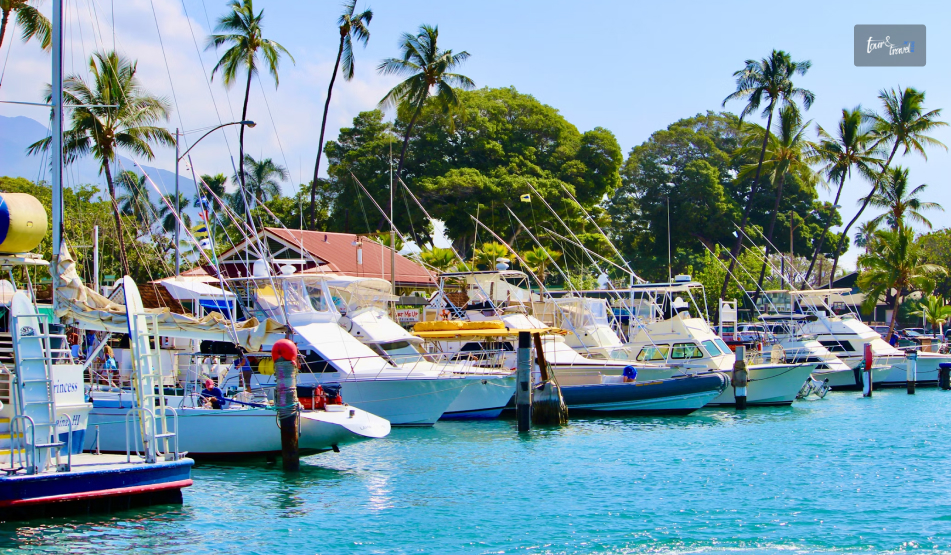
Are you wondering about going on a cruise with your partner? Do you have any idea about some of the best cruises for couples? Of course, how can we forget Hawaii as the paradise of all cruise experiences?  

You will need at least 19 days to go on this cruise trip! However, if you cannot manage that long, why don’t you choose the 16-Day Hawaiian Islands roundtrip? You can get on the cruise from San Francisco, California. It will cover five ports in Hawaii, Kona, Hilo, Honolulu, Kauai, and Ensenada!  

Hawaii is known for its nightlife along with entertainment in the Island-inspired activities. Do not miss the world-class cuisine! Enjoy beautiful ocean views.   

Alaska  

Alaska

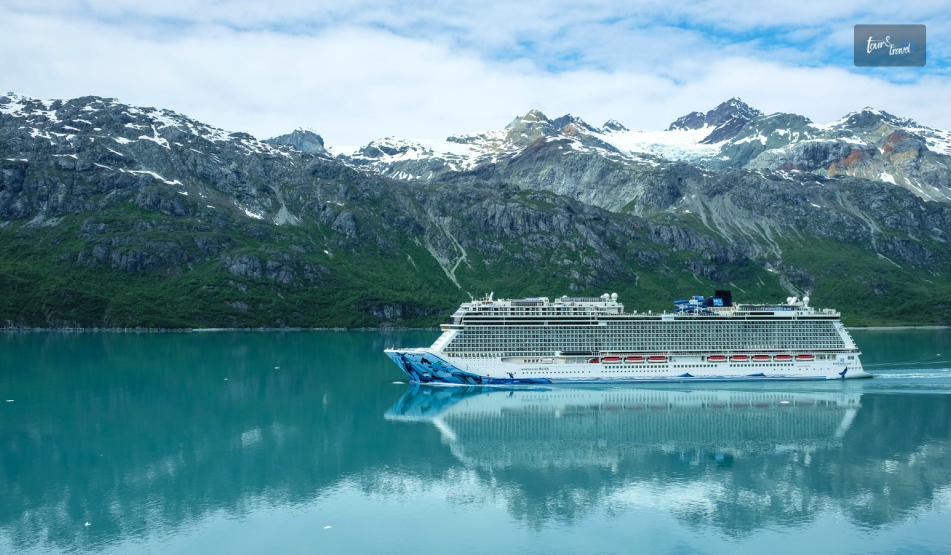
If you are planning to see beautiful glaciers and check out some of the coolest wildlife, Alaska as a destination offers one of the best cruises for couples. Arctic excursions are not everyone’s cup of tea hence, committing to this cruise is the best way to enjoy Alaska.  

The beautiful blue of the sky and the lake of the place make a perfect view for you and your partner to enjoy a glass of wine together! Simultaneously, some of the best Alaska cruises will ensure your perfect holiday.  

You can take princess cruises or celebrity cruises, depending on your requirements, be it a spa, or delicious Italian restaurant!  

Key West  

Key West

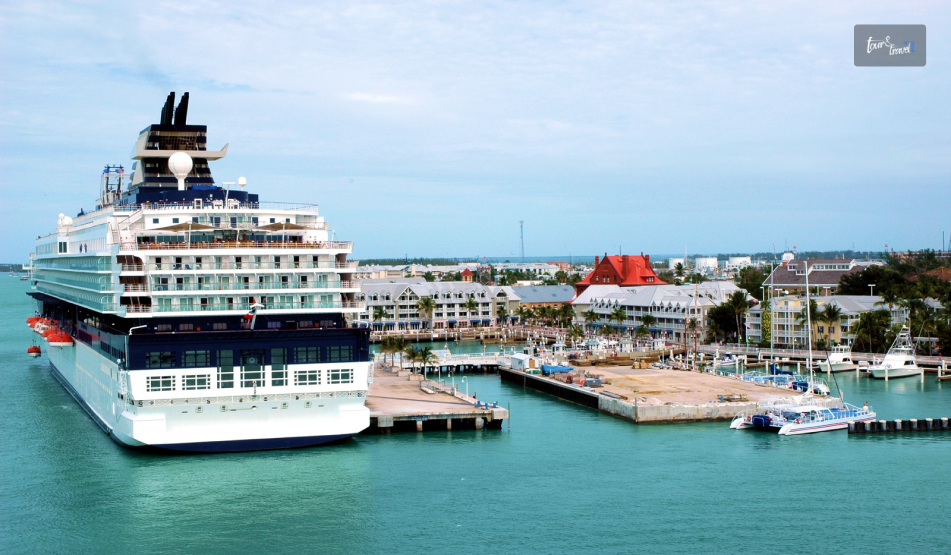
There is no direct cruise line going to the Key West especially because of the increasing risks to the fragile tropical environment. The economy of the place is dependent on tourism therefore, cruise ships dock at the closest piers, be it the Navy-owned Outer Mole pier or the Truman Annex!  

You have to watch the beautiful sunsets at the Key West cruise lines! Along with that, you get live music and a full bar. You must enjoy the delicious cuisine that is available on these cruises.  

New Orleans  

New Orleans

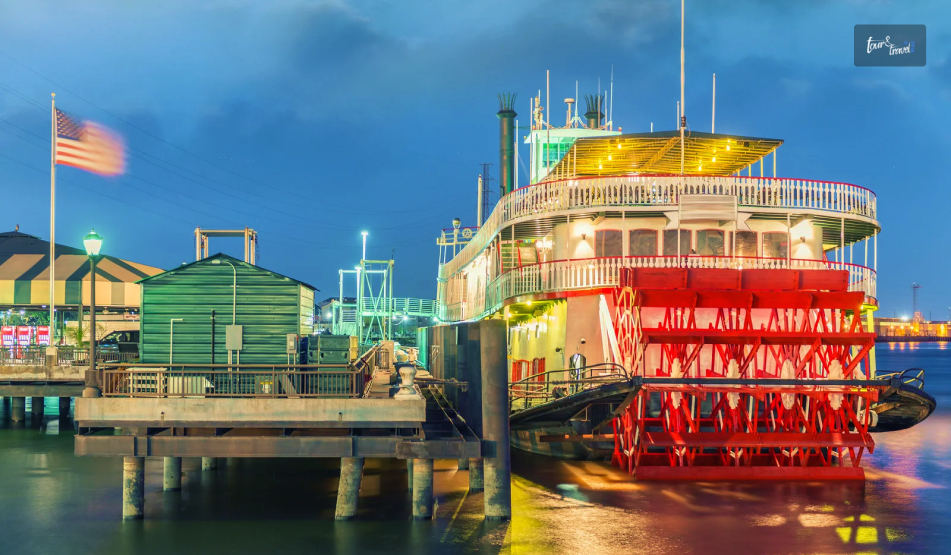
There are some specific activities and elements of cruise travel that you can enjoy when in New Orleans! When you want to go on a romantic date or trip, you have to take one of the best cruises for couples.  

Starting from stunning views of the city, delicious Creole cuisine, and live jazz music combine to offer you a unique New Orleans experience. The cruises go through the Mississippi River giving you the genuine traditional feel of New Orleans.  

New England  

New England

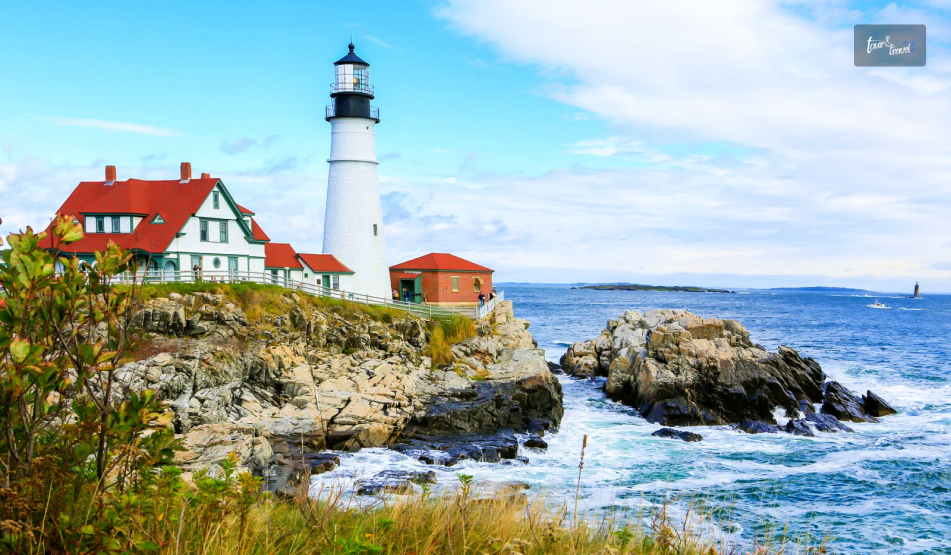
Are you planning to go on a romantic trip to New England on a cruise ride? Let me share with you some of the best cruises for couples such as Boston Harbor Sunset Cruise or Lighthouse Lovers Cruise in Portland.  

Furthermore, you can go for a whale-watching trip on the cruise in Gloucester. You will get to see pristine beaches while on the cruise along with scenic harbors all around. The CruiseLine can be completed in seven days, going from Quebec to Bar Harbor to Boston.   

San Francisco  

San Francisco

For me, one of the best cruises for couples if you want to go to San Francisco. You can go on a romantic sunset Catamaran Cruise where you can go around the Golden Gate Bridge and Alcatraz Island. You will get a complete view of the city at night, having the perfect date night!  

Henceforth, you will get guides on these cruises along with those who will give you informative commentary. Simultaneously, you will also experience the beauty of the city with its sky-high buildings and bridges.  

The Caribbean  

The Caribbean

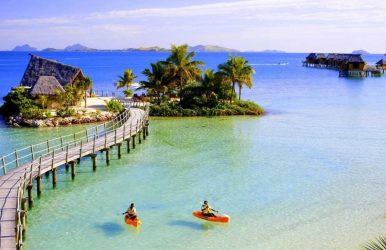
What is more beautiful than the white sand and turquoise water, bringing you the most peaceful sound ever? Let’s not forget the beautiful palm trees lining the beaches! If you are a couple in love, celebrating your wedding anniversary, or want to host your wedding, this is it for you.  

The cruises are available year-round with five departure ports! The itinerary includes 23 islands covering all the regions. They have 11 ships active on that route and what is a better experience than going on a cruise, having a laidback vibe, enjoying local food, and island hopping?  

Are you Ready for Some Romance?  

Now that we have shared with you some of the most romantic destinations that you can cover, I am sure your plans are ready. Get your reservations on one of these best cruises for couples and use the trip packages to the best of your advantage.  

Most of these cruises are of 5 nights and above! They cover at least 3 to 5 ports when going on the cruise including local cuisine and local Island inspired activities.  

Comment below on what you think is the best cruise trip that you think of out of the ones I have mentioned. Do let us know some of the best cruises you have gone on with your partner! 

Also read

Share on Social Media

Meet Sibashree Bhattacharya, a travel enthusiast who has a decade-long experience in transcending virtual barriers with her words! Her deep love for travel is apparent from her travel escapades to the mountain, often taking her readers on a journey, her words acting as Portkey! Fun fact: Sibashree loves to dive deep into the history of the places she is about to visit, making her travels even more wholesome. If you were wondering how her articles are not short of time travel, this answers it!

Leave a Reply

Your email address will not be published. Required fields are marked *

title-img Related

READ MORE transformative travel experiences

Adventure Awaits: The Path To Fulfilment Through Exploration

BY  Sibashree Oct 22, 2025

You ever feel like life’s just looping on repeat? Same mornings, same coffee, same everything.  At some point, most of us start craving something that shakes that pattern, and we need something raw and real. That’s where adventure holidays sneak in.  They don’t just change your surroundings, they mess (in a good way) with how you see yourself. For anyone coming out of alcohol rehabilitation centres, that shift can mean the world.  It’s like flipping a switch, a chance to rebuild confidence, piece life together again, and actually feel alive instead of just existing. Here is more on how transformative travel experiences help us. The Psychology Of Adventure Adventure does something strange to your mind. It wakes it up. Think hiking in the Himalayas or rafting wild rivers in New Zealand. It’s not just adrenaline. It’s therapy in disguise.  A study by the University of Northampton found that roughly 90% of people felt stronger, more fulfilled after “residential outdoor trips on nature connectedness.” That’s almost everyone. Makes sense, though! When you’ve climbed that mountain, or even survived that one terrifying wave, something in your head just changes. Most folks find that once they’re out there, facing new challenges, limits stretch. You go from “I can’t” to “wait, maybe I can.”  And that’s where growth lives. Especially for anyone recovering from addiction, every small win whispers, see, change is real. It’s not easy, but it’s honest work, and that’s the beauty of it. Examples Of Adventure Holidays Are you looking for transformative travel experiences? You can explore the following activities and adventures. 1. Trekking In Patagonia Now this one’s stunning. Honestly, otherworldly! Glaciers that glow blue, winds that test your patience, and trails that humble you real quick. There’s something about being surrounded by that much untamed beauty that resets your brain. 2. Surfing In Costa Rica It is not your average beach trip. Warm waves, laughter echoing off the water, and even falling feels kind of freeing.  Learning to surf teaches patience. You wipe out a dozen times, but when you finally ride that wave — yeah, it changes something inside you. 3. Safari In South Africa There’s silence out there that words can’t touch. Watching a lion cross the grasslands or an elephant just being! Time slows down. And for a moment, you’re reminded how big life actually is. 4. Mountain Biking In The Alps It’s chaos and calm rolled into one. The climbs are brutal, the paths unpredictable, but man, those views. Finishing a tough trail feels like winning back a part of yourself you didn’t even know you’d lost. 5. Kayaking In The Norwegian Fjords This one’s magic. Paddling between steep cliffs that look carved by gods is a one-of-a-kind experience. It’s almost too quiet. The rhythm of your paddle turns into a kind of meditation. You start thinking, really thinking, about where your life’s going next. Transformative Travel Experiences And Building Connections And Community The Funniest thing about adventure trips is that you show up thinking you’re doing it for yourself, but you end up building these unexpected friendships.  People you’ve never met start to feel like family after a few shared challenges (or shared blisters). Late-night talks, bad coffee, shared laughs! That’s the stuff you remember.  On a trek route, when a shepherd you meet or your guide shares a slice of cheese with you or pours a cup of coffee, you know you have met the divine.  And especially for folks fresh out of rehab, that connection? It’s gold. Suddenly, you’re not alone.  You’re with people who get it. Who nods instead of judging you. Those friendships stick even long after the trip’s done. Sometimes, they’re the reason you keep pushing forward later on. When you are straight out of rehab, all you seek is getting included or becoming accepted. These things often become difficult when you are back amidst your family and friends. Back in their minds, they somehow go completely prejudice-free.  However, when you are meeting new people on a journey, these new people do not know you, and they accept you as who you are at present.  Embracing Change And Personal Growth Through Transformative Travel Experiences Adventure is messy. You can plan every detail and still have everything go sideways, and that’s the point. It forces you to adapt, breathe, and trust yourself again.  Somewhere between the scrapes, the missed turns, and the quiet sunsets, you find clarity. You remember what you want. For people healing from addiction, that moment hits deeper. Stepping outside, feeling tested but not defeated, it rewrites your story.  You’re not “recovering” anymore, and you’re living. And the things you pick up out there, including patience, grit, and gratitude, they stay long after you’re back home. At the end of it all, adventure holidays aren’t really about travel. They’re about renewal. They crack open the shell of routine and let the light in again.  Whether you’re trekking Patagonia’s wild path or gliding through Norway’s fjords, you don’t just move through landscape. They move through you. So yeah, if life’s been feeling heavy or stuck, maybe it’s time to pack a bag. The world’s out there, waiting with rough edges and all. And if you let it, adventure might just hand you back the best version of yourself. Transformative Travel Experience: More Than A Buzzword  “What that transformation is will be different for every traveller: some will be about traversing exterior landscapes, and some will be about traversing interior landscapes.” - Arnie Weissman, the Editor-in-Chief of Travel Weekly, said this in a report on the BBC. So, while connecting with new people and new locations, you are actually taking a step forward and soaking in every experience mindfully.  However, to indulge in a transformative travel experience, make sure that you don’t overestimate your travel plans. You must keep it spontaneous and slow-paced so that you have enough time for journaling, taking photos, drawing a picture or whatever makes your travel moments unforgettable.  Moreover, with transformative travel experiences, you can free yourself from self-pity. While meeting new people, you will know that many are living under conditions worse than yours. So, you will be thankful for what you have right now. 

READ MORE Gates of the Arctic National Park

Explore Human History And Wildlife With Backcountry Camping In Gates Of The Arctic National Park

BY  Sibashree Aug 12, 2024

Gates of the Arctic National Park is where the Brooks Range and the Tundra landscape come to life with wilderness and vivid topography. This national park is a place of topographical diversity with the coexistence of mountains, glaciers, rivers, lakes, and marshy lands.  A home to nomadic people for more than 13,000 years, the Gates of the Arctic is a prominent example of how human lives can be dependent on wilderness or nature. Many visitors love backpacking and trekking in this national park. Further, many stay in camps in the backcountry to experience its rich wildlife despite the challenges. Do you want to know why camping in the backcountry is worth the hardship? Does the national park have camping sites? Find the answers to all your questions in this guide.  Knowing The Gates Of The Arctic National Park (Why Camping Here Is A Great Experience) The Gates Of The Arctic National Park is a paradise for wilderness travelers. The intriguing land of Tundra, embraced by jungles, mountains, and rivers, makes camping in the backcountry worth all the effort.  Gates Of The Arctic Geography You can explore the arctic geography of this national park by trekking or by air. Tundra peaks and the Schwatka Mountains region of the Brooks Range ensure a humbling experience. You trek to Mount Igikpak, a glacier-carved peak with an 8,510-foot elevation. Another mountain to have glaciers in this region is Mount Arrigetch. Even backpacking and trekking to Mount Doonerak have a distinct charm, as the mountain is the quintessence of wilderness and unadulterated beauty.  Further, this national park has six designated wild rivers. Those are: Alatna River John River Kobuk River Noatak River North Fork of the Koyukuk River Tinayguk River Alatna and Noatak are great for canoeing. If you want more adventurous pursuits, you can try rafting in Nigu (to the north) and Kobuk (to the west).  Gates Of The Arctic Wildlife  The Gates of the Arctic is home to many mammals and birds. The Alaska Department of Fish and Game says,   “Forested southern foothills rise to limestone and granite peaks more than 7,000 feet high in this remote wilderness park. North of the peaks, clear water rivers run through glacier-carved valleys; and Tundra, covered with wildflowers during the brief northern summer, stretches toward the Arctic Ocean. Many of the nearly 500,000 member Western Arctic caribou herd migrate through the park each fall. Brown and black bear, wolf, Dall sheep, lynx, moose, wolverine, and red fox live here year-round. In the spring, the park hosts migratory birds from Europe, South America, Asia, tropical archipelagos, and the continental U.S.” Other animals found in this national park are grizzly bears, Dall sheep, and musk oxen. Among the birds, Tundra swans, common loons, and golden eagles are the most common.  Further, if you enjoy the playfulness of aquatic animals, watch out for graylings, trouts, sheefish and salmon.  Gates Of The Arctic And Human History  The Gates of the Arctic is a prominent place for archaeological research. The study and interpretations of the museum collections depict how people have been surviving in the Brooks Range for around 13000 years now.  Along with Inupiat, Nunamiut, and Athapaskan descendants, you will also find many non-native Alaskan people in this region. These people have always been dependent on fishing and hunting. The wilderness of the Gates of the Arctic is the foundation of their livelihood.  What Is The Best Camping Near Gates Of The Arctic National Park? With marshy lands and tussocks, Arctic Tundra has a vulnerable landscape and it is difficult to find a steady spot for setting up camps or tents. Also, the existence of wildlife in a remote location and dense vegetation make the space unsuitable for camping.  So, there is NO CAMPING SITE in the Gates of the Arctic National Park. There are designated areas in the backcountry for camping. However, you will have to strictly adhere to the rules and regulations of the national park when putting up a tent.  You must also attend the orientation program and be particular about the gear, food, and safety essentials to be carried.  With permission from the park authority and the National Park Service, you can set up tents near the Arctic Interagency Visitor Center in Coldfoot or around Wiseman and Bettles communities.  However, while camping in the backcountry, you will have to keep the following factors in mind.  Be respectful to the local communities like the Koyukon Athabascan Indians or Nunamiut. Their livelihood depends on the wilderness.  There are no provisions for running water, a dump station, or restrooms. Your phone network will be unavailable in this location. You have to carry all your trash back as you leave the camping site. You cannot adulterate the pristineness of the location.  If you have plans for camping in the backcountry near the Gates of the Arctic, summer is the best season. The temperature is a little moderate on these days, and sunnier days make all outdoor pursuits in the park easier for you.  Did You Know?  The Gates of the Arctic National Park is the second-largest national park in the USA. It stretches over 13,000 square miles. You can see aurora borealis from this park if you visit between November and March.  July and August are the best months to visit Gates of the Arctic National Park for hiking and backpacking.  Bob Marshall, a wilderness advocate, named this national park “Gates of the Arctic.” Final Words  Unlike popular national parks like the Biscayne National Park or the Kenai Fjords National Park, the Gates of the Arctic National Park does not have many visitors yearly. In 2023, only 11,045 tourists flocked to this place. (Source) With a diversity in topography and wildlife and an association with human history, this park has much to explore. However, the extreme trekking conditions and wilderness make it far from an easy excursion or trekking experience. Despite the absence of campgrounds in this park, you can camp in the backcountry at the designated spots in the fields. However, only an experienced backpacker should try it with proper orientation and extra safety measures. Have you ever been to this wild and intriguing national park? Do you have any camping experience in the backcountry? Don’t forget to share your experience with us!  Gates Of The Arctic National Park FAQs  Can You Camp In The Arctic National Wildlife Refuge? Only backcountry camping is possible in the Arctic National Wildlife Refuge. The absence of roads, villages, or facilities makes this area unsuitable for having designated campsites. Backpacking and hiking are the best ways to explore this vast landscape with rich wildlife and geographical interests.  Can You Stay In Gates Of The Arctic National Park? You can stay or try backcountry camping near the Gates of the Arctic National Park. Undefined terrains, wilderness, and a lack of modern amenities make it risky to put up camps in the national park. Even to camp in the backcountry, you will need the highest outdoor survival skills. The arctic ecosystem, topography, and weather conditions are different, and if you are confident enough to stay in the backcountry, plan in advance and get in touch with the Park and Preserve authorities for updates and advisories.  How Much Does It Cost To Visit The Gates Of The Arctic National Park? You don’t have to pay entry fees to visit the Gates of The Arctic National Park. However, you must attend the backcountry orientation program at any of the visitor centers.  In this way, the Gates of The Arctic National Park is different from other national parks as most of them demand an entrance fee.  How Difficult Is It To Get To The Gates Of The Arctic National Park? The Gates of the Arctic is a wilderness park. So, as you enter the park, hiking is the best way to explore. Remember, it is home to the Schwatka Mountains region of the Brooks Range and the highest peak here is Mount Igikpak with an 8,510-foot elevation.  So, exploring the national park is not going to be a cakewalk. A lack of established trails further makes hiking difficult.  Further, there are six designated rivers, including Koyukuk and Dietrich, in this national park. So, you will have to pass through multiple meandering river crossings. The water levels of these rivers keep fluctuating throughout the season. They are furious throughout the spring season. Tussocks, marshy lands and dense vegetation are other hurdles to your fast movement while trekking.  Do you want to visit the backcountry? You can take a bush plane operated by permitted pilots with knowledge of the region.  What Is Special About Gates Of The Arctic? The Gates of the Arctic is special because of its geographical uniqueness, rich wildlife, and significance in human history. The glacier-carved valleys, rivers, and ancient trails make the Gates Of The Arctic a favorite destination for backpacking and hiking. Thanks to its geographical typicalness, you will meet many animals and birds. The adorable grizzly bears will be seen feeding, and the musk oxen are another unique animal you must watch out for. If you are a birder, you will love watching the golden eagles, Tundra swans, or common loons.  Near the Nigu River or throughout the park, you will find stone fences and camping rings. These are a testament to how Inland Eskimos or Nunamiut have lived in this region for thousands of years. They survived on fishing and hunting.  In addition, as I pen this guide, I must tell you that the Gates Of The Arctic National Park is going to celebrate its 45th anniversary of designation next year. First, it became a national monument on 1st December 1978. In 1980, it became a national park and preserve. Also read Italy: Is Florence flat or hilly? Ultimate Guide to Your Next Family Vacation in Israel. The Glaciers of Wrangell-St. Elias National Park: Experience The Magnificence Of Nature.

READ MORE Great Barrier Island wildlife tours

Aotea Great Barrier Island Wildlife: The Ultimate Tours & Spotting Guide (New Zealand)

BY  Sibashree Nov 12, 2025

There are three instances I clearly remember from our trip to the Great Barrier Island, New Zealand. The best thing about the Great Barrier Island wildlife tours is that they begin even before you board the ferry.  Here, I will start with some fun moments we had while exploring the wildlife of Great Barrier Island, then gradually discuss the details. So, let’s examine the rugged, predator-free paradise in New Zealand's Hauraki Gulf.  My Great Barrier Island Wildlife Tours: Some Stories That Have Stayed With Me With around 60% of the Great Barrier Island being a conservation area, the Aotea Great Barrier Island in New Zealand shines with sustainability certificates and its commitment to preserving the indigenous flora and the rare and endemic fauna of the island.  1. The Biosecurity Check  We were about to board the ferry to the Great Barrier Island. The Auckland Regional Council and the Ministry for Primary Industries (MPI) people did thorough biosecurity checks of our bags, and we had to clean our boots. Thus, they make a visitor part of the island's conservation effort.  This check is mandatory, and this is the reason the pāteke and kākā are thriving on the island. 2. The Dark Sky Sanctuary And The Great Barrier Island Wildlife Tours  Great Barrier Island’s designation as a Dark Sky Sanctuary has enhanced the wildlife tour experiences. We went out to see the Milky Way at night, and we stood quietly and listened to the sound of silence.  Suddenly, we were startled by the more-pork cry of the Ruru birds. Also, we saw the black petrels or Tākoketai coming back to their burrows.  3. Did I See A Chevron Skink? Did I Not? See, Chevron Skink also feels like a mythical species. These nocturnal species are the masters of camouflage. So, honestly, we did not see them with our naked eyes.  However, we could listen to the squeaks and grunts of the Chevron Skinks. It was thrilling knowing that we were walking through their only habitat in the world, which is protected by sanctuaries like Glenfern.  Why Is Aotea Great Barrier Island A Paradise For Wildlife Tours?  Afar, a US-based travel media brand, has named Aotea Great Barrier Island one of the top 25 off-the-beaten-track destinations in the world.  Aotea, Great Barrier Island in the Hauraki Gulf, is a designated dark sky sanctuary. So, it is ideal for spotting and listening to the nocturnal birds and animals.  Furthermore, the Department of Conservation (DOC) maintains 60% conservation land on the Aotea Great Barrier Island. As a result, it is the island of Firsts" and "Lasts.” It means that the island has birds such as North Island kākā and pāteke (brown teal), which are found nowhere else in the world.  In addition, the "Predator-Free" Secret of the Island is truly special. In the absence of stoats, possums, weasels, or deer, the rare and endemic species here have been able to thrive.  Along with all these endeavors, the Great Barrier Island has been successful in community-led conservation efforts, maintaining biodiversity and species protection. Here are the details.  1. Aotea Great Barrier Island Environmental Trust “The principle activities of the Trust are in protecting, enhancing, developing and maintaining habitats for New Zealand native and endemic species on Aotea Great Barrier Island, with a particular focus on pest management…” Founded in 2002, this trust has been an advocate for conservation policies, has coordinated many conservation efforts, and earned funding for local conservation projects.  2. Aotea Conservation Park  The 2,000-hectare Aotea Conservation Park with walking tracks, DOC huts, and campsites makes the island an ideal destination for exploring the wildlife.  3. Marine Conservation  The Aotea Great Barrier Environmental Trust’s Tai Timu Tai Pari” or “Sea Change” initiative aims to protect the marine ecosystem of the Hauraki Gulf. Furthermore, the Department of Conservation (DOC) has proposed to build a large marine conservation area in the northeast corner of the island.  In addition, beach clean-ups and educational programs have been effective local endeavors to preserve the marine life of the island.  4. Biodiversity And Species Protection  The island is a critical nesting ground for the black petrels. The Department of Conservation takes care of the nesting ground.  Furthermore, around 60% of the pāteke population in New Zealand is present on the Great Barrier Island. These birds are frequently spotted in places such as Kaitoke Wetlands.  You can visit the Kaitoke Wetlands just before dusk. Park at the end of the road, walk the flat boardwalk, and wait quietly by the main pond. You will almost certainly see and hear the rare pāteke (brown teal) as they come out to feed. Chevron skink, 13 different types of lizards, banded rail, and North Island Kaka are some other native species that exist on the Great Barrier Island.  What Are The Must-See Wildlife Attractions On The Aotea Great Barrier Island In New Zealand?  The Glenfern Sanctuary, Aotea Track, Kaitoke Hot Springs, and the coastal areas are ideal for spotting the unique and rich wildlife of the Great Barrier Island, New Zealand.  1. The Pāteke (Brown Teal) Pāteke is one of the rarest ducks in the world. The Great Barrier Island is a stronghold for these ducks, and you will find them in the Kaitoke Wetlands.  The Department of Conservation and Predator Free NZ Trust are two important bodies taking care of the conservation efforts to protect these birds. Habitat management and predator control are two main elements of protecting the Pāteke birds.  Now, you understand why biosecurity is so crucial for these adorable ducks on the Great Barrier Island.  2. The Black Petrel (Takoketai) This seabird breeds only on the Great Barrier and Little Barrier islands. They nest in burrows high in the mountains. The Glenfern Sanctuary protects a key colony of these birds.  However, the main breeding colony on Aotea is at Mount Hobson/Hirakimata. According to the Department of Conservation, around 900-1000 pairs of birds stay there.  These birds are featured on the IUCN Red List as a vulnerable species. Furthermore, they are identified as “Nationally Vulnerable” in New Zealand.  Moreover, there has been a conservation monitoring going on since 1995 to assess the population of these birds and how they are declining.  3. The Chevron Skink (Niho Taniwha) This large, rare lizard is found only on the Great Barrier and Little Barrier. It is almost like a mythical animal, and spotting it is very unlikely.  However, they mostly stay in the Stream-side forests. It is listed as nationally vulnerable by the Threat Classification System of the Department of Conservation.  The sightings of these lizards are so important that DOC asks you to report to the local office or call at +64 9 429 0044 whenever you spot one.  4. The North Island Kākā It is a large, intelligent, and noisy native parrot. It is famous for the loud "screech" and "chatter. I saw a few of them high in the forest canopy along the Mt Hobson track.  The Glenfern Sanctuary is another spot where you will find these parrots. The Great Barrier Island is an important habitat for these birds as it offers a predator-free environment.  5. Dolphins And Marine Life Aotea’s location on the edge of the Hauraki Gulf Marine Park, the national park of the sea, makes it rich in marine life. The Hauraki Gulf and the Great Barrier Island were both formed due to massive volcanic activity at the end of the Ice Age.  In 1769, James Cook named the island because of how it protected the Hauraki Gulf.  The water of the Hauraki Gulf Marine Park has 22 species of marine mammals. Bottlenose and common dolphins are often seen from the ferry or playing in bays like Okupu (Blind Bay) and Whangaparapara Harbour. You may even spot Bryde's whales there.  Furthermore, seabirds are important members of the Marine Park. Black petrels are, of course, the most common among them.  Coastal camping is the best outdoor experience if you want to explore the marine life of the Great Barrier Island, New Zealand. Here are some popular coastal campsites.  Akapoua Bay Campsite Near Port Fitzroy, Ideal for Spotting Pohutukawa Trees and Fishing Awana Beach Campsite, Ideal for Surfers Harataonga Campsite, Great for Swimming and Snorkeling Medlands Beach Campsite, Surfing and Picnic Spot  The Green Campsite at Whangaparapara Harbour, Ideal for a Serene Walk and as a Secluded Retreat Whangapoua Campsite, a Popular Surf-Break.  A Guide To Aotea Great Barrier Island Wildlife Tours: Species, Sanctuaries, And Different Types Of Wildlife Tours  During the wildlife tours, our primary concern was how to spot native birds on Great Barrier Island. Little did we know that we would hear them before actually seeing them flapping their wings.  We heard the screeching call of kākā as we were hiking through the Mount Hobson Track. Then, we saw a cloud of birds passing over our heads.  Nevertheless, it’s not just about the birds. Aotea, Great Barrier Island in New Zealand, is home to endless endemic species.  1. Specialist Day Tours & Sanctuary Visits The Glenfern Sanctuary of the Great Barrier Island is a haven for the endangered and rare species. It is an 83-acre regional park, and it functions as the “gateway to the 240-hectare Kotuku Peninsula of the north-west coastline of the Great Barrier Island.” Furthermore, the Glenfern Sanctuary Trust is committed to the preservation of the endangered flora and fauna and their habitats as you walk through the 2km loop track through a native bush to spot the birds and native species.  The black petrels and the ancient Kauri trees are the biggest highlights of this tour. The sanctuary remains open 7 days a week and from sunrise to sunset.  Moreover, you must hike through the Sanctuary and Loop Track to explore nature, wildlife, and the unique culture of the Great Barrier Island.  Sanctuary And Loop Track The Glefern Loop Track is one of the easiest Great Barrier Island hiking tracks. Here, you will have to walk along the Aotea stream and through the remnants of an ancient native bush.  The bush is protected by the Queen Elizabeth II National Trust of New Zealand, and it is rich in bird life. So, here, you will spot black petrels, Kaka, and Pāteke.  You can contact the regional office at 09 4290 091 to know about the further details.  2. The All-Inclusive Multi-Day Guided Walk If you want a more immersive wildlife experience, you must choose the all-inclusive multi-day guided walks. MoaTours and Go Great Barrier Island Tourism are two such services taking care of your accommodation, food, expert guides, and transport.  They focus on the best tracks, like the Aotea Track, Mt Hobson, and Kaitoke Wetlands. Furthermore, the guides are flora and fauna experts. For example, you can try the “Let’s Go Wild,” “The Aotea Track” package of the Great Barrier Island. Two of the main highlights of this tour are the wetlands and the unique wildlife.  It is a 3-day hiking experience, and the charge per person (adults) will be $541 (Standard Route) or $596 (The Windy Canyon Route).  MoaTours, on the other hand, organizes a 5-day Great Barrier Island small group tour, covering areas such as the Medlands Beach and Tryphena Harbour. The charges will be   $4,390 NZD for solo travelers and $3,890 NZD for twin travelers.  3. Self-Guided Great Barrier Island Wildlife Tours  The self-guided tours to explore the wildlife of the Great Barrier Island are ideal for an independent traveler. For example, you can go for the Glefern Sanctuary self-guided walks and learn about the biodiversity of the sanctuary, its conservation efforts, and more.  You can contact Steve, the manager of the sanctuary, at 0210826670 to be a part of these tours.  Furthermore, you can create your own Great Barrier Island wildlife tours by planning a visit to the Kaitoke Wetlands, Mt Hobson (Hirakimata) Track, Medlands Beach & Onetangi, and Windy Canyon.  How To Spot Native Birds On Great Barrier Island? A DIY Guide For Wildlife Tours  I have already mentioned the Glefern Sanctuary self-guided walks. Along with that, you can visit any of these areas for a perfect wildlife exploration on the Great Barrier Island.  1. Kaitoke Wetlands The Glefern Sanctuary offers a guided tour to the Kaitoke Hot Springs, located on the Mount Hobson Track. You can access the track from the Whangaparapara Road.  Furthermore, you will find a series of geothermal pools on the Kaitoke Hot Springs track. This area, maintained by the Department of Conservation (DoC), is a treasure hub for native birds.  Here, we had to walk through an easy boardwalk and gravel road to encounter pāteke and spotless crakes. And thanks to the new Kai swing bridge here, the route has now become wheelchair and buggy accessible.  Even when we were swimming in the geothermal pools, we could listen to the calls of the pātekes.  2. Mt Hobson (Hirakimata) Track The Peach Tree Track to Mount Hobson is the best route for spotting native birds and the wildlife of the Great Barrier Island. The route passes through regenerating forests, and these forests are home to a lot of native bird species, such as: Kākā Tūī: Tomtit (Miromiro) North Island Robin (Pītoitoi) Black Petrel (Takoketai) You can spot these birds in the dense native bush. Also, you can see them in large numbers near the high slopes and close to the summit. In addition, the 360-degree view of the island is a bonus you will love to count on.  3. Medlands Beach & Onetangi Medlands Beach and Onetangi are famous for coastal and nearshore wildlife like the paradise shelducks and little blue penguins.  Furthermore, wekas are common in these locations, and these are chosen as the reintroduction programs of the North Island brown kiwi.  4. Windy Canyon On the Windy Canyon hiking route, you will find conservation centers such as the Kiwi Park Queenstown. Here, you will find native species such as tuatara and Kiwi.  Furthermore, throughout the route, you will listen to the buzzing cicadas.  The Best Tips For Spotting The Birds On The Great Barrier Island  Dawn and dusk are the best hours of the day for spotting birds on the Great Barrier Island. “Dawn Chorus” is a real experience on the Great Barrier Island.  Once you reach the spot, be patient and wait quietly, as patience is a virtue for bird watching.  Keep your ears open. You'll hear the tūī's "click-whirr-gurgle" and the kākā's "screech" before you see them. Going nocturnal is a great trick for watching the native birds of the Great Barrier Island. That is why being a Dark Sky Sanctuary is crucial for the Aotea Great Barrier Island.  Carry a red-light torch and be alert about the "more-pork" call of the Ruru to spot the birds in the dark.  Talk to the staff of the hotel or the owner of the homestay you are staying in. They will have the best local tips about birdwatching on the Great Barrier Island.  How To Plan The Great Barrier Island Wildlife Tours?  There are three main aspects of planning Great Barrier Island wildlife tours. 1. How To Reach The Great Barrier Island? You can take a Barrier Air flight from Auckland to reach the Great Barrier Island in 45 minutes. You can even take the SeaLink ferry and complete a journey of 4.5 hours to reach the Great Barrier Island.  2. How To Move Around The Great Barrier Island? Renting a car or a bike is the most convenient option to move around the island. Furthermore, kayaking is an excellent way to explore the bays, caves, and diverse marine life of the island.  3. What Is The Best Time To Visit The Great Barrier Island Wildlife? From September to November, or the spring season, is the ideal time to visit the wildlife of Great Barrier Island. This is the nesting season for most birds on the island.  So, these months are the best for listening to the chorus of the dawn and the dusk.  Being A Responsible Tourist To Protect The Wildlife Of The Great Barrier Island Biosecurity is the most important aspect of the Great Barrier Island wildlife tours. The wildlife of the island is thriving as it is maintained as a sanctuary. So, by cooperating with the biosecurity checks at the DoC-approved facilities and cleaning stations, we have to be a part of the conservation effort.  The 3C policy of the biosecurity checks on the Great Barrier Island is: Check Clean Check We have to check our bags, gear, and shoes for pests (rats, mice, insects) and seeds before they leave the mainland.  Your Great Barrier Adventure Awaits The Aotea Great Barrier Island is a nature lover’s dream, with every nook awaiting a surprise with the native birds and their playful chirps. Furthermore, the Glenfern Sanctuary, Mount Hobson Track, and the wetlands on the Great Barrier Island, New Zealand, are a stronghold for rare and endemic birds and animals.  So, the birds are calling. Are you ready to answer?