


7 Tips To Make The Most Out Of Your Trip To Gatlinburg

Jan 20, 2023

Last Updated on: Jun 22, 2023

Travel Guides

Located 30 miles east of Knoxville, the green town of Gatlinburg is a beautiful piece of paradise that offers outdoor adventure, mountaintop thrills, and various family-friendly attractions.

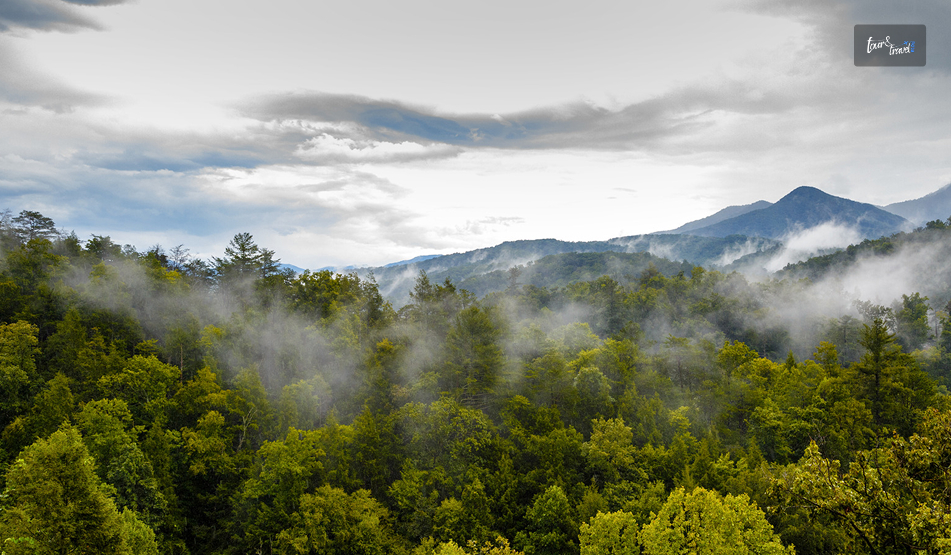
Gatlinburg is also the entry point for the Great Smoky Mountains National Park. More convincingly, the ancient forests, delicious restaurants, sparkly waterfalls, and foggy peaks of Gatlinburg attract millions of people from across the world every year.

However, planning a fun, memorable, and laid-back vacation in Gatlinburg takes time and forethought. It can be complicated if you are one of those indecisive individuals who spend hours creating a travel itinerary only to forget about it.

Here Are 7 Prime Ideas To Make The Most Out Of Your Trip To Gatlinburg

The good news is that Gatlinburg is super-accommodative and well-stocked with activities and tourist attractions, no matter the season. At the same time, it is wise to have a bucket list. To that end, follow this list if you are looking for ways to make your trip to Gatlinburg marvelous and unforgettable.

1. Rent a nice-looking cabin

One of the first steps to planning a stress-free and fun trip to Gatlinburg is finding a relaxing and welcoming place to spend your nights. This goes for all vacations because having a place to stay while on vacation offers peace of mind that you have all the time to explore your destination.

When researching the best accommodations in Gatlinburg, determine your needs and how many people will stay with you. For instance, if you are keen on finding Gatlinburg cabins with indoor pool services and outdoor activities, customize your search according to the area where you’ll be spending most of your vacation.

If you are traveling with your family, renting a cabin near your favorite tourist spots with enough space and amenities to help you have a good time is best.

2. Prepare yourself for a lot of walking 

Gatlinburg’s walking factor is unquestionably unique—and enticing—to those who prefer giving up the car. Gatlinburg is a little over 2 miles long from end to end. But most of the businesses and attractions are within half that radius. This sets it apart from Pigeon Forge, where traffic problems are a constant.

This also means you won’t have to pay for parking in the city. Cabins and resorts in Gatlinburg typically don’t charge you to park in their lot if you stay with them. Moreover, Gatlinburg may be difficult for some to navigate because getting to the various shops involves a fair amount of walking, but there are alternatives.

Related: Ohio Attractions: What There Is To Attract Us To Ohio

3. Explore the Parkway

Once you’ve found the right walking shoes, you are ready for a day on the Gatlinburg Parkway. You can spend the entire day being entertained at this one place alone, which offers more than 100 cafés and restaurants, close to 50 excursions, and more than 500 shops. We suggest you spend a day shopping here, walking around, and ending it by stopping by one of the famous eateries.

4. Take a trip to the Great Smoky Mountains National Park

A trip to Gatlinburg is incomplete without the Great Smoky Mountains National Park. The park provides tourists with many activities thanks to its breathtaking views of wildlife, historic structures, and stunning mountains. Winter is a great time to visit the area.

Hit the pathways that wind through the flurry of snow. Excellent places to start are hiking paths like the Alum Cave Trail and Laurel Falls Trail. Clingmans Dome Road is an additional route well-liked by cross-country skiers and winter hikers. The hikes could be fully ice-crusted or snow-free, depending on the weather.

So pack all the gear you need and bring layers for your winter expedition. In addition, several campgrounds, including Smokemount, Elkmont, and Cades Cove, are open to visitors during this time. In addition to this, the picnic areas available here include Deep Creek, Metcalf Bottoms, Greenbrier, and other locations. The park also offers a variety of summertime activities, including camping, hiking, fishing, and horseback riding.

5. Shop like crazy

Gatlinburg receives many visitors annually, mainly due to the stores’ diversity. Everyone knows that having many cute souvenir stores in a tourist area is par for the course. However, some people are unaware of how varied the variety might be until they get there. Take a look around. Local companies like The Maple Tree and Jonathan’s provide scrapbook supplies and home décor in addition to traditional souvenirs.

6. Visit the Sugarlands Distillery 

Without learning about the production of moonshine, a trip to Gatlinburg would be incomplete. So, visit the renowned Sugarland Distillery, where you can observe the distillation process, sample some delicious tastes, and listen to live music. It has three sipping stations where consumers can test up to 12 likes and is housed in a rustic barn-style building.

Furthermore, the yummy flavors of Sugarland Shine include Silver Cloud Tennessee Mash, Mint Condition Peppermint, Mark & Digger’s Rye Apple, and Butterscotch Gold. Guests can take a free guided tour to see the entire distilling process. Here you will witness a copper still, stone mill, and distillation column.

7. Ride a chairlift

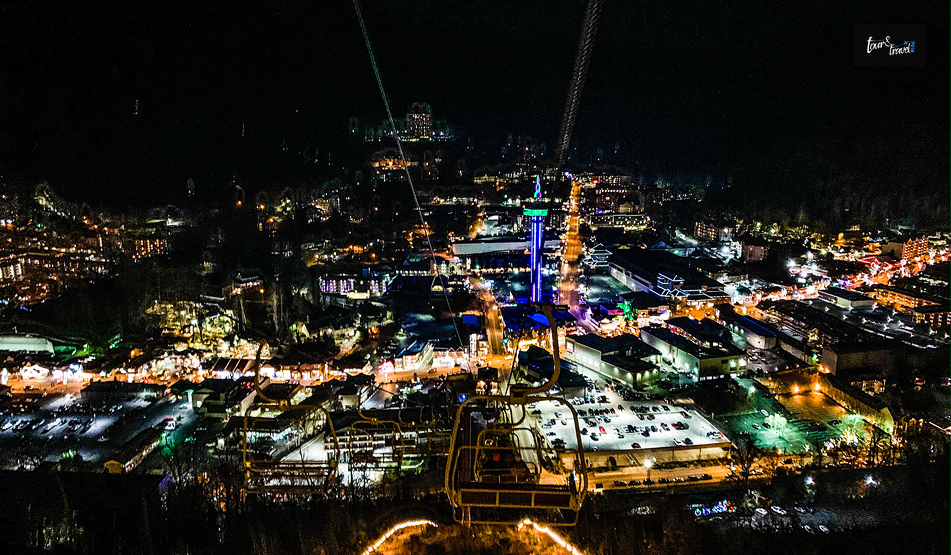
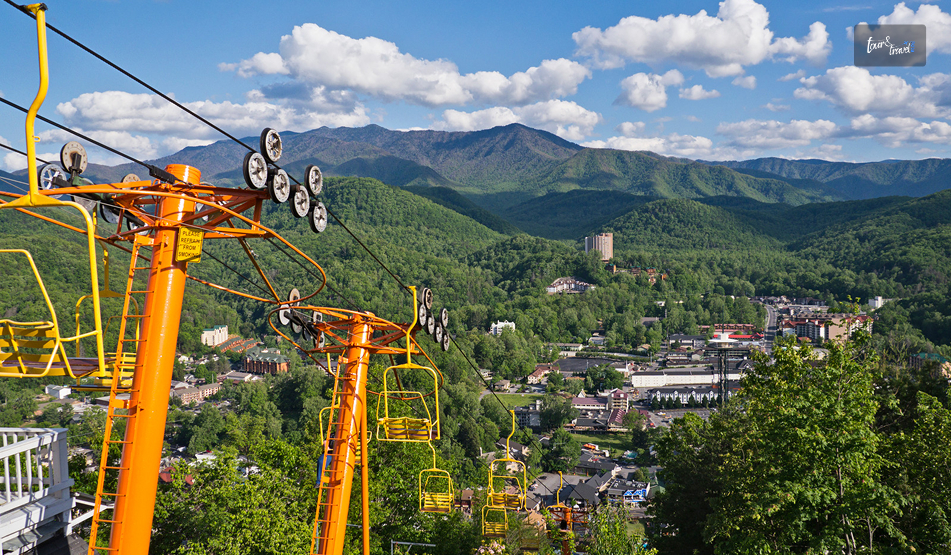
The fact that mountains and hills border Gatlinburg is another feature that sets it apart from other cities. This makes it possible for tourists to ride a chairlift and enjoy breathtaking vistas of the Smokies.

One of the best things about the city is that you can enjoy breathtaking vistas of the Smoky Mountains and the city of Gatlinburg from the chairlifts. So bring your camera and capture the stunning natural beauty of East Tennessee with a click or a tap.

Conclusion

Gatlinburg is a place for everyone. It has adventure, sightseeing, engaging activities, shopping centers, restaurants, and everything else. It is truly the best vacation destination.

But even with all these excursions, there is bound to come a time when you feel as if you are not making the most of your trip. The best way to avoid this feeling is to come prepared.

Following the tips and suggestions mentioned above, you can make the most of your trip to Gatlinburg. Lastly, leave some room for spontaneity because not everything will always go according to our plans. The only thing that matters is knowing how to have fun with it!

Read Also:

Share on Social Media

Arnab is a professional blogger, having an enormous interest in writing blogs and other jones of calligraphies. In terms of his professional commitments, He carries out sharing sentient blogs.

Leave a Reply

Your email address will not be published. Required fields are marked *

title-img Related

READ MORE can you bring cologne on a plane

Can You Bring Cologne On A Plane? – Let’s Find Out!

BY  sagnika Jun 26, 2023

Have you recently traveled via airplane? Do you want to know can you bring cologne on a plane? This article will list the rules the Transportation Security Administration (TSA) established regarding carrying perfume or cologne. You can read the rules and regulations of the TSA related to carrying Cologne on airplanes and the reasons for the specific restrictions. Staying aware of the information is important because cologne comes in different forms, such as aerosols, gels, and liquids. The facts related to carrying cologne are important because it is not just about bringing it for your personal use. At times, if you are holidaying or on a work trip, you can buy new cologne for yourself, family, and friends for gift purposes. It is because some cologne is specifically available in specific countries. Following these rules and regulations ensures that you will not face any issues while boarding or in the screening process. It also provides that there are no risks inside the aircraft due to carrying cologne. Can You Bring Cologne On A Plane? Let's Discuss The reason due carrying cologne is identified as a risk is because cologne is inflammable. It can be of any form, such as liquid, gel, lotion, or aerosol; however, if it leaks and comes into contact with any flammable substance, it poses a significant risk for all passengers and crew members. When there is a question, can you bring perfume on a plane? yes, but with restrictions. It is due to the alcohol content in cologne that there is a high probability of risking catching fire in the aircraft. Considering the plane is an enclosed space, there are high probabilities of risks. It is, therefore, important for all passengers and crew members to be careful, aware, and vigilant. You must be careful as a traveler to use containers protected by caps or other means to prevent any accidental leakage. It applies to nasal sprays, sanitizers, massaging liquor, aerosol and fluid medication, and nail polish. Rules By Transportation Security Administration (TSA) For Cologne The rule of 100 ml bottles in carry-on bags applies to most countries, such as the USA, Europe, China, Canada, India, The United Kingdom, New Zealand, and Australia. If you want to carry a lot of perfume or cologne, especially as a gift, you must split it into different containers. The original packaging of the cologne must also be carried so that the officers do not raise any issues during the security screening. At times, carrying a lot of liquid, gel, lotion, or aerosol can raise suspicion; hence, limiting the amount of cologne you have is important. Can you bring perfume on a plane? Is there another question you must have? Perfume and cologne both come under the same category. All types of colognes are allowed on the plane. However, there are limits to how they must be carried. The TSA officers should be confident regarding the quantity of perfume you carry. Can You Bring Cologne On A Plane? According to the Transportation Security Administration (TSA), the rule for carrying any liquid, including cologne, in a carry-on bag or handbag is that the liquid must be 3.4 ounces. 3.4 ounces means 100 ml, which applies to all liquids, aerosols, lotions, and gels. The rule is called 3-1-1, where the 3.4 ounces of liquid should be carried in 1 transparent quart-sized bag, which applies only to one passenger. There are no specific requirements regarding carrying the cologne in the checked baggage. However, cologne in liquid, aerosol, gel, or lotion form can be risky; therefore, it must be within the limit of 17 ounces or 500 ml in one container if it is in liquid form. If the form is in gel or lotion, the quantity must not exceed 18 ounces or 0.5 kg. According to the TSA, you cannot carry more than 2 kg of gel or lotion or 2 L of liquid of the aggregate quantity of cologne in the checked baggage. Can The Cologne Be Used During The Flight? The rules for flying internationally and domestically are the same except if you travel domestically to New Zealand or Australia. New CT scanners in New Zealand and Australia make it easier for passengers to follow one rule of carrying 500 ml containers. The smaller container of 100 ml is only sometimes implemented in these countries overall, helping the passengers to follow the TSA rules. It also does not matter in which type of container you carry the perfume, be it glass, plastic, or metal. It is important to declare if you are returning to your home country while buying a lot of cologne or perfume from a foreign country for security and screening purposes. During the flight, perfume or cologne can be used. It is, however, necessary to remember not to spray on other passengers. So, It is better to apply the perfume in the bathroom. It is better to wait a bit in the bathroom so that the airplane can cycle out. You can also wipe your skin with a paper towel and water so it is not overpowering. It also saves you from the risk of catching fire in a crisis! Packaging Tips For Cologne In Plane Avoid any cologne-related issues, especially such as spillage leading to severe risks. As a traveler, you should be cautious and follow the rules and regulations established by the TSA. When packing a cologne or perfume bottle, you must put a lid on the bottle's nozzle. You can also put the fragrance bottle in a zip-lock bag and try to remove all air from the zip-lock bag. Put the cologne inside the zip-lock. In soft clothing, you must also cover or wrap the zip-lock bag with the fragrance bottle. Sealing the bottle or the cologne container in the checked baggage is important. Please carry a cologne bottle that is travel size and be observant with regards to putting the cologne bottle near a hard object. There are refillable containers available on Amazon that can be used to carry cologne. Even the small test samples for cologne are also applicable when carrying perfume on a trip via airplane. Read More: Can You Bring Deodorant On A Plane? – Read This Blog To Know! Bringing Duty-free Cologne On A Plane There are no restrictions on duty-free cologne on a plane; hence, it can be carried effectively. It is also important to remember that it might not apply to the handbag rule but to the rule of checked baggage. Can I take Cologne on a plane? Yes, you can. Duty-Free products can be carried in shopping bags allowed by the airlines; hence, you would not face any issues regarding that as long as you follow the rule of the quantity of the checked baggage for liquids, aerosols, gels, and lotions. Conclusion In the article, you have been made aware of the rules maintained by the TSA regarding cologne carrying on the plane. It also has information about the risks and how to be mindful. Let us know in the comments regarding your experience of carrying cologne on a plane. Read Also: Can You Bring A Razor On A Plane? Find The Answer Here! Can You Bring A Lighter On A Plane? Know It All Here! Avelo Airlines Reviews You Were Looking For!   Is Spirit Airlines Safe? Get Your Answer Here!

READ MORE Great Barrier Island camping tips

The Best Great Barrier Island Camping Tips: Ultimate Guide To The Best Camping Spots On Great Barrier Island, New Zealand 

BY  Sibashree Nov 17, 2025

Spotting the burrows of the black petrels at Glenfern Sanctuary and the hillside was like magic! The burrows had eggs in a cream shade with tan freckles. They almost looked like the eggs of a hen, though slightly larger. Also, some chicks were chirping their hearts out inside the burrows. They looked like those squishy dog toys. Now, spotting birds is one of the most fulfilling activities when you are camping on Great Barrier Island, New Zealand. Furthermore, if days were about hiking and spotting the birds, the nights were about indulging in the surreal beauty of the celestial bodies at this designated Dark Sky Sanctuary. Moreover, camping in Great Barrier Island is a true off-grid and remote experience. No Streetlight!  No Public Rubbish Bins!  And, No Powered Camping Sites!  It’s just you, the camping tent, and the rugged beauty of New Zealand’s Hauraki Gulf. Hi, in today’s blog, I will talk about the Great Barrier Island camping tips. Here, you will learn about the must-book DOC sites, the non-negotiable biosecurity rules, and everything else you need to plan your adventure.  Camping In Aotea, Great Barrier Island: Setting The Right Mindset For Biosecurity And Sustainability View this post on Instagram A post shared by Department of Conservation (@docgovtnz) Aotea isn't a place that just hands you its beauty. It's a place that makes you earn it. It's a true adventure that rewards you for being self-sufficient.  It's the thrill of waking up to the raucous call of a Kākā parrot, not an alarm clock. It's the magic of watching the Milky Way rise over the dunes at Medlands Beach, and the peace of having a rugged, white-sand cove all to yourself.  Also, it is one of the rare islands that serve as sanctuaries, and with 60% of its area protected by the Department of Conservation, Great Barrier Island demands the utmost care for biosecurity and the adoption of sustainable practices. So, before you want to explore the best camping spots on Great Barrier Island New Zealand, you have to build your mindset. This is your invitation to join a small community of travellers who value wild, authentic, and responsible adventure.  1. Offering The True Off-Grid Experience  The campsites of the Great Barrier Island are exactly what the island is. They are not powered, and they have basic amenities. Furthermore, open fire is not allowed in these campsites. So, you will have to bring fuel-powered or gas cookers. Furthemore, the Department of Conservation camping sites have only a specific number of tents. So, you need to make the booking well in advance. Contact the Department of Conservation (DoC) at 0800 275 362. 2. The Golden Rule: "Pack In, Pack Out”  Zero waste and recycling are important for the sustainability and environmentally friendly practices of the Great Barrier Island. However, the island does not have public rubbish bins. So, whatever you carry to the island, you will have to take it back. You must use the official Orange Council bags with stickers for trash disposal. 3. Biosecurity Is Most Important  Protecting the Kauri trees from the infamous “Kauri Dieback disease” and the island's endemic animals requires a high level of biosecurity. So, when you leave for the Great Barrier Island from Auckland, you will have to check for ants and rats. Also, when you leave Great Barrier Island, check the tents and packs for skinks. In addition, the Phytophthora Agathidicida attack on the kauri trees has been a serious concern. Stopping the soil movement is crucial to stopping the attack of this dieback disease. Soil movement can happen through pigs, footwear, and vehicles. Therefore, the Department of Conservation (DoC) cleaning stations play an important role in cleaning and removing soil from your gear and footwear before entering a kauri forest on Great Barrier Island, New Zealand. In addition, you have to stick to the marked routes when hiking through the best Great Barrier Island hiking trails. 4. How To Book The Camping Sites: DOC Vs. Private  If you are camping in any of the DoC sites, you have to make the booking online well in advance. Private camping sites can be booked directly. Here is the step-by-step guide for booking a DoC Campsite on the Great Barrier Island. First, visit the Department of Conservation site for the particular campsite. For example, let’s talk about the Akapoua Bay Campsite. On the dedicated Akapoua Bay Campsite page, you will get to know about the campsite and the fees. The fees for the Akapoua Bay Campsite are $18 per night for adults, $9 per night for children ages 5 to 17, and $0 per night for infants ages 0 to 4. In addition, you can book a campsite pass from the Department of Conservation of New Zealand. It will give you access to all the bookable and non-bookable campsites in the country. If you need any assistance in booking the campsite pass, you can avail of that at a service tax of $10. For adults, the camping pass will cost $295.00 (365 nights), and for children between 5 and 17 years, the pass will cost $147.50. Moreover, for children below 5 years, the camping pass is free. If you need any assistance regarding the booking of the 1-year campsite pass or a pass for any specific site, you can contact Whakatū/Nelson Visitor Centre at +64 3 546 9339 or email them at nelsonvc@doc.govt.nz. The Kauaeranga Visitor Centre (+64 7 867 9080/kauaerangavc@doc.govt.nz) also offers the same assistance. What Are The Best Camping Spots On Great Barrier Island New Zealand?  View this post on Instagram A post shared by Department of Conservation (@docgovtnz) Digital detox has been a trending thing these days, and if you want to truly experience that and shut all the noise in your head, the camping spots on the Great Barrier Island will be the best for you. Further, the real magic of camping on Aotea starts after sunset. You haven't lived until you've watched the Milky Way rise over your tent from the dunes at Medlands. However, along with the Medlands Beach, there are 5 other DoC campsites in the Great Barrier Island, New Zealand. Here are the details. 1. Akapoua Bay Campsite  The sheltered waters of Port FitzRoy have a beautiful camping ground, which is like a gateway to the many walking tracks of the Great Barrier Island, New Zealand. From waking up with a 60-second dash of a cold shower to exploring the paths graced by the pohutukawa trees, the Akapoua Bay Campsite will offer you a peaceful and off-the-grid experience. The maximum number of campers on this site can be 75. Moreover, the camp is hosted from Christmas to the end of January. 2. Harataonga Campsite  This campground is very close to Harataonga Beach. So, it is an ideal camping site for swimmers and snorkeling enthusiasts. It can accommodate 120 campers, and this campsite is surrounded by bush and farmland. and camping takes place between Christmas and mid-February. Harataonga is for the romantic escape. 3. Awana Beach Campsite  The Awana Beach Campsite is a surfer’s dream. It has beautiful dunes and farmlands around. It can accommodate 120 campers, and the campground remains open from Christmas to the end of January. The only problem with this camping site is mosquitoes. So, you have to carry mosquito repellents. 4. Medlands Beach Campsite  The sound of the waves at Medlands. This is the music you will listen to when you go to sleep or wake up at the Medlands Beach Campsite. Medlands is like an all-rounder. It is ideal for families and surfers alike. The campsite remains open from Christmas to mid-February, and it can accommodate 120 campers. 5. The Green Campsite  You can boat in or walk in the Green Campsite, which remains open from 1st December to the end of February. With a capacity of accommodating only 30 campers, this campsite has a rich history associated with whaling, kauri logging, and timber milling. The waters of the Whangaparapara Harbour make it an idyllic retreat, and it is also the base of the Aotea Track. 6. Whangapoua Campsite  The Whangapoua Campsite is a surfer’s paradise, and it is located on the edge of the Whangapoua estuary. It is also a favorite camping site for fishing. With an accommodation capacity of 150 people, this campsite remains open from Christmas to the end of February. However, the biggest highlight of this camping site is the views of Rakitu Island and Mount Hirakimata. A Comparison Summary Table Of The DoC Camping Sites On The Great Barrier Island, New Zealand  DoC Campsite Access Landscape Facilities Activities Dog Access Fees Akapoua Bay Campsite Campervan, Car and Caravan Coastal Boat Launching, Cooking Shelter, Cold Shower, Non-Flush Toilets for Men and Women Boating, Fishing, Walking, and Tramping No Adults: $18 per night, Children of 5-17 years, $9 per night, and Children below 5 years: free Harataonga Beach Campervan, Car and Caravan Coastal Cooking Shelter, Cold Shower, Non-Flush Toilets for Men and Women Swimming, Snorkeling, Fishing No Adults: $18 per night, Children of 5-17 years, $9 per night, and Children below 5 years: free Awana Beach Campsite Campervan, Car and Caravan Coastal Cooking Shelter, Cold Shower, Non-Flush Toilets for Men and Women Kayaking and Canoeing No Adults: $18 per night, Children of 5-17 years, $9 per night, and Children below 5 years: free Medlands Beach Campsite Campervan, Car and Caravan Coastal Boat Launching, Cooking Shelter, Cold Shower, Non-Flush Toilets for Men and Women Fishing, Surfing, Swimming No Adults: $18 per night, Children of 5-17 years, $9 per night, and Children below 5 years: free The Green Campsite Boat, Foot Coastal Cooking Shelter, Non-Flush Toilets for Men and WomenHiking, Boating No Adults: $18 per night, Children of 5-17 years, $9 per night, and Children below 5 years: free Whangapoua campsite Campervan, Car and Caravan Coastal Cooking Shelter, Cold Shower, Non-Flush Toilets for Men and WomenFishing, Surfing No Adults: $18 per night, Children of 5-17 years, $9 per night, and Children below 5 years: free  Insider Tips For Camping At DoC Campsites On The Great Barrier Island If you are camping in a caravan or campervan, remember that the gravel roads leading to the camping sites, especially the Harataonga Campsite, are steep and winding. Also, the sites are off-the-grid. Furthermore, the campervans are not usually allowed on the beaches. The Best Private & Unique Camping Options On The Great Barrier Island View this post on Instagram A post shared by Department of Conservation (@docgovtnz) 1. Great Barrier Island Campground  The Great Barrier Island Campground, spanning over an area of 12 square acres, is an ideal camping ground for access to different beach activities. The camping site is located at a distance of just 200 meters from the beach. The camping fee at the Great Barrier Island Campground is $10 per person per night. You can contact them at 021 298 8905 for booking. 2. Mickeys Place  The O'Shea Family farm in Awana houses the Mickey's Place camping ground. It is a family-friendly camping site with the following facilities. A Communal Cooking Area  Flush Toilets  Showers  Patrick, Sean, and Mickey are the hosts of this campsite, and you can contact them at 09 4290 140. 3. Stray Possum  Stary Possum in Tryphena is an ideal camping site for backpackers. If you are camping here, you will have access to the kitchen, toilets, and showers of the adjacent Stray Possum Lodge. This camping site has 14 tents, and you can call 09 4290 109 for booking details. 21 Essential Great Barrier Island Camping Tips  I promised you tips, and here they are. Do not go to Great Barrier Island without reading this checklist.  • Packing And Food  1. Bringing a Gas Cooker  Open fires are banned in the Camping sites of the Great Barrier Island. So, you will have to bring a gas burner for preparing your food. 2. Packing Your Food  Groceries are not available everywhere, and they are even very expensive. So, it is better to collect and pack the groceries you will need before leaving Auckland. 3. Bringing a Good Chilly Bin  You will need this insulated chest for storing warm and cold food items. 4. Bringing a Red-Light Torch  The island is a Dark Sky Sanctuary. A red torch lets you stargaze without ruining your night vision.  5. Bringing Cash  EFTPOS (debit) is unreliable, and many camping sites only accept cash. 6. Packing Warm Clothes  The weather can suddenly become cold, even on summer days. So, you will have to pack layered clothes.  7. Carrying Mosquito and Insect Repellent  Sandflies and mosquitoes are notorious on Great Barrier Island. So, you will have to carry an insect repellent.  • On-Site & Facilities  8. Cold Showers  Most shower stations on the Great Barrier Island are cold water shower stations. This is great as the dash of cold water in the morning, literally works as the eye opener. 9. Long-Drop Toilets  The long-drop toilets are basic and waterless. Using these pit toilets can be challenging for some campers. 10. Drinking Water  The tap water available at these sites is not ideal for drinking unless it is purified or boiled. 11. Pet-Friendly  The DoC camping grounds are not accessible to dogs. This is crucial for the protection of wildlife, the safety of the pets, and soil movement, causing the resurrection of pets and parasites affecting the local flora and fauna. 12. Booking  The slots for camping sites such as Medlands, Akapoua get sold more than 6 months in advance for the Christmas and New Year periods. So, it is indeed a year-long planning. 13. Alcohol Rules  The consumption of alcohol can be banned in various camping sites, especially during the peak seasons. So, check with the camping site authority. • Transport & Logistics  14. Having a Vehicle  Having a vehicle is a must for moving around the rugged and large Great Barrier Island. You cannot walk between the sites.  15. Renting a 4WD (or 4WD-Capable)  The roads to various campsites are challenging. The road to Harataonga, especially, is very difficult. So, you will have to rent a 4WD-capable vehicle. 16. The Motorhome/Campervan Reality  The gravel roads are narrow, steep, and winding, and if you are planning to camp in a large RV, you will definitely struggle. 17. The Dump Station Nightmare  There is only one dump station in Claris, and it is only for black water or toilet waste. You will have to carry your grey water or sink with you. 18. Freedom Camping  Freedom camping on the Great Barrier Island, New Zealand, is a fascinating idea. However, the reality is quite different. It is heavily restricted, and sticking to the DoC sites is the best option.  • Safety & Etiquette  19. Using a Paper Map  Mobile network and GPS will not function in various parts of the Great Barrier Island. So, you will have to carry a paper map. 20. Tell Someone Your Plans  If you are hiking on the Great Barrier Island, you have to keep someone informed. The wilderness and remote locations of the hiking trails can throw many challenges, despite having an easy to moderately difficult level.  21. Being a Good Neighbour  You must respect the quiet, off-grid, and nature-first vibe of the Great Barrier Island. So, you have to keep the noise level down. How To Reach The Aotea Great Barrier Island With Your Camping Gear? For campers, especially the ones with campervans, traveling by the ferry from SeaLink is the best option. It is the only mode of transportation in which passengers and cars are both transported. It is a 4.5-hour picturesque journey from Auckland. Your Great Barrier Island Camping Adventure Is Calling Camping on the Great Barrier Island, New Zealand, is the right mix of adventure, soaking in nature, and cherishing the off-the-grid living of the island. However, it’s not going to be easy with the amenities at the campsites being basic, and even the gravel roads posing challenges for the big RVs and campervans. Also, you will have to take care of biosecurity and all the sustainability guidelines to ensure that the island, a sanctuary of wildlife, does not get impacted negatively. Conservation as a pristine sanctuary is the reason why camping in the Great Barrier Island allowed us to see a billion more stars and birds than I have ever seen in my life.

READ MORE is savannah georgia safe

Is Savannah Safe? What You Need to Know Before Visiting!

BY  Ankita Mar 12, 2024

Savannah, Georgia, is a beautiful and historic city that attracts millions of visitors every year. It is known for its charming architecture, culture, and cuisine. But is Savannah, Georgia, safe for tourists? How does it compare to other cities in terms of crime and violence? What are the best practices to stay safe and enjoy your trip to Savannah? In this article, I will answer these questions and more. I will show you the facts and figures about Savannah's crime rate, the safest and the most dangerous areas, the common scams and threats, and the tips and resources to protect yourself and your belongings. By the end of this article, you will better understand Savannah's safety situation and how to make the most of your visit. So, if you are interested in getting into this journey, keep reading this blog until the end… Is Savannah Georgia Safe? The first question that many travelers ask is: is Savannah Georgia safe? The answer is not so simple, as it depends on many factors, such as the location, the time, the activity, and the personal perception. Savannah is a large and diverse city, and like any other city, it has its share of crime and violence. However, it is not fair to label the whole city as unsafe or dangerous, as many areas are very safe and peaceful and many people are friendly and helpful. According to the latest data from the FBI, Savannah had a total of 3,559 violent crimes and 12,374 property crimes in 2019. Additionally, this means that the violent crime rate was 6.4 per 1,000 residents, and the property crime rate was 22.3 per 1,000 residents. These rates are higher than the national averages of 3.7 and 21.1, respectively. However, they are lower than some of the other major cities in Georgia, such as Atlanta, Augusta, and Columbus. The most common types of violent crimes in Savannah were aggravated assault, robbery, rape, and murder. Furthermore, the most common types of property crimes were larceny theft, burglary, and motor vehicle theft. Most of these crimes occurred in the downtown area, especially in the west and south parts, where there are more poverty, drugs, and gangs. The eastern and northern parts of the downtown area and the suburbs and islands are generally safer and quieter. How to Stay Safe in Savannah? Now that you have a general idea of the safety situation in Savannah, you might wonder: how can I stay safe in Savannah? What are the best practices to avoid trouble and enjoy my trip? Here are some tips and resources that can help you: Plan Your Trip in Advance Firstly, research the areas you want to visit, the activities, and places you want to stay. Check the reviews, ratings, and recommendations from other travelers and locals. Therefore, avoid the areas that are known to be unsafe, especially at night. Use a map or a GPS to navigate the city and avoid getting lost or wandering into unfamiliar places. Be Alert and Aware of Your Surroundings Pay attention to the people, the signs, and the situations around you. So, avoid distractions, such as your phone, your headphones, or your camera. If you see something suspicious, strange, or threatening, move away or report it to the authorities. Besides, trust your gut feelings, and do not ignore any red flags or warning signs. Protect Yourself and Your Belongings Do not carry or display any valuables, such as money, jewelry, passport, or electronics. Keep them in a safe place, such as a hotel safe, a locker, or a hidden pocket. Use a secure bag, such as a backpack, a crossbody, or a fanny pack, and keep it close to your body. Do not leave your belongings unattended, even for a moment. Lock your doors and windows, and do not open them to strangers. Furthermore, use a reliable transportation service, such as a taxi, a bus, or a ride-sharing app, and do not accept rides from strangers. Additionally, do not drink or use drugs, and do not accept any food or drinks from strangers. Do not get involved in any fights, arguments, or confrontations. And most importantly, do not break any laws, rules, or regulations. Seek Help and Support When Needed Lastly, if you are in trouble, need assistance, or have an emergency, do not hesitate to contact the authorities, such as the police, the fire department, or the ambulance. The emergency number in Savannah is 911. Additionally, you can also call the non-emergency number, which is 912-652-6500. You can also visit the nearest police station, hospital, or tourist information center. Moreover, you can also ask for help from the locals, such as the hotel staff, the shopkeepers, or the bystanders. Most of them are friendly and willing to help. Top 10 Safest Places to Visit in Savannah Savannah is a beautiful and historic city that has many attractions and experiences to offer. However, some travelers might be concerned about the safety situation in Savannah, as it has some areas that locals call unsafe or dangerous. Fortunately, there are also many places in Savannah that are very safe and peaceful, where you can enjoy your trip without any worries. I will show you the top 10 safest places to visit in Savannah. These are the places that have low crime rates, high security measures, and positive reviews from other travelers and locals. Let's get started! 1. Tybee Island Firstly, Tybee Island is a barrier island 18 miles east of Savannah. It is a popular destination for beach lovers, who can enjoy swimming, surfing, kayaking, fishing, and boating. The island also has a pier, a pavilion, a lighthouse, a museum, and a marine science center. Tybee Island is one of the safest places to visit in Savannah, as it has a low population density, a friendly community, and a dedicated police force. The island also has many hotels, restaurants, and shops that cater to visitors. 2. Forsyth Park Second, Forsyth Park is a 30-acre park in the heart of the historic district. It is famous for its iconic fountain, which was built in 1858 and resembles the one in Paris. The park also features a fragrant garden, a playground, a cafe, and a bandshell. Forsyth Park is one of the safest places to visit in Savannah, as it is well-maintained, well-lit, and well-patrolled. You can enjoy a picnic, a stroll, or a bike ride in the park, or catch a concert or a festival that takes place often. 3. Wormsloe Historic Site Wormsloe Historic Site is the former plantation of Noble Jones, one of the original settlers of Georgia. It features a majestic avenue of live oaks that leads to the ruins of the colonial estate. You can also see a museum, a theater, a nature trail, and a demonstration area that recreates the life of the 18th-century Georgia. Wormsloe Historic Site is one of the safest places to visit in Savannah, as it is in a secluded and scenic area, away from the city's hustle and bustle. You can appreciate Savannah's beauty and history in a serene and secure environment. 4. Telfair Museums Telfair Museums are the oldest public art museums in the South. They consist of three buildings: the Telfair Academy, the Jepson Center, and the Owens-Thomas House. The Telfair Academy houses a collection of 19th and 20th century American and European art, including works by Mary Cassatt, Childe Hassam, and Robert Henri. The Jepson Center showcases contemporary art and features a glass atrium, a sculpture terrace, and an interactive gallery for children. The Owens-Thomas House is a historic house museum that displays the lifestyle and furnishings of the early 19th century Savannah. Furthermore, Telfair Museums are one of the safest places to visit in Savannah, as they are in the east and north parts of downtown, which are generally safer and quieter. They also have high security standards and professional staff. 5. Savannah Botanical Gardens Savannah Botanical Gardens are a hidden gem that is located on the south side of the city. They are a 10-acre garden that features a variety of plants, flowers, trees, and ponds. You can also see a rose garden, a camellia garden, a fern garden, and a children's garden. Savannah Botanical Gardens are one of the safest places to visit in Savannah. This is because it is surrounded by a fence, a gate, and a security system. You can relax and enjoy the nature in a tranquil and protected setting. 6. Savannah College of Art and Design Savannah College of Art and Design (SCAD) is a private university that offers degrees in various fields of art and design. It has several campuses and buildings in Savannah, as well as in Atlanta, Hong Kong, and Lacoste. SCAD is one of the safest places to visit in Savannah, as it has a low crime rate, a strict code of conduct, and a comprehensive security program. You can visit some of the SCAD facilities, such as the SCAD Museum of Art, the SCAD FASH Museum of Fashion and Film, and the SCADshow Theater. You can also attend some of the SCAD events, such as the SCAD Savannah Film Festival, the SCAD Fashion Show, and the SCAD Sidewalk Arts Festival. 7. Skidaway Island State Park Skidaway Island State Park is a state park that is located on Skidaway Island, which is 15 miles southeast of Savannah. It is a 588-acre park that offers hiking, biking, camping, fishing, and birdwatching. You can also see a nature center, an observation tower, and a boardwalk. Skidaway Island State Park is one of the safest places to visit in Savannah, as it is managed by the Georgia Department of Natural Resources. This ensures the safety and the quality of the park. You can enjoy the outdoors in a clean and secure area. 8. Savannah Children's Museum Savannah Children's Museum is a museum that is designed for children and families. It is located in the historic Central of Georgia Railway Carpentry Shop building, which is part of the Georgia State Railroad Museum complex. It features over a dozen exhibits and activities that are interactive, educational, and fun. You can also see a maze, a slide, a sandbox, and a garden. Savannah Children's Museum is one of the safest places to visit in Savannah, as it is supervised by trained staff and volunteers, who ensure the safety and the enjoyment of the visitors. You can have a great time with your kids in a safe and stimulating environment. Read More: Is Cabo San Lucas Safe? – Let’s Find Out! 9. Cathedral of St. John The Baptist Cathedral of St. John the Baptist is a Roman Catholic cathedral that is located in the historic district. It is the oldest Roman Catholic church in Georgia, and the mother church of the Roman Catholic Diocese of Savannah. It is a stunning example of French Gothic architecture, with its twin spires, stained glass windows, and ornate interior. Cathedral of St. John the Baptist is one of the safest places to visit in Savannah, as it is a sacred and respected place, where people come to worship, pray, and admire. You can visit the cathedral during mass times or take a guided tour of the cathedral. 10. Savannah National Wildlife Refuge Last but not least, Savannah National Wildlife Refuge is a wildlife refuge located on the border of Georgia and South Carolina, along the Savannah River. It is a 31,551-acre refuge that protects and preserves various habitats and species, such as marshes, forests, wetlands, and islands. You can see animals such as alligators, deer, otters, bobcats, and over 300 species of birds. You can also enjoy hiking, biking, fishing, hunting, and photography. Savannah National Wildlife Refuge is one of the safest places to visit in Savannah, as it is regulated by the US Fish and Wildlife Service, which ensures the conservation and the security of the refuge. You can experience wildlife in a safe and responsible manner. Wrapping It Up! Therefore, the answer to the question of is Savannah Georgia safe is: it depends. Savannah is not a dangerous city, but it is not a crime-free city either. It has its safe and unsafe areas, its good and bad times, and its risks and rewards. The key is to be aware, informed, and prepared, and to use your common sense and intuition. Following the tips and resources I have provided in this article, you can stay safe and enjoy your trip to Savannah. Have a great time in Savannah! Read Also: Is San Francisco Safe? THIS Is What You Should Know! Is Barbados Safe? Why Do People Question The Safety In Barbados? Exploring Paraguay’s Culinary Delights With Travel Insurance In Mind