

A Luxurious Getaway: Top 5-Star Hotels And Resorts In Dubai For An Unforgettable Holiday Experience

Jun 17, 2023

Last Updated on: Jan 6, 2024

Travel Guides

Dubai, a glittering oasis in the Arabian Desert, is synonymous with luxury and opulence.

With its futuristic skyline, world-class shopping malls, and extravagant lifestyle, it’s no surprise that the city is home to some of the most luxurious hotels and resorts in the world.

In this article, we’ll take you on a tour of the top 5-star hotels and resorts in Dubai, highlighting their unique features, services, and amenities that make them perfect for holidays in Dubai.

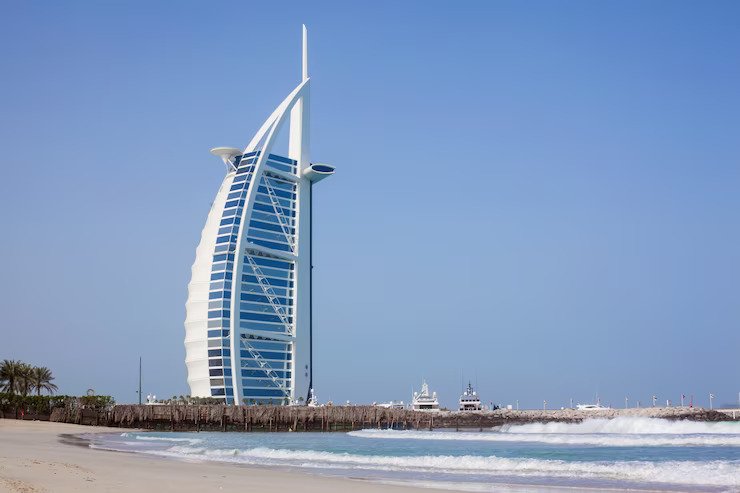
Burj Al Arab Jumeirah – The Iconic Sail-Shaped Hotel

Regarded as one of the most luxurious hotels in the world, the Burj Al Arab Jumeirah is an architectural marvel standing on an artificial island off the coast of Dubai. Shaped like a billowing sail, this iconic hotel offers unparalleled views of the Arabian Gulf and the city’s skyline.

Guests can indulge in the hotel’s opulent suites, which are equipped with state-of-the-art technology, lavish furnishings, and private butler service. The hotel also boasts nine world-class restaurants and bars, including Al Muntaha, which offers panoramic views of Dubai from its 27th-floor location.

For ultimate relaxation, visit the Talise Spa. Here, you can unwind in the infinity pool or indulge in a range of bespoke treatments. The Burj Al Arab also offers a private beach, helicopter tours, and access to the Wild Wadi Waterpark for a truly unforgettable experience.

Atlantis, The Palm – A World of Aquatic Wonders

Situated on the iconic Palm Jumeirah, Atlantis, The Palm is a magnificent resort. It offers guests a world of aquatic wonders. With its unique underwater suites and floor-to-ceiling windows, you can admire the mesmerizing marine life from the comfort of your room.

The resort is home to Aquaventure Waterpark, where you can enjoy thrilling water slides and encounter marine animals up close. Don’t forget to visit The Lost Chambers Aquarium, which houses over 65,000 marine creatures.

Dining at Atlantis, The Palm is a culinary adventure. It has over 23 restaurants and bars offering a diverse range of cuisines. For an unforgettable dining experience, book a table at Ossiano, an underwater restaurant with views of the Ambassador Lagoon.

Armani Hotel Dubai – Designer Luxury in the World’s Tallest Building

The Armani Hotel Dubai, which is situated in the very iconic Burj Khalifa is the epitome of designer luxury. Giorgio Armani has himself designed the hotel. It reflects his signature minimalist style, creating an atmosphere of elegance and sophistication.

Each of the hotel’s 160 rooms and suites offers panoramic views of downtown Dubai or the Arabian Gulf. Guests can also indulge in Armani’s bespoke services. It includes a personal Lifestyle Manager who will ensure your stay is tailored to your preferences.

With seven dining venues, the Armani Hotel Dubai offers a variety of culinary experiences. It ranges from authentic Italian cuisine at Armani/Ristorante to Japanese delicacies at Armani/Hashi. For a relaxing retreat, head to the Armani/SPA, where you can enjoy tailored treatments and therapies.

One&Only The Palm – A Secluded Beachfront Sanctuary

Nestled on the shores of Palm Jumeirah, One&Only The Palm offers a secluded beachfront sanctuary for those seeking a luxurious escape. The resort’s elegant guest rooms, suites, and villas provide a tranquil haven away from the bustling city. It is surrounded by lush gardens and cascading fountains,

Indulge in the resort’s world-class spa, featuring nine private treatment suites and a range of personalized therapies. For a gastronomic treat, dine at STAY by Yannick Alléno, which offers a modern twist on traditional French cuisine.

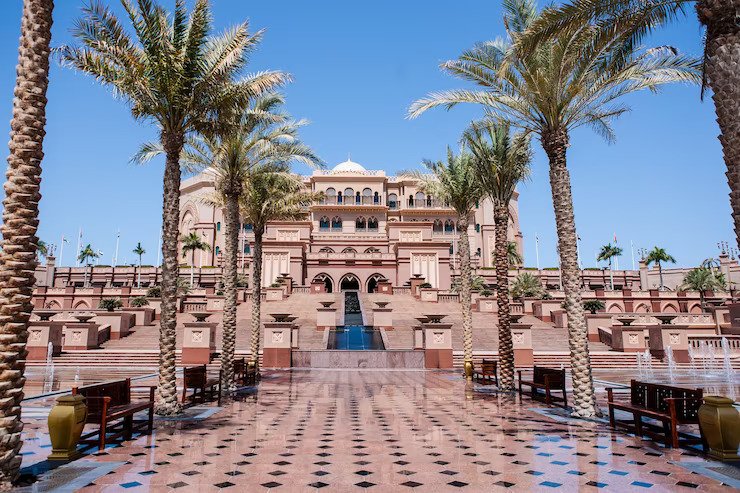
Jumeirah Al Qasr – A Royal Arabian Experience

Inspired by ancient Arabian palaces, Jumeirah Al Qasr is a majestic resort located in the heart of Madinat Jumeirah. With its opulent guest rooms, private beach, and traditional abra boats, the resort offers a royal Arabian experience like no other.

Guests can enjoy over 50 restaurants and bars within the Madinat Jumeirah complex, as well as the award-winning Talise Spa and the state-of-the-art Talise Fitness Center. For a cultural experience, visit the Madinat Theatre, which showcases a variety of performances and events throughout the year.

These 5-star hotels and resorts in Dubai offer unparalleled luxury and world-class service for an unforgettable holiday experience. Whether you’re seeking a romantic escape, a family adventure, or an unforgettable culinary journey.

Read Also:

Share on Social Media

Arnab is a professional blogger, having an enormous interest in writing blogs and other jones of calligraphies. In terms of his professional commitments, He carries out sharing sentient blogs.

Leave a Reply

Your email address will not be published. Required fields are marked *

title-img Related

READ MORE Great Barrier Island hiking trails

What Are The Best Great Barrier Island Hiking Trails? An Ultimate Guide To Hiking Trails On Aotea Great Barrier Island

BY  Sibashree Nov 7, 2025

Hiking the Aotea Track up to the summit view of the Hirakimata Peak was one of the most rewarding experiences I had on the Great Barrier Island. The view after reaching the top took all our fatigue away.  However, the Great Barrier hiking trails are not just about panoramic summits. Hiking here also means walking along the rugged coastline, through the native forests, and to the geothermal springs. To cut a long story short, the best hikes on Aotea Great Barrier Island, New Zealand are the best routes for exploring its dramatic island.  Furthermore, you can be a beginner or a seasoned hiker. Great Barrier Island has trails that can accommodate all. So, this guide is about the trails you can explore for the perfect eco adventure. Why Is The Great Barrier Island A Hiker’s Paradise?  Cultural exploration, stargazing, off-grid living, exploring the biodiversity of the island, and the dramatic geothermal features make the Great Barrier Island a hiker’s paradise.  1. Dark Sky Sanctuary “Ecotourism is extremely important to Great Barrier Island and this International Dark Sky Sanctuary status will not only provide further tourism development and economic growth opportunities but also ensure the preservation of our exceptional starry skies." Izzy Fordham, Great Barrier Local Board Chair.  The designation of the Great Barrier Island as a Dark Sky Sanctuary in 2017 was not about getting a label to boost tourism. The island’s 60% area is a conservation park, and the local Maori people believe that the protection of the sky is important for the health and well-being of the local community.  Also, if New Zealand becomes a Dark Sky Nation, as aimed by the Royal Astronomical Society of New Zealand, the Great Barrier Island will have a pivotal role to play.  Nevertheless, as an activity, stargazing seems the most surreal experience during a multi-day hike on the Aotea track. Just relax and prepare for the next day after completing your day’s hike.  2. Off-Grid Living Sustainability is a choice or a way of living on the Great Barrier Island. So, there is complete reliance on solar power, and people here use composting toilets. Rainwater harvesting is another sustainable practice followed by the people of this island.  Nevertheless, thanks to the island's off-grid living, it has minimal to no light pollution and air pollution. Also, because of off-grid living, life on Great Barrier Island is deeply connected to nature. So, you can be the biggest homebody, but here you will feel the urge to experience the outdoors more intimately.  3. Biodiversity Of The Island “Great Barrier is at an exciting point in its history where the future of the islands flora and fauna looks bright.” - Go Great Barrier Island. The fact that 60% of the island is a conservation park speaks volumes about the island’s biodiversity. Furthermore, it is home to countless endangered species, including 13 species of lizards, the North Island Kaka Parrot, the Black Petrel, the Banded Rail, and the Pateke.  In addition, the native forest here is getting replenished quickly with the island authority being particular about pest control.  4. Geothermal Features Located within the Hauraki Rift, the Great Barrier Island has the Taupō Volcanic Zone and the Kaitoke Hot Springs. These geothermal zones, along with being natural spectacles, are also home to unique ecosystems where you will find New Zealand pigeon or kererū, fernbird, etc.  So, hiking through these geothermal zones is an exciting outdoor activity in the Aotea Great Barrier Island.  A Brief Comparison Table Of The Best Great Barrier Island Hiking Trails  Trail NameDurationDifficultyHighlightsAccessibilityAotea Track2–3 daysModerateForest, summit, hutsDOC huts, remoteKaitoke Hot Springs1.5 hrsEasyGeothermal poolsWheelchair-friendlyWindy Canyon1 hrModerateCliffs, panoramic viewsCar park accessHarataonga Coastal Walk4 hrsModerateBeach, forest, birdsTrailhead parkingPalmers Track2–3 hoursModerateStream crossings, dense bushNot recommended for people with fitness or mobility issuesWarren’s Track30–45 minutesEasyFamily-friendly loop near Tryphena, Kid-friendlyIt is not wheelchair-accessible. Whangaparaoa Beach Walk1–2 hoursEasyDune ecology, remote beachIt is not wheelchair-accessible due to a steep loop-walk area. Glenfern Sanctuary1–2 hrsEasyConservation, native birdsGuided tours available What Are The Best Great Barrier Island Hiking Trails? (Brief Overview) View this post on Instagram A post shared by Aotea Great Barrier Island (@greatbarrierislandofficial) Most of the hiking trails on the Great Barrier Island come with an easy to moderate difficulty level. Also, the Aotea track here is the only multi-day hiking trail on Great Barrier Island and the entire Auckland Region.  Let’s find out more about the Aotea track and other Great Barrier Island hiking trails.  1. Aotea Track (Multi-Day Circuit) View this post on Instagram A post shared by Kristina | New Zealand travel, hiking & outdoors (@kristinamonts) Aotea track allows you to experience the ultimate fusion of history and natural beauty. Here, you will find the surviving trees and a unique wildlife of Kahikatea, Rimu, and Kauri.  The plants you will come across here are the cabbage tree, Horoeka or lancewood, Mānuka, Kānuka, etc. Furthermore, you will spot birds like Riroriro (Grey Warbler), Kererū (Wood Pigeon), etc.  2. Mount Hobson / Hirakimata Summit Track View this post on Instagram A post shared by Walking Legends Guided Walks (@walkinglegendsnz) This hiking route allows an encounter with the remnants of the ancient native bush, such as lancewood and cabbage tree. Also, while walking, you can meet the endangered Chevron Skink, a symbol of the rich biodiversity of the Great Barrier Island. 3. Kaitoke Hot Springs Track View this post on Instagram A post shared by Auckland, New Zealand (@visitauckland) This easy hiking track continues along the Kaitoke Swamp to the Kaitoke Hot Springs. You can continue your walk and continue on the Peach Tree Track to reach the Hirakimatā peak.  Kererū or wood pigeon and Kōtare or kingfisher are the most popular birds here.  4. Windy Canyon Track View this post on Instagram A post shared by Auckland, New Zealand (@visitauckland) The Windy Canyon track is one of the most popular short hiking trails on the Great Barrier Island. You have to climb up the steps through rock walls, which look dramatic thanks to the rampage of the ancient force of nature.  As you reach the top of the canyon, you will see the wonderful views of the Okiwi Basin, Whangapoua Beach, Medlands Beaches, and Kaitoke.  5. Palmers Track After completing the Windy Canyon Track hike, you can continue on the Palmers Track. Here you will walk along the steep ridgeline, and it is the shortest route to Mount Hobson.  Furthermore, on your way, you will spot the endemic kānuka plants, and the wooden horse here is a telltale of the logging history of the island.  6. Harataonga Coastal Walk It is one of the easiest hiking trails in Harataonga. It is associated with the history of transportation on the island, as it used to be the connecting route between the northern and southern parts of the island.  7. Warren’s Track It is a beautiful hike to a waterfall with a gently graded climb. Once you reach the waterfall, you can take a swim in the stream beneath. The food passes through the Kauri plantation before it joins the Bridle Track.  Here, you will walk through an exotic forest. However, the last lap of the trek is a little difficult with a rocky surface.  8. Whangaparaoa Beach Walk View this post on Instagram A post shared by Working In New Zealand (@workinginnewzealand) This peaceful route takes us to the Stanmore Bay Beach through the Rata Road walkway. Most of the walk continues on a paved road. However, some sections have a boardwalk and gravel.  This road is ideal for a pram walk. However, the stretch between the Rata Road Reserve and Whangaparāoa town centre is steep enough, and you will have to cross a few roads.  9. Glenfern Sanctuary Walks View this post on Instagram A post shared by Glenfern Sanctuary (@glenfernsanctuary) The Glenfern Sanctuary is a family-friendly loop track that continues along the Aotea Stream. You have to walk through a stretch of regenerating bush and climb around 100 meters.  After climbing up, you will enjoy the most amazing views of the Hauraki Gulf. On the stretch, you will be able to spot black petrel and kaka nesting. Also, you will find here the Chevron skink, the rarest and largest reptile in New Zealand.  How To Reach The Best Great Barrier Island Hiking Trails? View this post on Instagram A post shared by Nicole Marinkovich (@nicoolemarinkovich) You will have to take a Great Barrier Flight or a ferry ride to reach the Great Barrier Island. Upon reaching the island, you will have to take local transport to reach the following trail heads.  Great Barrier Island Hiking TrailsTrail HeadAotea TrackWindy Canyon/Whangaparapara RoadMount Hobson / Hirakimata Summit TrackBrownlee AvenueKaitoke Hot Springs TrackWhangaparapara RoadWindy Canyon TrackOkiwi-Claris RoadPalmers TrackWindy CanyonHarataonga Coastal WalkHarataonga CampsiteWarren’s TrackOpposite the Akapoua Campground EntranceWhangaparaoa Beach Walk1.5 Km up from Okiwi AirfieldGlenfern Sanctuary Walks20 Glenfern Road What Are The Best Family-Friendly Trails On Great Barrier Island? Best for Seniors• Kaitoke Hot Springs• Glenfern SanctuaryBest for Kids• Warren’s Track• Harataonga Beach WalkFacilities• Toilets at Major Trailheads• Picnic Areas• DOC Signage What Is The Best Time For The Great Barrier Island Hiking Trails?  View this post on Instagram A post shared by Julia Cole (@juliagoesglobal) The hiking trails of the Great Barrier Island are ideal for all-season hiking. However, the hiking trails offer a unique experience in each season.  SeasonWhy Visit The Hiking Trails?Summer (December to February)• Pleasant Weather Conditions• Clear VisibilityAutumn (March to May)• Cooler Temperature• Fewer CrowdsWinter (June to August)• Wet and Muddy• Fewer CrowdsSpring (September to November)• Active Birdlife• Blooming Flora Sustainable Hiking Tips For The Trails On Great Barrier Island Leave No Trace Use Cleaning Stations for Kauri Dieback (A Deadly Disease of Local Kauri Trees) Prevention Use Bio-Degradable Soap Use Reusable Water Bottles Follow Local Guidance and Signage to Remain Respectful to Wildlife and Sacred Sites What To Pack For Hiking The Best Trails On The Great Barrier Island?  Your packing list will depend on whether you are going for a single-day hike or a multi-day hike.  Day Hike EssentialsMulti-Day Gear• Water (2L+)• Snacks• Sunscreen & hat• Rain jacket• Map or GPS• Sleeping Bag• Cooking Gear• First Aid Kit• Headlamp• Extra Layers Guided Hikes And Local Tours: Enhancing Your Hiking Experience On The Great Barrier Island  View this post on Instagram A post shared by Glenfern Sanctuary (@glenfernsanctuary) Glenfern Sanctuary Tours and Māori Cultural Tours are the two most popular guided tours on the Great Barrier Island.  1. Glenfern Sanctuary Tours The Guided Loop Track tour of Glenfern Sanctuary is an amazing experience as you walk through the native bush. Here, you will spot the magnificent kauri tree and the resident black petrel.  The tour is 1 hour and 30 minutes, and a group must have at least five members. The tour's charges are $50 per person.  2. Māori Cultural Tours Whangaparapara Harbour Historic Treks, Harataonga, and Aotea Track are some of the best hiking trails to learn about authentic Māori culture and tradition.  The Whangaparapara Harbour Historic Treks take you to places of Kauri logging and whaling in ancient times. On the other hand, at the Harataonga DOC Campsite, you will find the old settlement sites of the Māori tribe.  Moreover, the Aotea Track has Māori archaeological sites, and Hirakimata Peak itself reflects local Māori spiritual beliefs and significance.  Where To Stay Near The Best Great Barrier Island Hiking Trails?  DOC huts, eco-lodges, hostels, and camping are the best accommodation options near the best Great Barrier Island hiking trails.  Trail NameNearby AccomodationAotea Track• Mt. Heale DOC Hut• Kaiaraara DOC HutKaitoke Hot Springs• Barrier Beach Cottage• Wiltshire ManorWindy Canyon• Aotea LodgeHarataonga Coastal Walk• Tipi and Bob's Waterfront LodgePalmers Track• Tipi and Bob's Waterfront LodgeWarren’s Track• Medlands Beach Backpackers and VillasWhangapoua Beach Walk• Aotea LodgeGlenfern Sanctuary• Glenfern Sanctuary Things You Don’t Know About The Great Barrier Island Hiking Trails: (Unearthing The Secrets) From housing, the only multi-day hike in Auckland, to being the home to many endangered species, the Great Barrier Island has many secrets to share.  1. Aotea Track: The Only Multi-Day Hike On The Island The 25–30 km loop of the Aotea Track is the only multi-day hiking track in the Auckland region. It passes through volcanic terrain, native bush, and summit views.  It’s a rare wilderness experience so close to a major city.  2. You Can Rejuvenate And Soak In Hot Springs In The Middle Of A Hike As you walk through the Kaitoke Hot Springs track, you will find geothermal pools, offering you a natural spa experience.  These pools, hidden in bushes and set in an underdeveloped setting, offer the purest connection to nature.  3. The Summit Of Mt Hobson Is A Breeding Ground For An Endangered Seabird Black petrel (tāiko) is one of the rarest seabirds of New Zealand. Hirakimatā / Mt Hobson is the home ground of these birds.  So, hikers have to continue on the boardwalks to protect the nesting areas of the birds.  4. The Island Is Free Of Possums, Stoats, And Deer Because the Great Barrier Island is free of Possums, Stoats, And Deer, you will be able to spot more birds such as kākā, kākāriki, and pāteke, and different types of wildlife.  5. You Can Hike Along Historic Logging Tramlines Some parts of the Aotea Track pass through the old tramlines used during the kauri logging era. In these pockets, you will find the ruins of machinery and dams that were used in carrying the logs.  6. The Island’s Trails Pass Through Regenerating Forests Much of the forest you hike through is regrowth from early 20th-century logging, dominated by manuka and kanuka, with pockets of ancient kauri, rimu, and kahikatea still surviving. 7. There’s a Track Named After A Gold Prospecting Legend The Te Ahumata Track to the White Cliffs was a popular site of gold prospecting. The locals still believe that gold may be hidden in the mountain. Thus, the hike has an element of myth.  8. The Island Has A Rare Endemic Plant: The Great Barrier Tree Daisy On many trails of the Great Barrier Island, especially on the Mt Heale Hut route, you will find the endemic species of the Great Barrier Tree Daisy.  This plant grows nowhere else in the world.  9. You Can Build Your Own Loop Adventure You can customize your Aotea Track hiking route based on your interests and fitness level. It has feeder tracks such as: Palmers Track Peach Tree Track Tramline Track 10. The Island’s Māori Name Means “Light Striking the Cliff” The Great Barrier Island has geological and spiritual significance in the Māori tradition. Mount Hobson is called Hirakimatā in the Māori language.  It means the “lightning striking the cliff face.” Great Barrier Island Hiking Trails: Frequently Asked Questions (FAQs) Here are the frequently asked questions and answers about the Great Barrier Island hiking trails.  1. Do I Need A Permit To Hike On The Great Barrier Island? No, if you are on a day trek on any Great Barrier Island trail, you do not need a permit. However, if you are trekking the Aotea Trail, you will need to book the huts of the Department of Conservation well in advance. You can contact the booking office at +64 7 867 9080 or the DOC Customer Service Centre at 0800 275 362. The last time I checked, the huts were under maintenance. So, confirm the availability of these huts.  2. Is It Safe To Hike Solo On Great Barrier Island? Yes, hiking solo is safe on the Great Barrier Island trails. However, the trails are in remote locations, and mobile coverage is limited in these areas. So, you must keep someone informed about your hike, and carry a Personal Locator Beacon (PLB) and an offline map.  3. Are Dogs Allowed On Hiking Trails? No, dogs and pets are not allowed on the hiking trails on Great Barrier Island. The trails here are ideal for wildlife spotting. So, dogs are not allowed on these tracks to protect native wildlife. In addition, dogs are not allowed on these trails to prevent the spread of kauri dieback disease. 4. How To Reach The Great Barrier Island From Auckland? Taking a flight is the easiest option to reach the Great Barrier Island from Auckland. Barrier Air operates this flight service from the Auckland Domestic Terminal to the Claris Airport. Also, you can take a Sealink ferry from Auckland’s Wynyard Wharf to Tryphena. It is an unforgettable journey of 4.5 hours.

READ MORE Best time to visit Saudi Arabia

What Is The Best Time To Visit Saudi Arabia?

BY  Sibashree Jan 11, 2025

Thinking about what's the best Time To Visit Saudi Arabia? The colder months are always the best time to visit Saudi Arabia. Most tourists come here for the purpose of their Hajj. But, Saudi is also a place for exploration apart from it being a pilgrimage for the Muslims.  It’s a big country that tends to have different climes. This region has desert, mountain, and coastal regions. While some places have reasonably pleasant winters, others are better suited for visits during the colder months.  As for the history of the kingdom and its culture, it will also be interesting to mention. Tourists come to see historical and archaeological sites, as well as modern structures and places of worship. Travel agencies providing Islamic Travel Agency, including flights,  frequently offer additional services during the visit. So, what’s the best time to visit Saudi Arabia? Read on to find out the right answer.  How to Choose the Best Time to Visit Saudi Arabia?  The time to go also differs. It may rely on customs, events, occupations, and the current climate.  For instance, the days in the summer are extremely hot in some regions. However, it is completely different during winter since the climate is comparatively much better.  Depending on your interests, the post will highlight the right time to visit the KSA. This means that scheduling to visit a certain destination based on activities that interest you is important. The Weather in the Kingdom The kingdom has a largely desert-like or arid climate. Besides, the temperature is high and can, on some occasions, rise up to 40 C 104 F in the desert region.  On the coastline, relative humidity can amplify the heat, making it even hotter than it literally is. As for winter, it will be mild. This makes it a perfect time to go out and complete outdoor activities. It also depends on the region in the kingdom but in general, the best time to visit is during winter. Summer heat can be intense in the central and the Northern areas of this country. However, temperatures remain tolerable, especially in the Western and southern parts of the country.  Basically, the southern and central kingdom’s best temperatures for traveling are from October to April. Choose Umrah packages including flights in winter during your pilgrimage. Cultural Events invite There are several cultural holidays observed in the KSA. It is critical to eat local cuisine and enjoy the atmosphere of festivals and other religious events.  The most specific rite is Hajj, which is performed once per year and involves a pilgrimage to the city of Mecca. This convenience occurs in the Islamic lunar calendar month of Dhu al-Hijjah. It can occur in summer or early in the next autumn.  Regarding the various events of Hajj. However, the spiritual pilgrimage is limited to Muhammad's followers, many other parts are open to tourism. The Janadriyah Festival is probably one of the most famous festivals in the KSA.  It takes place in Riyadh annually in February or March. The celebration pays homage to Saudi traditions and customs. There are traditional dances, songs, cuisine, etc. If you're interested in the country's culture, now is a great moment to visit the kingdom.  The other event is Saudi National Day which takes place on September 23. It is commemorated by a decorated parade and a fireworks display. Best Time to Visit Saudi Arabia for Outdoor Activities There is no better time to visit the KSA for outdoor activities than before the summer. From October to April, the weather is fairly good for surviving and enjoying outdoor activities. The best seasons for trekking, hiking, and other forms of natural exploitation are spring and fall.  There are lower odds of encountering a desert. If you are planning for a Hajj package, this is an ideal time. The Asir region in the southwest has cooler climatic conditions, and it formed terrains endowed with natural beauty. The majority of the region is mountainous, providing excellent opportunities for outdoor sports; the climate is temperate all year. The summer resort area is located in the 'Asir region, which is also home to the city of Abha. On the other hand, the climate of different cities in the desert is very hot in summer. Exploring the desert dunes is best done in the winter because the heat is too harsh for travelers.  Ideal Time for Visiting Coastal Regions The country has a good length of shoreline along the Red Sea and Arabian Gulf. There are some stunning sandy beaches and fauna in the coastal areas.  This is because October through April, the dry season, is the best time of year to explore these places. It can be smelly during the summer, and the beaches are not all that comfortable. Jeddah, the biggest city on the Red Sea coast has beautiful beaches for sun tanning and beautiful resorts. A lot of tourists choose Hajj packages, including those coming in search of snow during the winter season.  The breeze is ideal for sunbathing and swimming in the tempting, clean waters of the sea. These events create a frenzy of festivals, and different celebrations happen throughout the city during this time. In contrast to the Red Sea coast, the Arabian Gulf coast, which includes Dammam and Al Khobar, experiences scorching summers. Consider Ramadan when Planning Your Visit When arranging your trip to the Kingdom, you should also consider the Ramadan time. This is the Islamic month of fasting. Ramadan is an Islamic lunar month. The dates for observing it vary from one year to another. It is a special time when even the daily rhythm in the KSA is quite different. During Ramadan, many establishments and tourist destinations have shortened hours. While some travelers avoid visiting during Ramadan, others eagerly await the opportunity to tour the kingdom.  Avoid eating or drinking in public during Ramadan. For example, one is not permitted to eat, drink, or smoke in public throughout the day. It may still be hot during Ramadan but observing the month in the Islamic world makes for interesting cultural discovery. Summary The duration of a trip to the kingdom depends entirely on the traveler's goals and desired destination. The dry season, which lasts from October to April, is the best time of year for outdoor enthusiasts. In terms of cultural events and festivals, it is best to visit during the winter or spring. The greatest time to travel inland or visit the beaches is between November and March. Remember that traveling during Ramadan and the Hajj trip will be very different. Read Also: Do I Need a VISA to Visit Saudi Arabia? Yachting In Dubai – A Memorable Experience Best Time To Experience Dubai: The City Of Gold

READ MORE Authentic Travel Experiences

9 Tips For Authentic Travel Experiences

BY  Arnab Oct 27, 2023

Travel is more than just setting foot on unfamiliar terrain. It's a journey into the heart of a culture, a deep dive into local traditions, and an opportunity to immerse yourself in the essence of a place. Authentic travel experiences allow you to see, taste, and feel the true spirit of a destination. The era of tourist traps is fading. Today, travelers seek genuine interactions, unique tales, and opportunities to venture off the familiar path. So, how can you ensure your next trip is teeming with authentic experiences? Delve into these essential tips. 1. Embrace Language And Communication Mastering a few local phrases can significantly transform your travel. Imagine being in Japan and ordering your meal in Japanese instead of pointing at a menu. Before departing, consider enrolling in Japanese classes online. Doing this not only impresses the locals but also enriches your journey. Language serves as a bridge to deeper interactions and understanding. Dive into local media like films or podcasts. They offer a window into the nation's heartbeat, illuminating its culture, values, and everyday nuances. And keep in mind: patience and an open heart go a long way. Not all conversations will flow seamlessly, but your effort won't go unnoticed. Many appreciate your attempts to speak their language. 2. Opt For Local Accommodations Staying in local lodgings such as guesthouses, bed and breakfasts, or homestays can elevate your journey. In such accommodations, you can feel the warmth of local hospitality and perhaps form lifelong friendships. Often, these places are situated in less touristy areas, letting you explore authentic neighborhoods. Additionally, the owners usually have unmatched local insights and can suggest hidden treasures you won't find in guidebooks. More so, supporting these accommodations boosts sustainability. By backing local businesses, you contribute directly to the community, ensuring a rich experience for yourself and a boost for the local economy. 3. Eat Where The Locals Eat Food plays a central role in travel. Rather than dining at tourist-centric spots, find places where locals congregate. Street food vendors, local markets, and family-run diners often serve the most authentic and tantalizing dishes. Venturing into local culinary scenes also immerses you in a location's cultural and historical narrative. Food mirrors a country's past, influences, and rituals. So, while savoring different dishes, you taste myriad stories and traditions. Stay adventurous and be open to sampling new foods. Some might seem exotic, but they could be the highlights of your trip. Remember, travel isn't just about seeing new places; it's about tasting new flavors, too. 4. Participate In Local Traditions And Festivals Joining local traditions and festivals offers a profound cultural immersion. These events reflect the heartbeat of a community and its binding tales. Whether you're dancing at a festival in Bali or celebrating Carnival in Brazil, active participation profoundly connects you to the local culture. However, approach these events with respect. Stay aware of local customs and etiquette. For instance, if a festival requires a certain attire, respect that. Always ask before taking photos, especially during religious events. While these experiences are new to you, they're integral to many locals' lives. Your attitude can determine whether you're appreciating or appropriating. Respect ensures your experiences are memorable and positive. 5. Take Public Transport Using public transportation isn't just economical; it also offers a front-row seat to everyday life. Riding buses, trams, or trains lets you witness the mundane yet beautiful moments of daily life. Furthermore, public transport can introduce you to lesser-known parts of a city or town. These spots often provide a more authentic experience, whether it's a hidden café, a quiet park, or a lively market. Choosing public transport is also eco-friendly. It reduces your environmental impact, eases traffic, and supports the local economy. So, hop on local transportation during your next trip and discover unexpected treasures. 6. Choose Experience Over Sightseeing While landmarks are captivating, hands-on activities offer unparalleled authenticity. Rather than just sightseeing, dive into local activities. Enroll in a pottery workshop, learn the local dance moves, or whip up local dishes. Such activities immerse you in the details of local traditions. Plus, they often lead to lasting connections with residents. Engaging in a craft or skill provides avenues for rich interactions, leaving indelible memories. 7. Engage With Locals  Conversations with locals offer insights no guidebook can match. Interacting with a street vendor, a fellow commuter, or a café proprietor can deepen your understanding of local beliefs and aspirations. Always approach with genuine interest and respect. Not everyone may be in the mood to chat, but that's okay. When conversations do occur, you might be surprised by the hospitality and warmth. Often, these chats can lead to recommendations for off-the-radar attractions or experiences. Such insider info can redefine your journey, uncovering hidden spots and moments to cherish. Related: Prepping For Your Winter Trip To Salt Lake City 8. Embrace Sustainable Practices Integrating sustainable practices into your travels ensures that the destinations you love remain beautiful and vibrant for future generations. Consider eco-friendly accommodations or those that have sustainable certifications. These places often go the extra mile to reduce waste, conserve water, and support local communities. Another aspect of sustainable travel is conscious consumerism. Opt for handcrafted local products rather than mass-produced items when buying souvenirs or gifts.  This not only supports local artisans but also helps keep traditional crafts alive. Remember, every purchase you make has an impact, and as a traveler, you have the power to make it a positive one. 9. Travel Slowly In this fast-paced world, leisurely travel offers a distinct pleasure. Allowing yourself to explore slowly enables you to soak in the ambiance, sync with local rhythms, and form genuine bonds. Instead of rushing from one spot to another, meander through lanes, relax in parks, or savor extended meals. Slow travel emphasizes mindfulness, helping you appreciate nuances—the scent of fresh bread, the sound of laughter, or the art in local crafts. These moments often encapsulate a destination's essence. In Conclusion True travel goes beyond sightseeing—it's about immersion, comprehension, and connection. By diving into local languages, traditions, and activities, you not only elevate your travels but also leave a positive mark on the places you visit. Embracing these tips means every journey offers a chance to evolve. Here's to more authentic and unforgettable adventures. Safe travels! Read Also: Thailand Travel Guide: This Is The Best Time To Visit Stay Safe And Satisfied: Exploring Paraguay’s Culinary Delights With Travel Insurance In Mind A Newly Launched Tool ‘Skyscanner’ Inspires Travelers To Book Travel Destinations With Ease And Confidence