




Best 10 Mediterranean Restaurants In Las Vegas | Ultimate Guide

Feb 14, 2023

Last Updated on: Sep 19, 2024

Travel Guides

Are you currently in Las Vegas craving some delicious Mediterranean food? But of course, you are confused about which restaurant to go – yes, we get it, we have been there. And that is exactly why we are here with the top Mediterranean restaurants in Las Vegas. Trust us because we were out in the streets of Vegas, trying to find the best – stay tuned!

Best 10 Mediterranean Restaurants In Las Vegas:

Welcome to the Tour And Travel Blog’s foodventures! And today, we will talk about Mediterranean delicacies and where you will find these in Vegas. No, honey, you need not continue with that exhausting ‘Mediterranean restaurants near me’ search. For now, relax and scroll down to read about the best Mediterranean eateries in Vegas.

If you are up for some more foodventures, then definitely check out our take on Filipino restaurants in Vegas!

1. Chili’s Grill & Bar:

One of our favorite American chain restaurants serving Mediterranean food is Chili’s Grill & Bar. Yes, it’s not one of those traditional Mediterranean restaurants, but we love their classic American and Tex-Mex fare served in southwestern style.

Review By Christine Lal:

I love the service here! The robot Rita was a nice touch! The drinks were perfectly made, and the food came out Hot, Hot, Hot! We came during lunch on a Saturday, and there was plenty of space, and we were seated immediately. Please do try the Margarita!!

2. Mercato Della Pescheria Las Vegas:

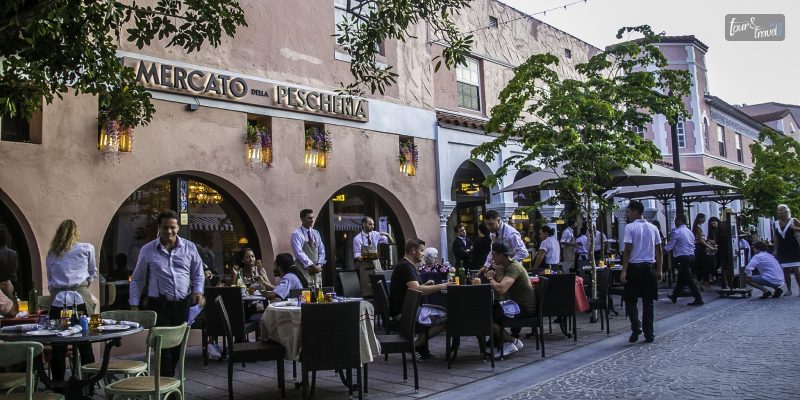
While the San Francisco Mediterranean restaurants are mostly well known for their chic dining rooms, Mercato Della Pescheria Las Vegas is no less. A stylish, chic dining room where guests can enjoy Italian plates, seafood, cocktails, select wines, and beer – sounds like a gastronomic dream!

Review By Volker Kueffel:

Located on the “St. Mark’s Square” inside the Venetian, this is a great lunch option. Not too expensive, has tasty food and very friendly service. I went for a light lunch this time and had a Cesar’s Salad and Tomato Mozzarella. Both are pretty good, you also get bread with olive oil and balsamic vinegar which is always a great start.

3. Hedary’s Mediterranean Restaurant Las Vegas:

One of our favorite Mediterranean restaurants in Vegas, Hedary’s Mediterranean Restaurant Las Vegas, serves several vegetarian dishes, delicious roasted lamb, and mouthwatering kebabs. We loved their simple, functional atmosphere!

Review By Abdul M. Massoud:

Well, I’m a Chef. I teach Mediterranean cooking classes at The University of Utah. This is the best lamb chop and baba ghanoush I have had since I moved to the states 7 years back! It’s really delicious, authentic, a genuine family restaurant that is hard to find these days. Thank you I’ll be back every time I visit Vegas. you got me!

4. Khoury’s Mediterranean Restaurant:

You don’t have to waste your time by searching ‘restaurants Mediterranean’ on Google. Instead, you can simply checkout Khoury’s Mediterranean Restaurant – what a comfortable place to eat! Plus, they serve great Mediterranean food, and even the Sangria was absolutely fresh. And if you are a hookah lover, then you can enjoy some on the restaurant’s patio.

Review By Leah Harrison:

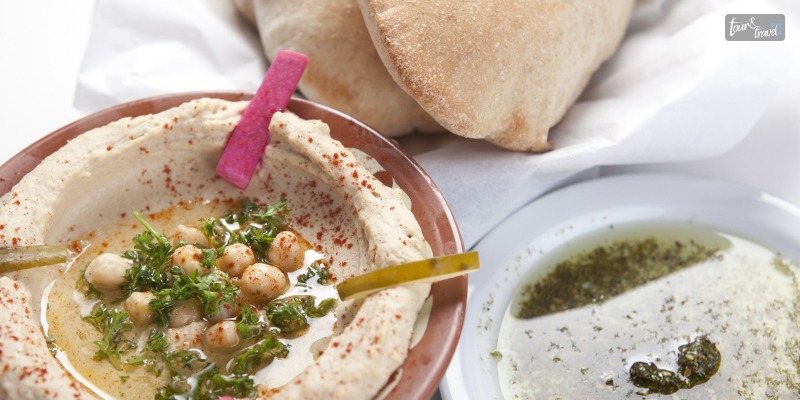
We have always loved this restaurant. Our favorite item is the homemade pita bread, but the hummus is delicious too. It has a local neighborhood family atmosphere, and prices are reasonable. Please support our local restaurants. We always go there for dinner. Casual atmosphere and good service.

5. Maza Mediterranean & Turkish Halal Grill:

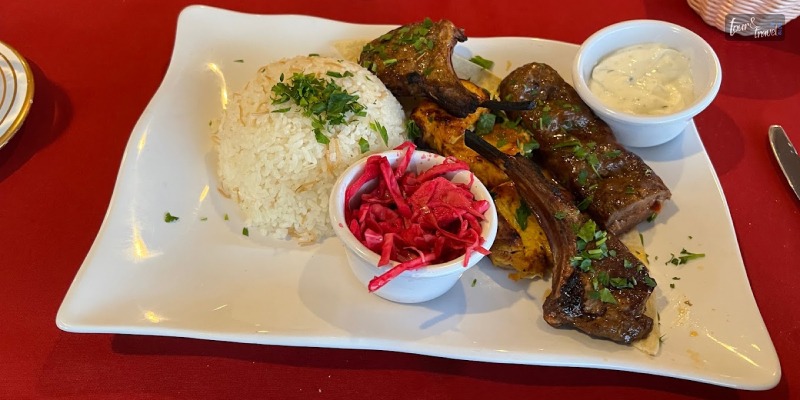
If you are a fan of traditional Turkish food and charcoal-grilled kebabs, then you have to check out Maza Mediterranean & Turkish Halal Grill. Another one of our favorite Mediterranean restaurants, we love that the restaurant is family-owned and has such a fun, casual vibe.

Review By Muntazar Alsaegh:

The place is very nice, and the staff was very friendly and welcoming. The appetizers were fine but not the best. The Quzi was great, the rice was cooked well, and the meat was very tender and full of flavor. I am not from Las Vegas, so I don’t know if these are their normal prices, but I find their prices to be a bit above average.

6. Paymon’s Fresh Kitchen And Lounge – Sahara:

Do you love restaurants that come with plenty of vegetarian and non-vegetarian choices? Then Paymon’s Fresh Kitchen and Lounge – Sahara is perfect for you – they have a crazy range of Mediterranean options on the menu, including plenty of vegetarian dishes. Plus, you can enjoy some hookah here as well.

Review By Kristin Edwards:

The food at Paymon’a was fresh and delicious! The presentation was nice, and the atmosphere of the whole place was very welcoming. The best thing, though, was the service we received. Our server was a very nice young guy whose name sadly escaped me. I will definitely go back for more!

7. Parsley Modern Mediterranean:

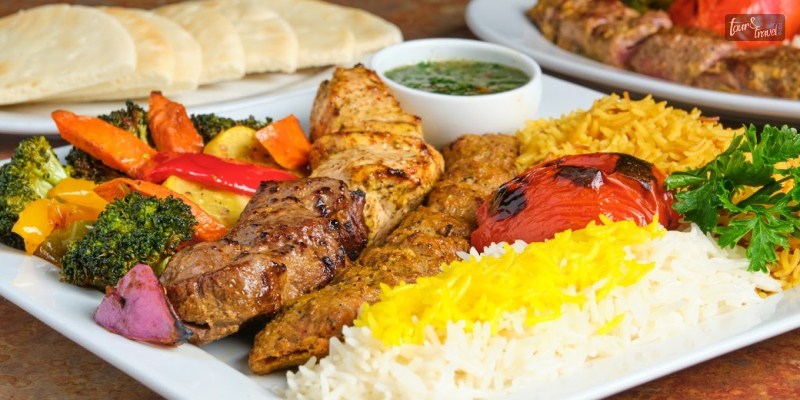
Parsley Modern Mediterranean is a counter-serve eatery that serves really tasty falafel, kabobs, shawarma, other Mediterranean staples, and some great vegetarian options. We loved their food and had so much fun eating locally.

Review By Trigga Dro:

Came Here to Grab A Shawarma Wrap, but Ended Up Getting the Basmati Bowl With Steak and Chicken. Got The Works. My Wife Got The Same, but She Got The Chicken Kabob as Her Protein instead. I Would say of Gave given It 5 Stars if it wasn’t for a Mandatory 15 Min Wait for 1 Kabob of Chicken. Other than that, It Was The Best Meal That Day. Definitely Coming Back ???

8. Amena Mediterranean Café And Bakery:

Are you a fan of the Mediterranean food Pasadena? Then you must check out Amena Mediterranean café And Bakery. They serve tasty homemade hummus, pitas, and other Middle-Eastern favorites in an easygoing, colorful environment.

Review By Agnes Williams:

I accidentally ran into this place, and my husband had never had a Mediterranean dish before. We both love the service, and the food is tasty. I would definitely come back to this place. I also bought a bag of dry chickpeas so I can make the falafel at home. Best I’ve ever done because it tasted soooo good.

9. The Great Greek Mediterranean Grill:

Another one of our favorite Mediterranean restaurants in Las Vegas, you have to check out The Great Greek Mediterranean Grill. We can vouch for them – and if you don’t believe us then that’s fine because they have got crazy guest reviews on Google!

Review By Kimber Ferm:

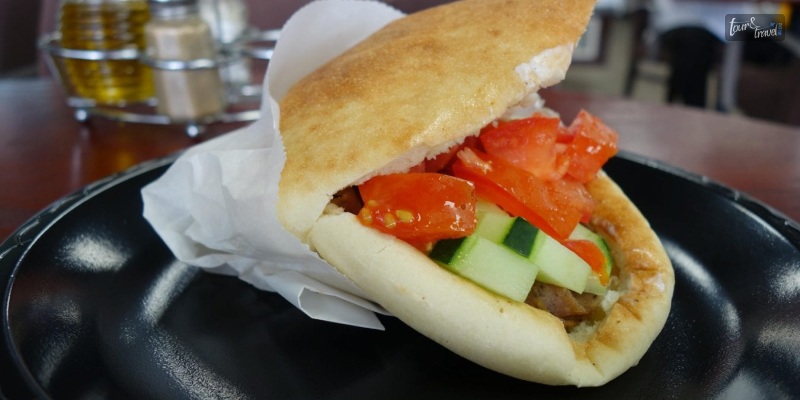
Absolutely delicious. The gyro meat was cooked to perfection, and the salad was fresh. I loved my meal! Also, the staff was really friendly and accommodating when I asked to plug in and charge while eating. Traveling with a weak cell battery is tough! On my list for my next visit!

10. Sultan’s Grill Las Vegas:

You don’t have to google ‘Mediterranean restaurants Las Vegas’ when you are craving Mediterranean food in Vegas the next time. Instead, you can just check out Sultan’s Grill Las Vegas – they serve Mediterranean staples such as falafel, hummus, and kebabs from a counter-serve spot.

Review By Juana Figueroa:

I just started working downtown. There isn’t much to choose from that’s within walking distance. I am pleasantly surprised at the taste and quality of the food! Everyone is really friendly and upbeat. They have a nice patio area, and the music makes a good ambiance. Really worth the price because of the quantity. The best Greek salad I’ve ever had!

And It’s A Wrap: Bon Appétit!

While you might be impressed with the Mediterranean restaurants Chicago or even San Francisco, there’s something so magical about the Mediterranean restaurants in Las Vegas. What do you guys think? Tell us your thoughts on Mediterranean cuisines in Vegas.

And while doing so, don’t forget to share your experiences with the restaurants mentioned above in the comments below.

Read Also:

Share on Social Media

Barsha Bhattacharya is a senior content writing executive. As a marketing enthusiast and professional for the past 4 years, writing is new to Barsha. And she is loving every bit of it. Her niches are marketing, lifestyle, wellness, travel and entertainment. Apart from writing, Barsha loves to travel, binge-watch, research conspiracy theories, Instagram and overthink.

Leave a Reply

Your email address will not be published. Required fields are marked *

title-img Related

READ MORE Gates of the Arctic National Park

Explore Human History And Wildlife With Backcountry Camping In Gates Of The Arctic National Park

BY  Sibashree Aug 12, 2024

Gates of the Arctic National Park is where the Brooks Range and the Tundra landscape come to life with wilderness and vivid topography. This national park is a place of topographical diversity with the coexistence of mountains, glaciers, rivers, lakes, and marshy lands.  A home to nomadic people for more than 13,000 years, the Gates of the Arctic is a prominent example of how human lives can be dependent on wilderness or nature. Many visitors love backpacking and trekking in this national park. Further, many stay in camps in the backcountry to experience its rich wildlife despite the challenges. Do you want to know why camping in the backcountry is worth the hardship? Does the national park have camping sites? Find the answers to all your questions in this guide.  Knowing The Gates Of The Arctic National Park (Why Camping Here Is A Great Experience) The Gates Of The Arctic National Park is a paradise for wilderness travelers. The intriguing land of Tundra, embraced by jungles, mountains, and rivers, makes camping in the backcountry worth all the effort.  Gates Of The Arctic Geography You can explore the arctic geography of this national park by trekking or by air. Tundra peaks and the Schwatka Mountains region of the Brooks Range ensure a humbling experience. You trek to Mount Igikpak, a glacier-carved peak with an 8,510-foot elevation. Another mountain to have glaciers in this region is Mount Arrigetch. Even backpacking and trekking to Mount Doonerak have a distinct charm, as the mountain is the quintessence of wilderness and unadulterated beauty.  Further, this national park has six designated wild rivers. Those are: Alatna River John River Kobuk River Noatak River North Fork of the Koyukuk River Tinayguk River Alatna and Noatak are great for canoeing. If you want more adventurous pursuits, you can try rafting in Nigu (to the north) and Kobuk (to the west).  Gates Of The Arctic Wildlife  The Gates of the Arctic is home to many mammals and birds. The Alaska Department of Fish and Game says,   “Forested southern foothills rise to limestone and granite peaks more than 7,000 feet high in this remote wilderness park. North of the peaks, clear water rivers run through glacier-carved valleys; and Tundra, covered with wildflowers during the brief northern summer, stretches toward the Arctic Ocean. Many of the nearly 500,000 member Western Arctic caribou herd migrate through the park each fall. Brown and black bear, wolf, Dall sheep, lynx, moose, wolverine, and red fox live here year-round. In the spring, the park hosts migratory birds from Europe, South America, Asia, tropical archipelagos, and the continental U.S.” Other animals found in this national park are grizzly bears, Dall sheep, and musk oxen. Among the birds, Tundra swans, common loons, and golden eagles are the most common.  Further, if you enjoy the playfulness of aquatic animals, watch out for graylings, trouts, sheefish and salmon.  Gates Of The Arctic And Human History  The Gates of the Arctic is a prominent place for archaeological research. The study and interpretations of the museum collections depict how people have been surviving in the Brooks Range for around 13000 years now.  Along with Inupiat, Nunamiut, and Athapaskan descendants, you will also find many non-native Alaskan people in this region. These people have always been dependent on fishing and hunting. The wilderness of the Gates of the Arctic is the foundation of their livelihood.  What Is The Best Camping Near Gates Of The Arctic National Park? With marshy lands and tussocks, Arctic Tundra has a vulnerable landscape and it is difficult to find a steady spot for setting up camps or tents. Also, the existence of wildlife in a remote location and dense vegetation make the space unsuitable for camping.  So, there is NO CAMPING SITE in the Gates of the Arctic National Park. There are designated areas in the backcountry for camping. However, you will have to strictly adhere to the rules and regulations of the national park when putting up a tent.  You must also attend the orientation program and be particular about the gear, food, and safety essentials to be carried.  With permission from the park authority and the National Park Service, you can set up tents near the Arctic Interagency Visitor Center in Coldfoot or around Wiseman and Bettles communities.  However, while camping in the backcountry, you will have to keep the following factors in mind.  Be respectful to the local communities like the Koyukon Athabascan Indians or Nunamiut. Their livelihood depends on the wilderness.  There are no provisions for running water, a dump station, or restrooms. Your phone network will be unavailable in this location. You have to carry all your trash back as you leave the camping site. You cannot adulterate the pristineness of the location.  If you have plans for camping in the backcountry near the Gates of the Arctic, summer is the best season. The temperature is a little moderate on these days, and sunnier days make all outdoor pursuits in the park easier for you.  Did You Know?  The Gates of the Arctic National Park is the second-largest national park in the USA. It stretches over 13,000 square miles. You can see aurora borealis from this park if you visit between November and March.  July and August are the best months to visit Gates of the Arctic National Park for hiking and backpacking.  Bob Marshall, a wilderness advocate, named this national park “Gates of the Arctic.” Final Words  Unlike popular national parks like the Biscayne National Park or the Kenai Fjords National Park, the Gates of the Arctic National Park does not have many visitors yearly. In 2023, only 11,045 tourists flocked to this place. (Source) With a diversity in topography and wildlife and an association with human history, this park has much to explore. However, the extreme trekking conditions and wilderness make it far from an easy excursion or trekking experience. Despite the absence of campgrounds in this park, you can camp in the backcountry at the designated spots in the fields. However, only an experienced backpacker should try it with proper orientation and extra safety measures. Have you ever been to this wild and intriguing national park? Do you have any camping experience in the backcountry? Don’t forget to share your experience with us!  Gates Of The Arctic National Park FAQs  Can You Camp In The Arctic National Wildlife Refuge? Only backcountry camping is possible in the Arctic National Wildlife Refuge. The absence of roads, villages, or facilities makes this area unsuitable for having designated campsites. Backpacking and hiking are the best ways to explore this vast landscape with rich wildlife and geographical interests.  Can You Stay In Gates Of The Arctic National Park? You can stay or try backcountry camping near the Gates of the Arctic National Park. Undefined terrains, wilderness, and a lack of modern amenities make it risky to put up camps in the national park. Even to camp in the backcountry, you will need the highest outdoor survival skills. The arctic ecosystem, topography, and weather conditions are different, and if you are confident enough to stay in the backcountry, plan in advance and get in touch with the Park and Preserve authorities for updates and advisories.  How Much Does It Cost To Visit The Gates Of The Arctic National Park? You don’t have to pay entry fees to visit the Gates of The Arctic National Park. However, you must attend the backcountry orientation program at any of the visitor centers.  In this way, the Gates of The Arctic National Park is different from other national parks as most of them demand an entrance fee.  How Difficult Is It To Get To The Gates Of The Arctic National Park? The Gates of the Arctic is a wilderness park. So, as you enter the park, hiking is the best way to explore. Remember, it is home to the Schwatka Mountains region of the Brooks Range and the highest peak here is Mount Igikpak with an 8,510-foot elevation.  So, exploring the national park is not going to be a cakewalk. A lack of established trails further makes hiking difficult.  Further, there are six designated rivers, including Koyukuk and Dietrich, in this national park. So, you will have to pass through multiple meandering river crossings. The water levels of these rivers keep fluctuating throughout the season. They are furious throughout the spring season. Tussocks, marshy lands and dense vegetation are other hurdles to your fast movement while trekking.  Do you want to visit the backcountry? You can take a bush plane operated by permitted pilots with knowledge of the region.  What Is Special About Gates Of The Arctic? The Gates of the Arctic is special because of its geographical uniqueness, rich wildlife, and significance in human history. The glacier-carved valleys, rivers, and ancient trails make the Gates Of The Arctic a favorite destination for backpacking and hiking. Thanks to its geographical typicalness, you will meet many animals and birds. The adorable grizzly bears will be seen feeding, and the musk oxen are another unique animal you must watch out for. If you are a birder, you will love watching the golden eagles, Tundra swans, or common loons.  Near the Nigu River or throughout the park, you will find stone fences and camping rings. These are a testament to how Inland Eskimos or Nunamiut have lived in this region for thousands of years. They survived on fishing and hunting.  In addition, as I pen this guide, I must tell you that the Gates Of The Arctic National Park is going to celebrate its 45th anniversary of designation next year. First, it became a national monument on 1st December 1978. In 1980, it became a national park and preserve. Also read Italy: Is Florence flat or hilly? Ultimate Guide to Your Next Family Vacation in Israel. The Glaciers of Wrangell-St. Elias National Park: Experience The Magnificence Of Nature.

READ MORE Volcanic National Park

Where To Stay Near Lassen Volcanic National Park?

BY  Sibashree Sep 5, 2024

The Lassen Volcanic National Park is an underrated hub of geothermal wonders and intriguing landscapes. Endless trails in the park and the rugged beauty make it a favorite of hikers and campers. Do you also want to know where to stay near Lassen Volcanic National Park?   This national park has limited lodging options. However, if you are into outdoor pursuits and want to make the most of this national park, the home to the largest plug dome volcano in the world, camping and glamping are the best options for you.   This park has a combination of basic and developed campgrounds. Further, you can try backcountry camping to encounter the wilderness. Are you in for the fun?  Pack your bags, and find the most adventurous accommodation near Lassen Volcanic Park.   Where To Stay Near Lassen Volcanic National Park?   Drakesbad Guest Ranch and Manzanita Lake Camping Cabins are two of the most comfortable options for anyone looking for where to stay near Lassen Volcanic National Park. Further, Drakesbad Guest Ranch is the only “hotel-like” lodging facility.  However, Drakesbad Guest Ranch will remain closed throughout 2024. It is still under recovery after the rampage of the 2021 Dixie Fire breakout.   At the same time, the Manzanita Lake Camping Cabins only remain open from late May to mid-October. So, camping and glamping are the best options if you want to stay near Lassen Volcanic National Park.   Camping Near Lassen Volcanic National Park  Among the seven campgrounds in the Lassen Volcanic National Park, only four will remain open in 2024. Also, the remaining four are undergoing recovery work, and hence, they are not suitable for lodging or camping.   The table below shows a list of camping sites in the Lassen Volcanic National Park and their availability for the season. It’s time to know where to stay near Lassen Volcanic National Park.   Name of the Camping Site  Availability  Butte Lake Single Sites Group Sites Stock Corral Juniper Lake Closed for 2024 Lost Creek Group Open Manzanita Lake Single Sites Camping Cabins Summit Lake North Sites South Sites Southwest Campground Southwest Parking Warner Valley Closed for 2024.   Before you choose a campground for you, you must focus on the kind of activity you want to explore. For example, if you want to enjoy the best amenities, kayaking, and take a rejuvenating shower, the Manzanita Lake campground will be the best for you.   Further, if you want to enjoy the best hydrothermal activities and are a recluse by nature, the Warner Valley Campground will be an excellent pick for you. Also, the Southwest Campground is the only campground that remains open throughout the year.   Amenities Available At Lassen Volcanic Park Camping Sites   You can divide the amenities available for Lassen Volcanic Park camping into four categories. So, let’s have a look at the chart below to learn about the amenities in detail.  Amenities & Services  Availability  Campsite Picnic Table Fire Ring Bear-Resistant Storage Locker Hard-Sided Vehicle Campground Spigots (Except Juniper Lake) Drinking Water Sinks (Except Juniper Lake) Flush Toilets Utility Sinks for Dish Washing Trash Receptacles/Recyclables  Camper (Manzanita Lake Area) Laundromat Showers Food Supplies Souvenirs from Mid-May through Mid-October Dump Station Accessibility (Manzanita Lake A32 and B9, Butte Lake A6, and North Summit Lake A-1) Wheelchair Restrooms   You can get additional camping services at Kohm Yah-mah-nee Visitor Center near the Southwest Campground. Here, you will find camping services, food, and souvenirs.   Further, you can get laundromat and shower facilities in the Warner Valley Areas and Juniper Lake from the town of Chester.   Backcountry Camping Near Lassen Volcanic Park   The major part of the Lassen Volcanic Park  is a “designated wilderness.” You will need a wilderness permit to camp in these locations. Further, you will have to follow the “Leave no Trace Principles” to minimize human impact on these camping grounds and keep their natural conditions unadulterated.   Under these “Leave No Trace” principles, you must ensure that:  You need to do advanced and detailed planning for the backcountry camping.  Also, traveling and camping are only allowed on surfaces that are durable.  You must dispose of your waste properly.  You cannot litter.  Avoid touching historical statues and artifacts.  Ensure that the campfires you lit have minimized impacts.  Be respectful to wildlife.  Respect other visitors.  Along with adhering to these Leave No Trace Principles, you will also have to abide by the backcountry camping rules and regulations.   If you are carrying firearms or weapons, you will have to carry the California Concealed Weapons Permit. You cannot hunt or use Bear Spray in this park.  You can use a bear-resistant storage container to keep these wild animals at bay. Moreover, you cannot use a woodfire, bicycles, or pets for backcountry camping. Also, keep your group smaller (less than 10 people) to get permission for backcountry camping.   Glamping Near Lassen National Park    With changing amenities, camping near Lassen National Park has become more glamorous. There has been a new concept of glamping. It allows you to encounter wilderness with all the amenities indoors.   Let’s have a look at the glamping accommodations available.   Little House In The Big Woods   This is a humble 5-acre glamping accommodation for people who want to know where to stay near Lassen Volcanic National Park. This glamping station has potable water, toilets, and camping facilities.   The tariff here starts from $99 per night.   Camp Almanor At Big Springs   https://www.instagram.com/p/CrCmRT-r2Y0/ Camp Almanor at Big Springs is one of the most luxurious accommodations where your pets can accompany you. As the name suggests, you can cherish the pristine beauty of Lake Almanor from this camp. Further, it has toilets and potable water facilities.  However, the rent for this glamping accommodation is quite high, and the tariff starts from $175 per night.   Camp Becausewecan  In Quincy, California, it is one of the pet-friendly glamping accommodations near Lassen Volcanic Park. Further, this 17-acre private property also has amenities like campfires and potable water.   The rent for this accommodation starts from $40 per night.   Story Creekside Retreat   It is one of the most reasonable glamping accommodations near Lassen Volcanic Park. The best thing about this accommodation is that it has Warner Creek running through it.   It is a pet-friendly glamping site, with a tariff starting from $25 per night.   Final Words   Is there anything else you want to know about where to stay near Lassen Volcanic National Park? Put up a camp or try glamping to make the most of this national park, boasting unique hydrothermal features.   You will find all four types of volcanoes here. Also, meadows, forests, and mountain lakes will present the most versatile landscape in front of you.   So, get ready to admire the rugged beauty of the park during the daytime and its tranquil beauty at night. Once you come back, don’t forget to share your camping experience with us!   Where To Stay Near Lassen Volcanic National Park (FAQs)  Can You Camp Free In Lassen Volcanic National Park?   No, you cannot camp free in Lassen Volcanic National Park. You will have to pay around $1 to $21 to put up camps at any of the chosen campgrounds. Dry campgrounds without basic amenities like water or flushing toilets come at a cheaper rate.  However, if you are looking for free campsites, you must explore the dispersed camping options at the Lassen National Forest.   These camping sites do not offer standard amenities. Further, you must adhere to the “No Trace Policy” while leaving the campsites.   How Long Should You Stay At Lassen Volcanic Park?   You can stay from one to three days in Lassen Volcanic Park based on what kind of trekker or explorer you are. However, if you want to minutely observe the diverse landscape of the park, the entire expedition may take you around a week.   On the first day, you can try hiking on the Bumpass Hell Trail. You will encounter various hydrothermal activities on this trail, which is the largest geothermal area in the park. The geothermal water here is green or emerald blue in color. Further, the rocks and soil here have orange or yellow colors because of the minerals present in the hydrothermal water.  On the second day, you can visit Kings Creek Falls and enjoy an immersive experience at Lake Manzanita. In addition, you can reserve the night for some essential spiritual and psychological activities such as stargazing.  Are you a seasoned hiker? You can keep your third day in the park hiking the Lassen Peak Trail. Also, you can dedicate the 3rd day to know the exotic wildlife at this national park. Remember that it’s home to around 300 species of vertebrates.   Do You Need A Permit For Lassen Volcanic Park?   You will not need a permit to stay in the Lassen Volcanic Park, provided you are camping on the established campgrounds. Also, a permit is not required when you are hiking in the park.   However, if you have plans for backcountry camping, you will need a permit. To collect the wilderness permit, you will have to visit the recreation.gov website. It is the only channel for obtaining the wilderness permit.   Further, for the wilderness permit, you will have to pay a non-refundable amount of $6 as an administration fee to recreation.gov. Also, if you are over 16 years old, you will need to pay $5 for each trip.   Also read Top 10 Most Popular Paraguay Food That You Must Try. Top 13 Famous Wonders Of India That You Must Visit! [Updated 2024]

READ MORE edge of the world arizona

How To Get To The Edge Of The World Arizona? Navigating The Route 

BY  Sibashree Oct 10, 2025

Drama and Golden hour glow! And of course, the Jenga rock formations!  All these make the Edge of the World Arizona perfect for camping, stargazing, and scenic drives. The Edge of the World calls the Coconino National Forest its home, and the national forest is further located between Sedona and Flagstaff.  The 55 km round trip is fun, provided you are ready to take the bounce coming from the washboards on the road. Furthermore, every bit of toil on the road is worth it once you enjoy the views from the Mogollon Rim top or inhale the whiff of the Ponderosa Pine.  What’s more? Let’s discuss the Edge of the World Arizona, in detail. We will also talk about the practical tips for a safe outdoor experience. Quick Facts About Edge Of The World Arizona  Distance from Sedona: 28 Miles Distance from Flagstaff: 27-28 Miles Road Type: A combination of gravel, dirt, and washboards Ride Types: High-Clearance 4x4, Dirt Bike, ATV (50"), SxS (60"), and SUV Difficulty: Easy to Moderate Road Condition: Not Maintained After Snow or Rain Best Time of the Day for Visit: Sunrise or Sunset Tools Needed: GPS Coordinates for Viewpoints Route Length: 55 Miles Dog-Friendly: Yes Elevation Change: 3,400’ Drones Allowed: No Edge of the World Arizona Map  1. East Pocket Arizona View this post on Instagram A post shared by ThreeSixZero Photo (@threesixzero_photo) The Edge of the World and the larger area are often referred to as the East Pocket. There is an old watchtower nearby for keeping an eye on the wildfire. This watch tower is called the East Pocket Tower.  2. The Knob The Jenga Rock formations, offset the cliffs, look like knobs, and they seem to be formed with puzzle blocks, which are not in order.  How To Reach The Edge Of The World Arizona  Here are the step-by-step guides for how to reach the Edge of the World Arizona from Flagstaff and Sedona. Flagstaff to Edge of the World Arizona RouteSedona to Edge of the World Arizona Route Journey Time: 1 Hour and 45 Minutes • Take the 89A Highway from the south of Flagstaff.• Drive for around 25 minutes to find the US Forest Service Road 535.• Continue for 19 Miles on Service Road 535. • Then, find the Forest Service Road 9012R and turn right to reach the Knob. Journey Time: Around 1 Hour and 30 Minutes• From the North of Sedona, Take Highway 89A.• Drive till Forest Road 535. You will find the turnoff after driving for around 17 miles north of Sedona.• Drive for 19 miles on Forest Road 535. Then, take the # 9012R.• Drive till the end of the road and turn right to find the Knob. • You will find various switchbacks, and navigating through the rocks and ruts here is really difficult. Also, following the numbered rock signs can be a little difficult.  During December to February, these roads can get blocked with extreme snowfall and ice accumulation. The icy patches remain till the spring months of March and May.  However, the summer months from June to August and the Fall months from September to November are ideal for the drive from Sedona or Flagstaff.  Before you plan a drive to the Edge of the World, Arizona, you can download and use the AZ 511 app and know about the current weather conditions.  What To Expect At The Viewpoint Of The Edge Of The World Arizona?  View this post on Instagram A post shared by Mary Forbes (@sunkissed_mary) With rocky cliffs in the surrounding area, you will also enjoy views of multiple peaks and ridges when driving to the Edge of the World in Arizona.  There are no hiking trails. However, you can climb some rocks and walk in some spots to get wonderful vistas of the canyon and the surrounding area.  Furthermore, to up your adventure level a few notches higher, you can go for a hike to the Courthouse Butte and Cathedral Rock Mountains in Sedona.  Nevertheless, the Lego or Knob Rock formation here is the main attraction. However, taking a photo of the formation is a bit tricky as the formation sits almost at the edge of the cliff.  So, you can climb up the left rock of the twin boulders you will come across before reaching the viewpoint.  Moreover, if you want to just stand below the rock formation, you can jump over a chasm and reach the lower rock in front of it. There is a gap of around 15 feet. So, jump only if you can manage.  Warnings And Things To Keep In Mind At The Edge Of The World Arizona  Keep the map open and follow the blue GPS dot, as network connectivity will be lost once you are on the Service Road 535. Do not follow Google Maps blindly, as in most cases, the road numbers on Google Maps may not match the signs of the Forest Service Roads.  Follow the Leave No Trace policy and follow all the local regulations of the Coconino National Forest. Keep the contact number of the national forest (+1 928-527-3600) handy so that you can contact them in an emergency. You can also contact the forest service at 1-800-832-1355.  Nature And Wildlife At Coconino National Forest Home to the Mormon Lake and Rogers Lake, the national forest is also home to many wildlife animals and birds.  Types of AnimalsExamplesMammals• White-Tailed Deer• Mule Deer• Black Bears• ElkPronghorn• Porcupines• Mountain Lions (Rarely Visible)Birds• Mexican Spotted Owls• Wild Eages• Bald Eagles• OspreysReptiles• Desert Spiny Lizard• Short Hord Lizard Plants At Coconino National Forest I have already mentioned that the Edge of the World in Arizona is filled with the aroma of Ponderosa Pines. I love these pine needles for their vanilla scent. These plants stand as the eternal witness, with an imposing height of up to 8000 feet.  These plants are also crucial for the fire-prone nature of the forest. They can withstand fire attacks thanks to their thick bark and pruning branches.  Other plants and trees found here are Quaking Aspen and Rocky Mountain Junipers.  Overall, the Coconino National Forest houses a combination of diverse ecosystems such as the high-elevation tundra, desert, and ponderosa pine forests. So, you will notice a great variety in the animals and plants living here.  Camping And Overnight Stay At The Edge Of The World Arizona View this post on Instagram A post shared by Andrew Imhoff (@imhoff.imagery) The red rock formations and wonderful vistas make the Edge of the World in Arizona an ideal place for camping. However, the camping conditions here are primitive. Also, you have to be very careful about the fire usage as the forest is prone to catching fire.  Follow these simple tips to avoid fire hazards during the Edge of the World camping in Arizona.  Use dead firewood for lighting up a fire. Do not cut the branches of the standing trees. Use a small stove for cooking according to the rules and regulations of the United States Forest Service (USFS). Listen to the rangers and use lanterns at night. Use fire rings if you are building a fire. Keep a shovel and 6 gallons of water handy. Ensure that the woods you are burning are turned to ash and there are no sparks.  Camping is free of cost at the Coconino National Forest. Also, you do not need a permit for camping here.  What Is The Best Time To Visit The Edge Of The World Arizona?  View this post on Instagram A post shared by Jessica Kesti | 📍Arizona | Hiking + Adventures (@jess.kesti96) The fall season from September to November is the best time to visit the Edge of the World. However, here is a detailed breakdown of the weather conditions and road conditions in Edge of the World, Arizona. Season and MonthWeather ConditionRoad ConditionBest ForSpring/ March to MayCool and ComfortableMostly smooth. However, sometimes snowy patches are visibleClear ViewsSummer/June to AugustHotDustySunset CampingFall/September to NovemberMild ColdSmoothBeautiful Fall ColorsWinter/December to FebruaryColdMud and SnowOften, roads remain closed Visiting The Edge Of The World Arizona: Itinerary & Nearby Places 1-Day Itinerary • Driving Early Morning• Picnic in the Afternoon• Take Sunset Photos• Plan a Return2-Day Itinerary• Day Drive and Picnic• Overnight Camping• Sedona Hikes on the Next MorningNearby Places for Food and Fuel • Desert View Market and Deli• Desert View Gas StationNearby Attractions• Kaibab National Forest• Grand Canyon National Park Edge Of The World Arizona: Frequently Asked Questions (FAQs) Here are the frequently asked questions and answers about the Edge of the World, Arizona.  1. What 7th Wonder Of The World Does Arizona Have? The Grand Canyon is the 7th wonder of the world in Arizona. It is a chasm formed by the erosion of the Colorado River and the rampage of wind and rain. The chasm is 277 miles in length, and it has a length of 18 miles.  2. Where Is The Top Of The World In Arizona? Humphreys Peak, the tallest mountain in Arizona and the highest point in the San Francisco Peaks, is the top of the world in Arizona. With an elevation of 3,852 meters, Humphreys Peak is a popular hiking destination. In the summer season, especially many hikers flock to this place.  3. Are You Allowed To Camp Anywhere In Arizona? No, you cannot camp anywhere in Arizona. The Bureau of Land Management in Arizona says that dispersed camping is allowed in national forest lands, the Bureau of Land Management lands, and for a limited time on State Trust Lands.  Read Also: The Best Places To See Northern Lights In The USA: When And Where To Watch Aurora Borealis Here are Some Warm Places to Travel in February in the USA! Check the Best Warm Winter Destinations in USA!