


When you tell somebody, you are planning a trip to Italy. They always answer, “You must visit Florence in Tuscany!”.
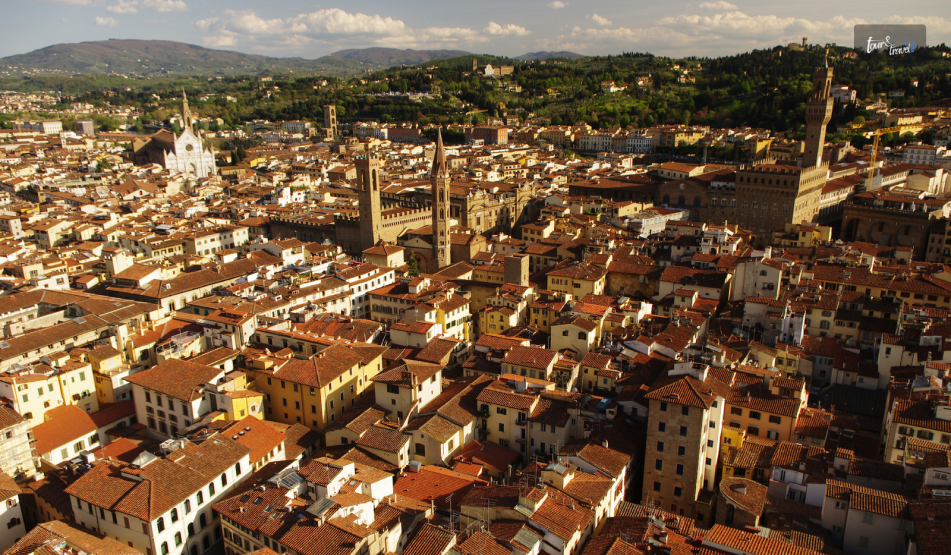
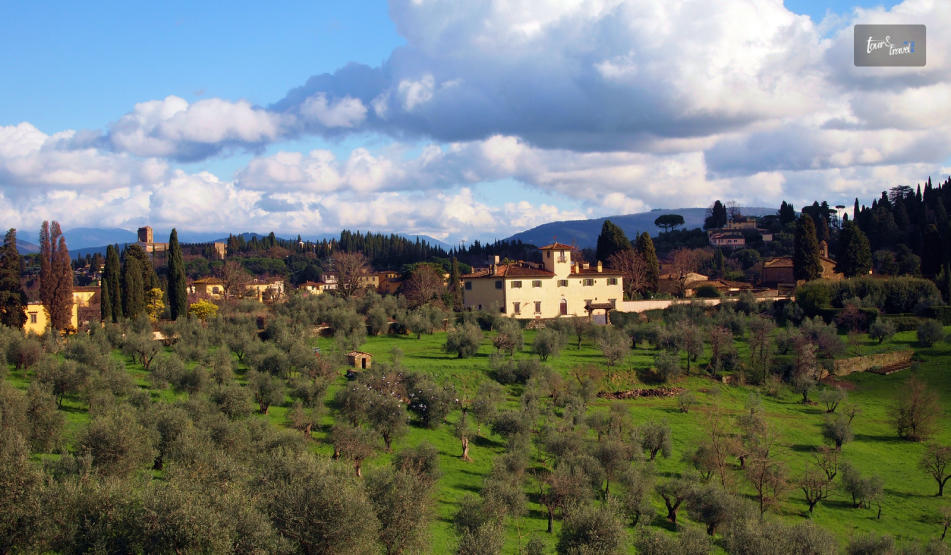
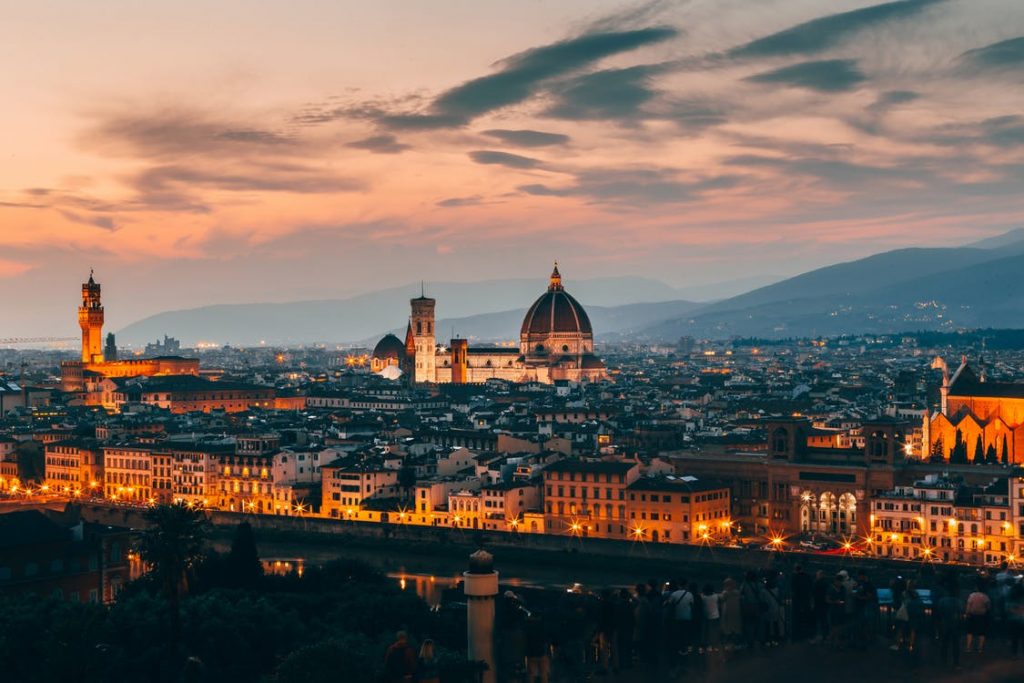
Florence is a typical river city developed on the two banks of the Arno, a city rich in history and art. Founded and inhabited by Italic people, Florence extends into a green plain, which is surrounded by hills dotted with cypresses, and olive trees, and also crossed by the Arno river. But above all: a city breathing art and culture everywhere!
No wonder Ginori 1735, the iconic porcelain brand, partnered with St. Regis Hotels & Resorts to present Café Ginori.
Café Ginori will blend the elegance of Italian cuisine with Italian artistry to make the tourism experience in Florence more happening.
So, what are the special attractions or the best places to visit in Florence, Tuscany? This Tour and Travel blog has all the answers.
Special Attractions Of Florence in Tuscany
Many of the travelers are asking, is Tuscany in Florence? And what is there?
In the past years, it has been awarded internationally as one of the most beautiful cities in the world. You are standing in the middle cradle of the Renaissance. The city is the hub of extraordinary literary, artistic, and scientific development that took place in the 14th-16th centuries. To visit Florence in Tuscany really means jumping back in time!
Note: Appreciated more than anything else is the urban architecture and the presence of traces of a glorious past on every street corner; with the most iconic places such as the Duomo Cathedral, the Uffizi Gallery, Ponte Vecchio, Palazzo Pitti, etc.
You Should Visit Florence For Its Art And Culture
Known throughout the world for its artistic masterpieces, the colored marbles of the churches, and the high-sounding architecture, Florence is the city of the Medici, an ancient Tuscan family that became one of the most important dynasties in Italy and Europe.
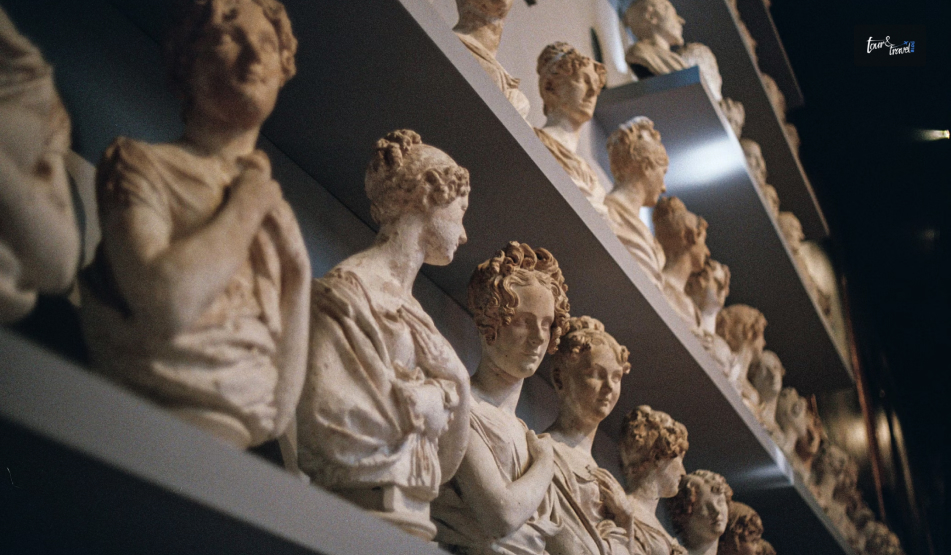
Nowadays, it is home to the most beautiful and important museums in the world; to name a few: the Uffizi Gallery, Palazzo Vecchio, the Accademia Gallery, the Pitti Palace, Florence Cathedral and the Opera del Duomo museum, etc.
Best Places To Visit In Florence, Tuscany, To Celebrate Its Art And Culture
With seven UNESCO World Heritage sites, Florence sees tourism as a key resource. Further, its average annual tourism revenue is 300 million euros, establishing its position as a global travel destination.
Further, Florence has places like San Casciano dei Bagni within 200 km that are growing as tourism hubs individually.
San Casciano dei Bagni has won the laurel of “Best Tourism Village” from the United Nations World Tourism Organization (UNWTO). This village is growing for its rich biodiversity and culture.
“San Casciano dei Bagni receiving the ‘Best Tourism Village’ recognition is a testament to the charm and authenticity of Italy’s smaller gems. These villages showcase the excellence of our craftsmanship, gastronomy, traditions, and culture, representing the heart of our national heritage.”
Daniela Santanchè, Italian Tourism Minister
Nevertheless, these are the best places to visit in Florence, Tuscany.
1. Piazza del Duomo
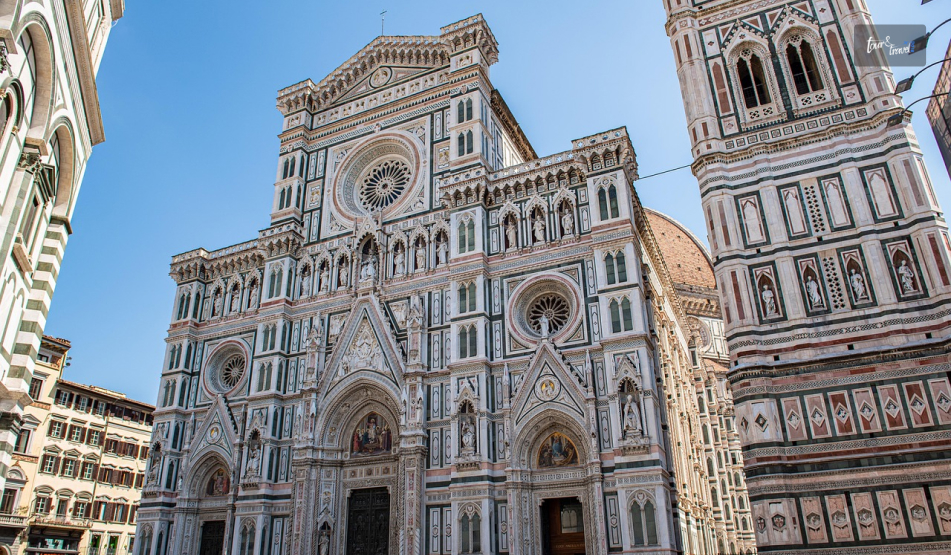
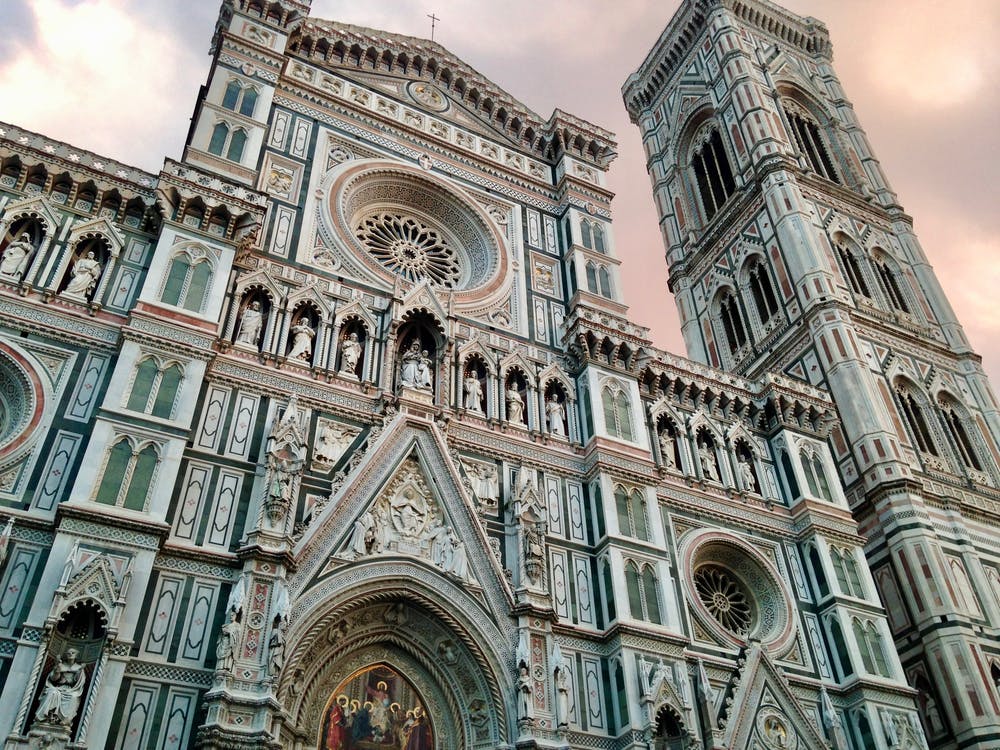
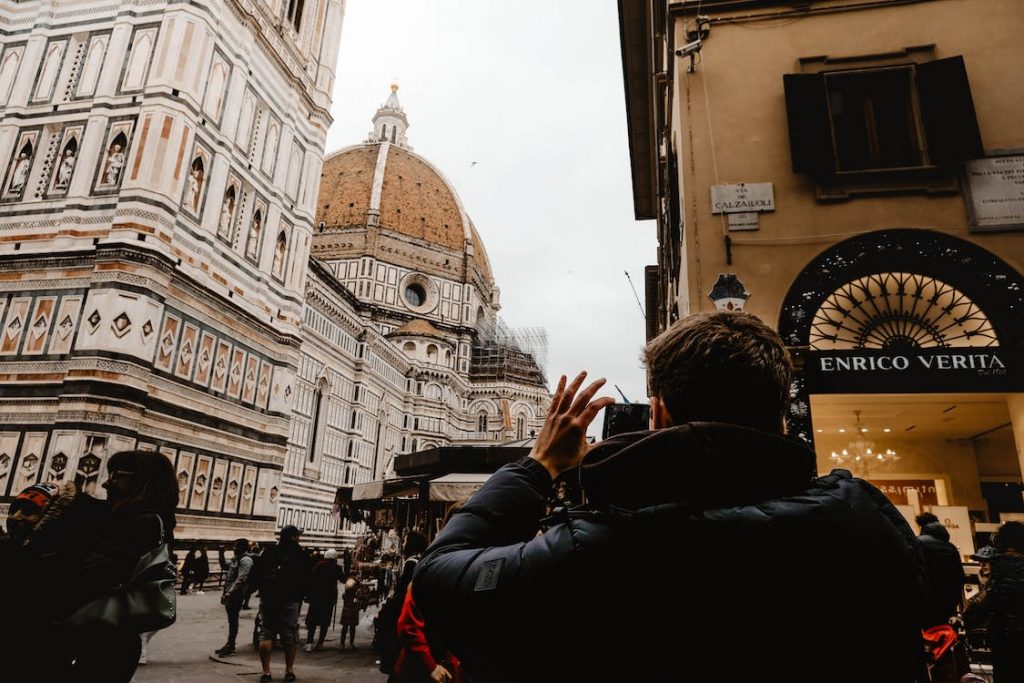
Piazza del Duomo, with its bell tower, Baptistery, and cathedral, is one of the best places to visit in Florence, Tuscany.
Also, don’t forget to visit Ponte Vecchio.
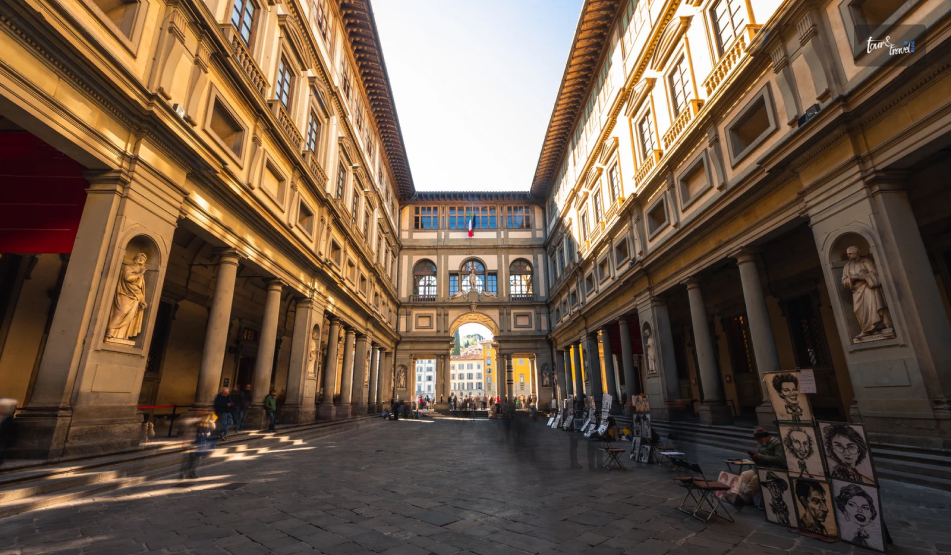
2. Uffizi Gallery
Location: Piazzale degli Uffizi, 6, 50122 Firenze FI, Italy
Hours Open: Tuesday-Sunday (8:15 AM to 6:30 PM), Monday Closed
Uffizi Gallery houses the best collection of paintings and artwork from the medieval era to the modern period.
It was built between 1560 and 1580.
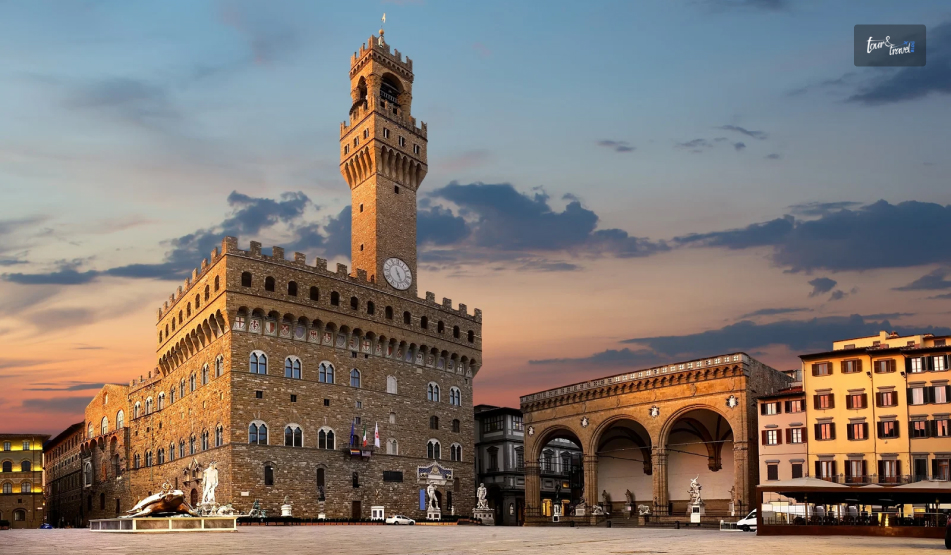
3. Piazza della Signoria
Piazza della Signoria is the central square of Florence. It always has a lively ambiance and is Florence’s epicenter of history and art.
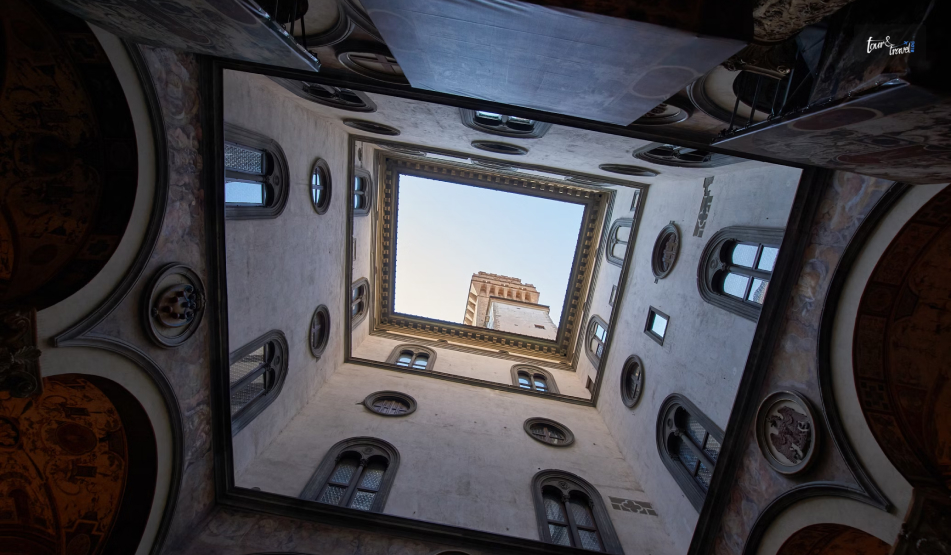
4. Palazzo Vecchio
Location: P.za della Signoria, 50122 Firenze FI, Italy
Hours Open: Friday-Wednesday (9 AM to 7 PM), Thursday (9 AM to 2 PM)
Palazzo Vecchio was built between 1299 and 1314 and was once the home and workplace of the Signoria of Florence.
5. The Accademia Gallery
Location: Via Ricasoli, 58/60, 50129 Firenze FI, Italy
Hours Open: 8:15 AM to 6:20 PM, (Monday Closed)
The Accademia Gallery is home to David by Michelangelo. It is the second-most visited museum in Florence after the Uffizi Gallery.
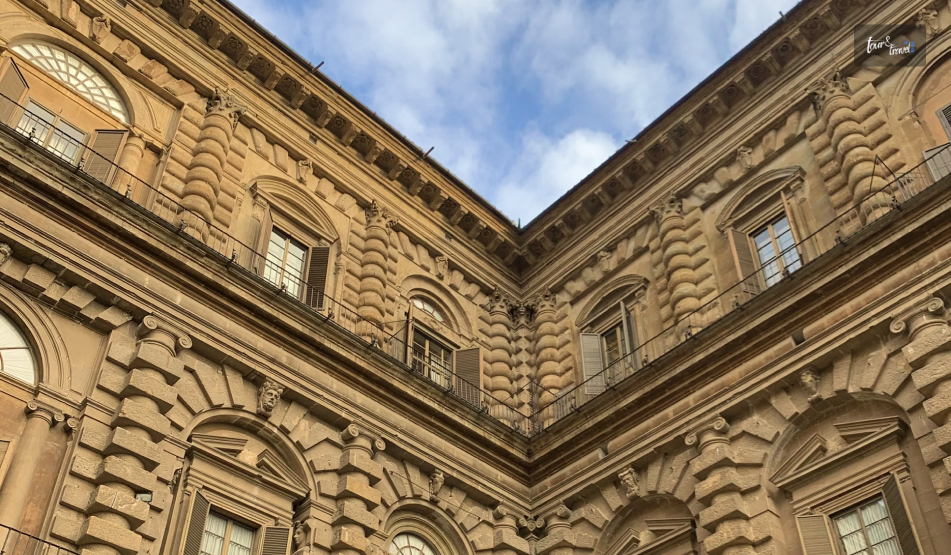
6. Pitti Palace
Location: Piazza de’ Pitti, 1, 50125 Firenze FI, Italy
Hours Open: Tuesday-Sunday (8:15 AM to 6:30 PM), Monday Closed
Once a symbol of the power of the Medicis in Tuscany, Pitti Palace, or Palazzo Pitti, was also the seat of the House of Habsburg-Lorraine and House of Savoy.
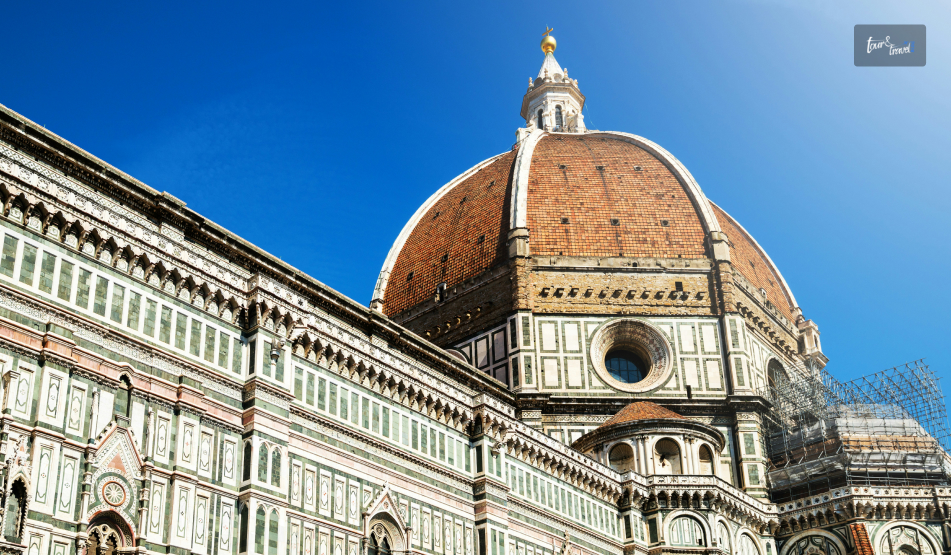
7. Florence Cathedral
Location: Piazza del Duomo, 50122 Firenze FI, Italy
Hours Open: 10:15 AM to 3:45 PM
The Cathedral of Santa Maria del Fiore, or Florence Cathedral, is the Cathedral of the Catholic Archdiocese of Florence.
The church, founded in 1296, was consecrated in 1436 by Pope Eugenio IV. It stands out with its huge dome structure.
8. Opera Del Duomo Museum
Location: Piazza del Duomo, 9, 50122 Firenze FI, Italy
Hours Open: 8:30 AM to 7 PM
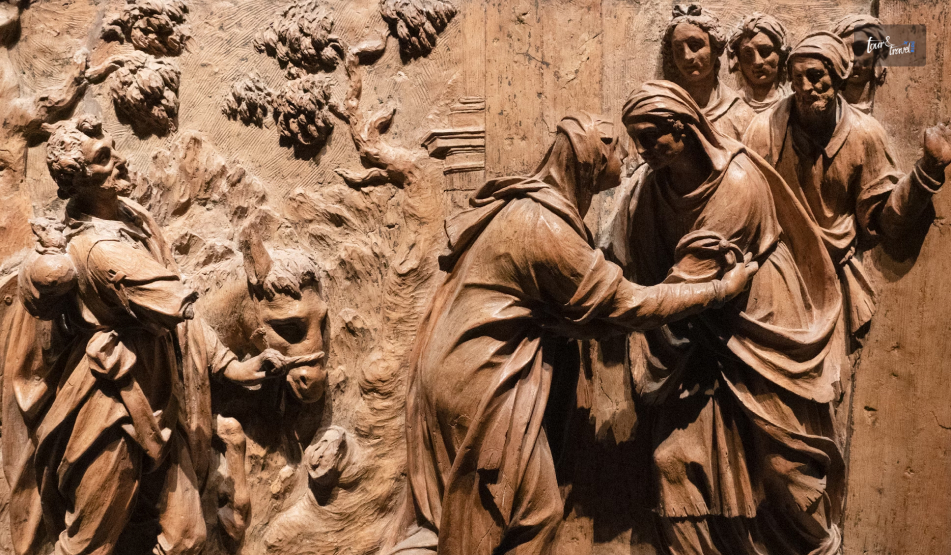
Built in 1891 and renovated in 2015, Opera Del Duomo Museum has the original artwork of the greatest artists and sculptors across seven centuries.
Here, you will find the work of Michelangelo, Brunelleschi, Ghiberti, and many others.
9. Florence City Center
Covering an area of 505 ha, the Florence City Center still has the 14th-century boundary walls.
Also, it is a symbol of the Renaissance during the early Medici rule.
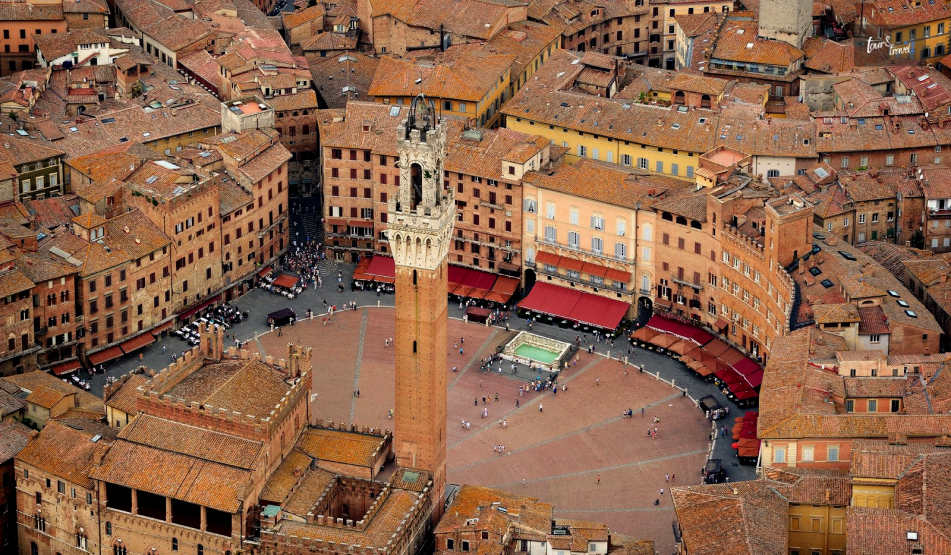
10. Siena City Center
Siena City Center is a UNESCO World Heritage Site in the Tuscan Hills. It is famous for its food scene and medieval buildings.
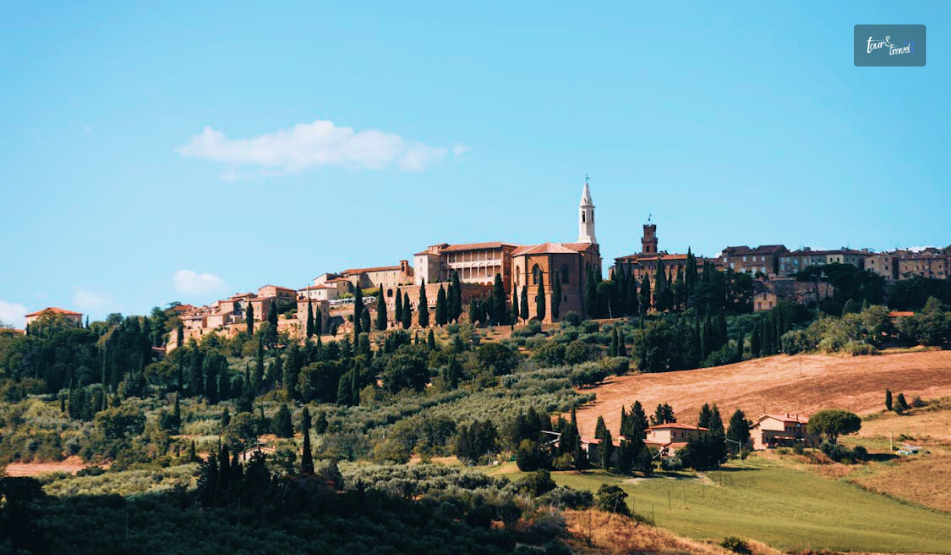
11. Pienza
The Historic Centre of the City of Pienza is a UNESCO World Heritage Site and it is one of the best places to visit in Florence, Tuscany. It is also famous for its town-planning concepts during the Renaissance period.
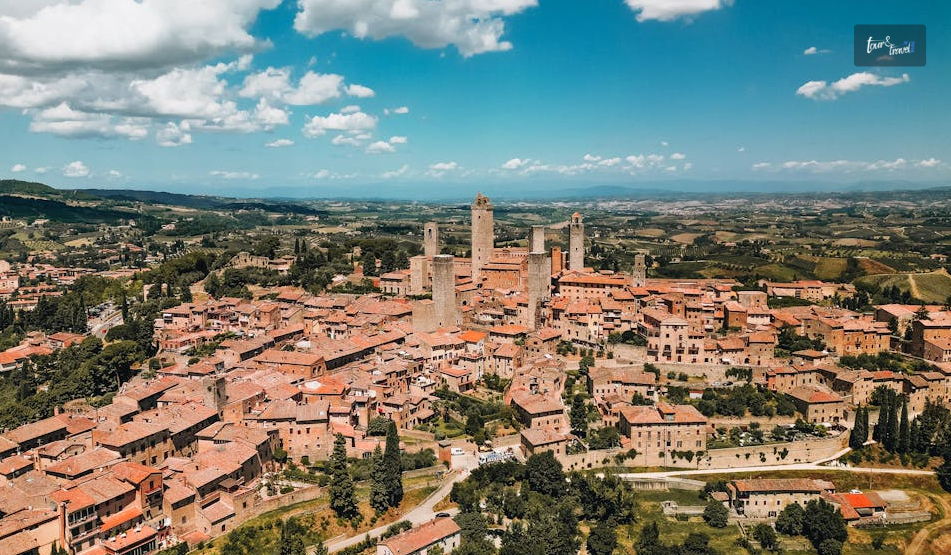
12. San Gimignano
San Gimignano, or the Town of Five Towers, will transport you to the medieval era. A preserved hill town, it also has Civic Museums, Contemporary art, and holy art.
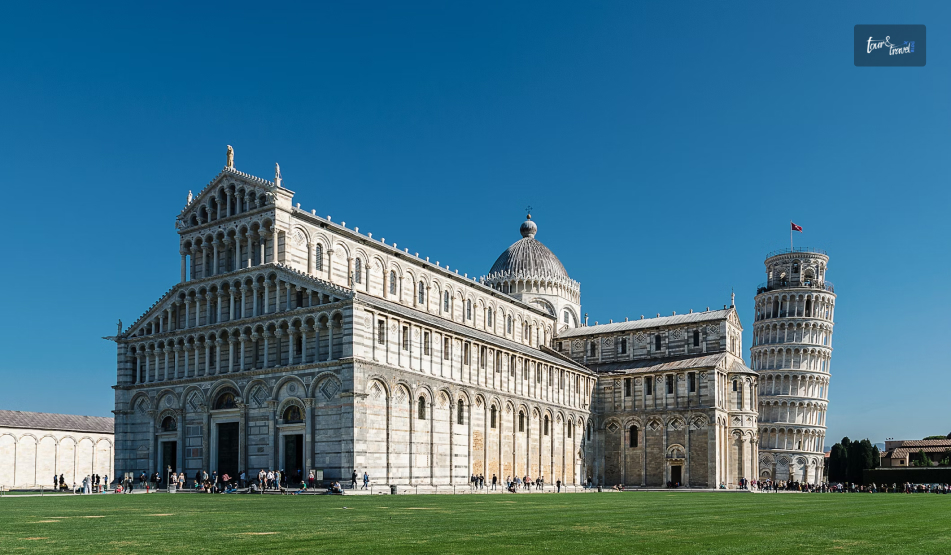
13. Piazza Dei Miracoli (Pisa)
The Piazza Dei Miracoli, a UNESCO World Heritage Site, is home to the Leaning Tower of Pisa, an architectural wonder.
Further, located in a port city, the Piazza Dei Miracoli is an expression of human creativity.
14. Villas And Giardini Medicei
With 14 villas and gardens, Villas And Giardini Medicei is now a UNESCO World Heritage Site in Tuscany.
One of the best places to visit in Florence, Tuscany, Villas and Giardini Medicei, gives you an insight into the family that played prominent roles in the history of Italy and Europe during the 15th-18th century.
15. Val d’Orcia
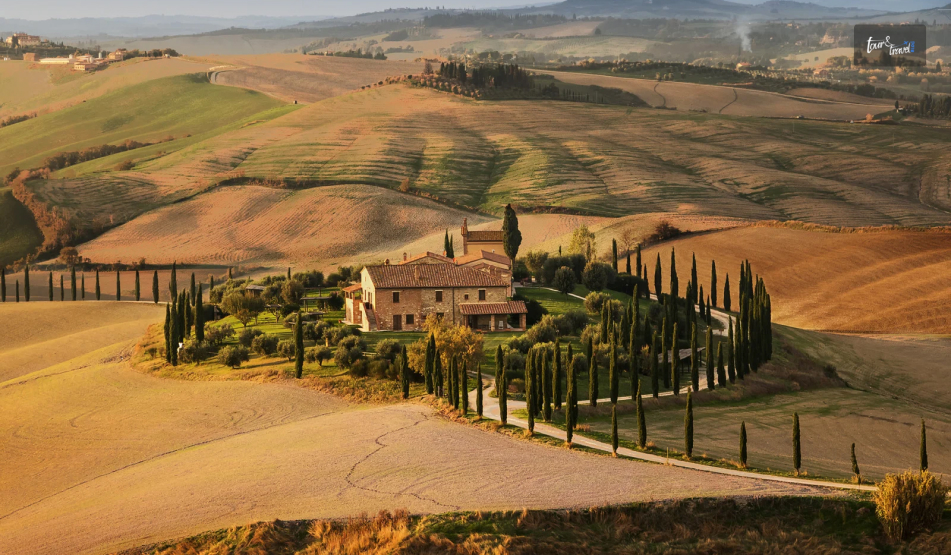
Val d’Orcia, a UNESCO World Heritage Site, shows the beauty of the countryside in Southern Tuscany. It is famous for its ecological uniqueness and stunning landscape.
Culture Also Means Food And Wine
But the only culture of Florence in Tuscany is not only art & history, and it means food and wine as well. Florence is a food city (delicious food), and you really can’t go there without trying out its local specials: that’s part of the experience!
Things you should try in Florence:
1. CHIANTI WINE
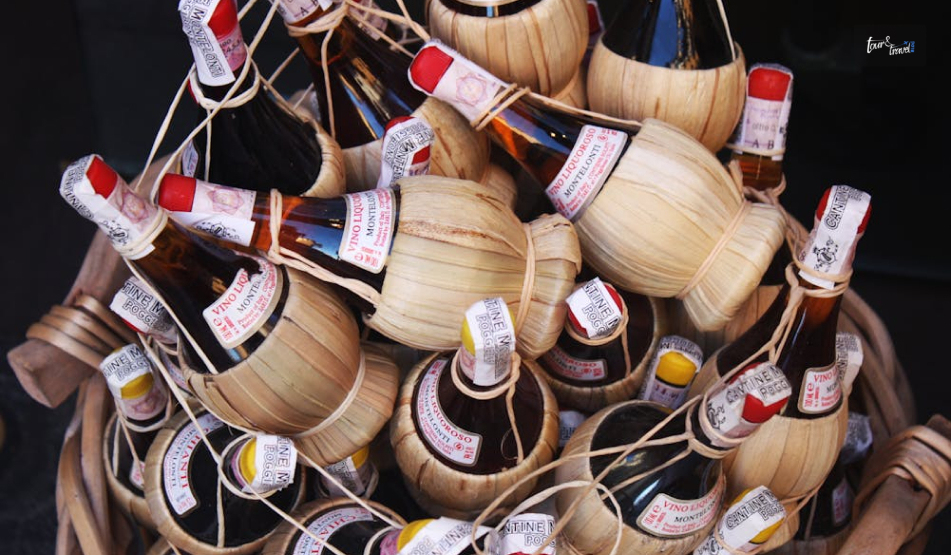
Chianti wine is a red blend of Tuscany that is made from Sangiovese grapes. These are common tasting notes which include different types of red fruits, smoke, dried herbs, balsamic vinegar, and game. Perfect for any kind of aperitivo admiring monuments or to accompany your dinners in Florence!
2. PICI
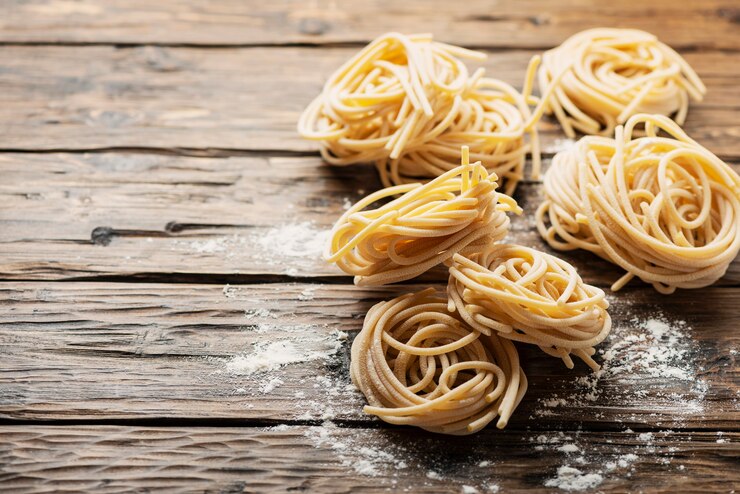
Pici is a type of fresh pasta, similar to spaghetti, which is made with water, flour, and salt. A simple preparation, typical of the Tuscan culinary tradition: a “poor” dish linked to peasant cuisine.
They can be combined with different condiments, thanks to their ability to adapt to various preparations: you can, in fact, make them with cheese and pepper, with crumbs, with garlic, with ragù, and in many other ways. Yummy!
3. FIORENTINA
One of the most popular Italian steak dishes, Bistecca Alla Fiorentina, is made of young steer or heifer that, in combination with the specific preparations. What preparations are turning it into one of the famous dishes in Tuscan cuisine.
It is a high cut, including the bone, and also cooked on the embers or on the grill, with a degree of “blood” cooking. Try to accompany this Florence in Tuscany special dish with your Chianti wine; a perfect combo.
Visit Florence For Its Welcoming People
Florence’s inhabitants are something on their own; the Fiorentini are really strong characters, very different from the typical Italians international people know.
The character of the Florentines is judged in a contradictory way. They are considered polite and honest, but their thriftiness, praised for being able to make money well, is often criticized.
In Florence, people tend to say things to your face, and often when they do so, they are not too pleasant things. Don’t take it personally, it’s part of the culture!
Learn some useful words:
Topping | Gnocchi
Ganzo | Cool
Grullo | A silly person
Boncitto | A good guy
Chetarsi | To be silent
So Why Visit Florence?
For many, Florence is a city they have only heard about, and important events and things to do, such as those in Rome or Venice, are not attributed to it. Wrong!
Florence Is Full Of Things To Do!
Those who know the history of the world will know that Florence, with much of Italy, was the central hub of the Renaissance, and many works of art of the period can be found in this city. One of the most iconic sites that many are likely to recognize is the Duomo, a cathedral with a dome at its top.
The Galleria dell’Accademia in Florence also exhibits Michelangelo’s David, one of the most famous sculptures in the world. When it comes to art and history, no one beats Florence for masterpieces!
But there are also many fun activities for those who are not very interested in art. Tourists can take a day trip out of town and explore the wonderfully varied landscape of Florence in Tuscany. You can also taste local food and wines.
And events are also an option if you want to dive into the local culture for real. Music festivals, historical reviews, sports events, and much more!
To learn everything about Florence and the reasons why you should visit it, learn more at www.ciaoflorence.it
Reasons To Visit Florence In Tuscany |Ciao Florence
Why should you visit Florence in Tuscany? Art, culture, food, and events. All you need to know about the city of Renaissance! Visit Ciao Florence. So when are you planning to visit Tuscany? Share your opinion through the comment sections.
Abdul Aziz Mondol is a professional blogger who is having a colossal interest in writing blogs and other jones of calligraphies. In terms of his professional commitments, he loves to share content related to business, finance, technology, and the gaming niche.
Minnesota is one beautiful Upper Midwestern state that never fails to amaze. It has diverse landscapes ranging from forests, prairies, and lakes. In fact, the state is often referred to as the "Land of 10,000 Lakes" due to its numerous lakes.
The state is also a land of cultural significance, home to diverse communities and a deep-rooted artistic vibe. Did you know Minneapolis has the second-highest number of theater companies behind only New York City?
Speaking of progressive culture, Minnesota is one of the states that made medical marijuana available to residents in the early 2010s. You had access so long as you qualified for a medical marijuana card in Minnesota.
Basically, you'll find different aspects of Minnesota quite pleasing. And if you're looking for an escape from life's hustles, you'll love these top X spots for a perfect weekend getaway in Minnesota.
1. The Twin Cities
If you love going on a city-exploration rampage to get the most out of your visit, you'll appreciate the sprawling Twin Cities.
The metropolitan area of Minneapolis–Saint Paul, two of the state's largest cities, is home to more than half the state population. These are bustling modern cities with numerous attractions, from entertainment sites to world-class dining spots.
Galleries, museums, and theaters provide a look into the state's art and culture.
Some of the spots to visit for cultural exploration include the Minnesota State Capitol in St. Paul, the Walker Art Center, and the state's oldest art museum, the Minnesota Museum of American Art.
2. Red Wing
Small-town charm doesn't get any better than Red Wing in Goodhue County, a town on the Mississippi River.
Red Wing offers abundance when it comes to outdoor adventure, art exhibits, and shopping and dining experiences.
While in town, relax on the docks on a quiet evening and watch the sunset as boats and yachts bob endlessly on the water. Most of all, explore the town's scenic trails and finish your adventure with the majestic Barn Bluff, which offers epic views of the town.
3. Grand Marais
The northern lakeside town of Grand Marais is one of Minnesota's most magical places to spend your weekend getaway.
Grand Marais is a tiny postcard-perfect waterfront town that packs a punch. It has no shortage of attractions, from the shores of Lake Superior to the mountainous interior.
On your first day, the best places to explore are Artist's Point and Grand Marais Lighthouse. These are picturesque spots on the shores of Lake Superior that capture the beauty of the Great Lake.
The lighthouse sits way off onto the lake, making the walk on the breakwater long and exciting.
Away from the shores, you can take on the Pincushion Mountain Trail System, perfect for hiking and biking. If you're an avid hiker, you can't miss the opportunity to take on the much longer Gunflint Trail, teeming with scenic lookouts.
4. Detroit Lakes
Detroit Lakes, a city northeast of Minneapolis, is where you escape for an action-packed weekend. Tourism is the city's bread and butter, which means you can expect plenty of fun.
Go skiing in winter, surfing on the lakes in summer, and mountain biking in the city's extensive wilderness.
With hundreds of lakes calling Detroit Lakes home, you will have endless shorelines to explore. And when you're exhausted, partake in the city's festivities because it holds plenty of events and festivals every year.
5. Rochester
If you're looking for a big and vibrant city besides Minneapolis and St. Paul, head to Rochester in the southeast portion of the state.
Rochester boasts many exciting attractions, from thousands of park acres and miles of paved trails to charming dining spots and a lively art scene.
Visit the beautiful waterfront downtown, where the Rochester Art Center and the renowned Mayo Civic Center are located.
If you visit anywhere between June and August, you'll love the outdoor market and live entertainment occurring weekly in downtown Rochester. You'll find the scene unforgettable, from the food to the music.
Final Thoughts
You won't regret spending your weekend getaway in Minnesota because there are just too many unique places to explore. The diverse range of experiences offers something for everyone regardless of what you're into. Whether you like outdoor adventures or urban excursions, there's something for you.
Read Also:
Planning A Beach Holiday In 2023? Here Are 5 Things To Buy In Advance
7 Creative Truck Cap Camping Ideas To Use In Jungle Adventures
6 Outdoor Activities You Can Have In Arizona
Undoubtedly adventure-packed, River rafting in India is one of the popular adventure sports in India. One needs to try atleast once in a lifetime. There are a vast number of rivers in the country. In their swift-flowing form, descending down the snowy peaks of the Himalayas or lush summits of Western Ghats, the rivers provide many thrilling stretches for rafting.
The thrill of riding untamed waters appeals to adventure enthusiasts from all over the world. If you are thinking of trying out the sport in India, you surely have plenty of choices. Here is our compiled list of the best places for river rafting in India.
10 Best Places For River Rafting In India
India is a county of rivers. The water adventure sports are quite famous here. But among all types of water sports, river rafting In India is becoming a sensational adventure sport. The fast and tough mountain river and spots are becoming an international tourist spot.
Here is the name of the most popular places for river rafting in India.
1. Indus River, Ladakh
Originating in Tibet, the Indus River flows through Ladakh. It is one of the exciting river rafting spots in India. Raft on the city water passing through breath-taking canyons and various monasteries. The permissible time for rafting is between June and September.
These expeditions are available for one day or three-four days. Rapids on the Indus range from grade 1-2 at some places and 3-5 at some places. The most challenging route for river rafting lies between Alchi and Khalsi, where true adventure aficionados thrive.
2. River Beas, Kullu Manali
A fun combination of adventure amid scenic beauty, River Beas in Kullu Manali is next on our list of the best places for river rafting in India. The 14 km rafting stretch from Pirdi to Jhiri has grade 1-4 rapids perfect for the novice as well as the daredevils. Kullu Manali is one of the popular river rafting routes near Delhi.
There are also long stretches that need extreme training. This adventure sport is refreshing for all ages. River rafting combines the thrill and picturesque scenery. Many of the enthusiastic travelers are asking about the best time for river rafting in Manali. River rafting is available throughout the year except during the period from 15-July to 15-September.
3. River Ganga, Rishikesh
The Ganga at Rishikesh is not just India’s but one of the world’s best rivers to raft. The rafting stretch (16-34 km) is blessed with whirlpools and rapids, from grade 1 to grade 4. The high on adrenaline activity has a blissful side, camping on the beautiful white-sand river beaches with Kumaon Mountains in the backdrop. This is just magnificent.
The best season to plan a trip is from September to June. River rafting in Rishikesh December is almost impossible because of the chilling cold wind, but if you are cold protective, it is possible. Do not miss river rafting in the Ganga. It is definitely one of the best adventure things to do in India.
4. Tons River, Uttarakhand
Known for the wildest rapids, Toms River is one of the best adventure sports in India for river rafting. Rising from the Bandarpoonch Mountain range at 20,720 ft. in Uttarakhand, the river has grades 3-4 and even some grade 5 rapids.
Tons River is one of the most challenging whitewater rafting rivers to flow in the country. The 18 adrenalin-rising rapids make this an ultimate adventure! April to June and October to December are the best seasons to plan your quest.
5. Kameng River, Arunachal Pradesh
In the serene North East, the Kameng River in Assam is one of the amazing river rafting In India. It is quite implausible to believe how one river can have so many forms, wild with strong currents as some places, languid at others. It is a thrilling experience.
Whether an amateur or an expert rafter, Kameng River offers rapids of Grade 1-4. The thrilling adventure sport can be teamed with camping, nature walks, and other activities. It is an ultimate feat of adventure amid nature.
6. Spiti River, Himachal Pradesh
Spiti is known for adventure, and white water rafting is a recent addition. The river flows through one of the most wonderful locations in the country, and white water rafting here is an experience to cherish. The rafting stretch is almost 77 km which takes 5-6 days.
From easy to the wildest rapids, the river has surprises. Float, whirl, and spin, Spiti River rafting is surely not easy to forget. Enjoy not just the thrill but the mesmerizing beauty of Himachal in its undisturbed form. The grades range between 1 and 3.
7. Zanskar River, Ladakh
Zanskar River in Ladakh is one of the best places for river rafting in India. Flowing at 12, 000 feet above sea level, through the land of high passes, the icy-cold waters offer thrilling river rafting. This is the experience of rafting in the Zanskar River Ladakh.
The rapids are of Grade 3 and Grade 4. Rafting is held between Padum and Zimo regions, with mighty mountains rising to hundreds of feet on both sides passing through some of the most isolated regions in Ladakh. The best time to plan an expedition is during the months of July to August.
8. River Bhagirathi, Uttarakhand
Bhagirathi River, the main tributary of River Ganga, offers an excellent adventure of white river rafting. Flowing right through the heart of the Himalayas, the adventure sport also provides the chance to see nature at its very best.
The river has almost 150 km of rafting stretch, with rapids of grades 3-5. October to June, choose any season for the adventure. With a dose of thrill, plan a trip where you can enjoy nature camping. River rafting in Bhagirathi is one you must definitely try on his/her travel to India.
9. Kundalika River, Maharashtra
Coming to the south of the Himalayas, the Kundalika River is the fastest river in South India. It is one of the excellent river rafting destinations in India. Flowing through the lush Sahyadri Mountains in Maharashtra, the almost 15-kilometer stretch of the river has easy to challenging rapids, Grades 3-4. Kundalika river raft in Maharashtra is popular, and it is also The nearest river rafting in Mumbai.
The best time for rafting is in the months of the monsoon has fed the river bed. But for the mountain region rivers, this monsoon comes with a harsh river attire. The beauty of the region, apart from the thrilling adventure, is equally responsible for luring thrill-seekers.
10. Brahmaputra River Rafting, Arunachal Pradesh
Brahmaputra River in India is known for its nurturing nature but what is lesser-known is, it’s full of thrill. It is one of the best places for river rafting in India. As the Brahmaputra River finds its way into Arunachal Pradesh, the river takes its challenging form after passing the Greater Himalayas.
Rafting here is rated at Level 4 -6, some of the most difficult in the world. The almost 180 km stretch can be covered in a week-long expedition. The best time to plan your rafting exploit is from November to March.
Frequently Asked Questions (FAQs)
Which place is famous for river rafting?
Rishikesh is considered to be the best place for river rafting. The river Ganga flows fast while it is surrounded by Gharwal Himalayas. This combination makes river rafting a thrilling experience.
Is river rafting safe?
Well, statistically it is. There are fewer cases of accidents in river rafting than swimming and bicycling. If you have chosen a rafting company, that has its reputation, then rafting can be very thrilling and fun.
Is river rafting safe for non-swimmers?
Yes! Absolutely it is. You don’t need strong swimming skills, because if you have fallen from the raft, you surely won’t be doing freestyle right? All you need at that time is to stay afloat.
How expensive is white water rafting?
For a single person, for a full-day and half-day charges 30 dollars to 350 dollars USD. Full day for kids starts from 130 to 200 dollars and for adults 120 to 350 dollars.
Wrapping It Up:
During the rainy season, this mountain river is so tough and fearful hence there is a chance to enjoy any adventure sports. June, July, and October are the most appropriate time to go to have some fun on rivers. River rafting In India is quite popular among the youths. And if you are planning to go for adventure sports like river rafting and kayaking, Indian rivers should be on your top priority list. Do not forget to share your adventure traveling and river rafting experiences in the comment section.
Read also:
Five Tips for First Time Traveler to India
5 Immensely Popular Travel Applications that India Loves
In today's fast-paced world, where screens often dominate leisure time, the importance of outdoor activities, especially for children, cannot be overstated. Among these, beach camps stand out as not just a retreat into nature but as powerful platforms for fostering essential life skills in young minds.
Through fun, education, and adventure, beach camps offer a unique environment where children can develop curiosity, resilience, teamwork, and much more.
This article delves into the transformative power of beach camps, focusing on vibrant coastal communities like Manhattan Beach, and provides insights into selecting the perfect camp that aligns with a child's interests and parents' expectations.
The Crucial Role of Beach Camps in Child Development
Beach camps provide a dynamic environment for children to explore, learn, and grow. The natural setting of the beach, with its vast expanse of sand and water, presents endless opportunities for discovery and adventure.
These camps are about much more than just building sandcastles or swimming; they are designed to immerse children in various activities that promote essential life skills.
1. Curiosity and Exploration
Beach camps stimulate curiosity in children by exposing them to the wonders of the marine ecosystem. Guided exploration sessions allow children to learn about different species of marine life, the importance of conservation, and the ecological balance of beach environments.
This hands-on learning approach fosters a sense of wonder and encourages children to ask questions and seek answers.
2. Resilience and Adaptability
The unpredictability of nature and the challenges of outdoor activities help children develop resilience. Whether learning to surf, participating in beach clean-ups, or navigating obstacle courses, children learn to face challenges head-on, adapt to changing conditions, and overcome obstacles.
These experiences teach them perseverance and resilience, qualities that are invaluable throughout life.
3. Teamwork and Social Skills
Beach camps are communal experiences where children interact with peers from diverse backgrounds. Children learn the importance of cooperation, communication, and mutual respect through team-based activities and games.
These social interactions are crucial for developing empathy and social skills, helping children learn how to work effectively in teams, and building lasting friendships.
The Variety of Beach Camps in Coastal Communities
Coastal communities, particularly Manhattan Beach, are renowned for their vibrant beach camp offerings.
These camps cater to various interests and age groups, from surfing and marine biology to beach volleyball and environmental conservation. The diversity of camps ensures that there is something for every young explorer eager to embark on a seaside adventure.
A. Surfing Camps
These camps focus on teaching children the fundamentals of surfing, ocean safety, and wave etiquette. In addition to improving their surfing skills, children learn about the ocean's dynamics and the importance of respecting marine life.
B. Environmental Conservation Camps
These camps are designed to instill a sense of environmental stewardship in children. Activities include beach clean-ups, recycling and sustainability lessons, and interactive marine conservation sessions.
C. Adventure and Exploration Camps
Aimed at fostering a spirit of adventure, you can expect these camps to offer activities like treasure hunts, obstacle courses, and nature walks. They are designed to encourage exploration and discovery, helping children develop a love for the outdoors.
The Role of Parents in Enhancing the Beach Camp Experience
Parents play a crucial role in maximizing the benefits of a summer beach camp for their children. Before the camp begins, parents can engage their children in preparing for the experience, discussing what to expect, and setting personal goals.
Stay connected through letters or emails during the camp can provide encouragement and support. After the camp, parents should take the time to reflect with their children on their experiences, discussing what they learned and how they've grown. This reflection reinforces the lessons learned at camp and integrates them into the child's development.
⛺Choosing the Right Beach Camp
Selecting the right beach camp is a pivotal decision that can significantly impact a child's summer experience. It's about balancing fun and educational value, ensuring safety, and aligning with family values and expectations.
Here are detailed strategies to guide parents through this process:
1. Identify Your Child's Interests
The first step in choosing the right beach camp is understanding what your child is passionate about. The range of activities at beach camps is vast, from water sports like surfing and sailing to environmental education and beach volleyball.
Sit down with your child and discuss what aspects of the beach and the outdoors excite them the most. This conversation can reveal whether they're more inclined towards adventure, science, conservation, or simply enjoying the beach environment.
Knowing your child's interests will help narrow the options to camps specializing in areas they're eager to explore.
2. Research Camp Credentials
Once you have a clearer idea of what you're looking for, it's essential to research the credentials of the camps that have caught your interest.
Safety is paramount, so look for accredited camps accredited by reputable organizations such as the American Camp Association (ACA). These accreditations mean the camp adheres to strict safety and operational standards. Additionally, investigate the qualifications of the staff and instructors.
Experienced, certified professionals passionate about their work can make a significant difference in the quality of the camp experience. Also, check the camp's history and reputation for insight into its track record and reliability.
3. Consider the Camp's Philosophy
Every camp has its unique philosophy and approach to education, recreation, and interaction. This ethos influences the camp's atmosphere, the activities offered, and how they are conducted. For instance, some camps might focus on competitive sports, while others prioritize environmental conservation or cultural enrichment.
Choosing a camp with values that resonate with your family is essential. A camp promoting skill development, personal growth, environmental stewardship, and respect for others can offer your child a more holistic and rewarding experience.
Review the camp's mission statement, talk to the staff, and read testimonials from other parents and campers to gain insights into its philosophy and how it's reflected in its programs and daily operations.
Conclusion
The process of selecting the right beach camp is both exciting and daunting. By focusing on your child's interests, researching potential camps' credentials and safety standards, and aligning with a camp's philosophy that matches your family's values, you can ensure a fulfilling and enjoyable summer experience for your child.
Remember, the goal is to find a camp where your child can thrive, learn new skills, and make lasting memories in a safe and supportive environment.
Read Also:
From Beaches To Mountains: Ideal Routes For Car Travel In Dubai
The Perfect Getaway: Discovering The Closest Beach To Disney World!
Some Of The Best Things To Do In Navarre Beach, Florida