
Is Machu Picchu Closing In 2023? Know It All Here!

May 23, 2023

Last Updated on: Oct 25, 2024

Travel Blog

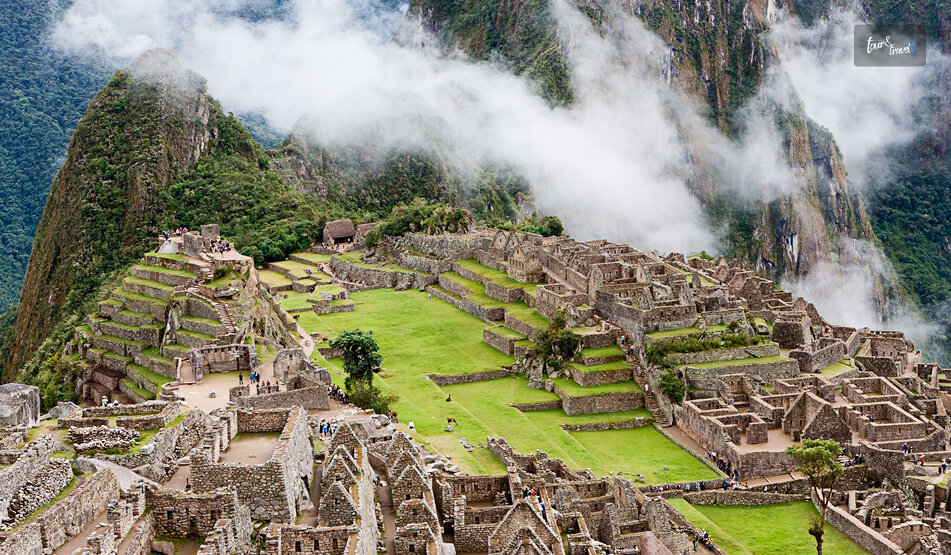
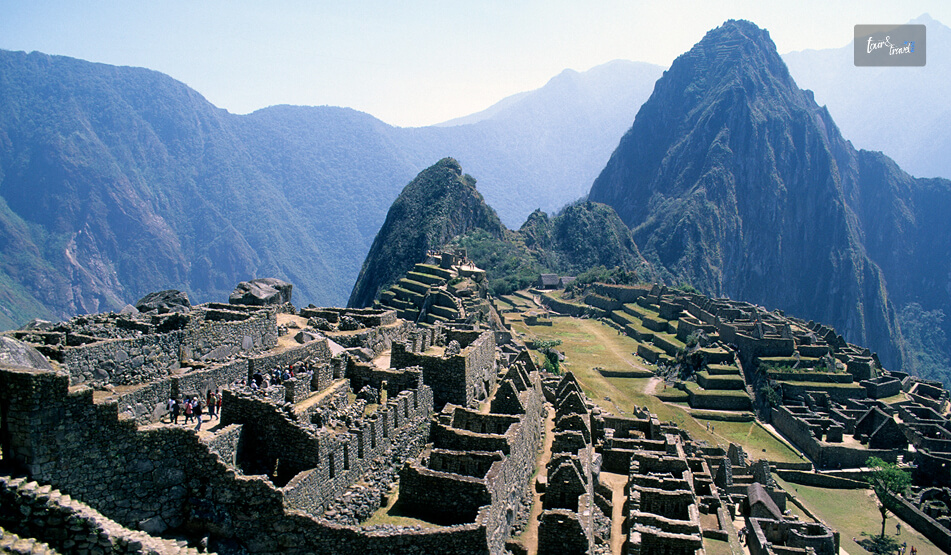
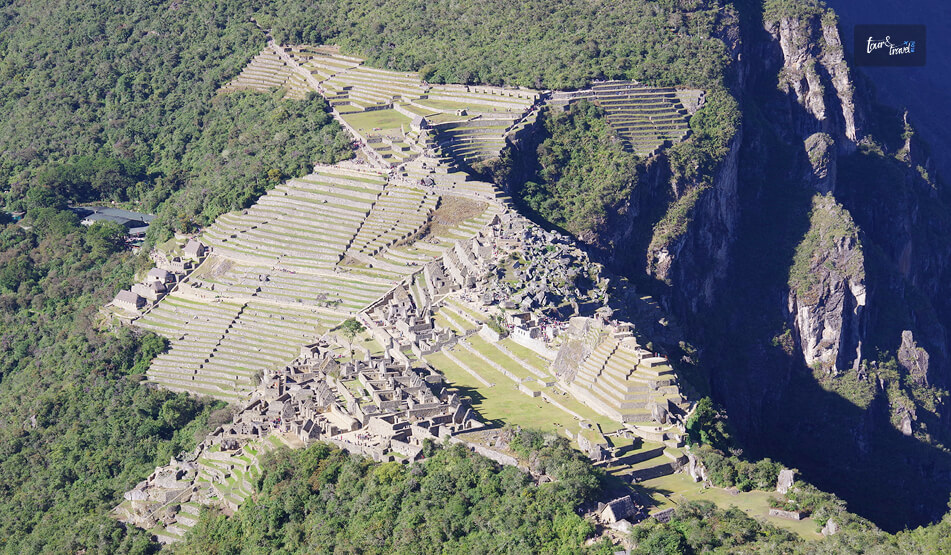
The world heritage site of Machu Picchu, which is the main highlight of the Andean region, is a must-see attraction for tourists who come to South America. This Inca site has been closed for a while because of certain social and political situations. This has been done so to protect the safety of the local and international tourists.

Keep reading till the end to find out more information on is Machu Picchu closing!

The Official Statement Of Machu Picchu

The Cusco Ministry of Culture agency and headquarters of the historical sanctuary of Machu Picchu is also in coordination with the Protected National Areas agency. They announced that the current situation in their region and country had experienced led to the site closing down. They closed down the Inca sanctuary of Machu Picchu and the Inca Road Network. This was ordered on January 21st, 2023, and untill further notice, to safeguard the general population’s and tourists’ safety.

Similarly, it was also informed that all the facilities would be provided to the foreign and national tourists affected by Machu Picchu closing. This was effective from January 21st, 2023, and remained until one month after the social mobilizations or after the request to return the amount ticket.

Temporary Closing Of Inca Trail

Is Machu Picchu closing? Well, Machu Picchu got closed down on January 21st, 2023, because of the actions of the protestors. They were earlier also affected by an especially slow and low tourism season. The roads were blocked, and the supply chains were cut off.

According to various Machu Picchu news, here were protests, and due to that, the Ministry of Culture and the Headquarters of the Historic Sanctuary (of Machu Picchu) shut the place down. The whole of it was shut down – including the ancient city of Inca, the Inca trail. The whole of tourism went to sleep while the country tried to work out its problems.

Visiting Machu Picchu Post Protest

One thing to understand is that no one can guarantee that there won’t be any interruptions on your visit to Peru. Whether you plan it this or in the next year! The month of February is when travel remains the most low. This is also the time when the Inca trail closes down for prevention work and maintenance.

The month of March, on the other hand, is when the tourists start re-opening for their new travel season. It is also considered to be one of the best places to travel to in September.

Due to Machu Picchu and Peru’s busy tourist season in the month of March, travelers should always book in advance. There are timed entry tickets to this site. For the year 2023, tourists are limited to 4,500 per day. Hence, one needs to make advance purchases if one wants to visit this gorgeous attraction.

Tip: Is Machu Picchu open? Well, it is certainly open now and has been since the month of March.

Things To Remember Before Visiting

Here are a few things to remember before visiting Machu Picchu:

1. Select The Best Train Option

When you are heading towards the Aguas Calientes, you can choose from three trains – Vistadome, Expedition, and the Belmond  Hiram Bingham train.

The Expedition train is the standard train that brings one to Machu Picchu and is known to be equipped with panoramic windows. The Expedition train is a standard type of train that features half-panoramic windows.

The Vistadome train is a more refined version and is known to be equipped with large panoramic windows so you can enjoy the scenic landscapes.

The Bingham train is the most luxurious and has facilities like brunch and lunch. They also have an open-air roof in their wagon.

2. Use Restrooms Before You Enter

One thing to know before visiting Machu Picchu is that there are actually no restrooms inside. This is why you should use the restrooms before entering the premises of Machu Picchu. After you have passed the entrance of the premises, you can no longer leave the premises and then re-enter.

3. There’s A Fixed Route

When on the guided route of the ruins of Machu Picchu, you will, by default, have to follow a fixed route. Which means that you can only walk in a single direction. It is certainly not possible to go back and visit one of the previously-visited spots. This regulation was actually introduced to bring more order to the Machu Picchu tours.

4. Remember To Carry The Correct Equipment

If you visit Machu Picchu, you need to make sure that you consider your backpack – it should be of regular size. There are certain measurements of backpacks up to which a backpack is allowed entry into the premises of Machu Picchu.

Keep reading till the end to find out about is Machu Picchu closing!

Exciting Facts About Machu Picchu

Here is a list of some of the exciting facts about Machu Picchu:

  • Most of the cities built by the Inca civilization were also destroyed during the event of the Spanish conquest. Machu Picchu is one such attraction that was in a hidden location. It was not found by the Spanish explorers at that time. This makes it one of the most best conserved Inca cities and a true archaeological gem.
  • Machu Picchu was originally an astronomical observatory. It has a sacred Intihuatana stone known to indicate the two equinoxes accurately. A total of twice a year – the sun hits the rock directly and casts no shadow.
  • Machu Picchu was only known in a local manner untill the professor of Yale – Hiram Bingham again discovered the site in year 1911. His book “The Lost City Of Incas” was actually based on his findings.
  • Situated more than 7000 ft. above sea level in the Andes. The wonder is known as Peru’s most visited tourist destination. It also symbolizes the Incan Empire that was actually built around 1450 AD. The site was actually designated as a UNESCO World Heritage Site in 1983. It was also named one of the Modern 7 Wonders of The World in 2007.

To Wrap It Up!

That was all for information regarding is Machu Picchu closing and related information. Thank you for reading up till here. I hope you found the information useful. Let me know in the comments your thoughts on the same.

Read Also:

Share on Social Media

Pijus Maity is an SEO Associate with an engineering background, combining technical expertise with a passion for digital marketing. He specializes in optimizing websites for better search engine performance, leveraging data-driven strategies to enhance user experience and drive results.

Leave a Reply

Your email address will not be published. Required fields are marked *

title-img Related

READ MORE mountains of kenya

Explore The Beauty Of The Mountains Of Kenya!

BY  sagnika Aug 11, 2023

Want to learn more about the mountains of Kenya? A geographically and topographically diverse country, the Republic of Kenya has beautiful mountains that are more than just a geographical feature! Please read this article to learn about the features of the mountains, their cultural significance, as well as their beauty. There are almost 3888 mountains, out of which 3856 are named mountains. Mount Kenya is the highest peak of all these mountains, with an elevation of 5199 meters. It is one of the second-highest mountains in Africa and is considered a UNESCO World Heritage Site. Kenya is located in the eastern part of Africa, more towards the southern horn of Africa, with diverse geographical features ranging from towering alpine peaks to mangrove swamps. The mountains' beauty adds to the country's natural features, making it a perfect place to visit! Explore The Beauty Of The Mountains Of Kenya! As a country with a topographical contrast, Kenya is located in the eastern section of Africa. The equator crosses the country across Nanyuki, Maseno, and Timboroa. These features highlight Kenya as a stunning destination that many wish to visit! Being a topographically diverse country where the forests offer diverse wildlife, it is perfect to visit if you love taking safaris. There are also coasts and grasslands, making the location more diverse. The nation is also highly agricultural, with diverse produce, including vegetables, fruits, and animals, even though the location is remote and can be difficult for regular travel. An African safari holiday is a dream for every hodophile, and Kenya offers the perfect backdrop. With spectacular wildlife, astounding landscapes, and a melting pot of culture, Kenya ranks at the top of the travel list of everyone! Moreover, the beautiful mountains play an important role in making Kenya a fascinating place! The country borders nations such as South Sudan, Ethiopia, Tanzania, Uganda, and Somalia. So want to know more about the up-warped giants of the earth? Read along! Highest Mountains Of Kenya The total area of Kenya is 586,000 square kilometers, with high-rising regions such as high plateaus, mountains, arid deserts, and low-lying coastal areas, including islands and coral reefs. 7 freshwater and salt lakes are creating the Great Rift Valley cutting the country in half! Kenya has two of the tallest mountains on the continent. There are several other mountains, most inactive or extinct volcanoes. The landscape is diversified, yet the mountains are as beautiful as ever! Read more on some of the noteworthy mountains in Kenya. Mount Kenya The highest mountain in Kenya is Mount Kenya, located in the center of Kenya, approximately 100 miles northeast of the Capital, Nairobi. The mountain has several summits. Nelion, Lenana, and Batian are some. Bastian is the highest, with 17,058 feet, indicating the mountain's peak. The mountain formed about 3.5 million years ago. A well-known tourist destination, the Mount Kenya National Park surrounds Mount Kenya at the base. You can see elephants, buffalo, as well as colobus monkeys in the park. You can trek the mountain's peak of Lenana Summit as it is feasible without any mountaineering expertise. The rock kente is only available on Mount Kenya as well as the Antarctic, situated at the South Pole. The Spiritual Connection Of Mount Kenya Riuki is found on Mount Kenya, which in a spiritual context is considered the symbolization of the throne of God. Riuki is regarded as the pathfinder by the Gikuyu medicine men. They also believe it therapeutic as they put pebbles at risk as seers. The history of Mount Kenya is interconnected with the Egyptians, Jews, and Ethiopians. Mount Kenya is called Ta-Neteru by the Egyptians, which means the abode of the gods. The God Hapi or lotus, the gods of the Nile Floods, lived on the mountain. The farming communities that settled in Egypt in 7000 BC before the inundation of the Nile corresponded with "Isis," the heliacal rising of the star. It was after the water from the Nile flooding receded, leading to rich dark silt across the Central African countries and highlands. The land is called "Kemet," which is fertile land ready for planting. They consider the lands around Mount Kenya as one of the fertile lands. It also believed that the goddess Isis hid her son, her husband Horus, to raise him from the dead. They say the mountain has medical properties, and the locals consider it amazing. They pray to the mountains for protection and safety. Communities such as Maasai and Samburu are semi-nomadic people who use the northland of the mountain as a paying ground. Mount Elgon The second tallest peak in Kenya is Mount Elgon, located on the country's western side, closer to the Kenya-Uganda border. The mountain has distinguishing characteristics, such as having one of the largest volcanic craters. The top of the mountain is a flat-topped plateau made of basalt. The total height of the mountain is 13,852 feet, with lava tube tunnels across the mountain. Elephants and buffaloes often visit the lava tube tunnels. A national park surrounding Mount Elgon also has rhinos, eagles, leopards, and duikers. Mount Longonot Mount Longonot is an inactive volcano that last erupted in the 1860s but is not completely extinct. The height of the mountain is 9108 feet, and the mountain's slopes are filled with ridges. Mount Longonot is a mountain in Kenya. A park nearby has plenty of wildlife, such as zebras and giraffes. The mountain is situated approximately 60 kilometers northwest of Nairobi. Travelers can visit the park by car, and the base of Mount Longonot has a lot of forest, even around the top crater. Compared to many stony mountains, this one is thickly wooded across the slopes and the summits. Satima Mount Satima is also "Ol Donyo Satima," which roughly translates to "Mountain of the bull calf." It is one of the Kenya mountains! It is the highest mountain across the Aberdare range, with a height of 13,127 feet, and is located on the northern side of the mountain range. The mountain has tussock grass and rocks in some areas and rainforests. There are bamboo forests and Moorland across a section of the mountain. The mountain has a collection of 150 species of plants, such as Podo and Cedar. The mountain is part of the water catchment area for both the Sasumua and Ndakaini dams. The two dams for Nairobi City are the primary source of water. Kinangop Kinangop is a dormant volcano in the Great Rift Valley and the west of the Kinangop Plateau. It is also situated in the Aberdares, with extensive bamboo forests across the mountain in the lower portion. The height of the mountain is 12815 feet. Moreover, the higher sections of the mountain are covered with tussock grass. The top of the mountain is rocky with open moorlands. The top of the mountain is quite chilly and turns freezing at night. Ngiro Mount Ngiro is located in the northern region of Kenya, with a height of 9344 feet. The mountain is part of the Great Rift Valley to the west overlooking the Suguta Valley. The upper slopes have forests, while the mountains is popular for cultivating bees. The mountain falls under the territory of the Samburu people, while the Lmasula phratry performs bee cultivation. The clan claims exclusive rights to the water and the land. Several other mountains and hills are situated in the nation, creating an exciting place for vacationing. If you are a hiking person, Kenya is the perfect place to visit as there are several advantages. There are enough mountains in Kenya for you to go hiking, as well as trails. It is a perfect spot to share holidays as well as weekends with your hiking partners. Some of the tallest mountains are situated in East Kenya. Kulal The mountain Kulal is identified as a biosphere reserve with lava fields, and the origin of the mountain is a volcano. The moisture in the biosphere leads to rain as well as mist, providing hydrological services to the people in northern Kenya. The mountain is located in the middle of East Africa, with steep slopes while deep canyons go across the mountain. It is also one of the driest places in Africa. There are forests across the mountain, a habitat for black rhinoceroses and elephants. Marsabit Mount Marsabit is surrounded by Mt. Marsabit National Park and Reserve, with a height of 1703 meters above sea level. The mountain has many craters, while the hills around it highlight the mountain. Across the mountain are many low-lying arid plains with elliptical shapes 70 km long on the northeast-southwest as well as 45 km wide on the northeast-southwest. The mountain comprises weathered lava flow. Mogila Mogila is one of the mountains of Kenya with a height of 1698 meters. A local relief of 300 meters, steep slopes, and a small summit area characterize the mountain. Moreover, it is located in the Turkana, creating the Great Dividing Range. Namanga Hills The mountain is in the southern part of Kenya. It is located on the borders of Tanzania, with the highest point being 2548 meters. The Great Rift Valley has four peaks: Suswa, Paka, Namarunu, and Menengai. The hills have a collection of hyenas, zebras, ostriches, as well as Antelopes. Cultural Relations Of The Mountains Of Kenya According to the Kikuyu tribe, they say the local Kikuyu god, N'gai resides at the summit of Mount Kenya. Mount Kenya is one such place that the local cultures worship. They consider these mountains the home of spirits as well as gods. Mount Kenya is a spiritual mountain, as the local communities think of it as the residence of God. Ethiopians also consider it the home of God and revered in its presence. The belief gains further confirmation because of the snow at the top of the mountain. The mountain is very close to the equator. Hence, it is quite surprising that there is snowfall at the top. There are thick forests around the mountain, and initially, the military dug the woods to flush the Maumau freedom fighters. According to the traditional version of Mount Kenya in Kikuyu, a star fell on the ground with a bang and formed the mountain. The mountain has volcanic ashes and oozing magma which forms the Kenyte. Mount Longonot has its Masai name, "Oloonong'ot," meaning "mountain with many spurs." The mountains are important as well as are traditional sites for worship by the local populations. Some vow in the mountain's name, while some send prayers based on cultural traditions. Both visitors and the natives join in collaborative activities such as mountain climbing and hiking. Are The Mountains Of Kenya A Cult? The high places in Kenya, especially mountains with snow caps, high mountain ranges, and island mountains, are cults. There are psychological roots of the communities who believe that mountains act as a heavenly ladder. Besides the spiritual connection for the community, mountains are also helpful natural elements for humans as they bring rain, while they also have volcanoes. Volcanoes have a fiery side to them, representing the element of earth. According to the myths based on the world's origin, mountains are the first natural element from ancient water. The indigenous people believe mountains are a great phenomenon of the earth, symbolizing cosmic connection. The local communities consider the mountains as shrines or altars for the Gods and worship them. For example, people in Africa often blame an earth deity when there is an earthquake. They also consider snakes to be culprits, a belief that their cult teaches in the cultural practices of Africa. Conclusion Did you notice something unique about the mountains of Kenya? Most of these mountains have physical features giving an Alpine appearance. There are many ridges across the mountains, giving it a ragged nature. So now you know about the beauty of the mountains, especially when it comes to the cultural aspect of it. People worshiping mountains is one tradition that integrates respect and protection of the natural elements. People from different cultures in Kenya believe in spirituality and offer prayers to the mountains. Let us know in the comments below if you see any culture where people worship mountains too! Read Also: Planning A Hunting Trip To Africa – Here’s What You Should Know The Blue Train: A Luxurious Expedition Across South Africa You Won’t Believe The Best Things To Do When In Fiji!

READ MORE certified translation for immigration

How to Navigate Visa & Immigration Translations When You Travel Long-Term

BY  Sibashree Oct 22, 2025

Traveling long-term or moving abroad is an exciting adventure. But if your journey involves applying for visas, immigration permits, or residency, you’ll quickly discover that documentation is one of the biggest hurdles. Among the most common requirements are visa translation services and certified translations of official documents. Whether you are applying for a student visa, a work permit, or reuniting with family overseas, presenting correctly translated documents can make or break your application. Authorities want clear, accurate, and verifiable translations, and failure to meet those standards often leads to delays or even rejections. This guide explains everything you need to know about visa and immigration translations, including why certified translations are required, what documents usually need them, and how to avoid common pitfalls. Why Visa Translations Are Crucial When immigration officers review applications, they must be able to fully understand the documents submitted. If your birth certificate, marriage certificate, or bank statement is in another language, it must be translated into the official language of the country you are applying to. Here’s why translations are necessary: Legal clarity: Immigration authorities cannot legally assess documents they don’t understand. Consistency: Translations ensure names, dates, and details match across multiple documents. Compliance: Many countries require certified translations to confirm that translations are accurate and complete. What Are Certified Translations? Not all translations are equal. For immigration, you need certified translations. A certified translation includes: A complete and accurate translation of the original document. A signed statement (certificate of accuracy) by the translator or translation company confirming the translation’s authenticity. Contact details of the translation provider for verification if needed. This certificate is essential because it gives immigration officers confidence that the document is trustworthy and complies with their standards. Common Documents That Require Certified Translations When applying for visas or residency, the following documents are often requested in translated form: Birth certificates Marriage or divorce certificates Death certificates (in cases of dependent claims) Passports and ID cards Academic transcripts and diplomas Criminal record checks Medical records or vaccination certificates Bank statements and tax returns Employment contracts or pay slips Before submitting your application, carefully check the requirements of the immigration authority you are applying to, as these can vary from country to country. How to Handle Certified Translations for Visa Applications If you are preparing for long-term travel or immigration, here’s how to approach the translation process: Identify which documents need translationReview the checklist from the immigration authority. Don’t assume that only personal records need translation—financial and academic documents are often required too. Choose a reliable certified translation providerLook for services that are recognized by immigration authorities. For example, Certling offers certified translations accepted by USCIS in the U.S., UKVI in the U.K., and IRCC in Canada. Submit clear scans or photos of your documentsHigh-quality images prevent errors and ensure no details are missed in the translation. Check turnaround timesVisa applications often have strict deadlines. Many providers offer standard and express delivery options—use express services if you’re short on time. Verify acceptance guaranteesEnsure the translation provider guarantees compliance with immigration authorities. This gives peace of mind if your documents are ever questioned. Innovation in Visa Translations The translation industry has modernized significantly. Companies like Certling use AI and machine vision to analyze documents, count words instantly, and provide transparent per-word pricing. This innovation eliminates overcharging based on per-page pricing models and saves applicants money. Other key advancements include: Selective translation tools: Applicants can exclude unnecessary sections of documents, such as logos or stamps, lowering costs. Secure file handling: Professional providers use encrypted systems and delete documents after delivery to protect your data. Instant online quotes: You can now upload documents and get pricing within seconds, reducing guesswork. FAQs on Visa & Certified Translations Do I always need certified translations for visa applications? Yes, in most cases. Immigration authorities typically require certified translations of any foreign-language documents. Can I translate the documents myself? No. Self-translations are not accepted. Certified translations must come from a qualified translator or company. How long does the process take? This depends on the provider. Standard services may take a few days, while express options can deliver certified translations within 24 hours. What happens if immigration rejects my translation? Reputable companies often provide corrections or revisions free of charge if authorities raise issues. Certling, for example, includes this as part of their service. Are digital copies of certified translations acceptable? Yes, many immigration authorities now accept certified translations in PDF form. However, some may request physical copies, so confirm with your local authority. The Role of Certified Translation Services in Your Journey Securing a visa or residency isn’t just about submitting the right forms. It’s about presenting complete, clear, and compliant documentation. Certified translation is a critical part of this process. Providers like Certling specialize in certified translations for immigration and visa applications. They offer word-based pricing, fast turnaround, and acceptance guarantees for major authorities across the U.S., U.K., Ireland, and Canada. While your focus may be on the exciting parts of long-term travel, taking care of certified translations early ensures your journey won’t be delayed by paperwork. Final Thoughts Navigating the visa application process can be overwhelming, especially when traveling long-term or moving abroad. Certified translations are not just a formality—they are a legal requirement that can significantly affect your success. By understanding what certified translations are, why they matter, and how to get them done correctly, you’ll be better prepared to handle the complexities of immigration paperwork..

READ MORE cosmetic surgery tourism

Why More Tourists Are Scheduling Cosmetic Surgery Tourism Abroad As Part Of Their Itinerary

BY  Sibashree Sep 3, 2025

Travel has always been about chasing something new—different foods, different languages, even different versions of ourselves.  But these days, there’s a twist I never would’ve guessed ten years ago: people are flying abroad not just for beaches or ruins, but for cosmetic treatments.  It used to be this quiet, almost secret thing. Now? It feels like a full-blown movement, changing how folks see both vacations and healthcare. Why Is Cosmetic Surgery Tourism A Good Idea Moreover, there are multiple reasons to consider cosmetic tourism a good idea.  The Allure Of Transformation While Enjoying Cosmetic Surgery Tourism It’s wild when you think about it. People aren’t only booking flights for sightseeing anymore—they’re penciling in surgery appointments, too. Imagine wandering through old cobblestone streets, gelato in hand, while knowing your recovery is happening quietly in the background.  Two journeys are happening at once. And it makes sense. There’s this weirdly beautiful overlap between exploring new places and reshaping yourself. Like you’re writing your own little travel memoir, where the scenery isn’t just a backdrop—it’s part of your healing. Affordable Luxury In World-Class Settings With Cosmetic Surgery Tourism Of course, the money side of it is a big deal. In cities like Bangkok, Istanbul, or Prague, you can get a nose job or facelift for a fraction of the price in London or New York.  And no, we’re not talking shady setups. We’re talking polished clinics, international certifications, and surgeons with Ivy League degrees hanging on their walls. It feels a lot like stumbling into a tiny restaurant down an alley and realizing the food tastes Michelin-star good but costs less than a takeout back home. That’s the thrill of it—luxury you can actually afford. Expertise Across Borders With Cosmetic Surgery Tourism And here’s the kicker: the doctors aren’t just good—they’re really good. Many of them studied abroad, learned the ropes in world-famous hospitals, and then brought that knowledge home.  So you end up with a mix of global skill and local hospitality. Sometimes, they’re even ahead of the curve. Offering techniques that aren’t common where you live yet.  Patients leave feeling like they’ve had a peek into the future of medicine. It’s not just about change—it’s about being part of something new. Discretion Wrapped In Adventure There’s also the privacy factor. Let’s face it, not everyone wants their coworkers or neighbors whispering about why their face looks different.  Traveling abroad gives people the space to heal quietly. You can hide out, relax, and be home by the time you’re home?  The recovery phase has already passed, and what people see is just the “after.” It’s sort of the modern version of the old grand tour. Except instead of coming back with art or stories, you return with a little glow-up no one saw coming. Healing In Idyllic Surroundings And healing doesn’t have to be sterile. It can mean resting by the Aegean Sea, or waking up in a boutique hotel where the windows open to mountain air. Many packages include spa stays, yoga sessions, or cultural trips alongside surgery. It’s very… Romantic poet energy. That mix of landscapes and personal renewal. Except now there’s anesthesia involved. Strange, but it works. Escaping The Waiting Game Here is another reason for Cosmetic Surgery Tourism? Timing. Back home, you might wait months—sometimes longer—for elective surgery.  Abroad, appointments are often faster, and that slots perfectly into a trip. You pick your destination, set the dates, and you’re in charge instead of waiting on a hospital calendar. Tailored Packages For Seamless Journeys Nobody’s winging this on their own either. Travel agencies, tourism boards, and even clinics themselves put together all-inclusive packages.  Pickups at the airport, a driver, comfy hotels, follow-up care, sometimes even guided tours once you’re okay to walk around. It’s not just surgery anymore. It’s an experience, planned almost like a vacation package—with a side of self-improvement. Cultural Immersion Alongside Renewal And honestly, half the fun is mixing in the culture. People don’t just sit in bed the whole time—they go out, taste tapas in Barcelona, wander temples in Chiang Mai, or simply sit at a café and people-watch while recovering. That blend of physical change and cultural immersion makes the trip more meaningful.  Almost like a pilgrimage—except instead of chasing spiritual enlightenment, you’re chasing both healing and adventure. Moreover, Cosmetic Surgery Tourism allows for cultural mingling along with cosmetic transformation. The Role Of Hospitality In Medical Travel This isn’t the cold, clinical hospital vibe most of us picture. Clinics abroad often feel like boutique hotels.  Multilingual staff, plush waiting areas, coordinators who hold your hand through every step. It has this old-school travel feel, when journeys themselves were meant to be savored.  Except here, you’re not just a patient—you’re a guest, and everything feels tailored. Wellness Beyond The Procedure And surgery’s just the headline. A lot of places weave in extras like yoga in Bali, mineral baths in Hungary, and Ayurveda in India.  Those little add-ons take recovery beyond physical, giving you that mental lift too. It ties back to that saying—healthy body, healthy mind. Surgery plus wellness feels more complete, more lasting. Building Global Friendships And Communities Here’s something people don’t expect: the friendships. In recovery hotels or shared clinics, strangers from all over the world end up swapping stories.  Suddenly, you’ve got this mini community forming around shared experiences. Even in the U.S., you’ll see the same vibe. Someone might go to New York for a smile makeover, then hit a Broadway show while they’re there.  Mixing medicine with culture just makes the whole thing stick in your memory. Those seeking a comprehensive transformation of their smile, for instance, may explore a smile makeover in New York, where top-tier cosmetic dentists offer tailored treatments in the heart of Manhattan. Like those old travel tales where strangers became lifelong friends on the road, patients today are finding that same connection. Sustainability And The Future Of Cosmetic Surgery Tourism With the industry booming, sustainability’s becoming part of the conversation.  Eco-resorts, green-certified clinics, and even responsible tourism options are sneaking into these packages.  People want transformation, but they also want to feel good about the impact of their choices. It fits with the times. Just like picking organic food or a hybrid car, choosing an eco-friendly clinic feels right. It adds another layer of meaning to the trip. A New Form Of Storytelling And at the end of it all, everyone comes home with a story. Maybe it’s sipping tea in Istanbul during recovery.  Maybe it’s strolling Buenos Aires streets with bandages tucked under sunglasses. These aren’t just medical stories—they become part of life’s narrative. Travel writing, but different. Instead of “the trip that changed my perspective,” it becomes “the trip that changed the way I see myself in the mirror.” A New Chapter In Travel With online consultations and digital planning, arranging this stuff has never been easier.  You don’t fly in blind. You know your surgeon, your package, and even your aftercare plan before you leave. This means less stress and more focus on the actual journey. Begin Your Own Journey Cosmetic tourism isn’t some fad. It’s an open invitation. A way to blend a little adventure with self-renewal.  So if you’ve been toying with the idea of change, maybe your next trip could give you more than just souvenirs. Your transformation? It might be just one flight away.