

Paradise Found: Exploring Manuel Antonio, Costa Rica’s Tropical Gem!

Aug 28, 2023

Last Updated on: Aug 27, 2025

Travel Guides

Want to know more about Manuel Antonio Costa Rica? Why not, given that it is one of Central America’s most popular tourist destinations? Apart from the wildlife and the beaches, you have to know you will have many activities tailor-made for any vacation.

Sport-fishing, snorkeling, hiking, parasailing, surfing, and exciting nightlife are just some things you can attempt in Manuel Antonio. Read the article to learn about exploring Paradise, the tropical gem of Costa Rica.

Paradise Found: Exploring Manuel Antonio, Costa Rica’s Tropical Gem!

Exploring Manuel Antonio

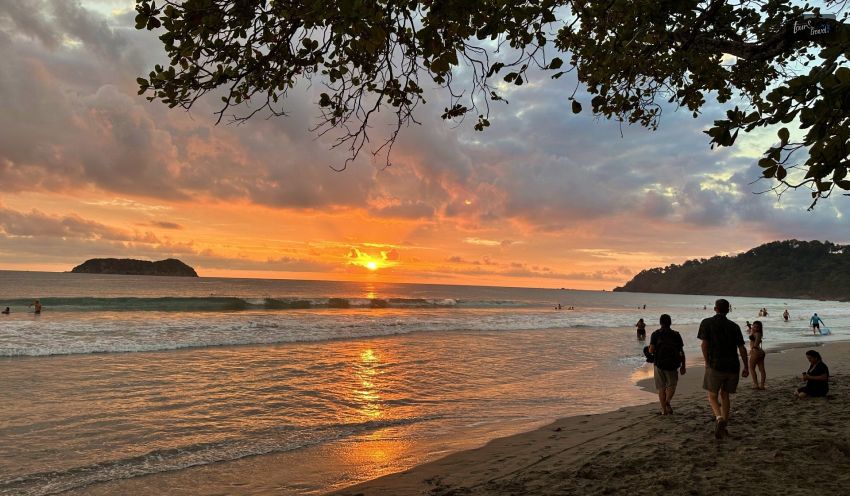
A popular beach town, Manuel Antonio is in Central America with a beautiful collection of wildlife and scenery. The view of Manuel Antonio Costa Rica is to die for, especially if you are a nature and sky lover, as the magnificent views of the clouds, sky, and mountains across the Pacific Ocean recreate Paradise.

It is Quepos that you will be visiting if you are traveling by plane or car. There might be limited inclusive resorts in Manuel Antonio. However, boutique resorts, hotels, and villas are perfect for the rainforest hillside.

Want to learn things to do in Manuel Antonio? I will list activities you can attempt across the lush and the Pacific tropical surroundings giving you an incredible view of the beaches, mountains, and the town.

Exploring And Hiking Manuel Antonio National Park!

Exploring And Hiking Manuel Antonio National Park!

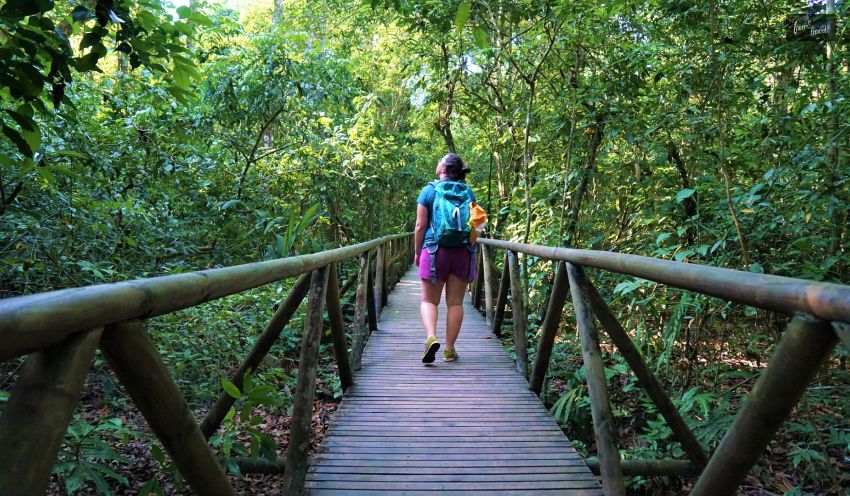
The main attraction, Manuel Antonio National Park, is for nature lovers. It is one of the smallest national parks in Costa Rica and yet is one of the most popular due to the enormous collection of wildlife! Across the park, the Manuel Antonio beach Costa Rica is situated.

As a tourist, you can peek into the forests with its iguanas, squirrel monkeys, capuchin, howler, agoutis, and sloths. There are also varieties of birds across the national park, after which you can visit the beach.

There are guides and naturalists available while the limited number of daily visitors is 1200 per day! The park is closed on Thursdays! There are several trails; one of the main ones is a 1.3-mile flat sandy trail connecting with the beaches.

Visit The Damas Island Mangrove Estuary!

Damas Island Mangrove Estuary

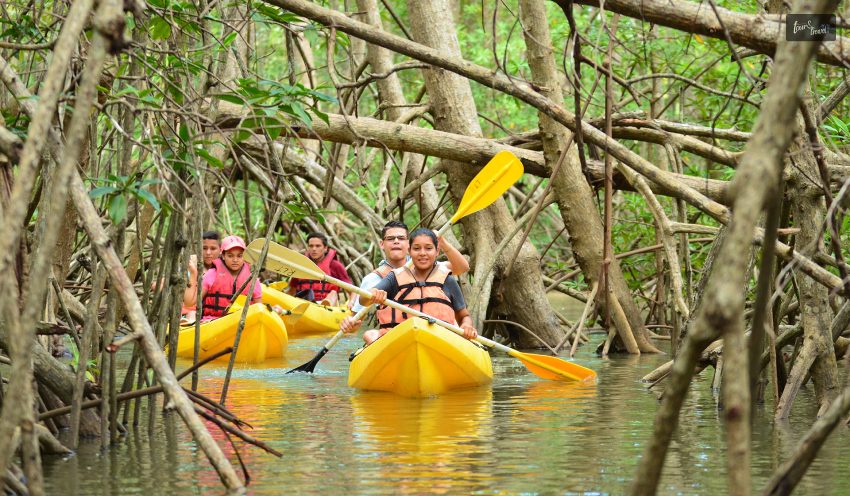
Are you looking for a unique experience? I suggest going on a kayaking or a boat tour across the waterways of Damas Island Estuary. With an amazing collection of wildlife, the estuary boasts a diverse coastal ecosystem inclusive of sloths, snakes, crocodiles, and monkeys.

Don’t Miss The Ultimate Beach Experience!

Ultimate Beach Experience

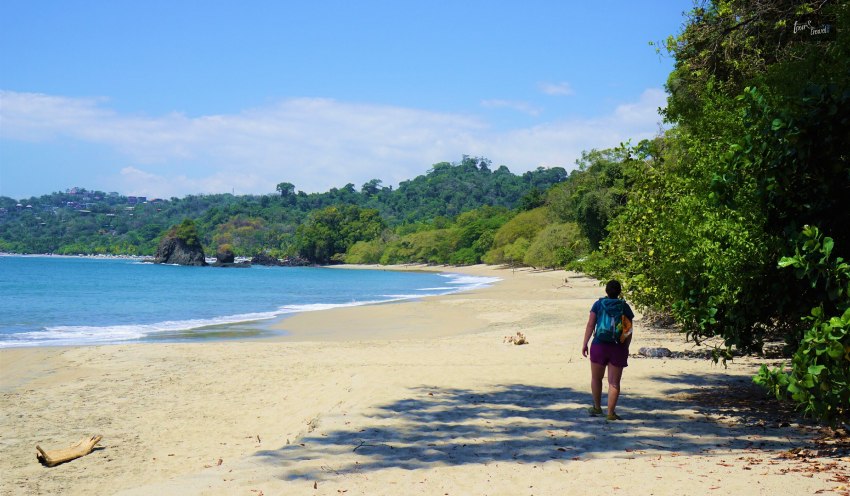
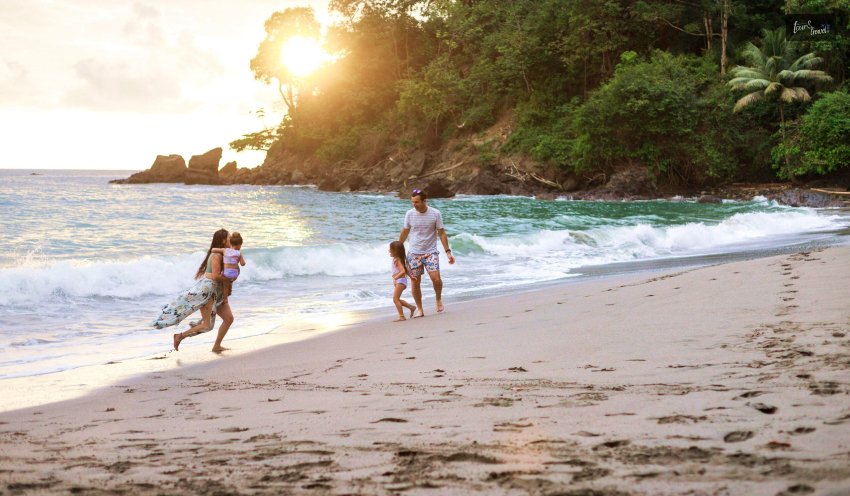
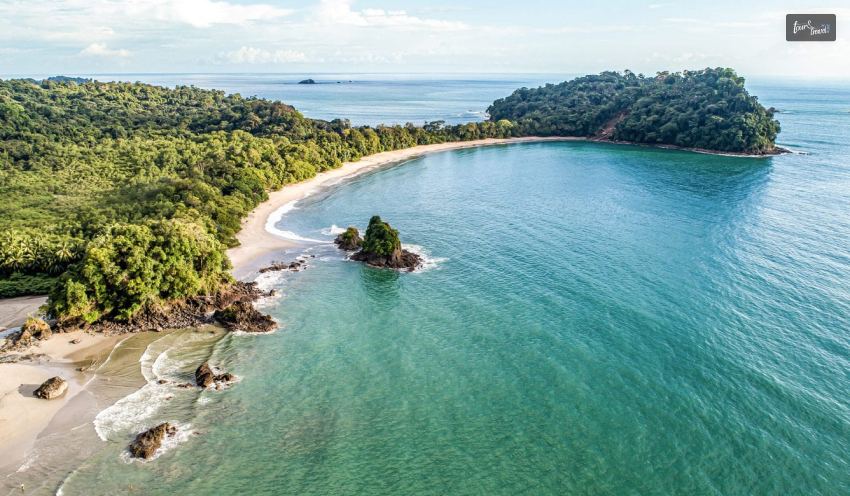
The beaches are popular in Manuel Antonio, offering some of the most stunning views across the Pacific coast. The town of Manuel Antonio Costa Rica is filled with beaches, and they are known for their soft white sands, palm trees, and clean, pristine water.

Some of the best beaches in Central America are in Manuel Antonio, and I will be making you a list of the beaches you cannot miss when you go on that next vacation! The Manuel Antonio National Park beaches are also picturesque, especially with their lush green and wildlife.

Playa Espadilla Beach

Playa Espadilla Beach

Image Source: irp.cdn-website.com

The beach in Manuel Antonio, Playa Espadilla Beach is called the Playa Numero Uno. It is one of the most visited Manuel Antonio towns beside the Manuel Antonio National Park! This beach is the favorite of the natives, and so are the tourists!

It is a bevy of activities where you can eat delicious food and cold drinks as the locals sell their products. The water activities on this beach are the best across the town, and you can’t stop being entertained!

Playa Manuel Antonio Beach

Playa Manuel Antonio Beach

Image Source: puravidamoms.com

The highlight of the Manuel Antonio National Park, Playa Manuel Antonio Beach, is especially because of its beauty, almost like Paradise with turquoise water and white sand. A land bridge separates the beach and the park.

One of the gorgeous beaches across Manuel Antonio, the Manuel Antonio beach in Costa Rica is a must-visit for travelers worldwide with its exotic wildlife and lush tropical forests. There is also a hiking trail to Playa Gemelas!

Playa La Macha

Playa La Macha

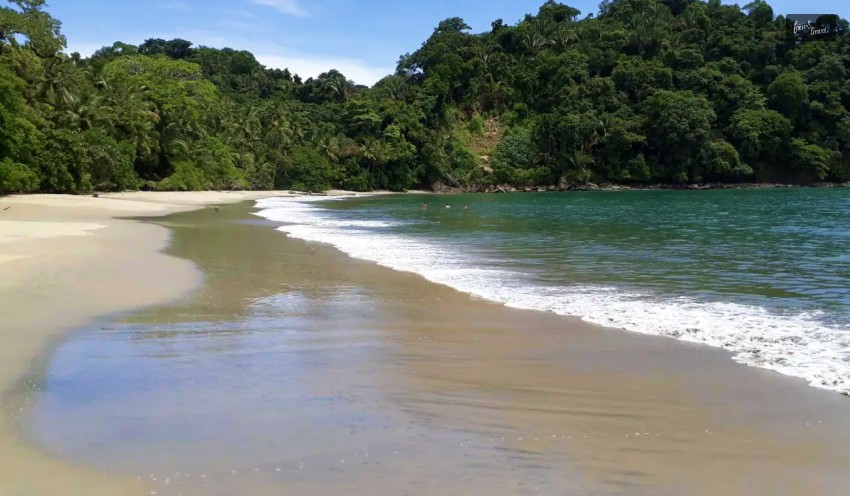
Are you looking for an isolated and private experience for your honeymoon? A hidden gem across all the Manuel Antonio beaches, Playa La Macha, is your ideal destination! Especially if you are in the mood for a serene beach, secludedness, and some hiking!

You probably get to see more wildlife because of its secludes. The hiking trail is difficult, yet you enjoy it if you want to explore and adventure. What can be better for sunbathing, especially with warm and clear water?

Villa Rental In Costa Rica

Villa Rental In Costa Rica

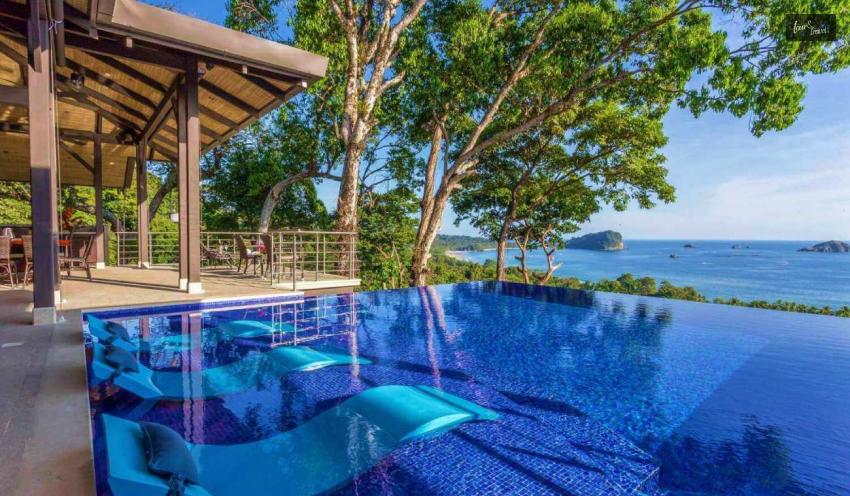
If you plan on renting a villa and enjoying the ocean views in Manuel Antonio Costa Rica, book Vista Hermosa Estate! The villa’s rooms are spacious, but what is noteworthy is the Playitas Beach which is just within walking distance from the beach villa.

There is a private beach trail that the guests at the estate can use and walk down to the sandy white beach within 10 to 15 minutes. Are you planning a multi-generational family get-together for the 50th marriage anniversary of your parents or the 60th birthday of your grandmother? This is it!

It is a perfect vacation villa with access to the beach, white sand, pristine water, and privacy.

Go Out On a Food Tour!

Go Out On a Food Tour!

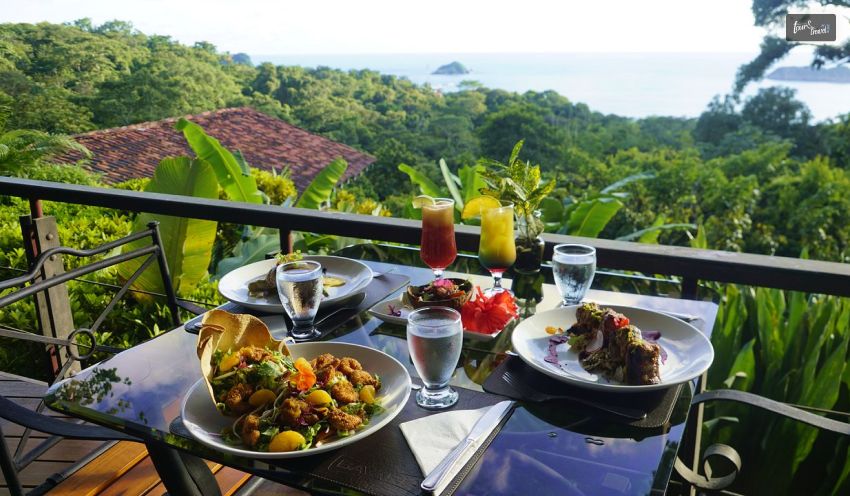
You visit a place, and you do not try their food? You are no sport! Apart from the beaches and wildlife, you must have an amazing culinary experience across Costa Rica. You will experience the local produce and the ranch products when you taste their food.

The main course dishes I recommend when you visit Manuel Antonio are beef short rib, roasted chicken, rack of lamb, and grilled beef tenderloin! You should also try Chifrijo, fried pork and red beans, Chorreadas, corn pancakes, and Ceviche!

You cannot miss the seafood dishes on a beach town with its grilled octopus, seafood pasta, seared tuna, the Makanda signature Tuna Tartar and seafood paella!

Feeling Adventurous? Take A Guided Night Tour!

A night tour is organized at Sukia Park

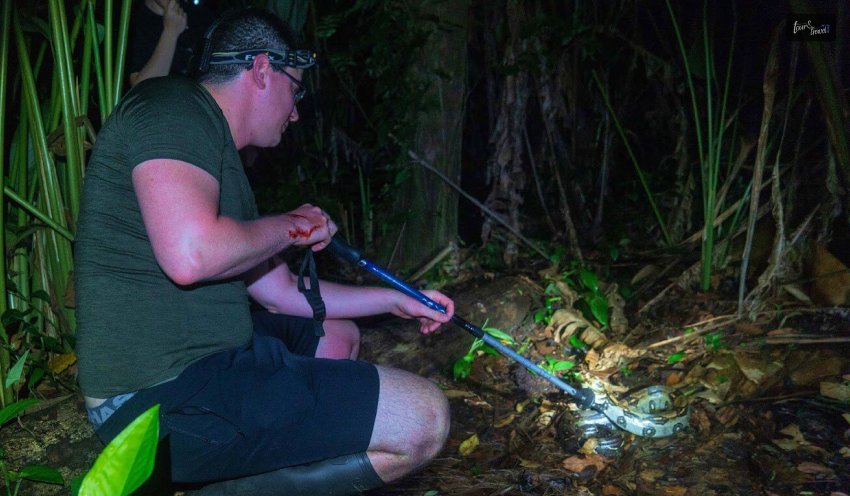
If you want to experience Manuel Antonio to its hilt, a night tour with a guide is the way to go! The perfect time to start is between 5:30 to 6 p.m. The sun sets across the town, revealing the secrets of the rainforests and the exotic locale.

A night tour is organized at Sukia Park, where you can explore the forests at night. Get a peek into the exotic reptiles and tropical frogs that the greens have to offer! The tour is handmade for you if you are a nocturnal individual or a wildlife enthusiast.

What Do We Know?

A blend of rainforest and beaches creates the perfect background for Paradise, Manuel Antonio Costa Rica. It acts as a gateway to Paradise with white sand across the beaches, clear pristine water showcasing the Pacific Ocean’s beauty, and hiking trails across the rainforests.

Explore the wildlife with your partner, family, solo, or friend group, and rejuvenate your life with unforgettable experiences and beautiful scenic views. The area is rich in biodiversity!

Many resorts are established across the beaches and the town, creating the perfect backdrop for your next vacation! In the comments below, let us know what activities interest you when you visit Manuel Antonio!

Read Also:

Share on Social Media

Sagnika Sinha is a content writer who is passionate about writing travel vlogs, entertainment and celebrity articles and literature-based pieces. With a 4 years experience in teaching, she loves reading books. A procrastinator by nature, she loves travelling, listening to music, planting and gardening.

Leave a Reply

Your email address will not be published. Required fields are marked *

title-img Related

READ MORE Luang Prabang temple guide

Luang Prabang Temple Guide: What Are The Top Buddhist Temples To Visit In Laos?

BY  Sibashree Nov 3, 2025

I visited Luang Prabang in 2022, and the capital of the ancient Laotian kingdom was slowly recovering from the rampage of COVID-19. The misty mornings were special, with hundreds of monks walking through the narrow streets with their alms bowls.  People gather and offer fruits and rice to the monks. The monks silently accept the offerings, then quietly return to the temples.  Even today, with skyrocketing tourism numbers, Luang Prabang remains one of the most unspoiled places on earth. Buddhism and a strong belief in the power of nature have helped the city to maintain its authentic charm.  Also, the 32 Buddhist temples present in Luang Prabang today are a telltale of the history, myths, and spiritual beliefs associated with the city’s origin. In this Luang Prabang temple guide, I will talk about the top Buddhist temples to visit in Luang Prabang Laos. Of course, the Golden City Temple or Wat Xieng Thong is the most famous among them. It was built in 1560.  What Are The Top Buddhist Temples To Visit In Luang Prabang Laos?  As the mornings in Luang Prabang are special with the quietude and humility of the alms giving ceremony, the evenings are magical with the evening chants of the monks in the temples.  The sound of the chants echoes through the valley with the Mekong River passing by dreamily and the outlines of the mountains fading into the darkness.  I used to get lost in my thoughts that these temples were the sites of the coronation of many Laotian kings. Also, despite their intricate designs, they look like an extension of the ethereal natural landscape here.  Nevertheless, these are the top Buddhist temples to visit in Luang Prabang, Laos.  1. Wat Xieng Thong Also known as the “Monastery of the Golden City,” Wat Xieng Thong evokes awe. Built in 1560, it is home to the famous reclining Buddha Sanctuary or the Red Chapel.  It also stands out with its architectural excellence, including the multi-tiered roofline and beautiful mosaic work.  2. Wat Mai Suwannaphumaham View this post on Instagram A post shared by Marek Kotlarski (@mkotlarski) Wat Mai, or the New Temple, is the largest in Luang Prabang. It looks exquisite with the gilded bas-relief panels on the façade.  Also, it is historically important as it served as the residence of the highest Lao Buddhist dignitary till 1975.  3. Wat Visounnarath (Wat Visoun) Wat Visoun has a distinctive, spherical, and unique stupa called "That Mak Mo” or the “Watermelon Stupa.” It has a rounded shape.  Also, Wat Visounnarath was founded in 1512. So, today, it is the oldest operating temple in Luang Prabang.  4. Wat Aham View this post on Instagram A post shared by Austin Bush (@bushaustin) Wat Aham is also known as the Monastery of the Open Hearted. It is located next to Wat Visoun.  Wat Aham is famous for its two ancient banyan trees on its grounds. Locals believe that these trees are home to the guardian spirits of the city.  5. Wat That Luang Locals call Wat That Luang the Monastery of the Royal Stupa. The ashes of King Sisavang Vong, who died in 1959, are present in the golden stupa in the temple grounds. Even before that, it was used to cremate many members of the royal family.  6. Wat Chom Si Located on the top of Mount Phousi, Wat Chom Si was the best temple I visited in Luang Prabang. The spiritual energy there was so high.  I don’t know whether it’s the joy of reaching the temple after a trek or the magical views of the Mekong River from the top! Everything looks and feels so magical here! 7. Wat Sop Sickharam The structure of the Wat Sop Sickharam temple, what we see today, is the renovated form of the 19th century. However, the origin of the temple goes back to the 16th century.  Its architecture is a wonderful fusion of the French Colonial Style and traditional Lao architecture.  8. Wat Pa Phai The congregational hall or the traditional Lao-style sim is the highlight of Wat Pa Phai. Furthermore, its facade is unique with exterior columns and a verandah.  It also has another name, “The Monastery of the Bamboo Forest.”  9. Wat Sene Souk Haram Wat Sene Souk Haram looks dazzling with its golden and red ornamentation. It is known as the Temple of 100,000 treasures, as it was built with 100,000 stones collected from the Mekong River in 1718.  10. Wat Nong Sikhounmuang Wat Nong Sikhounmuang has recently gone through a major renovation. It is home to one of the largest and richest pagodas in Luang Prabang.  Furthermore, you can spot it from a distance due to its vibrantly colored roof in the traditional Thai style.  11. Wat Khili View this post on Instagram A post shared by Nat & Ricky Dunn (@lifedunndifferently) The large gold Wheel of Life on the front gable of Wat Khili will be the first thing to catch your notice. Furthermore, it has low roofs and a red facade with golden columns.  It shows influence from the Xieng Khouang province and was built in 1773.  12. Wat Phon Phao Wat Phon Phao has a unique octagonal structure, and with the sunlight falling over it, it uses its golden glow to illuminate the city.  The paintings in the interior of this temple are beautiful, and they depict the Buddhist philosophy of life and death.  13. Wat Manorom Wat Manorom is home to a 6-meter-high bronze Buddha statue, which dates back to the 14th century. Apart from being a temple, it is also an important community center for the locals.  In fact, all the temples in Luang Prabang help nurture community bonding. Also, historically, it used to be the home of the largest number of monks.  14. Wat Ho Pha Bang (inside Royal Palace) The Wat Ho Pha Bang, or the Temple of the Pha Bang, houses the Phra Bang Buddha image, the palladium of Laos.  This temple is located inside the Royal Palace grounds.  15. Wat Mahathat Wat Mahathat was founded in 1548. It houses the ashes of the revered Prince Phetsarath, who declared the independence of Laos in 1945.  It also has a highly ornamented facade.  16. Wat Xieng Mouane View this post on Instagram A post shared by nrq (@nrqpapa) Wat Xieng Mouane is important for its role in promoting traditional art and culture. Furthermore, I loved the gilding and traditional woodwork in the temple.  17. Wat That Phoun Wat That Phoun is one of the most peaceful temples I have visited in Luang Prabang. Also, once you enter the temple, it’s like an art gallery with a wonderful display of paintings.  The entrance gates are adorned with serpent deities or Nagas, and the temple also functions as a cremation location.  18. Wat Long Khoun “Wat Long Khoun is where our kings once meditated. It’s quiet, sacred, and often overlooked.” - Somsack, my local guide.  This former royal meditation retreat is a wonderful example of Lao architecture in the 18th century, and it has the most illustrious Jataka murals, depicting the last lives of Lord Buddha.  19. Wat Phra Bat Tai Wat Phra Bat Tai in Luang Prabang is very similar to Prabhas Tirtha in India. Prabhas Tirtha has the footprints of Lord Krishna, and War Phra Bat Tai has a huge footprint of the Buddha.  Furthermore, its architectural style shows a wonderful fusion of Thai, Lao, and Vietnamese architectural styles.  It is also where I found it the easiest to interact with the monks and share our philosophies about life.  20. Wat Phon Heuang The traditional stenciling on the temple's ceiling instantly evoked a sense of awe. Furthermore, I saw how it is an important social area or hub for the local community. It is so because it is one of the prime locations for participating in the alms-giving ceremony.  In addition, when I visited, it had not been extensively renovated. So, it was like connecting to the past for me.  Wat Xieng Mouane: The Lesser-Known Temple Of Luang Prabang  View this post on Instagram A post shared by Ruprecht Lin (@boblinize) Wat Xieng Maen is a hidden gem if I talk about the top temples to visit in Luang Prabang. It was founded in 1592.  I took a ferry across the Mekong River to reach this temple. It is a quiet escape, and it is significant as it was home to the famous Phra Bang Buddha image for a short period.  Accessibility Ratings Of The Best Temples In Luang Prabang  Check out the table below to know about the most accessible Buddhist temples in Luang Prabang.  TempleWheelchair AccessStairsQuiet ZonesWat Xieng Thong✅Minimal✅Wat Mai✅Few steps✅Wat Visoun✅Ramp available✅Wat Aham✅Flat terrain✅ Photography Tips Golden Hour: 6:00–7:00 AM and 5:00–6:30 PM. Best Angles: Capture rooflines from low angles; use temple doorways for framing. Respectful Shots: Avoid interrupting rituals or photographing monks without consent. Gear: Use a wide-angle lens for interiors and a tripod for low-light shots. Temple Etiquette & Dress Code In Luang Prabang Dress Modestly: Shoulders and knees covered. Avoid tight or revealing clothing. Remove Shoes: Always take off footwear before entering the temple interiors. Avoid Pointing Feet: Never point your feet toward Buddha statues or monks. Photography: Ask permission before photographing monks or rituals. Alms Giving: Participate respectfully in morning alms (Tak Bat) by kneeling and remaining silent. What Is The Best Time To Visit The Temples In Luang Prabang? Luang Prabang’s temples are open year-round, but timing enhances the experience: MonthHighlightsNovember–FebruaryCool, dry weather is ideal for walking tours.Mar–MayHot but less crowded and good for early morning visits.June–OctoberRainy season, and it stands out with its lush greenery and fewer tourists. Best Time of Day To Visit The Temples In Luang Prabang  Sunrise: Wat Chom Si after a climb to Mount Phousi Midday: Wat Mai, with its shaded interiors, is the perfect late morning and afternoon refuge.  Sunset: Wat Xieng Thong is ideal for golden hour photography.  Walking Routes & Maps: Exploring The Best Temples Of Luang Prabang  Visiting all the temples in Luang Prabang is not possible in a single visit to the city. Instead, for a short trip to the city, you can follow these temple tour routes.  1. Temple Trail Route (2–3 Hours) Start at Wat Xieng Thong.  Walk to Wat Sop Sickharam.  Continue to Wat Sene.  Visit Wat Mai.  End at Wat Visoun. 2. Sunset Spiritual Loop (1 Hour) Climb Mount Phousi to Wat Chom Si. Descend to Wat Aham. Finish at Wat That Luang. Luang Prabang Temple Guide: Frequently Asked Questions (FAQs) Here are some frequently asked questions and answers about the Luang Prabang temple guide.  1. How Many Temples Are In Luang Prabang? Luang Prabang, a UNESCO World Heritage Site, has 32 operational Buddhist temples. These temples with their beautiful murals, paintings, and sculptures depicting the life and lessons of Lord Buddha, are prominent social, religious, and community centers. Furthermore, they show a wonderful fusion of Lao, Thai, and Khmer architectural styles in their architecture.  2. Can I Visit The Temples In Luang Prabang During Festivals? Yes, you can visit the temples in Luang Prabang during major festivals such as Boun Pi Mai, the Lao New Year, and Boun Khao Phansa, or the start of the Buddhist Lent. However, you have to be patient as there will be crowds, and you have to follow the etiquette. 3. Are Women Allowed To Give Alms? I found out that people taking part in the alms-giving ceremony were mostly women. However, my guide told me to follow some strict rules. You cannot touch the robes of the monks or make any physical contact with them. Also, you must kneel down before them while offering the alms. 

READ MORE Jaffna Sri Lanka travel guide

Jaffna Sri Lanka Travel Guide: Is Visiting Jaffna In Sri Lanka Worth It? 

BY  Sibashree Oct 24, 2025

You know what’s so special about visiting quaint and offbeat places? These are the places to make quirky and personal connections.  Jaffna has not been an exception. Let me share a story! It was exploring the Jaffna Public Market. An old lady jokingly refused to sell a tourist a kilo of dried fish. She said, “You don’t look like someone who appreciates the smell of sun-dried fish!” By the end, she laughed and gave him a small bundle for free. The whole thing was so warm. An old lady, who is probably talking to a person for the first time, is very cordial in her behavior. You will not get this shopping experience in any shopping mall or supermarket. Another highlight was when a priest offered me some sweets at the Nallur Kandaswamy Kovil. There were hundreds of visitors, and I don’t know why he came up to me and offered the sweets. He said, “For you, even if you are a stranger, my blessings are for you!” I had tears in my eyes. With moments like this, Jaffna will always remain one of the most beautiful places in the world. It’s not just about the scenic beauty, but the warmth and inclusivity.  In addition, the recent inauguration of the International Cricket Stadium at Mandaitivu Island will be a new landmark of the city. With a capacity of 40000 spectators, it will promote national integrity and more tourism through sports.  Here, I will talk about how to reach Jaffna, the places to visit, the safety quotient, cultural exploration, and more! Keep reading this Jaffna, Sri Lanka travel guide.  Cultural Exploration In Jaffna, Sri Lanka: Why Is It So Special? The origin of Jaffna’s name takes us back to its Tamilian roots. There was a blind musician called Yalpanan who used to play an instrument called Yal. Thus, the place got its name as Yalpanam or Yalpanapattinam, meaning the Port of the Iyre.  Furthermore, the historical evidence suggests that Tamil Presence here dates back to at least 300 B.C. Archaeological sites such as Pomparippu are a telltale of the Tamilian presence.  Jaffna was the capital of the Jaffna Kingdom in the medieval days before European colonization happened here.  Moreover, thanks to the Tamilian cultural presence here, in recent times, it has become a favorite destination of Indian travelers. A Tour and Travel World report suggests a 325% increase in the searches among Indian travelers.  Direct accessibility to Jaffna from various parts of South India via flights is another reason why Jaffna is so popular among Indian tourists.  You will get flights to Jaffna from cities such as Hyderabad, Thiruvananthapuram, Madurai, and Chennai.  Top 10 Unknown Cultural Things About Jaffna, Sri Lanka 1. Traditional Tamil musical performances during temple festivals.2. Unique Jaffna-style architecture in homes and temples.3. Palmyrah palm-based crafts and products.4. Indigenous Tamil martial arts demonstrations.5. Local storytelling traditions passed down orally.6. Community-led cultural tours and workshops.7. Traditional Tamil wedding customs.8. Seasonal harvest festivals like Thai Pongal.9. Local folklore and legends tied to historical sites.10. Ancient Tamil inscriptions found in temple ruins. Food Culture And Culinary Tours In Jaffna, Sri Lanka  View this post on Instagram A post shared by Kandy Bites by Chef Ceylon (@kandy_bites_) Jaffna cuisine is known for its spicy flavors and unique Tamil dishes. Popular items include Jaffna crab curry, Kool (seafood soup), Odiyal Kool, and Palmyrah jaggery sweets.  Culinary tours offer cooking classes, market visits, and traditional meal experiences with local families. However, the traditional delicacies of Jaffna tell the stories of the tradition, history, and resilience of Northern Sri Lanka. In addition, Jaffna City, in recent times, has played an important part in changing the food trends of the country and ensuring a lesser reliance on expensive imports.  The increased use of Palmyrah jaggery, palmyrah flour, or even palmyrah vinegar, typical Jaffna ingredients, in Colombian food is an example of how Jaffna is emerging as a crucial destination in the country's food landscape.  Colombo, in fact, now has a Kaachai Varai or Jaffna Market from where seafood, spices, and other ingredients are sourced. This endeavor supports the local fishermen, farmers, and producers.  Moreover, Jaffna is an important location for hands-on culinary tours in northeastern Sri Lanka. For example, celebrated Australian chef Peter Kuruvita conducts a culinary tour in the northeast part of Sri Lanka, and Jaffna is one of the destinations.  On this tour, you will get to know about the art of cooking in clay pots over an open fire. Overall, getting familiar with the local food is one of the top cultural things to do in Jaffna Sri Lanka.  A 3-Day Culinary Tourism Itinerary In Jaffna View this post on Instagram A post shared by ALIYAA (@aliyaa_kl) It’s time to experience the eclectic nature of Jaffna food, where Tamilian, Muslim, and European influences have merged. Here is a 3-day culinary tourism itinerary in Jaffna.  DaysActivitiesDay 1• Arrival in Jaffna and checking in• Having Jaffna-style idiyappam with coconut sambol and mutton gravy• Exploring the Jaffna Market, a gold mine of dried fish and palmyrah jaggery, tamarind, and spices unique to the region.• Trying palm treacle sweets, vadai, and murukkuDay 2• Having Jaffna crab curry or nandu kool (crab soup) with red rice• Pairing the food with poriyal and rasamDay 3• Visit Nallur Kandaswamy Kovil and try nelli juice or Indian gooseberry drink• Booking an Airbnb or a local guide experience and learning to cook pittu, prawn curry, and other local delicacies If you want to extend your culinary tour in Jaffna, you can plan a day trip to Delft Island, where you will find the best coconut toddy and island-style seafood delicacies. Also, you can attend a palmyrah tapping demonstration or explore the northernmost markets in Point Pedro.  A 5-Day History-Focused Itinerary In Jaffna View this post on Instagram A post shared by VIEW LANKA TOURS (@viewlankatour) Mentioned in the ancient Tamil scripture as Naga Nadu, or the land of the Nagas, Jaffna has been ruled by the Pandya, Chola, and Rajarata kingdoms. Later, it also became a colony of the Portuguese and British.  Here are the historical places in Jaffna to see within a 5-day travel itinerary.  DaysActivitiesDay 1• Arrive in Jaffna from Colombo by car or train• Checking into the hotel• Breakfast with traditional Tamil food• Visiting the Jaffna Fort (1618)• Lunch• Visiting the Jaffna Public Library• Walking along the Jaffna Lagoon waterfront near the Dutch Fort AreaDay 2• Breakfast and a visit to Nallur Kandaswamy Kovil• Visiting the Minister’s House or Manthiri Manai• Lunch• A drive to Keerimalai Springs and Naguleswaram Temple• Return to Jaffna TownDay 3• Travel north to Dambakolapatuna Temple, at a distance of 35 km• Lunch and exploring Kankesanthurai• Visiting the 2000-year-old site of Kandarodai (Kadurugoda) Buddhist Monastery• Visiting the St. Mary’s CathedralDay 4• Taking an early ferry to Delft Island (Neduntheevu) from Kurikadduwan Jetty.• Visiting the Delft Fort (Portuguese-Dutch) ruins, Queen’s Tower lighthouse, and Baobab Tree• Spotting the wild ponies• Having local seafood for lunch• A ferry ride to Nainativu Island and spotting places like the Nagapooshani Amman Kovil and Nagadeepa Viharaya• Return to JaffnaDay 5• Breakfast and visiting the Chunnakam Market• Visiting the Jaffna Archaeological Museum• Visiting Point Pedro and attractions such as the Old lighthouse• Farewell dinner A 5-Day Cultural Itinerary In Jaffna Attending the Palmyrah workshop was a memorable event in my Jaffna tour. Also, Point Pedro, the northernmost part, offered the most culturally vivid experience. DaysActivitiesDay 1• Arrival in Jaffna• Exploring the Jaffna Public Library after breakfast• Walking through the Old Park• Exploring Jaffna Fort• Visiting Nallur Kandaswamy Kovil in the eveningDay 2• Visiting Point Pedro Market• Driving to the Palmyrah Handicraft Centre• Having a home-style Tamil Meal• Visiting Manthiri Manai (Minister’s Palace) and Sangilean Thoppu, believed to be the remains of the ancient Jaffna Kingdom’s royal complex.• Attending a Bharatanatyam or Naddu Koothu performanceDay 3• A ferry ride from Kurikadduwan Jetty to Nainativu Island (Nagadeepa)• Visiting Nagapooshani Amman Kovil (Hindu temple) and Nagadeepa Viharaya (Buddhist temple)• Trip to Delft Island (Neduntheevu)• Exploring colonial ruins: the Delft Fort, Queen’s Tower, and Baobab Tree• Ferry ride to JaffnaDay 4• Having kothu roti and Sombol for breakfast• Visiting St. Mary’s Cathedral and Ariyalai Hindu Temple• A visit to the Jaffna Archaeological Museum• Exploring the Chavakachcheri Heritage Houses• Taking part in a home-cooking demonstration with a local familyDay 5• Attending a Palmyrah workshop• Visiting the Kandarodai (Kadurugoda) Buddhist Monastery• Exploring Keerimalai Springs and Naguleswaram Temple• Seafood meal• Shopping in the afternoon Cultural Etiquettes For Foreign Tourists Tourists should dress modestly, especially when visiting temples.  Shoes must be removed before entering religious sites.  Photography should be respectful, and permission should be sought when capturing images of locals or ceremonies. Must Visit Destinations In Jaffna, Sri Lanka If you want the best cultural and historical experience in Jaffna, don’t miss a visit to the following places.  1. Nallur Kandaswamy Temple Nallur Kandaswamy Temple is the cultural and spiritual epicenter of Jaffna. Dedicated to Lord Murugan, it shows a unique Dravidian-style architecture. Also, the Nallur Kandaswamy Temple festival in July-August attracts a lot of visitors.  2. Jaffna Fort Built by the Portuguese in 1618, the fort is an example of quintessential European military architecture, and it was later occupied by the Dutch.  It overlooks the Jaffna Lagoon, and it is a favorite of photo enthusiasts.  3. Delft Island View this post on Instagram A post shared by Audrey Potvin (@audreypotvin) A popular day-trip destination, Delft Island in the Jaffna Peninsula is known for its Dutch remnants, and it is a great place for spotting ponies.  4. Casuarina Beach As the person in charge of our hostel said, I visited the Casuarina Beach after 5 PM. He said, “The quiet at the beach just before sunset is something unbelievable.” I experienced the magic.  The birds were coming home, and the soft white sand, like a blank canvas, was changing colors every second.  5. Keerimalai Springs Located by the sea, the Keerimalai Springs and Keerimalai Naguleswaram Temple are a unique combination of spirituality and scenic beauty.  The water of these springs has healing properties.  6. Point Pedro View this post on Instagram A post shared by Meerza Iqbal (@meerzaiqbal) Point Pedro has a historic lighthouse, and it is the northernmost tip of Sri Lanka. Furthermore, it has the most vibrant markets for buying fresh seafood produce.  Here, you can also meet the fisherman and have an understanding of their unique ways of living.  7. Jaffna Library Tragically destroyed in 1981, the newly built Jaffna Library stands as the symbol of resilience. It is one of the most revered libraries in Asia, and it was first built by the Jaffna Town Development Board on 1st January 1935.  It has a collection of 844 books, 30 magazines, and newspapers.  8. Nagadeepa Vihara View this post on Instagram A post shared by Thambu Illam~Hotel in Jaffna🌴 (@thambu_illam) Nagadeepa Vihara is the place where Lord Buddha visited for the second time. He also ended the dispute between two Naga Kings fighting over the ownership of an ornate throne.  Mahodara and Chulodara, these two Naga kings, became devoted followers of Lord Buddha.  9. Manthiri Manai View this post on Instagram A post shared by FOX Resorts (@foxresorts) Manthiri Manai, or the Minister’s Mansion, stands out thanks to its unique Indo-Islamic and European architecture. Located at a distance of just 1 km from Point Pedro, Manthiri Manai is an archaeologically protected site, and it is said to be the residence of the minister of the medieval Jaffna Kingdom.  How To Reach Jaffna, Sri Lanka? Bandaranaike International Airport in Colombo is the gateway for Jaffna to the rest of the world. From there, you can take a flight to the Jaffna International Airport. Buses and trains are also available from Colombo to Jaffna.  I took the Jaffna train from Colombo Fort. The journey is scenic. However, I remember the 7-8-hour journey for the social experience. People are talking about cricket, sharing coconuts, or humming local tunes.  However, buses departing every 3-4 hours from Colombo to Jaffna are the cheapest option. The ticket price starts at around 1,348.26 Sri Lankan Rupee.  Top Hotels, Resorts, And Stays In Jaffna, Sri Lanka  1. Jetwing Jaffna – Centrally located with modern amenities and rooftop dining.2. North Gate by Jetwing – Offers luxury accommodations near the railway station.3. Subhas Hotel – Historic hotel with spacious rooms and traditional cuisine.4. Thambu Illam – Boutique guesthouse with cultural ambiance.5. Green Grass Hotel & Restaurant – Budget-friendly with local food options. 10 Sustainable And Ethical Travel Tips For Jaffna Sri Lanka 1. Support local businesses and artisans.2. Use refillable water bottles.3. Avoid single-use plastics.4. Respect cultural norms and dress modestly.5. Participate in community-led tours.6. Stay in eco-friendly accommodations.7. Minimize energy and water usage.8. Avoid disturbing wildlife.9. Learn basic Tamil phrases.10. Share positive travel experiences to promote responsible tourism. Jaffna Nightlife And Evening Activities The nightlife in Jaffna is about rejuvenation and introspection. This is the best time of the day to attend temple rituals, enjoy local dining experiences, and attend cultural performances.  Furthermore, Evening walks along the beach and exploring the markets are some delightful experiences in the evening. Best Seasons To Visit Jaffna, Sri Lanka The best time to visit Jaffna is from December to March. You must avoid the monsoon season from October to November due to heavy rains.  Festivals like Thai Pongal in January offer cultural immersion opportunities. Also, July-August is the month of the Nallur Kandaswamy Temple festival.  Budget And Affordability For A 7 Day Travel Vacation in Jaffna, Sri Lanka Jaffna is a budget-friendly destination. You will get diverse food, transportation, and accommodation options. The entry fees to the museums and cultural places are also quite reasonable.  Furthermore, the travel expenses will depend on the type of traveler. Here is a quick breakdown. Types of TravelerExpenses (Approximately)Solo Traveler$300–$400Couple$600–$800Family of 4$1000–$1200 Crime Rates And Safety Tips For Tourists Jaffna is a safe place to travel. The crime rate in different aspects is low to moderate, and here are some essential data (Source: Numbeo) related to crime in Jaffna.  Crime Index46.64Safety Index53.36Level of Crime50:00Armed Robbery35.71Things from Car Stolen46.43 Is Visiting An Off-Beat Location Like Jaffna Worth It? Yes, Jaffna is a must-visit destination to experience the rawness and cultural richness of Northern Sri Lanka. It is a budget-friendly destination with a Tamil origin and a colonial past.  Furthermore, food here is an extension of who the people are. Simple and soulful! Also, the Jaffna tells the story of human resilience and how it has survived a war-torn past! Jaffna Travel Guide: Frequently Asked Questions (FAQs) Here are the frequently asked questions and answers about the Jaffna travel guide. 1. How Many Days Are Enough In Jaffna? Three to four days are enough if you want to explore the major cultural and historical sites. However, if you want to explore the local markets and have a deep cultural connection with the local people, you will need at least 5 to 7 days.  2. Which Part Of Sri Lanka Is Most Beautiful? I cannot pick any particular part of Sri Lanka as the most beautiful, as it has the ancient rock fortress of Sigiriya, a UNESCO World Heritage Site. On the other hand, Kandy, a significant religious hub, is a popular tourist destination.However, Jaffna in northern Sri Lanka stands out with its spiritual vibe, history, and cultural richness. It is a coastal destination with a diverse tourism profile. 3. What Language Is Spoken In Jaffna?  Tamil is spoken in Jaffna. However, it is a little different from the Tamil language spoken in India. The Tamil language here is heavily impacted by the Jaffna dialect.  Read Also: Luang Prabang Travel Guide: Why I Loved It? (Activities, Attractions, History, Itinerary, And More) Cheapest Places To Travel Around The World In 2025: Traveling On A Shoestring Learn All About the Best Solo Trip in India Right Here!

READ MORE best time to visit australia

Do You Know The Best Time To Visit Australia? Read All About It! 

BY  sagnika Apr 27, 2024

Are you planning to visit Australia recently? Do you wonder about the right time to visit? If you ask me, you can visit anytime between September and November. Another time to visit is between March, April, and May. Let me share important details about visiting Australia. I will share important places in the different regions, accordingly, deciding on the right weather to visit. Some of the best times you can see these places are the ones I will discuss in the article.  Want to know about things to do in Australia? Keep reading! You will also learn that sometimes it is not right for you to visit; hence, plan your trip accordingly. However, if you are willing to establish a holding company, Australia can be a great place to visit and explore first. The market is exciting, and companies in that place are eager to explore. Do You Know The Best Time To Visit Australia? Read All About It! An Amazing country, Australia is a perfect place for travelers. I am sharing how you can create an itinerary to visit Australia. Traveling to Australia makes you feel like you have reached a new world. Read more about this different world and how to make the best of it. Let me also share with you the climate of Australia based on its geography. As a traveller, you can decide which places to visit when there are different regions. The segregated areas are the perfect places to plan your itinerary! Regions and Their Best Time Let me break down Australia into different regions, and you can read about the climate in these regions. Furthermore, I will also share the climates of these regions with you so you can plan your visits accordingly. There are many climate maps available online. However, I am sharing with you this map, which was constructed using the data available from the Bureau of Meteorology's website. What I will share with you differs from the map I provide, but you get an idea. Check the map to learn about the general idea of climate and how it influences how you plan your itinerary when visiting Australia. Best Time to Visit Tropical North! If you plan to go to the northern section of Australia, be prepared for the tropical climate. This region consists of northern territory, Western Australia, and Queensland. This is a location that is mostly humid for most of the year. This region's natural landscapes are unique, with many rainforests and wildlife. Most of the plants and animals are interesting, massive, and colourful! I personally feel that waterfalls are lush, as the wilderness is completely wild, along with thriving coral reefs. You will experience flavorful and exotic fruits and vegetables. If you can brave the tremendous heat, there are some beautiful places you must visit, such as the Daintree Rainforest, Airlie Beach, the Great Barrier Reef, Darwin, Cape Range National Park, and Kakadu National Park. The best time to visit the north of Australia is between May and October. The region has both wet and dry seasons! The wet season persists from November to April. If you visit this region during this time, you will face extreme heat and humidity. Constant rain, tropical storms, and floods also occur during this time. Hence, it would be best to prepare for road closures due to floods. You might get stuck in these closures, leading to travel delays! During the wet season, many national parks are closed. In the dry season, which continues from May to October, you can visit to enjoy sunny beach days. Best Time to Visit Outback or Desert! In this region, I have sectioned northern territory, western Australia, South Australia, and rural NSW or QLD, mostly the remote regions of Australia. The country's middle can be highlighted as the outback, especially because it is away from the coast. The Aussies call it the Red Center, which refers to the southern part of the Northern Territory. You can check out these beautiful places in the country's center, such as Uluru Kata Tjuta National Park, Kings Canyon, Alice Springs, Lake Eyre, Broken Hill, Watarrka National Park, and Coober Pedy. If you plan to visit this region of Australia, winter is the best time. The summers are dry and hot, while the winters are cool and mild. You should see it from June to August, especially because there is almost no rain. If you are camping in this region, you can pack a warm sleeping bag and clothes. Carry water when you visit the desert, considering you need to be hydrated. If you are planning tours during the daytime, please carry caps, sunglasses, and towels, as the heat is intense. Please don’t visit the outback region between November and March! Travelling is not fun when you are disturbed completely as the heat in the desert is extreme. Best Time to Visit Temperate South! The regions of coastal NSW, south Australia, south of Western Australia, and southern QLD all constitute the Temperate South. This region is considerable temperate with its hot summers and cold winters. However, several coastal places exist, such as the Gold Coast, the Sunshine Coast, Brisbane, and Noosa. People mostly visit two specific regions in this section: New South Wales and Sydney. There are both summer and winter seasons. What's more, you can visit the Blue Mountains, where you can catch some snow during winter. The western region of Australia has a very similar climate to New South Wales! The beaches in Sydney are one of its kind which you must visit when you go!  The locations are beautiful, even though it can be chilly at times. You can check out places such as the Gold Coast, Kangaroo Island, Margaret River, Perth, Canberra, Brisbane, Blue Mountains, Noosa, Bondi Beach, and Byron Bay. You should consider what type of trip you are planning. During the summer, the place is quite crowded. Even when booking flight tickets, you will see they are very expensive. And yet, this is when all the beach parties are going on, even with the sunny and hot weather. The daylight stays long so you can participate in outdoor BBQs and parties! The weather is dreamy, and you can go hiking, sightseeing, surfing, and swimming! There are a lot of activities, along with positive vibes and beach parties. However, if you want to avoid the crowds, go during Spring or Autumn, as the weather is lovely. Even the flights are cheaper! Best Time to Visit Far South! When I talk about the far south, I mean locations such as Tasmania, Victoria, and Southwest NSW. Thus, the summers of these regions are quite warm while the winters are cold. You can visit during autumn and spring, as you can perform almost all outdoor activities. You can do everything from hiking and camping between December and February. Even the flight prices are quite low during this time, along with a chance to avoid the crowd! In Adelaide and Melbourne, the weather has cool temperatures or, at times, rain. We cannot forget the beaches in Melbourne and their beauty! You can plan to visit Mount Kosciuszko or snowy mountains for snowboarding or skiing. Of course, if you want consistent snow, you must go from June to September. If you travel to this region of Australia, you can visit Philip Island, Hobart, Melbourne, Great Ocean Road, Cradle Mountain, and Bruny Island. Places like the Murray River Region offer all-season enjoyment! During winter, the flights are quite cheap, so you can visit during this time. Try to avoid the summer season, as it is one of the worst seasons to visit these regions. Finishing Off... To sum up, I suggest that the best time to visit depends on the regions you are visiting and the type of trip you are planning. After you have read the comprehensive list and guide that I have prepared for you, you will know how to plan your trip.  Australia is a huge country, so it is better to plan your trip than plan it all at once. It is massive, so it will be difficult for you to enjoy it effectively when you visit. Comment on which area you are planning to visit and why! Learn More About: How To Enjoy Your Night In Sydney? 6 Tips For A Luxurious Trip To Australia What Are The Restaurants In Australia Worthy To Have An Experience?