
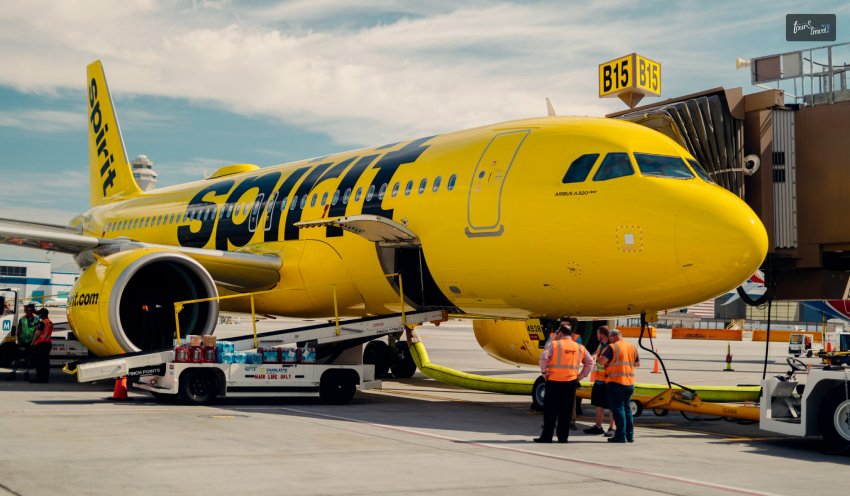

Is Spirit Airlines Safe? Get Your Answer Here!

Jun 24, 2023

Last Updated on: Nov 20, 2024

Travel Guides

Are you making plans to travel someplace? Are you wondering is spirit airlines safe when you are booking flights? Read this article to learn more by evaluating reviews of spirit airlines.

Spirit Airlines, Inc. has its headquarters situated in Florida. In recent times, the company has been in discussion with JetBlue Airlines in relevance to acquisition. The company’s expansion in the last few years has led to it covering more than 30 countries worldwide.

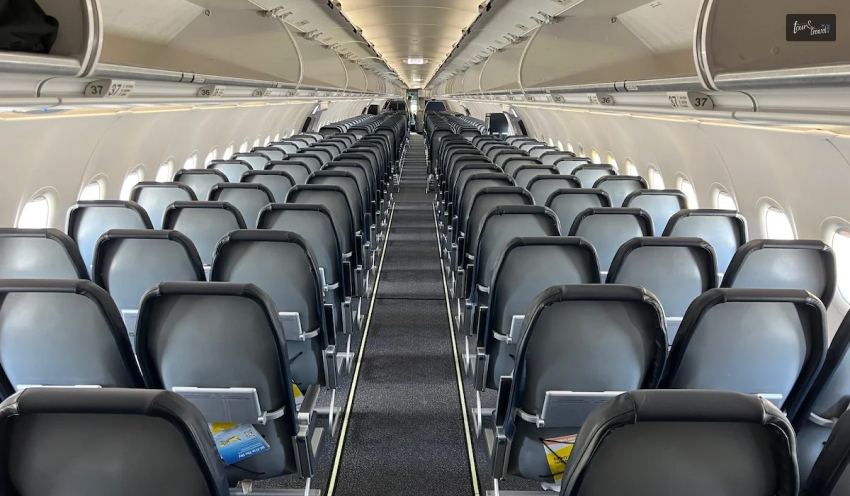
In the recent past, Spirit Airlines has faced penalties from the U.S. Federal Aviation Administration (FAA) for violating federal regulations based on placards, seat markings, and cabins. Due to the different issues identified in the airlines and their functionality, the brand is experiencing a loss.

Is Spirit Airlines Safe? – Answered Here

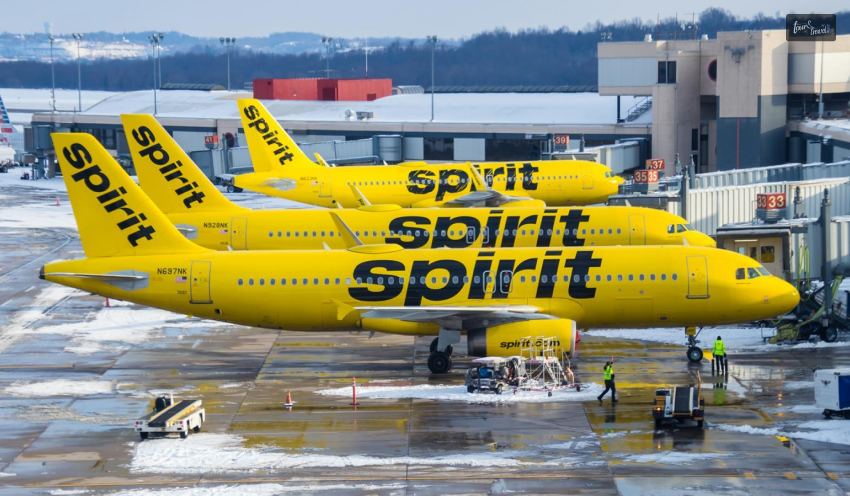
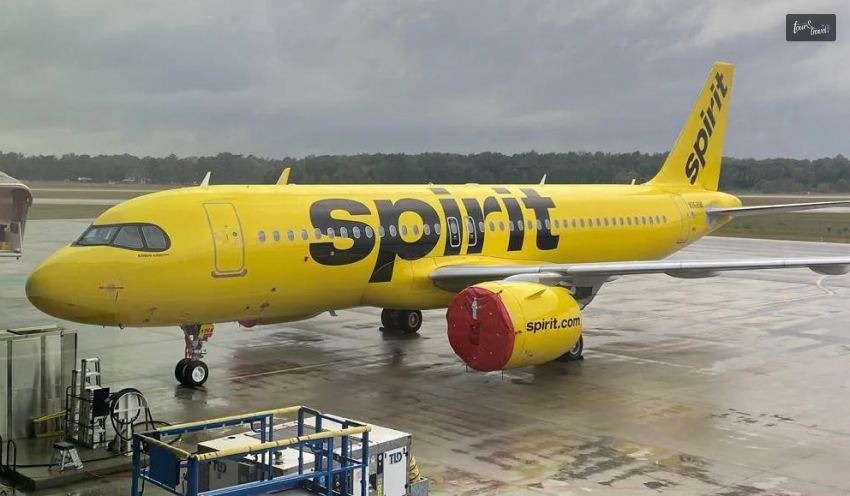
Spirit Airlines

Spirit Airlines is one of the most used airlines in the United States due to its low budget. The airline has been in operation for 20 years now, and it is one of the most convenient and affordable options for people trying to travel within a set budget.

The flights provide a comfortable experience for all the passengers who book their flights with Spirit Airlines. The low-cost carrier ensures that all passengers are safe, and they try to provide excellent services. Due to the low cost, it is often asked how safe is spirit airlines.

In recent reviews of Spirit Airlines, there have been some questions regarding the safety of the airline’s services. People are asking is spirit airlines safe? The operations have been expanded over the years leading to certain customer satisfaction issues.

What Are Spirit Airlines?

What Are Spirit Airlines?

Spirit Airlines, inc. was founded in 1983 under Charter One Airlines, and operations commenced in 1990. The airline’s fleet size is 197 and covers 83 destinations in total.

Spirit Airlines is an ultra-low-cost airline and is a United States-based airline. The airline operates flights between Latin America, the Caribbean, and the United States. By 2020, Spirit Airlines had been identified as Northern America’s eighth-largest passenger airline.

Spirit Airlines is also the only largest low-cost carrier in North America; initially, it was quite in demand. However, with the passing years, there have been some serious concerns about the safety of the passengers.

Ownership

The company is owned by Delaware Corporation, which has been traded publicly on the New York Stock Exchange. Previously the organization’s headquarters was in Eastpointe; however, in 1999, it moved to Miranman, Florida.

In 2019 the company announced that it was planning to move its headquarters to Dania Beach, Florida; however, there has yet to be a confirmation.

Business Model

The business model of spirit airlines can be described as fee-based, where low ticket prices are used to reel customers in. However, the low price is only for the ticket you buy.

People ask why is spirit airlines so cheap? It is not. The ticket is priced less while the additional charges come from services such as snacks, water, carry-on bags, checked baggage, and seat selection.

Through the non-ticket revenue, the low-cost carrier acquires half of its total revenue per passenger. In a financial report for 2022, it was observed that Spirit Airlines have way more surprise fees that they do not disclose before you book a ticket.

Headquarters

Their headquarters are quite cheap, and neither do they invest in maintenance, leading to serious money saving. Apart from the surprise fees, the organization has integrated some strategies to say money, such as using a single family of aircraft.

Streamline training leads to a decrease in chain costs. A streamlined fleet will mean more effective service because the all-Airbus fleet is new hence, more efficient fuel use. The gates are used more than other airlines, leading to more flights in a day.

Services

The airline company has Free Spirit, a frequent-flyer program designed for flyers who frequent Spirit Airlines. The frequent flyers also have a three-tier program providing services for collecting qualifying points for frequent flyers.

These points can be utilized while booking flights in a calendar year. The airline uses an all-Airbus fleet with economy classes and big front seats. The airlines provide services in the form of customization, giving customers freedom.

In a single day, the airline operates around 500 flights, covering over 60 places in and around the Caribbean, U.S., and Latin America. Further services include Free Spirit points, a Spirit Savers Club, and a Free Spirit MasterCard.

Reviews On Spirit Airlines

Reviews On Spirit Airlines

According to the ratings on ConsumerAffairs, Spirit Airlines has been rated 1.1 out of 5 based on 114 reviews. 97% of the total reviews have been 1, which shows the significant dissatisfaction of airline customers. Are spirit airlines safe is a valid concern for passengers.

Even after being a low-cost carrier, people are dissatisfied with the services and the financial requirements. Customers have cited refund issues, extra charging for handbags and checked baggage, complaints against staff for rude behavior, etc.

Another review on FlightDeck gives a 3.5 out of 5 for Spirit Airlines based on expensive additional baggage fees, additional charges for all aspects of travel, and poor customer service. So to answer is spirit airlines safe? The verdict is still pending.

How To Know If An Airline Is Safe?

Passengers’ first concern when selecting an airline is always safety. Even though it can be challenging to gauge an airline’s level of safety, there are numerous resources available that provide useful details about the company’s track record and dependability.

Examining its safety record is one method to obtain credible proof. You can evaluate the number of significant incidents that have happened as well as how the airline handled them by looking at actual statistics and data.

Additionally, observe the carrier’s safety procedures and policies to determine whether they adhere to international aviation standards. For the benefit of its member airlines, the International Air Transport Association (IATA) established certain safety guidelines for air travel. To make sure it complies, you can do a little research. That may serve as a gauge for how much an airline values safety.

In addition, you are required to heed any safety briefings and adhere to the airline’s safety instructions. Have faith in the crew and flight attendants. They are skilled at what they do. Leave your possessions behind in an emergency; the safety of you and others should always come first.

It takes research and analysis to determine whether an airline is safe. When deciding which airlines to trust with your travel arrangements, you can feel more confident if you take the time to compare and assess.

How Does Spirit Airlines Compare To Others?

American airline Spirit was established in 1980 with a focus on low-cost travel. With its main office located in Miramar, Florida, the airline offers affordable flights to various US destinations. It serves international flights to Europe and the Caribbean in addition to domestic flights.

Spirit’s business model is built around the no-frills approach, meaning that extras are not included in the goal of providing an inexpensive travel service. Reduced amenities such as meals, in-flight entertainment, and checked baggage add up to a significantly cheaper total.

As a result, Spirit Airlines offers significant savings if you’re ready to give up some luxuries. Prepare yourself by packing light, bringing food, and purchasing tickets in advance to avoid extra fees. But if you’d rather have a more comfortable experience, you can also opt to pay for extras like snacks or more legroom.

Controversy

Spirit Airlines Controversy

There have been issues in the form of massive cancellations. 2018 on May 7th, the airlines canceled 300 flights in a day. It led to 30000 stranded passengers only because there was a shortage of pilots.

Further, on May 8th, 180 flights were canceled, one of the highest numbers of canceled flights by a carrier. The refund amount crossed $60 million, which is a significant impact on their profitability.

Safety Issues

Spirit Airlines Safety Issues

There have been some serious issues concerning safety. Not just because it is a low-budget carrier but also because there have been experiences informing that the staff and the pilots’ low wages impact their behavior and performance. Has spirit airlines ever crashed? Yes it has.

The carrier has had brutal accidents over the past years, confirming the passengers’ fear. One of the notable incidents was the Flight 587 crash in 2001. 260 people aboard were killed, while 5 people on the ground were dead shortly after the flight took off from JFK Airport, New York.

Other crashes by the same airlines have been fatal, leading to the death of 275 people. Based on the reviews, people who have had the experience of traveling by Spirit Airlines do not consider the experience of flying via Spirit Safe.

Conclusion

Read this article if you plan on booking Spirit Airlines for travel and what issues you might face in the process. Before you ask is spirit airlines safe, you should know the cons to decide whether to proceed with the bookings?

Please let us know if you have used Spirit Airlines in the comments below about your traveling experience.

Read Also:

Share on Social Media

Sagnika Sinha is a content writer who is passionate about writing travel vlogs, entertainment and celebrity articles and literature-based pieces. With a 4 years experience in teaching, she loves reading books. A procrastinator by nature, she loves travelling, listening to music, planting and gardening.

Leave a Reply

Your email address will not be published. Required fields are marked *

title-img Related

READ MORE lisbon to algarve

Lisbon to Algarve Distance: Know The Best Ways To Travel And More 

BY  Sibashree May 31, 2025

The Algarve tourism industry is an important contributor to the country’s overall economy. It welcomed 5.2 million tourists in 2024, and its beautiful beaches and historical places attract a wide range of visitors from the United States, United Kingdom and Spain. Further, like the Lisbon to Porto journey, the Lisbon to Algarve journey also offers the best scenic views and the most comfortable journey.  So, let’s plan a trip by road, train, flight or bus! What Is The Lisbon to Algarve Distance?  The Lisbon to Algarve distance is around 252 km. Based on the mode of transport, it will take around 3-5 hours to cover this distance. What Is The Best Month To Visit Algarve From Lisbon?  May to June and September to October are the best months to visit the Algarve from Lisbon. Pleasant weather conditions and fun-filled beach activities make these seasons ideal for a visit to the Algarve. However, the weather conditions differ from one area in the Algarve to another.  What Is The Best Way To Travel From Lisbon To The Algarve?  The best way to travel from Lisbon to the Algarve is by the Alfa-Pendular train. You can also take the Intercidades to enjoy a scenic train journey. However, the other modes of transportation include buses, cars, and taxis.  Is There A High-Speed train from Lisbon to Algarve?  Yes, there is a high-speed train service from Lisbon to the Algarve. The high-speed Alfa-Pendular service runs from Braga to Lisbon and then to Faro in the Algarve. The train stops at Albufeira and other major destinations on the way.  How far is Algarve from Lisbon by train? 280 Kilometers  How long is the train ride from Lisbon to Algarve? 3 hours to 3 hours and 30 minutes  Lisbon to Algarve train cost: €22.15 to €31.40  Alfa Pendular (AP) trains run from Lisbon’s Oriente Station, and Faro is the last stop in the Algarve. Intercidades (IC) also run from Lisbon’s Oriente Station, and this station on Metro’s Red Line reaches Tunes, the first stop in the Algarve. The next stops are Albufeira, Loulé and Faro.  Two AP trains run from Lisbon to Algarve. You can take the morning train or the one in the afternoon. The first-class tickets from Lisbon to Faro cost €31.40, and the regular or second-class tickets cost €23.50.  The Intercidades ticket prices are €28.95 for the first class and €22.15 for the second class. Visit the cp.pt website for booking the ticket online. How Long Is The Bus Ride From Lisbon To Algarve?  The Lisbon to Algarve bus ride is around 2-4 hours long, based on the destination you want to visit. Furthermore, a dozen buses run everyday from the Sete Rios bus terminal in the Algarve, and these buses are run by companies such as Eva-Mundial Turismo, Renex, and Rede Expressos.  The duration of the journey from Lisbon To the Algarve by these buses depends on the location you want to visit. Places to Visit in the Algarve Duration of the Bus Journey Sagres 4 hours Tavira 4 hours Faro 3-4 hours Lagos 3 hours 30 minutes to 4 hours 30 minutes Albufeira 2 hours 30 minutes to 3 hours 30 minutes  You can also take a bus from the Oriente Station, and it is run by FlixBus. These buses go to the following destinations. Faro  Armação de Pêra  Albufeira  Portimão  Lagos  The bus ticket charges range between 5 to 20 Euros, and you can visit the FlixBus or rede-expressos.pt website to book the bus tickets online. Lisbon To Algarve Plane Ride  The distance between Lisbon and the Algarve by air is close to 135 miles. Further, a flight from the Lisbon airport will take around 3 to 3 and half hours to reach the Faro Airport in the Algarve. The cost of a flight ticket from Lisbon to Algarve will be around €80 to €450 based on the airlines you are flying with and the season of your visit. Lisbon To Algarve Day Trip By Car  If you want to enjoy the local landscape, meet the people at the local fishing villages, or indulge in the local delicacies, a day trip from Lisbon to the Algarve by car will be the ideal choice. However, the journey of 472.6 km between these two places will take around 5 hours and 50 minutes. Also, if you don’t have a car, you will have to pay for the car rental, charging, gas, etc. Do you want to know how much is a taxi from Lisbon To Algarve? Based on the location you are visiting, the charges will be between €300 and €550. Is Drive From Lisbon To Algarve Pretty?  Yes, the drive from Lisbon to Algarve is very pretty. You can take a coastal route if you want to explore the dramatic cliffs, beaches, and quaint fishing villages. On the other hand, you can take the inland routes that pass through beautiful towns, plains, and mountains. If you ask me about my silent favorite and what I have discussed with frequent travelers around Portugal, they all have recommended taking the coastal routes. Alentejo Coast is the biggest highlight of a coastal journey from Lisbon to the Algarve. Porto Covo and Nova de Milfontes are some of the most beautiful towns here. Moreover, you can visit coves and wild beaches here. Peninsula Beaches and the cliff along the Western Algarve are some of the other attractions here. Lisbon to Algarve Frequently Asked Questions (FAQs)  Here are some frequently asked questions and answers about the Lisbon to Algarve distance and modes of travel.  Can You Do A Day Trip to Algarve from Lisbon?  Yes, you can do a day trip to the Algarve from Lisbon. However, the journey by train takes around 3 hours (one way).Also, by car, it will take around 6 hours to reach the Algarve from Lisbon.Further, based on the location you want to visit in the Algarve, the travel time can be up to 8 hours.So, a day trip will be very hectic. Is 2 Days Enough In Algarve?  No, 2 days are not enough to explore the beauty and appeal of the Algarve. If you want to even touch the highlights of the place, you need at least 5-7 days.Coastal attractions such as Ponta da Piedade, and Benagil Cave, and historical places like Silves and Faro are some must-visit places in the Algarve.  Is Lisbon More Expensive Than the Algarve?  Yes, Lisbon, the capital of Portugal, is more expensive than in the Algarve. The services and leisure expenses are at least 20% higher in Lisbon compared to the Algarve.Furthermore, the cost of living is 40% higher in Lisbon than in the Algarve. Again, the housing cost in Lisbon is at least two times higher than the Algarve. Is Food Expensive In The Algarve?  No, food is not expensive in the Algarve, unless you're looking for a fine dining experience at a high-end restaurant.In fact, grocery shopping in the Algarve is cheaper compared to other Western European countries.Additionally, if you dine at a mid-range restaurant, the cost of a three-course meal for two will be approximately €50-60.The same cost will drop to around €11 if you eat at a budget restaurant. What Is The Best Way To Get From Lisbon To Algarve?  The best way to travel from Lisbon to the Algarve is by train. Alfa Pendular and other train services offer a scenic and comfortable train journey between these two places. The distance between these two places by train is around 302 km. Direct trains, such as the Alfa Pendular, cover the journey in 3 hours.On the other hand, Intercidade trains take close to 3.5 hours to travel from Lisbon to Algarve. What Is The Fastest Way To Get From Lisbon To El Algarve?  The fastest way to get from Lisbon to El Algarve is to take a flight to the Faro Airport.And then, you can take a train from the Faro Railway Station to explore the Algarve. In this context, you must know that Faro is the capital of El Algarve. What Is The Cheapest Way To Get From Lisbon to El Algarve?  The cheapest way to get from Lisbon to the Algarve is to take a bus. Companies such as Rede Expressos and FlixBus offer bus services between these two places.Furthermore, the cost of traveling from Lisbon to the Algarve is around 5 to 20 Euros. Is Algarve Worth Going To?  A charming Mediterranean climate, historical attractions and beautiful beaches make Algarve an important place to visit in Portugal. Further, here, you can indulge in the best Portuguese cuisine and wine. Also Read: How To Plan a Summer Trip To Zion: What’s New in 2025 Cabo Vs Cancun: Which One Is Better For The Ultimate Mexican Getaway? Tokyo To Hokkaido Distance: Know About Various Modes Of Transportation

READ MORE New Zealand

Luxuriate In Paradise: Unveiling The Pinnacle Of Luxury Travel In New Zealand

BY  Abdul Aziz Dec 28, 2023

New Zealand, an enchanting realm of natural wonders and cultural richness, beckons discerning travelers to experience luxury like never before. For those seeking a truly personalized journey, Custom Luxury Travel of New Zealand by Into the Vineyard offers the opportunity to tailor every aspect of your experience to match your unique preferences. Nestled in the southwestern Pacific Ocean, New Zealand is renowned for its breathtaking landscapes, from snow-capped mountains to pristine beaches.  In this article, we embark on a journey through the epitome of opulence in New Zealand, exploring exclusive resorts, fine dining experiences, and bespoke adventures that elevate luxury travel to new heights. 1. Exquisite Accommodations and Resorts: 1.1 Huka Lodge – Taupo's Riverside Retreat Located along the banks of the Waikato River, Huka Lodge offers a retreat into nature, where the soothing sounds of the river complement the tranquility of the surroundings. Private cottages, each a haven of elegance, provide a seamless blend of comfort and luxury. With spacious interiors, outdoor hot tubs, and bespoke furnishings, guests find solace in opulent seclusion. The culinary experience at Huka Lodge is a testament to New Zealand's gastronomic prowess. Locally sourced ingredients take center stage, paired with an extensive selection of fine wines, creating an unforgettable dining journey. Duration: Flexible depending on stay Price Range: $1,500 — $3,000 per night 1.2 Eichardt's Private Hotel – Queenstown's Lakeside Gem Eichardt's Private Hotel, an embodiment of Queenstown's charm, seamlessly blends historic charm with contemporary luxury. Situated on the shores of Lake Wakatipu, it offers unparalleled views of the lake and surrounding mountains. Exclusive suites, meticulously designed for comfort and sophistication, feature lakefront balconies, plush furnishings, and personalized concierge services, ensuring a stay tailored to the individual needs of each guest. Indulge in a private chef's table experience at Eichardt's, where culinary artistry meets the freshest local produce. The menu is a celebration of New Zealand's diverse flavors, complemented by a curated selection of wines. Duration: Flexible depending on stay Price Range: $1,800 — $4,000 per night 1.3 The Lodge at Kauri Cliffs – A Golf Retreat in Northland Set amidst 6,000 acres of pristine landscapes, The Lodge at Kauri Cliffs is a sanctuary for those seeking both golfing excellence and luxurious accommodations. Lavish suites, each offering panoramic views of the Pacific Ocean and the Cavalli Islands, provide an idyllic setting for relaxation. The interiors exude sophistication, with attention to detail in every element. Helicopter excursions from the lodge allow guests to explore the nearby Bay of Islands and visit renowned wineries, creating bespoke adventures that complement the exclusive offerings of The Lodge at Kauri Cliffs. Duration: Flexible depending on activities Price Range: $2,000 — $5,000 per night 2. Gastronomic Delights: 2.1 Amisfield Winery – Queenstown's Culinary Haven Amisfield Winery, perched on the shores of Lake Hayes with the Remarkables as a backdrop, offers an immersive culinary experience amidst breathtaking scenery. Exclusive wine and dining experiences include private tastings guided by knowledgeable sommeliers. The degustation menus showcase the best of New Zealand's seasonal produce, ensuring a sensory journey through the region's flavors. The emphasis on farm-to-table dining at Amisfield underscores the commitment to sustainability, providing guests with not only a luxurious experience but also a connection to the region's culinary heritage. Duration: 2–3 hours for a dining experience Price Range: $200 — $500 per person 2.2 The French Café – Auckland's Michelin-Worthy Cuisine The French Café in Auckland stands as a culinary beacon, offering an intimate and sophisticated atmosphere for those seeking exquisite French-inspired cuisine. The curated menu is a testament to the chef's artistry, featuring locally sourced ingredients transformed into culinary masterpieces. The extensive wine list complements the flavors, with a focus on New Zealand's finest vintages. Impeccable service and an ambiance of understated elegance make The French Café a destination for discerning gourmands, where each dish is a symphony of taste and presentation. Duration: 2–3 hours for a dining experience Price Range: $250 — $600 per person 2.3 Hippopotamus – Wellington's Fusion of Art and Cuisine Nestled within the Museum Art Hotel, Hippopotamus in Wellington is a culinary gem that seamlessly blends artistry with gastronomy. The French-inspired cuisine at Hippopotamus takes on a Kiwi twist, featuring locally sourced ingredients. The result is a menu that reflects the diversity and richness of New Zealand's culinary landscape. The panoramic views of Wellington's harbor and city skyline provide a picturesque backdrop to the dining experience, making Hippopotamus a unique destination where art, ambiance, and cuisine converge. Duration: 2–3 hours for a dining experience Price Range: $220 — $550 per person 3. Bespoke Adventures: 3.1 Fiordland Helicopters – Milford Sound Aerial Escapade Fiordland Helicopters offers an unparalleled aerial escapade over the majestic landscapes of Fiordland National Park, a UNESCO World Heritage Site. Soar over cascading waterfalls, rugged cliffs, and the iconic Milford Sound, immersing yourself in the grandeur of nature. Personalized itineraries include alpine landings and gourmet picnics in remote, picturesque locations. The helicopter experience transforms a journey into an adventure, providing an exclusive perspective of New Zealand's natural wonders that few have the privilege to witness. Duration: 2–3 hours for the helicopter tour Price Range: $1,200 — $2,500 per person 3.2 Wharekauhau Country Estate – Wairarapa's Countryside Retreat Wharekauhau Country Estate, set against the backdrop of the Wairarapa region, invites guests to immerse themselves in a luxurious countryside retreat. The estate offers bespoke experiences, from horseback riding through the expansive grounds to private farm tours. Helicopter excursions unveil the rugged Wairarapa coastline and provide access to nearby wineries. Activities such as fishing, archery, and bird watching are tailored to individual preferences, ensuring that each guest can curate their own adventure in the picturesque landscapes surrounding Wharekauhau. Duration: Flexible depending on activities Price Range: $1,500 — $4,000 per night 3.3 White Island Volcano Adventure – Rotorua's Geological Marvel Embark on a private helicopter journey to White Island, an active marine volcano off the coast of Rotorua. Guided tours on the island explore the otherworldly landscapes of sulfur vents and volcanic craters, providing a unique blend of geological marvels and luxury travel. A gourmet picnic on the island's shores adds an element of indulgence to this adventurous experience, making the White Island Volcano Adventure a harmonious fusion of luxury and the raw beauty of nature. Duration: 4–6 hours for the helicopter tour and island exploration Price Range: $1,800 — $3,500 per person Conclusion New Zealand, with its diverse landscapes and rich cultural heritage, has firmly established itself as a haven for luxury travelers seeking unparalleled experiences. From secluded riverside lodges to culinary masterpieces and bespoke adventures, the country provides a tapestry of opulence that harmonizes with its natural beauty.  Whether soaring over majestic fiords or indulging in fine dining overlooking pristine lakes, luxury in New Zealand transcends expectations, inviting travelers to immerse themselves in a world where every moment is a masterpiece of refinement and beauty. Read Also: This Is The Best Time To Visit Iceland & These Are The Things You Should Do! Top 12 National Parks In Florida That You Must Visit Is Machu Picchu Closing In 2023? Know It All Here!

READ MORE Gates of the Arctic National Park

Explore Human History And Wildlife With Backcountry Camping In Gates Of The Arctic National Park

BY  Sibashree Aug 12, 2024

Gates of the Arctic National Park is where the Brooks Range and the Tundra landscape come to life with wilderness and vivid topography. This national park is a place of topographical diversity with the coexistence of mountains, glaciers, rivers, lakes, and marshy lands.  A home to nomadic people for more than 13,000 years, the Gates of the Arctic is a prominent example of how human lives can be dependent on wilderness or nature. Many visitors love backpacking and trekking in this national park. Further, many stay in camps in the backcountry to experience its rich wildlife despite the challenges. Do you want to know why camping in the backcountry is worth the hardship? Does the national park have camping sites? Find the answers to all your questions in this guide.  Knowing The Gates Of The Arctic National Park (Why Camping Here Is A Great Experience) The Gates Of The Arctic National Park is a paradise for wilderness travelers. The intriguing land of Tundra, embraced by jungles, mountains, and rivers, makes camping in the backcountry worth all the effort.  Gates Of The Arctic Geography You can explore the arctic geography of this national park by trekking or by air. Tundra peaks and the Schwatka Mountains region of the Brooks Range ensure a humbling experience. You trek to Mount Igikpak, a glacier-carved peak with an 8,510-foot elevation. Another mountain to have glaciers in this region is Mount Arrigetch. Even backpacking and trekking to Mount Doonerak have a distinct charm, as the mountain is the quintessence of wilderness and unadulterated beauty.  Further, this national park has six designated wild rivers. Those are: Alatna River John River Kobuk River Noatak River North Fork of the Koyukuk River Tinayguk River Alatna and Noatak are great for canoeing. If you want more adventurous pursuits, you can try rafting in Nigu (to the north) and Kobuk (to the west).  Gates Of The Arctic Wildlife  The Gates of the Arctic is home to many mammals and birds. The Alaska Department of Fish and Game says,   “Forested southern foothills rise to limestone and granite peaks more than 7,000 feet high in this remote wilderness park. North of the peaks, clear water rivers run through glacier-carved valleys; and Tundra, covered with wildflowers during the brief northern summer, stretches toward the Arctic Ocean. Many of the nearly 500,000 member Western Arctic caribou herd migrate through the park each fall. Brown and black bear, wolf, Dall sheep, lynx, moose, wolverine, and red fox live here year-round. In the spring, the park hosts migratory birds from Europe, South America, Asia, tropical archipelagos, and the continental U.S.” Other animals found in this national park are grizzly bears, Dall sheep, and musk oxen. Among the birds, Tundra swans, common loons, and golden eagles are the most common.  Further, if you enjoy the playfulness of aquatic animals, watch out for graylings, trouts, sheefish and salmon.  Gates Of The Arctic And Human History  The Gates of the Arctic is a prominent place for archaeological research. The study and interpretations of the museum collections depict how people have been surviving in the Brooks Range for around 13000 years now.  Along with Inupiat, Nunamiut, and Athapaskan descendants, you will also find many non-native Alaskan people in this region. These people have always been dependent on fishing and hunting. The wilderness of the Gates of the Arctic is the foundation of their livelihood.  What Is The Best Camping Near Gates Of The Arctic National Park? With marshy lands and tussocks, Arctic Tundra has a vulnerable landscape and it is difficult to find a steady spot for setting up camps or tents. Also, the existence of wildlife in a remote location and dense vegetation make the space unsuitable for camping.  So, there is NO CAMPING SITE in the Gates of the Arctic National Park. There are designated areas in the backcountry for camping. However, you will have to strictly adhere to the rules and regulations of the national park when putting up a tent.  You must also attend the orientation program and be particular about the gear, food, and safety essentials to be carried.  With permission from the park authority and the National Park Service, you can set up tents near the Arctic Interagency Visitor Center in Coldfoot or around Wiseman and Bettles communities.  However, while camping in the backcountry, you will have to keep the following factors in mind.  Be respectful to the local communities like the Koyukon Athabascan Indians or Nunamiut. Their livelihood depends on the wilderness.  There are no provisions for running water, a dump station, or restrooms. Your phone network will be unavailable in this location. You have to carry all your trash back as you leave the camping site. You cannot adulterate the pristineness of the location.  If you have plans for camping in the backcountry near the Gates of the Arctic, summer is the best season. The temperature is a little moderate on these days, and sunnier days make all outdoor pursuits in the park easier for you.  Did You Know?  The Gates of the Arctic National Park is the second-largest national park in the USA. It stretches over 13,000 square miles. You can see aurora borealis from this park if you visit between November and March.  July and August are the best months to visit Gates of the Arctic National Park for hiking and backpacking.  Bob Marshall, a wilderness advocate, named this national park “Gates of the Arctic.” Final Words  Unlike popular national parks like the Biscayne National Park or the Kenai Fjords National Park, the Gates of the Arctic National Park does not have many visitors yearly. In 2023, only 11,045 tourists flocked to this place. (Source) With a diversity in topography and wildlife and an association with human history, this park has much to explore. However, the extreme trekking conditions and wilderness make it far from an easy excursion or trekking experience. Despite the absence of campgrounds in this park, you can camp in the backcountry at the designated spots in the fields. However, only an experienced backpacker should try it with proper orientation and extra safety measures. Have you ever been to this wild and intriguing national park? Do you have any camping experience in the backcountry? Don’t forget to share your experience with us!  Gates Of The Arctic National Park FAQs  Can You Camp In The Arctic National Wildlife Refuge? Only backcountry camping is possible in the Arctic National Wildlife Refuge. The absence of roads, villages, or facilities makes this area unsuitable for having designated campsites. Backpacking and hiking are the best ways to explore this vast landscape with rich wildlife and geographical interests.  Can You Stay In Gates Of The Arctic National Park? You can stay or try backcountry camping near the Gates of the Arctic National Park. Undefined terrains, wilderness, and a lack of modern amenities make it risky to put up camps in the national park. Even to camp in the backcountry, you will need the highest outdoor survival skills. The arctic ecosystem, topography, and weather conditions are different, and if you are confident enough to stay in the backcountry, plan in advance and get in touch with the Park and Preserve authorities for updates and advisories.  How Much Does It Cost To Visit The Gates Of The Arctic National Park? You don’t have to pay entry fees to visit the Gates of The Arctic National Park. However, you must attend the backcountry orientation program at any of the visitor centers.  In this way, the Gates of The Arctic National Park is different from other national parks as most of them demand an entrance fee.  How Difficult Is It To Get To The Gates Of The Arctic National Park? The Gates of the Arctic is a wilderness park. So, as you enter the park, hiking is the best way to explore. Remember, it is home to the Schwatka Mountains region of the Brooks Range and the highest peak here is Mount Igikpak with an 8,510-foot elevation.  So, exploring the national park is not going to be a cakewalk. A lack of established trails further makes hiking difficult.  Further, there are six designated rivers, including Koyukuk and Dietrich, in this national park. So, you will have to pass through multiple meandering river crossings. The water levels of these rivers keep fluctuating throughout the season. They are furious throughout the spring season. Tussocks, marshy lands and dense vegetation are other hurdles to your fast movement while trekking.  Do you want to visit the backcountry? You can take a bush plane operated by permitted pilots with knowledge of the region.  What Is Special About Gates Of The Arctic? The Gates of the Arctic is special because of its geographical uniqueness, rich wildlife, and significance in human history. The glacier-carved valleys, rivers, and ancient trails make the Gates Of The Arctic a favorite destination for backpacking and hiking. Thanks to its geographical typicalness, you will meet many animals and birds. The adorable grizzly bears will be seen feeding, and the musk oxen are another unique animal you must watch out for. If you are a birder, you will love watching the golden eagles, Tundra swans, or common loons.  Near the Nigu River or throughout the park, you will find stone fences and camping rings. These are a testament to how Inland Eskimos or Nunamiut have lived in this region for thousands of years. They survived on fishing and hunting.  In addition, as I pen this guide, I must tell you that the Gates Of The Arctic National Park is going to celebrate its 45th anniversary of designation next year. First, it became a national monument on 1st December 1978. In 1980, it became a national park and preserve. Also read Italy: Is Florence flat or hilly? Ultimate Guide to Your Next Family Vacation in Israel. The Glaciers of Wrangell-St. Elias National Park: Experience The Magnificence Of Nature.