Want to know about the best hotels in Mexico City? Was your last experience difficult? Not to worry!
I have made a list of 25 of the best hotels in Mexico City, where you can experience luxury, art, beauty, comfort, accessibility, aesthetics, and adventure.
It’s one of the most populated areas in the world, with the second-highest number of museums!
Please read the article to learn about the best hotels in Mexico City and what your budget should be for it!
Here Are The 25+ Best Hotels In Mexico City
If you visit Mexico City, you’ll want accommodation that offers the amenities you need and meets your requirements.
I have listed hotels near some of the best places in Mexico City for travelers.
For example, Coyoacan is an artsy, modern village; you must visit it. So, I will name some of the best hotels you can book to access the village.
The village offers a sense of traditional experiences.
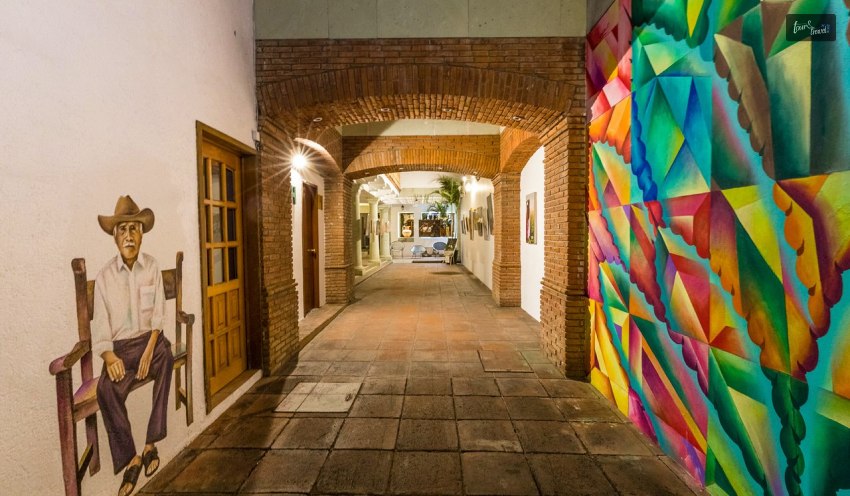
Also, when you visit the hotels, you will notice that Mexico City is big on art and beauty, as many hotels display art such as paintings, sculptures, and more.
So you’re wondering where to stay in Mexico City?
About Mexico City
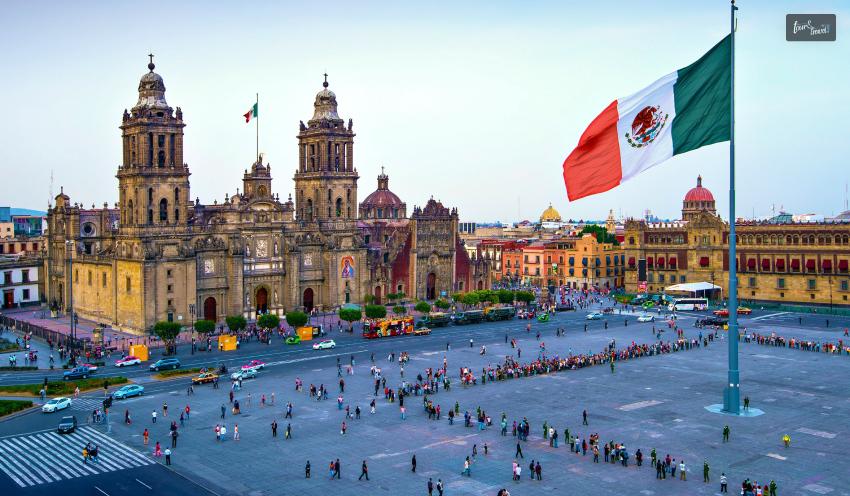
Mexico City is known for significant features such as the Frida Kahlo Museum, El Zocalo, Chapultepec Castle, Palacio Nacional, and more!
So when creating the list of best hotels, it is important to consider these attractions.
The city has historical and cultural connections through its buildings and diverse ethnicity! Visiting Mexico City can also be because you have some work or business opportunities.
I will include some hotels that are the perfect backdrop for the meeting or conference.
Best Hotels In Mexico City
The name Mexico City means “the navel of the moon,” and it has many beautiful castles, buildings, and places. It also boasts some monarchic buildings you must visit when you visit the city!
I am shortlisting the 25 best hotels in Mexico City based on their services, accommodation amenities, affordability, and accessibility.
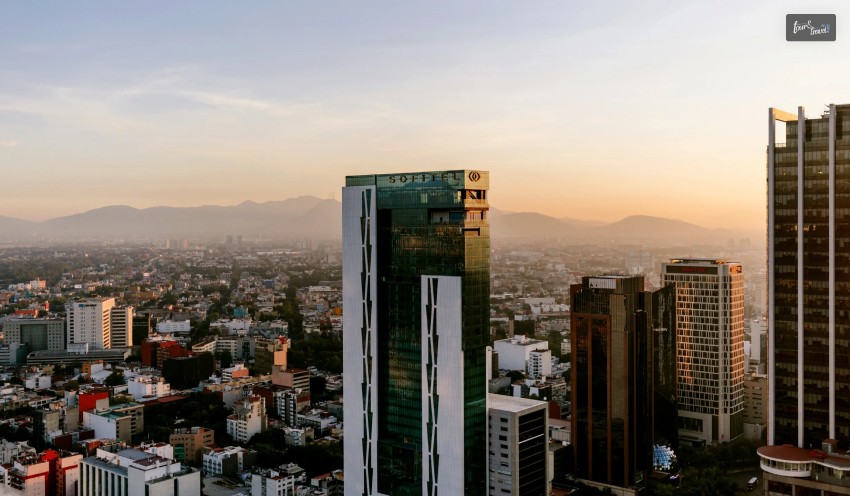
1. Sofitel Mexico City Reforma
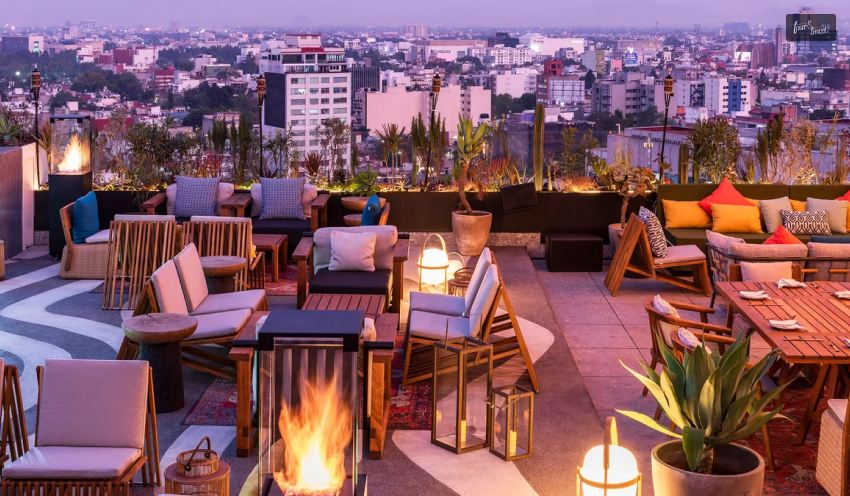
Want to eat and look over the sweeping panoramic vistas of Mexico City? The Sofitel Mexico City Reforma gives you just that! A Five-Star hotel, it is one of the best in the country.
As a French luxury brand, the hotel offers luxurious amenities and style, along with some of the city’s best services. They have built a strong name for themselves and offer some of the city’s most breathtaking views.
The hotel has a rooftop restaurant where you can reserve a table for lunch, enjoy an amazing breakfast, and take in beautiful city views! Rooms are $428.64 per night.
2.Sheraton Mexico City Maria Isabel Hotel
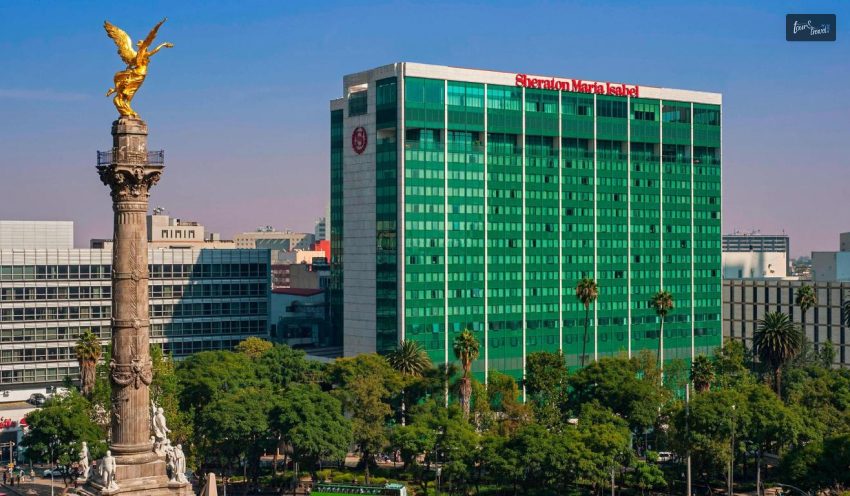
The location is the most convenient if you book the Sheraton Mexico City Maria Isabel Hotel, based on Paseo de la Reforma.
That way, you can easily catch an Uber or walk if your destination is nearby. On a tight budget, you can book a room for $126.74 per night!
You will get free Wi-Fi, comfortable rooms, and a fantastic city view, including the iconic Angel of Independence.
The rooftop pool has an even better feature. When I stayed there, it was mostly empty!
You will get a healthy breakfast, a restaurant, and a coffee shop. If you are body-conscious, you need not worry. The hotel has an on-site gym!
Meeting rooms and facilities will allow you to host conferences and special events. You need to book it in advance, though!
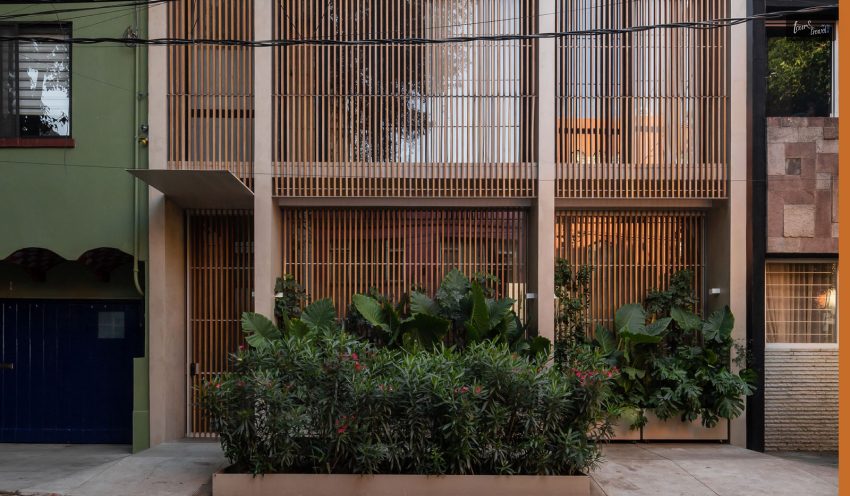
3. Octavia Casa
The retreat has been crafted by fashion designer Roberta Maceda, who has expanded her business along with the Octavia clothing line.
You can also shop from the clothing line when you book this hotel. It is one of the best Mexico City hotels!
If you consider buying that button-up crisp shirt, this is your chance.
The home is perfect for a group holiday, with cotton-satin bedding, homeware, and other beautifully designed interiors.
The price of the beautiful home starts from $422.42, and there is delicious food and drink!
4. Le Meridien
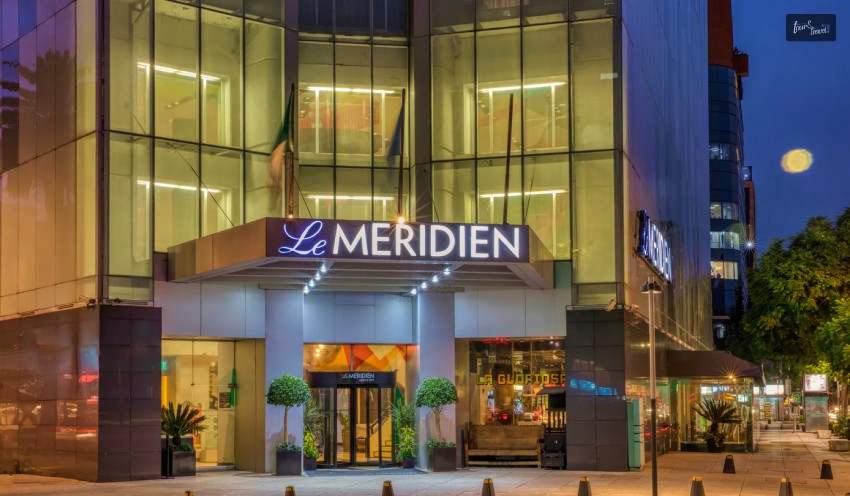
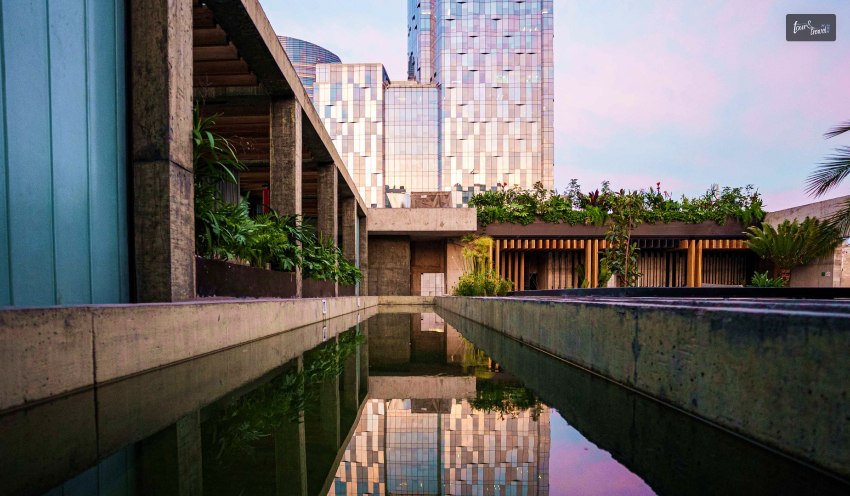
If you are attracted to modern design and architecture, this is for you! The Le Meridien Mexico City is a Marriott property situated along Paseo de la Reforma.
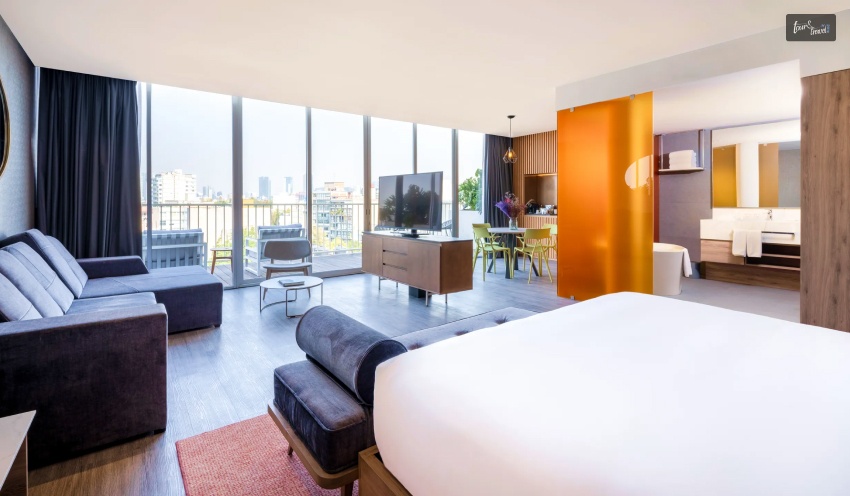
The rooms are quite large, almost apartment-sized, with windows extending from floor to ceiling!
The large suites include a separate living room with a giant television set, a large sofa, a desk, and a chair! This creates a workspace for you!
You will also get free Wi-Fi. The room per night costs around$125.07.
There is an indoor swimming pool and a jacuzzi where you can relax and rejuvenate.
The hotel also has a gym downstairs, which is a great option for people who regularly work out!
The Mexican restaurant connected to the restaurant offers amazing delicacies; you must take advantage of it when you visit!
5.Casa Polanco
The Casa Polanco Hotel Boutique charges $496.80 for a room for one day, and the surroundings are so beautiful that you’ll feel like you’re in a timeless, unique space.
The staff is well aware of guests’ needs.
Most visitors to the hotel are quite sophisticated. Hence, the rooms are well-furnished.
You can access different places in Mexico City from the hotel, such as Mariano Escobedo, Paseo de las Palmas, and Paseo de la Reforma.
The hotel offers several services to enhance your stay, including free parking, free breakfast, couples massage, bicycles, a fitness center, and more.
It is one of the best places to stay in Mexico City!
6. Volga
A luxury hotel, Volga Hotel opened in June 2023 and has already made a name for itself with its urban yet soothing room experience.
The rooms feature a skylight and a sleek design.
The rooftop terrace has a music stage, cabanas, and loungers, so you can chill out or even bring your laptop and work!
A bar is in the works, based out on the terrace. Room prices start from $839.85per night!
7.Mondrian Mexico City Condesa
The Mondrian Mexico City Condesa is located at the crossroads of two of the most popular neighborhoods, Condesa and Roma.
If you want to have the most alluring views while staying in a hotel, this is the hotel you should book your room in!
The hotel has 183 rooms and 18 luxury suites! The hotel charges $169.11 for one room per night. You will get free Wi-Fi, private parking, and access to the fitness center.
8.La Valise
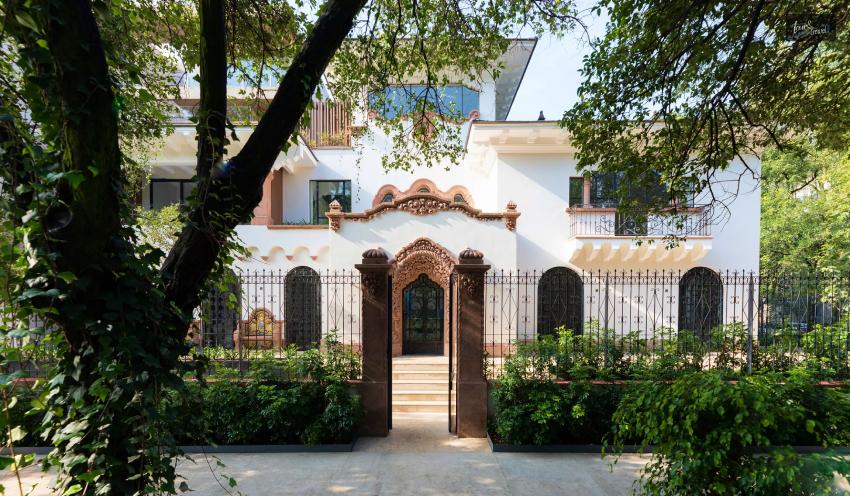
A luxury hotel, La Valise is a 1920s French-style townhouse situated in Roma Norte. I can assure you that it is one of the most intimate luxury hotels in Mexico City. The price of the rooms starts at $459.87 per night!
Three rooms are available in La Valise: La Terraza, La Luna Suite, and El Patio Suite. The suite called La Terraza allows the guests to sleep under the stars as well as a king-size bed.
It also includes a private terrace. The hotel is beautiful in design, aesthetics, and architecture.
You can book the hotel if you are planning on a romantic getaway! Book it fast; there are only three!
9. Casa Prim
This family-owned hotel is also a gorgeous small boutique that offers a luxurious experience.
Rooms are $115.96 per night, so if you are on a tight budget but still want to feel luxurious, this is your moment!
It is one of the city’s top hotels, with historic architecture and design. As a guest, you will experience a positive stay with thoughtful, supportive amenities.
For example, the room includes free toiletries, bathrobes, a wardrobe, and a coffee maker.
You can also access free Wi-Fi and room service in this hotel! Complimentary breakfast is included, and the location gives you easy access to Paseo de la Reforma and Roma Norte.
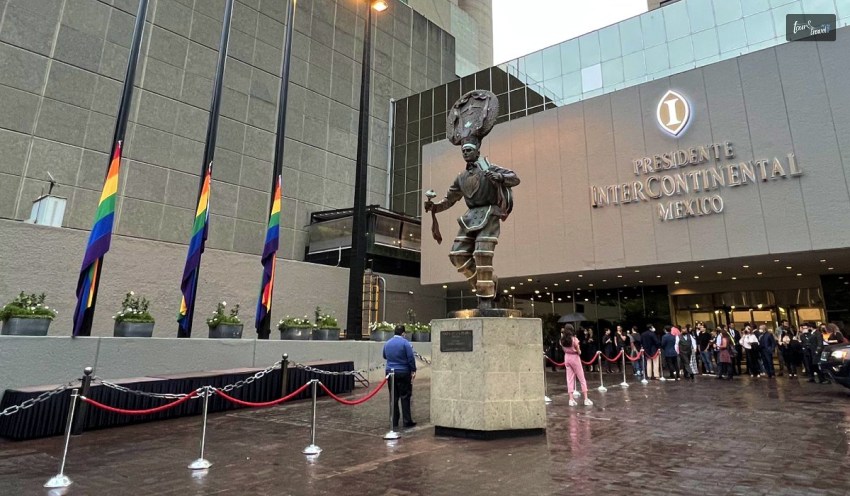
10. Intercontinental Presidente Mexico City
It is one of the most popular business hotels in Mexico City, where business travelers and conference attendees go!
Seminars and workshops are a major part of guests’ itineraries at the Intercontinental Presidente Mexico City!
If you book a room in this hotel, you will be charged $273.80 per night! The hotel hosts many bars and onsite restaurants! If you’re a fitness freak, you can access the spacious fitness center and health club.
The hotel is pet-friendly. Very few of those are there in Mexico, so if you are a dog or a cat lover, you know which hotel to book!
If you are lucky enough, you can get rooms that give you a view of the National Museum of Anthropology and Chapultepec Park.
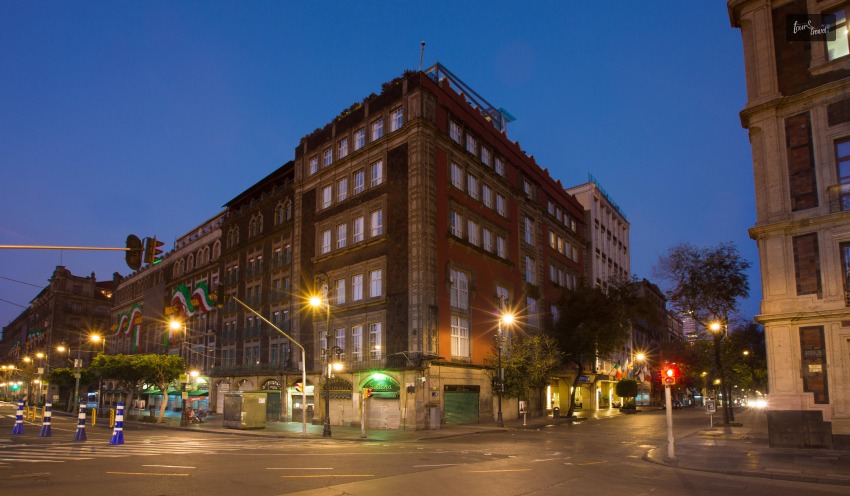
11.Zocalo Central Hotel
The terrace restaurant at Zocalo Central Hotel offers an incomparable view. If you are visiting Mexico City for a good time, you must book rooms in this hotel to enjoy lunch or a drink.
One of the best views you can access from this hotel is the Mexico City Metropolitan Cathedral. If you book rooms at the hotel, you must pay $152.12.
Your stay will be charming, especially with kitchenettes in the rooms.
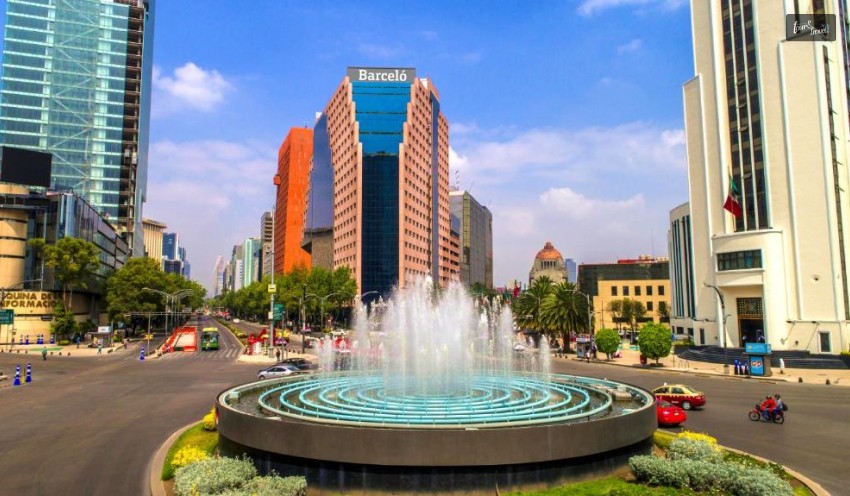
12.Barcelo Mexico Reforma
The hotel is considered one of the best hotels in Mexico City, where the starting price of the rooms is $133.02.
The hotel is located on Avenida Paseo de La Reforma and provides Wi-Fi, a fitness center, conference facilities, a business center, a bar, and others.
13. Four Seasons Mexico City
The hotel is one of the Five-star luxury hotels in Mexico City, and if you have the moolah, do not miss your chance to stay in this hotel.
It is undeniably one of the best luxury hotels in the city. Room rates start at $603 per night!
As a guest, you will enjoy comfortable suites and guest rooms for a private retreat, with free Wi-Fi, 24-hour room service and in-room dining, a private bar, and luxury bath products.
You will also get a rooftop outdoor pool and a fitness center!
The hotel has two restaurants: Becco, which specializes in Italian cuisine, and Pan Dulce, which serves French pastries and traditional Mexican food.
There is also a gastro bar, Fifty Mills, one of the city’s best!
If you are looking for rejuvenation, you can avail yourself of the Mexico City-type luxury spa in the hotel. Gentlemen’s Tonic is an English-style barbershop hosted by the hotel.
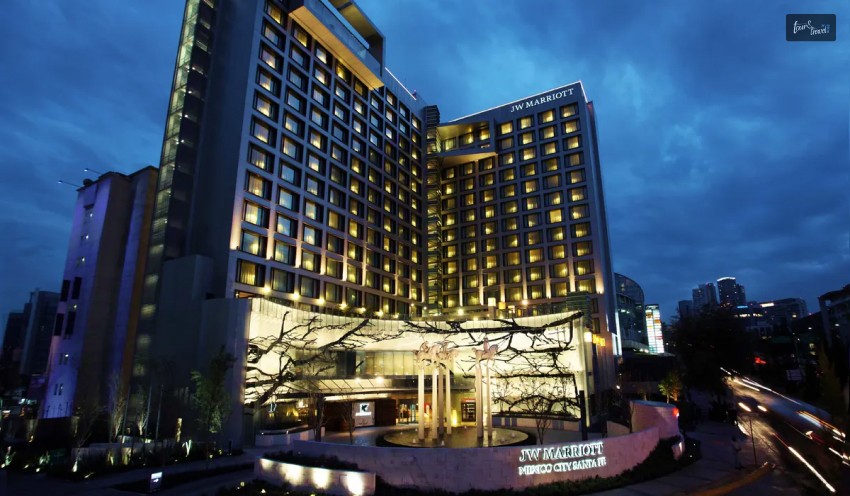
14.JW Marriott Hotel Mexico City
If you are a Marriott Bonvoy member and want to experience a luxurious stay, you can book JW Marriott Hotel Mexico City.
You will love the hotel; it combines modern style and classic luxury. Plus, guests can review the hotel’s features.
The hotel offers spacious rooms with all the amenities you need. Rooms are $439.08 per night and offer a spectacular view of the city.
The hotel offers attentive staff, a health club, a large pool, and fine dining options.
The hotel caters largely to business travelers, and guests can also access Polanco’s restaurants and shops.
15. Andaz Condesa
Andaz Condesa opened in January 2023, and rooms are priced at around $307 per night.
It is one of Mexico City’s beauties, with its magenta mirrored escalators and neo-lit cacti at the hotel’s entrance.
The hotelis furnishings feature blonde timbers, which contrast with the pastel velvet-covered seating and decor-esque curves.
There is a terrace where you can hang around with delicious food such as tacos and seafood.
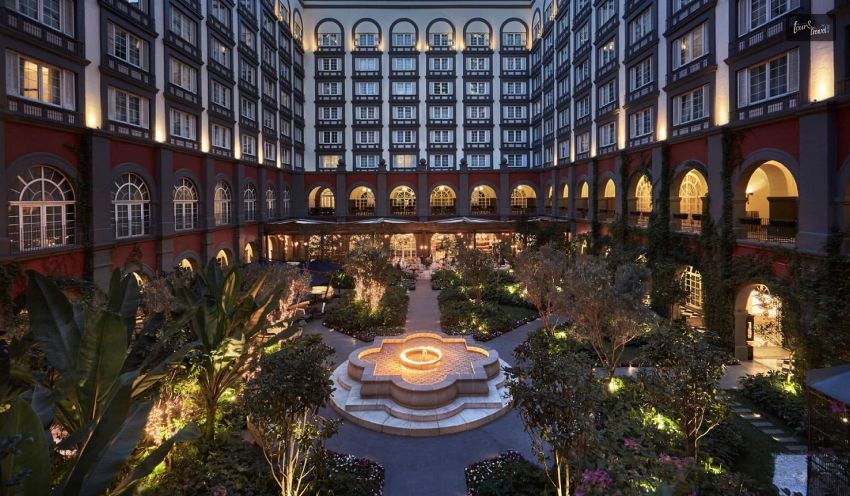
16.Gran Hotel Ciudad De México
The hotel is very classy, with an ornate design and a beautiful interior that gives off a luxurious vibe, even at a lower price.
Room prices start at $174.09 per night. So it can be affordable if you have a set budget.
The hotel has a Tiffany stained-glass ceiling, giving a stunning feel for a Five-Star hotel, even if it isn’t one. The rooms are quite spacious and offer a beautiful view of the city!
17. Courtyard By Marriott Mexico City Airport
Courtyard By Marriott Mexico City Airport has a restaurant and fitness center and is considered one of the best hotels in the Mexico system. The hotel also provides free airport transportation.
The hotel charges $131.13 for one night. There is housekeeping, and the rooms are completely soundproof!
18. The Red Tree House
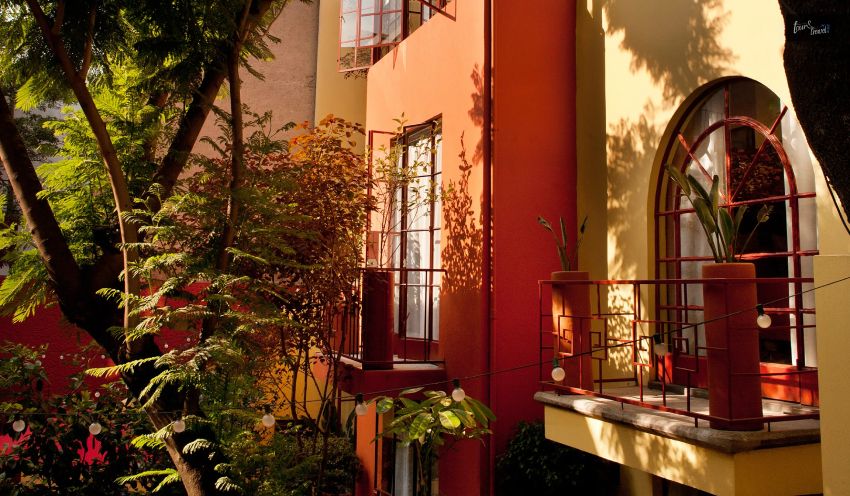
This beautiful home, with 1930s style, has been turned into a classy house decorated with art and paintings.
If you are a global traveler, this place is for you! The beautiful home has rooms of all shapes and sizes, with 22 rooms.
This boutique hotel is perfect for people who want to socialize and enjoy their social lives! With an attractive garden courtyard, the hotel is ideal for artsy guests!
You can try local dishes such as soups made of fried corn flour shells accompanied by refried beans, cheese, and onion. The room costs around $150.38 and offers a beautiful view.
19.Hostel Barrio Downtown
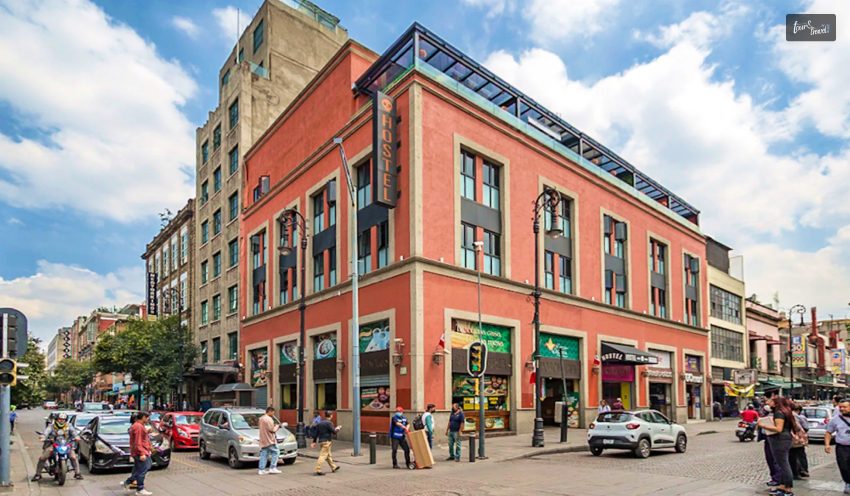
One of the best hostels in Mexico, Hostel Barrio Downtown is an attractive hostel for people with a low budget!
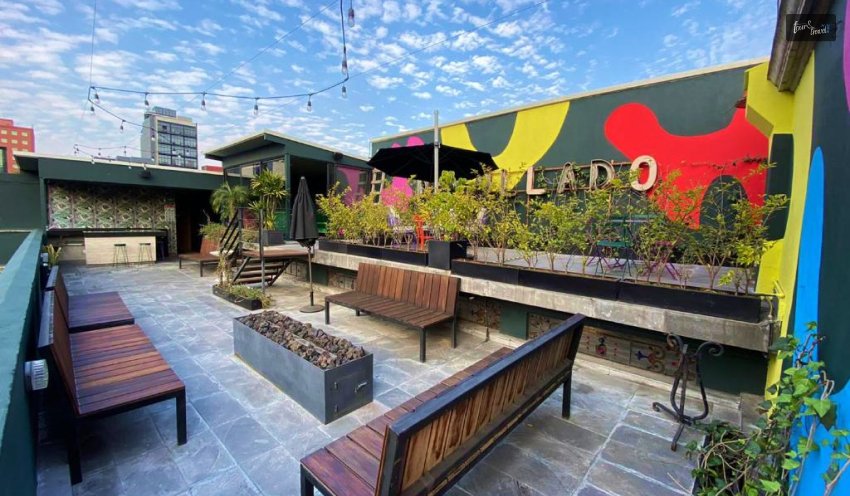
In 2022, the hotel opened with a Mexican theme, featuring decorations such as neon lights, lucha libre wrestling masks, and comic skeletons.
The price of the rooms in the hotel starts from $40.61, while you can book the room on a first-come, first-serve basis.
The hostel is quite popular among individuals who are always on the go, traveling and working, sometimes called digital nomads.
Food items such as crisp tortilla triangles with salsa and other trimmings are easy to find!
20. Durango 219
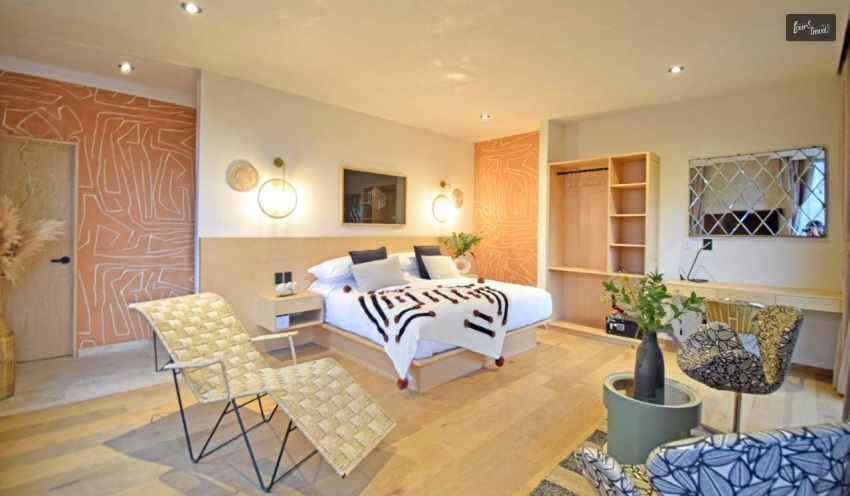
Another hotel with a cool vibe is built with pink Cantera local stone and is beautifully designed. The hotel has 12 rooms in contemporary styles, each with one signature piece, such as an unfussy sculpture or a vintage chair.
The hotel rooms are quite expensive. The color palette of the rooms is grey, beige, and neutral colors. There are balconies in the hotel, and you can access the Condesa and Roma neighborhoods.
21.Pug Seal Anatole France
Pug Seal Anatole France is ranked number 1 out of 62 special hotels. Based on 122 Tripadvisor reviews, the hotel has a rating of 5 out of 5. The hotel rooms are priced at $275.95.
The services are good, and you will get free breakfast, airport transportation, and parking.
22. H21 Hospedaje Boutique
Were you looking for something to soothe your soul in Mexico City? Please book your rooms at H21 because it’s like an oasis of calm, with the beautiful market, plaza, and Blue House of Frida Kahlo surrounding it.
The current owner’s grandfather built this hotel in 1928, and the guest rooms follow the original house plan.
The rooms vary in size and shape, offering peace and tranquility.
The walls and interior have a wonderful design in beige and grey shades. You can also see a beautiful blend of colours to create a satisfying palette.
The hotel features unique visuals, including distressed white wood and quarry stone floors.
The hotel is decorated with vintage figurines and seems inspired by photography books. The hotel’s approach is very casual and comfortable, where you can either order room service or help yourself in the kitchen.
The hotel is well known for its continental breakfast! The starting price for rooms at the hotel is $164.65.
23.Cape Pepe
It is a luxurious stay for solo travelers; rooms start at $60.07 per night, and it is considered one of the best hotels in Mexico City. It offers history, sustainability, and a sense of familiarity.
Moreover, it offers different sleeping arrangements, such as neat bunks, curtained pods, and private rooms for couples or families, all in a renovated historic building.
The hotel displays beautiful art by Mexican artists and luminaries; one of them is Jose Vasconcelos, a popular writer and philosopher.
24. Casa Tuna
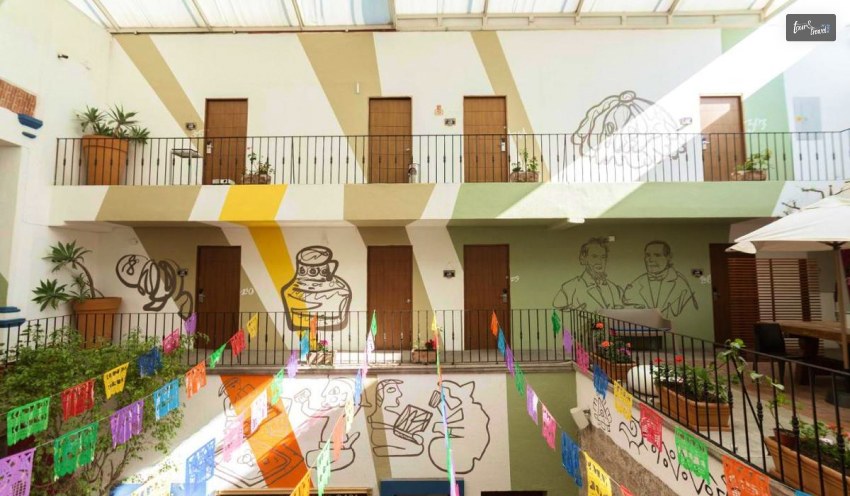
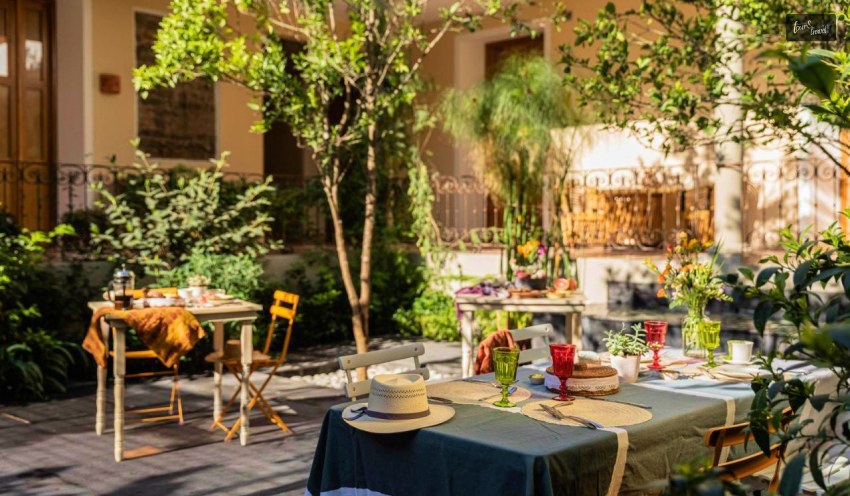
The entry gate will steal your heart with traditional piñata and bougainvillea spread across the property in Coyoacan.
The surrounding beauty is unmatched; the hotel’s location is the selling point!
The Coyoacan market and Frida Kahlo’s Blue House are nearby and easy to reach from this property.
It charges $131 per night for the room, and you have to take a short taxi ride to visit the museum studio house of the Mexican mural painter Diego Rivera.
25. NaNa Vida
At $150.08 per night, this hotel offers a taste of luxury through local living.
The rooms are colorfully furnished, along with timber finishes on the furniture. Enjoy the view, and have tea, coffee, and pastries on the rooftop terrace.
There is also a popular tavern called La Nuclear that serves a traditional alcoholic beverage called pulque.
The property is stylish and lives up to the name ‘nana vida,’ which means pleasurable surprise in Zapotec, an indigenous language.
What Do We Know?
So, are you visiting Mexico City and making a list of the best hotels in Mexico City? I have already made you that!
Now all you have to do is create an itinerary so you can decide which hotel to book!
Mexico City also carries the impact of the Spanish invasion, another historical influence you will experience when you visit.
Comment down below to let us know about your expectations from the city or the purpose based on which you are visiting the city!
Sibashree is a travel, culture, and leisure writer who has been writing since the age of 12 and professionally since 2014. With more than a decade of travel writing experience and journeys across India and several parts of the world, she brings a deeply personal and thoughtful perspective to her work. A student of English Literature and Mass Communication, Sibashree has always viewed travel as more than movement — for her, it has been a way of understanding people, cultures, and herself. Her passion for spiritual exploration has also led her to many unusual and meaningful destinations over the years. Outside of writing, Sibashree enjoys watching European cinema, reading about global politics, and reflecting on the stories hidden within everyday places.
For the vast majority of people in Australia, their wedding day is a pretty big deal, and it is something that they have been thinking about for most of their life.
Due to its importance, it is a day that needs an incredible amount of planning, and many would-be brides start planning the moment that their partner proposes to them.
This is an incredibly important day for both the bride and groom, but it is equally important for all of the guests that you are going to invite to celebrate your big day. If you have been lucky enough to have been proposed to quite recently, then you should know that planning should start straight away.
Starting Off With The Wedding Plan…
One of the first things that you have to make sure that you get right is finding the right venue, and lucky for you, there are a number of quality wedding venues in Northern Beaches.
Don’t try to do everything by yourself and so turn to your family members and friends to help you plan out everything. It is going to be a very exciting time, but it is also going to be stressful as well, and so the following are just some of the top tips that will help you to plan your wedding & honeymoon.Why Is It Important To Plan Your Wedding And Honeymoon? They say, “failing to plan is a plan of failing,” which is quite right. Especially when it comes to the most important event of your life - the wedding. It doesn’t matter how long you have been planning your wedding and honeymoon- it always falls short. Thus, the best thing to do is to plan early. Exactly like your wedding, the honeymoon is another important phase. It helps to set the tone for the new life that’s coming forward. These are the first personal moments between a couple, which should never be wasted. And to ensure your honeymoon is a big success, planning is very essential. Tips To Plan Your Honeymoon And Wedding EfficientlyThere can never be the “right” way of planning your wedding and honeymoon in Northern Beaches. These are some of the special days in life, and they must be unique, just like your relationship. So, here are a few tips to strategize about your big day:
Begin making plans today -
If you and your partner have decided on a date and it’s at least one year away, then you might think that there is lots of time, so there is no need to worry. This is a mistake that many couples make, and they go on to regret it when they have nothing decided upon and the wedding is just around the corner.
Start planning today, and you get to take advantage of booking it early and maybe getting yourself some much-needed discounts. Many venues get booked up rather quickly so don’t make the mistake.
Plan the wedding together -
Some brides are guilty of taking on the reins of responsibility and running with them without asking their other half about their opinions. This can make the other person feel very left out and so the day isn’t as special to them as it should be.
Talk together and make sure that all wedding plans are made together, and that includes the destination for your honeymoon. Disagreements are very common while planning such an important thing in life. Embrace it, move on, and settle on a common choice. That’s the key to happiness as you embark on a new journey of life.
Go see the venue yourself -
You should never look at any wedding venue based on what you have heard or what you see on their website. Many in the hospitality industry use photographs from when it was first done up and maybe the pictures that you’re looking at are from 10 to 15 years ago.
Go see the venue in person, and then you know exactly what you are getting into. However, this is something you should do in advance. Because if you don’t like the venue, you can simply skip it and move on to a better one!
Discover Your Vision –
Ever since we were kids, we have been planning our wedding. As we continue to age, the plans improve and new elements are added. But the vision remains the same. We plan to marry in this particular month or in this particular location. Make sure you discover your unique vision and stick to it.
Doing so eventually makes you prepare for several backup plans in case something goes wrong. And the same is true for honeymoon, too. Remember the first place that comes to your mind when you think of this romantic journey! Stick to it and plan a proper budget for that.
Don’t Forget To Capture These Memories –
Most people are after this- we are so busy capturing memories that we forget to create one. Don’t let that happen. You are out there with a person you have chosen as your life partner- make the most of your time.
Go on picturesque beaches, romantic dinners, and exotic getaways. Take millions of pictures together- but most importantly, learn to live in the moment, too. Nothing truely matches the feeling of coming home to tons of your special memories. For the wedding party, hire a professional photographer to get away with the work yourself.
Parting Thoughts
Your wedding is the most special thing that can ever happen to you. Hence, ensure that you do not waste it just like that. These are some excellent tips that will help you to plan the best wedding & honeymoon ever. Never lose sight of the fact that this is for both of you, but remember that you will have guests also.
With this, we put this article to an end. If your big day is approaching, make sure to implement these tips to have a successful wedding day. Thank you for reading till the end. Communicate your thoughts in the comment box below.
Read Also:
Top 12 National Parks In Florida That You Must Visit In 2023
10 Best Fishing Charters In Florida To Visit
Top 8+ Splash Pad Near Me In Florida
In a world where technology continuously evolves to make our experiences more convenient and enjoyable, the concept of smart travel solutions has gained significant traction.
While we often think of gadgets and accessories for airplanes or hotels, our cars can also benefit from innovative enhancements that can elevate our journeys.
Yes, you heard that right! Our very own cards can also make our journeys better. In this article today, we will be discussing some essential accessories for your cars. From safety to entertainment, there are some surprising car accessories that can truly enhance your travel experience.
So, without further ado, let’s get started…
1. TopRide Bike Rack
The bike rack is an indispensable accessory for travelers who wish to bring their bicycles along on their journeys and go on a biking trail.
So, if you already have a bike, it’s advisable to Purchase a Thule Bike Rack for your vehicle so you won’t have to spend money renting a bike at the destination.
Designed for easy installation on the roof of a vehicle, the TopRide rack securely holds your bike in place, freeing up interior space for passengers and luggage.
2. Organizational Accessories for Travel Essentials
Efficiently organizing travel essentials can streamline packing and enhance convenience during the journey. From packing cubes for compartmentalizing clothes and document organizers for passports, tickets, and travel itineraries to multi-pocket car organizers attached to the back of seats for holding small items and snacks, travelers can manage space, minimize stress, and stay well-prepared for any adventure that awaits them at their destination.
3. Backseat Organizer with Tablet Holder
Traveling with kids can sometimes be challenging, especially on long car rides. A backseat organizer with a built-in tablet holder is a lifesaver for parents looking to keep their children entertained and organized on the road.
With multiple pockets and compartments for storing toys, snacks, and other essentials, it helps prevent clutter and ensures that everything stays within easy reach. The integrated tablet holder allows kids to watch movies or play games, keeping them occupied for hours on end.
4. Wireless Car Charger with Mount
One of the essential accessories for any road trip is a reliable phone charger. However, tangled wires and limited charging ports can be a hassle. Enter the wireless car charger with a mount.
This ingenious device not only keeps your phone charged without the need for cables but also securely holds it in place, allowing for hands-free navigation and communication. Whether you are traveling in rough terrains or going underwater diving, there’s nothing that can stop your car from getting charged.
5. Inflatable Car Mattress
For travelers embarking on extended road trips or camping adventures, a comfortable sleeping solution is essential. An inflatable car mattress transforms your vehicle into a cozy sleeping space, providing a supportive surface for some relaxation.
With its lightweight and portable design, it easily fits into the trunk or backseat when deflated, making it ideal for spontaneous overnight stays or outdoor excursions. Whether you're taking a break during a long drive or spending the night under the stars, this innovative accessory ensures that you rest easy wherever your travels take you.
6. Portable Espresso Maker
For coffee enthusiasts unwilling to compromise on their caffeine fix, a portable espresso maker designed for car use is a nin-to-have. Whether you're embarking on an early morning road trip or in need of a pick-me-up during a long drive, this compact device allows you to brew delicious espresso right in your car. With just a few simple steps, you can enjoy barista-quality coffee on the go, ensuring that you stay alert and energized throughout your travels.
7. Bluetooth Tire Pressure Monitoring System (TPMS)
Proper tire maintenance is crucial for safe and efficient driving, but keeping track of tire pressure can be easily overlooked. A Bluetooth TPMS takes the guesswork out of tire maintenance by providing real-time monitoring and alerts directly to your smartphone.
By keeping you informed of any fluctuations in tire pressure, it helps prevent blowouts, improve fuel efficiency, and extend the lifespan of your tires, ensuring a smoother and safer journey.
Related: Can You Use Bluetooth On A Plane? – Know It All Here!
8. Collapsible Trash Can
Maintaining a clean and organized car interior is essential for a comfortable travel experience. A collapsible trash can is a simple yet effective solution for managing waste on the go.
With its compact design and durable construction, it easily fits into tight spaces and can be expanded to accommodate larger volumes of trash. Whether you're disposing of snack wrappers, empty bottles, or other litter, having a designated trash can helps keep your car tidy and clutter-free.
9. Smartphone Heads-Up Display (HUD)
Navigation is key to any journey, but constantly looking down at your phone or GPS device can be distracting and unsafe. A smartphone heads-up display (HUD) projects essential driving information straight to your windshield.
It ultimately lets you maintain your eyes on the road while still receiving turn-by-turn directions, speed alerts, and other critical data. By minimizing distractions and enhancing situational awareness, it helps improve safety and navigation efficiency.
10. Innovative Rear-View Mirror
A very recent upgrade to modern cars is the intelligent rear-view mirror. It overlaps the usual rearview mirror and comes with a built-in camera. The driver gets a clear, uninterrupted view of the car’s back, which reduces the possibility of the car crashing. These mirrors are a life-savior if your view is blocked by cargo or passengers sitting at the back.
The Bottom Line
From convenience and safety to comfort and entertainment, these surprising car accessories cater to a wide range of needs and preferences, ensuring that every trip is enjoyable, efficient, and memorable.
By embracing the latest advancements in automotive technology, you can transform your car into a smart and sophisticated travel companion, ready to accompany you on all your adventures.
So, are you all set to enhance your next car journey? Make sure to use these accessories to improve your overall traveling experience. This article comes to a conclusion now. Thank you for reading it till the end. If there’s something you would like to share, do comment below and let us know. Until then, happy reading.
Read Also:
Convenience At Your Fingertips: Bus Ticket Online Booking For New Year Travel In Singapore And Malaysia
Your Ultimate Travel Companion With PD & Qc Technology
Traveling On A Budget: Tips For Affordable Adventures
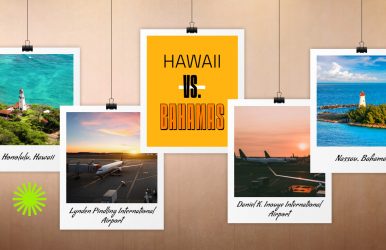
The Bahamas and Hawaii! Two beautiful tropical destinations with beautiful beaches and natural abundance.
But which one is better as a vacation spot?
We will examine all aspects in this Hawaii vs. Bahamas comparison.
And let’s begin with a brief understanding of the tourism landscape in both locations.
2024 was a great year for the Bahamas tourism industry.
11.22 million international tourists visited the country in 2024.
However, it has also been a challenging year for the country’s tourism ecosystem.
The crime rate is going up, and various countries are issuing advisories about the need to take increased caution during a trip to the Bahamas.
On the other hand, Hawaii, USA, welcomed 770,940 visitors in 2024, and visitor spending in the same year was $1.55 billion.
So, 5000 miles apart from each other, the Bahamas and Hawaii are both growing massively as world-class tropical vacation spots.
However, if you want detailed insights about Hawaii and the Bahamas as vacation spots and which one is better, you will have to read our Tour and Travel Blog.
How To Reach Hawaii Vs Bahamas From The USA?
If you are in the USA, you don’t need a passport or visa to travel to Hawaii.
However, for a trip to the Bahamas, you will need a valid USA passport.
You don’t need a visa, though, if you are visiting the Bahamas from the USA as a tourist.
Reaching Hawaii
Hawaii has the Daniel K. Inouye International Airport.
So, it is well connected to the other parts of the USA through flights.
You will especially get multiple flights from California and Los Angeles to Hawaii.
Also, once you reach Hawaii, you will get various cheap flights operated by Southwest Airlines and Hawaiian Airlines to hop between the Hawaiian islands.
Reaching The Bahamas
The Bahamas is not a part of the USA.
However, the distance between the states on the west coast of the USA and the Bahamas is almost the same as their distance from Hawaii.
In fact, flight charges from these states to the Bahamas are often less than the price of flight tickets to Hawaii.
Hawaii Vs Bahamas: Quick Facts
ComparisonThe BahamasHawaiiSize13,880 km²11,672 km2Population403,0331450900Capital NassauHonoluluAirportLynden Pindling International AirportGrand Bahama FreeportDaniel K. Inouye International Airport
What Is The Best Time To Visit Hawaii Vs Bahamas?
Both of them are popular tropical destinations and share almost the same distance from the Equator.
Still, there are some differences in the weather conditions of Hawaii and the Bahamas.
The shoulder seasons of spring and autumn are the best times to visit Hawaii.
So, you can plan a trip to Hawaii during April and May or September and October.
During April and May, the average temperature in Hawaii hovers around 20 degrees Celsius.
On the other hand, the average temperature during September and October remains close to 25 degrees Celsius.
On the other hand, mid-December to mid-April is the ideal time to visit the Bahamas.
During these months, the temperature in the Bahamas remains between 22 and 24 degrees Celsius.
Weather Conditions In Hawaii Vs Bahamas
With a predominantly tropical climate, Hawaii experiences a diverse range of weather conditions.
It features volcanic mountains, including Powers Caldera, Mauna Kea, and Mauna Loa, among others.
Mauna Loa is the tallest among them, with a height of 4205 meters.
So, you will experience a change in temperature and weather conditions in those mountains.
Also, there will be natural calamities such as blizzards and thunderstorms.
On the other hand, the Bahamas has a relatively consistent temperature scenario throughout the year.
However, there is heavy rainfall in October, and hurricanes are frequent in the Bahamas from September to November.
Bahamas Or Hawaii For Family Vacation: Which One Is Safer?
The Bahamas and Hawaii are excellent choices for tropical getaways.
However, Hawaii has more consistent weather conditions throughout the year.
So, it can be a more suitable destination for family vacations.
But which one is safer for a family vacation? Let’s find out!
Is The Bahamas Safe?
Also, there is a major concern about “is the Bahamas safe?”
The year 2024 has seen a sharp rise in the crime rate in the Bahamas.
The Bahamas' murder rate in 2024 was 29.7, which was 8% higher than in 2023.
Moreover, the following travel advisories ask tourists to exercise increased caution during their trip to the Bahamas.
The U.S. Travel Advisory
The Canadian Bahamas Travel Advice
And the “Foreign Travel Advice Bahamas” issued by the UK Government.
There are even guidelines to avoid visiting various areas of Nassau and Freeport.
In addition, all the advisories mention security threats such as:
Violent Crimes
Sexual Assaults
Robbery
The Unregulated Boating Industry
And Increasing Shark Attacks in the Bahamas.
So, if you want to plan a family trip to the Bahamas right now, it’s not the best time.
Is Hawaii Safe?
Currently, Hawaii is safer, as evidenced by the 2025 Violent Crimes Comparison from the Honolulu Police, which shows improvements in crime records.
First of all, there has been a remarkable improvement in forcible sex offenses.
In 2025 so far, the forcible sexual assault cases recorded are 159, and in 2024, the recorded sexual assaults for the same time period were 230.
Again, the number of murders and non-negligent manslaughter has gone down to 1 in 2025 from 11 in 2024.
Also, the aggravated assault cases have gone down to 247 in 2025 from 254 in 2024.
However, the number of robbery cases has slightly increased, with 128 cases reported so far in 2025, compared to 127 cases during the same period in 2024.
So, Hawaii is now safer than the Bahamas when planning a family vacation.
Where To Stay In Hawaii Vs Bahamas?
Hawaii and the Bahamas are both known for their luxury hotel and resort experiences.
Further, some really big names offer their hospitality services in these locations.
Luxury Hotels To Stay In The Bahamas Luxury Hotels To Stay In Hawaii•Grand Hyatt Baha Mar•Atlantis•Hilton at Resorts World Bimini •Holiday Inn Express & Suites Nassau•Hilton Hawaiian Village Waikiki Beach Resort•Hyatt Centric Waikiki Beach•The Laylow, Autograph Collection •Holiday Inn Express Waikiki
Hawaii Vs Bahamas: It’s All About The Experience
From Oahu, the best Hawaii island to visit, to Paradise Island in the Bahamas, there is no dearth of attractions for tourists in these locations.
So, we have done a Hawaii vs Bahamas comparison based on three factors: luxury accommodation, food scenes, and the places to visit.
Hawaii Vs Bahamas Luxury Accommodation
You already know that many luxury hotel brands have a presence in the Bahamas and Hawaii.
Also, for a more opulent experience, you can choose luxury resorts with private beaches in both locations.
Overall, in terms of elegance, comfort, and convenience, both places score equally in luxury accommodations.
Hawaii Vs Bahamas Food Scenes
You will fall in love with local delicacies such as Garlic Shrimp and Kalua Pork in Hawaii.
For the most authentic culinary experience, you must choose the local eateries.
These eateries offer the best of local flavors at affordable prices.
So, you can use your money to engage in more adventurous activities in Hawaii.
The Bahamas, on the other hand, allows you to taste the best Conch Fritters and Plantain Fries.
Here, too, you can opt for local eateries instead of high-end dining places for the ultimate Bahamian delight.
Hawaii Vs Bahamas Tourist Attractions/Places To Visit
Some top tourist attractions in Hawaii include:
Pearl Harbor National Memorial
Waimea Canyon State Park
The USS Arizona Memorial
Iolani Palace
Waikiki Beach
And Oahu Beach, among others.
The best places to visit in the Bahamas are Paradise Island, Nassau, Exuma Cays, Harbour Island, Bimini Islands, and Freeport.
Is Hawaii Or Bahamas Cheaper? Setting Your Budget Right
The Bahamian Dollar, or the Bahamian currency, now has an exchange rate of 1=0.99 USD.
Therefore, there will be little to no difference in travel costs between these two places.
In fact, the rates of flights from many parts of the United States to the Bahamas are cheaper than those to Hawaii.
However, the public transportation system in Hawaii is more developed than that in the Bahamas.
Additionally, Hawaii offers a wider range of accommodations at various price points than the Bahamas.
On average, a trip to the Bahamas will cost around $760, while a trip to Hawaii will cost approximately $670.
And The Winner Is…
Now, this is tough! The Hawaii vs. Bahamas comparison as vacation spots has once again shown that both places are great tropical destinations.
Further, both places boast a wonderful fusion of history and natural beauty.
Also, both places are ideal for culinary tourism.
However, a trip to Hawaii will be a little less costly as the accommodation options are diverse.
Moreover, the rising crime rate in the Bahamas is a serious concern.
So, solely based on the safety parameter, Hawaii is a better vacation spot for now!







 Related