


Explore Human History And Wildlife With Backcountry Camping In Gates Of The Arctic National Park

Aug 12, 2024

Last Updated on: Jun 12, 2025

Travel Guides

Gates of the Arctic National Park is where the Brooks Range and the Tundra landscape come to life with wilderness and vivid topography. This national park is a place of topographical diversity with the coexistence of mountains, glaciers, rivers, lakes, and marshy lands. 

A home to nomadic people for more than 13,000 years, the Gates of the Arctic is a prominent example of how human lives can be dependent on wilderness or nature.

Many visitors love backpacking and trekking in this national park. Further, many stay in camps in the backcountry to experience its rich wildlife despite the challenges.

Do you want to know why camping in the backcountry is worth the hardship? Does the national park have camping sites?

Find the answers to all your questions in this guide

Knowing The Gates Of The Arctic National Park (Why Camping Here Is A Great Experience)

The Gates Of The Arctic National Park is a paradise for wilderness travelers. The intriguing land of Tundra, embraced by jungles, mountains, and rivers, makes camping in the backcountry worth all the effort. 

Gates Of The Arctic Geography

Gates Of The Arctic Geography

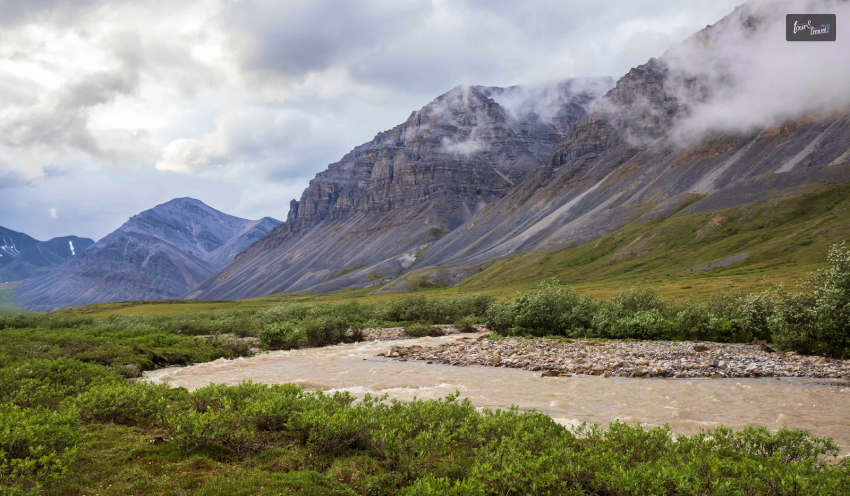
You can explore the arctic geography of this national park by trekking or by air. Tundra peaks and the Schwatka Mountains region of the Brooks Range ensure a humbling experience. You trek to Mount Igikpak, a glacier-carved peak with an 8,510-foot elevation. Another mountain to have glaciers in this region is Mount Arrigetch.

Even backpacking and trekking to Mount Doonerak have a distinct charm, as the mountain is the quintessence of wilderness and unadulterated beauty. 

Further, this national park has six designated wild rivers. Those are:

  • Alatna River
  • John River
  • Kobuk River
  • Noatak River
  • North Fork of the Koyukuk River
  • Tinayguk River

Alatna and Noatak are great for canoeing. If you want more adventurous pursuits, you can try rafting in Nigu (to the north) and Kobuk (to the west)

Gates Of The Arctic Wildlife 

The Gates of the Arctic is home to many mammals and birds. The Alaska Department of Fish and Game says,  

“Forested southern foothills rise to limestone and granite peaks more than 7,000 feet high in this remote wilderness park. North of the peaks, clear water rivers run through glacier-carved valleys; and Tundra, covered with wildflowers during the brief northern summer, stretches toward the Arctic Ocean. Many of the nearly 500,000 member Western Arctic caribou herd migrate through the park each fall. Brown and black bear, wolf, Dall sheep, lynx, moose, wolverine, and red fox live here year-round. In the spring, the park hosts migratory birds from Europe, South America, Asia, tropical archipelagos, and the continental U.S.”

Other animals found in this national park are grizzly bears, Dall sheep, and musk oxen. Among the birds, Tundra swans, common loons, and golden eagles are the most common. 

Further, if you enjoy the playfulness of aquatic animals, watch out for graylings, trouts, sheefish and salmon. 

Gates Of The Arctic And Human History 

Gates Of The Arctic And Human History 

The Gates of the Arctic is a prominent place for archaeological research. The study and interpretations of the museum collections depict how people have been surviving in the Brooks Range for around 13000 years now. 

Along with Inupiat, Nunamiut, and Athapaskan descendants, you will also find many non-native Alaskan people in this region. These people have always been dependent on fishing and hunting. The wilderness of the Gates of the Arctic is the foundation of their livelihood

What Is The Best Camping Near Gates Of The Arctic National Park?

What Is The Best Camping Near Gates Of The Arctic National Park?

With marshy lands and tussocks, Arctic Tundra has a vulnerable landscape and it is difficult to find a steady spot for setting up camps or tents. Also, the existence of wildlife in a remote location and dense vegetation make the space unsuitable for camping. 

So, there is NO CAMPING SITE in the Gates of the Arctic National Park.

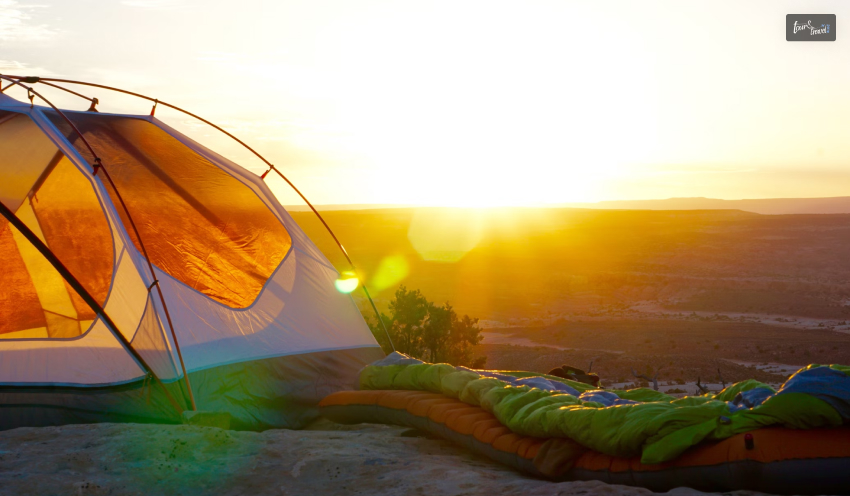
There are designated areas in the backcountry for camping. However, you will have to strictly adhere to the rules and regulations of the national park when putting up a tent. 

You must also attend the orientation program and be particular about the gear, food, and safety essentials to be carried. 

With permission from the park authority and the National Park Service, you can set up tents near the Arctic Interagency Visitor Center in Coldfoot or around Wiseman and Bettles communities

However, while camping in the backcountry, you will have to keep the following factors in mind. 

  • Be respectful to the local communities like the Koyukon Athabascan Indians or Nunamiut. Their livelihood depends on the wilderness. 
  • There are no provisions for running water, a dump station, or restrooms.
  • Your phone network will be unavailable in this location.
  • You have to carry all your trash back as you leave the camping site. You cannot adulterate the pristineness of the location. 

If you have plans for camping in the backcountry near the Gates of the Arctic, summer is the best season. The temperature is a little moderate on these days, and sunnier days make all outdoor pursuits in the park easier for you. 

Did You Know? 

  • The Gates of the Arctic National Park is the second-largest national park in the USA.
  • It stretches over 13,000 square miles.
  • You can see aurora borealis from this park if you visit between November and March
  • July and August are the best months to visit Gates of the Arctic National Park for hiking and backpacking. 
  • Bob Marshall, a wilderness advocate, named this national park “Gates of the Arctic.”

Final Words 

Unlike popular national parks like the Biscayne National Park or the Kenai Fjords National Park, the Gates of the Arctic National Park does not have many visitors yearly. In 2023, only 11,045 tourists flocked to this place. (Source)

With a diversity in topography and wildlife and an association with human history, this park has much to explore. However, the extreme trekking conditions and wilderness make it far from an easy excursion or trekking experience.

Despite the absence of campgrounds in this park, you can camp in the backcountry at the designated spots in the fields. However, only an experienced backpacker should try it with proper orientation and extra safety measures.

Have you ever been to this wild and intriguing national park? Do you have any camping experience in the backcountry? Don’t forget to share your experience with us! 

Gates Of The Arctic National Park FAQs 

Can You Camp In The Arctic National Wildlife Refuge?

Only backcountry camping is possible in the Arctic National Wildlife Refuge. The absence of roads, villages, or facilities makes this area unsuitable for having designated campsites.

Backpacking and hiking are the best ways to explore this vast landscape with rich wildlife and geographical interests. 

Can You Stay In Gates Of The Arctic National Park?

You can stay or try backcountry camping near the Gates of the Arctic National Park. Undefined terrains, wilderness, and a lack of modern amenities make it risky to put up camps in the national park.

Even to camp in the backcountry, you will need the highest outdoor survival skills. The arctic ecosystem, topography, and weather conditions are different, and if you are confident enough to stay in the backcountry, plan in advance and get in touch with the Park and Preserve authorities for updates and advisories. 

How Much Does It Cost To Visit The Gates Of The Arctic National Park?

You don’t have to pay entry fees to visit the Gates of The Arctic National Park. However, you must attend the backcountry orientation program at any of the visitor centers. 

In this way, the Gates of The Arctic National Park is different from other national parks as most of them demand an entrance fee. 

How Difficult Is It To Get To The Gates Of The Arctic National Park?

The Gates of the Arctic is a wilderness park. So, as you enter the park, hiking is the best way to explore. Remember, it is home to the Schwatka Mountains region of the Brooks Range and the highest peak here is Mount Igikpak with an 8,510-foot elevation. 

So, exploring the national park is not going to be a cakewalk. A lack of established trails further makes hiking difficult. 

Further, there are six designated rivers, including Koyukuk and Dietrich, in this national park. So, you will have to pass through multiple meandering river crossings. The water levels of these rivers keep fluctuating throughout the season. They are furious throughout the spring season.

Tussocks, marshy lands and dense vegetation are other hurdles to your fast movement while trekking. 

Do you want to visit the backcountry? You can take a bush plane operated by permitted pilots with knowledge of the region. 

What Is Special About Gates Of The Arctic?

The Gates of the Arctic is special because of its geographical uniqueness, rich wildlife, and significance in human history.

The glacier-carved valleys, rivers, and ancient trails make the Gates Of The Arctic a favorite destination for backpacking and hiking.

Thanks to its geographical typicalness, you will meet many animals and birds. The adorable grizzly bears will be seen feeding, and the musk oxen are another unique animal you must watch out for. If you are a birder, you will love watching the golden eagles, Tundra swans, or common loons. 

Near the Nigu River or throughout the park, you will find stone fences and camping rings. These are a testament to how Inland Eskimos or Nunamiut have lived in this region for thousands of years. They survived on fishing and hunting. 

In addition, as I pen this guide, I must tell you that the Gates Of The Arctic National Park is going to celebrate its 45th anniversary of designation next year. First, it became a national monument on 1st December 1978. In 1980, it became a national park and preserve.

Also read

Share on Social Media

Meet Sibashree Bhattacharya, a travel enthusiast who has a decade-long experience in transcending virtual barriers with her words! Her deep love for travel is apparent from her travel escapades to the mountain, often taking her readers on a journey, her words acting as Portkey! Fun fact: Sibashree loves to dive deep into the history of the places she is about to visit, making her travels even more wholesome. If you were wondering how her articles are not short of time travel, this answers it!

Leave a Reply

Your email address will not be published. Required fields are marked *

title-img Related

READ MORE Luxury Villas Italy Le Collectionist

What Are The Best Luxury Villas Italy Le Collectionist? Here Are Villas I Stayed In 

BY  Sibashree Oct 16, 2025

I still remember the fresh breath of air as I opened the gates of the Villa Spectra. The lush green hills in the backdrop were inviting for an immediate stroll, while the Sun-drenched terrace was calling me to get soaked in the Tuscan Sun. Everything about the villa was very intimate and warm, and just the way I wanted. The serene setting and the luxury inside! Everything was worth the wait! Yes, I planned and dreamt of the day for five years, kept a separate savings account for the travel, and that’s a different story!  And I chose Le Collectionist villas because I wanted to soak in the luxury and richness Italy offers, with the history of the Gladiators and the Medici dukes and their sophisticated cultural landscape. I was in Italy for a trip of 15 days, and this is how the luxury villas and everything I saw became a part of my Roman Holiday. How Does History Speak Through The Alleys Of Rome? (With A Dash Of Luxury)  The history of Italy is layered. So, knowing about the history of Italy is not like visiting points A, B, and C. Whether it is the Leaning Tower of Pisa or the walled city of Lucca, each location has a story to share. Now, choosing Villa Spectra from Le Collectionist was again a brilliant choice for me, as their concierge services and local partners ensured access to the real narratives of the places. 1. Tuscany: When Light Teaches Patience And The Time Stands Still My mornings in Tuscany began with the slow rattle of shutters. From the kitchen window, cypress trees pointed like metronomes toward a pale sky. Furthermore, it was quite warm by the afternoon, and floating in the villa pool, reading, or catching up on the best delicacies were the best refuge I could think of. By dusk, I was out to see the color of Chianti. Seeing the sunset rays painting the houses while sipping a glass of Brunello was the ultimate Tuscan experience. The Val d'Orcia landscape, a UNESCO World Heritage Site, was the highlight of my Tuscan experience. Also, the overall Tuscan landscape looked like a Renaissance painting for me, with verdant hills and cypress trees. 2. Puglia: The Still Stones Carry The Secrets The dry stone architecture of Alberobello looked like the Sakshi or eternal witness I have read about in many Hindu texts. Now, thousands of miles away, I was connecting to my roots, and I had goosebumps thinking about the universality of the truth. Masseria Ozen was my home for the days in Puglia. 3. Amalfi Coast: Sniffing The Sea And Lemon Positano ridgelines and Amalfi were the highlights of my day in Amalfi. I had the most theatrical experience in Amafi amidst the whiff of lemon and white stones. My mornings here started with the sound of espresso spoons in the coffee cups and morning bells. Evenings were lazy, sipping on the sharpest Amalfi sherbet and watching the ferries passing. However, for me, the most exciting part was taking an after-hours walk with the villa concierge, taking us through Pompeii. The fresco colors were magical. 4. Rome And The Appian Way: Where History Speaks The villa I was staying in gave me access to the Appian Way through the garden gate. With the city still sleeping and the cold stones under my feet, it was like going many centuries back. I kept exploring, and when I reached the Villa dei Quintili ruins, the light had turned honey-gold. I sat on a fallen column and felt, absurdly, both guest and citizen of another age. Don’t Rush: Pick Your Favorite Zone In Italy  You cannot rush a holiday in Italy. Now, I was on a 15-day vacation, and that’s why I could touch upon many areas. However, with my trip ending, I realized that it was foolish of me. I should have focused on a distinct zone. Must-Visit Zones in Italy Highlights Puglia and Alberobello â€˘ Olive Groves â€˘ Trulli Districts â€˘ White Towns Rome and the Appian Way â€˘ Cecilia Metella â€˘ Villa dei Quintili Tuscany and Val d’Orcia â€˘ San Quirico â€˘ Montalcino â€˘ Pienza Amalfi Coast and Pompeii â€˘ Positano Ridgelines â€˘ Frescoes and Forums in Pompeii â€˘ Ravello â€˘ Amalfi Sardinia â€˘ Su Nuraxi Nuraghe Complex Venice and the Lagoon â€˘ Torcello’s Basilica Lake Como and Lombardy Villas â€˘ Alpine Views â€˘ Villas with Liberty-Style Architecture  Don’t Forget To Listen To The Hidden Narratives When visiting places such as Pompeii, the Val d’Orcia, or Puglia, there is much to explore beyond what meets the eye. For example, the graffiti of Pompeii features election advertisements, love notes, and more, indicating a complex past. On the other hand, the Val d’Orcia is a testament to the Renaissance urban planning. Again, the dry stone architecture of Puglia can be a lesson about how to defy gravity. Why I Chose Luxury Villas Le Collectionist? For Quiet Luxury And Love For History, Of Course  View this post on Instagram A post shared by Le Collectionist (@lecollectionist) I chose the Luxury villas Le Collectionist because I wanted to stay near the key attractions in Italy without the hassle of crowds. I wanted some quiet time, and the concierge team was very helpful in suggesting the right day and time to visit the important landmarks. They also helped me with the ticketing and stuff. Furthermore, they arranged special after-hours access for the villa residents. So, staying in the Le Collectionist luxury villas was not just about finding the most premium accommodation. They ensured access to a deeper and more convenient cultural exploration. How Can You Choose The Best Luxury Villas Italy Le Collectionist? The time of your visit (seasonality), the experience you want, the style of villas, and some non-negotiable attributes are the things to be considered when choosing the best luxury villa by Le Collectionist in Italy. Factors to Choose the Best Luxury Villa Details Type of Experience You Want â€˘ For farmhouse-like setups, choose villas in Tuscany. â€˘ If you want the dramatic experience of a cliff villa, choose one in Amalfi.The Style of Villas• When traveling solo or with your partner, a compact villa will be the best choice for you.• You will need a multi-suite villa when traveling with your family.Seasonality â€˘ In winter, the piazzas and museums of Rome are the go-to places. So, choose villas near them.• Furthermore, shoulder seasons are ideal for outdoor exploration. So, choosing a villa near the Amalfi Coast or near Tuscany will be a great choice.Non-Negotiable Attributes â€˘ Pools â€˘ Pergolas â€˘ Airconditioning â€˘ Water Facilities  What Are The Best Luxury Villas Italy Le Collectionist For History And Premium Experience Lovers? Here are the best Le Collectionist villas in Italy if you want to explore the history of the country and the dolce vita. 1. Villa Spectra, Tuscany  For me, Villa Spectra in Lucca was the main character of the Tuscan vacation story. The terrace and the living area of the villa gave me enough time and chances to soak in the Tuscan Sun. Villa Spectra has 5 bedrooms, and the charges are around $2400 per night. 2. Villa Masseria Ozen, Puglia  View this post on Instagram A post shared by Mune_Architecture (@mune_architecture) Located in San Vito dei Normanni, Villa Masseria Ozen exudes a quintessential Italian charm.  For me, the highlight of the stay in Villa Masseria Ozen was the dinner under the stars. Masseria Ozen has five bedrooms, and the charges will be around $1400-1500 per night. 3. Villa Salvatore, Amalfi Coast  Within 300 meters of the Amalfi Coast, Villa Salvatore was my perfect home. The trees near the villa stretch down to the sea, and for me, the breakfast time on the terrace was amazing because of the stunning views around. Your stay at Villa Salvatore will cost around $3,665 per night. 4. Chalet Gatsby, Lake Como  View this post on Instagram A post shared by Le Collectionist (@lecollectionist) Chalet Gatsby looks over Lake Como, and this is precisely why I chose it. However, the villa has only five bedrooms. So, check availability or try early booking. The villa is also close to the village of Brunate. I loved the walk from the villa to the village in the morning and late afternoon. The tariff here will be around $1500-3000 per day. 5. Villa Limoncello, Florence  Villa Limoncello won me over with its serene location. Also, with an infinity pool, it made me wake to the sound of water. Furthermore, the hammam or the massage room was my favorite. This villa has seven bedrooms and five bedrooms, and the pocket pinch is $4,820 per night. Why Are Concierge Services Such A Big Deal?  The concierge services and assistance of these villas were the common threads among the places I visited in Italy. Here’s why they are so special. 1. Guides Who Teach You About Places  When I was in the Appian Way or Pompeii, the concierge service guides were like the mobile history books. 2. Makes Logistics Hassle-Free  With concierge services, I did not have to worry about the car rentals. The vetted drivers took me to the important locations. They know everything from ZTL boundaries, parking spaces, and drop-off timings. 3. Ensures Smooth Access Concierge services take advantage of the tie-ups, and booking is always done through official channels. So, the slot selection is clean, and you will get the best official discounts. Exploring Italy Without Stress: Be Smart With Logistic Planning  For Rome â€˘ Explore Appian Way places such as Aqueducts, Catacombs, and Quintili. Then, have a late lunch.• Wear sturdy shoes to walk comfortably on the basalt stones.Tuscany Days â€˘ Explore Val d’Orcia and don’t plan visiting more than two hill towns.Amalfi Coast â€˘ Avoid traffic with boat rides. Visit Pompeii early in the morning or late.Puglia â€˘ Visit Alberobello in the early morning.• Hit the beach at noon.• Have dinner under the vines. My 15-Day Travel Itinerary In Italy This is how my itinerary for the 15-day vacation in Italy looked. Days Activities Day 1 - Arriving in Lake Como â€˘ Traveling from Milan to Lake Como• Lakefront lunch• Boat ride to Varenna & Villa Monastero• Dinner at Villa• Watching Mirrored Lake at DawnDay 2 - Heart of Como â€˘ Visiting Villa del Balbianello• Having lunch in Menaggio by Lake Como• Riva boat tour â€˘ Spa in the evening• Aperitivo dinner in the villa Day 3 - Milan Excursion â€˘ Traveling to Milan• Visiting the Brera • District and The Last Supper Museum â€˘ Lunch at Marchesi 1824• Returning to Como Day 4 - Verona & Valpolicella â€˘ Driving east from Milan to Verona & Valpolicella• Visiting the vineyard villa near Negrar• Visiting Juliet’s balcony and Valpolicella wine tasting in the afternoon• Dinner under vines with Amarone & TiramisĂą Day 5 - Venice Arrival â€˘ Reaching Venice and enjoying a water taxi ride to the Grand Canal Villa• Dorsoduro stroll in the afternoon• Sunset gondola ride• Seafood dinner at Alle Testiere Day 6 - Florence â€˘ Taking the train from Venice to Florence• Private Uffizi tour in the morning• Watching the sunset on Ponte VecchioDay 7 - Chianti Wine Route â€˘ Taking a vineyard drive from Greve to Radda on the Chanti Wine Route• Enjoying rustic trattoria lunch• Spending the evening in the villa by the poolside Day 8 - Val d’Orcia â€˘ Exploring Val d’Orcia â€˘ Moving South to Pienza Villa â€˘ Exploring Montepulciano â€˘ Attending local cooking classes Day 9 - Rome Arrival â€˘ Beginning of the Roman Story• Driving to the Appian Way Villa• Explore Villa dei Quintili and Cecilia Metella. Day 10 - The Eternal City â€˘ Early tour to the Vatican City• Having coffee at Piazza Navona• Visiting Pantheon, Trevi, and the Spanish Steps• Enjoying a terrace dinner in the villa Day 11 - Amalfi Arrival â€˘ Reaching Positano via Naples• The signature welcome at Villa Limoncello• Relaxing by the poolside• Having a seafood dinner Day 12 - Coastline by Sea â€˘ Boat to Capri & Grottoes â€˘ Having a Picnic with Champagne• Watching Sunset• Relaxing at Night in a Jacuzzi Day 13 - Pompeii & Vesuvius â€˘ Private archaeologist-led tour• Vineyard lunch & Lacryma Christi tasting• Swimming in the evening Day 14 - Puglia â€˘ Villa Check-In• Traveling to Bari• Visiting Trulli Dinner in the Olive Grove Day 15 - It’s a Wrap â€˘ Visiting Ostuni after an early breakfast• Lunch and Sunset Drink• Destination: Bari International Airport-Karol Wojtyla  Local Secrets That No One Talks About The Val d’Orcia farmhouse owners explain the aging of the cheese served. So, you not only have the best cheese, but also an anecdote to take home. You have to plan your sleeping hours based on the location you are visiting. Puglia is the most beautiful in the twilight hours, and the Val d’Orcia ridge or the Appian Way are great for early walks. Once again, keep the official links of the tickets booked, offline maps, and documents handy. Moreover, avoid overscheduling, as driving and the distinct experiences at different locations require time. In addition, remember which area is suitable for what type of traveler. Have a look at the table below for a better understanding. Places to Visit in Italy Suitable for Travel Groups Nearby Heritage or UNESCO Sites Rome and The Appian Way History Enthusiasts and Families The Appian Way is a UNESCO World Heritage Site.Places to Visit here are:• Tomb of Cecilia Metella â€˘ Circus of Maxentius â€˘ Appia Antica Villas â€˘ The Catacombs of San Callisto Amalfi (Amalfi Coast, Positano and Ravello) Photographers and Couples â€˘ The cultural landscape of the Amalfi Coast PugliaFamilies and Multi-generational Groups â€˘ Alberobello Tuscany Road Trips â€˘ Val d’Orcia Sardinia Cultural Enthusiasts and Coastal Holidayers• Su Nuraxi Nuraghe Complex  With Sustainability And Etiquettes In Mind…  Italy is the country of ancient ruins. So, while exploring archaeological or historical places, you must be very careful and respect the barriers as explained by the guides and officials. Furthermore, opt for concierge services and travel in the early hours to avoid the rush in these cultural and historical places. Take help from licensed guides to help the local community and listen to stories that only locals know. Visiting Rome And Staying In Luxury Villas Italy Le Collectionist: FAQs Here are some frequently asked questions and answers. 1. What Is The Best Time To Visit Pompeii?  Yes, Pompeii is a year-round destination. However, if you want to enjoy mild weather conditions, visit Pompeii in the shoulder seasons, such as September to October and April to May. 2. Why Is Trulli So Famous?  Trulli, a place of great cultural importance, is famous as a UNESCO World Heritage Site. The stone huts here are whitewashed, and they have conical roofs.The architecture of these huts represents the quintessential architectural style of the Puglia Region. 3. Is There Any Resource To Learn About The Landscape Of Tuscany?  Yes, you can read the UNESCO World Heritage Convention page on Val d’Orcia and other heritage sites to have the historical or cultural background and context about them.  4. What Is The Best Villa-Based Experience Near Rome? You will find the Villa dei Quintili while driving on the Appian Way. The vast ruins get fewer crowds compared to other historical zones in Central Rome.You can keep an offline leaflet handy, as the mobile network may not work here.

READ MORE Copenhagen

Discover The Charm Of Copenhagen Hotels

BY  Abdul Aziz Feb 22, 2024

Copenhagen, a city where history meets modernity, offers a hotel for every traveler. From luxurious havens to cozy boutiques, these accommodations are more than just a place to stay; they're an integral part of your Danish adventure. Explore more about Copenhagen hotels. Immerse yourself in the heart of Copenhagen's culture, design, and hospitality, a city celebrated for its seamless blend of tradition and innovation. Whether you find yourself captivated by the historic elegance of the city center, with its cobblestone streets and centuries-old buildings, or the trendy vibes of Vesterbro, known for its bustling cafes, art galleries, and vibrant nightlife, Copenhagen's hotels cater to every taste and promise experiences as rich and diverse as the city itself. In the city center, luxury hotels stand majestically, offering guests a taste of royal treatment amidst architectural grandeur, while boutique accommodations provide a more intimate experience, each with a unique story that connects you to the Danish capital's past and present. Venture into Vesterbro, and you'll find modern, design-forward hotels that echo the artistic and creative spirit of the neighborhood, offering not just a place to stay but a place to be inspired. But Copenhagen's hotel scene extends beyond just these areas. From the peaceful, green expanses of Frederiksberg to the cutting-edge cool of Nørrebro, each district offers its own flavor of hospitality. No matter where you choose to lay your head, you'll find that Copenhagen’s hotels are more than just a place to sleep—they are gateways to the city's heart, offering personalized experiences that bring you closer to the local culture, cuisine, and community. A Taste of Copenhagen from Your Hotel Copenhagen is not just a feast for the eyes but also a paradise for food enthusiasts. The city's hotels are gateways to an exquisite culinary journey, with many boasting in-house restaurants led by acclaimed chefs. These eateries are not mere dining rooms but temples of gastronomy that reflect Denmark's rich culinary heritage and its innovative approach to cuisine. From Michelin-starred restaurants offering avant-garde Danish dishes to cozy bistros serving timeless classics, hotel dining in Copenhagen is an adventure in itself. Here, the emphasis is on fresh, locally sourced ingredients, sustainable practices, and the art of hygiene—creating a warm, enjoyable atmosphere. Whether you're indulging in a lavish breakfast spread featuring Danish pastries and organic coffee, or savoring a gourmet dinner with views of the city's skyline, your hotel can offer a culinary experience that rivals the best in Copenhagen. Copenhagen's design legacy is world-renowned, with its influence extending into the hotel industry. Many hotels in Copenhagen are not just places to stay; they are showcases of Danish design and art. From mid-century modern classics to contemporary design innovations, staying in one of these hotels is like living in a curated gallery. These hotels often feature collaborations with local artists and designers, displaying bespoke furniture, textiles, and artworks that tell a story of Danish creativity. It's an immersive experience where every room, lobby, and common space is thoughtfully designed to inspire and delight. For design enthusiasts and casual admirers alike, these hotels offer a unique opportunity to engage with Denmark's design heritage up close. In the fast-paced rhythm of city life, Copenhagen offers sanctuaries of wellness within its hotels. Recognizing the growing importance of self-care, many hotels provide facilities and services focused on relaxation and rejuvenation. From luxurious spa treatments incorporating Nordic ingredients to yoga studios with serene city views, these wellness offerings are designed to harmonize body and mind. Moreover, the Danish concept of hygge—finding comfort and contentment—permeates these spaces, creating an atmosphere of warmth and relaxation. Whether it's unwinding in a sauna after a day of exploring or enjoying a mindful meditation session, Copenhagen's hotels offer a holistic approach to wellness that complements the city's laid-back lifestyle. Exploring Green Copenhagen Copenhagen's commitment to sustainability extends beyond hotel walls into experiences that guests can enjoy around the city. Many hotels offer bicycle rentals, encouraging guests to explore Copenhagen as the locals do, on two wheels, reducing carbon footprints while navigating through bike-friendly lanes that crisscross the city. Hotels also organize eco-friendly tours, from guided walks through Copenhagen's green spaces to boat tours along its renewable energy facilities. These experiences not only entertain but also educate guests on sustainable living, aligning with Copenhagen's vision of a greener future. Engaging with the Heart of CopenhagenA stay in Copenhagen is incomplete without engaging with its vibrant community and culture. Hotels often serve as cultural hubs, hosting events that range from live music performances to art exhibitions and local craft markets. These events provide a platform for local artists and artisans, showcasing the city's creative pulse and offering guests a chance to engage with the community. Additionally, many hotels offer curated experiences that connect guests with local traditions and lifestyles. From Danish baking classes to guided tours of historic neighborhoods, these experiences foster a deeper understanding and appreciation of Copenhagen's cultural heritage. Your Gateway to Copenhagen Our expanded guide to Copenhagen's hotels transcends the conventional, offering a window into the soul of a city where every stay is designed to be an experience. These hotels are not just places to rest but are integral to your journey through Copenhagen, offering paths to culinary excellence, design marvels, wellness retreats, sustainable explorations, and cultural engagements. As you choose your stay in Copenhagen, remember that it's more than selecting a hotel—it's about curating your experience of this extraordinary city. Each hotel, with its unique offerings, serves as a gateway to discovering the many facets of Copenhagen, promising not just memories but stories to carry home. Whether you're drawn by the allure of luxury, the charm of sustainability, the warmth of community, or the depth of cultural engagement, Copenhagen's hotels are ready to welcome you into the heart of Danish life. In this world's coziest capital, every visit and stay is an opportunity to immerse yourself in a lifestyle that balances modernity with tradition, luxury with sustainability, and activity with relaxation. As you embark on this journey, let Copenhagen's hotels be your home, your sanctuary, and your guide to a city that continues to enchant and inspire, inviting you back time and again to explore its endless charm. Dive into our comprehensive guide to discover your perfect stay in Copenhagen, the world's coziest capital. From the moment you check-in, you’ll be enveloped in the warmth and charm that is quintessentially Danish, embarking on an unforgettable journey that will leave you yearning to return. Read Also: Local Boutiques And Global Trends: Where To Buy Eyewear Abroad Houston Hospitality: The Top Hotels You Need To Experience Luxe Living: The Best Hotels In Dallas

READ MORE things to do in leeds

Things To Do In Leeds: Dive Into The Dynamic Heart Of Yorkshire

BY  Abdul Aziz Nov 22, 2023

Do you want to travel without breaking the bank? Leeds offers affordable options for city breaks that let you discover new things. We've compiled some ideas for ways Leeds is an inexpensive city destination for singles, families, and couples. It offers inexpensive nights out to the fascinating year-round calendar of festivities as part of Leeds 2023. Most museums and galleries in Leeds are free to enter. Let's explore and find out the best things to do in Leeds. Things To Do In Leeds cloudfront.net Leeds has gained a reputation in recent years as the liveliest city in the UK, with a broad and welcoming cultural scene. Leeds is a city full of culture, from venues and organizations that are breaking new ground to street art trails. This is partially attributable to Leeds' abundance of museums and galleries, the majority of which offer free admission. A few of the best art galleries in the city may be found in the cultural district of Leeds, including the Henry Moore Institute, Leeds Art Gallery, Leeds Central Library, and Leeds City Museum, all of which are only a two-minute walk apart. Leeds City Museum offers amazing exhibitions and artifacts that let you travel through time and experience amazing history. Leeds Art Gallery features exhibits of Victorian art, sculptures, paintings, and portraits. It also has one of the best exhibits of 20th-century modern art outside of London. The Henry Moore Institute, one of the biggest sculpture exhibitions in Europe, honors the art of sculpture. The Leeds Central Library holds a great collection of books from all over the world. Things To Do In Leeds: Museums & Art jaga.co.uk There are always plays or other forms of entertainment in Leeds because of the city's outstanding theaters and touring companies. Leeds Grand Theatre - one of the UK's most stunning Grade II listed theaters - offers shows for as little as ÂŁ15. This is home to Northern Dance and Opera North, the only resident dance and opera companies in the country outside of London. Some of the most well-liked Westend productions, including Sister Act, The Bodyguard, and Dirty Dancing, are also available online for a reduced price. Do you need more excuses to visit? Leeds is hosting its Year of Culture in 2023, which makes it an extremely interesting year for the city. A calendar of events is planned for the entire year, all throughout Leeds, with the goal of "letting culture loose." There are countless options for events and activities that highlight the vibrant arts and culture of the city and its residents. Most events are either free or "pay as you feel." Some of the highlights include 90 painters from throughout the city on display at Leeds Art Gallery. They will be showcased at the "The Leeds Artists Show" through April 30. Pay what you feel for "As You Are," a sound, walk-in musical experience designed by South African cellist Abel Selaocoe. It will be held for the Orchestra and Chorus of Opera North. There is still a lot to look forward to. Things To Do In Leeds: Food & Cuisine welcometoleeds.co.uk Searching for a culinary-themed staycation? Leeds is the ideal place to be. The city, which is home to a booming independent food industry, has several cafes, bars, pubs, and restaurants. Leeds is the unofficial gastronomic capital of the North. Not sure what you want to do? Visit Trinity Kitchen. Trinity Kitchen is a great spot to visit for lunch, supper, or even an afternoon snack. It features rotating street food vendors serving it all, from pizza to Pho. It has a laid-back, distinctive setting for you to enjoy lunch, dinner, or afternoon snack. Kirkgate Market also has a similar street food setup. Kirkgate Market, where M&S first made its appearance, is currently the largest indoor market in Europe. Its recently renovated food hall is home to some delicious treats. There is the award-winning Manjit's Kitchen- a vegan Punjabi street food vendor. There is also Fat Annie's- an entirely plant-based restaurant serving American-inspired burgers and hot dogs. You must also visit the renowned Yorkshire Pudding Wrap Company to indulge in one of their delicious wraps. Searching for new openings in the food and beverage industry? Leeds can take care of that.  The brains behind Doh'nut, the greatest doughnuts in town, opened Things in Bread, a brand-new gourmet sandwich store right in the middle of the city center. You're onto a winner when you find traditional sandwich flavors made with premium ingredients and freshly baked bread. Things To Do In Leeds: Parks & Greens There are numerous ways to enjoy Leeds, so a trip to this city offers more than just the bustle of the city center. You can find some of the most breathtaking natural beauty in the UK beyond the nightlife, museums, shops, and restaurants. Roundhay Park, a few miles outside the city center, has more than 700 acres of parkland, lakes, woods, and gardens. Get hot beverages and snacks from the on-site Lakeside Cafe. Visit the nearby Tropical World for a family-friendly island experience. In the desert, meerkats stand boldly, while exotic butterflies and birds are free to roam throughout the recreated rainforest habitat. Adult admission to Tropical World is ÂŁ7.20, ÂŁ3.80 for children, and kids under five enter for free. One of the most well-loved tourist destinations in the city is the medieval ruins of Kirkstall Abbey. It is located just outside of the city. Tickets are ÂŁ5 for the ruins and expanse of grounds to check out; children under five are admitted free of charge. The Leeds-Liverpool Canal runs alongside Kirkstall Abbey, so why not take a leisurely stroll down it first? Things To Do In Leeds: Architecture & Heritage travel-assets.com Leeds is also an ideal starting point for discovering the splendor of the surroundings. The Yorkshire Dales National Park, which is home to some of Yorkshire's most famous landscapes and attractions, such as the Yorkshire Three Peaks, Ilkley Moor, Bolton Abbey, and the adjacent ancient towns of Harrogate and Knaresborough, is conveniently accessible from Leeds station. The industrial towns of Yorkshire are also well worth a day trip. Nestled next to the Leeds-Liverpool canal, Saltaire is a UNESCO World Heritage Site. It's a great place to spend a leisurely afternoon strolling through its charming alleys or visiting the well-known Salts Mill. It's certainly worth the journey, with a magnificent variety of Hockney artwork, literature, flowers, cuisine, and 21st-century business, and free admission.  When you take an inexpensive city holiday to Leeds, you may discover all of this and more. Things To Do In Leeds: Lodging nationalparks.uk Book a stay at Art Hostel for consistently reasonable and distinctive lodging. It is the first establishment of its kind in the UK and the ideal spot to unwind after a strenuous day of sightseeing. Regional artists from East Street Art designed imaginative, reasonably priced, and distinctive lodging. It is a vibrant, artist-run company that spearheads avant-garde art initiatives and shows. The Art Hostel's themed rooms are all the product of the creative minds of Leeds-based artists working with regional artisans. Wrapping Up Leeds is a great place to take an inexpensive staycation in the UK because there is a lot to do there. The city is filled with events that do not break the bank. Use this guide to figure out how to spend your time here, whether you have 24, 48, or 72 hours. If you have thoughts to share or questions to ask about things to do in Leeds, please leave a comment below. We would love to hear from you! Read Also: Brighton Bliss: Crafting Your Perfect Coastal Getaway Itinerary Unmissable Urban Delights: Things To Do In Glasgow UK City Hidden Gems: Things To Do In Manchester