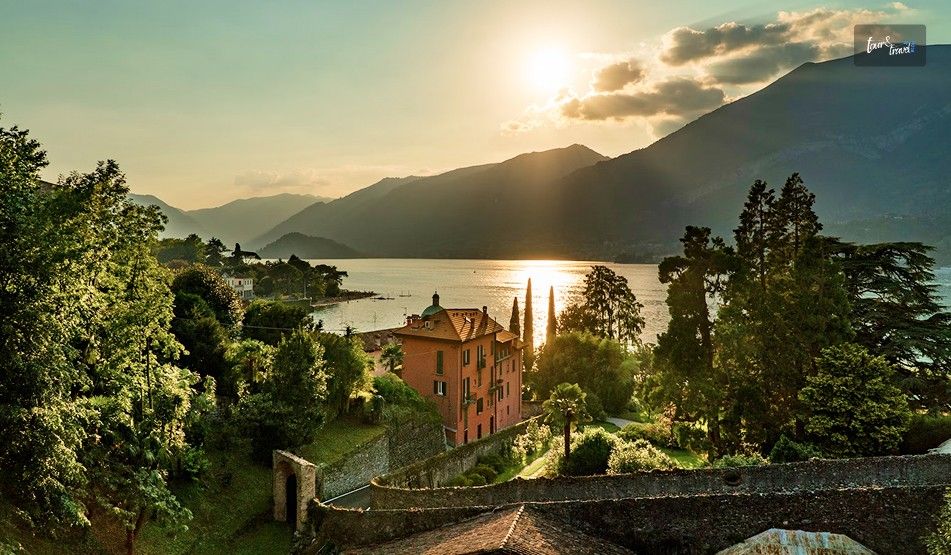
I still remember the fresh breath of air as I opened the gates of the Villa Spectra.
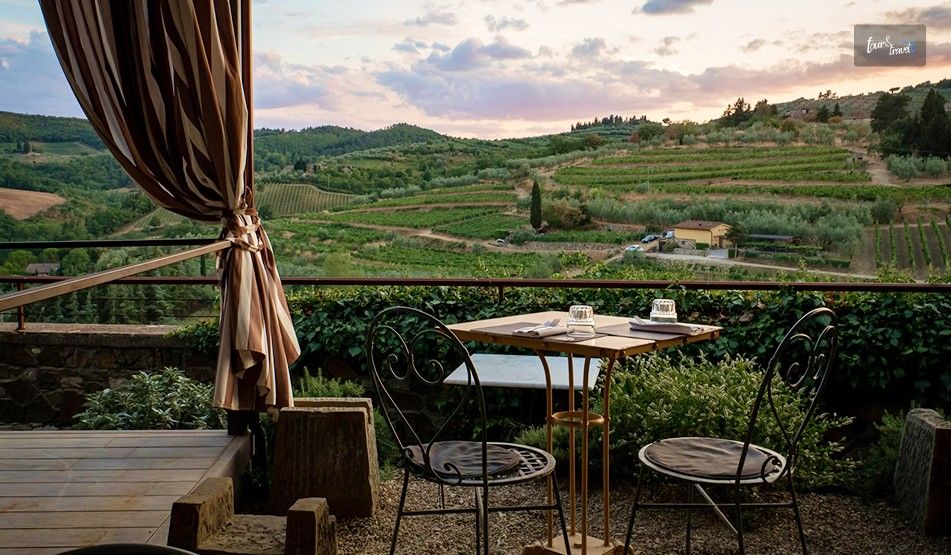
The lush green hills in the backdrop were inviting for an immediate stroll, while the Sun-drenched terrace was calling me to get soaked in the Tuscan Sun.
Everything about the villa was very intimate and warm, and just the way I wanted.
The serene setting and the luxury inside! Everything was worth the wait! Yes, I planned and dreamt of the day for five years, kept a separate savings account for the travel, and that’s a different story!
And I chose Le Collectionist villas because I wanted to soak in the luxury and richness Italy offers, with the history of the Gladiators and the Medici dukes and their sophisticated cultural landscape.
I was in Italy for a trip of 15 days, and this is how the luxury villas and everything I saw became a part of my Roman Holiday.
How Does History Speak Through The Alleys Of Rome? (With A Dash Of Luxury)
The history of Italy is layered. So, knowing about the history of Italy is not like visiting points A, B, and C. Whether it is the Leaning Tower of Pisa or the walled city of Lucca, each location has a story to share.
Now, choosing Villa Spectra from Le Collectionist was again a brilliant choice for me, as their concierge services and local partners ensured access to the real narratives of the places.
1. Tuscany: When Light Teaches Patience And The Time Stands Still
My mornings in Tuscany began with the slow rattle of shutters. From the kitchen window, cypress trees pointed like metronomes toward a pale sky.
Furthermore, it was quite warm by the afternoon, and floating in the villa pool, reading, or catching up on the best delicacies were the best refuge I could think of.
By dusk, I was out to see the color of Chianti. Seeing the sunset rays painting the houses while sipping a glass of Brunello was the ultimate Tuscan experience.
The Val d’Orcia landscape, a UNESCO World Heritage Site, was the highlight of my Tuscan experience. Also, the overall Tuscan landscape looked like a Renaissance painting for me, with verdant hills and cypress trees.
2. Puglia: The Still Stones Carry The Secrets
The dry stone architecture of Alberobello looked like the Sakshi or eternal witness I have read about in many Hindu texts.
Now, thousands of miles away, I was connecting to my roots, and I had goosebumps thinking about the universality of the truth.
Masseria Ozen was my home for the days in Puglia.
3. Amalfi Coast: Sniffing The Sea And Lemon
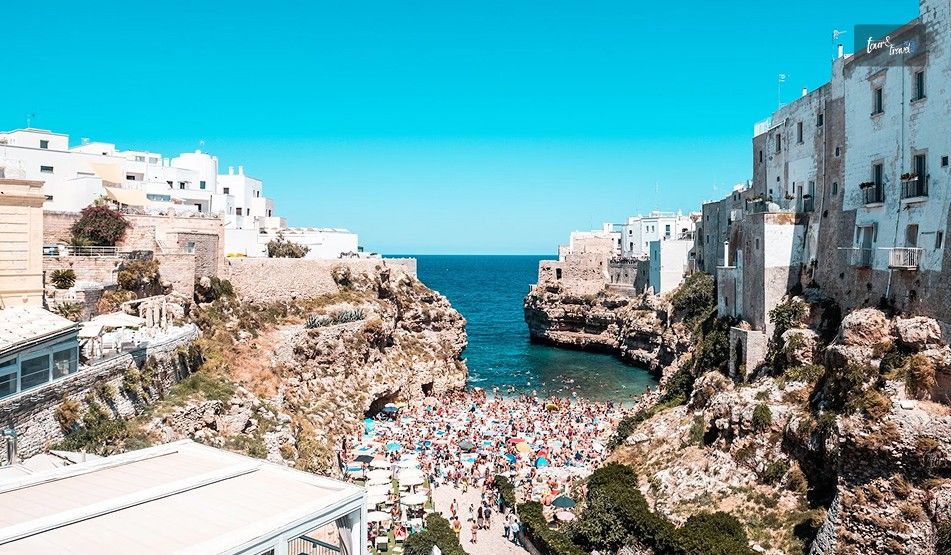
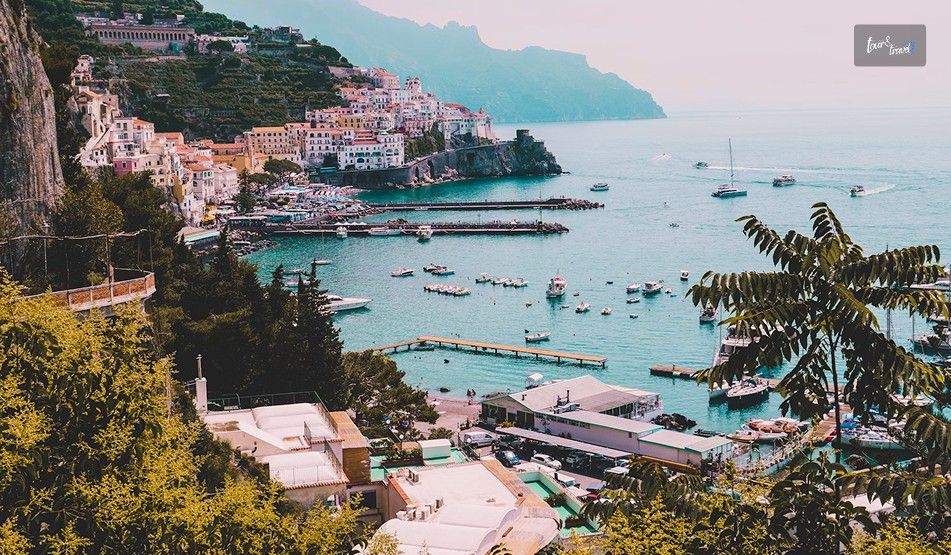
Positano ridgelines and Amalfi were the highlights of my day in Amalfi. I had the most theatrical experience in Amafi amidst the whiff of lemon and white stones.
My mornings here started with the sound of espresso spoons in the coffee cups and morning bells. Evenings were lazy, sipping on the sharpest Amalfi sherbet and watching the ferries passing.
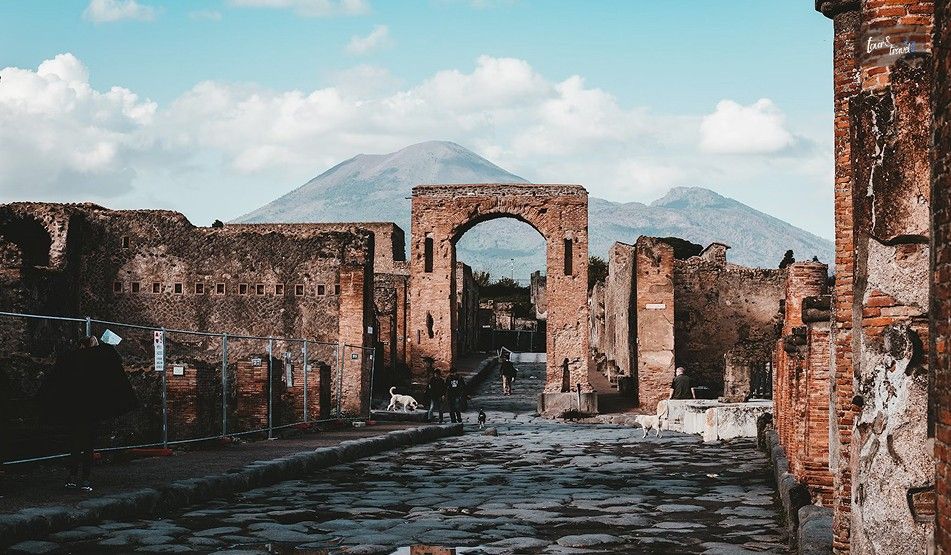
However, for me, the most exciting part was taking an after-hours walk with the villa concierge, taking us through Pompeii. The fresco colors were magical.
4. Rome And The Appian Way: Where History Speaks
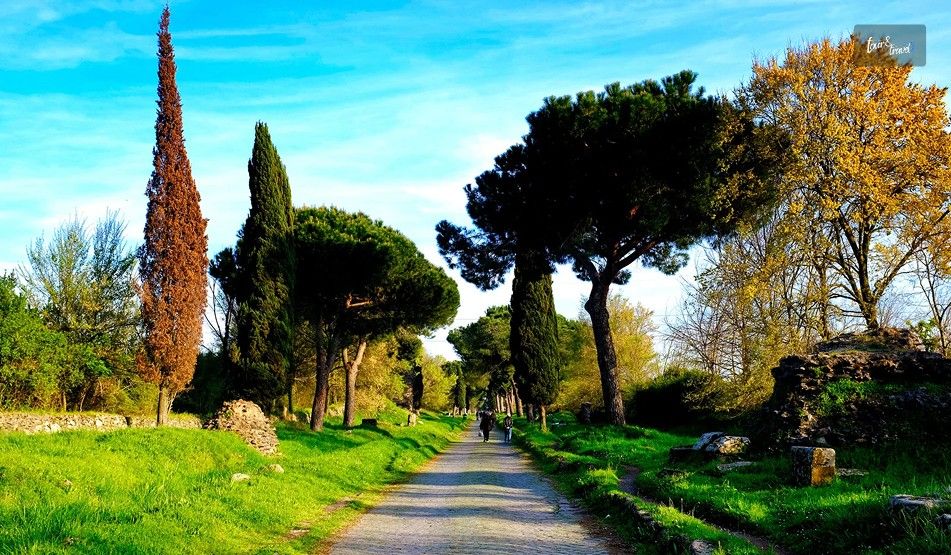
The villa I was staying in gave me access to the Appian Way through the garden gate. With the city still sleeping and the cold stones under my feet, it was like going many centuries back.
I kept exploring, and when I reached the Villa dei Quintili ruins, the light had turned honey-gold. I sat on a fallen column and felt, absurdly, both guest and citizen of another age.
Don’t Rush: Pick Your Favorite Zone In Italy
You cannot rush a holiday in Italy. Now, I was on a 15-day vacation, and that’s why I could touch upon many areas.
However, with my trip ending, I realized that it was foolish of me. I should have focused on a distinct zone.
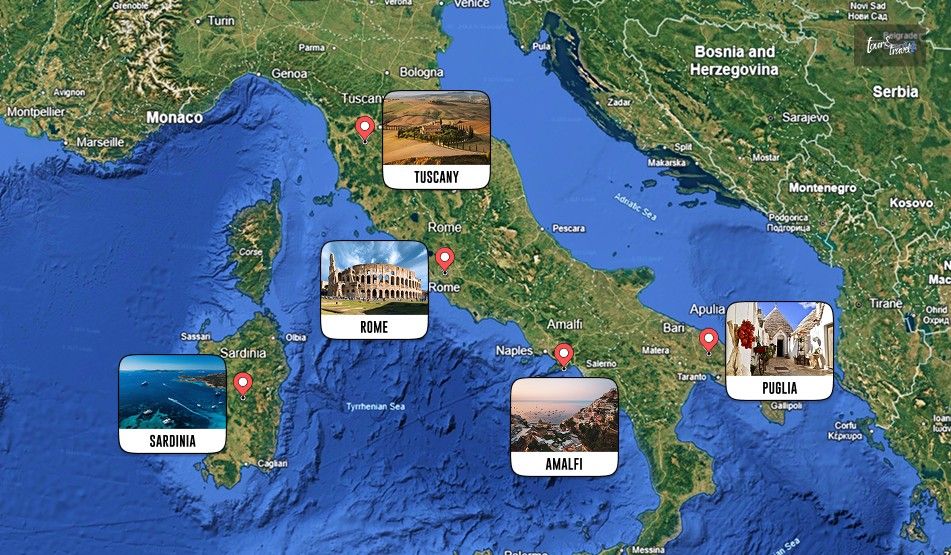
Must-Visit Zones in Italy
Highlights
Puglia and Alberobello
• Olive Groves • Trulli Districts • White Towns
Rome and the Appian Way
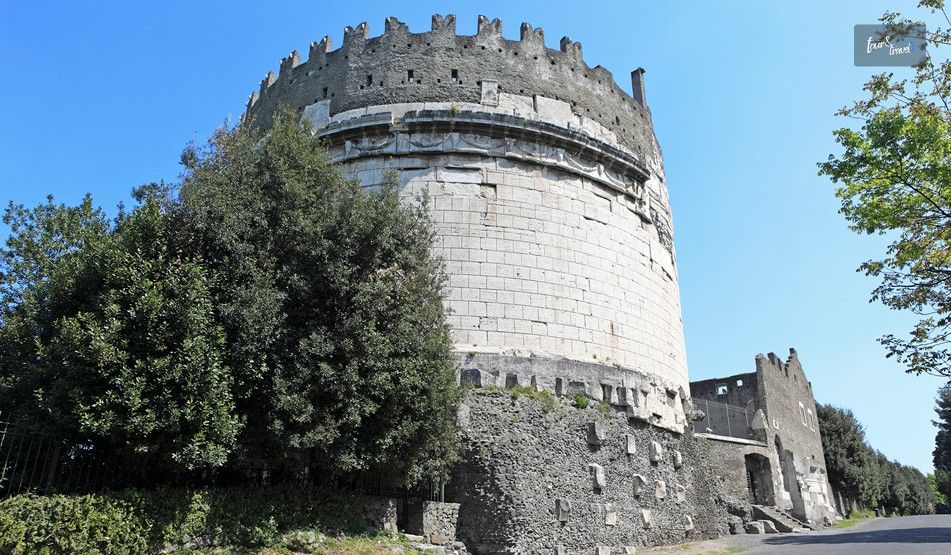
• Cecilia Metella • Villa dei Quintili
Tuscany and Val d’Orcia
• San Quirico • Montalcino • Pienza
Amalfi Coast and Pompeii
• Positano Ridgelines • Frescoes and Forums in Pompeii • Ravello • Amalfi
Sardinia
• Su Nuraxi Nuraghe Complex
Venice and the Lagoon
• Torcello’s Basilica
Lake Como and Lombardy Villas
• Alpine Views • Villas with Liberty-Style Architecture
Don’t Forget To Listen To The Hidden Narratives
When visiting places such as Pompeii, the Val d’Orcia, or Puglia, there is much to explore beyond what meets the eye.
For example, the graffiti of Pompeii features election advertisements, love notes, and more, indicating a complex past. On the other hand, the Val d’Orcia is a testament to the Renaissance urban planning.
Again, the dry stone architecture of Puglia can be a lesson about how to defy gravity.
Why I Chose Luxury Villas Le Collectionist? For Quiet Luxury And Love For History, Of Course
I chose the Luxury villas Le Collectionist because I wanted to stay near the key attractions in Italy without the hassle of crowds.
I wanted some quiet time, and the concierge team was very helpful in suggesting the right day and time to visit the important landmarks.
They also helped me with the ticketing and stuff. Furthermore, they arranged special after-hours access for the villa residents.
So, staying in the Le Collectionist luxury villas was not just about finding the most premium accommodation. They ensured access to a deeper and more convenient cultural exploration.
How Can You Choose The Best Luxury Villas Italy Le Collectionist?
The time of your visit (seasonality), the experience you want, the style of villas, and some non-negotiable attributes are the things to be considered when choosing the best luxury villa by Le Collectionist in Italy.
Factors to Choose the Best Luxury Villa
Details
Type of Experience You Want
• For farmhouse-like setups, choose villas in Tuscany. • If you want the dramatic experience of a cliff villa, choose one in Amalfi.
The Style of Villas
• When traveling solo or with your partner, a compact villa will be the best choice for you. • You will need a multi-suite villa when traveling with your family.
Seasonality
• In winter, the piazzas and museums of Rome are the go-to places. So, choose villas near them. • Furthermore, shoulder seasons are ideal for outdoor exploration. So, choosing a villa near the Amalfi Coast or near Tuscany will be a great choice.
Non-Negotiable Attributes
• Pools • Pergolas • Airconditioning • Water Facilities
What Are The Best Luxury Villas Italy Le Collectionist For History And Premium Experience Lovers?
Here are the best Le Collectionist villas in Italy if you want to explore the history of the country and the dolce vita.
1. Villa Spectra, Tuscany
For me, Villa Spectra in Lucca was the main character of the Tuscan vacation story. The terrace and the living area of the villa gave me enough time and chances to soak in the Tuscan Sun.
Villa Spectra has 5 bedrooms, and the charges are around $2400 per night.
Located in San Vito dei Normanni, Villa Masseria Ozen exudes a quintessential Italian charm.
For me, the highlight of the stay in Villa Masseria Ozen was the dinner under the stars. Masseria Ozen has five bedrooms, and the charges will be around $1400-1500 per night.
3. Villa Salvatore, Amalfi Coast
Within 300 meters of the Amalfi Coast, Villa Salvatore was my perfect home. The trees near the villa stretch down to the sea, and for me, the breakfast time on the terrace was amazing because of the stunning views around.
Chalet Gatsby looks over Lake Como, and this is precisely why I chose it. However, the villa has only five bedrooms. So, check availability or try early booking.
The villa is also close to the village of Brunate. I loved the walk from the villa to the village in the morning and late afternoon.
The tariff here will be around $1500-3000 per day.
5. Villa Limoncello, Florence
Villa Limoncello won me over with its serene location. Also, with an infinity pool, it made me wake to the sound of water. Furthermore, the hammam or the massage room was my favorite.
This villa has seven bedrooms and five bedrooms, and the pocket pinch is $4,820 per night.
Why Are Concierge Services Such A Big Deal?
The concierge services and assistance of these villas were the common threads among the places I visited in Italy.
Here’s why they are so special.
1. Guides Who Teach You About Places
When I was in the Appian Way or Pompeii, the concierge service guides were like the mobile history books.
2. Makes Logistics Hassle-Free
With concierge services, I did not have to worry about the car rentals. The vetted drivers took me to the important locations.
They know everything from ZTL boundaries, parking spaces, and drop-off timings.
3. Ensures Smooth Access
Concierge services take advantage of the tie-ups, and booking is always done through official channels. So, the slot selection is clean, and you will get the best official discounts.
Exploring Italy Without Stress: Be Smart With Logistic Planning
For Rome
• Explore Appian Way places such as Aqueducts, Catacombs, and Quintili. Then, have a late lunch. • Wear sturdy shoes to walk comfortably on the basalt stones.
Tuscany Days
• Explore Val d’Orcia and don’t plan visiting more than two hill towns.
Amalfi Coast
• Avoid traffic with boat rides. Visit Pompeii early in the morning or late.
Puglia
• Visit Alberobello in the early morning. • Hit the beach at noon. • Have dinner under the vines.
My 15-Day Travel Itinerary In Italy
This is how my itinerary for the 15-day vacation in Italy looked.
Days
Activities
Day 1 – Arriving in Lake Como
• Traveling from Milan to Lake Como • Lakefront lunch • Boat ride to Varenna & Villa Monastero • Dinner at Villa • Watching Mirrored Lake at Dawn
Day 2 – Heart of Como
• Visiting Villa del Balbianello • Having lunch in Menaggio by Lake Como • Riva boat tour • Spa in the evening • Aperitivo dinner in the villa
Day 3 – Milan Excursion
• Traveling to Milan • Visiting the Brera • District and The Last Supper Museum • Lunch at Marchesi 1824 • Returning to Como
Day 4 – Verona & Valpolicella
• Driving east from Milan to Verona & Valpolicella • Visiting the vineyard villa near Negrar • Visiting Juliet’s balcony and Valpolicella wine tasting in the afternoon • Dinner under vines with Amarone & Tiramisù
Day 5 – Venice Arrival
• Reaching Venice and enjoying a water taxi ride to the Grand Canal Villa • Dorsoduro stroll in the afternoon • Sunset gondola ride • Seafood dinner at Alle Testiere
Day 6 – Florence
• Taking the train from Venice to Florence • Private Uffizi tour in the morning • Watching the sunset on Ponte Vecchio
Day 7 – Chianti Wine Route
• Taking a vineyard drive from Greve to Radda on the Chanti Wine Route • Enjoying rustic trattoria lunch • Spending the evening in the villa by the poolside
Day 8 – Val d’Orcia
• Exploring Val d’Orcia • Moving South to Pienza Villa • Exploring Montepulciano • Attending local cooking classes
Day 9 – Rome Arrival
• Beginning of the Roman Story • Driving to the Appian Way Villa • Explore Villa dei Quintili and Cecilia Metella.
Day 10 – The Eternal City
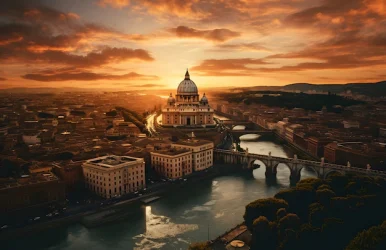
• Early tour to the Vatican City • Having coffee at Piazza Navona • Visiting Pantheon, Trevi, and the Spanish Steps • Enjoying a terrace dinner in the villa
Day 11 – Amalfi Arrival
• Reaching Positano via Naples • The signature welcome at Villa Limoncello • Relaxing by the poolside • Having a seafood dinner
Day 12 – Coastline by Sea
• Boat to Capri & Grottoes • Having a Picnic with Champagne • Watching Sunset • Relaxing at Night in a Jacuzzi
Day 13 – Pompeii & Vesuvius
• Private archaeologist-led tour • Vineyard lunch & Lacryma Christi tasting • Swimming in the evening
Day 14 – Puglia
• Villa Check-In • Traveling to Bari • Visiting Trulli Dinner in the Olive Grove
Day 15 – It’s a Wrap
• Visiting Ostuni after an early breakfast • Lunch and Sunset Drink • Destination: Bari International Airport-Karol Wojtyla
Local Secrets That No One Talks About
The Val d’Orcia farmhouse owners explain the aging of the cheese served. So, you not only have the best cheese, but also an anecdote to take home.
You have to plan your sleeping hours based on the location you are visiting. Puglia is the most beautiful in the twilight hours, and the Val d’Orcia ridge or the Appian Way are great for early walks.
Once again, keep the official links of the tickets booked, offline maps, and documents handy.
Moreover, avoid overscheduling, as driving and the distinct experiences at different locations require time.
In addition, remember which area is suitable for what type of traveler. Have a look at the table below for a better understanding.
Places to Visit in Italy
Suitable for Travel Groups
Nearby Heritage or UNESCO Sites
Rome and The Appian Way
History Enthusiasts and Families
The Appian Way is a UNESCO World Heritage Site. Places to Visit here are: • Tomb of Cecilia Metella • Circus of Maxentius • Appia Antica Villas • The Catacombs of San Callisto
Amalfi (Amalfi Coast, Positano and Ravello)
Photographers and Couples
• The cultural landscape of the Amalfi Coast
Puglia
Families and Multi-generational Groups
• Alberobello
Tuscany
Road Trips
• Val d’Orcia
Sardinia
Cultural Enthusiasts and Coastal Holidayers
• Su Nuraxi Nuraghe Complex
With Sustainability And Etiquettes In Mind…
Italy is the country of ancient ruins. So, while exploring archaeological or historical places, you must be very careful and respect the barriers as explained by the guides and officials.
Furthermore, opt for concierge services and travel in the early hours to avoid the rush in these cultural and historical places.
Take help from licensed guides to help the local community and listen to stories that only locals know.
Visiting Rome And Staying In Luxury Villas Italy Le Collectionist: FAQs
Here are some frequently asked questions and answers.
1. What Is The Best Time To Visit Pompeii?
Yes, Pompeii is a year-round destination. However, if you want to enjoy mild weather conditions, visit Pompeii in the shoulder seasons, such as September to October and April to May.
2. Why Is Trulli So Famous?
Trulli, a place of great cultural importance, is famous as a UNESCO World Heritage Site. The stone huts here are whitewashed, and they have conical roofs. The architecture of these huts represents the quintessential architectural style of the Puglia Region.
3. Is There Any Resource To Learn About The Landscape Of Tuscany?
Yes, you can read the UNESCO World Heritage Convention page on Val d’Orcia and other heritage sites to have the historical or cultural background and context about them.
4. What Is The Best Villa-Based Experience Near Rome?
You will find the Villa dei Quintili while driving on the Appian Way. The vast ruins get fewer crowds compared to other historical zones in Central Rome. You can keep an offline leaflet handy, as the mobile network may not work here.
Sibashree is a travel, culture, and leisure writer who has been writing since the age of 12 and professionally since 2014. With more than a decade of travel writing experience and journeys across India and several parts of the world, she brings a deeply personal and thoughtful perspective to her work. A student of English Literature and Mass Communication, Sibashree has always viewed travel as more than movement — for her, it has been a way of understanding people, cultures, and herself. Her passion for spiritual exploration has also led her to many unusual and meaningful destinations over the years. Outside of writing, Sibashree enjoys watching European cinema, reading about global politics, and reflecting on the stories hidden within everyday places.
Well, the question itself is a sign that Italy is a splendid destination. But first-time travelers might wonder how many days to stay.
Are you one of them? Then you have landed in the right place, because this guide gives you detailed insight.
Italy is a captivating country known for its rich history, vibrant culture, and stunning landscapes. Its 20 regions each have their own identity.
No matter how long you stay, you might feel like you are running out of time. Today, I will give you a comprehensive guide to exploring the country if you have limited days.
Factors That Let You Decide Your Stay Duration In Italy
Planning the length of your visit is crucial to make the most of your time and experience all that Italy has to offer.
Here are some helpful tips to consider when deciding how long to stay in Italy.
Consider Your Priorities:
Start by identifying your main interests and priorities for the trip. Are you more drawn to historical landmarks, art and architecture, culinary experiences, or scenic beauty?
Understanding your preferences will help you choose regions and cities in Italy that match your interests.
It is technically impossible to explore the 4,600 km coastline, no matter how long your vacation is. With gorgeous beaches, soul-calming villages, and tourist attractions, Italy is certainly worth discovering.
So, know your priorities. Get a map of Abruzzo, Italy, or whichever region you're traveling to, and plan a route with the key points of interest you want to visit.
It makes no sense to spend a thousand dollars just to figure out what you want from the vacation.
Leave Room For Spontaneity:
While it's essential to have a general plan, leave some flexibility in your itinerary.
Serendipitous discoveries often make for the most memorable experiences.
Allow yourself the freedom to wander off the beaten path, stumble upon hidden gems, and embrace the unexpected.
Italy is a place where magic happens. The only thing you should worry about is pickpockets.
Don’t fall for any scam, and you are good to go. Leave some room to discover the place strategically.
Explore The Highlights:
To get a comprehensive taste of Italy, we recommend spending at least two weeks in the country.
This timeframe allows you to explore the iconic cities of Rome, Florence, and Venice, as well as the breathtaking Amalfi Coast, Tuscany's picturesque countryside, and the charming villages of Cinque Terre.
The nation's island culture is no less mesmerizing. More than 450 beaches attract tourists.
Don’t forget to head to Sicily, a small country on its own. The Tremiti Islands and the Aeolian Islands offer an unparalleled experience.
Focus On Specific Regions:
If you have limited time, consider narrowing your focus to specific regions. For example, spending a week in Tuscany allows you to delve into its art, history, and world-renowned wines.
Alternatively, a few days on the Amalfi Coast lets you soak up the beauty of the Mediterranean Sea and visit the historic town of Pompeii.
If you prioritize luxury above all else, you might want to head to Sardinia’s Costa Smeralda.
It is a hotspot that makes everything look alluring on Instagram posts. A trip to Italy will be worth it when you explore some of its off-beat destinations.
Factor In Travel Time:
When planning your itinerary, allow time to travel between destinations. Italy's efficient train system makes it easy to get around, but some journeys can take a while.
Factor in travel time between cities, and make sure you have enough time to explore and relax at each location without feeling rushed.
While personal transport can be a bit pricey, local transportation has your back.
Make sure you rely on them, as you have various other places to spend extravagantly. Why waste your precious dollars on a commute when local options make it possible?
Embrace The Slower Pace:
Italy encourages leisurely exploration and savoring the moment.
Allow yourself time to enjoy a leisurely stroll through the streets, sip coffee at a local café, or people-watch in a piazza.
Don't try to cram too many activities into a day; instead, focus on quality experiences and immerse yourself in the Italian way of life.
If you have limited time, make a list of a few places. But make sure to explore them at their best.
The only thing you should carry back home is memories, not regrets. Explore each destination at a slow pace, and make the most of your time.
Consider Seasonal Factors:
The time of year you visit Italy can greatly impact your experience.
Summer months can be crowded with tourists, especially in popular destinations, while spring and autumn offer milder weather and fewer crowds.
Winter is ideal for those interested in skiing in the Italian Alps or exploring the cultural delights of cities like Rome and Florence without the usual tourist crowds.
Overall, the country has wonderful weather. Don’t forget to consider the season when planning your trip.
If you want to visit the beaches, summer is the best time to visit.
Seek Local Insights:
To truly immerse yourself in Italian culture, ask locals for recommendations.
Not everything is found in journals, maps, and Google. Some things are best discovered in person. Italy is a wonderful destination with people from all walks of life.
So, talk with locals, ask for their favorite restaurants or hidden spots, and be open to their suggestions.
Their insights will give you unique experiences you may not find in guidebooks.
The Bottom Line… Pack Your Bags To Italy
In conclusion, how long you spend in Italy depends on your interests, priorities, and the experiences you want.
Whether you have a few days or a few weeks, careful planning and a willingness to embrace the Italian lifestyle will help ensure a memorable, fulfilling trip.
Read Also:
Top 10 Famous Wonders Of India
Where Can You Fully Immerse Yourself In Ancient Culture On Holiday?
The Top 5 Reasons To Visit Edinburgh: From Castles To Culture, This City Has It All!
This time, our journey takes us to Lake Como, situated in the foothills of the Swiss Alps. The beautiful lake has been in the news recently for being the “Muse” for Chanel’s cruise 25/26 show.
Nevertheless, the pristine waters of the lake, quaint towns, and stunning villas here teach us the art of slow traveling. You can just sit by the water, relax, and soak in the moment by doing nothing.
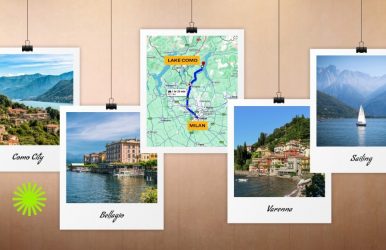
Furthermore, the journey from Milan to Lake Como is an experience in itself. You will love the scenic views, cultural exploration, and more during the trip.
Which Month Is Best In Milan? Learn The Best Time From A Milan To Lake Como Journey
April to May and September to October are the best months for a Milan to Lake Como trip. June to August is very hot and humid in Milan, with temperatures peaking at over 30 degrees Celsius in July.
Furthermore, the winter months in Milan are damp and chilly. However, the opera season at La Scala runs from November to December, and Christmas and New Year celebrations continue through December and January.
So, you can plan a visit in these months to soak in the festive fervor of Northern Italy.
Do you want to know more about the weather conditions in Milan? Have a look at the table below.
Months Highest Temperature (°C) Lowest Temperature (°C) Days of Rainfall January 8 2 6 February 11 4 4 March 16 8 5 April 18 10 8 May 25 15 8 June 28 17 7 July 31 20 5 August 30 21 6 September 25 17 6 October 17 13 7 November 12 7 6 December 8 2 6
What Is The Milan To Lake Como Distance? How Do I Get To Lake Di Como From Milan?
The distance between Milan and Lake Como is approximately 50 kilometers (31 miles). You can complete the journey within an hour.
Also, the journey offers you a seamless transition from the bustling city of Milan to the tranquil beauty of Lake Como.
1. Milan To Lake Como Train
A train ride from Milan to Lake Como is convenient, and the journey offers stunning scenic views as the train passes through small villages and lush greenery.
You can take the regional train running from Milano Centrale or Milano Porta Garibaldi to Como San Giovanni, the primary station in the city of Como.
The train ride takes approximately 40 minutes.
However, you can also take a EuroCity Milan to Lake Como high-speed train from Milano Centrale to Como San Giovanni Station. These trains take close to 36 minutes (some trains may take longer).
What Is The Milan To Lake Como Train Time?
Have a look at the table below to learn about the train timings.
Slow Trains Faster Trains Departure from Milano Centrale Arrival at Como San Giovanni Departure from Milano Centrale Arrival at Como San Giovanni 06:43 AM 07:22 AM 7:10 AM 7:52 AM 06:55 AM 07:44 AM 8:10 AM 8:47 AM 07:43 AM 08:22 AM 9:10 AM 9:47 AM 08:43 AM 09:22 AM 10:10 AM 10:56 AM 09:43 AM 10:22 AM 11:10 AM 11:47 AM 10:43 AM 11:22 AM 1:10 PM 1:47 PM 11:43 AM 12:22 PM 3:10 AM 3:47 PM 11:55 AM 01:18 PM 4:10 PM 4:47 PM 12:43 AM 1:22 PM 5:10 PM 5:47 PM 12:55 PM 2:18 PM 6:10 PM 6:47 PM 1:43 PM 2:22 PM 7:10 PM 7:47 PM 1:55 PM 3:18 PM 2:43 PM 3:22 PM 2:55 PM 4:18 PM 3:43 PM 4:22 PM 3:55 PM 5:18 PM 4:43 PM 5:22 PM 4:55 PM 6:18 PM 5:43 PM 6:22 PM 5:55 PM 7:18 PM 6:43 PM 7:22 PM 6:55 PM 8:18 PM 7:43 PM 8:22 PM 8:43 PM 9:22 PM 9:43 PM 10:22 PM 10:43 PM 11:22 PM
How Much Is A Train Ticket From Milan To Lake Como?
The Milan to Lake train ticket price starts from $7 (2nd Class/Standard), and for the first class tickets, you will need to pay $10.
After reaching the Como San Giovanni station, you can take public transport or explore the city on foot.
You will love the towns by the shore of Lake Como, including Bellagio, Varenna, and Tremezzo.
2. Milan To Lake Como Day Trip By Car
A Milan to Lake Como drive is the best option if you want to enjoy the journey at your own pace.
Traffic conditions keep differing. However, the journey by road typically takes around 1 hour and 15 minutes on average.
Furthermore, as you advance following the A9 motorway, you will find the mesmerizing views of the Alps on one side and the appeal of Lake Como on the other side.
However, the roads around the lake can be winding and narrow sometimes. So, be careful with the navigation.
Also, don’t forget a stopover at Manza and Pavia. Manza has Autodromo Nazionale Monza, a popular Formula 1 race track.
Pavia, on the other hand, is home to the Certosa di Pavia. It is a noted Carthusian monastery, popular for its artistic and historic heritage.
3. Milan To Lake Como By Bus
You can take a bus from Milan to Lake Como. It is the cheapest way to reach Lake Como from Milan.
However, the journey takes around 2 hours, and the buses depart from the Lampugnano station, running to Como and various lakeside towns.
4. Milan To Lake Como By Boat
If you want to make your journey from Milan to Lake Como more meaningful, you can take a train to Varenna and take a ferry from there to Como.
You can also take a ferry ride to Bellagio.
The boat ride is beautiful, and you will love gliding through the turquoise waters.
Is Lake Como Worth Visiting? Know What To Do In Lake Como
Once you reach Lake Como, you can also visit the following places and enjoy several water activities.
1. Visit The Como City
The largest city on the lake, Como, has a stunning lakeside promenade, historic architecture, and vibrant atmosphere.
Furthermore, it is home to the Como Cathedral. The cathedral stands out thanks to its Renaissance and Gothic architecture.
Also, you will love the cafes, restaurants, and shops throughout the historic center.
Moreover, don’t miss a funicular railway ride to the hilltop town of Brunate. You will love the panoramic views of Lake Como and the surrounding mountains from there.
Additionally, for a taste of local culture, visit the Tempio Voltiano, a museum dedicated to the life and work of Alessandro Volta, the inventor of the electric battery, who was born in Como.
2. Explore Bellagio
Historic villas
Cobblestone streets
Scenic beauty
All these make Bellagio the “Pearl of Lake Como.” Also, it is located at the juncture of the two arms of Lake Como.
So, you will enjoy a stroll along the narrow and winding alleys of Bellagio, piazzas, and lush gardens.
Moreover, for an idyllic experience, you must visit the surrounding gardens of Villa Melzi.
Also, you can explore the gelato stands, cafes, and boutique shops. You can even cycle the surrounding hills, go hiking, and take part in water sports.
3. A Trip To Varenna
Varenna is one of the best towns to visit in Lake Como. This town on the eastern shore of Lake Como exudes the quintessential romantic charm and a laid-back vibe.
Also, it is an ideal destination for Instagrammable tours in Italy. It has a beautiful waterfront and colorful buildings.
Moreover, Villa Monastero, with its beautiful gardens, and Castello di Vezio, a medieval fortress overlooking the town, are some iconic landmarks here.
4. Water Activities
Do you want some serious adventure at Lake Como? Try the following activities.
Sailing
Kayaking
Paddleboarding
5. Dining On Lake Como
It’s a sin not to try fresh lake fish, such as perch and trout, when you are at Lake Como. You will love these delicacies after a Milan to Lake Como journey, and these dishes served with polenta do the real magic.
You will also love risottos here and look for the best Italian wines.
Do you want a more luxurious experience? You can try fine dining at any of the Michelin-starred restaurants in the nearby towns. Enjoy the delicacy while enjoying the amazing views of the lake.
Milan To Lake Como: Frequently Asked Questions (FAQs)
Here are the frequently asked questions and answers about the Milan to Lake Como journey.
1. Is 1 Day Enough For Lake Como? Yes, one day is enough if you want to explore the nearby towns and try out the water activities. However, if you want to know about the local culture, you can stay longer. 2. What Is The Best Way To Travel From Lake Como To Milan? Taking a superfast train from Milan to Lake Como is the best way to travel. The travel time is less than 40 minutes, and the ticket prices start from $7. 3. Is Lake Como Expensive To Visit? Yes, Lake Como is considered one of the best places for high-end tourism in Italy. However, you can plan a stay in areas such as Lecco and visit the lake during the shoulder seasons to avoid the extra cost. 4. How Many Days Do You Need In Lake Como? You can go for a day trip from Milan to Lake Como. However, if you have hiking plans and if you want to visit even the smaller villages, you will need at least three to five days. 5. What To Visit In Milan In 2 Days? The places to visit in Milan in 2 days are Duomo, Galleria Vittorio Emanuele II, the Navigli district, and Sforza Castle. 6. How Many Days In Milan Is Enough? You need at least two to three days to visit the major attractions in Milan. 7. What Is Special In Milan? Milan stands proud as the global epicenter of luxury fashion. Names such as Versace, Prada, Valentino, and Armani call Milan their home. 8. Is It Worth Going To Lake Como From Milan? Yes, the Milan to Lake Como journey is easy, and it offers a welcome relief from the hustle and bustle of Milan. Also, you will love the scenic views along the journey.
Italy, a land synonymous with artistic heritage, culinary delights, and architectural wonders, also holds an alluring appeal for trekkers worldwide.
From the rugged cliffs of the Amalfi Coast to the snow-capped peaks of the Alps, Italy's diverse landscapes offer a rich tapestry of trails.
This guide takes you on a journey through some of Italy's most breathtaking trekking routes, each promising a unique blend of natural beauty, cultural encounters, and unforgettable experiences.
The Majestic Dolomites: Alta Via 2
One cannot talk about trekking in Italy without mentioning the famed Alta Via 2.
This trail, weaving through the heart of the Dolomites, is a haven for those seeking an exhilarating challenge.
Amidst some of the most dramatic scenery in Europe.
The Alta Via 2, stretching over 160 kilometers, is not just a trail. It's a journey through geological wonders and historical landmarks.
As noted in a recent article on Bookatrekking.com, Alta Via 2 is a trek.
It combines physical challenge with the awe-inspiring beauty of nature."
Cinque Terre: A Coastal Delight
Swap the high altitudes of the Dolomites for the serene beauty of the Italian Riviera with a visit to Cinque Terre.
This network of trails connects five historic villages, each perched precariously on the cliffs overlooking the Mediterranean.
Recent news highlights restoration and maintenance efforts. These efforts have made the trails more sustainable, preserving their beauty for future generations.
Walking these paths, with their stunning sea views and picturesque villages, is like stepping into a living postcard.
A local trekker recently shared, "Each village in the Cinque Terre is unique, and the trails.
It connects them offer some of the most beautiful coastal views in Italy."
Tuscany's Enchanting Trails
Tuscany, a region celebrated for its art, history, and viticulture.
It is also home to some of Italy's most charming trekking routes.
The Path of the Gods, a relatively undiscovered gem, meanders through the quintessential Tuscan landscape of rolling hills, vineyards, and historic towns.
This trail offers a peaceful retreat from the more crowded tourist spots. This lets trekkers immerse themselves in the tranquility of the Tuscan countryside.
As one local vintner puts it, "Walking through Tuscany is like walking through a living museum. There, each step reveals a different story of the land and its people."
The Volcanic Trail of Mount Etna
For those seeking an adventurous trek, the journey to Mount Etna in Sicily is unparalleled.
As Europe's highest and most active volcano, Mount Etna presents a unique trekking experience.
Recent volcanic activity has only heightened its allure, drawing trekkers from across the globe.
The trail takes you through a variety of terrains, from lush forests to barren lunar landscapes.
The trail can also offer you a glimpse into the powerful forces of nature at work.
The Historic Via Francigena
The Via Francigena, an ancient pilgrimage route stretching from Canterbury to Rome, is a path steeped in history and spirituality.
Recent efforts have revitalized this trail, making it more accessible to modern trekkers while preserving its historical significance.
Trekking the Via Francigena takes you through the heart of Italy's cultural and religious heritage, passing medieval villages, ancient ruins, and stunning landscapes.
A recent pilgrim shared, "The Via Francigena is more than a trail; it's a path that connects you to the soul of Italy."
Trekking Tips for Italy
Seasonal Planning: Timing is key when planning a trek in Italy. Spring (April to June) and autumn (September to November) are ideal. This time of year offers mild weather and avoids summer heat and winter snow. During these seasons, the trails are less crowded, and the natural scenery is at its most vibrant.
Environmental Responsibility: Adhere to sustainable practices by staying on marked trails and minimizing your environmental impact. Practice "Leave No Trace" principles to preserve the natural beauty of Italy's landscapes.
Local Flavors: Enhance your trekking experience by indulging in regional cuisines and wines along the way. While you may find English speakers in popular tourist areas, knowing some basic Italian can enhance your experience, especially in rural or less-touristed areas. Phrases for directions, accommodations, and food can be particularly useful.
Preparation is Key: Pack the right gear and familiarize yourself with the trails before you go.
Stay Informed about Weather and Local Conditions: Weather in mountainous areas can be unpredictable. Check the local weather forecast and be prepared for sudden changes. Also, watch for local advisories or trail closures.
Conclusion
Italy, with its diverse landscapes and rich cultural tapestry, offers a wide range of trails for trekkers of all levels.
Whether it's the challenging peaks of the Dolomites or the scenic coastal paths of Cinque Terre, each trail promises a unique and memorable experience.
As you explore these trails, you'll not only witness Italy's stunning natural beauty but also connect with its deep-rooted history and vibrant culture.
So, tie up your hiking boots and set out on an Italian trekking adventure that you'll cherish for a lifetime.
Read Also:
Roman Revelations: Unforgettable Things To Do In Rome, The Heart Of Italy!
Tips For Planning The Perfect Getaway In A Rental Villa In Italy
Exploring The Allure Of Holiday Getaways In Italy






 Related