


Natural Wonder: Top 11 Best Landscape Places In The World

Dec 21, 2023

Last Updated on: Nov 13, 2025

Travel Blog

Beautiful landscapes have always held a special place in the hearts of humans. The breathtaking marvels that nature has to offer have enthralled humans from the dawn of civilization to the present.

We’re going to take a trip to find the world’s top 6 landscape locations in this article. These stunning locations are certain to astound you and satiate your wanderlust. Let’s explore the captivating beauty of these lovely landscapes now.

Discover Top 6 The Best Landscape Place In The World

The Best Landscape Place In The World
Image Source: www.travelandleisure.com

Take a peek at some of the best landscape wonders from around the world. We promise you will not only find it amazing, but they will incite a deep wanderlust you have never felt before.

Banff National Park

Banff National Park
Image Source: peakvisor.com

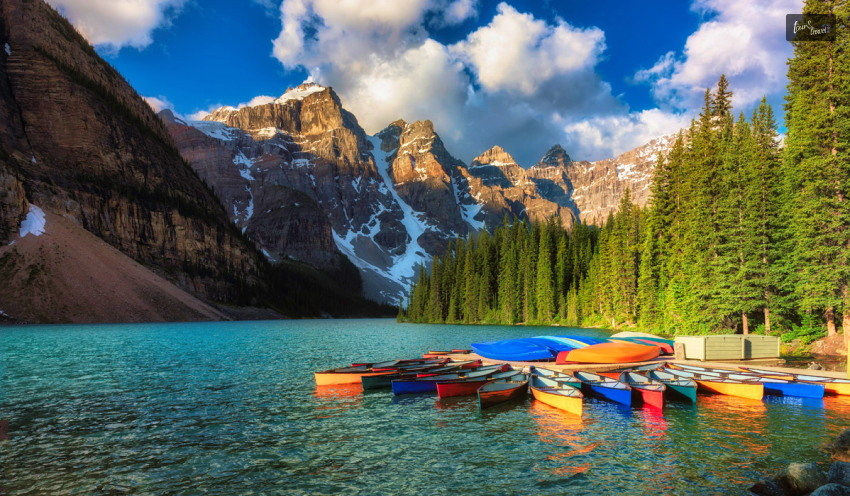
Banff National Park is a veritable gold mine of natural treasures, tucked away in the Canadian Rockies. This gorgeous park is home to shimmering lakes, towering mountains, and a wide variety of wildlife. This landscape perfectly captures the splendor of the great outdoors.

Lake Louise, with its breathtaking turquoise waters set against a backdrop of rugged mountains, is one of the highlights of Banff National Park. Moraine Lake is another treasure, drawing tourists in with its vivid colors and tranquil ambiance. There are countless chances for exploration as well as adventure in Banff National Park, whether you enjoy hiking, skiing, or seeing wildlife.

The Grand Canyon

The Grand Canyon
Image Source: www.abercrombiekent.co.uk

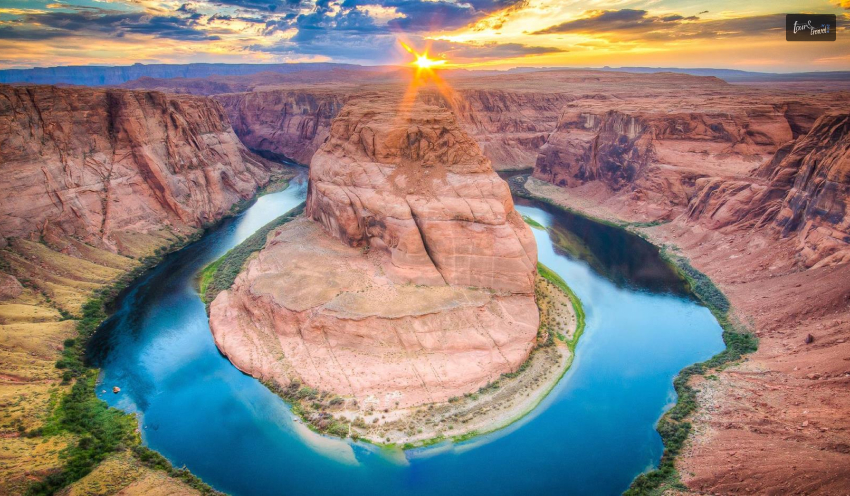
Discover the top 6 best landscape locations in the world on our list. The Grand Canyon is a geological marvel that has been sculpted over millions of years, making it a true testament to the power of nature. This famous American landscape features striking views that are rare in their majestic beauty.

Visitors are in awe of the canyon’s immense size and beauty when they view it from different rim viewpoints or from inside its depths. Geologists, photographers, and lovers of the great outdoors are drawn to the layers of vibrant rock that reveal a tale of Earth’s past. Hike or take a helicopter ride to see the beautiful scenery from various angles in order to comprehend the scope of this natural wonderfully.

Boulders Beach

Boulders Beach
Image Source: gobirding.birdlife.org.za

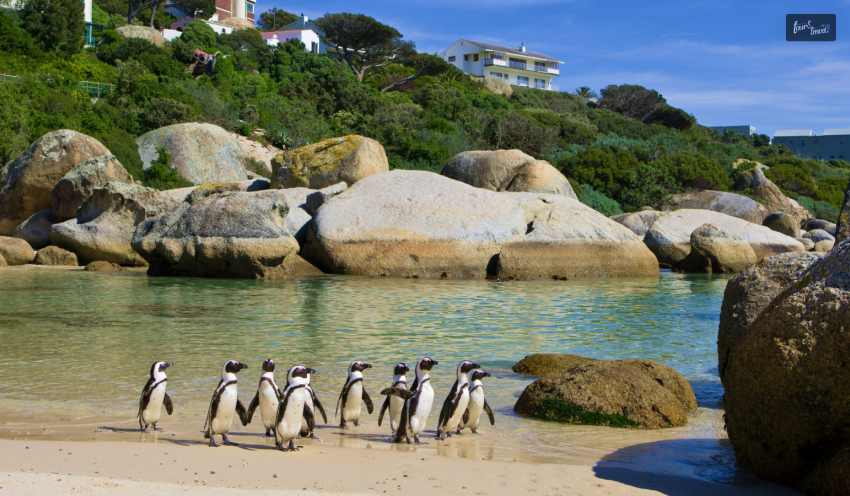
Boulders Beach, roughly 17 miles south of Table Mountain on the False Bay Coastline, owns Cape Town’s stunning scenery, which includes vivid blue water, granite boulders, as well as penguins.

Located nearby to the endearing African penguin colony, this location is popular among swimmers. But you can also simply relax and take in the expansive coastline.

Cameron Highlands

Cameron Highlands
Image Source: images.travelandleisureasia.com

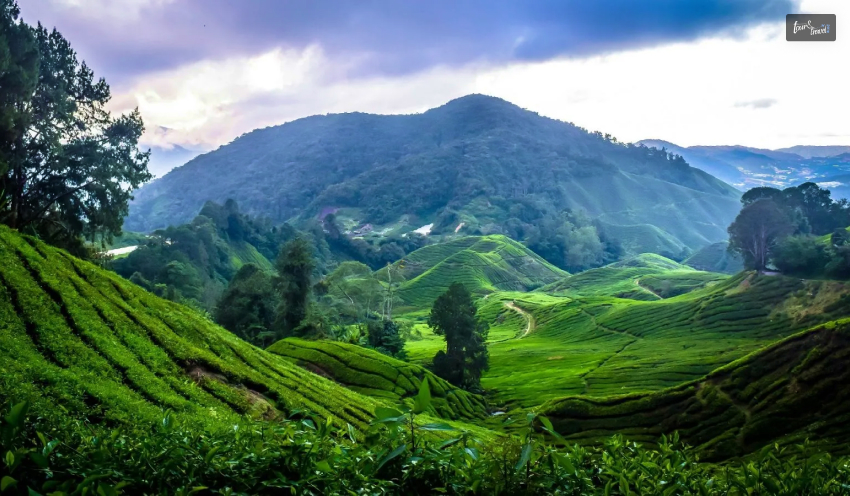
It is pretty tough to point out just one location in the diverse landscape of Malaysia. The Cameron Highlands will still top most other places. The largest tea plantations in the nation are found in this 275-square-mile area of the state of Pahang. In addition to exploring butterfly gardens and strawberry farms, the area is home to rolling, fuzzy green hills.

Patagonia

Patagonia
Image Source: media.architecturaldigest.com

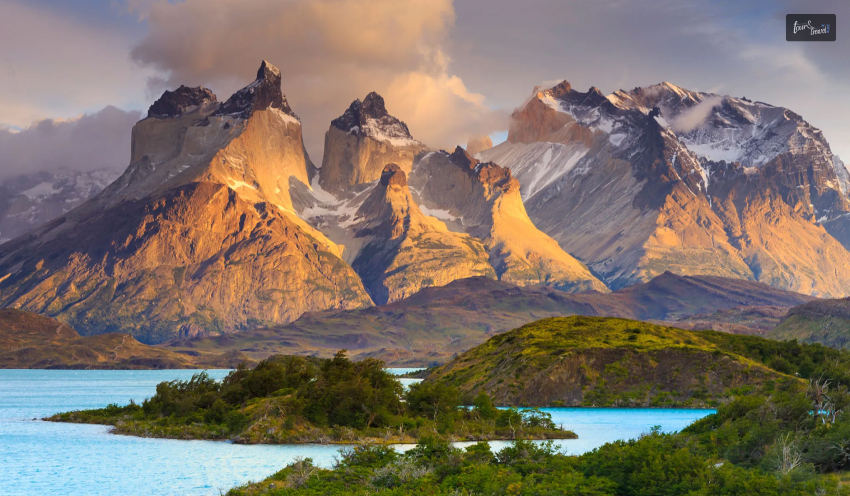
Patagonia is a region of breathtaking beauty that spans both Argentina and Chile. Its untamed mountains, wide-open skies, and glaciers combine to create an absolutely stunning landscape. This area’s remoteness adds to its attraction, drawing travelers looking for peace and pristine surroundings.

Discovering the Perito Moreno Glacier or trekking through Torres del Paine National Park, Patagonia, provides a once-in-a-lifetime encounter with nature. For those who enjoy the outdoors and are looking to see some of the world’s most breathtaking landscapes, this unspoiled wilderness is a haven.

Great Barrier Reef

Great Barrier Reef
Image Source: lp-cms-production.imgix.net

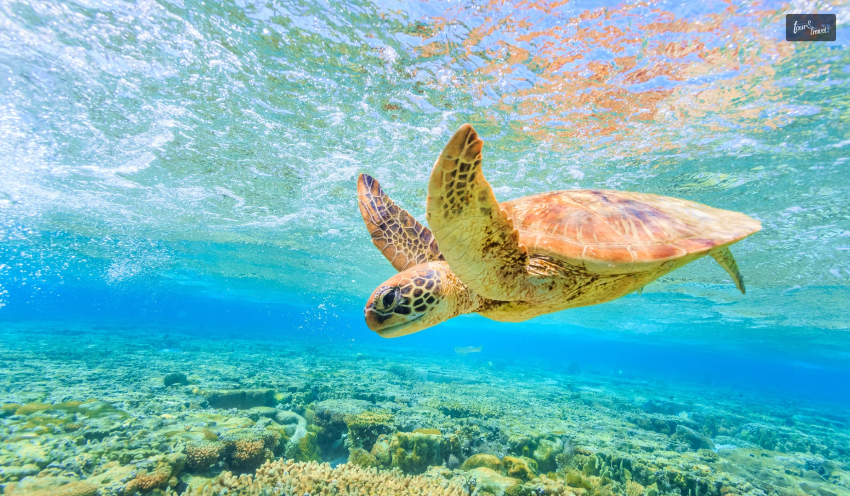
It’s like entering a vibrant underwater wonderland when you dive into the Great Barrier Reef. Marine biodiversity can be found in abundance in this world’s largest coral reef system, which is situated off the coast of Australia. This reef is home to thousands of marine species, and the rich marine life and colorful coral gardens it offers together form an incredible ecological tapestry.

Immersion in these pristine waters, whether snorkeling or diving, provides a unique opportunity to appreciate the undersea world up close. A trip to the Great Barrier Reef is a must for anyone looking to explore some of the world’s most breathtaking landscapes.

Himalayas

Himalayas

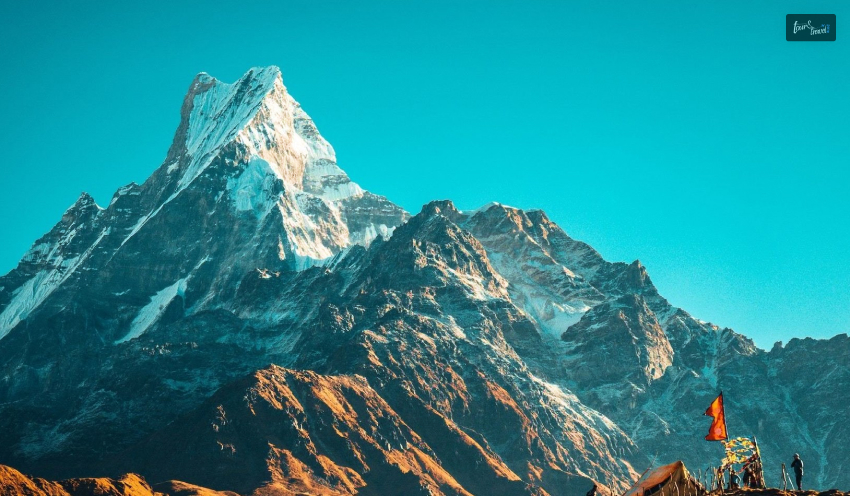
The highest peak in the world, Mount Everest, represents the pinnacle of adventure as well as challenge. Reaching the base camp is an accomplishment that provides breathtaking views of the Himalayas and a window into the Sherpa culture of the area. For those looking to explore the world’s most beautiful landscapes, Mount Everest is a must-visit location.

Its immense size, as well as its formidable challenge, can change the life of any visitor. The majesty of nature humbles one as one stands in the shadow of this magnificent peak. Mount Everest is a destination that should be on everyone’s bucket list because it offers an unforgettable experience, regardless of experience level.

Georgia

Georgia
Image Source: www.state.gov

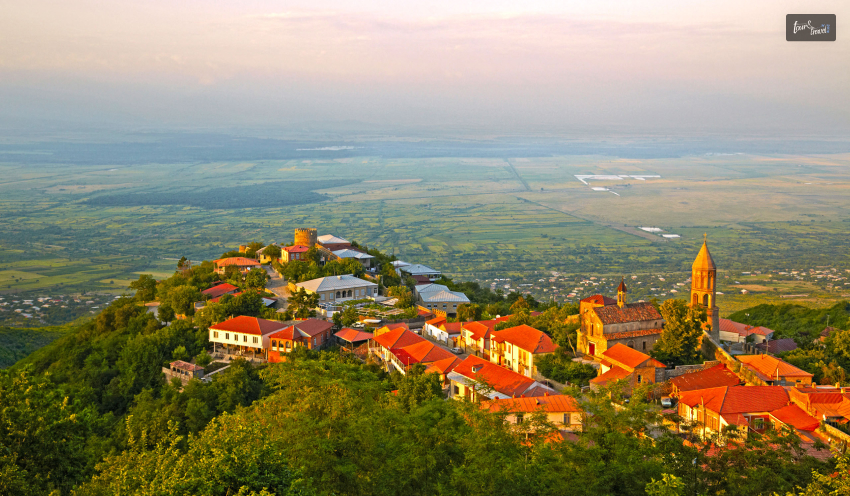
Georgia has everything you need and more for the daring traveler who is sick of the congested Alps mountain trails or the reservation-only French vineyards (yes, including wine). Hiking the country’s trails, which meander through the Greater Caucasus mountain range that separates Europe from Asia, is the best way to take in the diversity of the landscape.

Lapland

Lapland
Image Source: media.tacdn.com

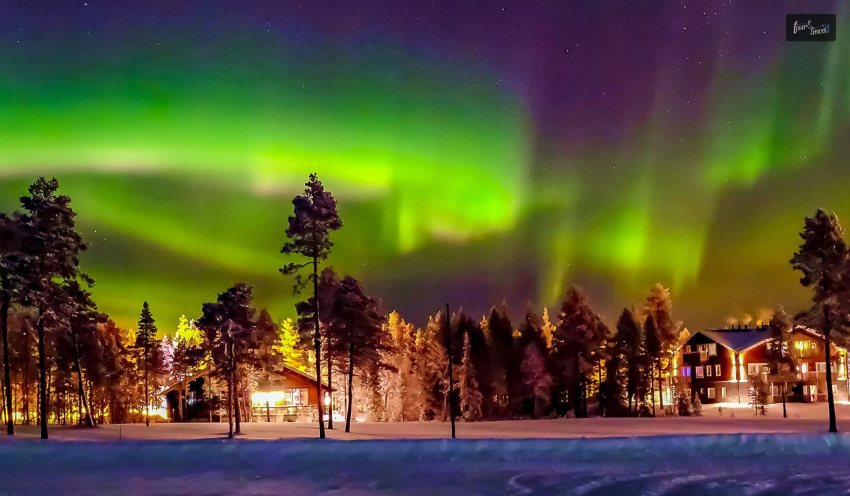
If a snowy destination is a must for your travel fantasies, then Finnish Lapland should definitely be on your list. Although the warmer months are beautiful in this part of Finland, November through March is the best time to visit. This is when the Northern Lights are most likely to appear. The trees are blanketed in deep snow, and huskies are ready to take you for a sled ride.

Étretat

Étretat
Image Source: www.surf-escape.com

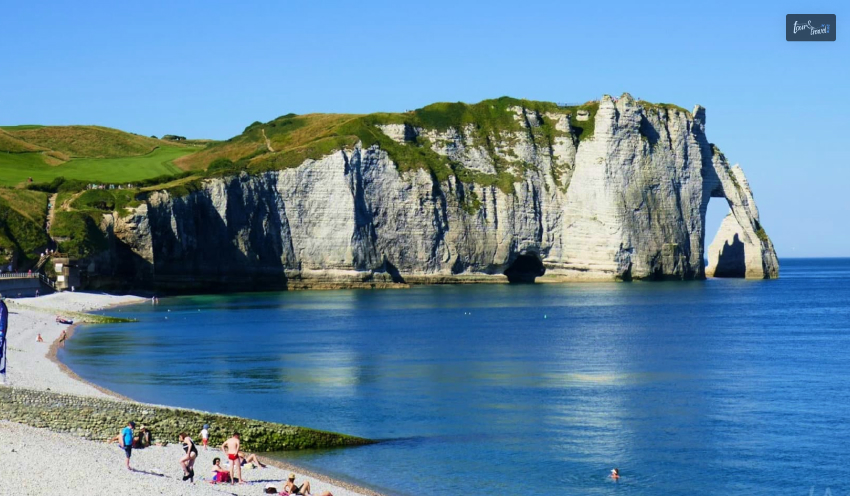
Popular among sailors as well as surfers, Étretat is a pebble beach situated along France’s Alabaster Coast. However, the main draw for most tourists to this area of Upper Normandy is the renowned chalk cliffs and arched rock formations. There are natural sculptures at several locations along the 80-mile stretch of Étretat. They have long inspired tourists and artists, most notably Claude Monet.

Galápagos Islands

Galápagos Islands
Image Source: www.travelandleisure.com

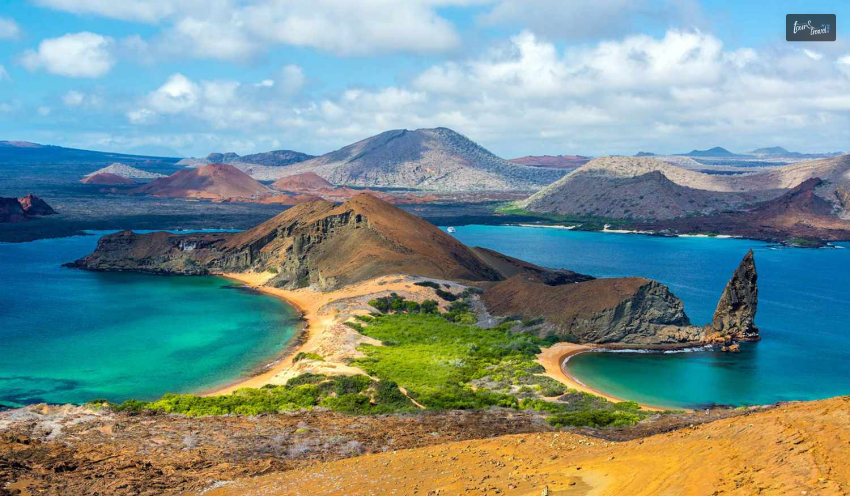
Does the appeal of the Galápagos Islands really need to be explained? Make it a point to visit this other-worldly section of Ecuador if you can; it’s home to real blue-footed boobies and gigantic tortoises that resemble dinosaurs lumbering through the tall grass.

Wrapping Up

Setting out on a quest to identify the world’s top landscape locations is an adventure of discovery and admiration. Every place on this list is breathtaking in its own special way. From the striking coral reefs of the Great Barrier Reef to the majestic mountains of Banff National Park.

These picturesque settings will make a lasting impression on your spirit. Whether you’re looking for adventure, peace, or a closer relationship with the natural world. So pack up and set out to uncover the splendor that lies ahead in these exceptional locations.

Read Also:

Share on Social Media

Abdul Aziz Mondol is a professional blogger who is having a colossal interest in writing blogs and other jones of calligraphies. In terms of his professional commitments, he loves to share content related to business, finance, technology, and the gaming niche.

Leave a Reply

Your email address will not be published. Required fields are marked *

title-img Related

READ MORE Wildlife At Yellowstone National Park

Exploring Wildlife At Yellowstone National Park: Know The Mammals, Reptiles, Birds, Fish And More

BY  Sibashree Nov 11, 2024

The wildlife of Yellowstone National Park is as fascinating as its geology. So, along with the geysers, many tourists also visit this park to explore its wildlife. The grizzly bears, wolves, bison, and more make the park the biggest concentration of mammals in the lower 48 states. However, the park is also a popular birder hub with ospreys, eagles, and falcons. You just need to know the spots well to encounter these wild creatures, with respect, of course.  Here, I will give you a brief idea about the mammals, birds, reptiles, amphibians, and fish found in this park. I will also share where to spot them.  Mammals You Will See At Yellowstone National Park May to June or spring is the ideal season for watching mammals at Yellowstone National Park. You will especially get to see many bears and wolves in this season. Further, at the advent of the fall season, this park has elk bulls in great numbers.  Moreover, mammals like elk, bulls, and bison are also visible in the park in winter. Winter is also a great time to glimpse the Lamar Valley wolves. So, watching wildlife at Yellowstone National Park is a year-round activity.  Tour and Travel Tips For Wildlife Watching At Yellowstone National ParkTrek the park in the early morning or evening to have better visibility of the wildlife. The temperature remains moderate during these hours of the day.Further, you will need spotting scopes or binoculars to see the wild animals.Maintain at least 25 yards of distance from elk, bison, and other wild animals. However, for bears and wolves, you must maintain at least 100 yards of distance.  Let’s learn about the most prominent mammals in the park in detail.  American Bison Where to Find: Lamar and Hayden Valleys and the Grasslands Best Time to Find: July to August Did you know that bison in Yellowstone make up the largest (remaining) bison population on American public land?  The biggest mammals of the park, bison, have been there since pre-historic times. A male bison weighs 1,800 pounds on average, while the weight of a female bison is close to 1300 pounds.  Black And Grizzly Bears Where to Find: Mammoth and Tower Areas (Black Bear) and Lamar and Hayden Valleys (Grizzly Bears) Best Time to Find: May to June Black and grizzly bears co-exist in many parts of the national park. Grizzlies are bigger than black bears, with a hump on their shoulders and a rounder face. Bear safari is a popular activity in the park. However, you need to maintain a distance of at least 100 yards and follow all safety regulations, as bears can get violent, especially when they are with their cubs.  Elk Where to Find: Lamar Valley, Madison Canyon, Mammoth Valley Best Time to Find: September to November Due to the impressive antlers, elks are probably the most photographed animals in this national park. Do you know that the antler of an elk can grow up to 6 feet? Moose and deer, closely related to elks, are other prominent park mammals. Moose is the largest of the Cervidae family, and elks are the second largest.  Further, moose are seen in the park’s marshy areas and near water bodies. Bighorn Sheep Where to Find: Gardner Canyon and Near the Yellowstone River Best Time to Visit Bighorn Sheep in Yellowstone National Park - November and December The large and curved horns of bighorn sheep make them stand out. You will find these horns on the males. Bighorn sheep live in a herd, and in the fall season, the males get involved in loggerheads to win over their female companion.  There is one fascinating fact about bighorn sheep. When a baby bighorn sheep (lamb) is born, it can climb and walk within one day. Wolves Where to Find: Throughout the Park Best Time to See Wolves: May to June Around 100 wolves live in the Yellowstone National Park. Leopold packs, Yellowstone Delta, and Slough Creek are the biggest wolf packs in the park.  Wolves are native to the park. However, in 1995, they were re-introduced here.  Along with the types discussed, you will also find mammals like coyotes, martens, red foxes, wolverines, mule deer, marmots, and more in the park. Overall, around 67 species of mammals live here.  Amphibians In Yellowstone National Park Thanks to a unique geology, there are various ponds and wetlands across the Yellowstone National Park. Here, you will find the following varieties. Boreal Chorus Frog Western Tiger Salamander Western Toad Columbia Spotted Frog Plains Spadefoot Toad Further, these amphibians play a crucial role in the maintenance of the terrestrial and aquatic ecosystems of the park. Many mammals, birds, reptiles, and even fish prey on them. Also, they eat many vertebrate and invertebrate creatures to balance the food chain. Moreover, the amphibians in the park are indicators of high pollution rates or changes in the weather. They even indicate the advent of diseases and the arrival of any nonnative species.  So, research on amphibian populations in the park is crucial to know about any impending danger that may affect the ecosystem.  Reptiles At Yellowstone National Park Yellowstone has six species of reptiles. However, there is a greater scope for studying and identifying these reptiles. As of today, the reptile species found in the park are: Terrestrial garter snake Common garter snake Rubber boa Prairie rattlesnake Bullsnake Sagebrush lizard Prairie rattlesnake is the only venomous snake in the park, while bullsnake is the largest variety found here. Yellowstone National Park: A Birder’s Paradise A 2018 survey in Yellowstone National Park announced the presence of 82 species of birds in the park.  Further, the species of birds here are varied, and the table below mentions the variety you will come across in the park. OwlsNorthern saw-whet owl Northern pygmy-owlBoreal owl Great-horned owl EaglesBald eagleGolden eagleColony Nesting BirdsPelicanHeronsIbisesSong Birds Ruby-crowned kinglet American RobinDark-eyed junco You will also find birds like woodpeckers, ducks, geese, swans, falcons, and ospreys in this national park.  Fish In Yellowstone National Park Yellowstone National Park is home to many native and non-native fish species. Eastern Brook Trout, brown trout, lake chub, rainbow trout, and lake trout are some non-native fish species in the park. Further, this park has native fish species, such as mountain sucker, speckled dace, Utah chub, Redside Shiner, etc.  Human Imprint On Yellowstone National Park  The home to Native Americans, Yellowstone National Park displays a human tapestry of almost 11000 years. The natives of the place have survived on hunting and fishing. Further, they have known the medicinal properties of the herbs available in the park. In addition, the healing properties and religious importance of the thermal water here had a major impact on the local human lives.  Yellowstone National Park: At A Glance  How to Reach Yellowstone National Park: Reach the Yellowstone Airport and take a cab or bus to Yellowstone National Park. Highest Point: Eagle Peak Established: 1st March 1872 Designation: UNESCO World Heritage Site for “globally unparalleled assemblage of surficial geothermal activity.” Entry Fee: $25-80 based on the entrance pass  Visitor Centers: Albright Visitor Center, West Yellowstone Visitor Information Center, Grant Visitor Center, etc.  Also read Why Include Whale Watching In Your LA Itinerary. Traveling On A Budget: Tips For Affordable Adventures. From Cocktails To Kickflips: Must-Try Activities In San Diego.


READ MORE Gladiators in Rome

Gladiators In Ancient Rome: Blood, Glory, And The Legacy You Can Still Feel Today

BY  Barsha May 27, 2025

Few Roman emblems are more recognizable and evocative than that of the gladiator.  These violent men—half athlete, half captive, half myth—held Roman crowds for centuries in bloody battles that were spectacle as much as they were a matter of conquest.  But who were the gladiators in Rome, in reality? What motivated thousands of onlookers to celebrate their fate in the arena? And where can you still sense the beat of their legacy today?  Further, Rome, the capital of Italy, is about to host the 2025 World Travel & Tourism Council’s (WTTC) summit. Also, the historical places to visit in Rome play a vital role in maintaining Italy’s position as the number one travel destination in the world.  If you are not in the know, Italy has just won the laurel of the top luxury tourism destination for 2025 at the International Luxury Travel Market (ILTM) Latin America.  So, in this Tour and Travel Guide, we will find out the gladiators of Rome and how they can be the highlight for your next vacation to Rome.  At the same time, we will talk about the historical places of Rome and why they make the city the most preferred destination in the world.  From Funerary Rites To Public Spectacle: The Gladiators Of Rome And Their Timeless Appeal The origin of the gladiators in Rome is very much intertwined with sacrifice and ritual in the natural world.  Ancient accounts indicate that gladiatorial fighting was once performed in remembrance of the dead, particularly renowned figures from society.  These events later became popular for entertaining or intimidating the masses.  By the Roman Republic, games of gladiators already were a political weapon: a show of grandeur and munificence employed to win the favor of the masses.  The Colosseum: Heart Of The Arena The Colosseum, or Flavian Amphitheater, was the spectacular arena for the events. Finished in 80 AD by Emperor Titus, it could accommodate as many as 50,000 spectators and saw colossal games which lasted for 100 successive days at times.  Gladiators drew swords here, man-eating animals from Africa and Asia were brought out, and emperors gained or lost the people's favor in the arena of blood.  So, the Colosseum, an icon of ancient Roman civilization, is more than just an architectural marvel. The use of concrete and innovative techniques in the Colosseum was unique.  However, the more unique aspect of the place is how it witnessed and has carried the history of the gladiators of Rome and a particular way of Roman living over the years.  In other words, the next time you visit the Colosseum, one of the best things to do in Rome, you will have a new perspective as a traveler.  And yet, glorious as the Colosseum stands, its actual history truly comes alive only when viewed in context—through the unseen narratives of the Ludus Magnus (the main gladiator school), the pre-fight rituals, and the political maneuvering behind each bout.  Want to Experience The Legacy Of Gladiators In Rome Like Never Before?  If you're planning a visit to Rome, seeing the Colosseum is a must, but walking around its outer walls is just scratching the surface.  For a deeper, more immersive journey into the world of ancient warriors, book a Colosseum-focused city tour with Golf Cart Tours.  Their small-group, open-air tours are led by expert guides who blend storytelling, history, and modern comfort.  No exhausting uphill hikes or crowded buses. Just an engaging, up-close experience that brings Rome’s gladiatorial past to life.  Your guide will take you beyond the arena to the key sites tied to the games, including Janiculum Hill, Capitoline Hill, and the Forum, sharing insights you won’t find in guidebooks. The best part? The Golf Cart Tours team knows how to make history unforgettable—even for kids and families. You’ll leave not just with photos, but with stories. Life, Death, And The Role Of The Gladiators In Rome  Most of the gladiators, though, were captive males, captives of war, or convicted criminals to be killed in the arena. Yet, not all. Free men also came into the profession of their own free will, attracted by the prospect of fame, wealth, or even salvation.  These volunteers, known as Auctorati, were typically contracted for several years, with service agreements that would make them both legendary and infamous.  In the schools of training (Ludi), gladiators became the machines to kill. They were divided into specialized classes according to combat style and weaponry: Retiarii (net and trident) Murmillones (sword and buckler) Secutores Thraeces, and others.  Despite their cruelty, gladiators were popular. They had girlfriends, they had fans, and they even had political power.  Gladiators' faces were found in mosaics, in graffiti, and even on coins. Some, such as Spartacus or Flamma, even became legends.  The Historical Places In Rome Are Much Beyond The Arena The gladiators themselves are no more, but their legend still towers over the Eternal City.  Each cobblestone street and crumbling ruin holds a tale, and some of the biggest are the ones where the gladiators fought, breathed, and died under the bellow of 50,000 Roman throats.  However, the historical attractions in Rome are beyond the arena. Here are the other crown jewels.  1. Sistine Chapel: The House Of The Last Judgment  The Sistine Chapel in Rome features "The Last Judgment," a famous artwork by Michelangelo. Furthermore, it has breathtaking frescoes.  2. St. Peter's Basilica: The Most Revered Catholic Church In The World Though located in the Vatican City, St. Peter's Basilica is one of the iconic religious and historical landmarks in Rome.  Furthermore, it is the most important Catholic church, and it is the burial site of Saint Peter. He was one of the apostles of Jesus Christ, and he was the first pope.  Moreover, the Renaissance and Baroque architecture of the church makes it a place of awe and wonder.  3. Piazza Navona You cannot miss a visit to Piazza Navona, which is a public square in Rome. It has palatial buildings and baroque fountains.  So, there is always a lively atmosphere around the square. 

READ MORE where to see African elephants in the wild

Where Are the Best Places to See African Elephants in The Wild?

BY  Sibashree Dec 10, 2025

Seeing elephants in the wild? Wow. Just wow. They’re huge, slow, and somehow look like they know everything. I mean, you watch them, and it’s like, “Yep, this is Africa walking by.” That is, these giant elephants literally showcase the continent’s untamed spirit. If you’re thinking about a safari, you’re probably asking, “Right, but where do I actually go?” There are loads of places.  Addo Elephant National Park in South Africa is one of them. Big herds, easy to spot, and honestly… it feels kind of magical. Watching a whole family cross a dusty plain, or spotting a tiny calf sticking close to its mom… that kind of thing stays with you.  But yeah, luck helps, and knowing a bit about when and where elephants move helps a lot. So, if you are also curious about where to see African elephants in the wild, I have got the perfect guide.  In this blog, I will be highlighting all the famous places where you can find them and experience a journey amidst the wildest nature. So, keep reading to know more! Where To See African Elephants In The Wild? Even though there are countless zoos and sanctuaries to explore, not everywhere can you find an African elephant. That’s why you need to visit the specific regions where these majestic tuskers truly show themselves. So, here’s where to see African elephants in the wild.  1. Botswana: The Mega-Herd Sanctuary If you want numbers that will make your jaw drop, Botswana’s got it. They have the biggest elephant population in the world, and it’s over 130,000. I know, crazy. So, no matter which sanctuary you visit, you will definitely find some friendly elephants walking by. 2. Chobe National Park Chobe is kind of legendary. Especially the riverfront. In the dry season from May to October, elephants just pile in by the thousands. They drink, splash, hang out, just being elephants. Take a boat, get close, watch them play. Honestly, your brain will keep going, “Wait! Is this even real?” Now, the best viewing time is during the summer months of April to October. That’s when you get to see them flooding the riverside in herds.  But during the rainy weather, they migrate and come back again during the dry season of winter.  3. Okavango Delta The Delta is different. Slower, more spread out. Elephants wander through reeds, walk in shallow water.  Sometimes they even swim across little channels. It’s so calm, almost hypnotic. You can just watch for hours, and yeah, it’s peaceful. Unlike the other places, this area is the transition route for the migratory elephants. That is, during the monsoons, they pass through this region for food and water. But the area often faces conflicts between the herds and the local communities. For instance, the herds at times raid the crop fields. Causing havoc and outrage among the local communities. 4. South Africa: Accessible And Diverse Viewing South Africa is great if you want elephants without trekking into the middle of nowhere. The parks are easy to get to, and you can usually spot them without much stress. 5. Addo Elephant National Park Addo, in the Eastern Cape, is perfect. Big herds chill around cars, and their darker color makes them stand out. Plus, you can mix safari with a beach day. It’s like, “Why not, right?” Two awesome things at once. Additionally, it features one of the densest populations of African elephants. So, when you visit the park, you can enjoy the unique elephant viewing along with the biodiversity of the area. But these elephants are characterized by shorter stature and thicker tusks. Making them stand on their hind legs to grab food from taller branches. Another interesting fact about this park is that the herds are led by a matriarch in the group. That is, the female members of the herd lead others to food and shelter. 6. Tanzania: An Elephant Hub Sure, everyone talks about the Great Migration, but Tanzania’s elephants are incredible too. Mainly after the massive poaching crisis, it is finally reviving its herds of elephants to balance the biodiversity. 7. Tarangire National Park Tarangire doesn’t get enough attention. In the dry season, elephants gather around the Tarangire River. And the baobab trees? Massive. Like, movie-set huge. Watching elephants wander under them… wow. Just wow. Moreover, the African elephants choose diverse locations for their habitats such as swamps, savannahs, baobab forests, and even the rocky hills. Since they play a massive role in shaping the park’s ecosystem, they are protected under strict poaching laws. So, the population of the elephants can recover from its below-average levels. 8. Zambia: Walking Among Giants If you want up-close-and-personal, emotional stuff, South Luangwa in Zambia is it. Walking safaris started here. They’re still amazing. Moreover, the concentration is finally starting to grow after the major poaching crisis. Also, the laws are aiming to curb poaching and restore the elephant population in the area. This way, they can maintain the natural connection of the local communities with the elephants. So, the initiatives have started to conserve the giant beings from being eliminated. 9. South Luangwa National Park Guides take you out on foot. Yeah, walking. You’re safe, don’t worry. But when an elephant passes nearby, you feel the ground move. It’s humbling. Slow, personal, and totally sticks with you. Moreover, nearly three-fourths of the entire population of elephants in Zambia resides in South Luangwa. So, when you visit this national park, you will get to see some of the most iconic and brilliant ones. Especially near the riverside, you can spot the elephants crossing in herds. So, this is the only time to view them so closely and vividly without needing your travel binoculars. Visiting African Elephants To Enjoy The Journey Botswana’s endless plains, Addo’s herds, Zambia’s walking safaris… it all matters. Visiting these places helps keep elephants safe.  But honestly, these are the places where you can see the African elephants in the wild. And that’s a memory you keep forever. Future generations deserve that too! Don’t you think?